
Dâmbovița 2035
Call for Ideas to transform the urban course of the Dâmbovița River into a green-blue corridor
The Association Ivan Patzaichin – Mila 23, Nod Makerspace, the Bucharest Architecture Annual, and the Romanian Order of Architects – Bucharest Branch, with the support of the Environmental Platform for Bucharest, initiated by the Bucharest Community Foundation and ING Romania, are launching the international Call for Ideas "Dâmbovița 2035". The Call aims to transforming the river from a merely obsolete road artery designed in the 1980s into a green-blue corridor.
Below are the published answers to participants’ questions (Q&A document), the video materials recorded during the site visits, as well as the updated versions of the competition brief and regulations.
Video - Site Visits - Dâmbovița 2035
Study areas
The Brief of the competition is: design concepts for six selected study areas of the Dâmbovița River, as part of a public initiative to raise awareness in Bucharest and nationally about the potential of the river to become once again a natural and urban space relevant for the city and its communities.
Each team or participant will choose two or more of the six areas and develop an urban development concept for each, summarised and displayed through images accessible also to the general public.
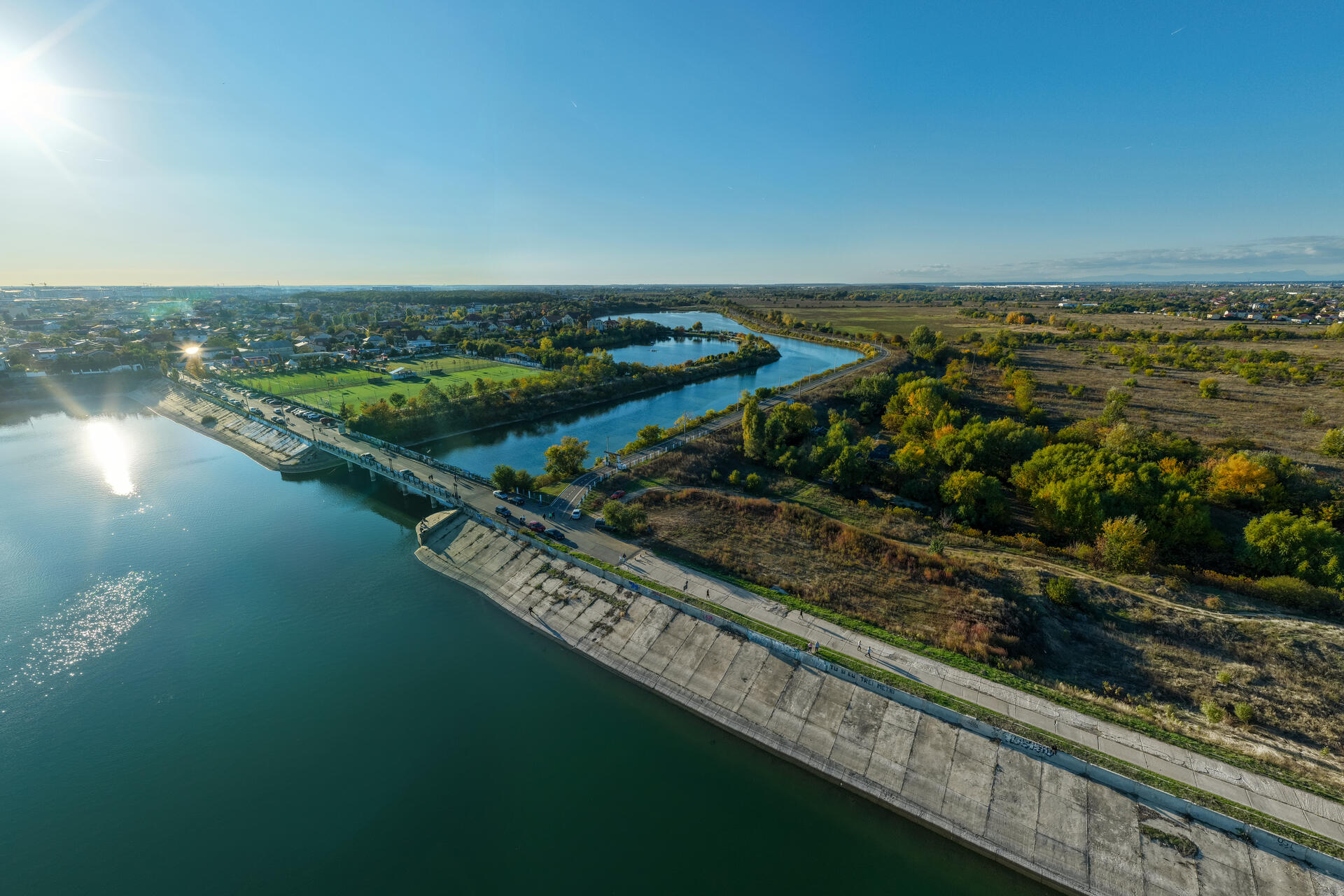
Area 1: Chiajna – Lacul Morii
The western edge, where Dâmbovița enters Bucharest, connecting the river with city's largest lake.
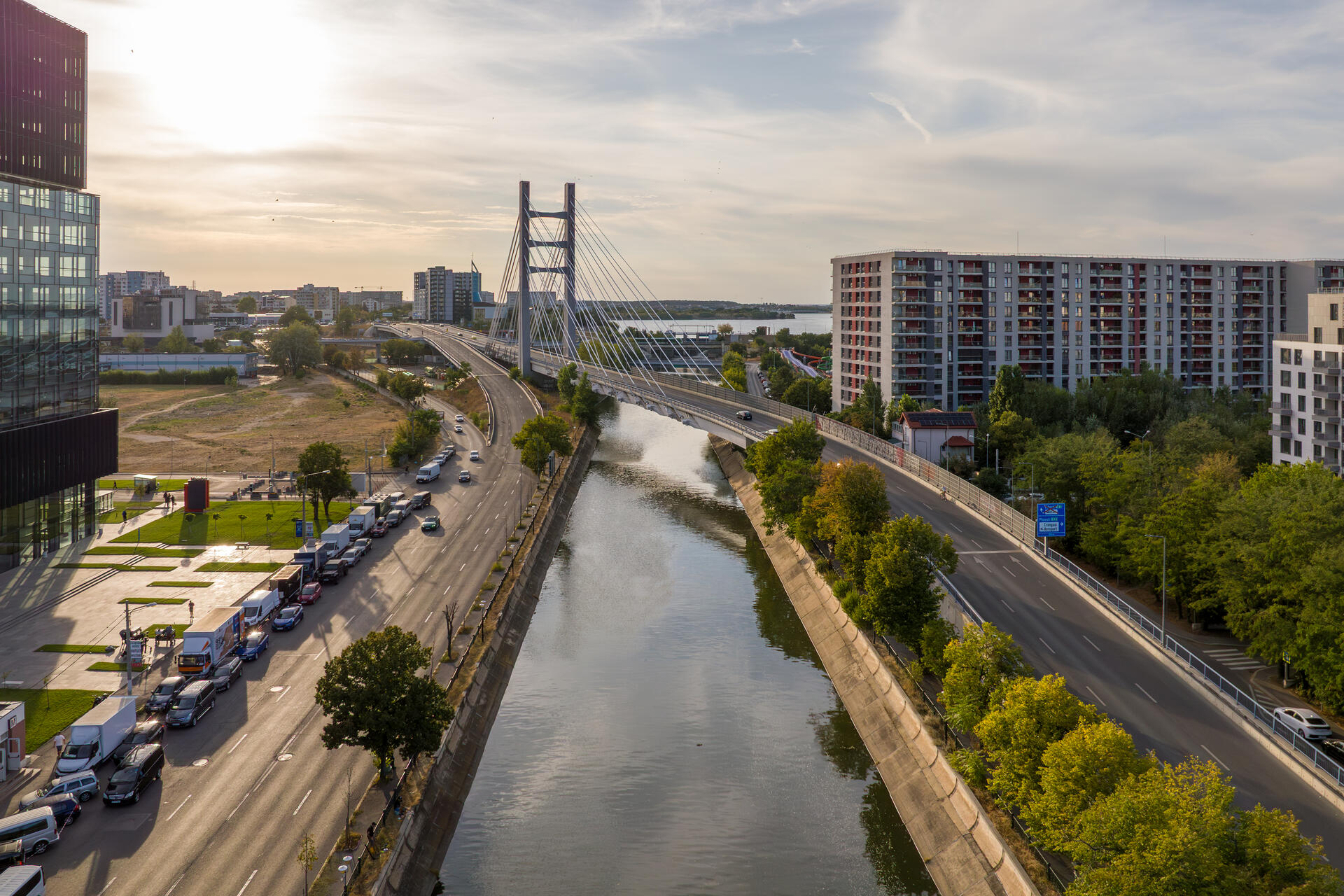
Area 2: Ciurel Bridge
A spectacular piece of infrastructure, underutilised for road traffic, surrounded by hydrotechnical works.
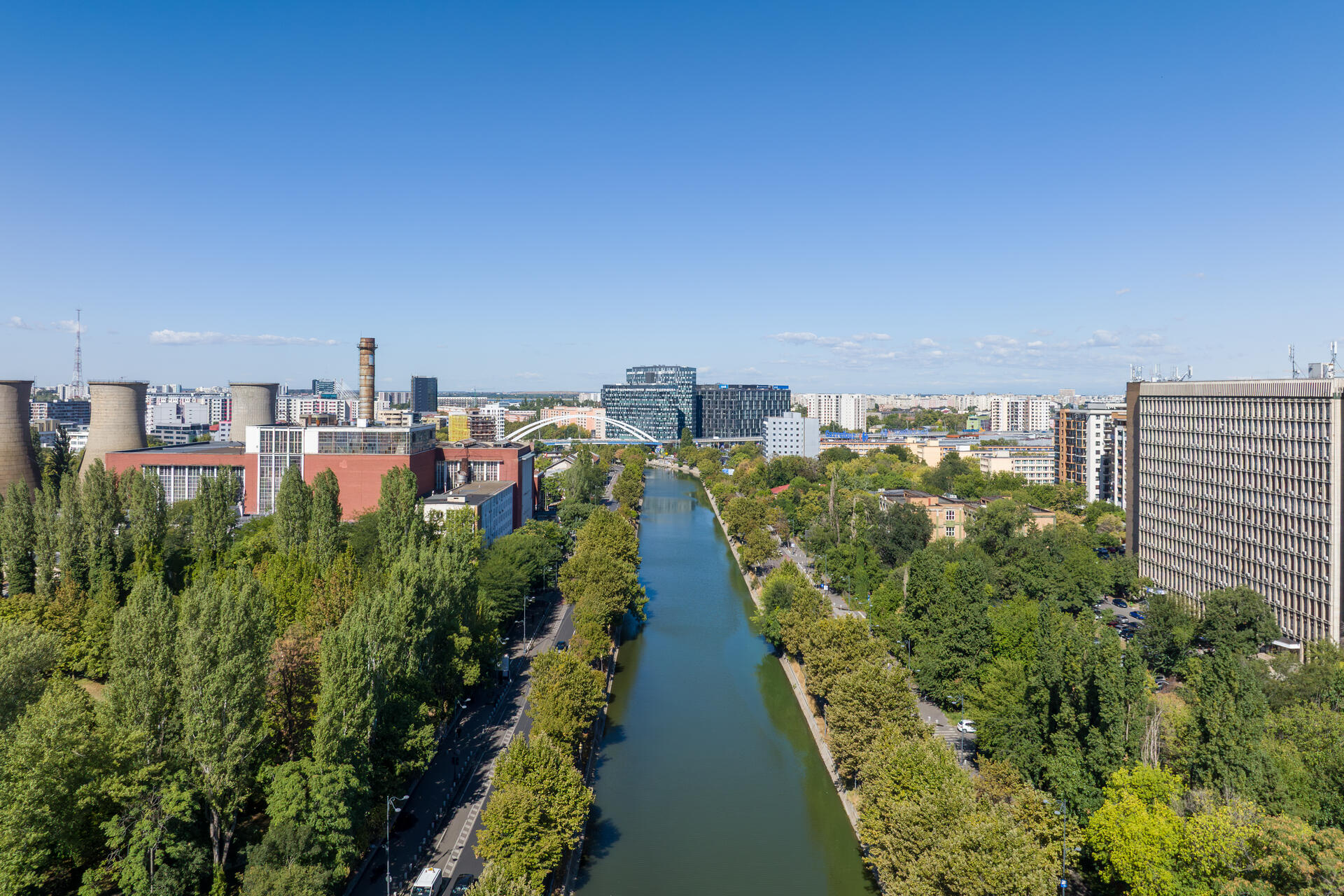
Area 3: CET Grozăvești – Botanical Garden
An area between the city's industrial infrastructure and university district, with many research and education centres, close to one of the most valuable green spaces in Bucharest.
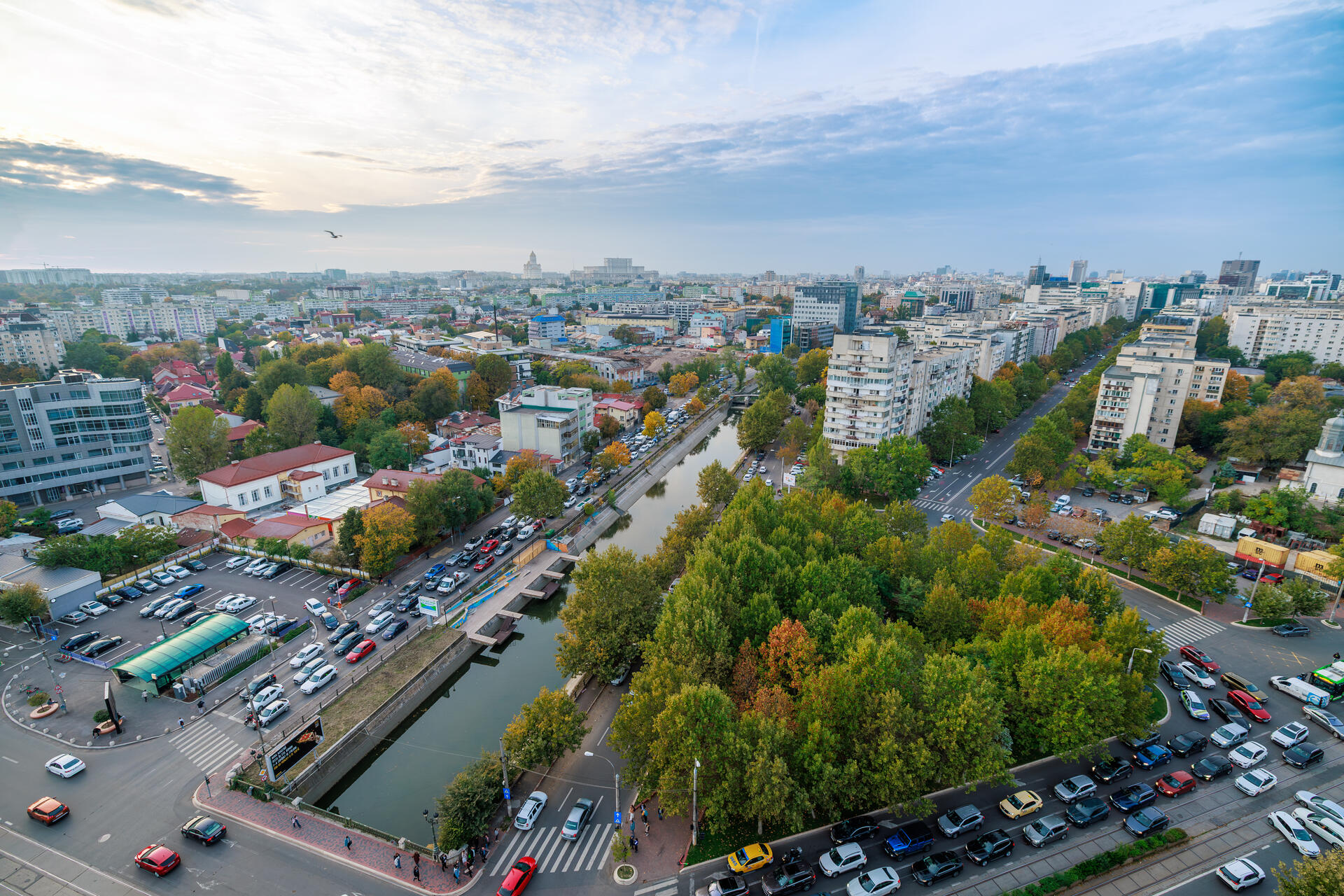
Area 4: Timpuri Noi
An urban and creative hub undergoing transformation, at the intersection of cultural, residential, and business functions.
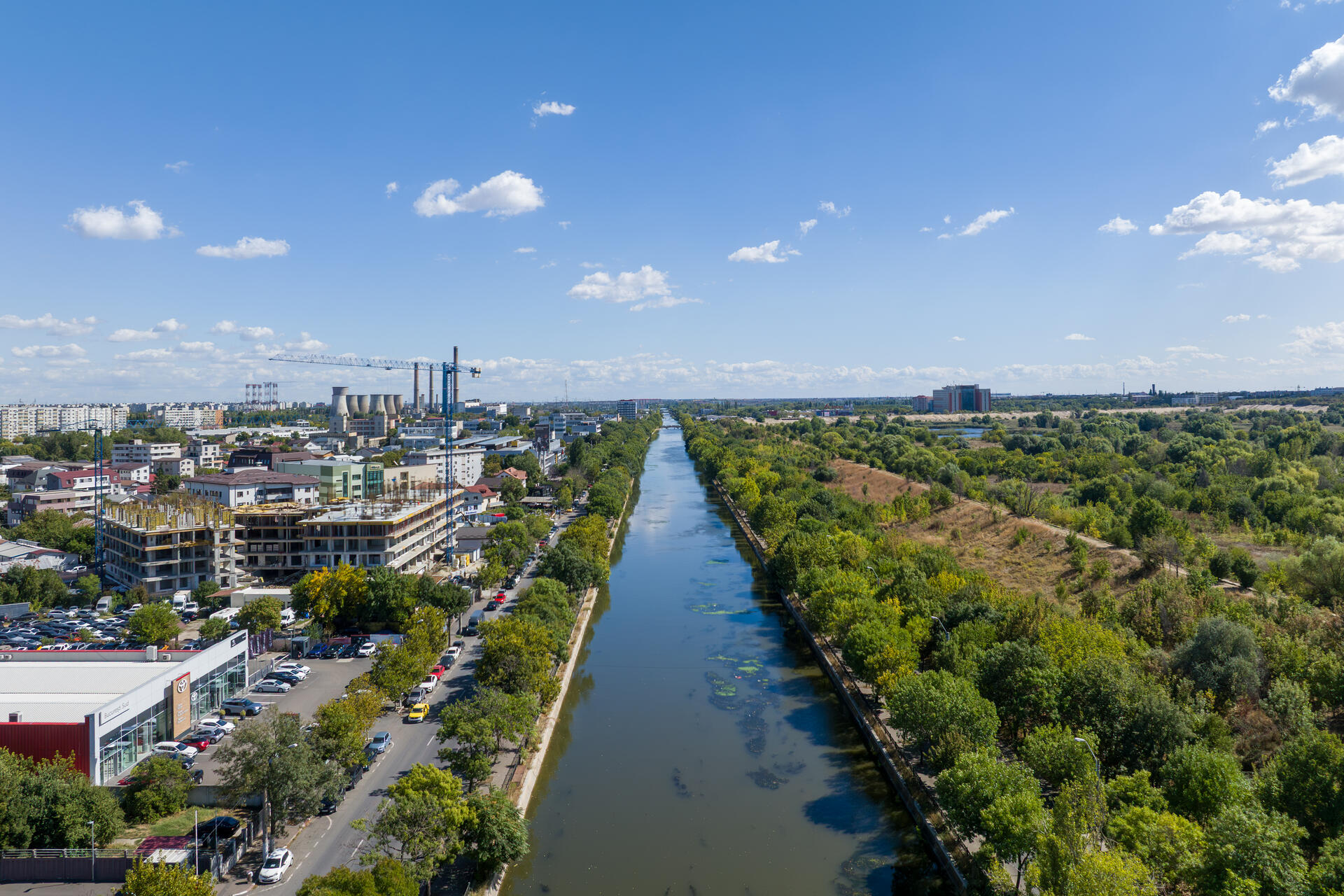
Area 5: Văcărești Natural Park
The area connecting Dâmbovița and capital's most important urban natural park.
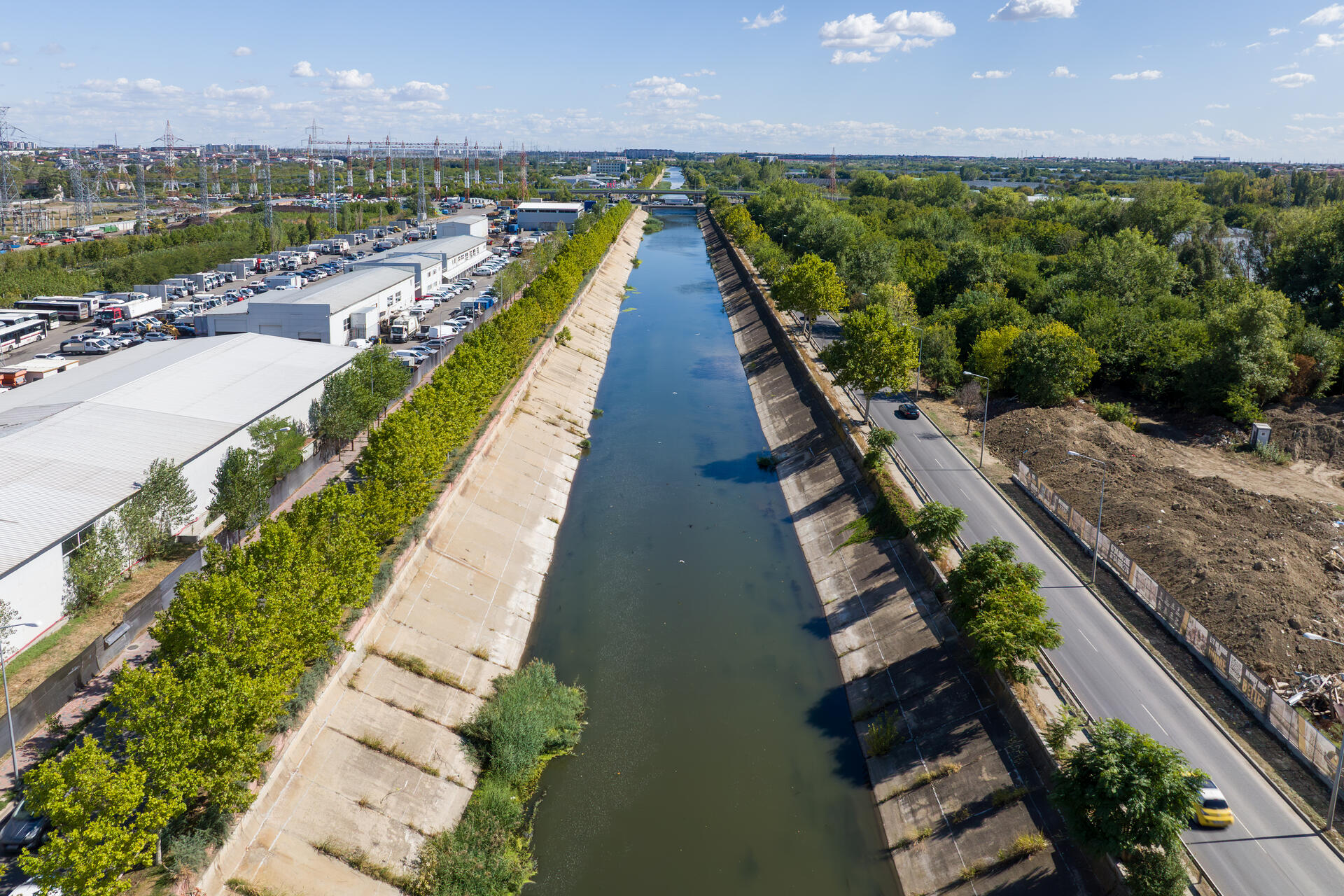
Area 6: Vitan – Popești-Leordeni
The eastern edge of metropolitan Dâmbovița, where the river leaves the city and connects with the territories of Ilfov.
Calendar
21 October 2025
Official launch of the Call for Ideas at OAR Bucharest. Publication of documentation and opening of the registration call.
21–26 October 2025
Promotion of the competition and registration for site visits.
21–31 October 2025
Q&A sessions – answers provided by email and published in the FAQ section on the competition website.
25 October 2025
Site Visit #1 – guided tour of the competition areas (banks, water surface, infrastructure).
Registration: https://forms.gle/bR6UqDMw1fZhBE9o7
26 October 2025
Site Visit #2 – guided tour of the competition areas.
Registration: https://forms.gle/szUXMeL7PwyrwvLx8
20 November 2025
Submission deadline.
20-23 November 2025
Verification by the Technical Committee, anonymisation
24–26 November 2025
Online evaluation by the international Jury.
28 November 2025
Announcement of the winners and public presentation of their projects. Exhibition within the Bucharest Architecture Annual.
December 2025 – February 2026
Outdoor and online campaign to promote the selected ideas.
Jury members

Peter Bishop
Urbanist and Urban Design Specialist, Partner at Bishop & Williams Ltd and Professor of Urban Design at the Bartlett School of Architecture (University College London, UK)
Peter is Professor of Urban Design at The Bartlett School of Architecture, and a Partner at Bishop and Williams ltd.
For 25 years he was a planning director in four different Central London Boroughs and has worked on major projects including Kings Cross, one of the largest and most complex sites in the UK.
In 2006 he was appointed as the first Director of Design for London, the Mayor’s architecture studio and Deputy Chief Executive at the London Development Agency.
Between 2011 and 2018 he was a director at Allies and Morrison.
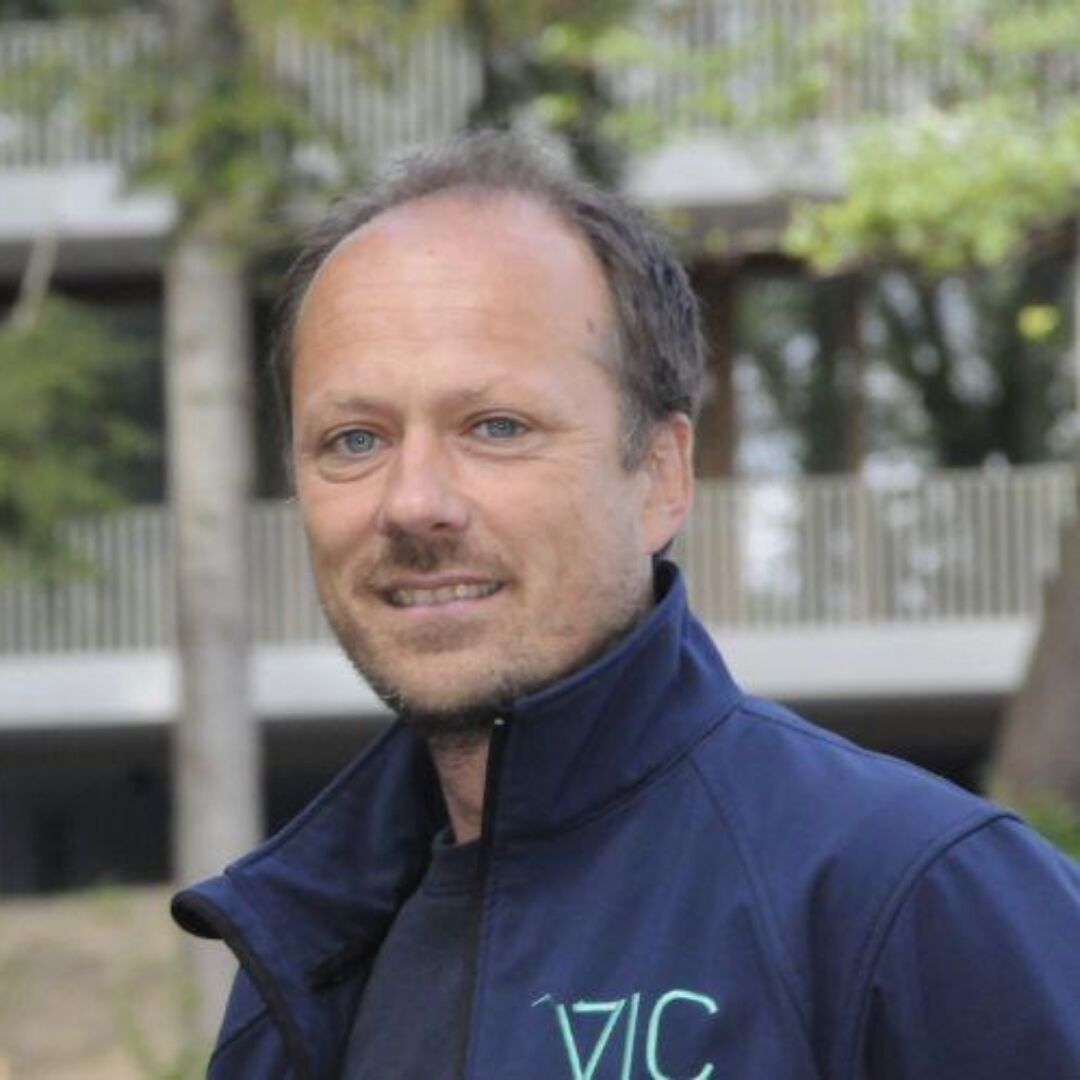
Victor Dijkshoorn
Landscape Architect, Founder of VIC Landscapes, one of the most prestigious landscape design companies in the Netherlands
Victor Dijkshoorn is a Dutch landscape architect, owner of VIC Activating Landscapes, one of the most prestigious landscape design companies in the Netherlands. VIC-L collaborates with designers, architects and executing parties for implementation of innovative concepts for integrated outdoor projects, promoting the power of greenery as an essential part of the living environment.
The vision at VIC is natural and semi-natural areas can be designed and managed as a network delivering valuable ecosystem services. For our health: trees and shrubs that filter particulate matter and nitrogen dioxide and greenery as a positive effect on the state of mind and the indoor climate. Intelligent greenery as climate saver: vegetation on roofs and facades to reduce the urban heat island effect and to collect the large amount of rainwater.
From squares and parks to (indoor) gardens, roof terraces and other public spaces Victor’s work responds to different challenges in urban and rural contexts creating sustainable solutions with high future value at various scale levels. His local and international success is based on adapting innovative concepts to local conditions and a close connection between architect, client, project manager and the user in all stages of creating, implementing and managing greening projects.

Rémy David
Development & Projects, Head of the Loire Mission, Heritage & Landscape, Coordination & Transformation, Deputy GM, Factory of the Solidary & Ecological City, City of Nantes & Nantes Métropole
After studying geography, planning, and urban development, the professional career of Rémy David has been divided into three stages:
For a dozen years, he worked as an urban development project manager for a local public company, tasked with establishing economic activities in working-class social housing neighborhoods in Nantes.
Then, for another twelve years, he worked in the research and urban planning department of the city and then the metropolitan area of Nantes, promoting the consideration of urban quality in ordinary urban planning and monitoring urban projects awarded to public developers.
For the past ten years, he has been working within the general management of La Fabrique de la Ville, on the one hand to support the development of participatory landscaping initiatives—the Landscape and Heritage Plans in Nantes neighborhoods—and on the other hand to instruct and support the implementation of 30 commitments around the Loire River following the first Grand Débat citoyen métropolitain Nantes la Loire et Nous (Great Metropolitan Citizen Debate: Nantes, the Loire, and Us).
He works on projects related to the Loire River, particularly within the framework of the River Occupation and Use Development Plan (SDOUF) “La Loire et nous” (The Loire and Us), which aims to support and supervise projects involving the use of the riverbanks and the river in Nantes. He is contacted for questions relating to management, projects, and the restoration of the link between the city of Nantes and its river, the Loire, with a focus on sustainable development, ecological uses, and the reinvention of the city center in relation to the Loire.
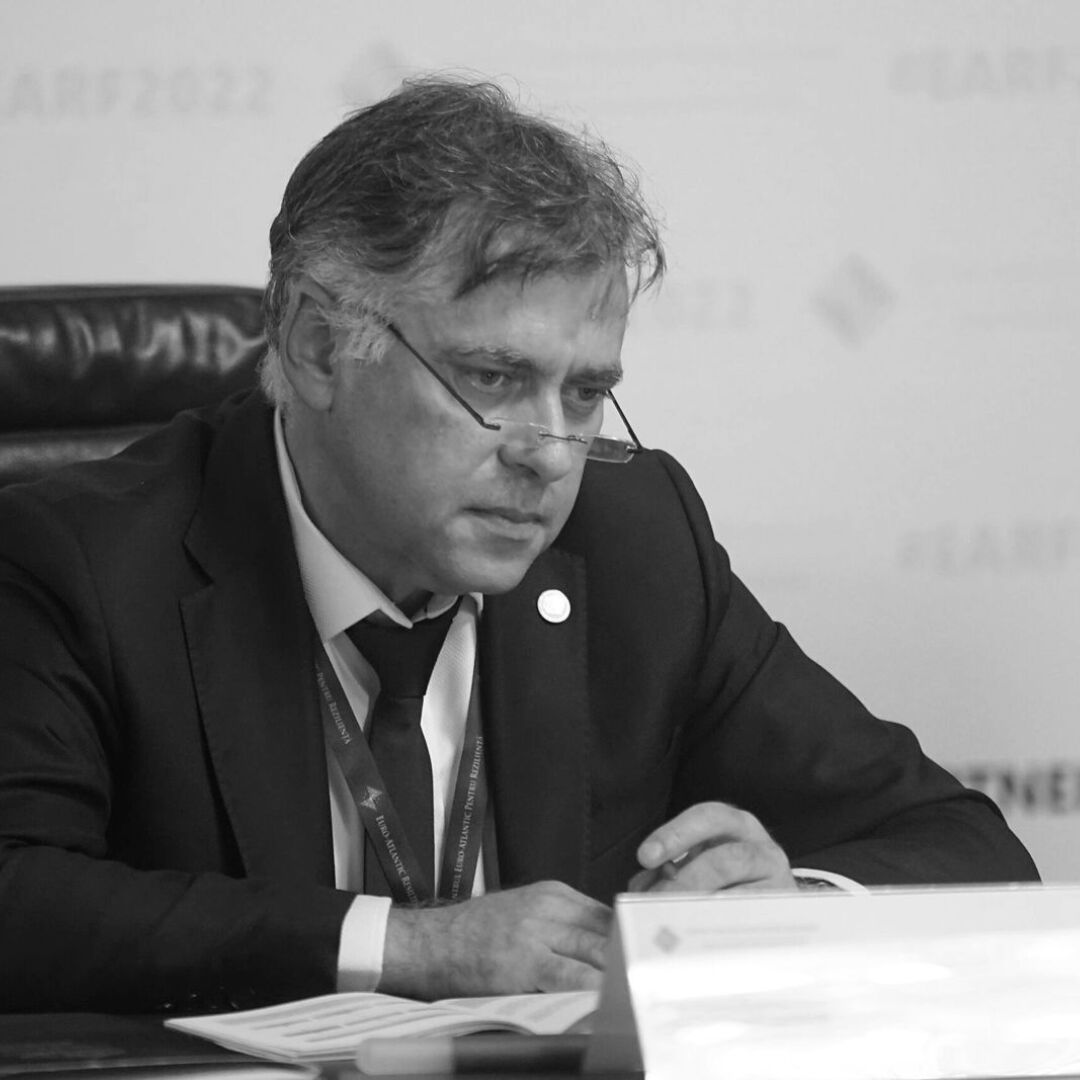
Prof.Dr.Habil.Arch. Tiberiu Constantin Florescu
President of the Romanian Urban Planners Registrar and coordinator of Bucharest General Urban Plan
Tiberiu Constantin Florescu is an architect and urban planner based in Bucharest, Executive Director of Too Architects, where he leads complex architectural and urban development projects in Romania and abroad. His work focuses on sustainable and innovative approaches to architecture and urbanism.
A certified urban planning expert, he has coordinated major residential and mixed-use developments, including Amber Forest, Romania’s first LEED Cities and Communities pre-certified project — a 33-hectare green suburb currently under construction.
He is also Professor and Doctor Habilitated in Urbanism at the Ion Mincu University of Architecture and Urbanism (RIBA-accredited), where he previously served as Dean of the Faculty of Urbanism and Vice-Rector for Academic Development. He currently serves as President of the Register of Urban Planners of Romania, the national authority regulating the field.
Internationally recognized for his expertise, he has been visiting professor at UCL London (Bartlett School of Planning), ESA Paris-La Villette, Saint-Luc Liège, Dakar, and Chișinău, and a keynote speaker at conferences and universities in Europe, Australia, and Asia. In 2019, he served as a jury member of the European Commission’s RegioStars Awards (Sustainable Growth category).
He has received numerous awards, including the National Architecture Biennale Award (Bucharest, 2016), the Big See Architecture Award (Ljubljana, 2024), and the Red Dot Award: Urban Design Concept (Singapore, 2025).

D None
Senior Lecturer, Department of Hydrotechnical Engineering, Technical University of Civil Engineering Bucharest
With strong expertise in hydraulic structures, rehabilitation of hydraulic works, and numerical modelling of hydraulic processes, Cătălin Popescu has been involved in many infrastructure and research projects in water management, flood protection, and the interplay between waterways and urban environments.
In academia, he teaches courses on hydraulic works, hydroelectric systems, and rehabilitation of hydraulic infrastructure, training engineers to think integratively about environment and infrastructure.
His research outputs include international publications on reservoir sedimentation, dam safety, water engineering and hydropower.
He is also active in the scientific community as a project checker and expert, conference participant, and scientific committee member.
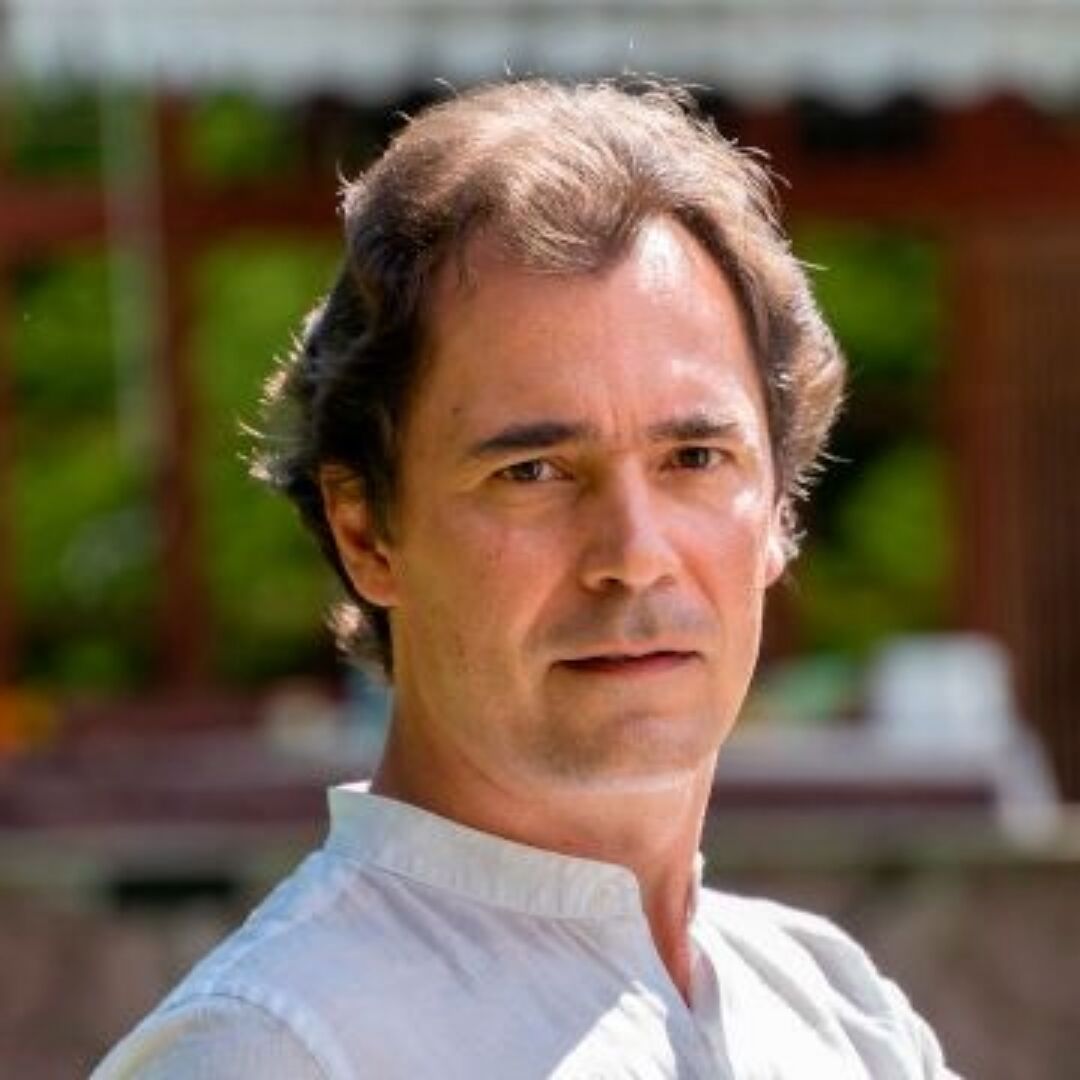
Prof. Dr. Habil. Arch. Bogdan Andrei Fezi
Professor at the "Ion Mincu" University of Architecture and Urbanism, Vice-President of the Bucharest Territorial Branch of the Order of Architects in Romania
Bogdan Andrei Fezi is an architect and Professor at the “Ion Mincu” University of Architecture and Urbanism in Bucharest.
He holds a postgraduate diploma in architecture and urbanism from École d'Architecture de Paris-Belleville, a PhD from Université Paris 8, and has an important professional architectural experience in Paris.
An award-winning architect in France and Romania, he has significant practical experience, a strong publication record, and research focusing on the connection between architecture and urbanism.
Since 2022, he has served as Vice-President of the Romanian Order of Architects, Bucharest Branch.

Arch. Ioana Alexe
Architect and Graphic Designer, Editor-in-Chief of Arhitectura, the publication of the Union of Romanian Architects
Ioana Alexe is an architect, graphic designer, and curator, currently editor-in-chief of Arhitectura magazine and coordinator of editorial and exhibition projects for the Union of Architects of Romania.
She works at the intersection of architecture, imagery, and visual narrative, developing projects that bring to the forefront the memory of place, heritage, and new directions in architectural culture.
In recent years, Ioana has created exhibitions and visual concepts in collaboration with the Romanian Cultural Institute, Art Safari, and international partners, as well as editorial campaigns dedicated to education, the city, and the recovery of overlooked histories within Romanian architecture.
Her current interests focus on interdisciplinary curating, urban storytelling, visual identity for the built environment, and cultural formats accessible to a wide audience.


