Reflected spaces
Authors’ Comment
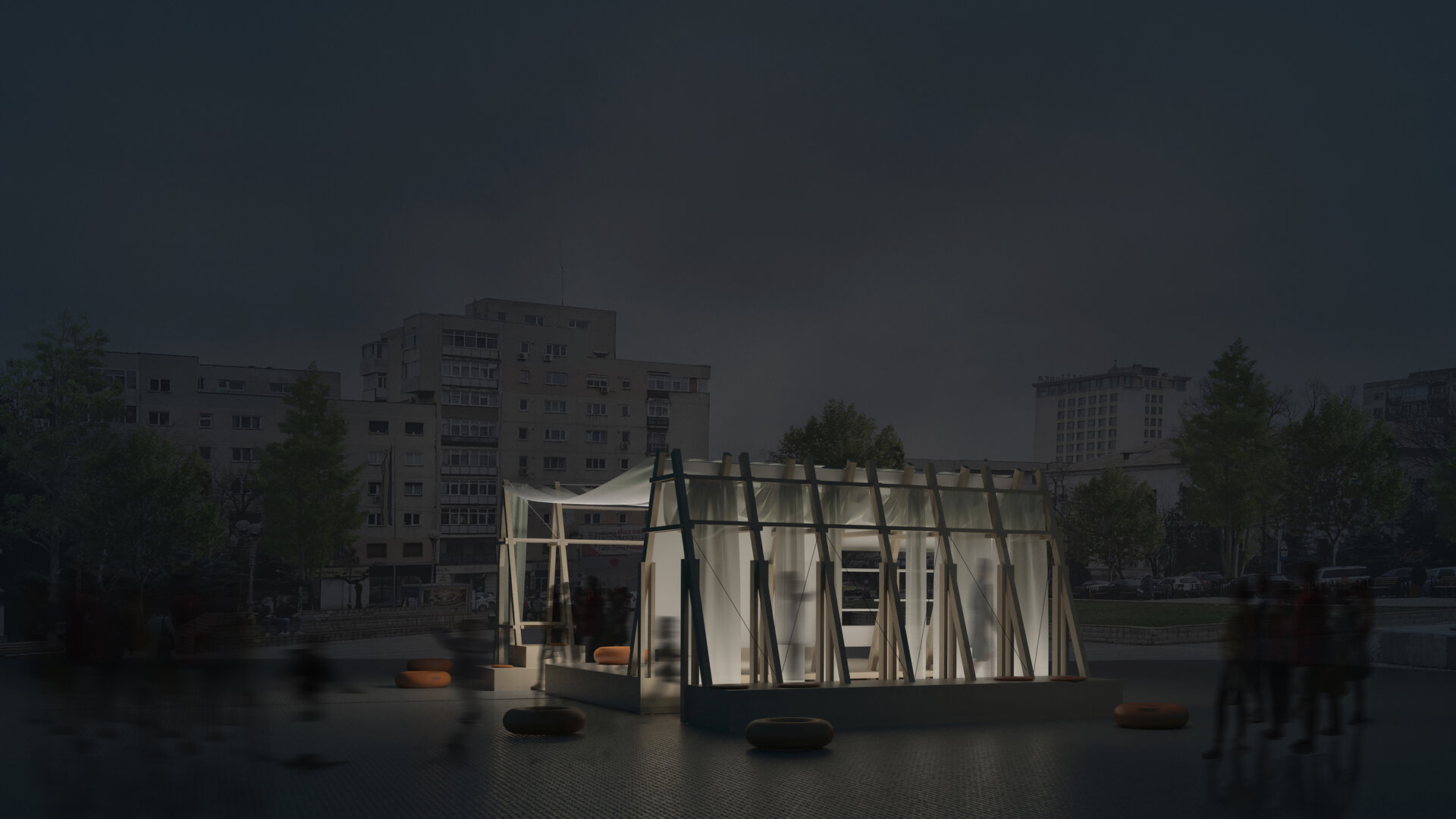
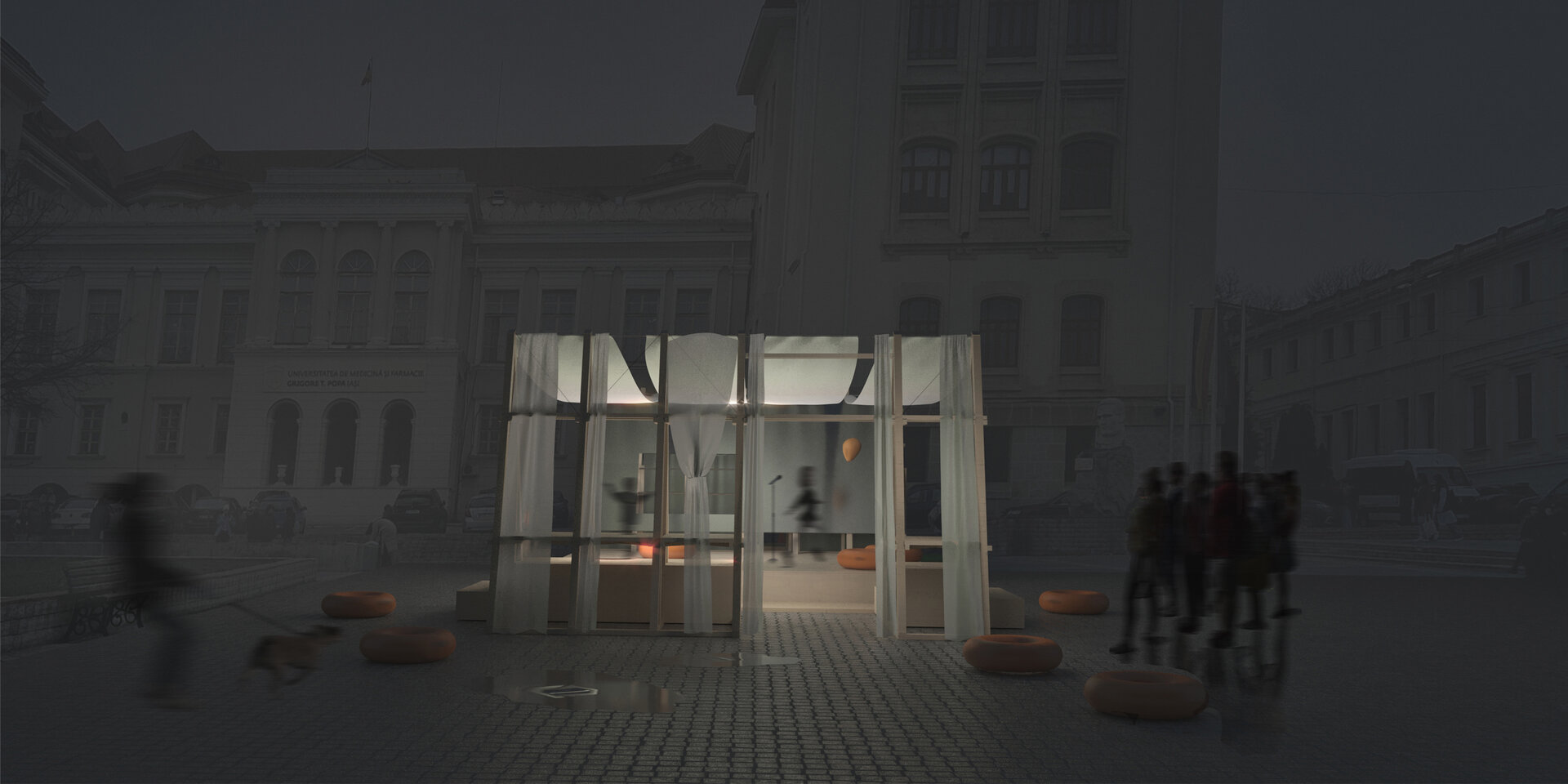
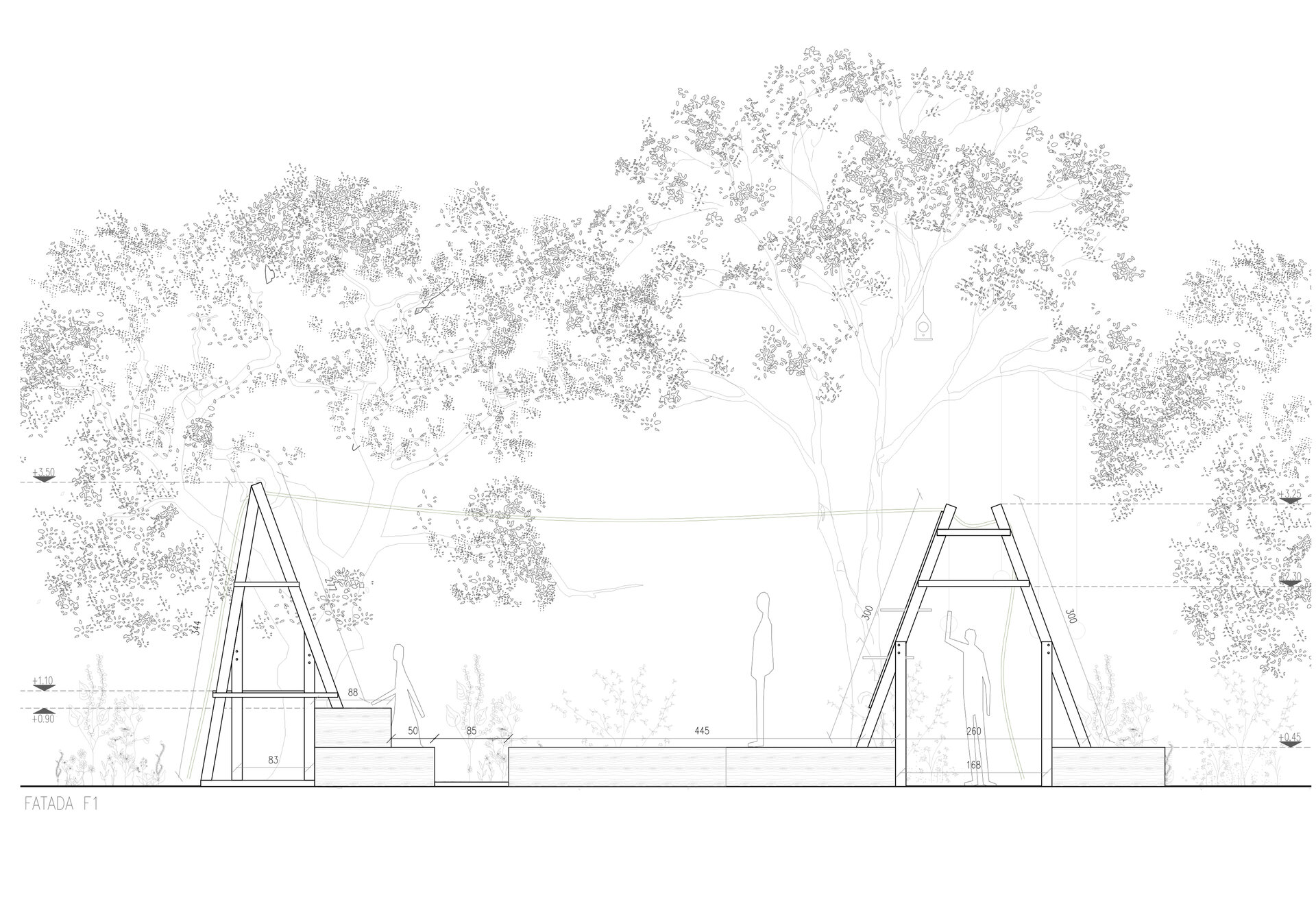
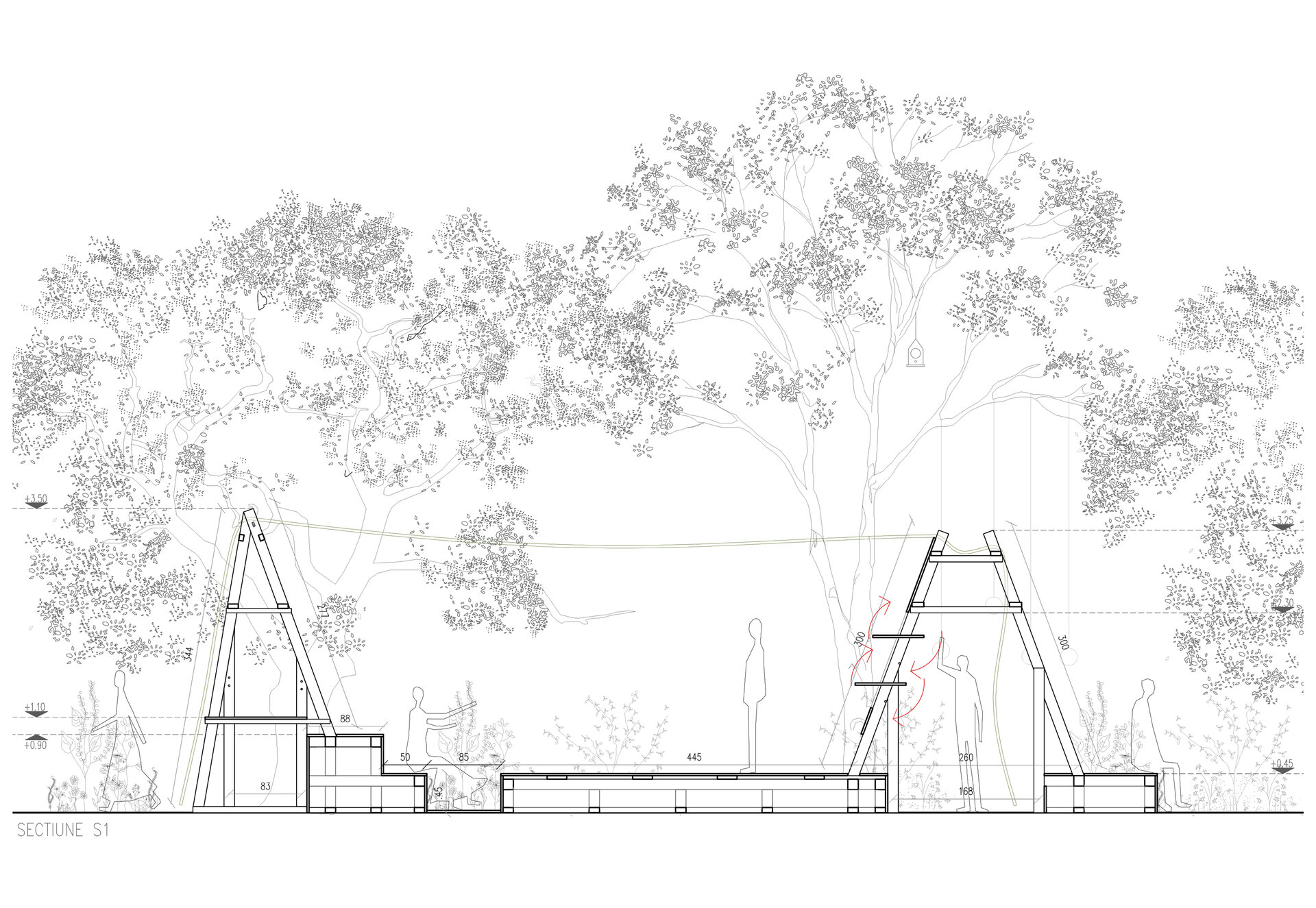
The public space is par excellence a place of performance - from spontaneous street art to coordinated, context-specific music, theater or dance performances, and squares are the beacons of public life in any city, dynamic, transited places that have been the measure of spontaneous interaction in an urban community since ancient times. The qualities of the chosen site - the public square in front of the Faculty of Medicine in Iași, an urban palimpsest woven from layers indicating the multiple phases and interventions on the city - were the catalyst for the project idea: a space within a space, with diffuse, transparent boundaries, inviting passers-by to stop and arousing curiosity through its materiality, living together with what is around.
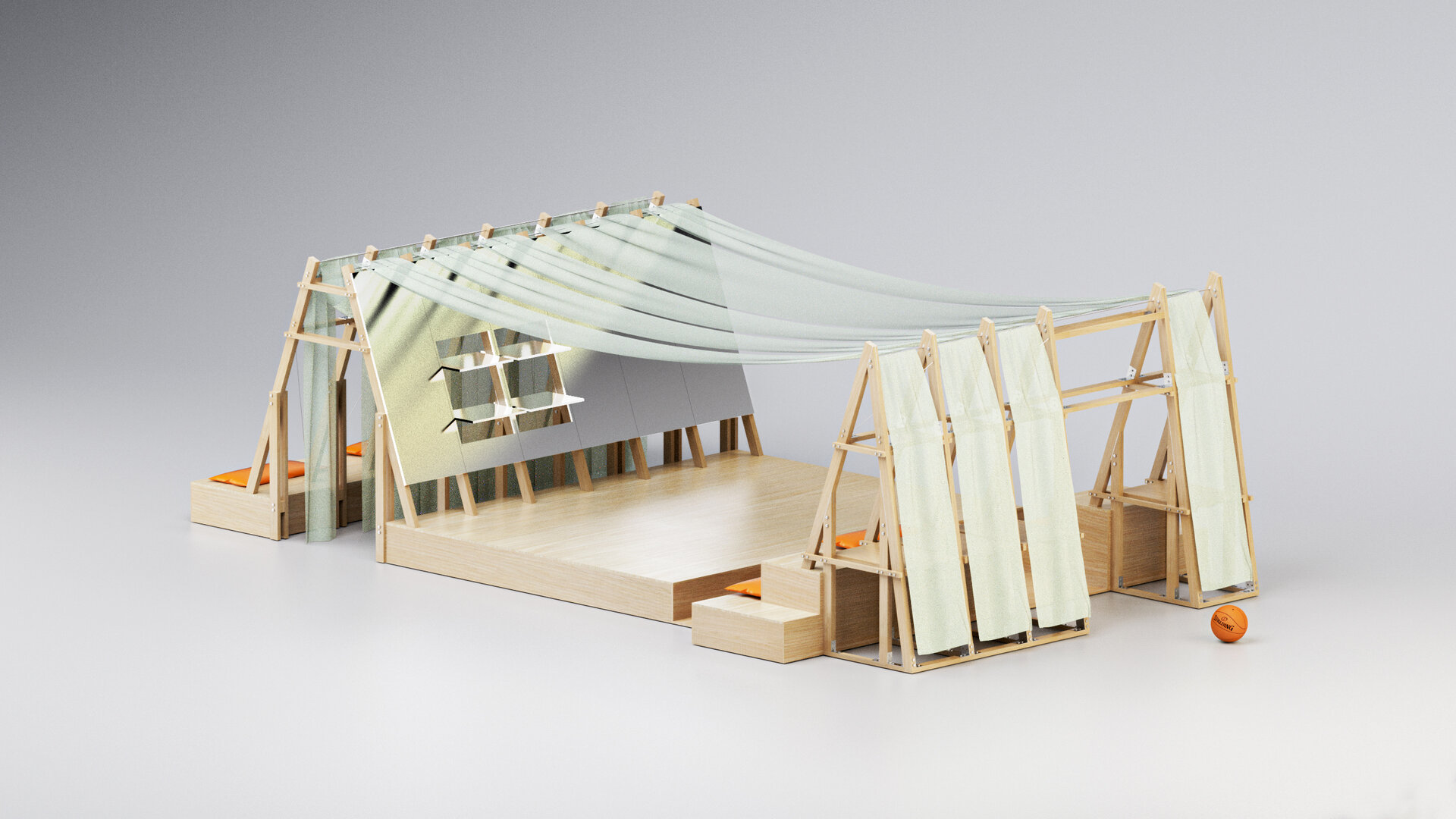
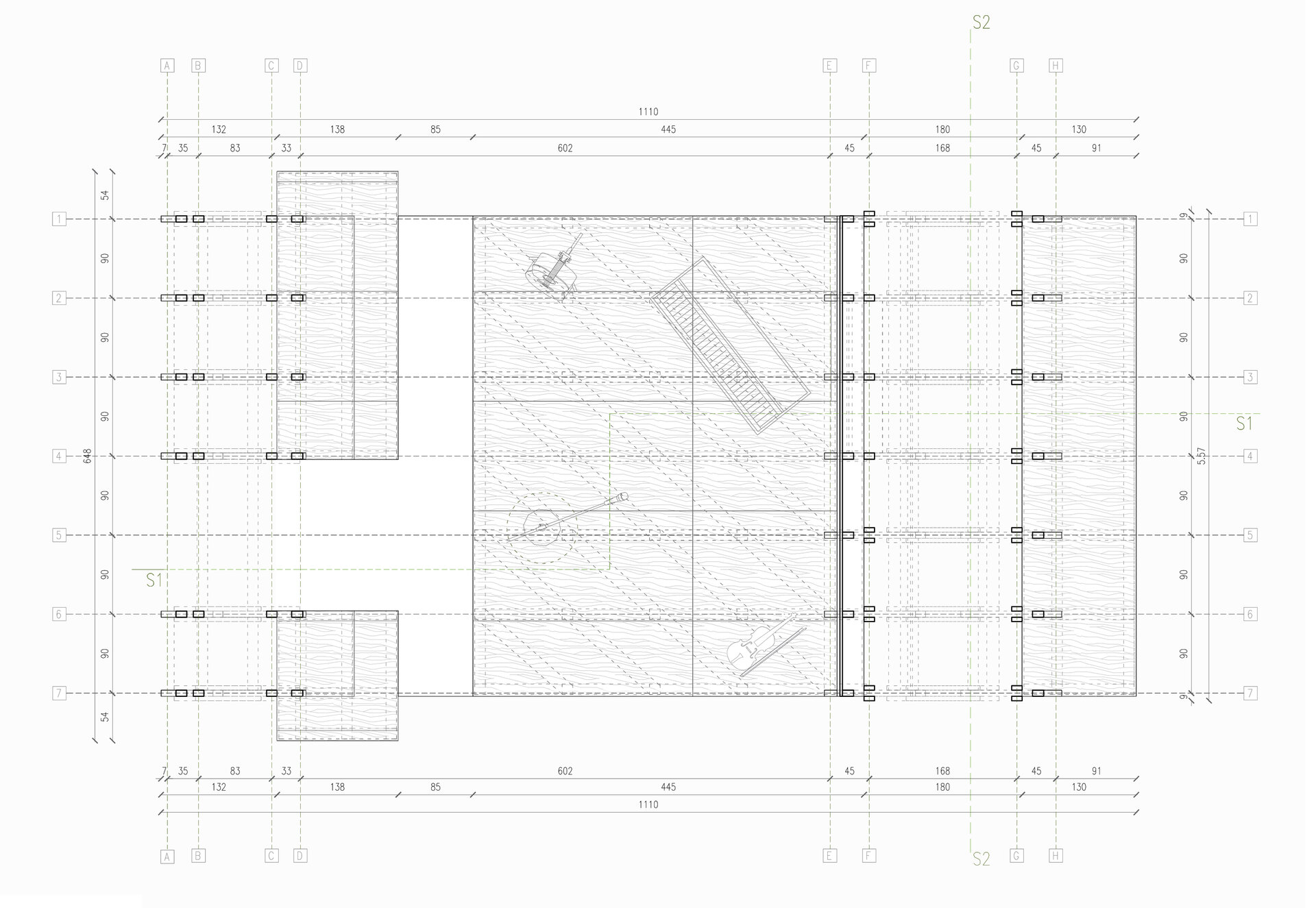
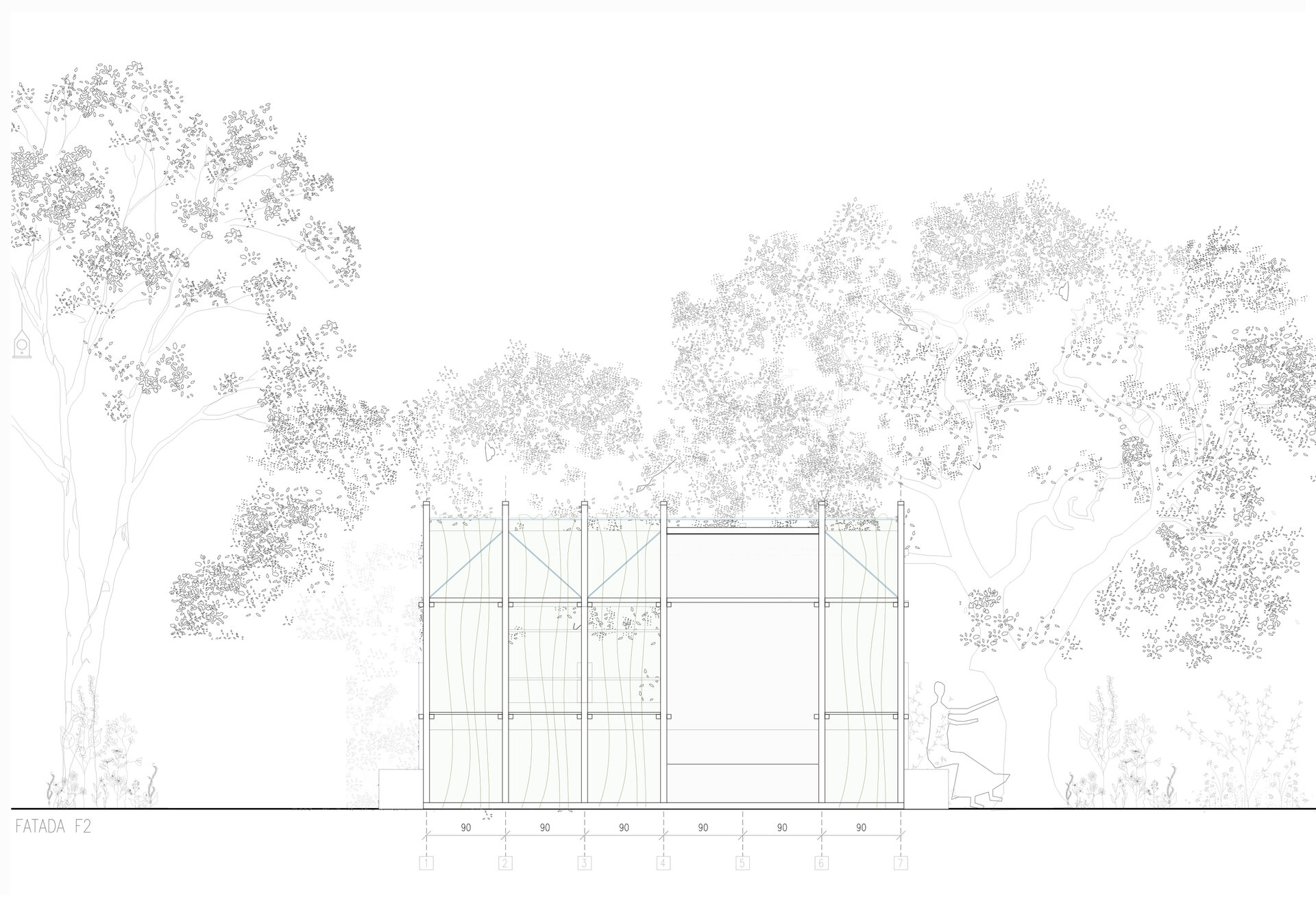
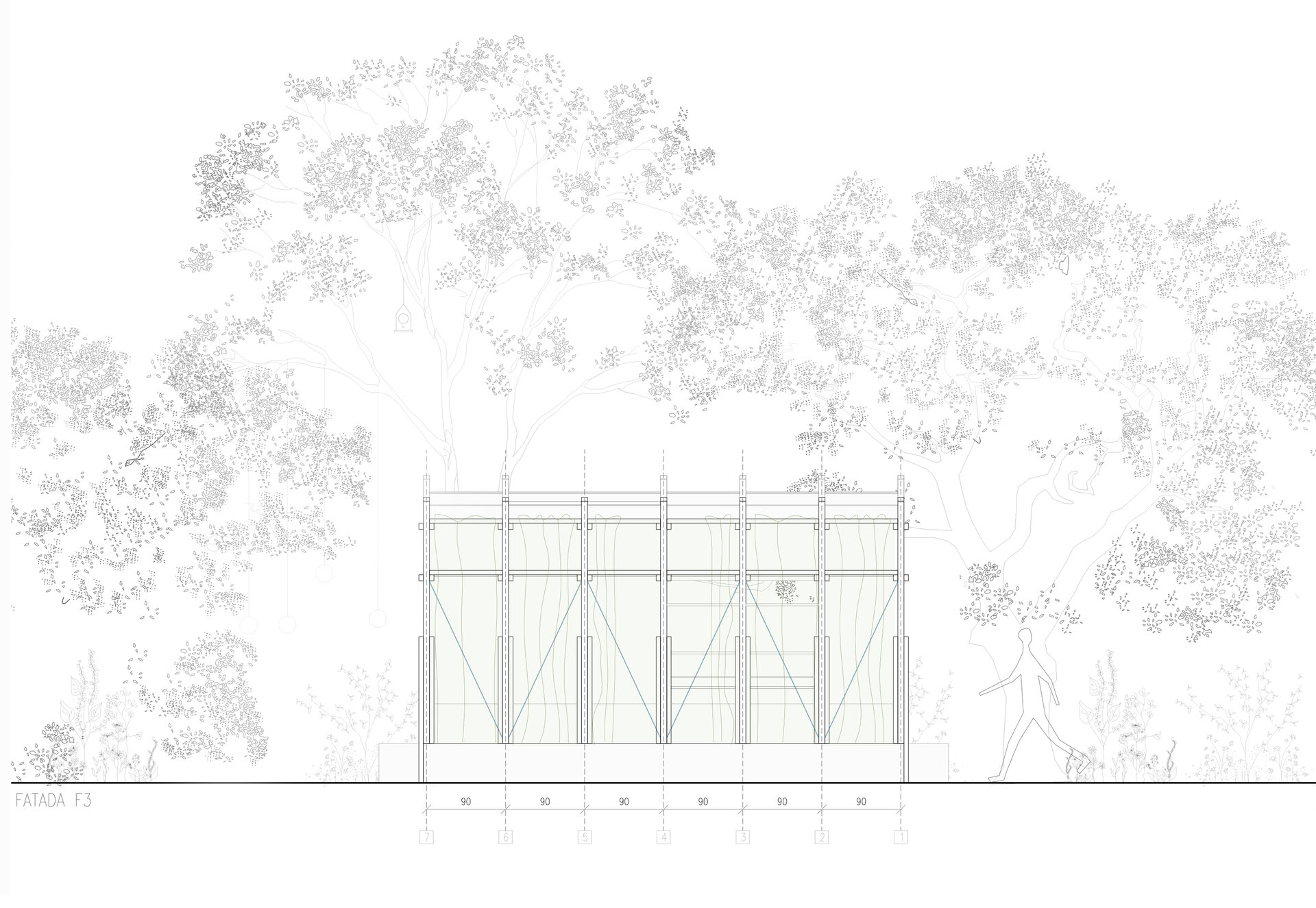
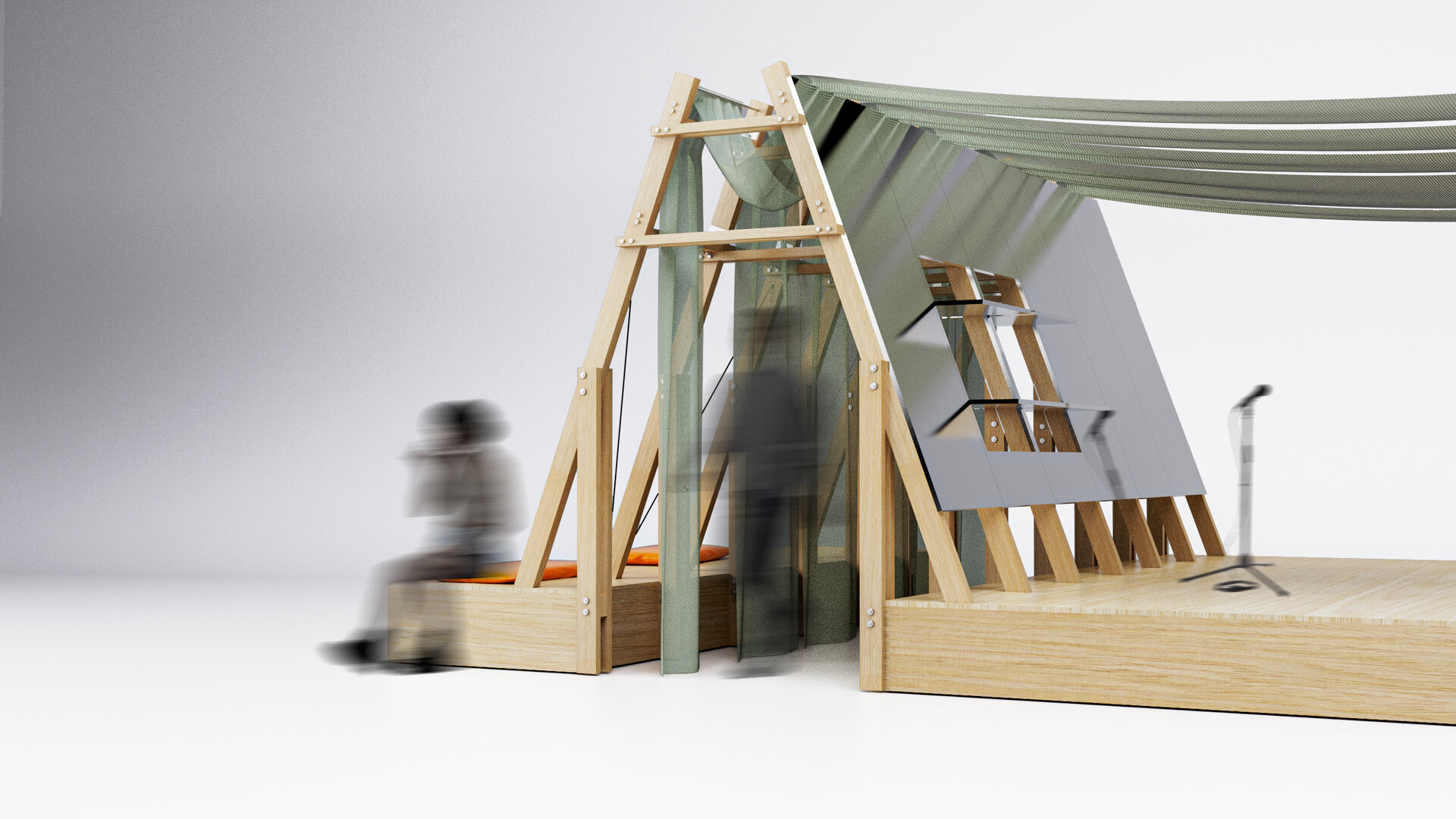
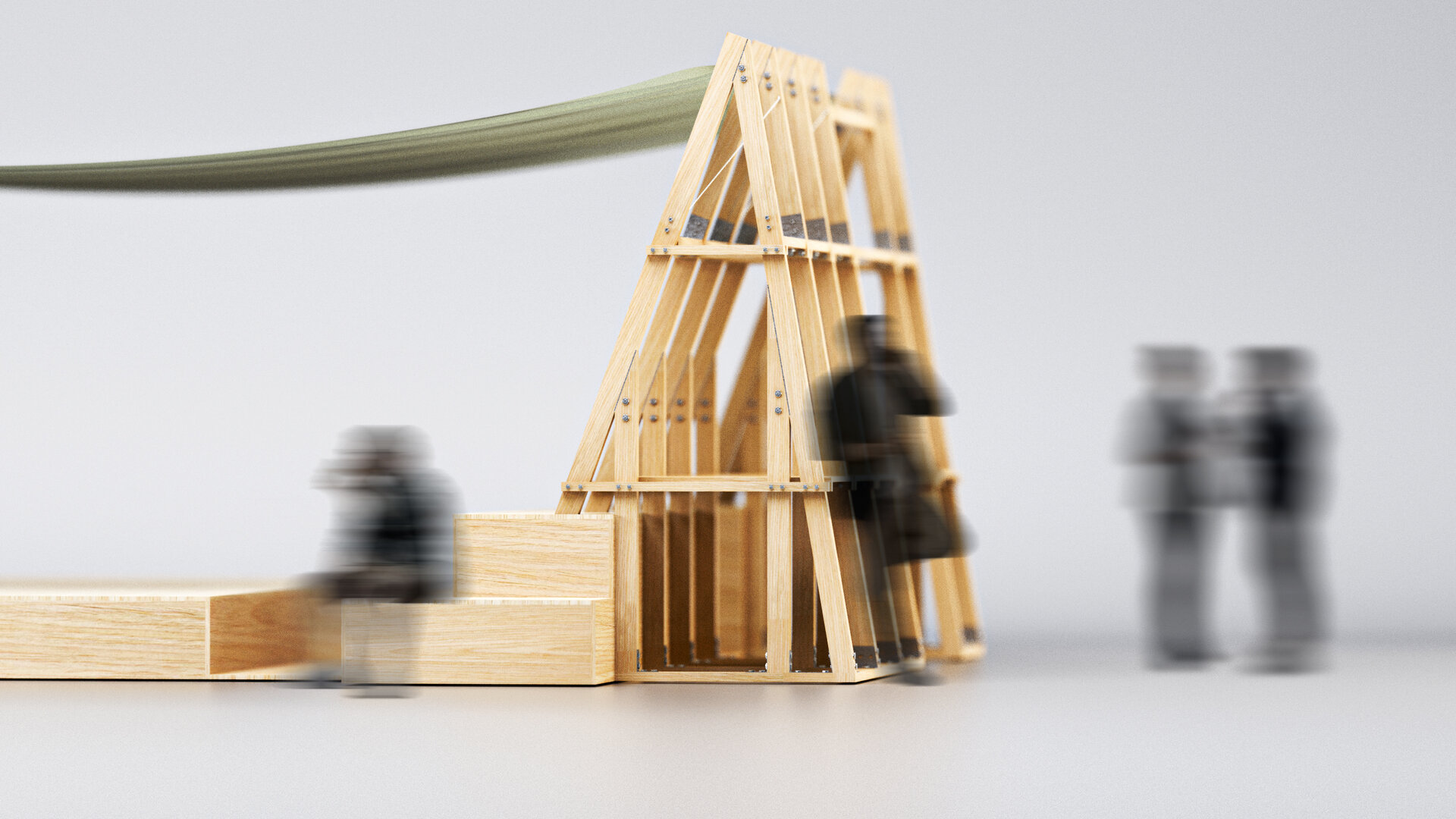
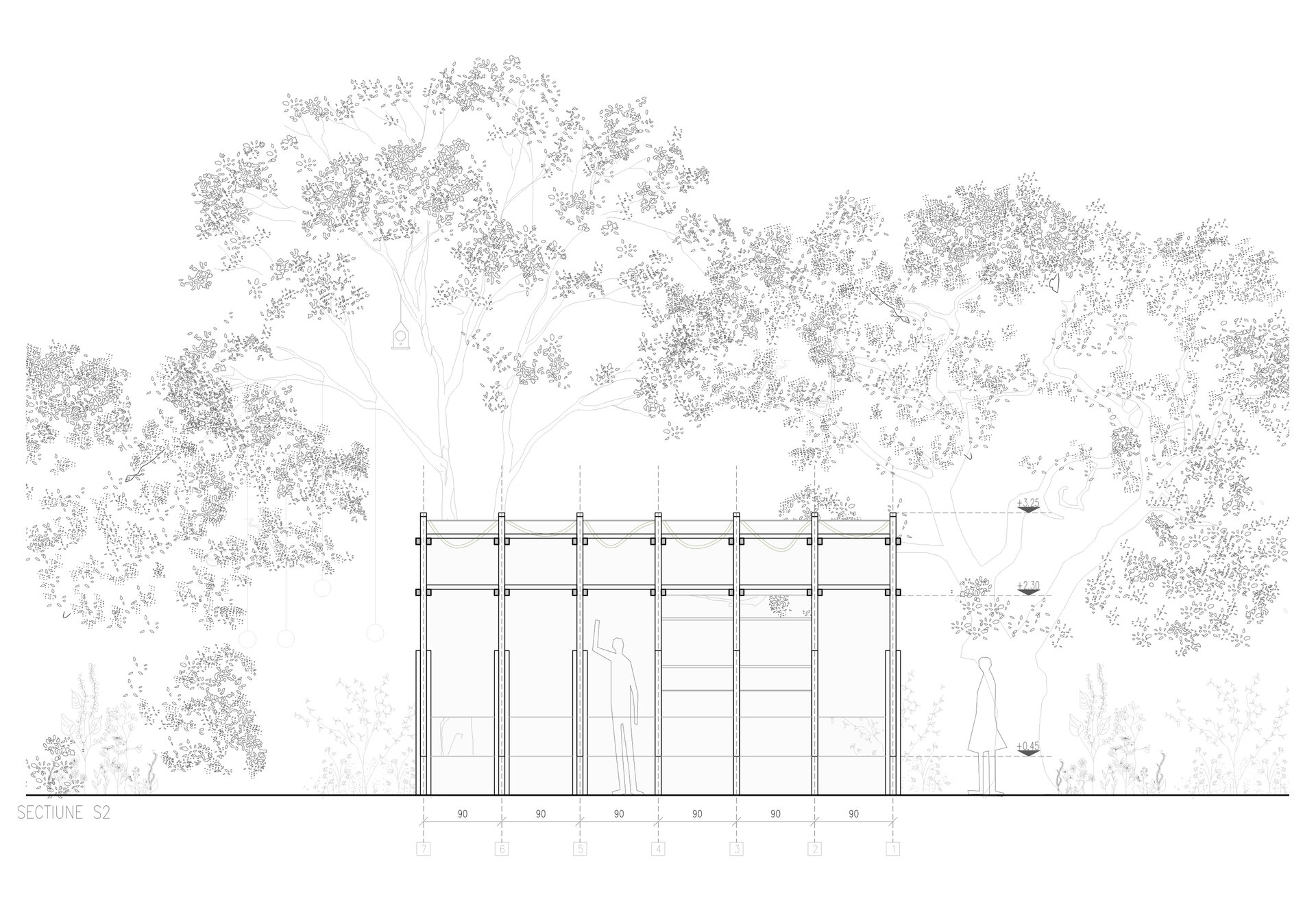
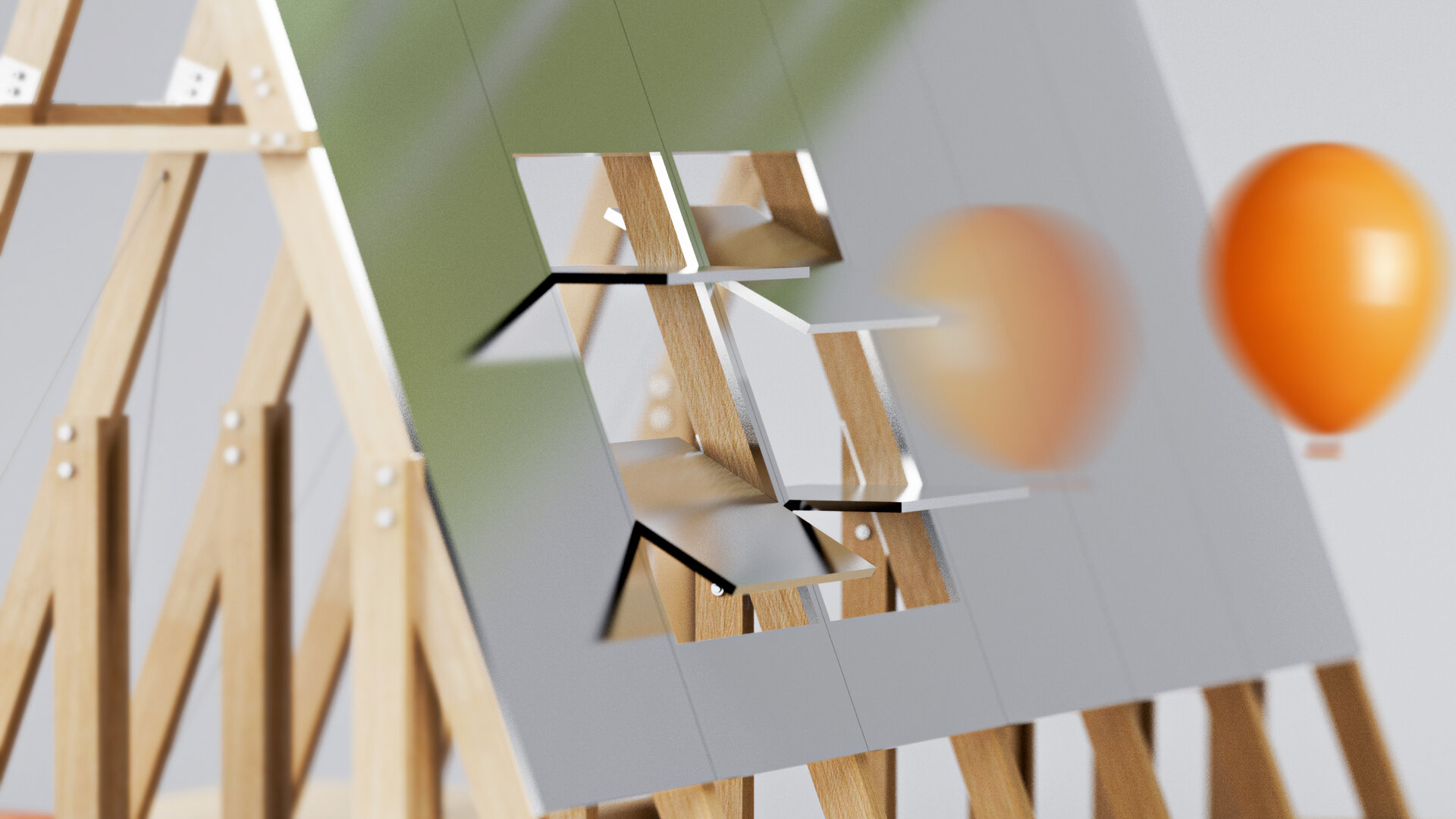
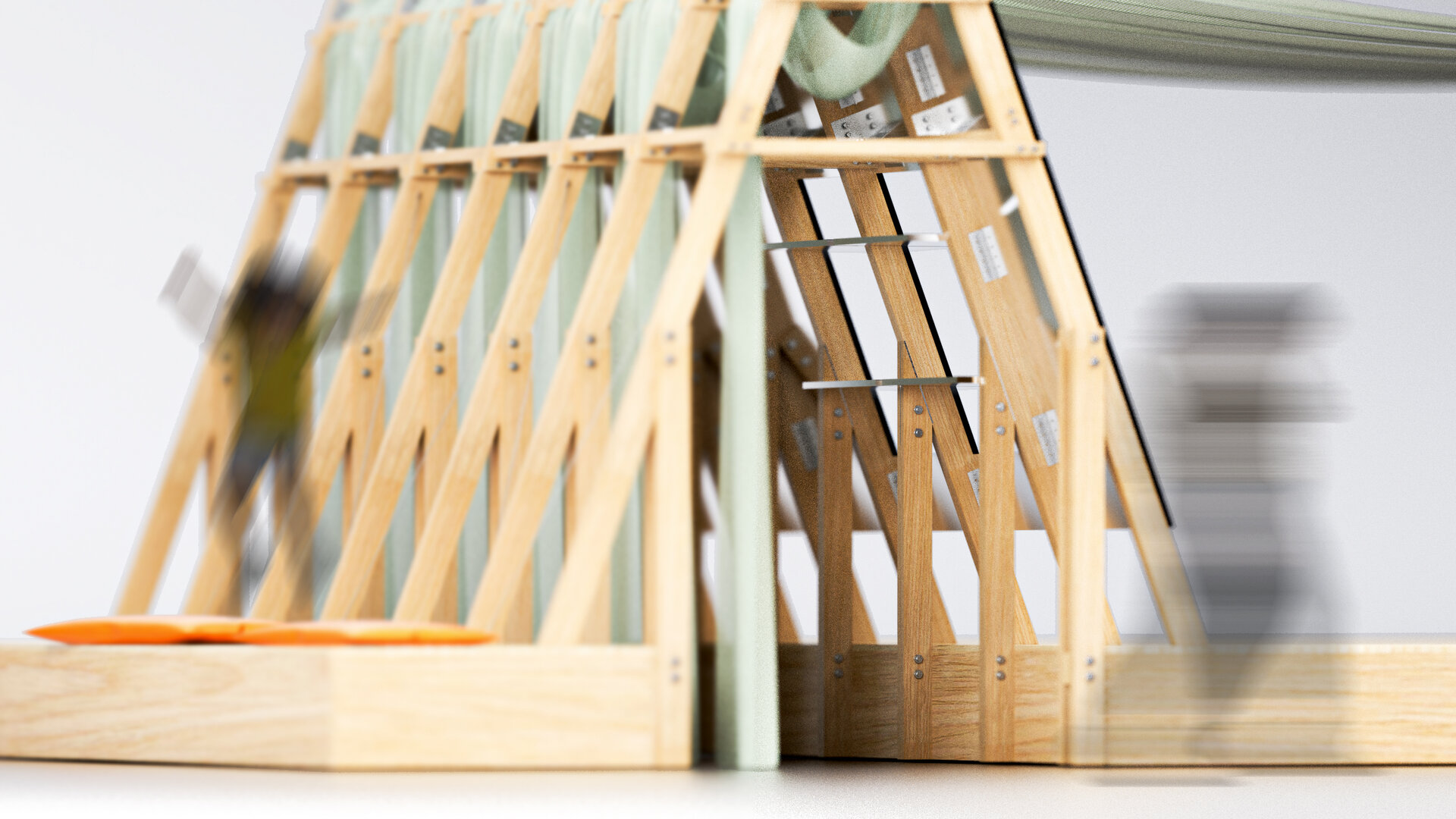
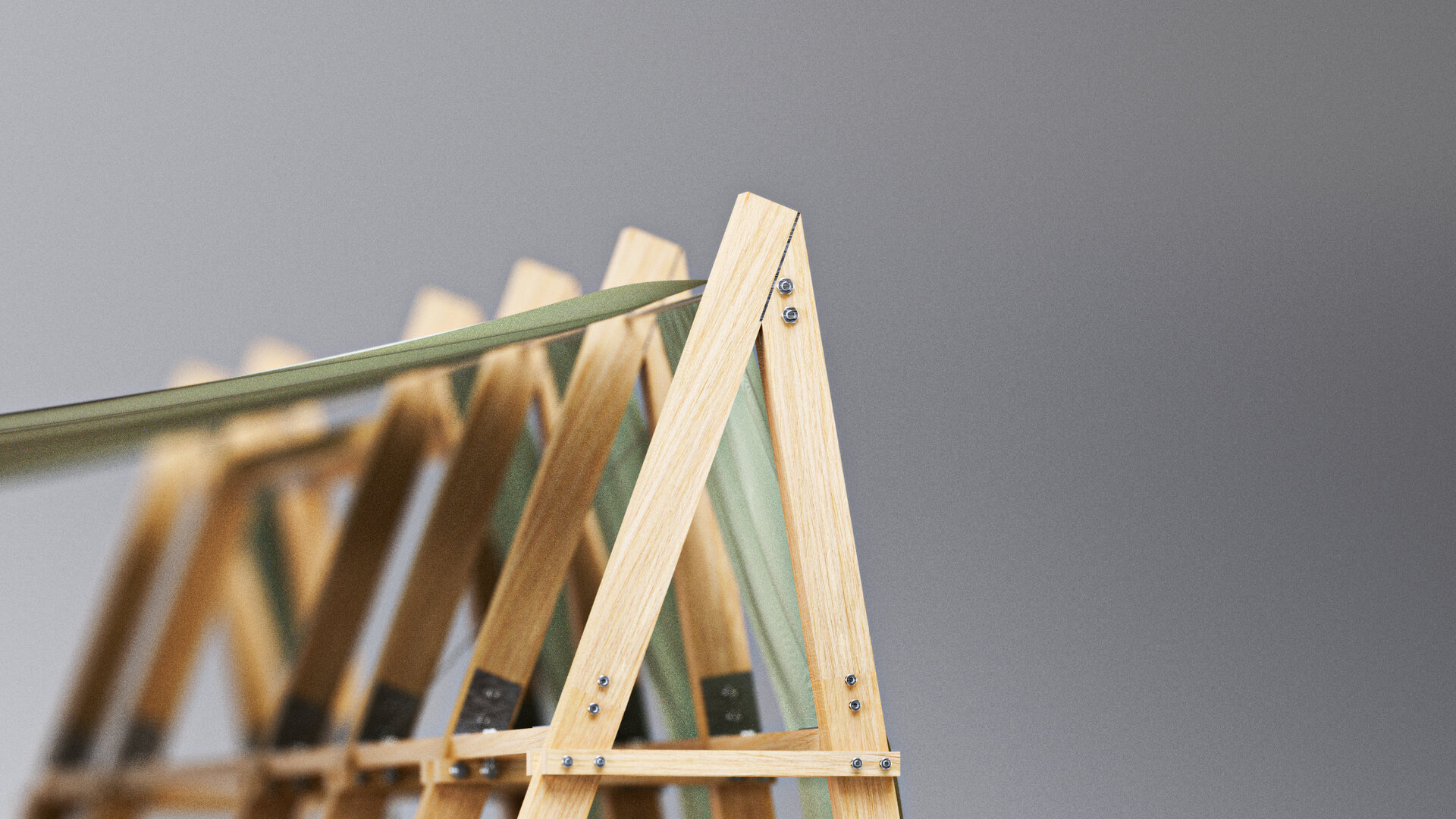
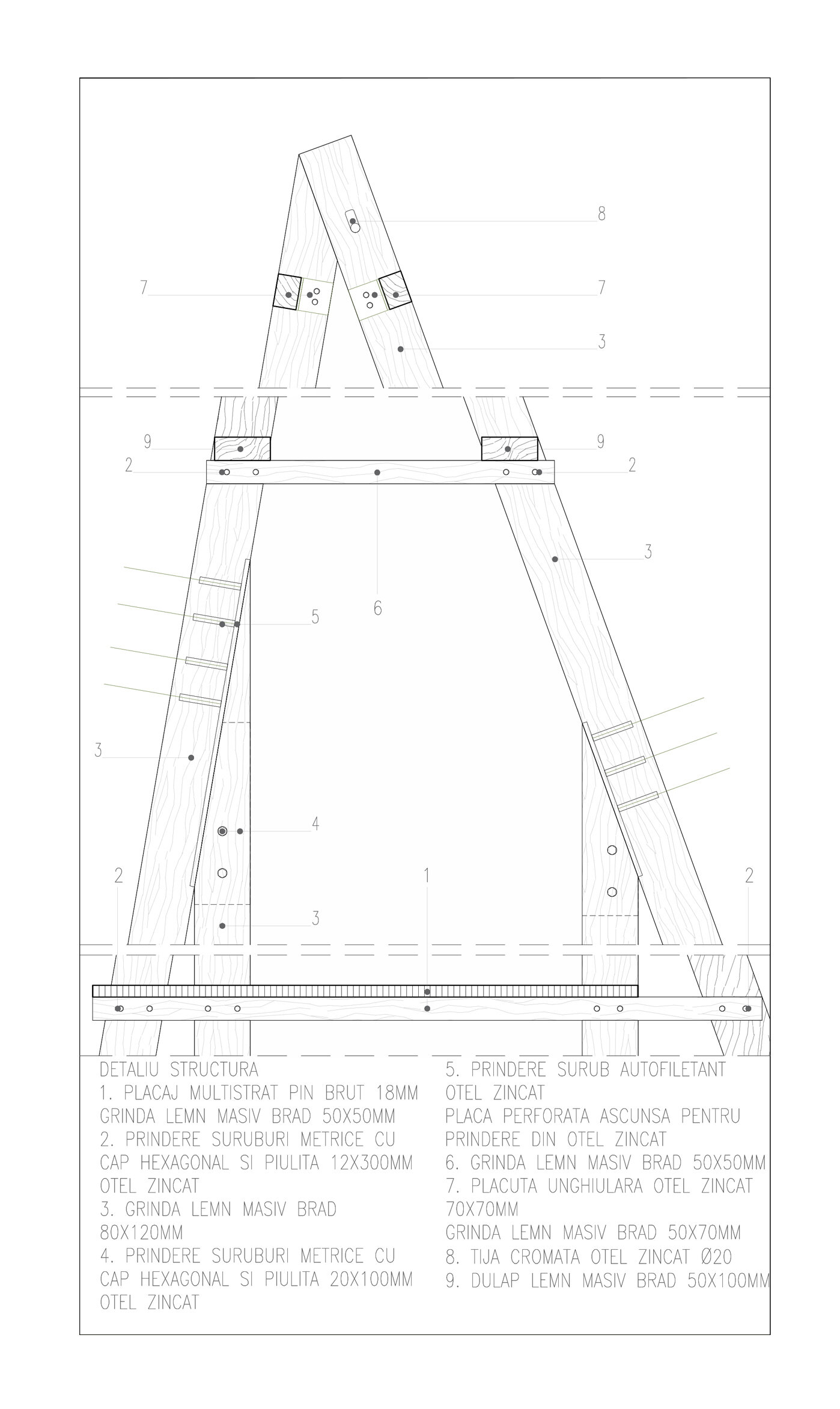
The intervention connects to the urban context through the 3 subdivisions, working together in an organic whole: a space looking towards the university, with a partially covered walkway that can be used for exhibitions during the festival; the stage and the mirrored wall, facing the city - the metal finish reflecting the silhouettes of the crowd is a gesture of copresence, emphasizing the need for collective participation within the cultural elements in order for them to come alive and persist; the wall is interrupted by 4 rotating panels - once opened, they capture the visual connection between all the spaces of the ensemble; opposite the mirror wall is the gate of the new element of the square, which in turn has multiple uses. From a technical point of view, the intervention is a reversible one, with a light, wooden structure covered with a textile, a diaphanous element linking the fixed parts of the structure.
The project can therefore be seen from two angles: on the one hand, it is an urban acupuncture intervention that includes a stage for small concerts organized during the festival; at the same time, it represents a performance space that can become, through the complementary elements of the stage, a new local urban landmark, through the multiple activities that the wooden structure can accommodate: from a performance space to a playground or exhibition space. By the choice of the location in the square, the intervention can live on after the festival, as urban furniture that complements the potential of the pre-existing micro-spaces/sub-divisions of the square generated spontaneously in the consciousness of the inhabitants or planned by the systematization interventions that have taken place in the last decades.
Architecture and Experiments

- The Yellow Line
- #OPENGIARDINI
- Optical Frames
- Limanu Summer School 2024 - Multicultural Heritage on the Edge
- Voice Your Place 2.0
- WOODJOIN Wood connecting - how it’s designed, how it’s made and how it works
- Reflected spaces
- Signs of Life
- Voices of the past. Muntari - the village lost in the mountains
- School of Planetary Gardeners TERRRA Brezoi


