Voices of the past. Muntari - the village lost in the mountains
Authors’ Comment
Following the participation in the Bucium Summer University 2024 - Safeguarding Rural Heritage through Education, 12th edition, organized by the Association Rencontres du Patrimoine Europe Roumanie (RPER) between August 3-18, 2024, we discovered the village of Muntari in Alba County, a hidden place in the mountains populated by only a few residents. The main point of interest there was the church built around 1700, which we focused on through a restoration proposal. Thus, based on this study project, we developed the supporting project.
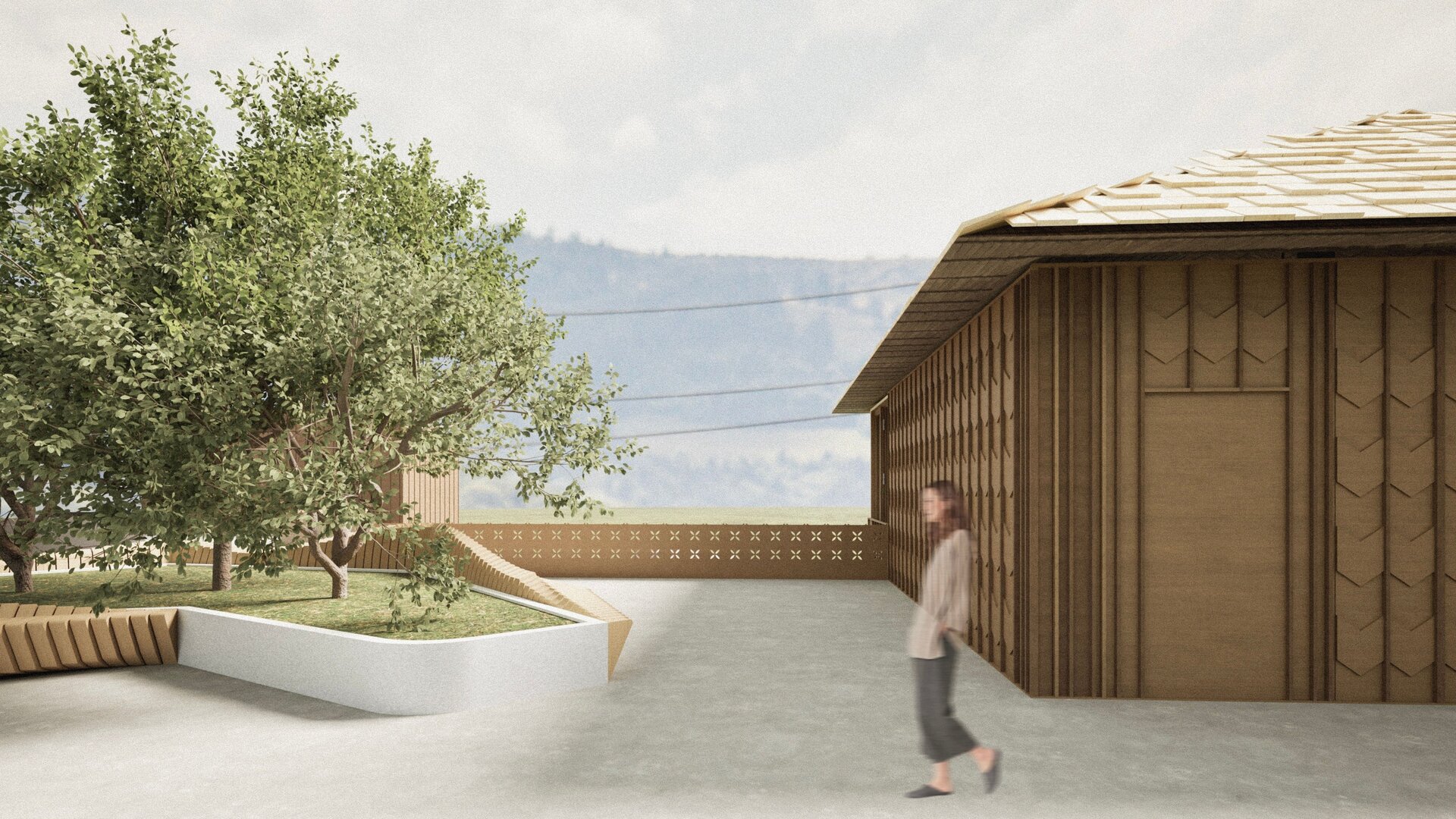
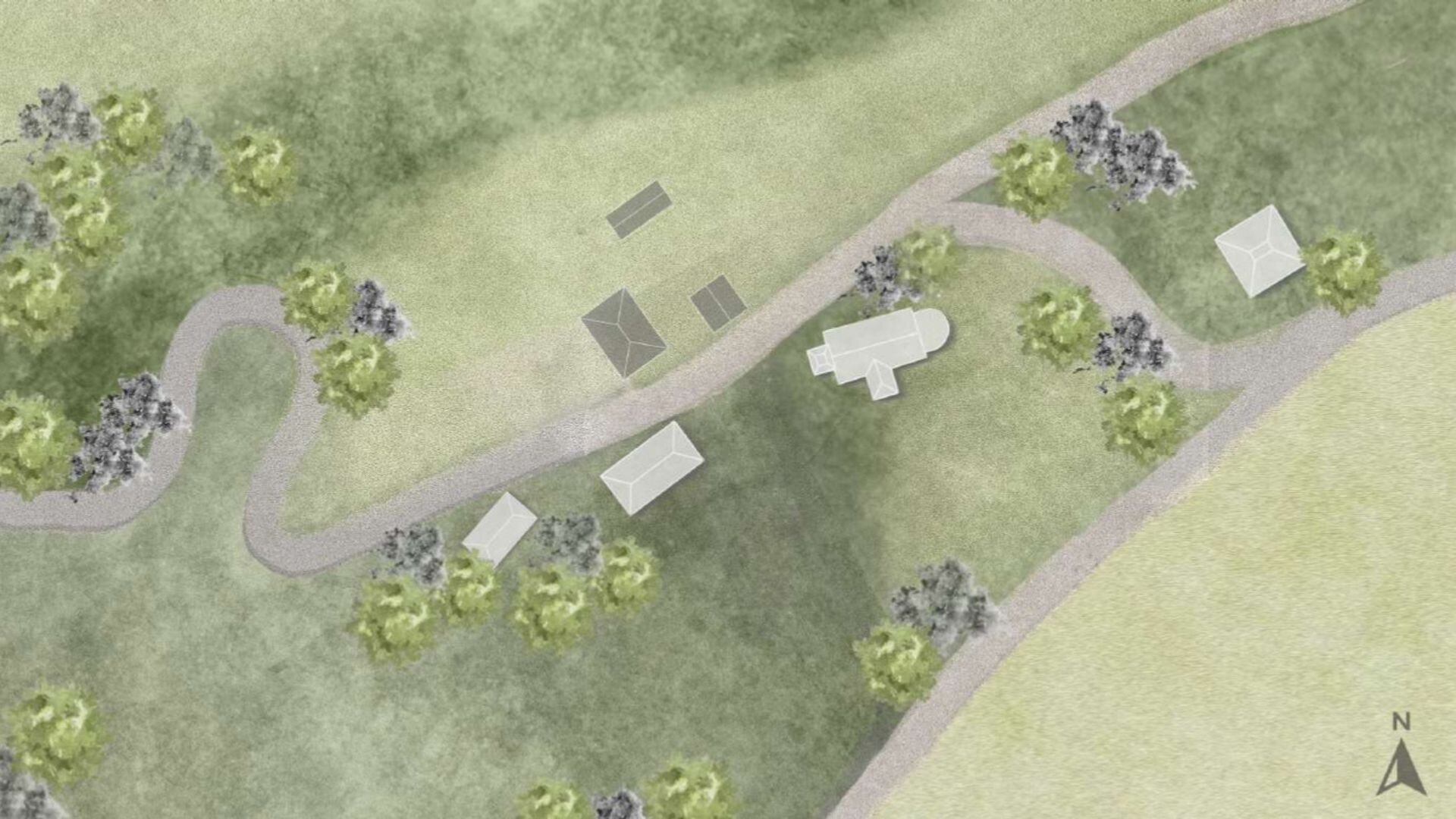
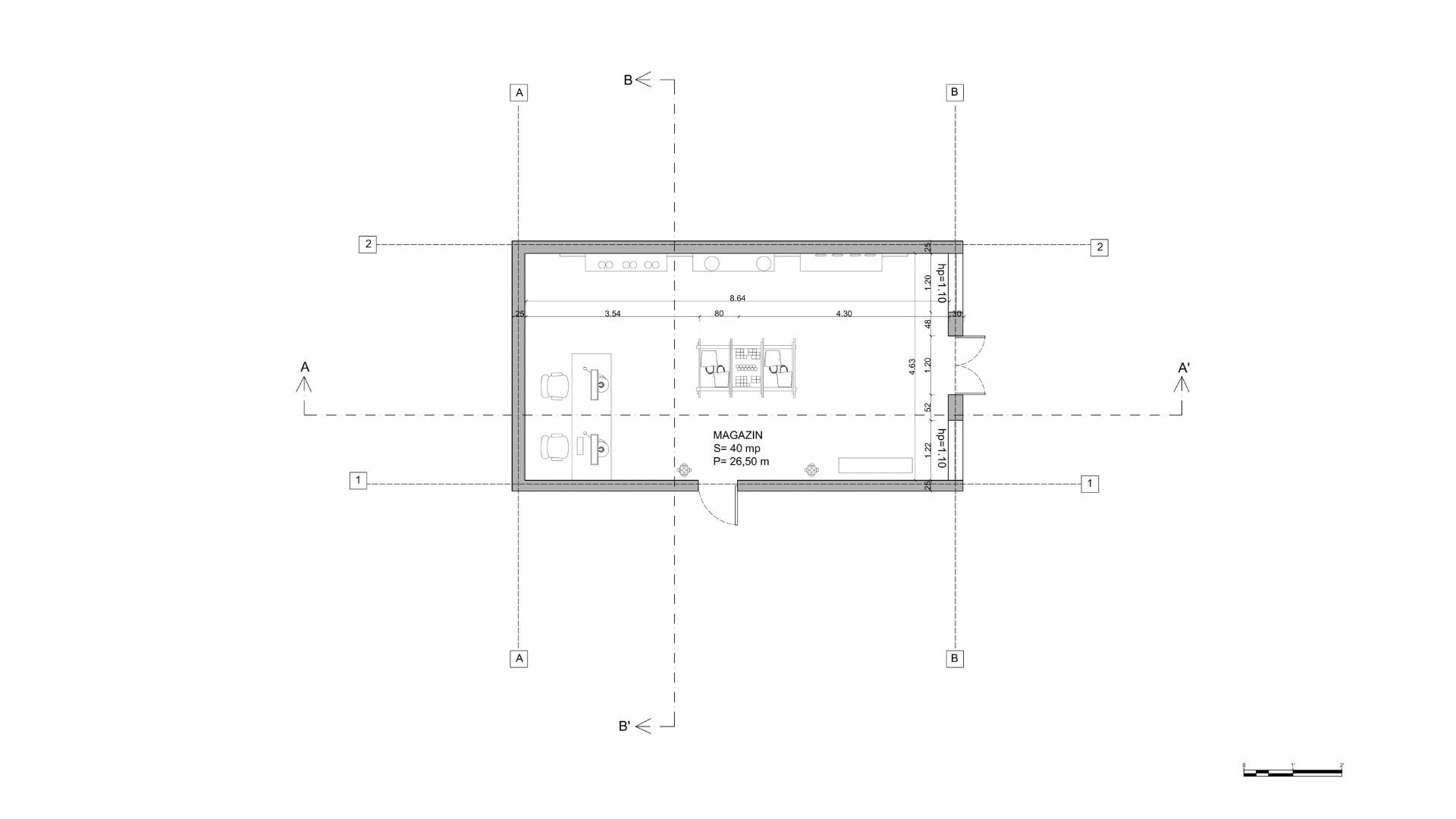
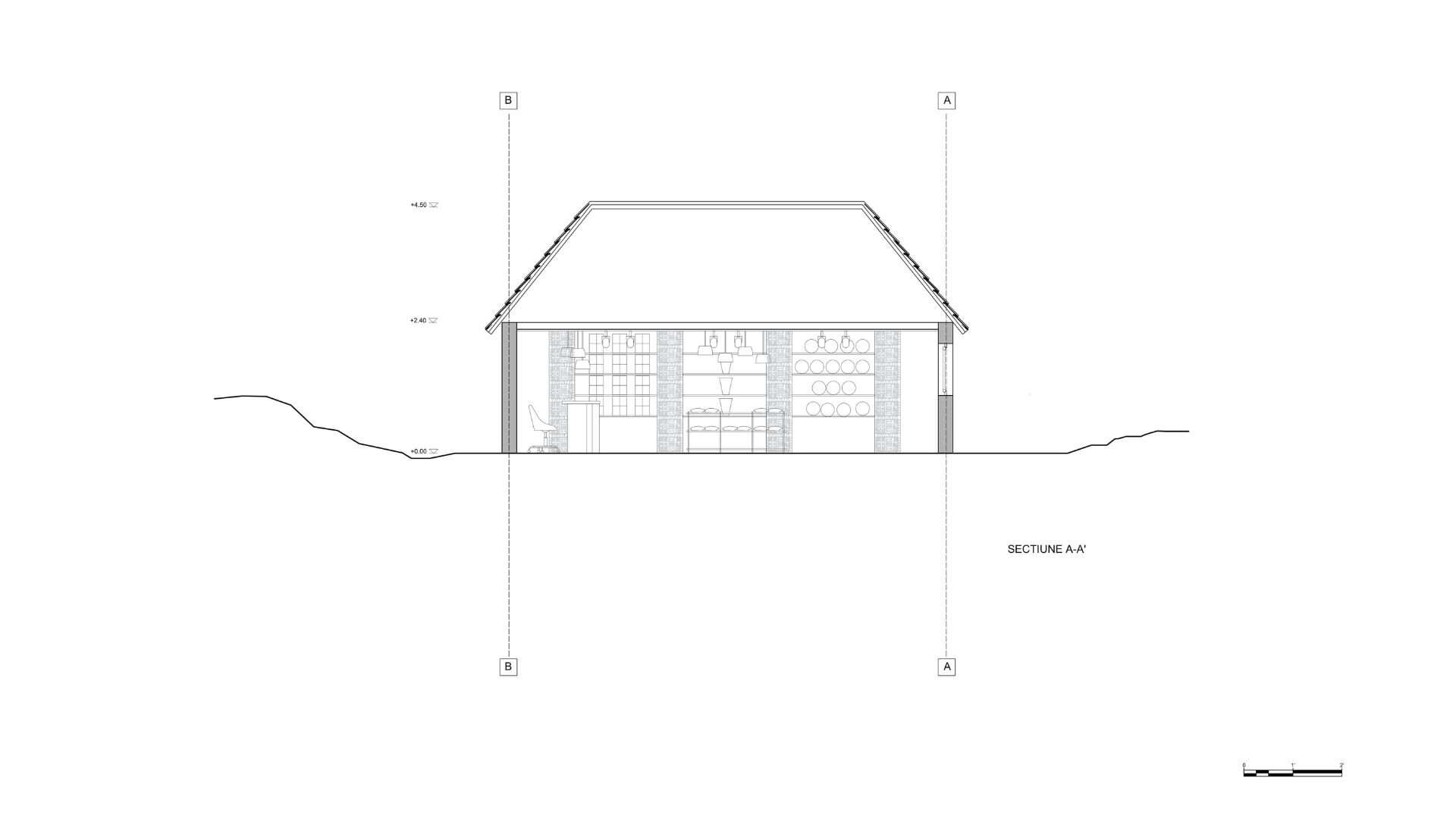
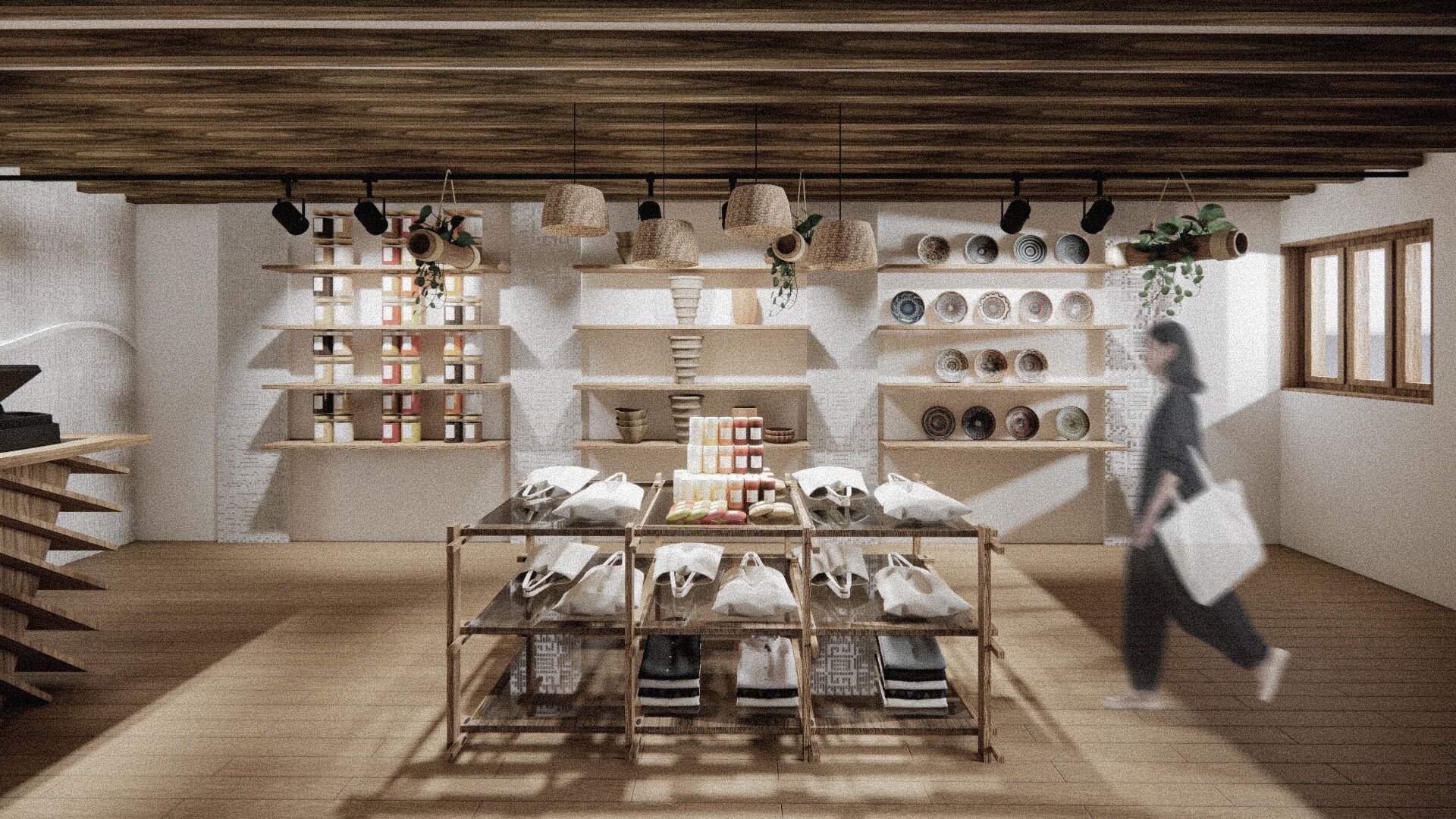
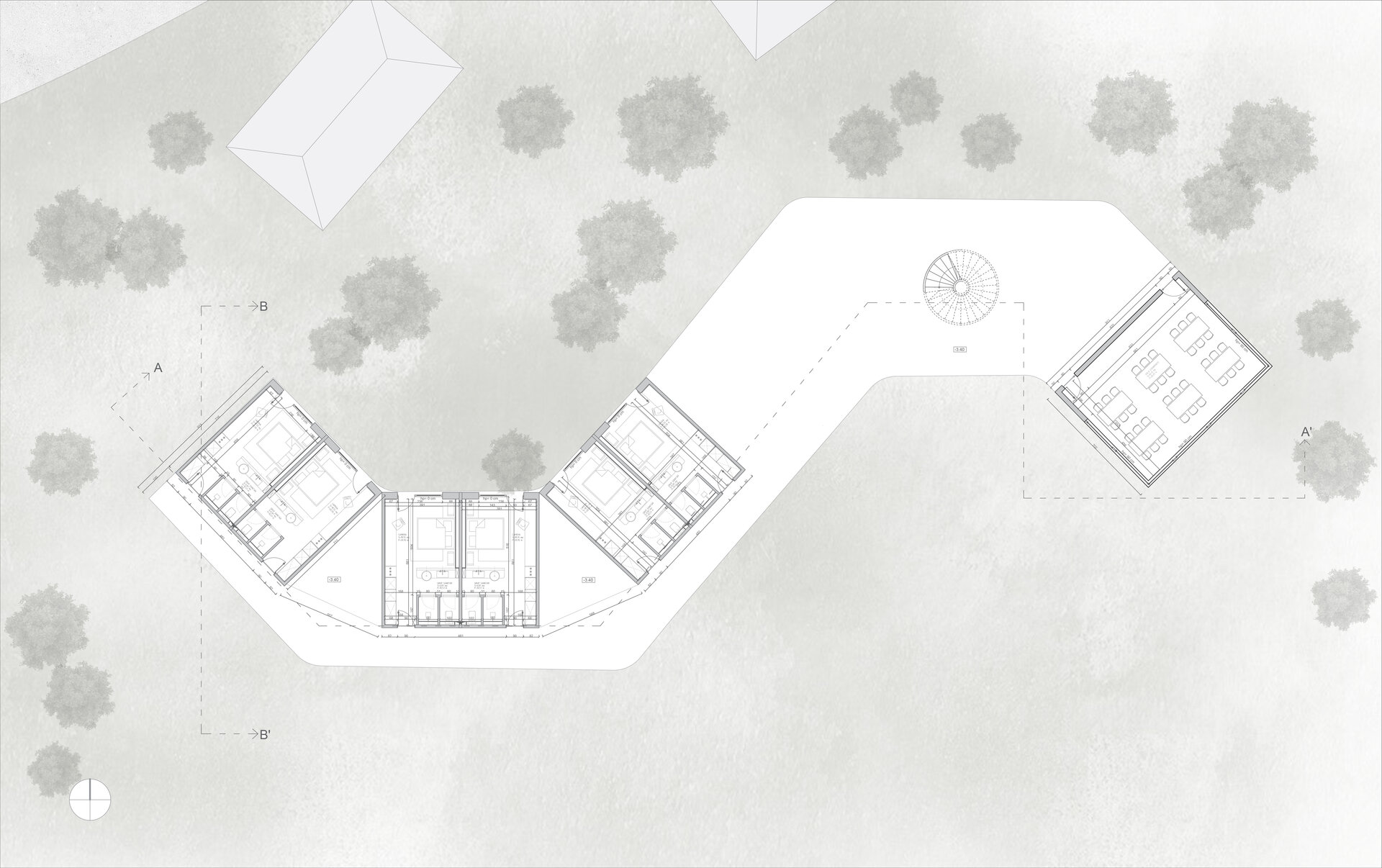
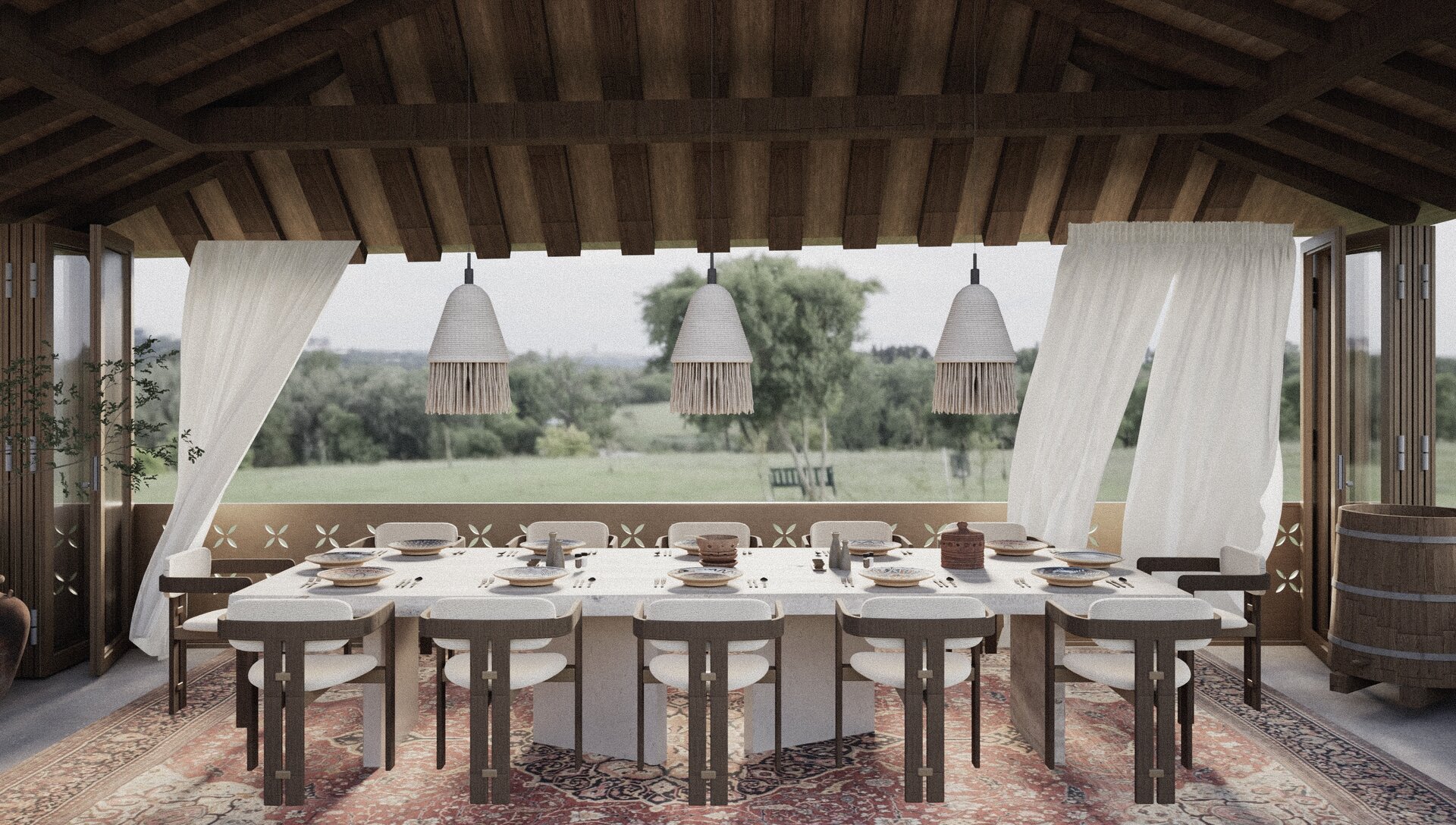
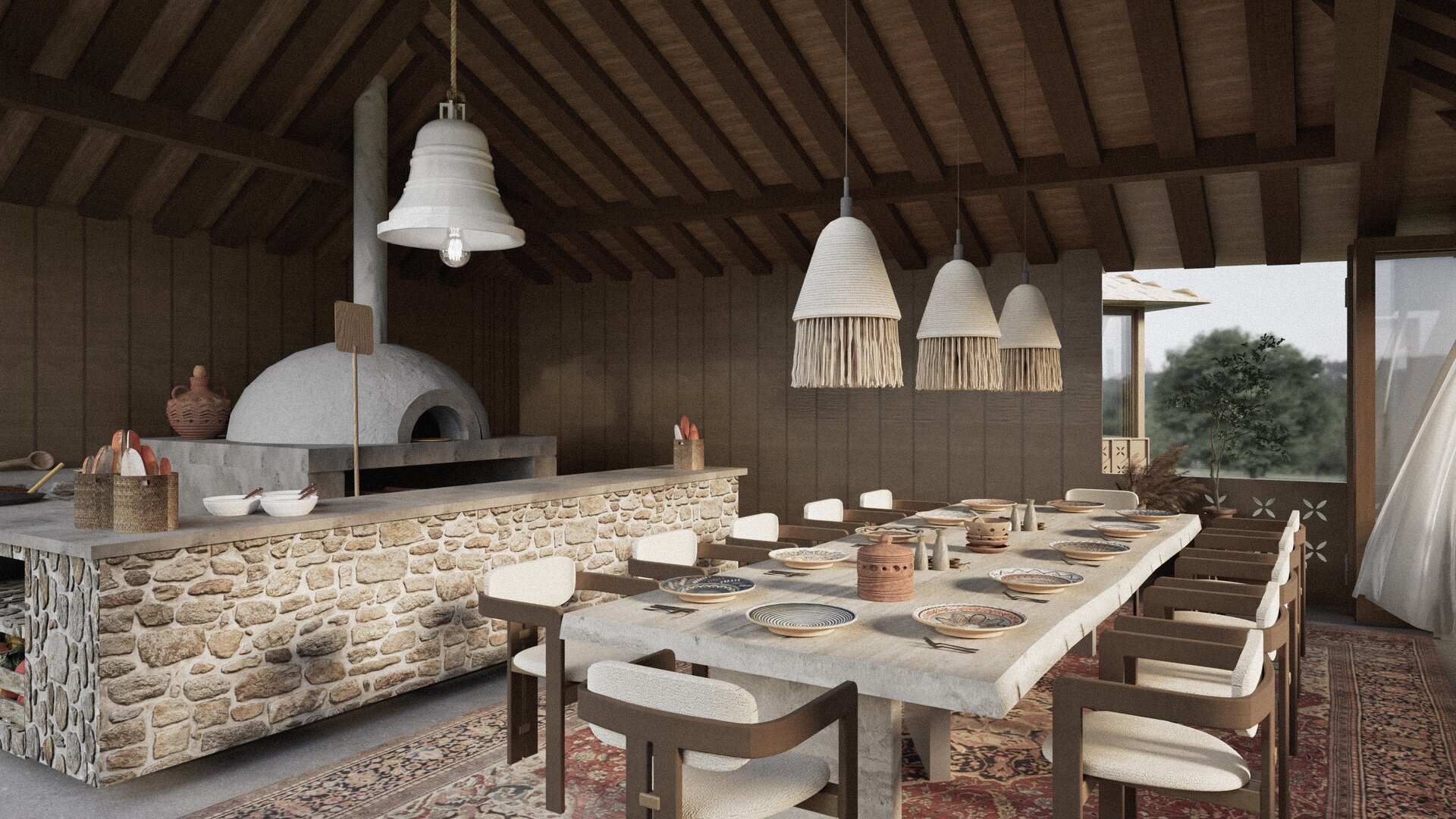
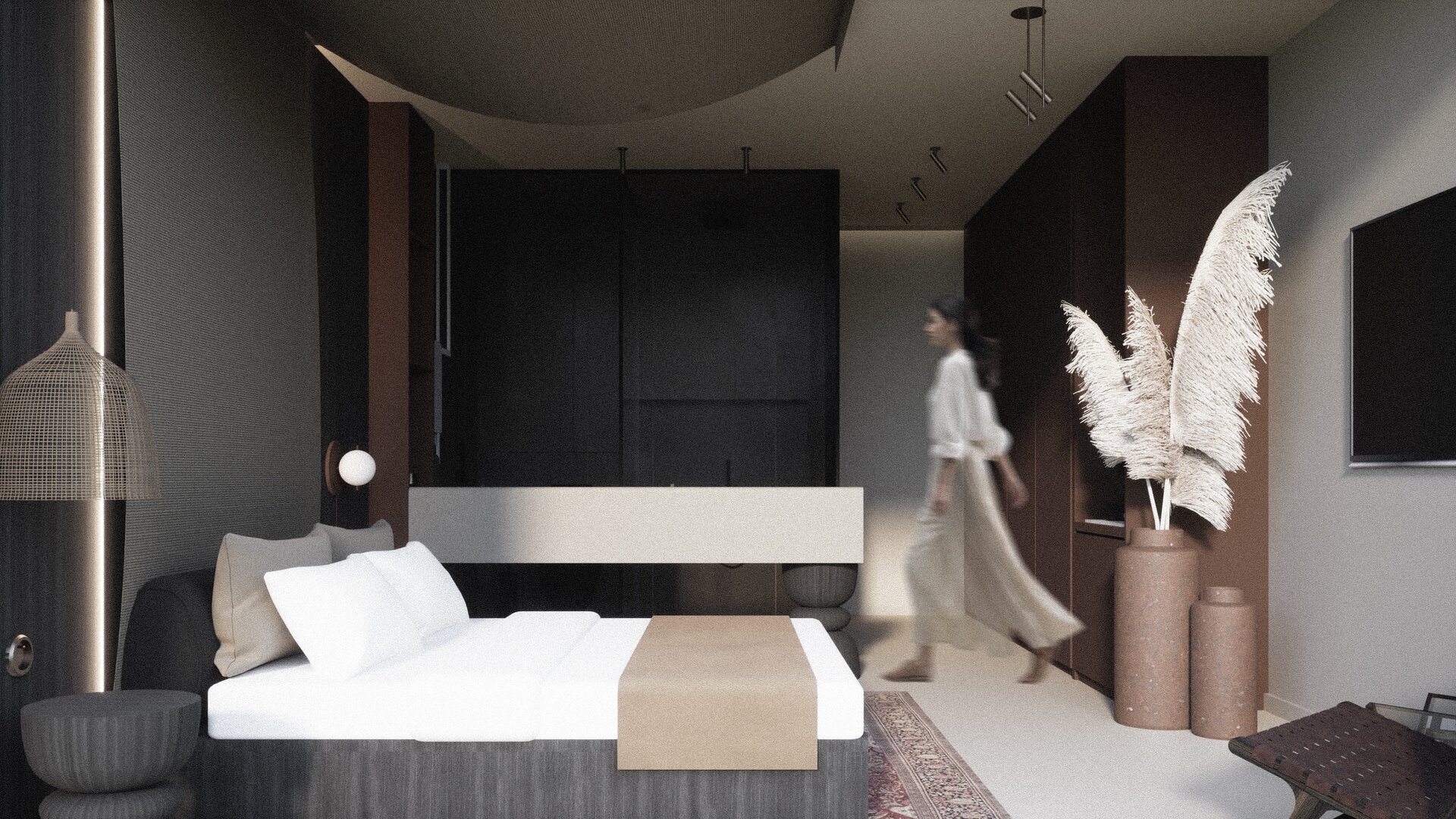
This project consists of restoring the buildings annexed to the church, such as the school, the community center, and the village store. In addition to these architectural programs, we proposed a local gastronomic complex that also offers accommodation units.
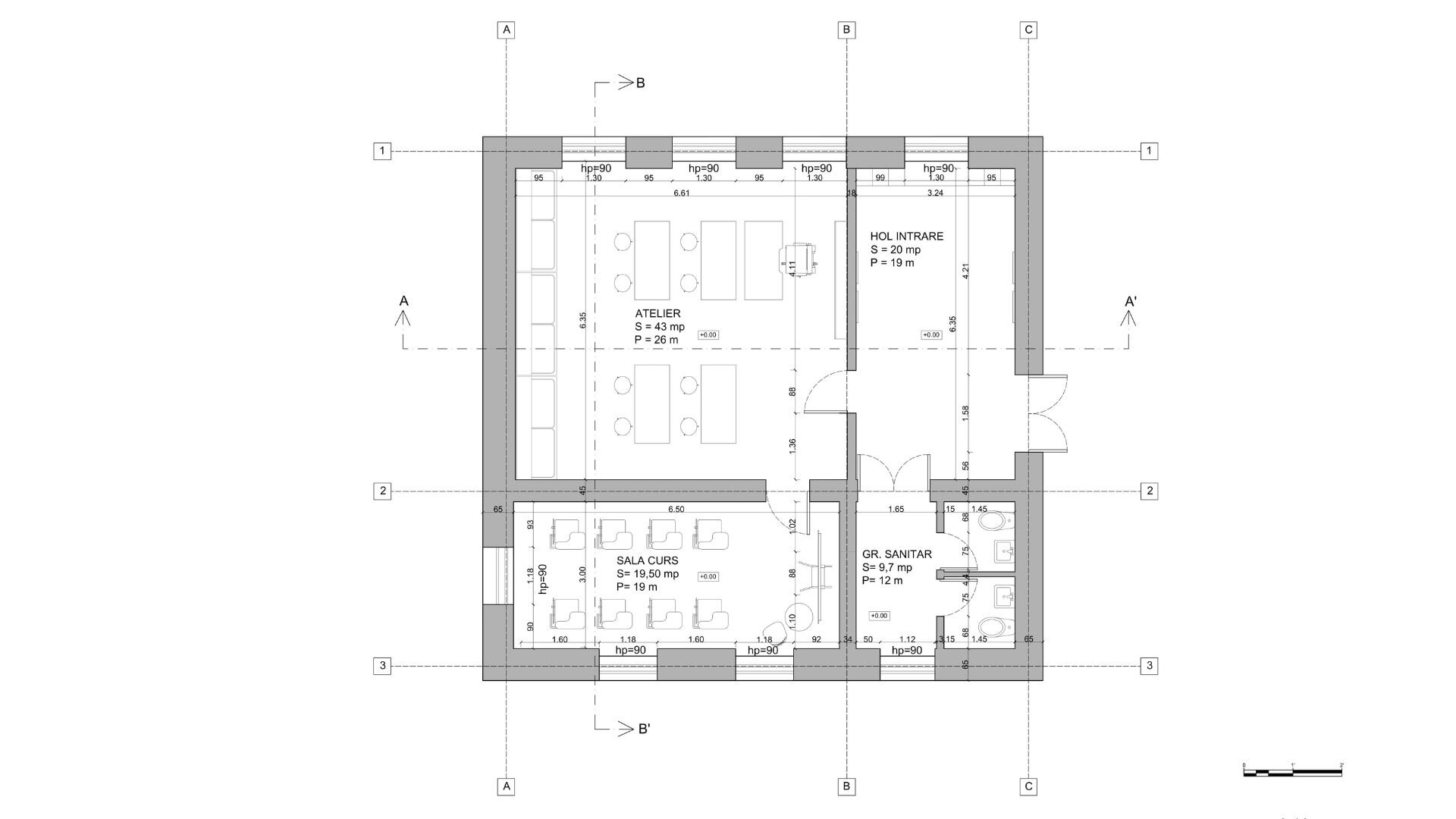
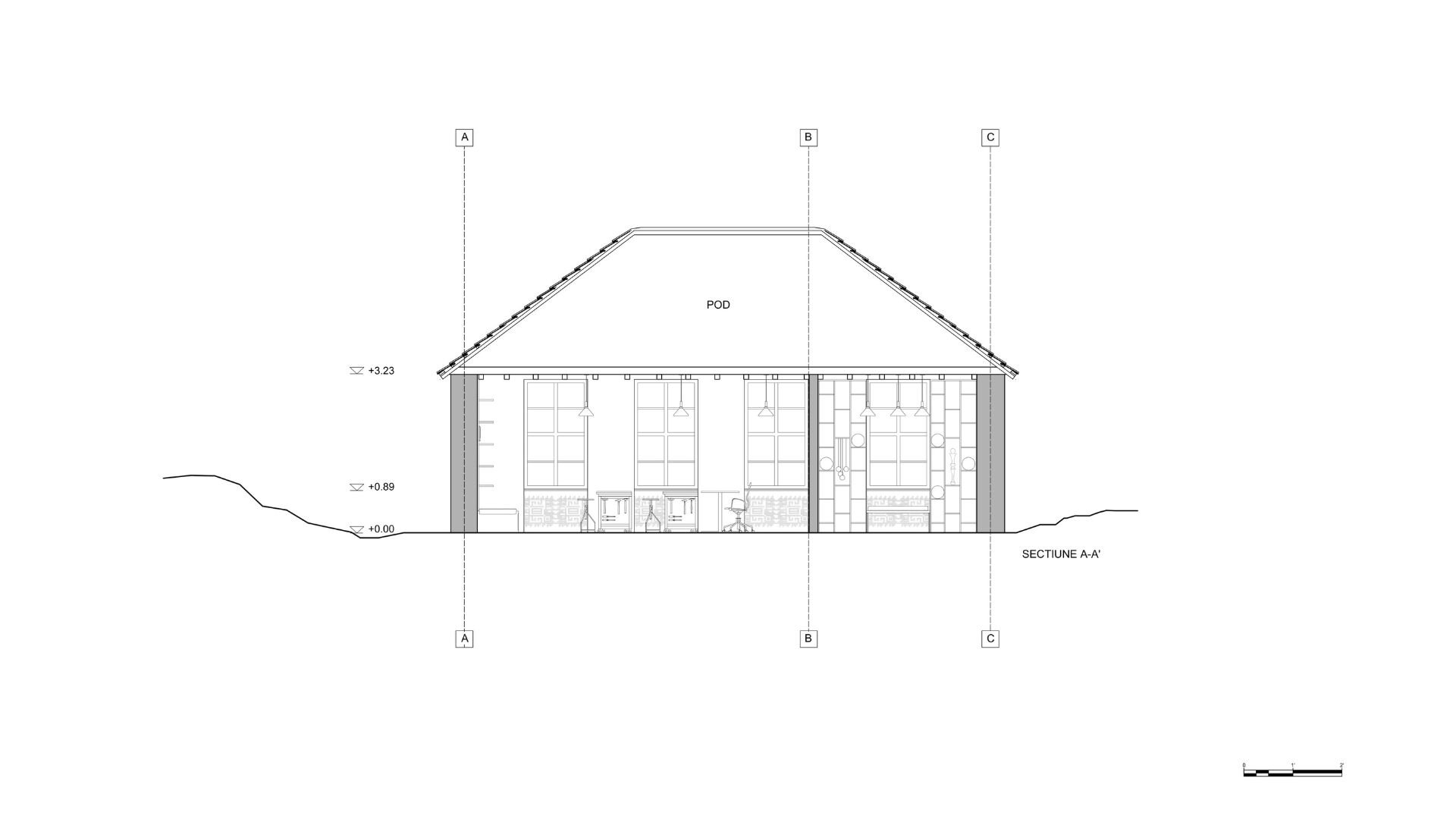
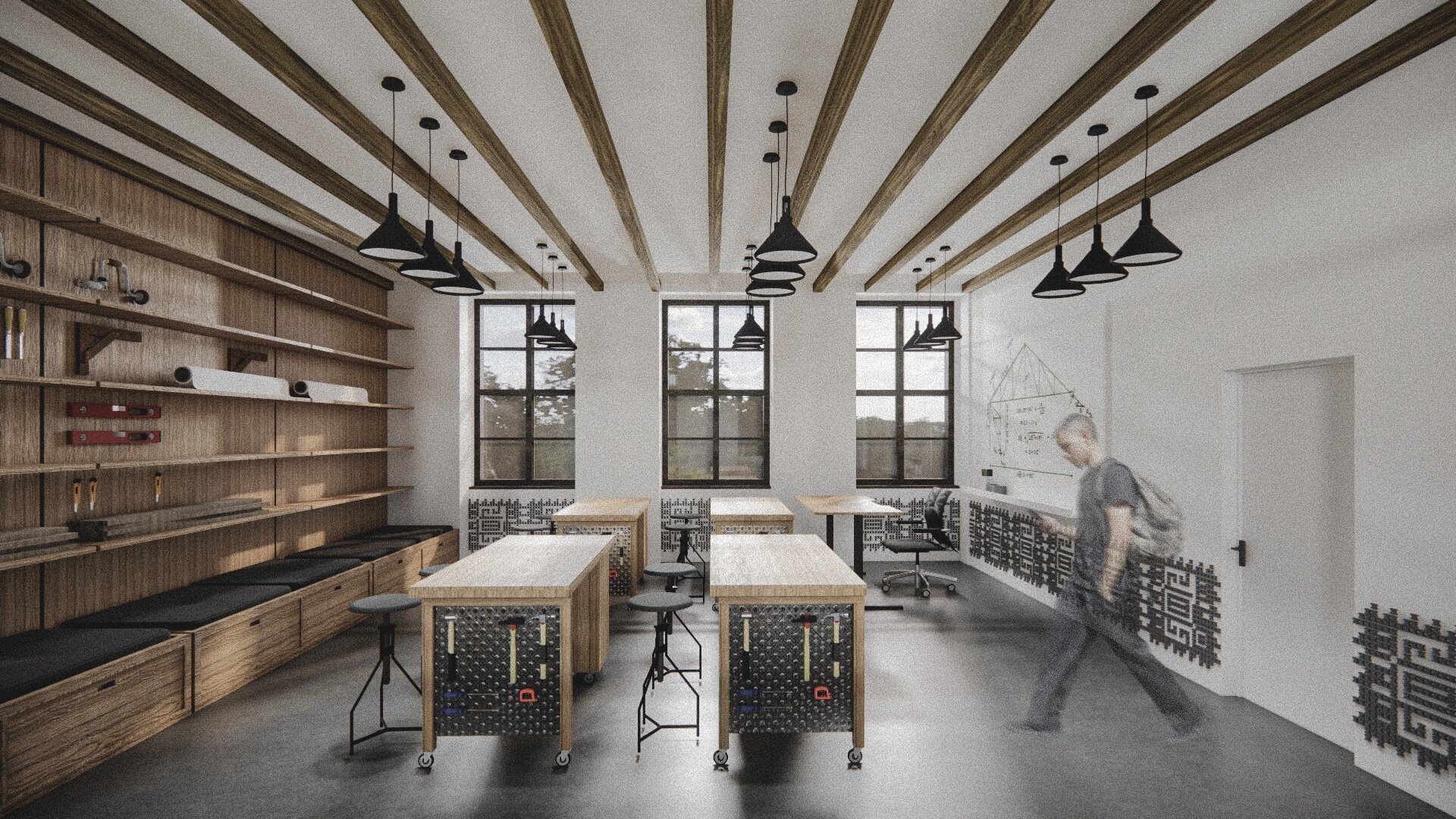
When we visited the school, we found a decommissioned building that serves four rooms. Thus, we proposed transforming it into a trade school, a place where woodworking could be taught.
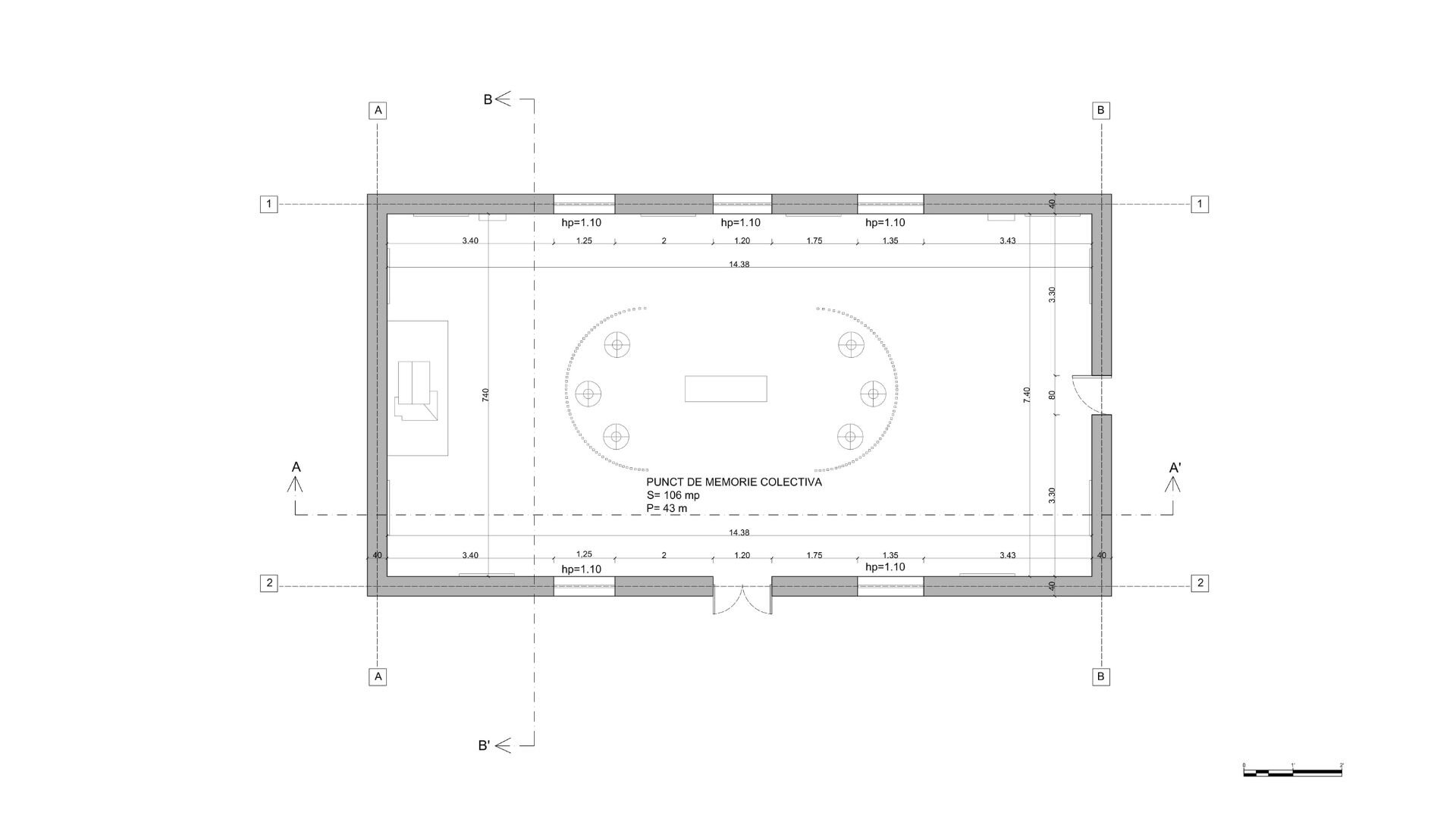
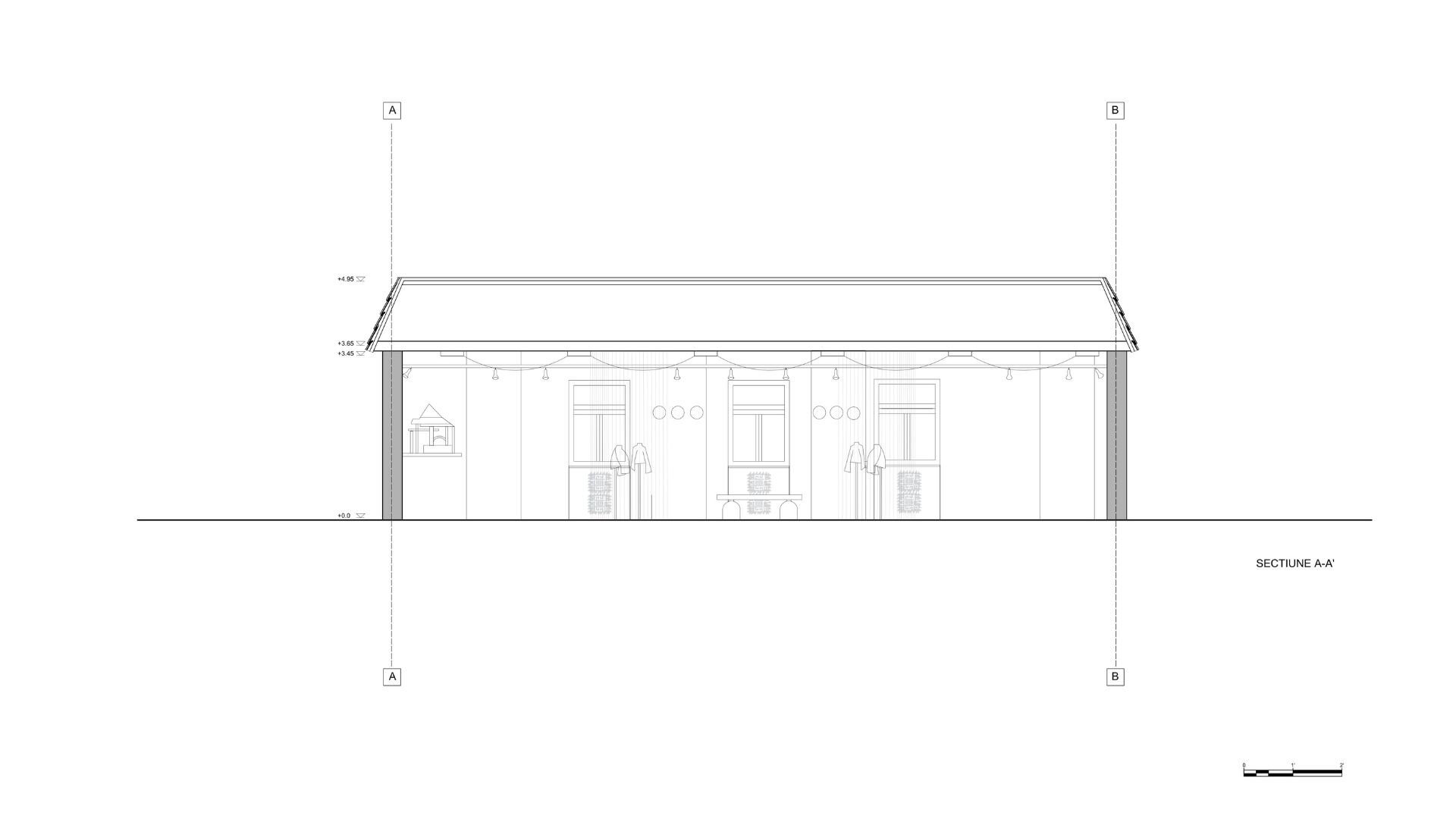
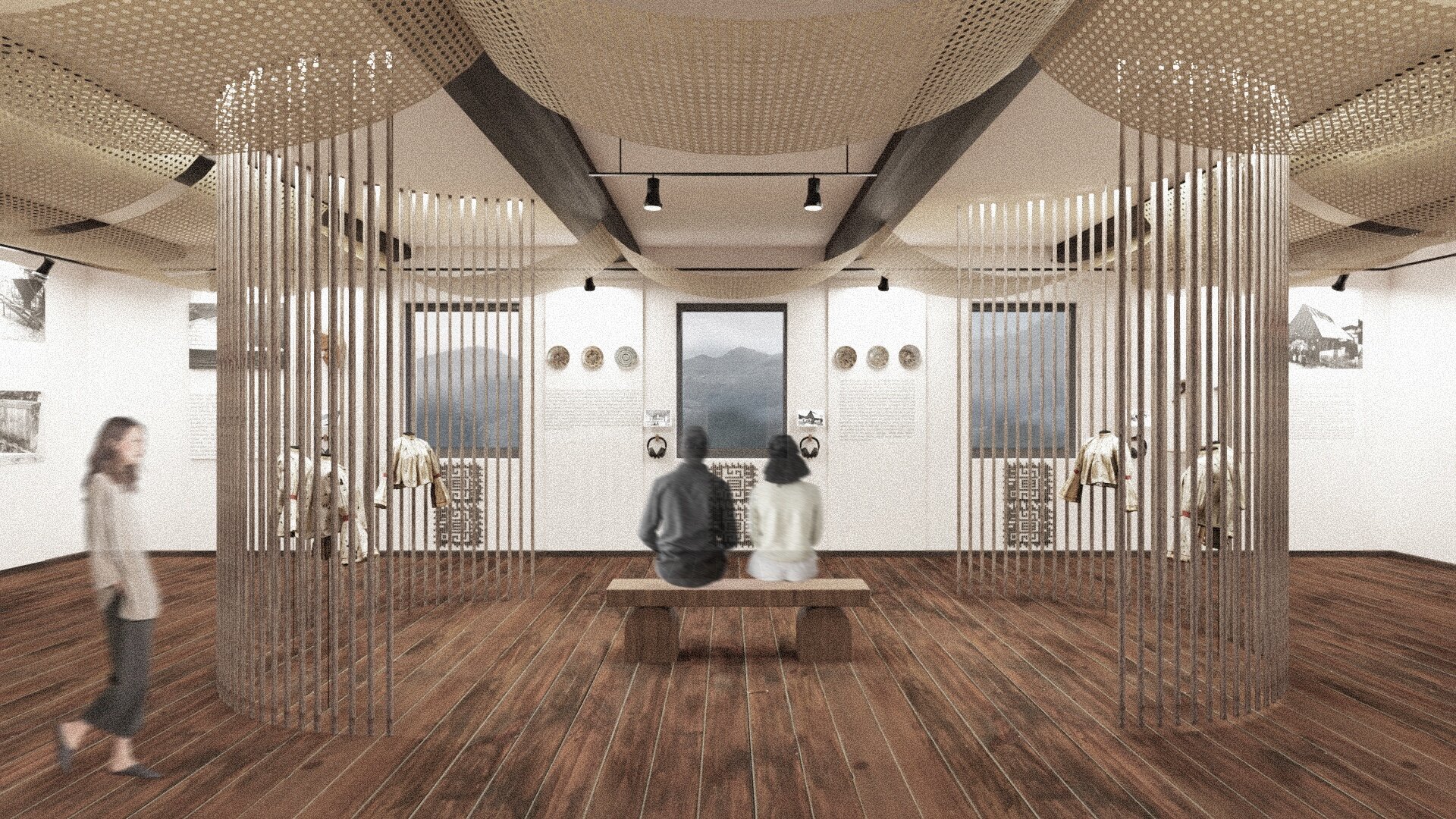
Currently, the community center is used as an annex to the church, serving as a dining area during religious events. Therefore, we proposed a point of collective memory, a space rich in history where both locals and tourists can discover the most important information about the area.
The store is located near the community center, and we chose to preserve its original function, transforming it into a souvenir shop.
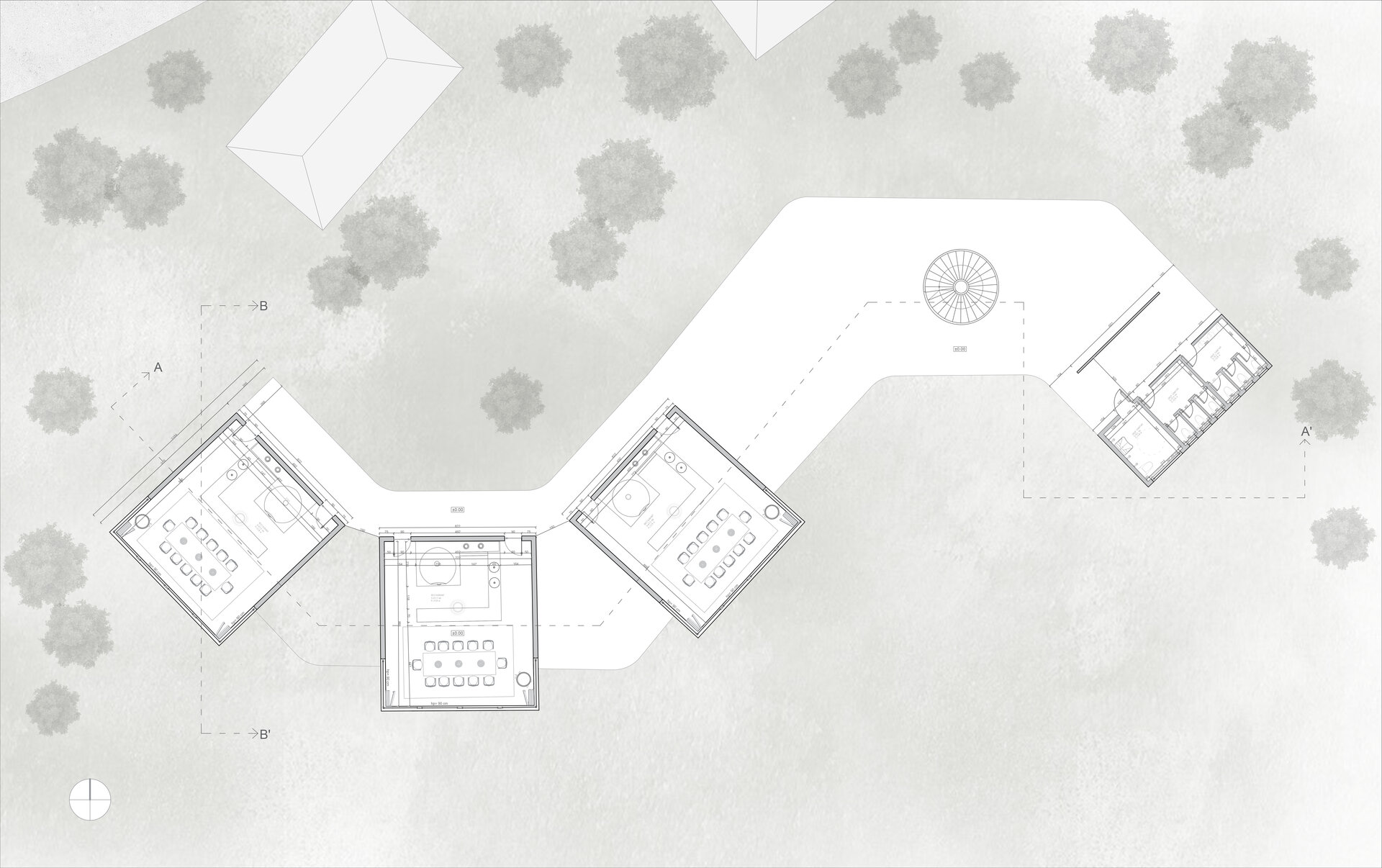
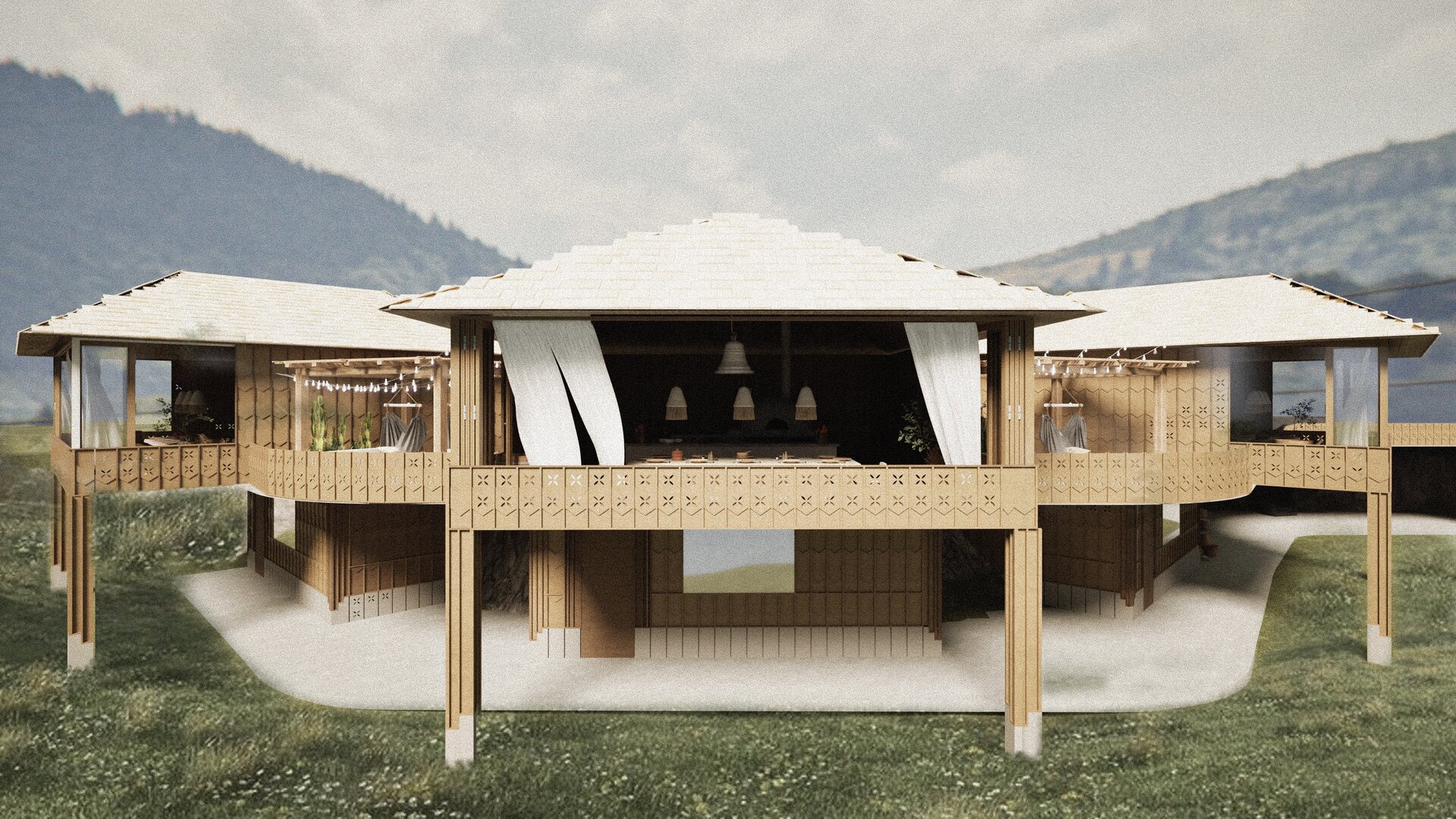
The reason for these three restoration proposals was the desire to bring the village of Muntari back to life, which currently has only three residents. Thus, we conceived the local gastronomic complex, an attractive place for both tourists and locals, offering accommodation for twelve people.
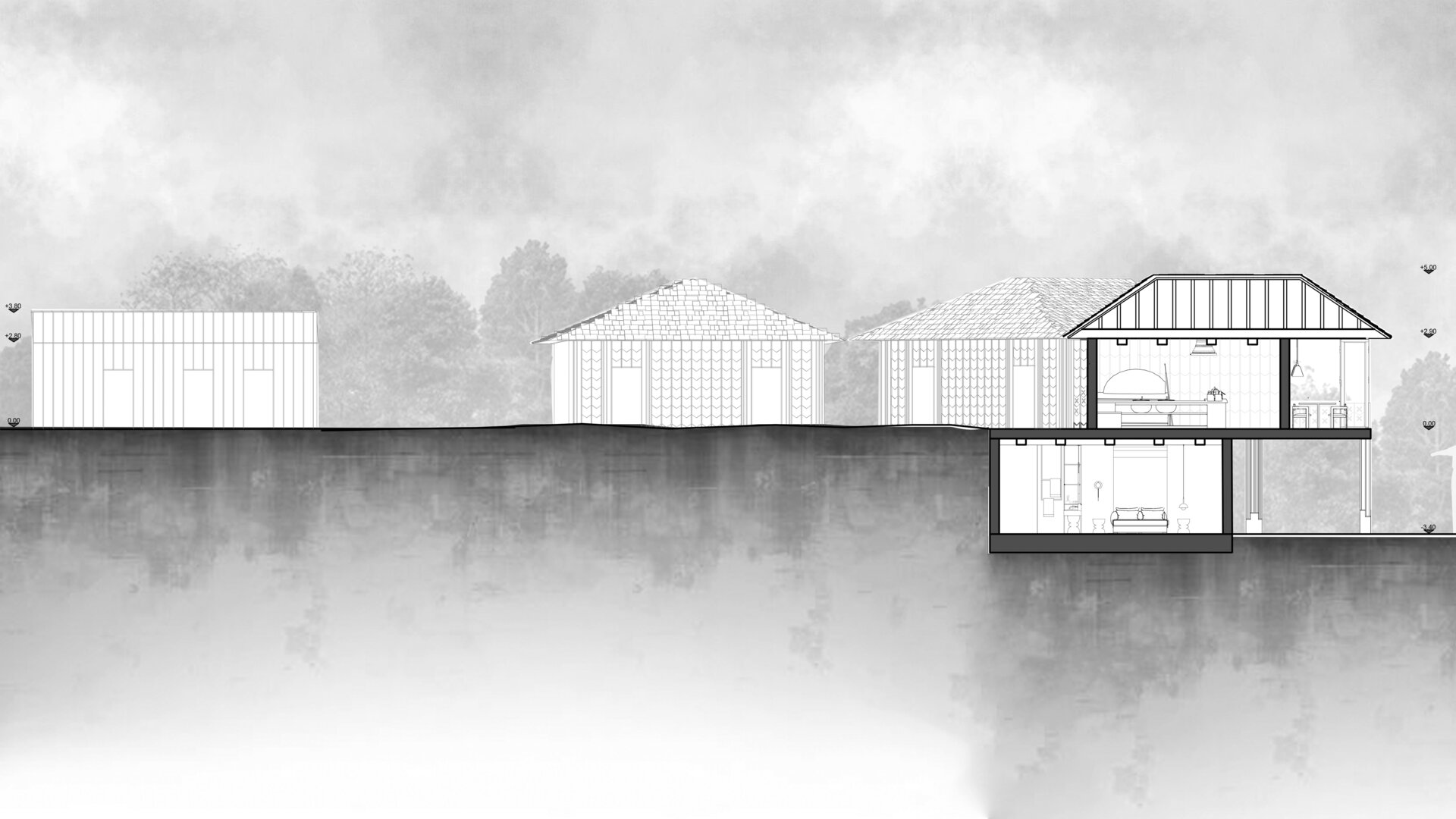
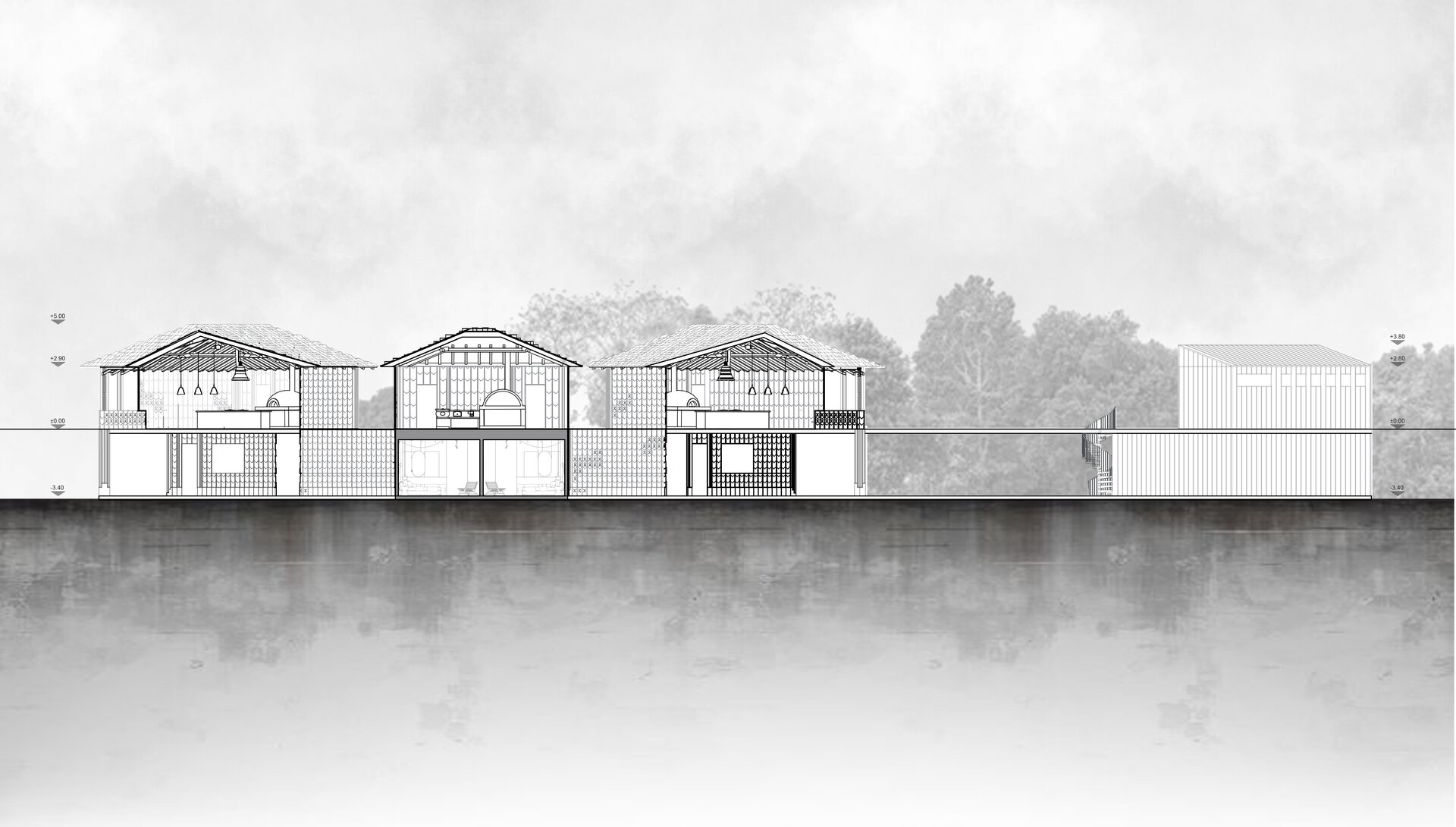
The proposal consists of three main elements that house three preparation and serving units where locals can prepare traditional foods to the delight of tourists. Given the mountainous terrain, which presents large level differences, the gastronomic unit is located at ground level, while six accommodation units for tourists are located at a lower level.
Additionally, the original structure of the houses includes a natural stone base and wood, predominantly fir, with shingles traditionally crafted by local artisans. Thus, we aimed to use materials specific to the area.
The concept underlying the supporting arrangement is 'Waves of Memory,' suggesting a series of visible and invisible layers of the history, traditions, and emotions of the place. By integrating the concept of 'waves of memory,' the architecture in Muntari, Alba County, can become an environment where tradition and modernity coexist harmoniously. The built spaces reflect the past but also allow the community to create new memories, generating emotional and cultural continuity.
Therefore, through the proposal of this project, we aim to promote the village of Muntari, as well as the entire area, as it is an unexploited paradise in the heart of the mountains with unmatched potential.
Architecture and Experiments

- The Yellow Line
- #OPENGIARDINI
- Optical Frames
- Limanu Summer School 2024 - Multicultural Heritage on the Edge
- Voice Your Place 2.0
- WOODJOIN Wood connecting - how it’s designed, how it’s made and how it works
- Reflected spaces
- Signs of Life
- Voices of the past. Muntari - the village lost in the mountains
- School of Planetary Gardeners TERRRA Brezoi


