Sustainable Hospitality Design: An Italian Restaurant Concept
Authors’ Comment
In response to the environmental challenges posed by the fashion industry, thrifting and styling second-hand clothing have become significant trends. Similarly, thrifting home furniture has gained popularity, especially among younger generations. So, why not apply the same principles to hospitality design?
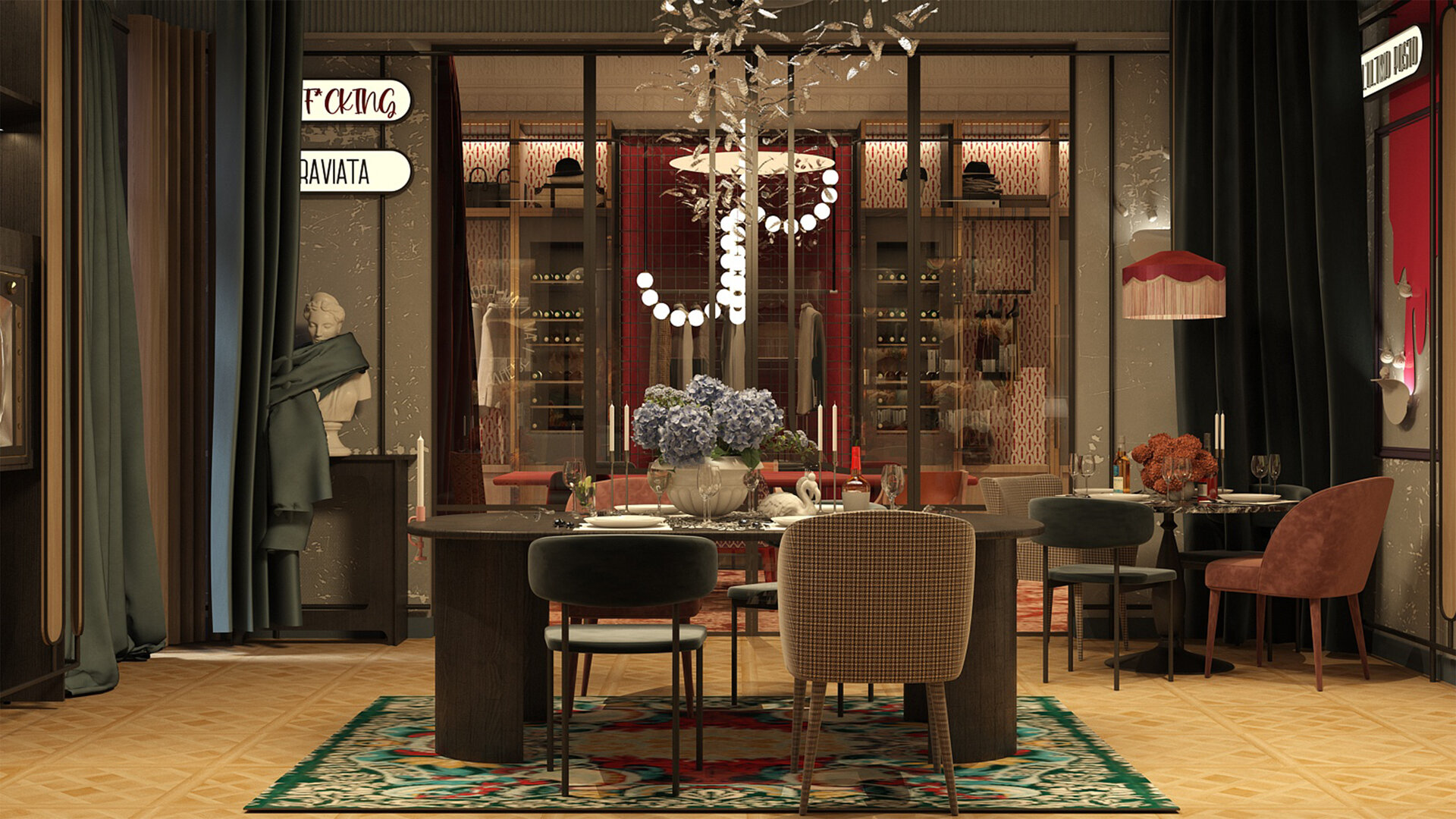
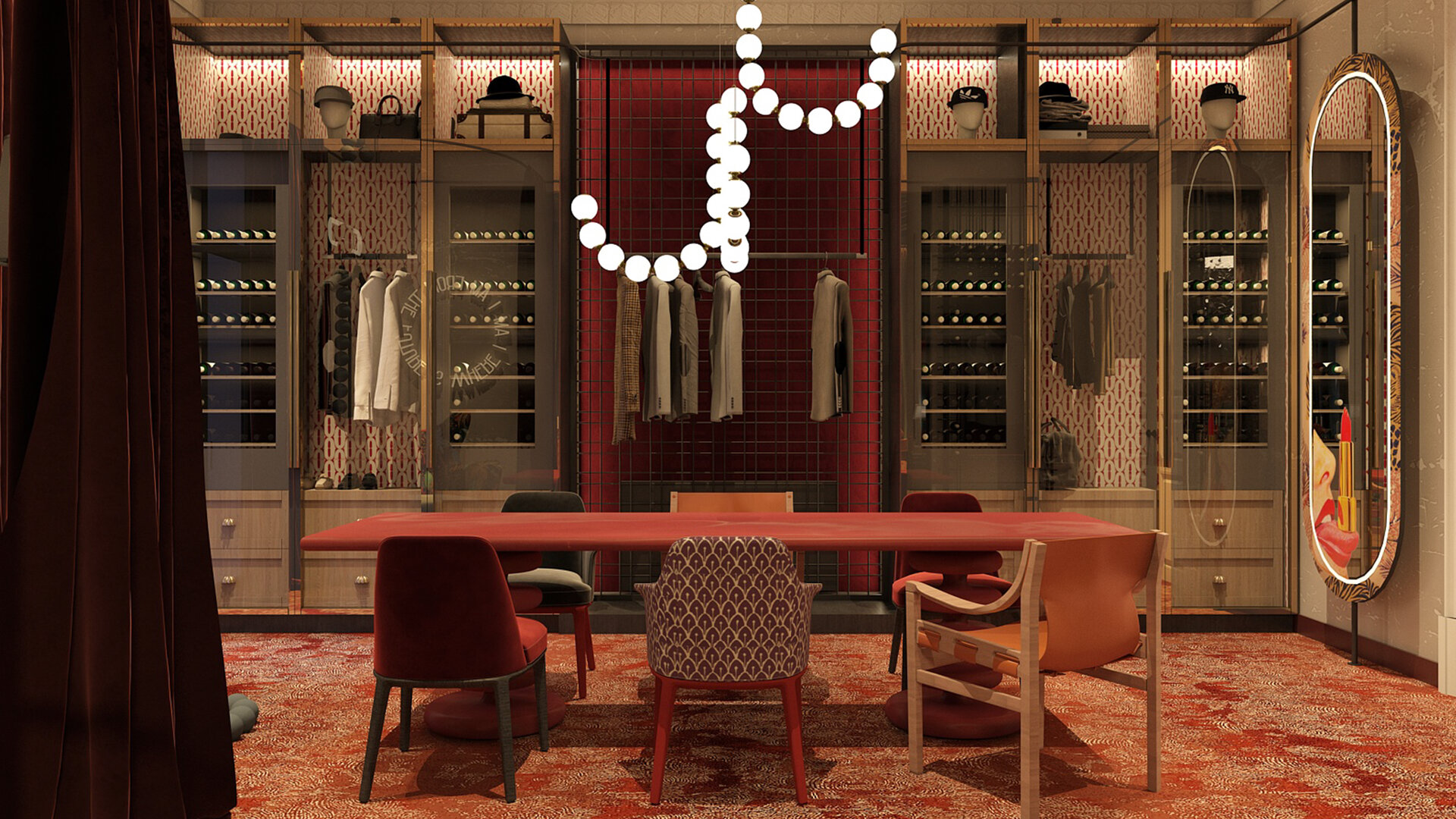
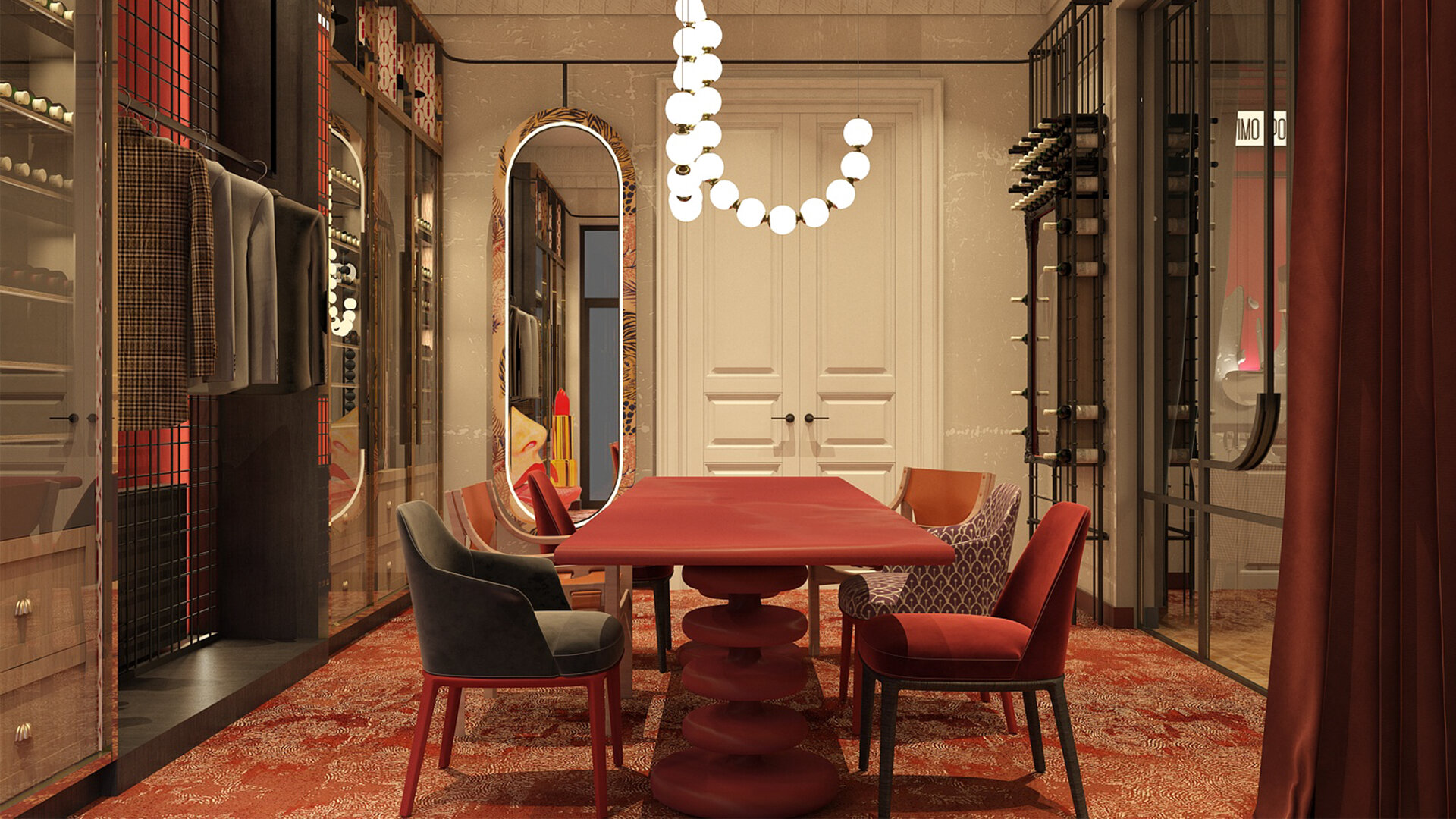
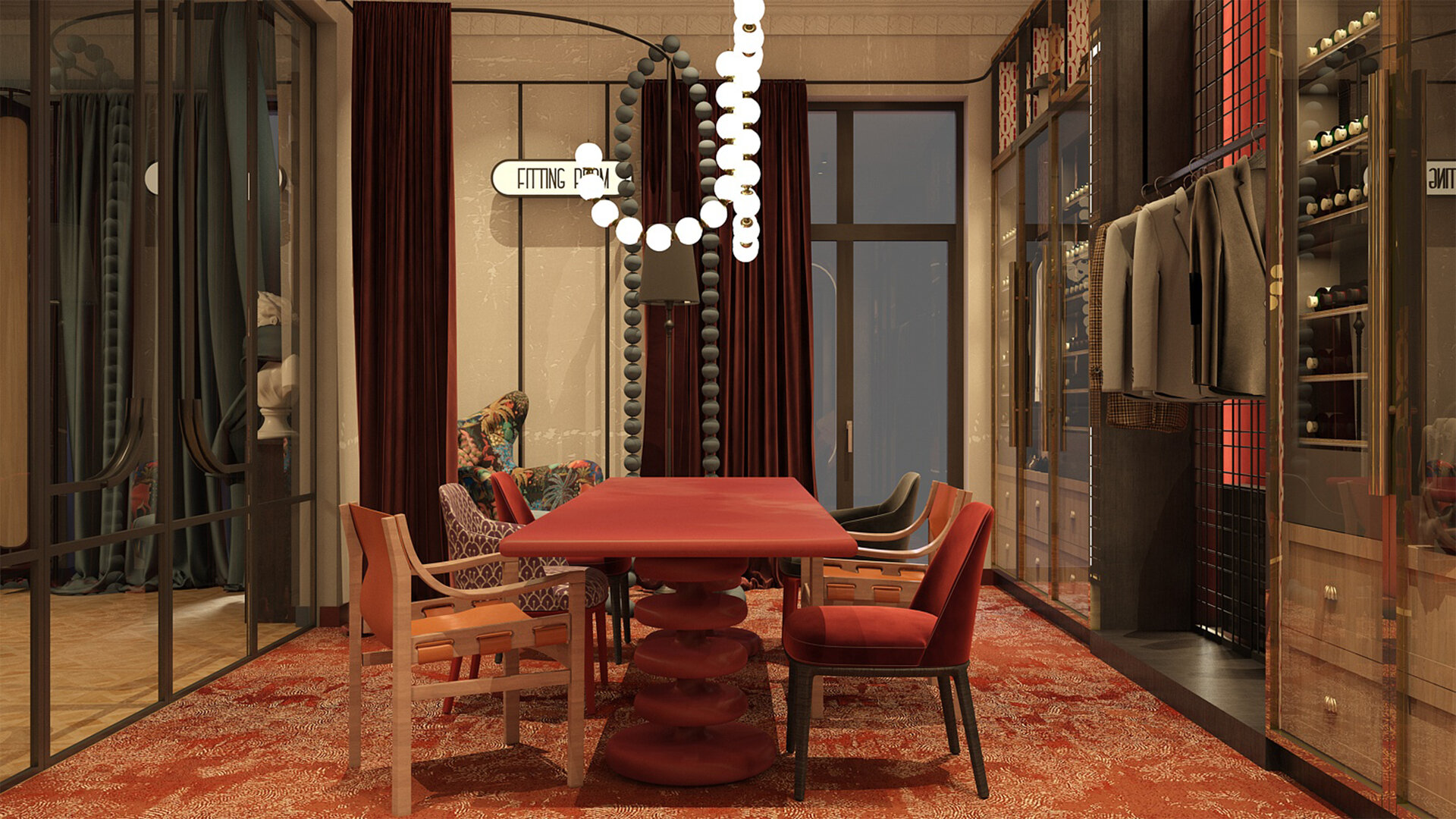
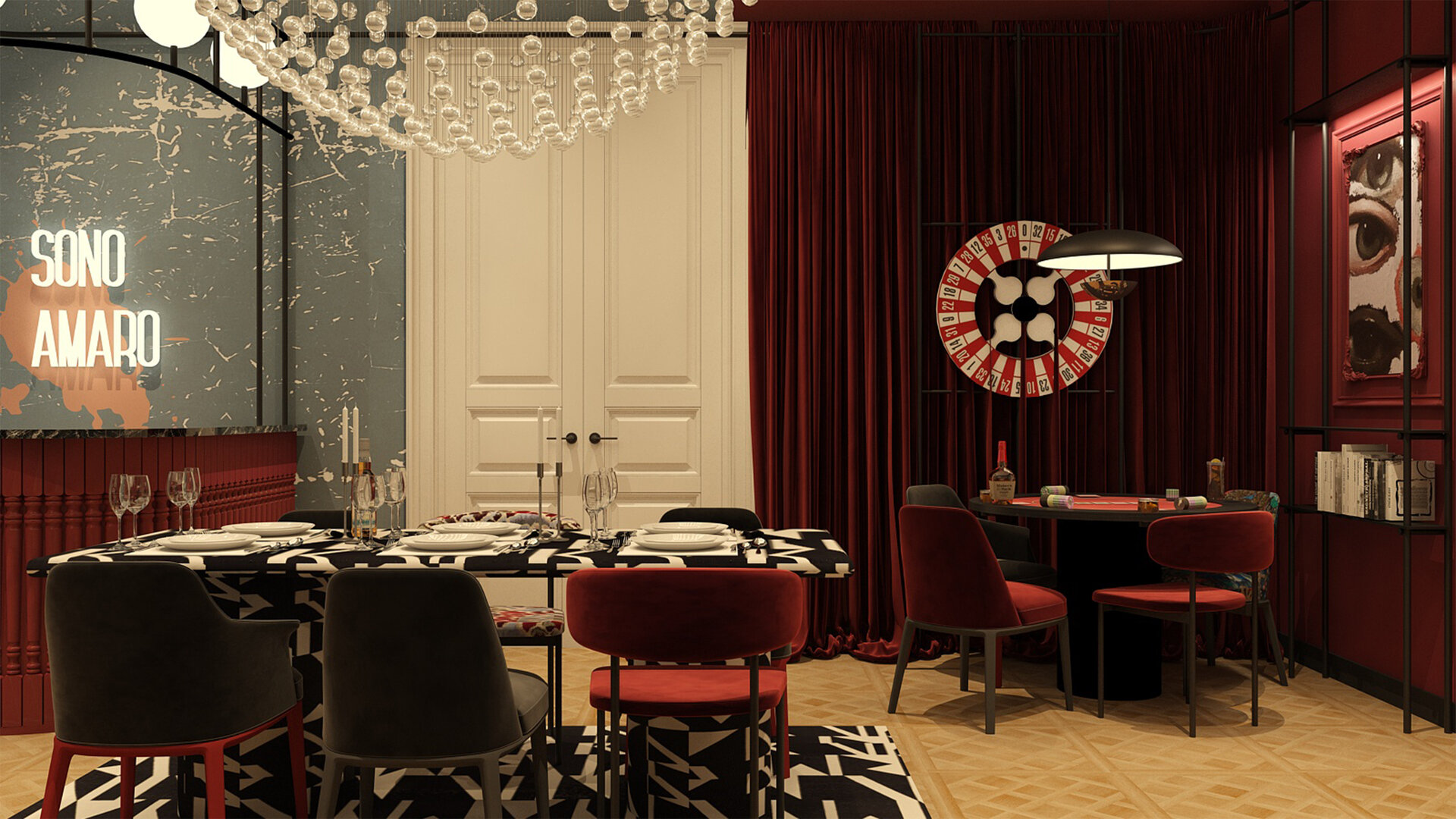
Our concept, An Italian Restaurant, began as a playful experiment in creating a unique atmosphere by using random pieces of furniture that could easily be replaced with secondhand items sourced from Bucharest's thrift shops and markets.
Moving away from the modernist idea that every element must be custom-designed for a specific space, we embraced flexibility in our design, focusing on working with resources that already exist.
The Design Concept
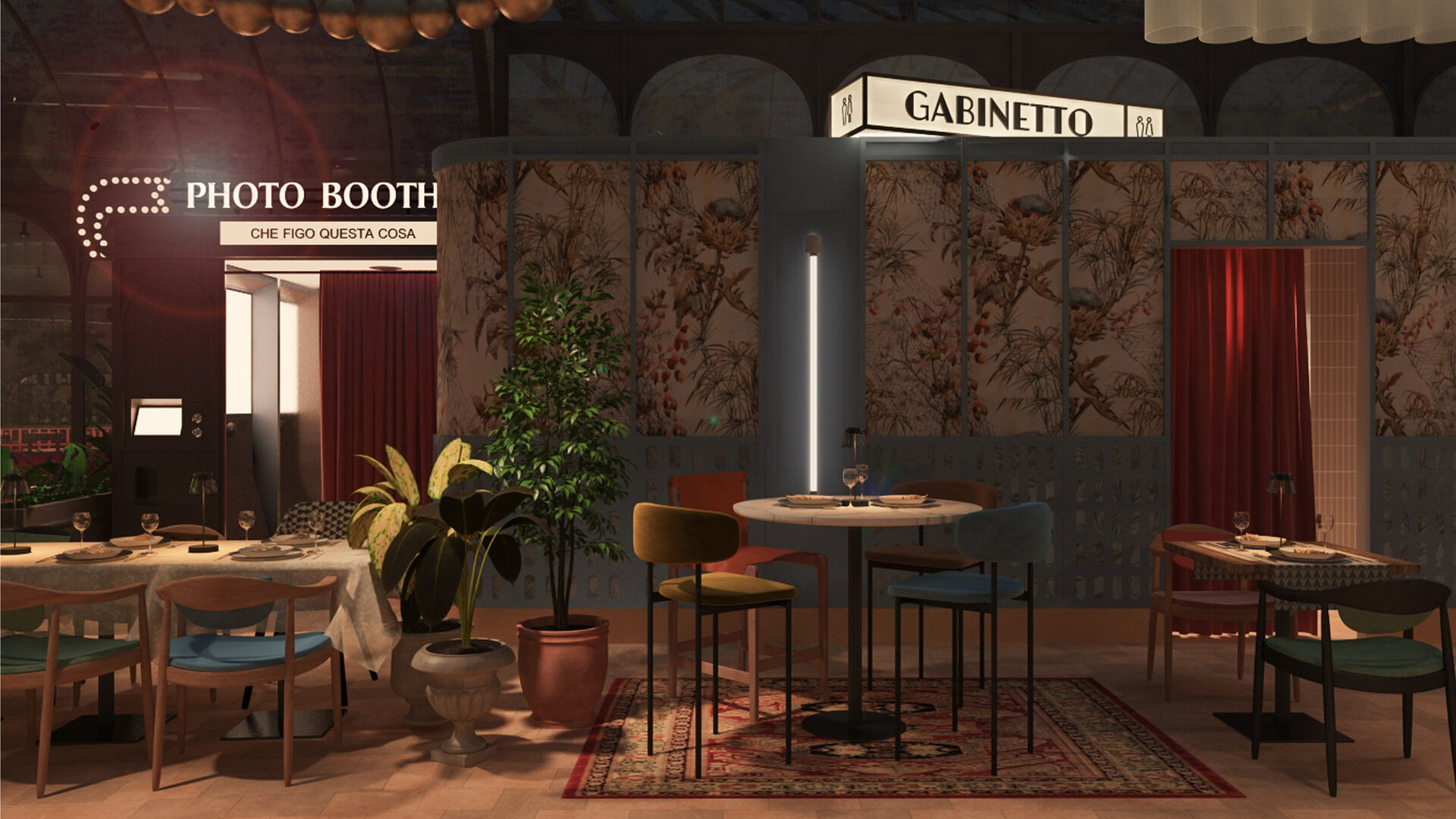
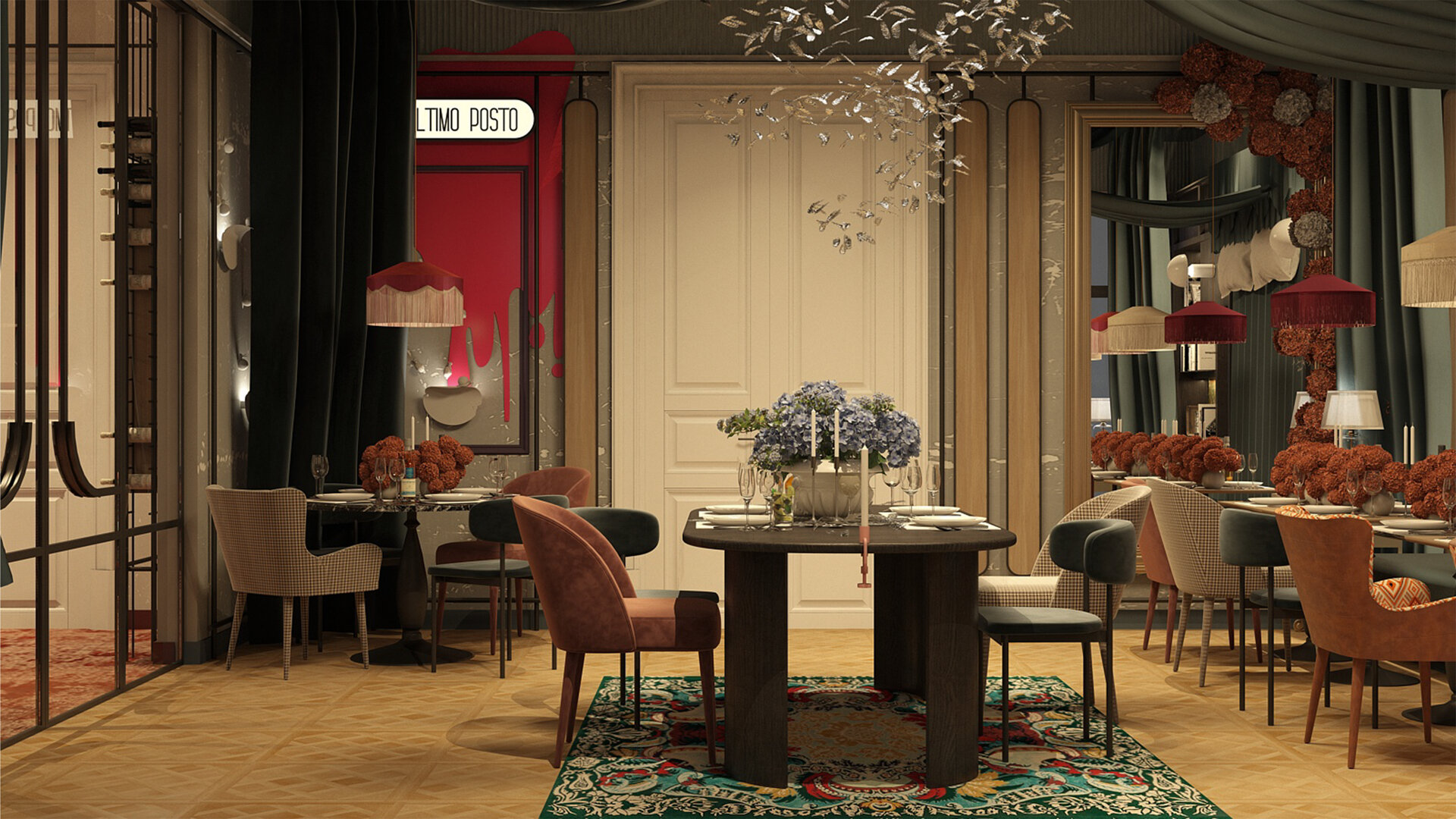
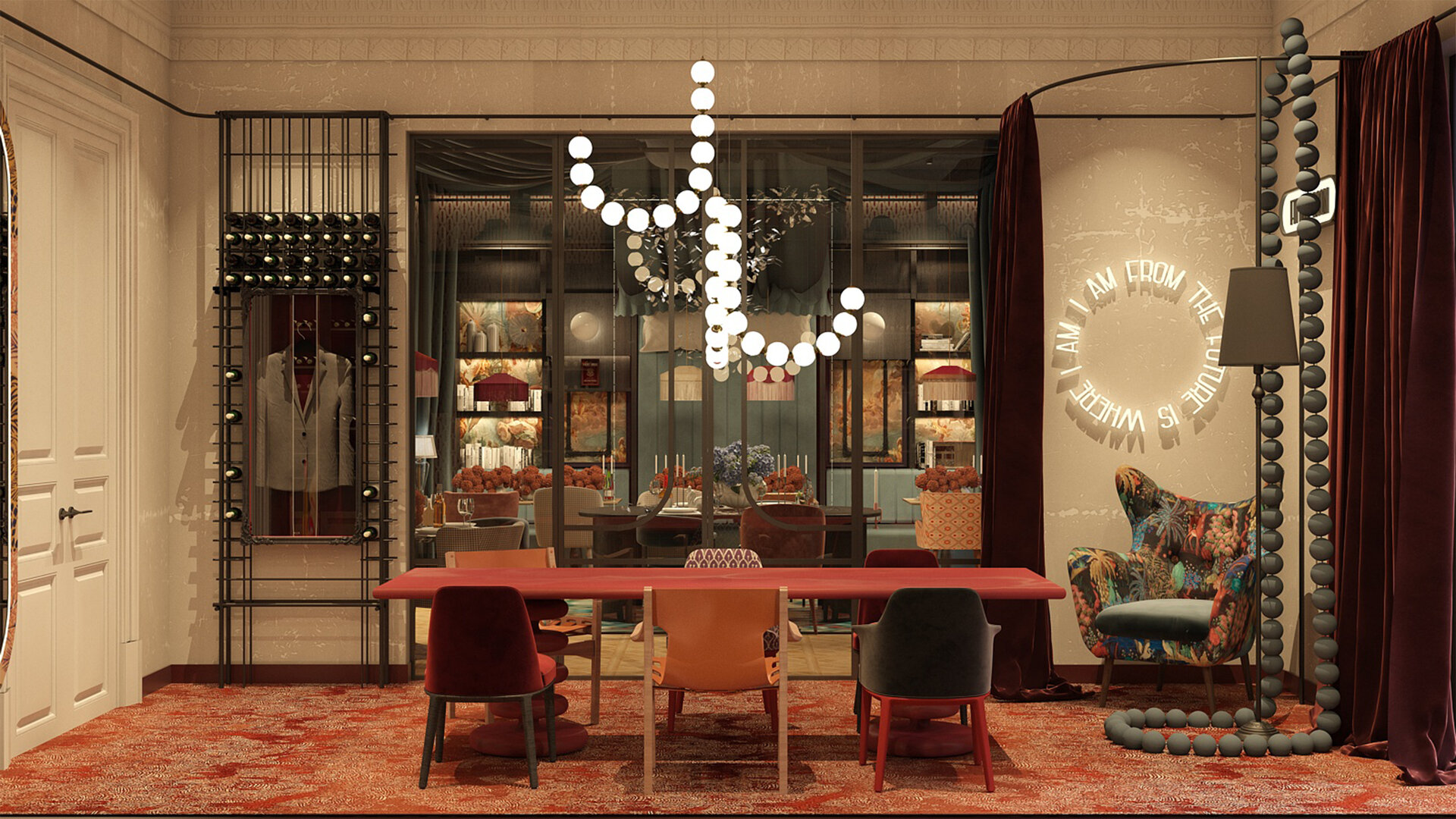
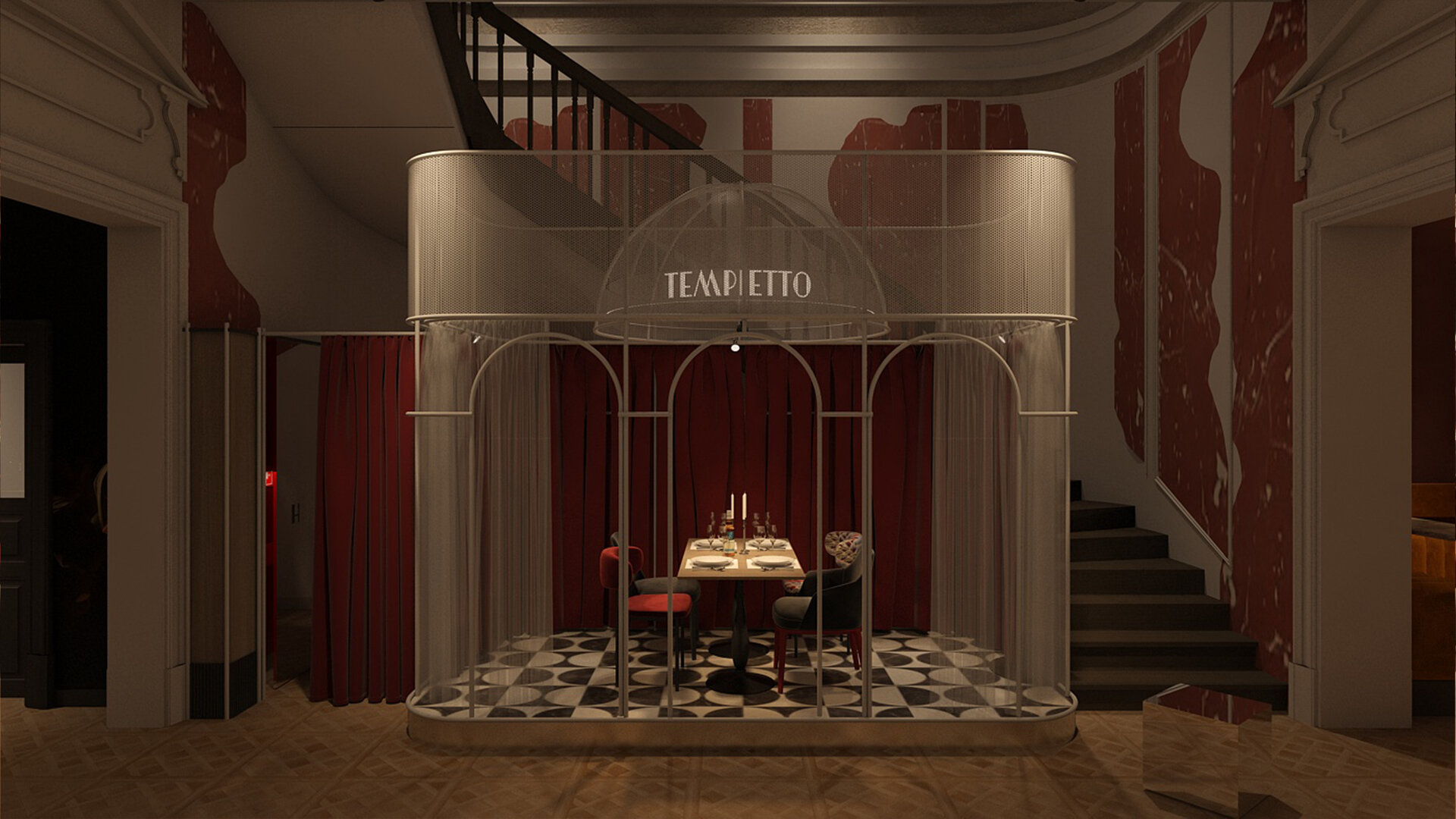
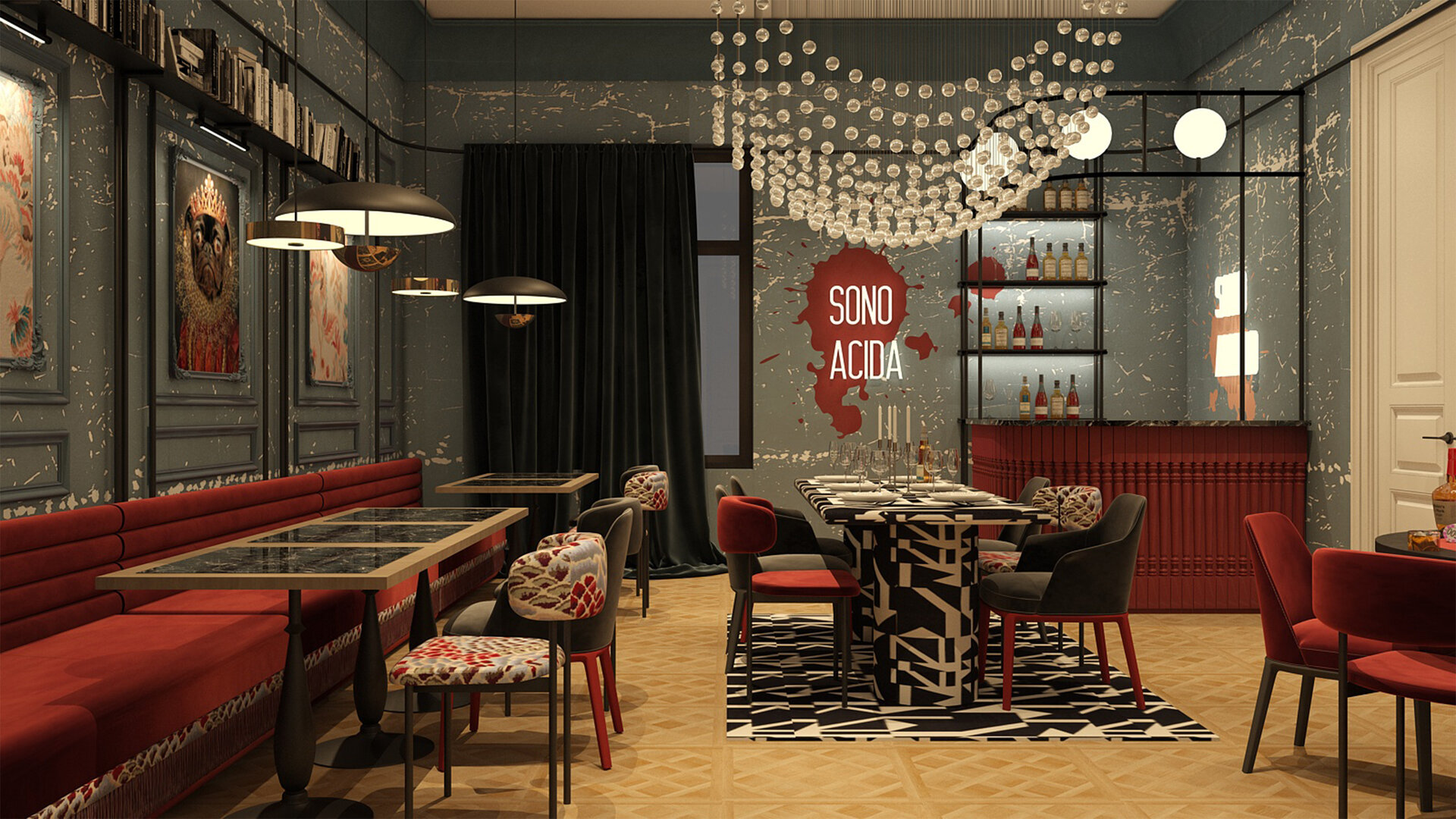
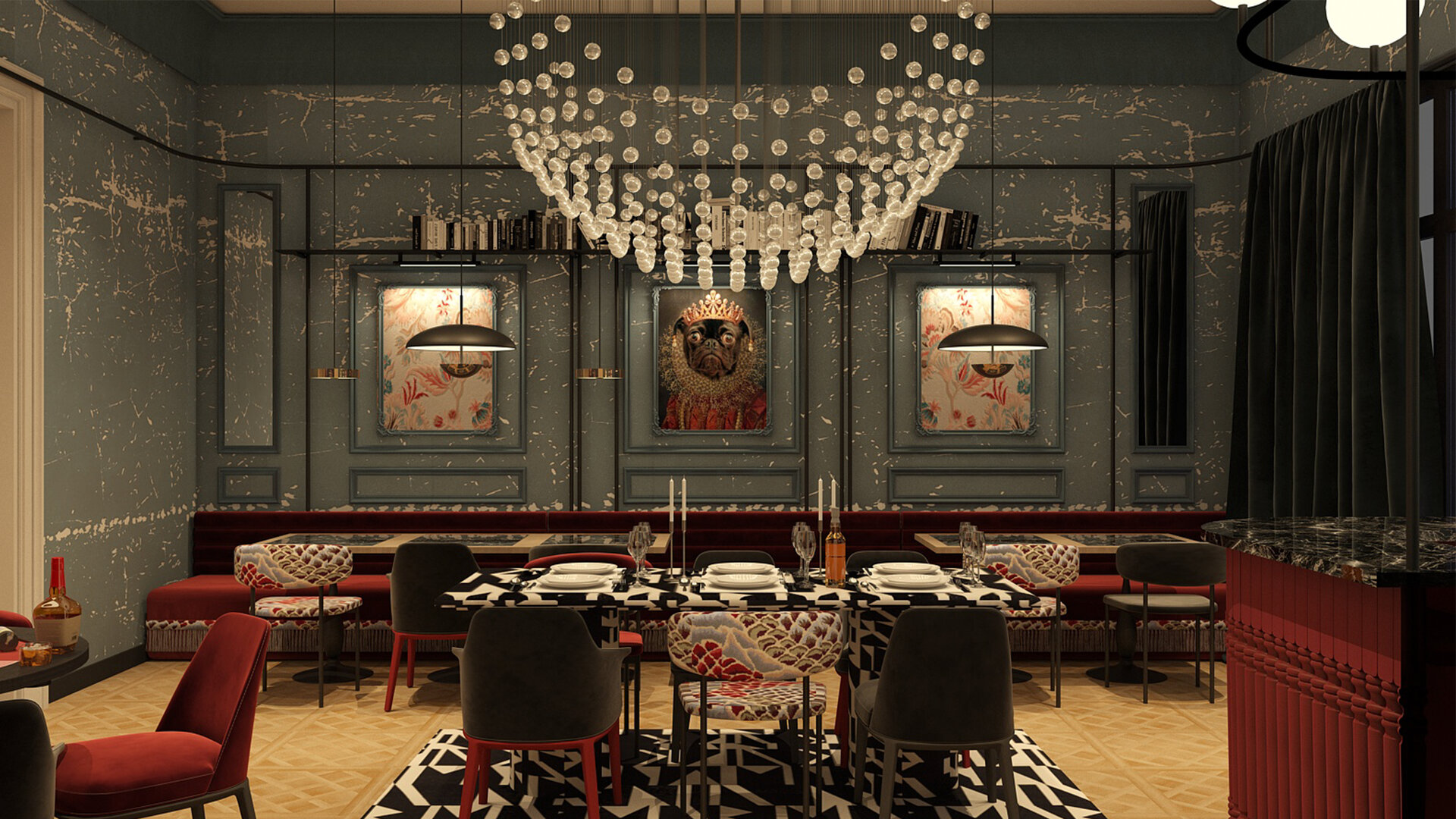
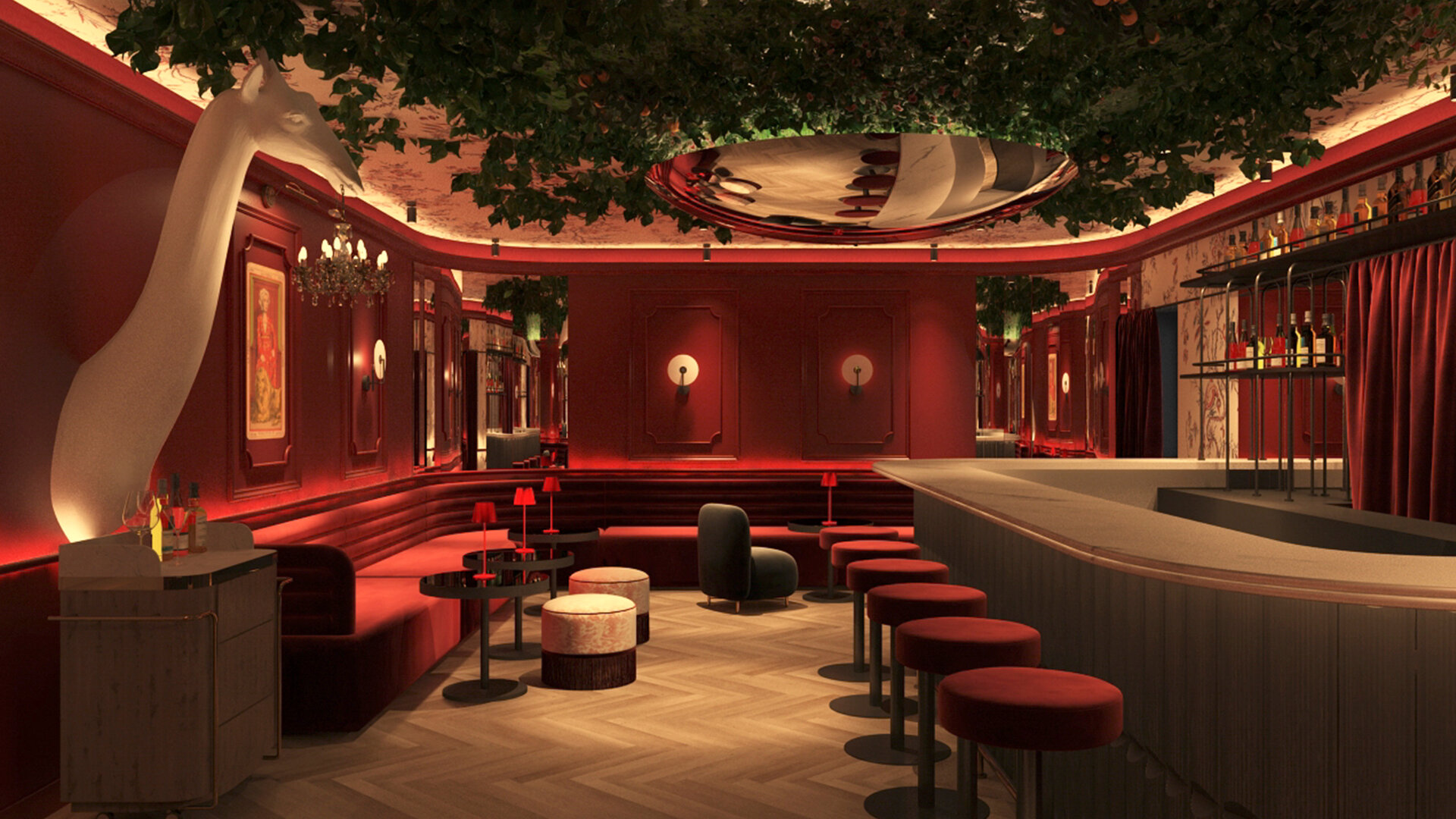
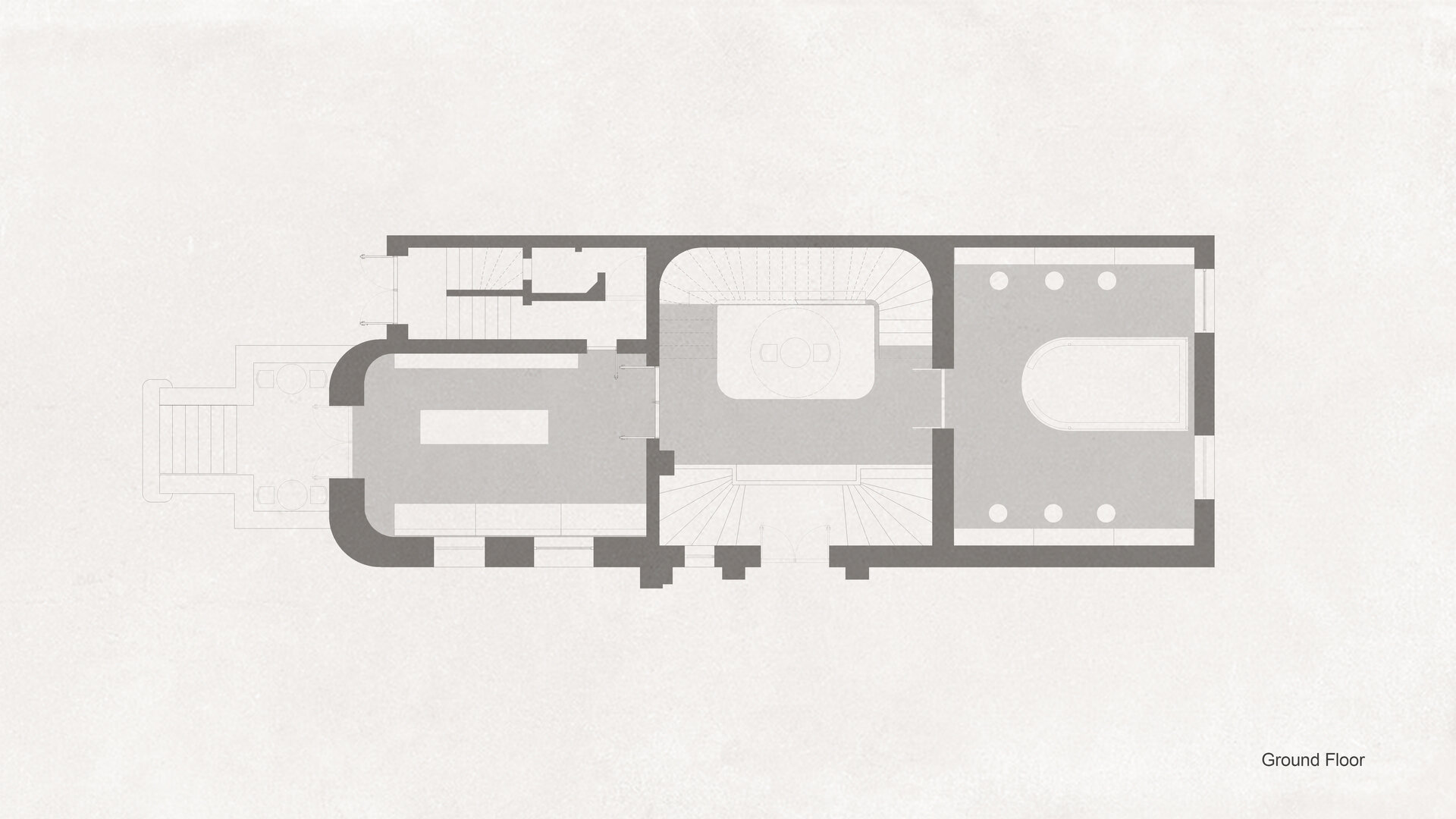
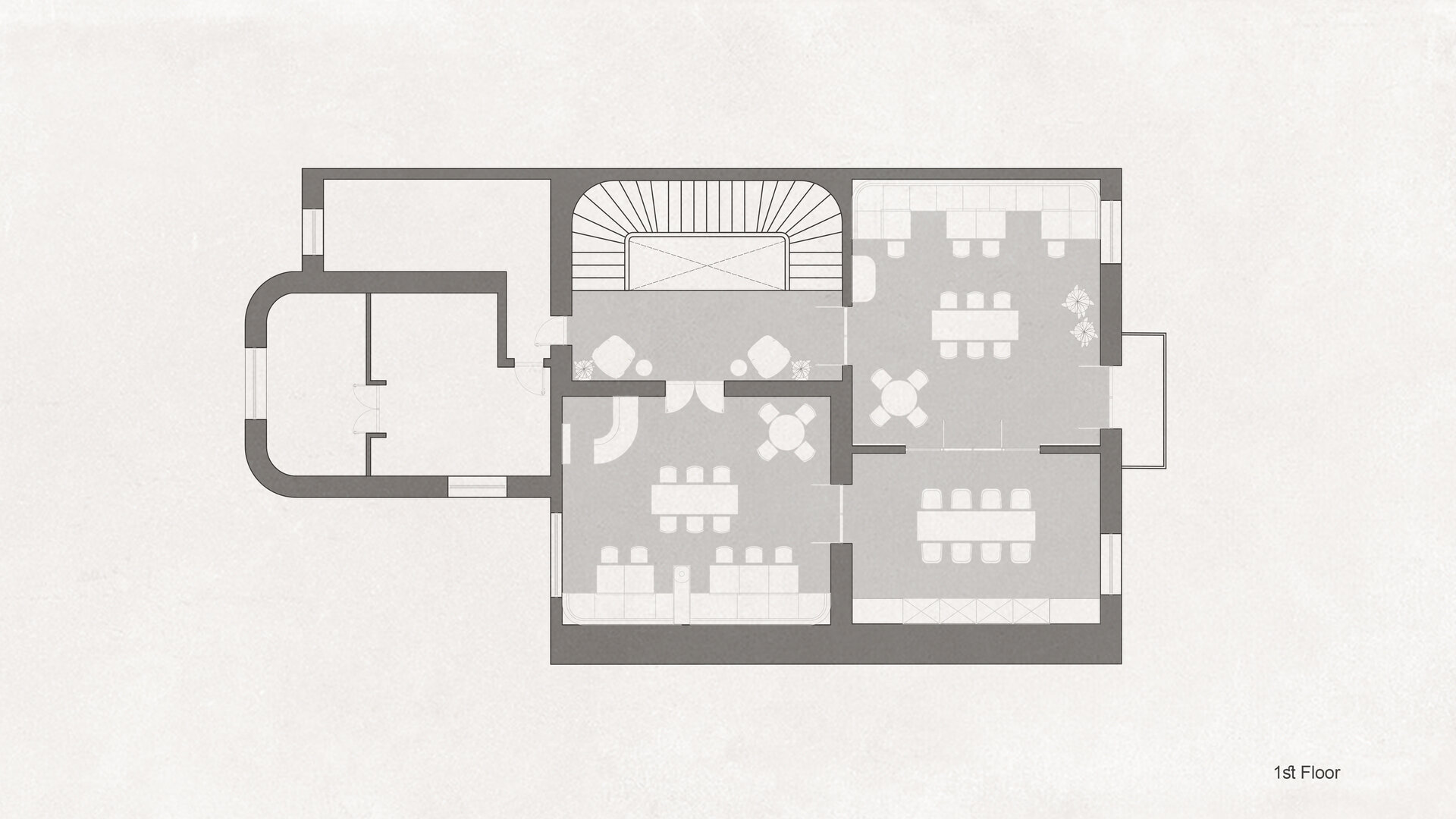
The proposed design is set in an existing interwar building, typical of Bucharest’s city center— buildings often neglected due to the high cost of renovation. We imagined the space as retaining its original wall paintings and flooring, adding only minimal details to refresh its look. To create a cohesive feel, a black metal framework acts as a unifying structure, bringing together the diverse furniture and décor collected from various sources. The framework also serves a practical purpose, protecting the walls and ceilings by supporting signage, lighting fixtures, and other elements, eliminating the need to drill into the existing structure.
Eclectic, Thrifted Aesthetic
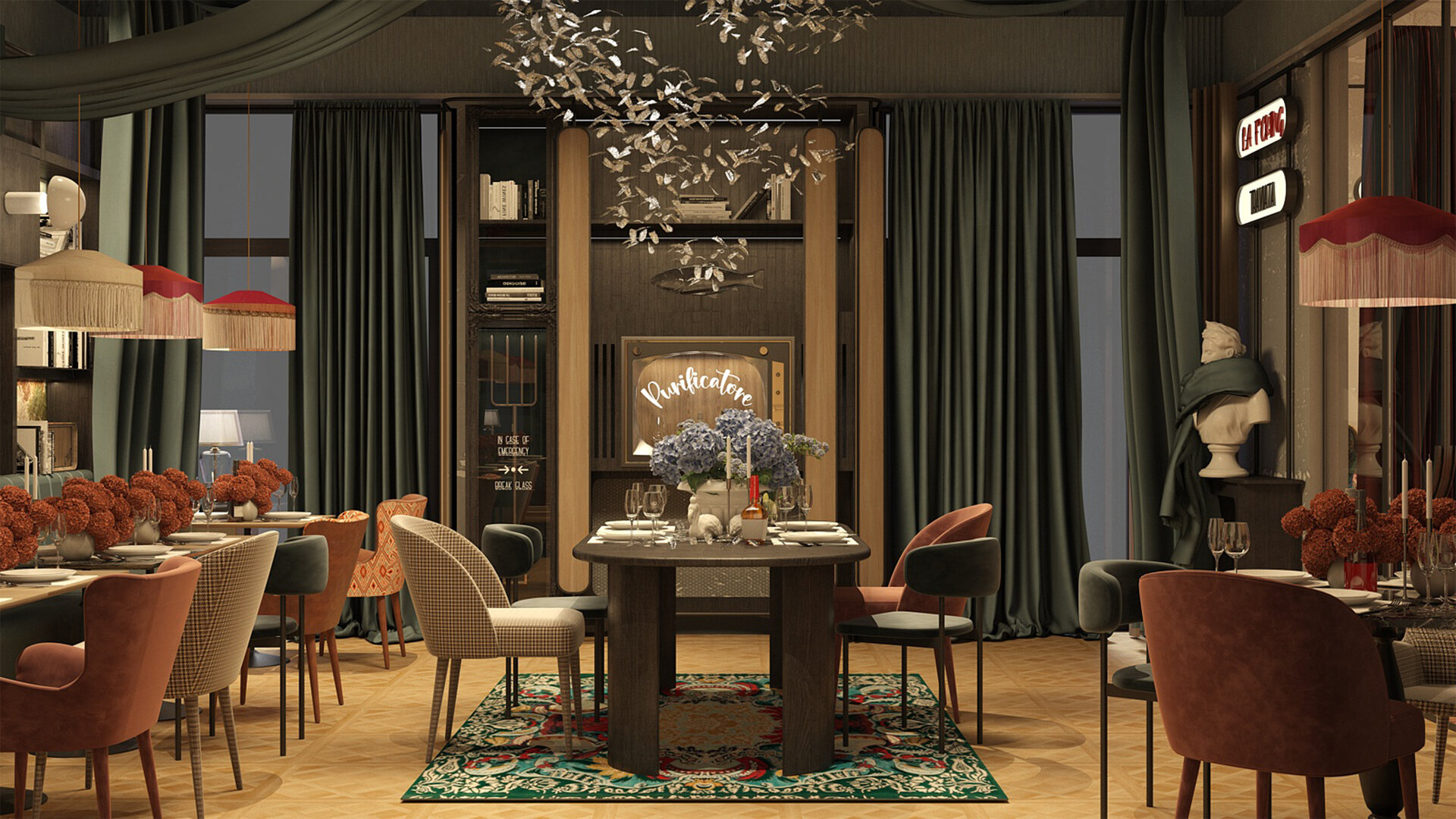
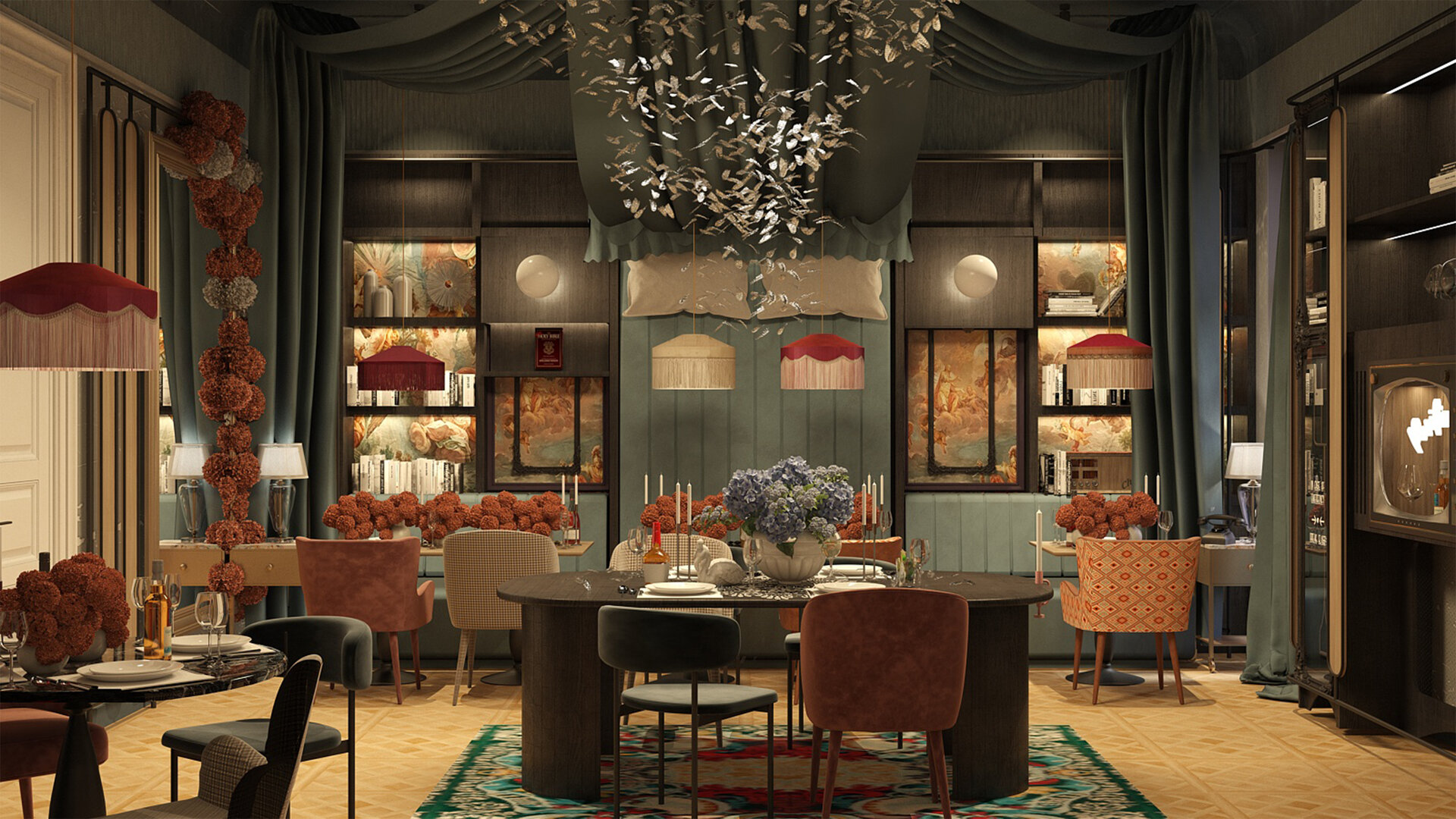
In keeping with the design's flexible and sustainable philosophy, we’ve used pillows as wall décor, old clothes and televisions to evoke the charm of a vintage home. This creative approach reduces the need to purchase new, designer décor while giving the restaurant an intimate, lived-in atmosphere.
Expansion and Adaptability
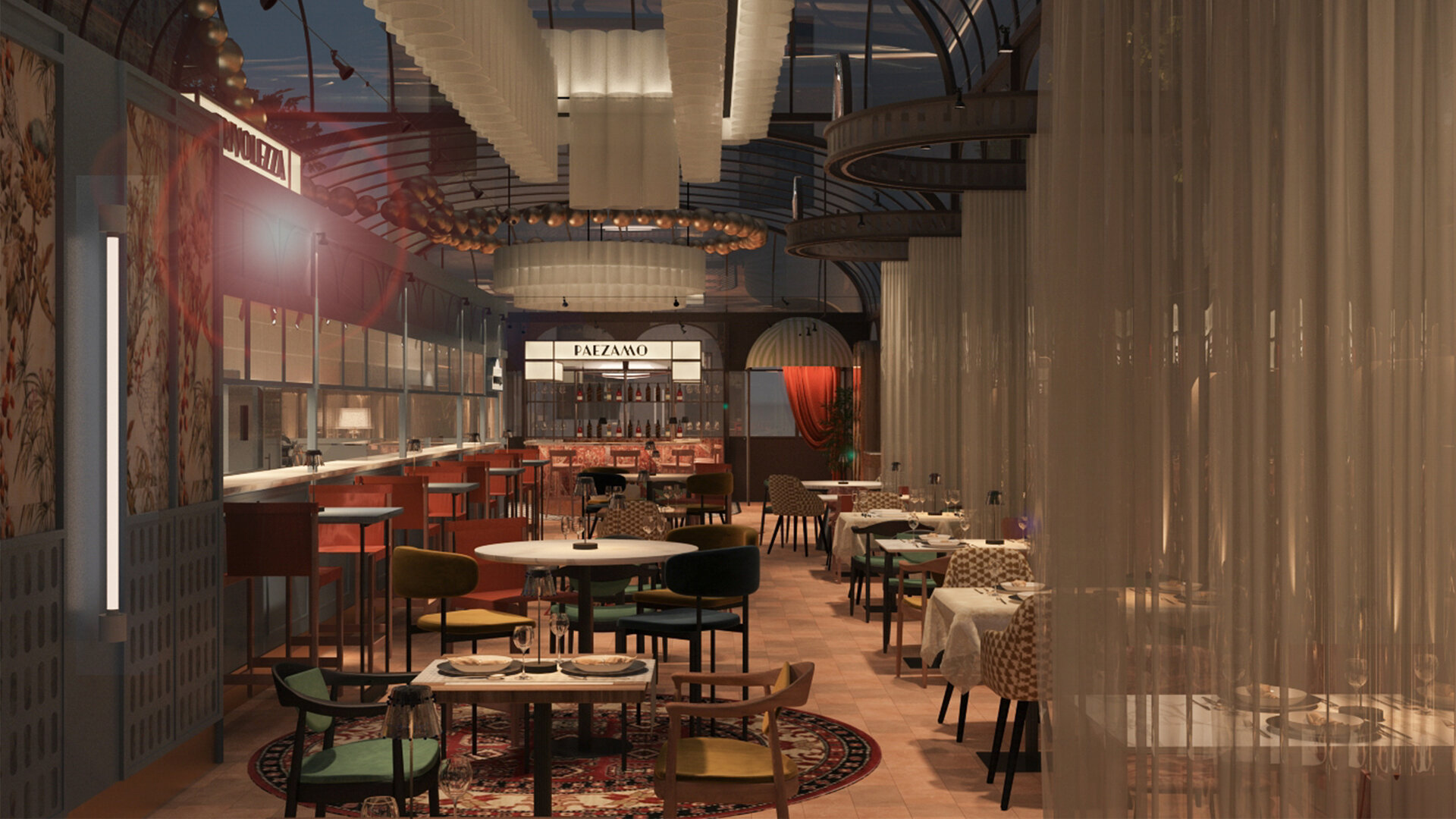
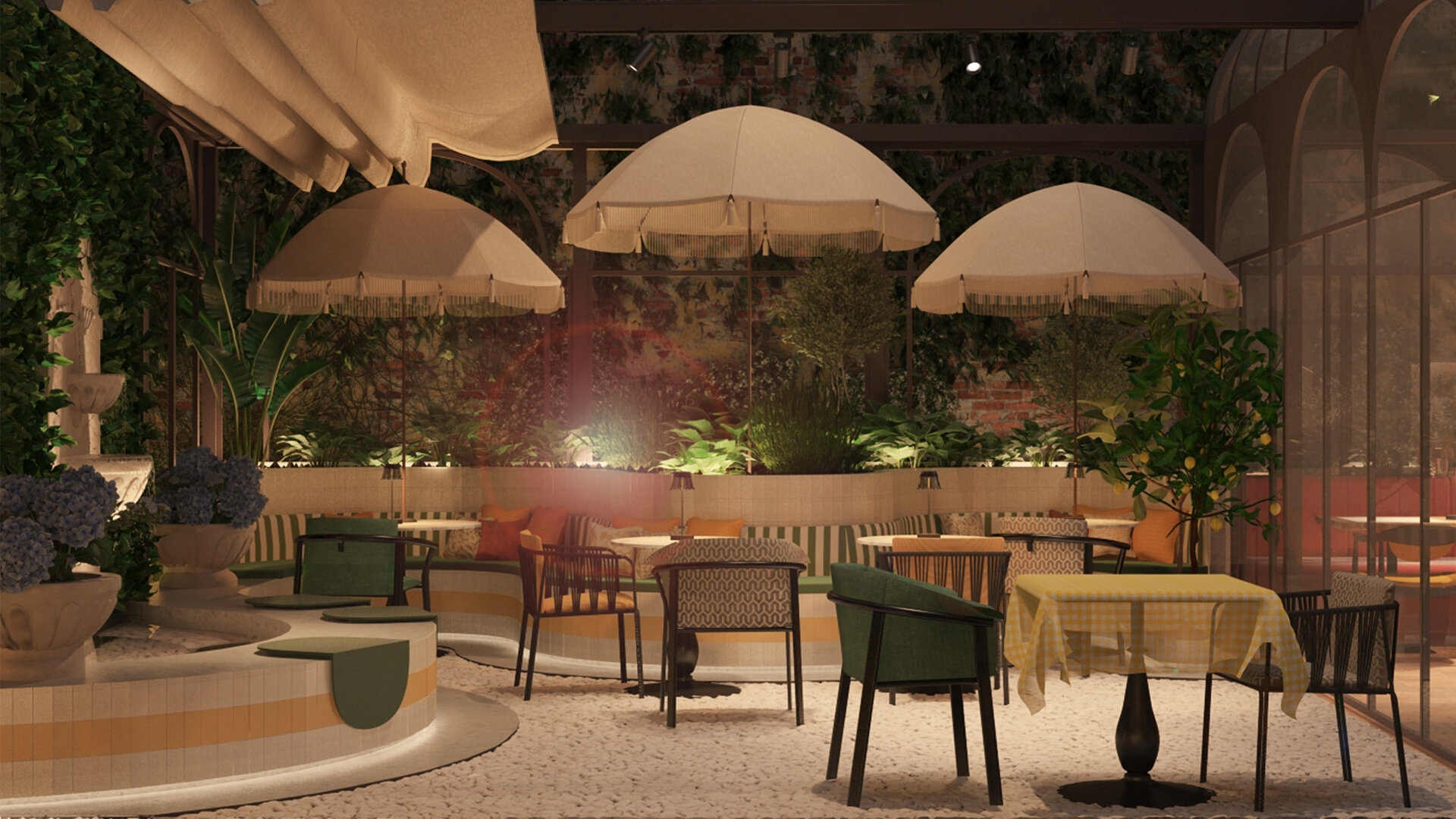
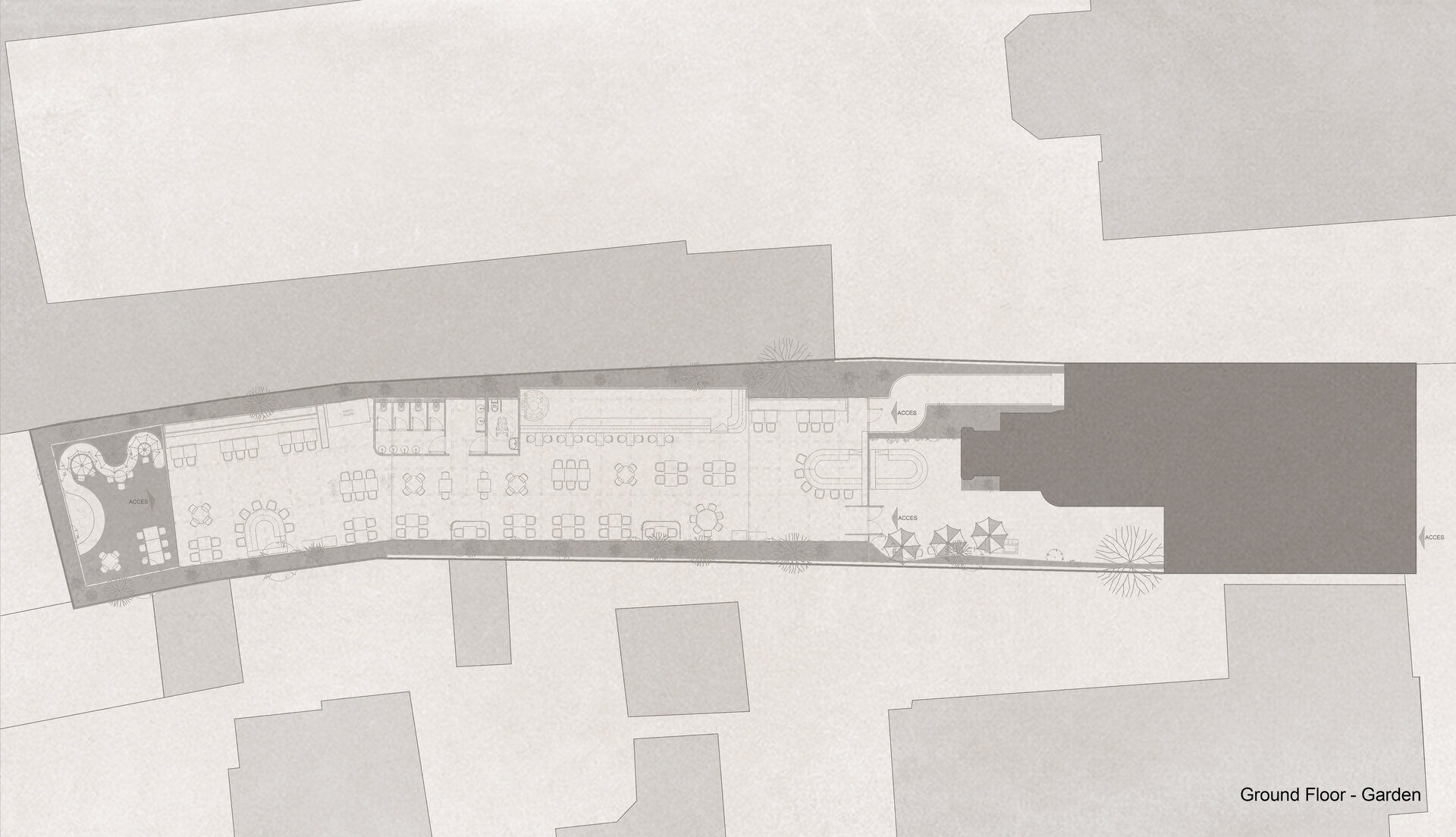
Older buildings often present challenges for individuals with accessibility issues due to their narrow rooms and stairways. To address this, our design includes a metal structure that extends the building, creating an indoor-outdoor space at ground level. This extension serves as a thermal buffer, improving the energy efficiency of the existing structure while enhancing accessibility.
The adaptable expansion allows the restaurant to seamlessly integrate into the urban fabric of Bucharest. Importantly, it introduces spacious, accessible restroom facilities designed specifically for individuals with disabilities, ensuring inclusivity. Additionally, the use of continuous flooring throughout the space eliminates barriers, providing a smooth transition from one area to another.
Overall, this approach fosters a warm and welcoming environment that embraces sustainability, flexibility, and accessibility for all guests.
Interior Design

- Yoga House
- H Retreat
- Șincai Studio
- “Muntele Băișorii” guesthouse
- 1625
- Interior design S33 House
- Sustainable Hospitality Design: An Italian Restaurant Concept
- Zanzibar Oasis
- M.OB Apartment
- P102 Apartment
- BR House


