- Romanian Register of Urban Planners Award
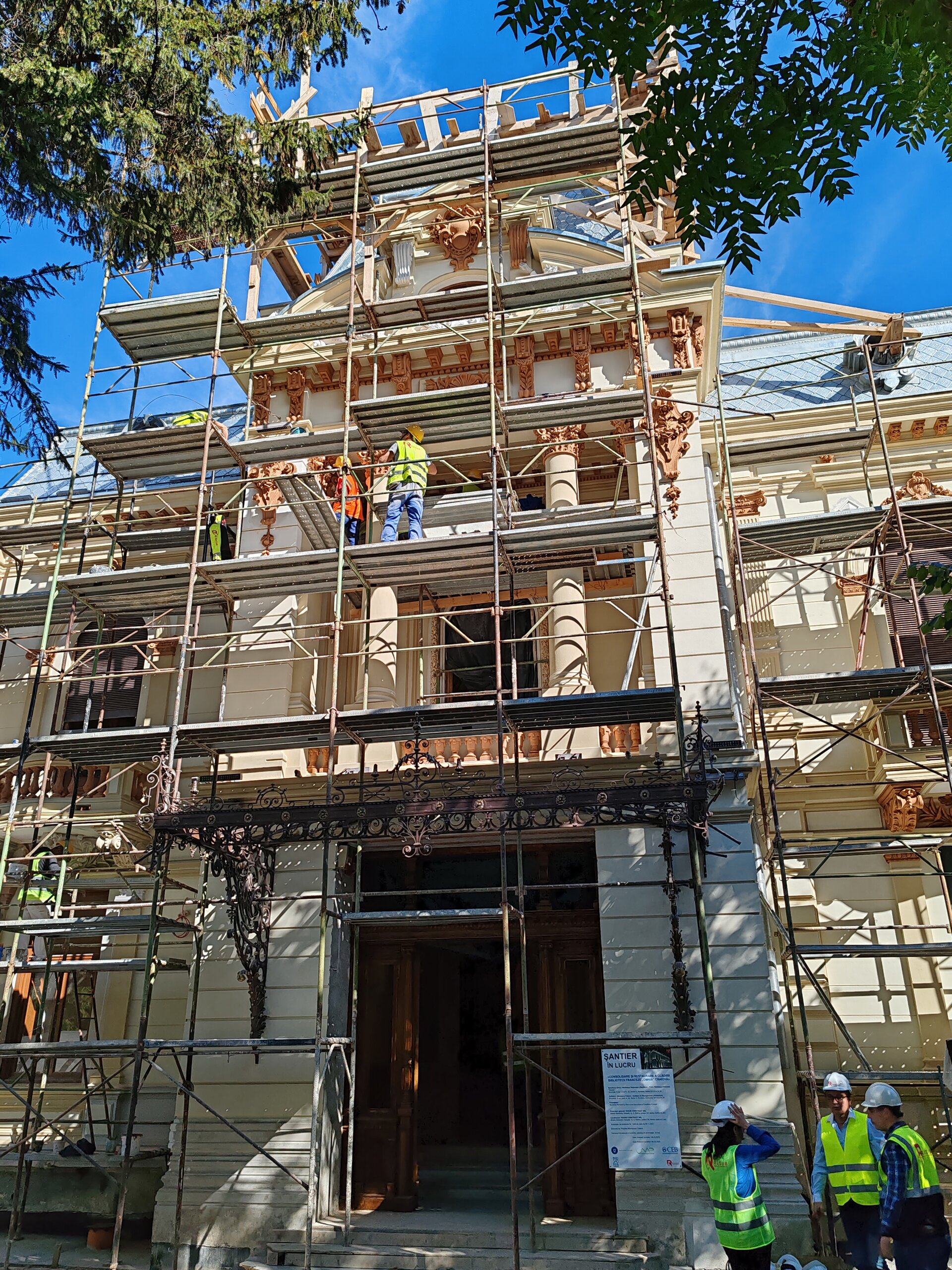
Consolidation and Restoration of the French Library Building “Omnia”
Authors’ Comment
In the first half of the 19th century, in Dolj County, the Pleșia family was among the noble boyar families, with Ion Stan Pleșia and Gheorghe Stan Pleșia residing in Craiova.
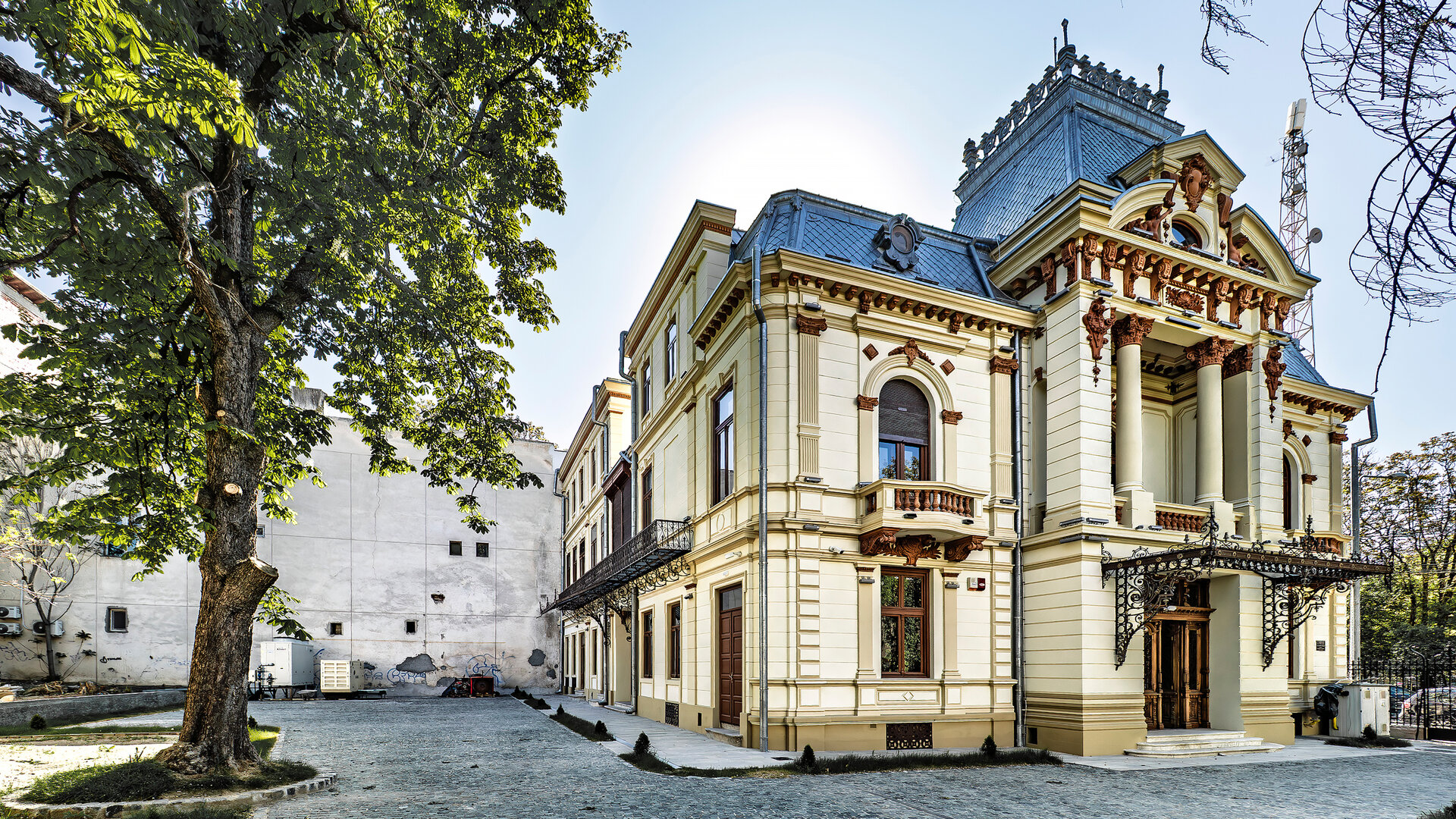
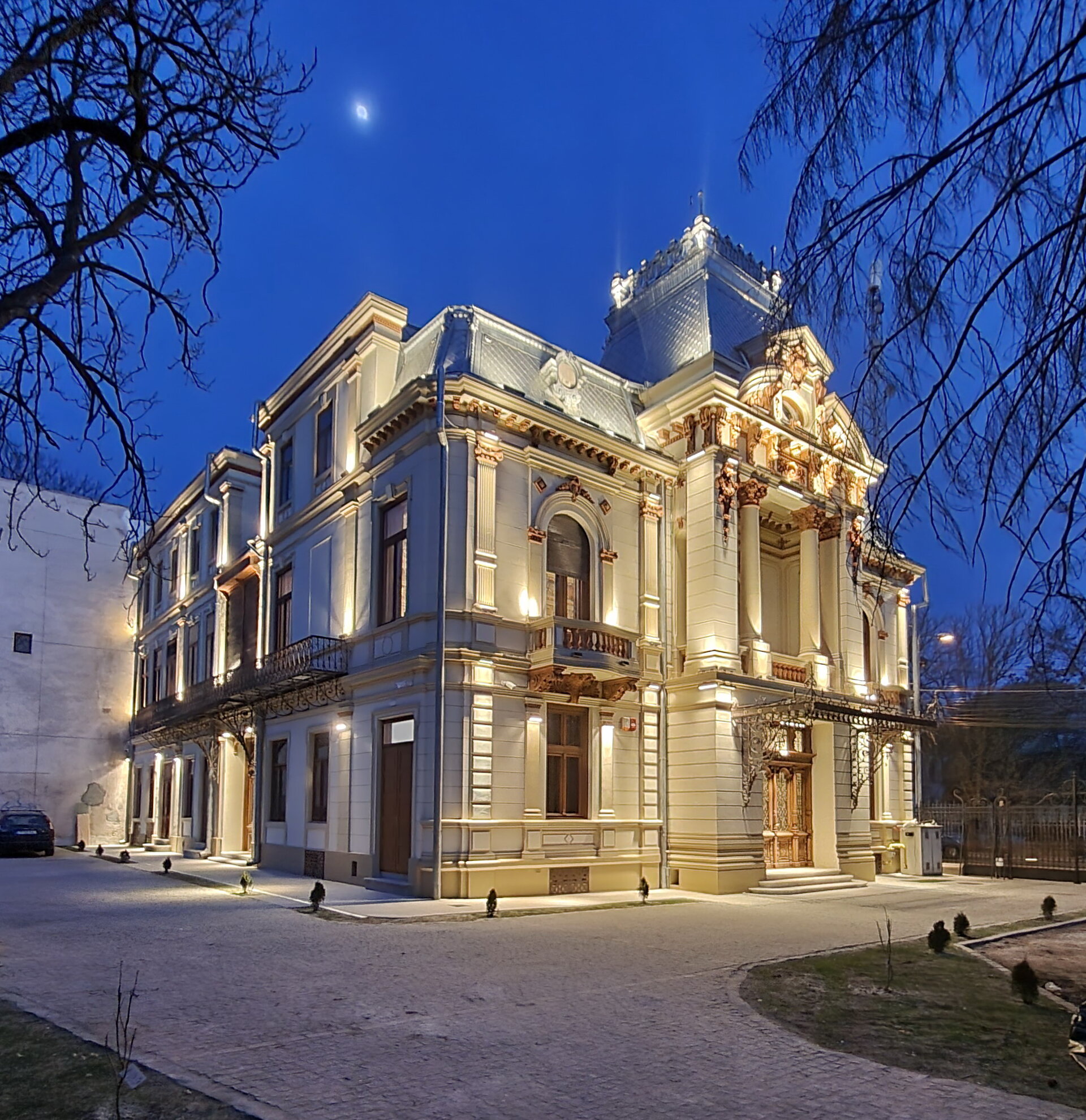
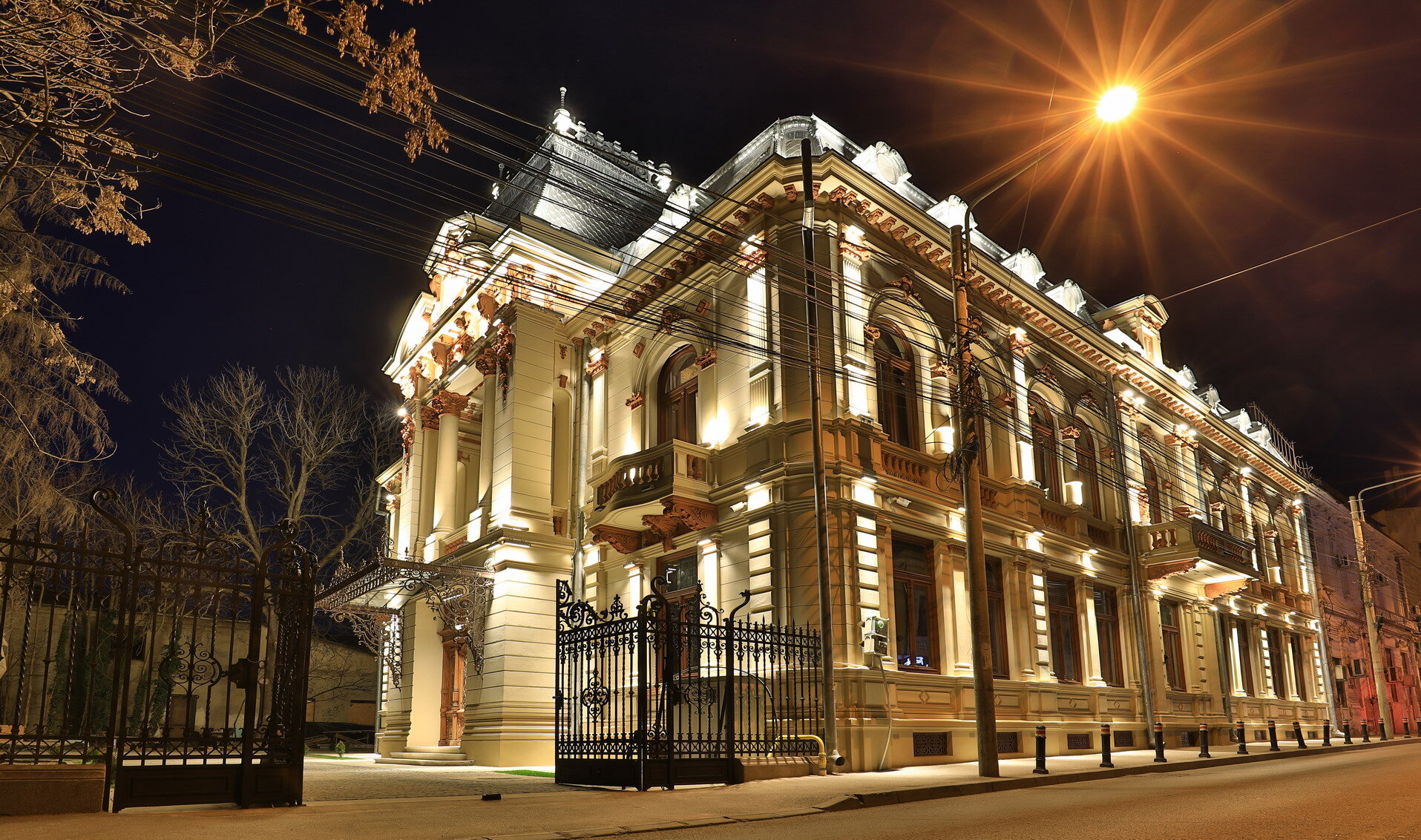
The building, with a basement, a ground floor, and two upper levels, has the appearance of a distinguished residence, with an interior that impresses through its refined beauty. The imposing structure was reportedly built in 1890 by the French architect Albert Galleron, who had also designed several other remarkable buildings, including the Romanian Athenaeum in Bucharest.
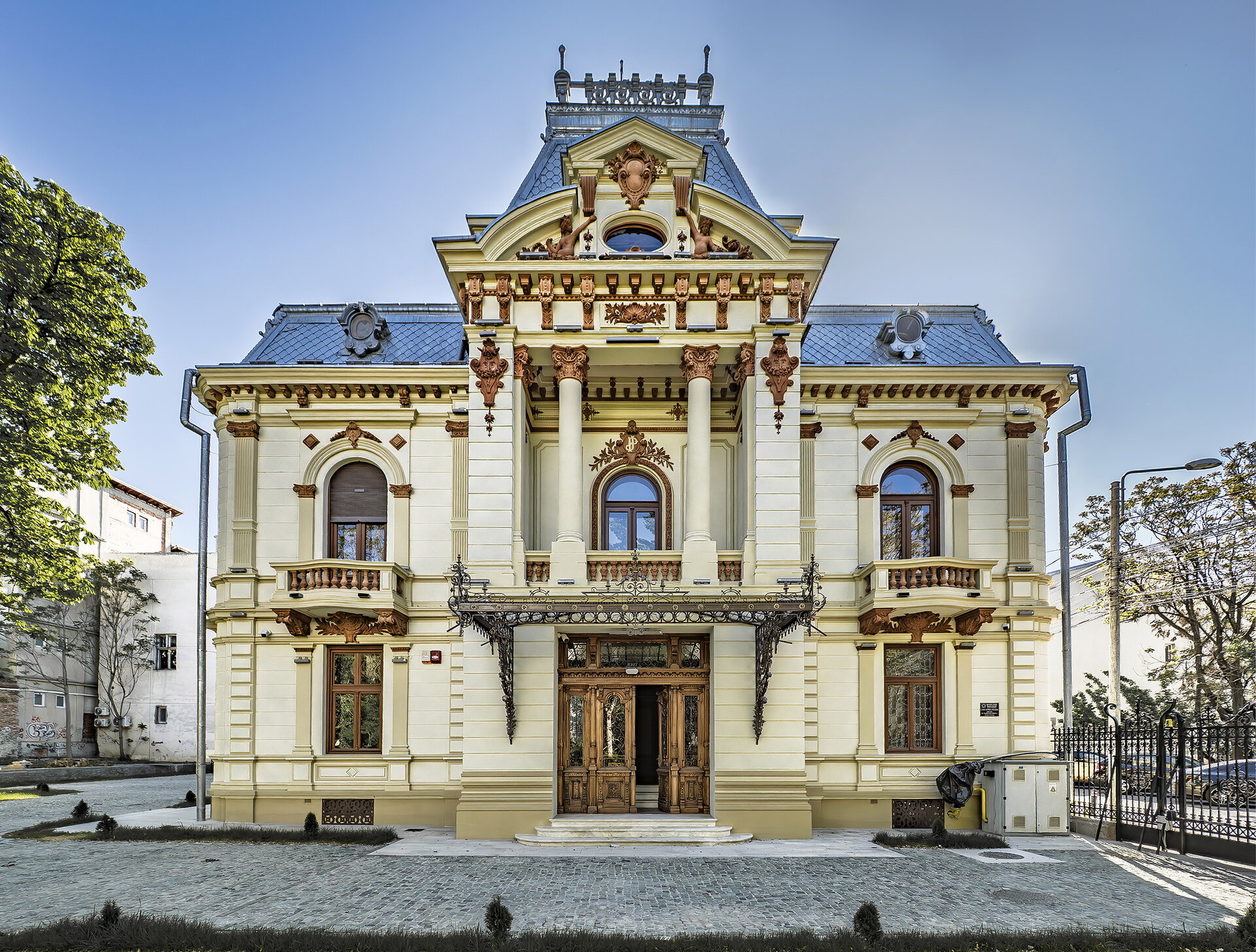
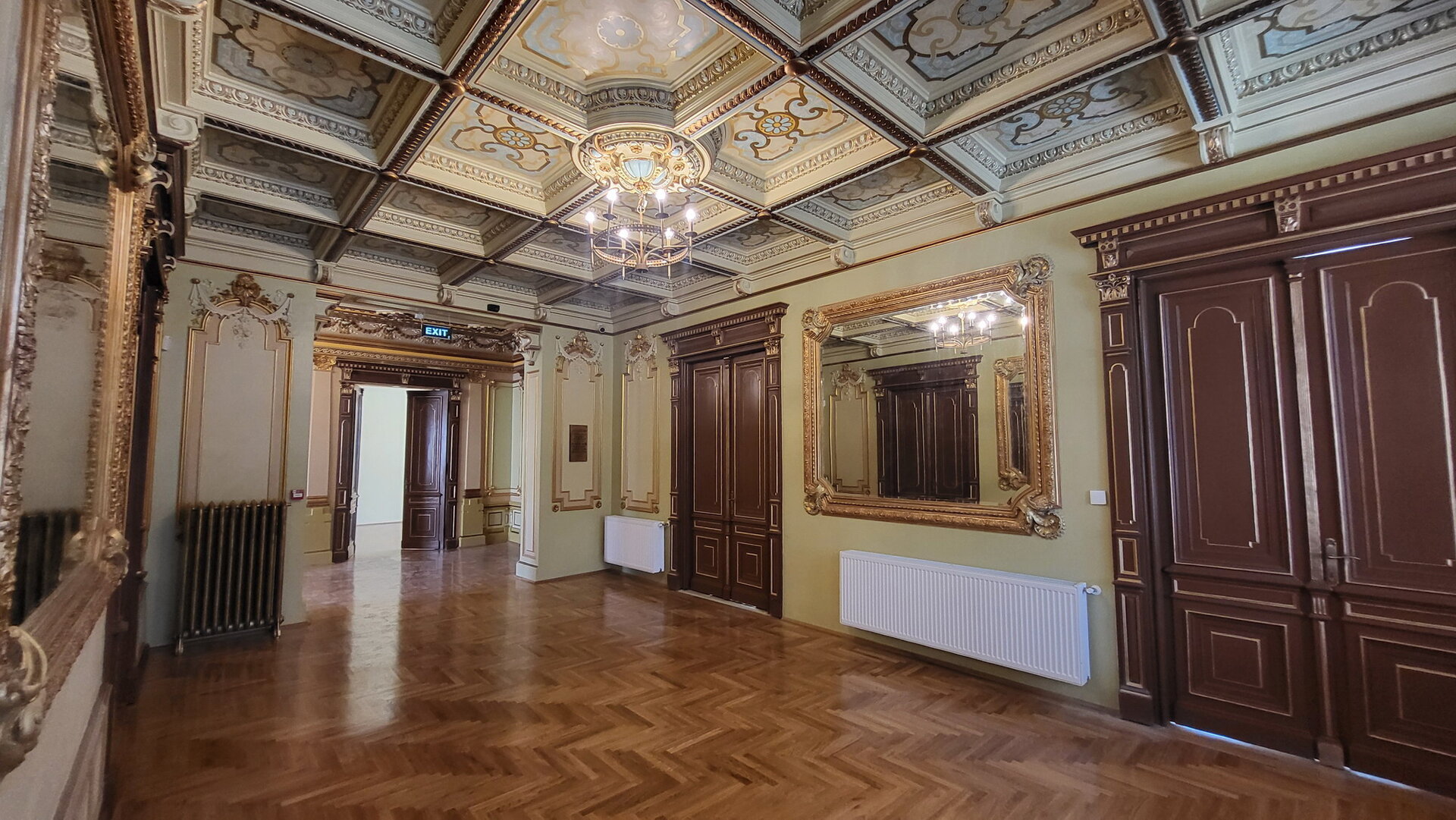
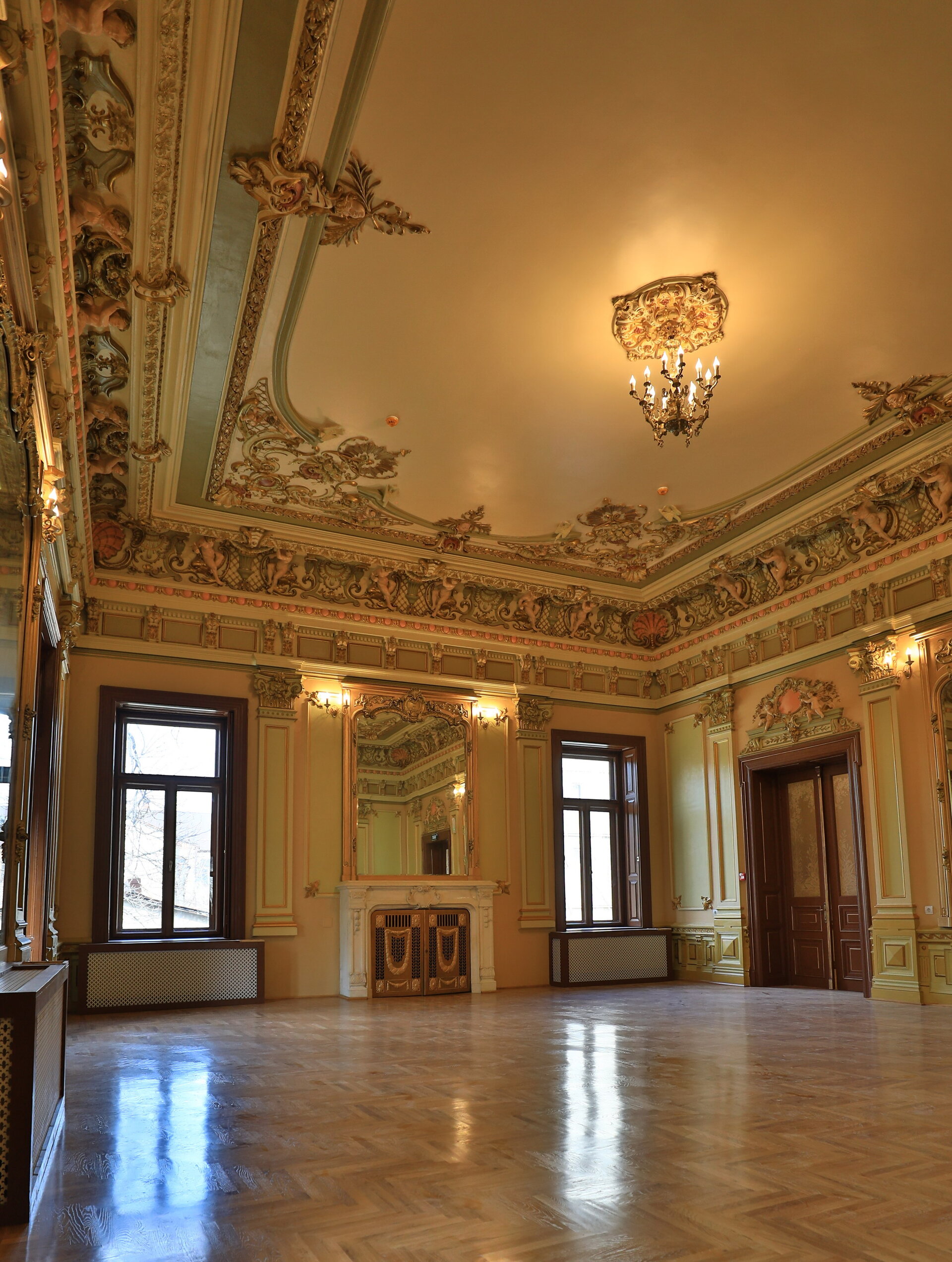
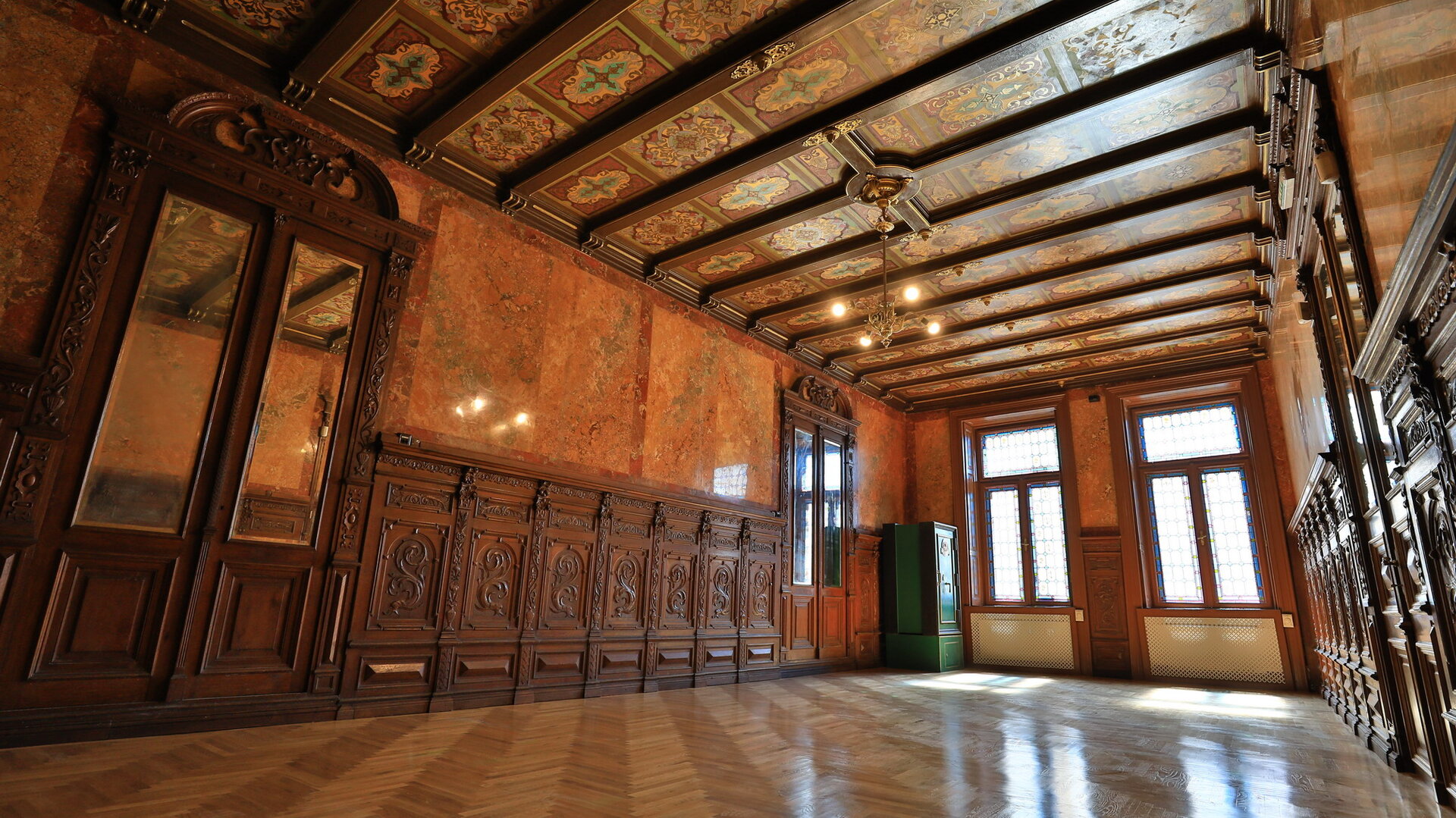
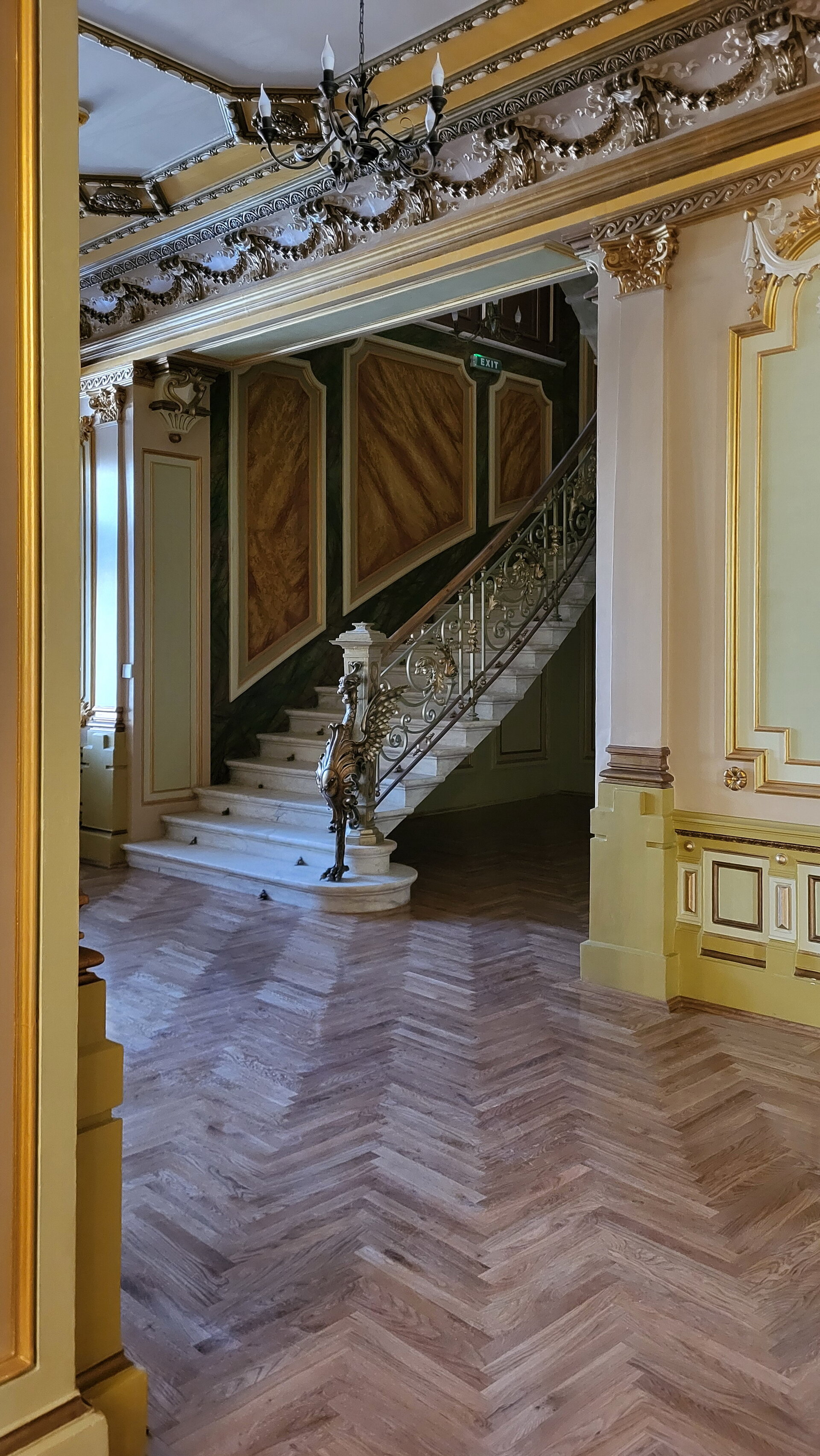
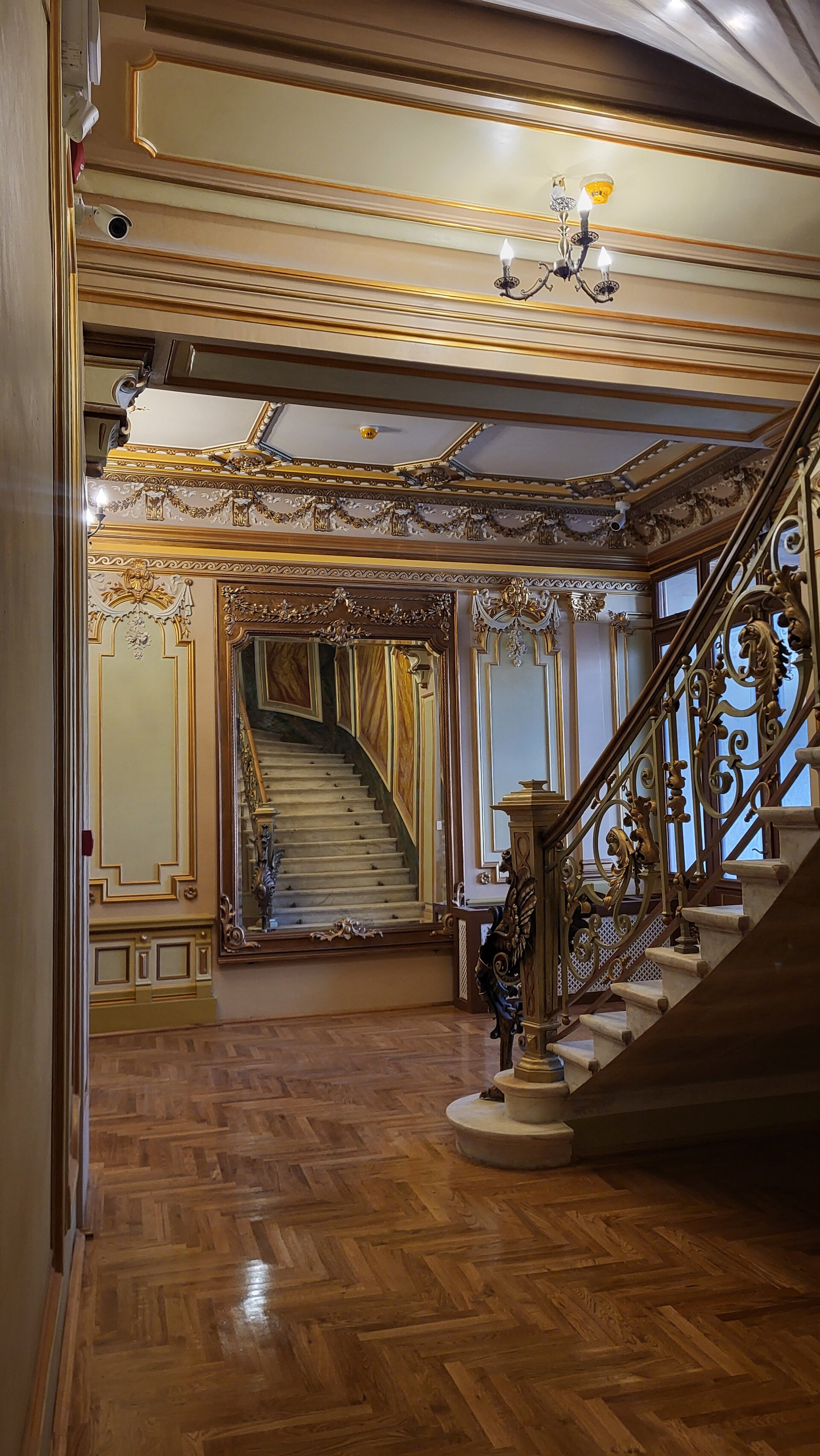
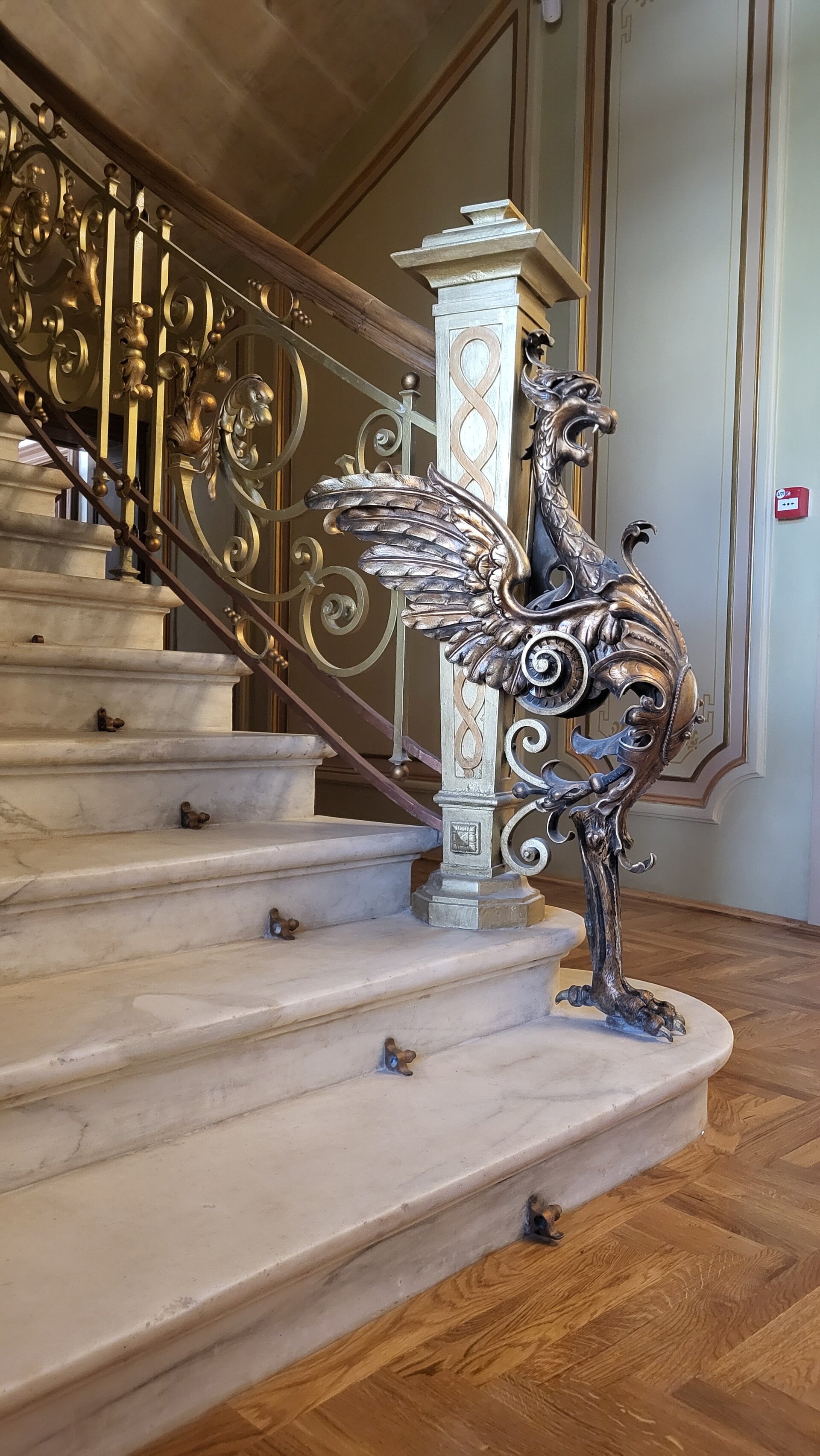
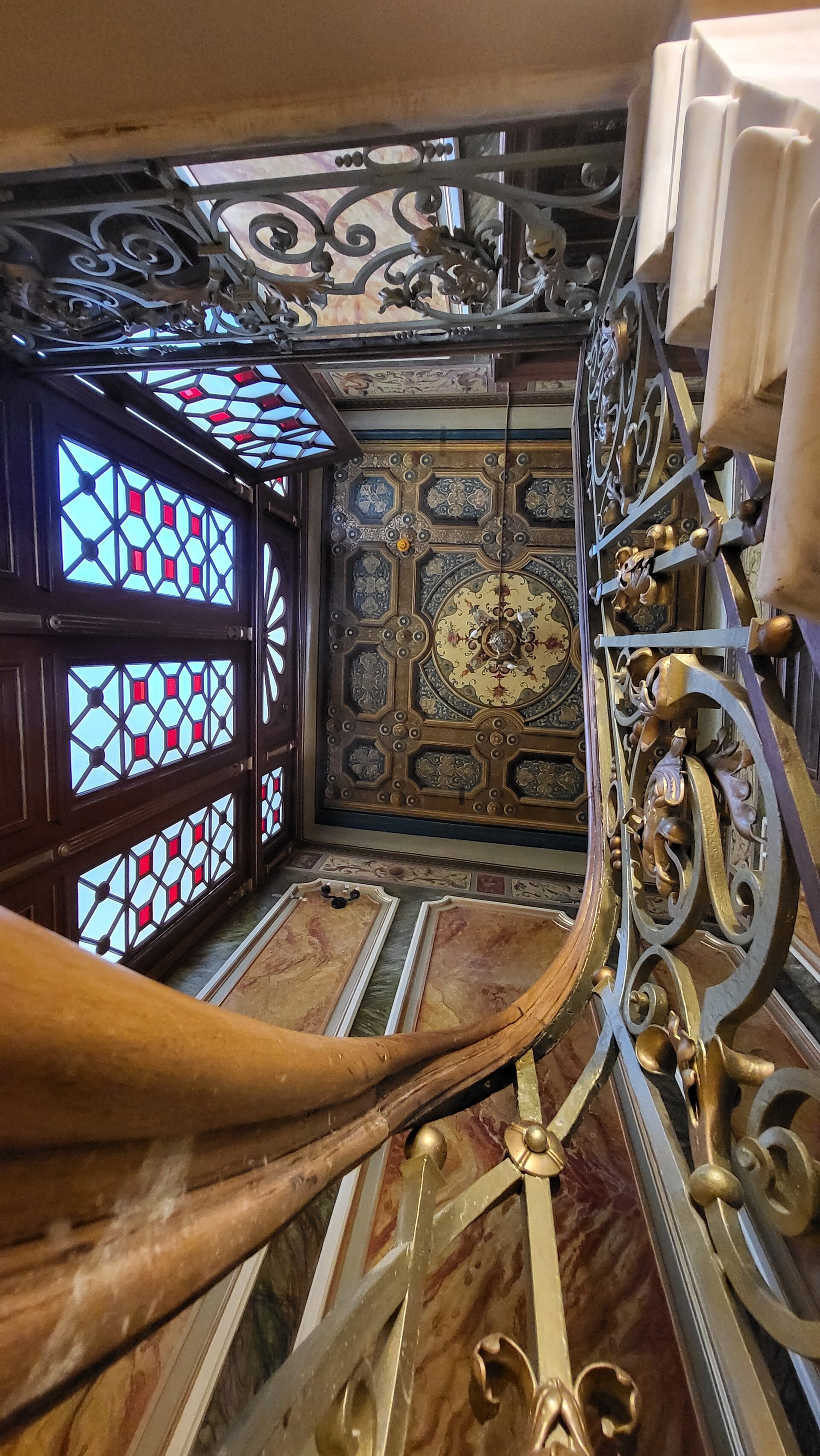
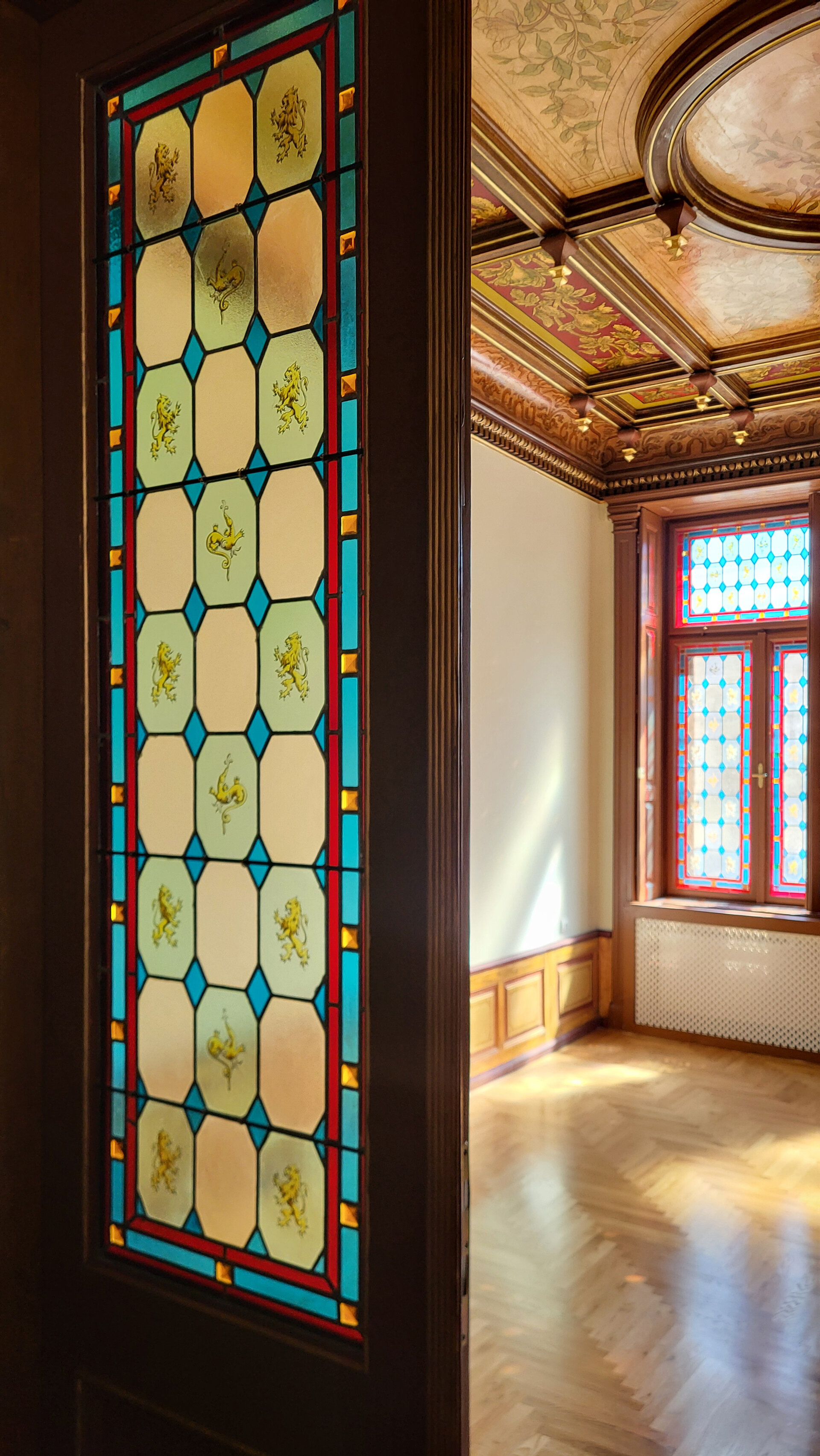
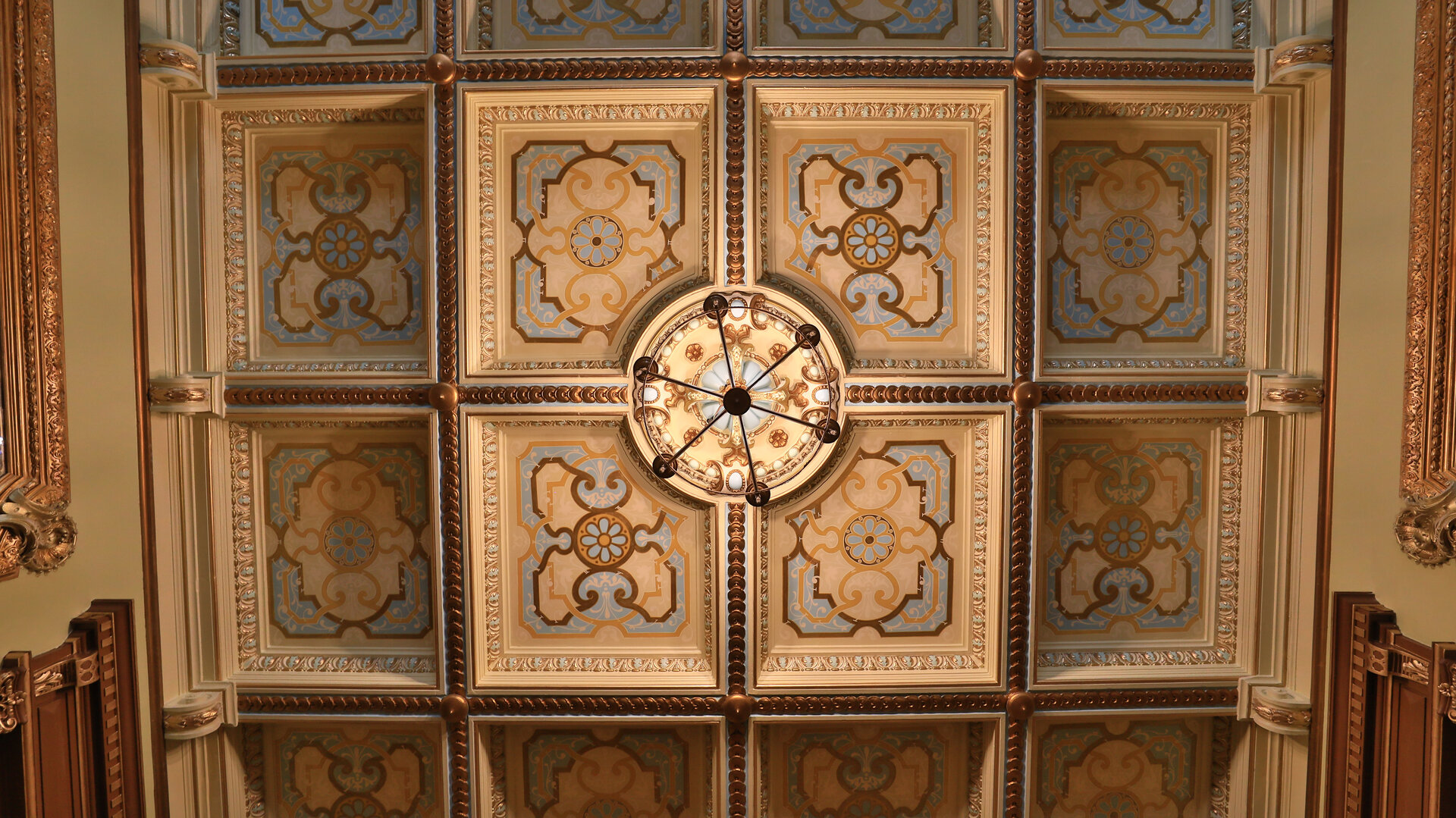
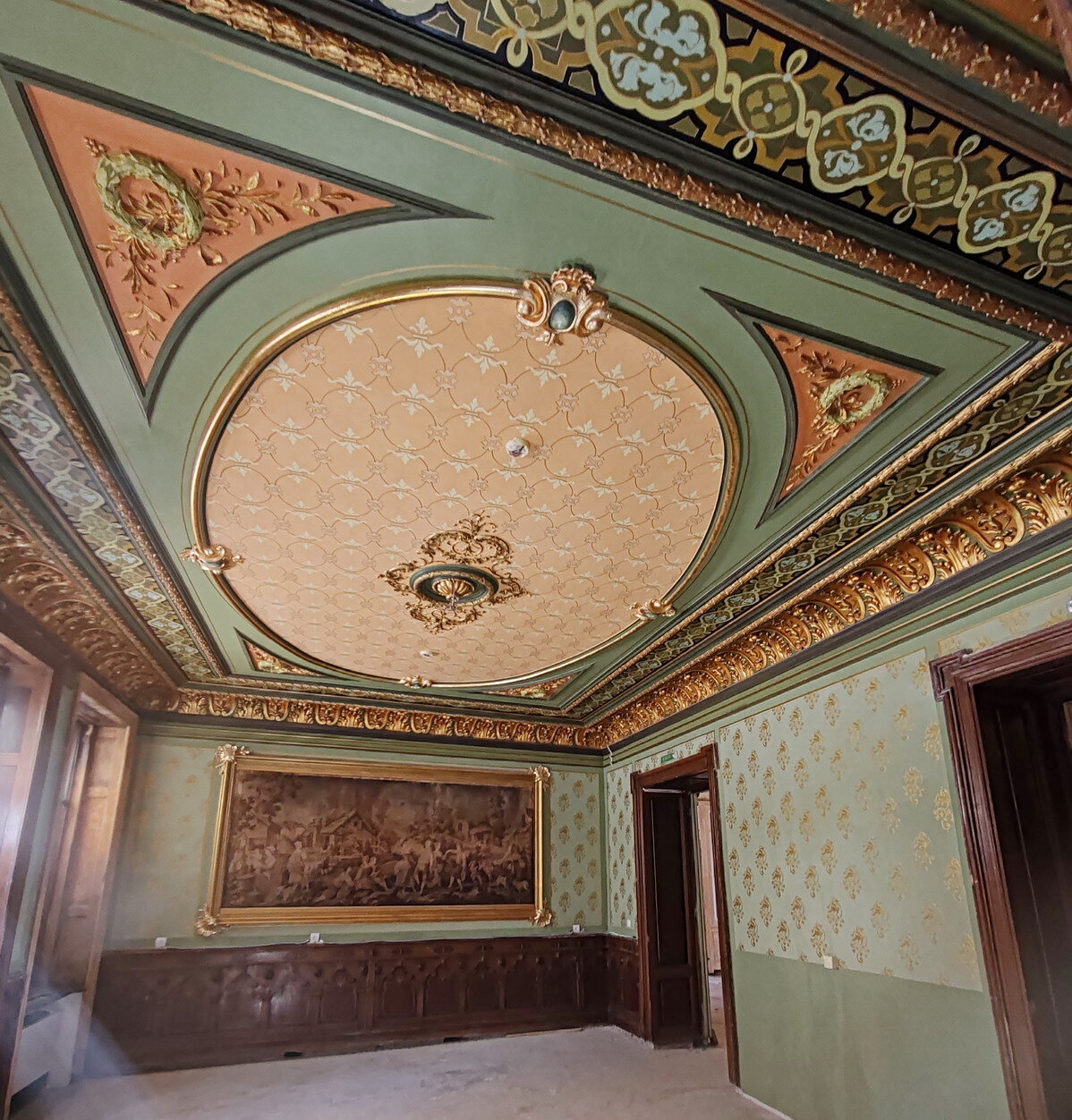
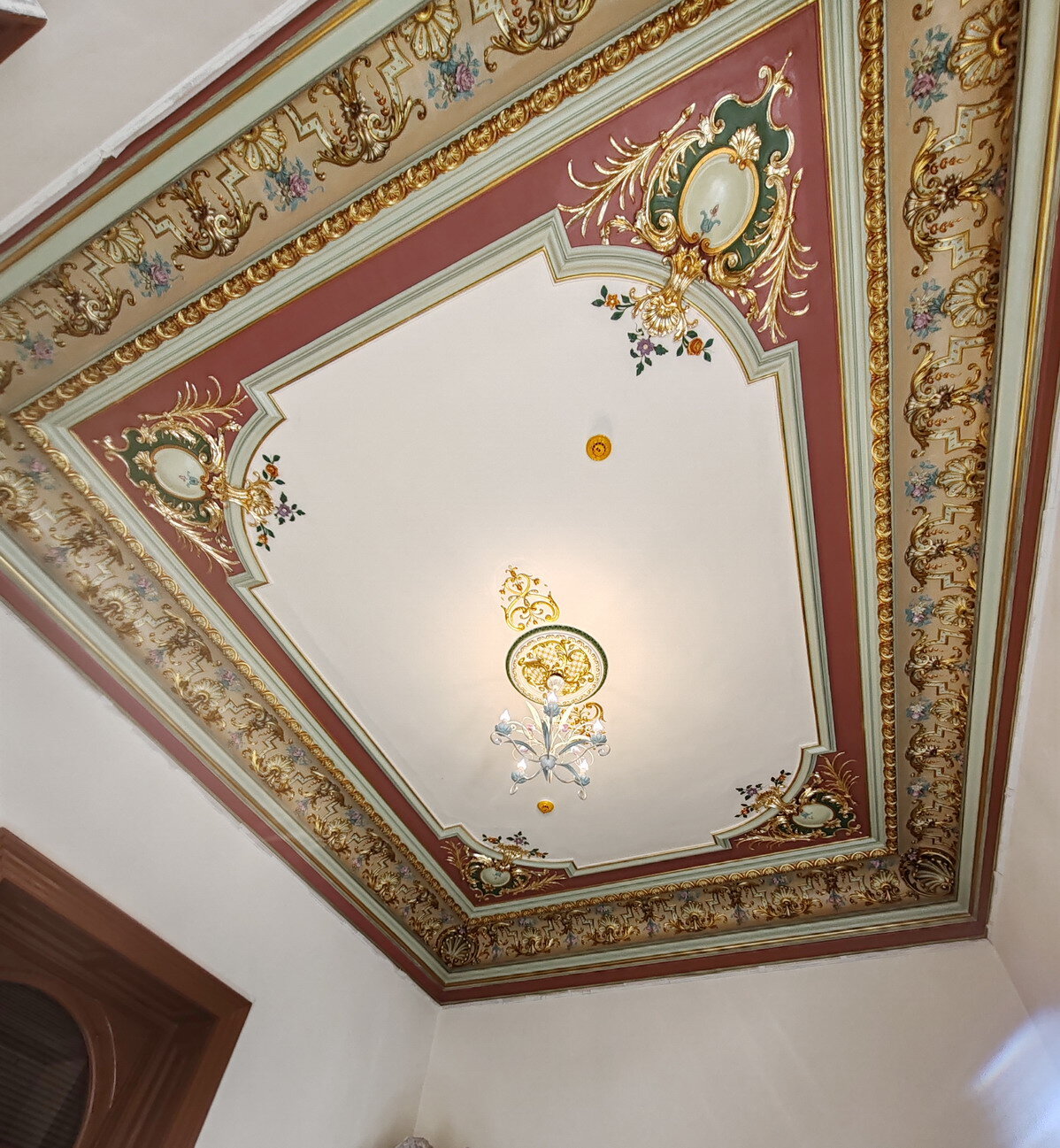
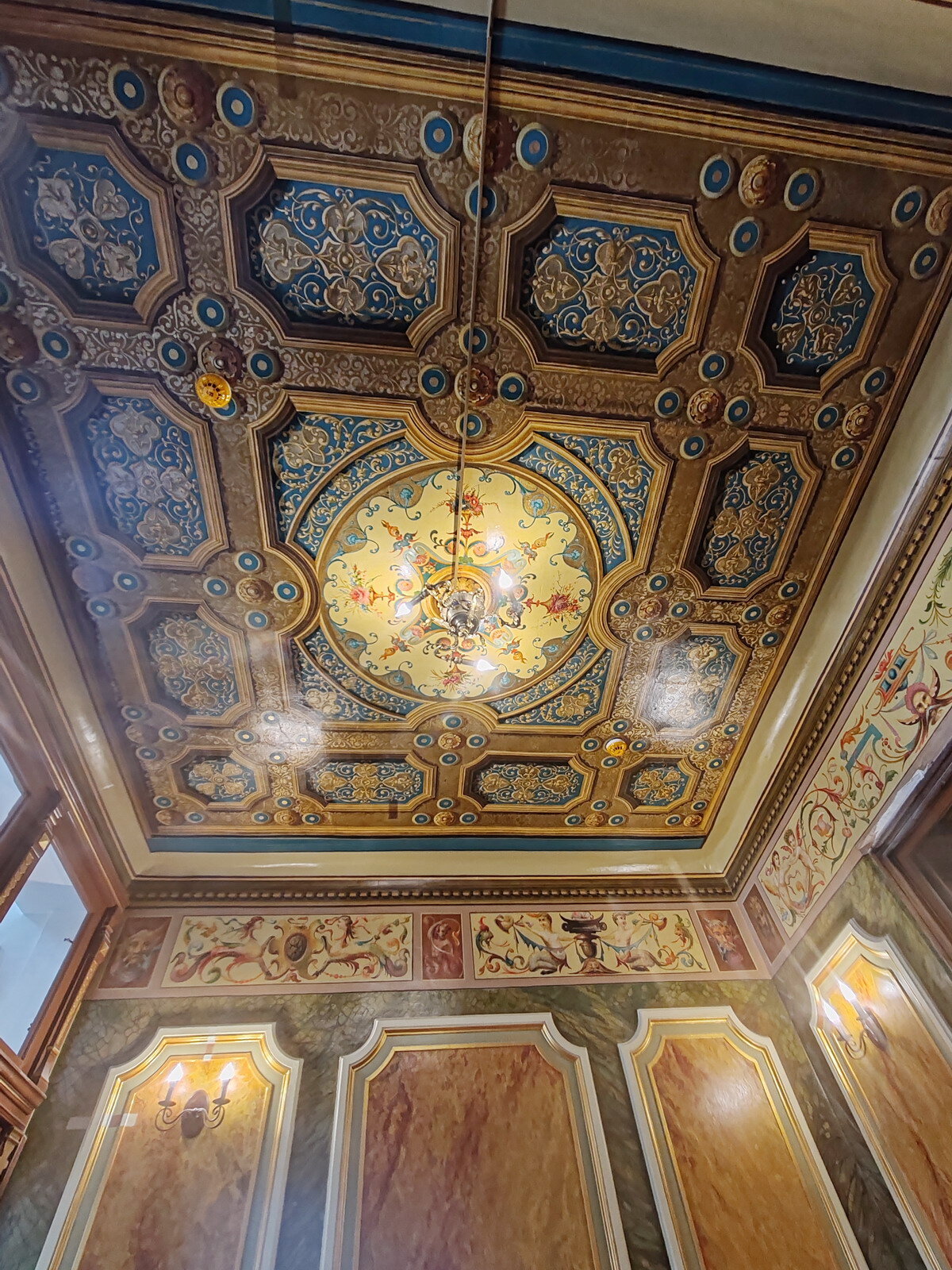
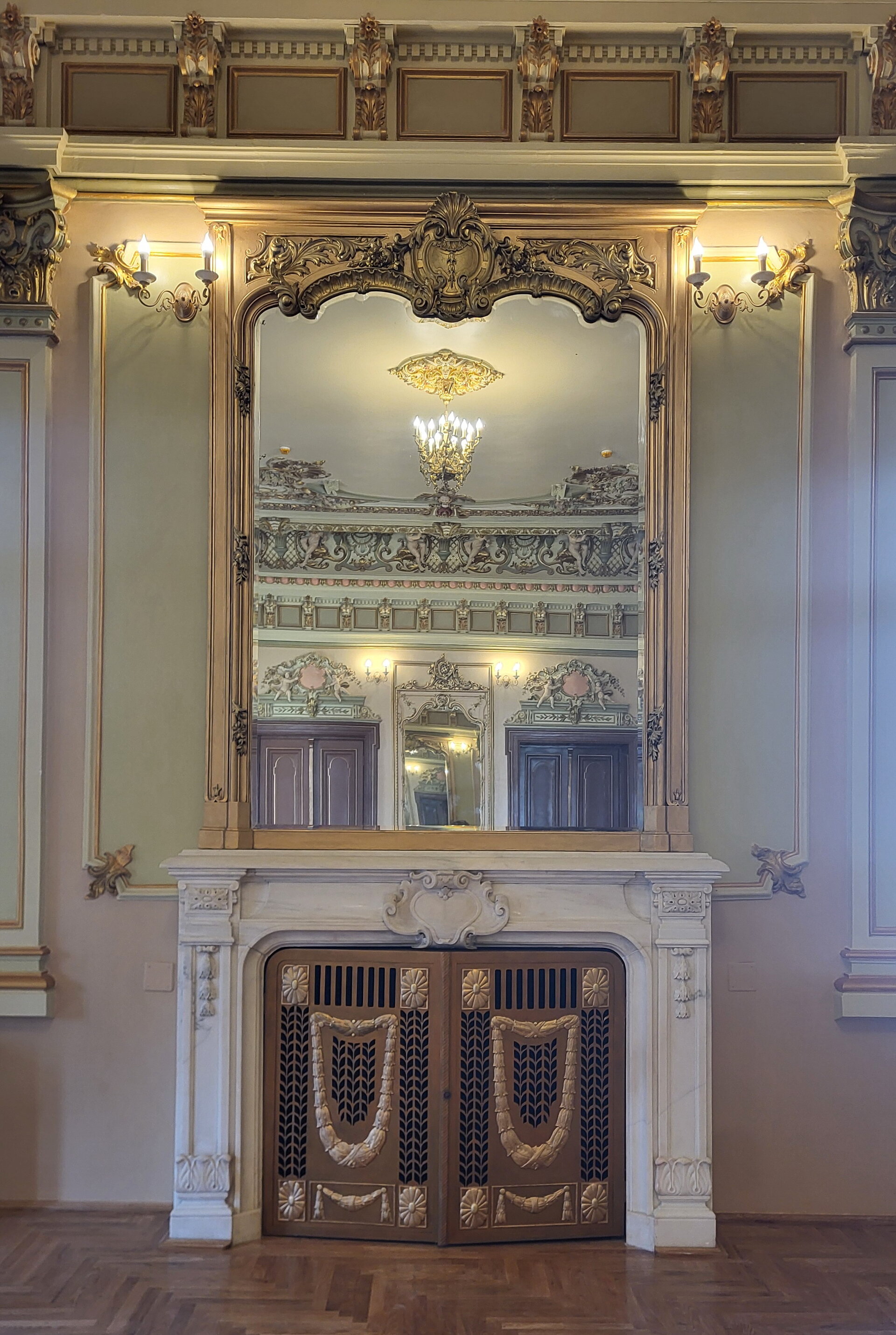
The rooms were decorated with ornamental elements typical of the era’s decorative repertoire, most of which have been preserved to this day, with few exceptions. It is believed that all the decorations were executed by Austrian and Italian artists, considering the stylistic characteristics. The ceilings, adorned with polychrome stuccoes, were painted in a neoclassical style with gilded elements. The doors were made of solid wood, with intricate carvings, and the stained glass — in the spirit of the Romanian school — features geometric and floral motifs, with all glazed components made of engraved crystal. The ironwork is crafted in a Baroque style, and the decoration of the entire building includes artistic elements in marble, polychrome stuccoes, marouflaged painting, sculpted and painted wood, all in a carefully chosen chromatic palette that provides the space with monumentality and refinement, specific to the palace interiors of the late 19th century.
Originally intended as a noble residence, the building features a main entrance, or honor entrance, sheltered by a wrought iron canopy.
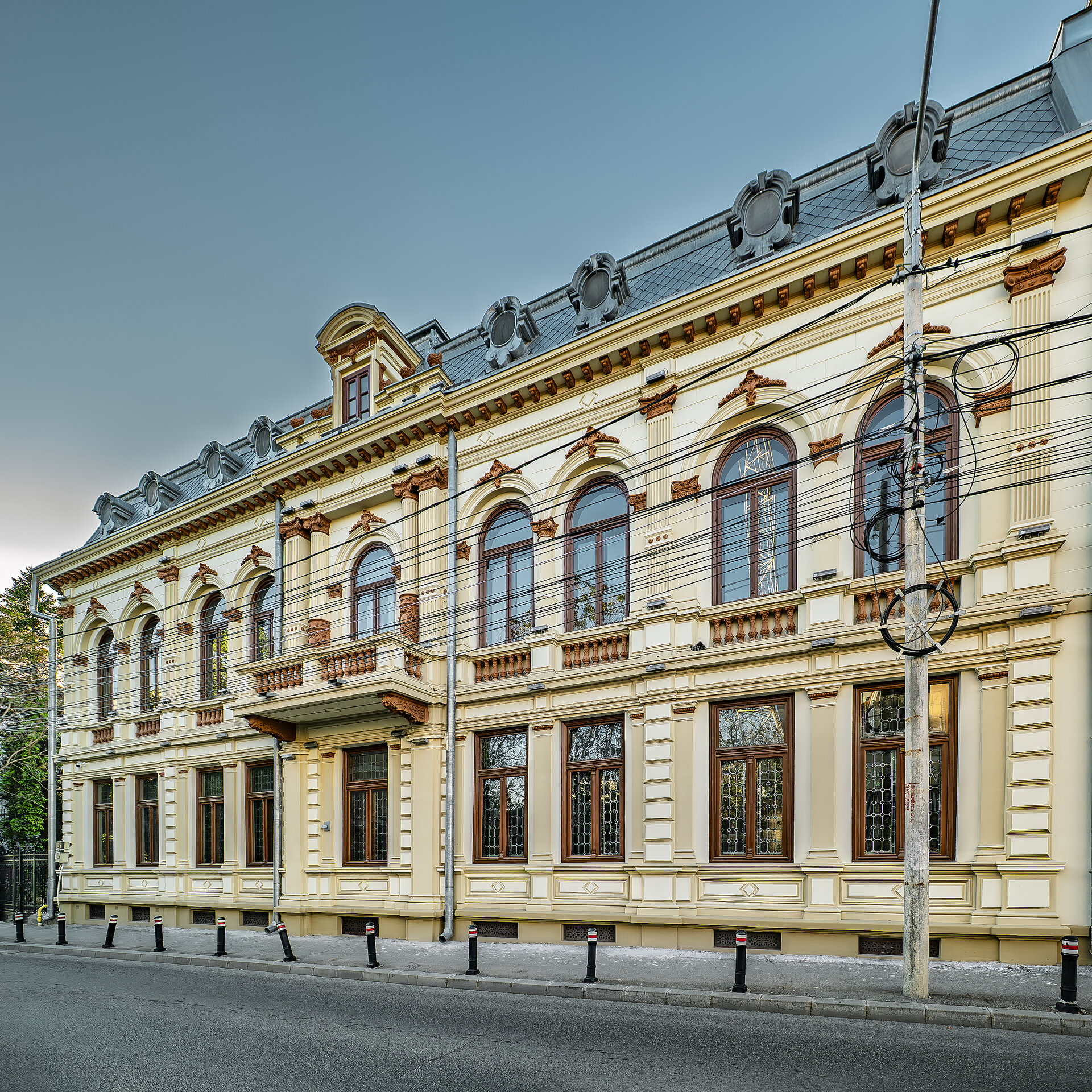
The building’s floor plan is typical of single-family residences from the late 19th century, with reception rooms on the first two levels and service quarters for the staff in the attic.
The facades are symmetrically composed, with a central axis emphasized on the main courtyard-facing facade by the jutty of the central tower.
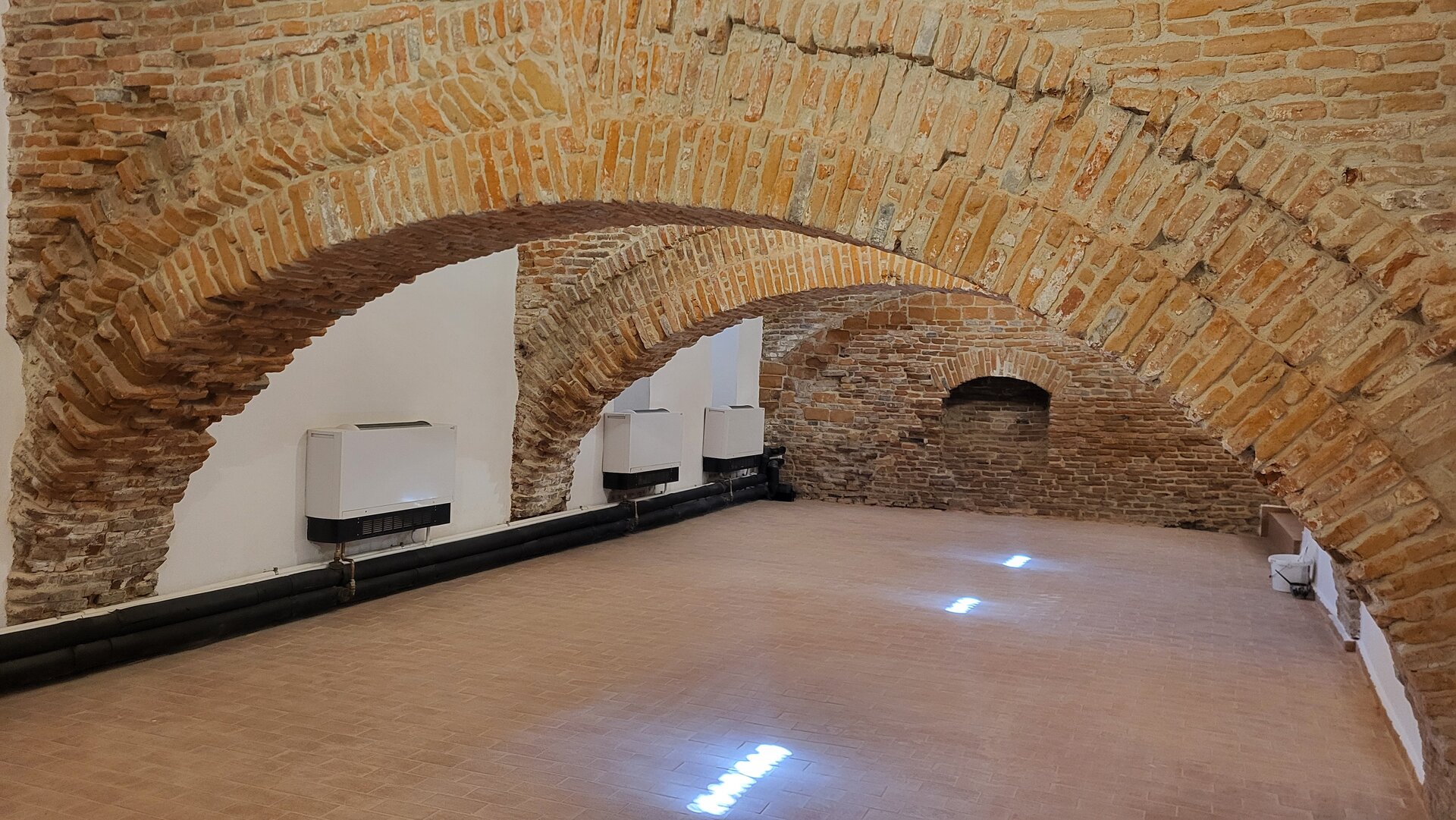
The structural consolidation of the building involved, in order, several stages: interventions on the foundation and the elevation of exterior walls; reinforcement of the wall lines on the north, south, and west facades; consolidation of the interior basement walls; removal of the wooden floor above the basement in the area where the small vaults had collapsed, and reconstruction of the brick vaults in their original form; cleaning of the intrados of the vault beams and protection with special primers; reinforcement of the walls at the ground and upper floors; replacement of deteriorated roof elements and fireproofing of the wooden materials.
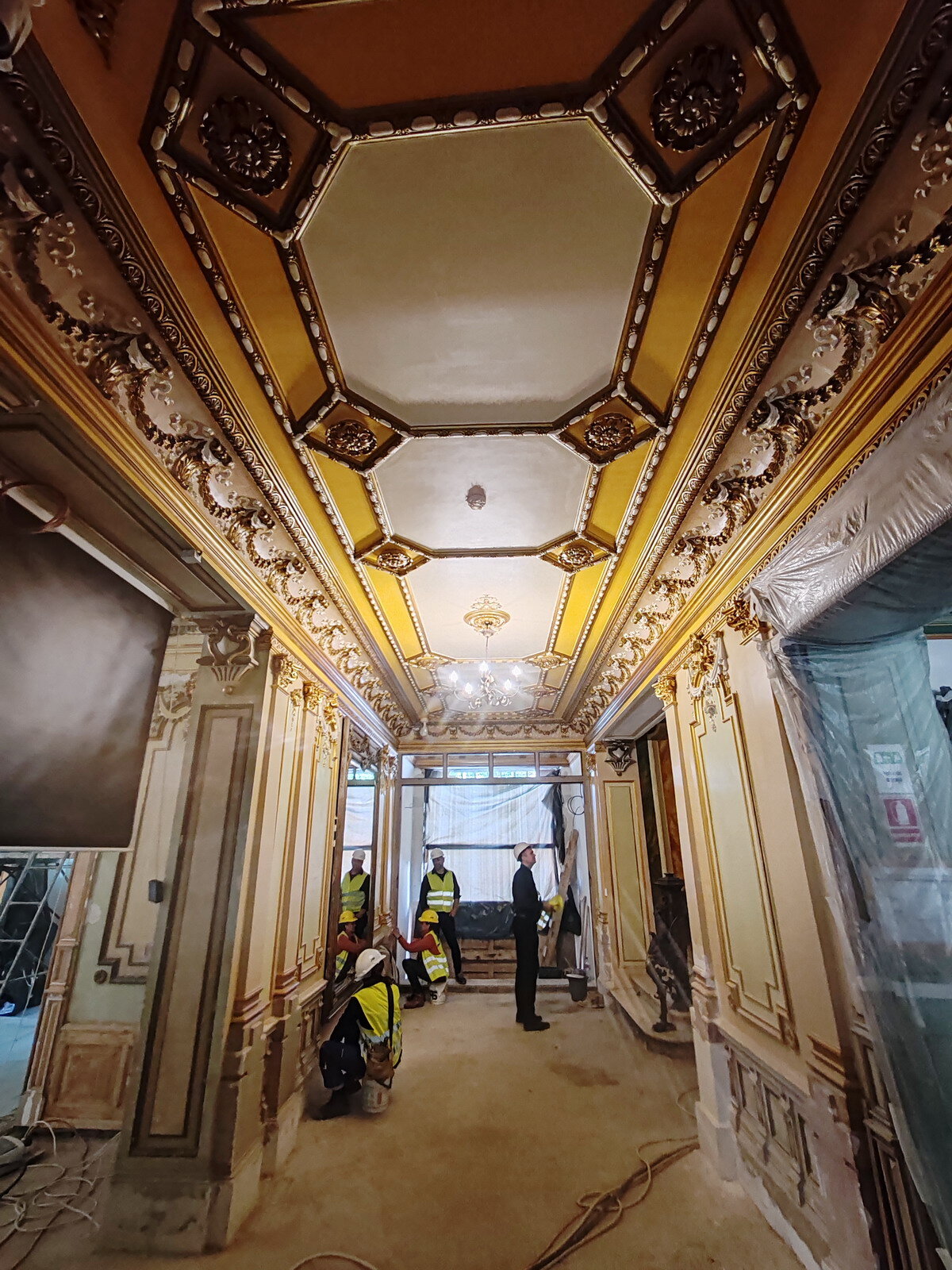
The restoration process focused on several major challenges: renewal of interior and exterior finishes; restoration and replacement of damaged floors; replacement of woodwork; restoration of mosaic flooring; repair of the plinth; replacement of the roof covering with zinc sheet gutters; installation of a book dumbwaiter; installation of a passenger elevator; repair of the main and secondary staircases; full restoration of the facades; implementation of an architectural lighting system for the facades; interior arrangement with exhibition spaces and rooms for hosting artistic events; restoration of artistic components made of metal, wood, and stucco-marble; reconstruction of the stained glass windows.
Architecture and Heritage

- Structural rehabilitation, architectural restoration and enhancement – Constanța Casino
- Cotroceni, Joseph Lister Villa Rehabilitation
- Carol’s House
- Consolidation and Restoration of the French Library Building “Omnia”
- The restoration of the church in Bălinești
- Analysis of degradation and restoration works on the facade of the Saint Joseph Cathedral, Bucharest
- Restoration, consolidation, protection and conservation of the “Saint Haralambie” Cathedral in Turnu Măgurele Municipality


