- Nomination for the “Built Architecture / Architecture and Heritage” section
Cotroceni, Joseph Lister Villa Rehabilitation
Authors’ Comment
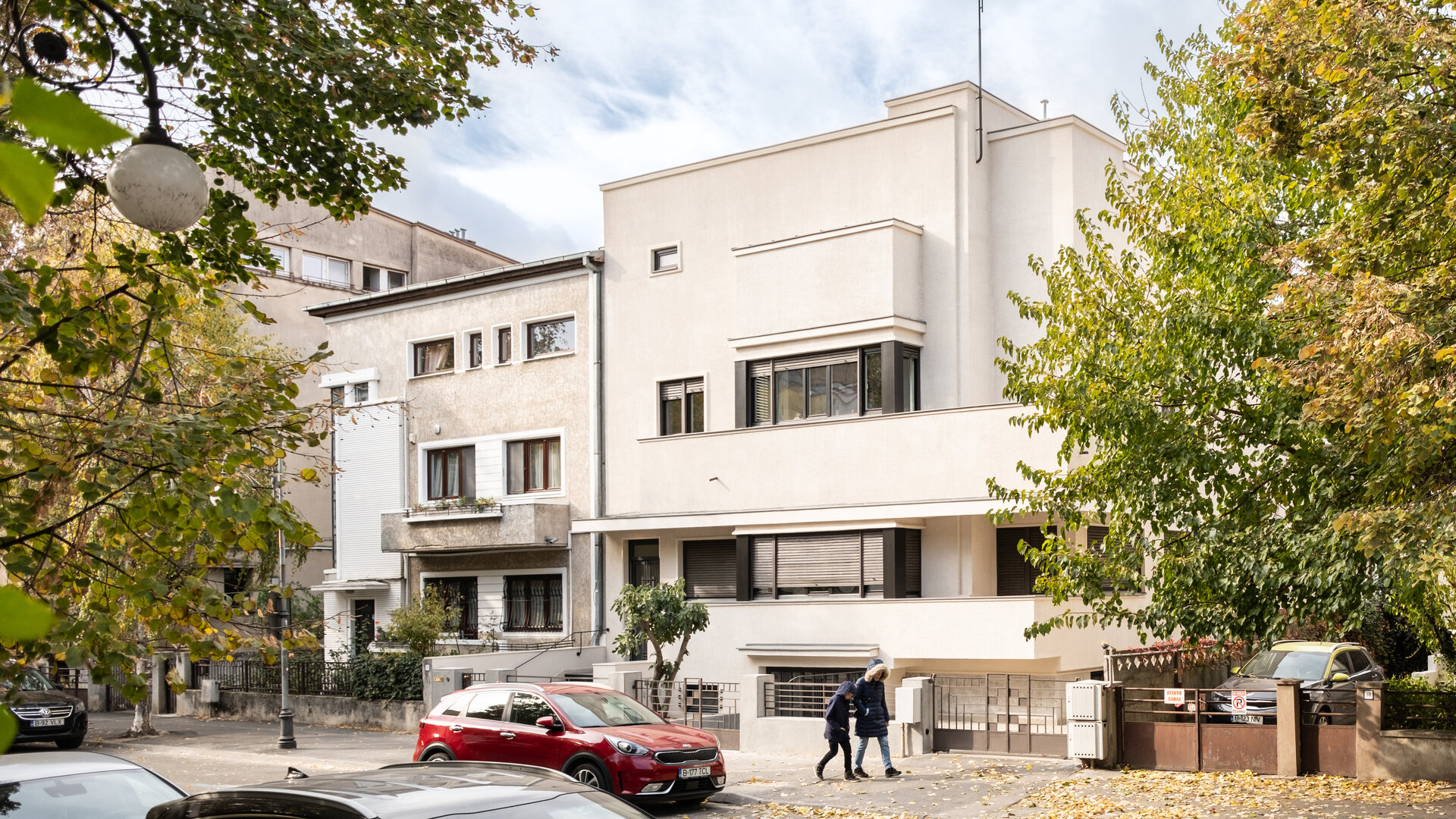
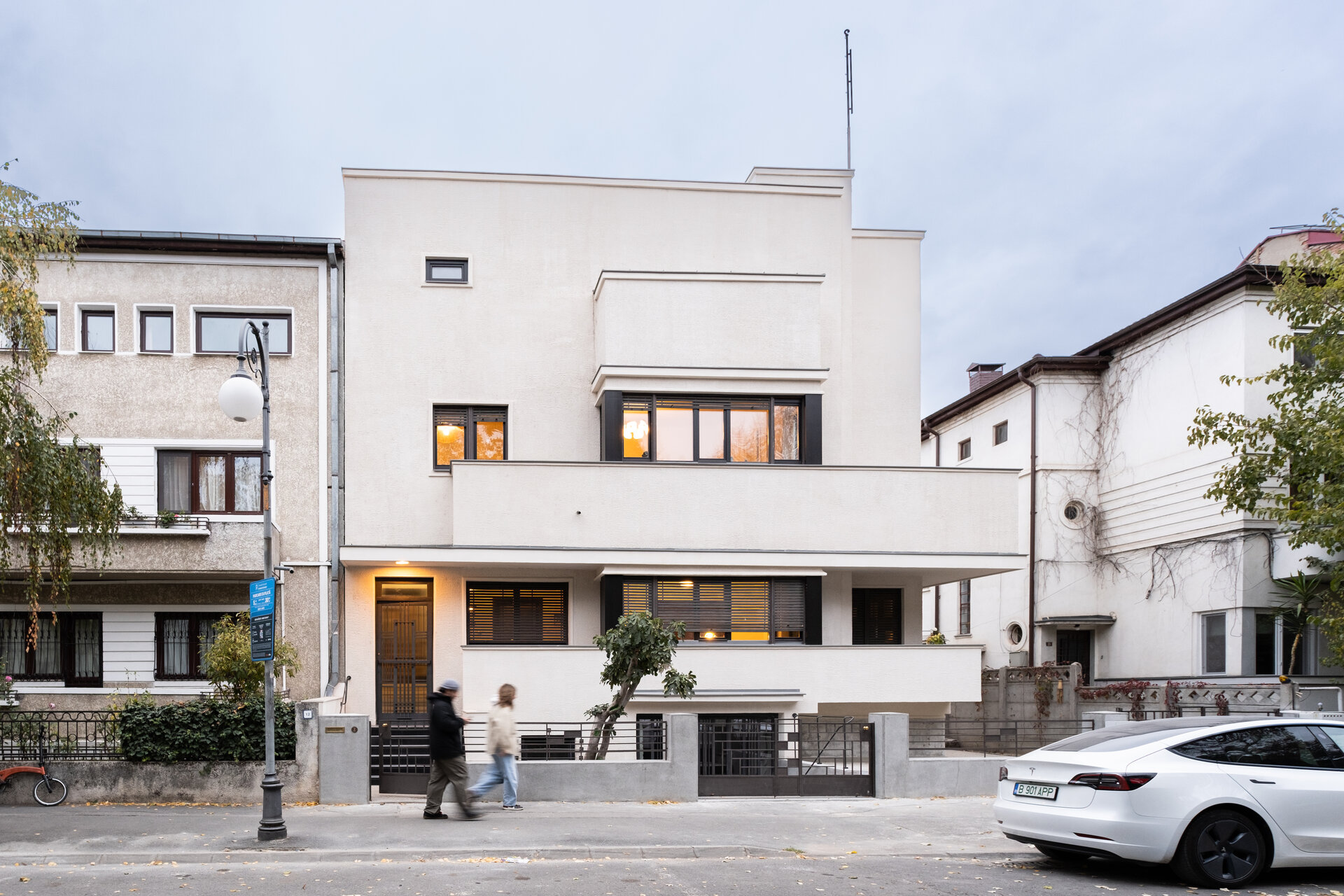
In 1934, architects Hirsch and Dori Galin Golingher designed a villa in Cotroceni, located at 12 Joseph Lister Street, for their client Katarina Tschiltschke. Conceived for a prosperous middle class, the neighborhood was developed based on the principles of the garden city movement.
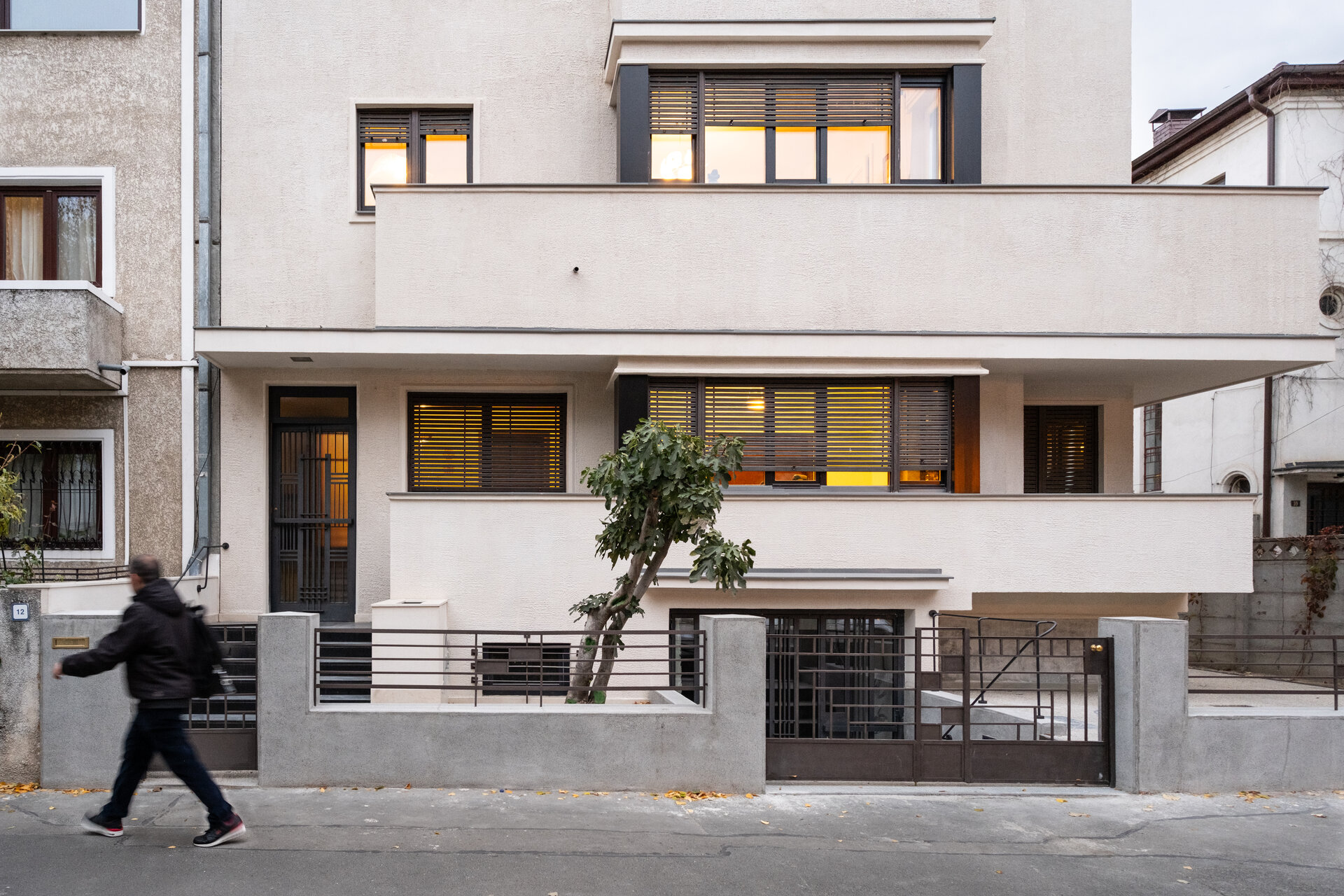
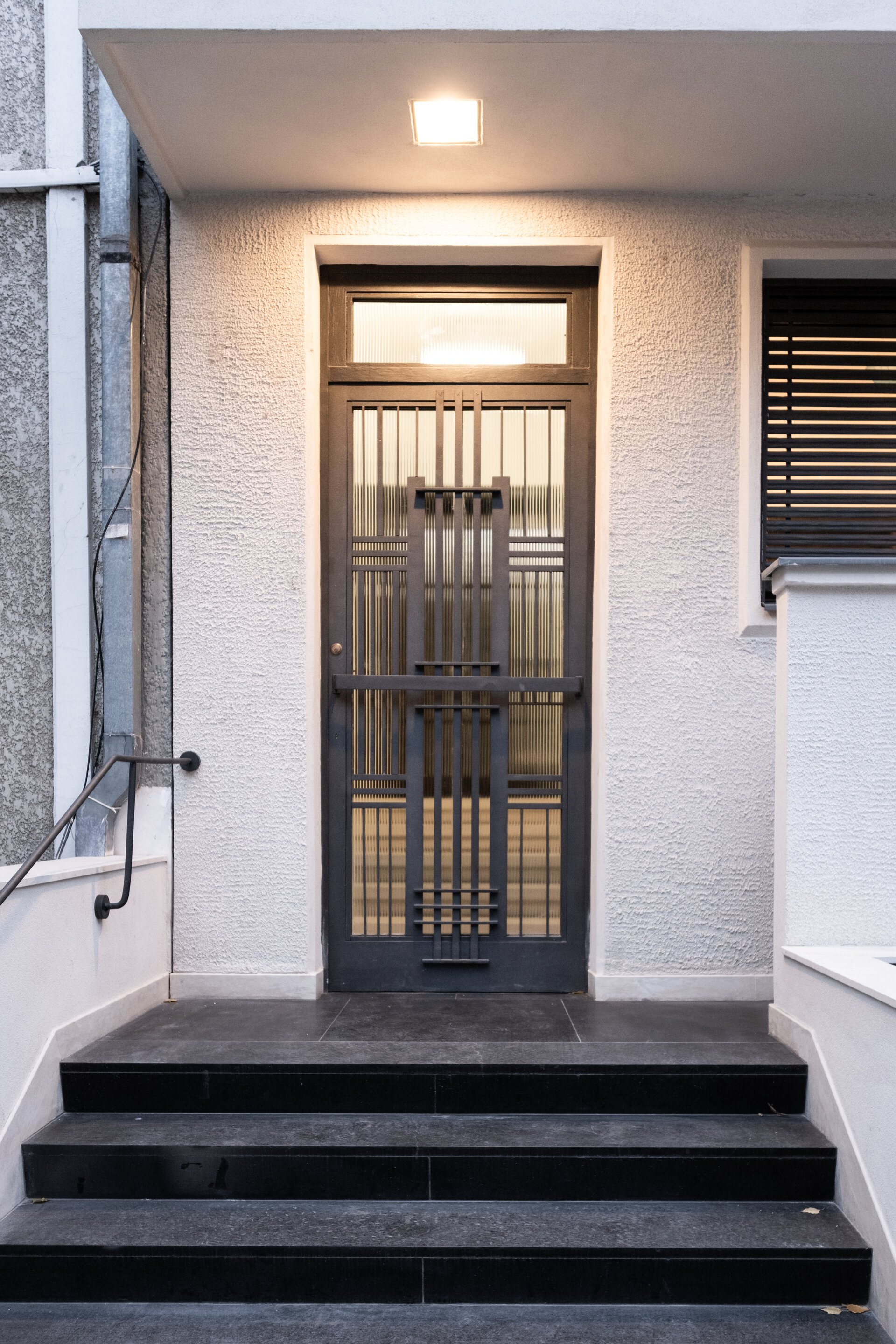
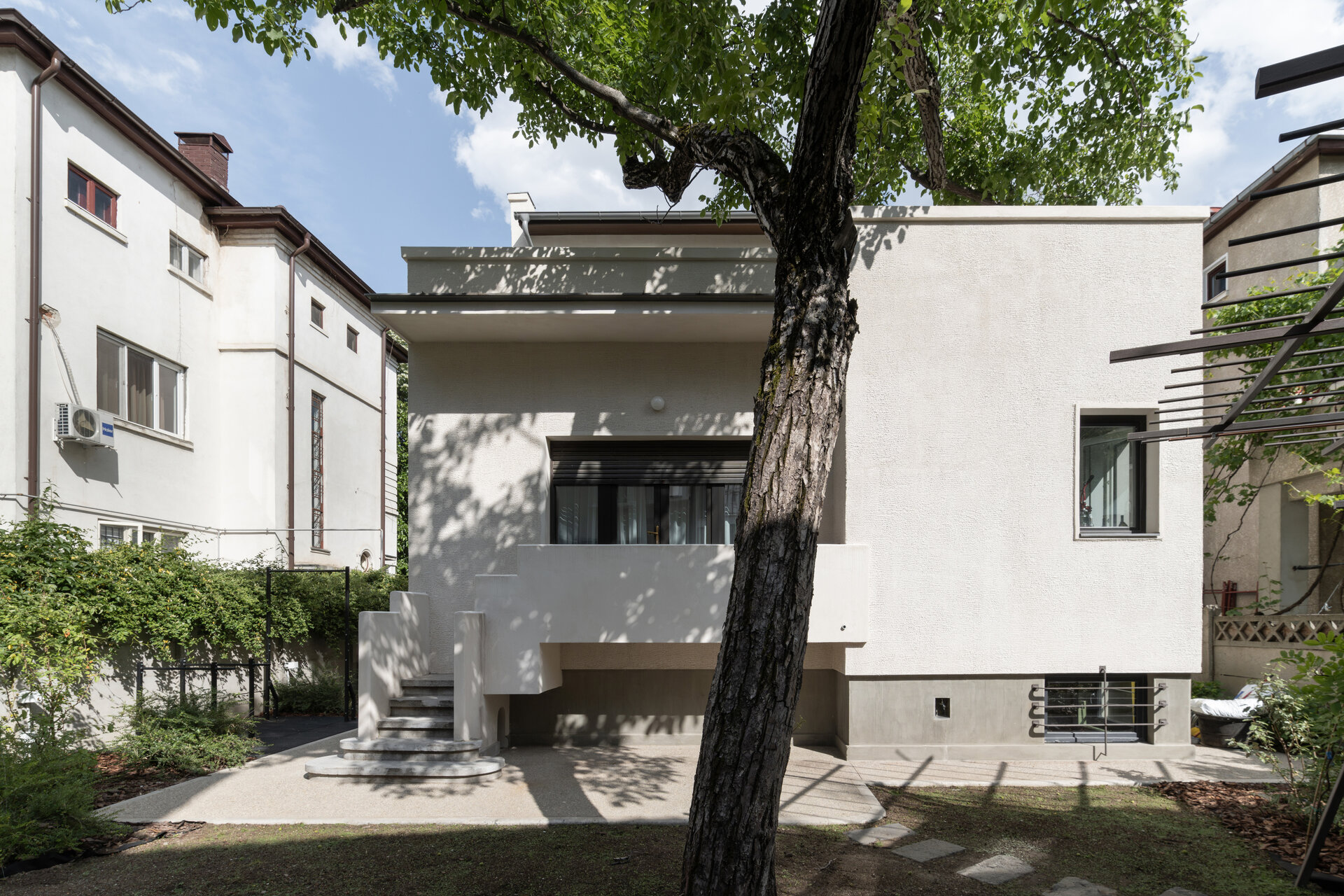
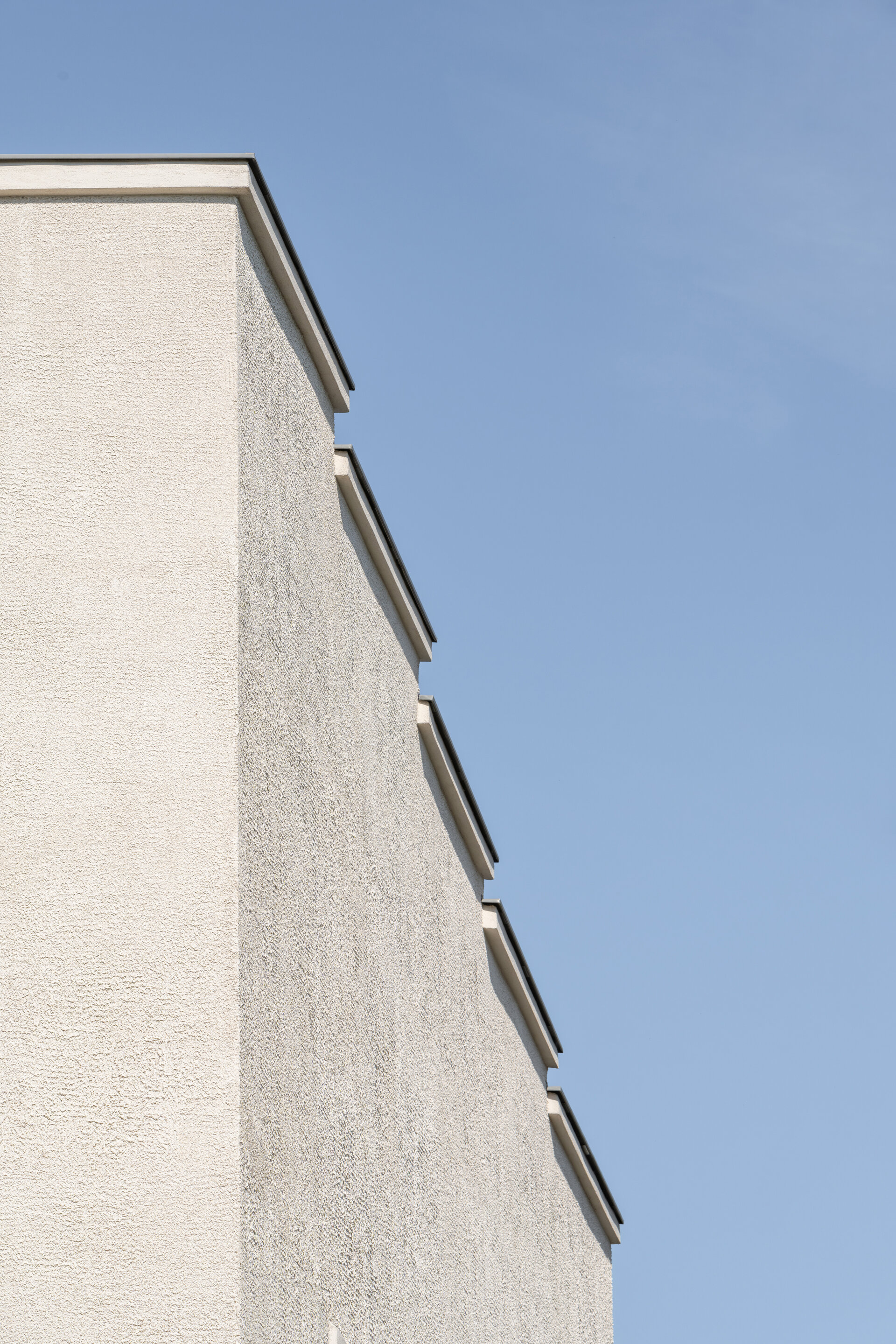
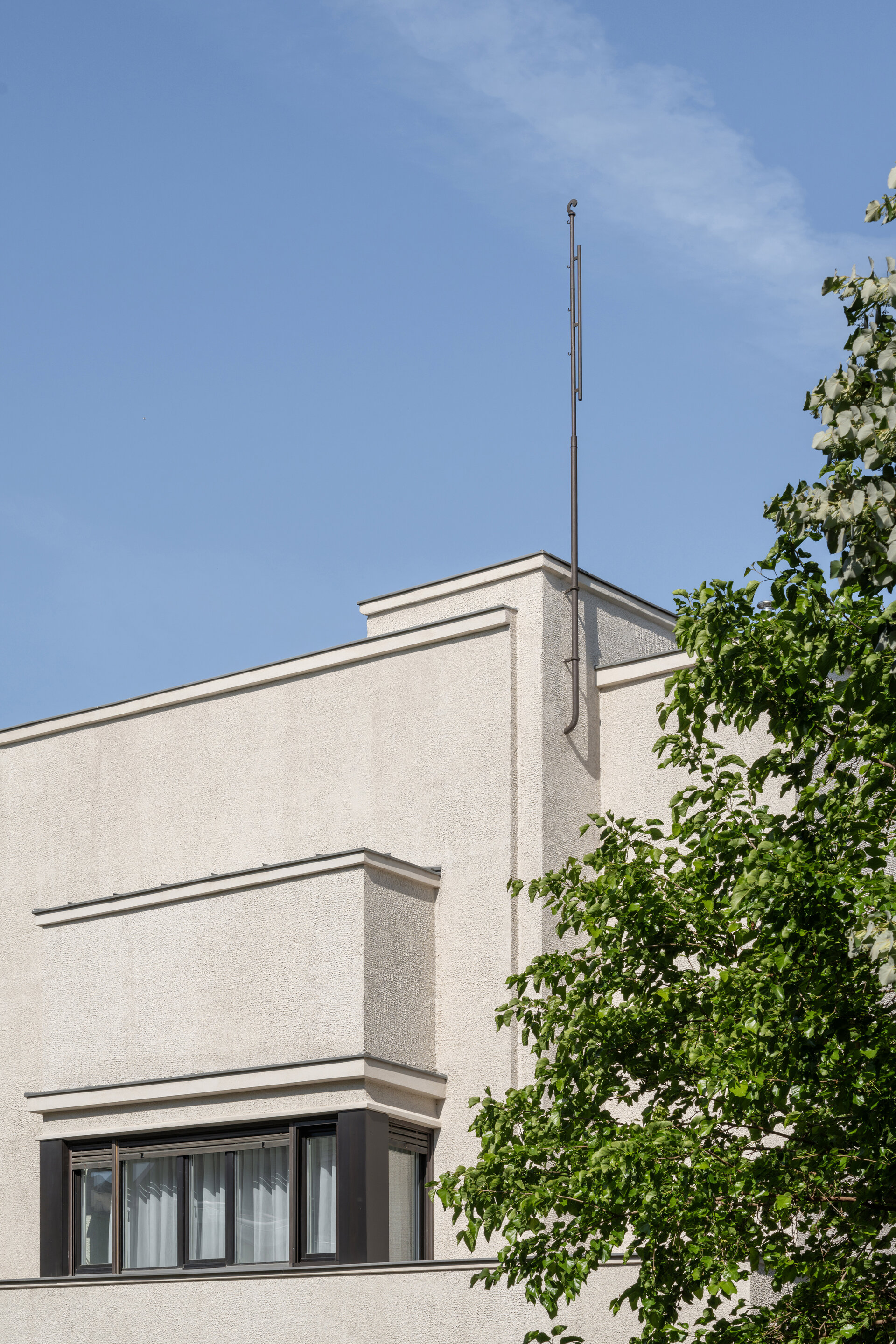
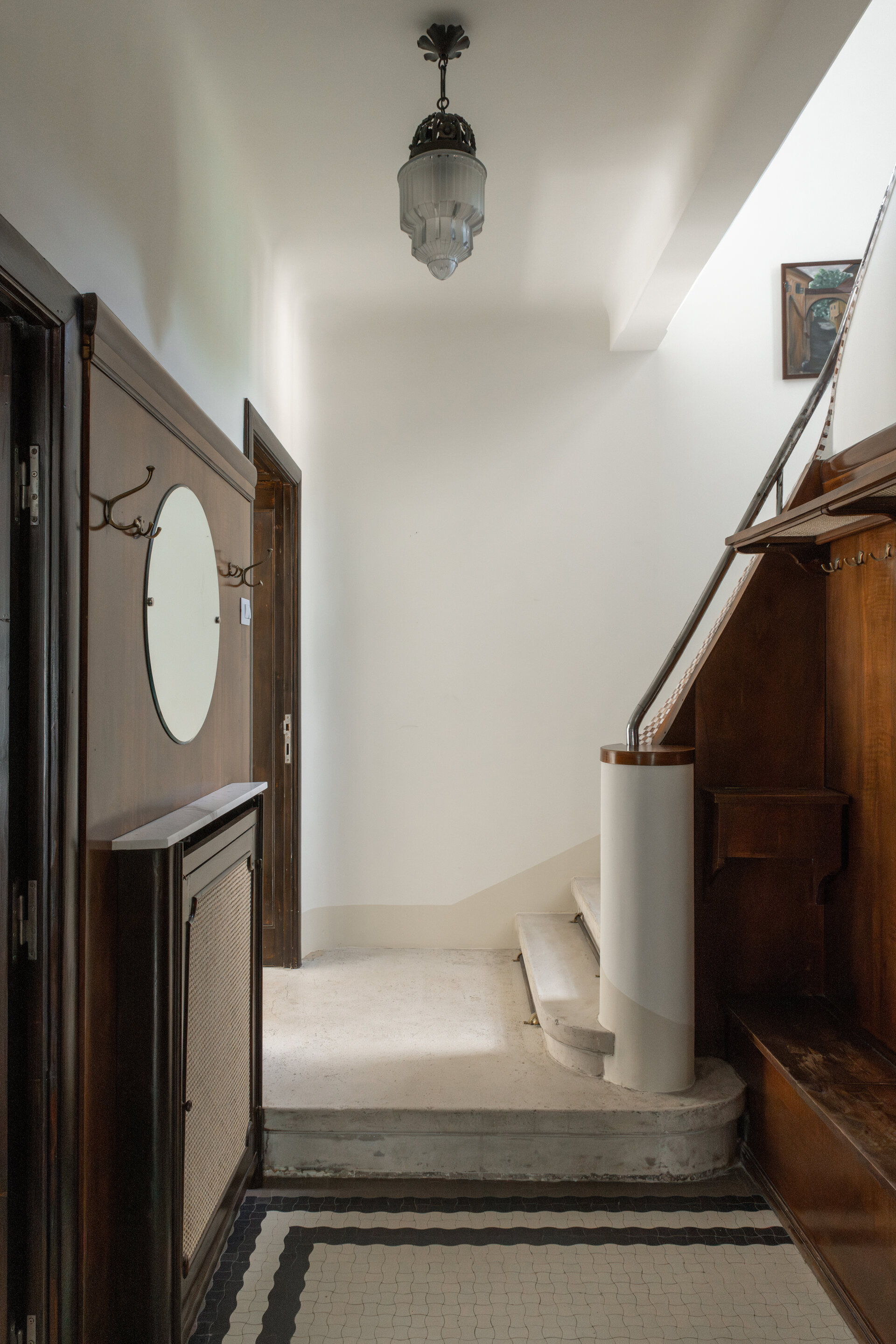
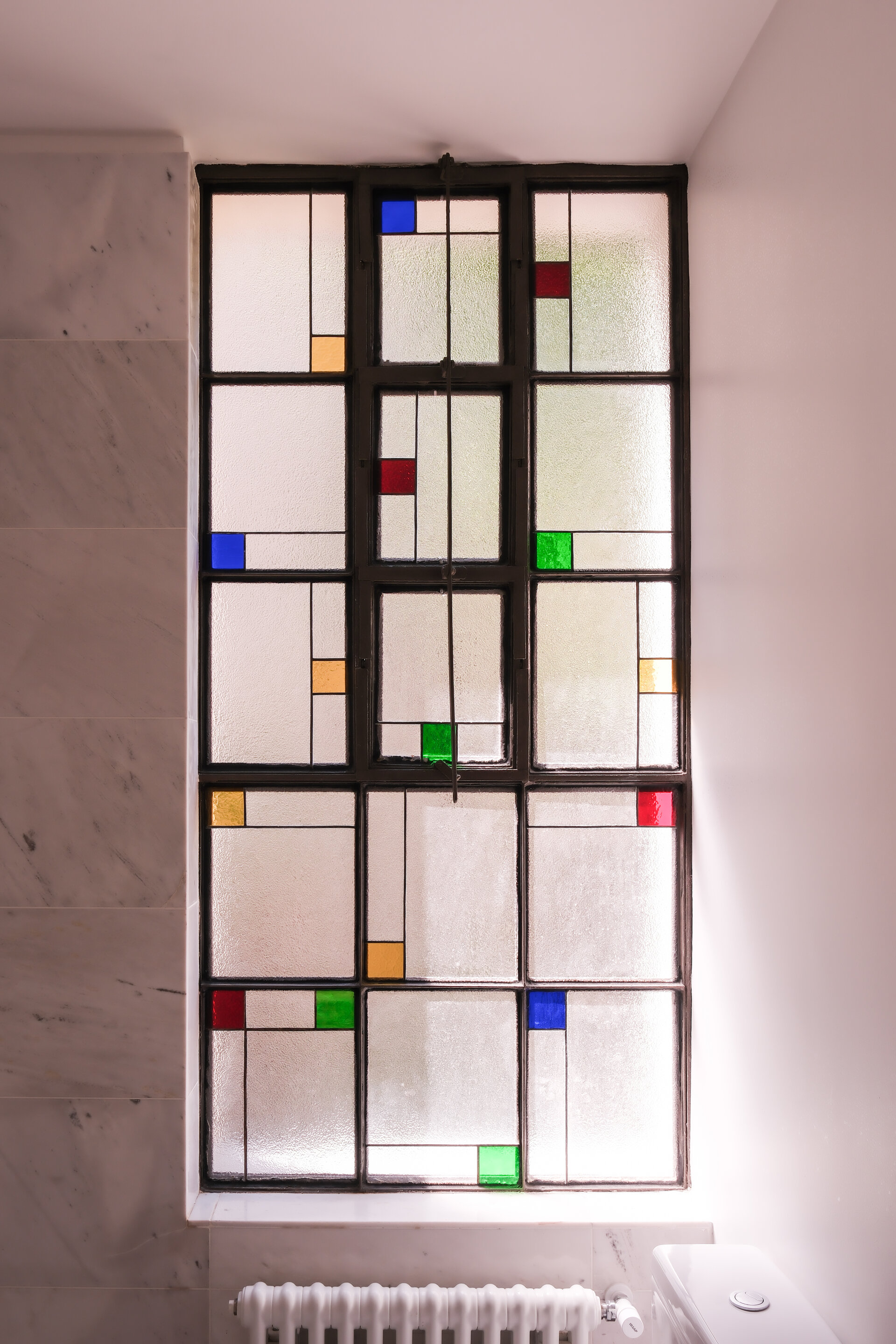
Unlike the luxurious residences in the northern part of Bucharest designed by Dori Galin Golingher, the Lister Street house was conceived at an entirely different scale and budget. Golingher embraced Modernism as a stylistic language—at times hybridized with Art Deco—which he practiced with grace and ease. In this particular case, the affiliation with the International Style is articulated through a number of defining volumetric elements: pronounced cornices and overhangs that accentuate the horizontality of the building, corner windows, bay projections, ornamental ironwork details such as fences, window and door frames, flagpole-style antennas, and notably, the interlocking prismatic volumes.
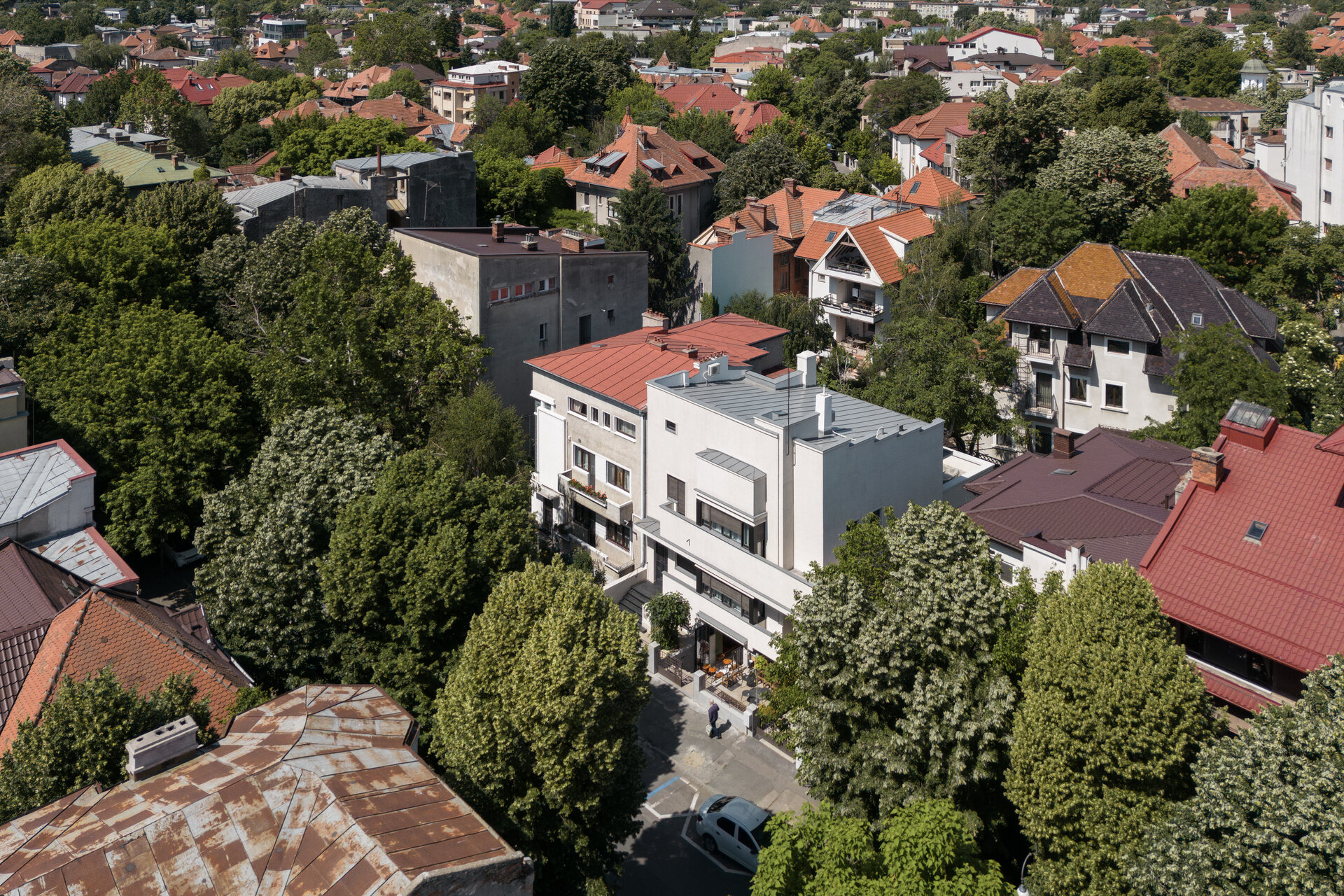
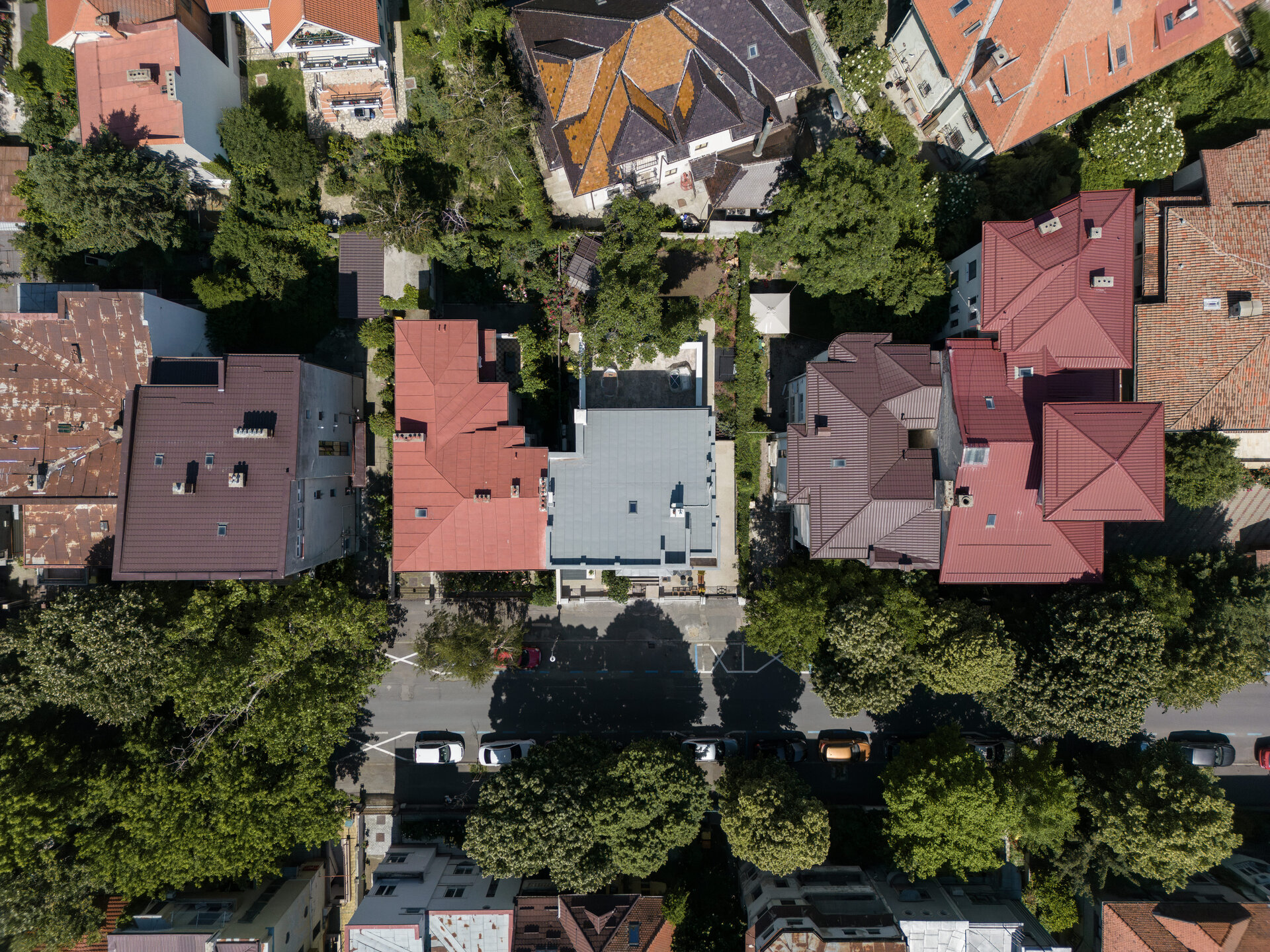
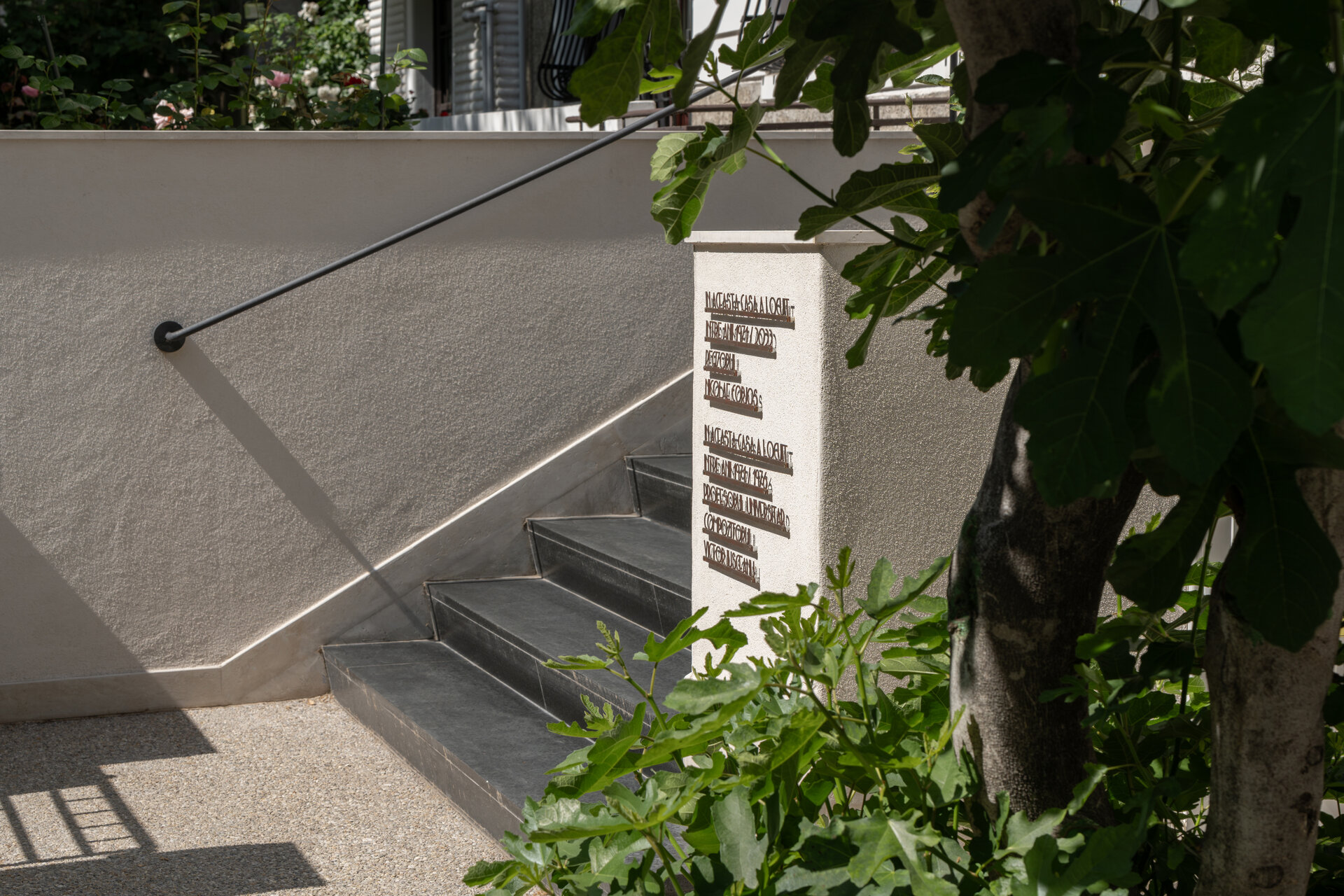
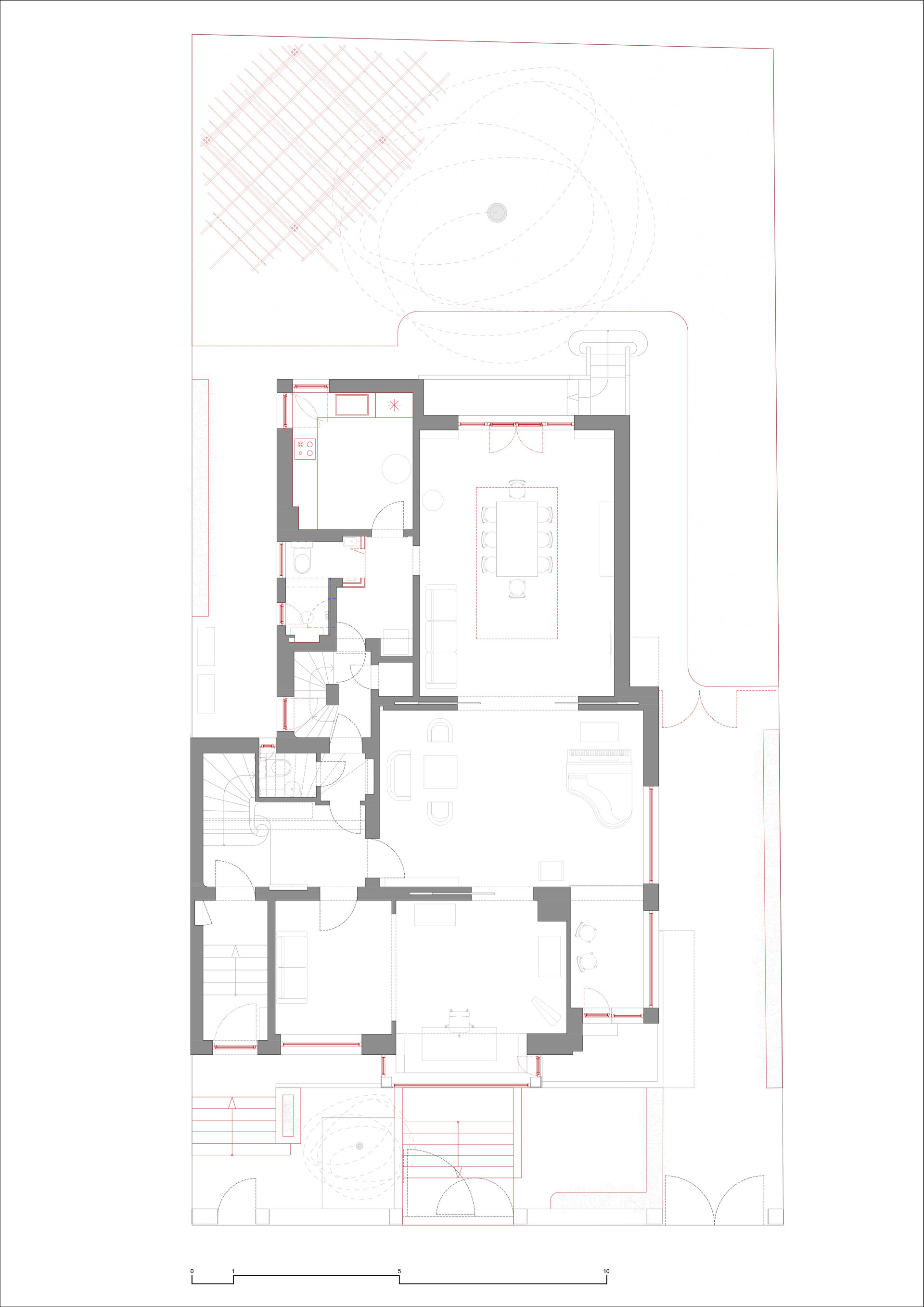
The relationship between the house and its outdoor space is typical of both the district and the period. The building is attached to the neighboring property, yet it is set back from the street, behind a low, transparent fence, with a small front garden organized around a fig tree.
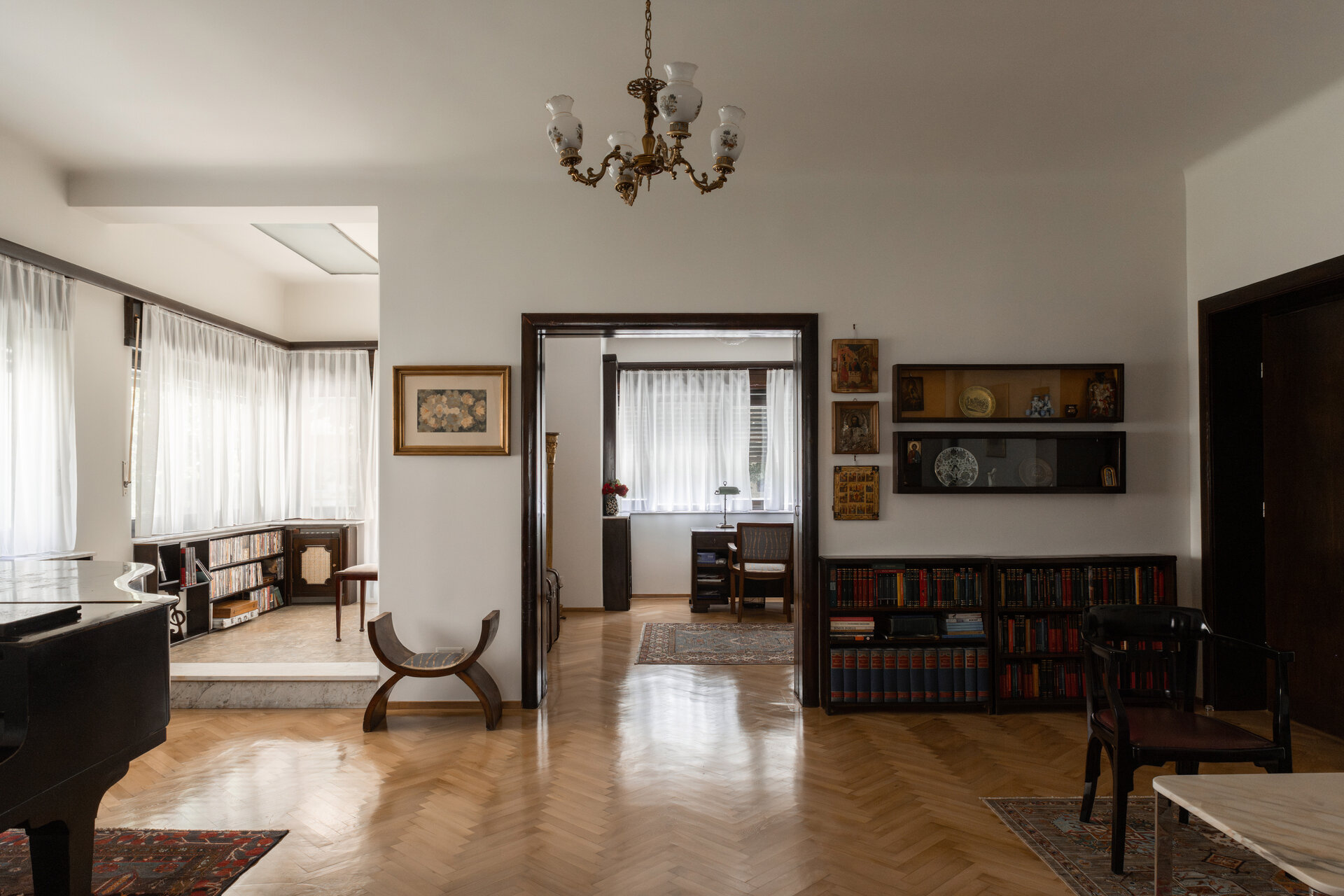
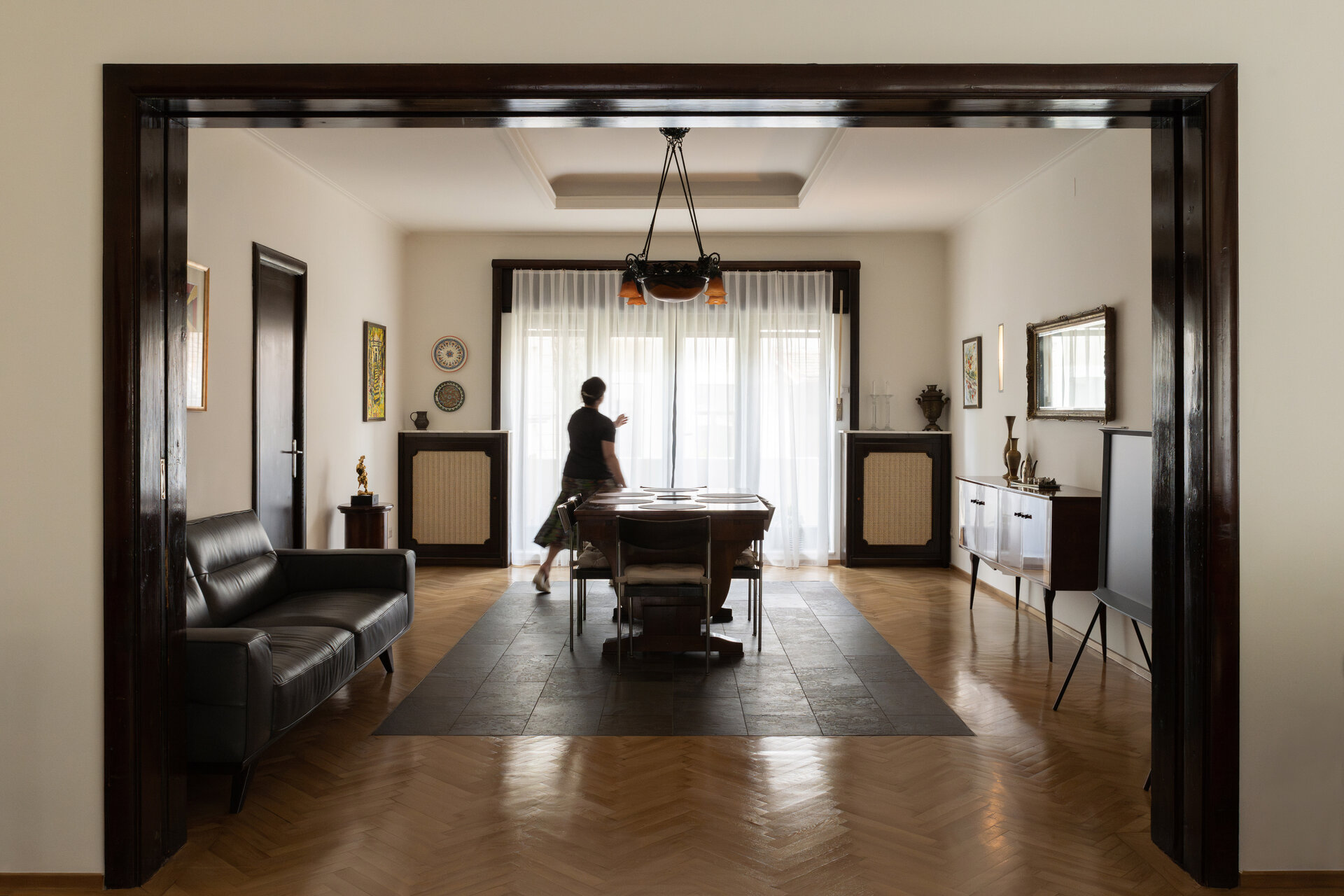
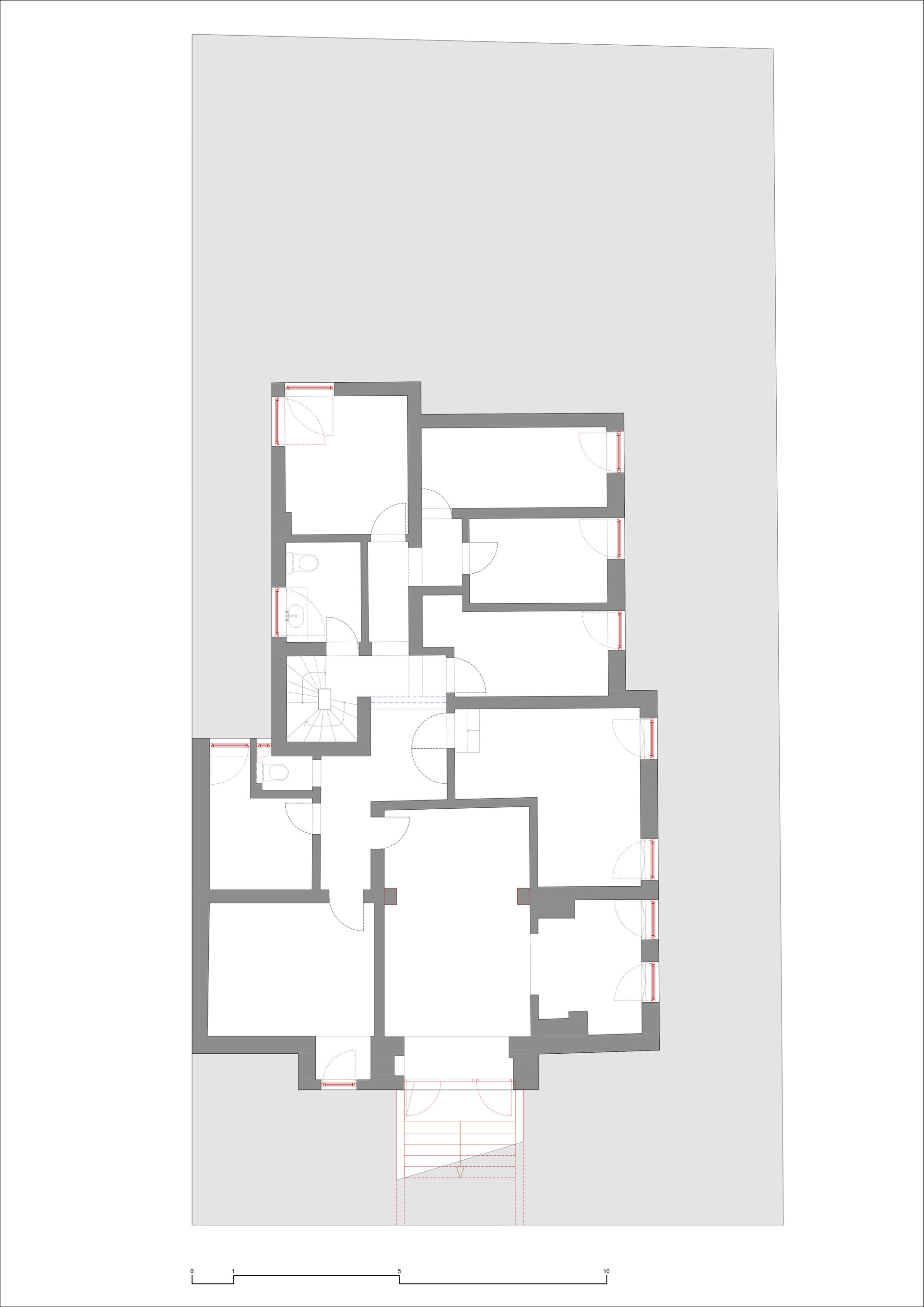
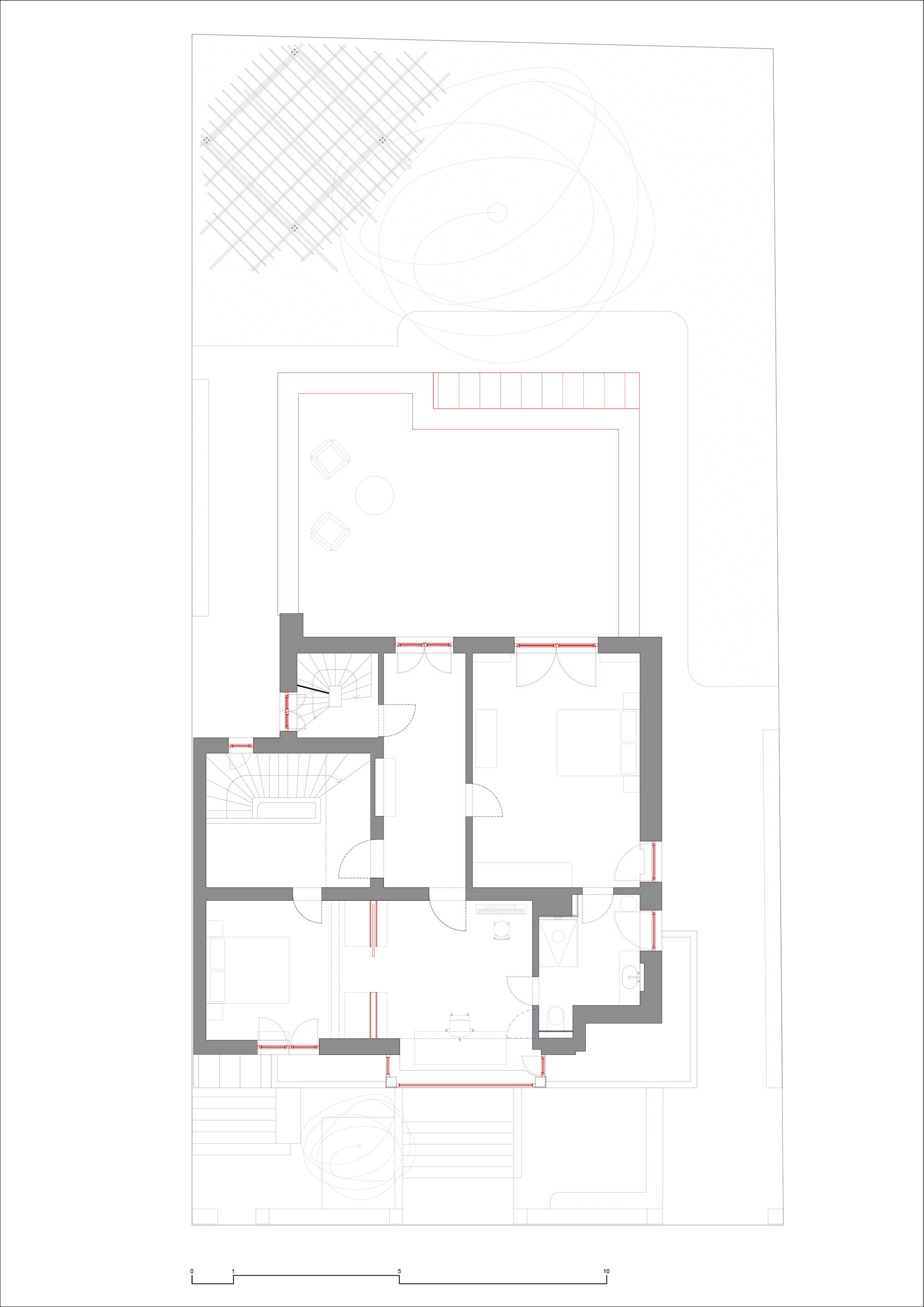
The interior spatial layout follows a predictable logic: service areas and circulation are placed along the blind wall, while the primary living spaces are oriented toward the open façades, benefiting from abundant natural light. On the ground floor, the symmetry created by the two large reception rooms—the living room and the dining room—is intentionally broken by the offset study, which not only enhances spatial perception along the diagonal axis but also creates opportunities for more intimate, though compact, spaces that add richness to the domestic experience.
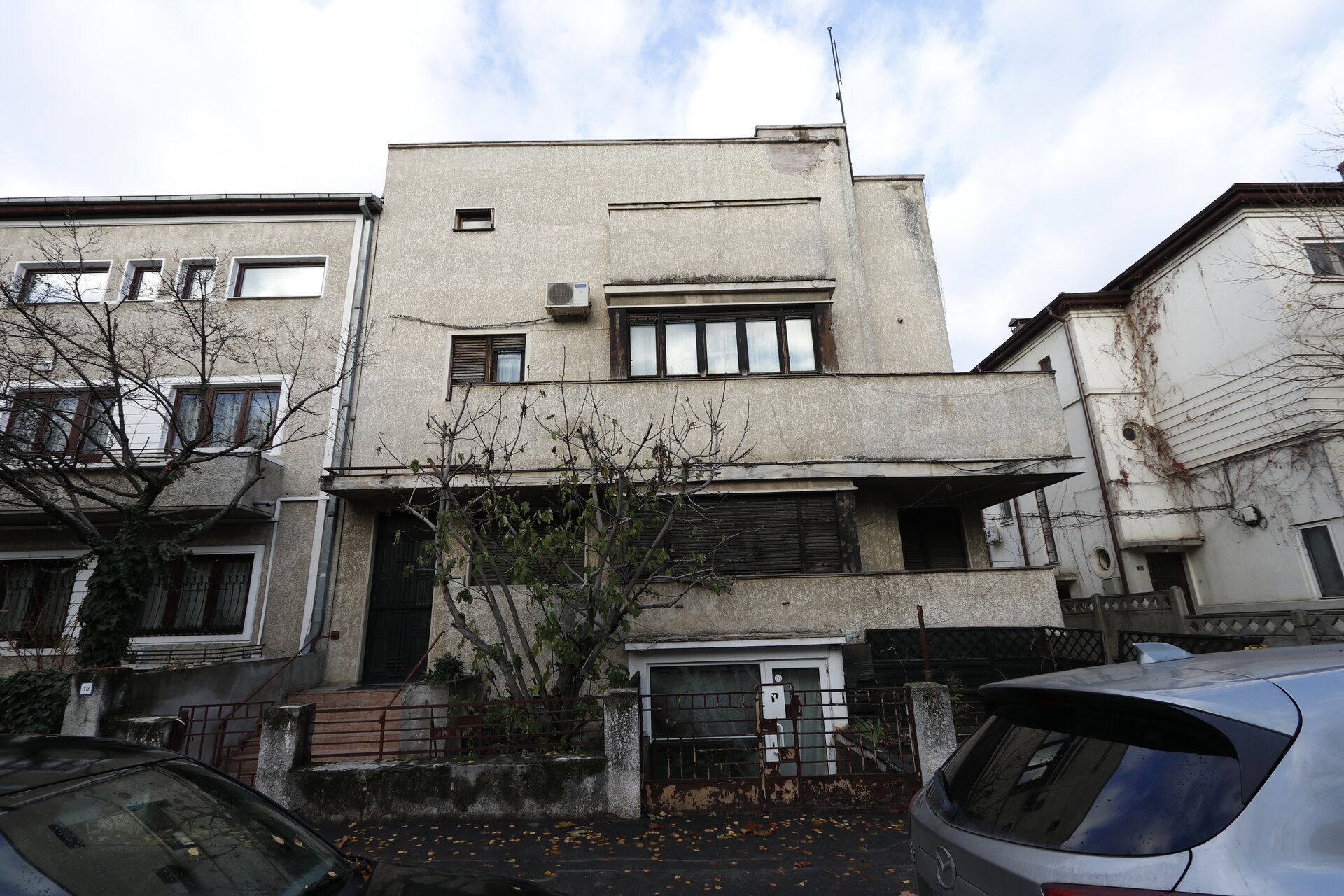
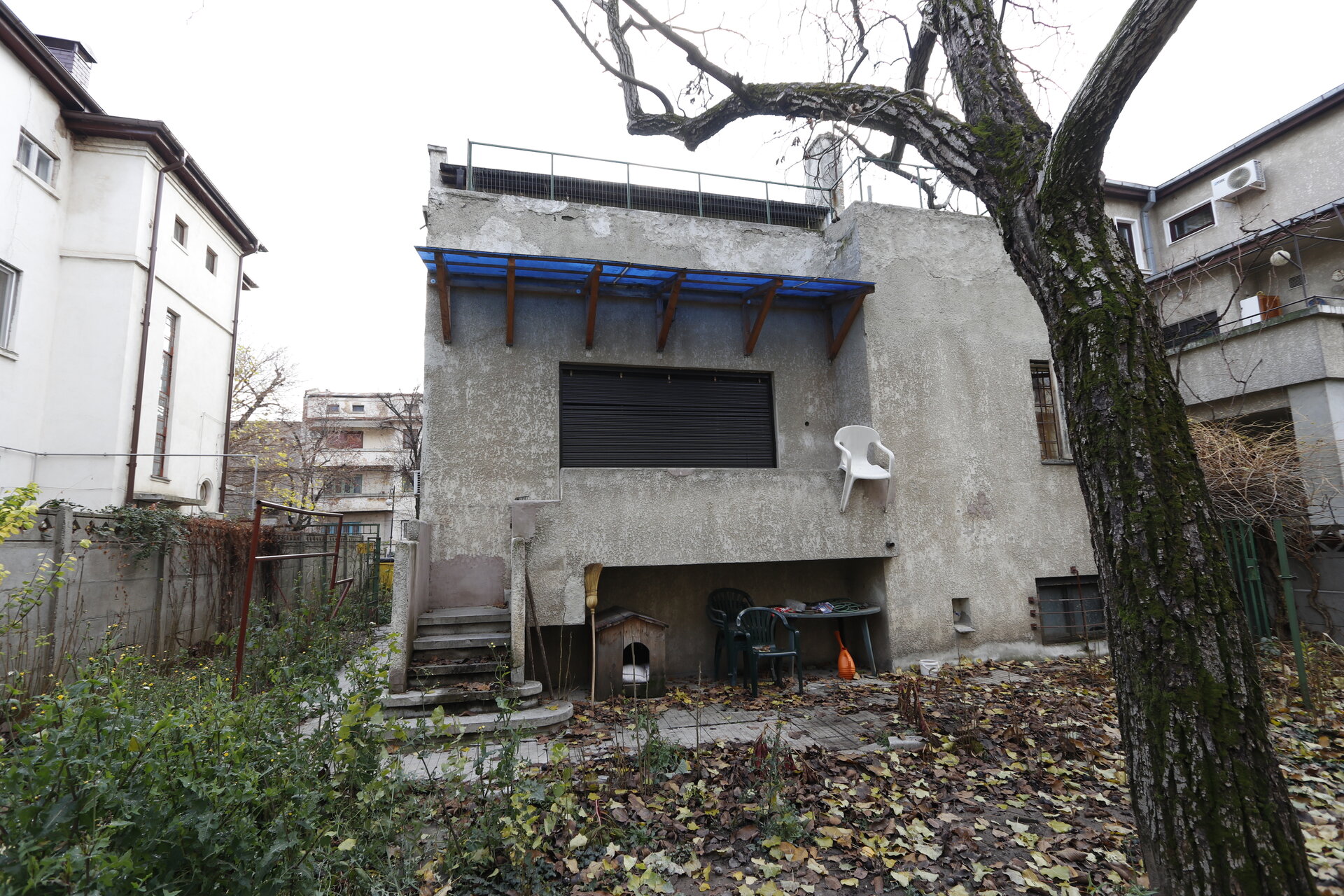
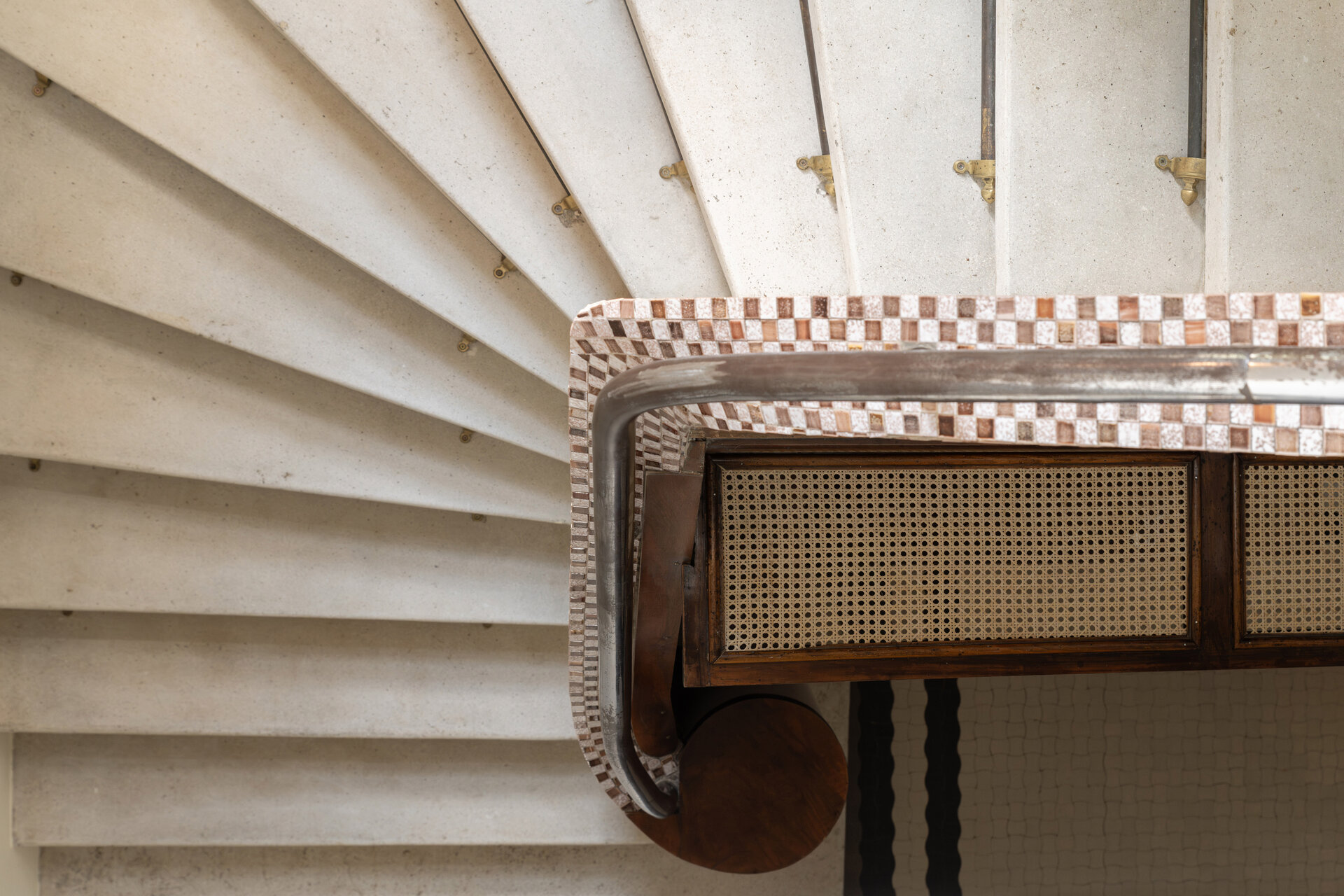
Following its restoration, the villa was cleared of the inevitable architectural “parasites” that often compromise historic buildings in Bucharest, regaining the clarity and brightness it originally possessed in 1934. The guiding principle of the intervention was to preserve as faithfully as possible not only the original image but also the material authenticity of the house. Alterations were made only where absolutely necessary, and structural reinforcement was minimal and carefully designed so as not to impact the façades.
Today, the villa is inhabited by a family of musicians. On the ground floor, the only significant functional intervention was the addition of a small bathroom adjacent to the kitchen—an intervention that allows for the future conversion of the house into a multigenerational dwelling, organized across two levels.
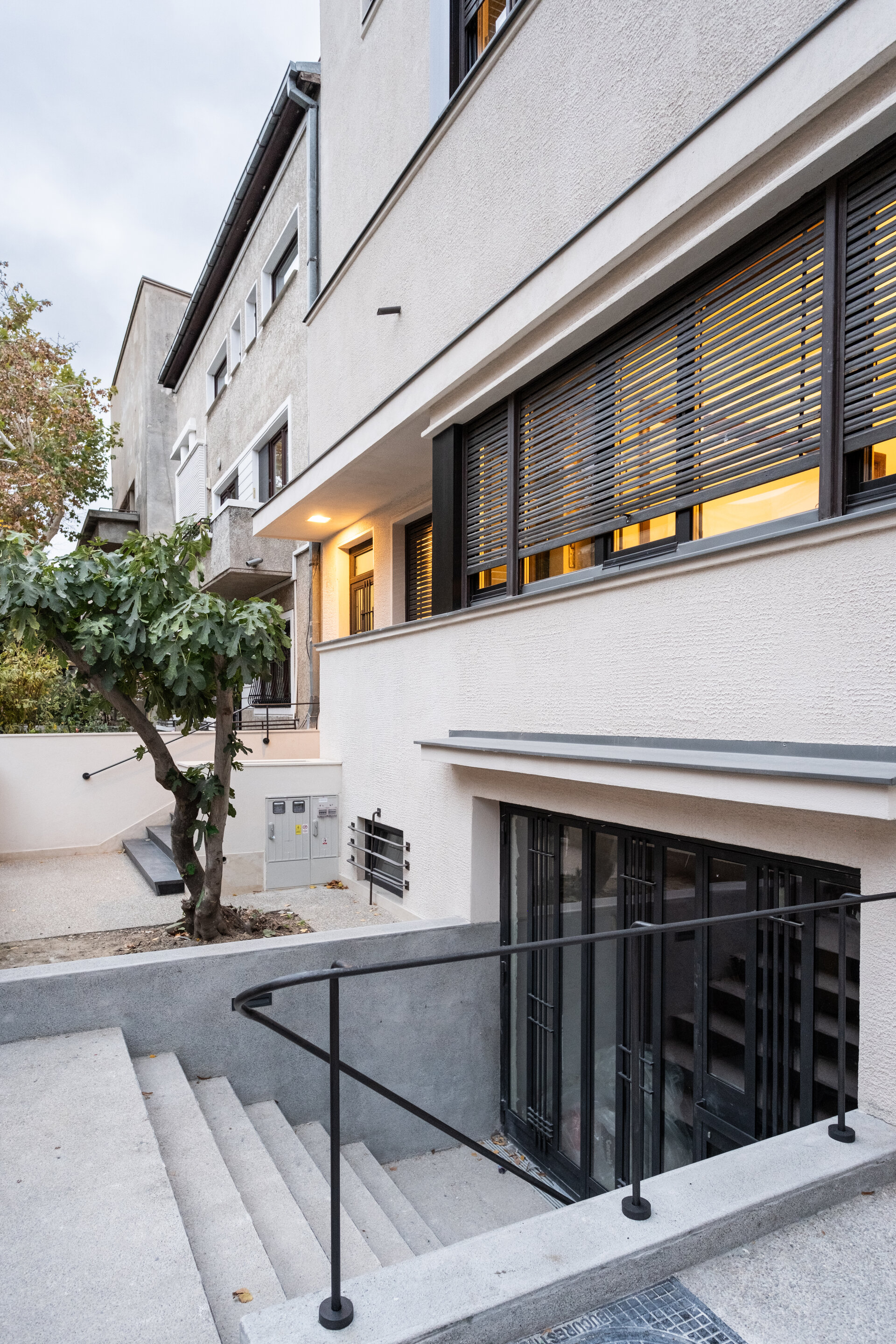
The generous basement, obsolete in the context of contemporary domestic needs, was repurposed into a café, with separate access created via the former garage, adapted by replacing the original ramp with an exterior staircase. The PVC window that had replaced the garage door was removed and replaced with a swing door featuring custom metalwork echoing the motifs of the main entrance. Similarly, the gate that separates the café forecourt from the private rear garden reinterprets the design language of historic gates. In the garden, a contemporary pavilion was added in the form of a metal pergola, designed as a support structure for climbing plants—most notably wisteria, a species commonly found in Cotroceni.
The original wooden windows were replaced with new wooden windows faithful to the original design. However, the original limewood shutters were preserved and carefully restored—a process that required considerable effort and financial investment, but which plays a vital role in maintaining the architectural authenticity of the house and preserving historic craftsmanship. Moreover, this gesture reflects a form of architectural sustainability: wooden shutters, widely used in the 1930s, provide passive solar protection during Bucharest’s intense summer heat.
Architecture and Heritage

- Structural rehabilitation, architectural restoration and enhancement – Constanța Casino
- Cotroceni, Joseph Lister Villa Rehabilitation
- Carol’s House
- Consolidation and Restoration of the French Library Building “Omnia”
- The restoration of the church in Bălinești
- Analysis of degradation and restoration works on the facade of the Saint Joseph Cathedral, Bucharest
- Restoration, consolidation, protection and conservation of the “Saint Haralambie” Cathedral in Turnu Măgurele Municipality


