- Jury’s Distinction
The restoration of the church in Bălinești
Authors’ Comment
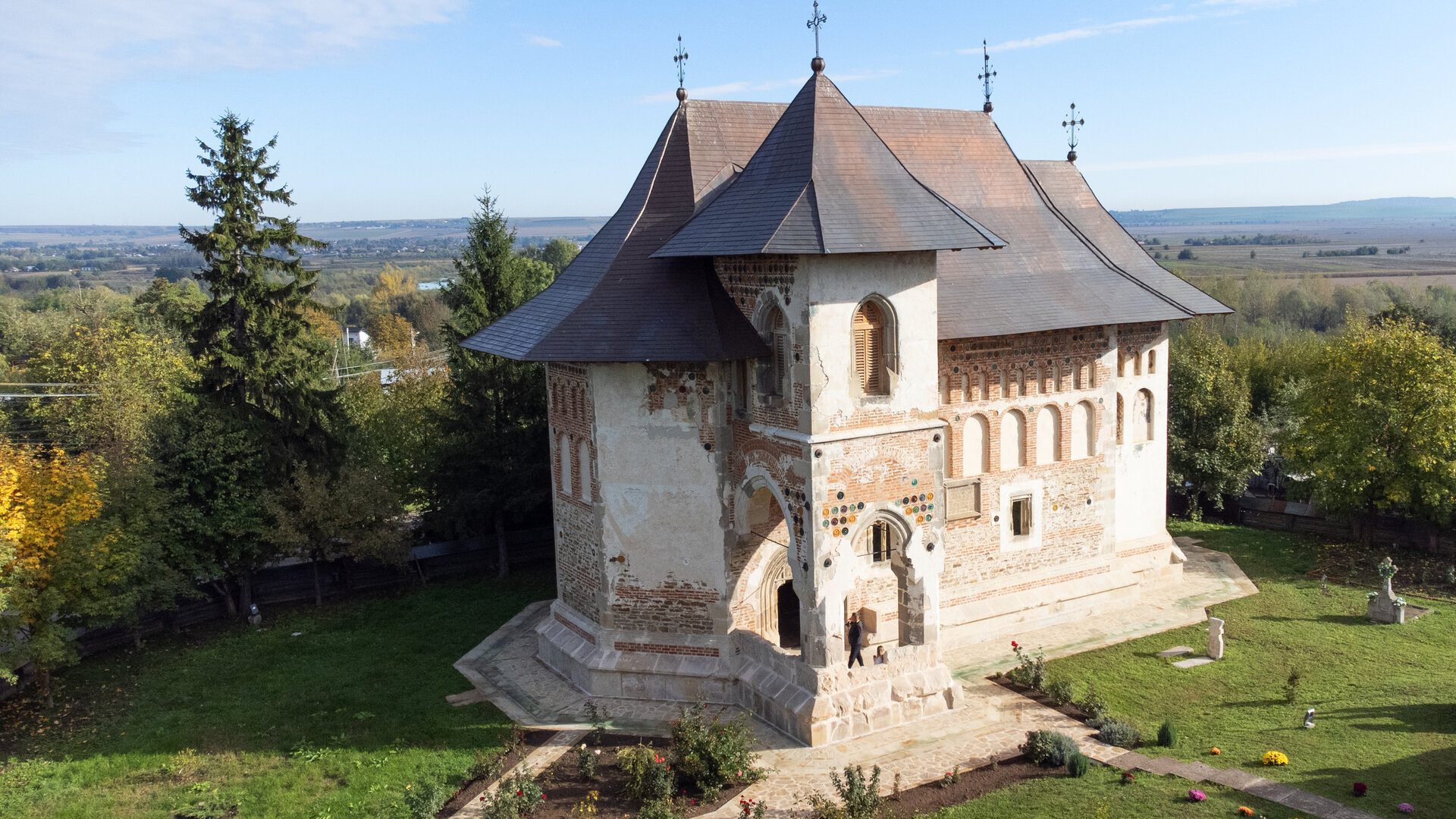
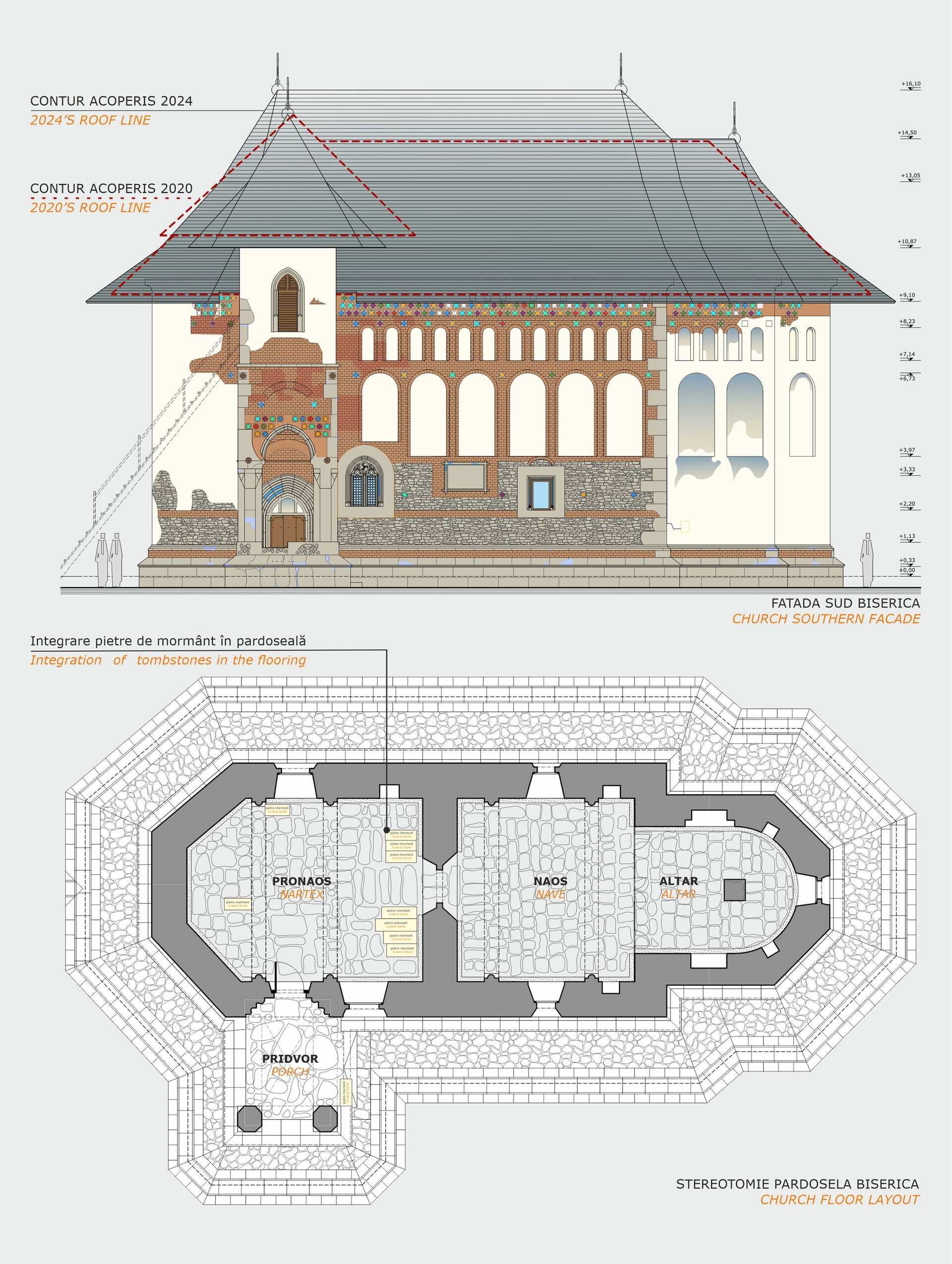
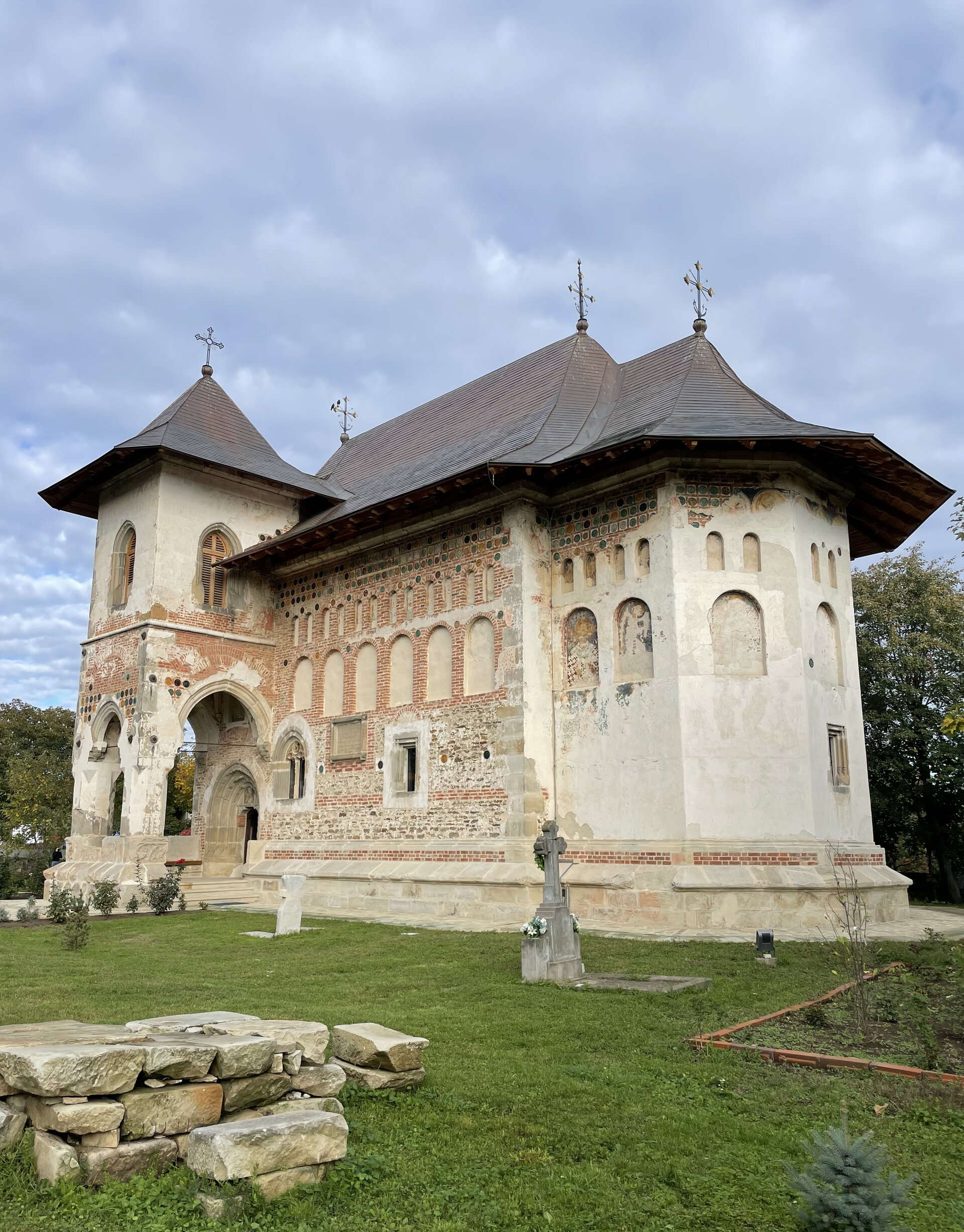
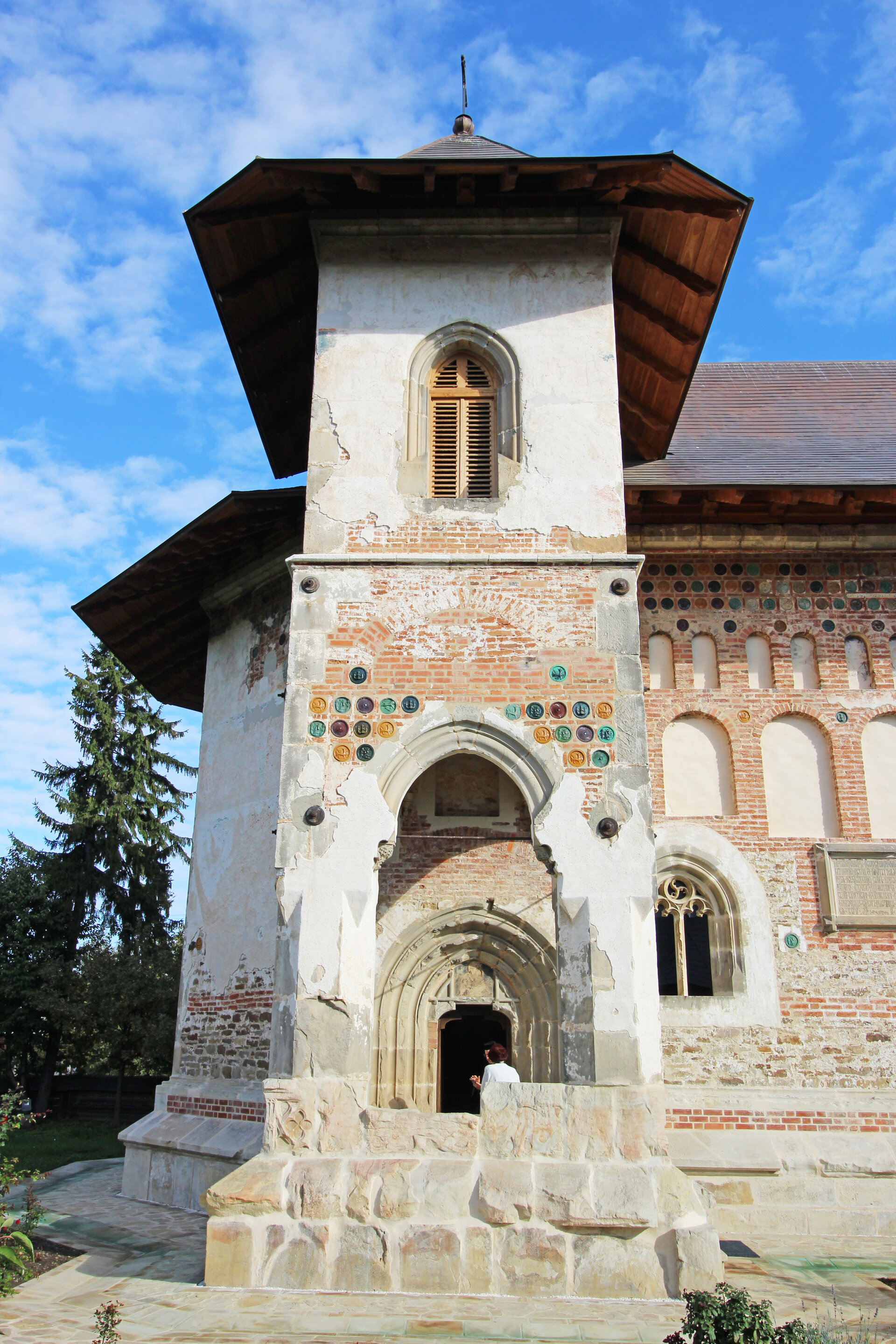
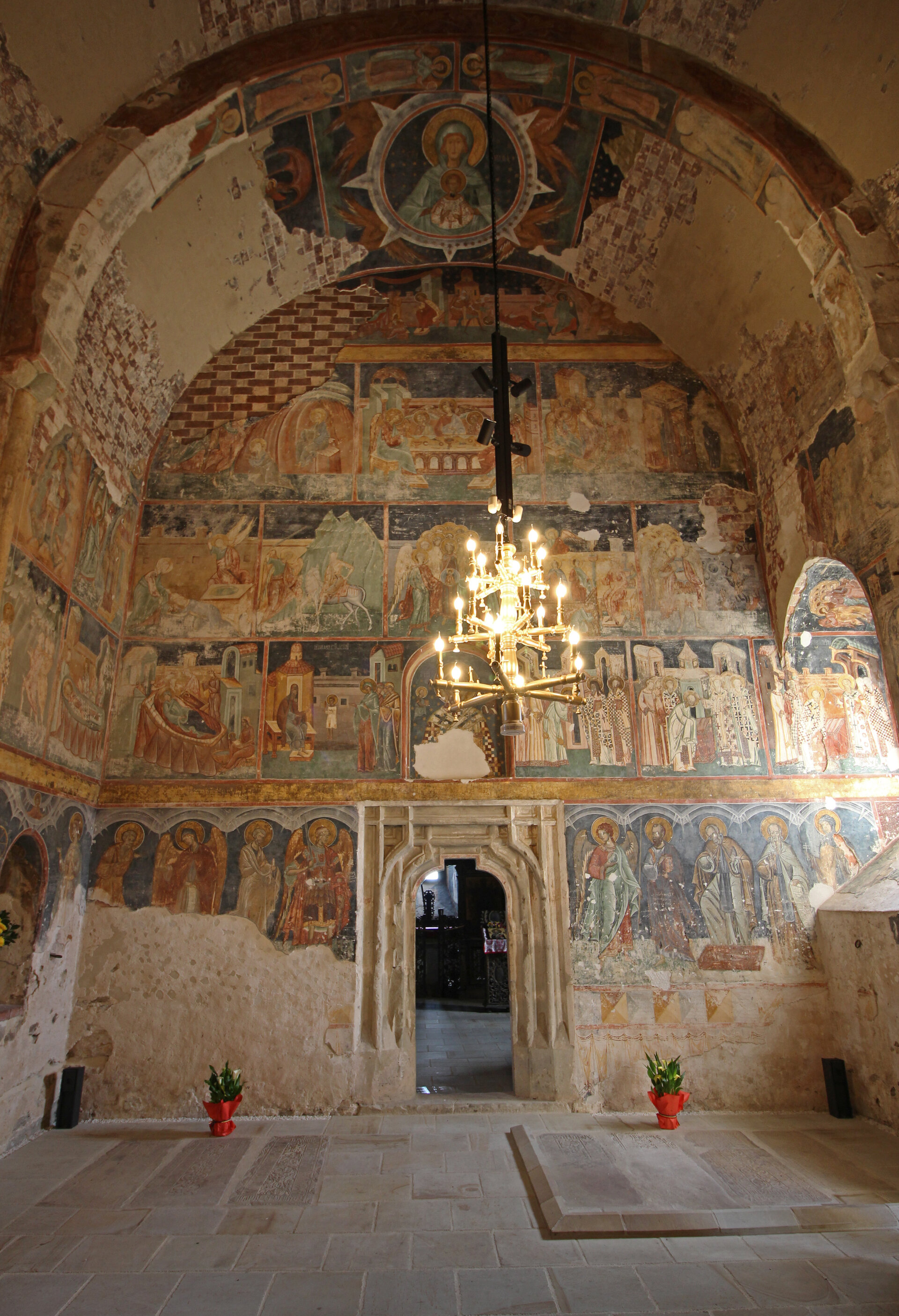
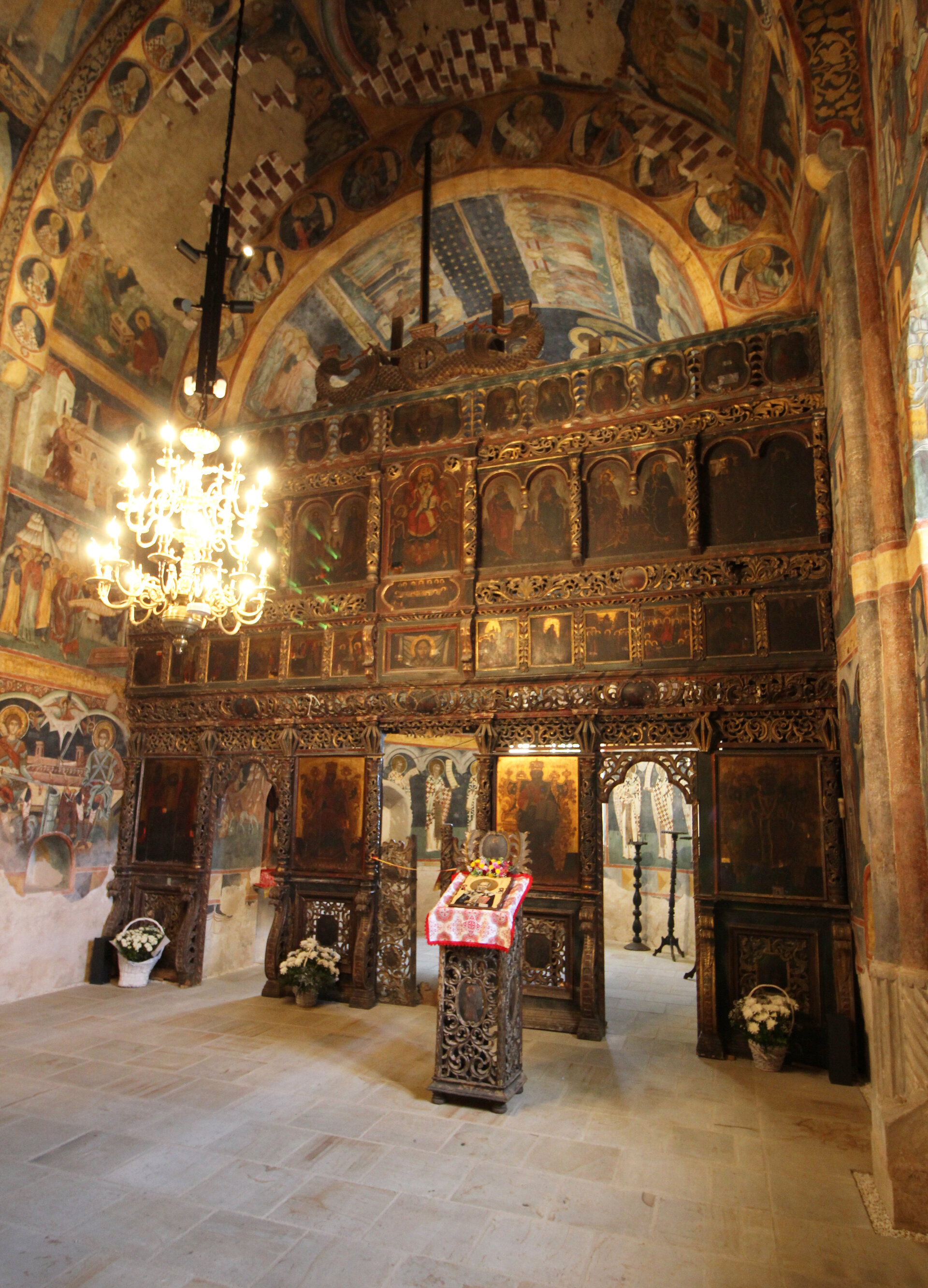
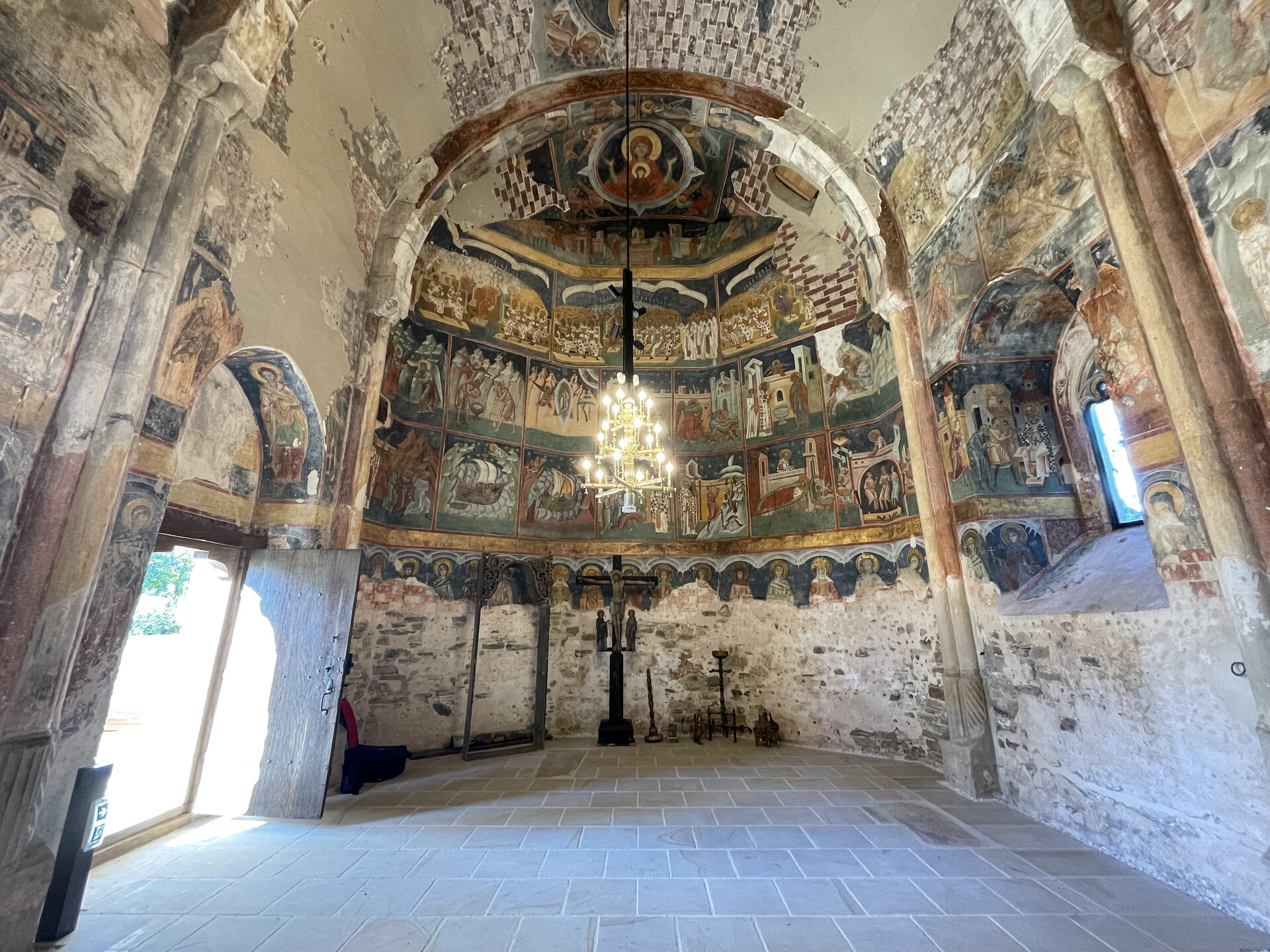
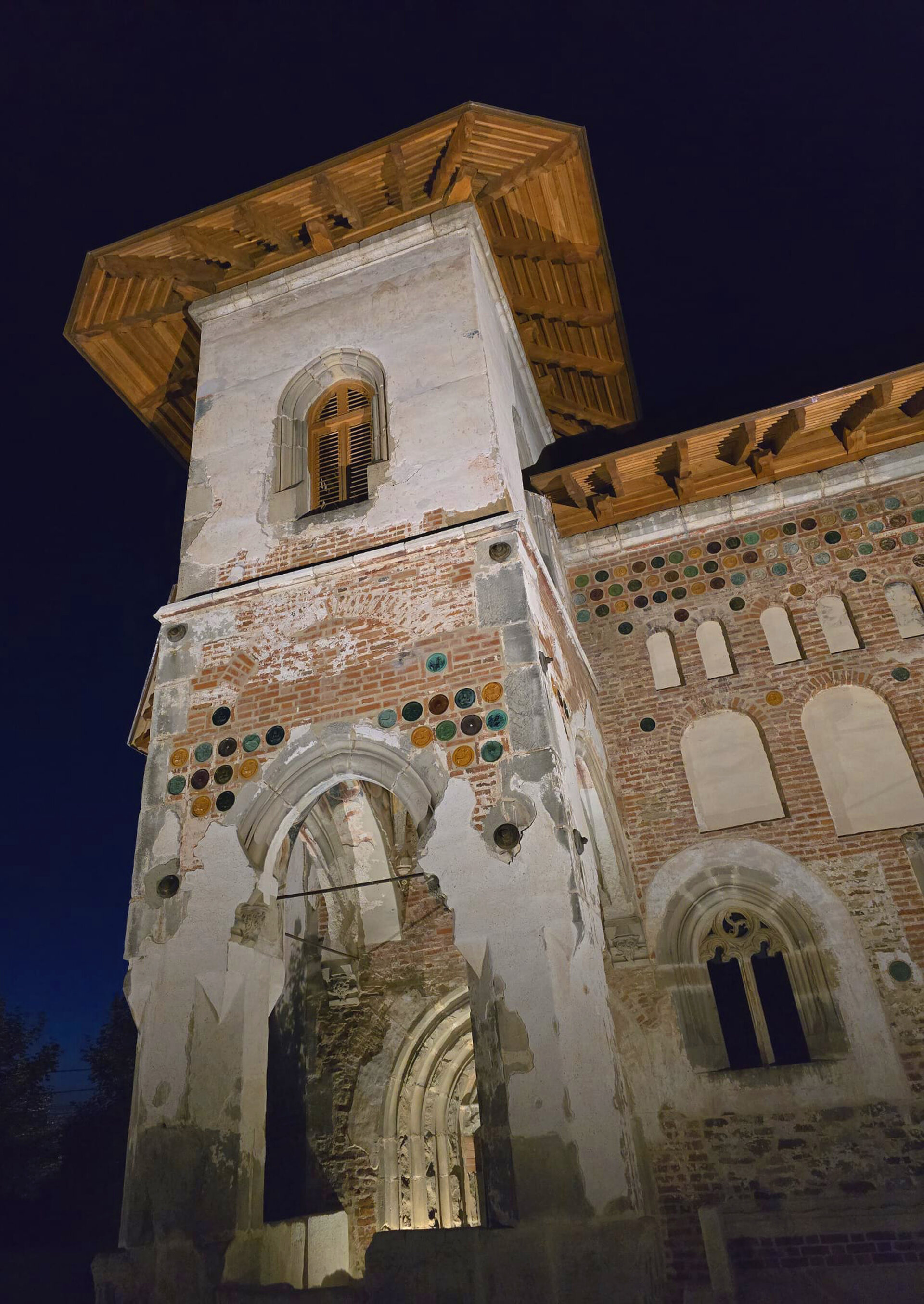
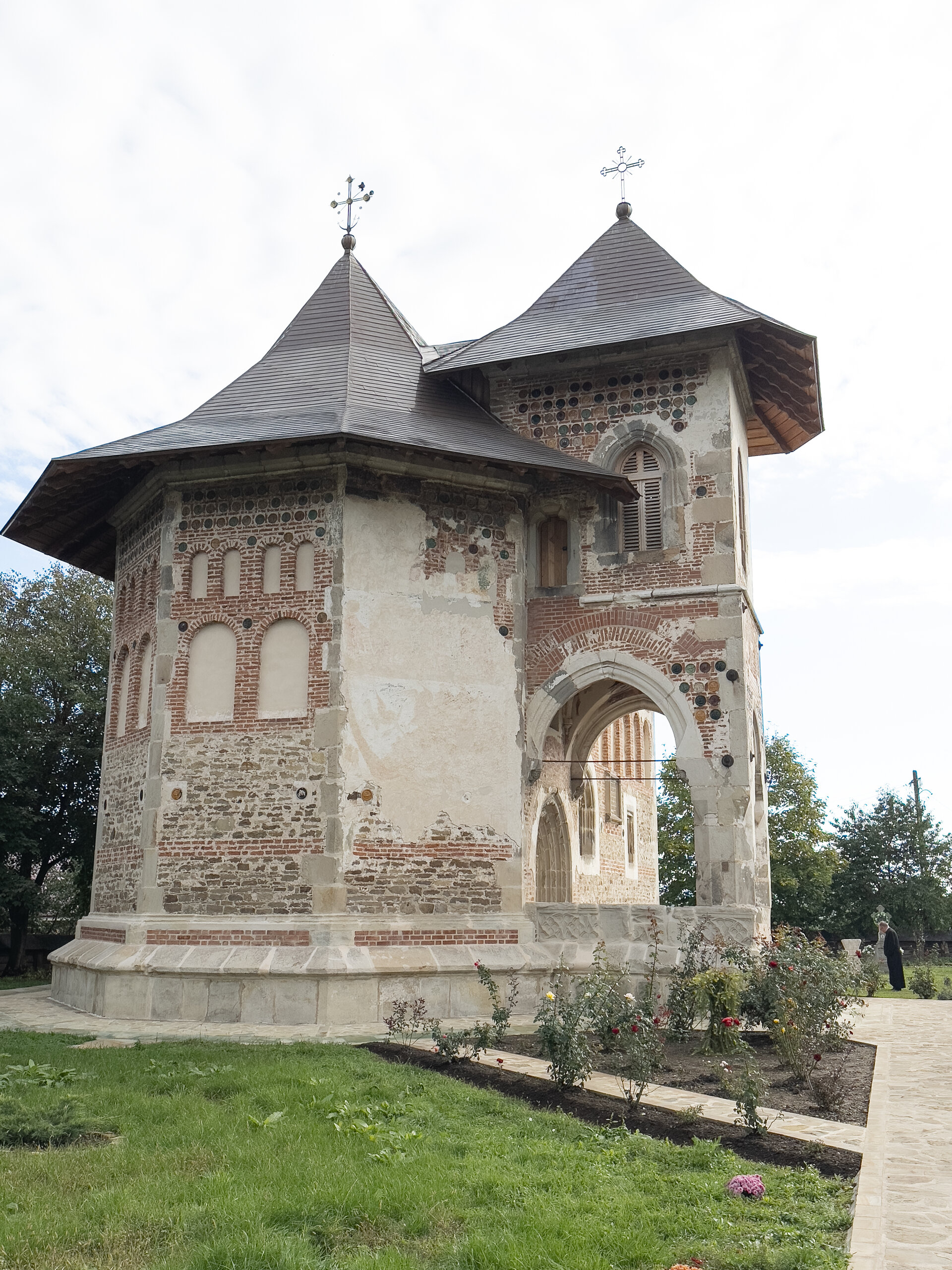
“St. Nicholas” Church in Bălinești (Suceava County), included on the List of Historical Monuments of national importance (category A), was built between 1494 and 1499. Typologically, it belongs to the series of medieval hall-type churches and is among the last to be built in this manner, combining a Byzantine-style plan (nave, narthex, altar) with architectural elements of Gothic inspiration.
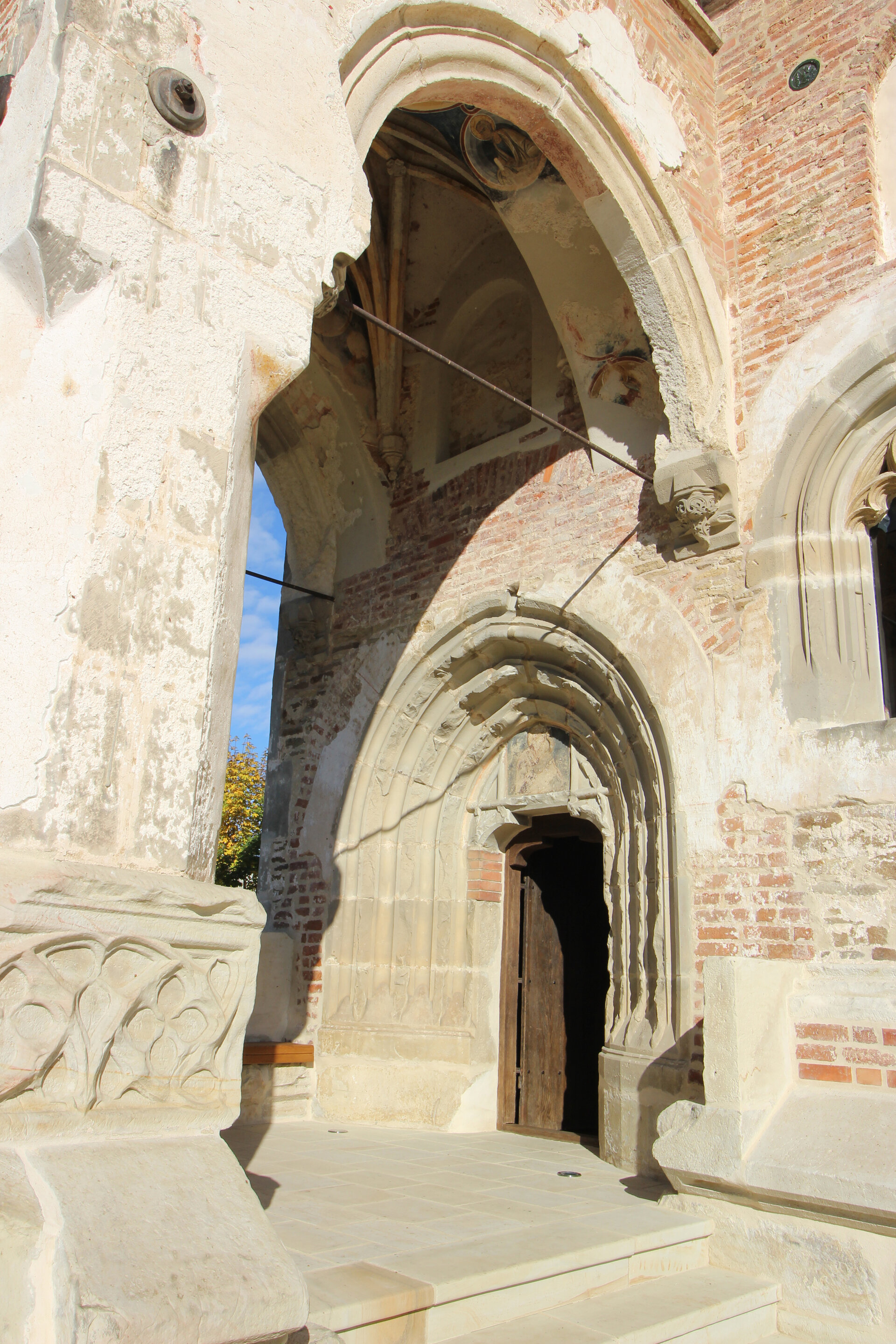
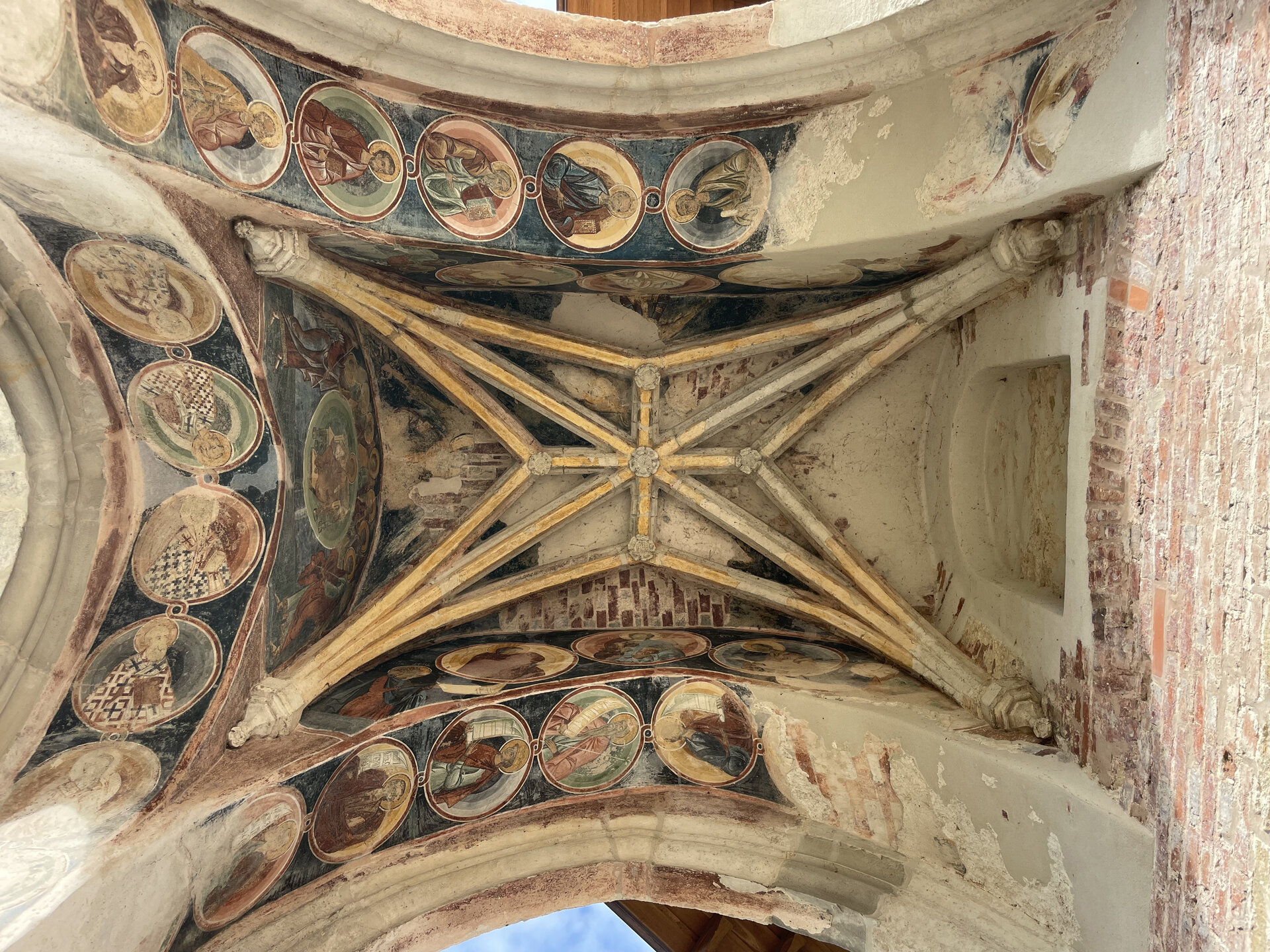
The vaults of the three interior spaces are made of brick and are divided into three parts by stone arches. From the springing of the arches downward, engaged columns with trefoil cross-sections rise, ending at floor level with sculpted stone bases.
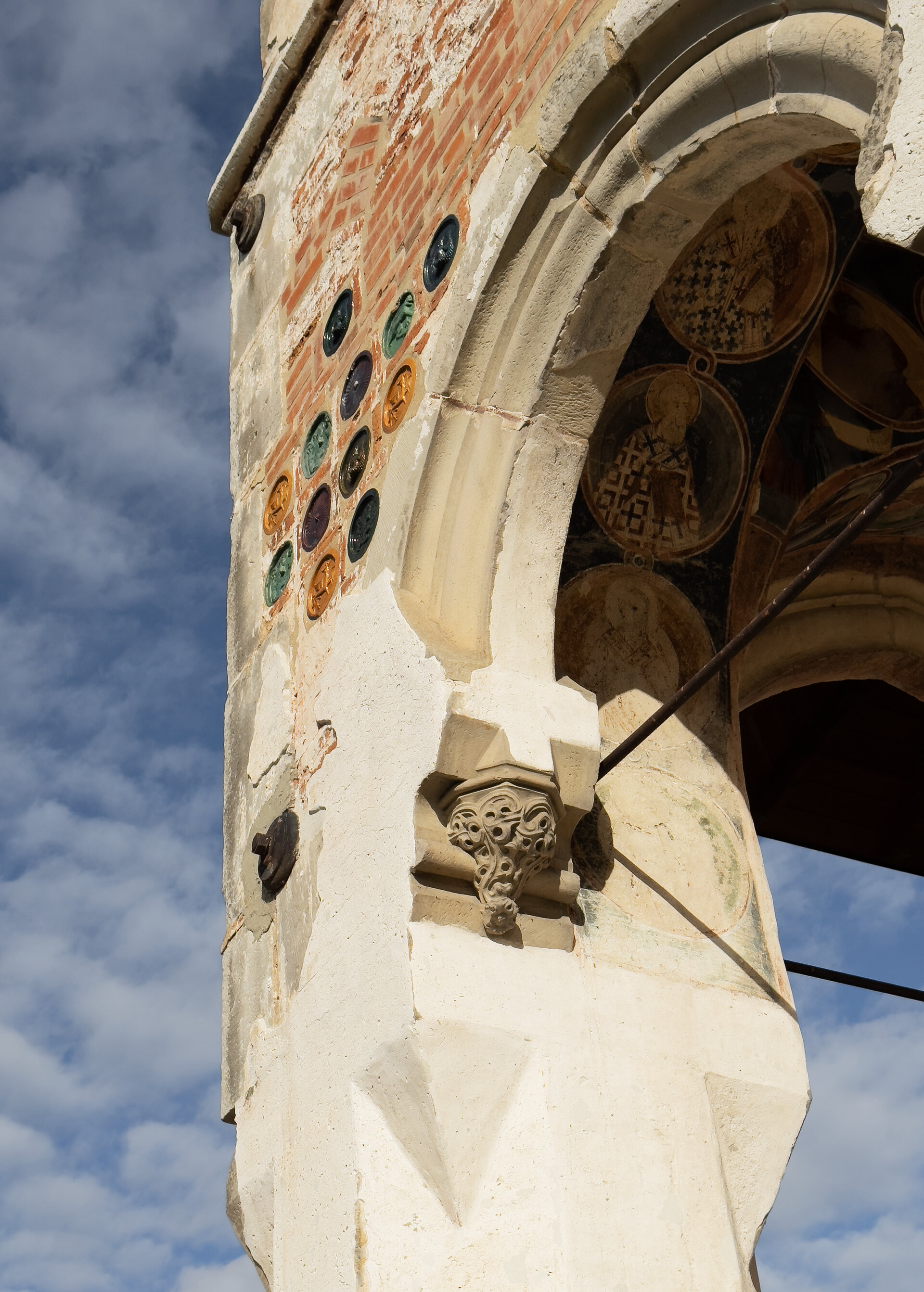
Initially, the church appears to have been designed with an open porch of a lower height attached to the southern wall of the narthex. Later, abandoning the intention to build a bell tower over the narthex, a bell tower was instead attached to the southern wall. It was constructed with stone block pillars at its lower part, a ribbed stone cupola above, and a bell chamber at the upper level, accessed from the outside through a door likely reached by a movable exterior staircase.
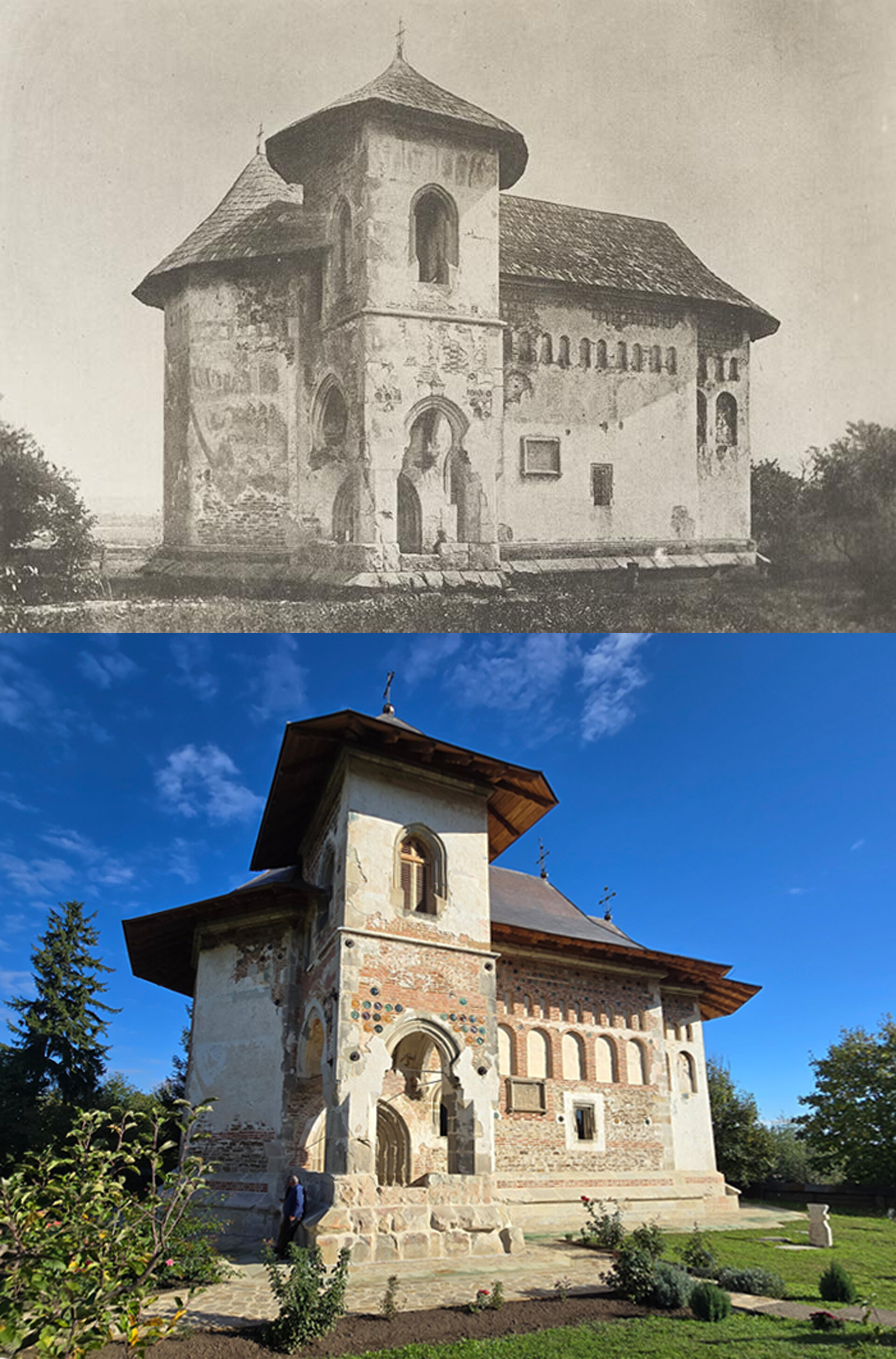
Over time, the church underwent numerous interventions, the most recent being in 1925, carried out by the Historical Monuments Commission, when metal tie rods were installed for structural reinforcement. The pre-restoration roof dated from 1899; until then, the church had been burned and left without roofing.
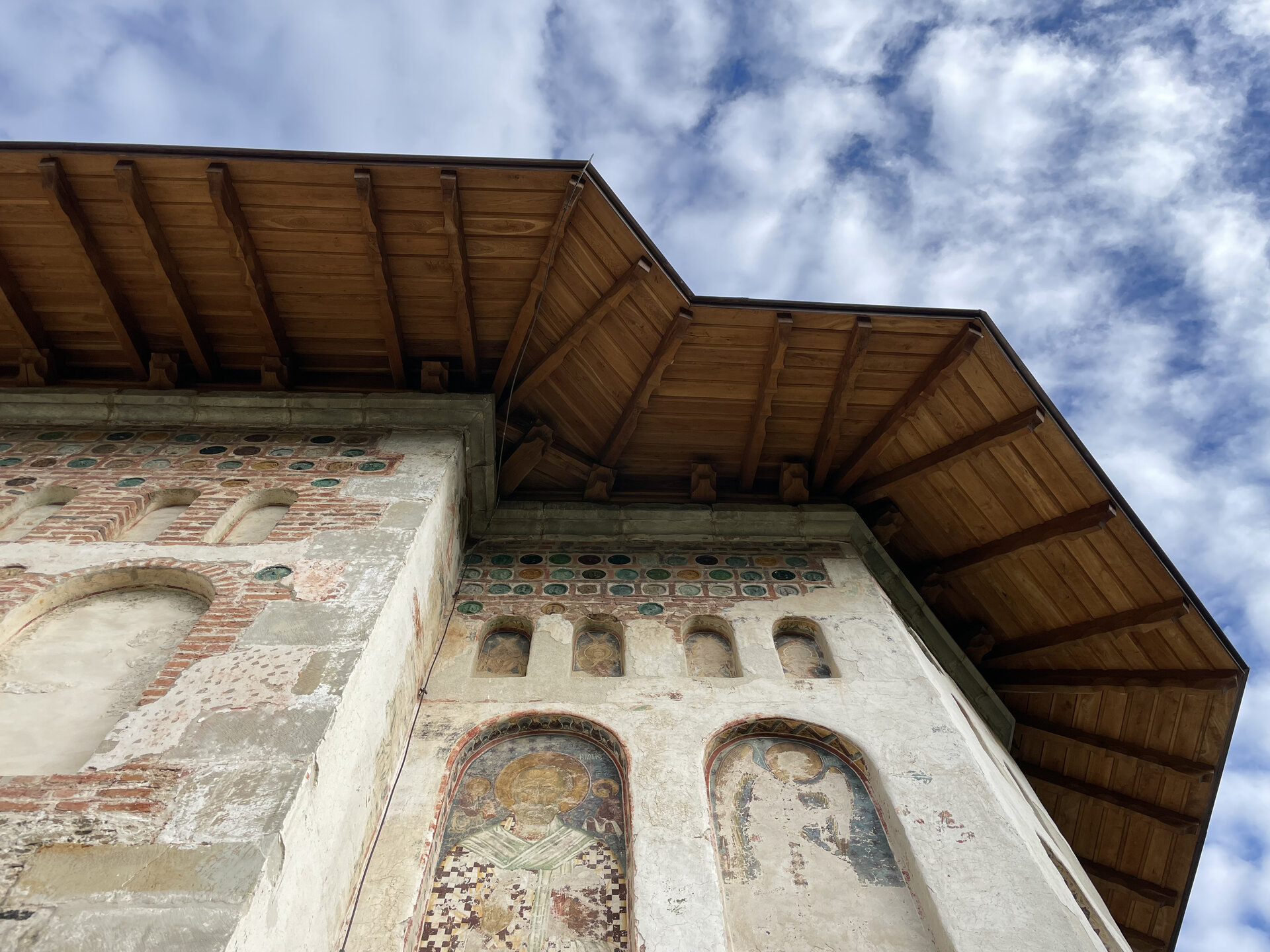
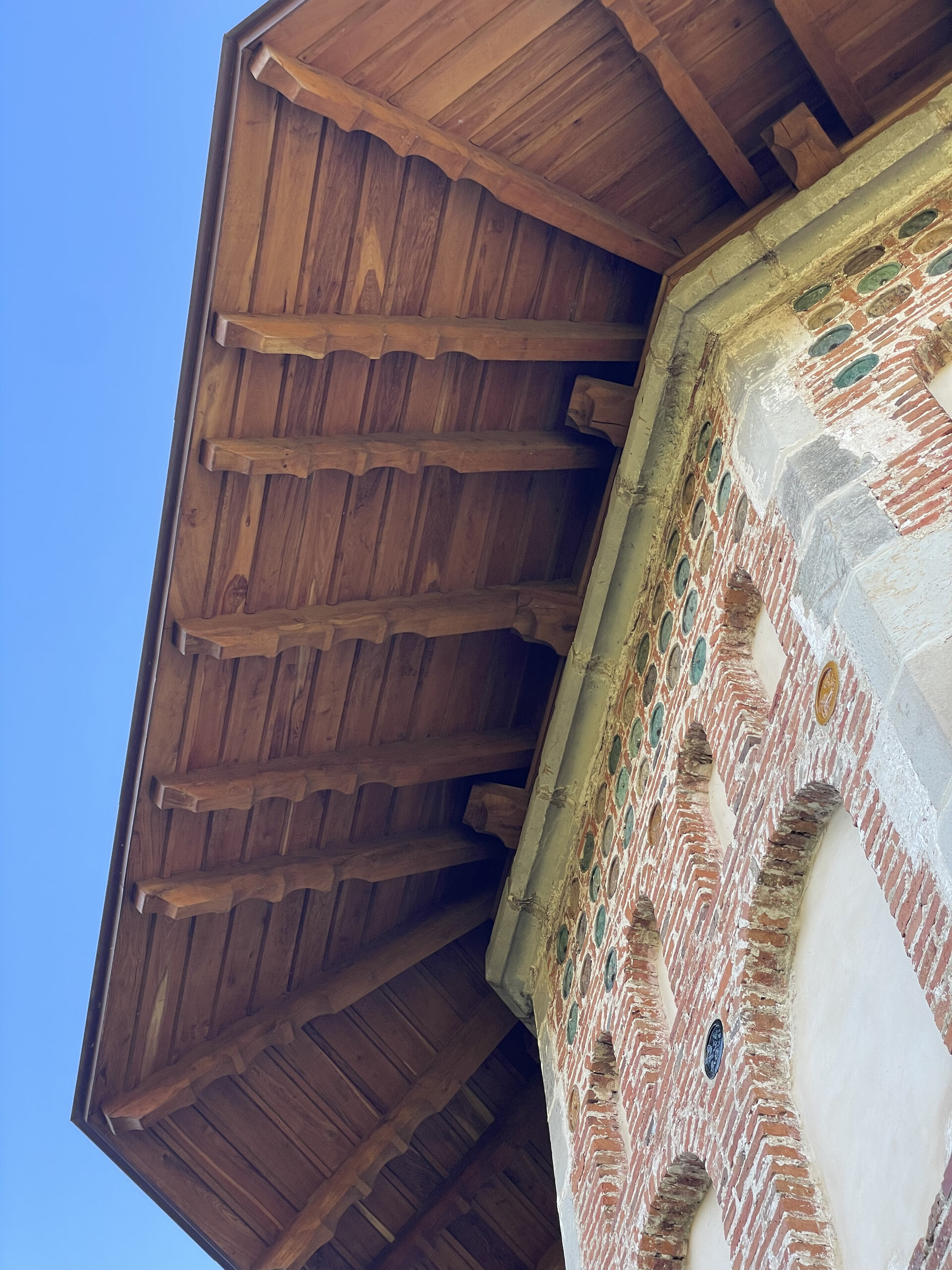
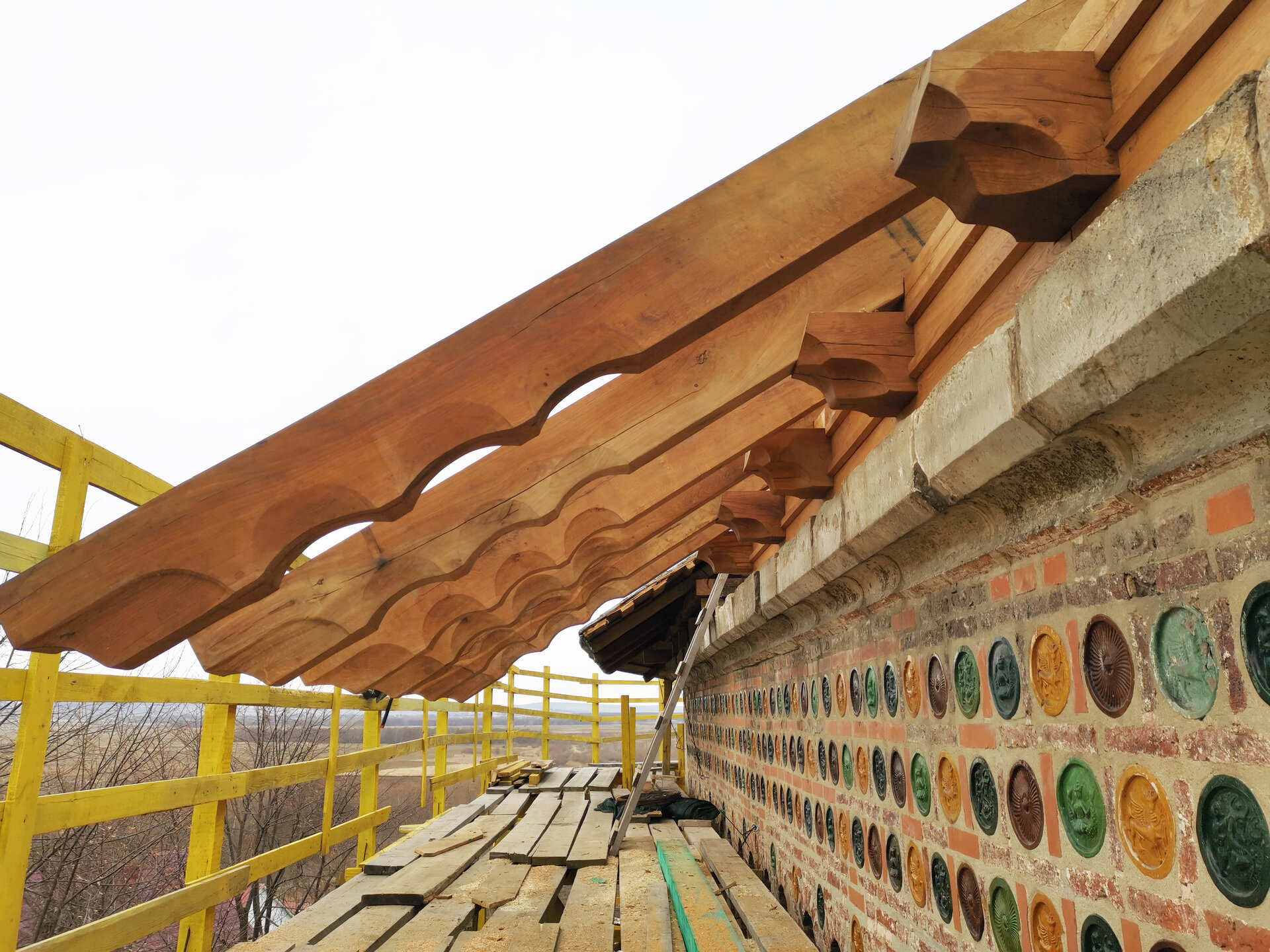
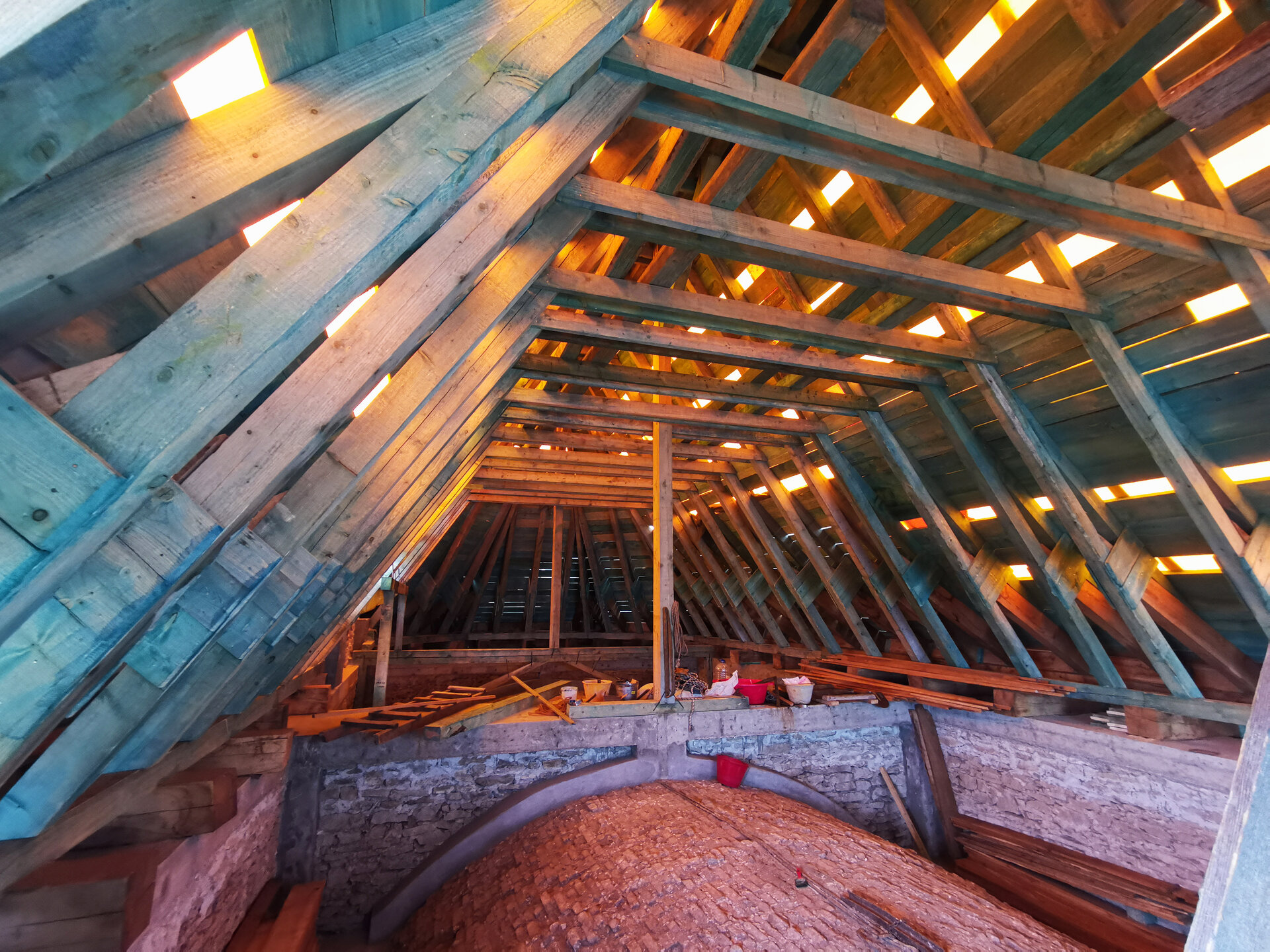
The church required emergency intervention by specialists to ensure its conservation by removing deterioration factors and restoring original protective details—roof, eaves, and covering—returning the roof to its initial volume based on the votive painting and enlarging the eaves to better protect the exterior artistic components.
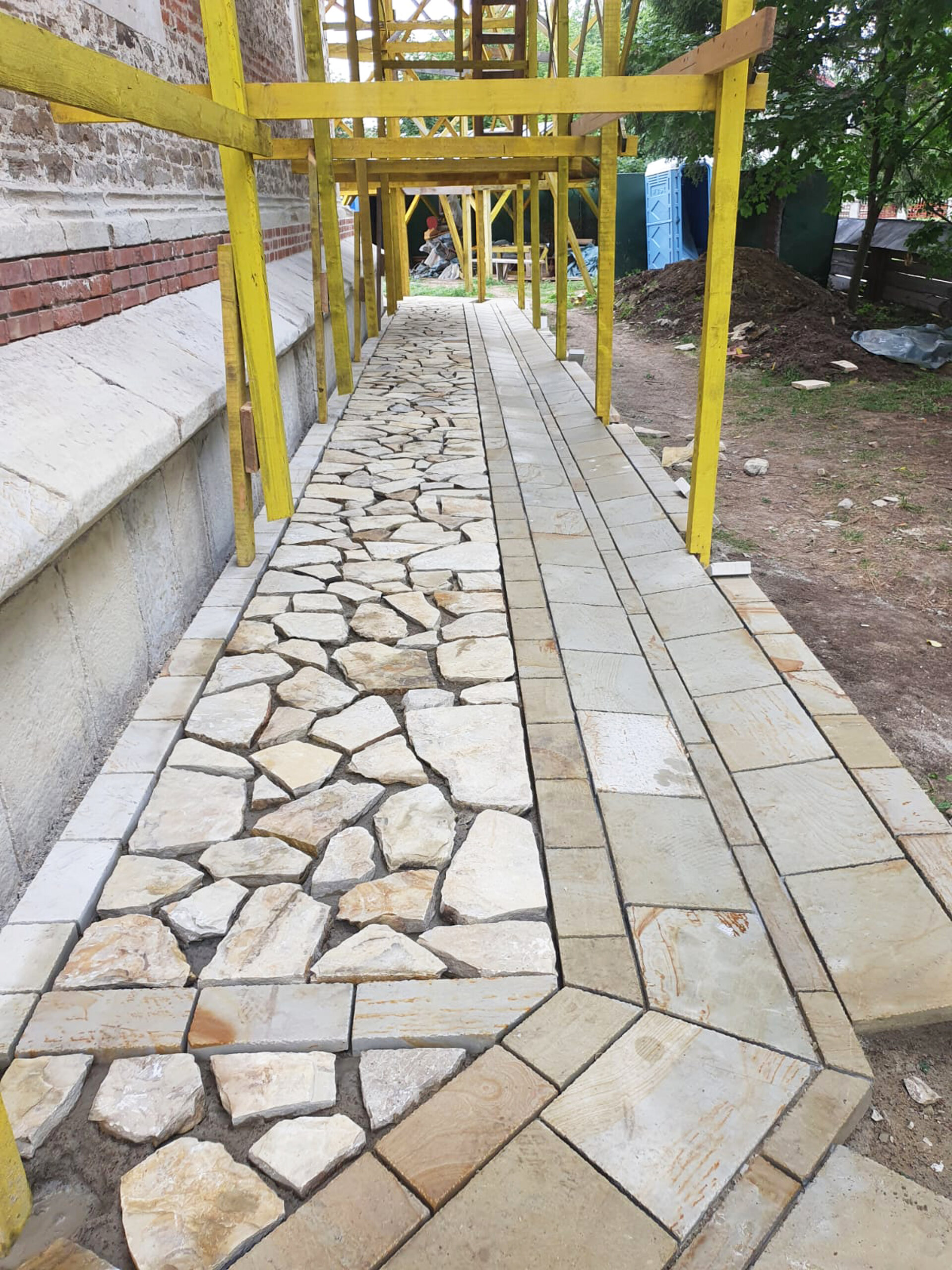
Before the restoration process, the existing condition of the building was assessed. It was observed that damage and deterioration were especially present at the base of the church, around the windows, and in the attic, in the form of cracks and fissures in the masonry and between the stone blocks, displacements, and crumbling masonry at the bell tower, as well as at the pilasters and their bases—damages that had previously been addressed cosmetically but not structurally.
Therefore, it became necessary to replace the existing wooden roof structure, which was severely degraded (improvised structural elements, rotting, deformation, partially destroyed covering). The main structural system of the church also showed localized damage such as wall cracks and stone dislocations at the porch pillars and base.
The deterioration of the sheet metal roofing allowed rain water to infiltrate the roof structure, causing the degradation, biological infestation, and water infiltration, leading to damage in the interior spaces (including damage to the wall painting). This led to the proposal to install a new copper sheet metal roof.
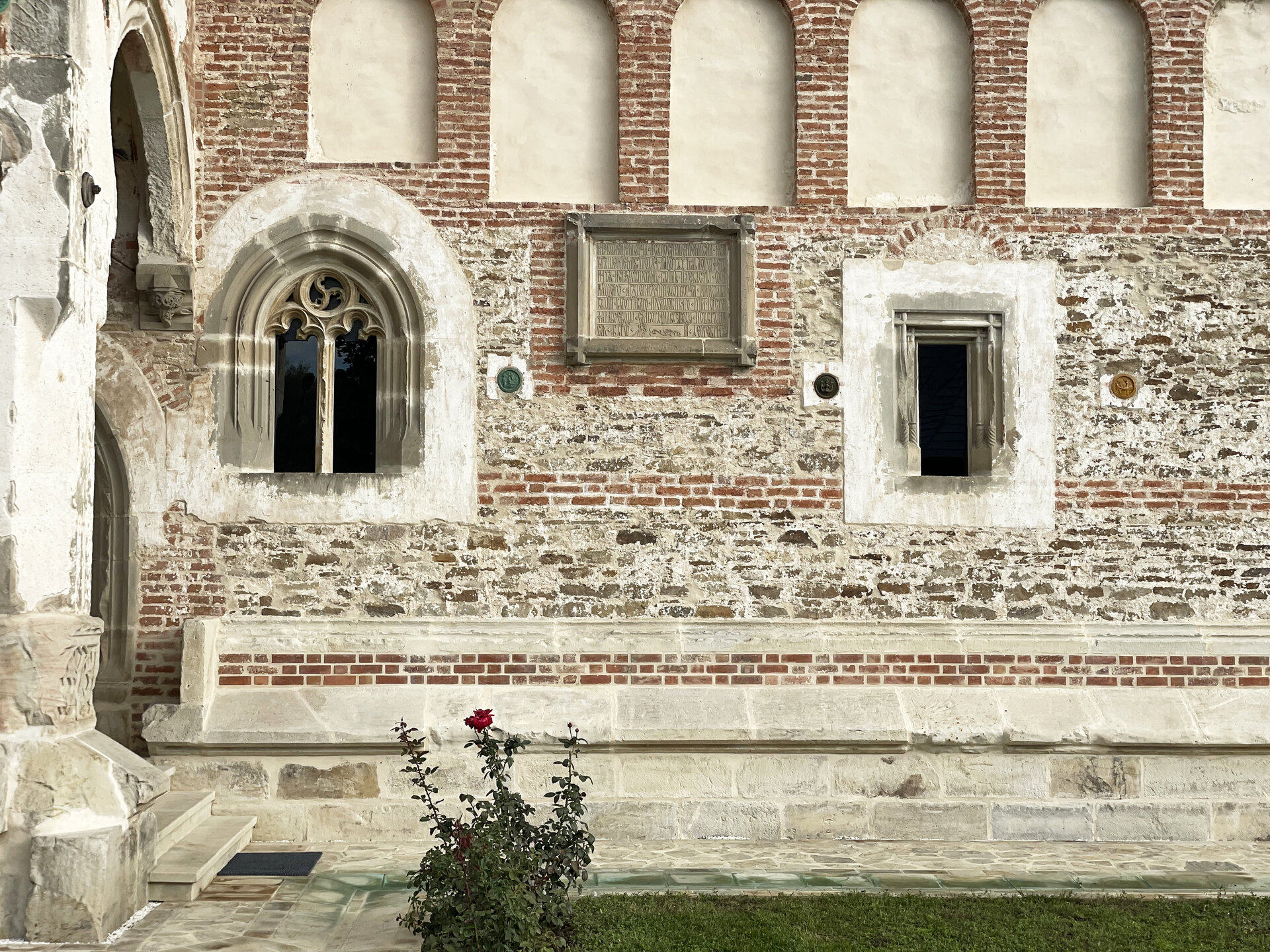
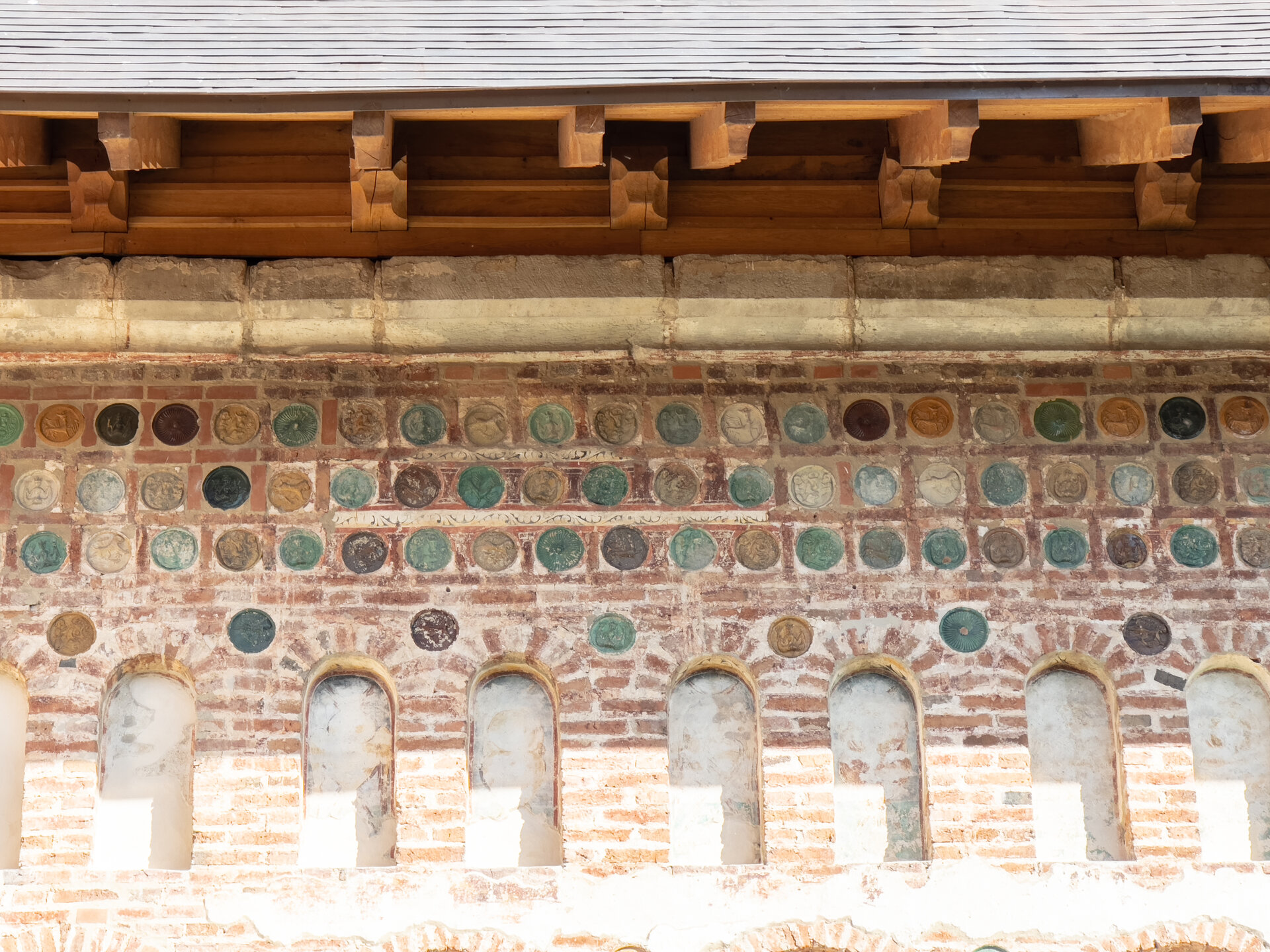
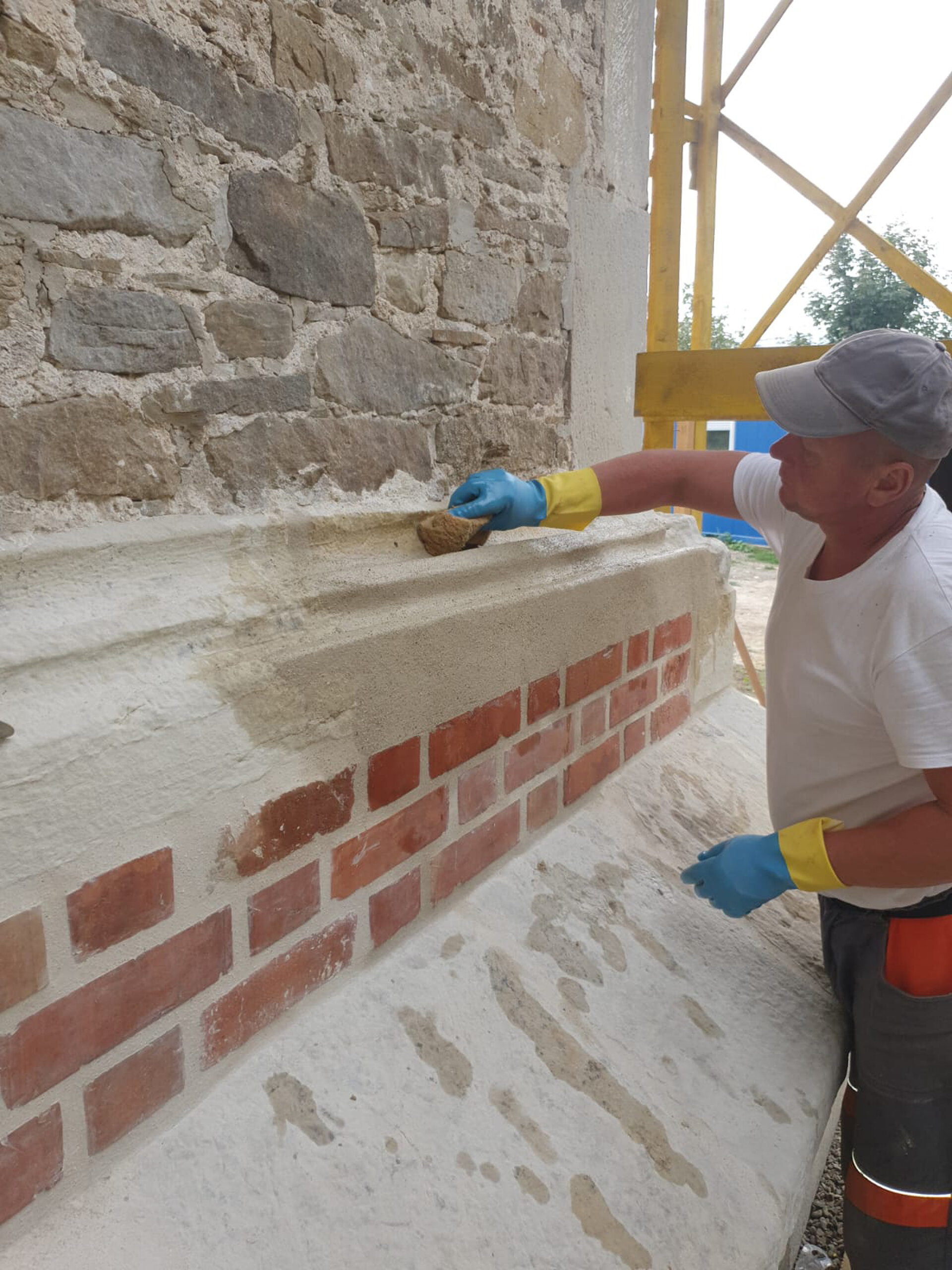
The façades, which underwent numerous interventions over time, during which the exceptionally valuable medieval decorations were covered with plaster and painted surfaces, were restored by partially removing the plaster, uncovering the walled-up niches, while clearly marking both construction phases on the exterior masonry surface.
Architecture and Heritage

- Structural rehabilitation, architectural restoration and enhancement – Constanța Casino
- Cotroceni, Joseph Lister Villa Rehabilitation
- Carol’s House
- Consolidation and Restoration of the French Library Building “Omnia”
- The restoration of the church in Bălinești
- Analysis of degradation and restoration works on the facade of the Saint Joseph Cathedral, Bucharest
- Restoration, consolidation, protection and conservation of the “Saint Haralambie” Cathedral in Turnu Măgurele Municipality


