- Prize of the “Built Architecture / Architecture and Heritage” section
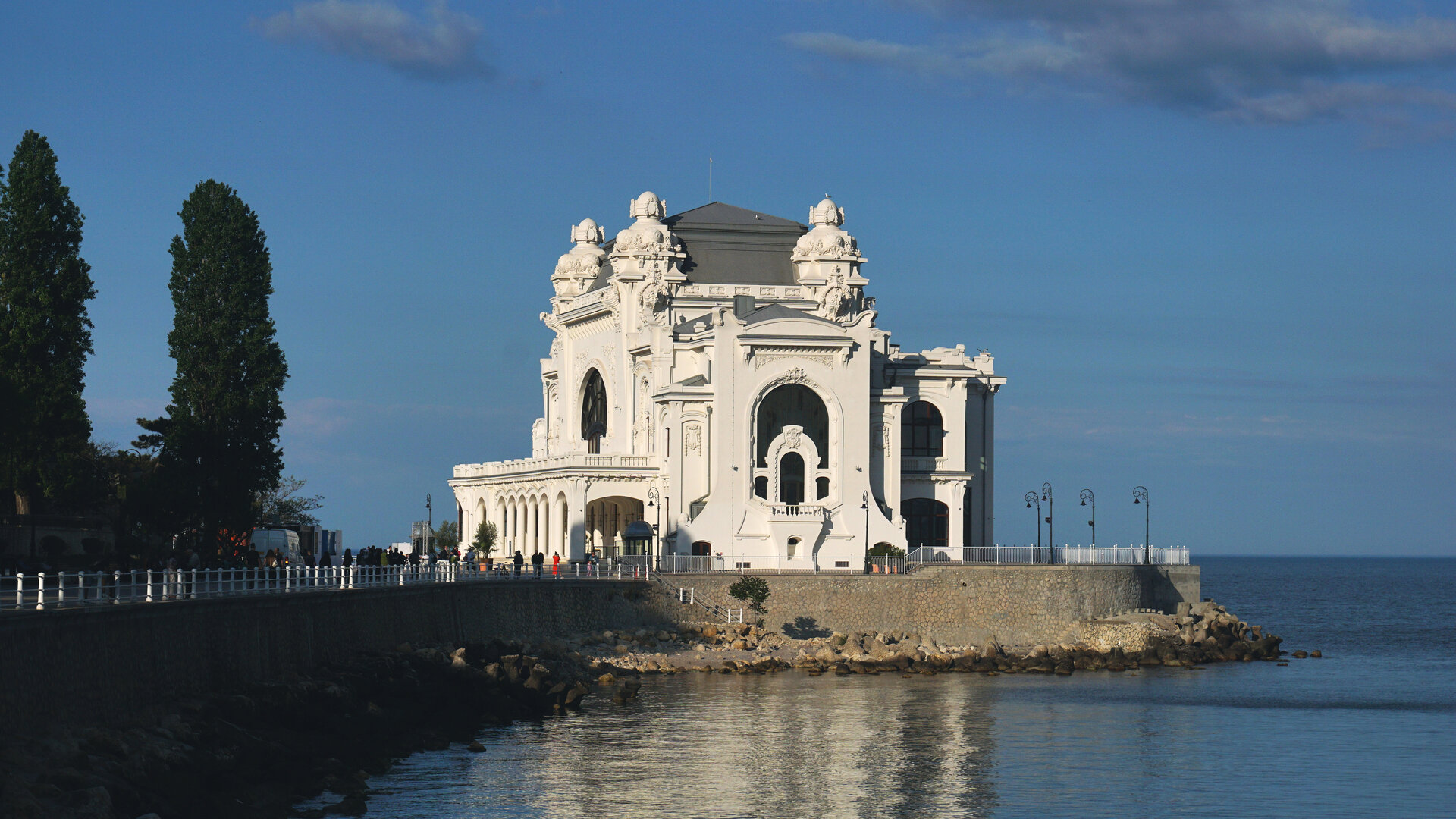
Structural rehabilitation, architectural restoration and enhancement – Constanța Casino
Authors’ Comment
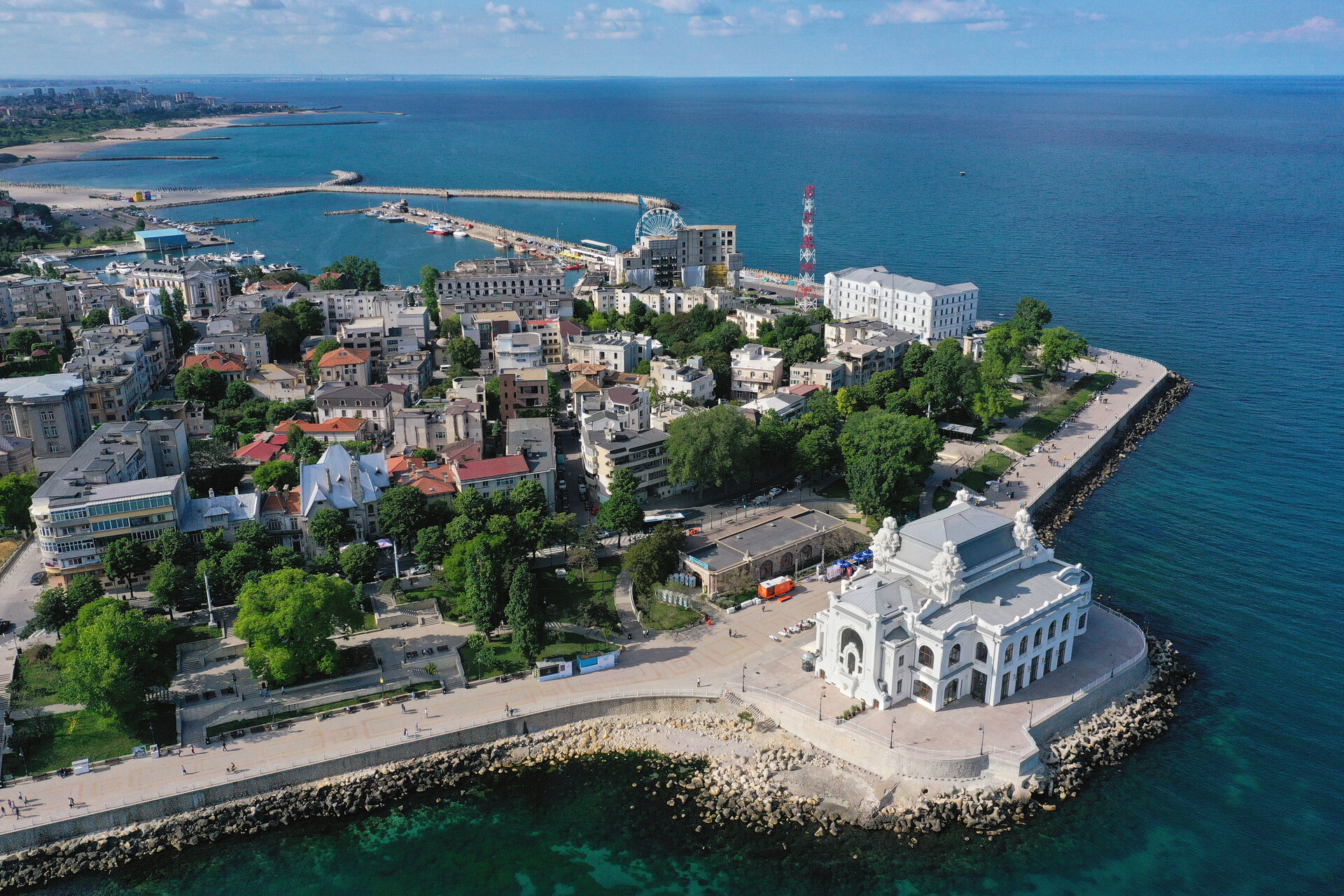
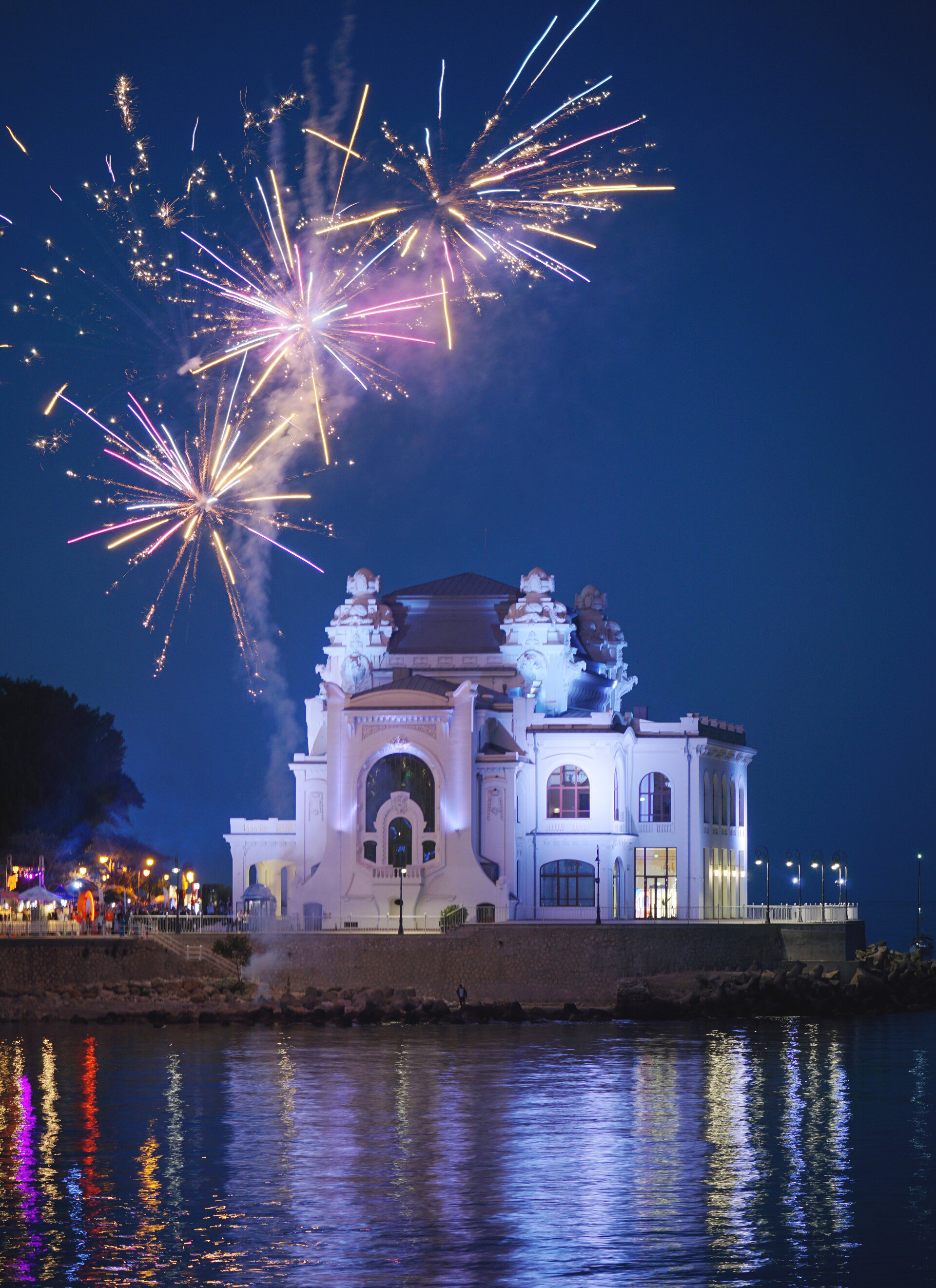
The Constanța Casino is a nationally significant historic monument (CT-II-m-A-02801) and an emblem of the city, built between 1903 and 1911 in the Art Nouveau style based on the designs of architect Daniel Renard.
Conceived during a period of technological and cultural momentum in Romania, the Casino – from its unique location to its mixed structural system combining masonry, reinforced concrete, and steel – was envisioned as a manifesto of modernity.
It is a sophisticated, large-scale construction which, over time, suffered numerous alterations, degradations, and reconfigurations that significantly affected both its original layout and ornamentation, and its founding spirit.
Before the restoration, the building was in an advanced state of decay – the result of long-standing issues: severe structural damage, water infiltration, biological infestations, destruction of artistic elements, the dismantling of all utility systems, and invasive additions. Only a limited portion of the original material could be preserved, which necessitated a complex intervention considering the restoration of authentic fragments and the coherent integration of new architectural layers responding to contemporary requirements.
The restoration concept was grounded in alarming findings from detailed assessments, alongside a vision to recover the last known stable configuration – the version between WW1 and WW2, shaped by famous figures such as arch. D. Renard, eng. A. Saligny, eng. G. Constantinescu, arch. I. Mincu, and eng. E. Radu.
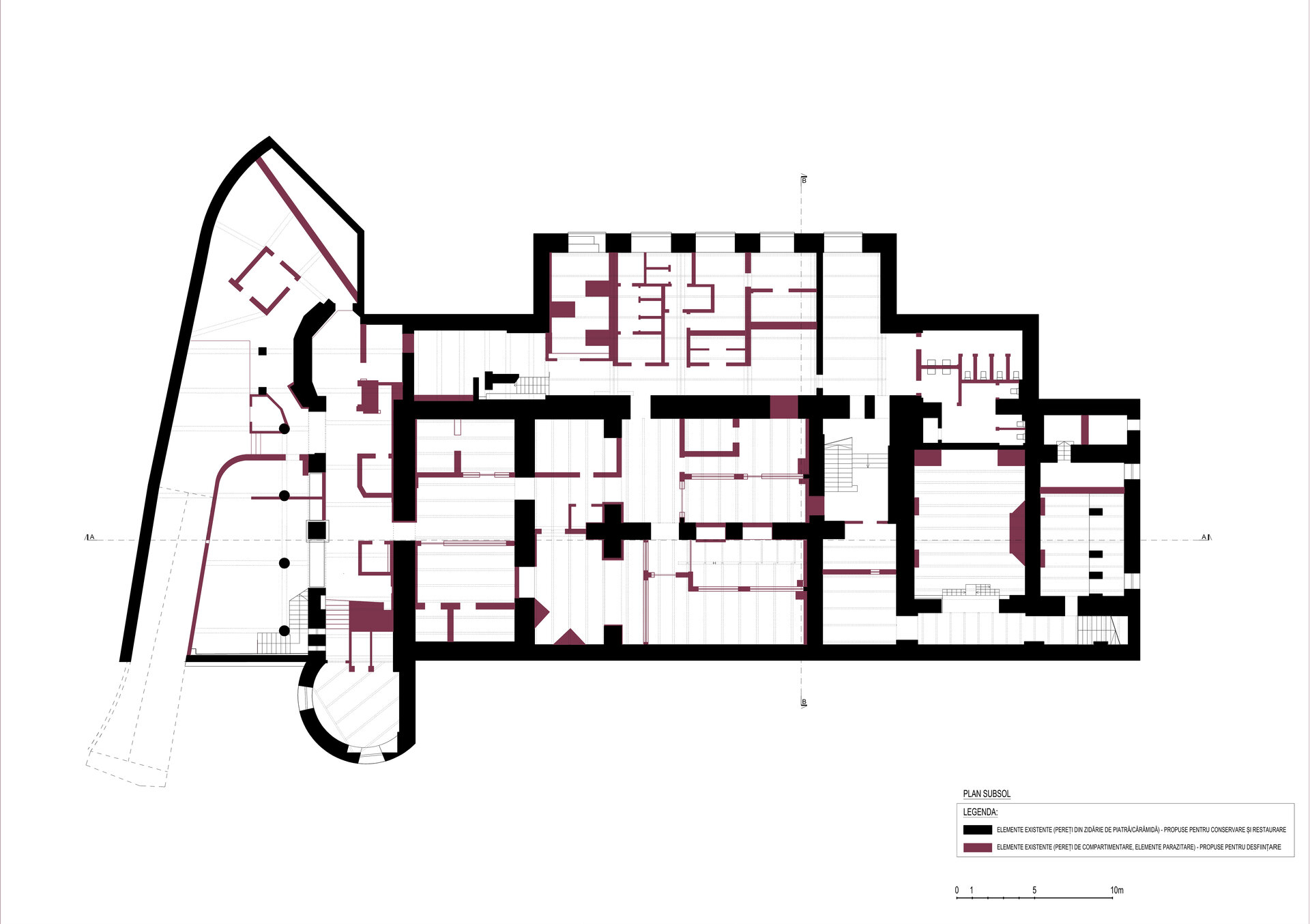
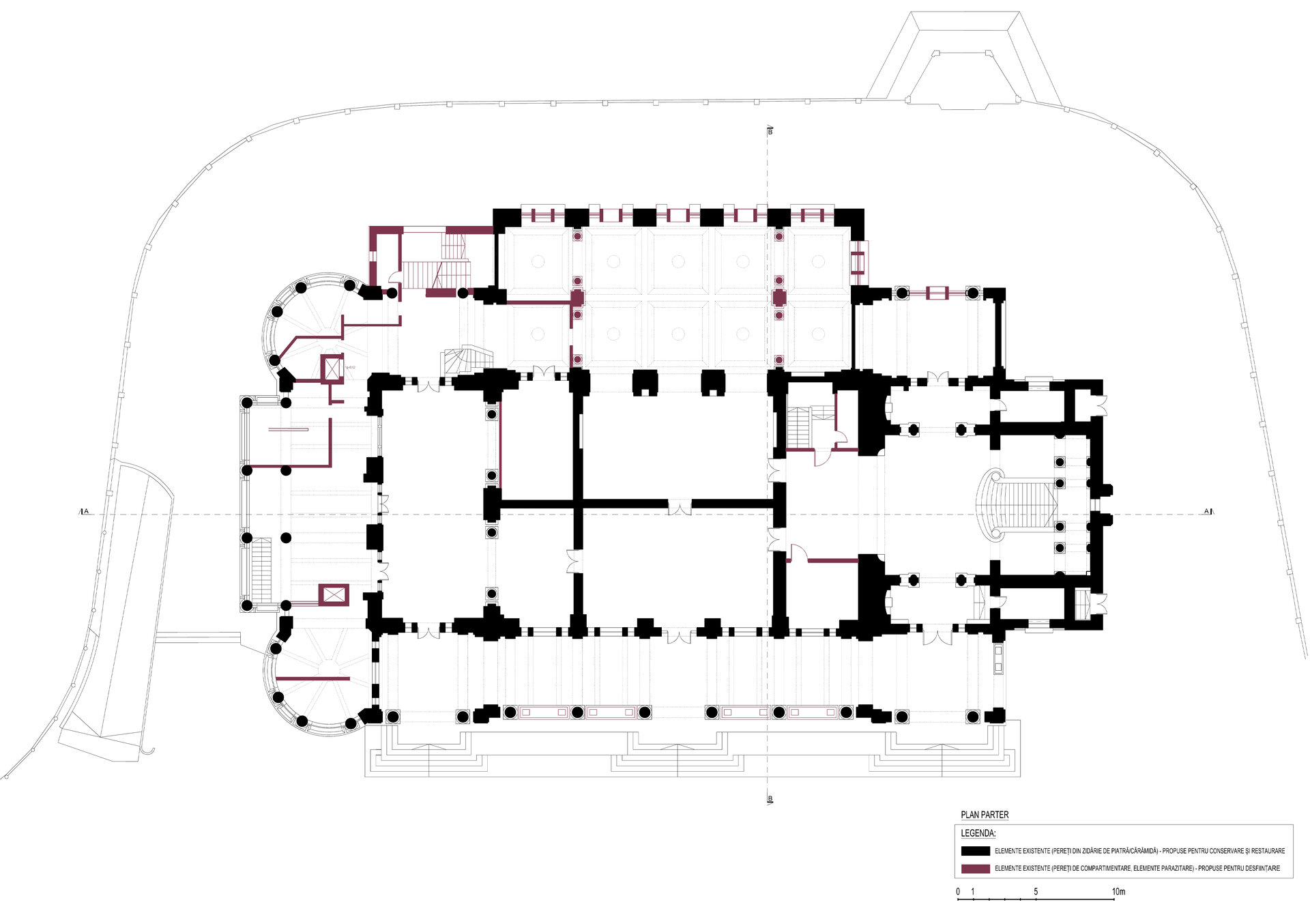
The project required reshaping the monument - removing the elements added during the 1983–1987 works, the demolition of all irreparably damaged or historically inadequate ones.
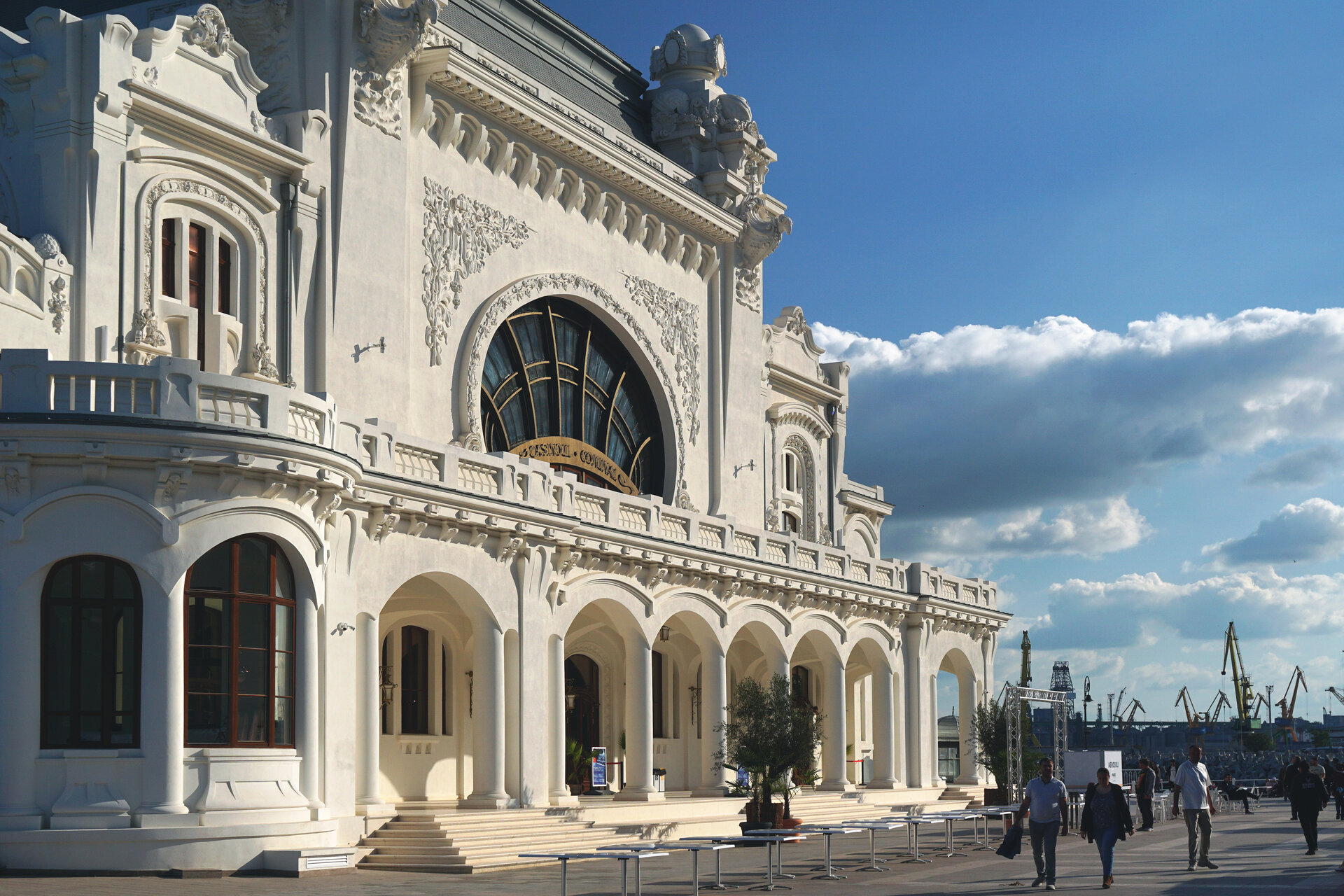
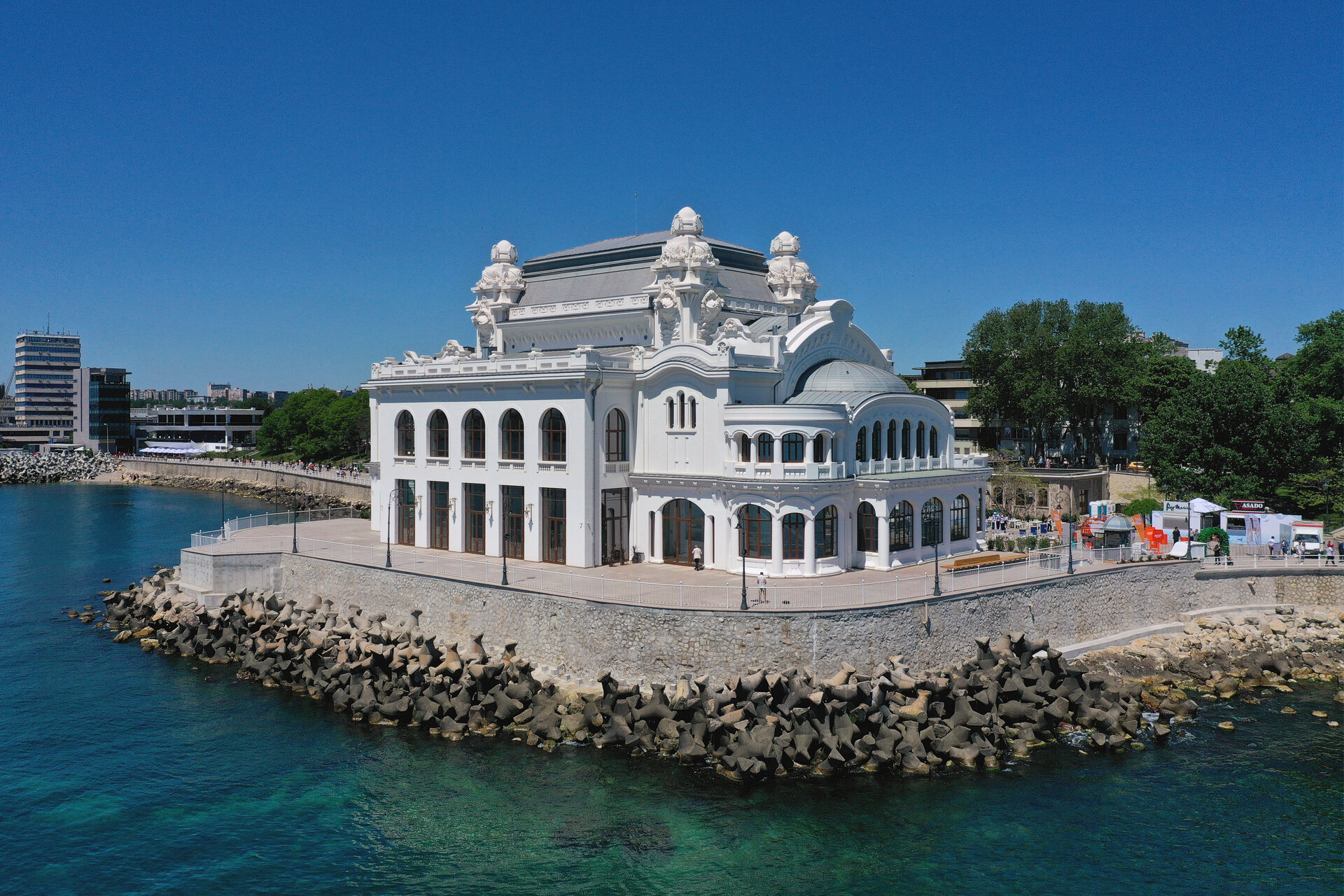
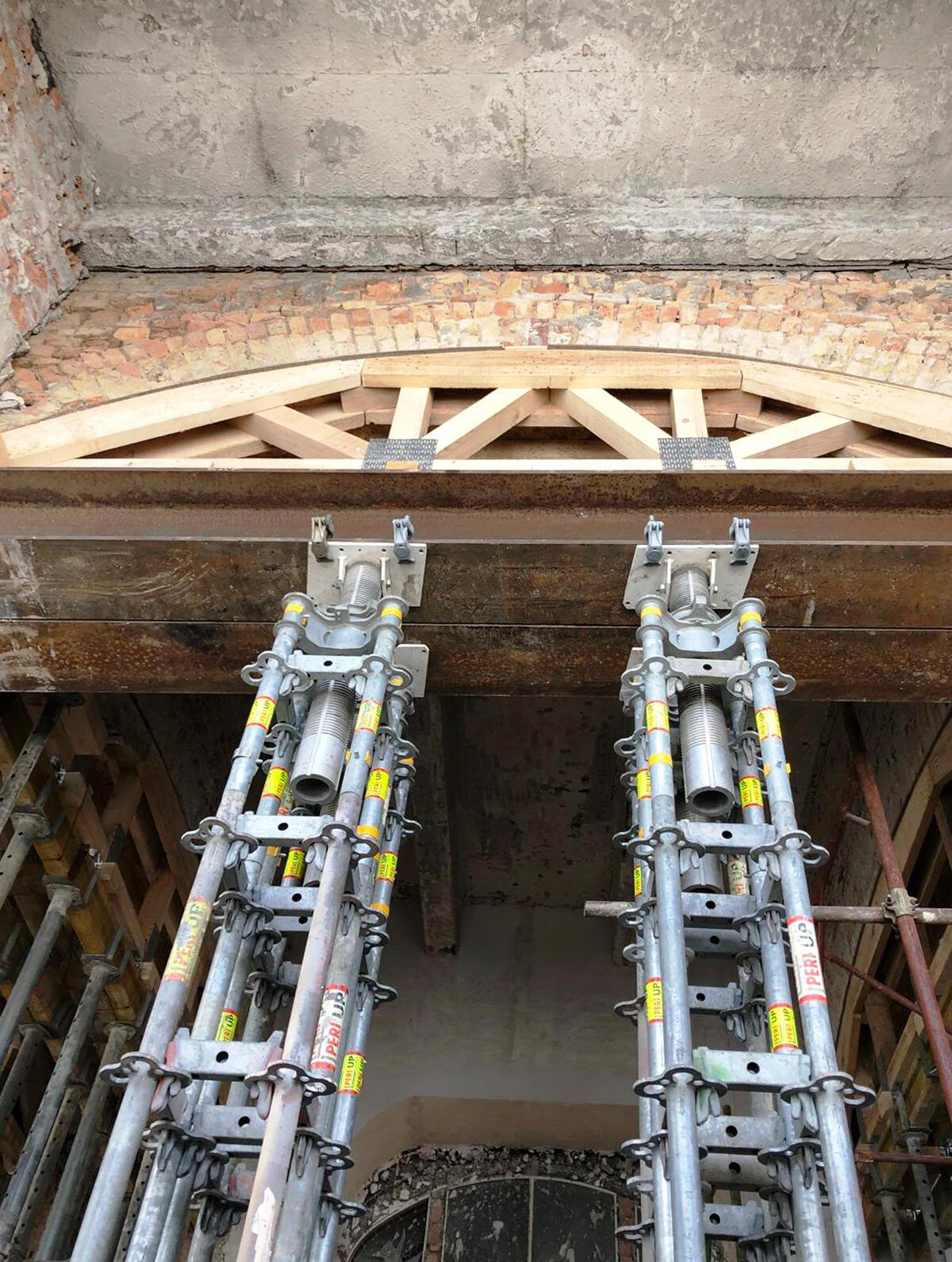
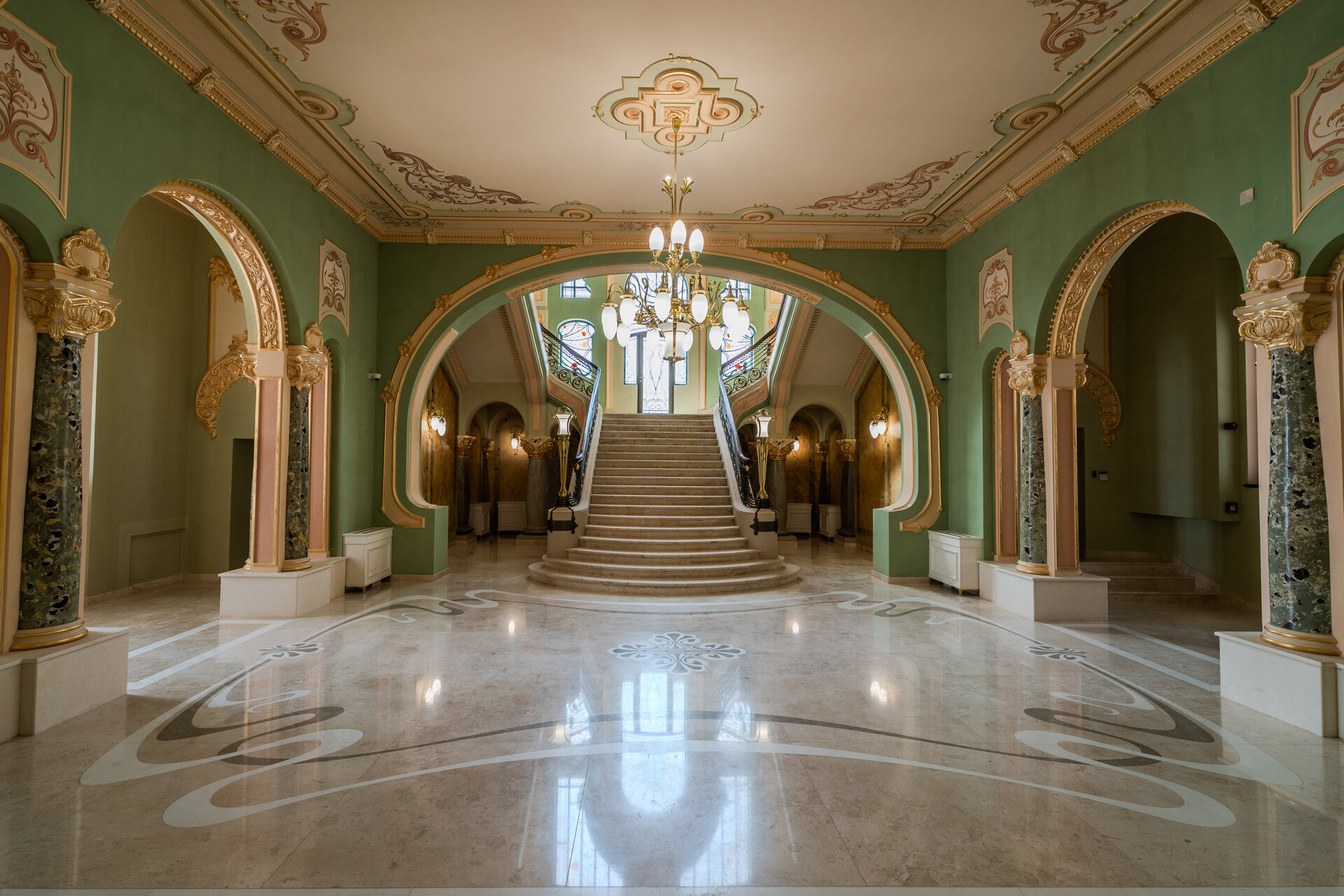
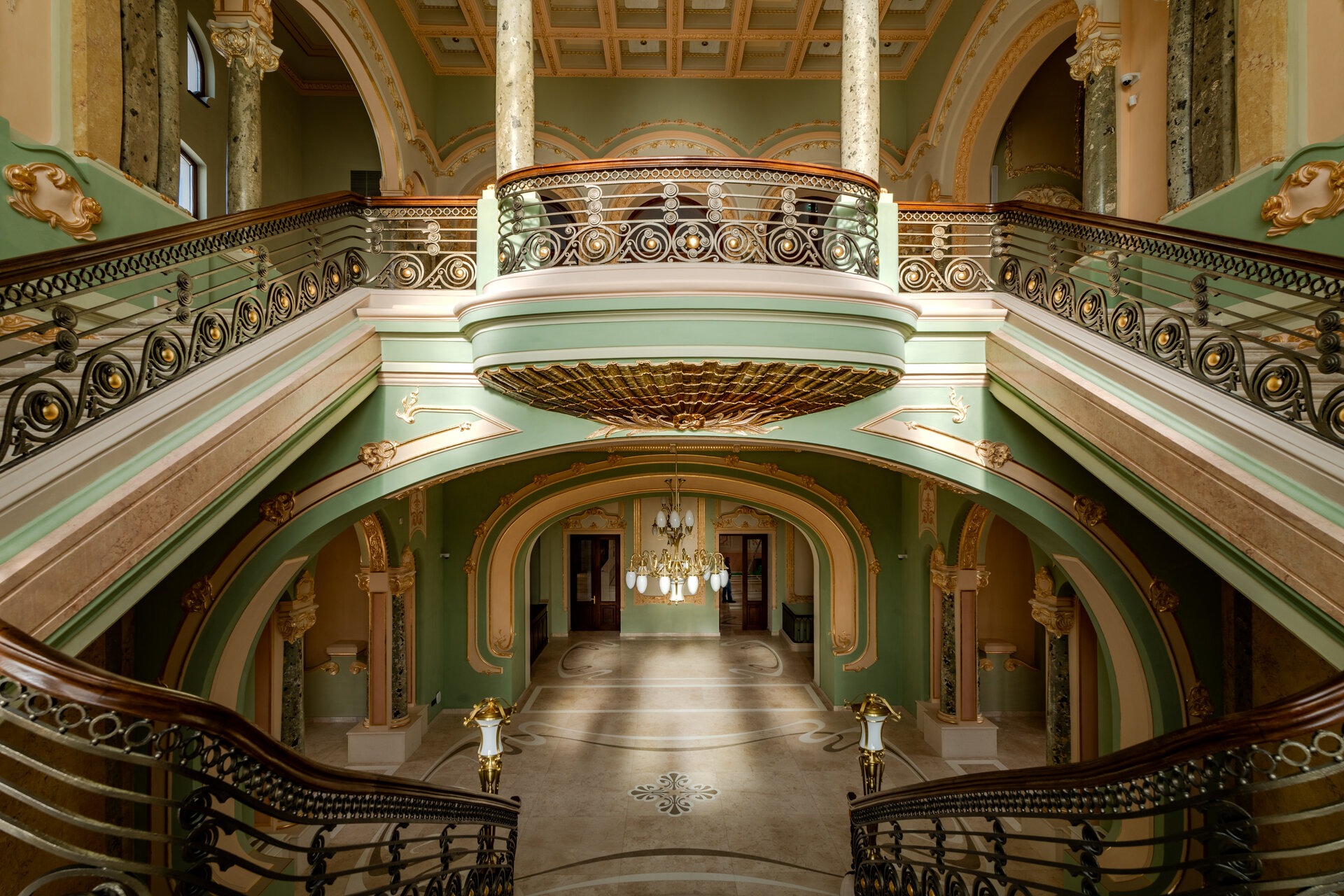
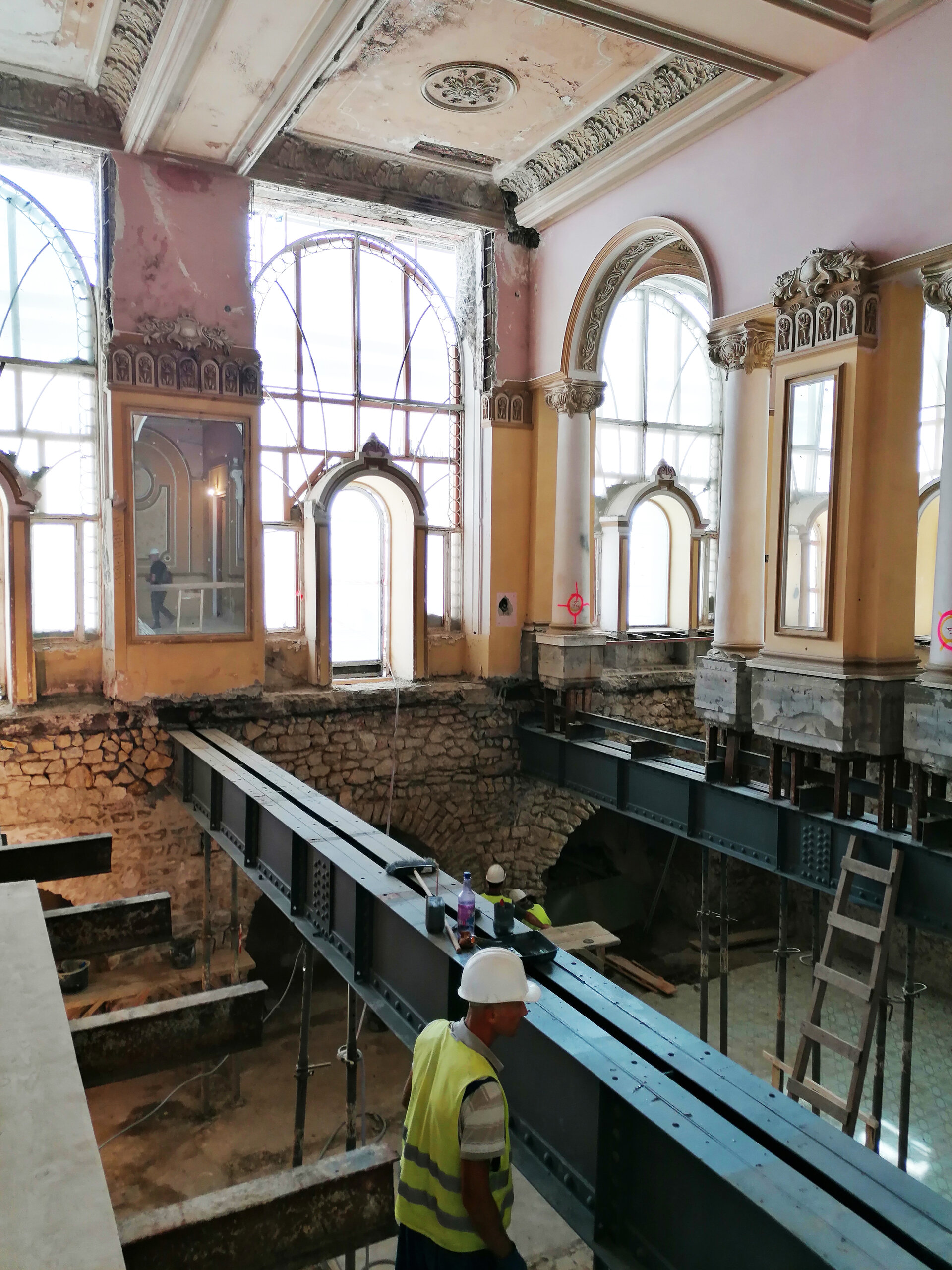
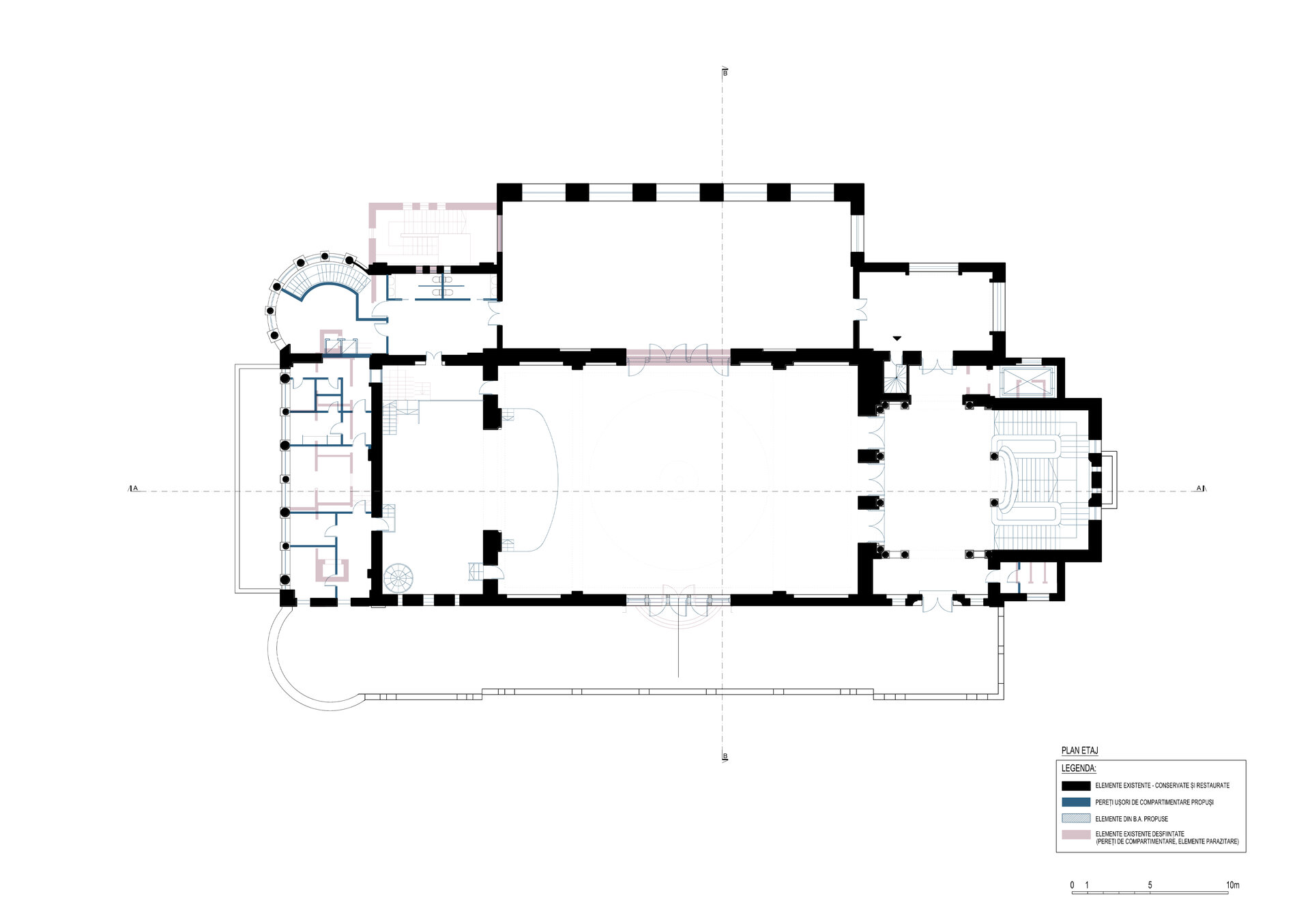
Between 2020 and 2025, the works involved extensive structural consolidation (the original A. Saligny beams), the restoration of architectural and artistic surfaces, of the roofing system, and a complete refitting of the building with contemporary utilities and systems, in line with current standards and the proposed functional program.
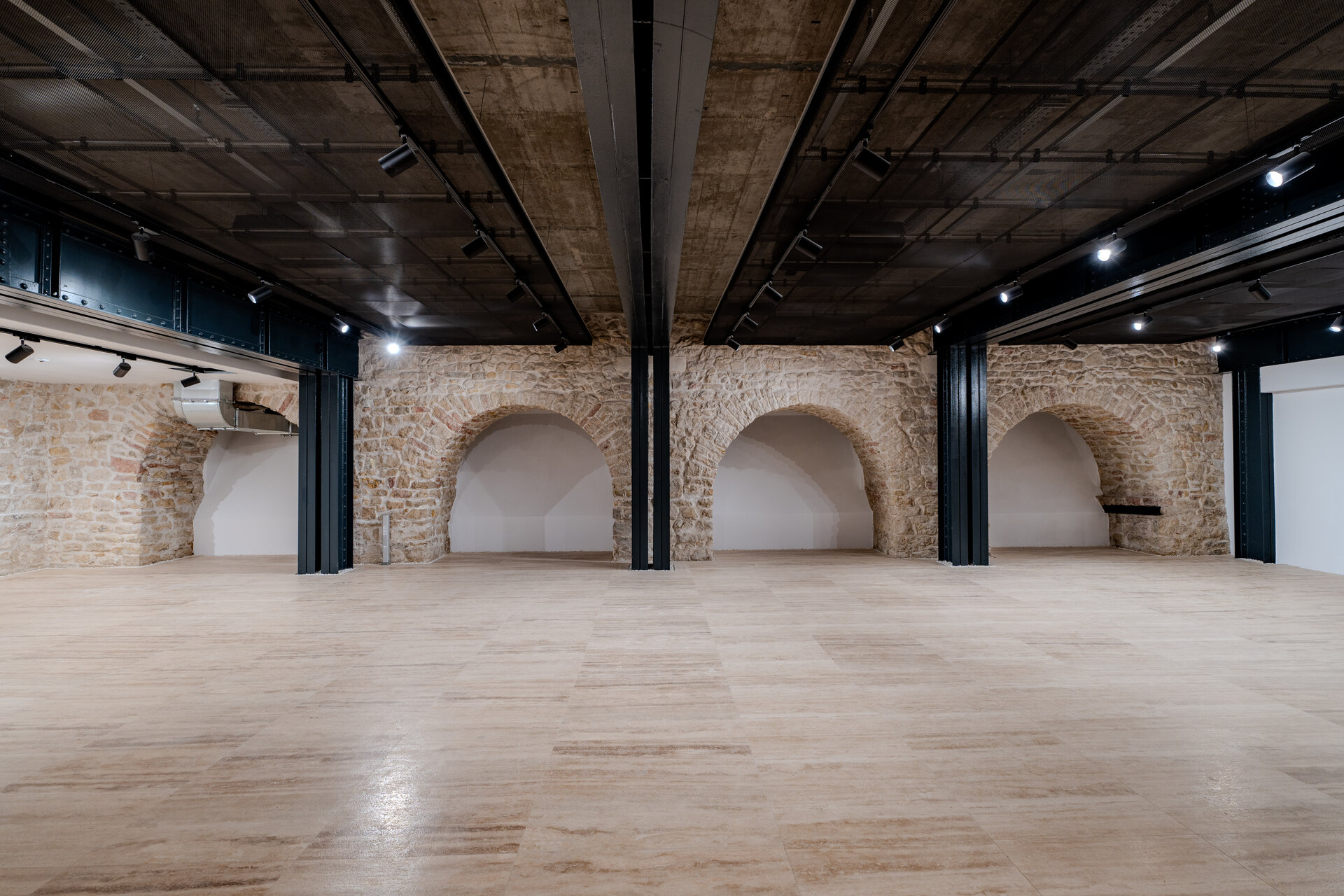
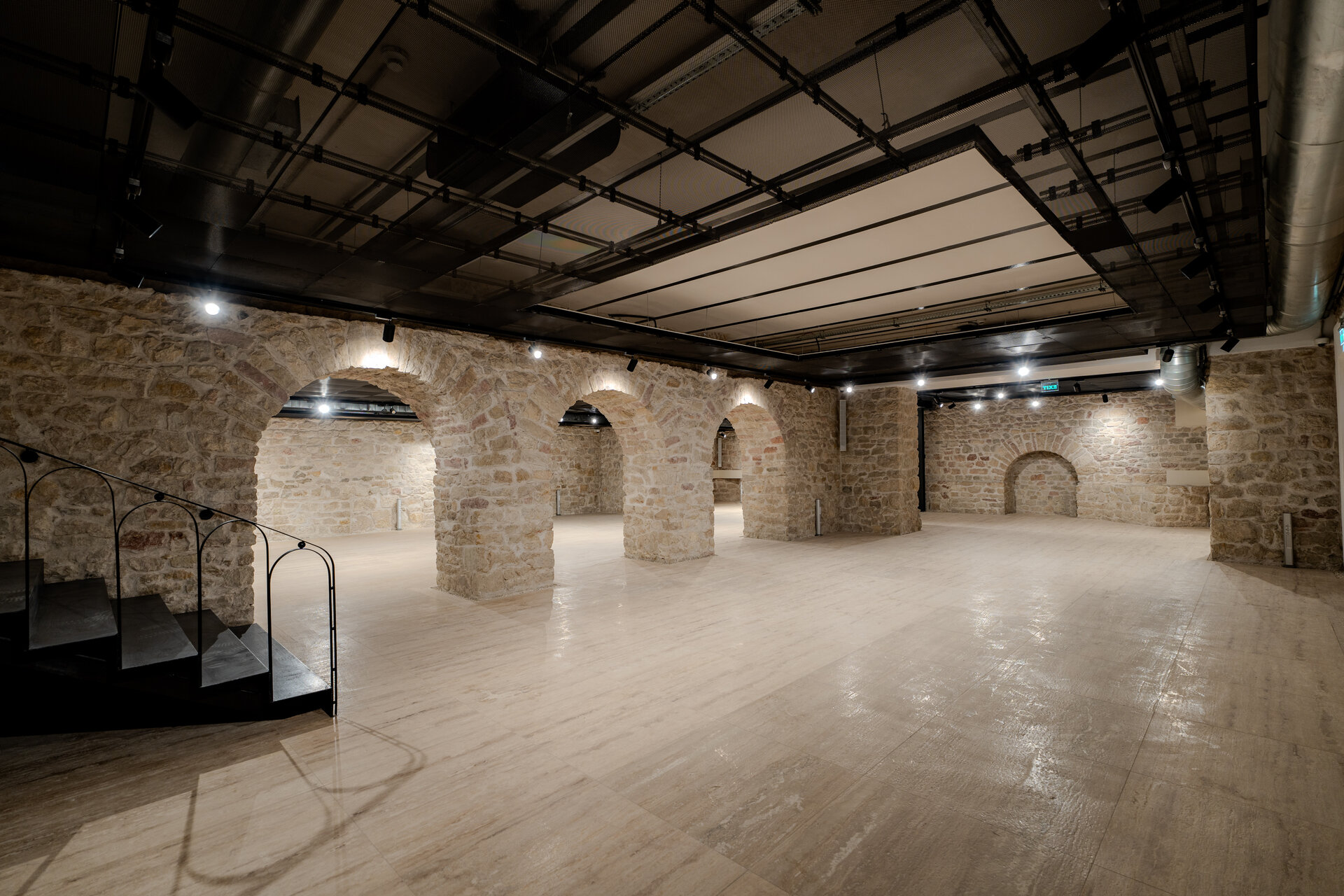
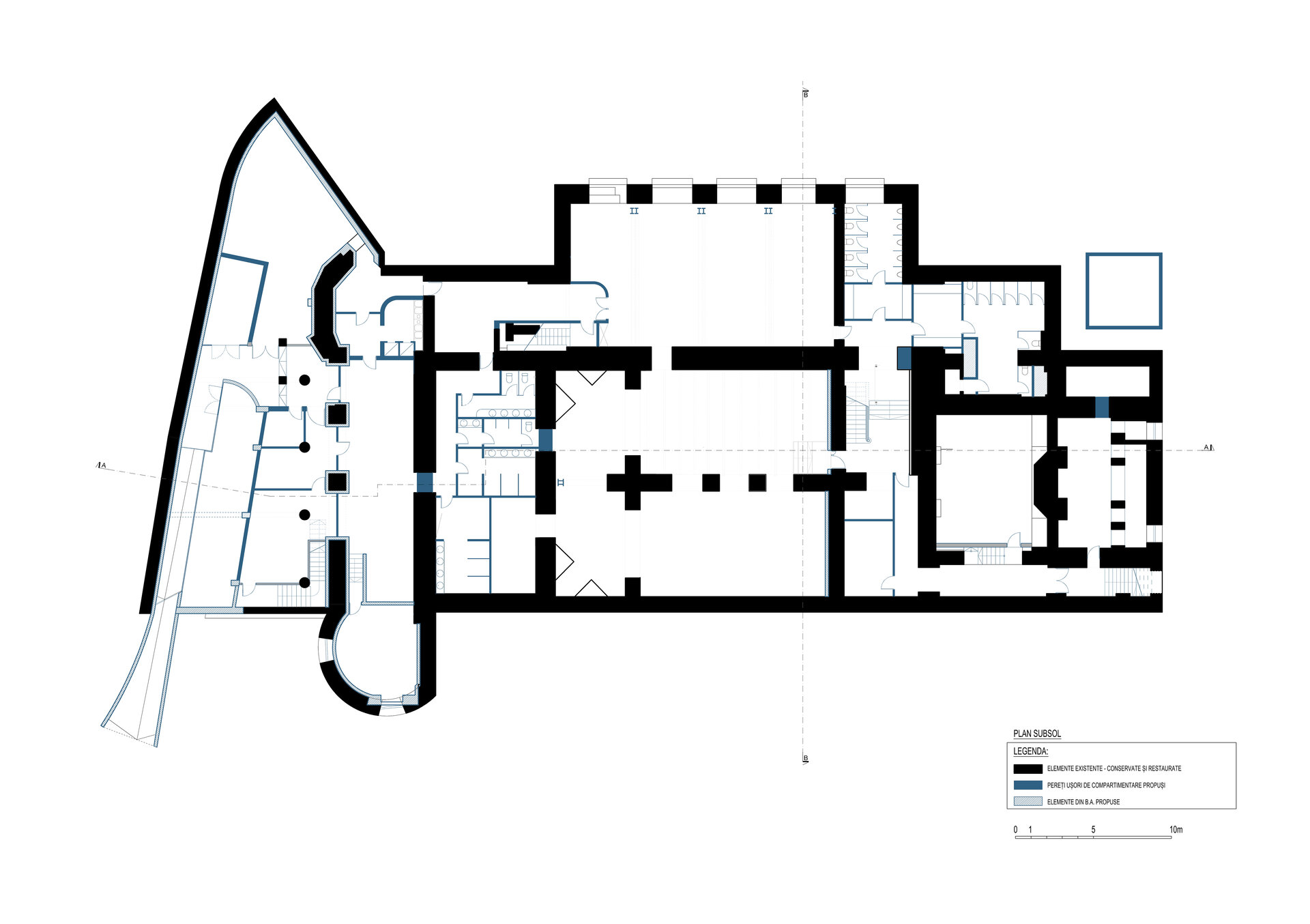
During demolition, the full extent of the underground floor was rediscovered – a significant gain for the project, together with the restored ground and upper floor halls.
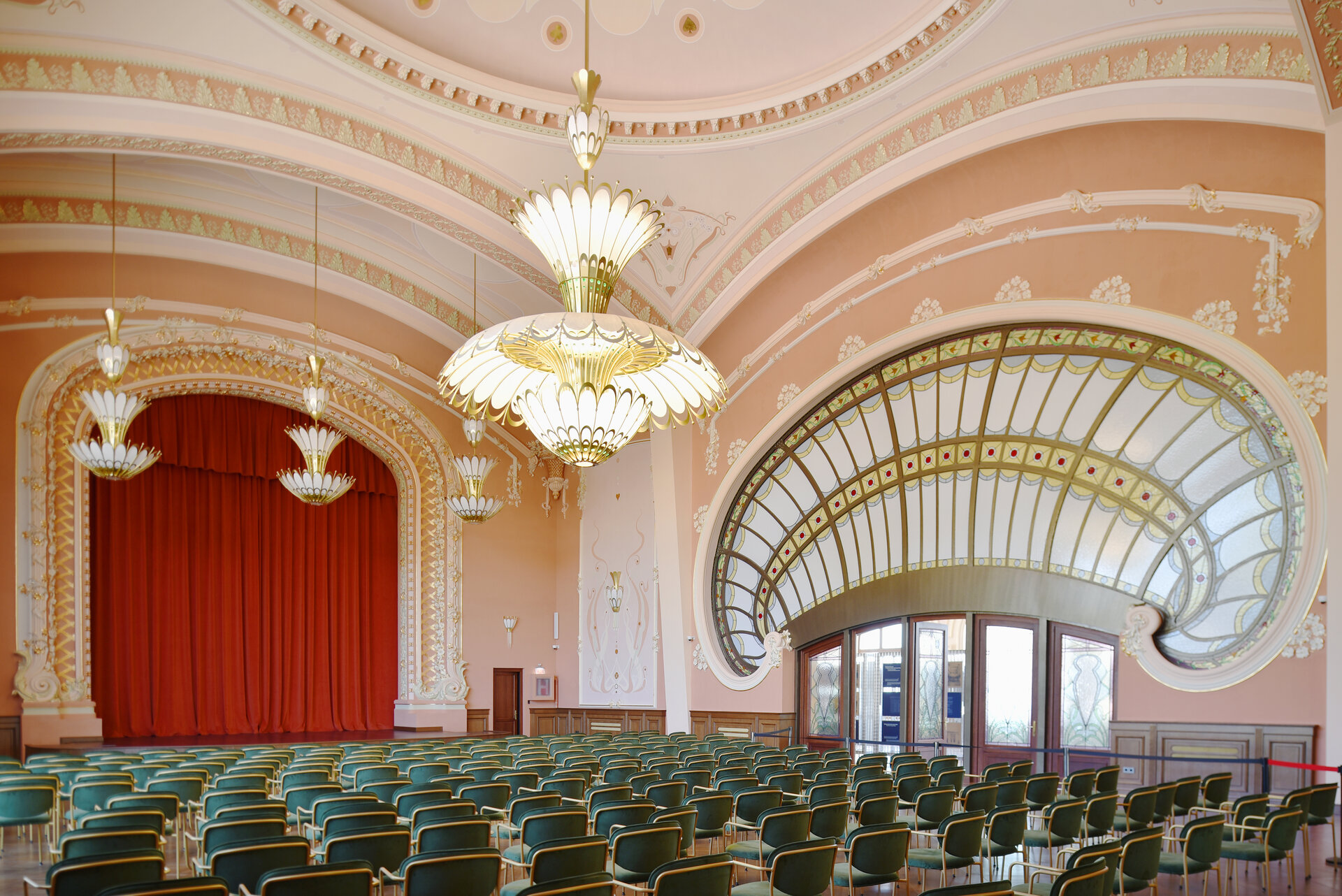
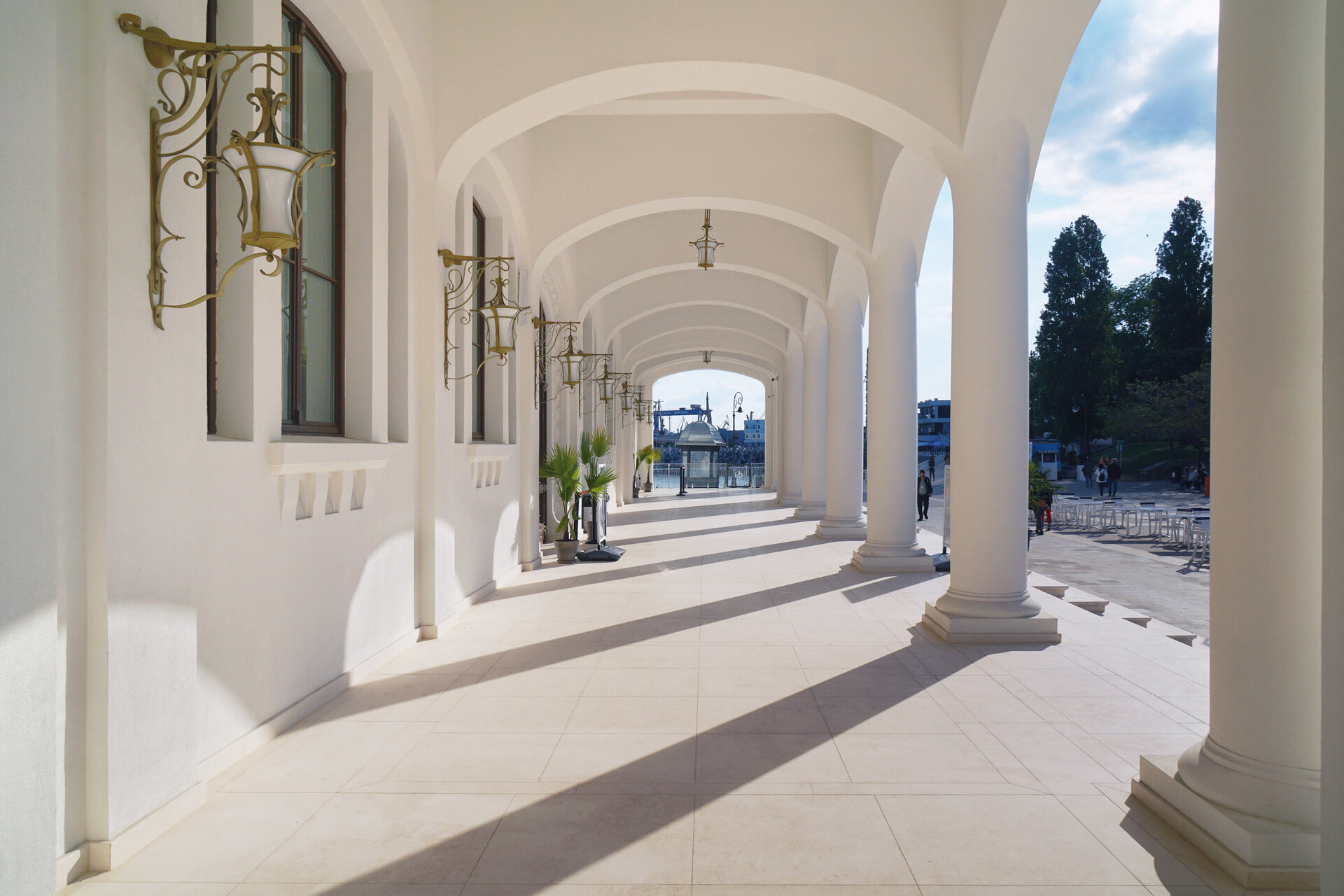
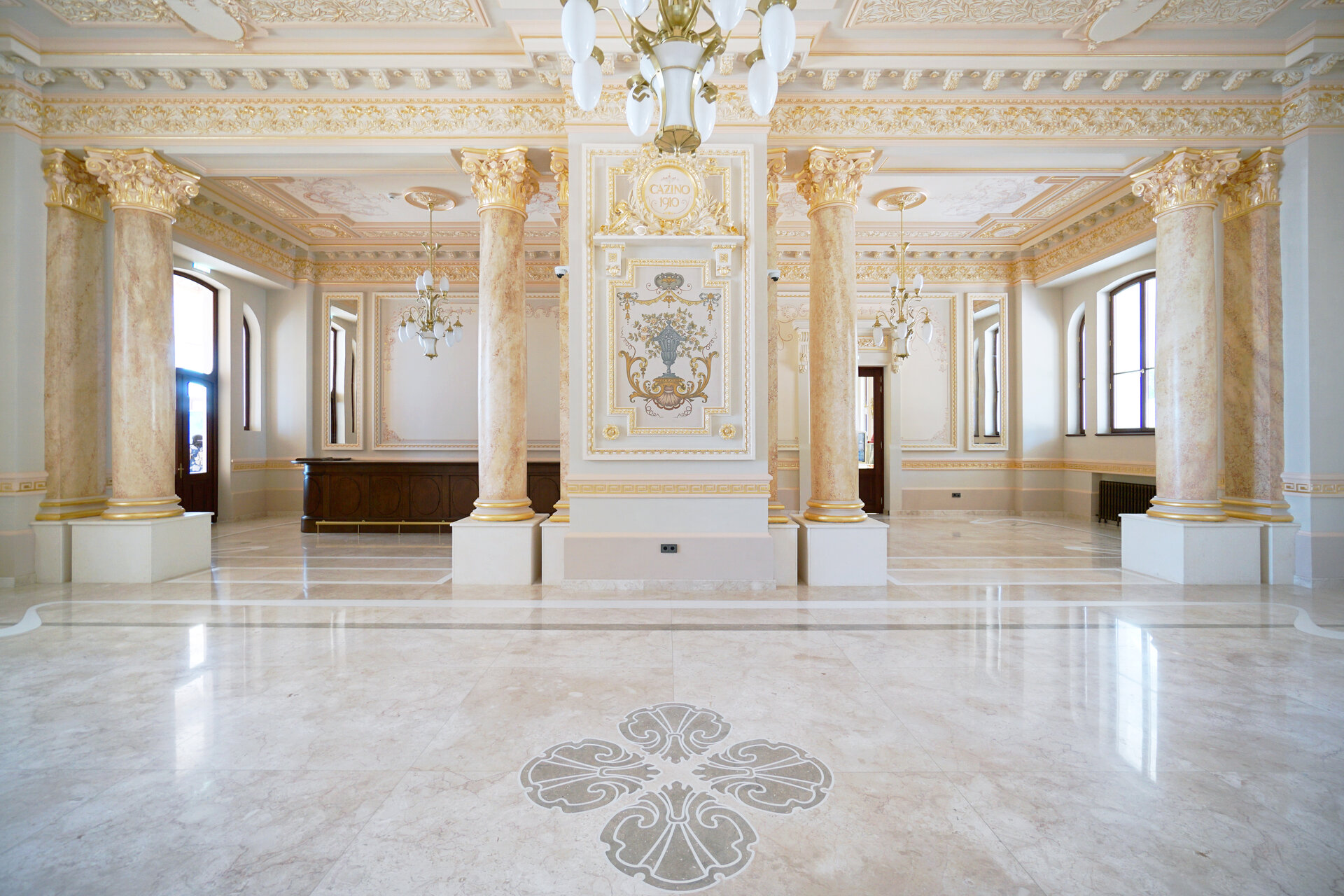
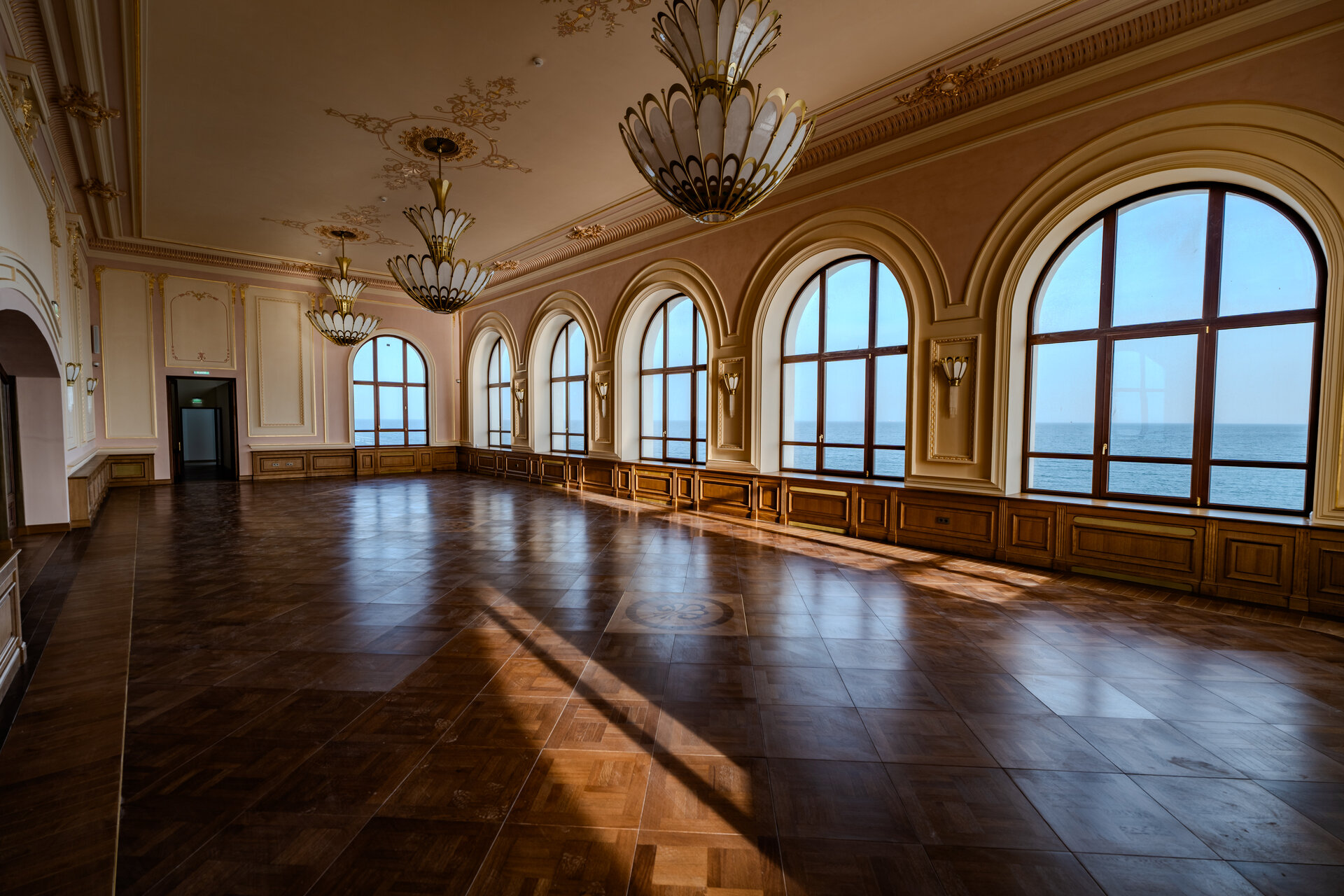
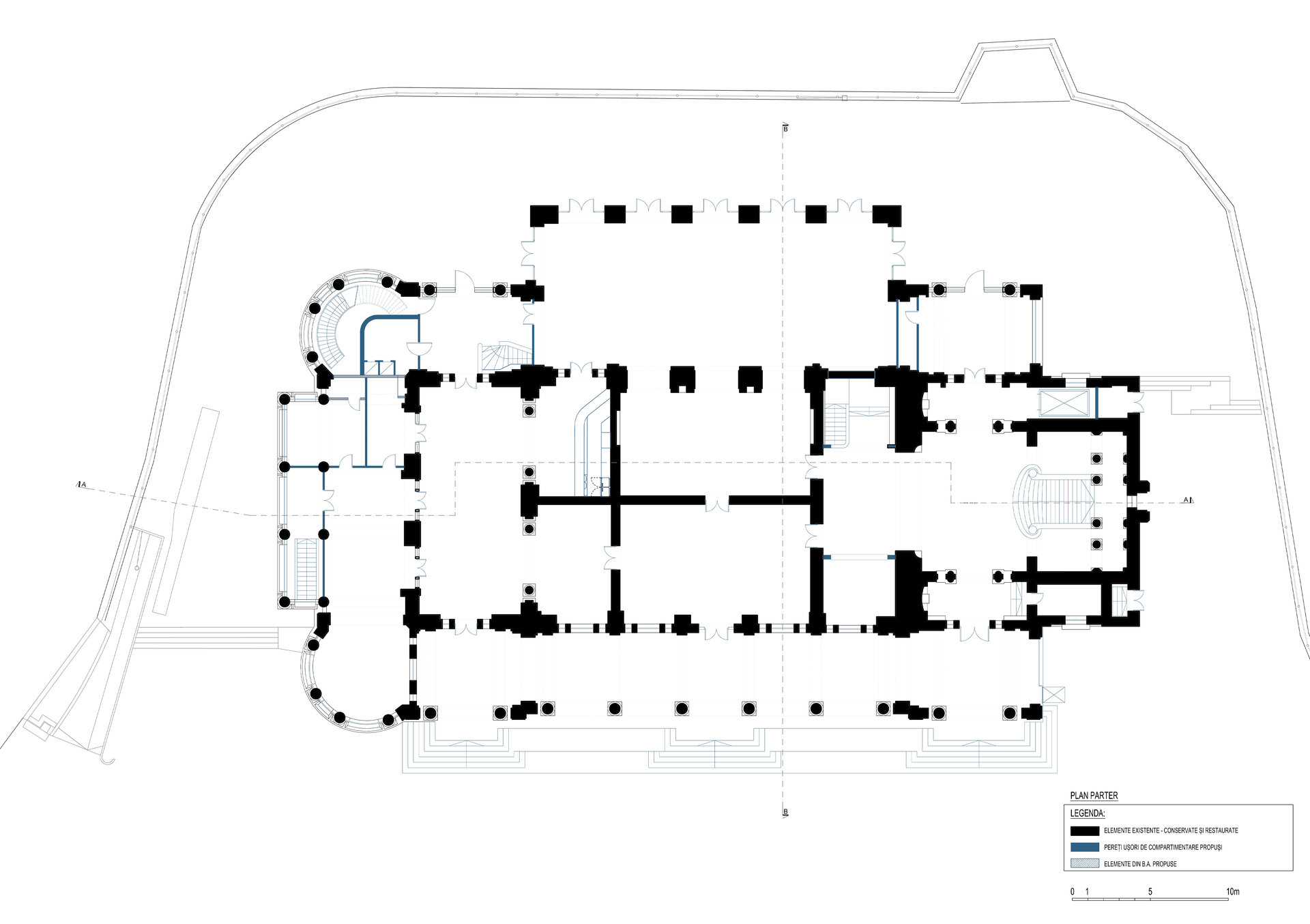
The seaside façade was remodeled according to historical documentation. In the absence of original data and physical evidence, new layers – such as stone and wood flooring, lighting fixtures, and some mural decoration – were designed and introduced.
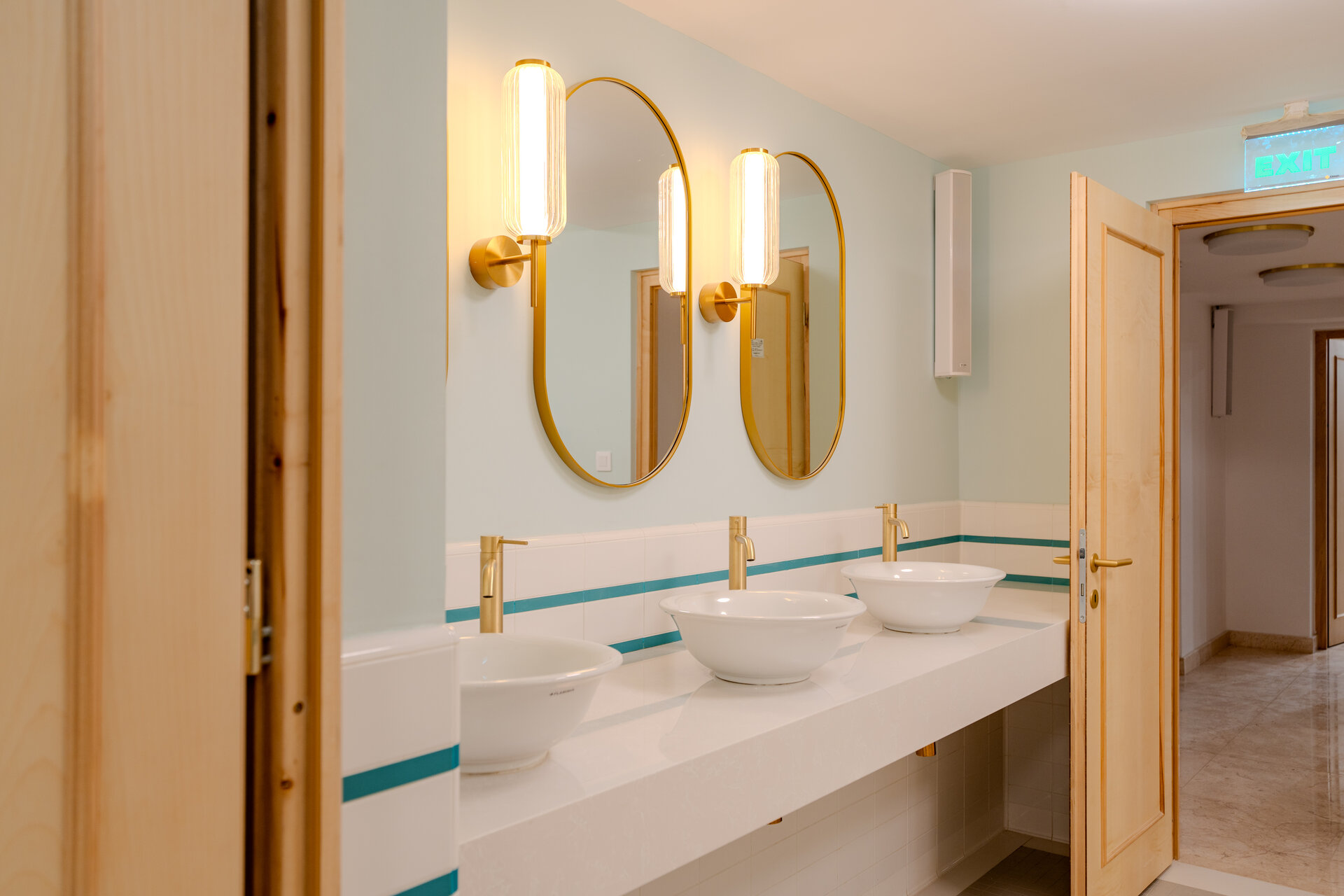
For the new functional scenario, public facilities were created, and unique architectural solutions were developed to mediate between historical materials and contemporary systems and service spaces.
The Casino has been reconceived as a cultural public building, housing exhibition areas, a performance hall, salons and a café. It reclaims its role as a landmark. The intervention is visible yet controlled – a contemporary expression subordinated to the original – enabling the building to function as a sustainable cultural institution.
Completed in May 2025, the Constanța Casino project represents both a restoration of a cultural heritage piece and the recovery of a symbol.
It required the coordinated effort of a large multidisciplinary team – experts and specialists – to bring this 1910 building into 2025 while honoring its spirit. Approximately 500 people were involved in the process.
Architecture and Heritage

- Structural rehabilitation, architectural restoration and enhancement – Constanța Casino
- Cotroceni, Joseph Lister Villa Rehabilitation
- Carol’s House
- Consolidation and Restoration of the French Library Building “Omnia”
- The restoration of the church in Bălinești
- Analysis of degradation and restoration works on the facade of the Saint Joseph Cathedral, Bucharest
- Restoration, consolidation, protection and conservation of the “Saint Haralambie” Cathedral in Turnu Măgurele Municipality


