- Nomination for the “Built Architecture / Architecture and Heritage” section
Carol’s House
Authors’ Comment
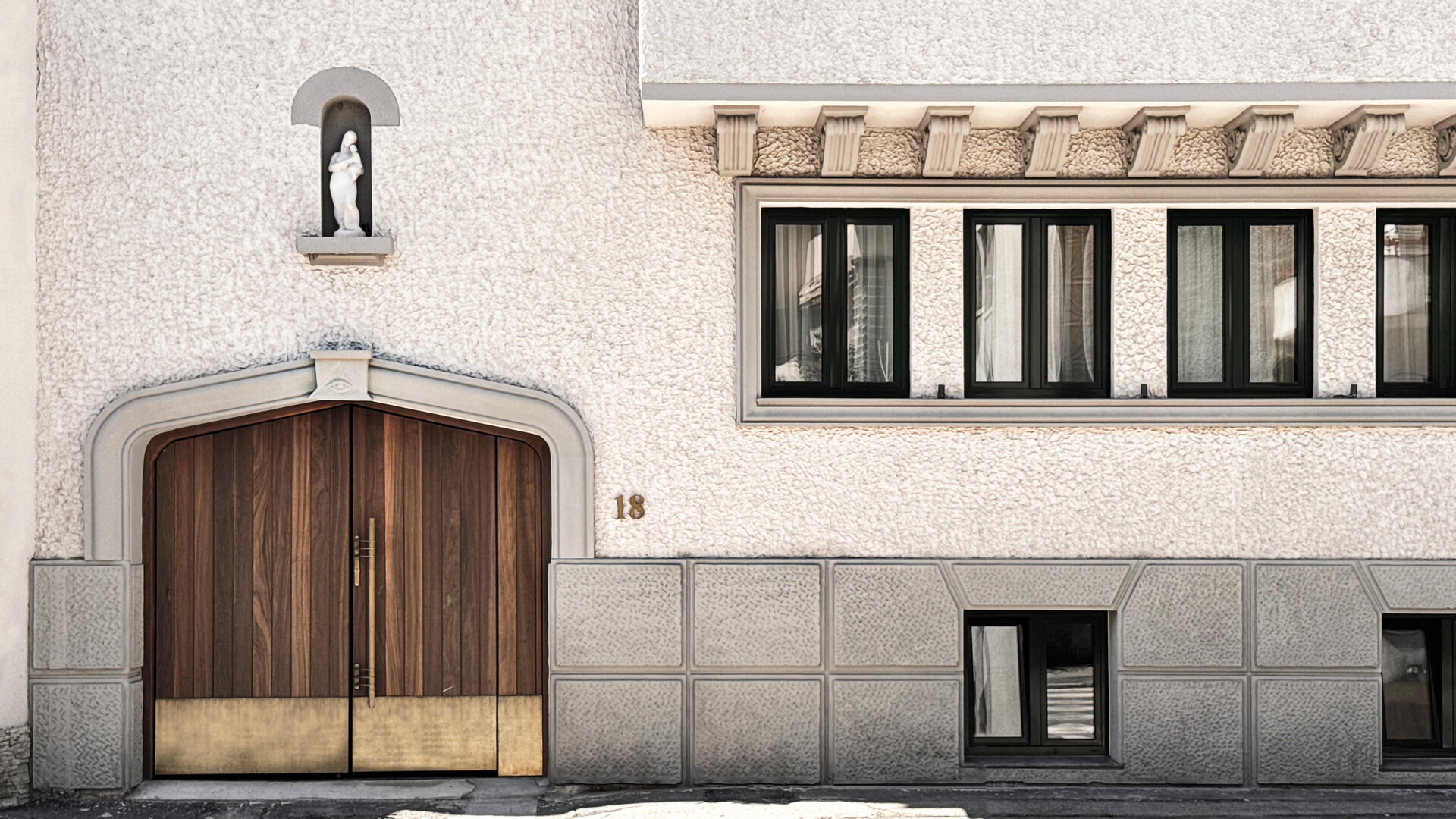
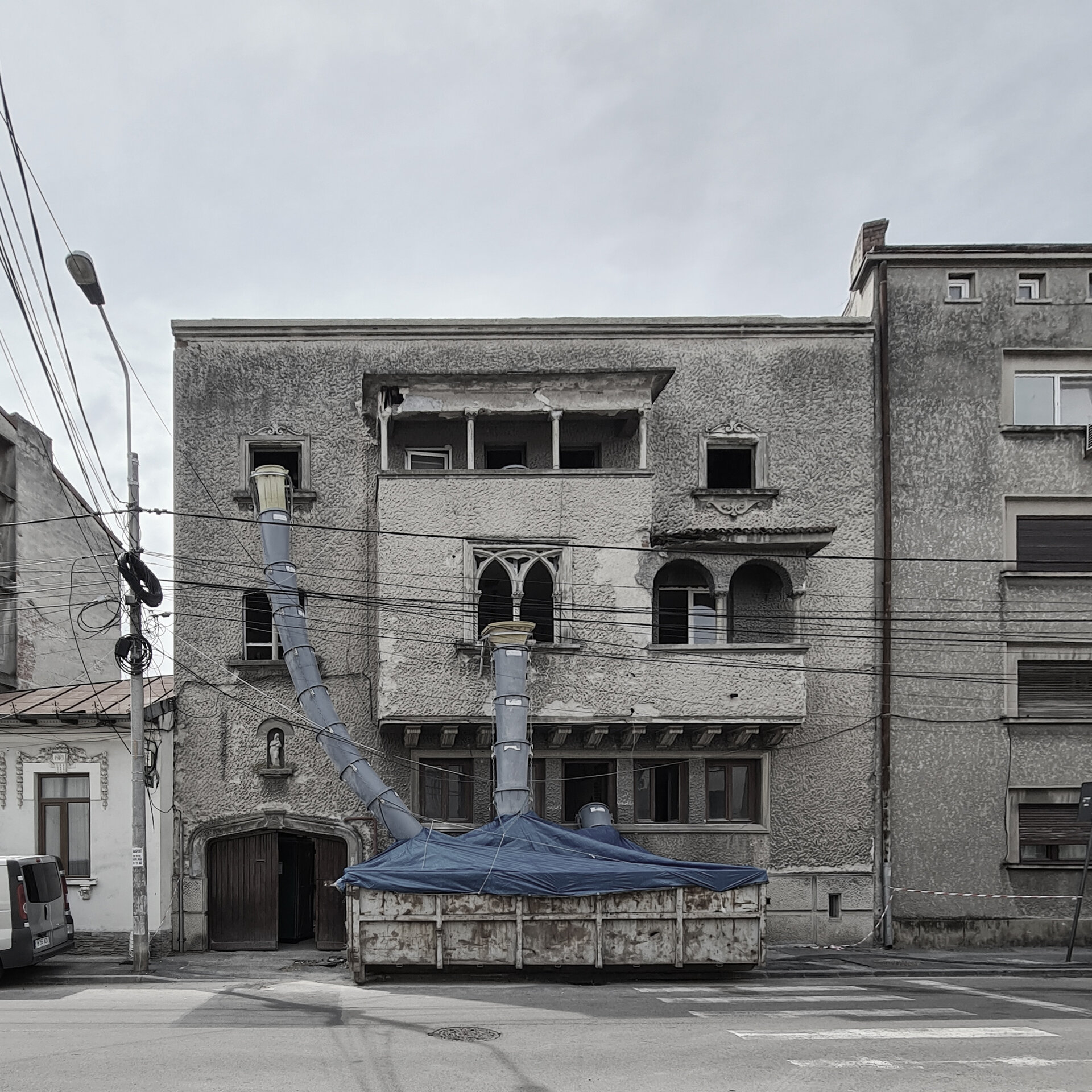
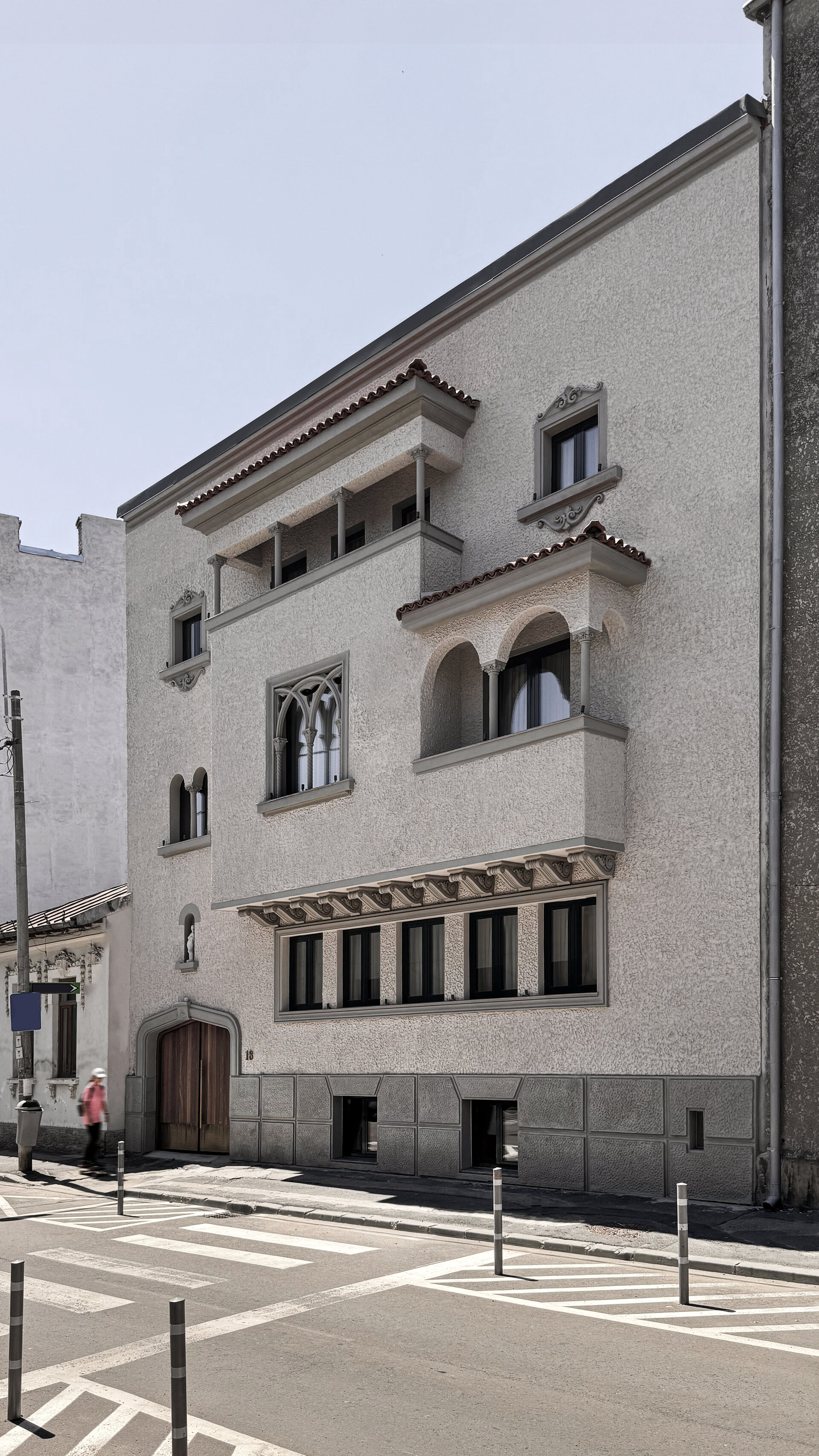
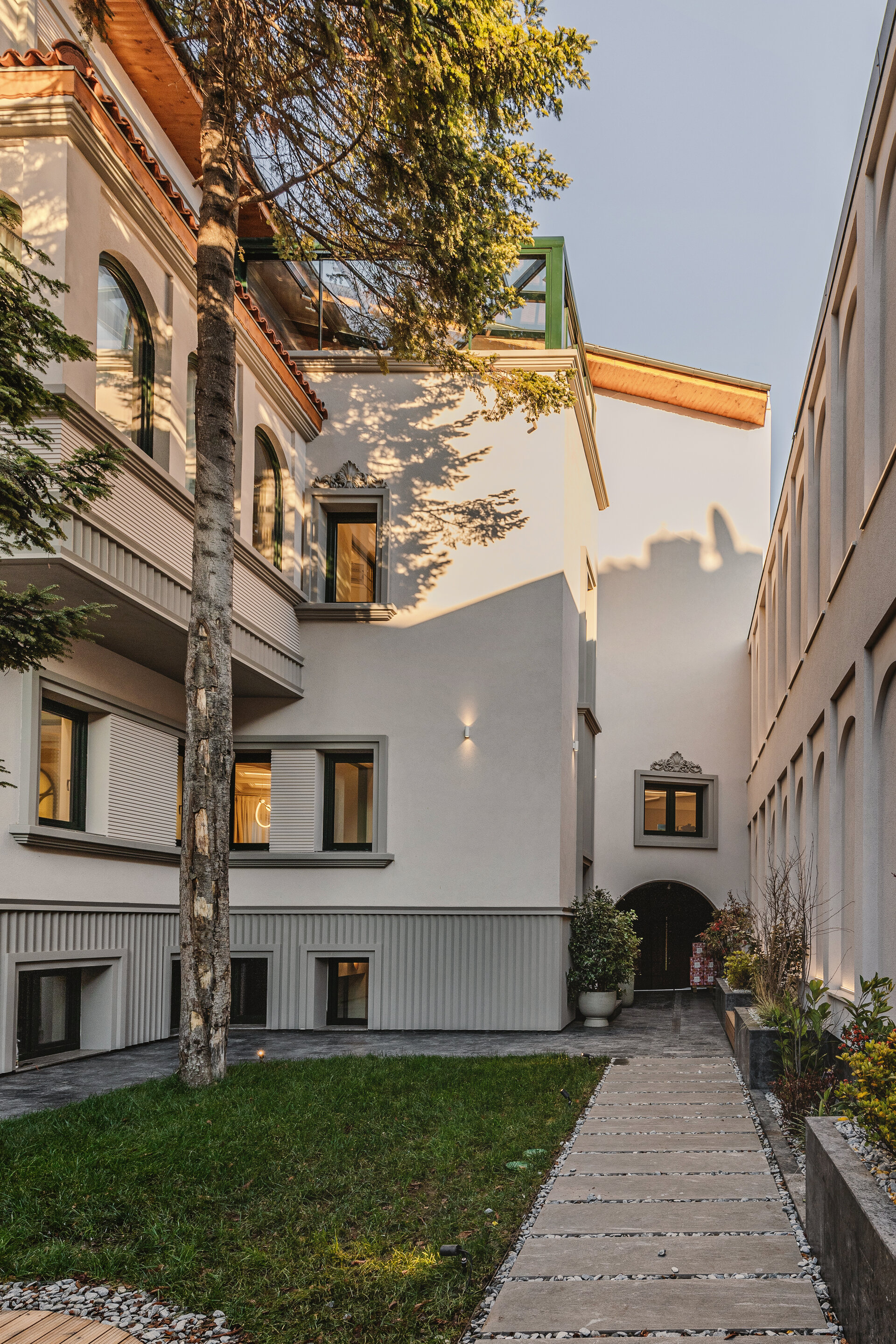
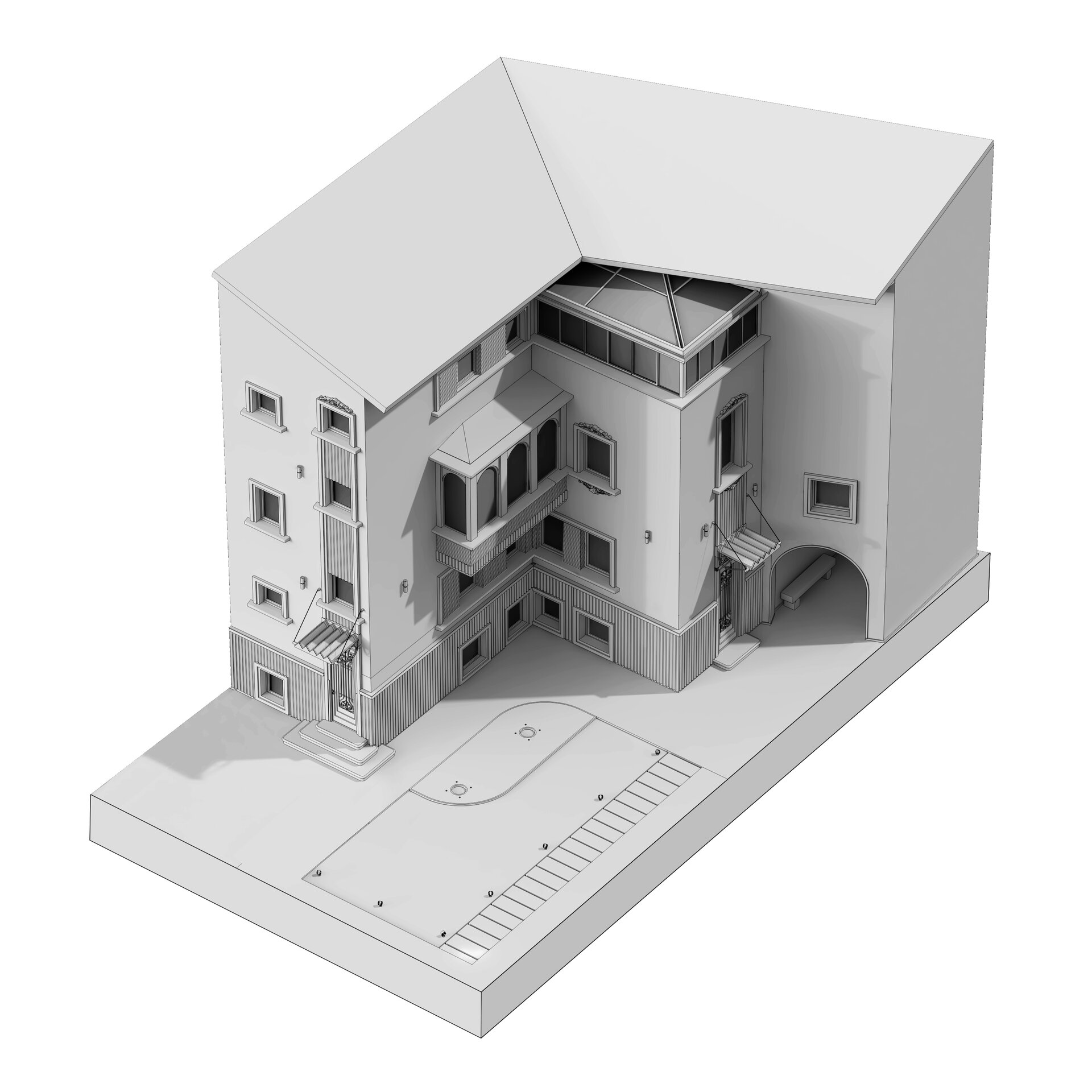
This project presents the complete restoration of a historic residence, once in an advanced state of decay, with the purpose of giving it new life through a Mediterranean-inspired architectural language. The house was built in two stages, the main front body in 1935 and the rear extension in 1948, and has a vertical development of basement, ground floor, and two upper levels (D+P+2E). Located in a traditional urban fabric of Bucharest, the building holds significant architectural potential, both stylistically and functionally.
The intervention was guided by a spirit of preservation and continuity. Restoration began with the building in a severely degraded state, both structurally and aesthetically. Full consolidation was undertaken, with works executed simultaneously on the interior and exterior, aiming to restore the building's coherence and safety.
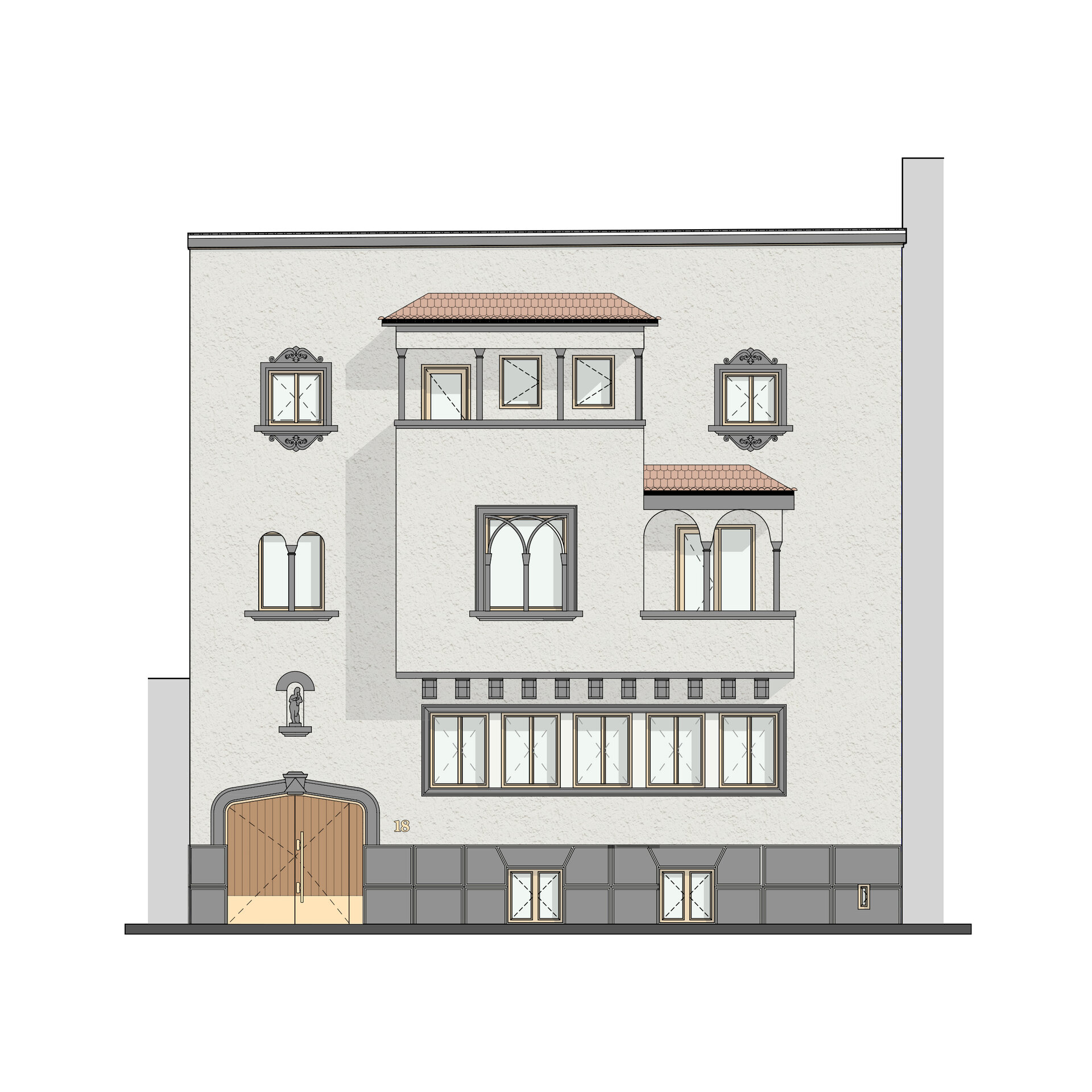
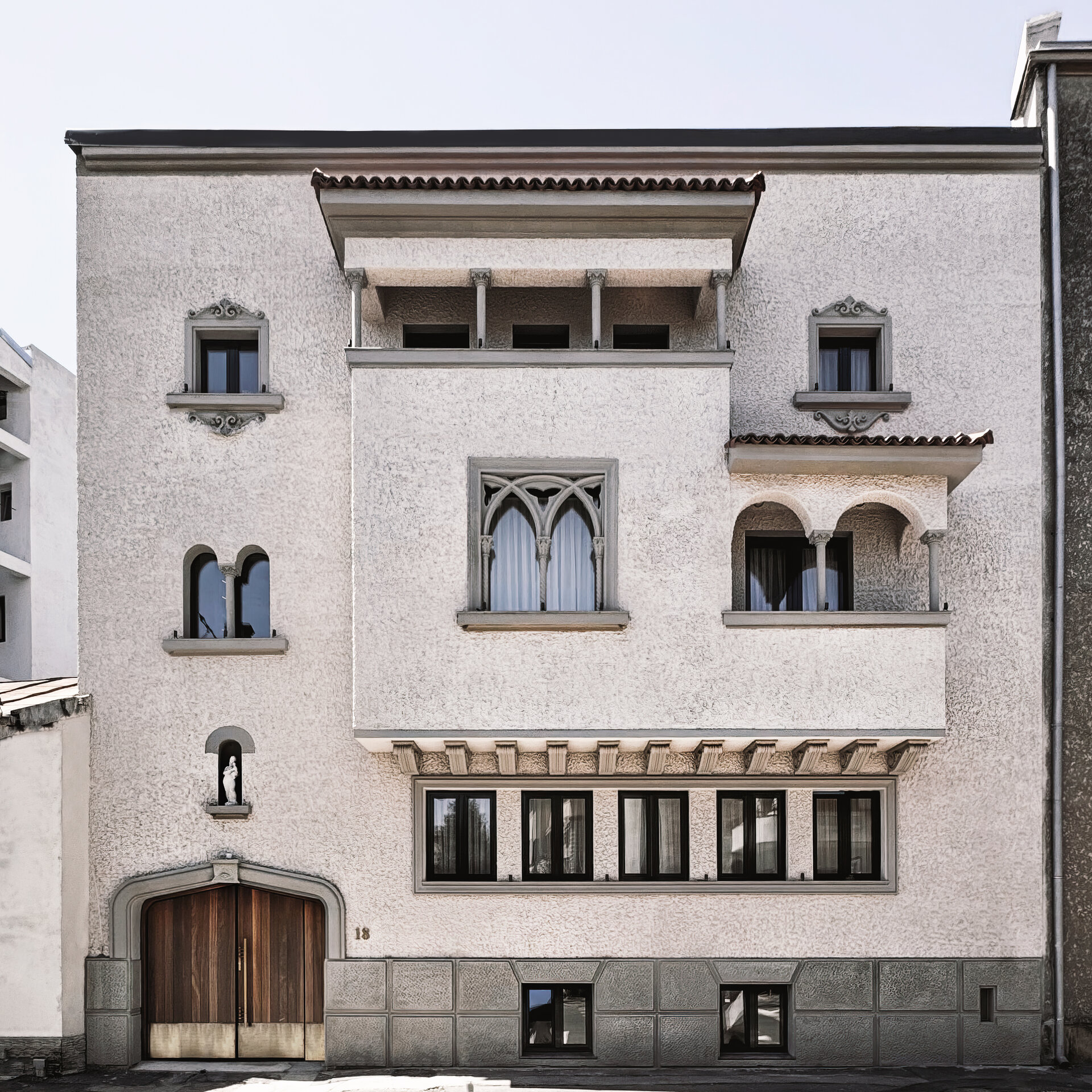
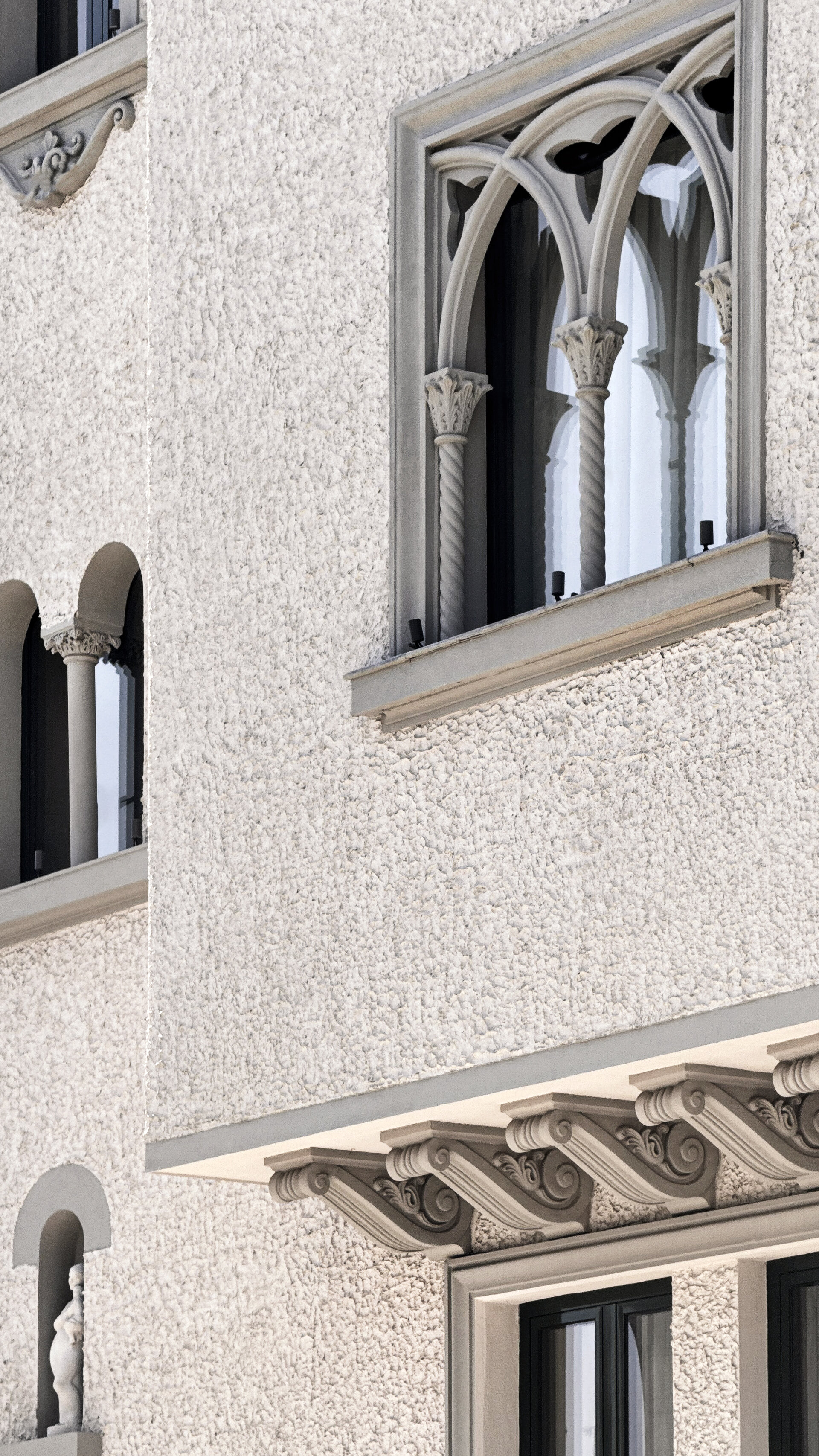
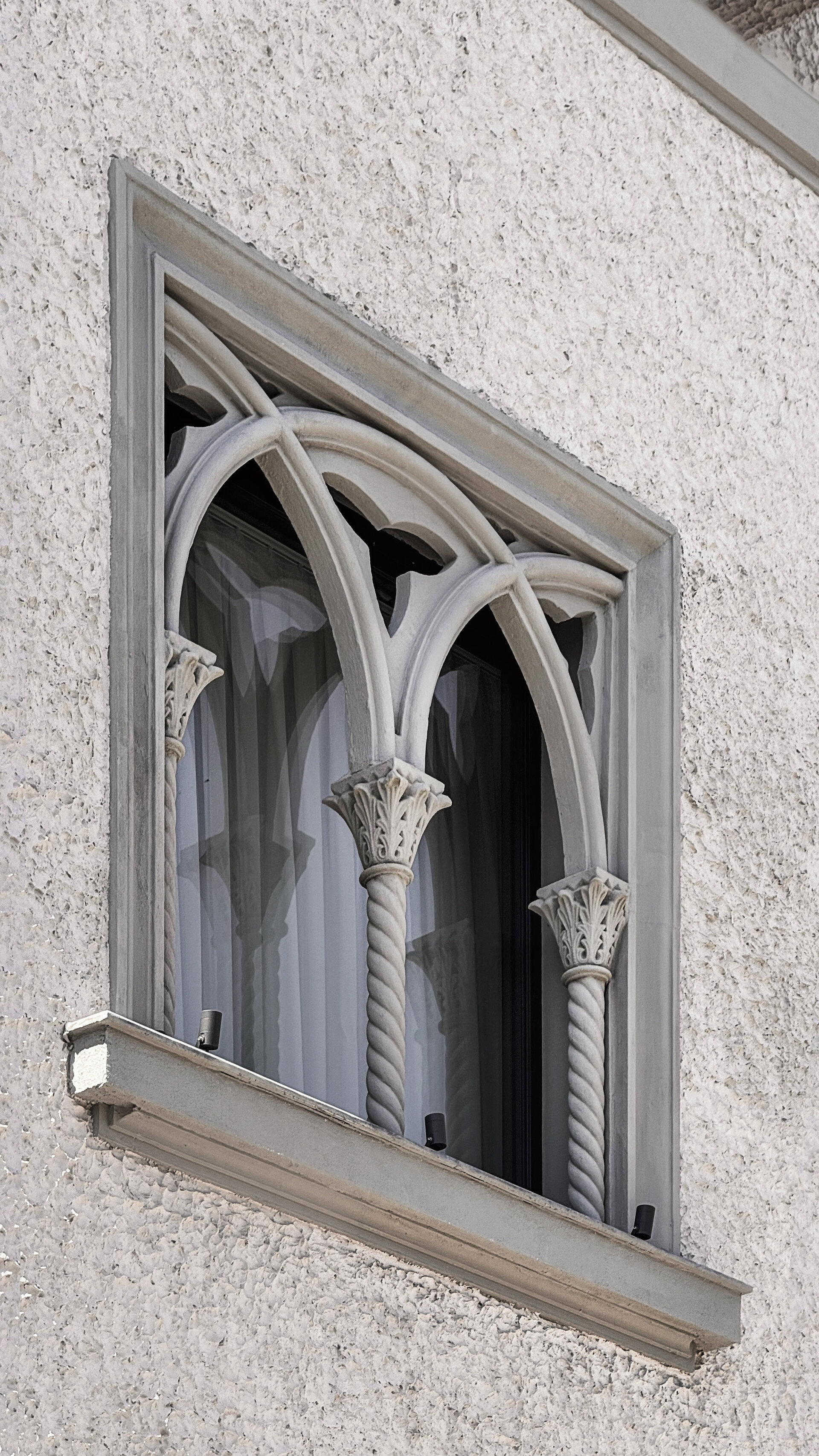
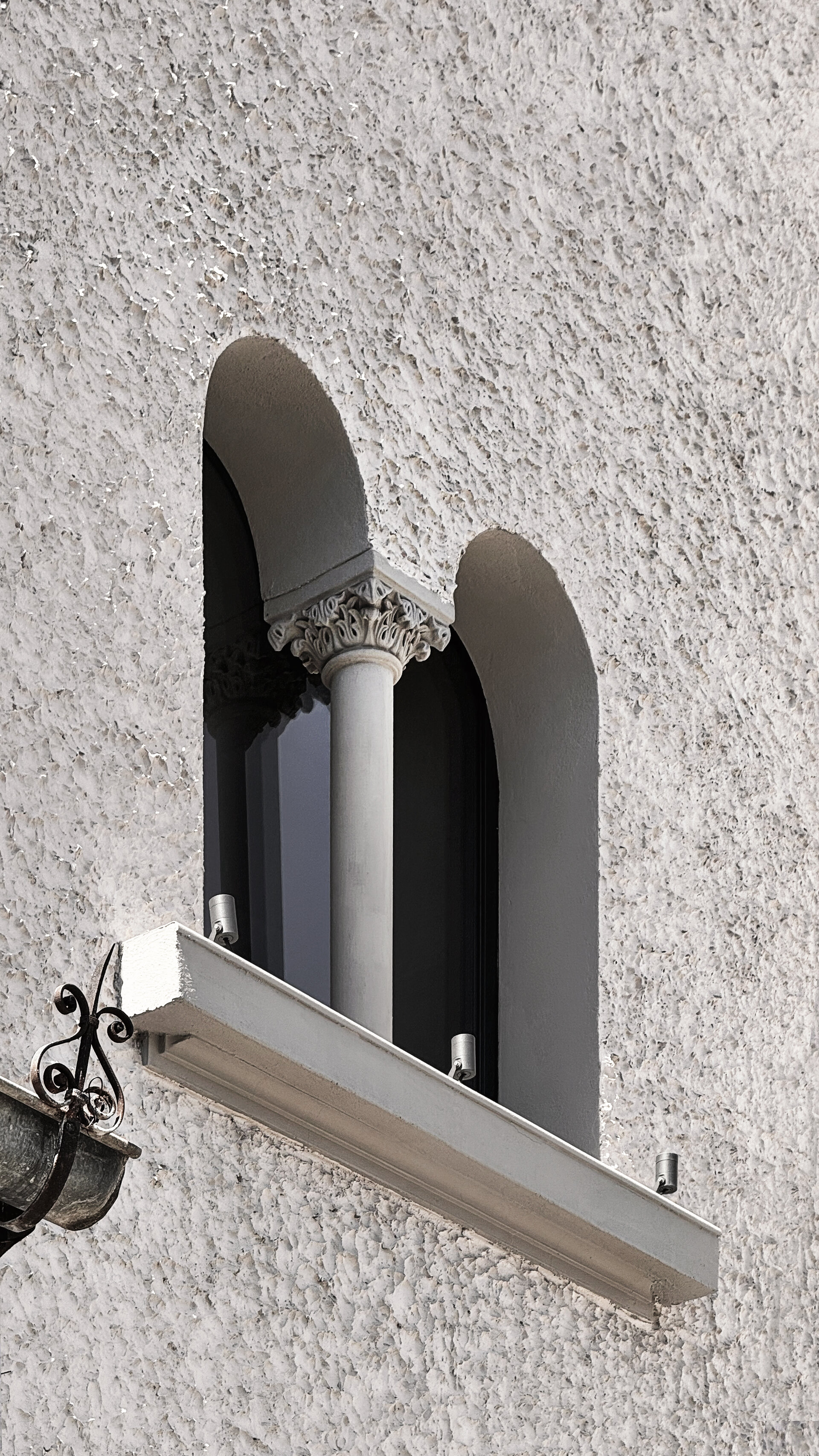
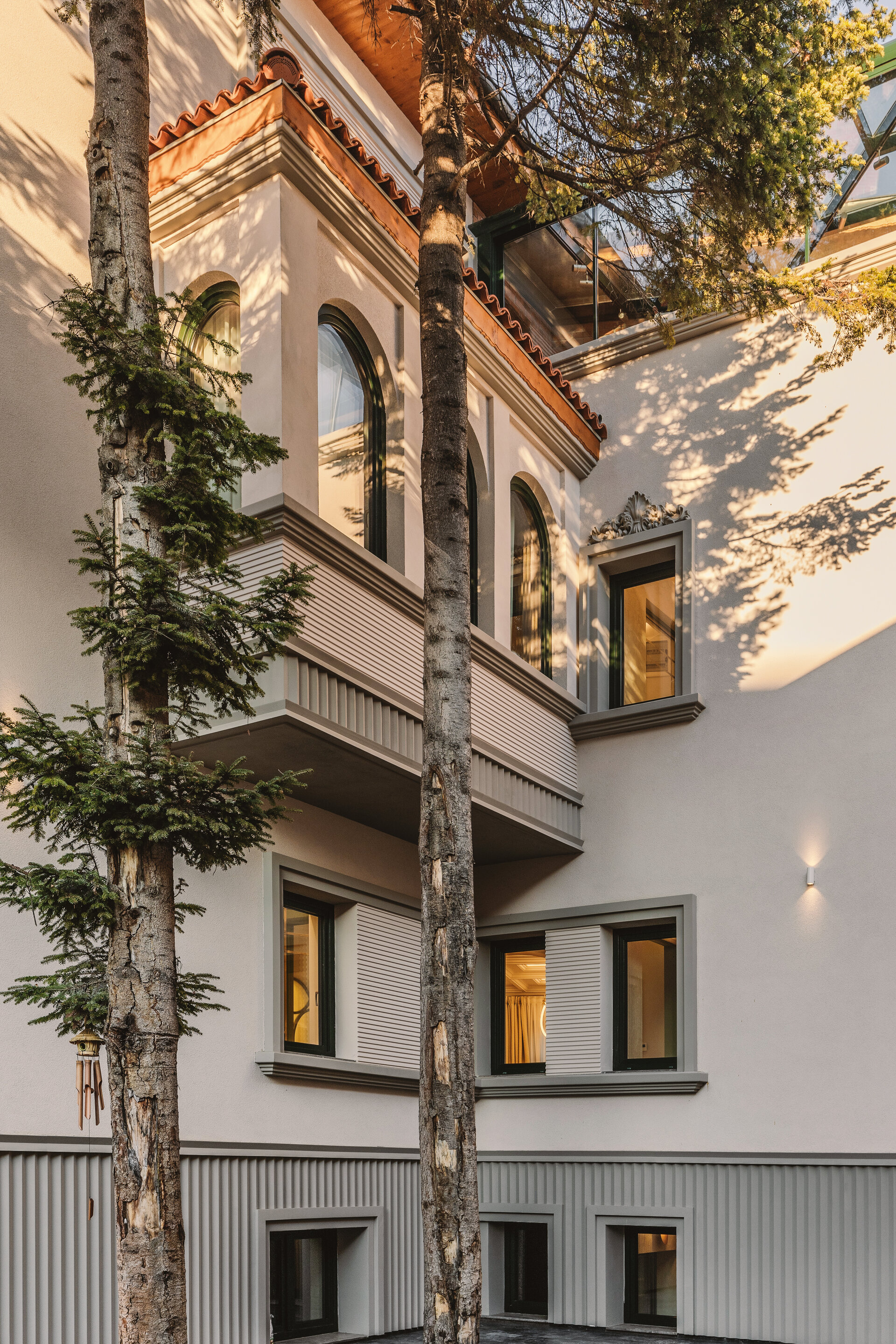
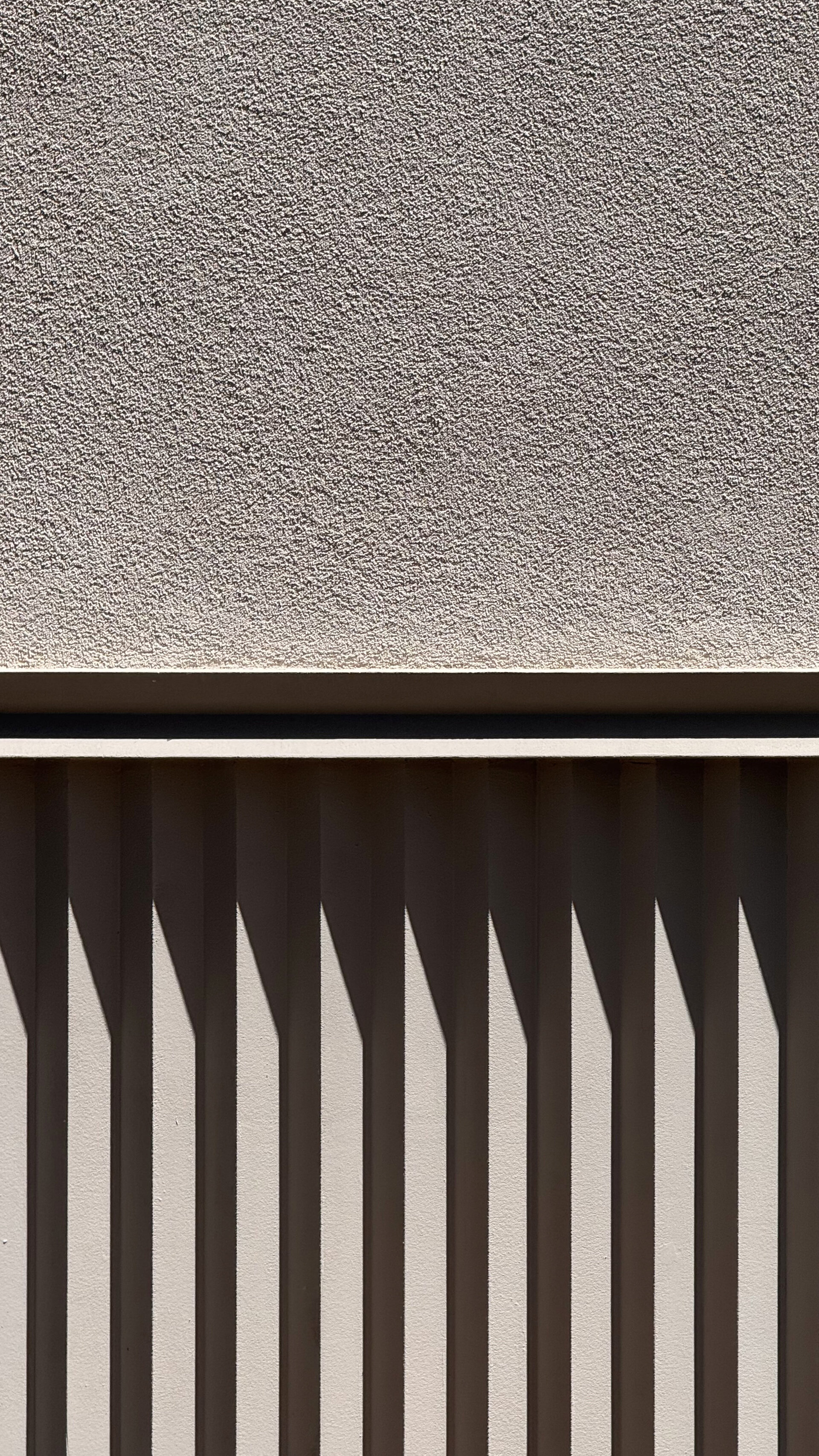
The main facade, which defines the character of the original construction, was treated with great care. Wherever possible, the decorative elements were preserved, and in areas where deterioration was too advanced, they were carefully recreated using traditional techniques and proportions. The exterior plaster was re-applied following a custom recipe inspired by the textured Mediterranean finishes found in some of Bucharest’s picturesque neighborhoods, tested and adjusted directly on site in collaboration with skilled craftsmen.
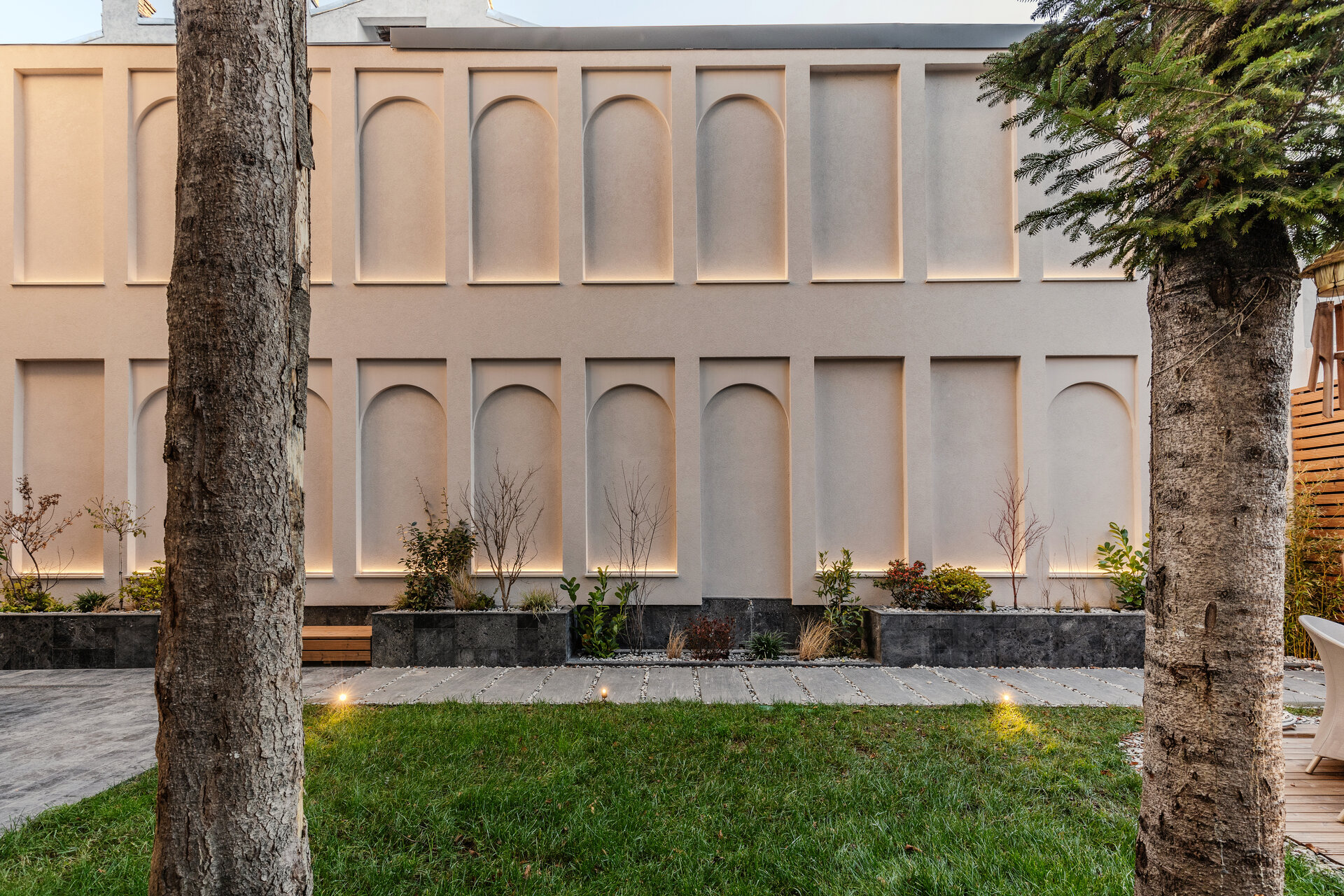
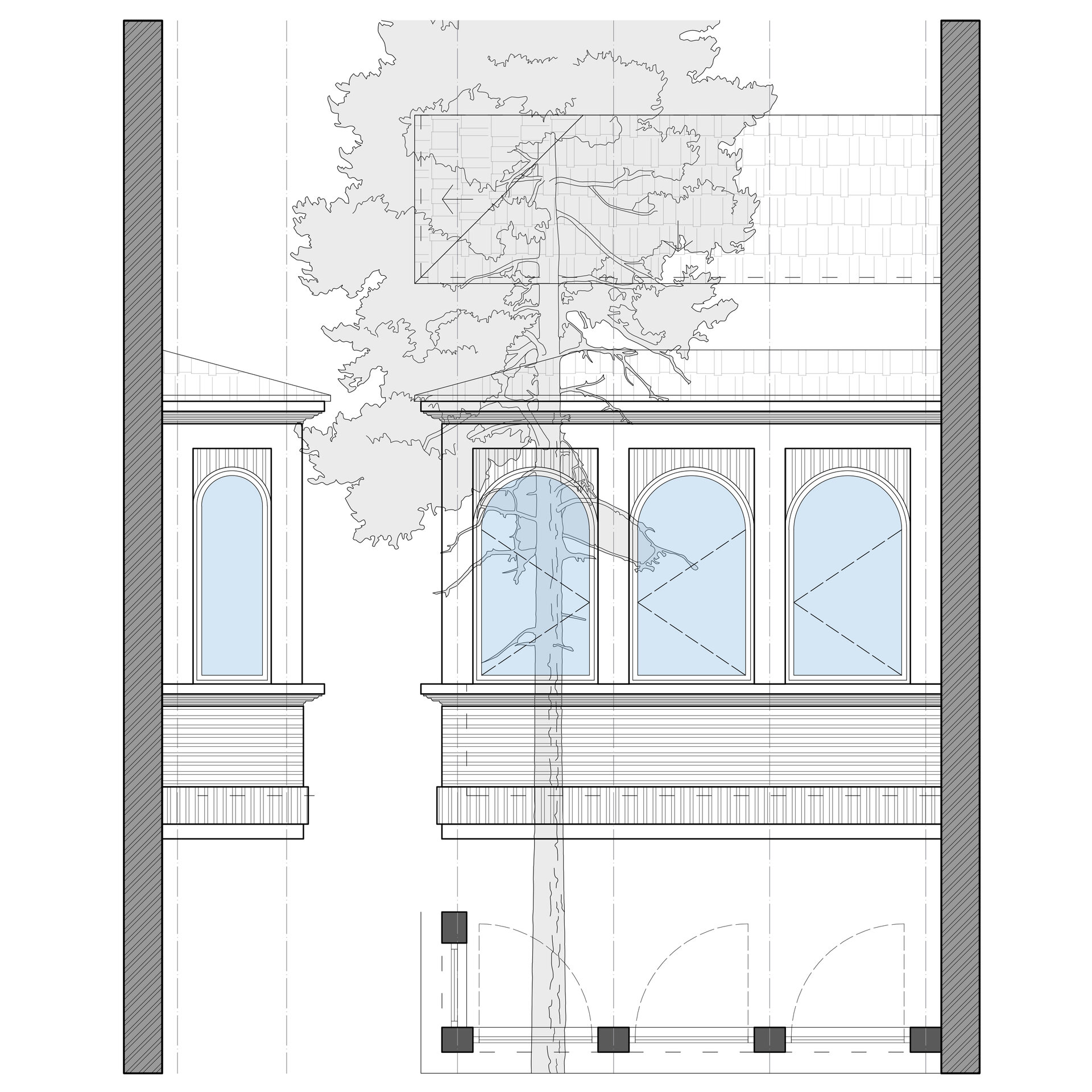
A key element of the project is the rear courtyard, dominated by two mature fir trees. The design aimed to maximize green space and create a calm composition by integrating planters and benches made of masonry and wood, rhythmically arranged along the sides of the courtyard. The rear facades, originally designed purely functionally as extensions of the front body and lacking architectural expression, were unified with the main house through newly added decorative details inspired by the original façade. Special attention was given to the long party wall bordering the courtyard, which was transformed from a plain and inert surface into a symbolic architectural feature. Through a succession of arches and frames, the wall gained rhythm, personality, and became an active presence within the courtyard, visually articulating the space and enhancing its Mediterranean ambiance.
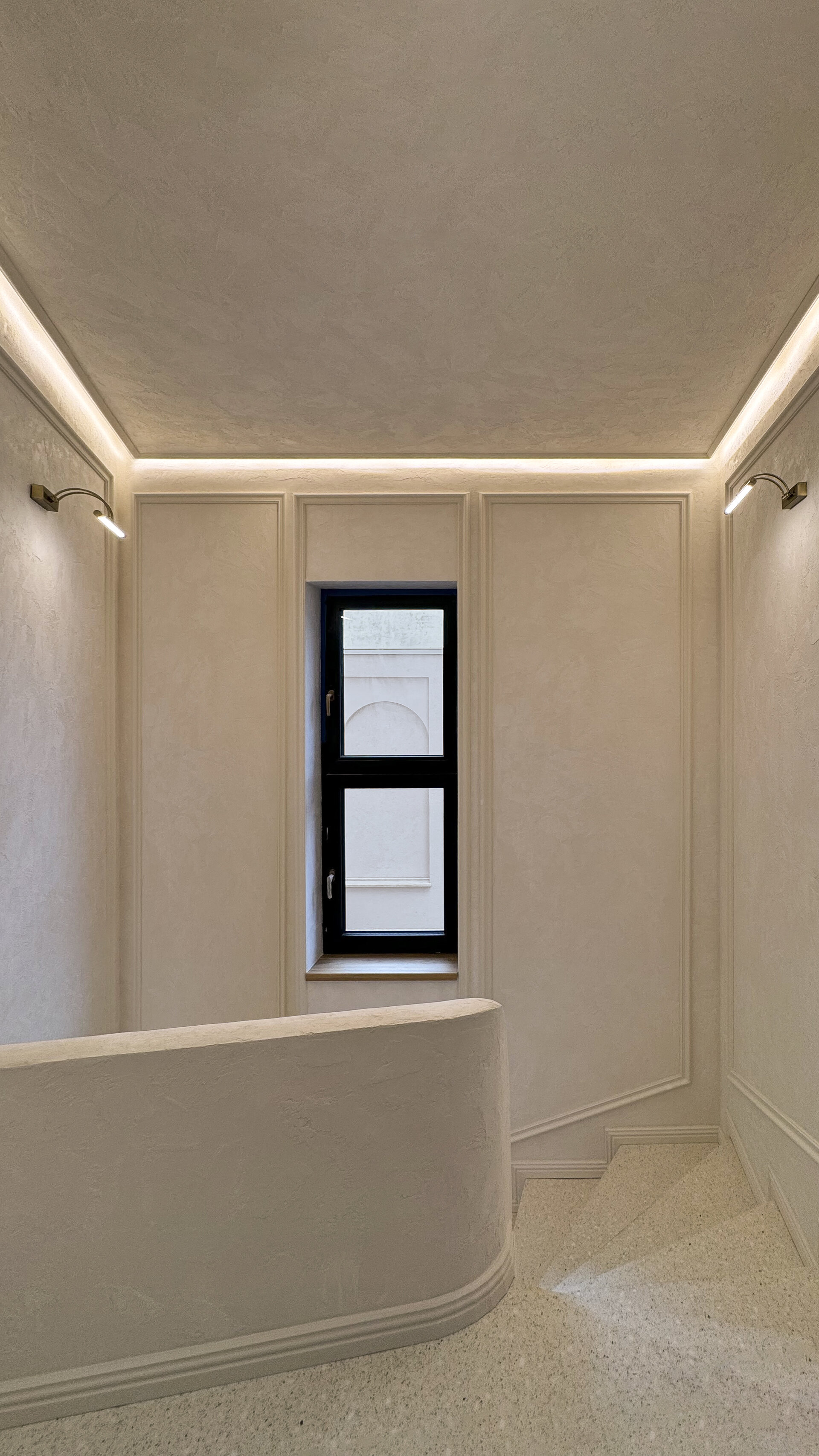
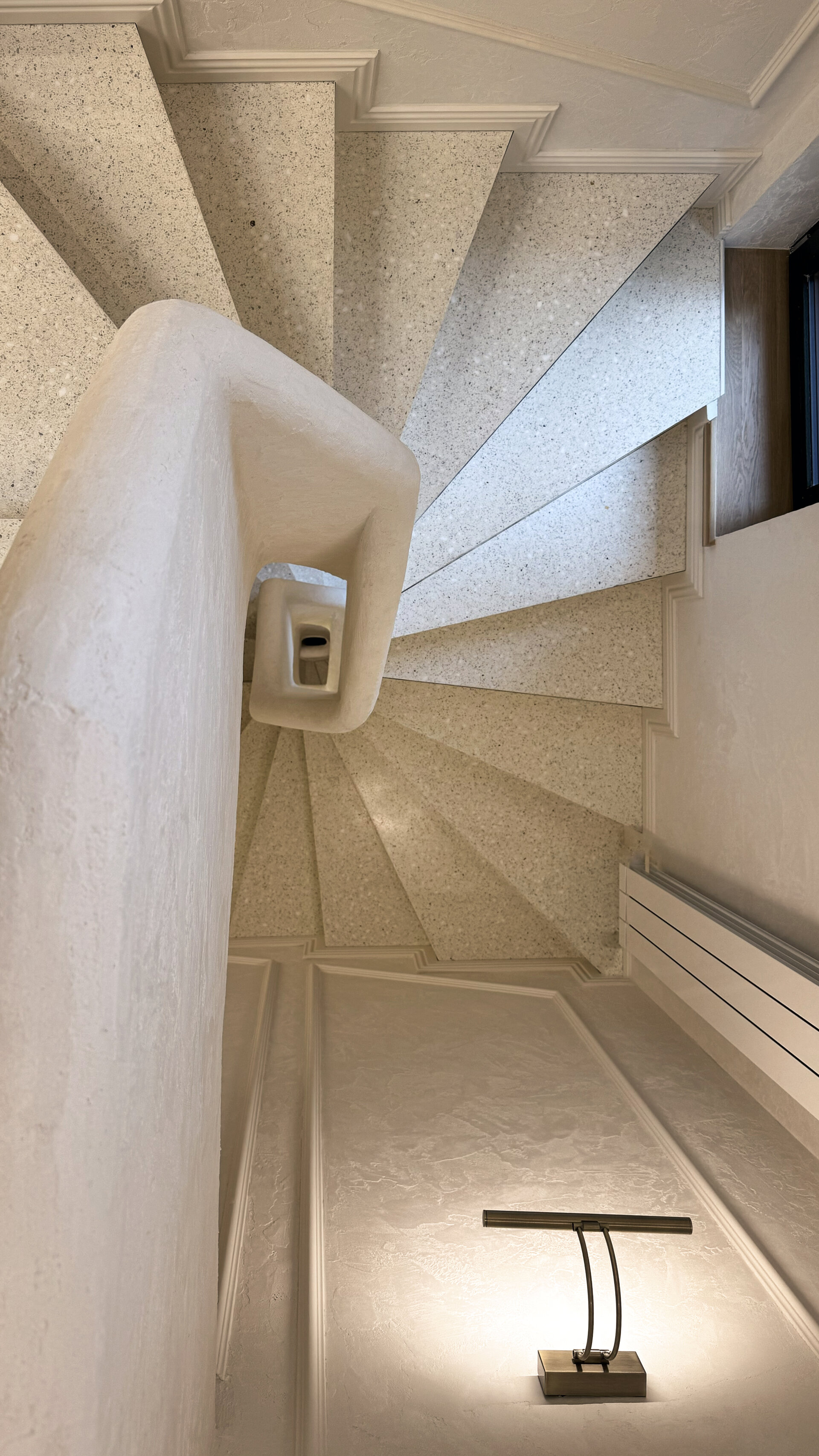
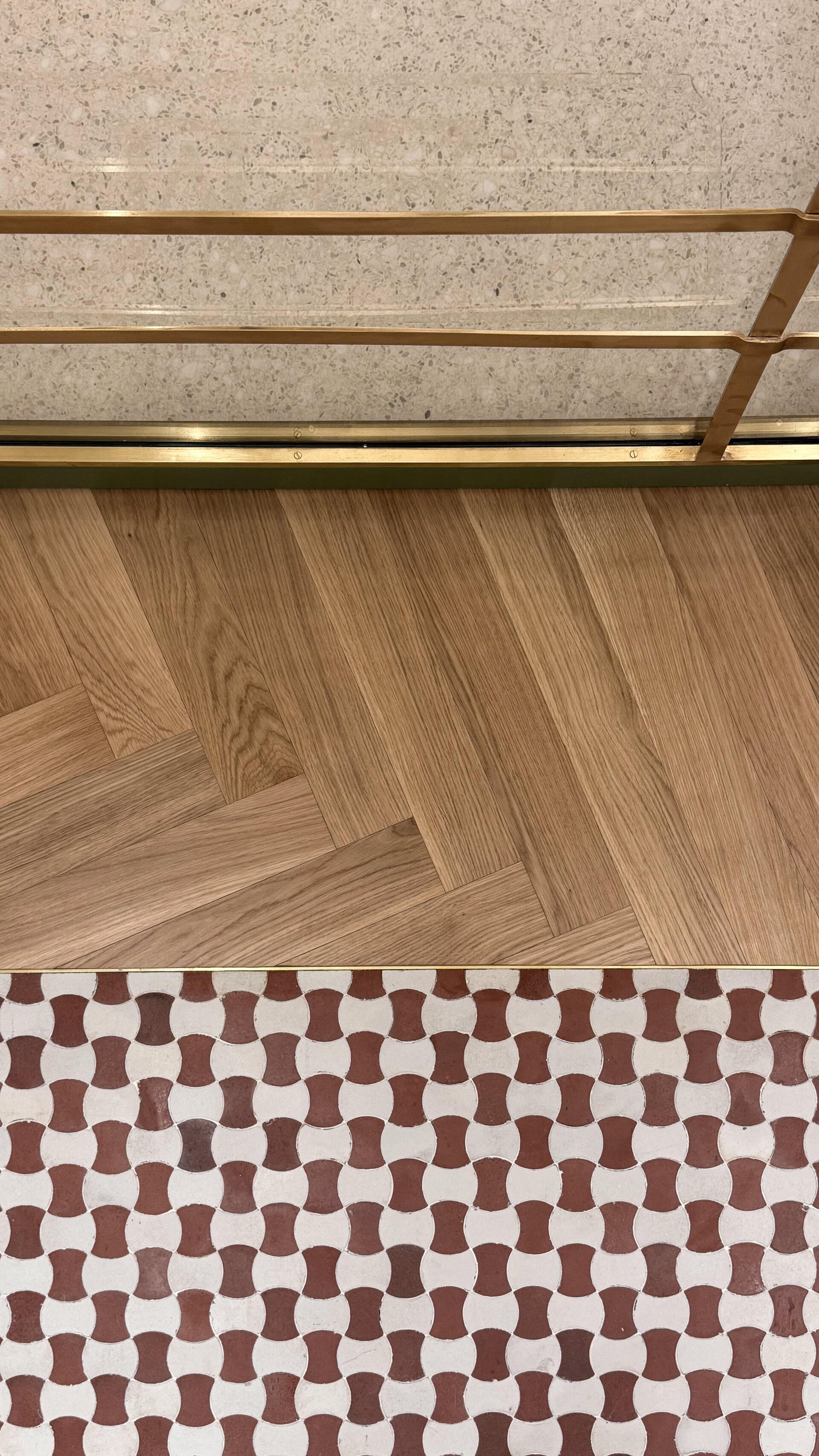
Inside, the character of the house is preserved and elevated through the use of long-lasting, noble materials. Terrazzo and solid wood floors were chosen, into which the years 1935 and 2024 were subtly inlaid, marking the original construction and the year of rebirth. In certain areas, fragments of original mosaic flooring were discovered, carefully restored, and incorporated as inlays in the new floor surface.
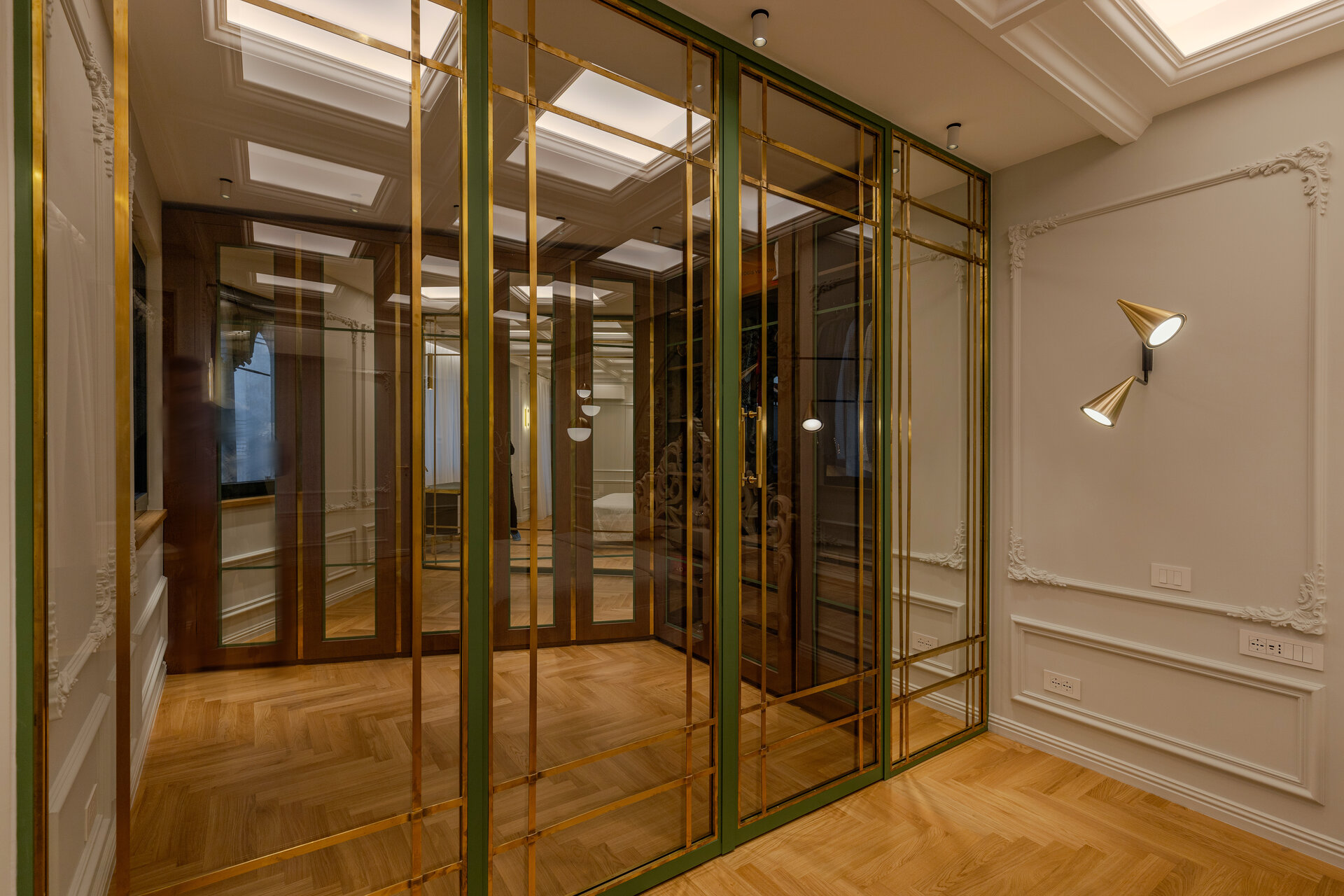
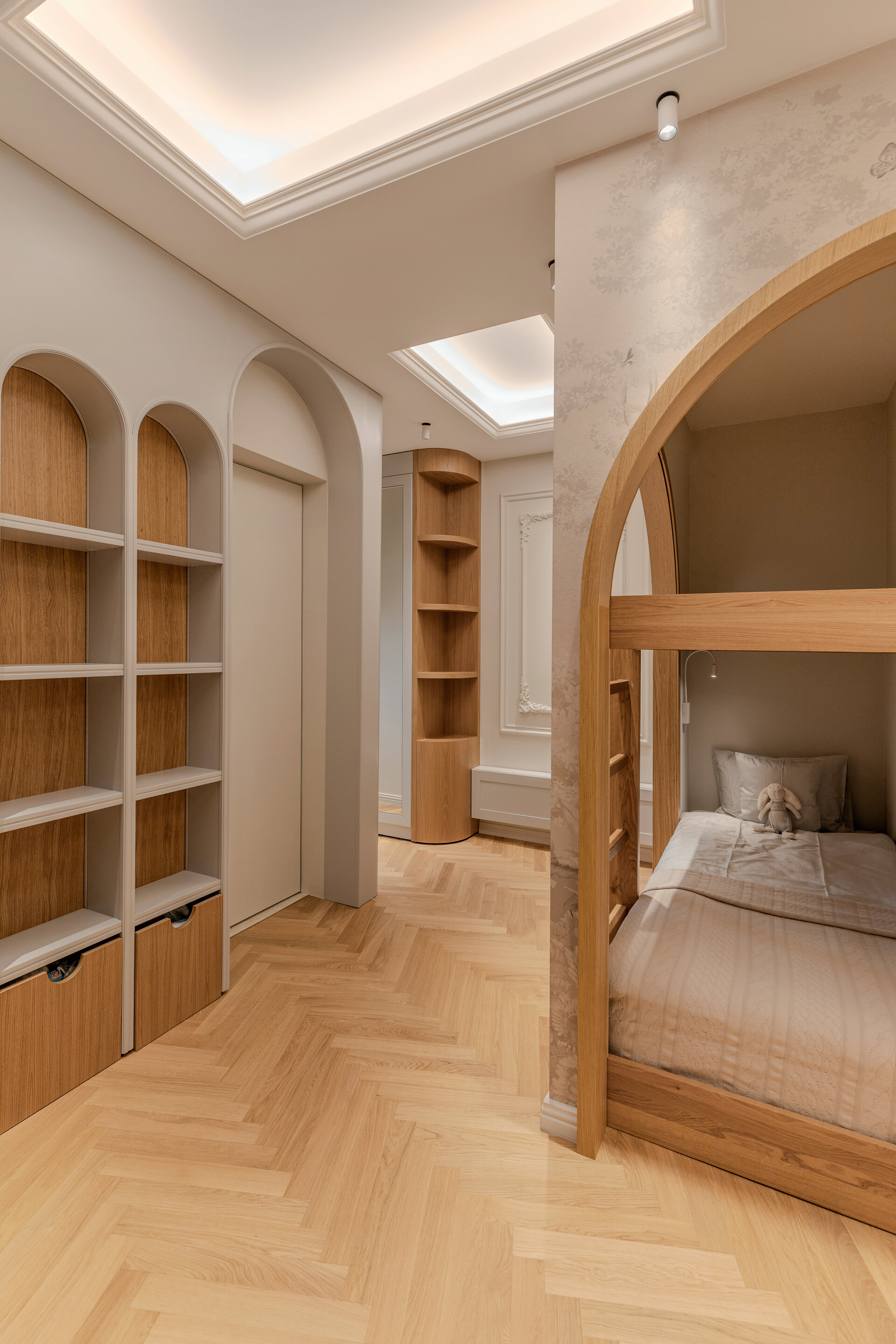
The original layout featured a series of small rooms with varied shapes, typical of houses from that period. Minimal alterations were made to improve functionality without compromising the spatial identity. These light adjustments allowed for a more fluid, comfortable circulation, appropriate to a contemporary way of living.
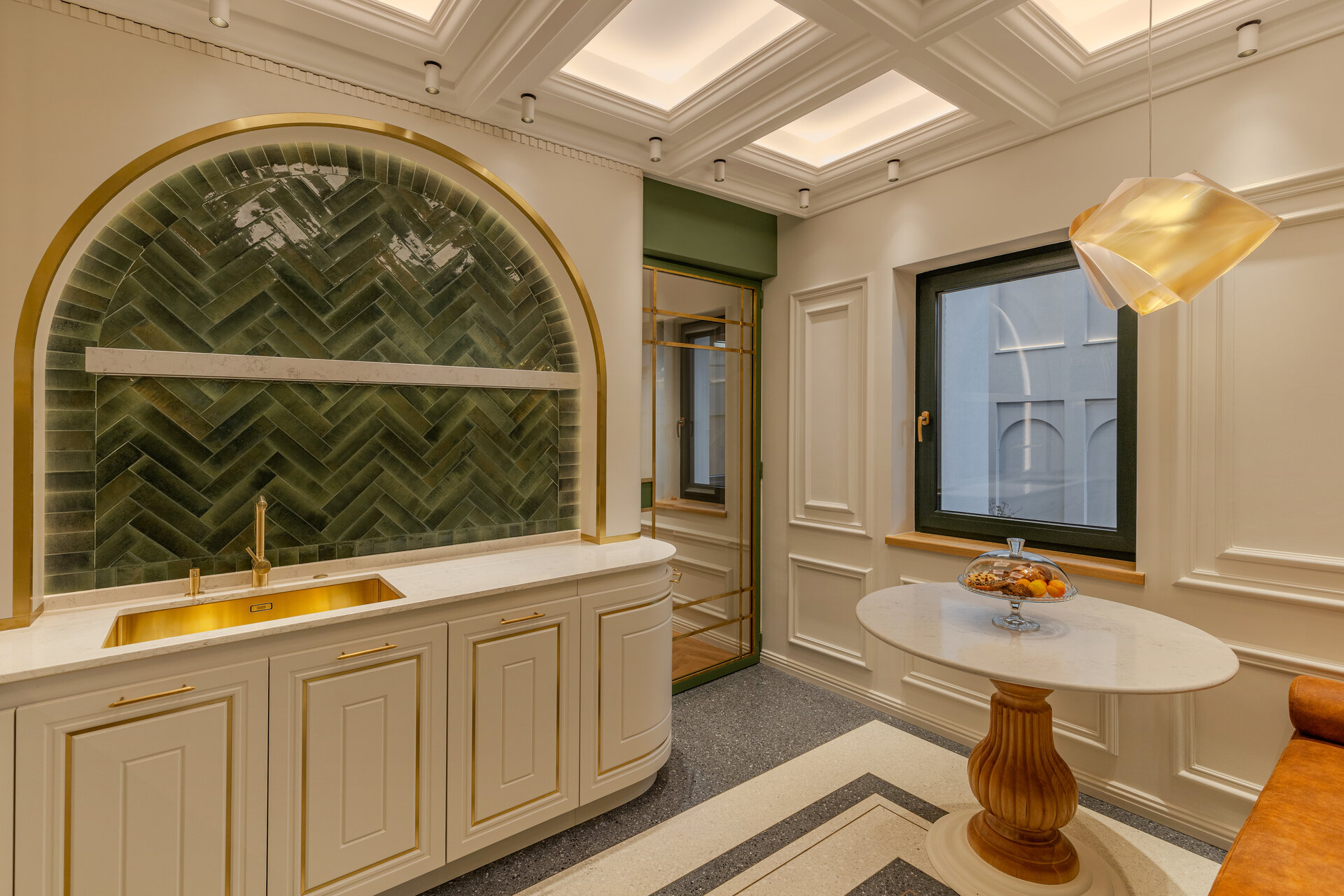
Coffered ceilings were introduced in certain spaces as both a structural consolidation solution and a decorative gesture, helping to conceal technical interventions while reinforcing the Mediterranean ambiance through subtle classical references.
This restoration is more than a technical rehabilitation, it is a revaluation of a historic home. Through a sensitive and coherent approach, the house regains its dignity and becomes a bridge between past and present, between tradition and contemporary living. The project illustrates how architecture can honor memory while responding to the evolving needs of daily life.
Architecture and Heritage

- Structural rehabilitation, architectural restoration and enhancement – Constanța Casino
- Cotroceni, Joseph Lister Villa Rehabilitation
- Carol’s House
- Consolidation and Restoration of the French Library Building “Omnia”
- The restoration of the church in Bălinești
- Analysis of degradation and restoration works on the facade of the Saint Joseph Cathedral, Bucharest
- Restoration, consolidation, protection and conservation of the “Saint Haralambie” Cathedral in Turnu Măgurele Municipality


