- Prize of the “Portfolio Architecture / Residential Architecture” section
GENESIS - prefab cell house kit
Authors’ Comment
Concept
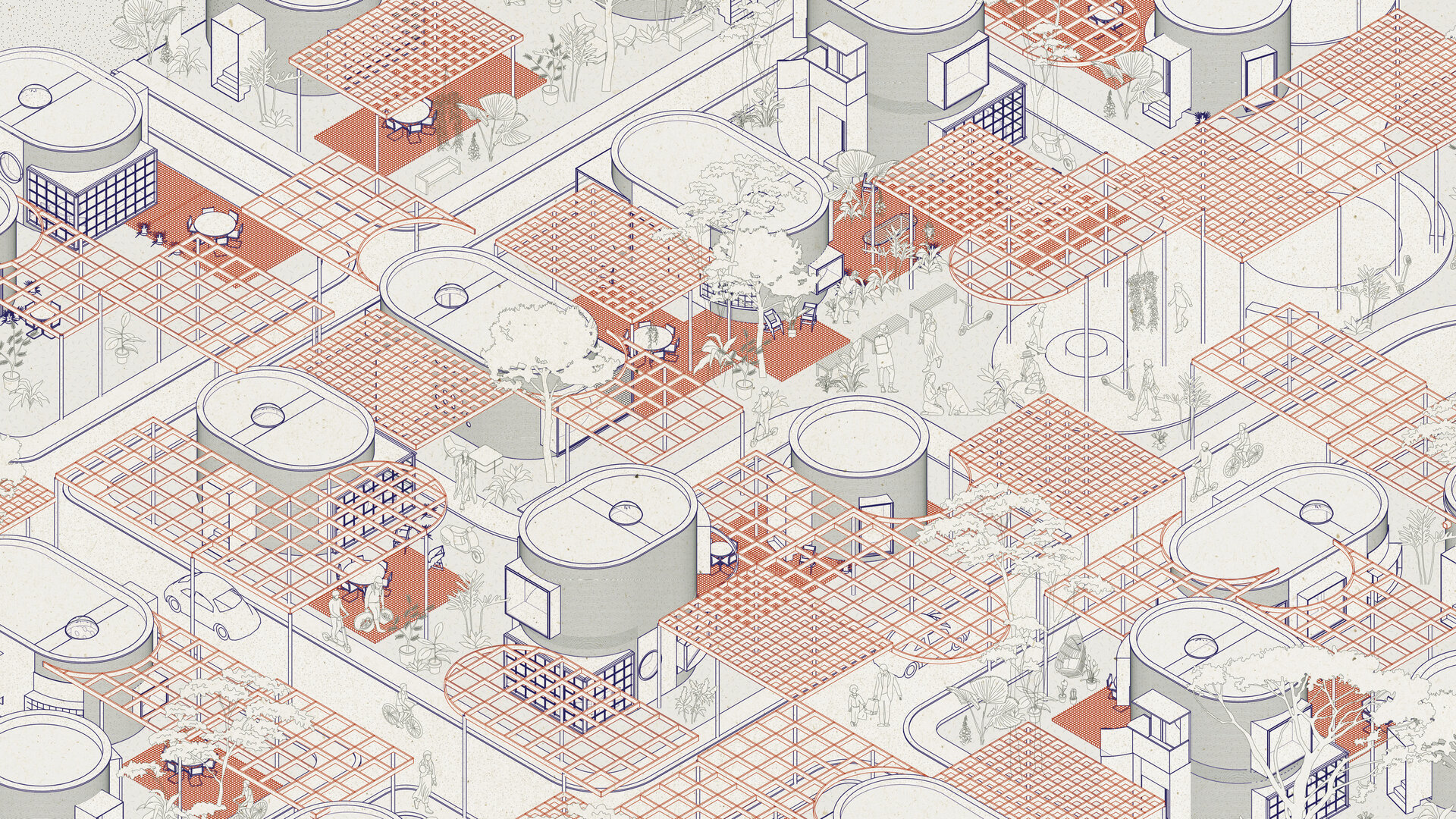
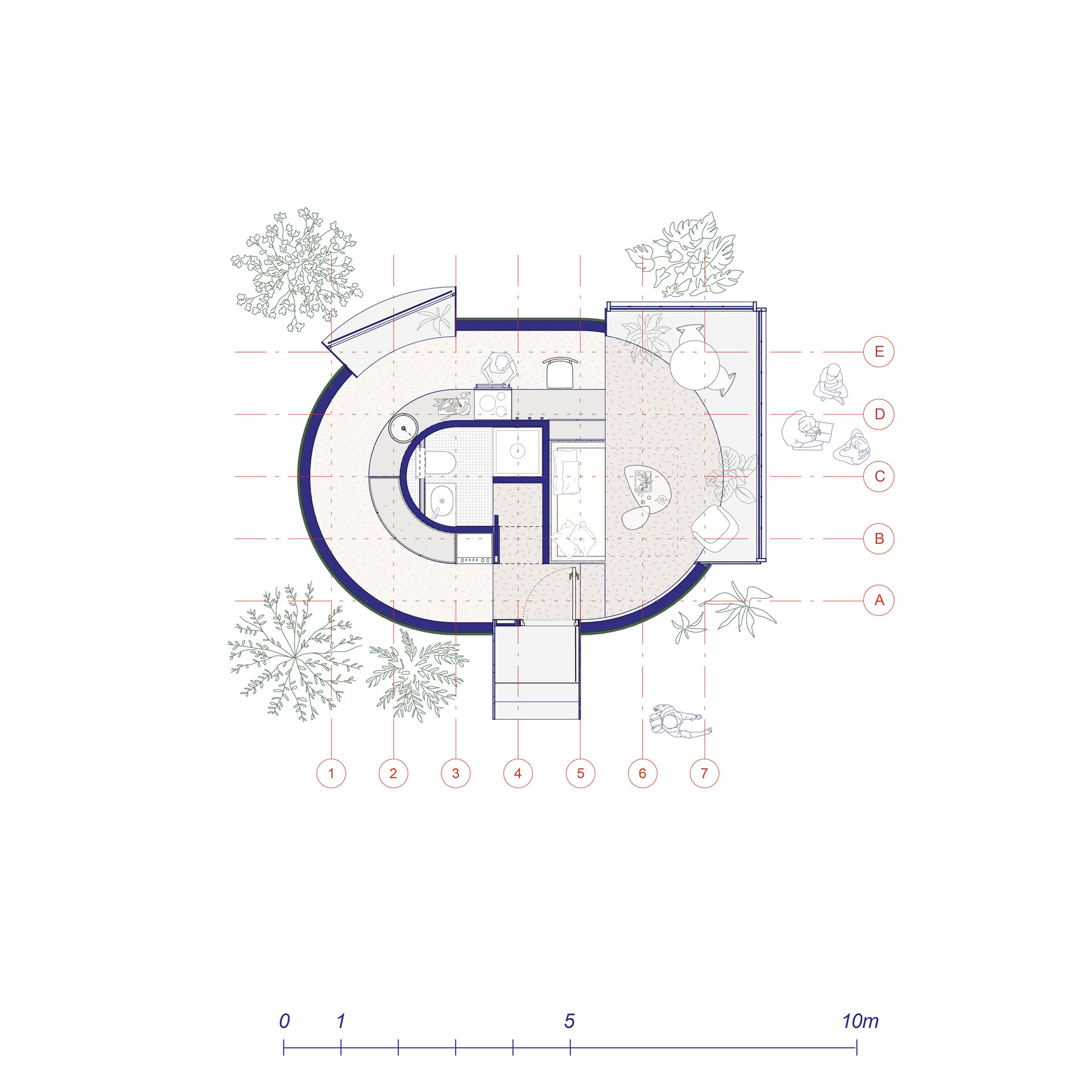
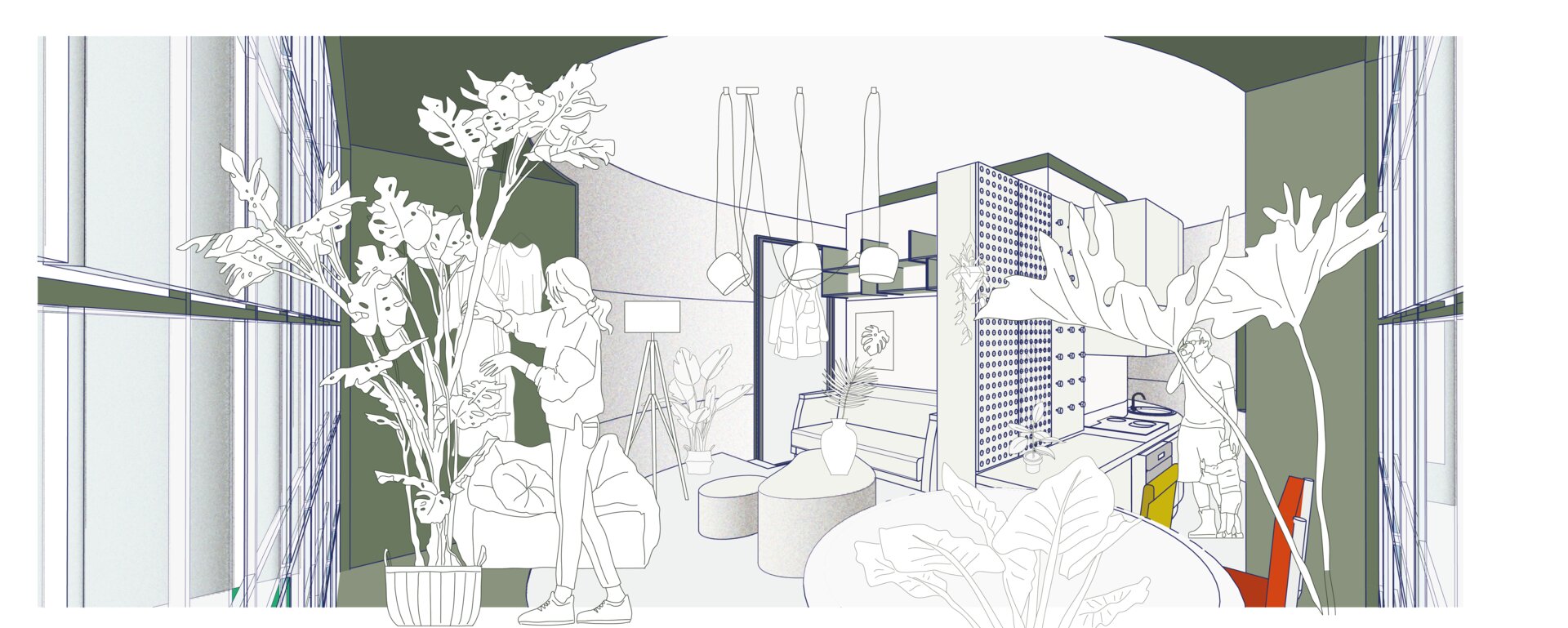
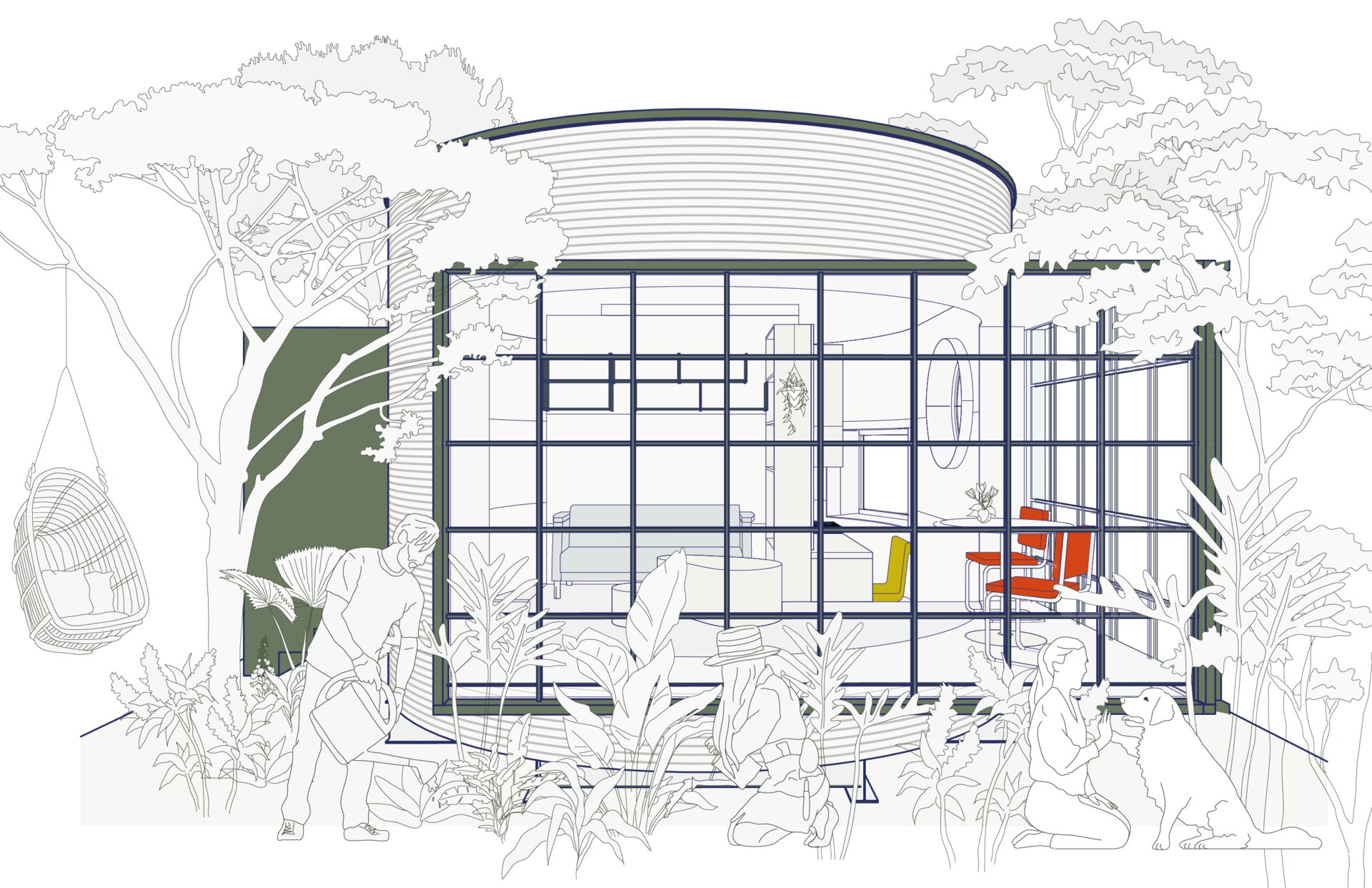
This proposal seeks to develop a prefabricated housing module integrated within a complex structure, adaptable to varying needs and contextual requirements.
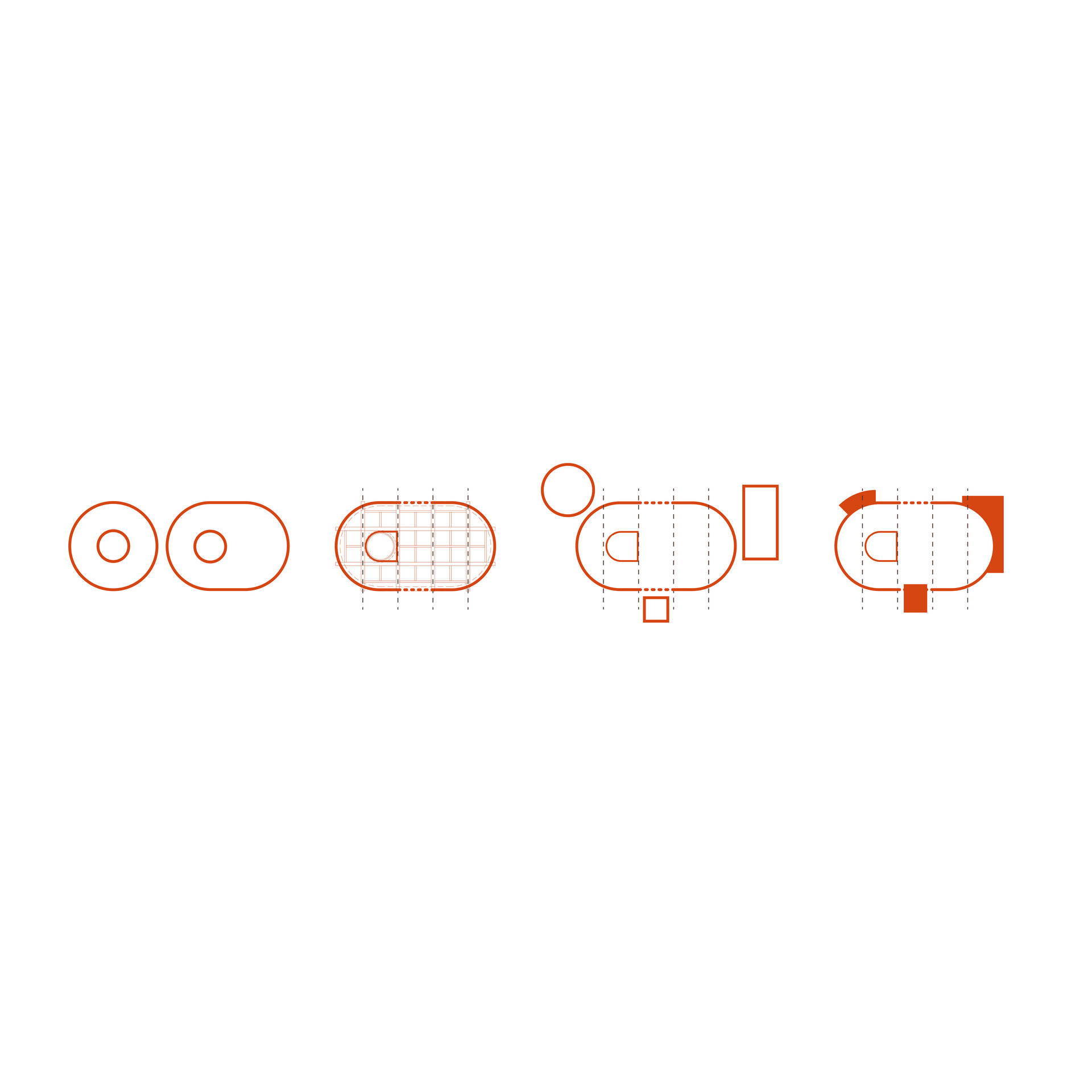
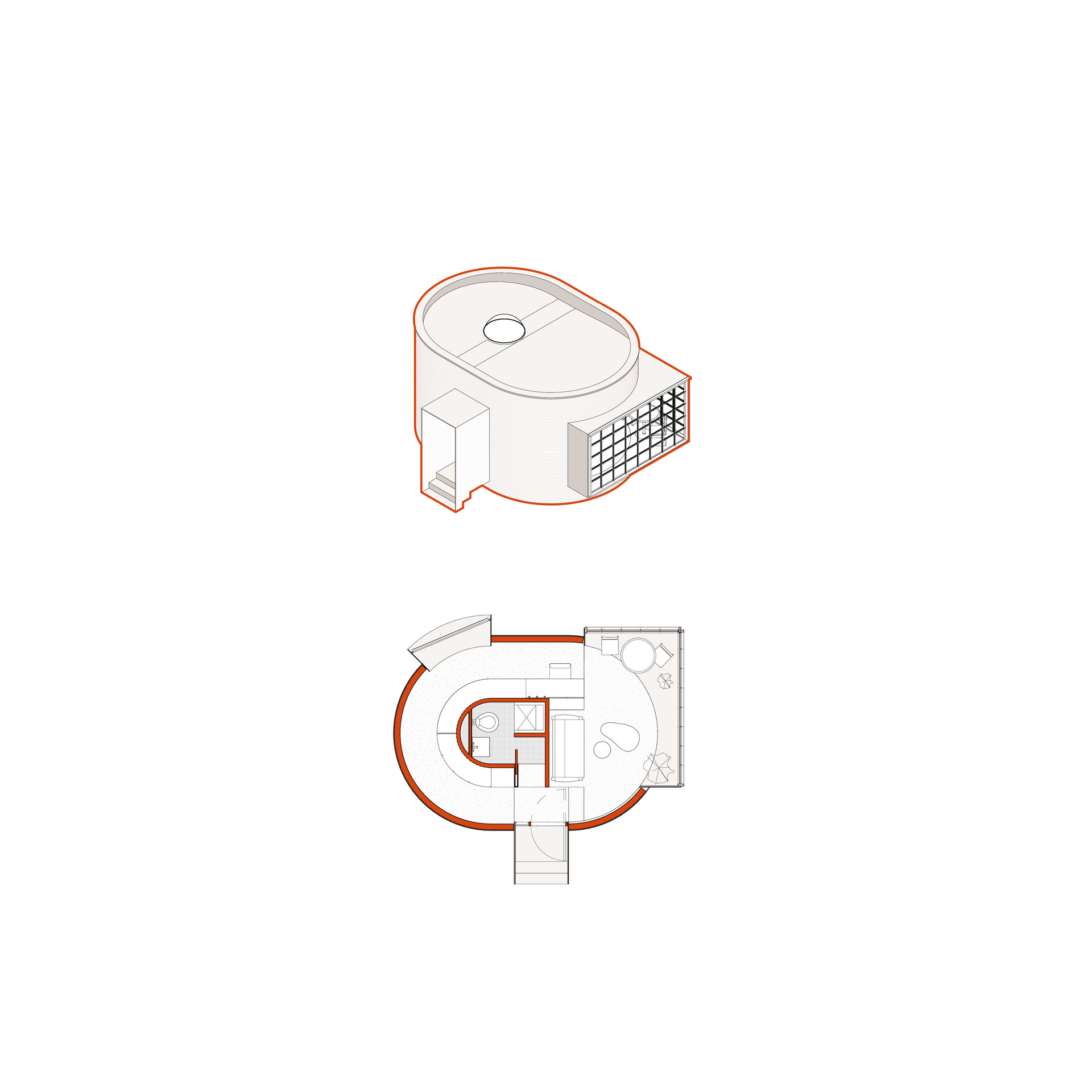
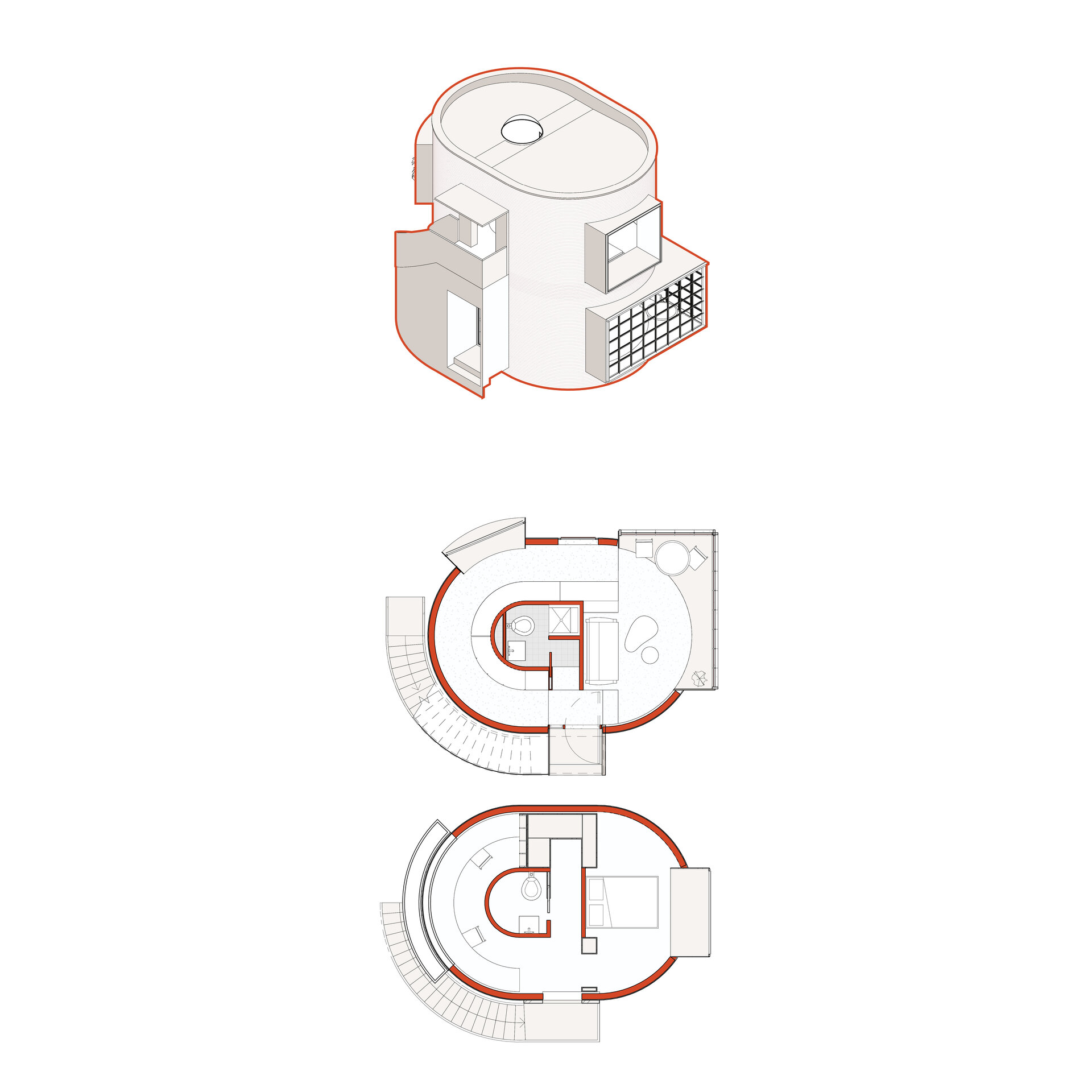
Drawing inspiration from the modularity inherent in living cells, akin to their division or fusion processes, the design ensures a footprint surface adequate to sustain essential functionalities, contingent upon the number of occupants.
The implementation of a customizable prefabricated module offers economic viability, facilitated by mass production, easy transport, and swift assembly and disassembly processes. This approach supports the conception of sustainable housing, aligning with principles of resource-consciousness and fundamental design tenets: material reuse, repair, and recycling.
Utilizing the integration of one company’s varied product range, the housing module exemplifies a hybrid showroom concept, reflecting dedication to innovation and sustainability.
Modularity / Scalability
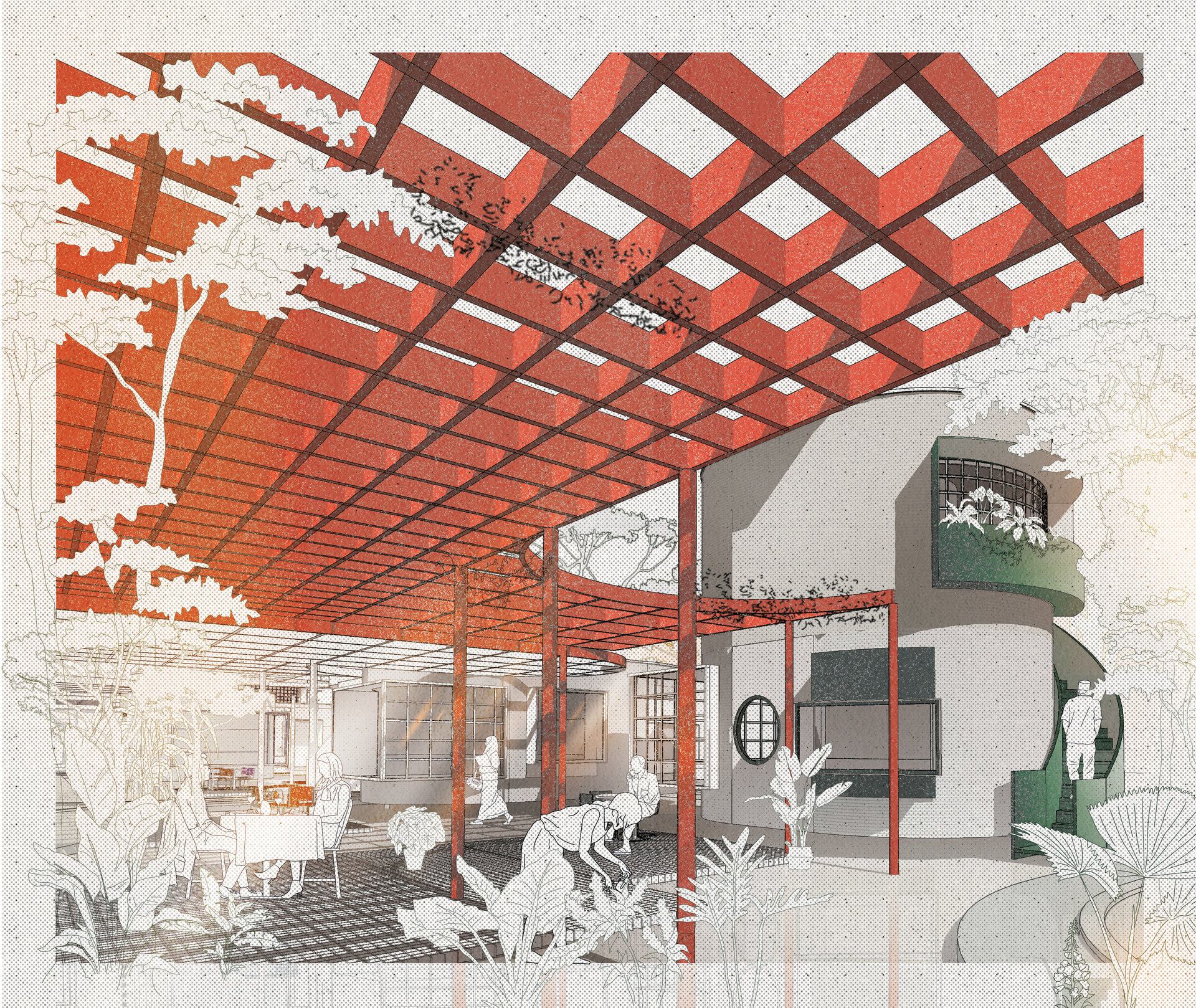
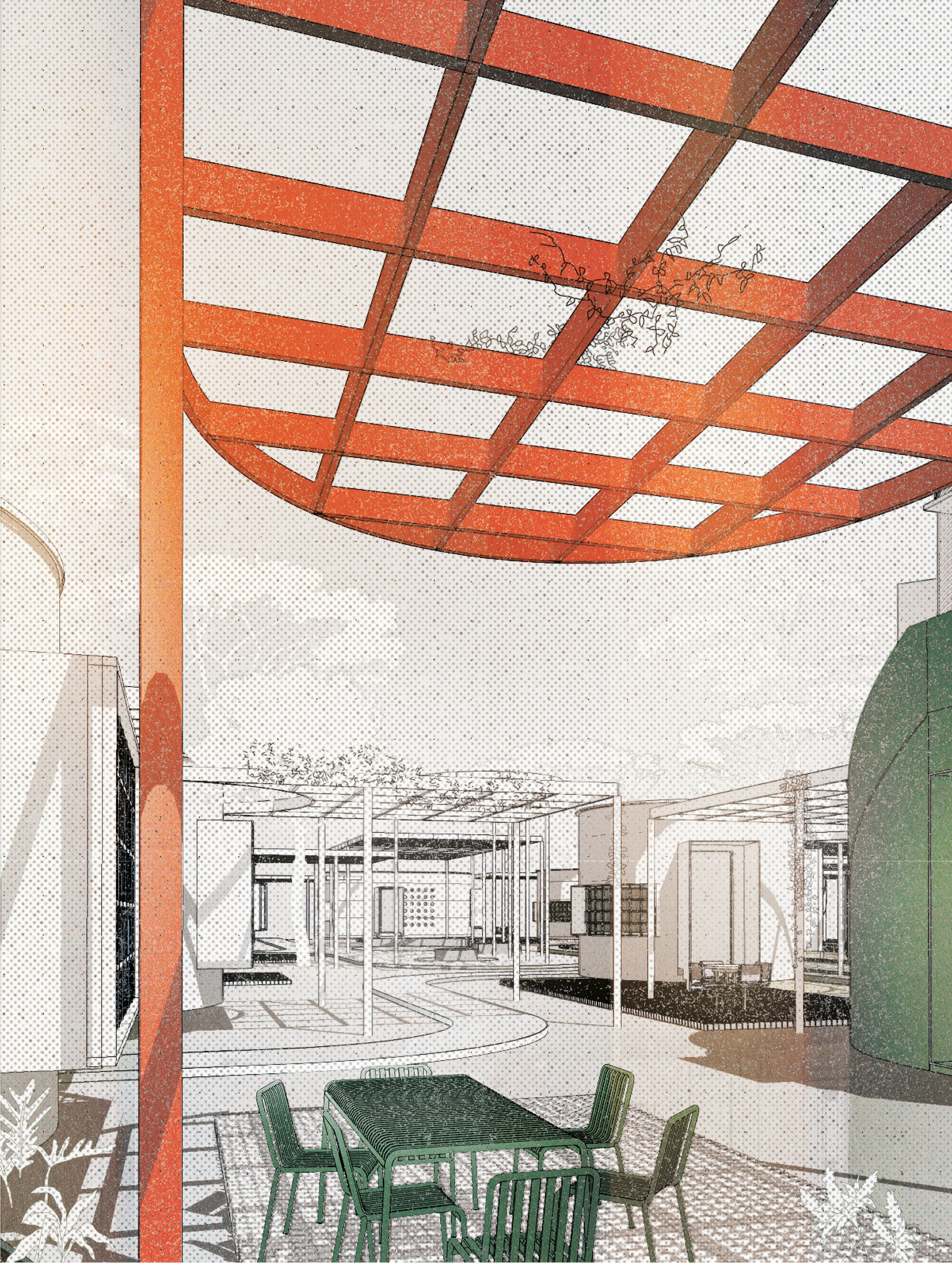
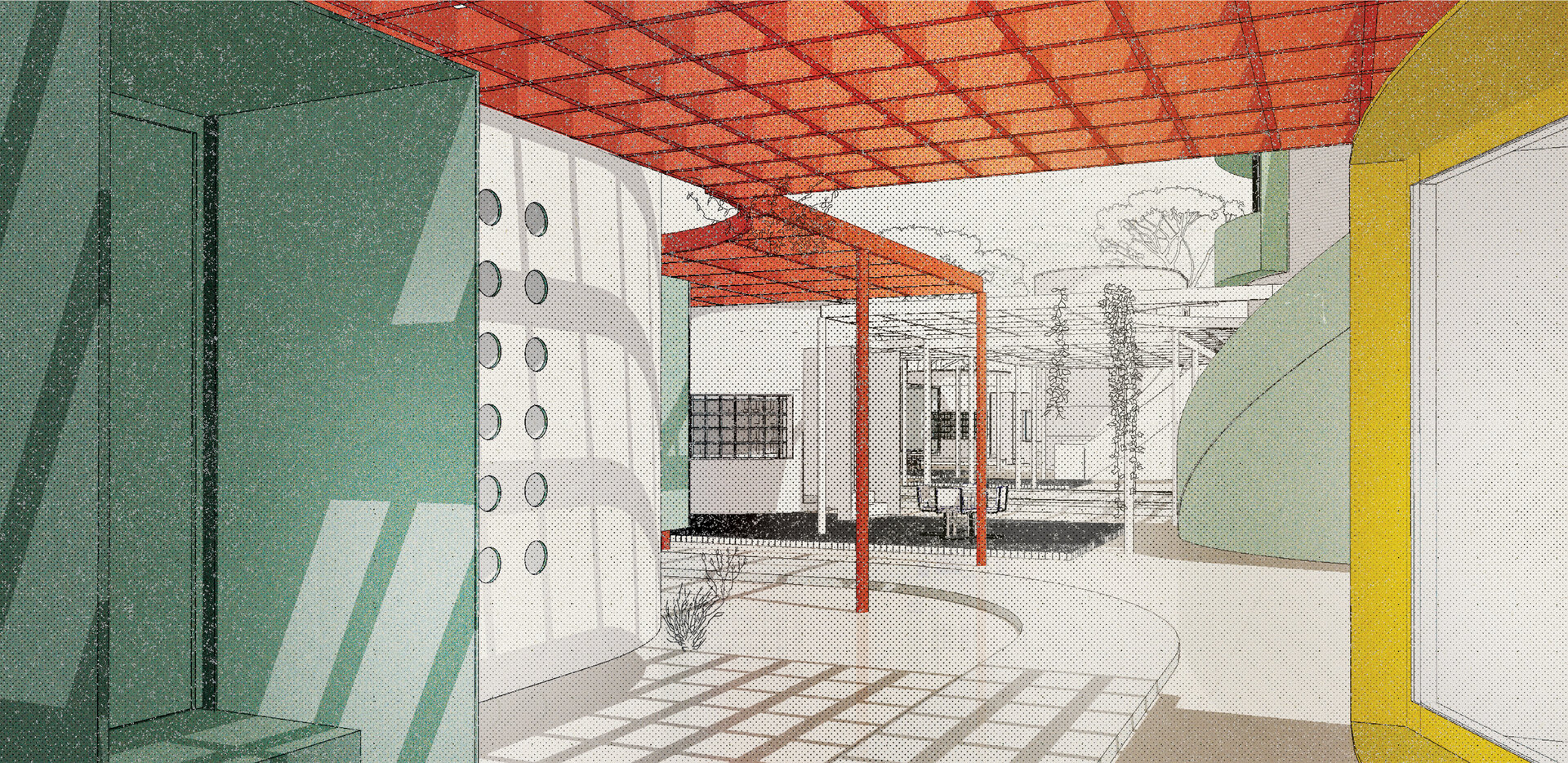
Beyond communal living, the aggregation of micro houses presents versatile applications, including housing solutions for refugees, construction site workers, research team accommodations, and communal settings such as festivals, camping sites, or tourist resorts. Within such collectives resembling campuses, camps, or colonies, shared facilities like waste and water management can optimize services and mitigate individual environmental impacts.
Introducing a prefabricated housing unit to the market will garner interest not only from end-users but also from developers.
Sustenability
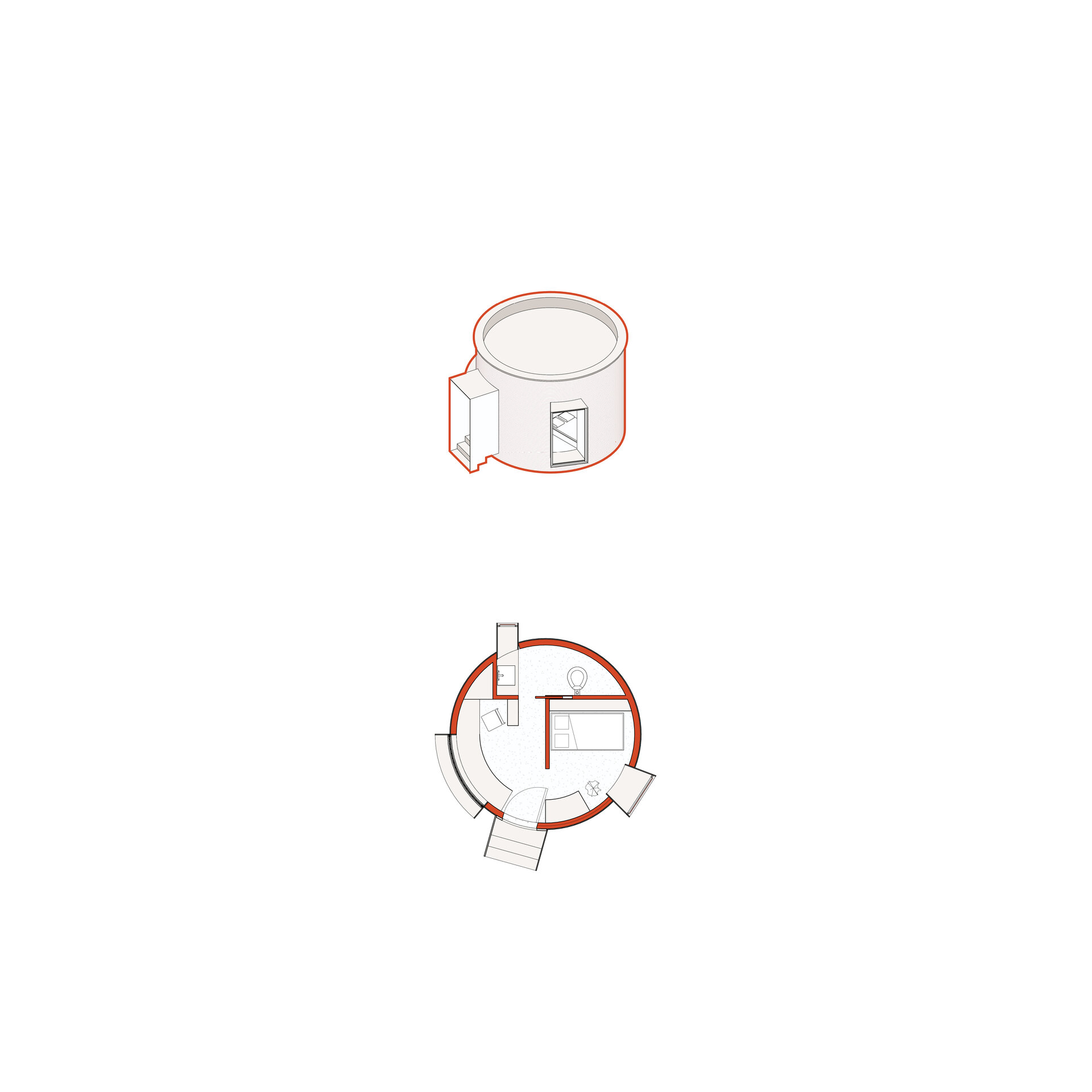
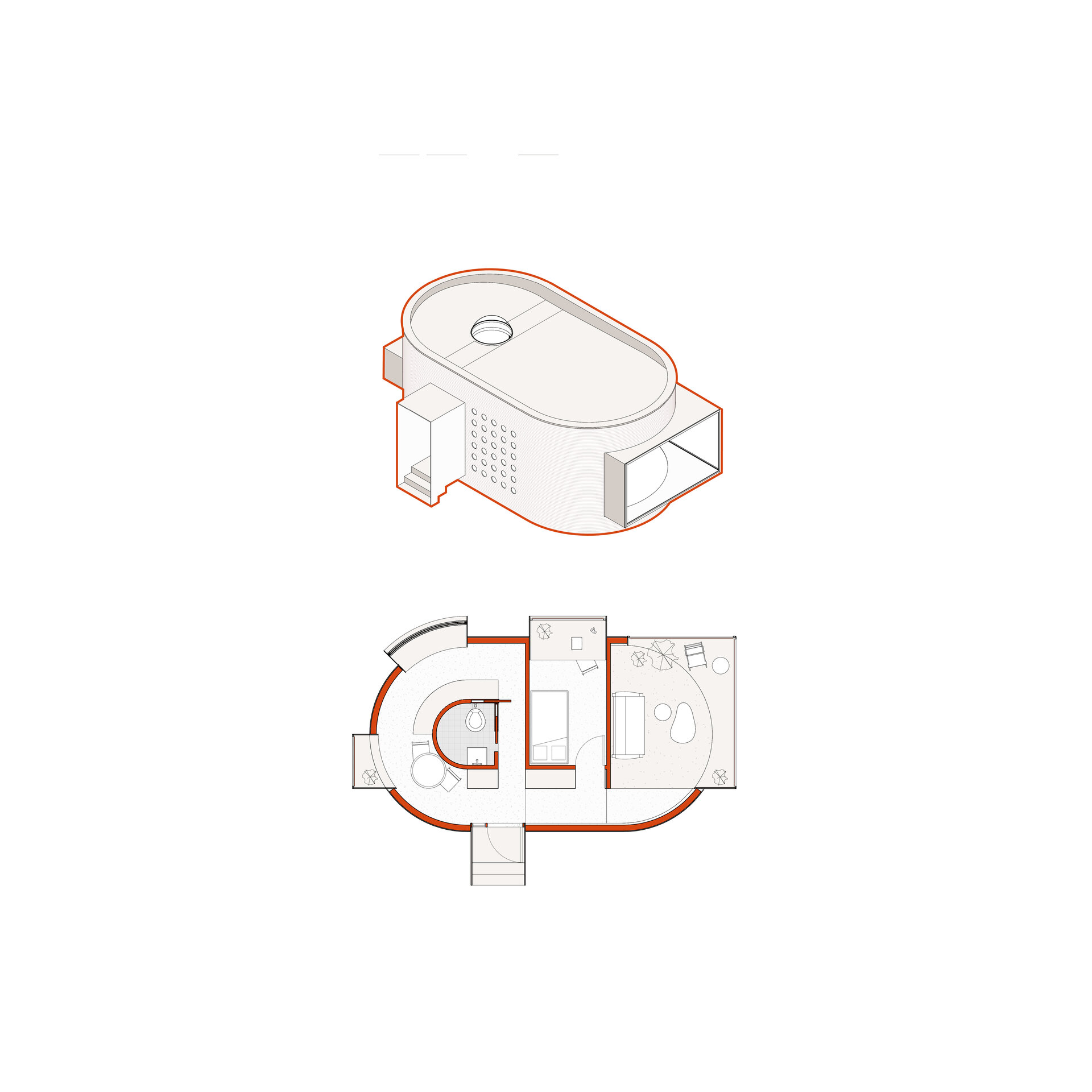
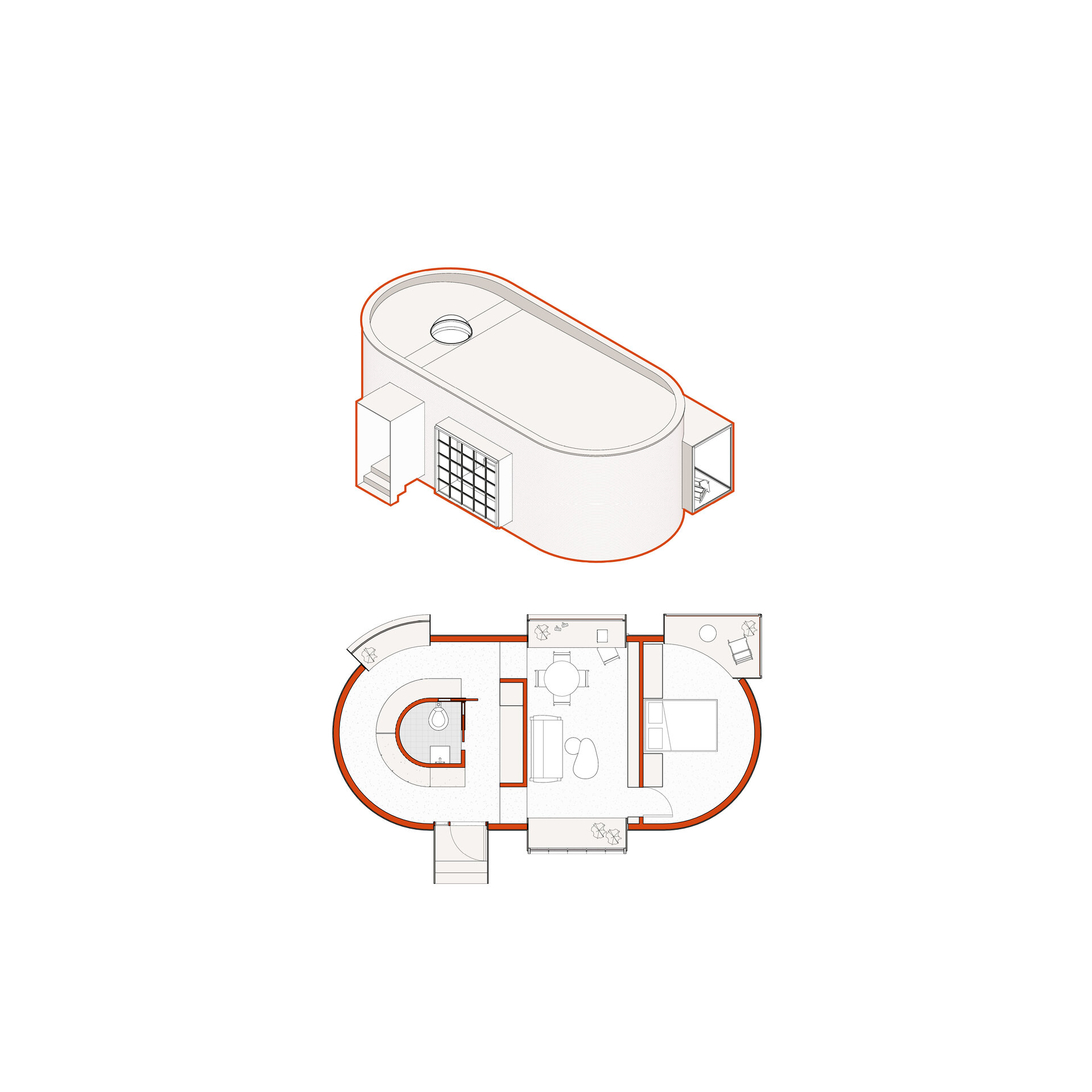
The S module - customization kit
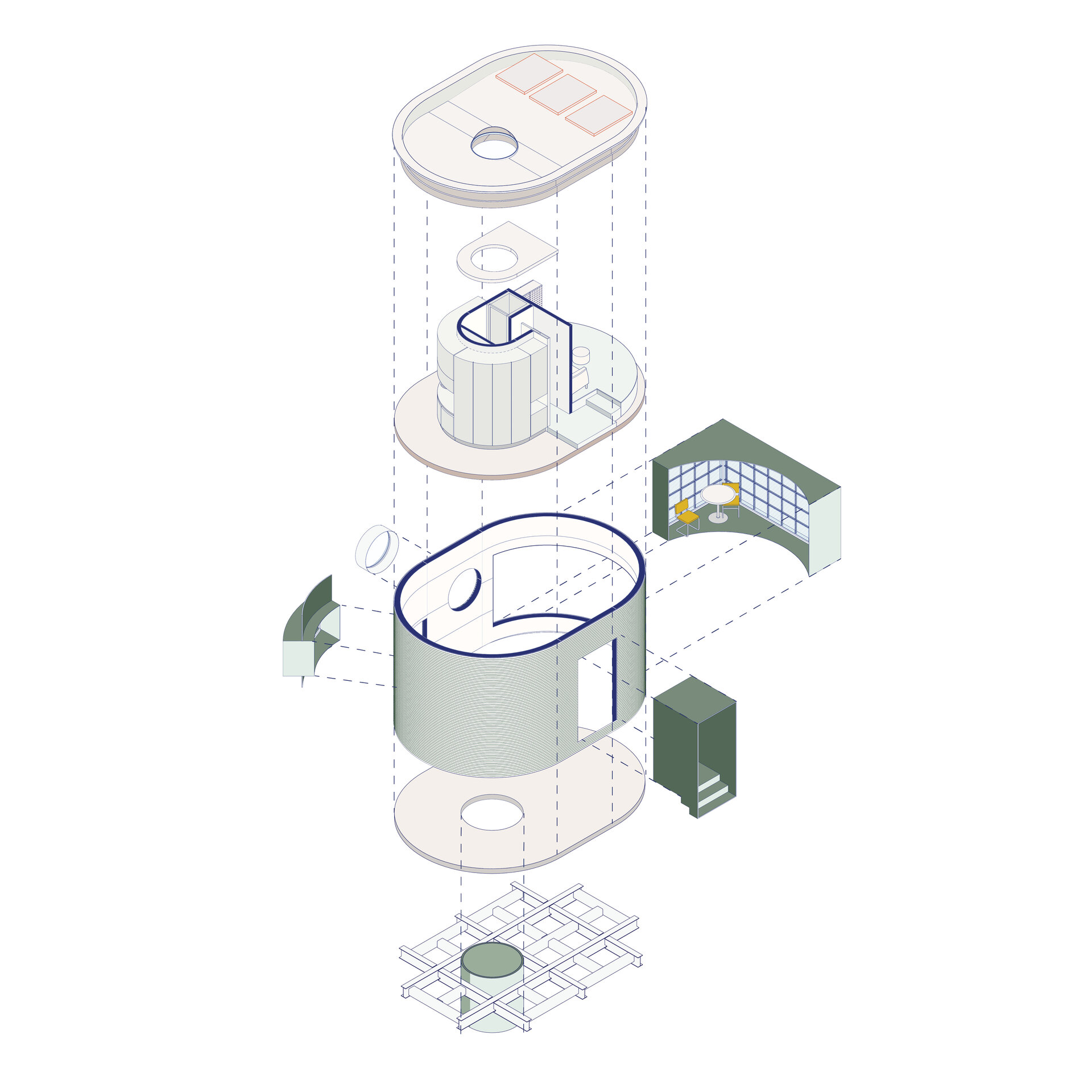
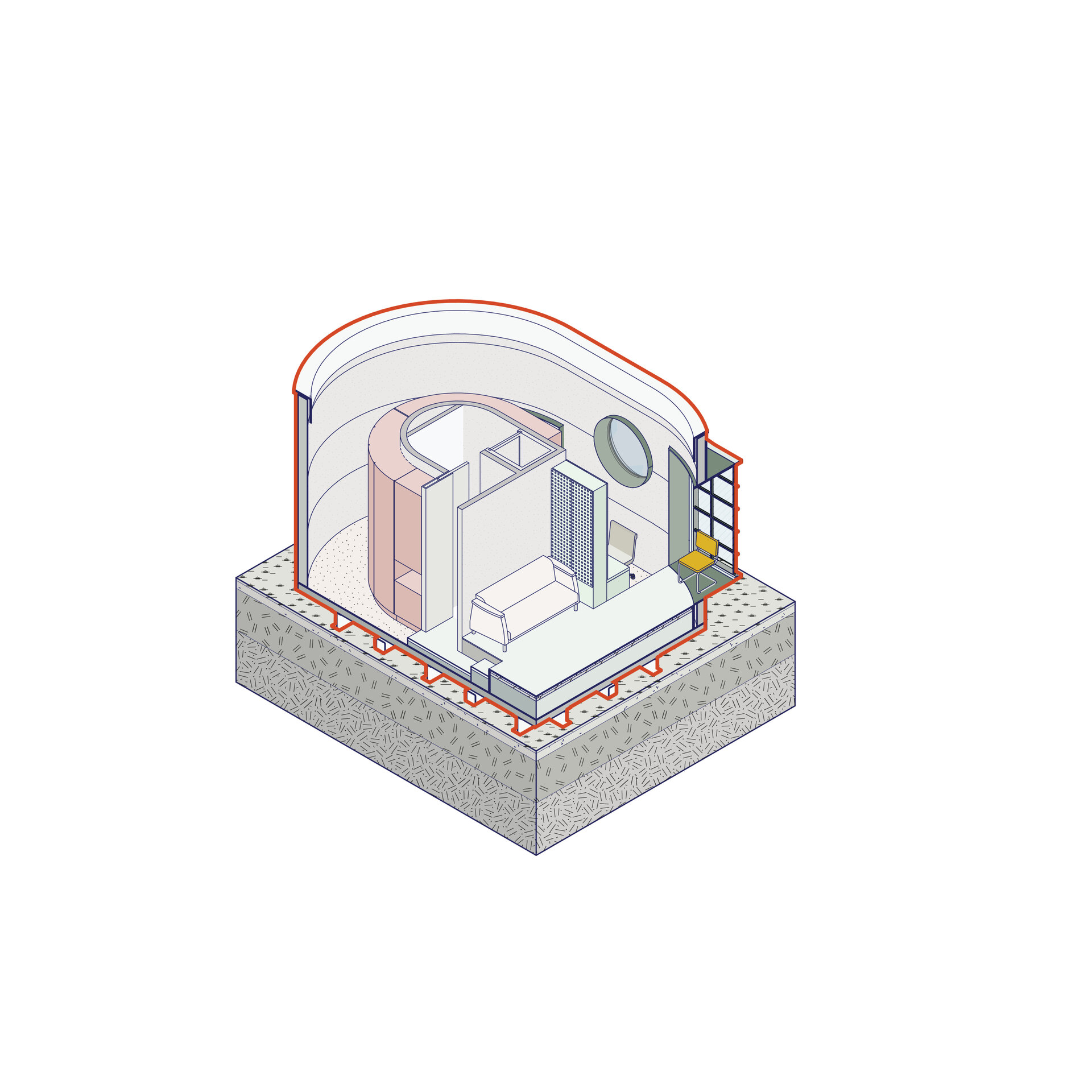
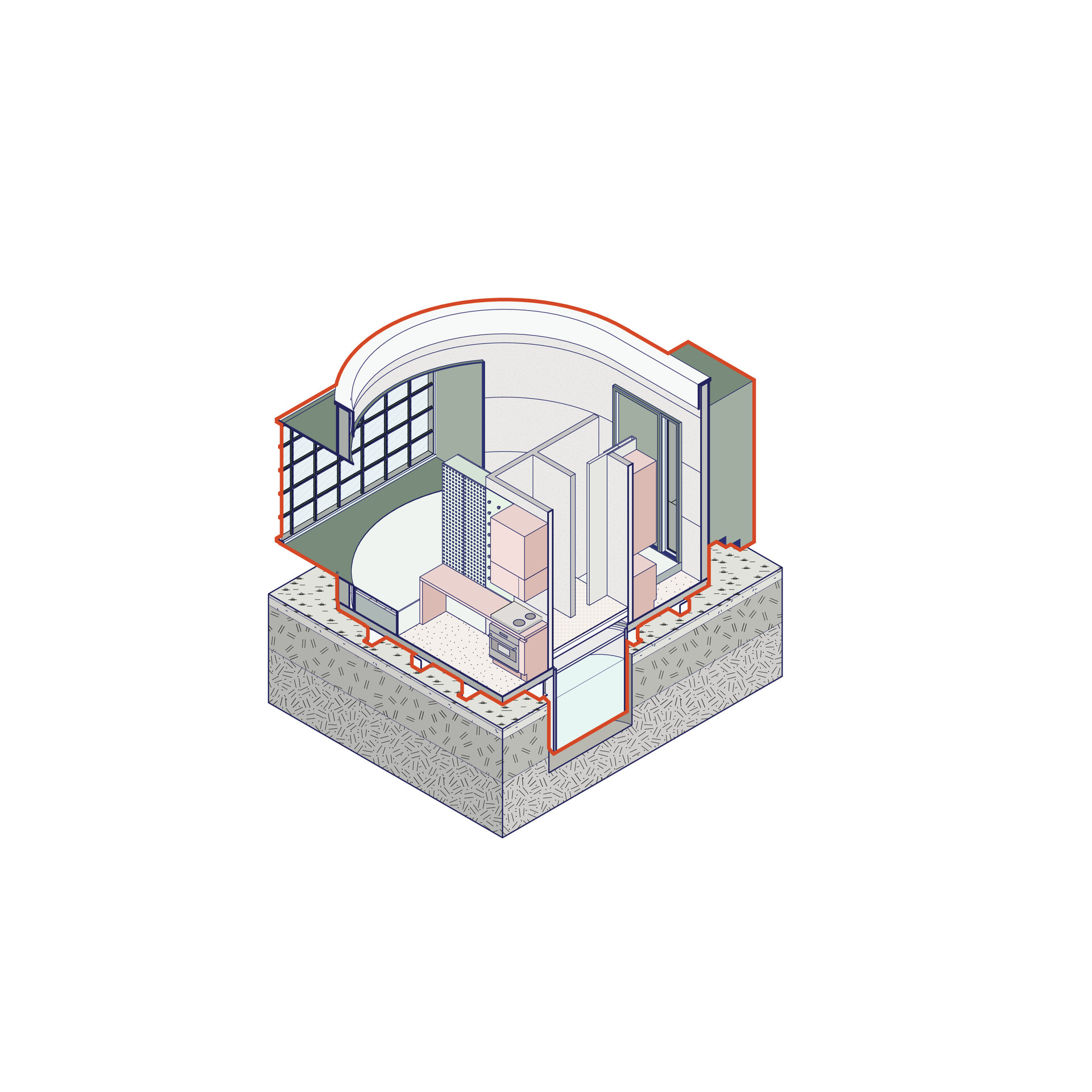
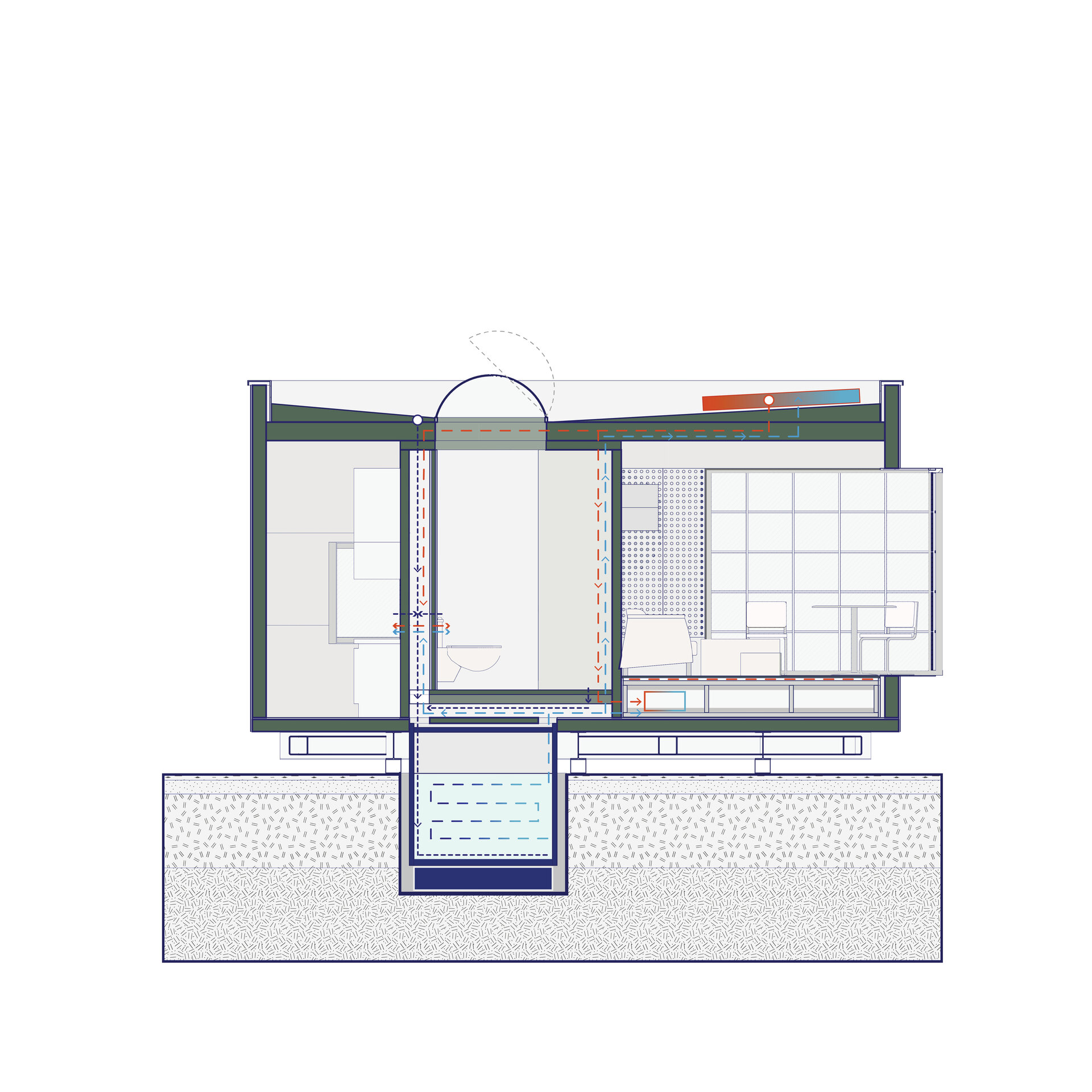
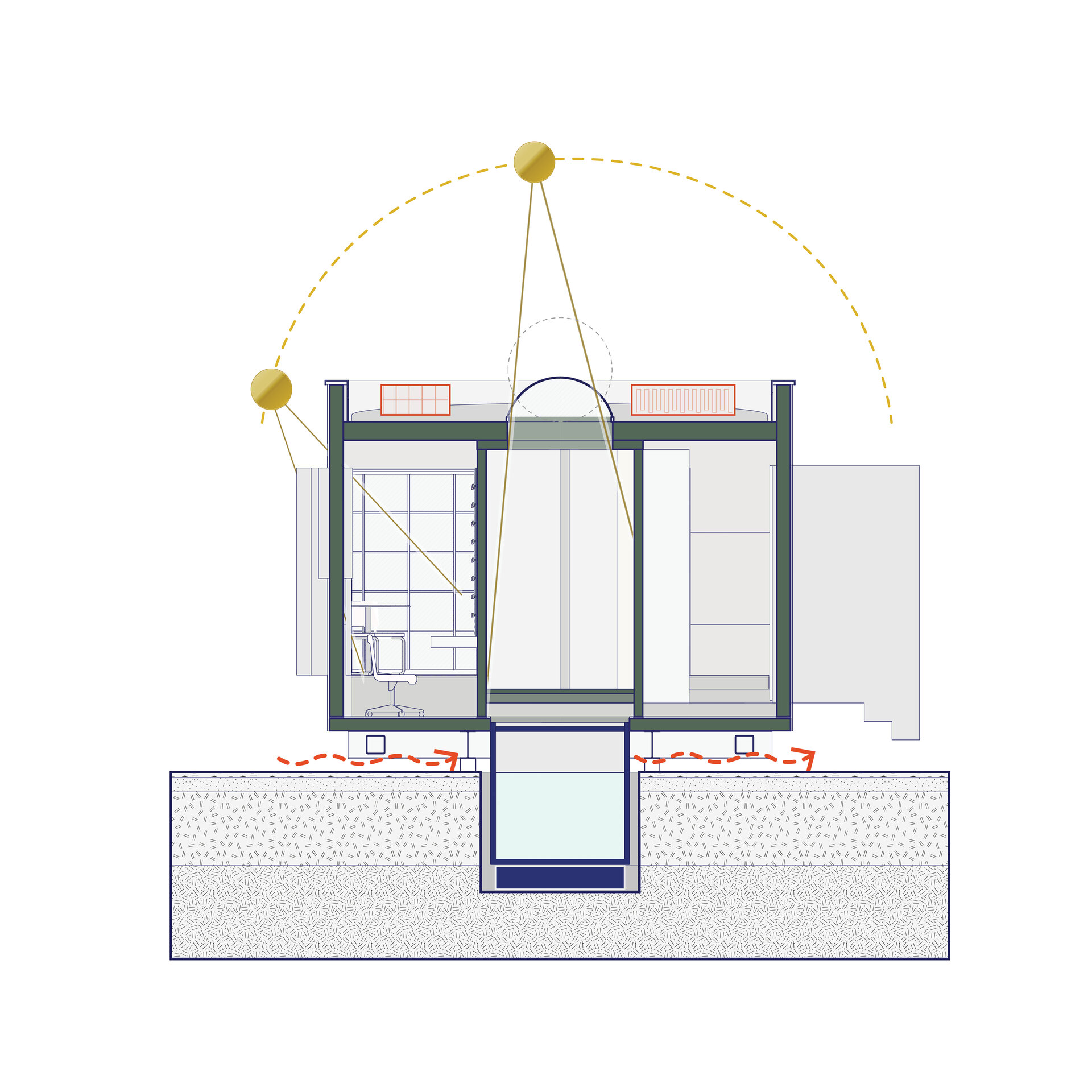
The module is engineered for autonomous operation, integrating a water and household waste collection and purification system that harmonizes with the architectural design. This ensures a self-sustaining dwelling with minimal ecological impact. Additionally, the construction’s shape contributes to energy efficiency, based on structural considerations and material calculations.
Advantages of Circular Construction:
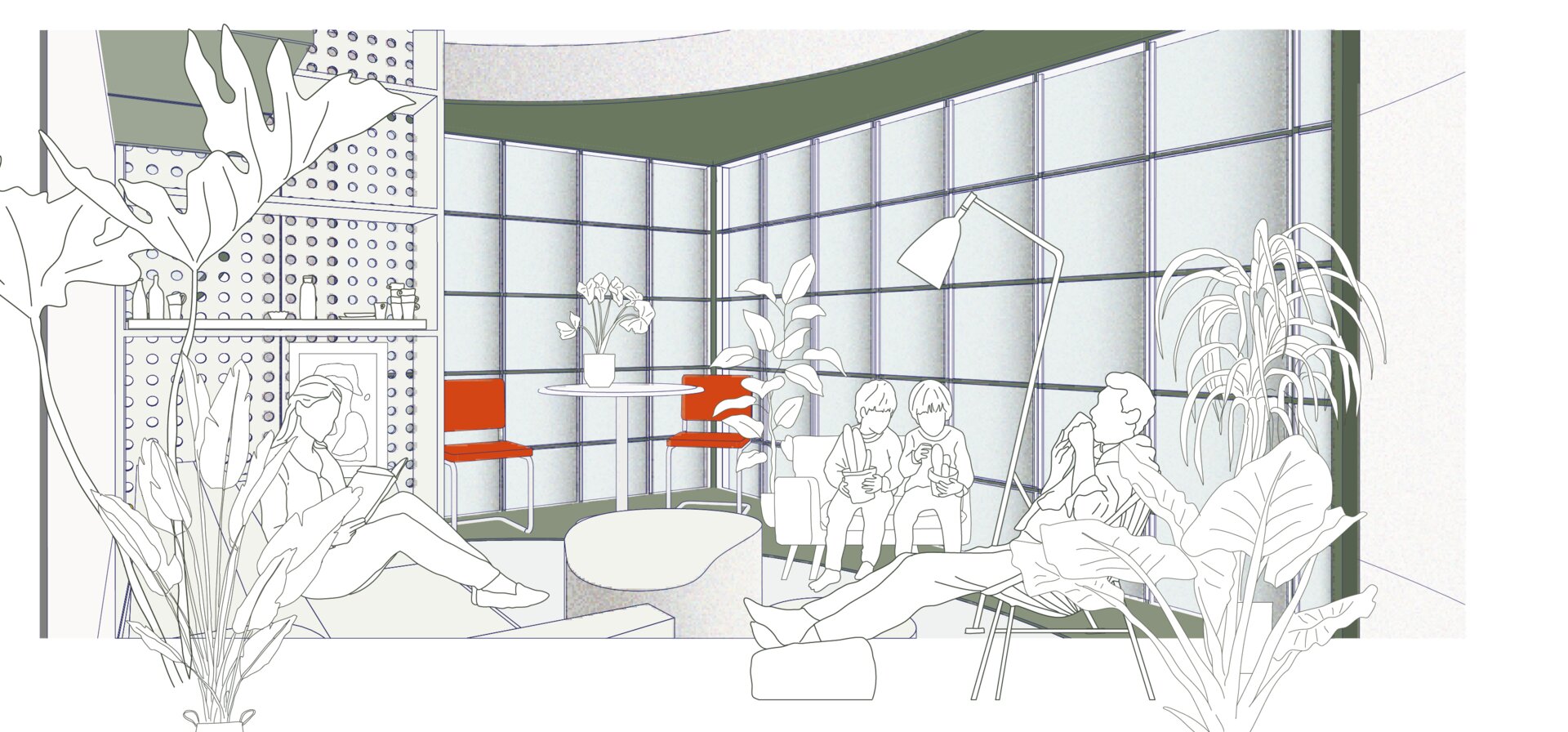
Circular dwellings offer multiple benefits, including expansive visual panoramas, structural stability with flexibility, efficient ventilation and air circulation, and reduced vulnerability to strong winds due to aerodynamics. Moreover, circular designs feature smaller vertical and contour surfaces, resulting in lower material requirements, maintenance, heating costs, and faster construction times ( up to 20% less compared to rectangular design).
Adaptability
The residence offers full customization, with assembly facilitated on-site through prefabricated components. Customers have discretion over the appearance of decorative exterior panels, including color choices for both panels and carpentry elements.
Versatile Placement Options:
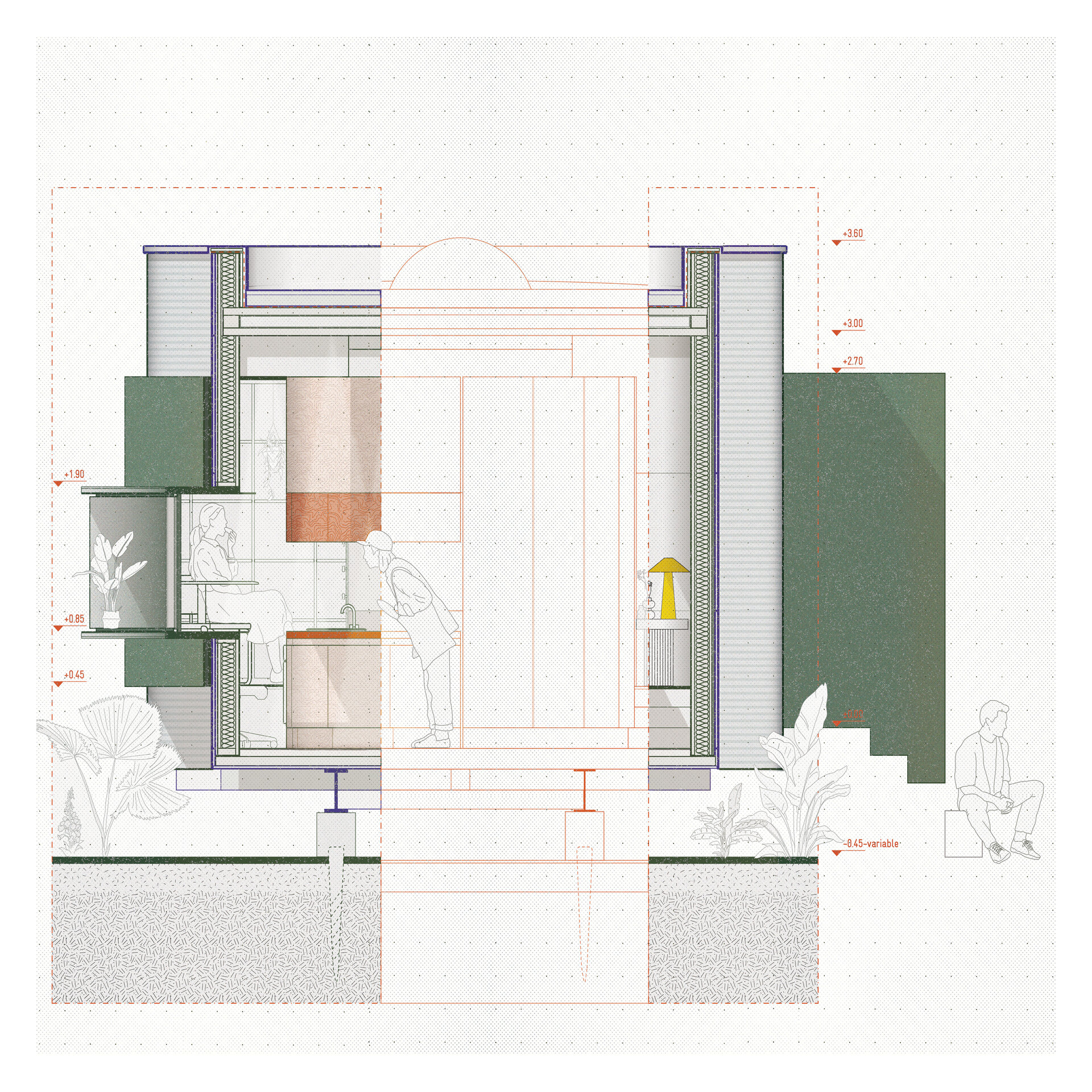
The flexibility to position the living cell on water, land, or a raised structure constitutes a pivotal aspect of module customization. Structural bases can be crafted from locally sourced materials, tailored to climatic and terrain peculiarities, ensuring optimal stability.
The construction system features prefabricated, integrated components, including roof-mounted solar and hot water panels. The roof uses insulating panels with a slope for water drainage, and a built-in gutter which collects rainwater and uses a domestic water recirculation and filtration system due to an underground central tank.

Residential Architecture



