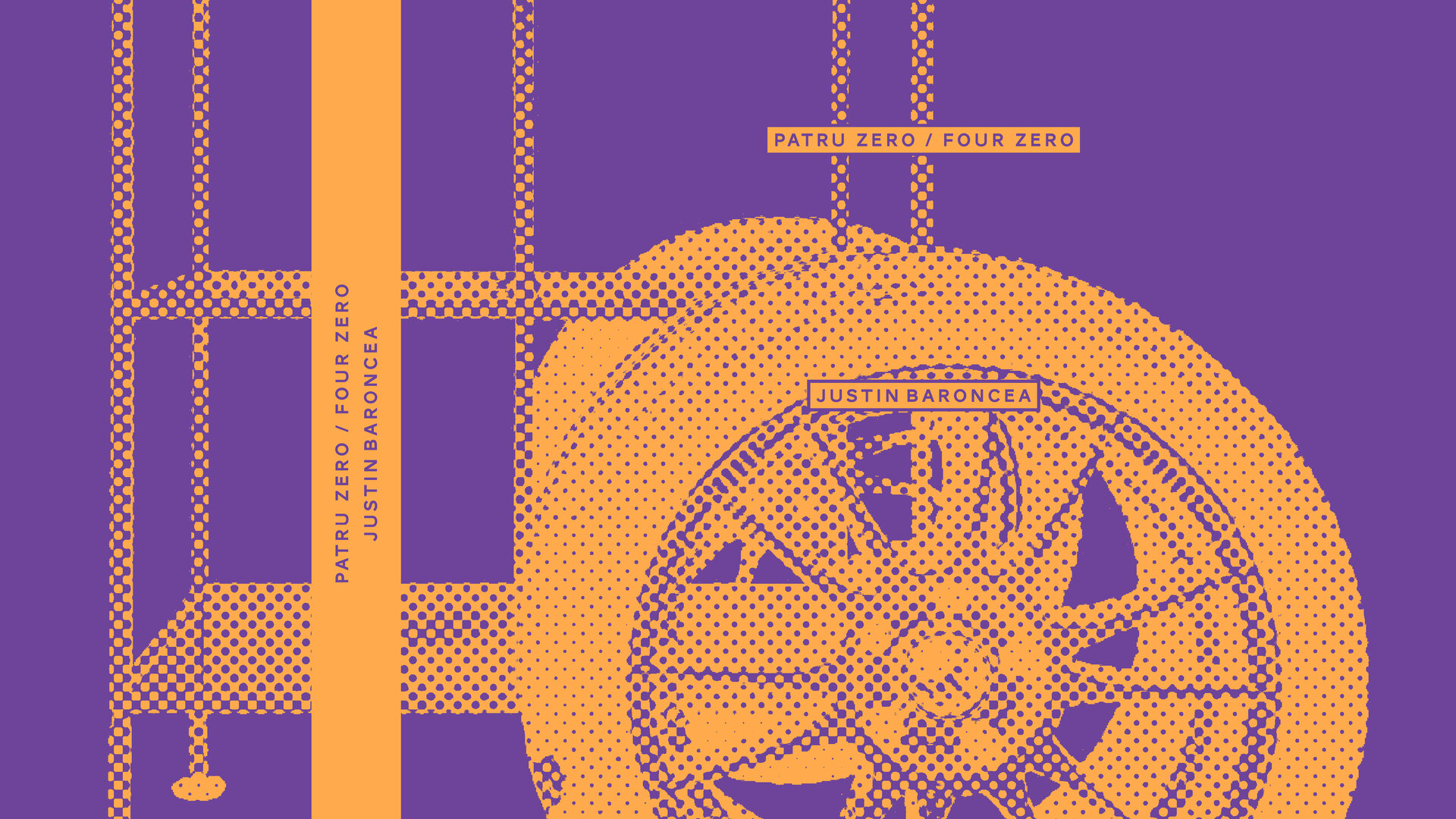
- Nomination for the “Research through Architecture / Architecture Books” section
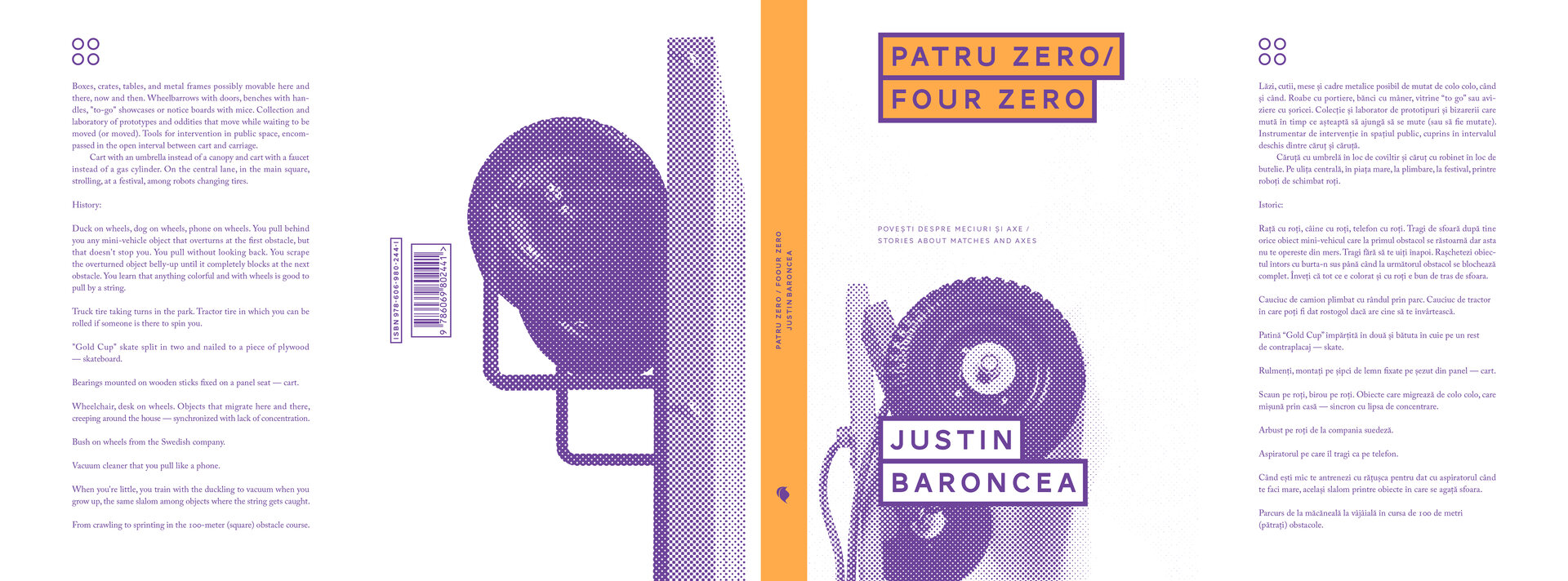
Four Zero
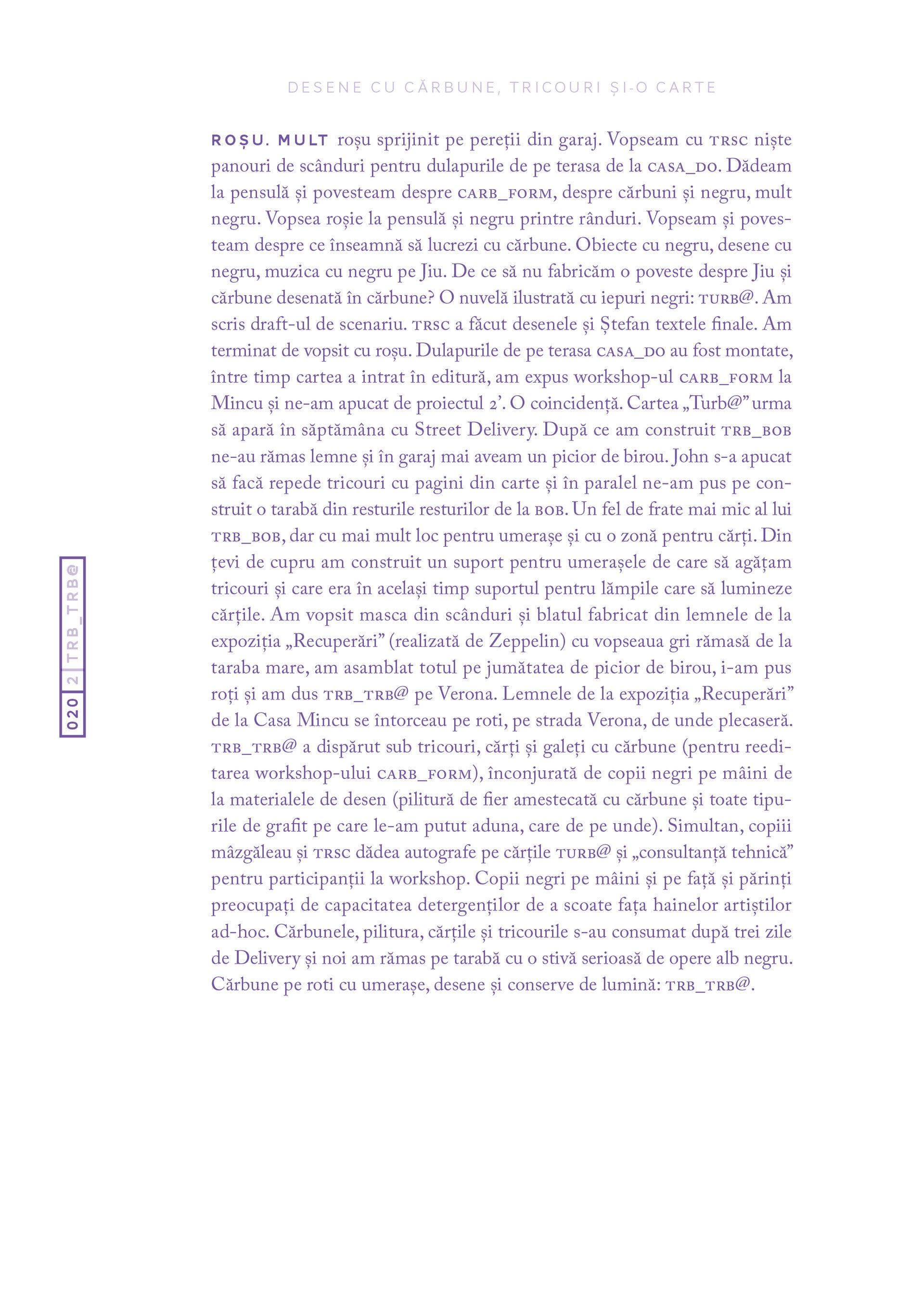
Authors’ Comment
In a fast-moving world you have a job where things must stand still. As
straight as possible. Resisting everything. Especially an earthquake. How so? Like when you lose a football game and you’re benched. A fenced-in field and less than a meter from the goalpost to the fence. You crouch with your back against the fence and knees to your mouth so as not to interfere. What not to interfere with? The players buzzing on the field. They move, and you stand still. And you wait to enter the field to start moving. Meanwhile, the world around moves continuously, and goals get scored. Well, the ball is round.
Spin-arounds all round, and you are trained to set up flagpoles. Well,
how many flagpoles can one set up? Because from so many, a labyrinth
emerges. People dribble through the flagpoles you set up. And instead of participating in the general movement, you add one or two more flagpoles. Just in case it means something to the overall economy of the game. Everyone is on the field, and you build the stands, where others can sit and see how it’s like.
Isn't it better to set things in motion? At least from time to time. On
a small scale, mind you. And if things don’t move around too much, at least you can deceive yourself with the possibility of movement. At some point. At least a meter. There. Something. For fine adjustments. Built to resist, of course. But also, to move a bit.
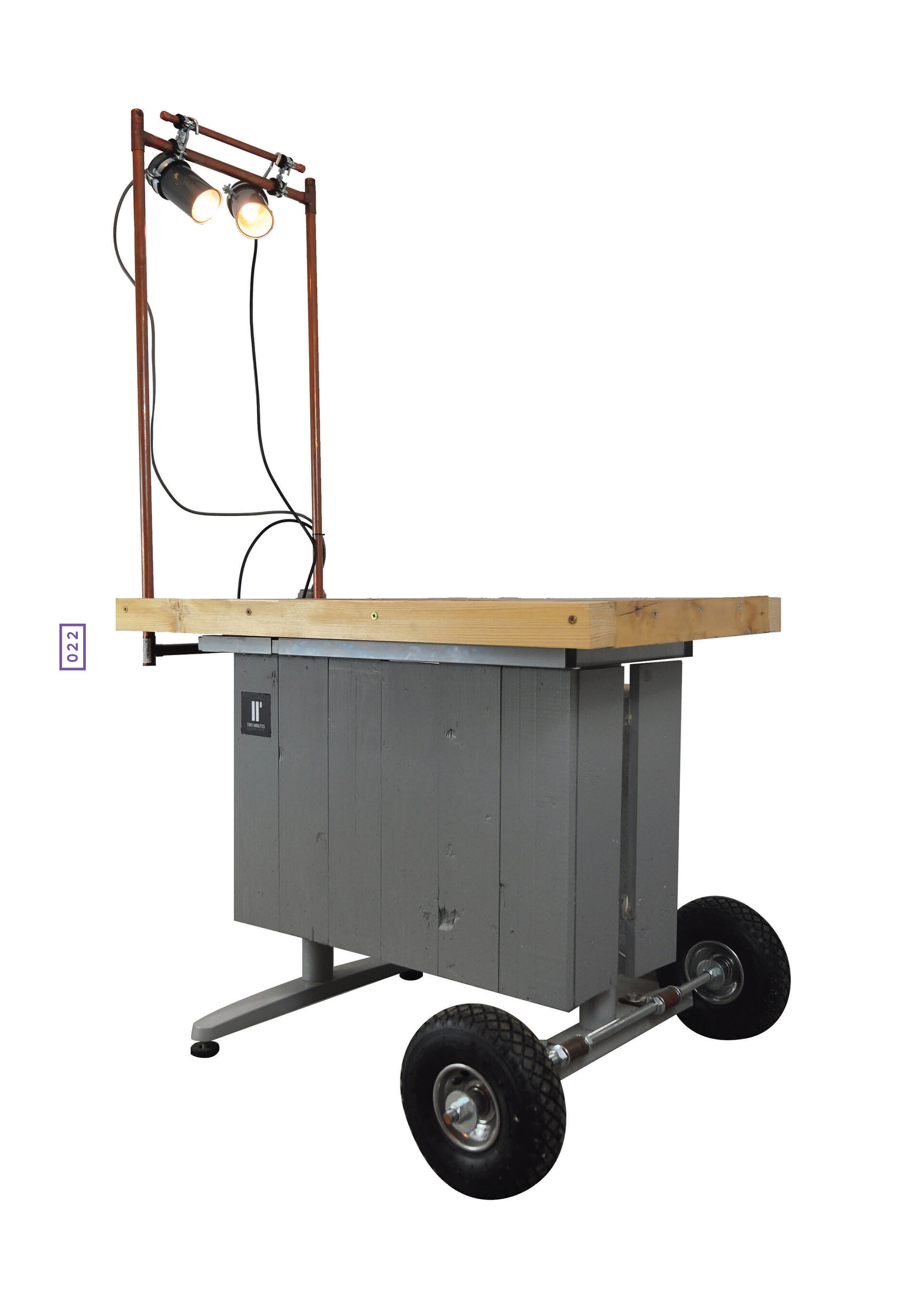
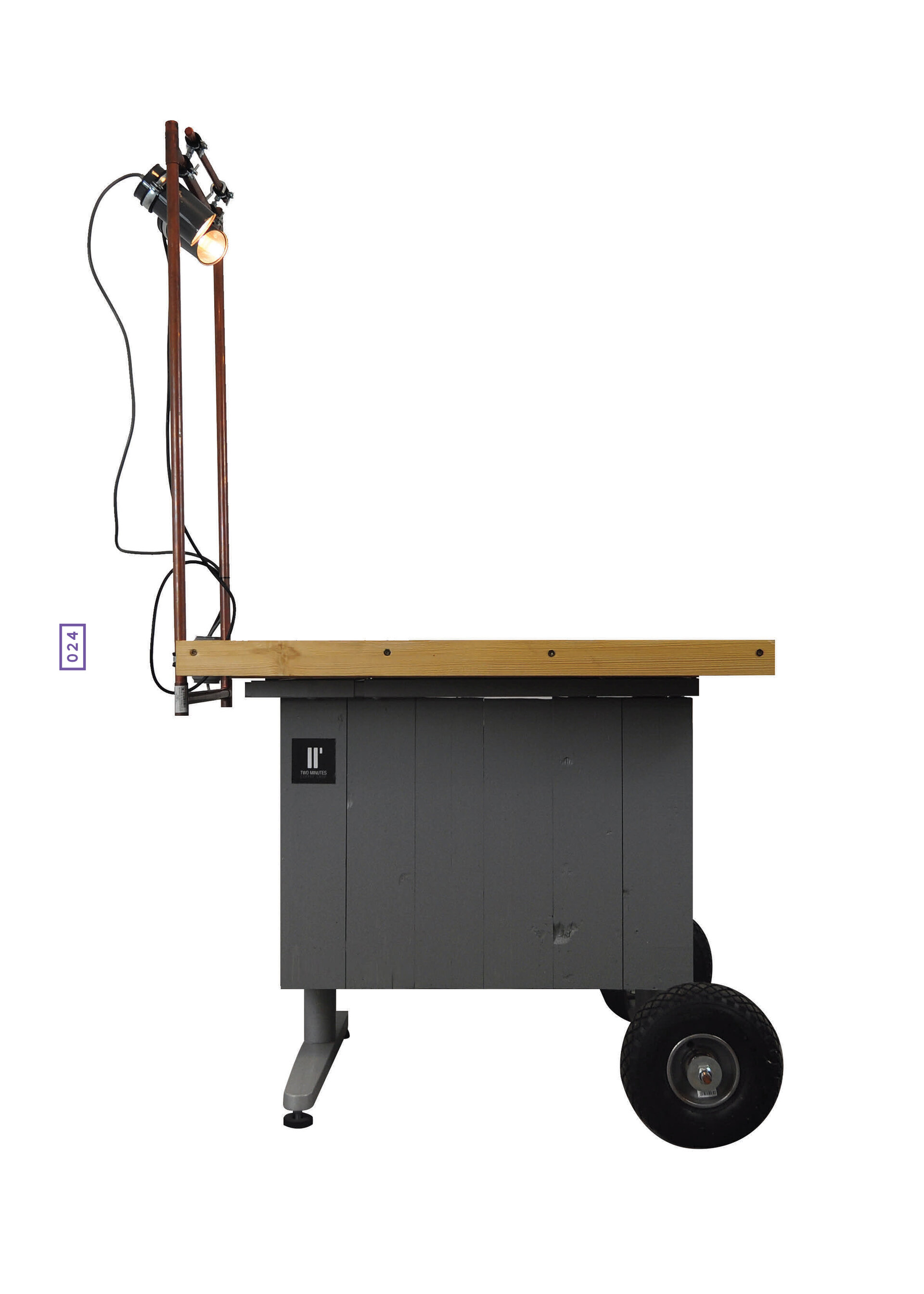
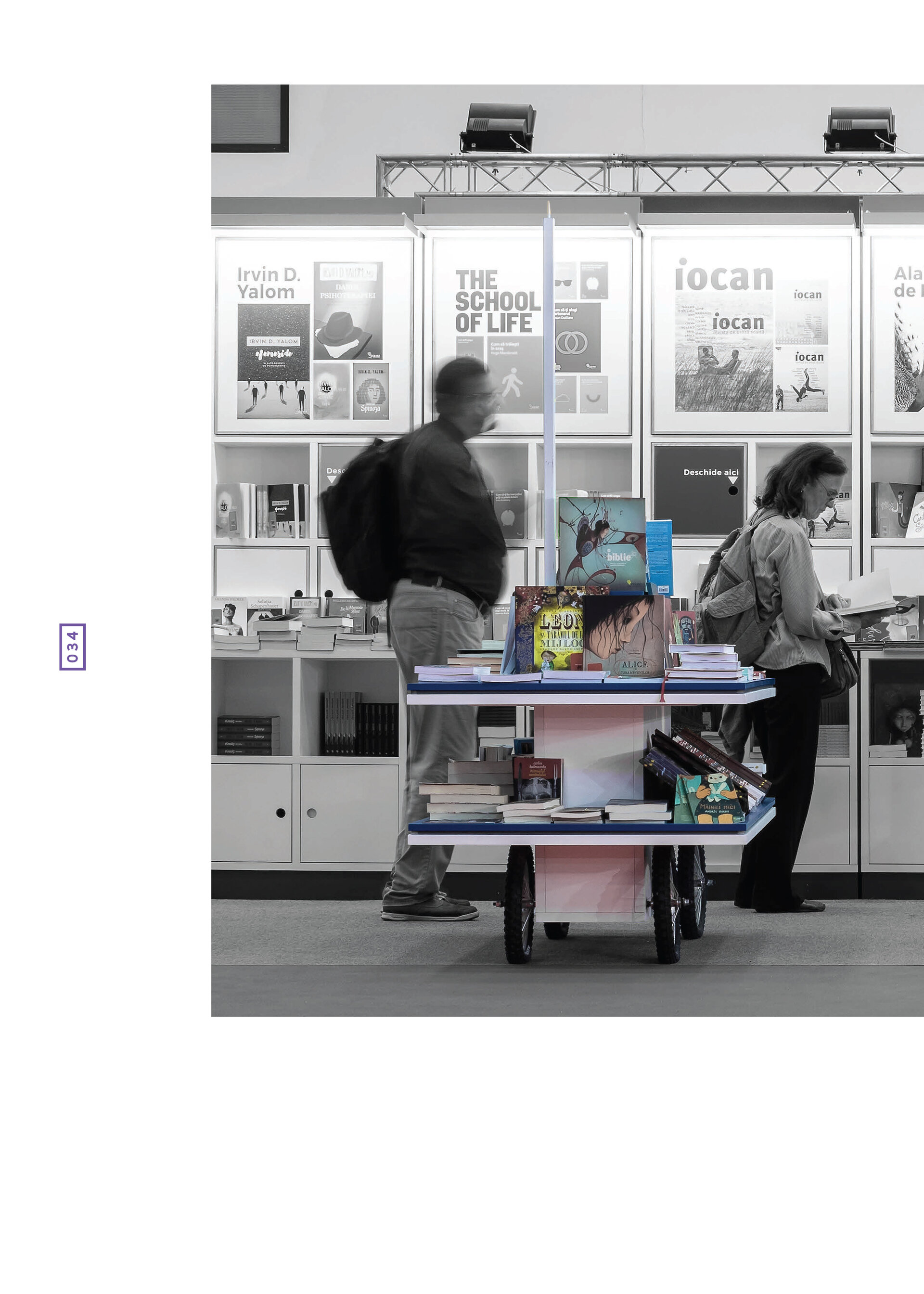
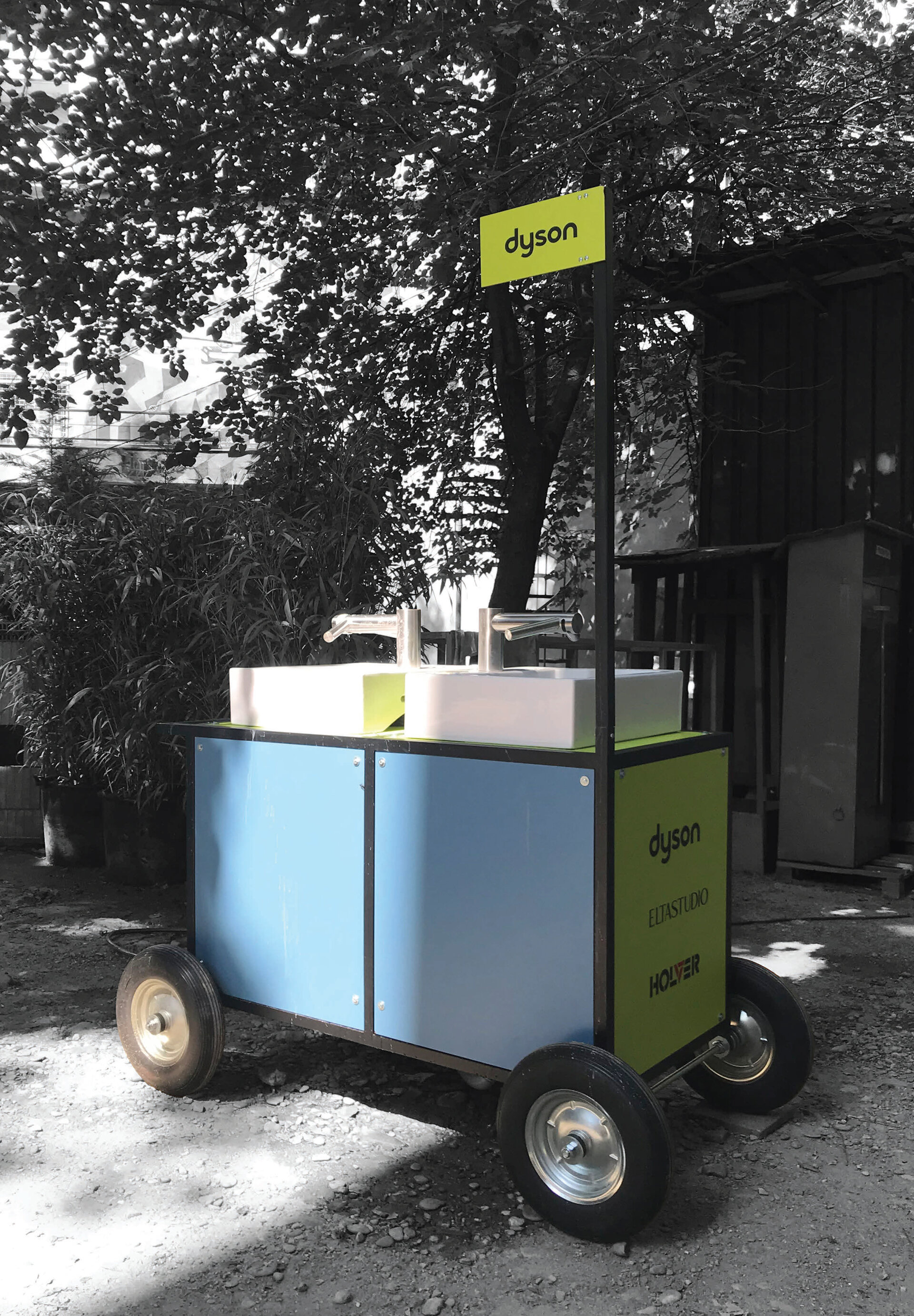
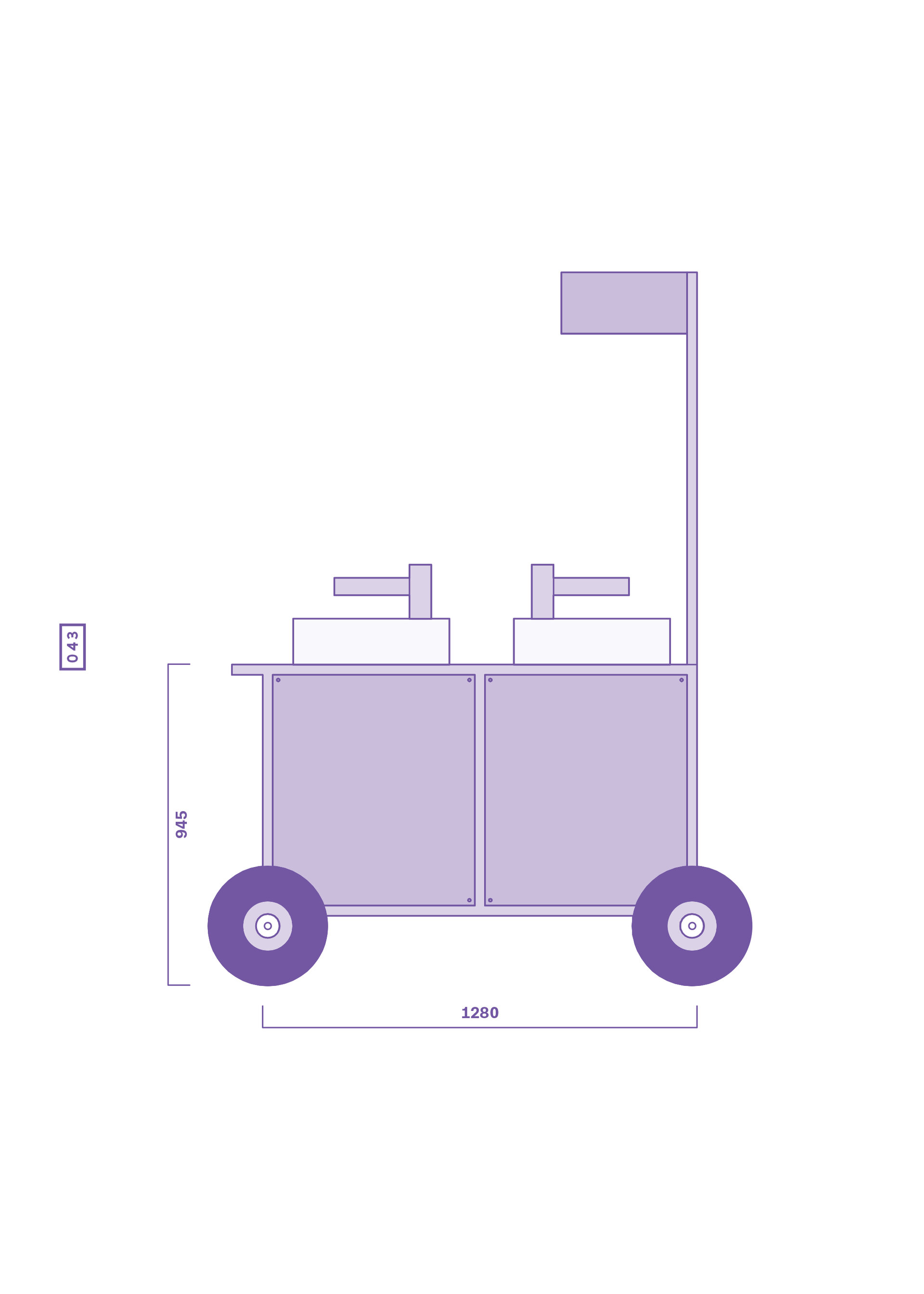
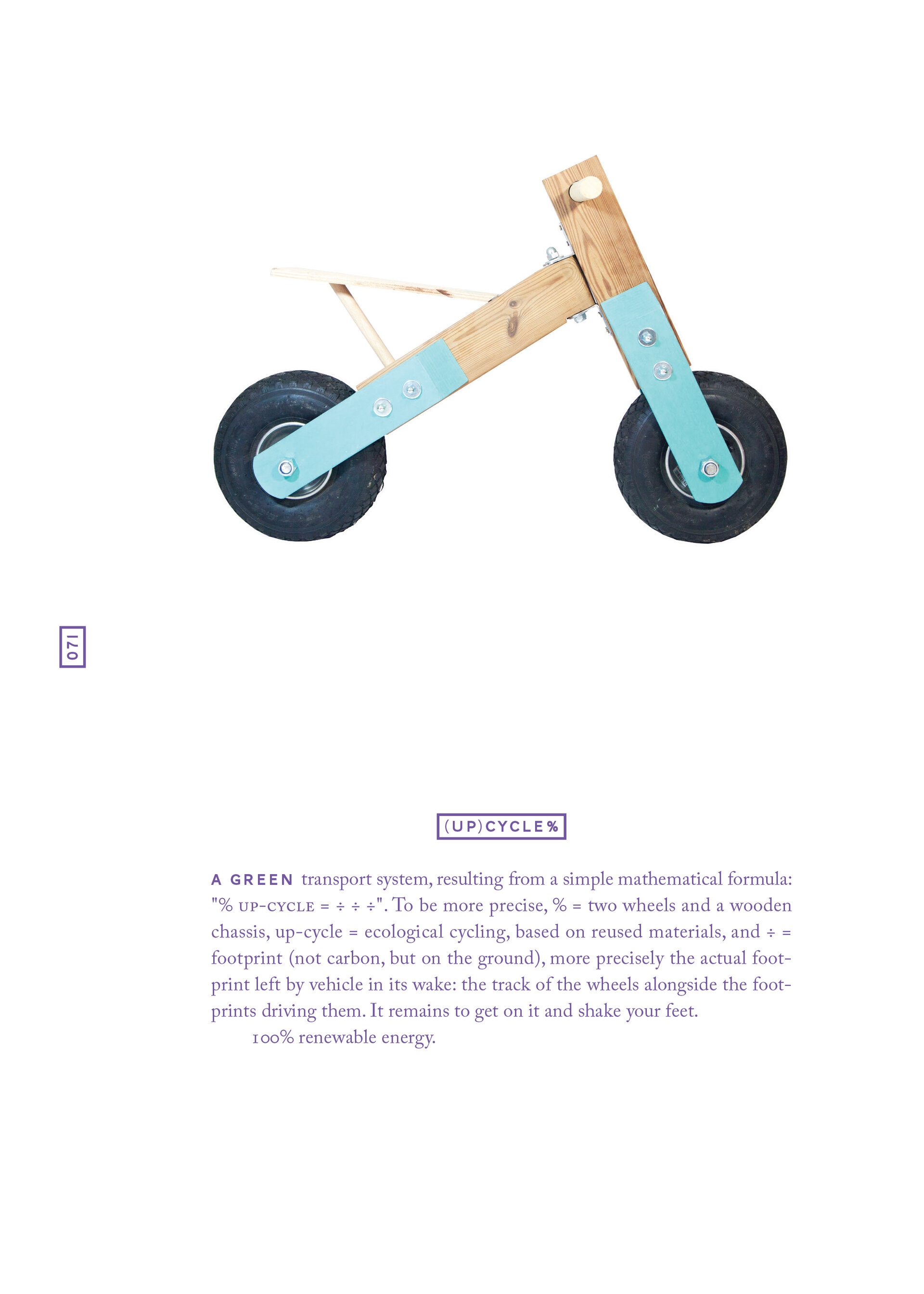
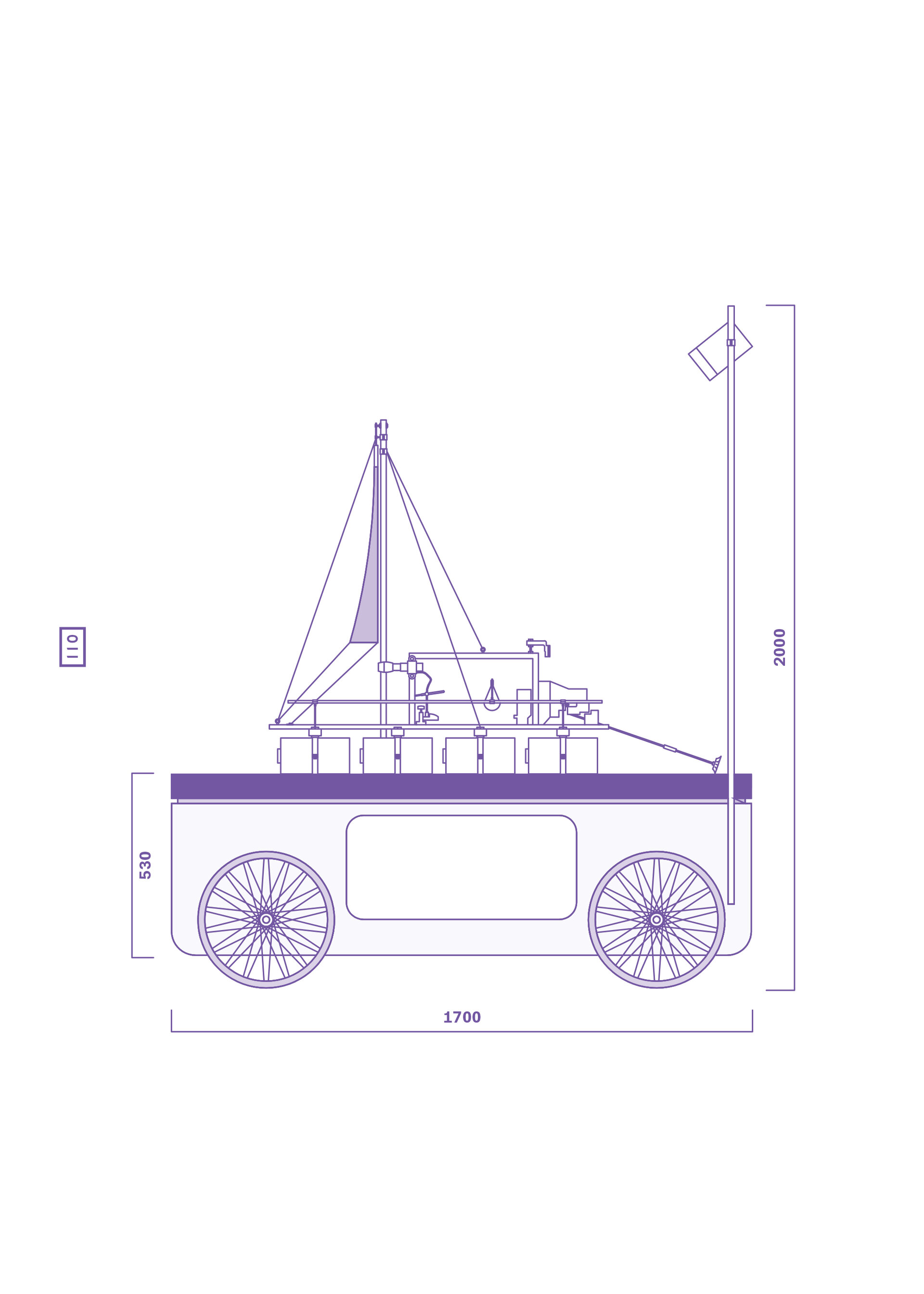
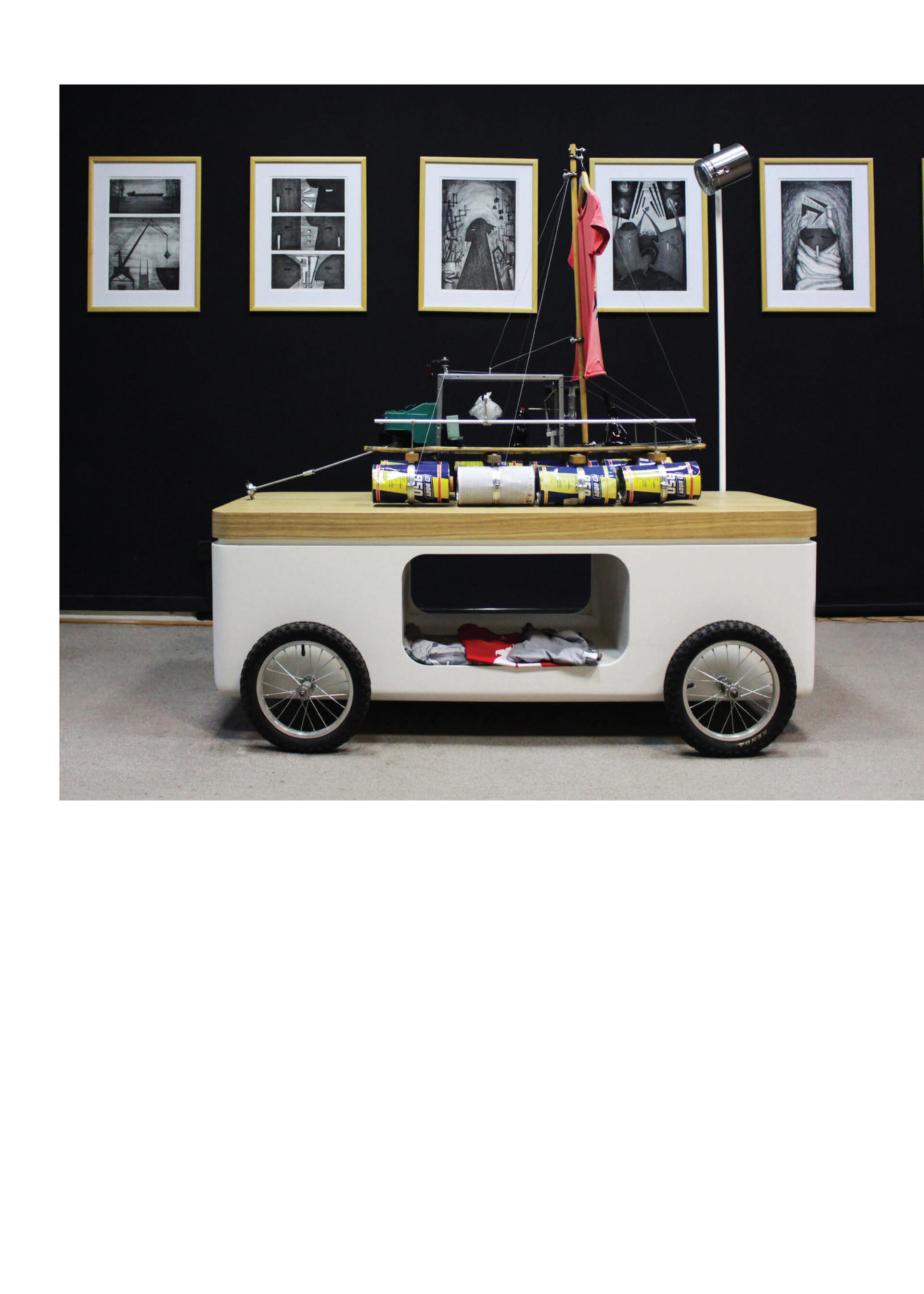
You take the flagpole and put wheels on it. Flagpoles on a stroll. Why
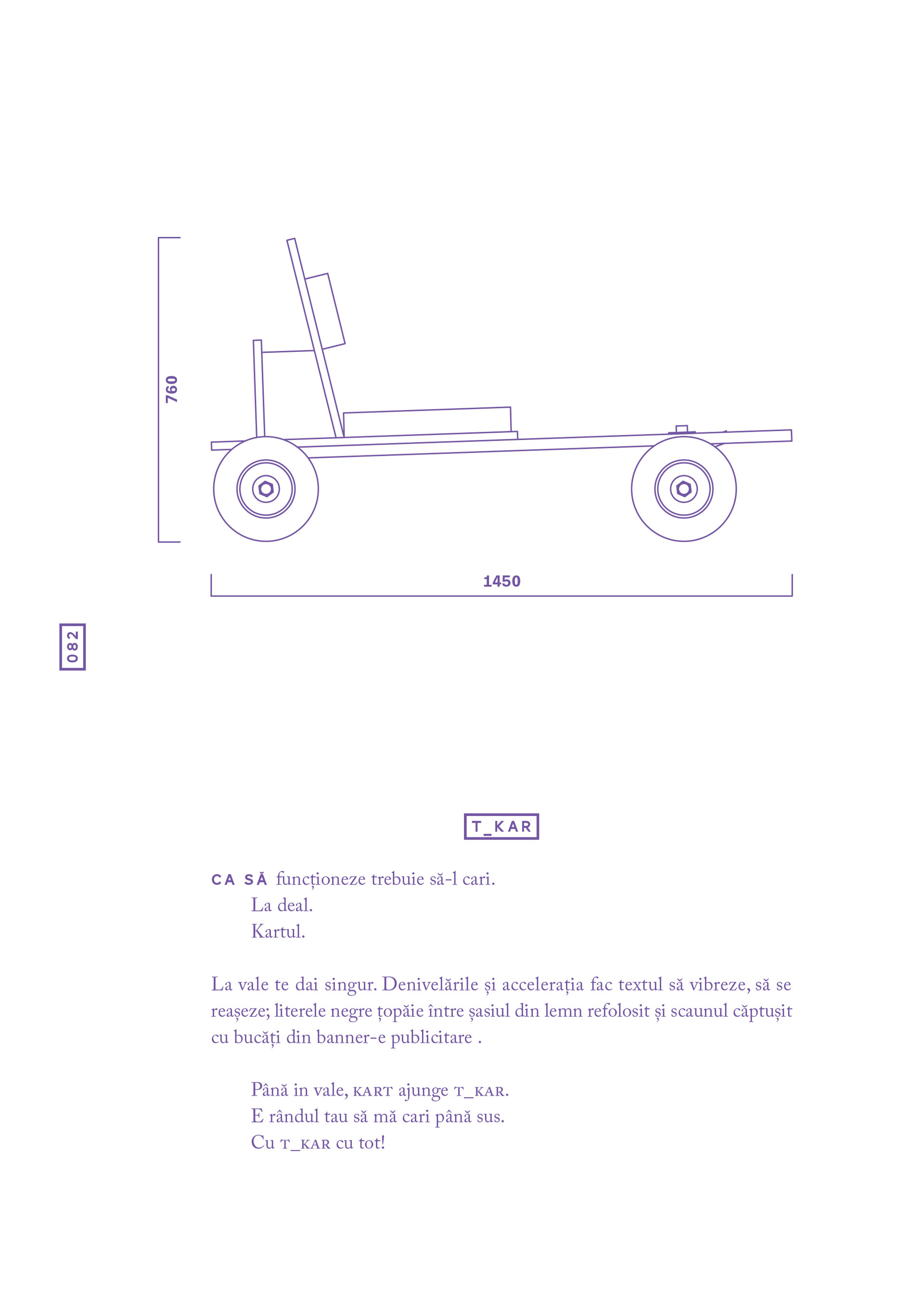
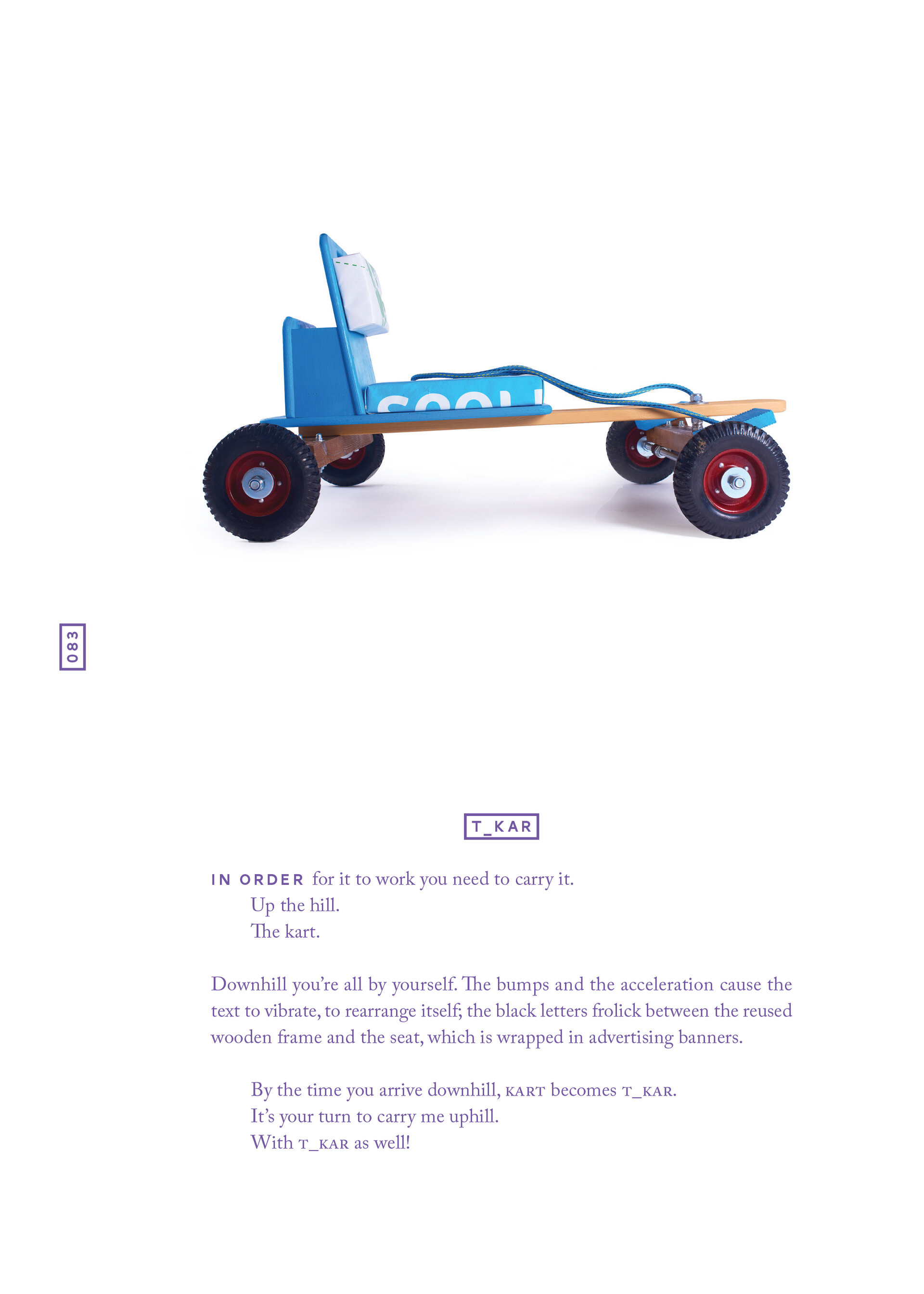
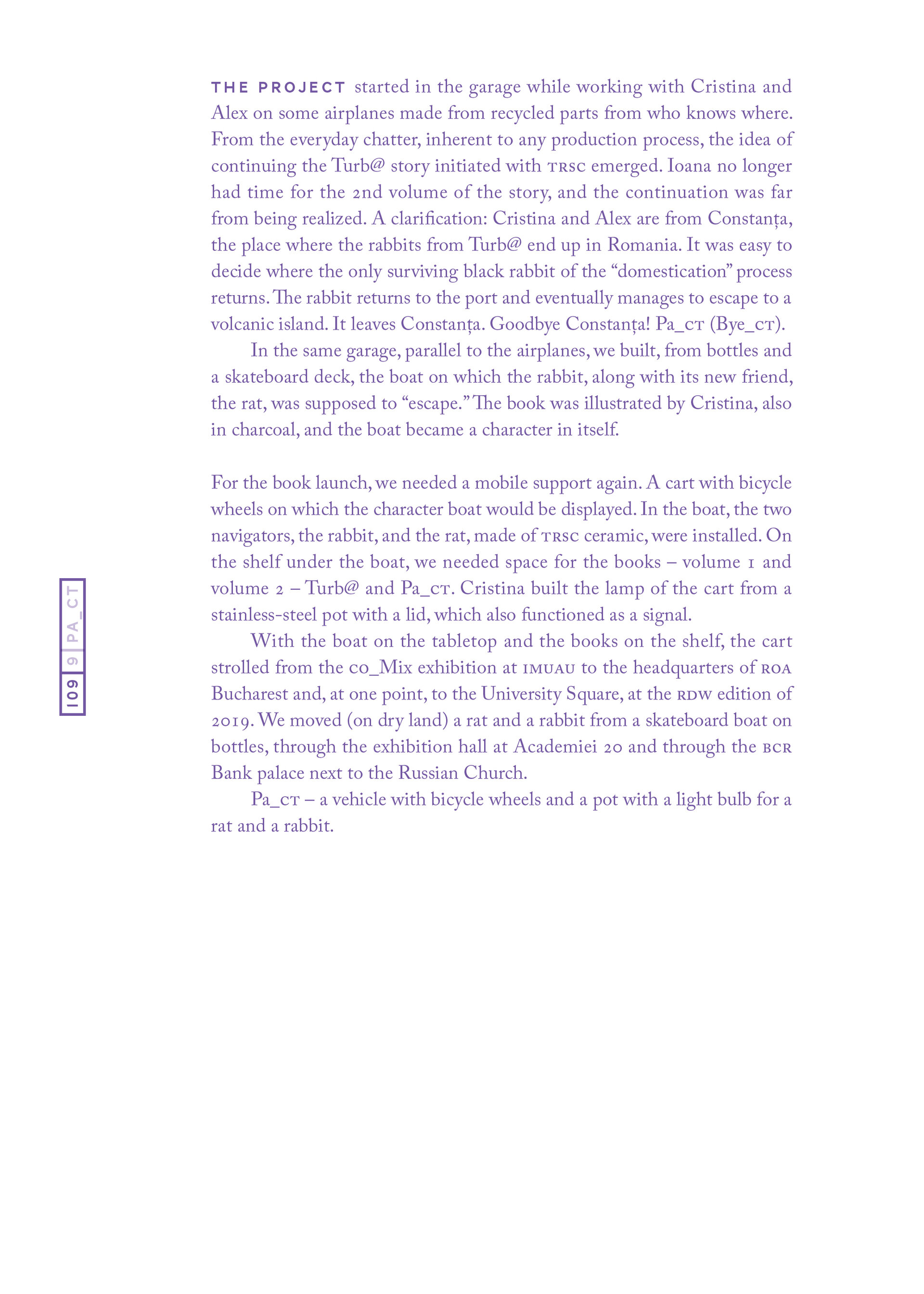
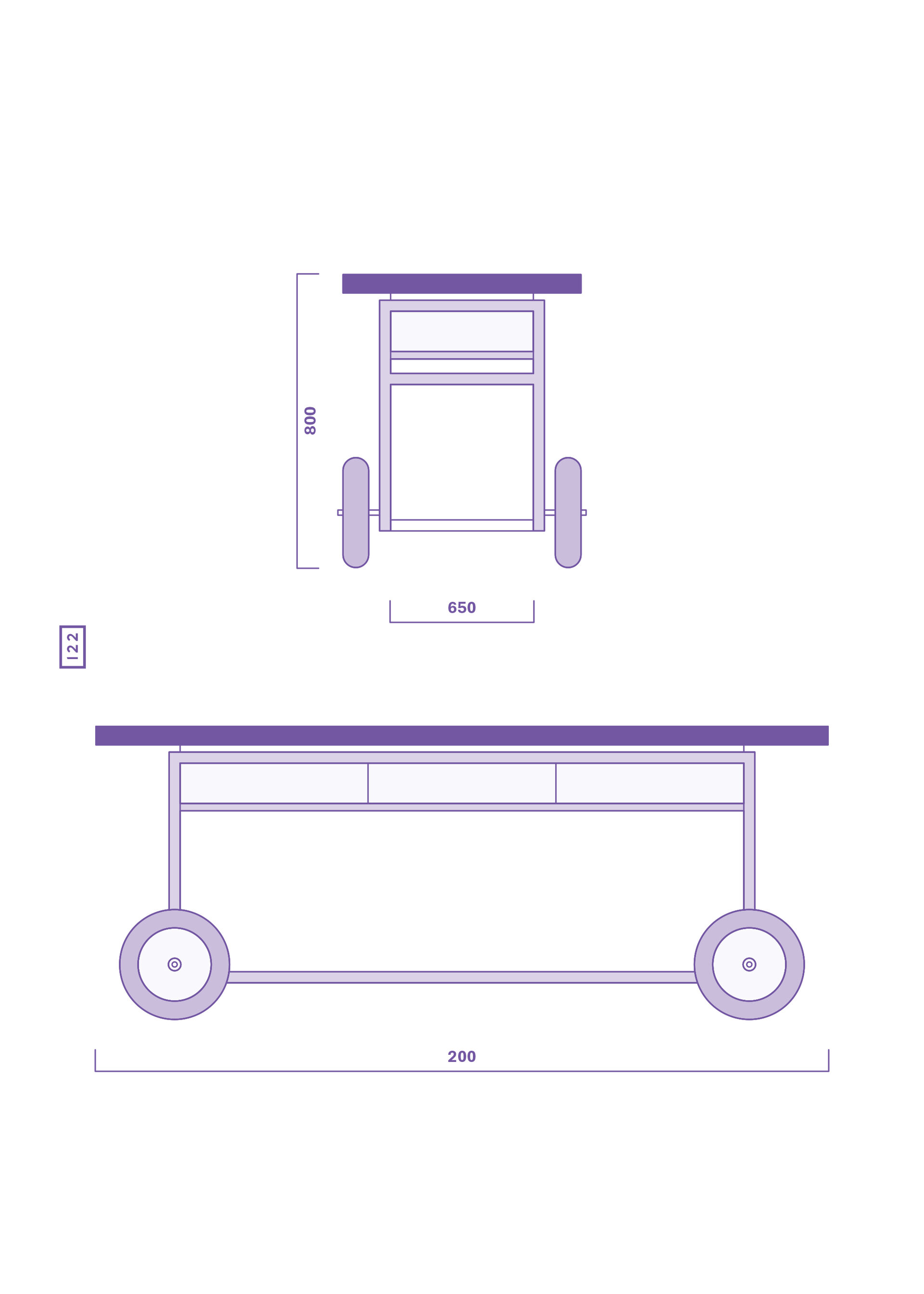
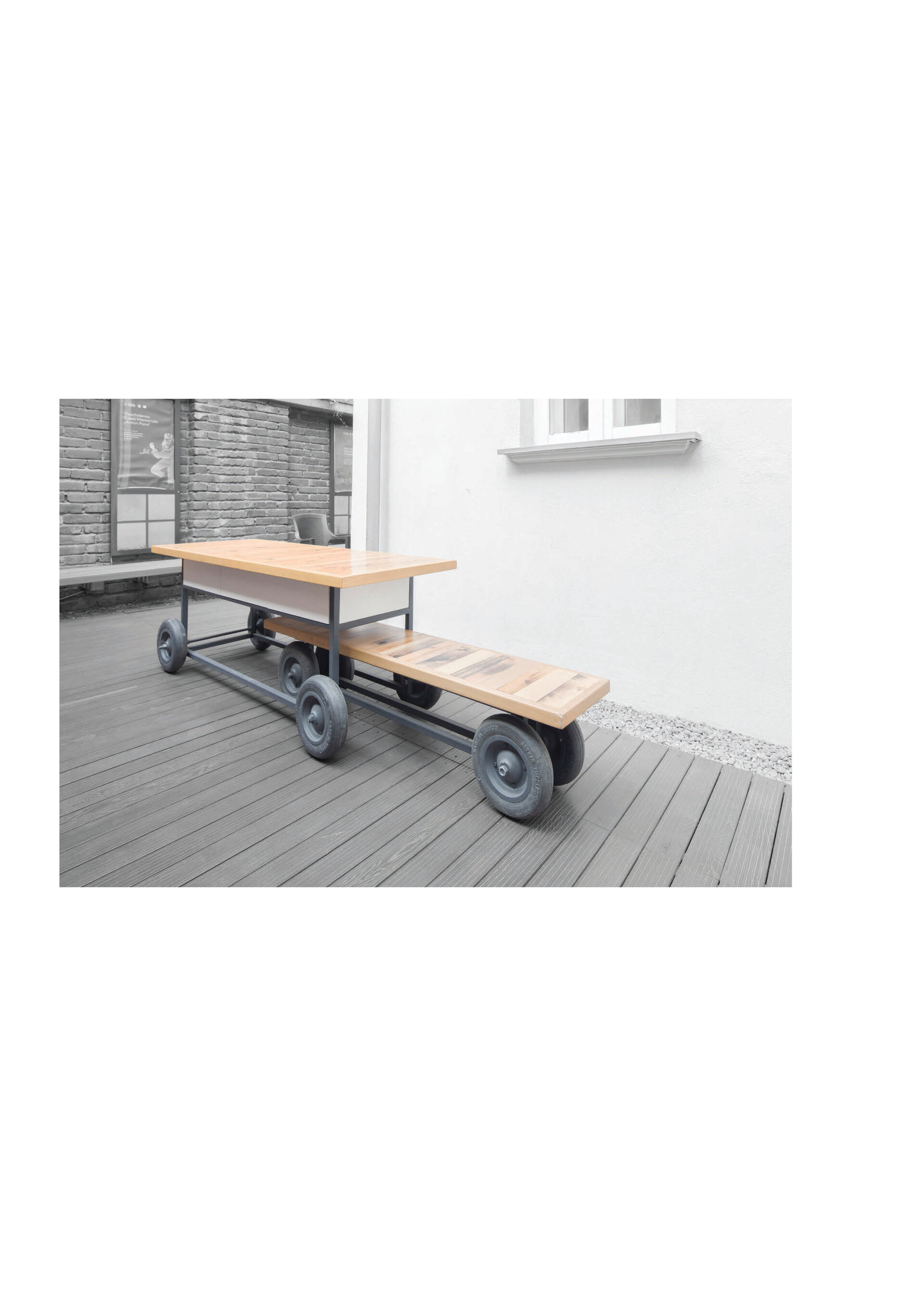
stay still if it can stroll? Or at least it can be strolled. You put one wheel, and it’s already a cart. You put two, and it becomes a cart with two wheels. You put four, and the “complex” vehicle is ready.
After putting wheels once, it’s hard to stop. As will be seen further. The
risk is not to stop. You put wheels on everything. Of any size. Small wheels, relative satisfactions; big wheels, satisfactions of the same size as the rims. Rubber also contributes to the degree of satisfaction, but especially with small wheels. After exceeding a certain size of the wheel, variations in satisfaction intensity are no longer perceived. More precisely, if you put wheels that are too large, you waste time waiting for a reaction. It’s like putting very small wheels.
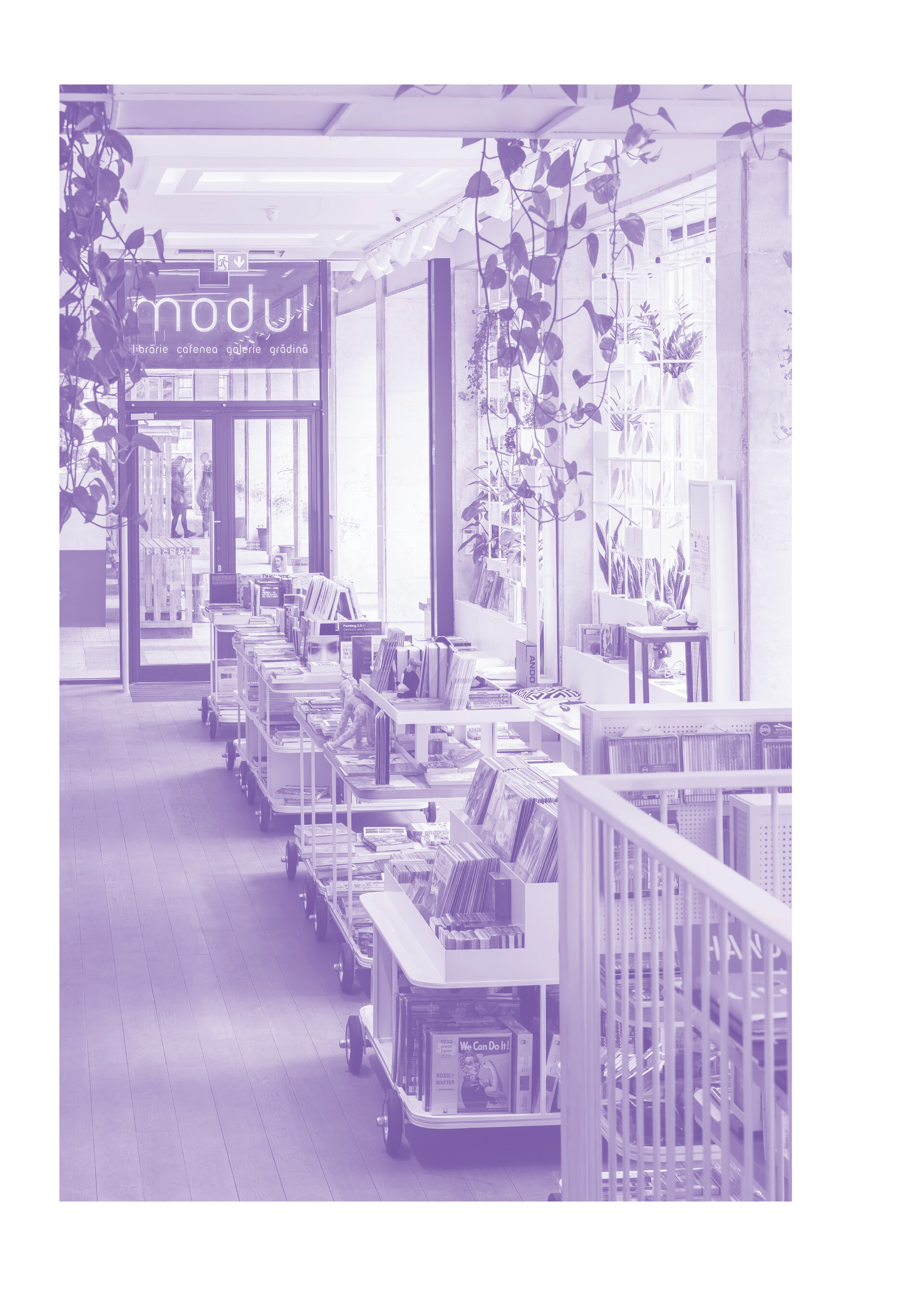
First, small wheels for tables, chairs, crates. Later for stalls of all kinds
that you can stroll to the fair and sometimes through the fair. Later for
notice boards, lamps, benches, bars, and all sorts of other crazy things that you never thought of as strollable. Wheel by wheel, a slightly absurd collection (Dadaist, for snobs) of vehicles that could be moved accumulates. Toys of all medium sizes. Neither too big nor too small. Suitable. All different. It doesn’t make much sense to repeat too many identical pieces of the object you put wheels on. Satisfaction decreases directly proportional to the number of identical pieces you produce.
The more unique vehicles, the more diversified the collection. Who wants
duplicates? Either four or two wheels – depending on what happens to
be needed.
2–0, the riskiest score. You relax and reach 3–2. With the wheels the
same. You think you’re saving, and you see that the assembly isn’t moving.
It’s 2–0, and the gearing doesn’t work. If it doesn’t work, you start having
problems in the return match. The team gets agitated, and the technical
department must intervene. If that doesn’t work either, then the conclusion
is clear: return, meaning redesign. And until it’s a draw, it’s a long way.
Go, redesign, redo, turn. Most of the time on four wheels, other than those
already included in the project.
At 4–0, you’re calm. Things are moving. The team pushes in the same
direction. It doesn’t matter how heavy it gets. The cart, of course. On four
wheels, the difficulties are relative. It’s just 4–0. The only problems that can
arise are unexpected “eliminations.” Something is missing, either a grip, or
a locking nut, or the threaded rod is a centimeter shorter, and the washer
doesn’t fit on the axle. You save on material and a red card appears just when
you least expect it. But at 4–0, the system holds up well. It stays in place.
And it’s important that the return match becomes a formality. Or simply
there’s no need for it. With such a difference…
In any case, whether it’s 2–0 or 4–0, it’s important to spin around
enough to stay in the game. Because the ball is round. And the wheels aretoo. If things are still moving, you can afford to stand still from time to time. Or work with static assemblies. Or design them.
You build a static object with the thought that somewhere, someone
has 4–0. Or 2–0. It depends on who?
Architecture Books

- Inclusive Design. Empathy exercises in the design process
- Topohermeneutics and Architecture: Malpas, Norberg-Schulz, Auret
- At some point - Roundabout architecture
- Four Zero
- Last Year at Marienbad
- The dual element water and the inclusion in architectural programs in the first half of the 20th century
- Another Breach in the Wall. The City as a Common Good.
- Historical Industrial Architecture. Possibilities for Sustainable Recovery. The Case of Timișoara
- Dwelling Together 2. Recent Blocks of Flats by ADN BA


