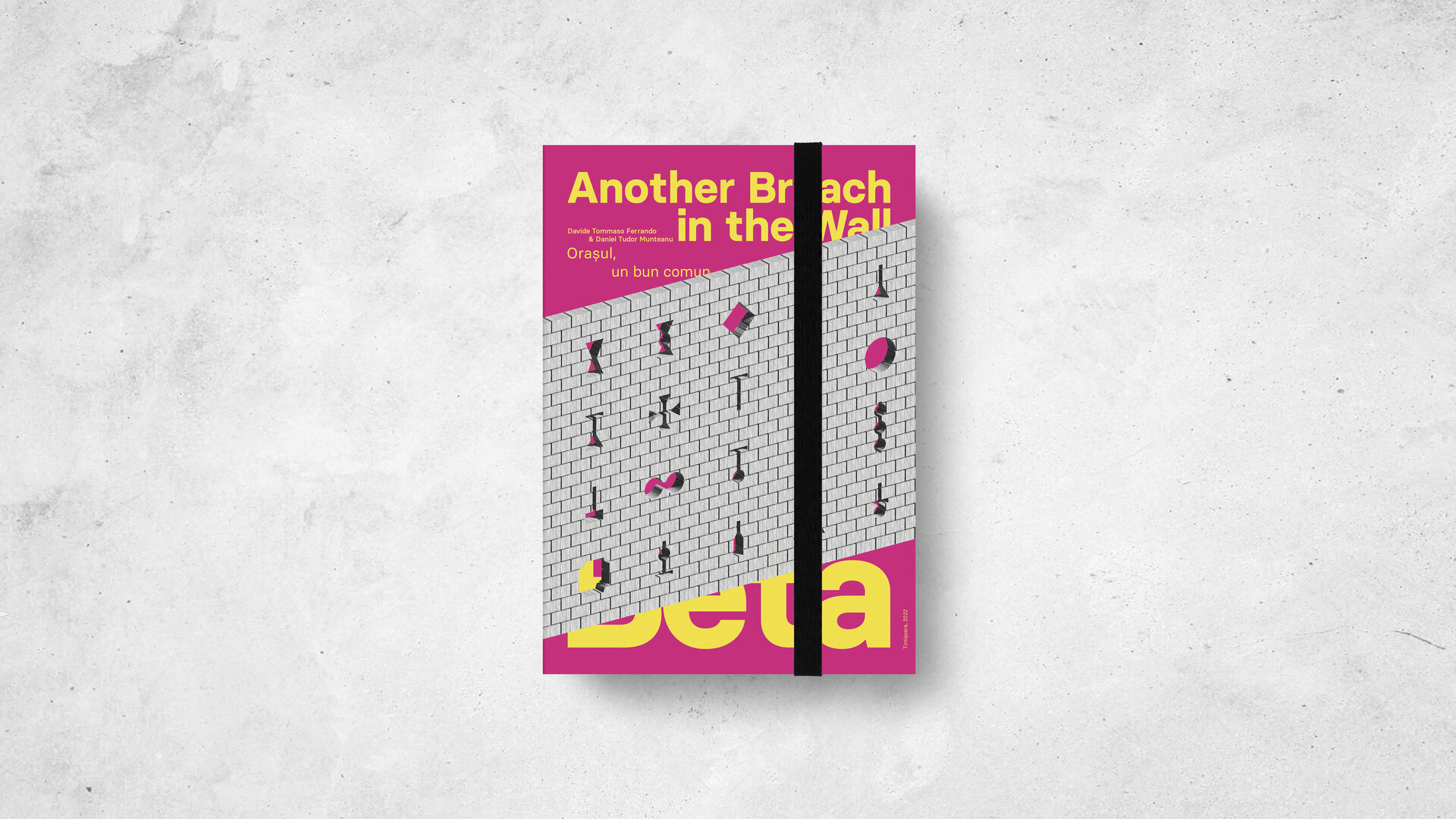
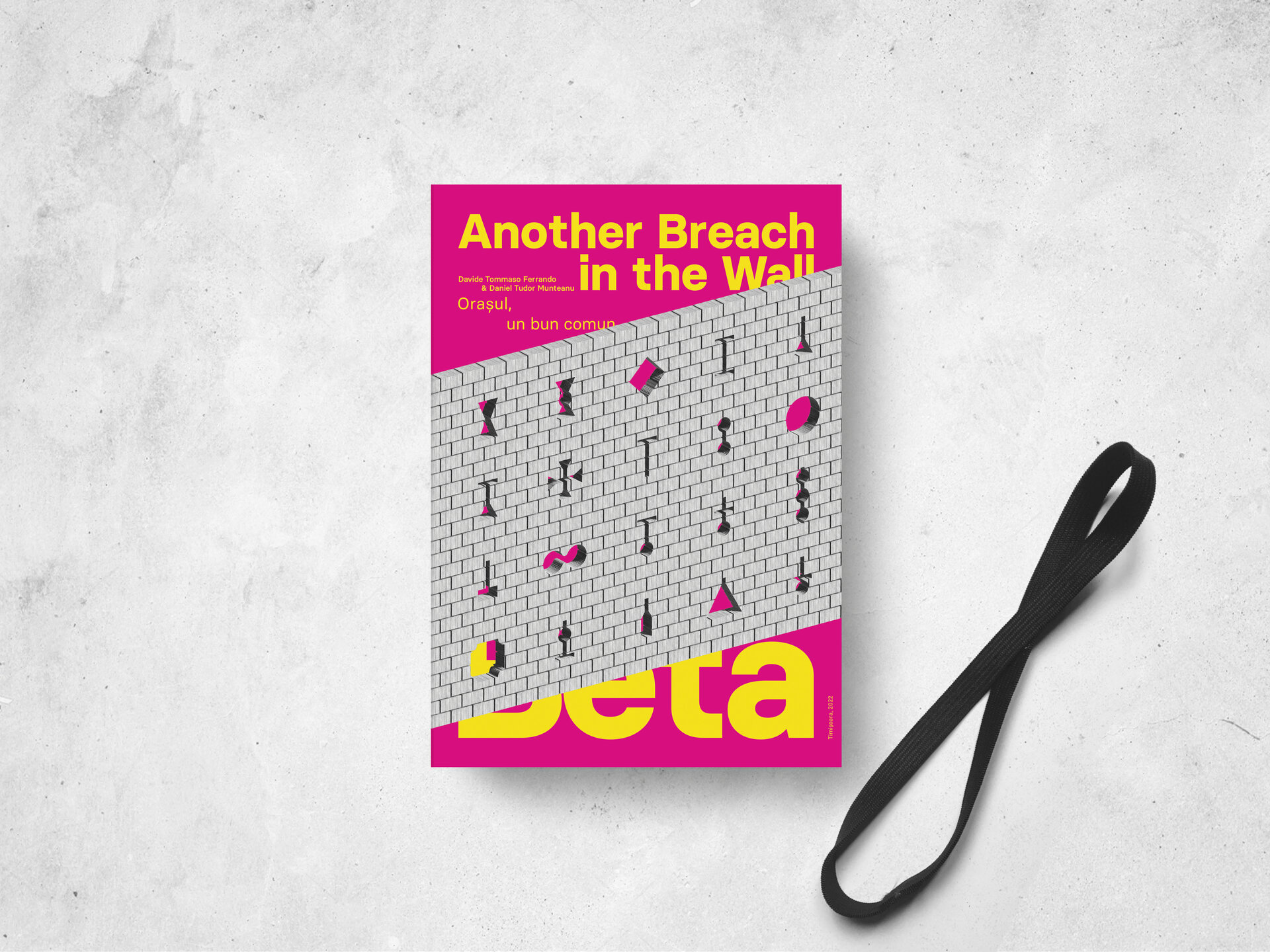
Another Breach in the Wall. The City as a Common Good.
Authors’ Comment
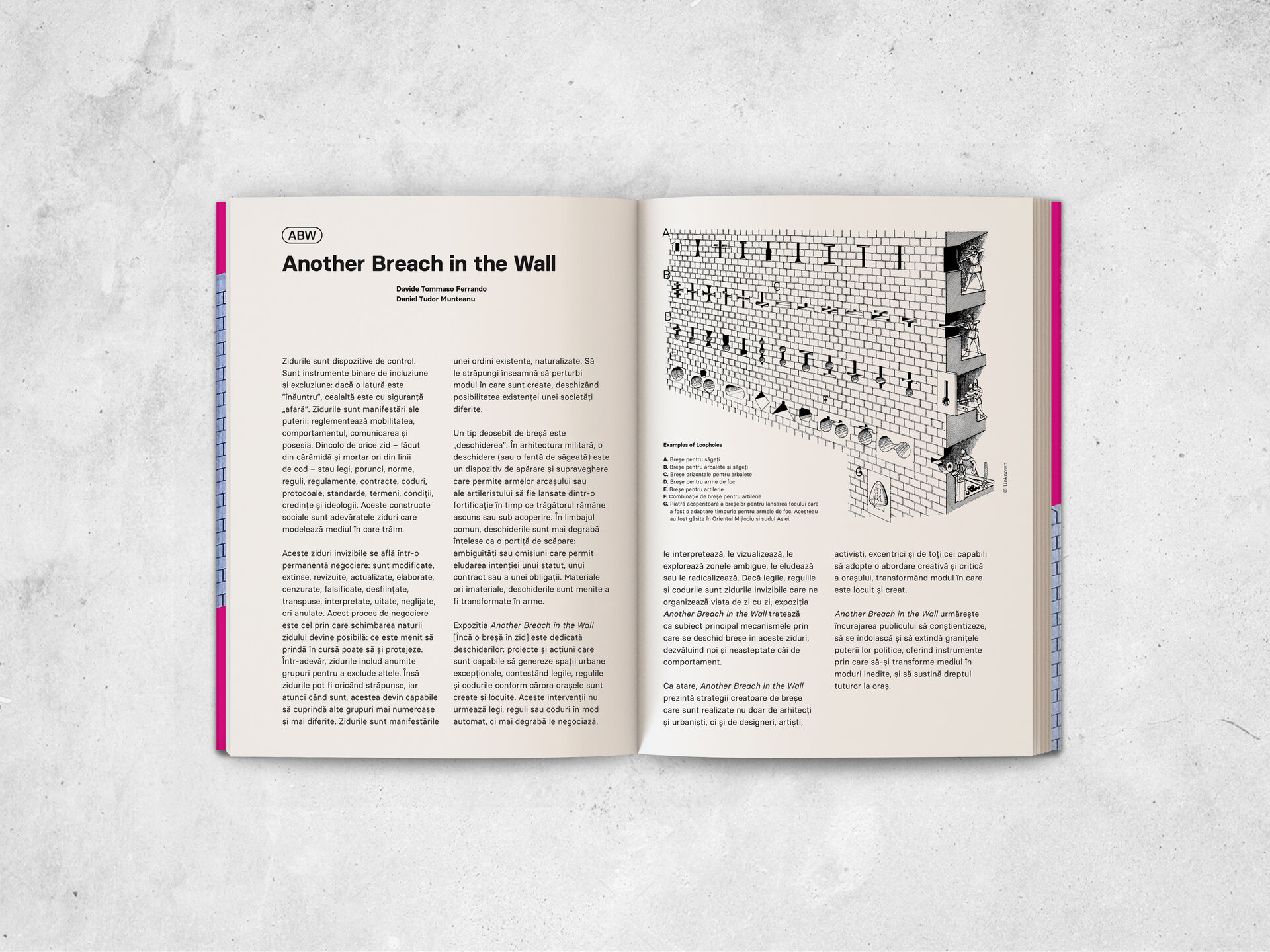
Walls are devices of control. They are binary tools of inclusion and exclusion: if one side is ‘in’, the other is surely ‘out’. Walls are manifestations of power: they regulate mobility, behavior, communication, and ownership. Behind all walls – of brick and mortar or lines of code – stand the laws, commandments, norms, rules, regulations, contracts, codes, protocols, standards, terms, conditions, beliefs, and ideologies. These social constructs are the true walls that shape our environment.
These invisible walls are in perpetual negotiation: they are amended, expanded, revised, updated, compiled, censored, forged, erased, translated, interpreted, forgotten, neglected, or canceled. It is only through this process of negotiation, that it becomes possible to change the nature of a wall: what was there to entrap, can also protect. Indeed, walls enclose certain groups of people to exclude others. But walls can always be breached, and when they are, they become capable of embracing more numerous and more different groups. Walls are the manifestations of the existing, naturalized order. To breach them means to disrupt the way in which they are made, opening the possibility for a different society to exist.
A particular kind of breach is the ‘loophole’. In military architecture, a loophole (or arrow-slit) is a device for defense and surveillance that allows archer or gunner weapons to be fired out from a fortification while the shooter remains unseen and under cover. In common language, loopholes are rather understood as means of escape: ambiguities or omissions which allow the intent of a statute, a contract, or an obligation to be evaded. Material or immaterial, loopholes are meant to be weaponized.
“Another Breach in the Wall” is dedicated to loopholes: projects and actions that are capable of generating exceptional urban spaces by questioning the laws, rules, and codes according to which cities are produced and inhabited. These interventions do not follow laws, rules, and codes by default, but rather negotiate them, reinterpret them, visualize them, exploit their gray areas, evade them, or radicalize them. If laws, rules, and codes are the invisible walls that organize our everyday life, the object of “Another Breach in the Wall” are the loopholes by means of which breaches are opened through these walls, making new and unexpected paths of behavior possible.
As such, “Another Breach in the Wall” exhibits breaching strategies that are not only performed by architects and planners but also by designers, artists, activists, excentrics, and all those who are capable of adopting a creative and critical approach to the city, transforming the way in which it is inhabited and produced.
The aim of “Another Breach in the Wall” is thus to make people acknowledge, question, and expand the boundaries of their political agency, empowering them to transform their environment in disruptive ways, and affirming everyone’s right to the city.
—
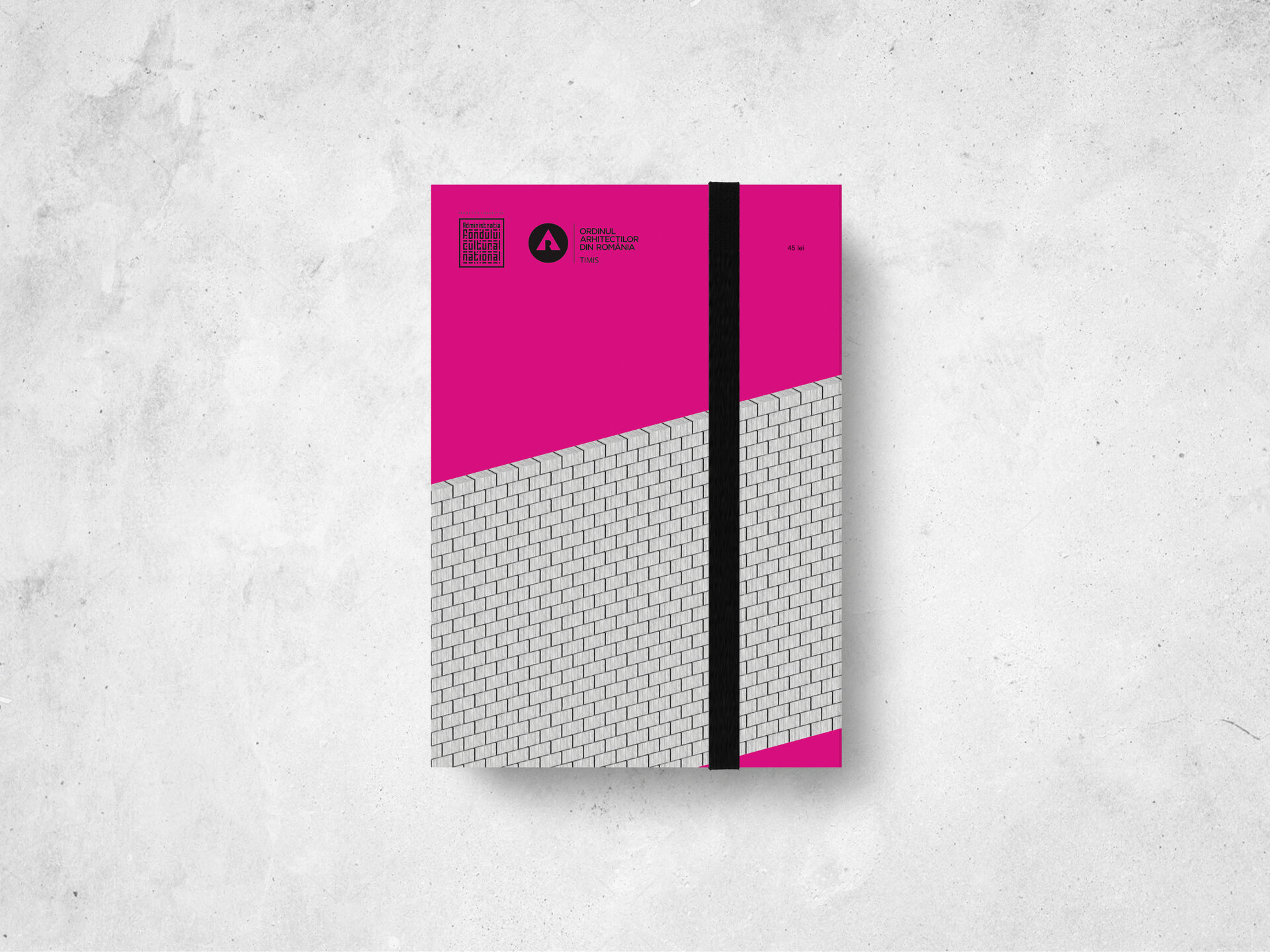
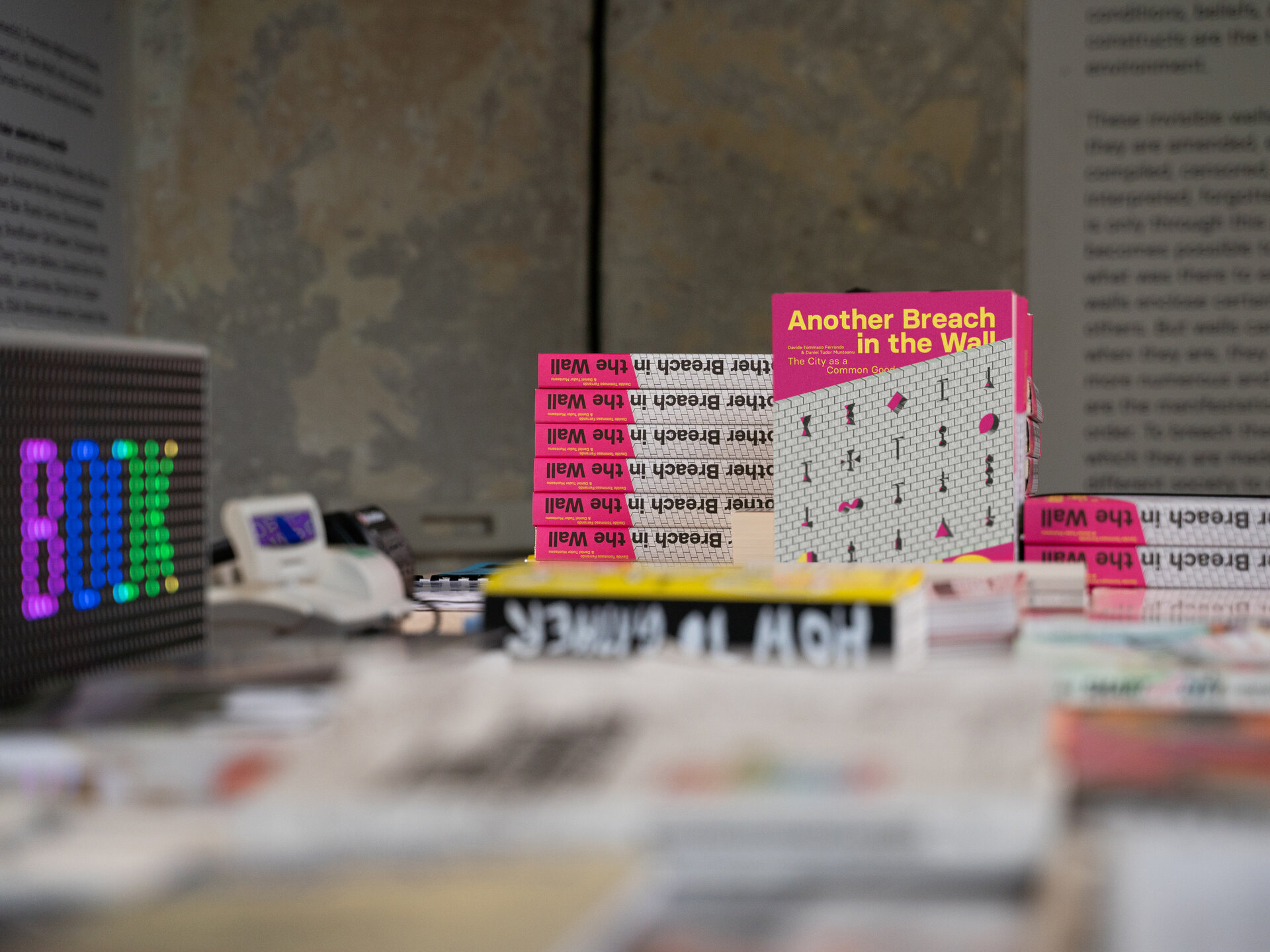
This book documents and complements the “Another Breach in the Wall” exhibition curated by Daniel Tudor Munteanu and Davide Tommaso Ferrando for the Beta 2022 Timișoara Architecture Biennial.
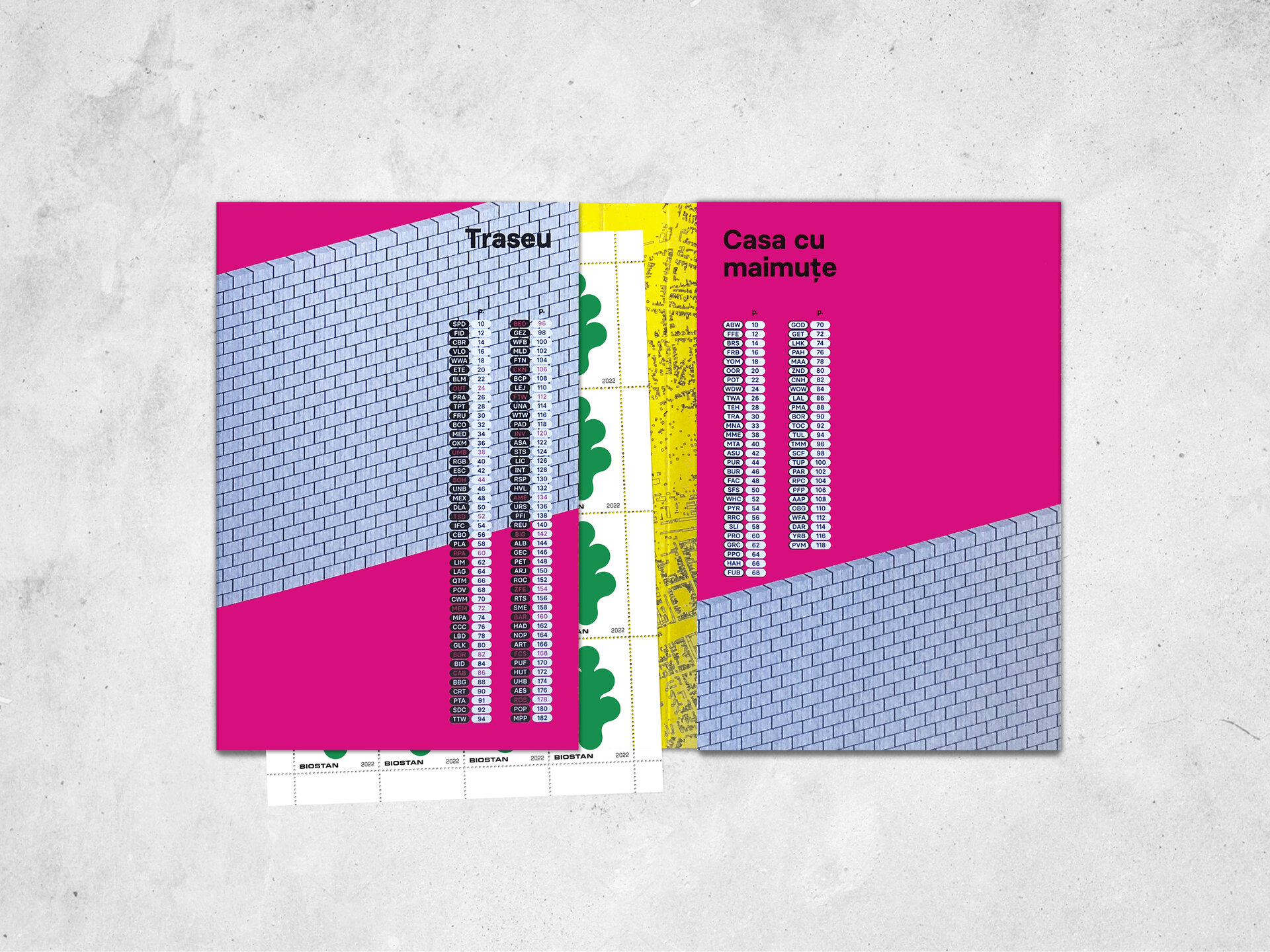
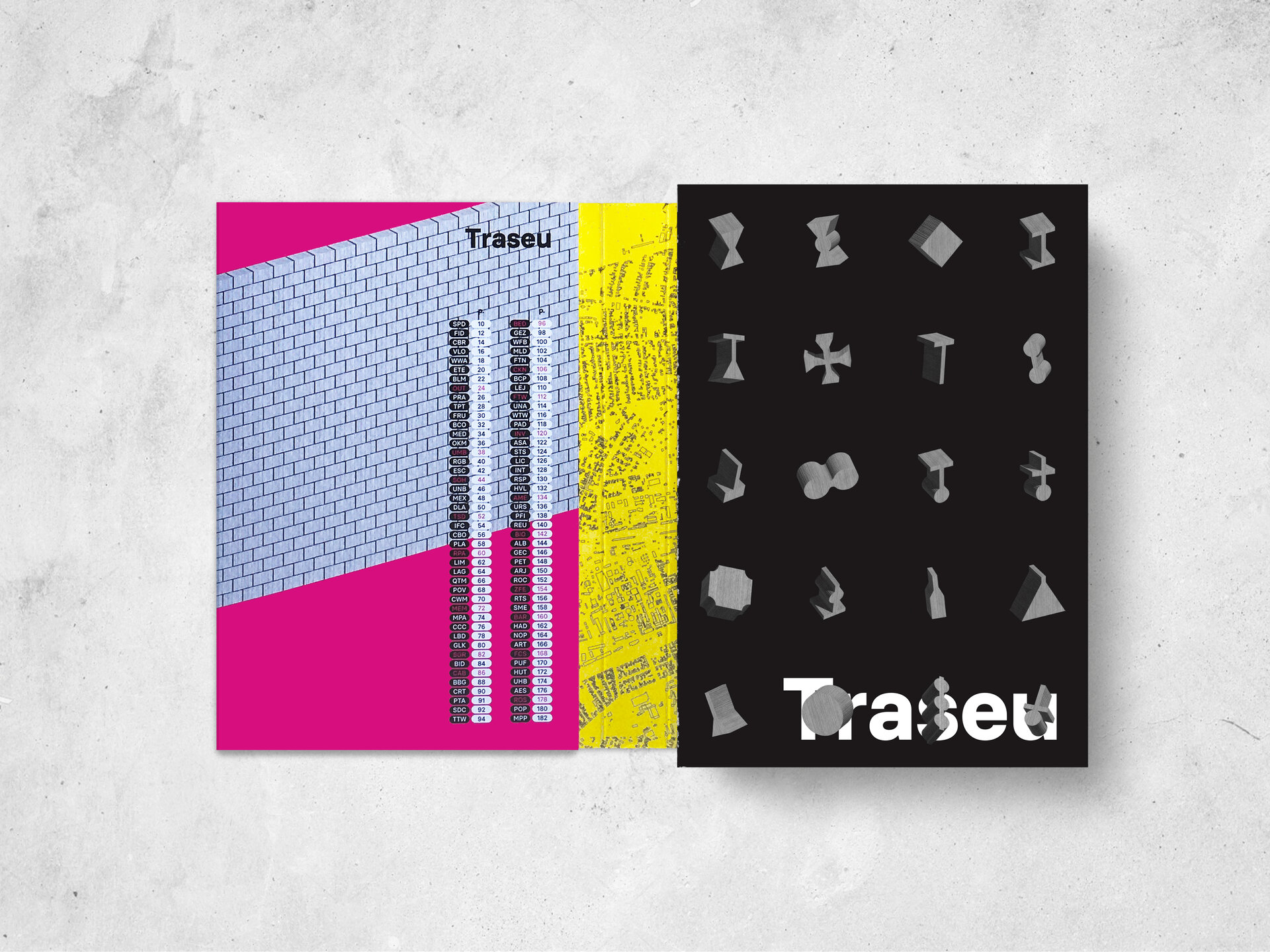
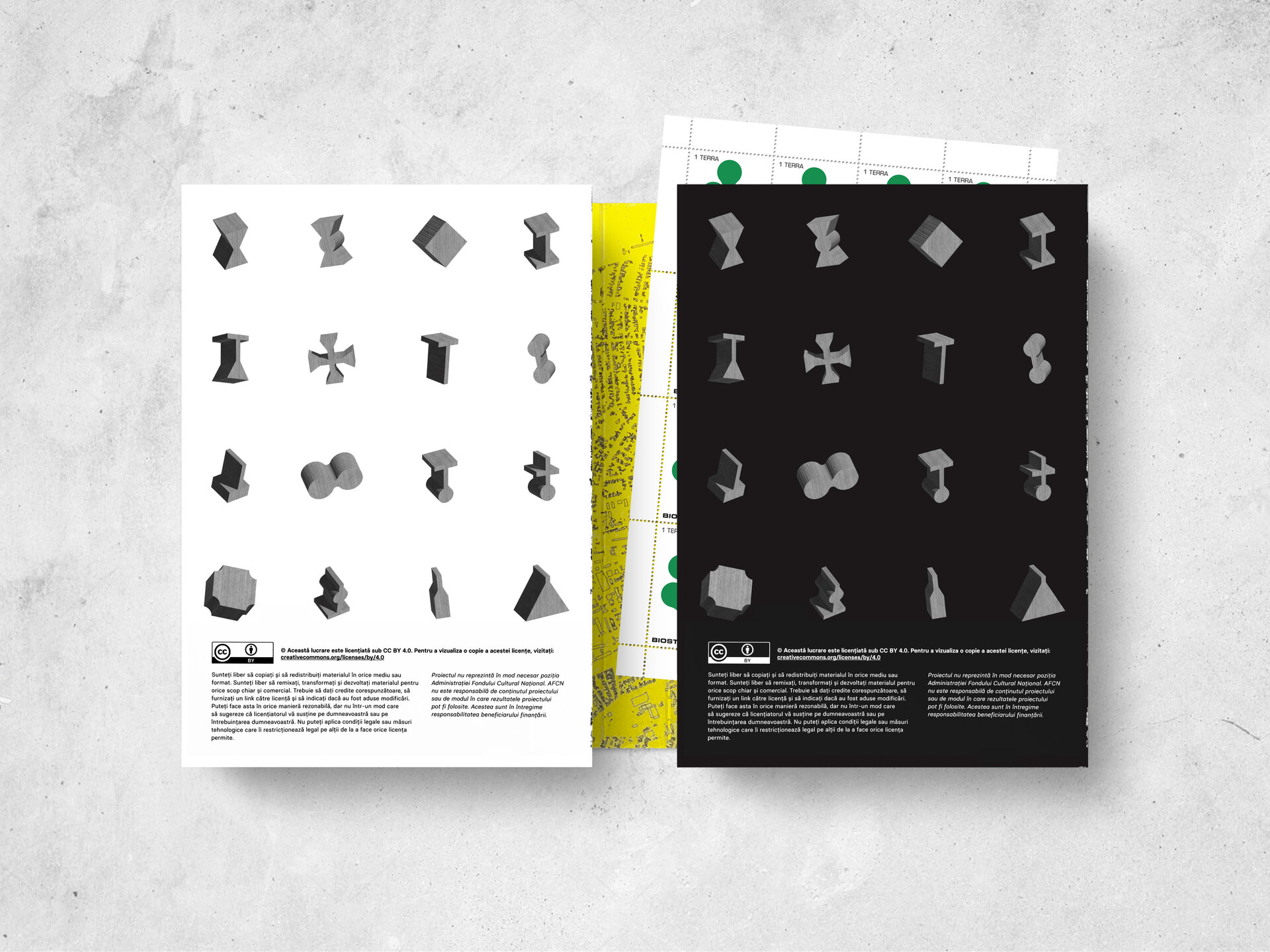
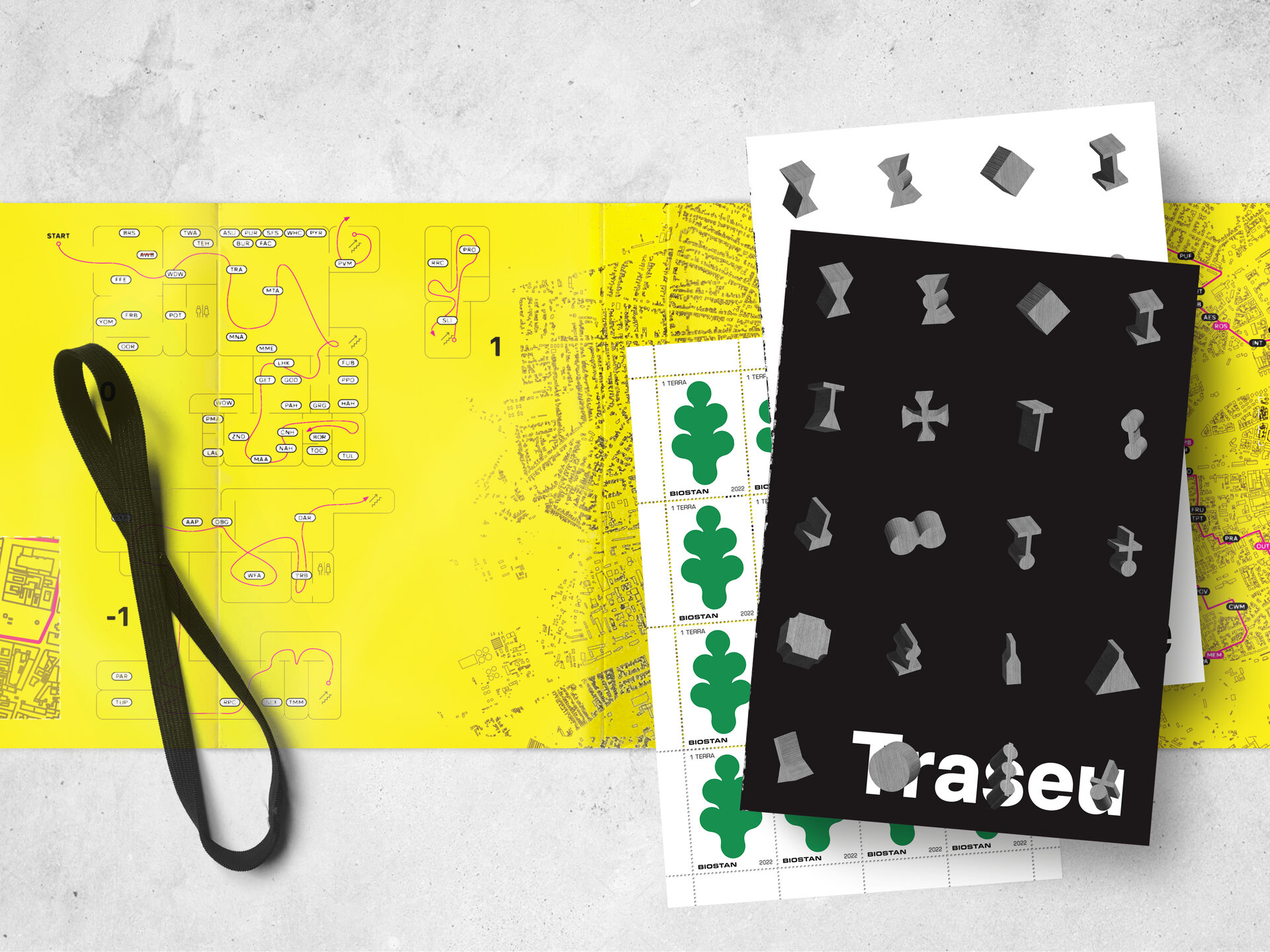
The book is divided in two volumes, one for the indoor part of the show ("Monkey House") and the other for the exhibition in public space ("Trail"). The two volumes are held together by a foldout cover that doubles as a map.
Each book contains a unique sheet of stamps designed by Jorie Horsthuis and Floor Koomen.




Architecture Books

- Inclusive Design. Empathy exercises in the design process
- Topohermeneutics and Architecture: Malpas, Norberg-Schulz, Auret
- At some point - Roundabout architecture
- Four Zero
- Last Year at Marienbad
- The dual element water and the inclusion in architectural programs in the first half of the 20th century
- Another Breach in the Wall. The City as a Common Good.
- Historical Industrial Architecture. Possibilities for Sustainable Recovery. The Case of Timișoara
- Dwelling Together 2. Recent Blocks of Flats by ADN BA


