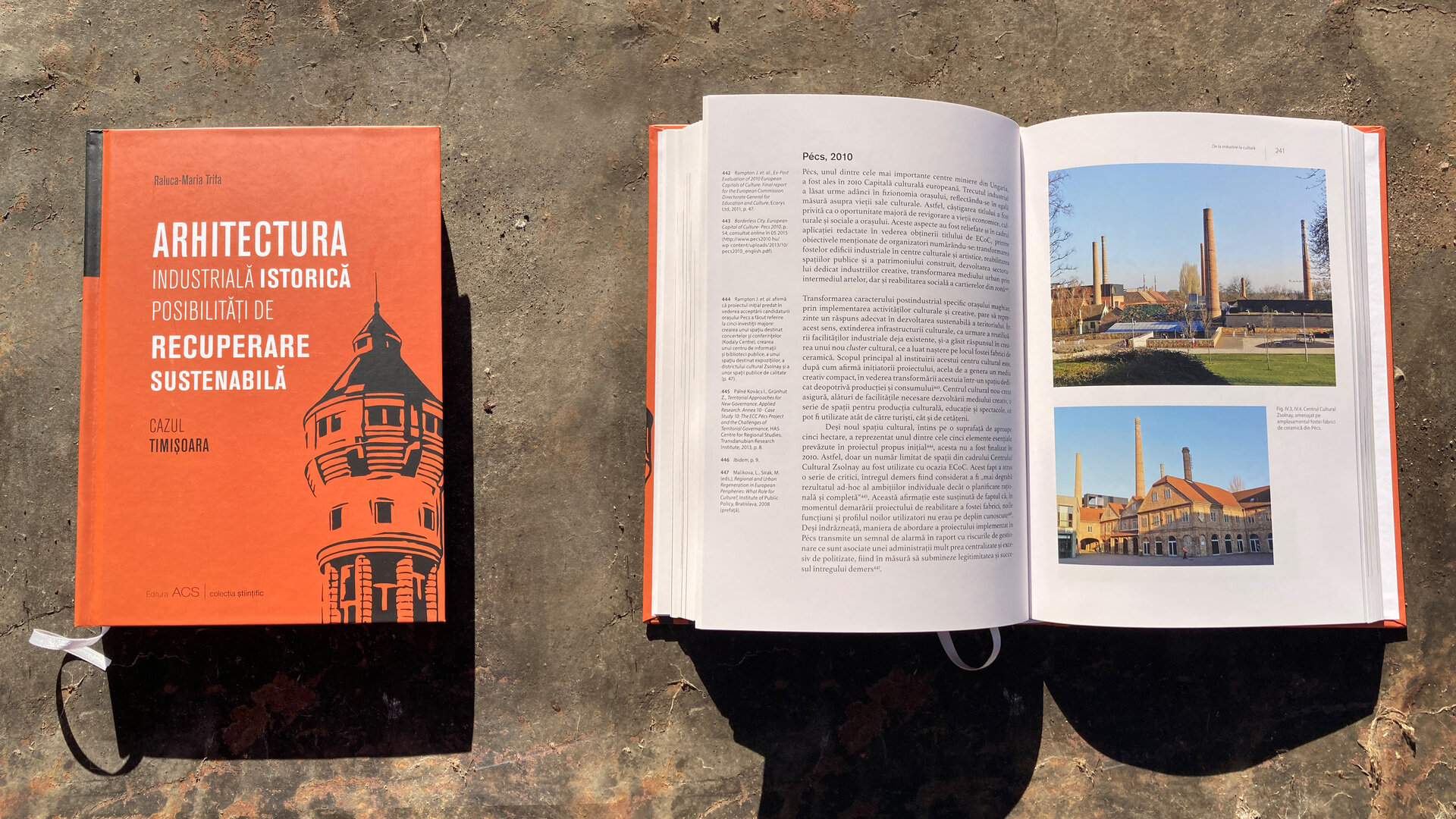
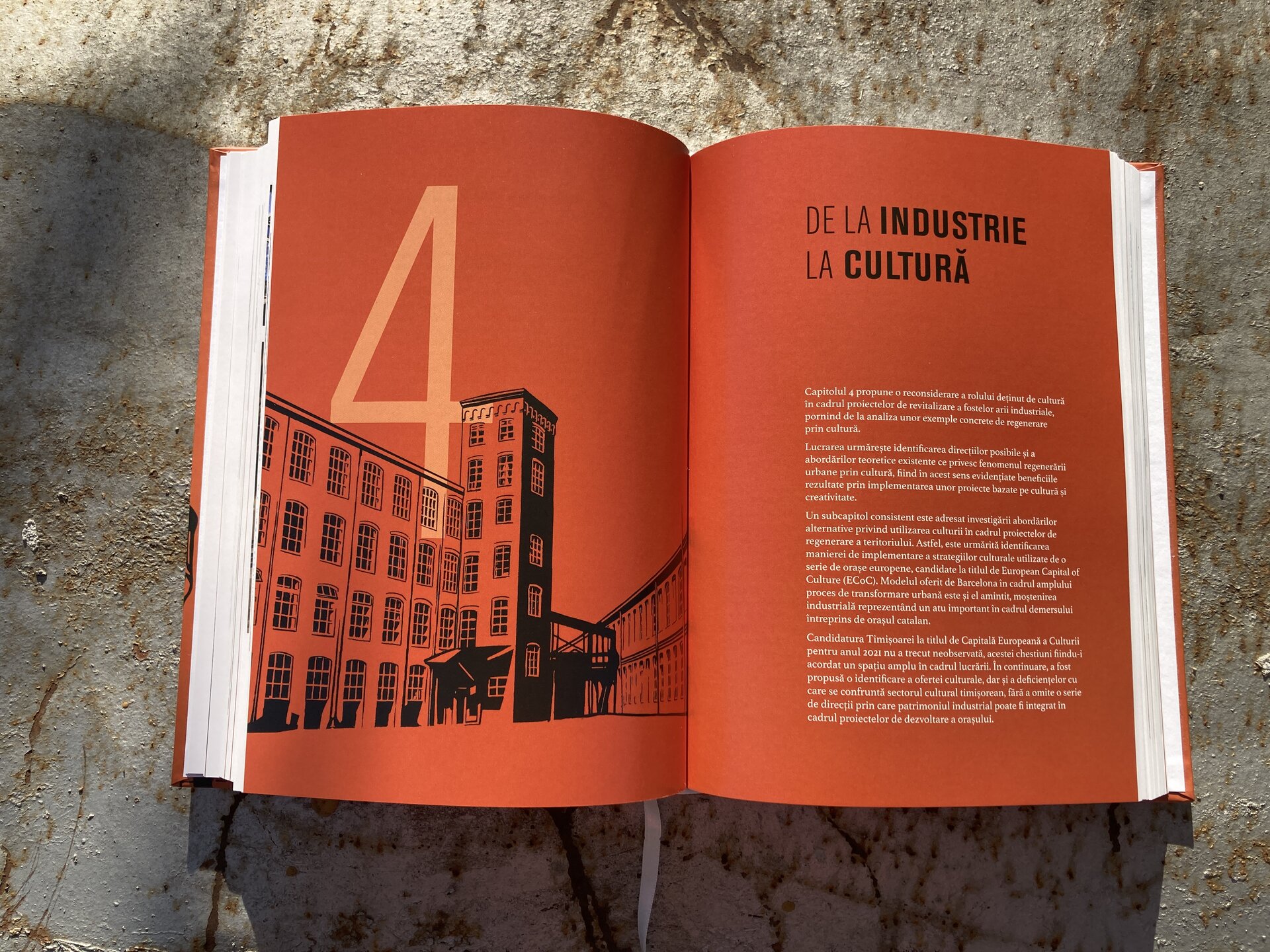
Historical Industrial Architecture. Possibilities for Sustainable Recovery. The Case of Timișoara
Authors’ Comment
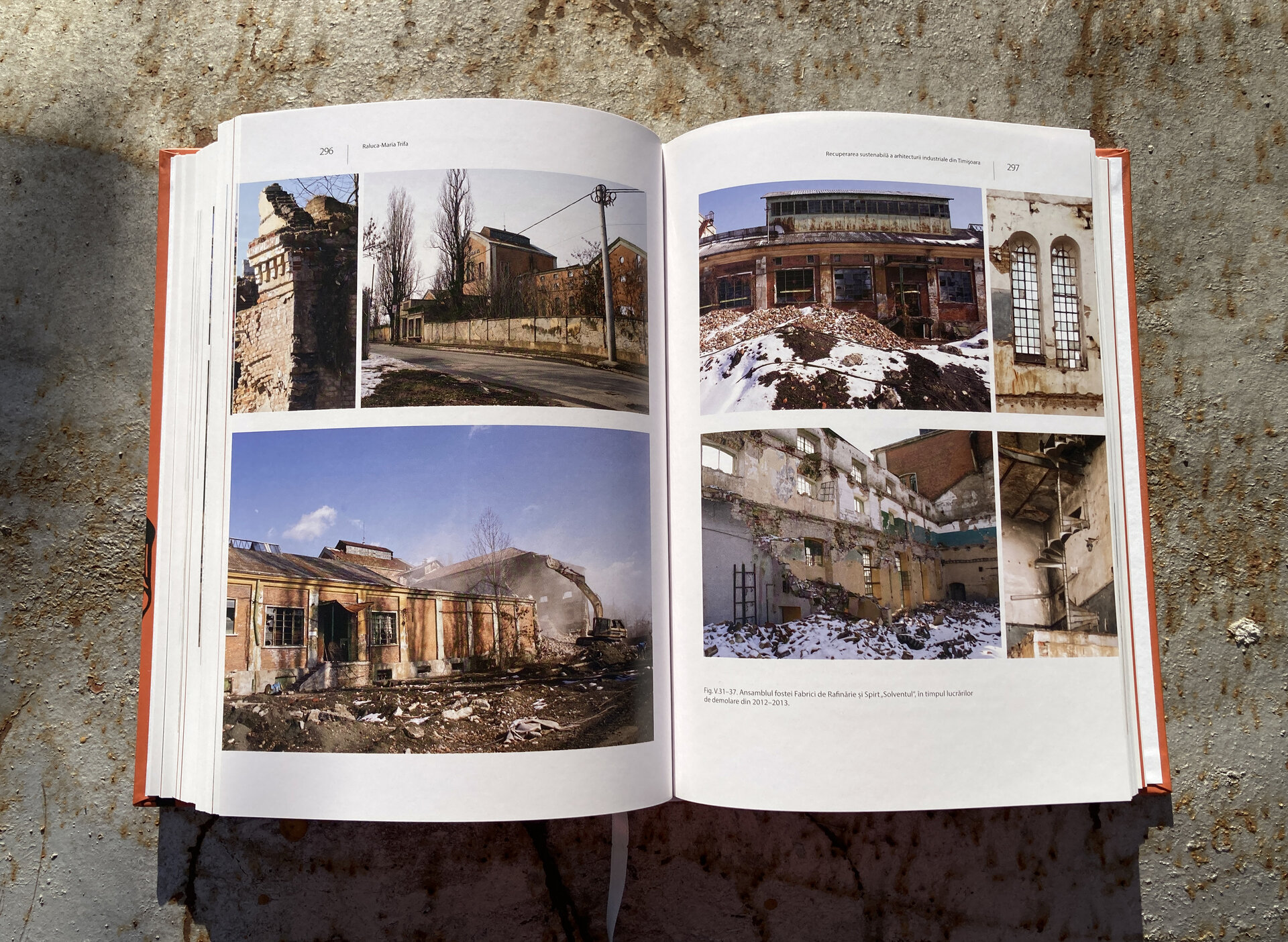
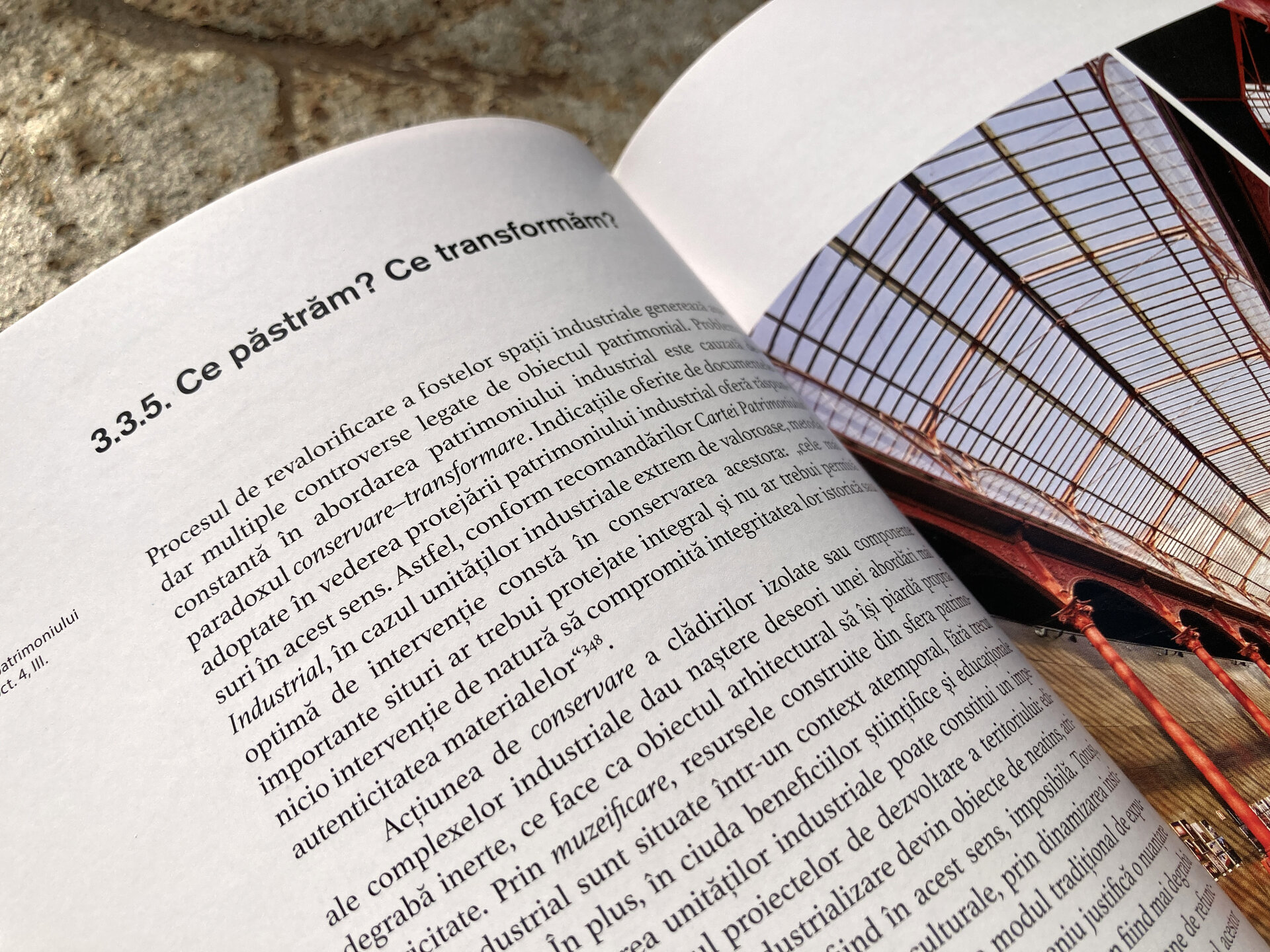
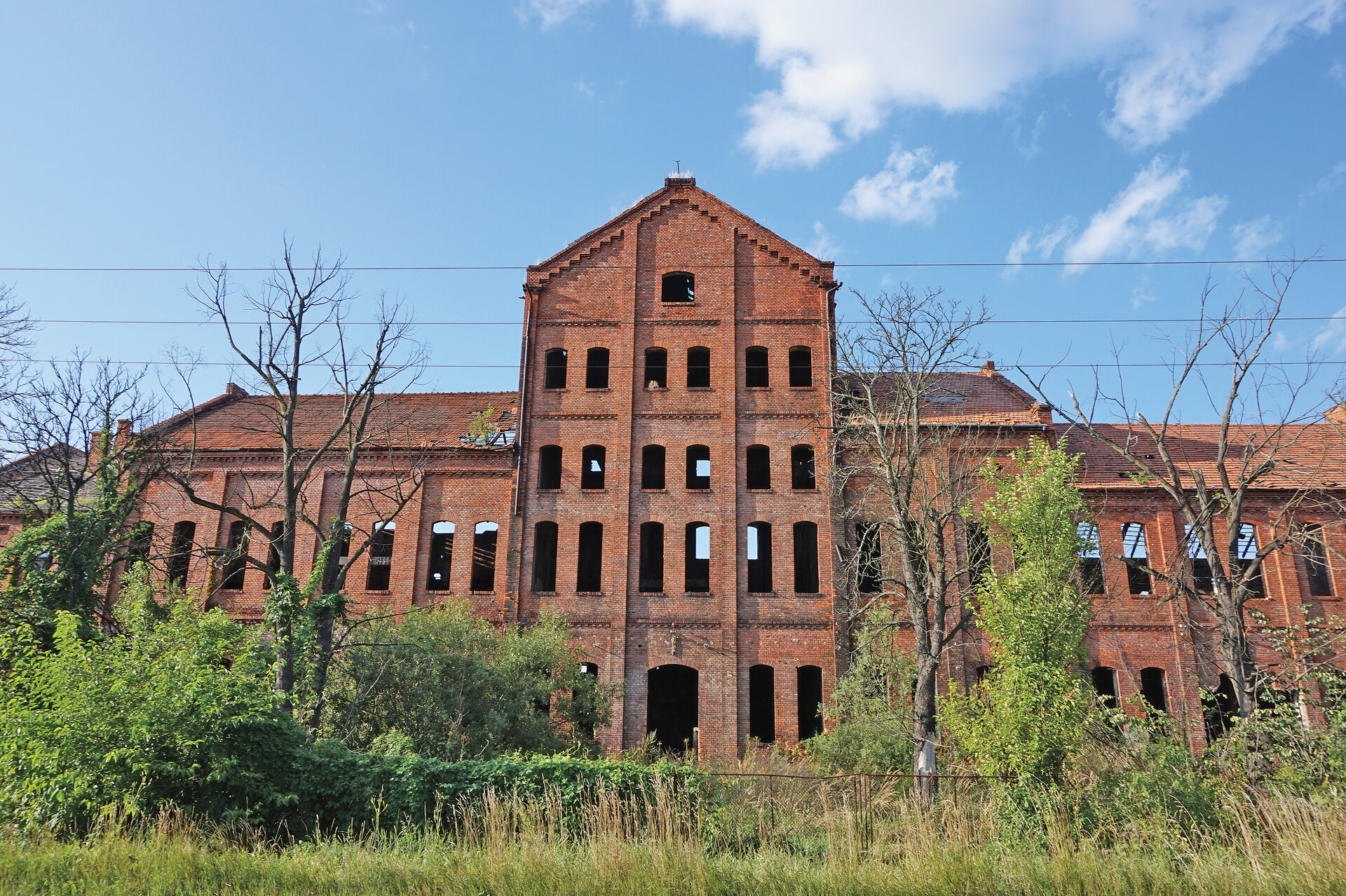
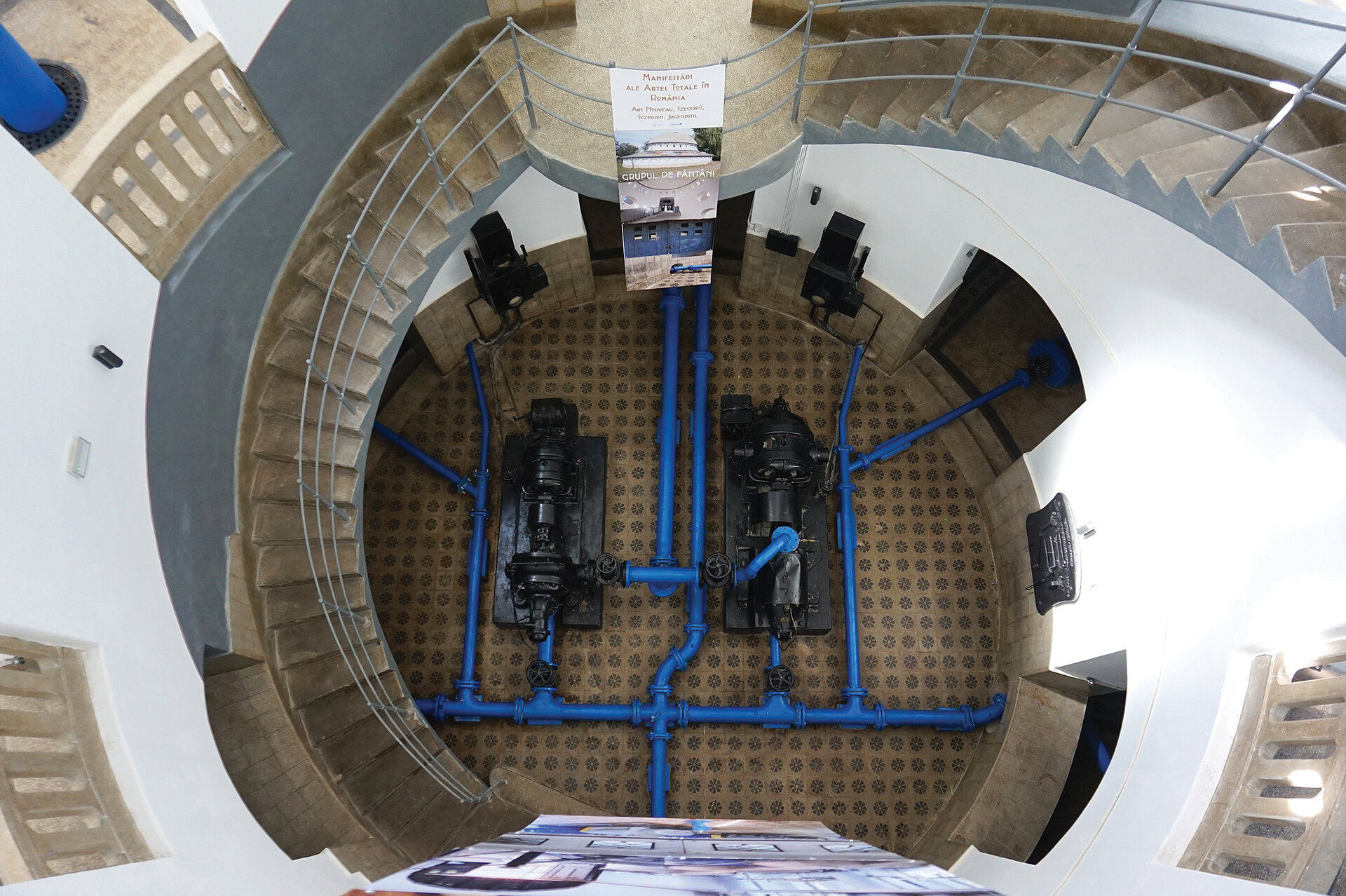
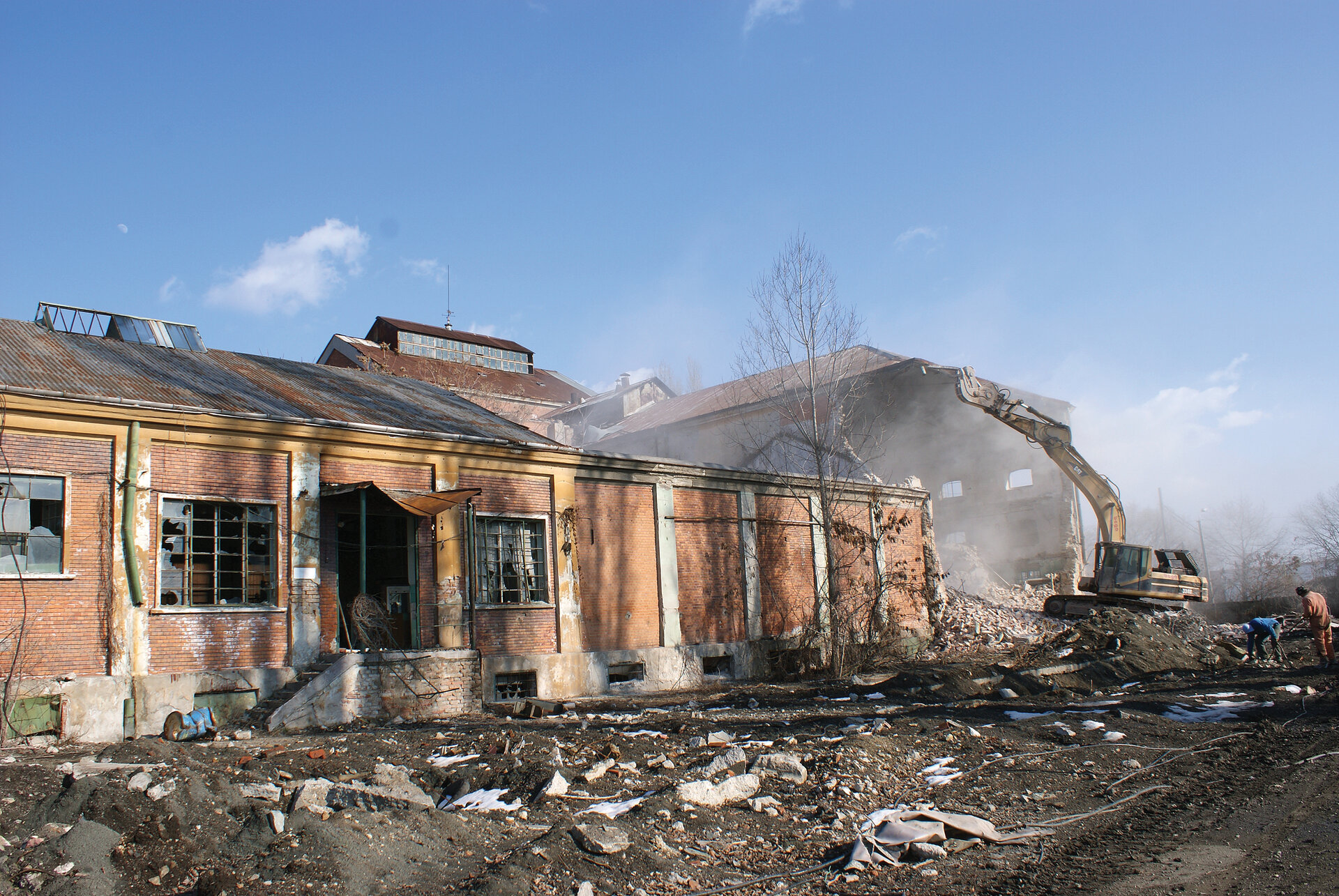
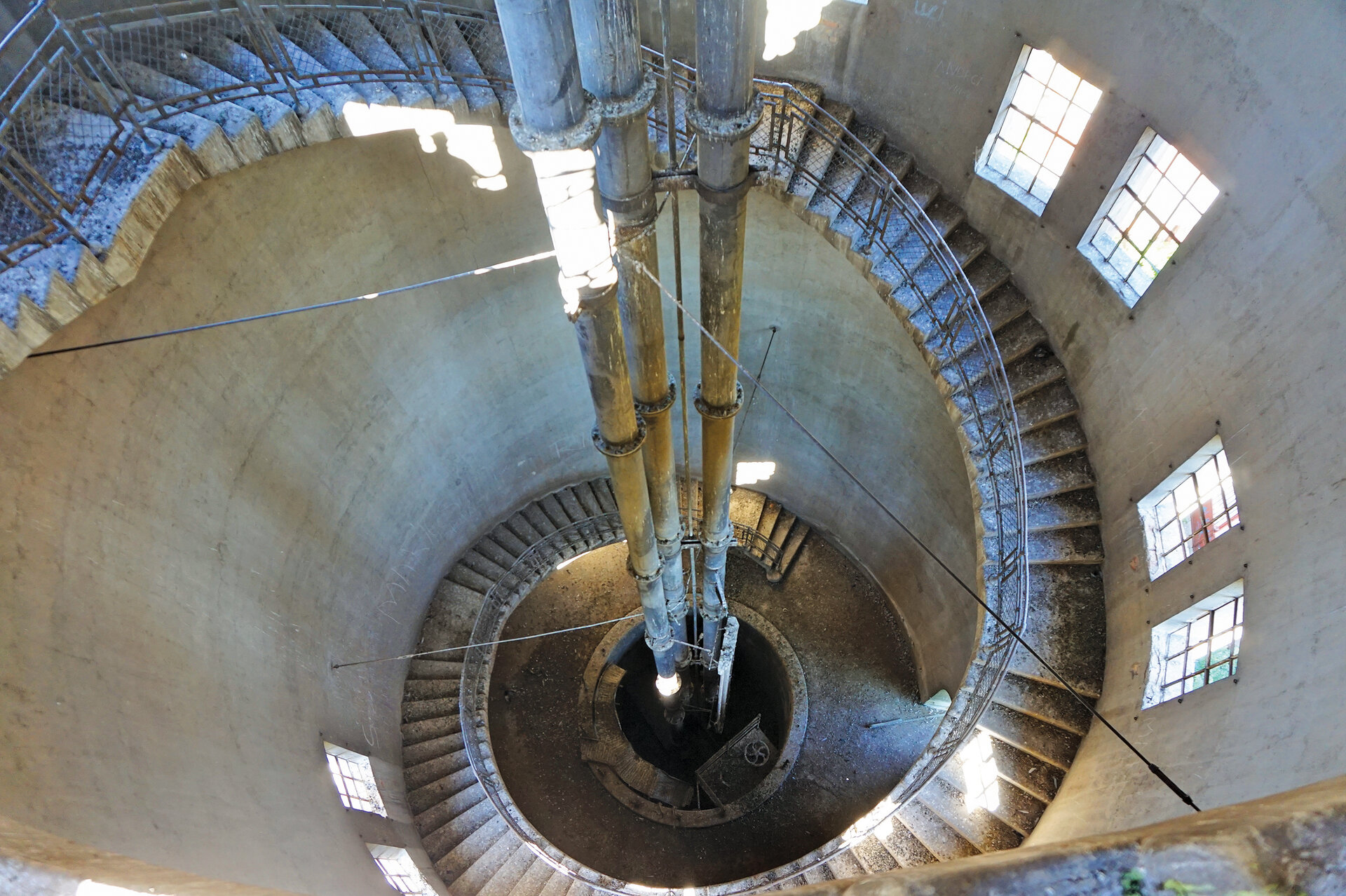
“There was once a factory here” – this is the first message welcoming the reader of the book “Historical Industrial Architecture. Possibilities for Sustainable Recovery. The Case of Timișoara”. A message that invites us to think about the losses suffered in relation to industrial cultural heritage (in the current case) and that then motivates us, by comparison with the rest of the material, to take action. Raluca Trifa’s research shows in its 440 pages, through analyses and case studies, that we still have a rich cultural heritage and that it is still possible to salvage it.
The monuments of industrial architecture represent a special category of built heritage, expressing very clearly the different phases of economic, social, and technological transformation that society has gone through over time. Industrial architecture, through its material and immaterial components, is a proof of human innovation and creativity. Denying the importance and values associated with this type of cultural heritage leads to the definitive destruction of this industrial heritage.
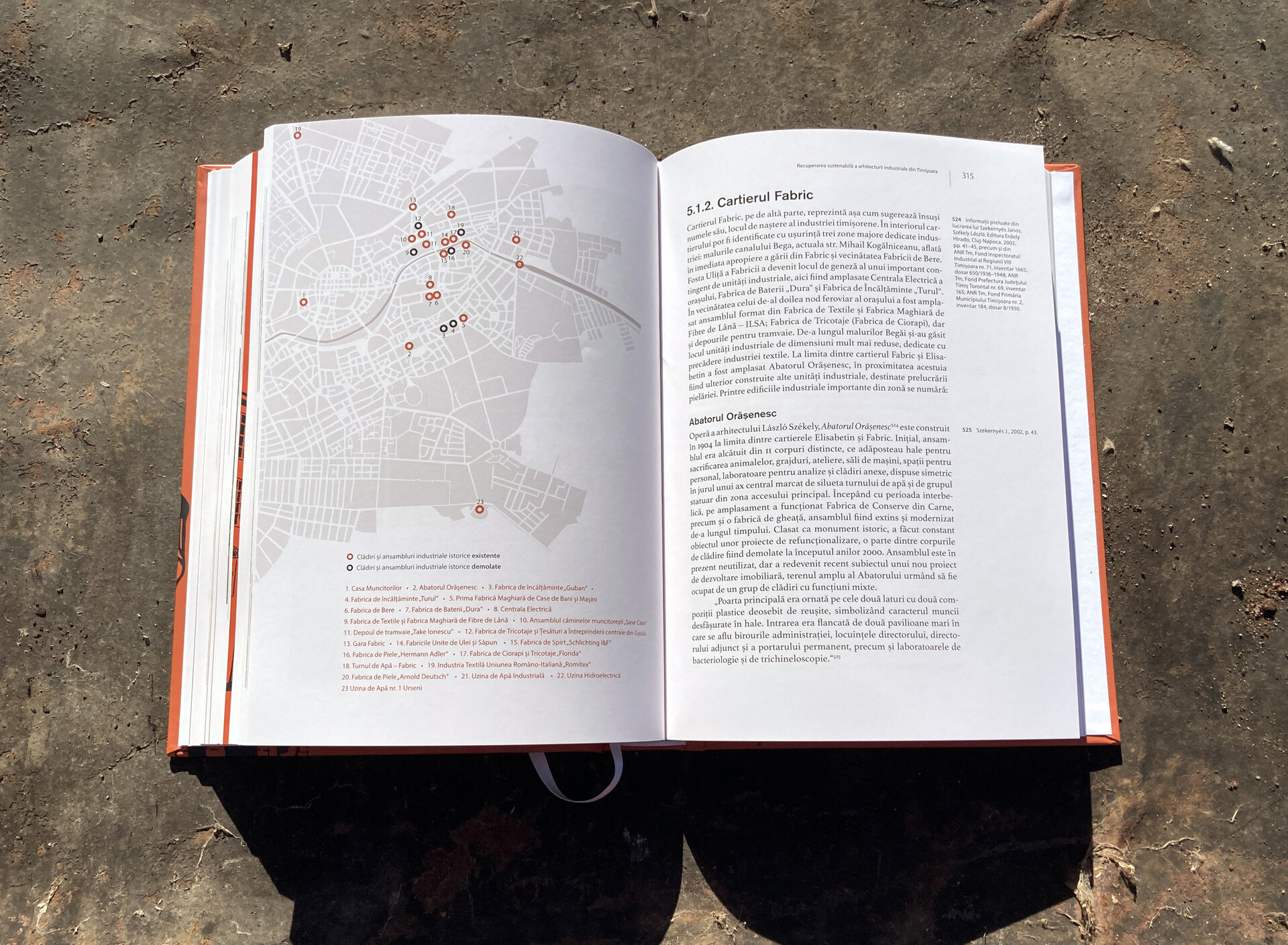
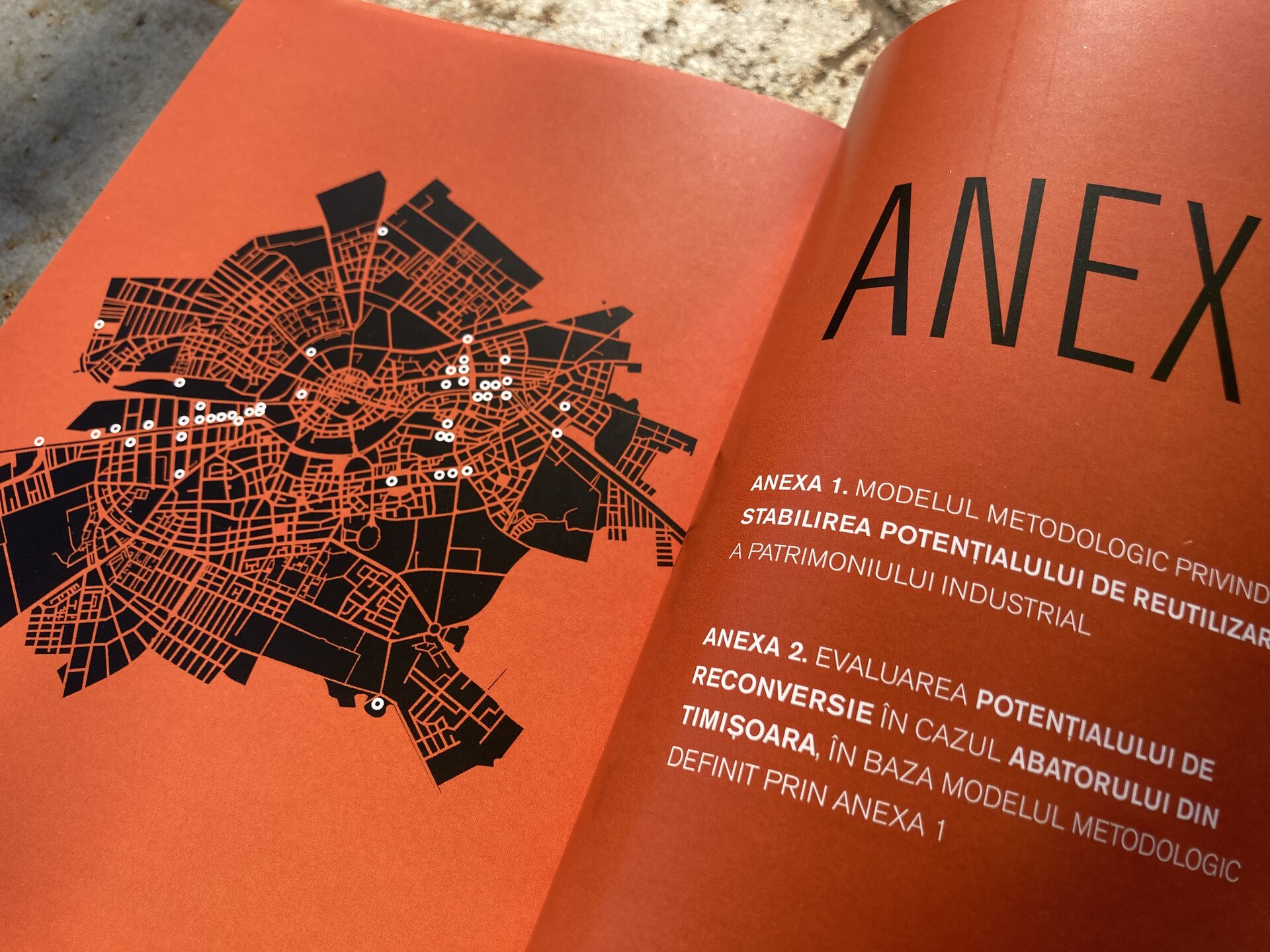
Based on the author’s doctoral dissertation and then restructured to have a wider addressability, the research aims to provide answers regarding the correct intervention options on former urban industrial units, currently abandoned or improperly used, and to offer sustainable solutions for the recovery of this heritage.
To illustrate the impact produced by the implementation of industrial functions, the example provided by Banat, a region with a rich industrial past, was used.
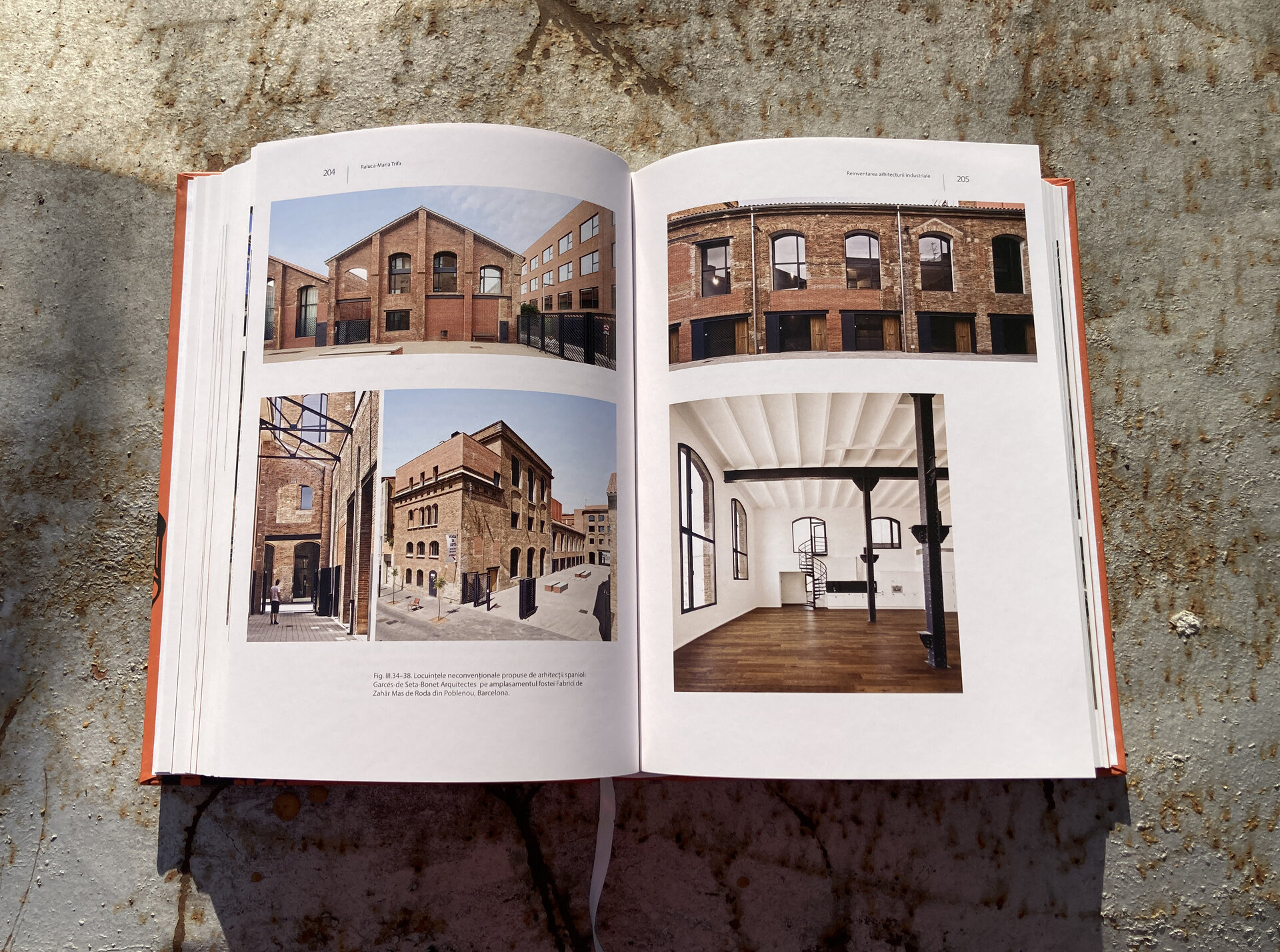
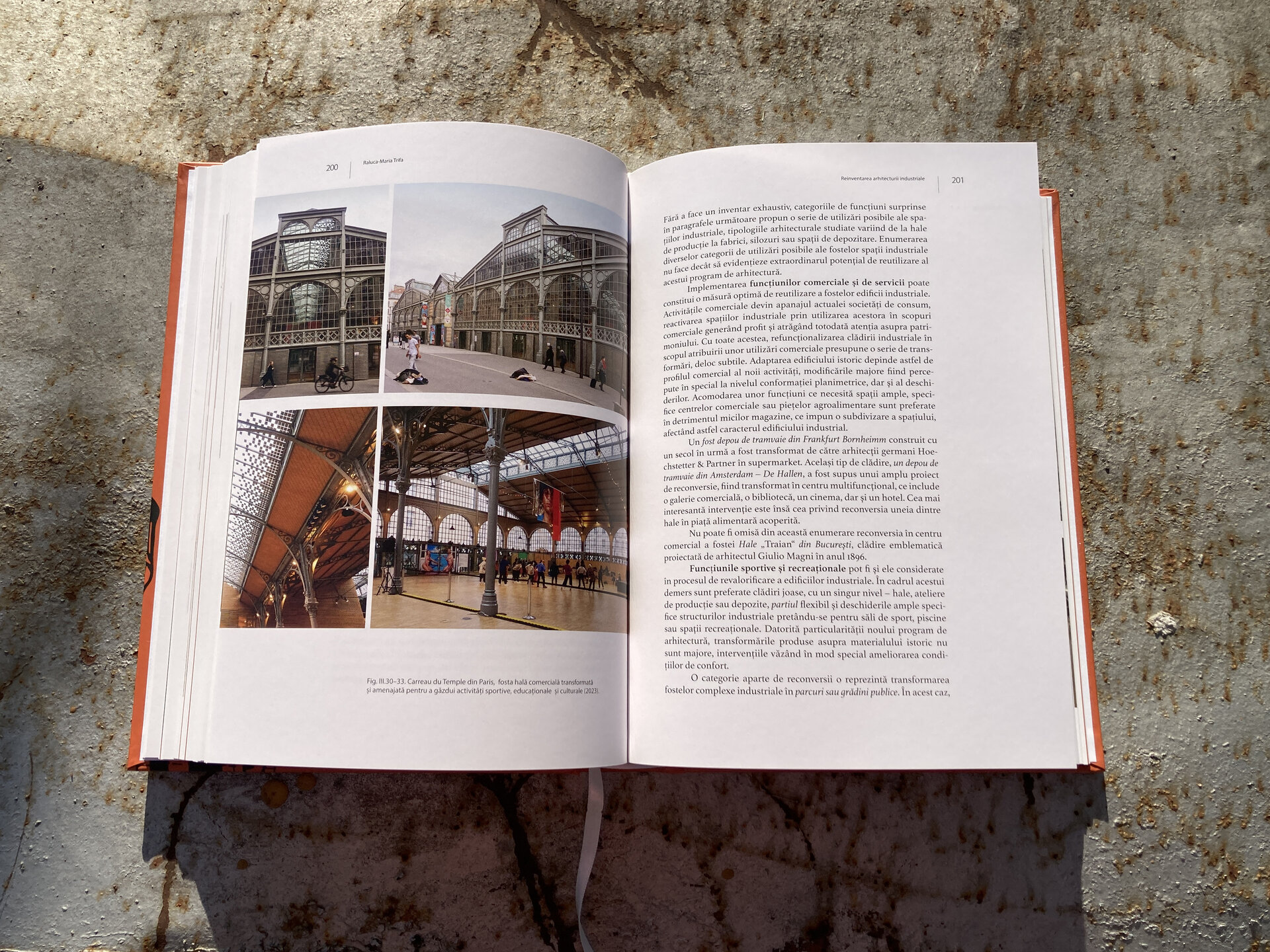
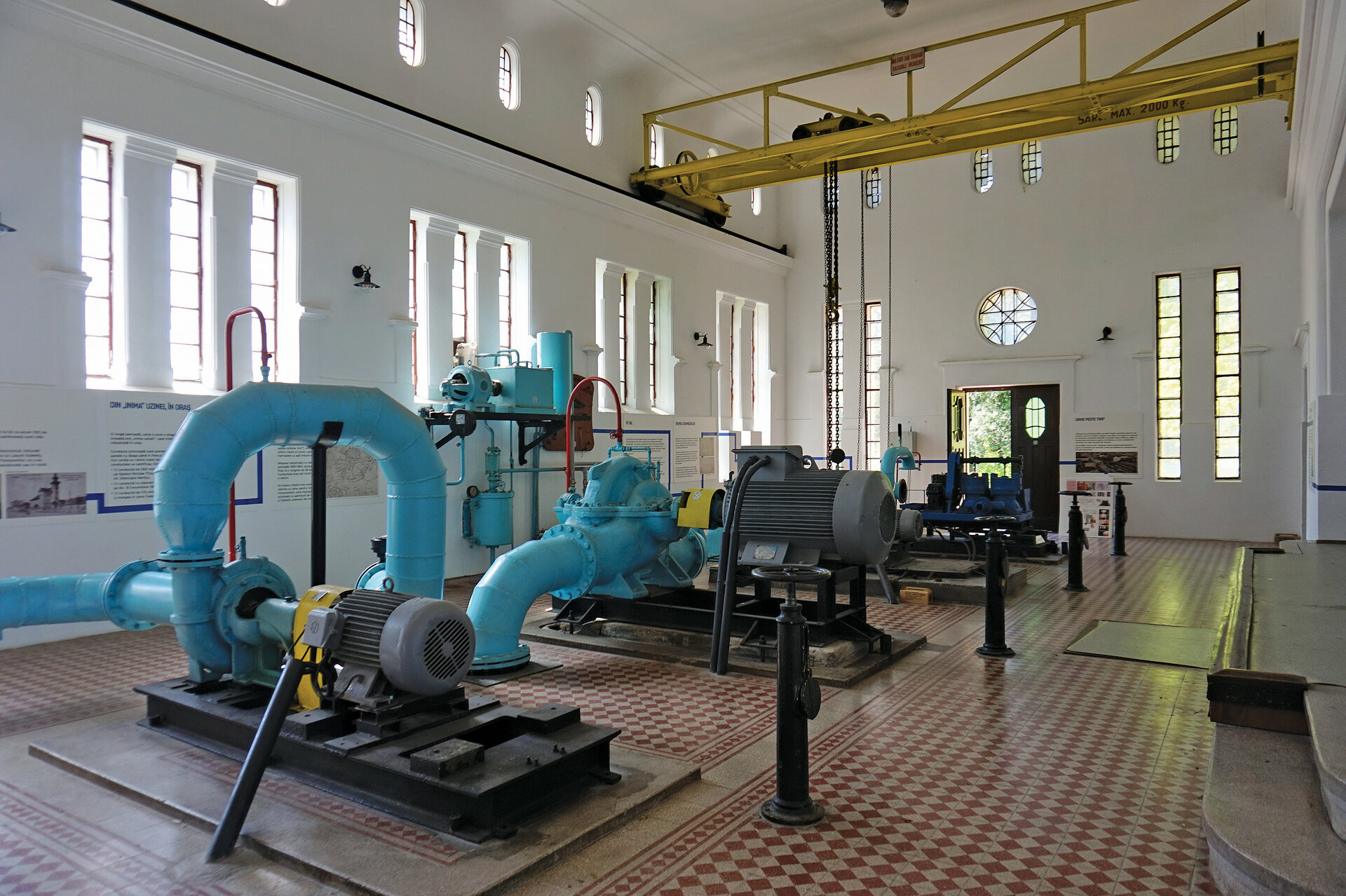
“International practice abounds with concrete cases where disused industrial complexes have found new contemporary uses. These realities prove without any doubt that the useful life of former industrial buildings can be extended in conditions of economic profitability and with multiple favorable consequences for the environment, but also for local communities. In Romania, however, more and more historical industrial complexes are disappearing, falling victim to the real-estate speculation doubled by ignorance and lack of interest in the potential of these built resources.
As a rational alternative to demolition, the reuse of built heritage is, first of all, a matter of attitude, which has a certain mentality behind it. This mentality can be shaped, guiding it in the right direction. It is important that there are people and organizations that get involved – with competence, dedication, and consistency – in this long-lasting educational process. From this perspective, too, one has to learn from the experience of others.
Raluca Trifa’s book is a contribution to this educational process. The knowledge thus acquired can be used selectively by those interested, depending on their level of education and experience, as well as in relation to their specific needs.” Rodica Crișan
The book is addressed to a diverse audience and tries to stimulate all those involved in the managing and project design of constructions, highlighting the values of 19th-century industrial heritage, (too) often ignored, and demonstrating, through case studies, that this cultural heritage can be reused with minimal effort and multiple positive consequences.
Architecture Books

- Inclusive Design. Empathy exercises in the design process
- Topohermeneutics and Architecture: Malpas, Norberg-Schulz, Auret
- At some point - Roundabout architecture
- Four Zero
- Last Year at Marienbad
- The dual element water and the inclusion in architectural programs in the first half of the 20th century
- Another Breach in the Wall. The City as a Common Good.
- Historical Industrial Architecture. Possibilities for Sustainable Recovery. The Case of Timișoara
- Dwelling Together 2. Recent Blocks of Flats by ADN BA


