- Nomination for the “Built Architecture / Architecture and Public Space” section
Joy Pavilion
Authors’ Comment
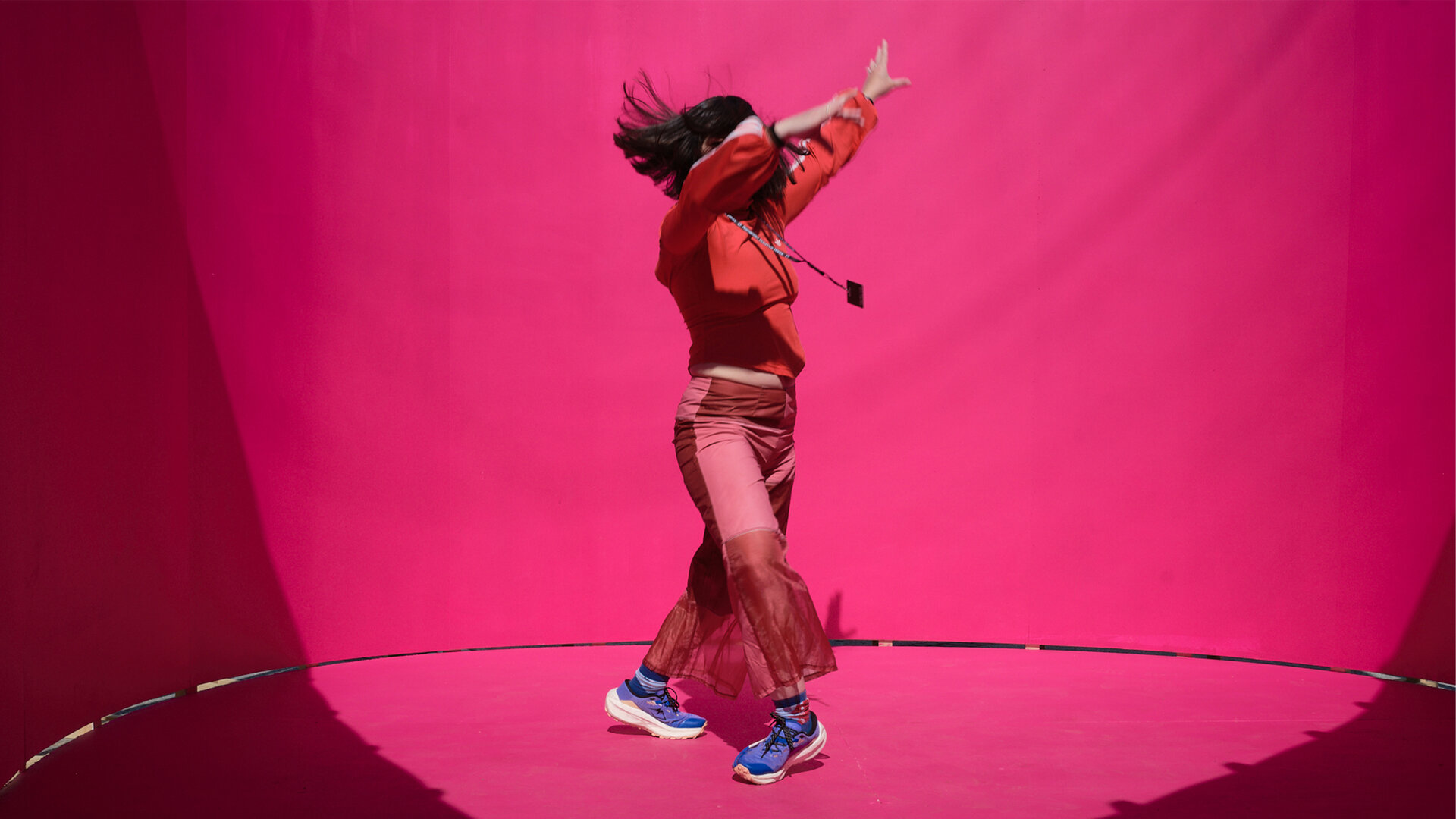
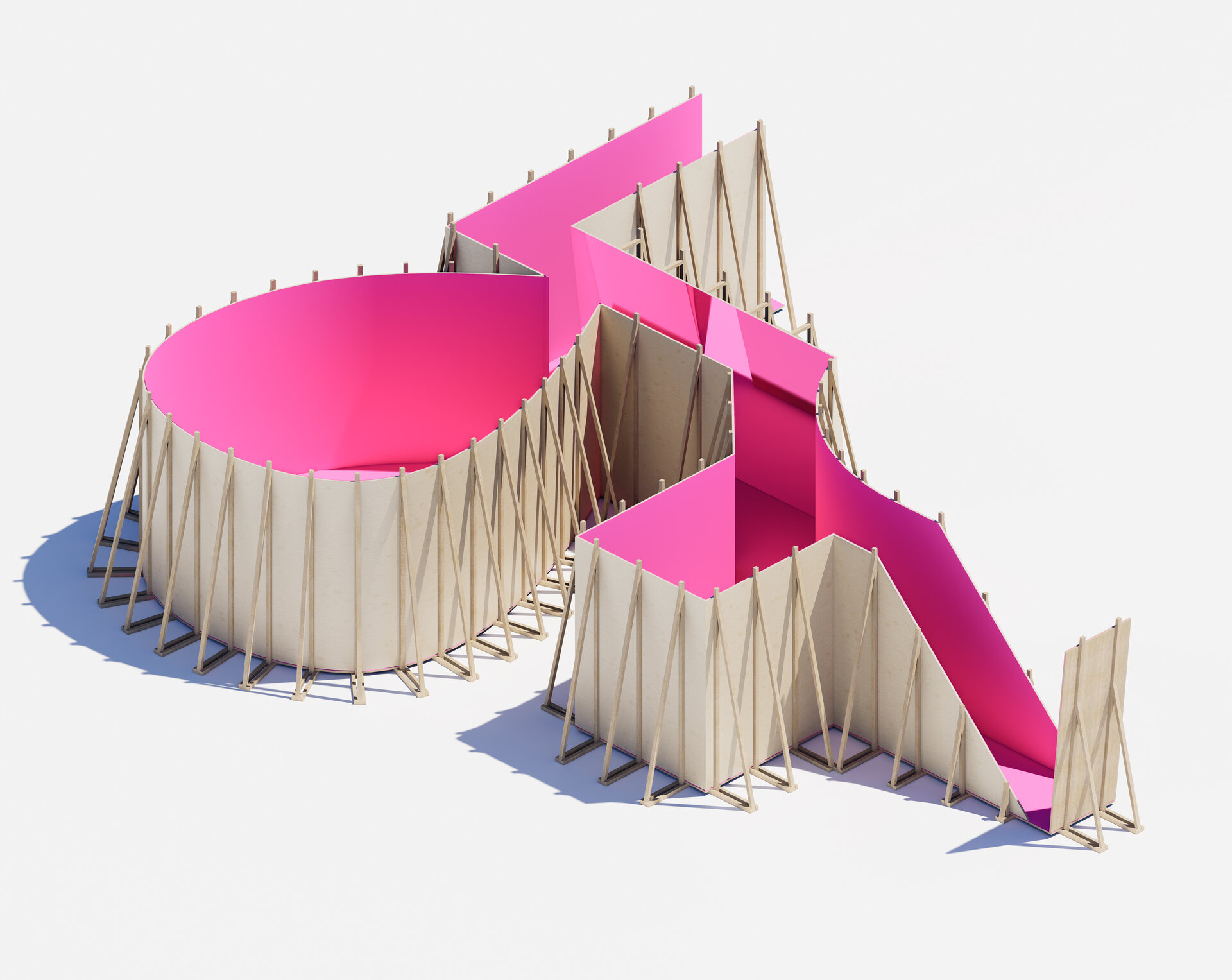
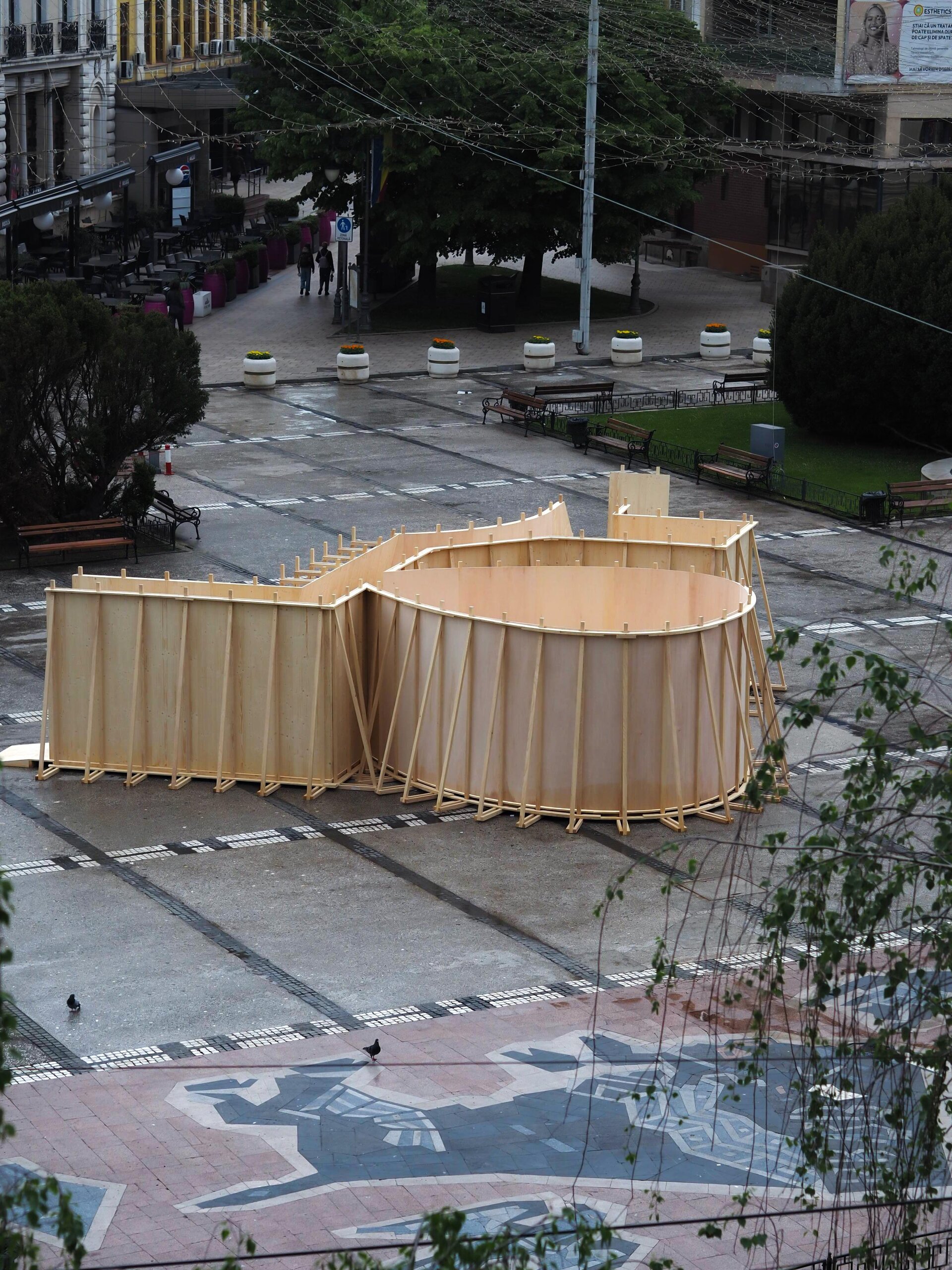
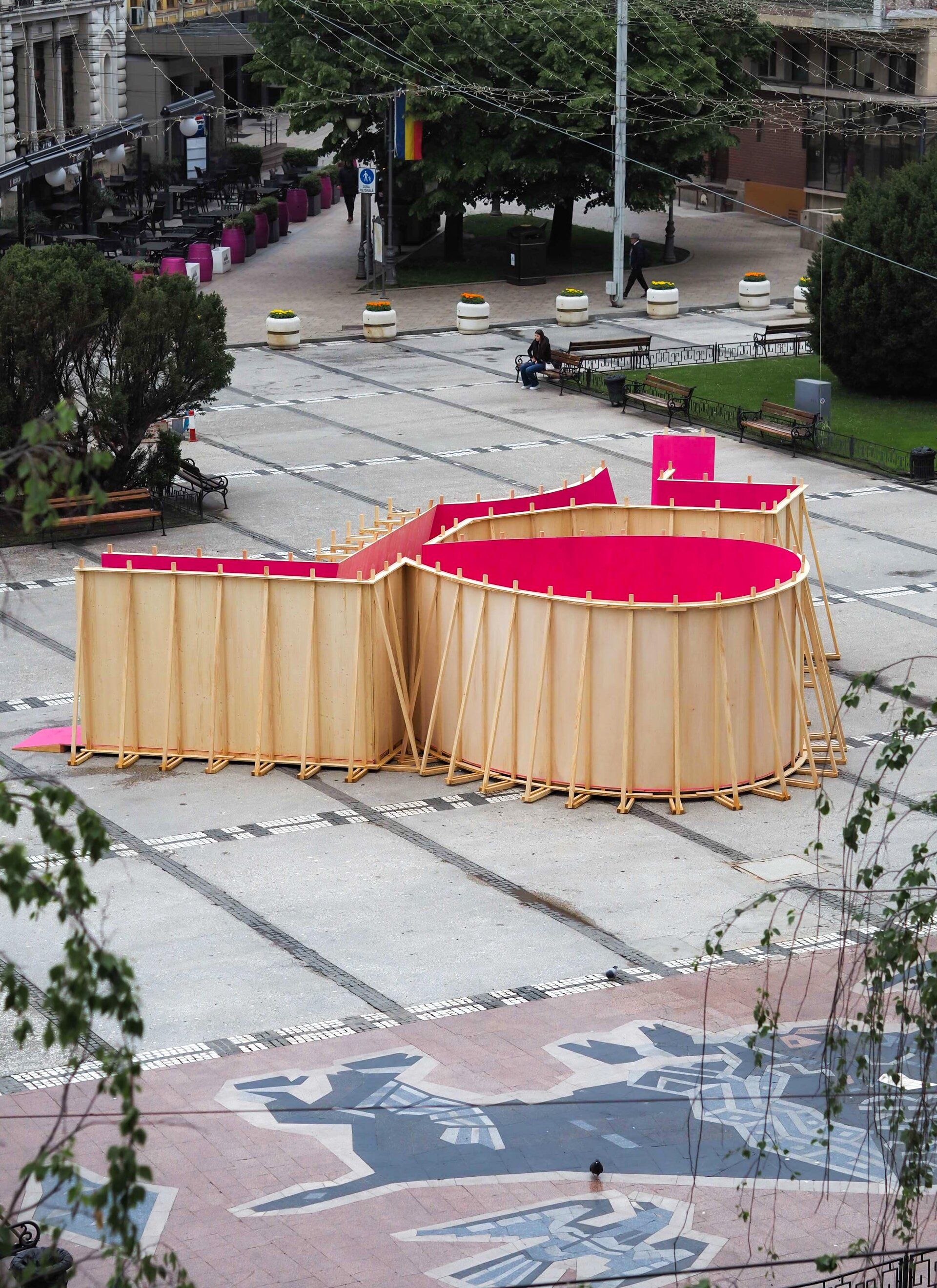
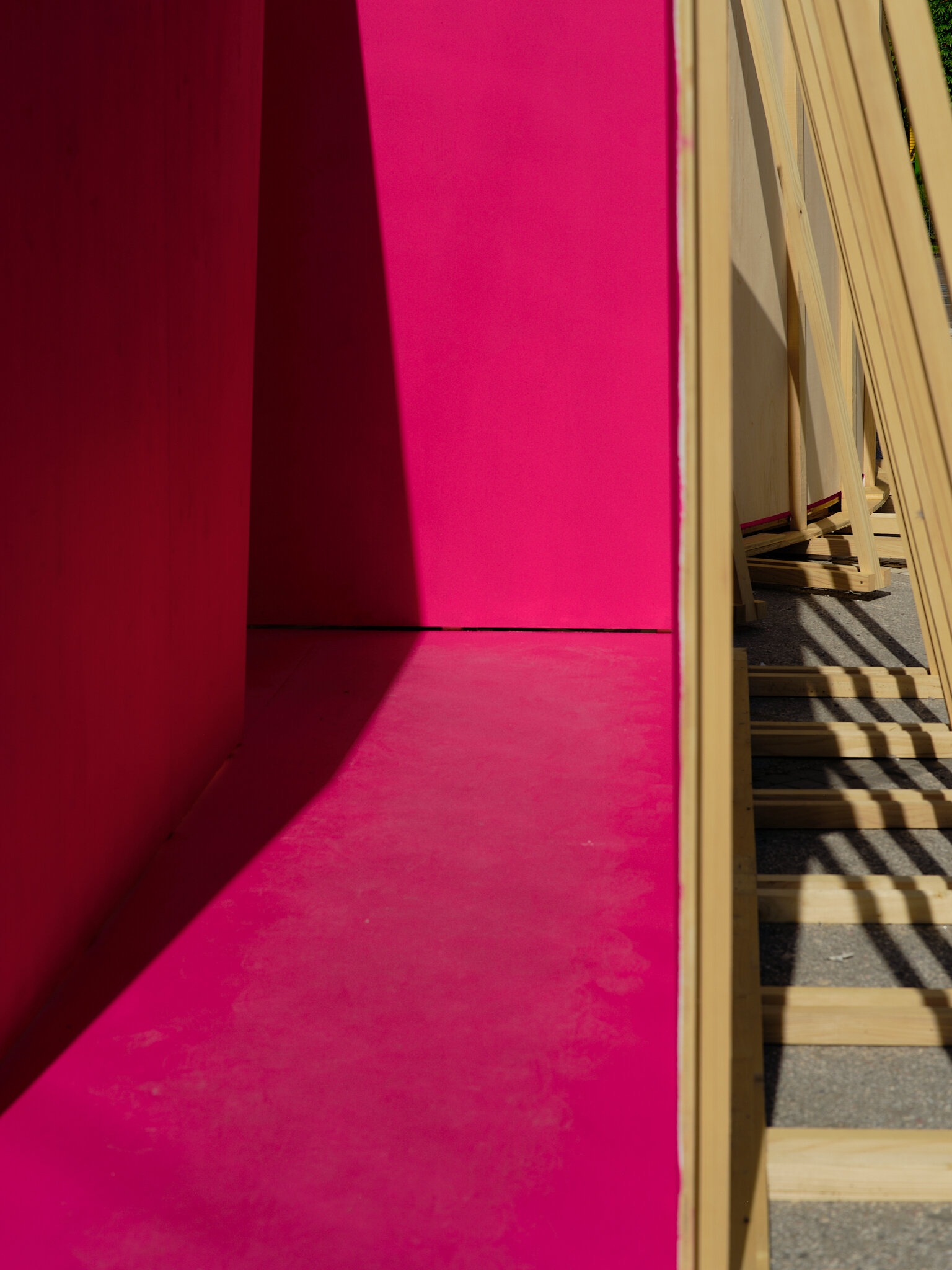
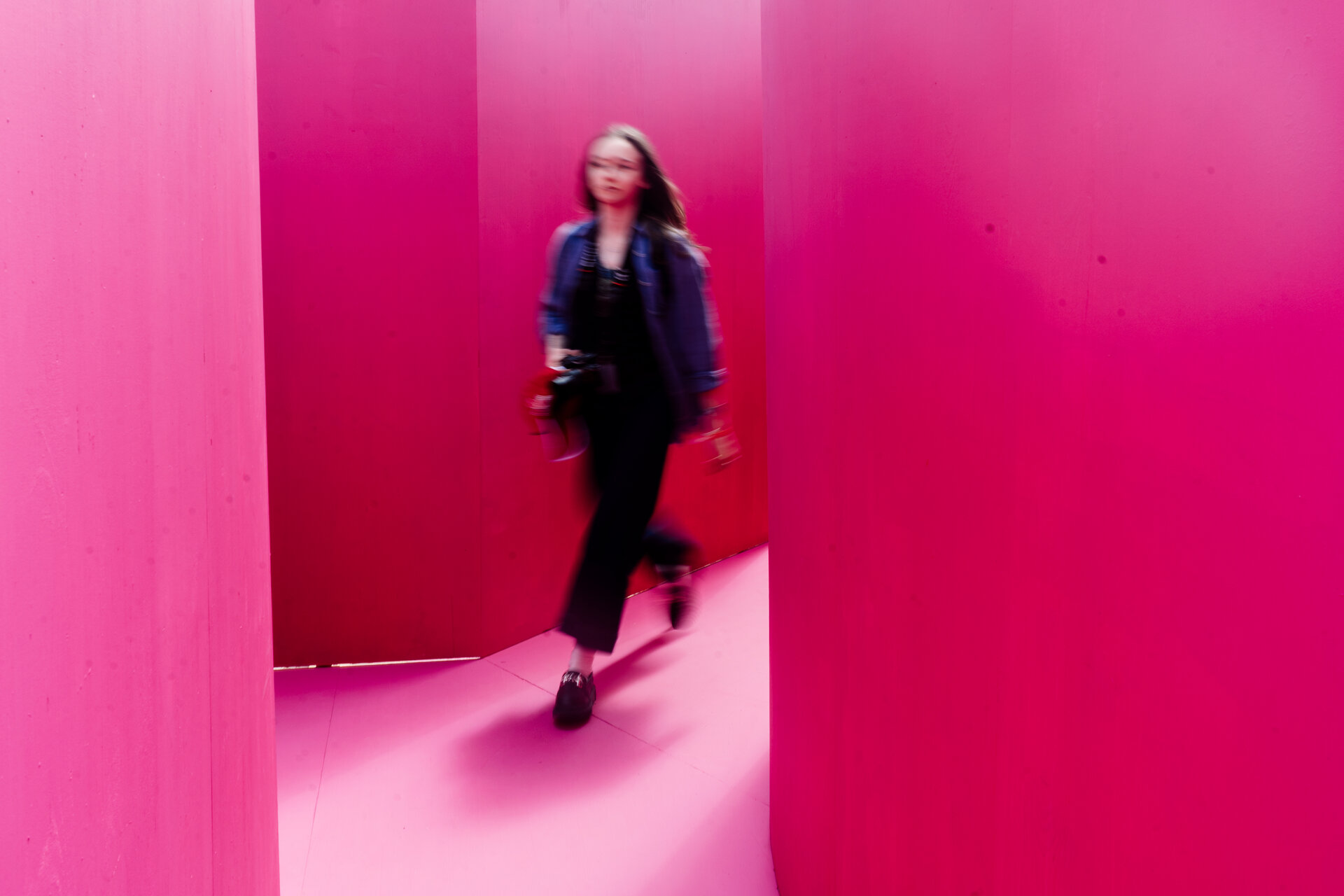
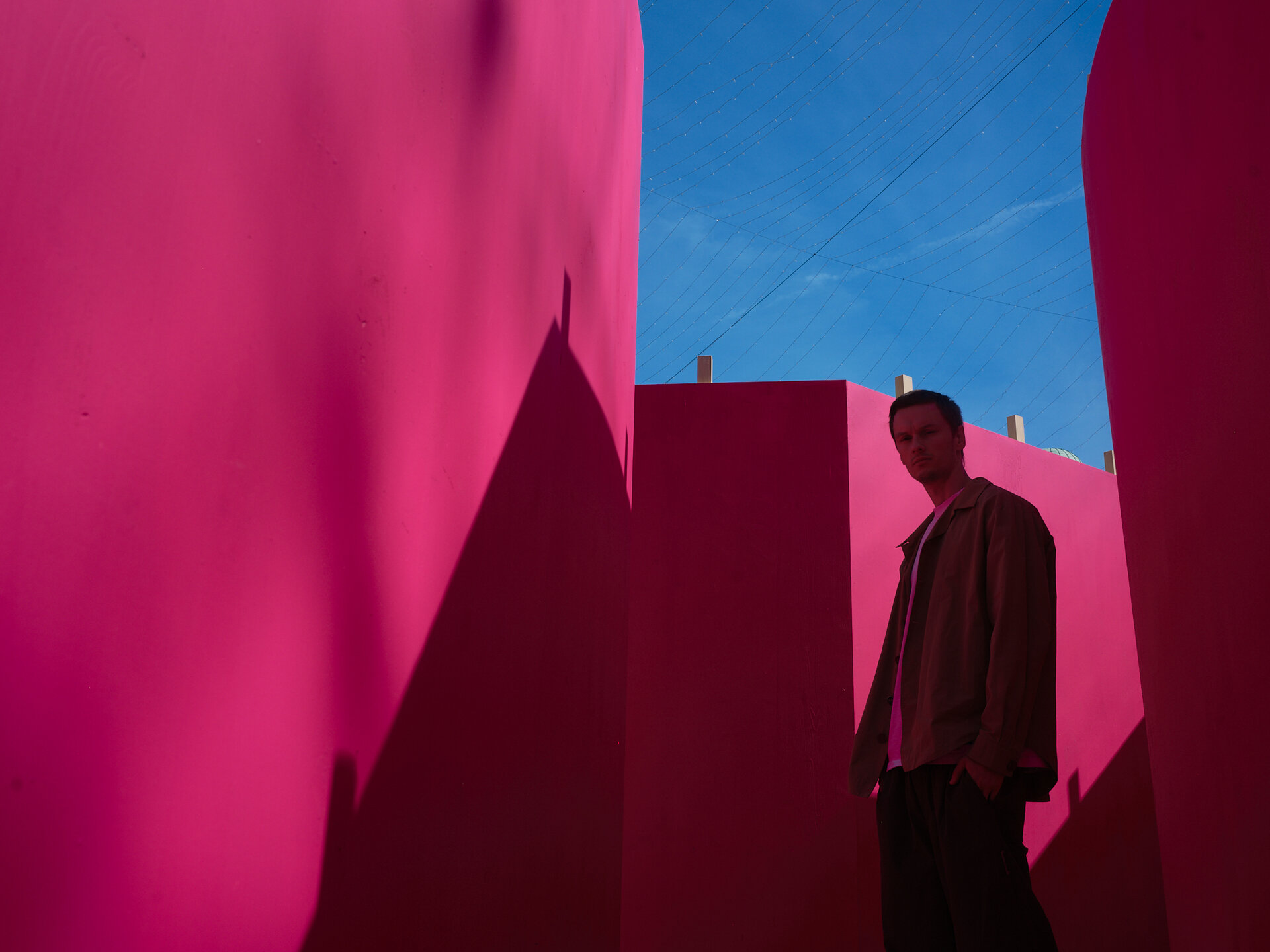
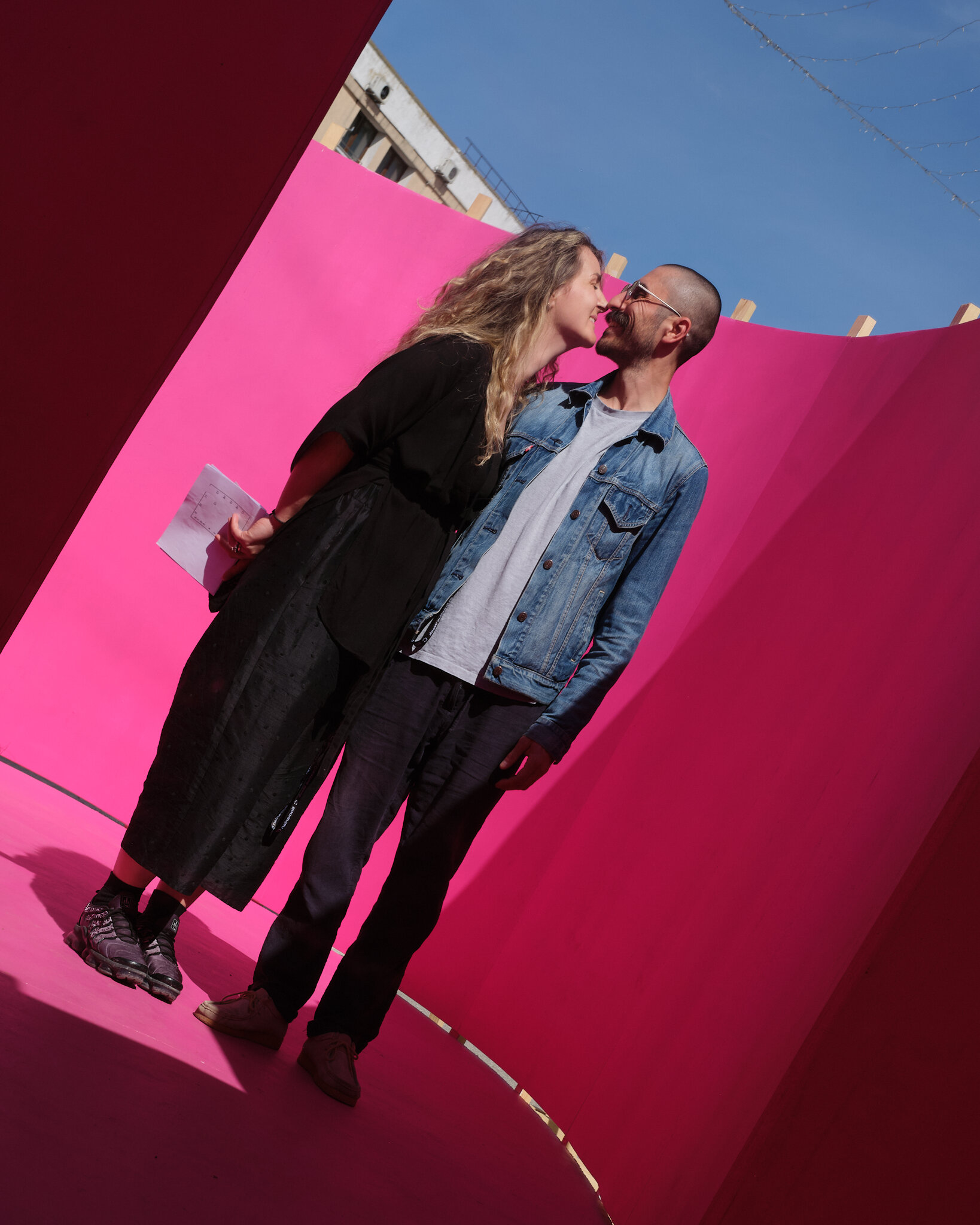
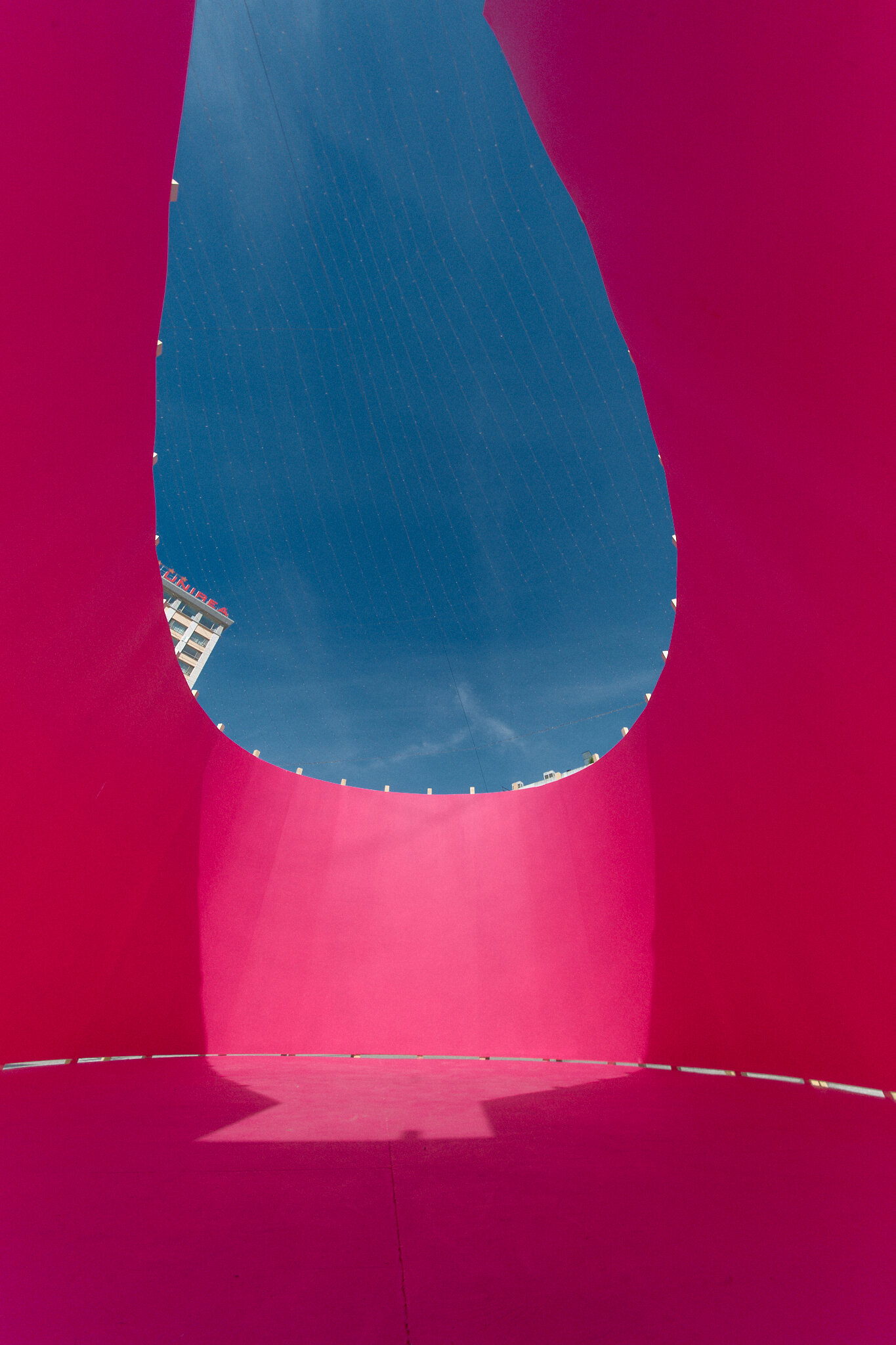
Joy, fear, and sadness are intensities of the present—direct, internal manifestations of life that imprint themselves onto the body. The pavilion is conceived as a spatial body: a defined yet unclosed, expansive framework capable of hosting the emergence of an emotional state without prescribing it.
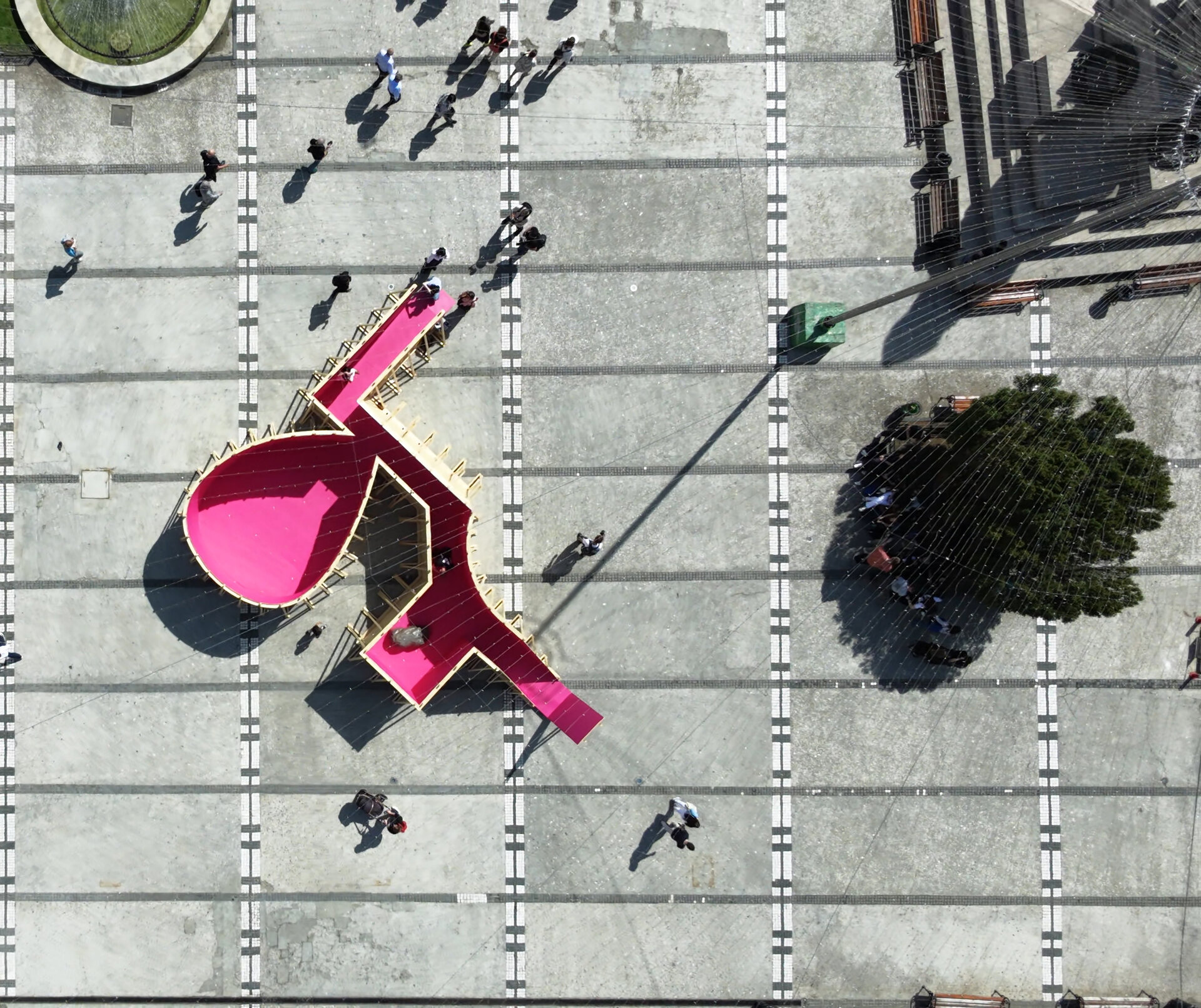
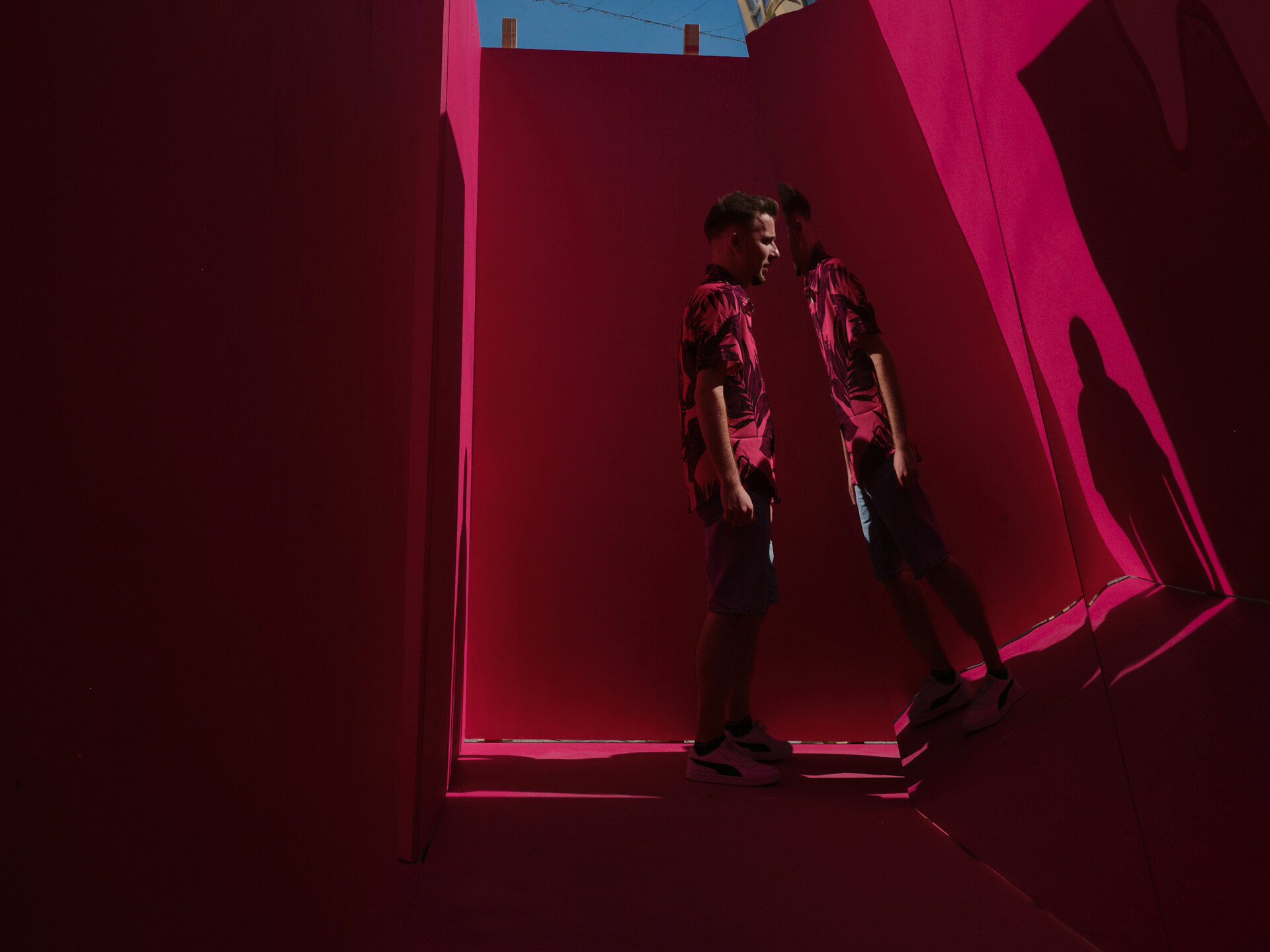
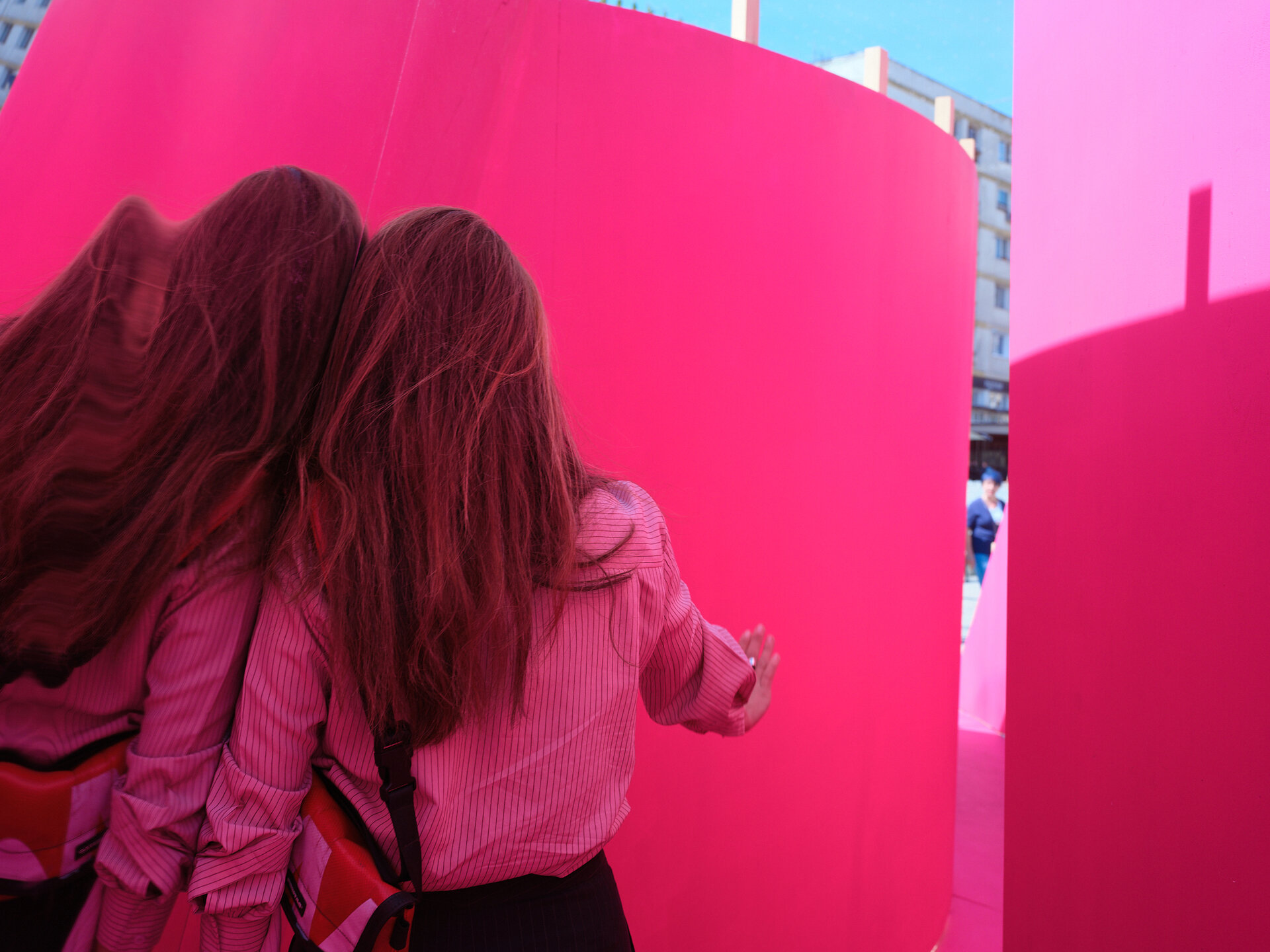
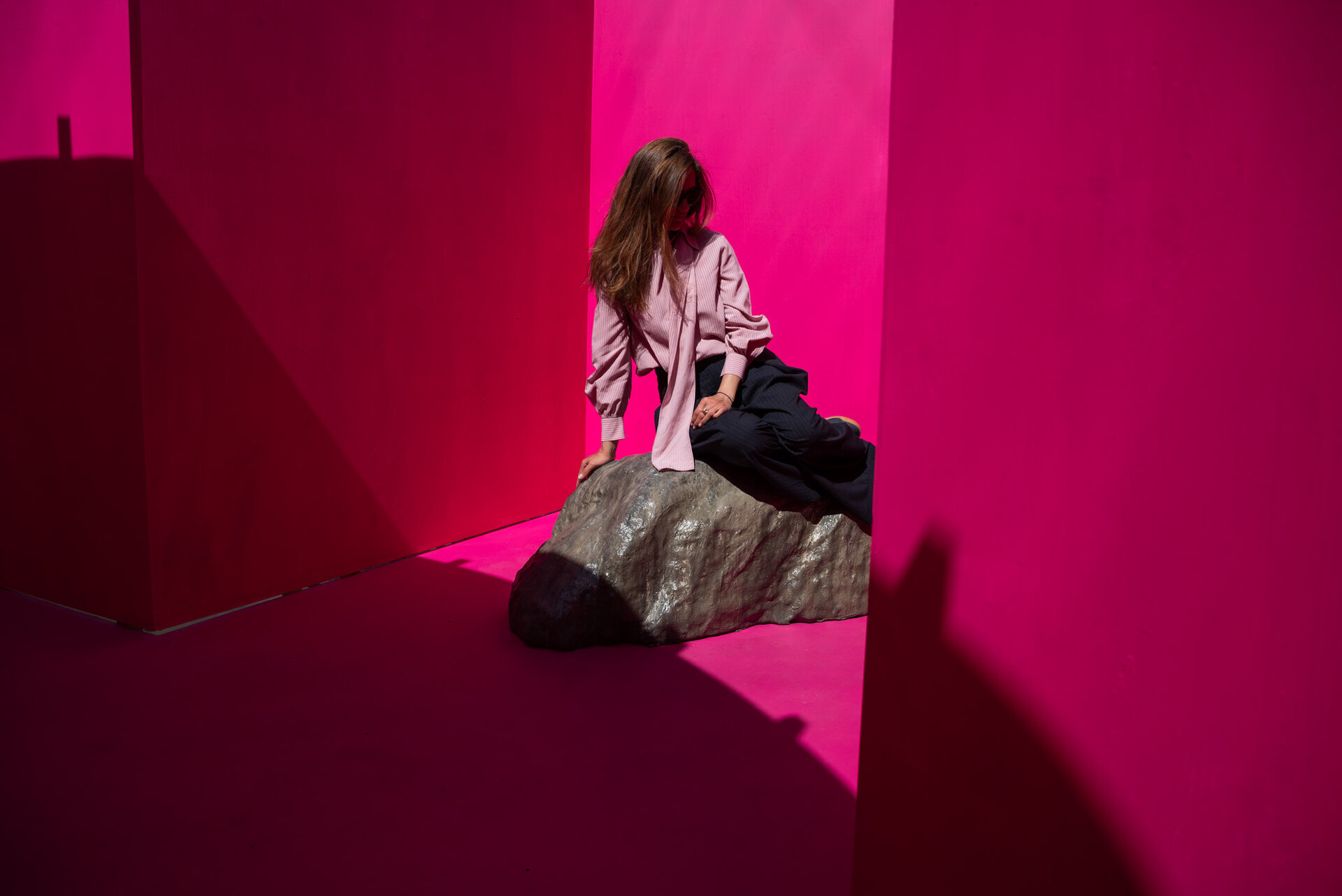
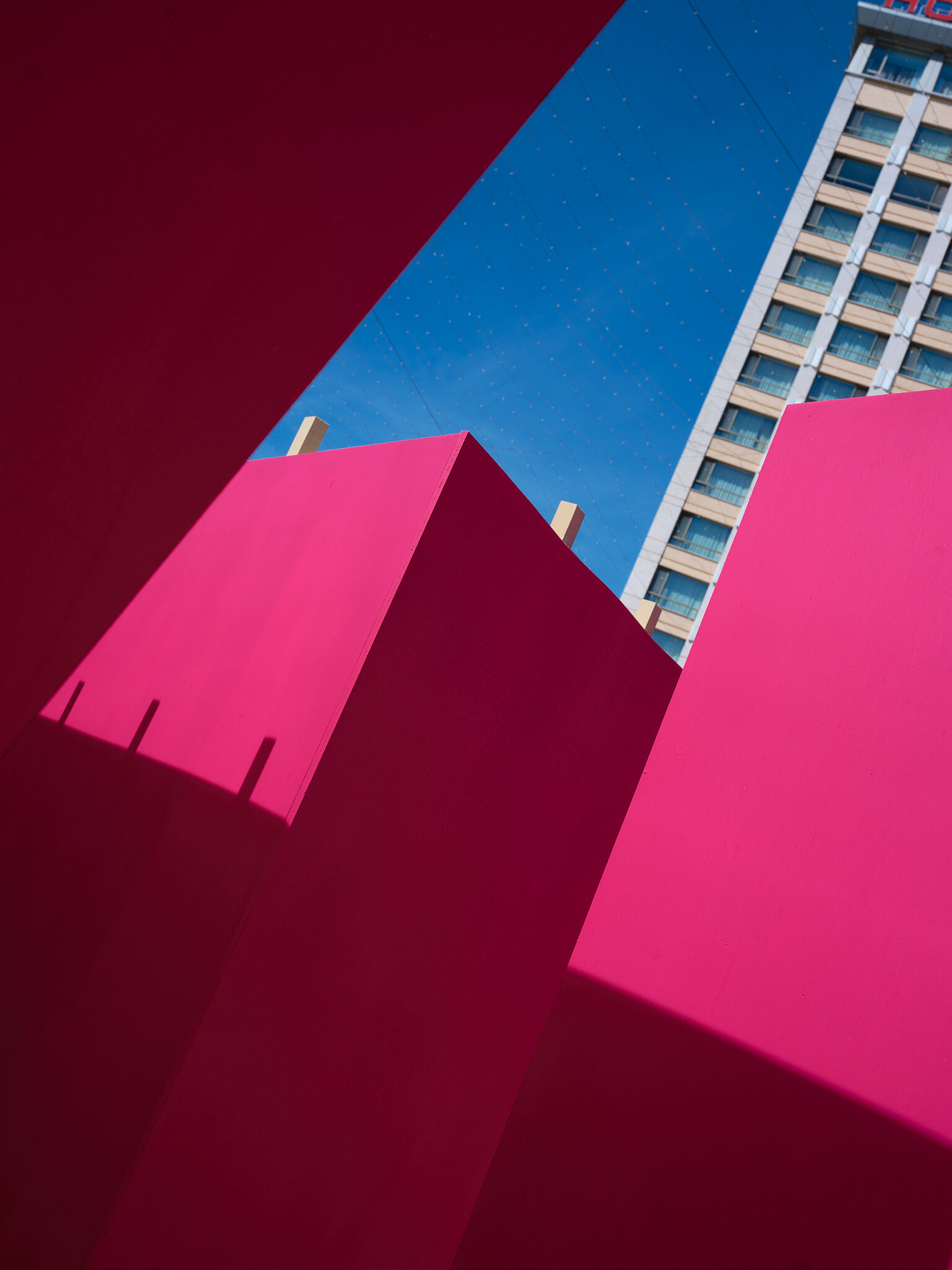
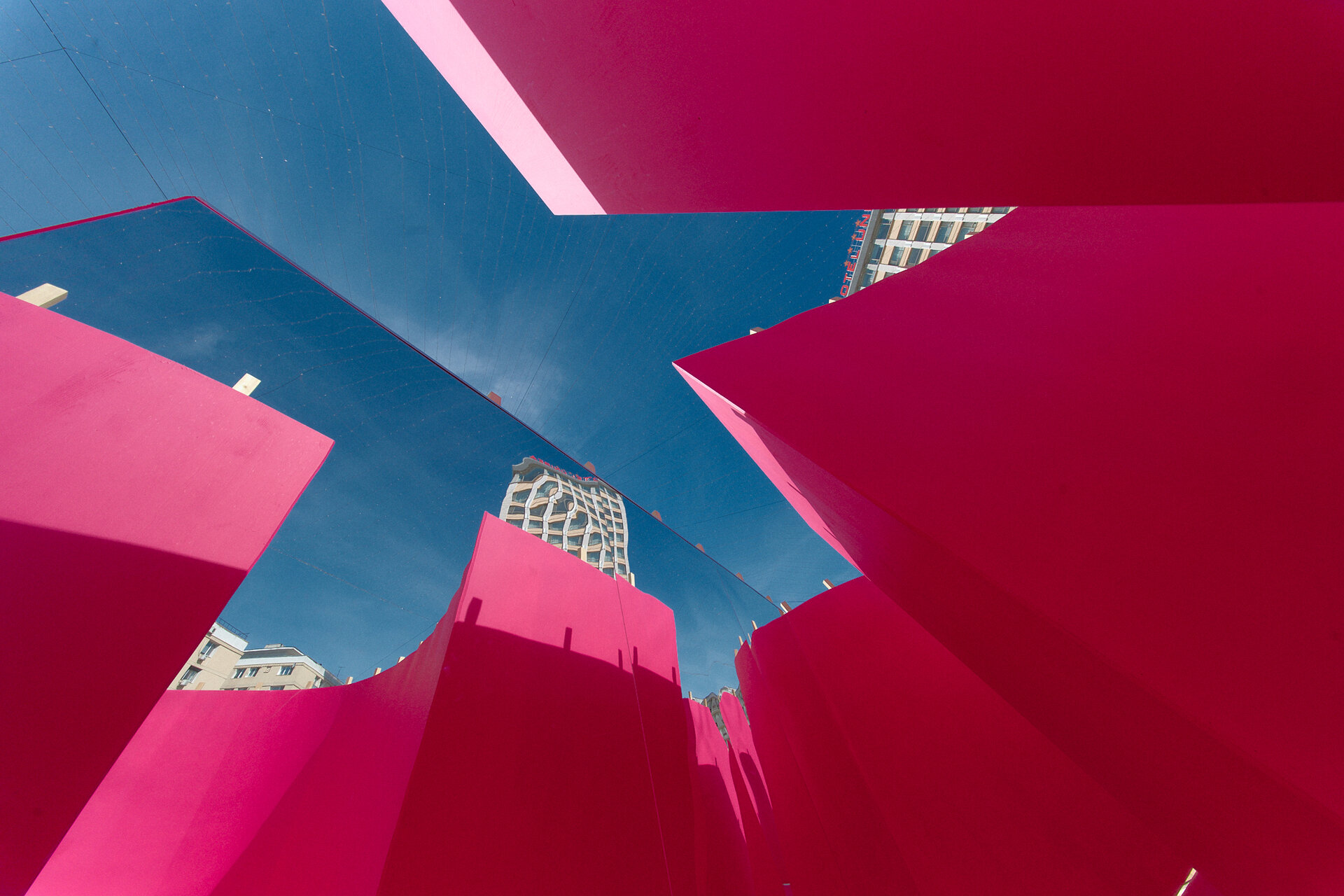
The pavilion is an open structure that allows primary emotions to manifest through experiencing the present moment. The human brain associates a thought with an emotion incredibly fast, in just a few milliseconds; however, triggering a full and conscious emotional response can take up to 90 seconds—the time required for the associated chemicals to be processed by the body. Research indicates that the release of hormones, such as adrenaline or cortisol, peaks and begins to subside after this 90-second window, a duration that roughly coincides with the time needed to walk through the space. Within it, we have introduced two distinct elements: the mirror, which recalls the presence of the Ego and disrupts the experience of the present, and the stone, which symbolizes the thoughts that anchor a moment otherwise destined to vanish.
We have learned to remain trapped in an emotion for longer periods through the thoughts and stories we repeat as an act of self-protection. Unlearning this habit is essential for authentically experiencing primary emotions (the 90-second rule). This process was studied and described by Harvard neuroanatomist Jill Bolte Taylor, whose work forms the foundation of the architectural concept.
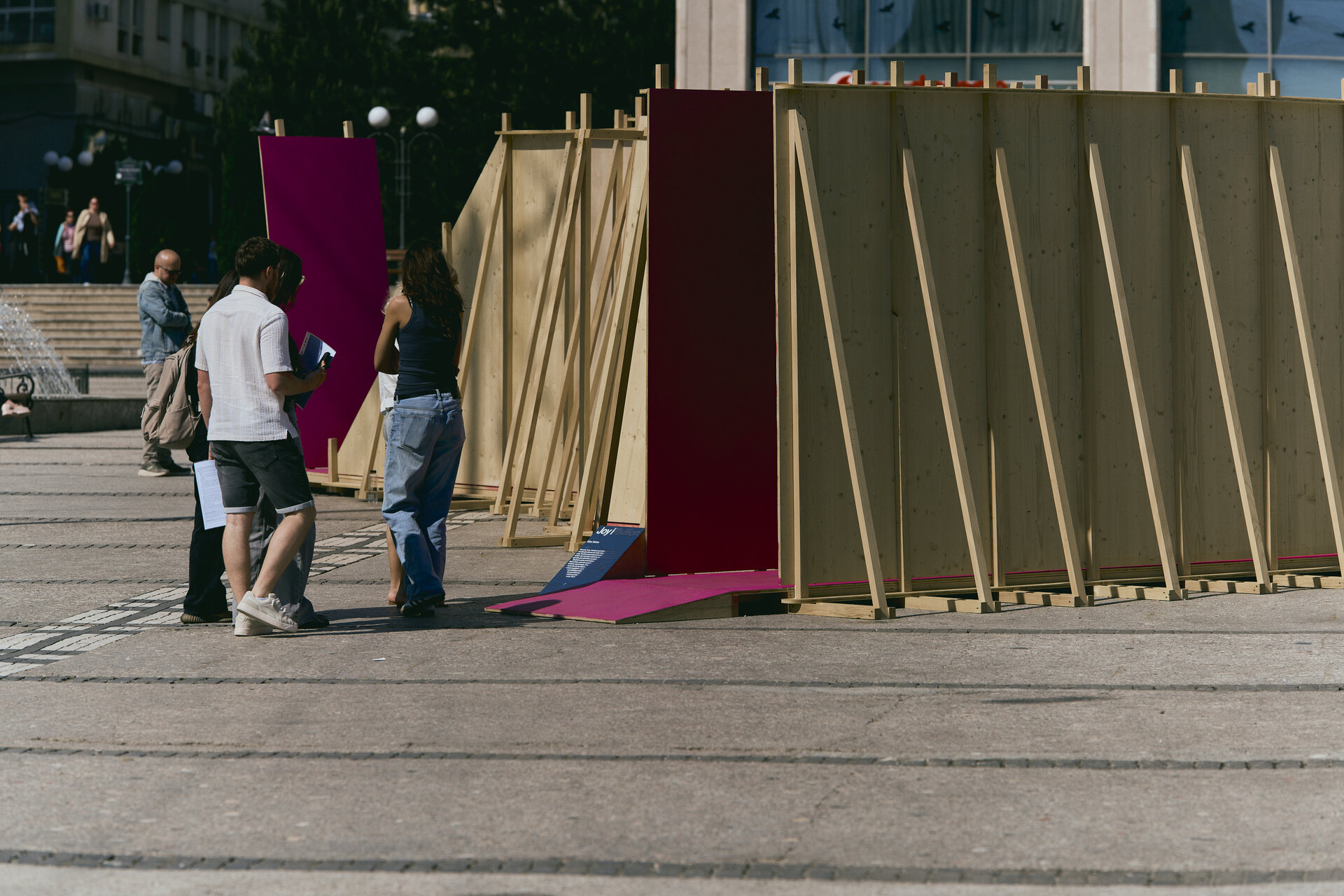
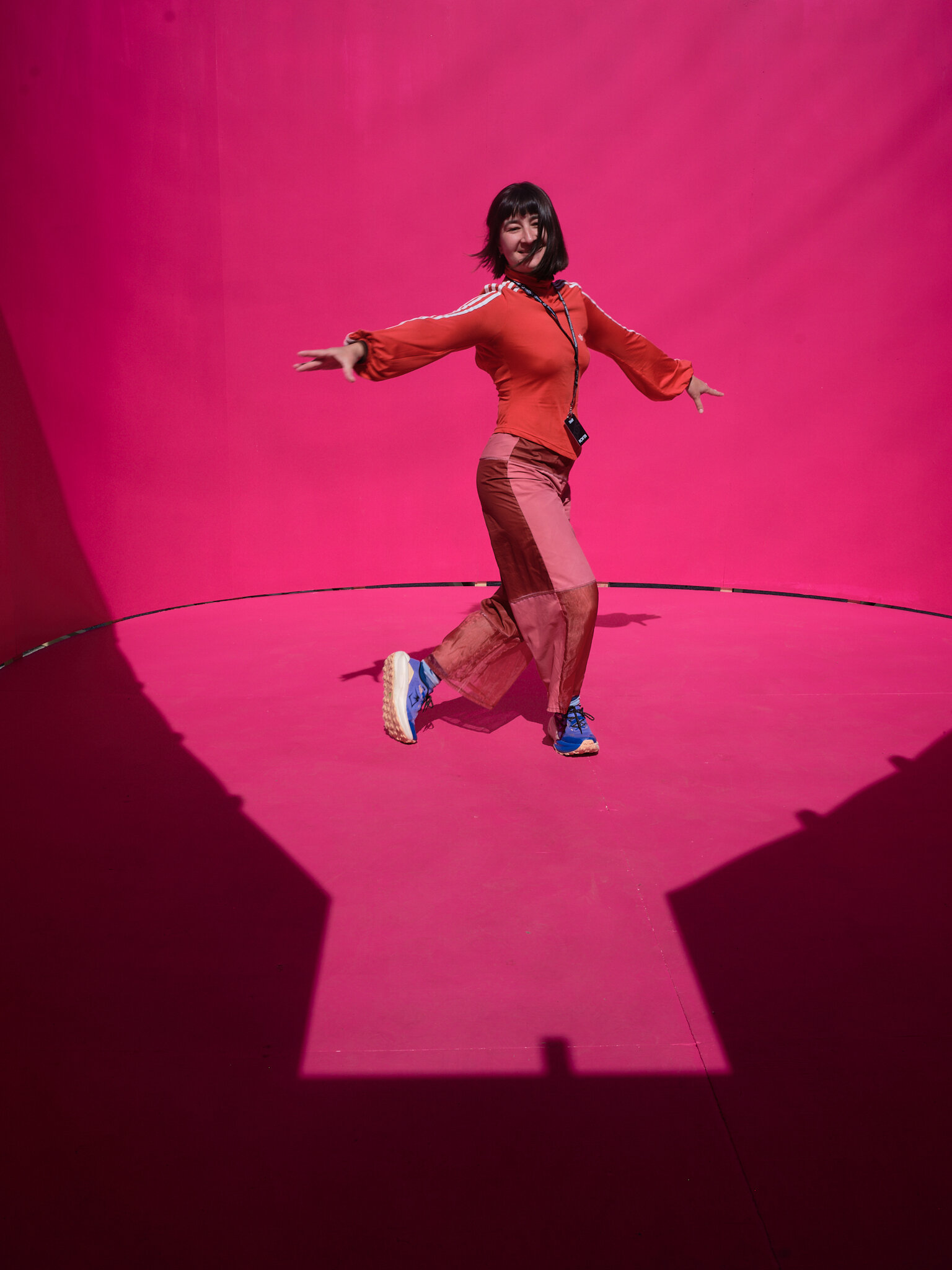
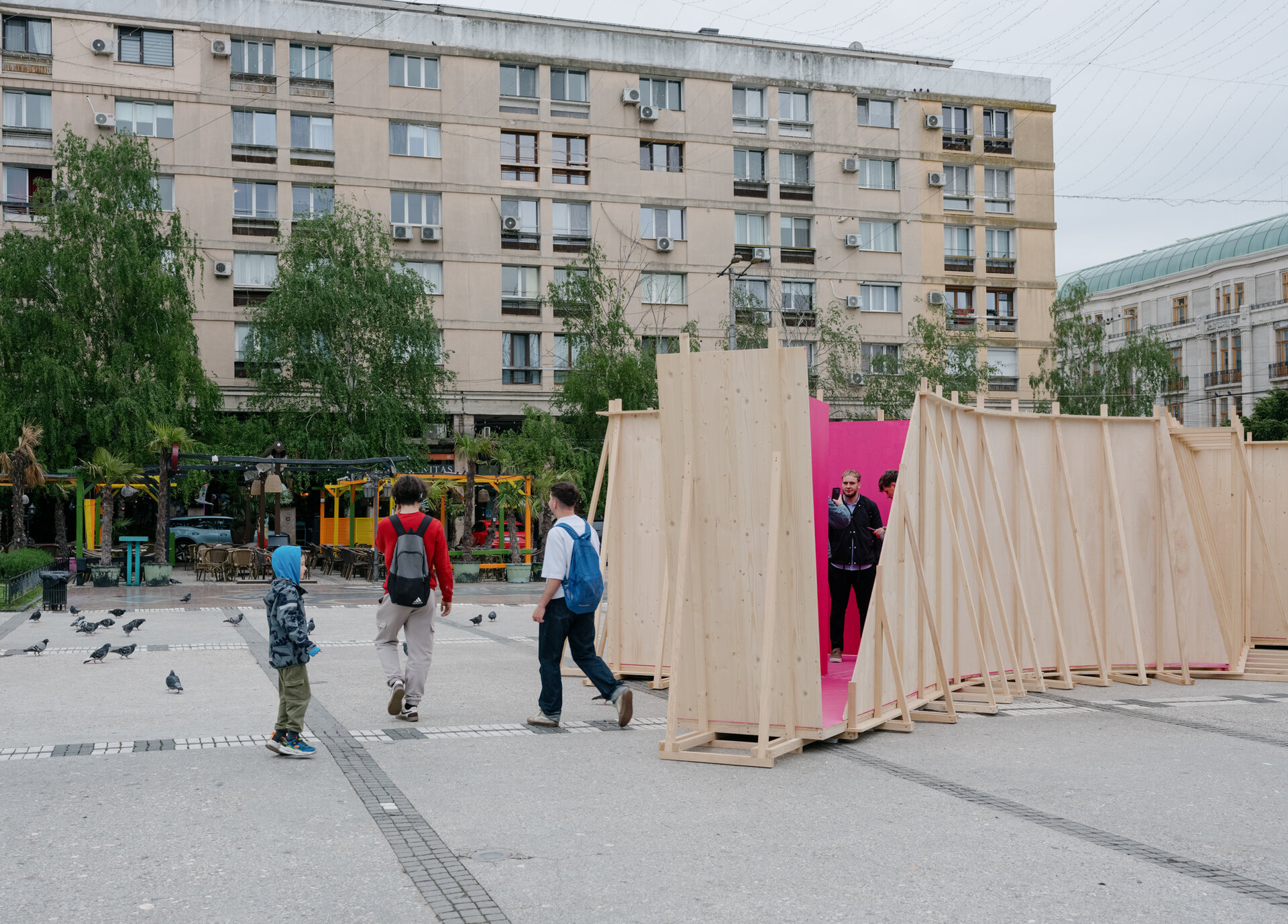
As part of Romanian Creative Week 2026, the Joy Pavilion transformed Iași's Unirii Square for 12 days into a place for the individual's return to emotion and, ultimately, a space of (re)encounter with one's own body for the approximately 10,000 visitors who crossed its threshold.
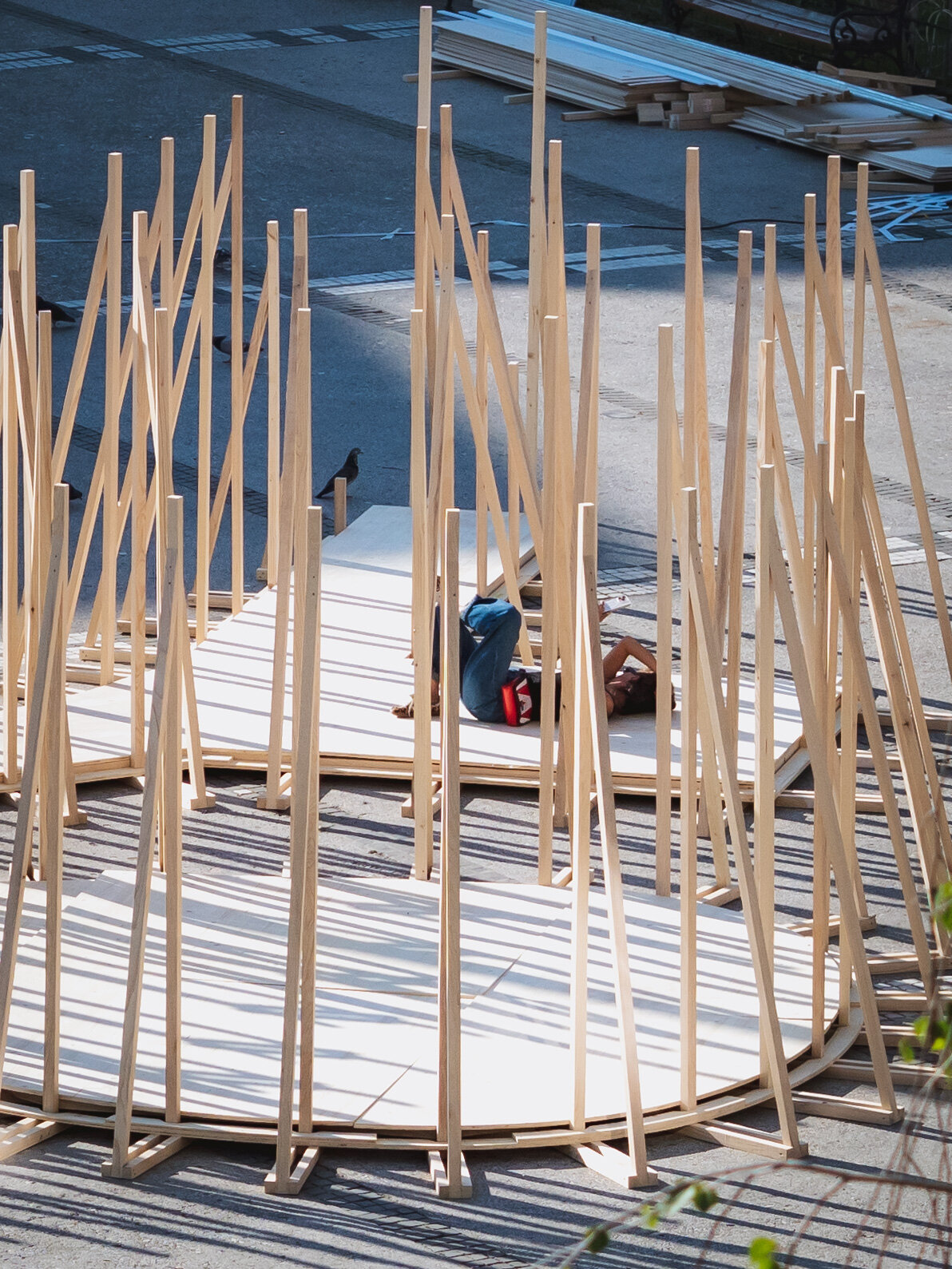
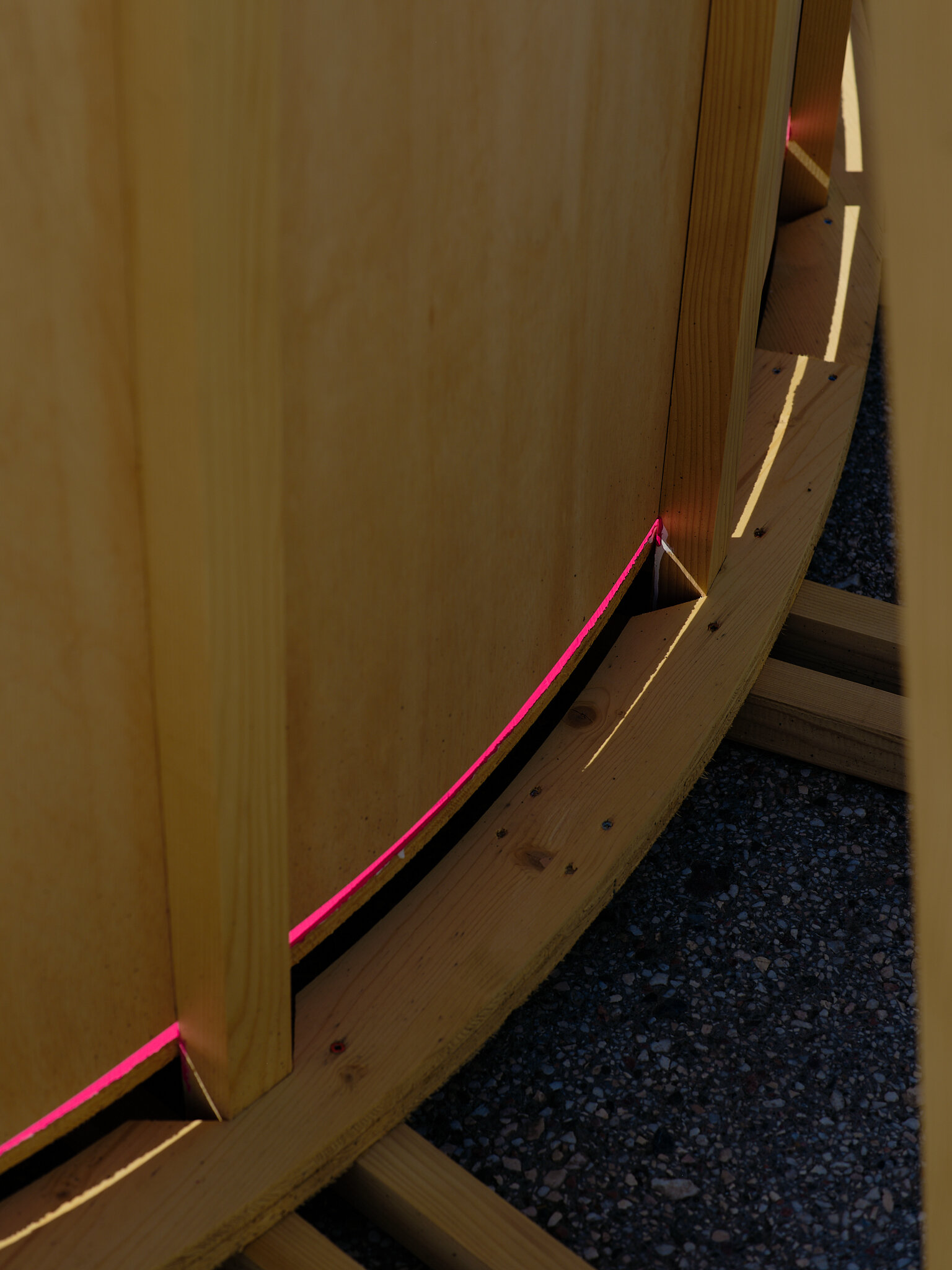
Materials: Wooden structure, wood panels, paint, acrylic mirror, fiberglass stone-shaped volume
Area: 37.00 sqm
Dimensions: 10 x 12.5 x 2.5 m

Architecture and Public Space


