Milestones
Authors’ Comment
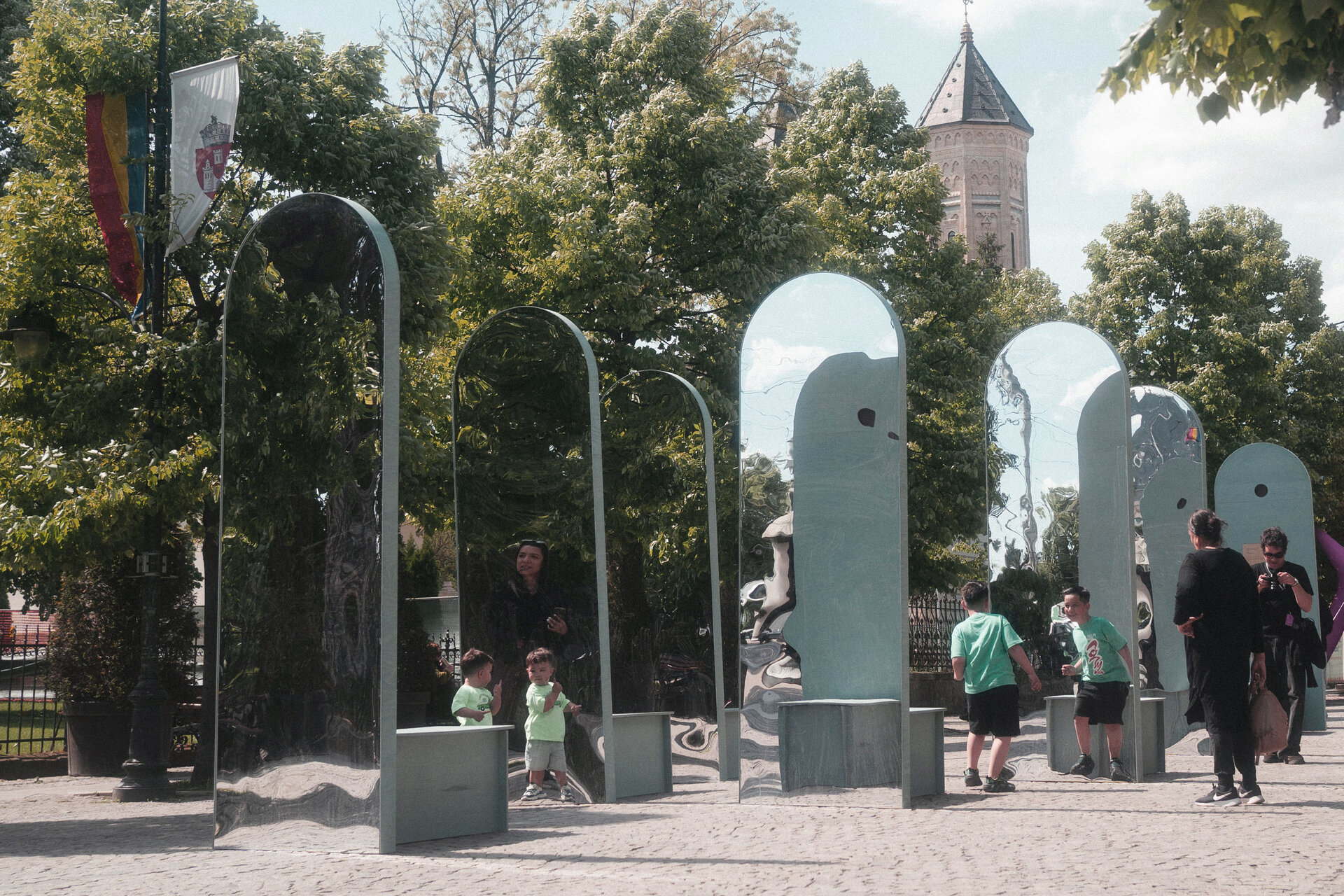
Pietre de Hotar is the winning project of the Performance Spaces competition, organized by the Iași Branch of the Romanian Order of Architects (OAR) together with Romanian Creative Week. The project is part of the Romanian Creative Week festival and was exhibited as part of the events held in May 2026 in Iași and October 2026 in Bucharest.
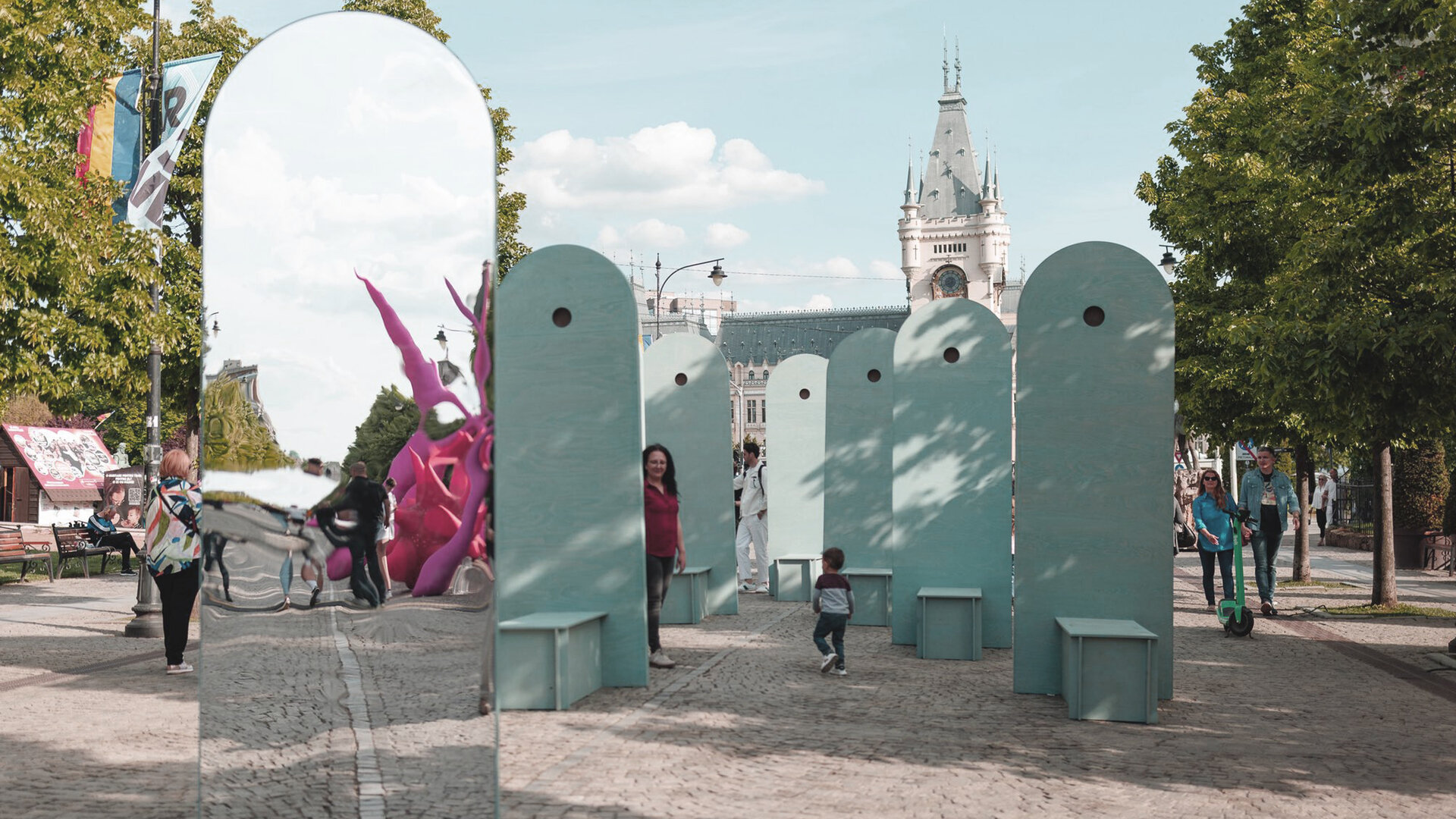
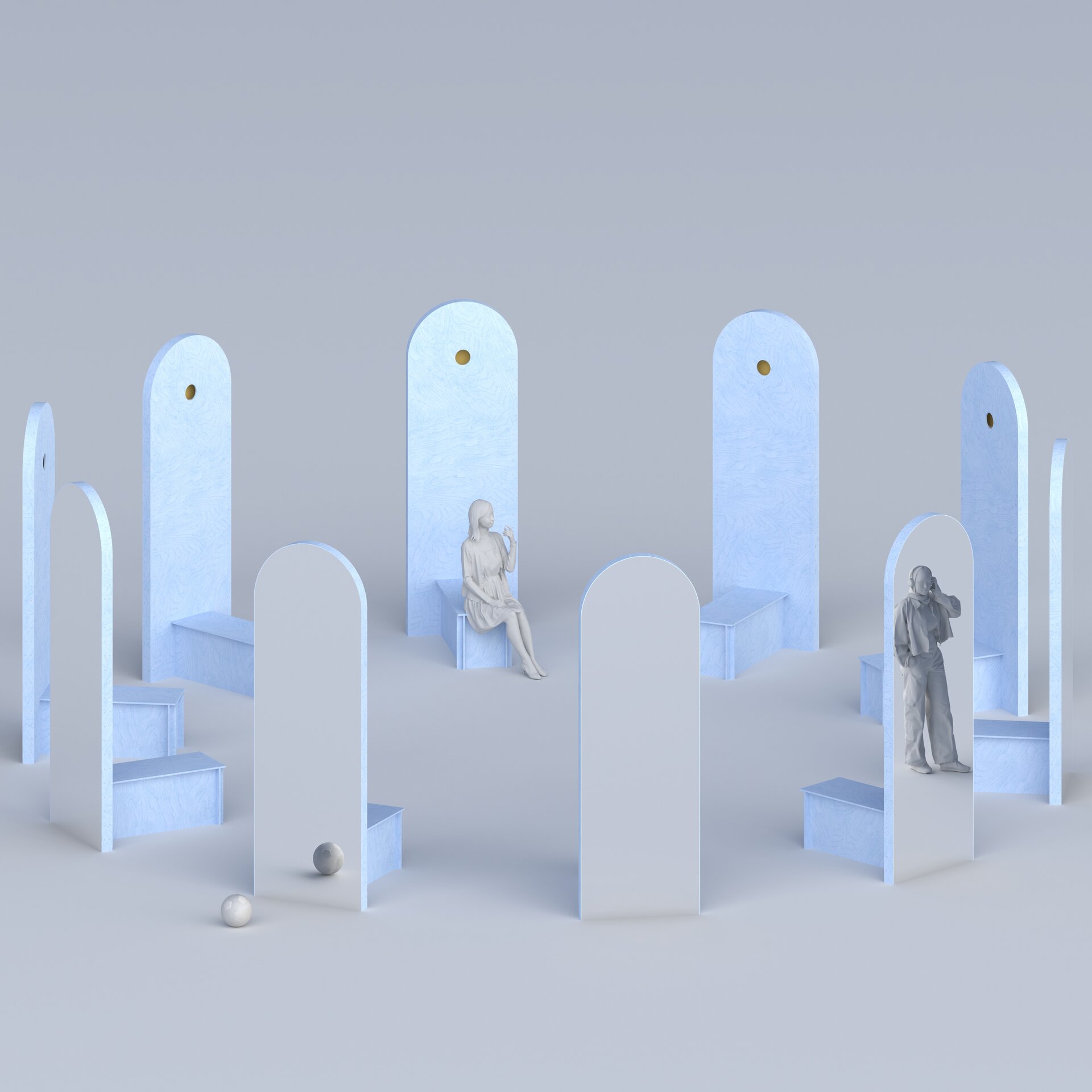
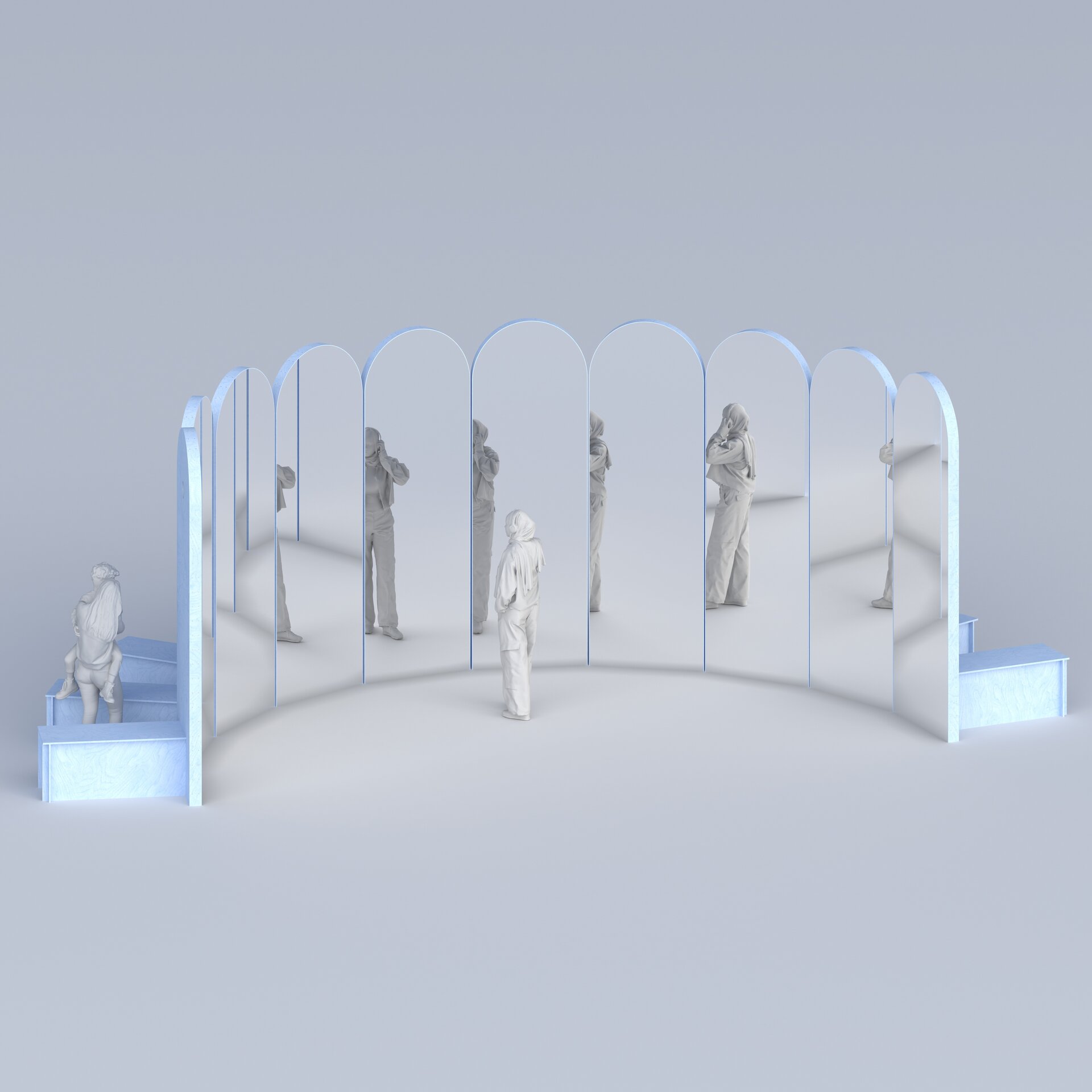
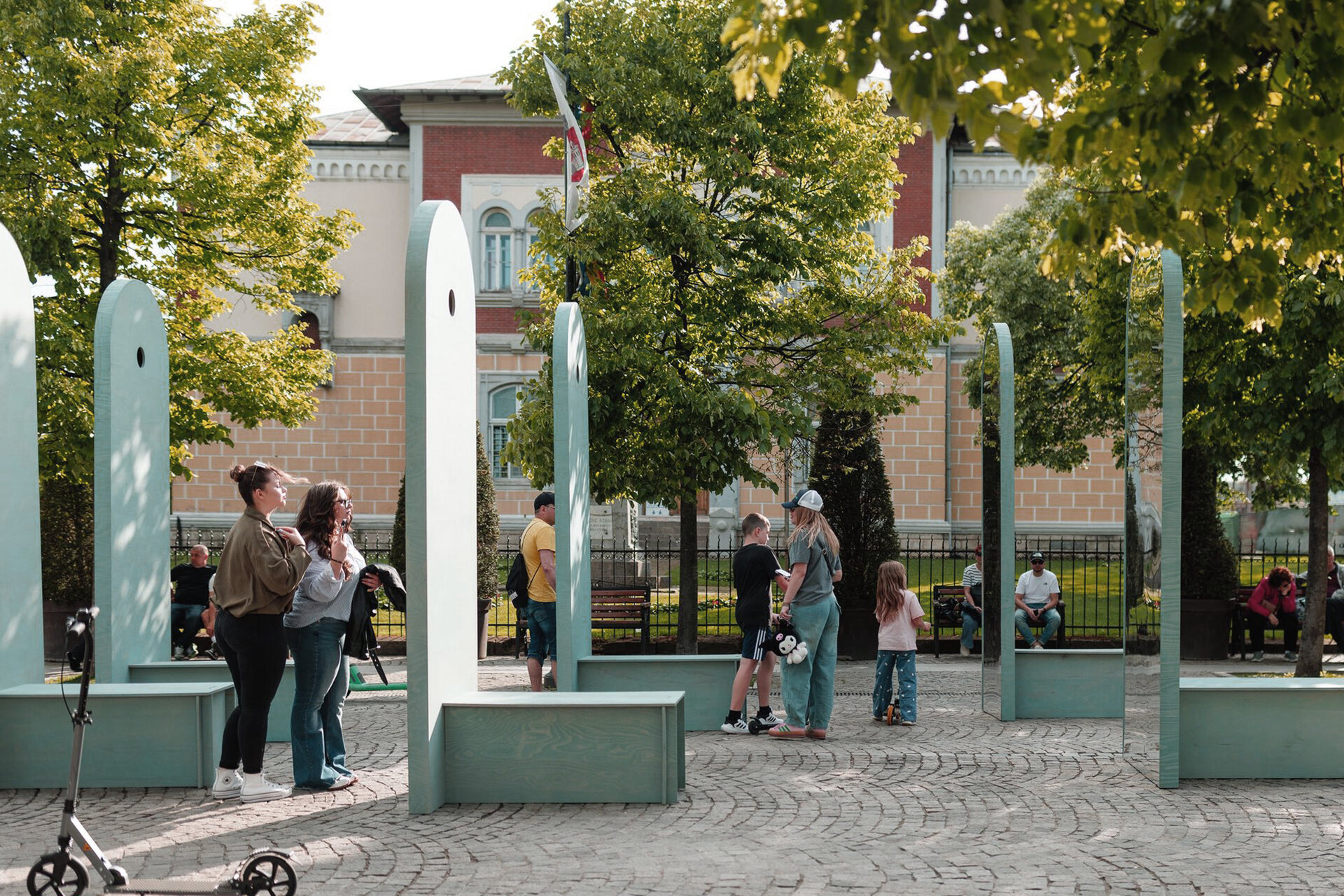
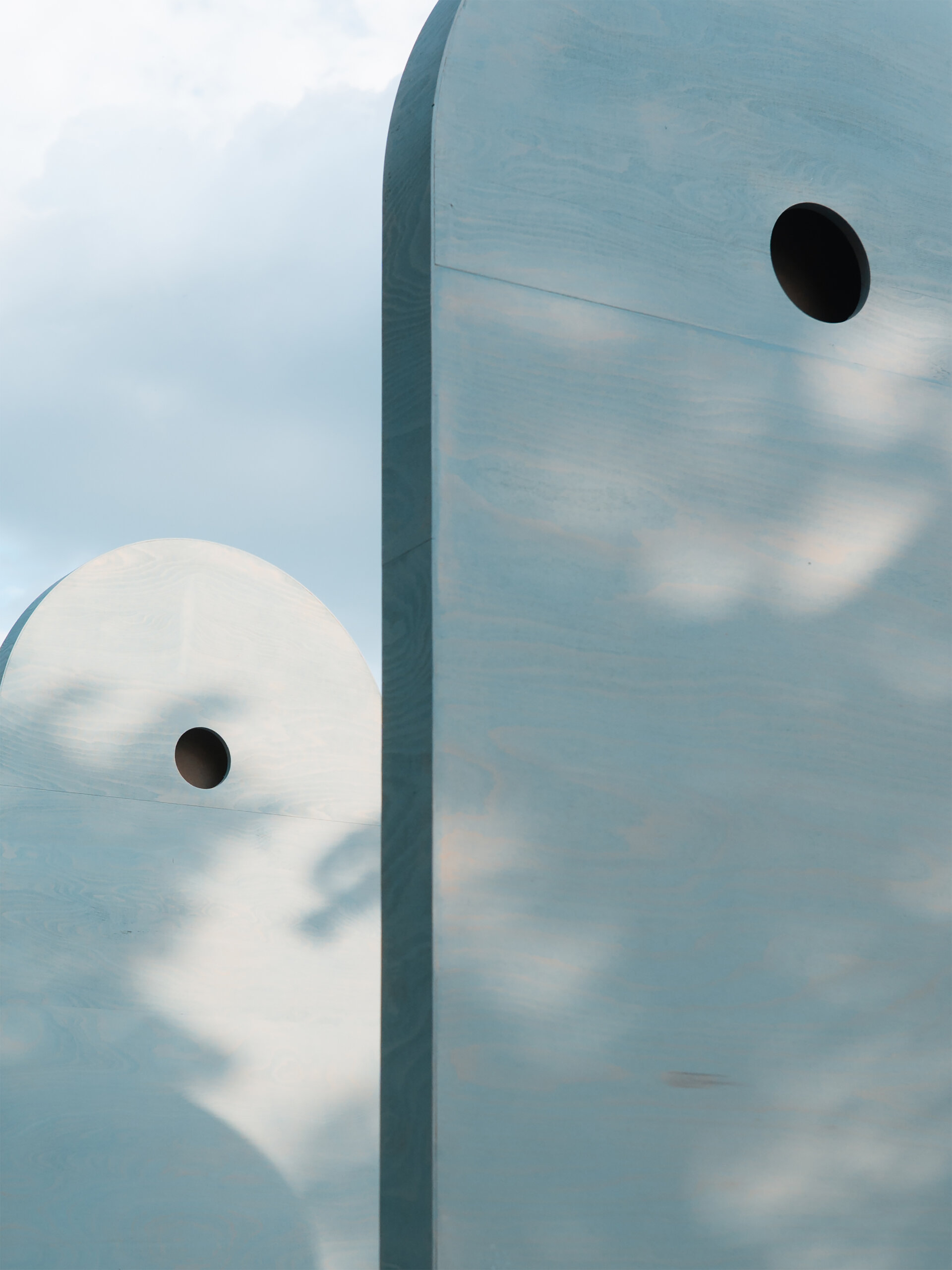
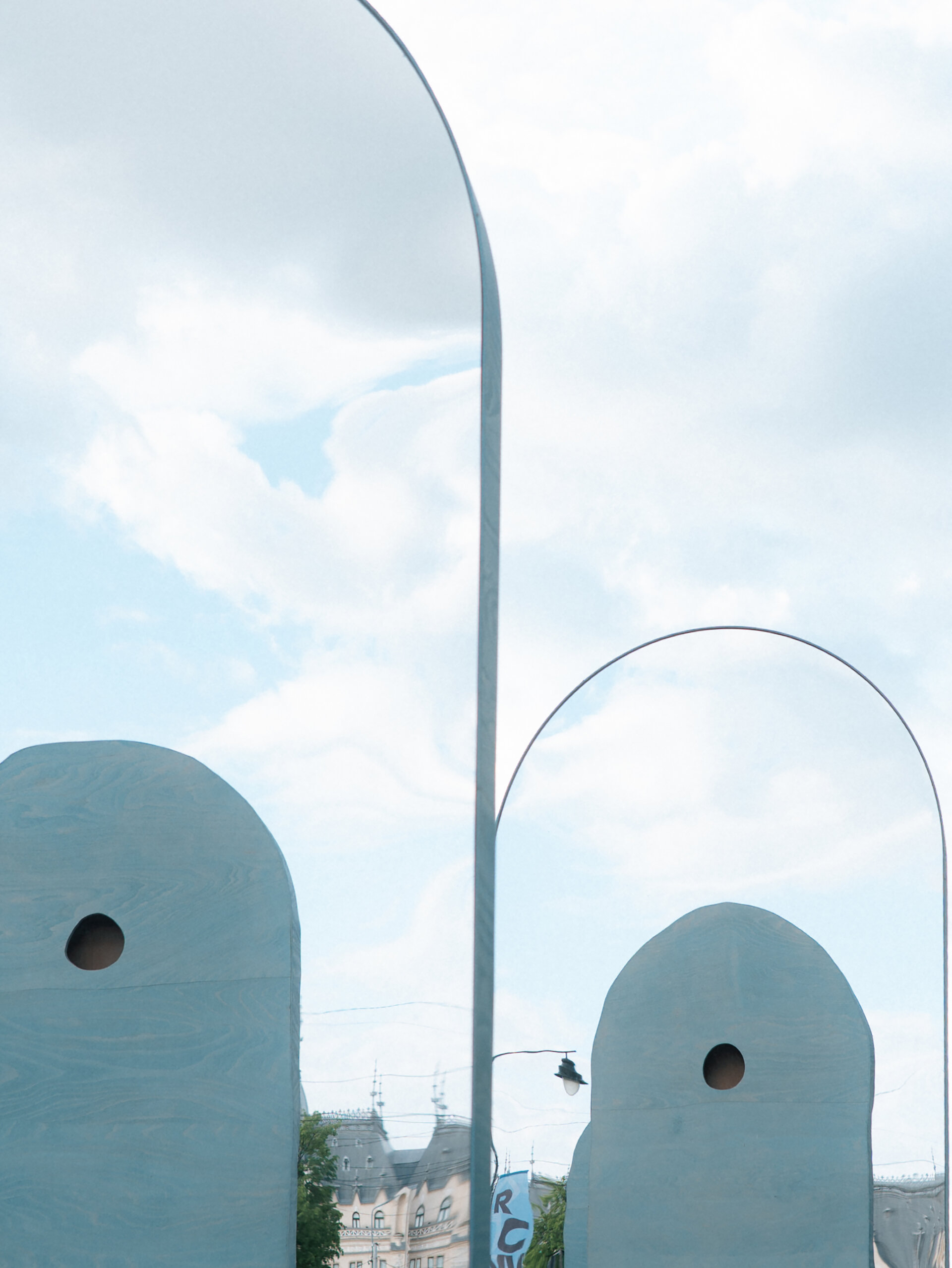
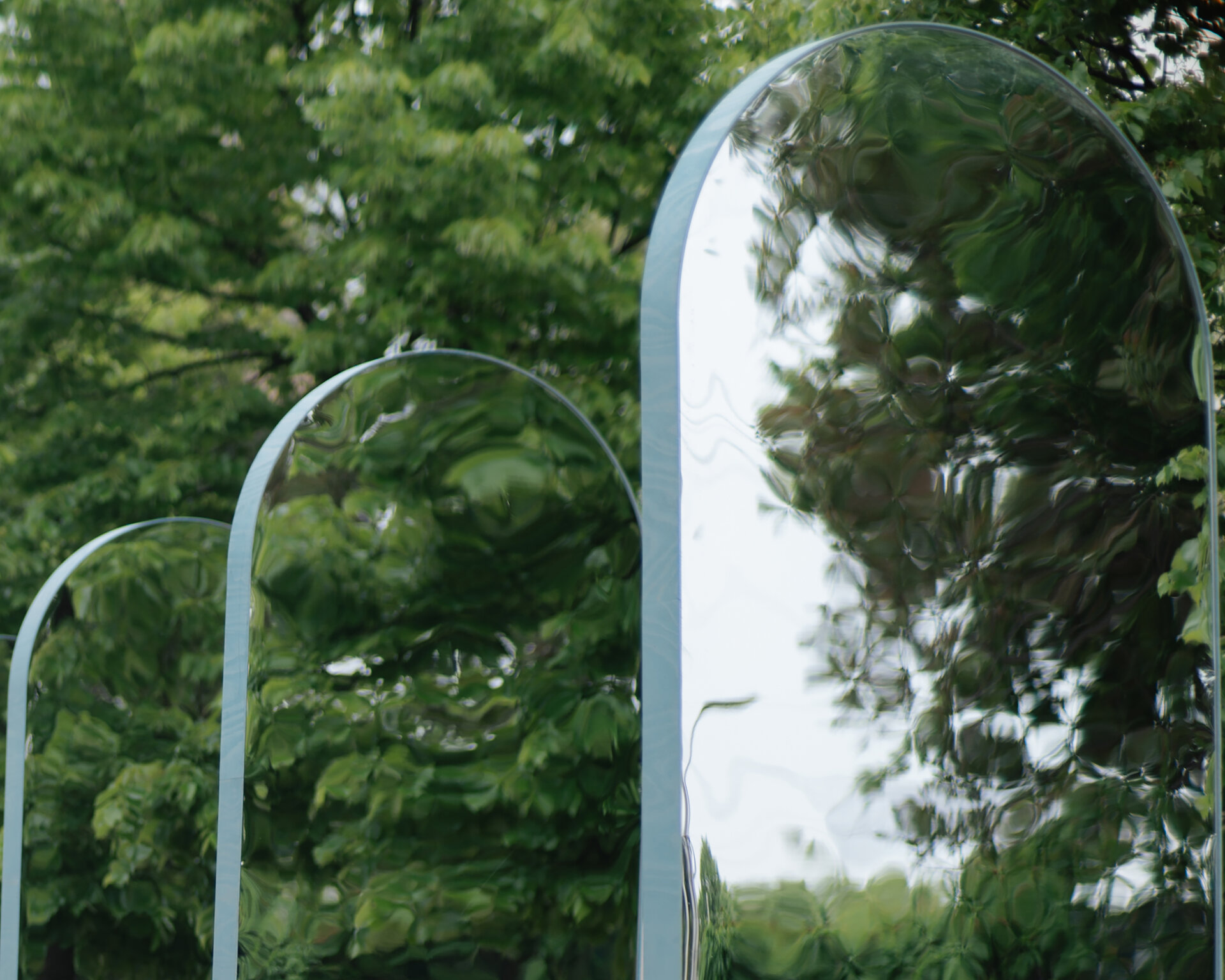
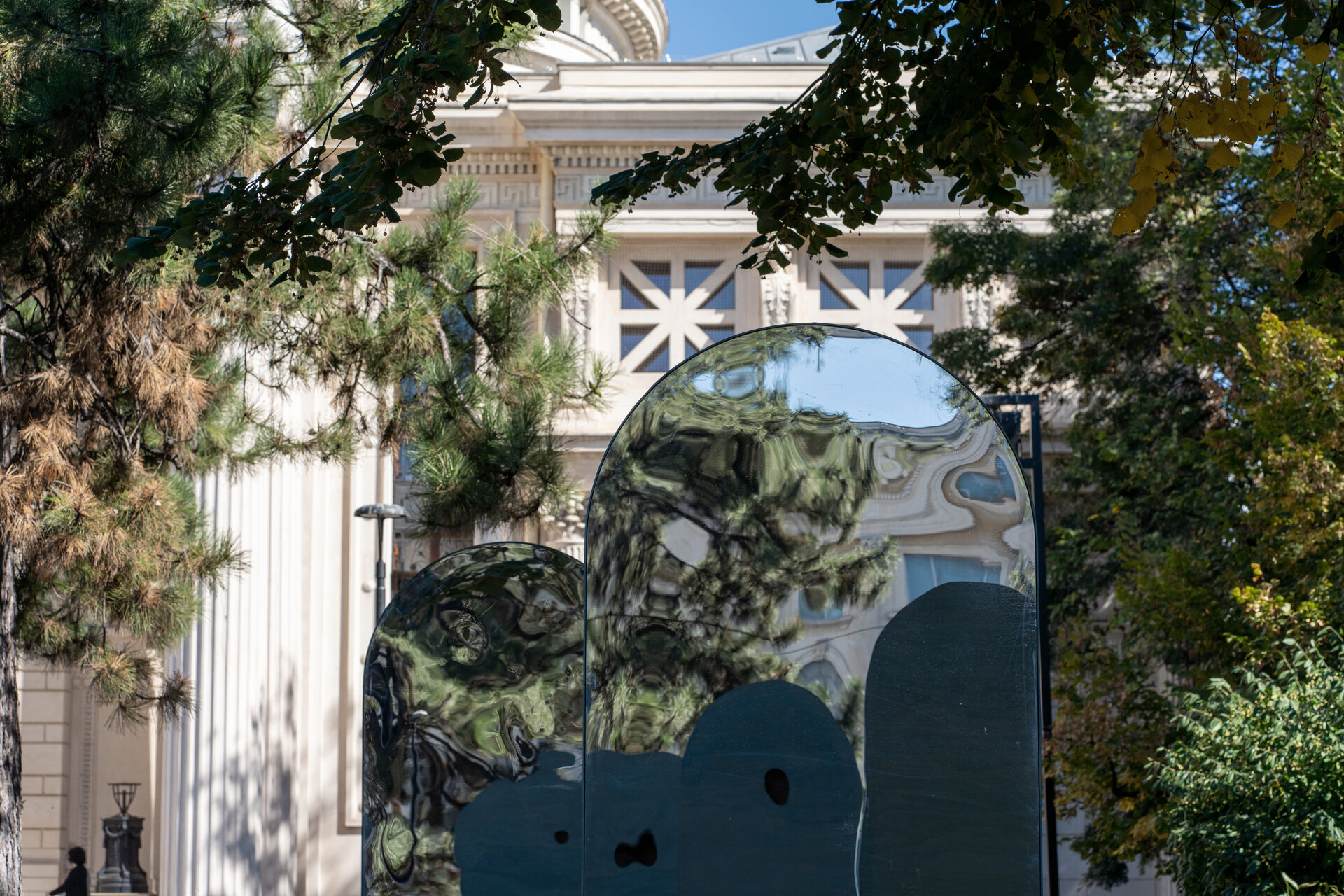
The project operates through a very simple gesture – the mirror – yet manages to activate space in a subtle and intelligent way. Rather than proposing an obvious scenography, it creates a framework in which human presence becomes the main content.
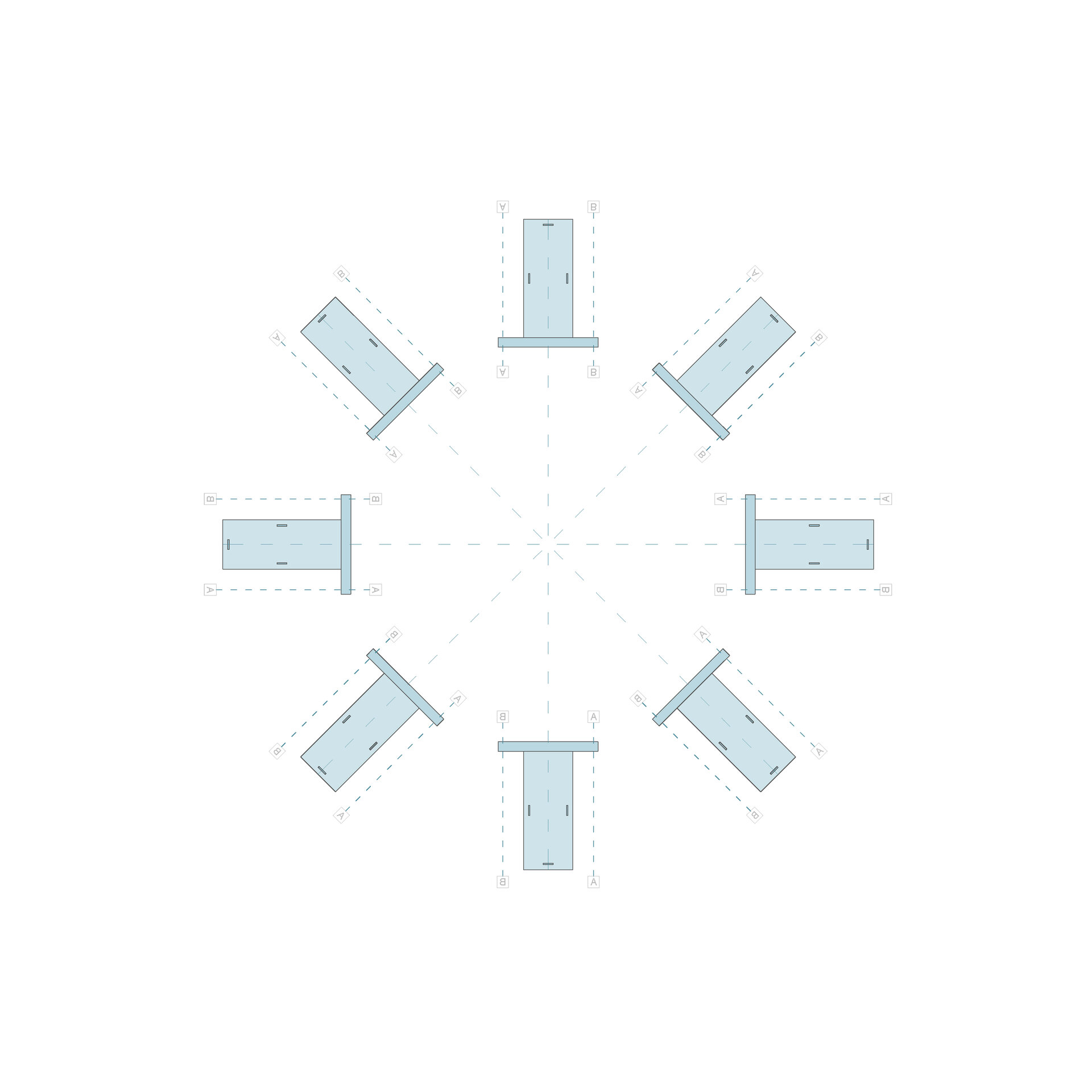
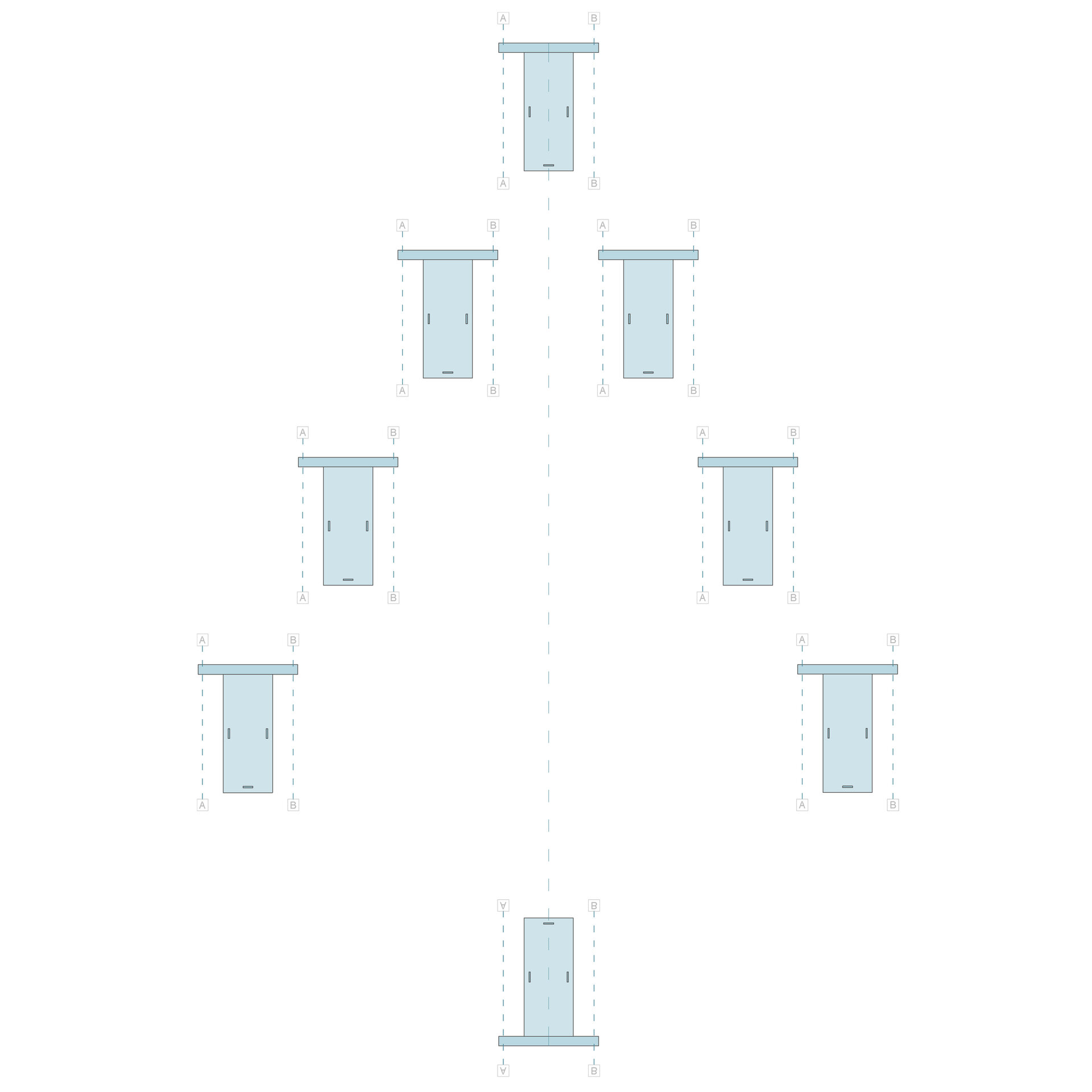
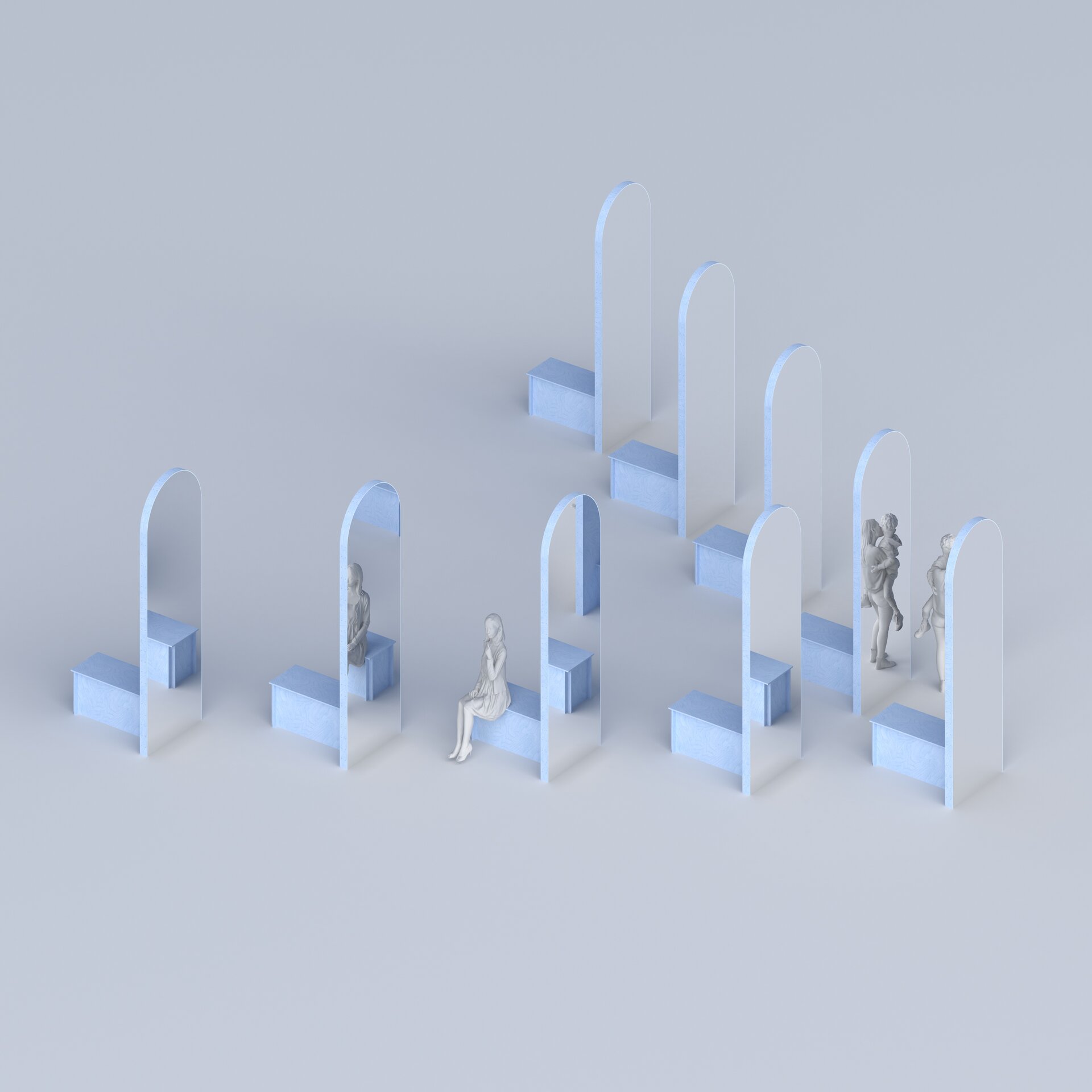
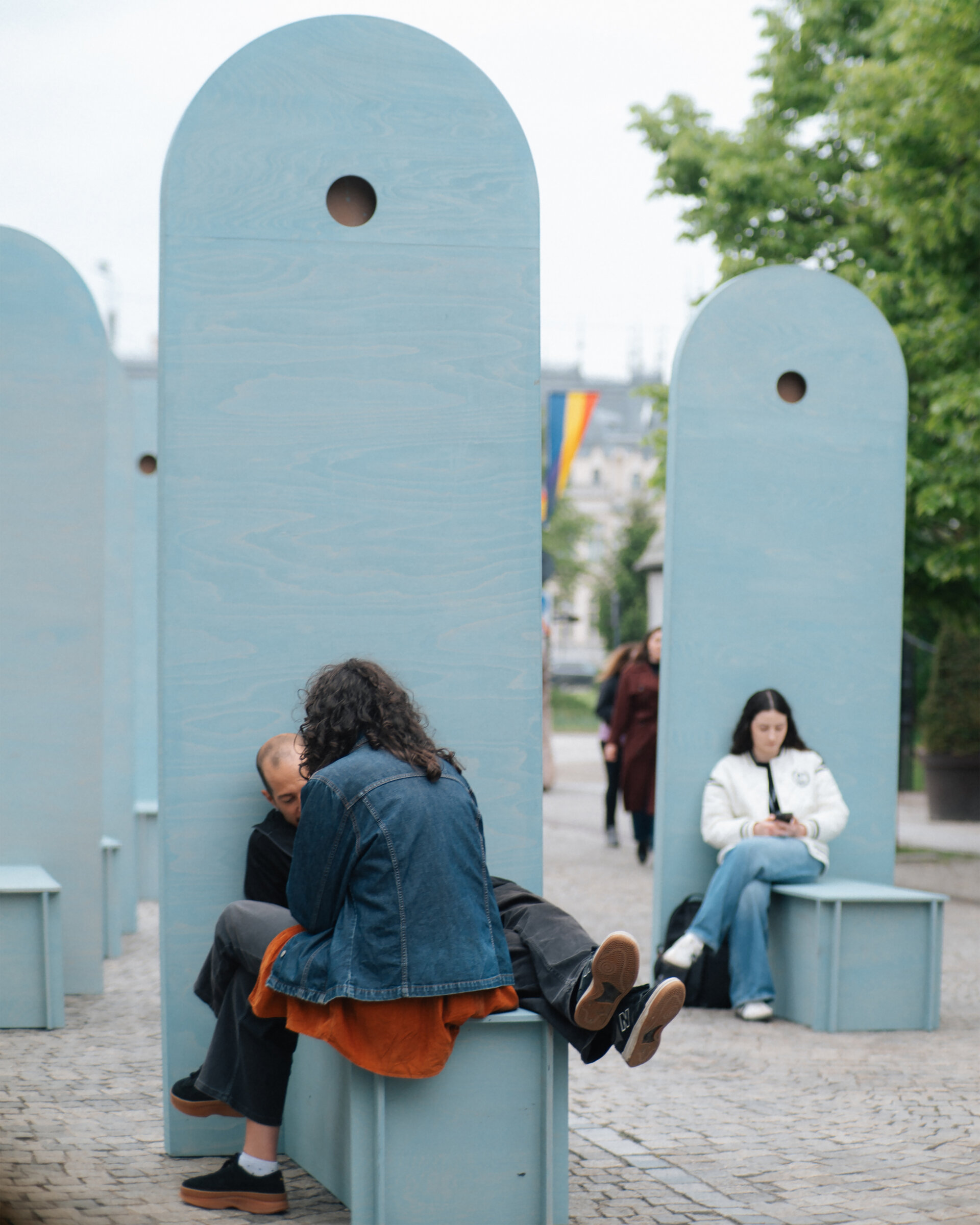
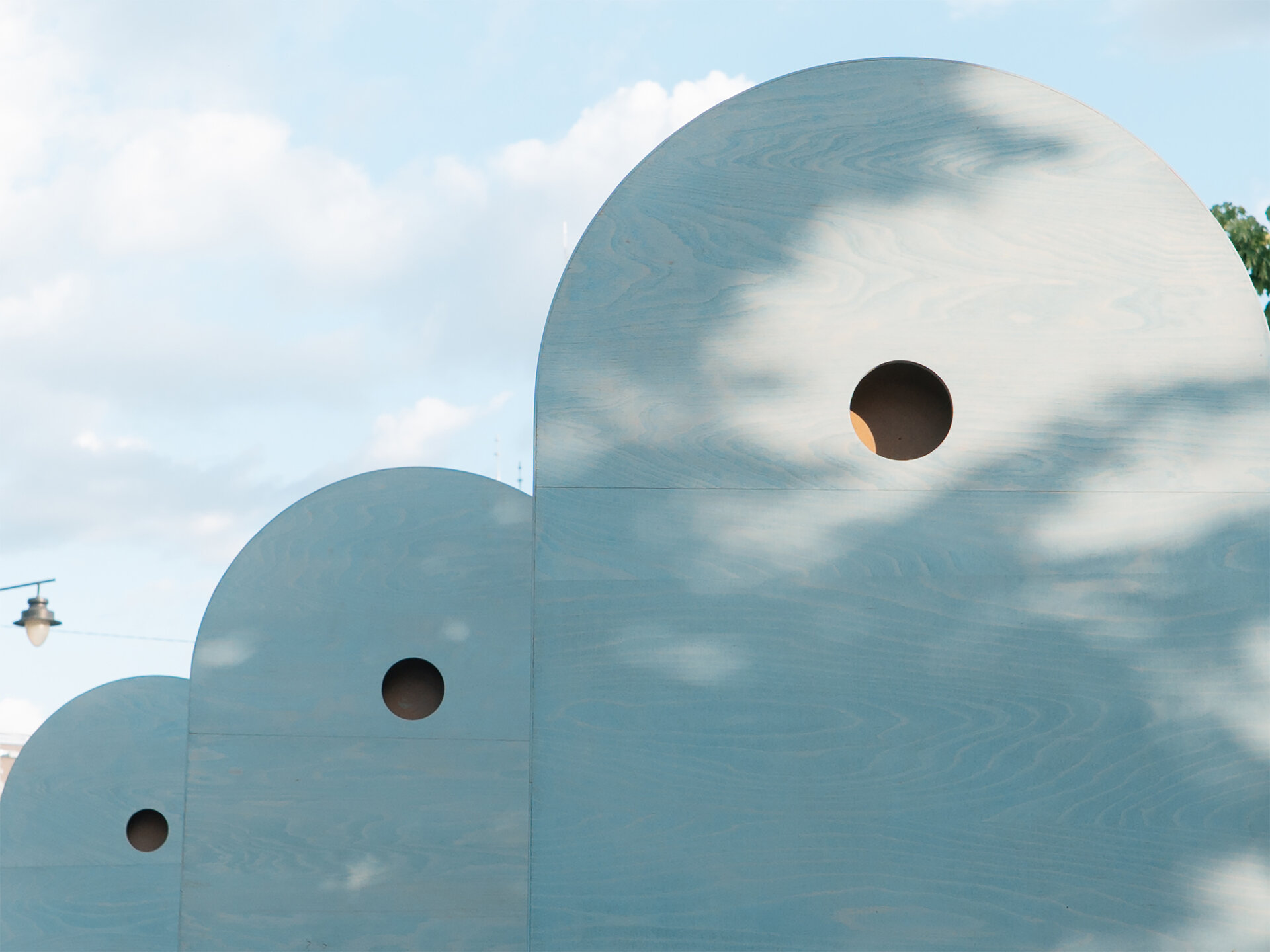
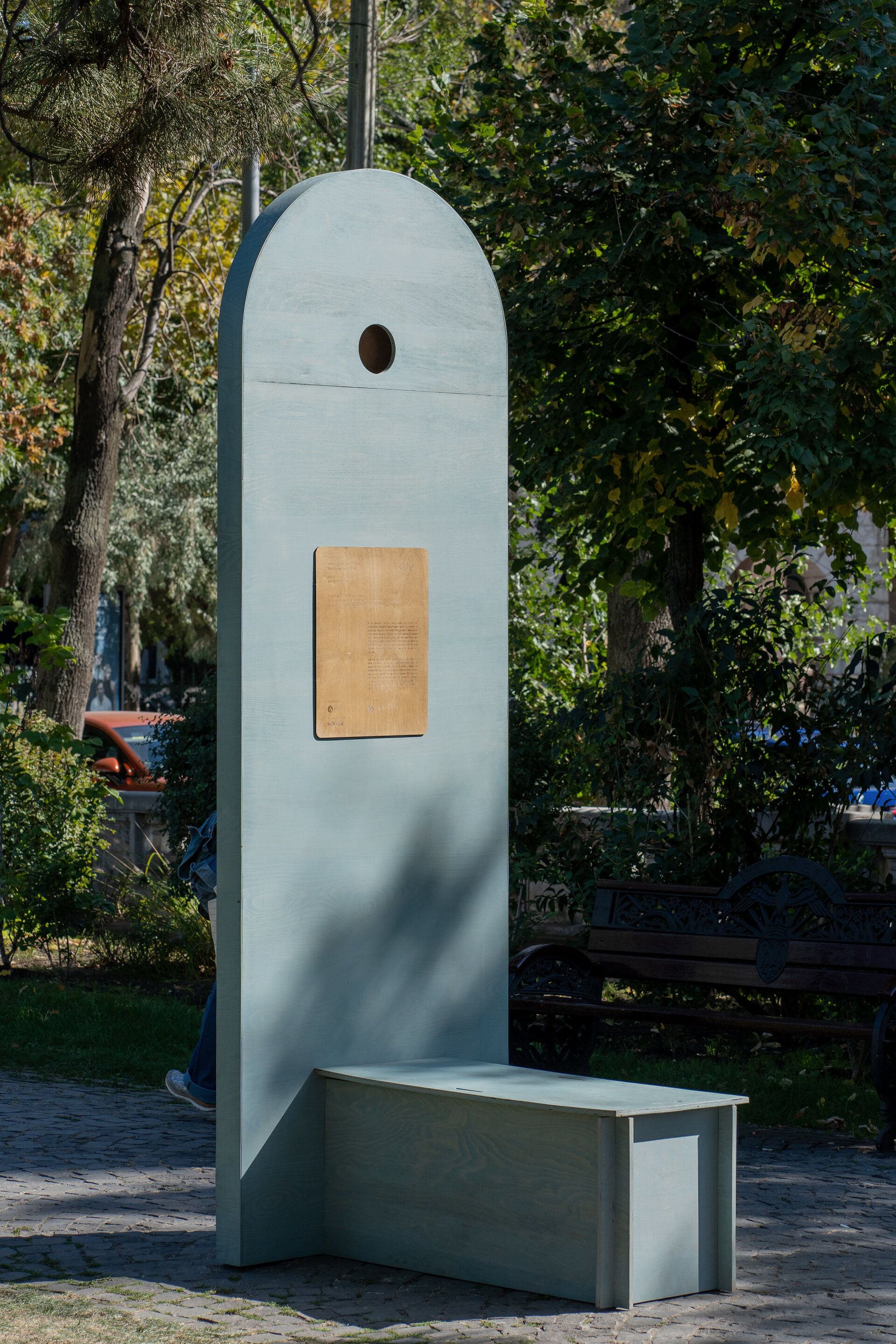
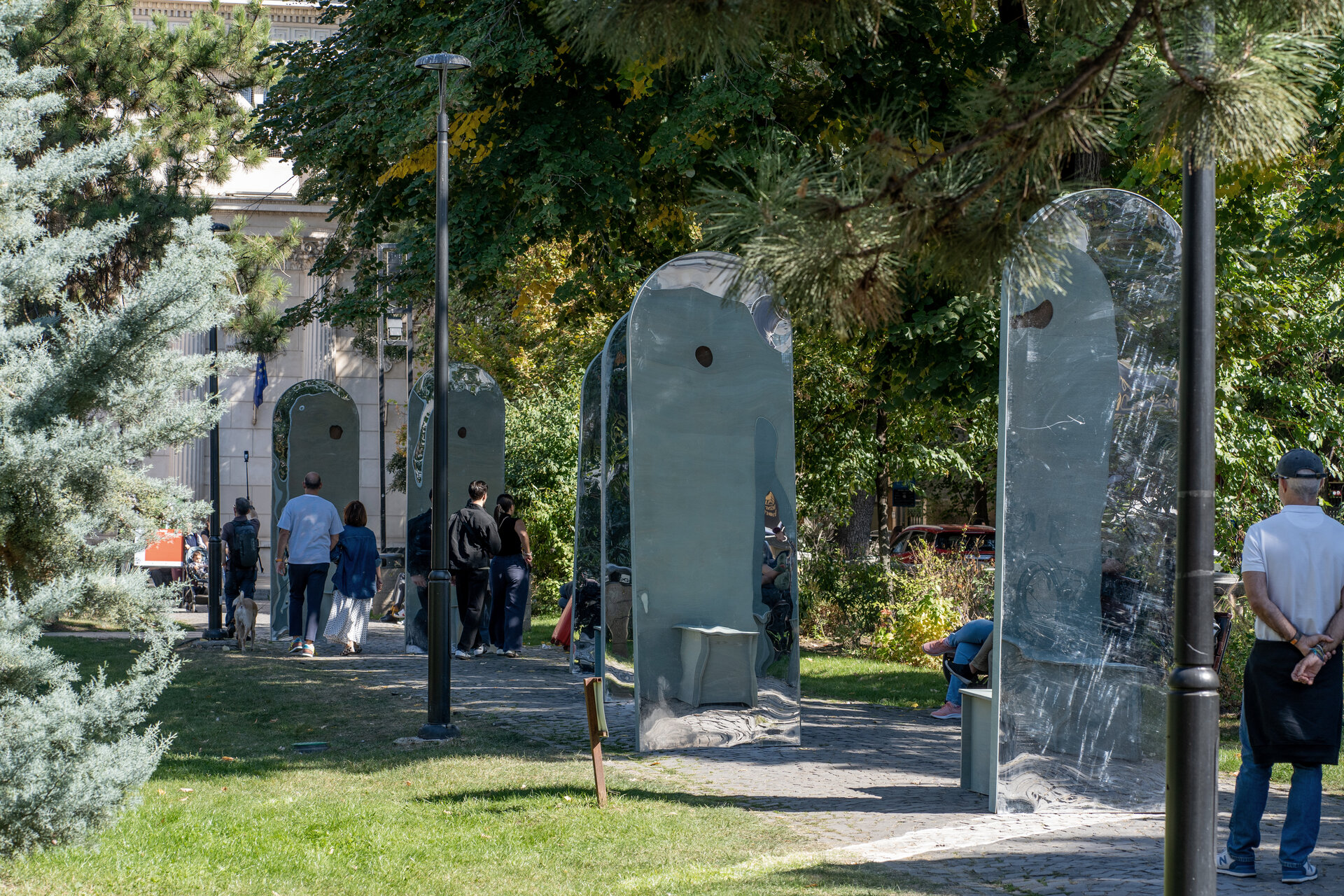
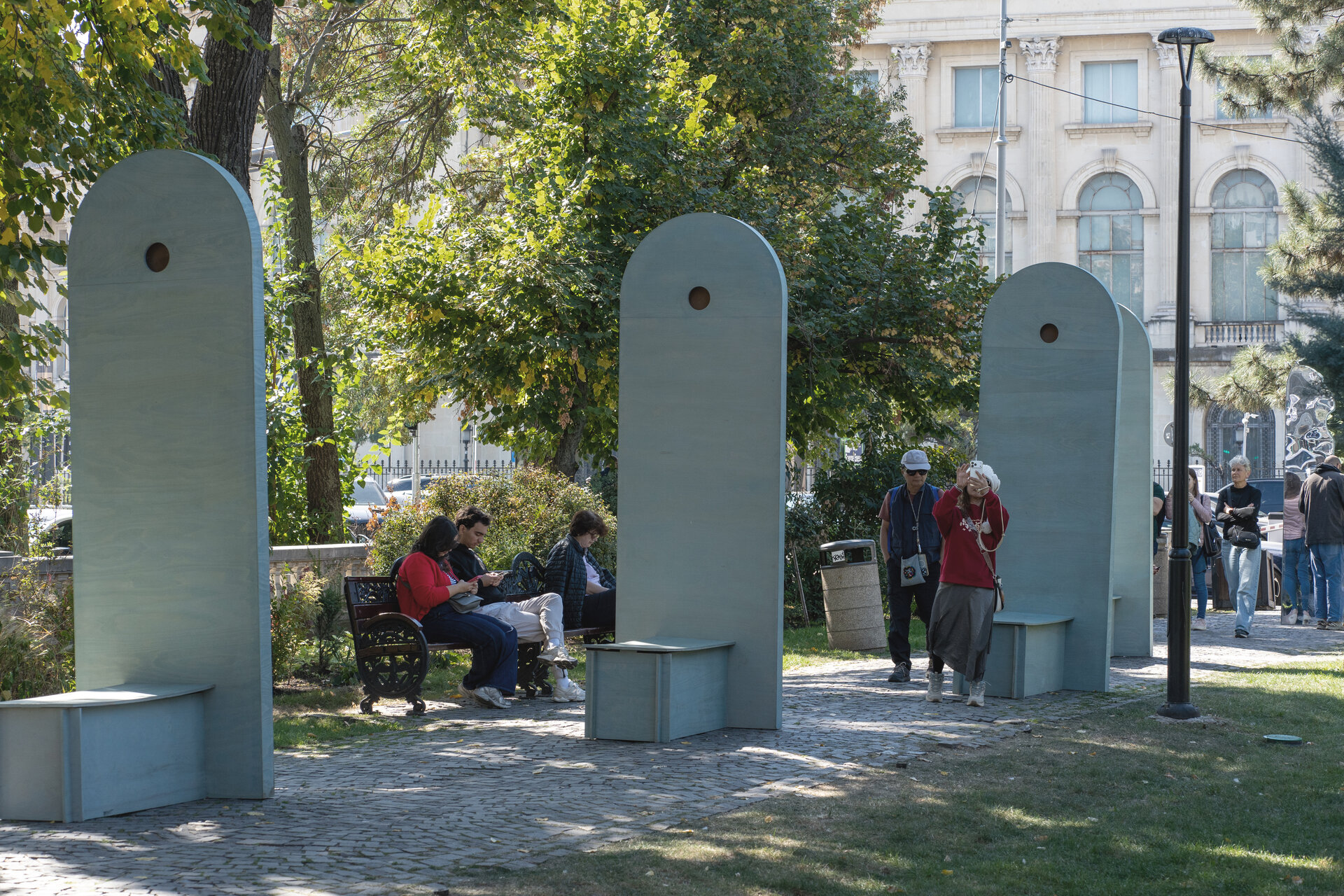
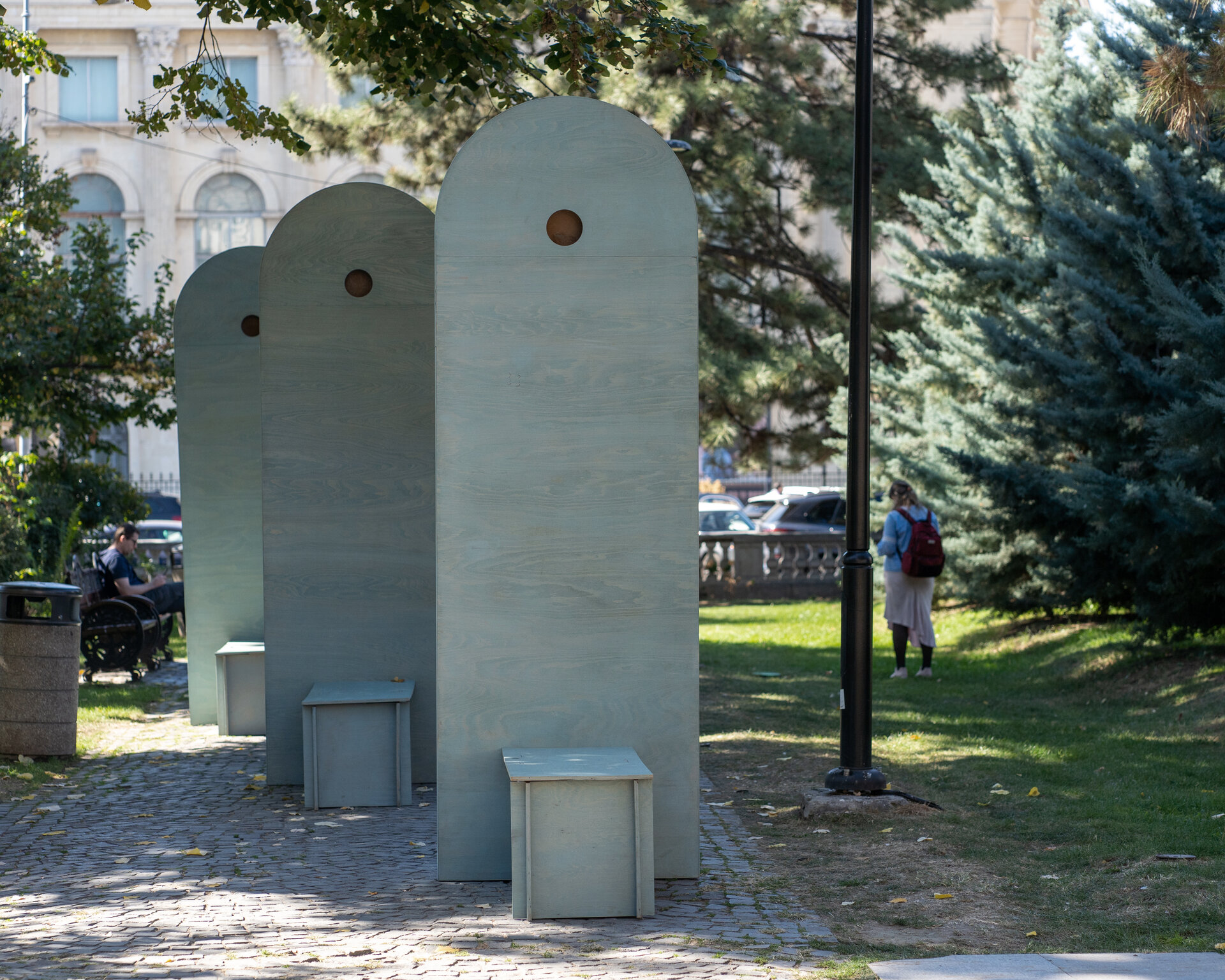
The idea of the mirror as a signal, making presence in space visible, is intended to be grounded in a philosophical understanding of space and presence. Ultimately, it is not the object itself that matters, but the relationship it creates with the user. The fact that the modules can function both individually, as landmarks, and collectively, as a stage or a place for introspection, gives them a high degree of flexibility within an urban context.
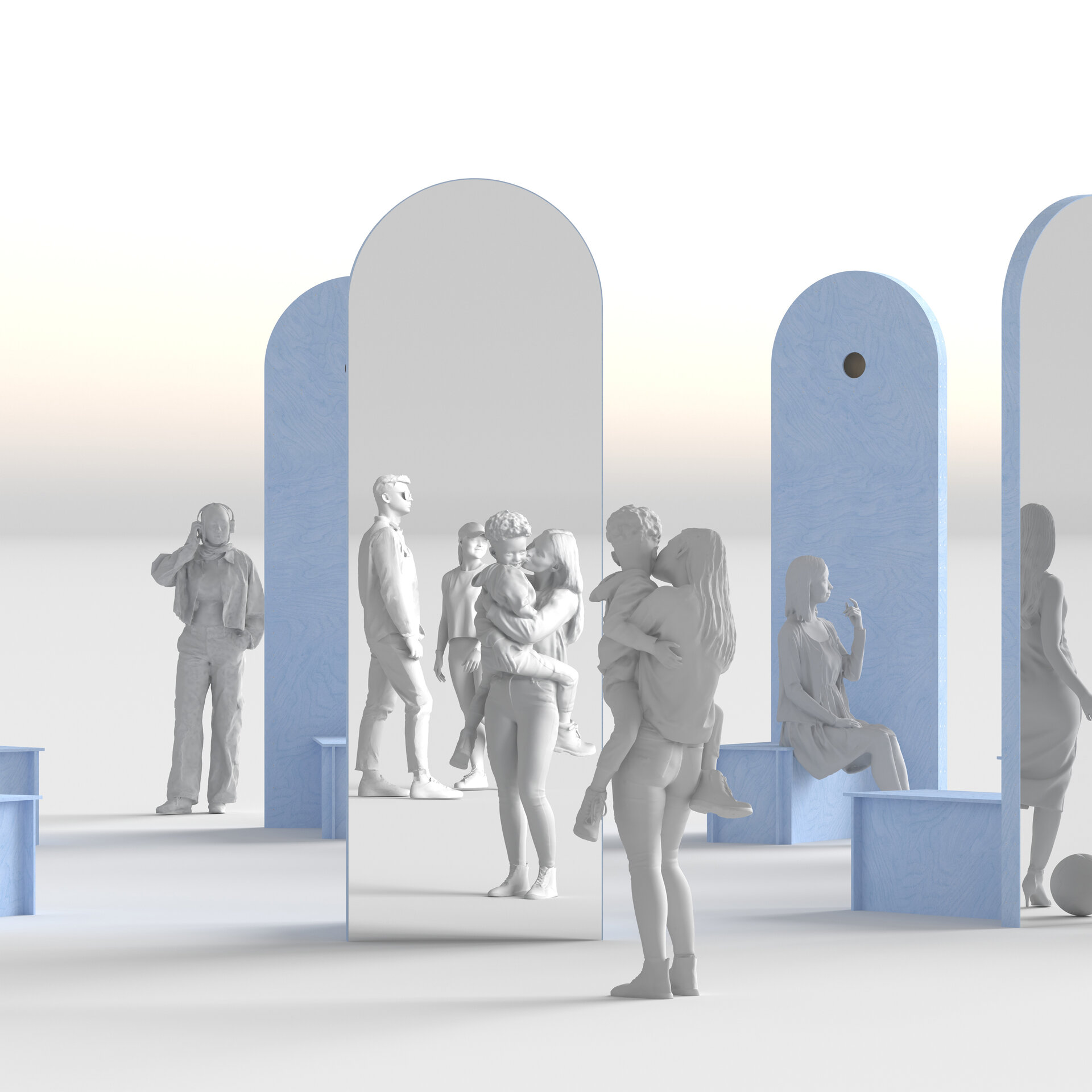
At the same time, the simplicity of the object is a major advantage, as it does not impose a specific way of being used, but instead leaves room for interpretation. People can walk past it, stop, look at one another, or interact without constraints. The act of being present thus becomes performative, but in a natural way, without imposing a predetermined direction.
Being a resident of a city can often feel overwhelming. We inhabit countless spaces and rush past many more. We constantly think about what the city lacks, without realizing that perhaps everything is already there, but we have simply not noticed it yet. The potential of many places to respond to the needs and desires of their inhabitants is always in plain sight, yet remains hidden. Often, all that is needed is a small signal.
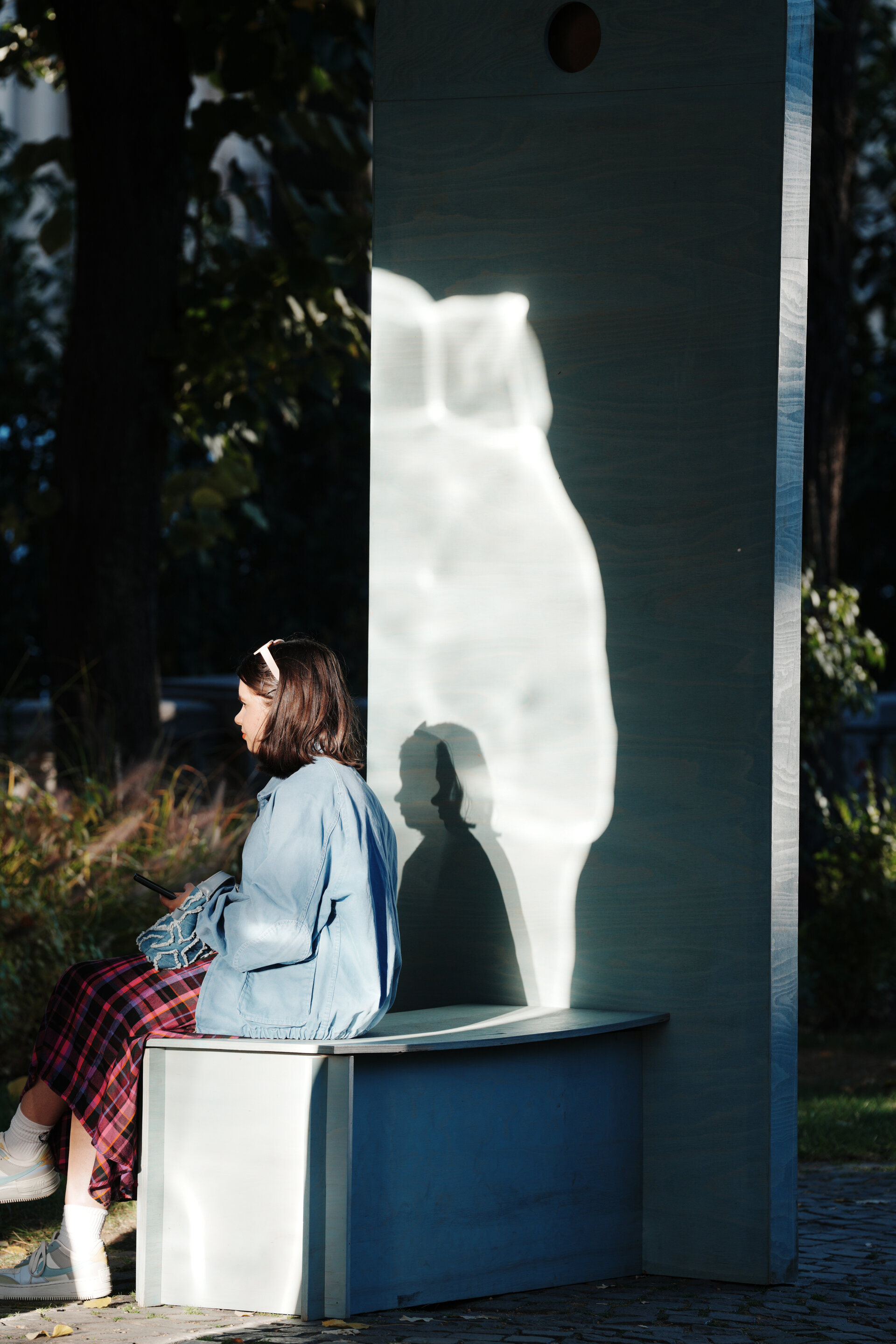
The mirror becomes this signal: an invitation to become aware of our presence in the space we inhabit. We are always present, continuously influencing the places we pass through, even when we cannot see ourselves within them. The mirror makes each of us a protagonist.
In this way, the project seeks to transform the simple presence of each person in space into a performative act, precisely through the naturalness and spontaneity with which each of us occupies a place.

Architecture and Public Space


