Hexagonal Playground
Authors’ Comment
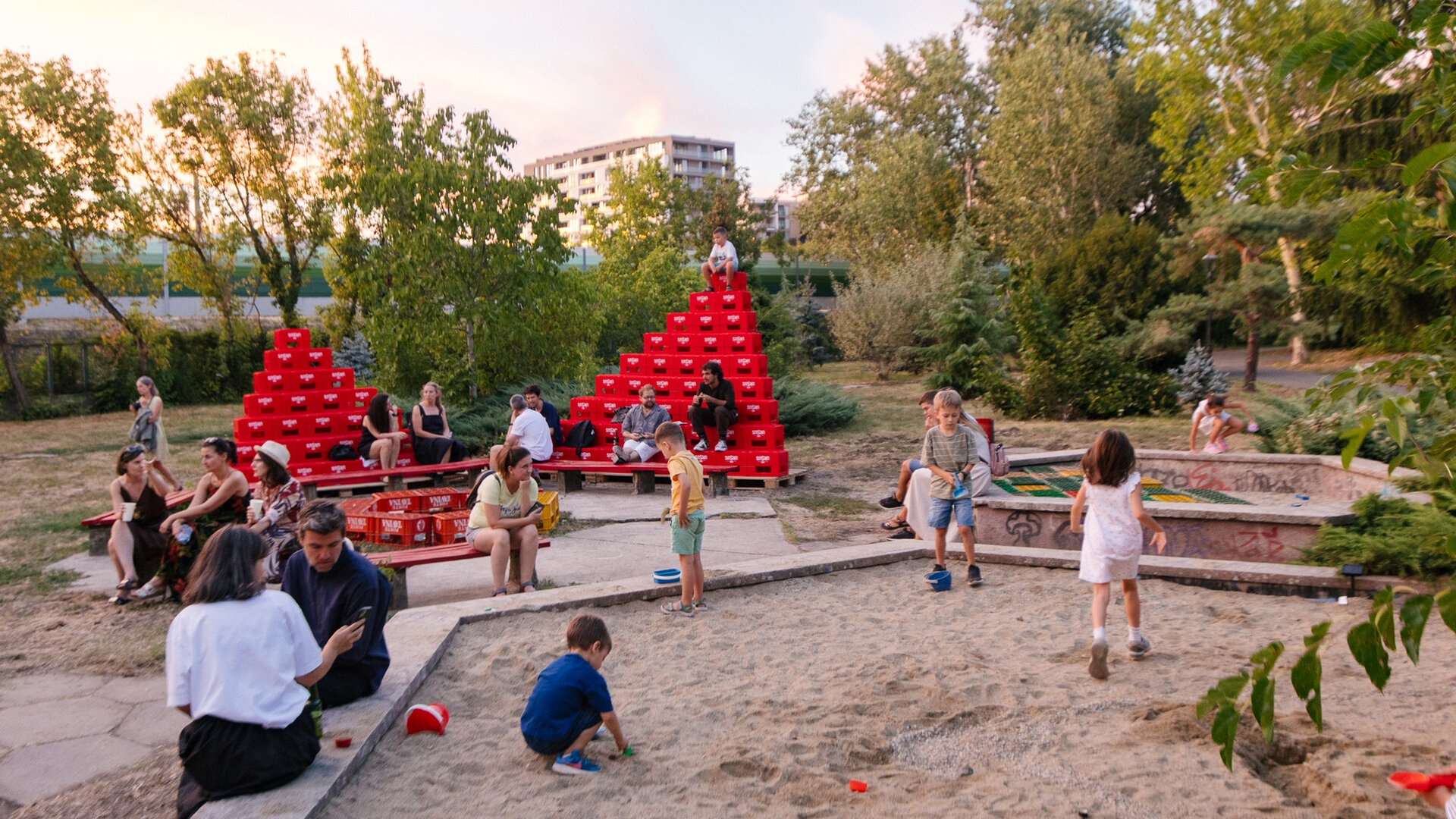
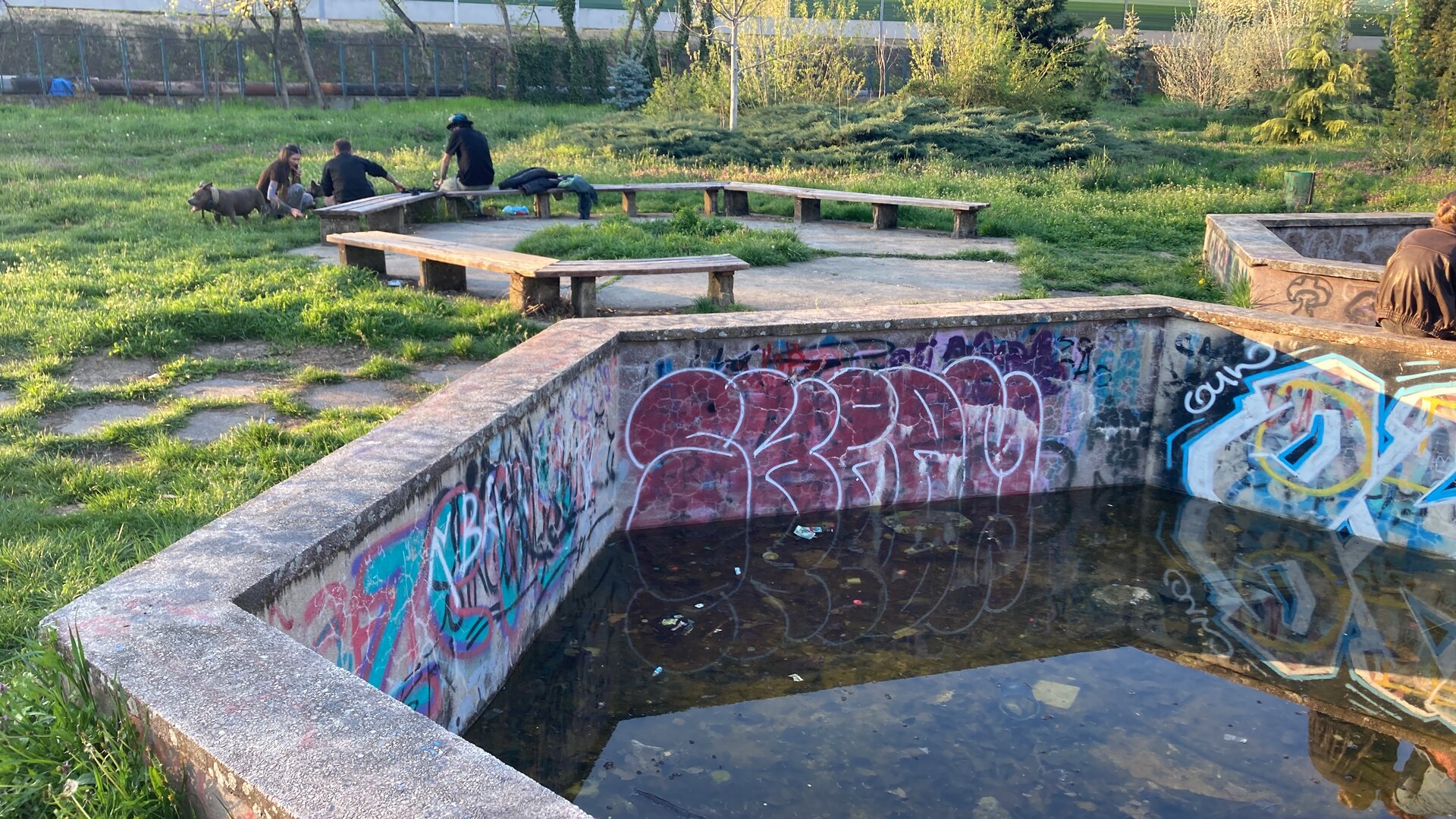
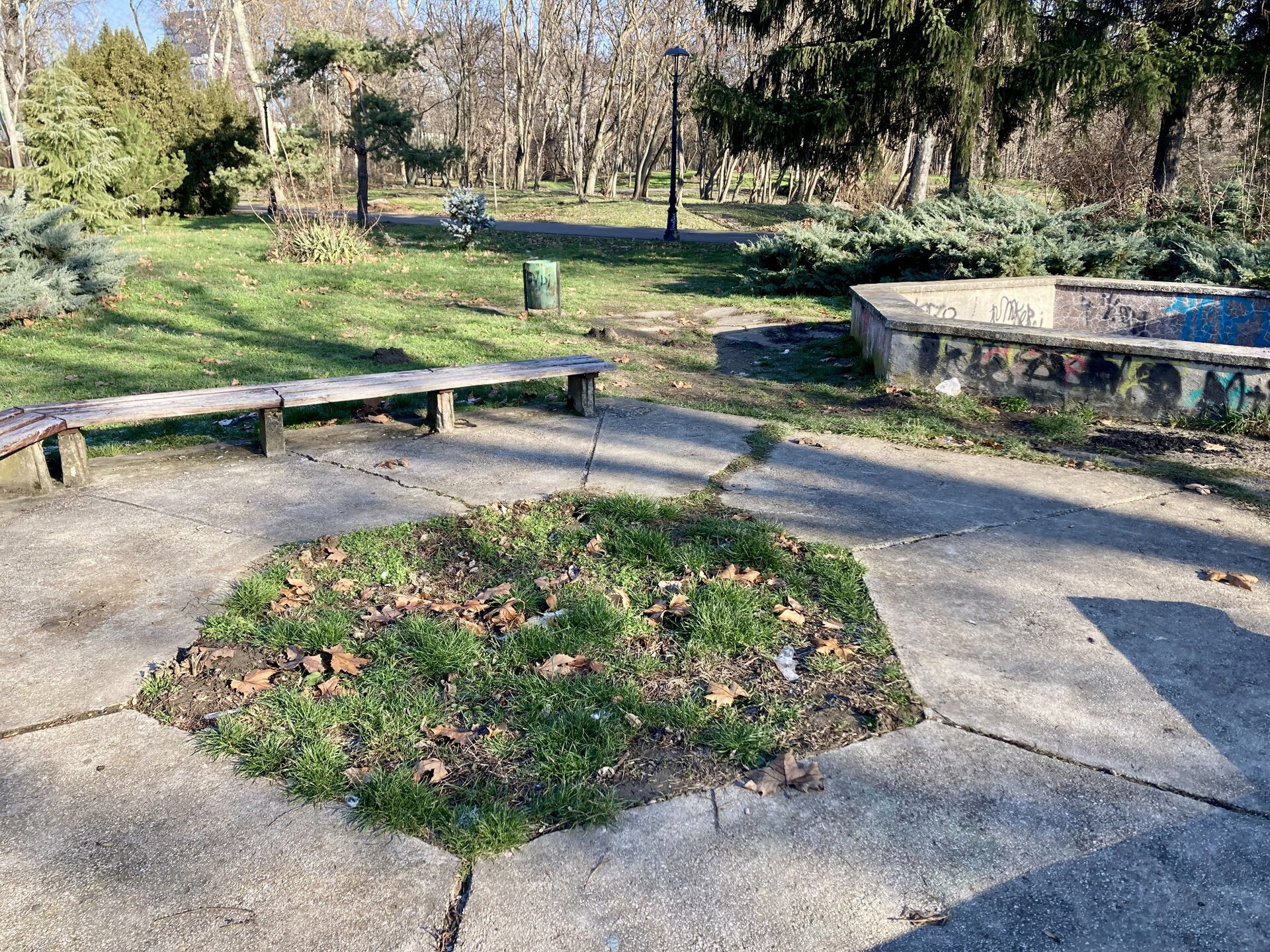
Our intervention proposes the sensitive recovery of two disused fountains in the Botanical Park, transforming them into active public spaces for both children and adults. Designed to support the BETA events while remaining relevant beyond them, the project introduces a spatial intervention based on adaptability, playfulness, reuse, and community use.
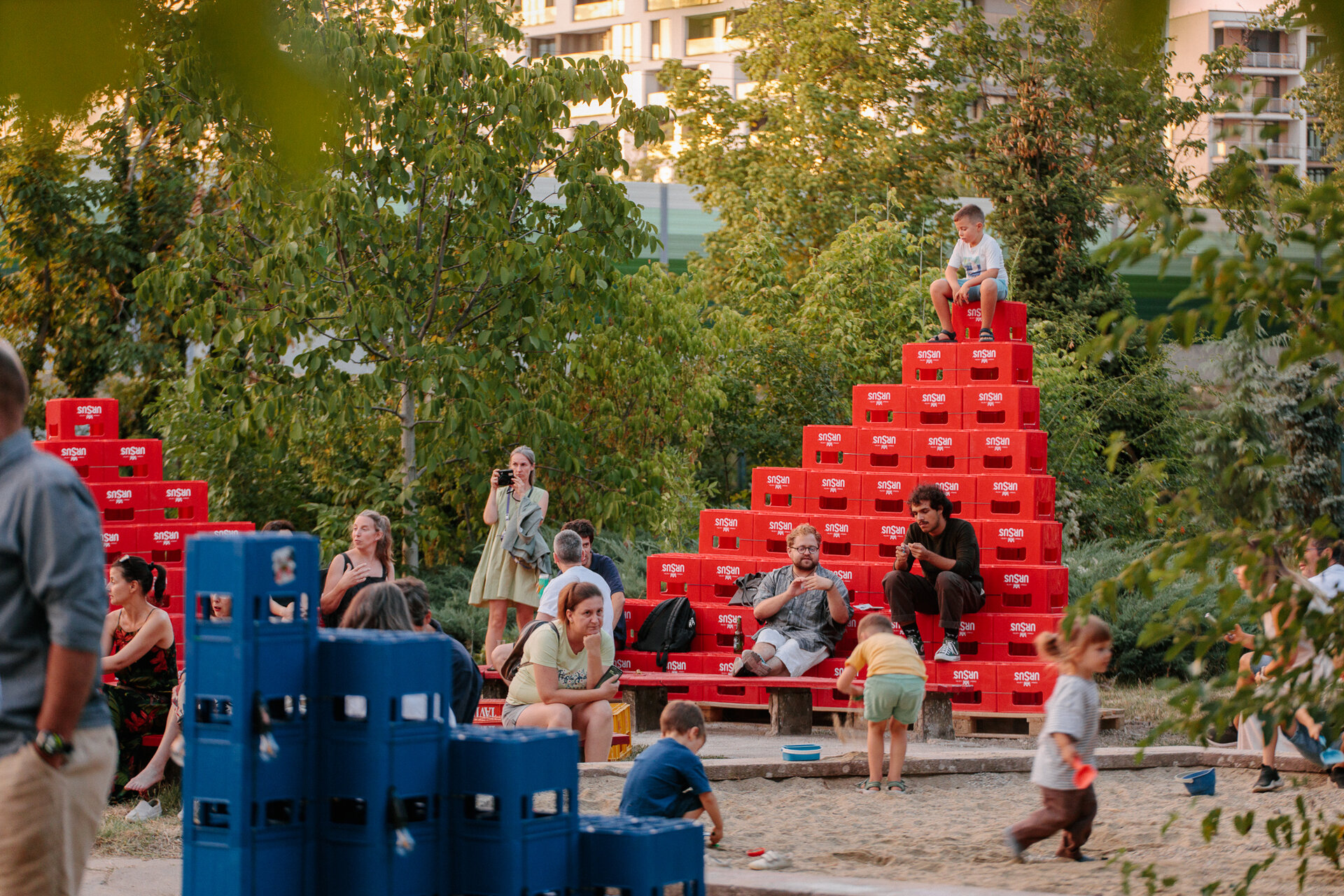
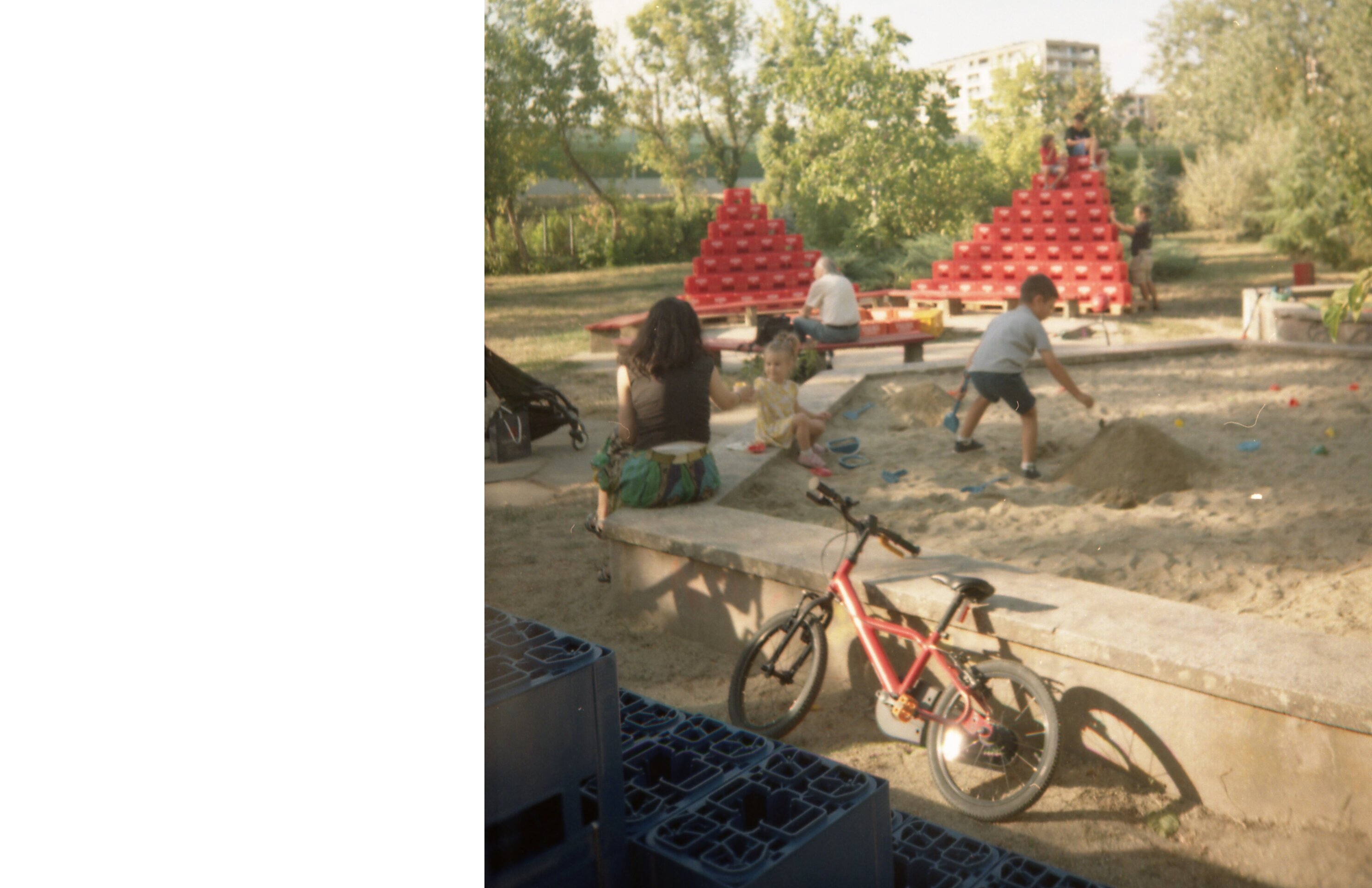
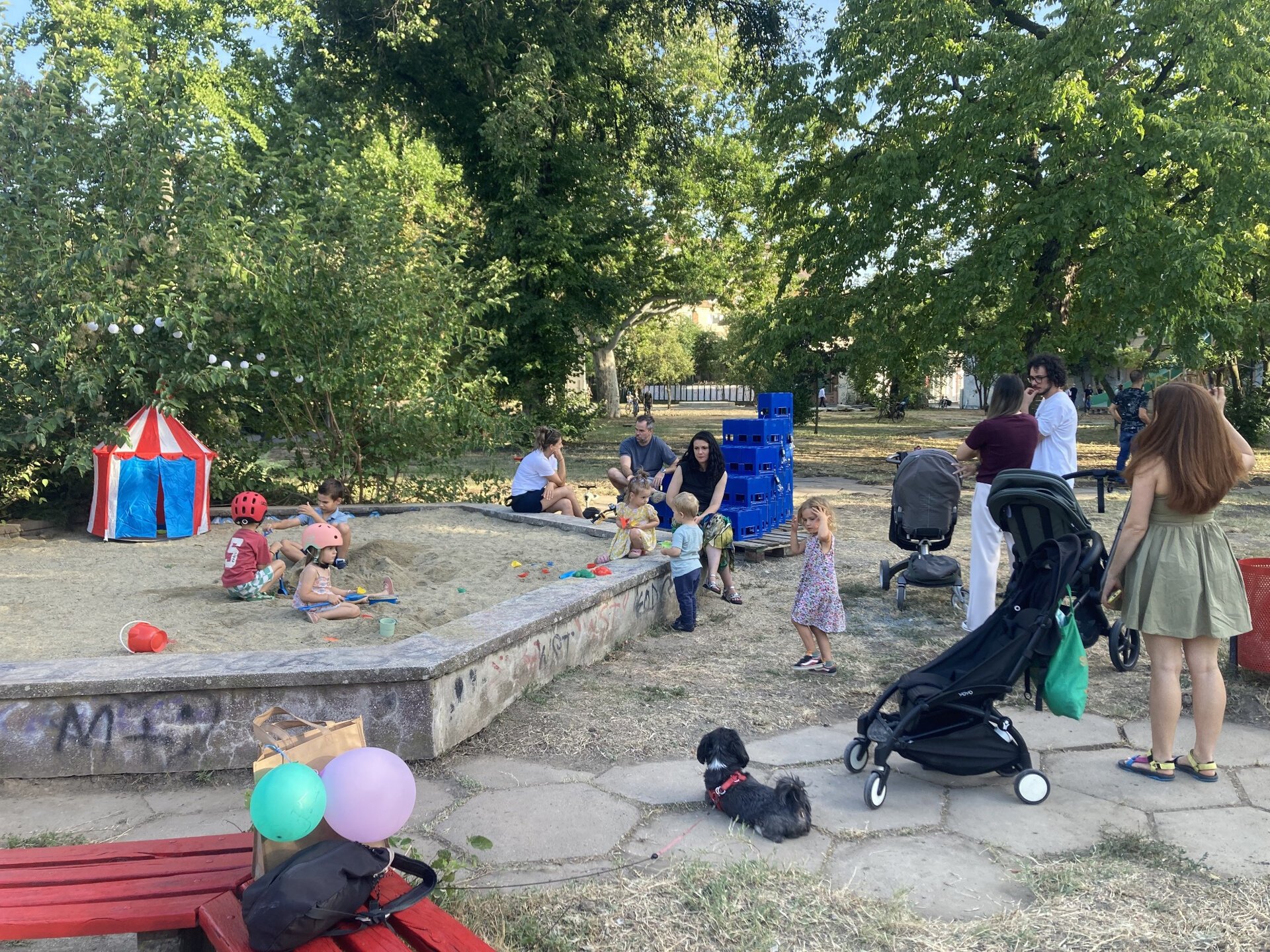
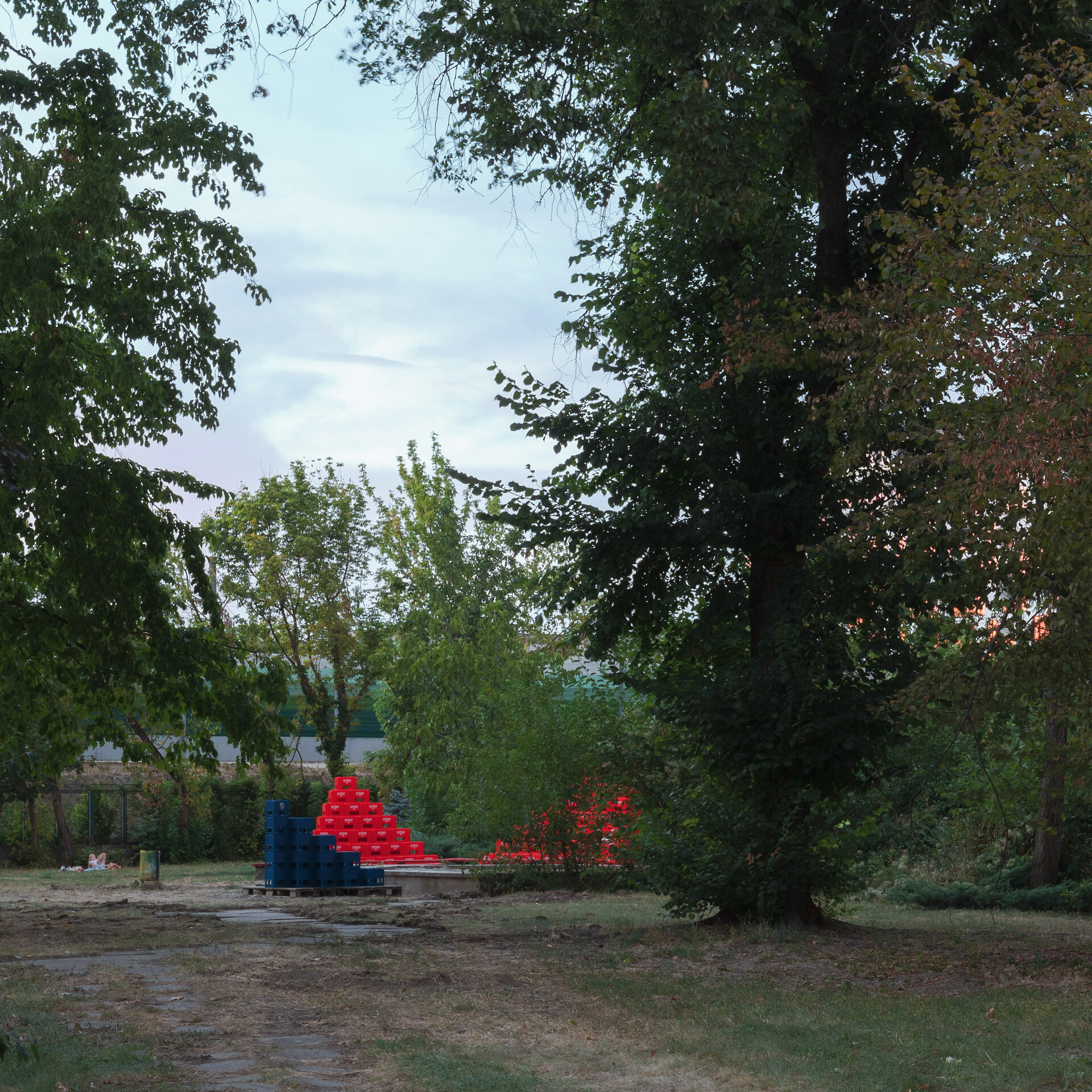
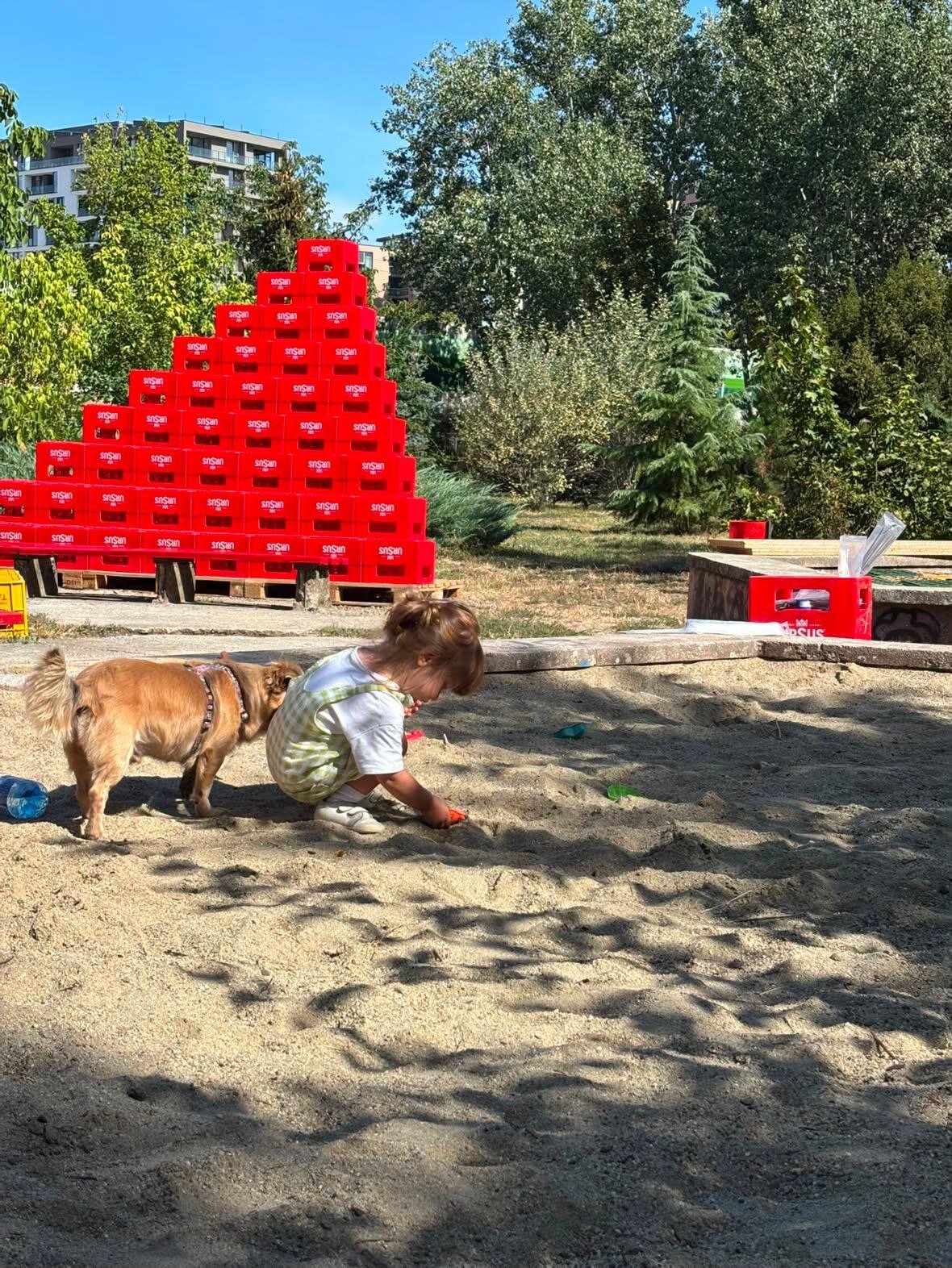
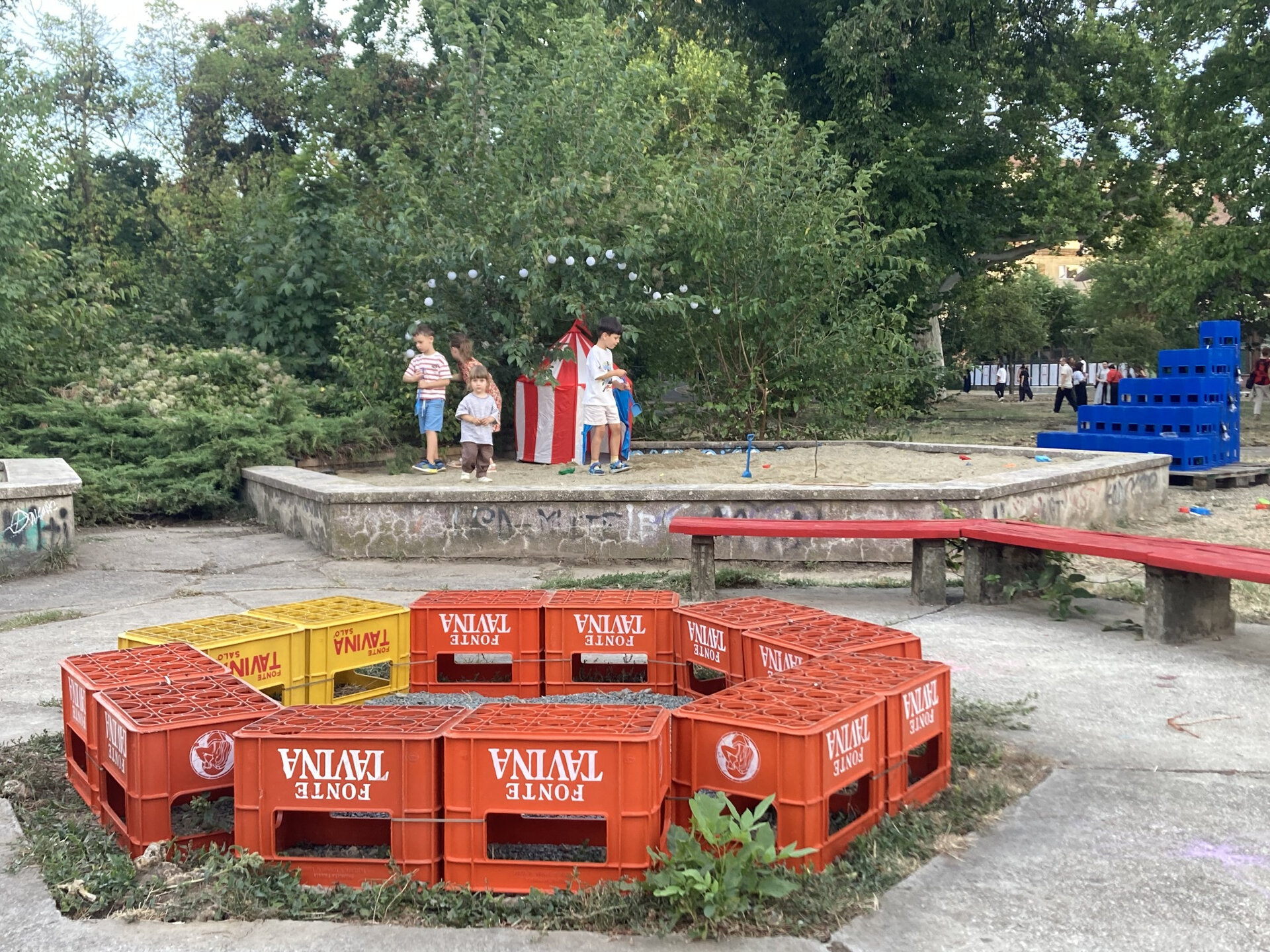
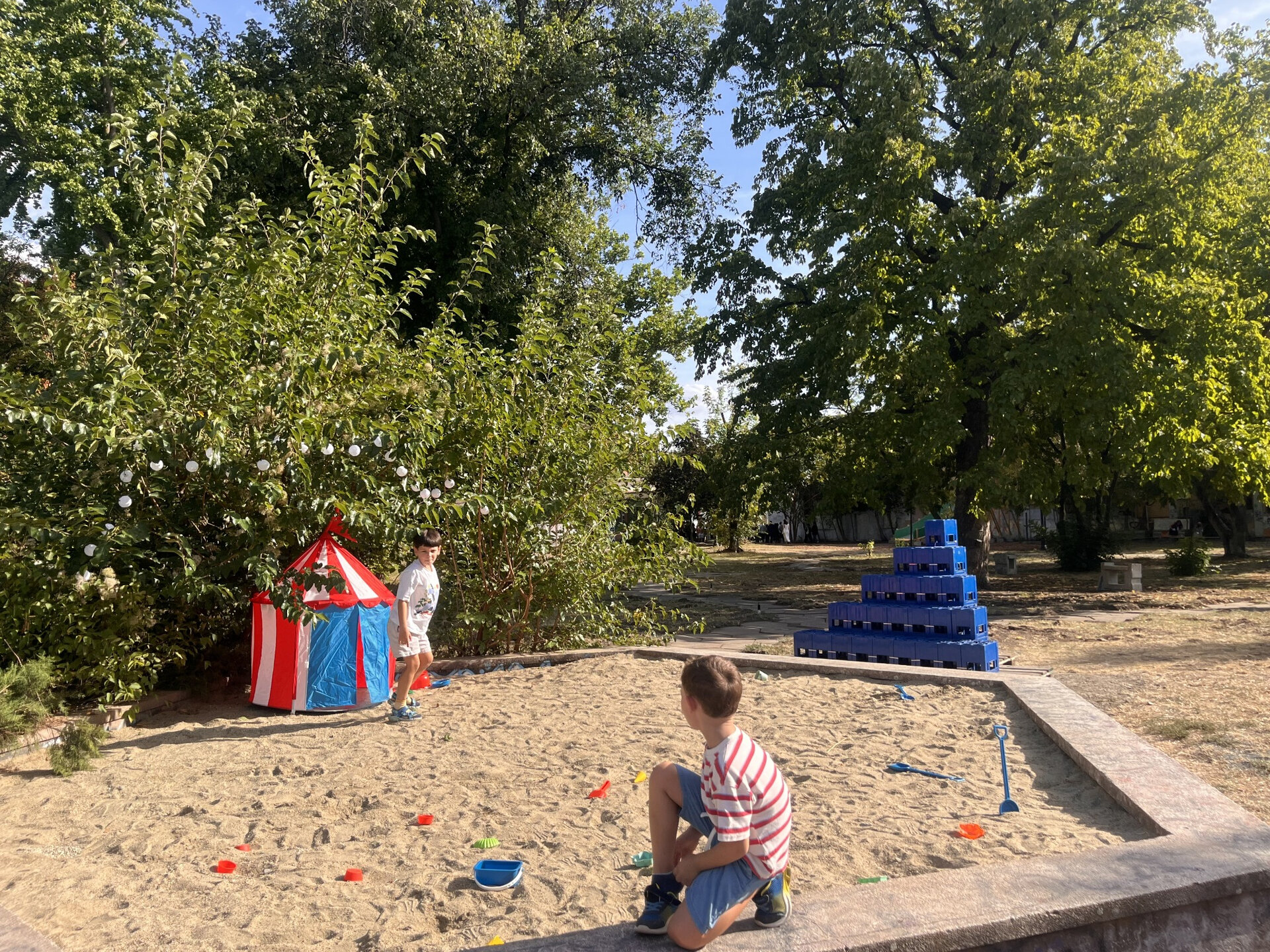
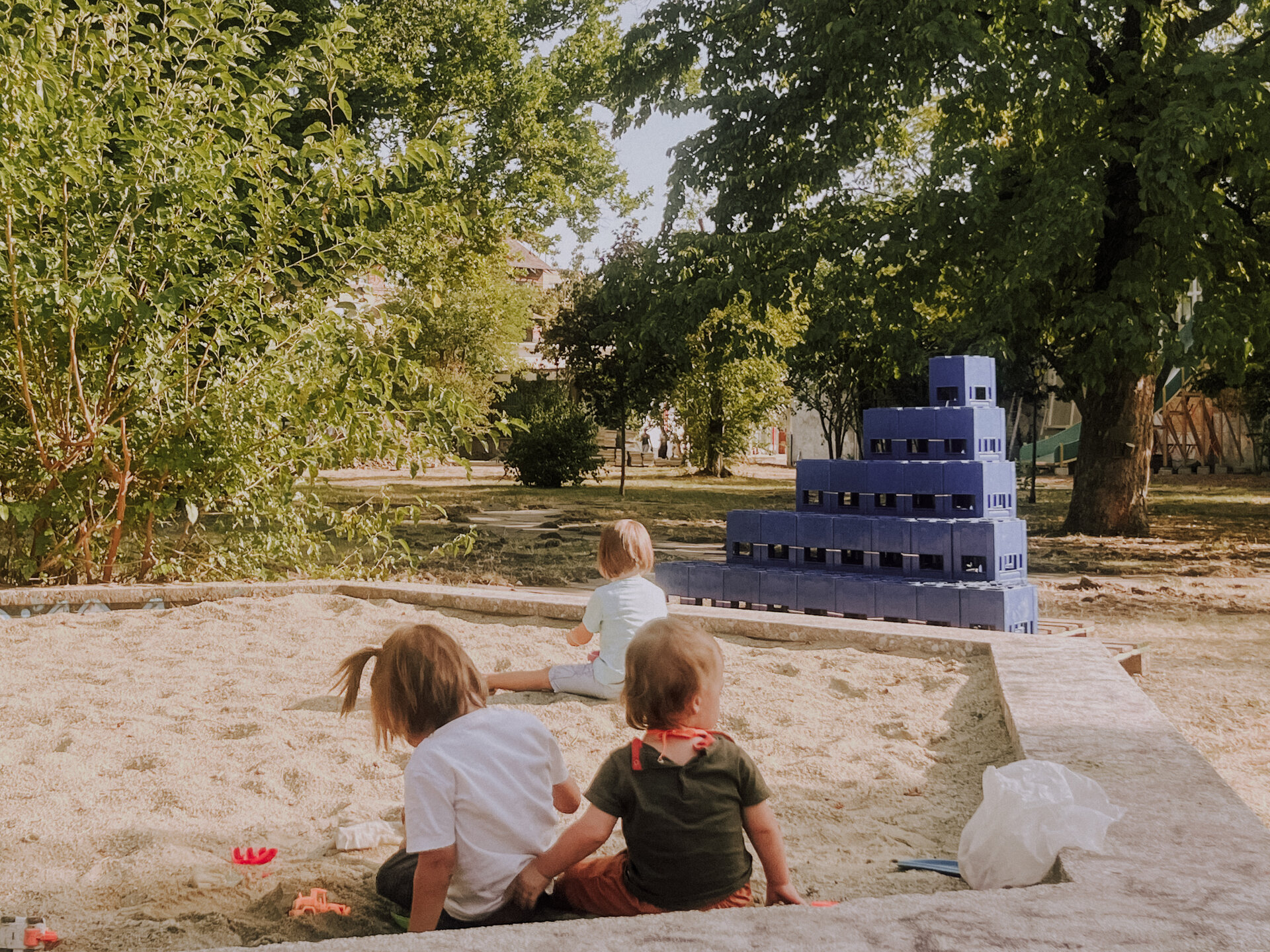
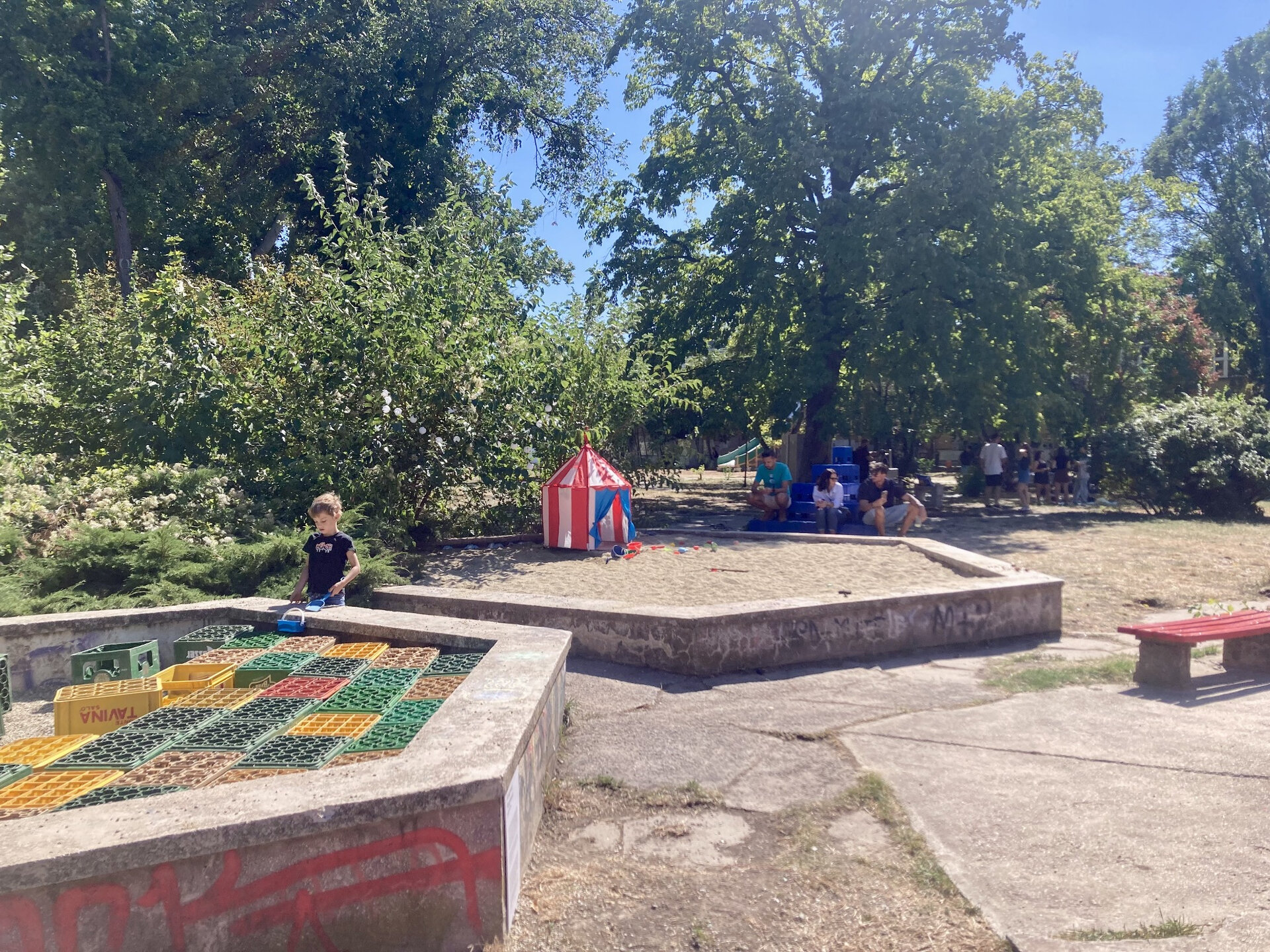
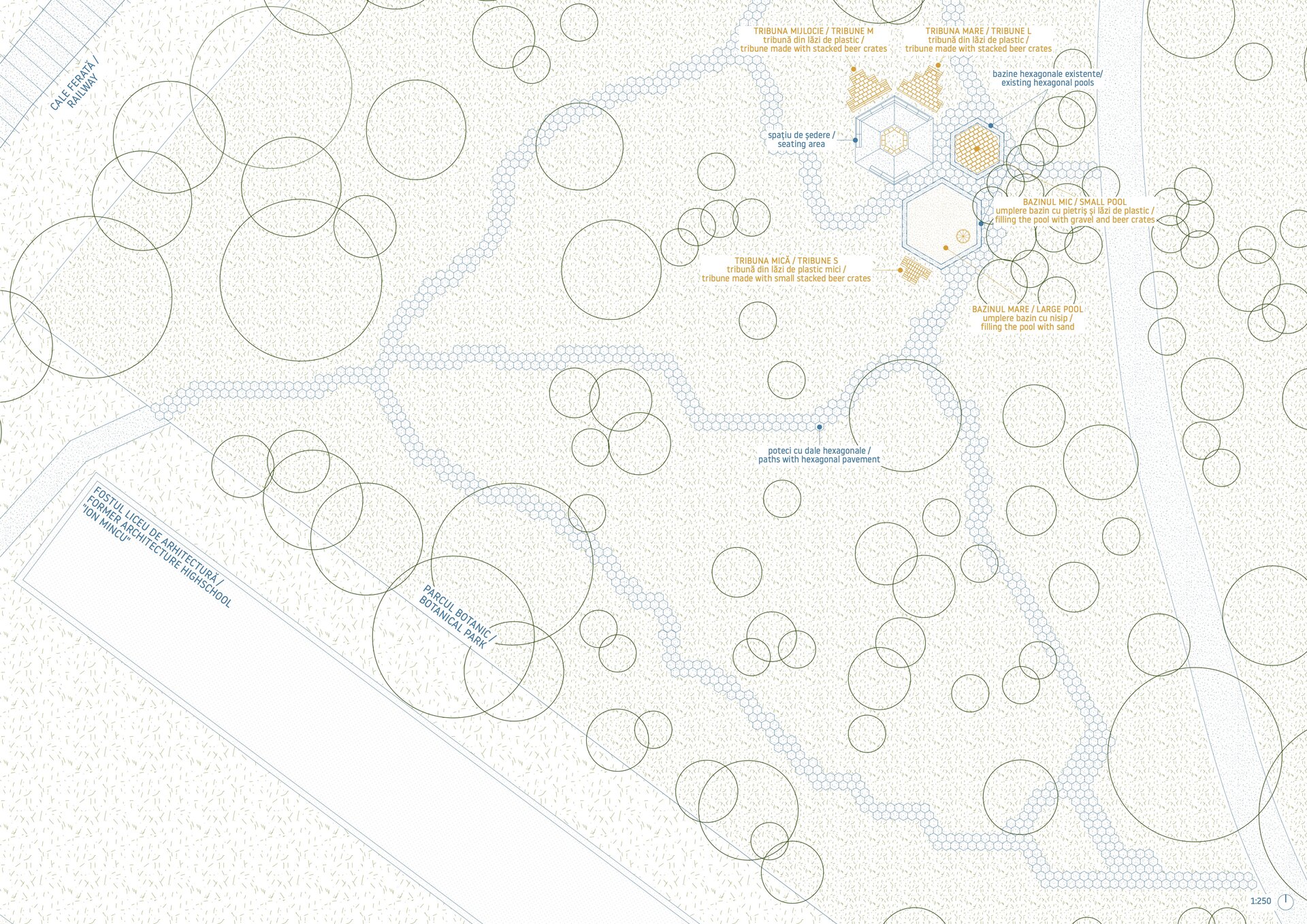
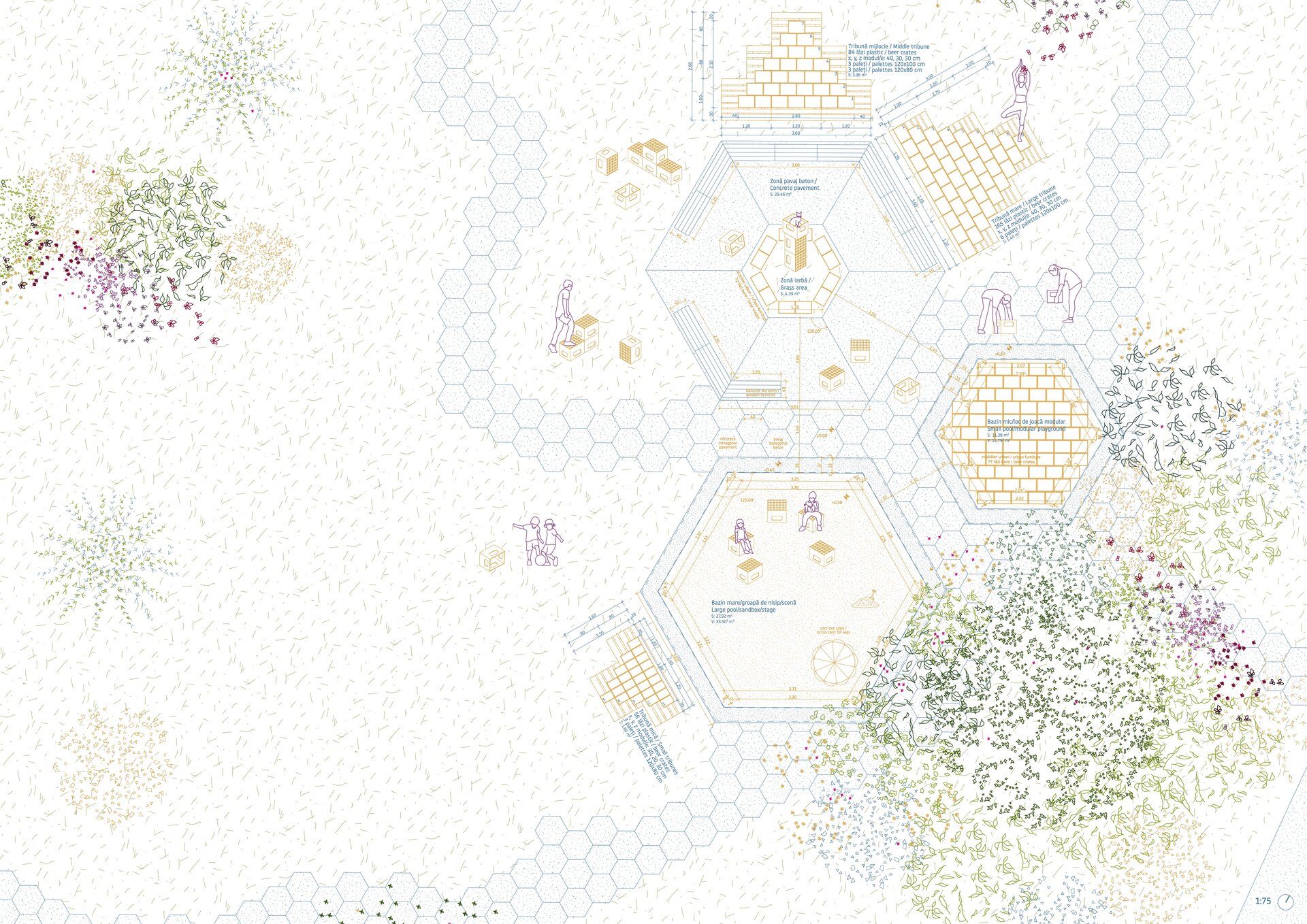
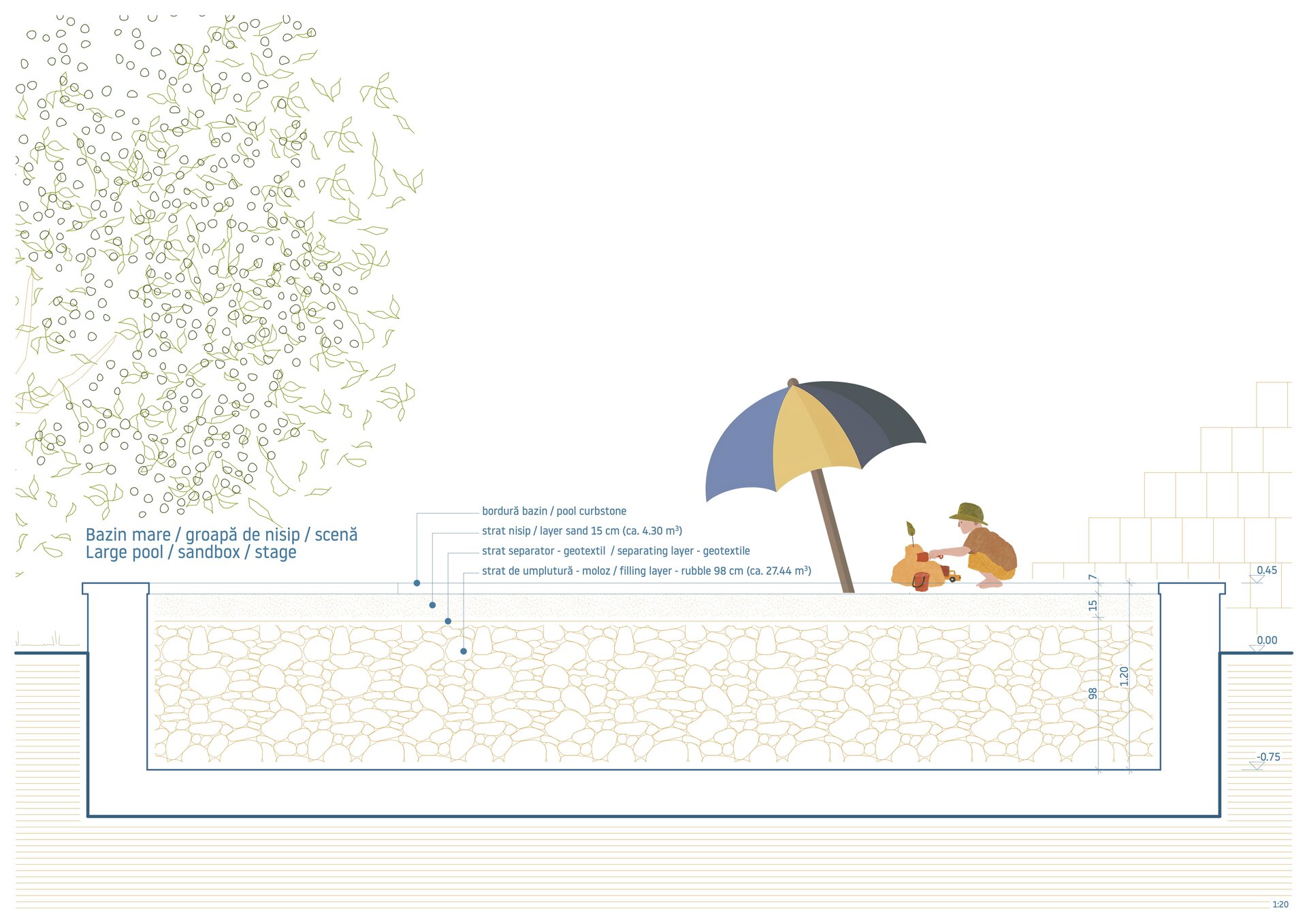
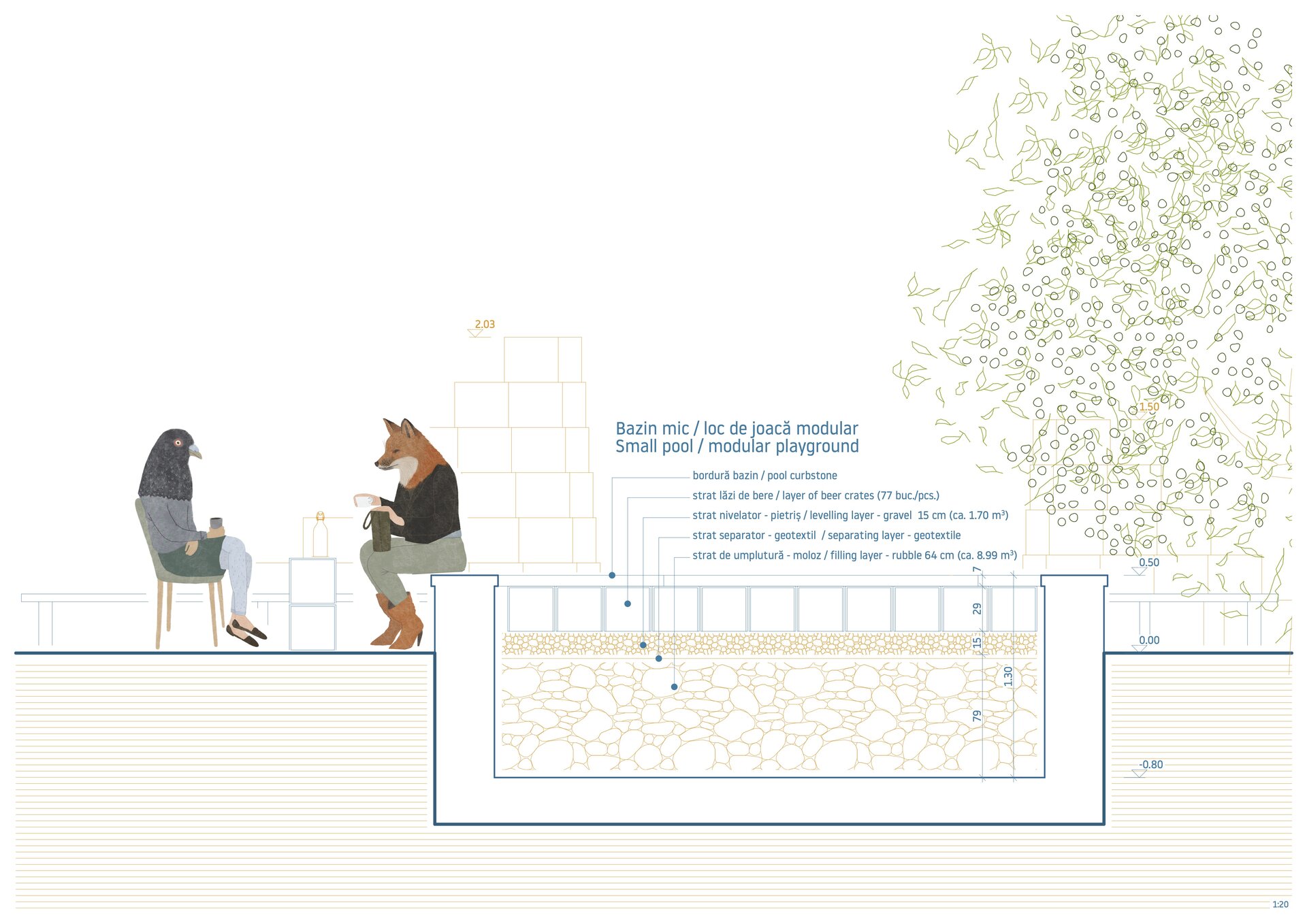
The intervention develops in two complementary directions. The first focuses on reactivating the empty hexagonal fountains, giving each one a distinct character. One fountain is filled with sand, creating a generous play landscape for children. The second fountain is filled with re-purposed beer crates, forming an informal landscape for sitting, climbing, playing, or quiet observation. The design takes inspiration from the clarity and flexibility of the Montessori Primary School in Delft, adapting these principles to a contemporary public setting.
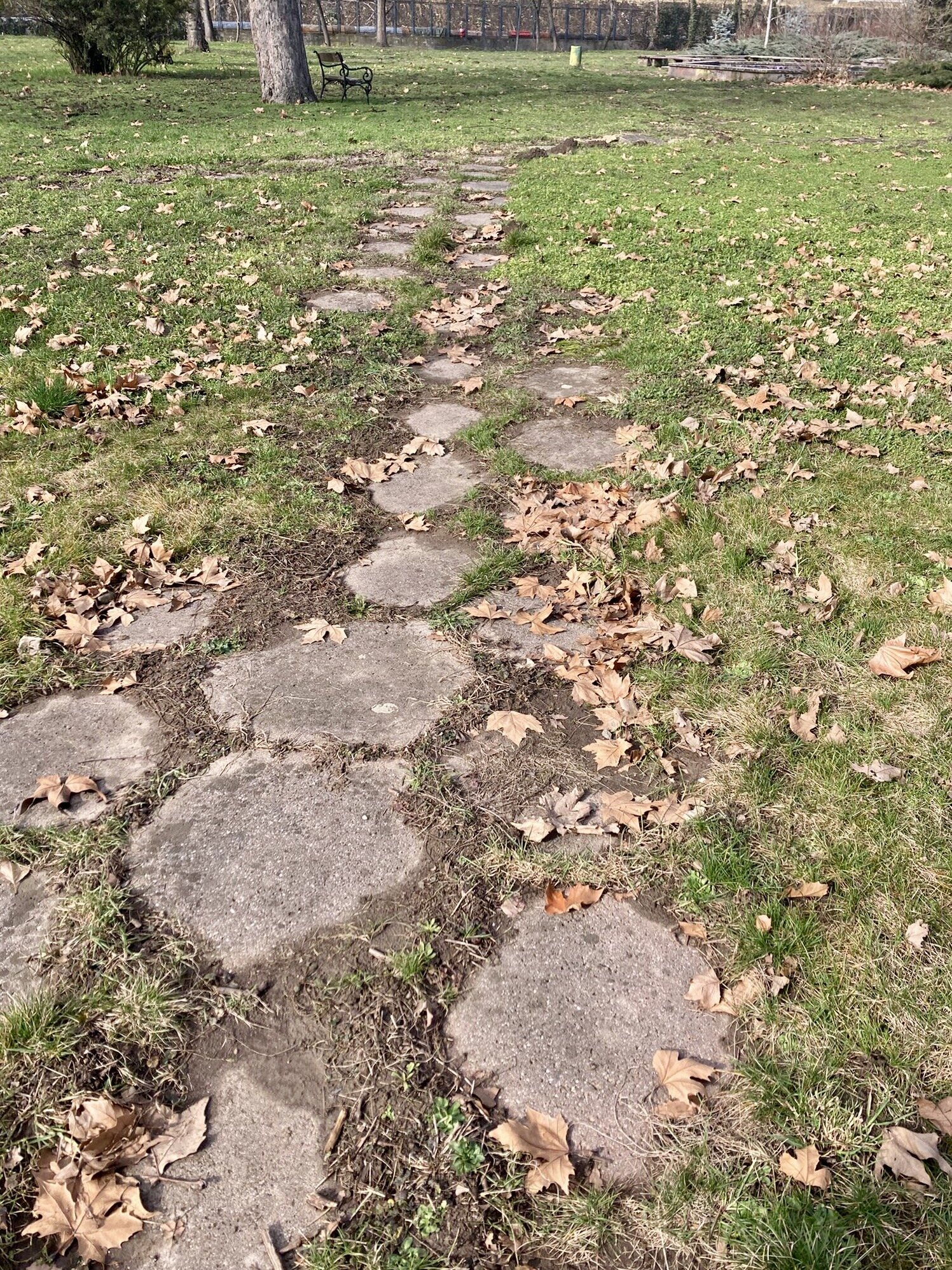
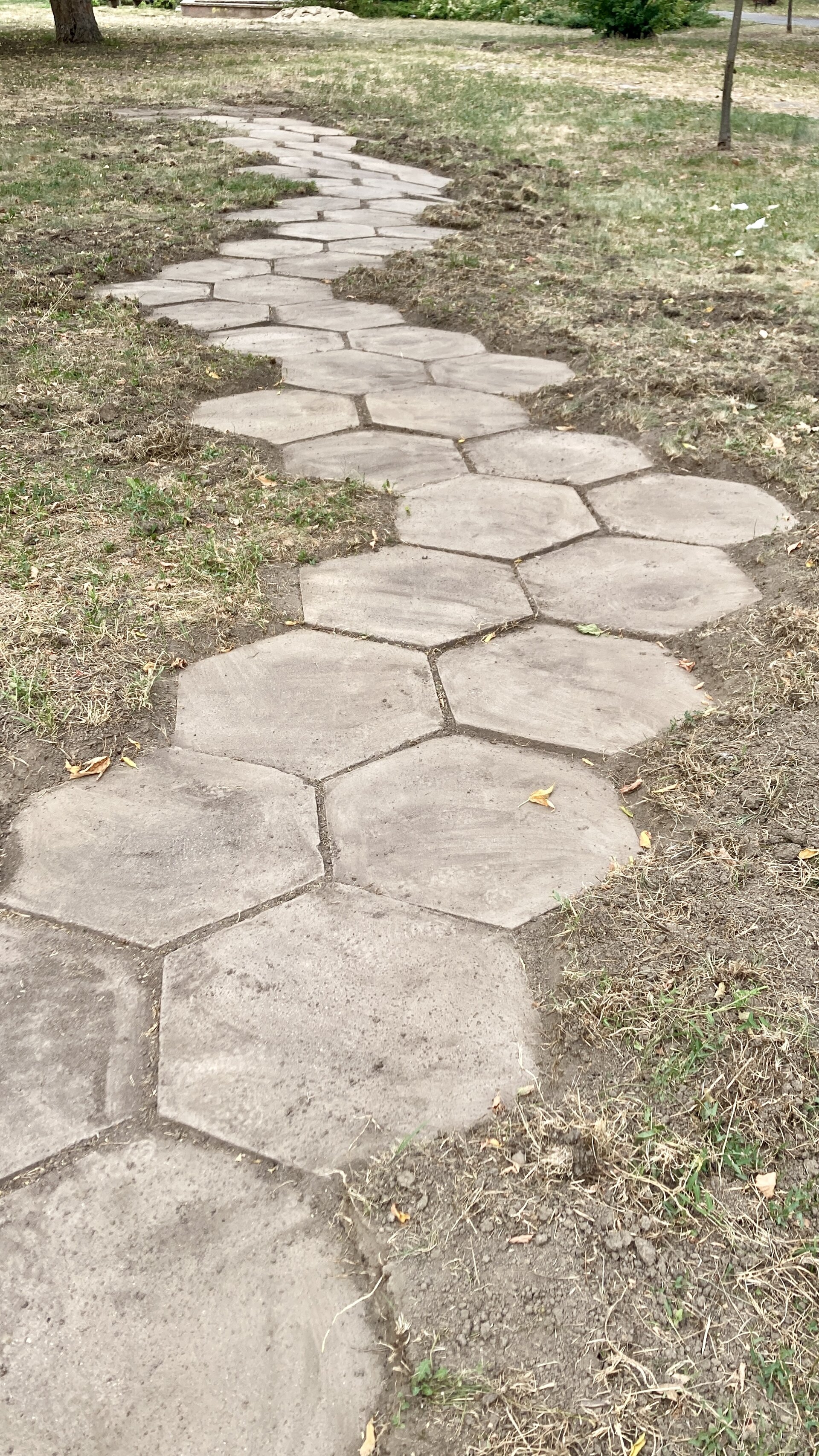
At the same time, the intervention pays close attention to details already present on site. The hexagon appears repeatedly throughout the Botanical Park and can be read as a trace of an earlier architectural and landscape logic. A path leading from the high school towards the fountains, for example, is paved with hexagonal elements. Rather than introducing an entirely foreign geometry, the project takes this recurring motif as a starting point and amplifies it. The overall play area, together with a small central pit for sand and chalk, reinforces the hexagonal geometry, treating it as a relic of a past architectural and landscape care that can be reactivated through contemporary use.
The second direction introduces three tribune elements positioned along the sides of the hexagons. Made from re-purposed beer crates connected with cable ties, the tribunes form a stable and robust structure using simple and accessible means of assembly. This construction logic was intentionally developed to be easily replicated in other public spaces, extending the project beyond its immediate site and offering a transferable model for low-cost, reuse-based public furniture.
The tribunes give a second life to an everyday object while supporting a range of uses, including sitting, informal meetings, play, and collective gatherings.
Architecture and Public Space
- Lacul Morii Island Park
- Invisible Topometries
- Joy Pavilion
- CG_CV
- Hexagonal Playground
- Milestones
- RAD Sculpture Park 2026


