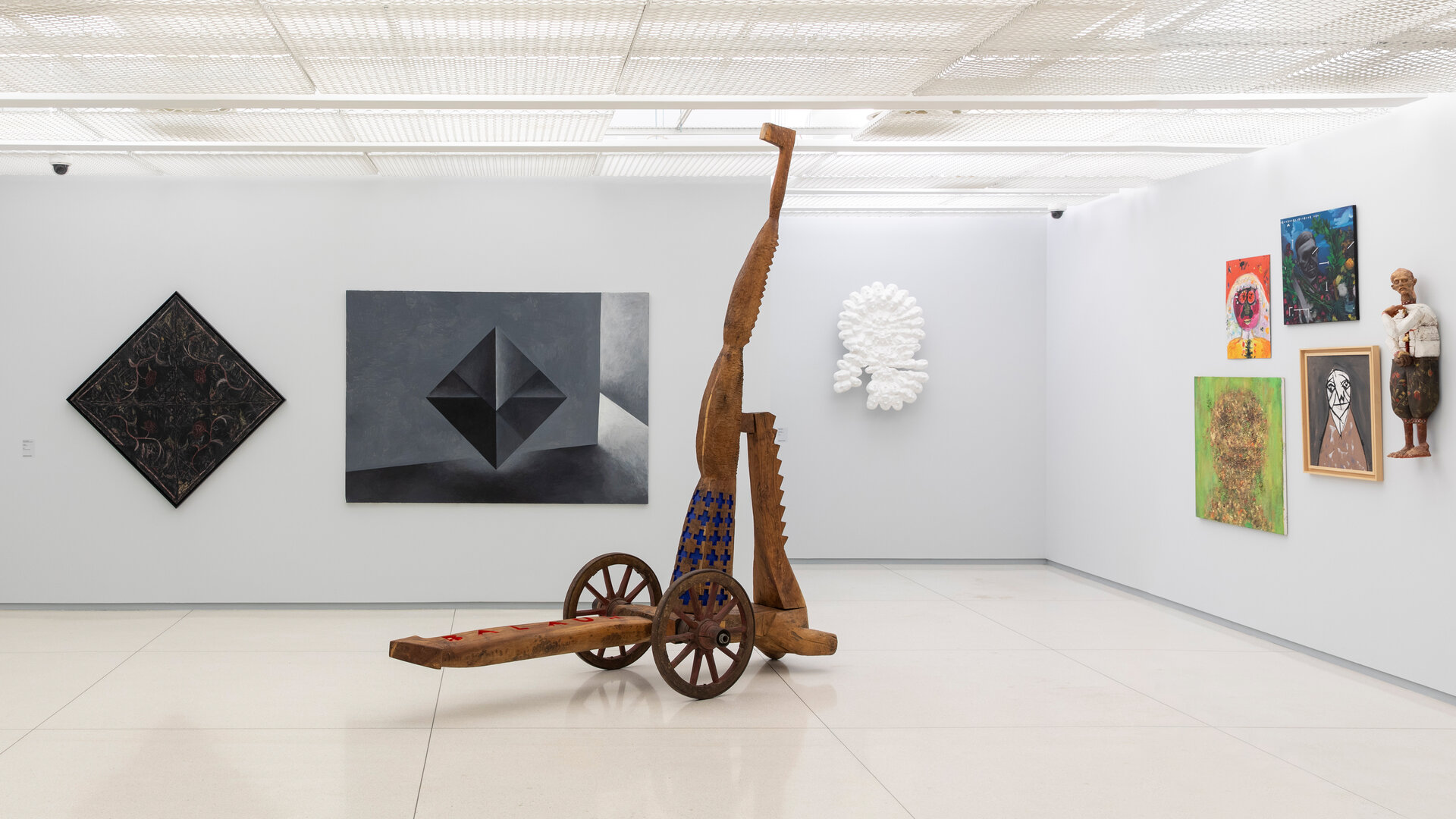
The Monster, the Square and the Laughter
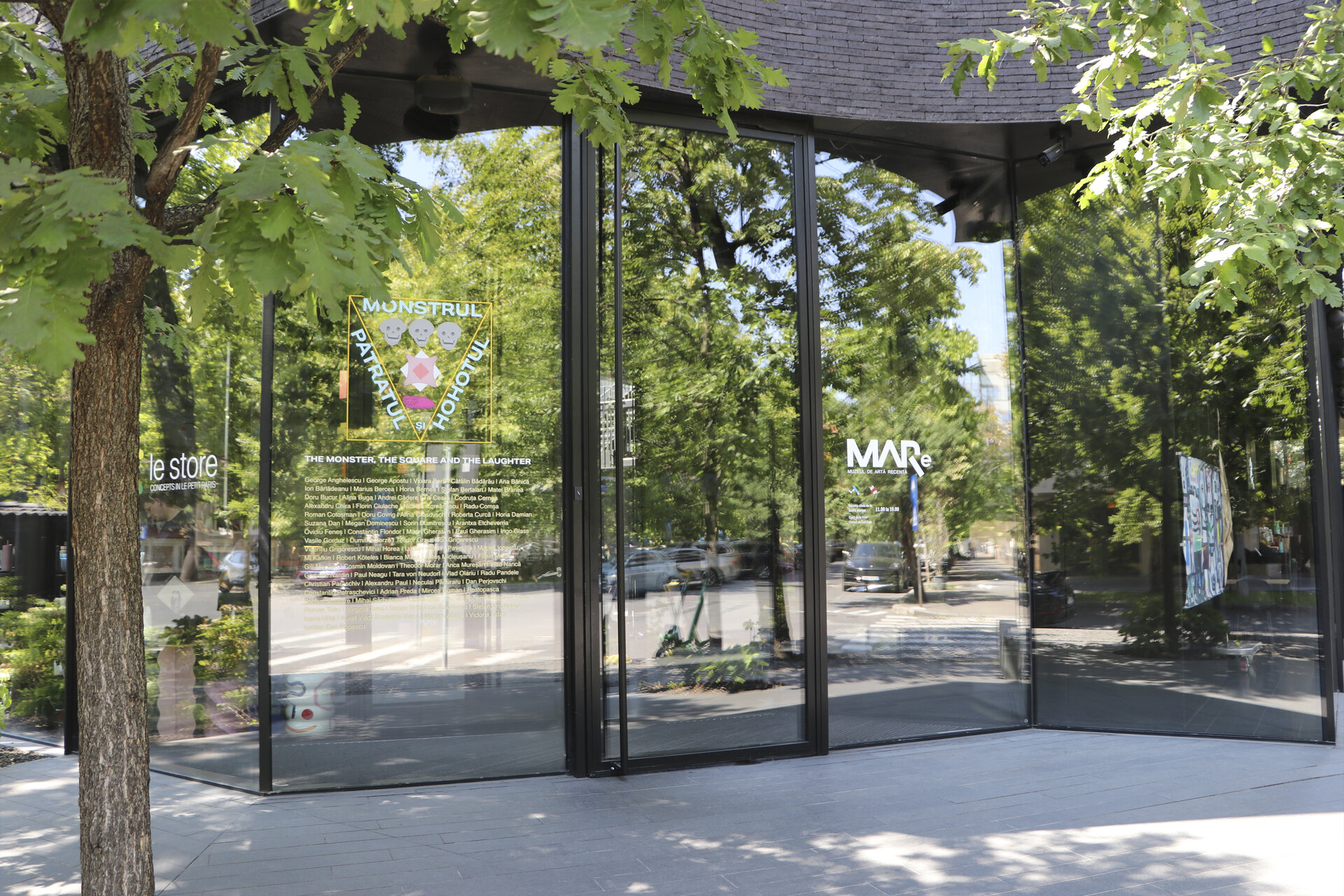
Authors’ Comment
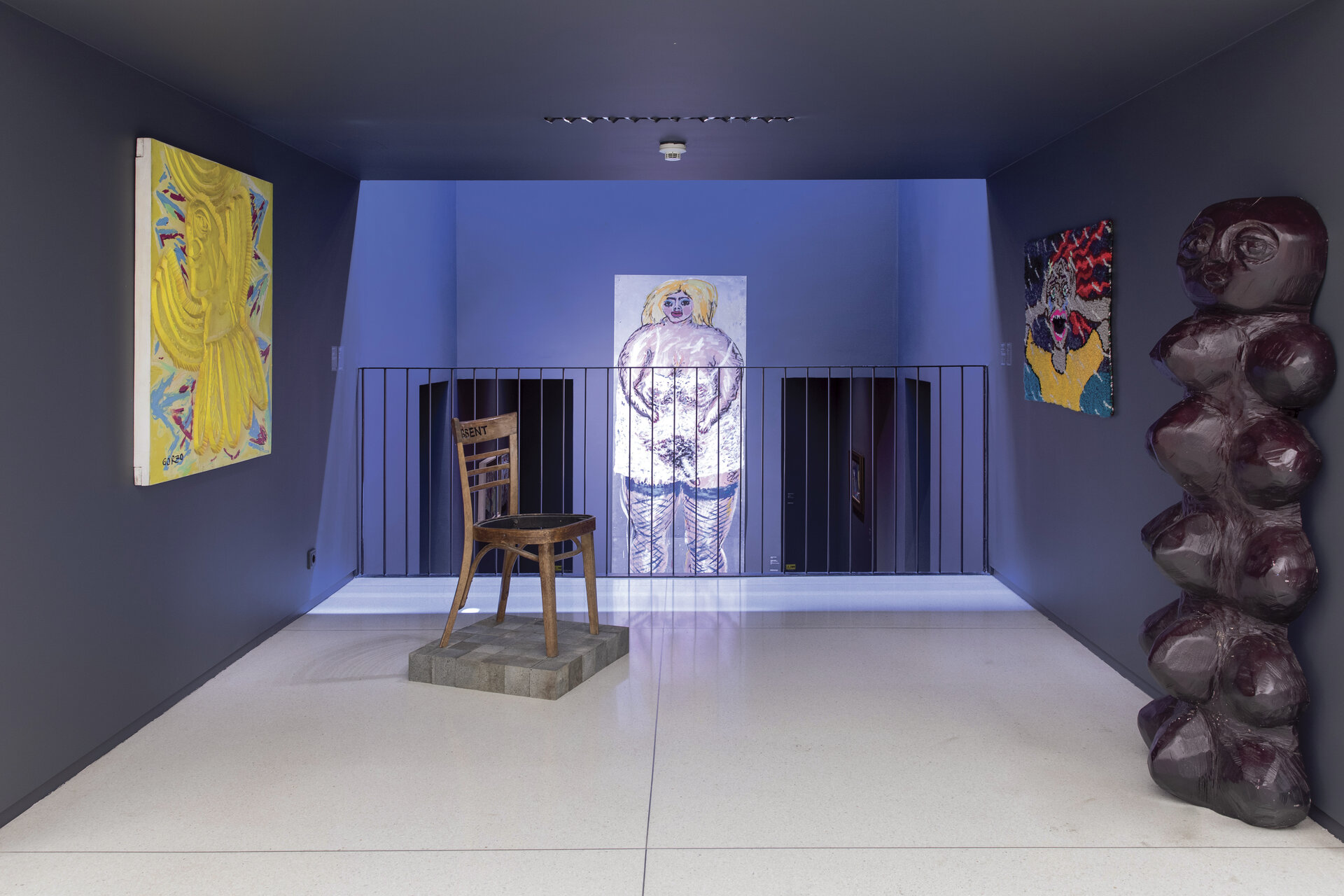
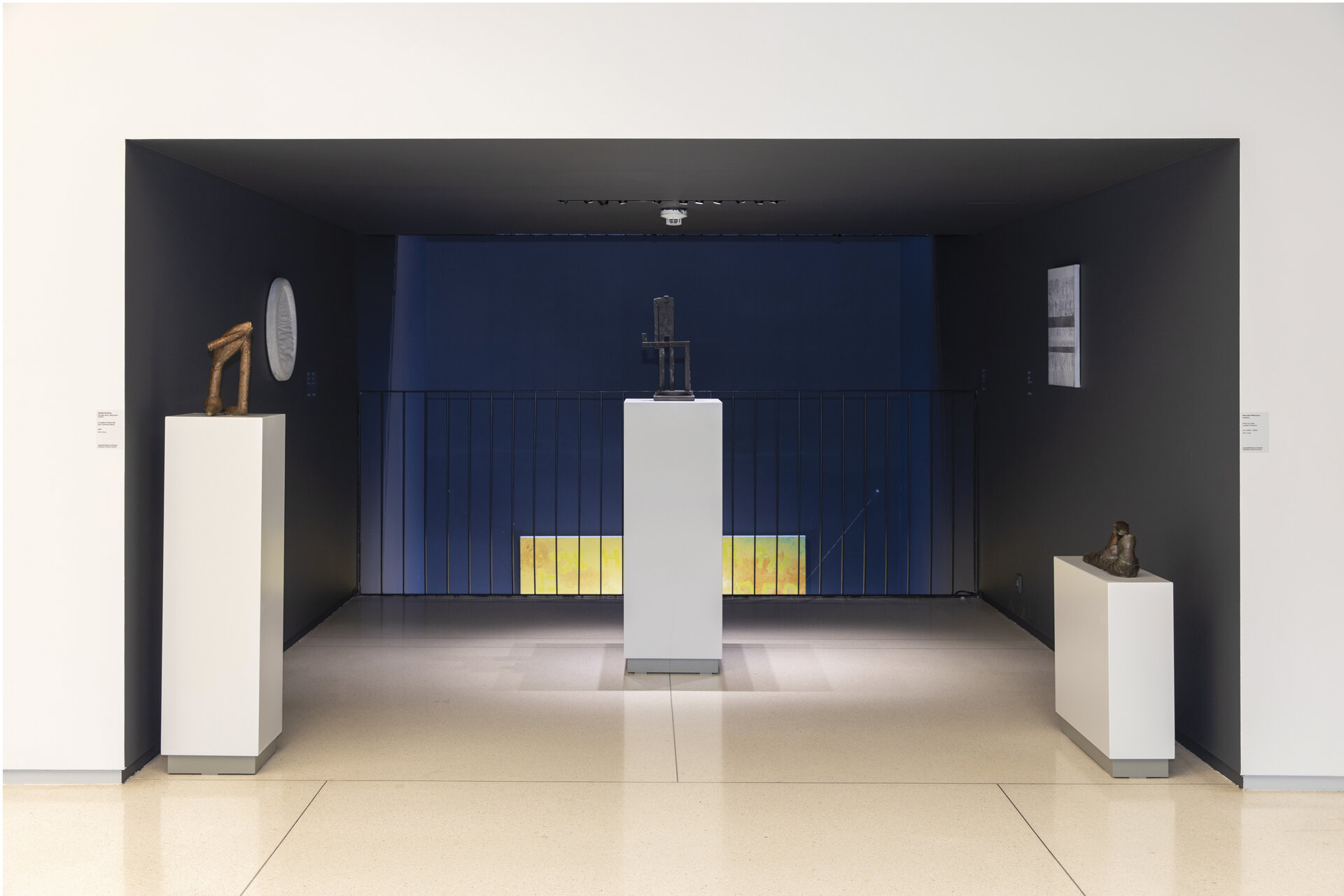
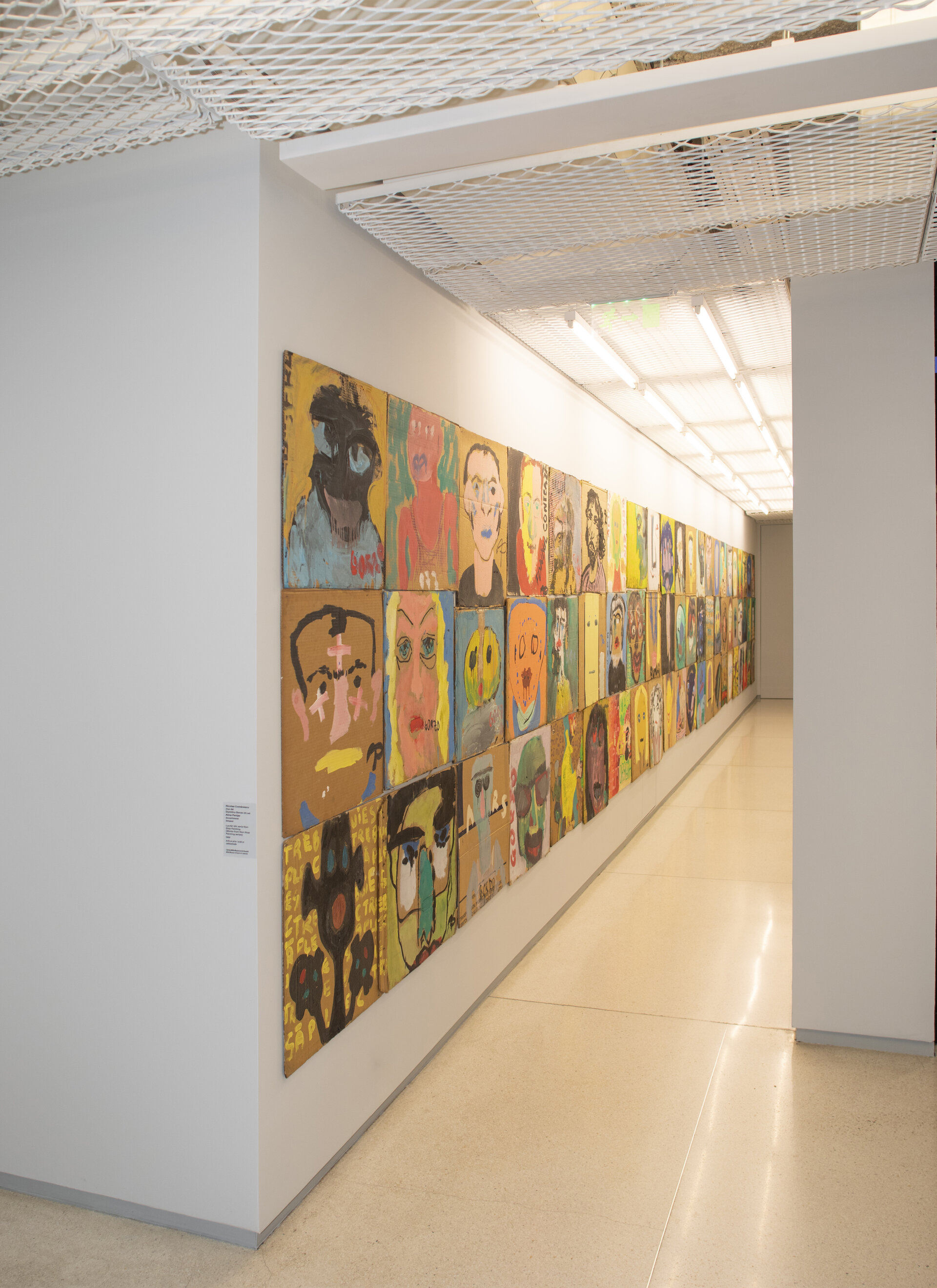
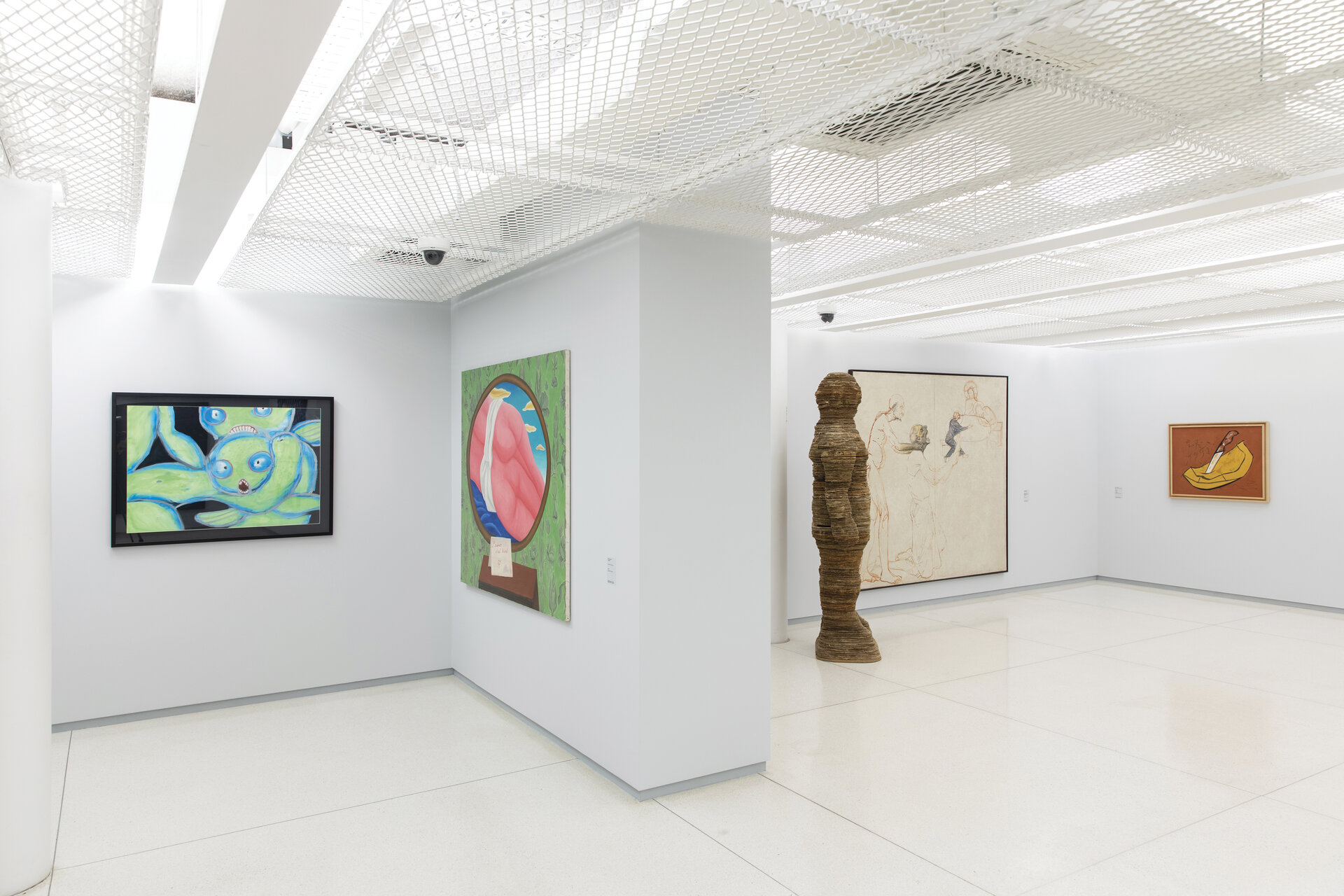
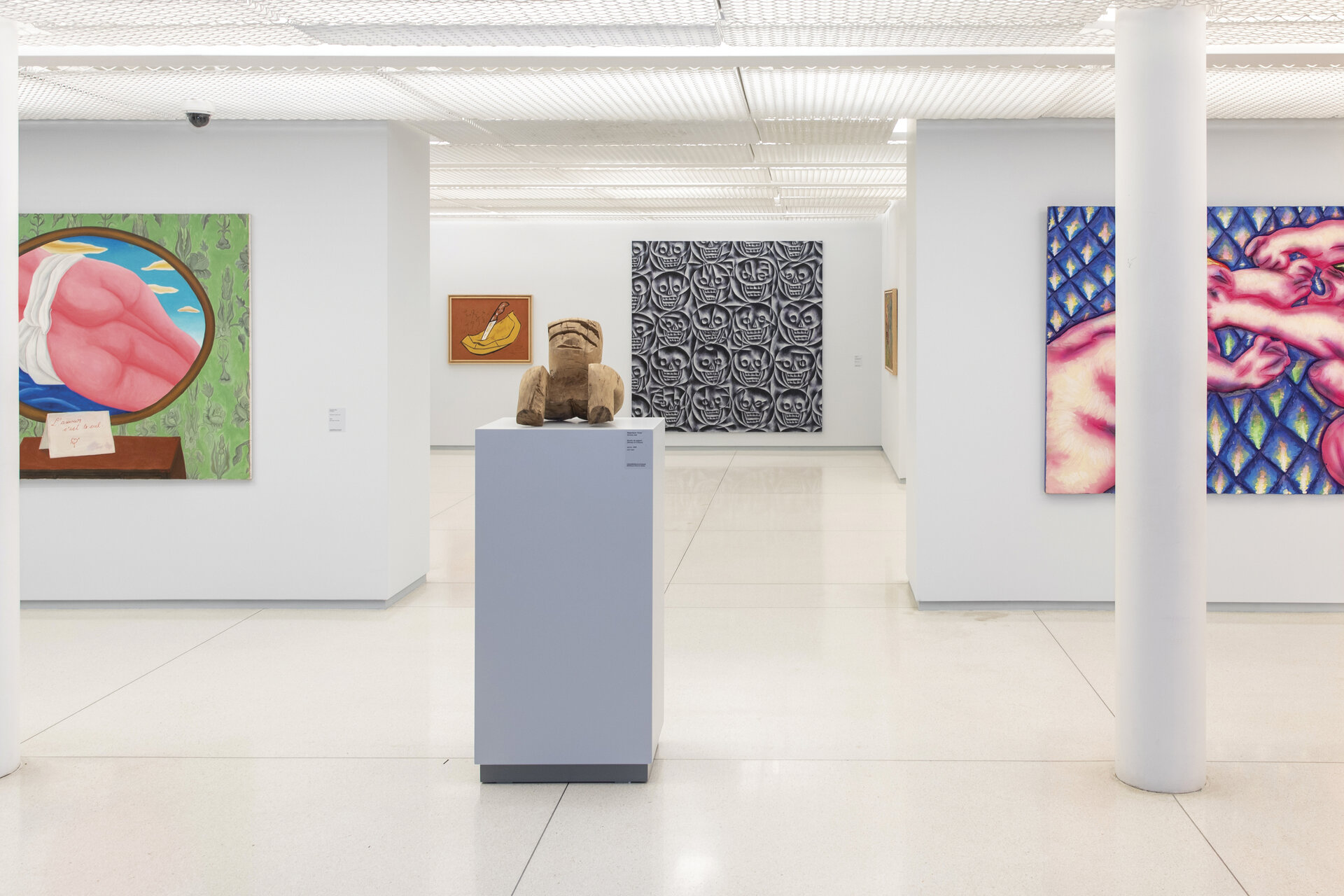
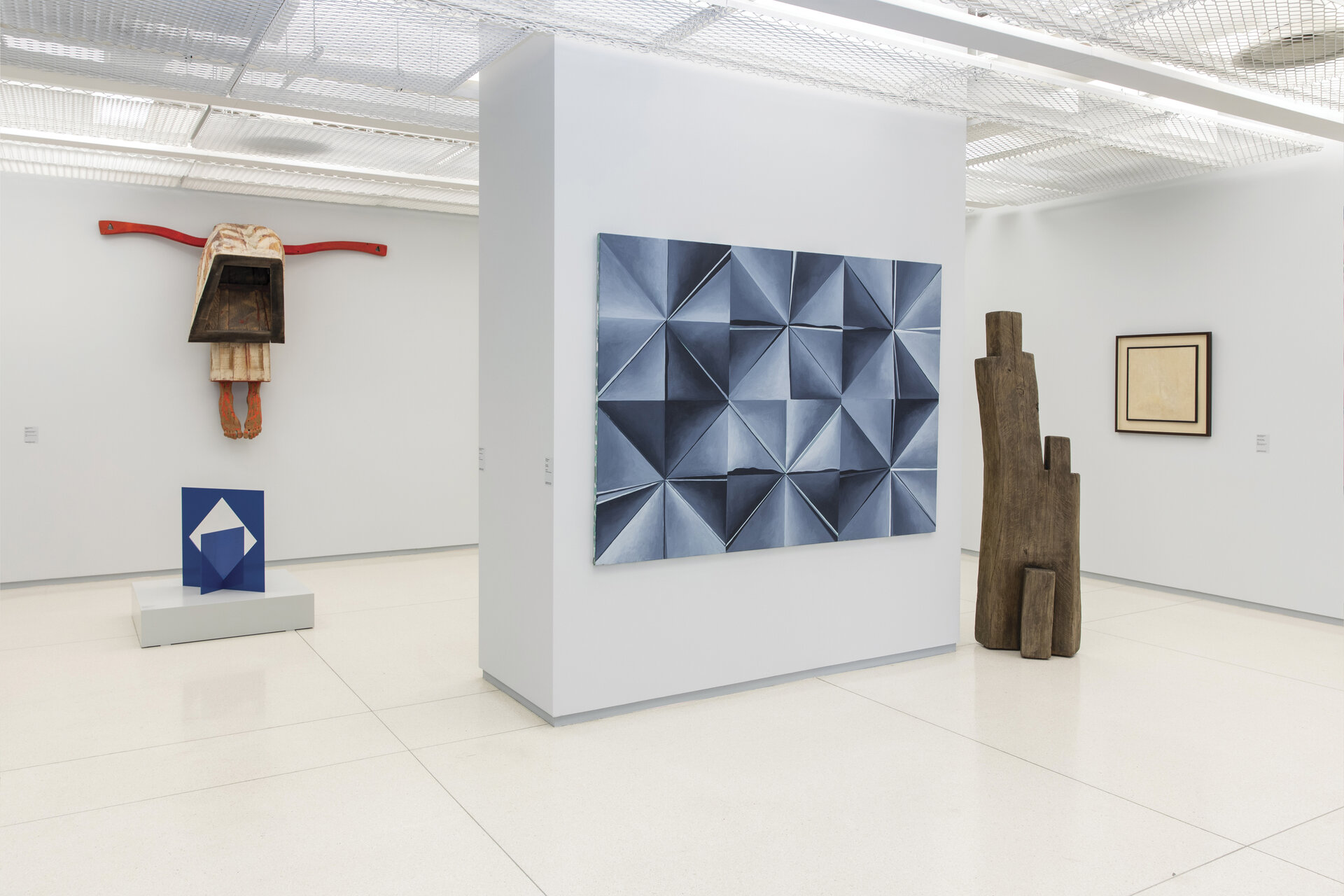
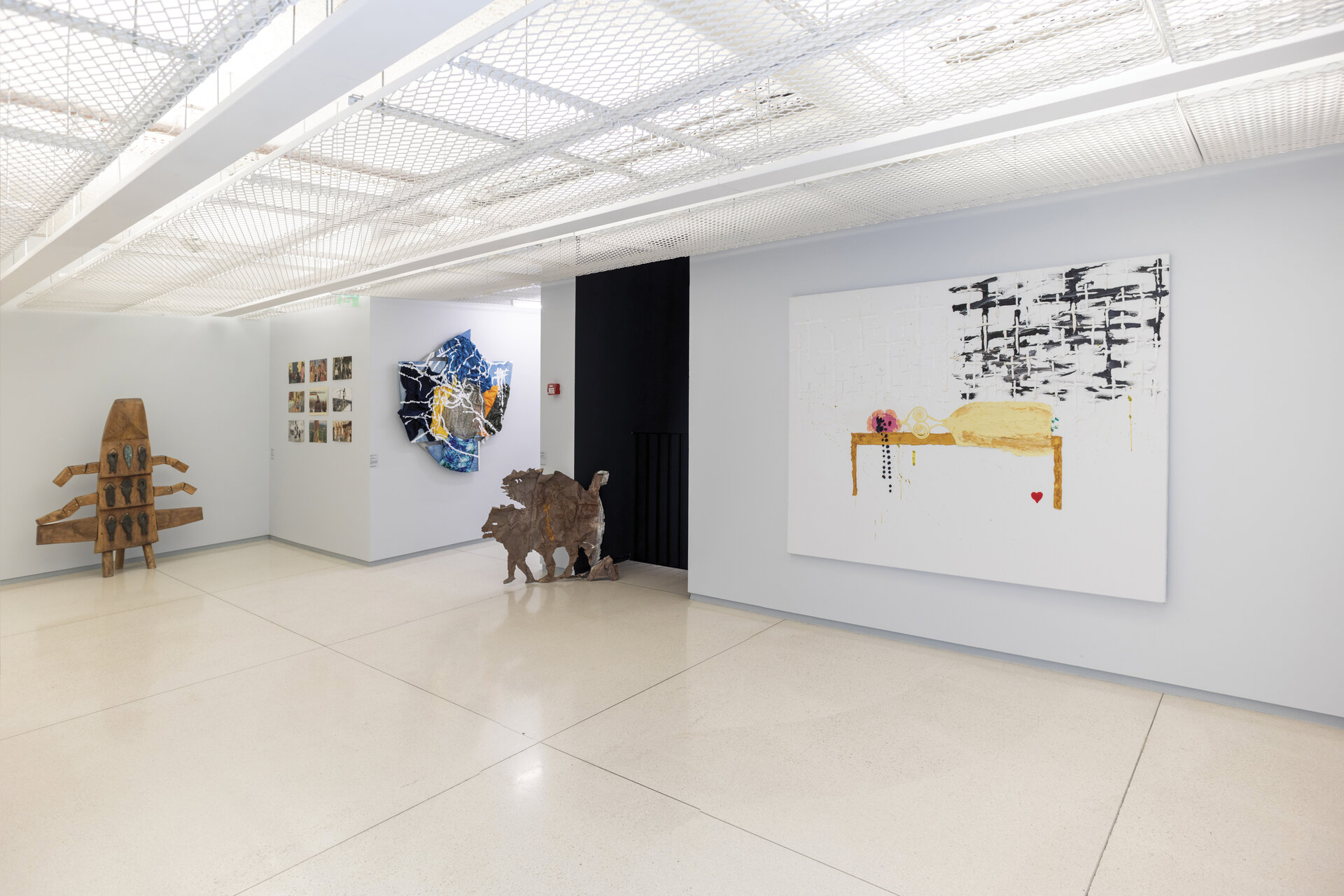
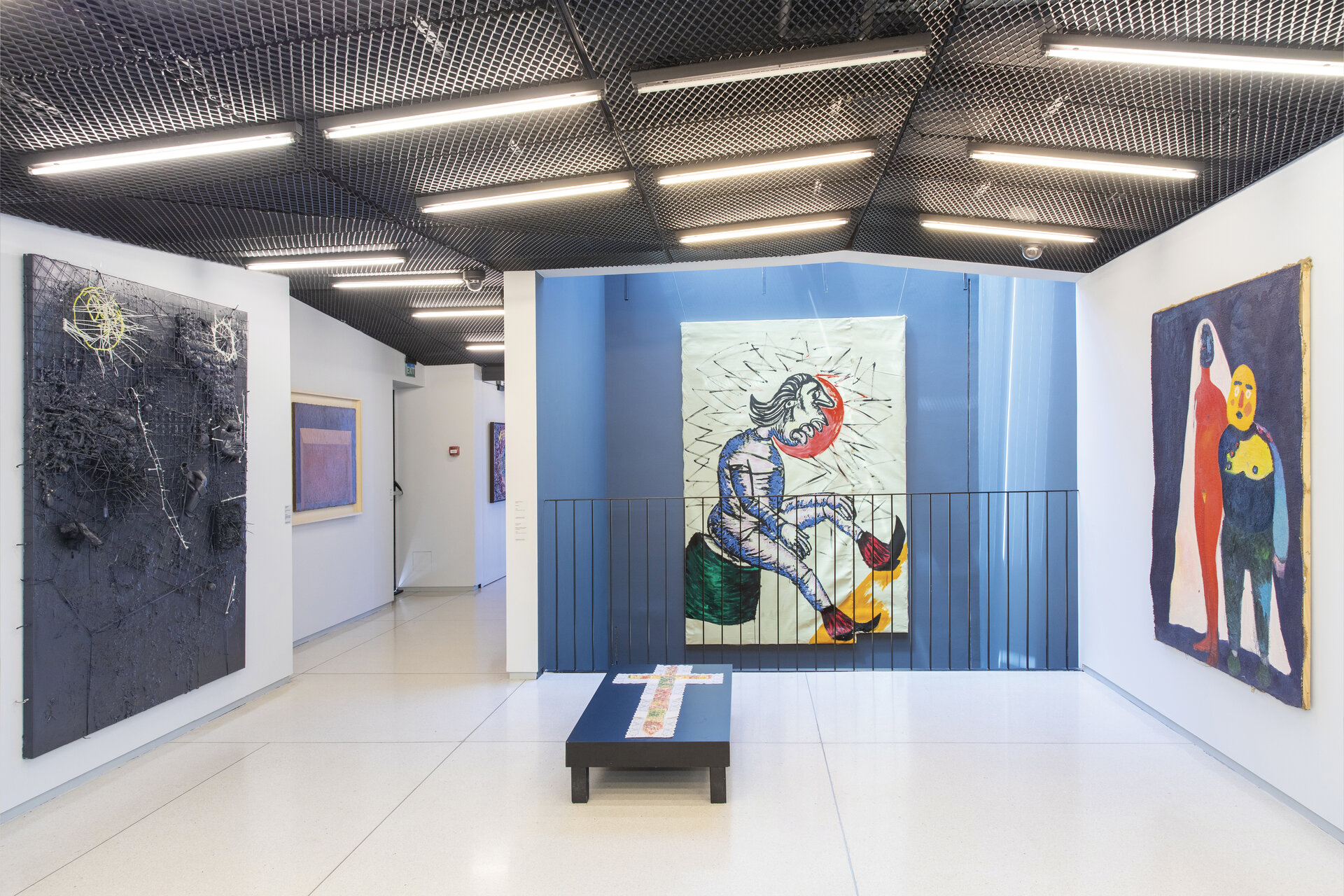
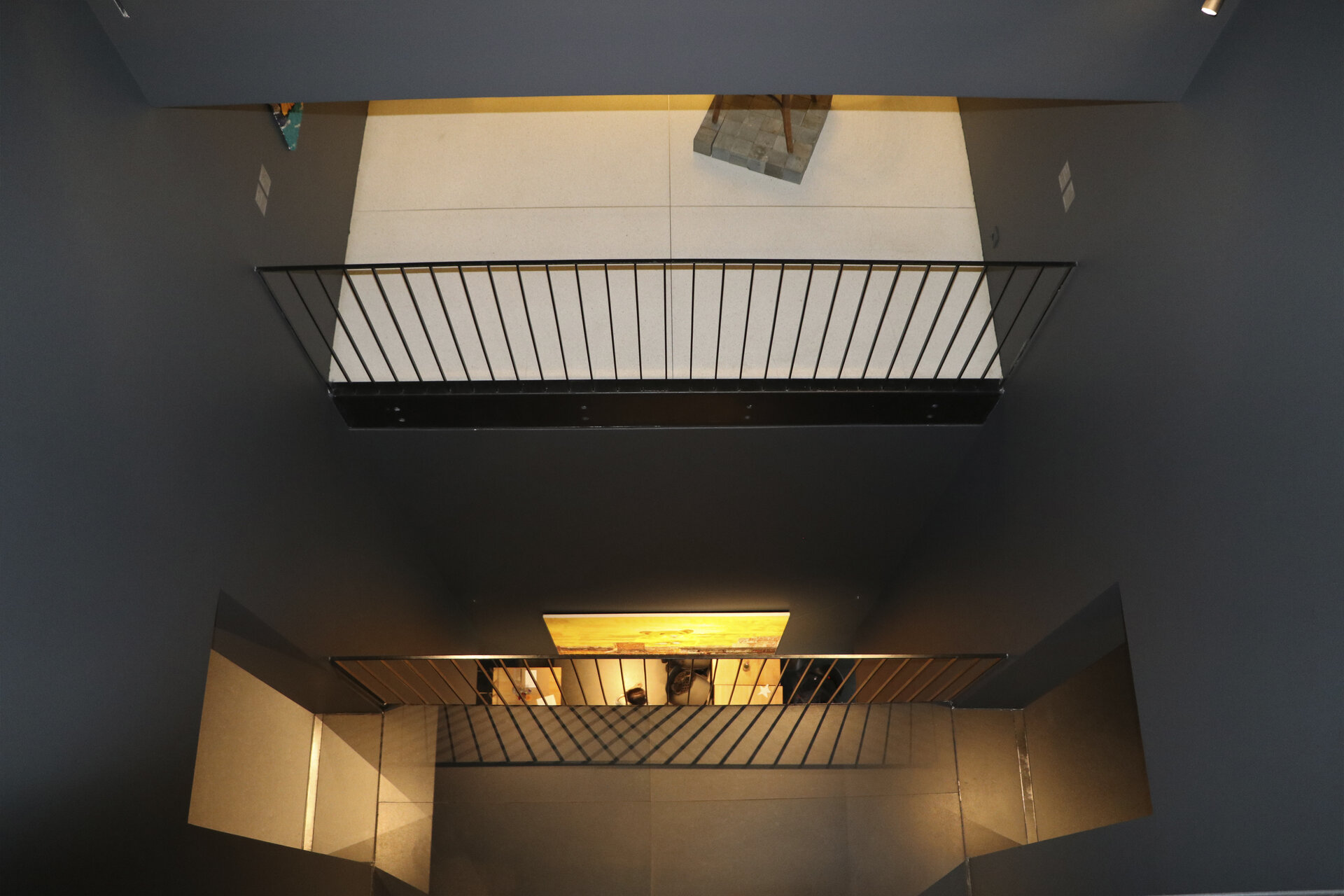
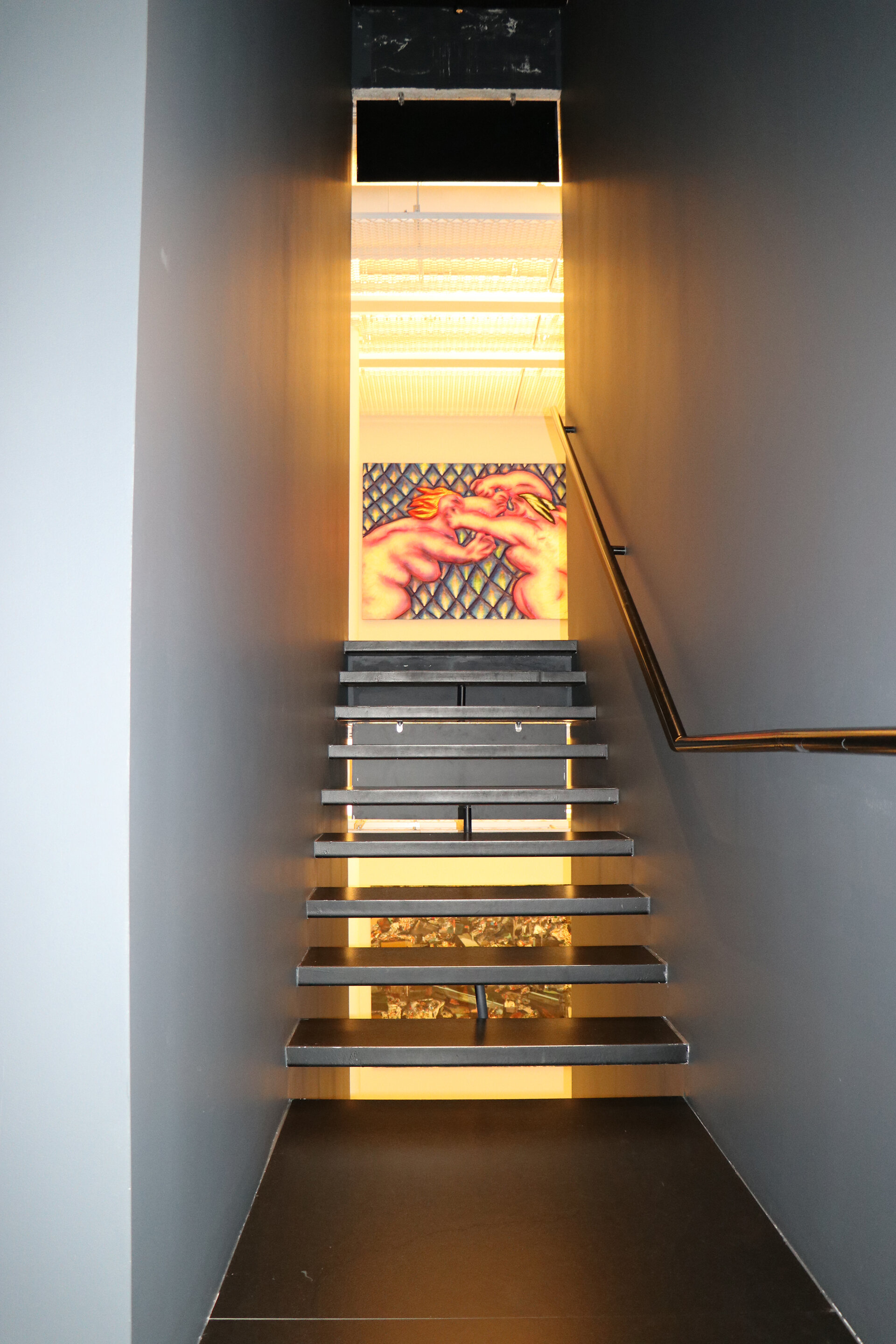
This exhibition proposes a vision based on a methodology of identifying a stylistic preference in recent Romanian art. The operating parameters of this curatorial project are a result of the fact that we had to work with the museum’s collection which, though prodigious, is inevitably limited, and with the topography of the place, which played an important role in composing the exhibition. The museum was conceived by the architect Youssef Tohme as a bunker suspended in the air, preserving the volumes of the previous building; inside, the museal route is a labyrinthine one, with a black core consisting of the rooms between floors, which function as altars, a significant series of ganglia for the exhibition visit. These spaces are not grandiose and we had to adjust their approach to the natural rhythm of a familiar habitation. This situation suited us splendidly, given that we also think that, in most cases, artists’ works are produced in spaces that are also lived in. Then, after works are collected, they also live out their youth in the same kind of dwellings.
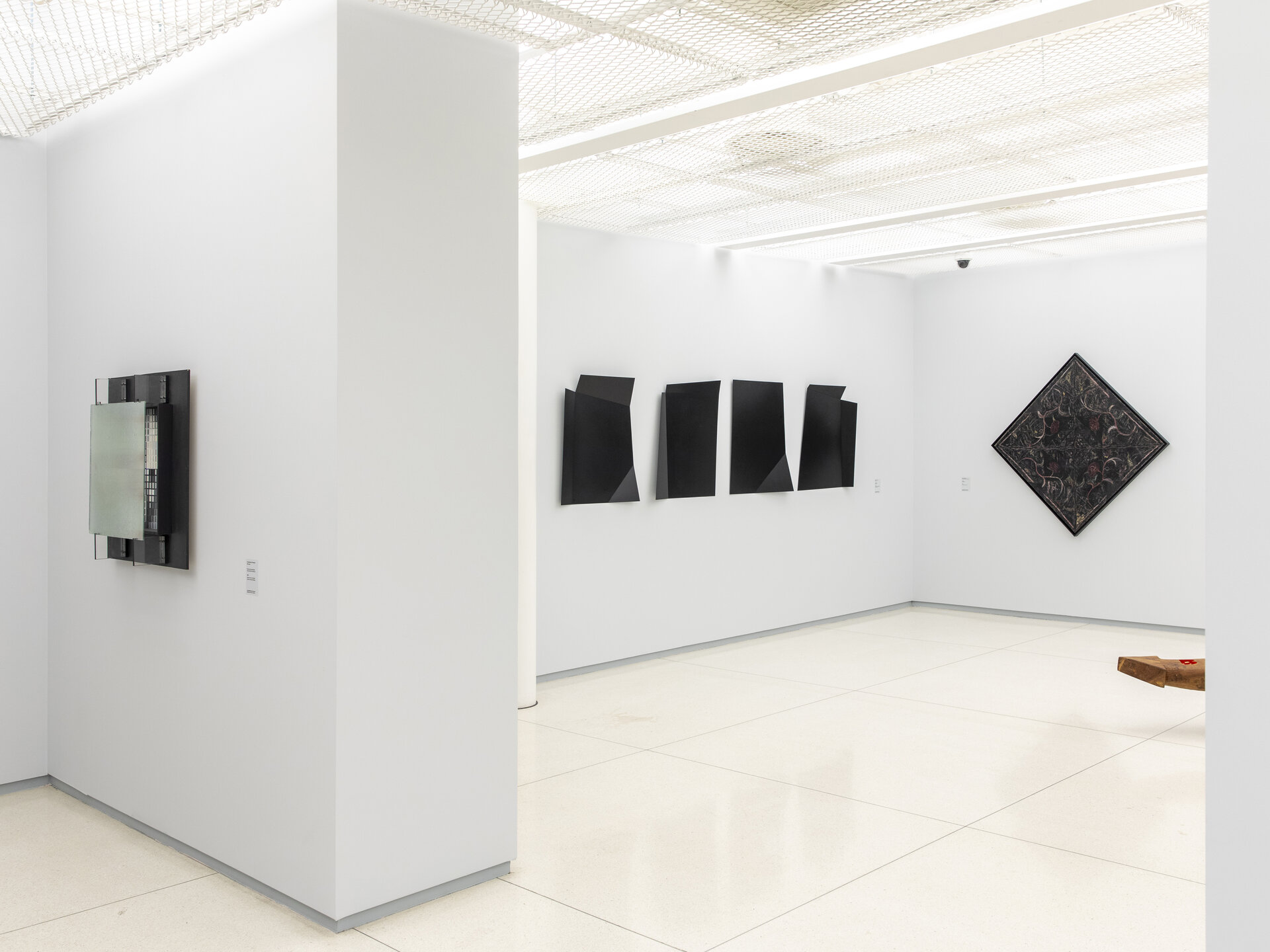
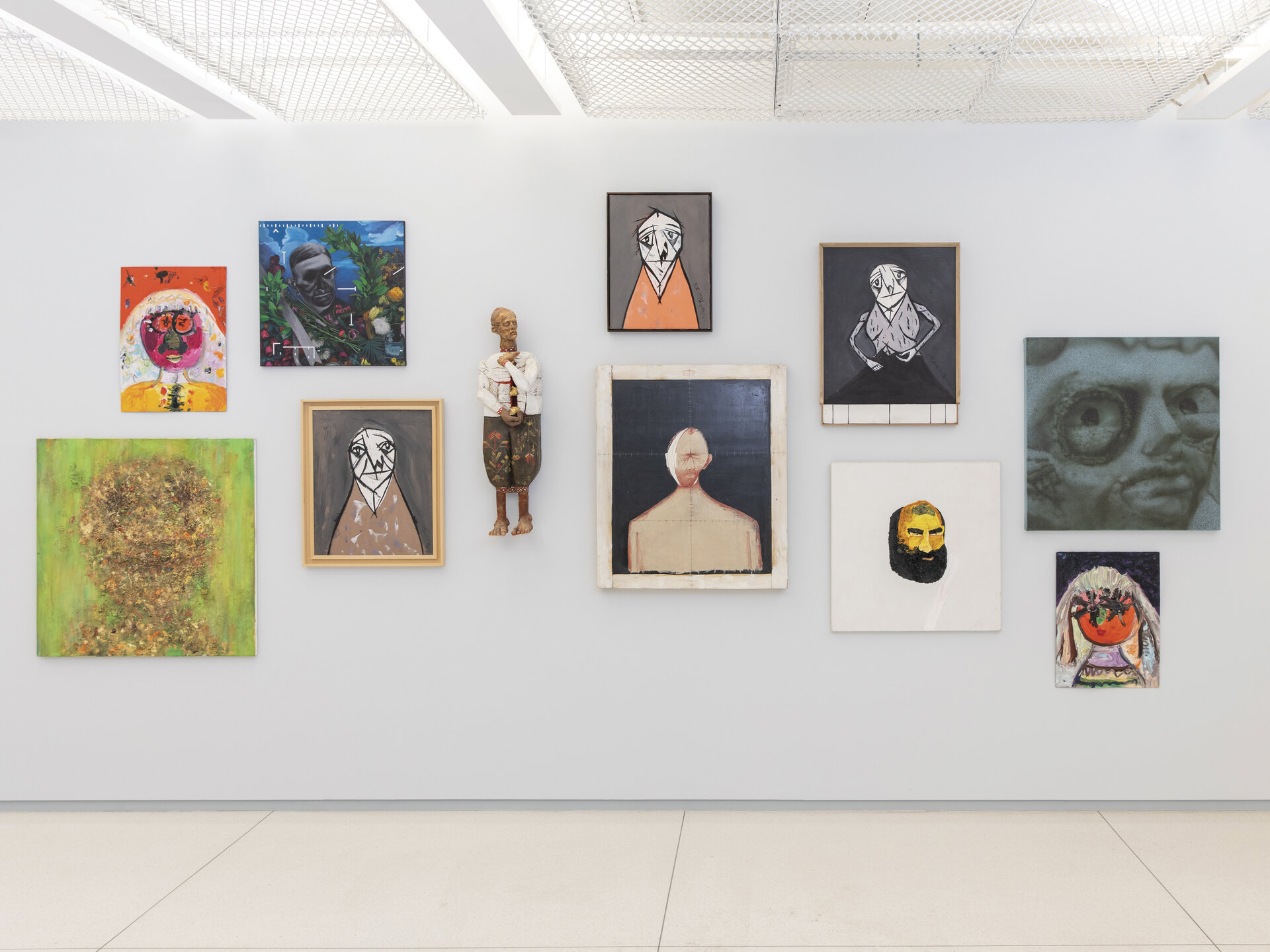
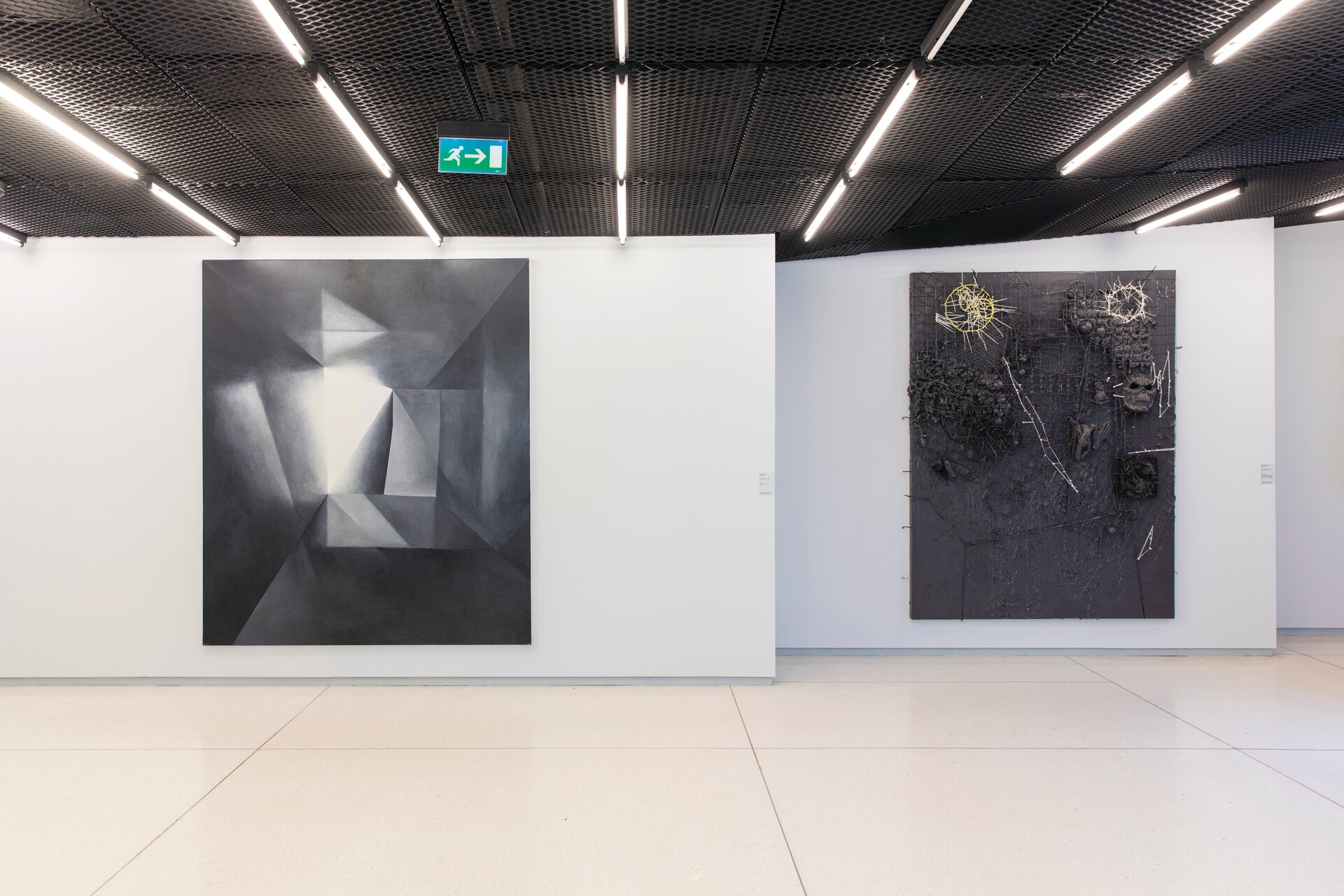
The main thesis of this curatorial essay states that there are two significant areas of stylistic practice in contemporary Romanian art: the interest in archaic visual formulas and the use of humor. The exhibition shows how this interest in the archaic manifests stylistically by identifying two main approaches: the monstrous and the geometric. What is beyond the known can only appear to us in an unfamiliar, monstrous way. Another possibility of creating an image that references the other world is geometrical abstraction. The square is a perfect form, hard to find in natural everyday life. The second great paradigm featured in the exhibition is a constant preference for humor in local visual art. Humor is a survival strategy for people in this geographic area, a pressure valve for the soul that makes life bearable in these times.
“The Monster, the Square, and the Laughter” proposes an analysis of “the archaic” by observing the fact that, when organized visually, this concept tends to favor either the symmetric chaos of the monstrous or the harmonious regularity of geometric shapes.
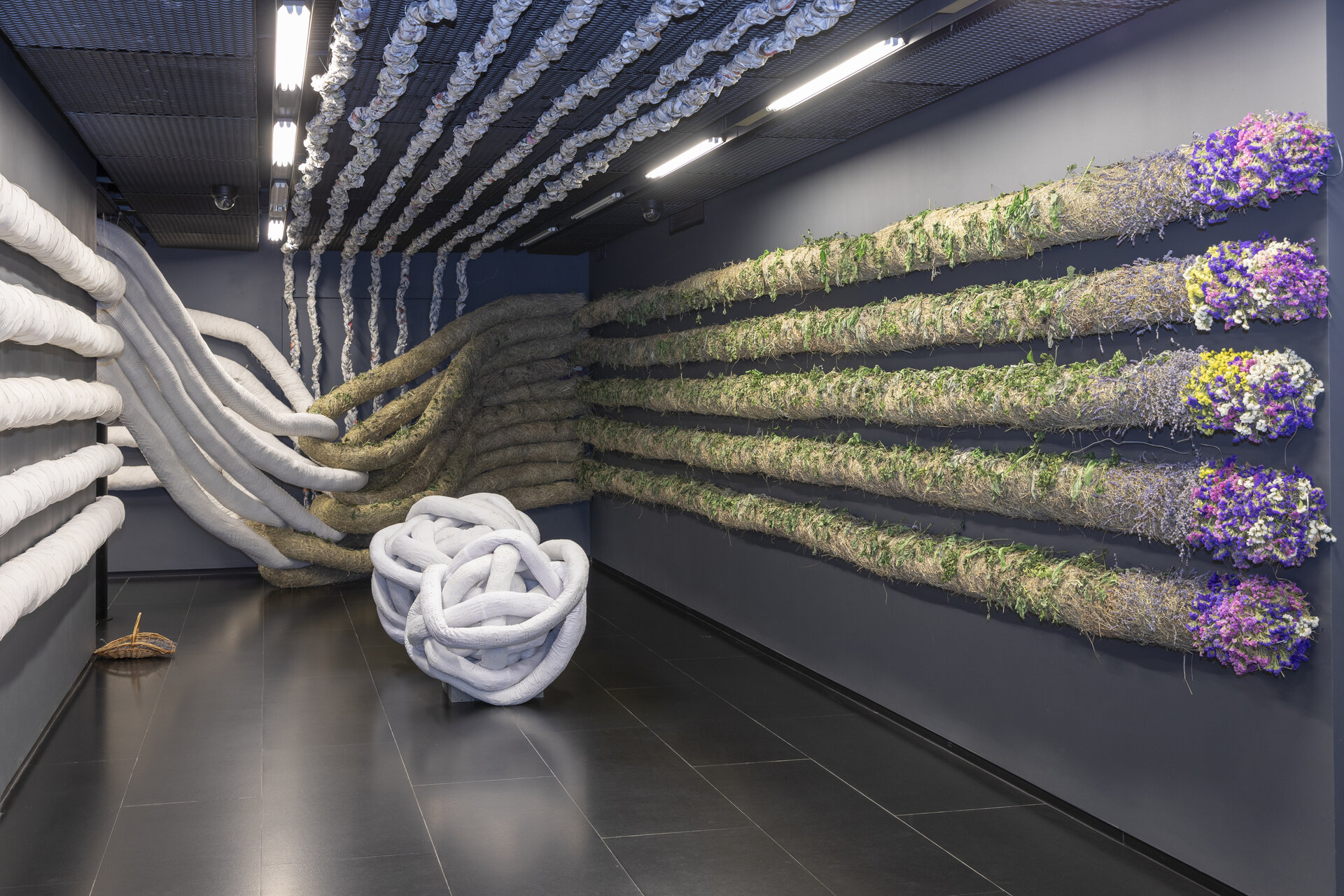
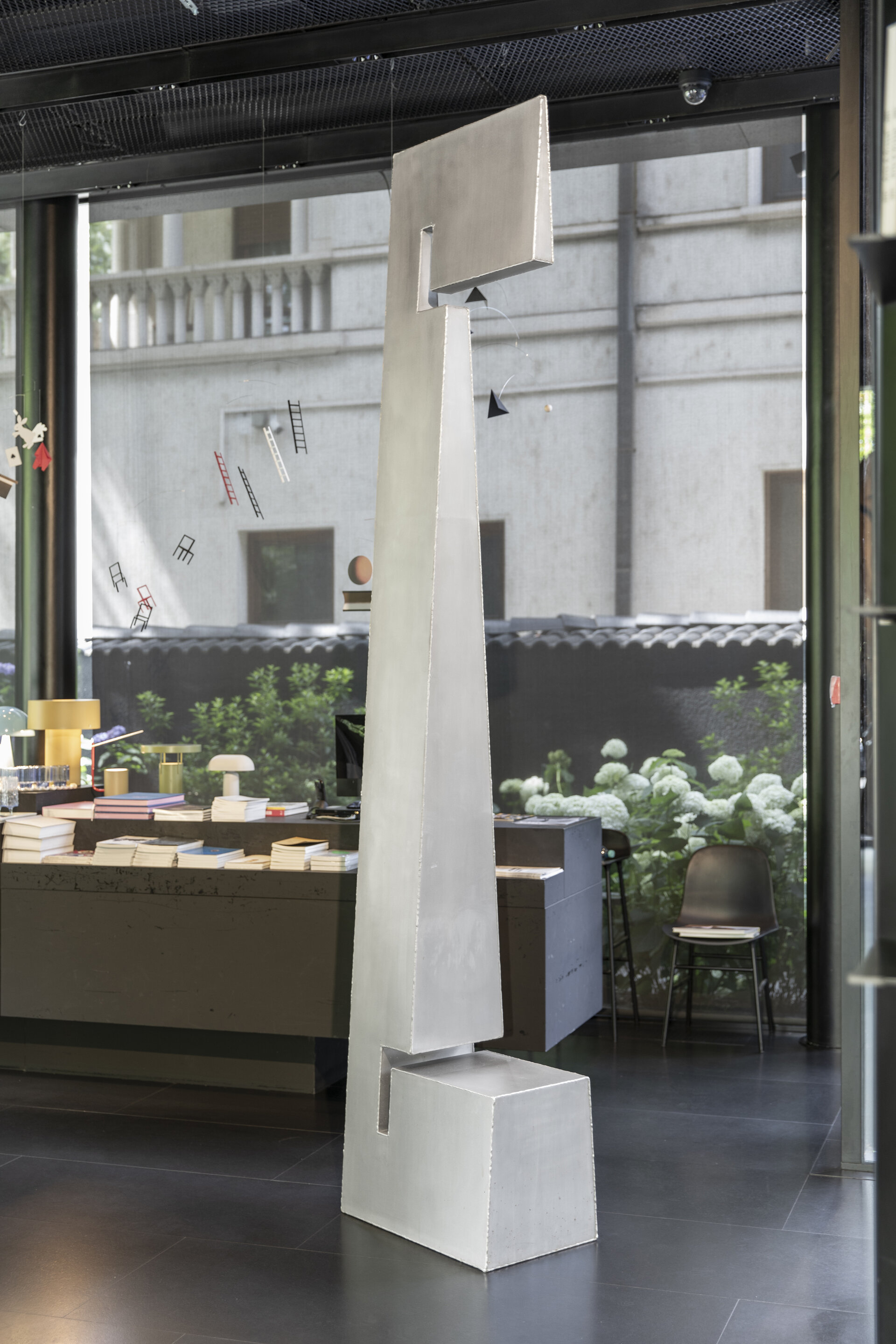
The route is ascending. The basement is completely taken over by Victoria Zidaru’s immersive installation which has become a kind of fertile substrate for the upper floors. The cafeteria area on the ground floor, an interstice of transparency and communication, is dedicated to art with social themes. Further on, we placed two sculptures that function as road posts for the start of the visit. Paul Neagu’s work - Double New Hyphen by the left-hand staircase and Cătălin Bădărău’s work - Untitled by the right-hand one. Given that the exhibition is organized around three motifs and two themes, I opted for an arrangement that sets off the iconographic adventure of the monster on the right-hand staircase, starting with Bădărău’s piece. It will continue on the first floor and unfold mostly on the right-hand wall. The motif of the square begins with Neagu’s piece, so that, at the first level, visitors will find themselves between the two jaws of the archaic - the square and the monster. On the second floor we see everything transforming into humor. The last floor is a dark synthesis of the previous two levels, where monstrosity and humor reconnect in a danse macabre before the end.
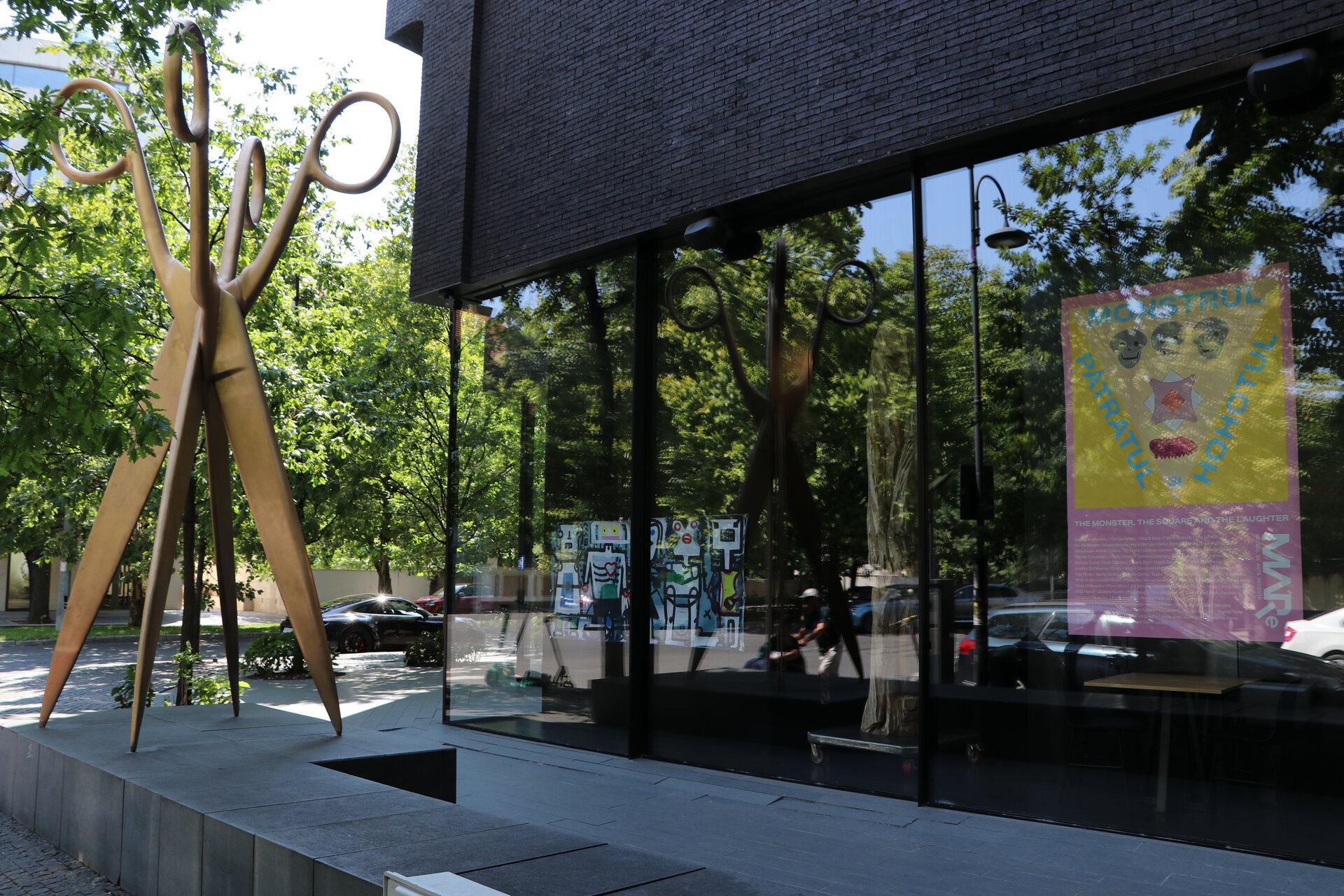
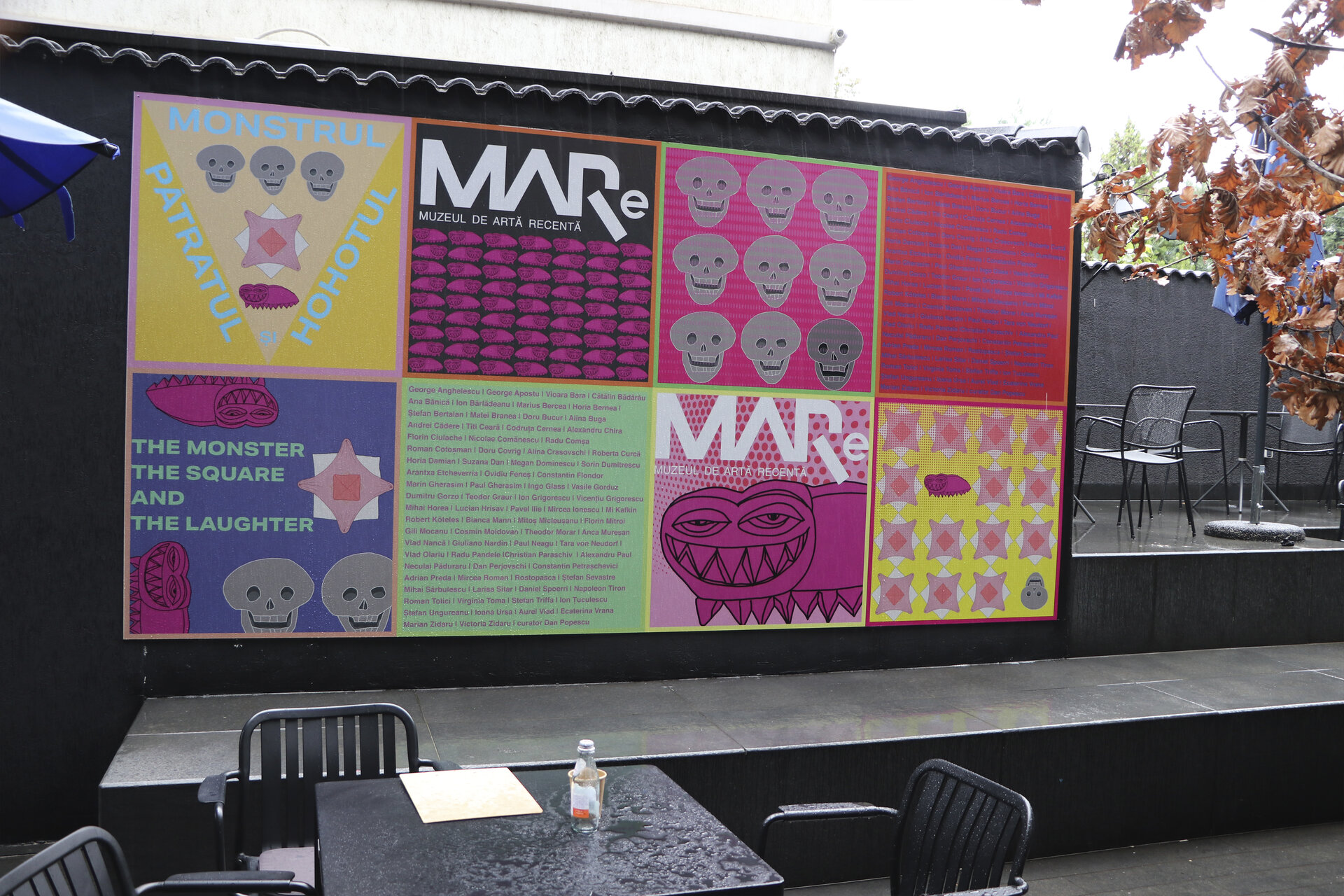


Exhibition and Scenography Design

- Constantin Brancusi: Romanian sources and universal perspectives
- Romanian Design Week 2024 - Central Exhibition
- “Below ground”, the permanent exhibition of the archeological museum in Bergen
- I started to see the colours
- STVL 0.2 _0.3
- The Monster, the Square and the Laughter
- Original Spaces | Legalized Gestures
- “Dan Popescu” Exhibition
- Exfoliated
- Oblic Studio Showcase
- SIT_2324. Shibaura Institute of Technology, Architecture & Landscape Laboratory. Diplomas exhibition. Sessions 2023 and 2024
- Paper Boat
- Touch Nature
- EPHEMERA Pavilion
- /SAC Rezumat
- EXF_SIST
- VIM Studio x Decorum Stand, Archyfest 2024


