- Prize of the “Interior Space Architecture / Exhibition and Scenography Design” section (ex aequo)
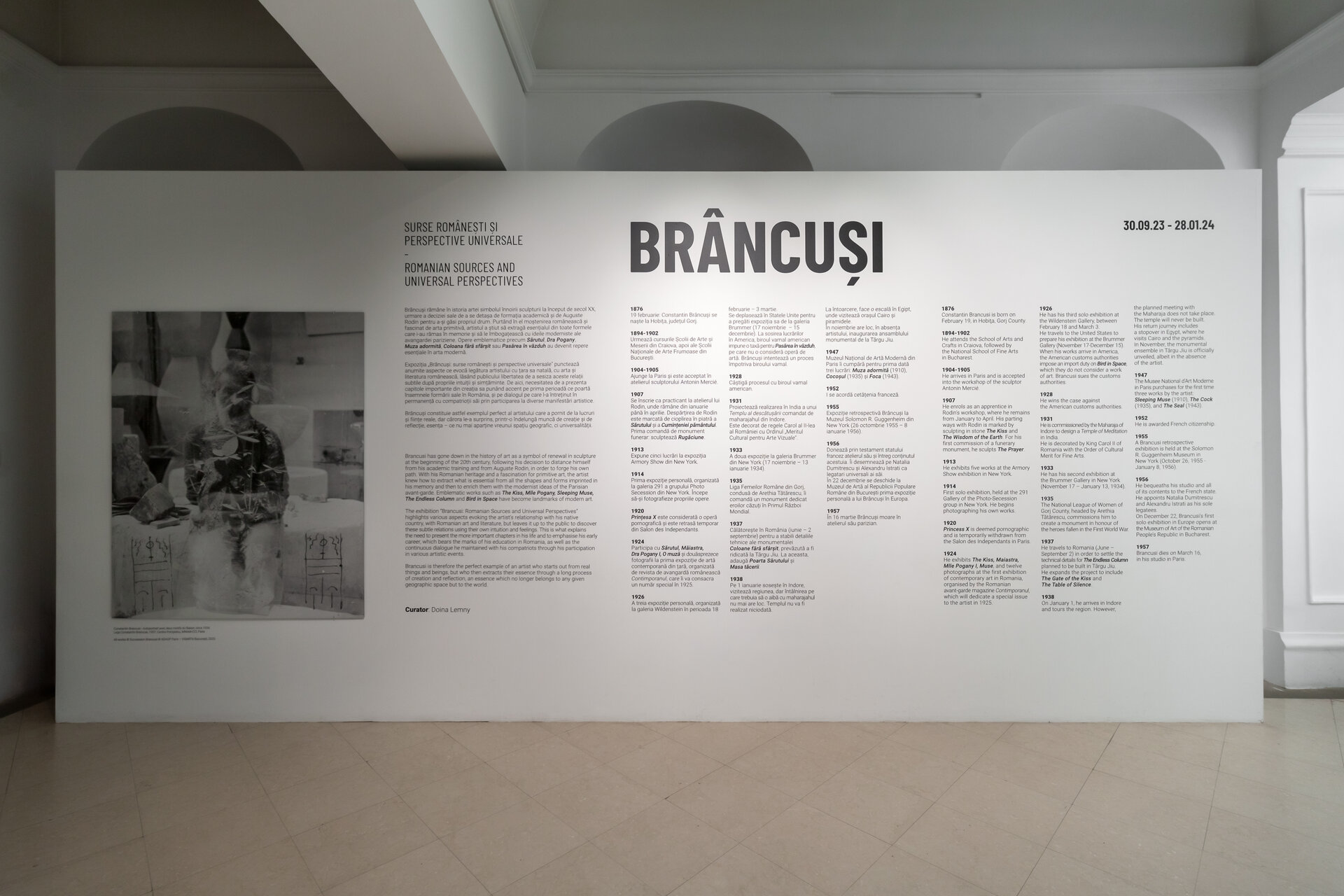
Constantin Brancusi: Romanian sources and universal perspectives
Authors’ Comment
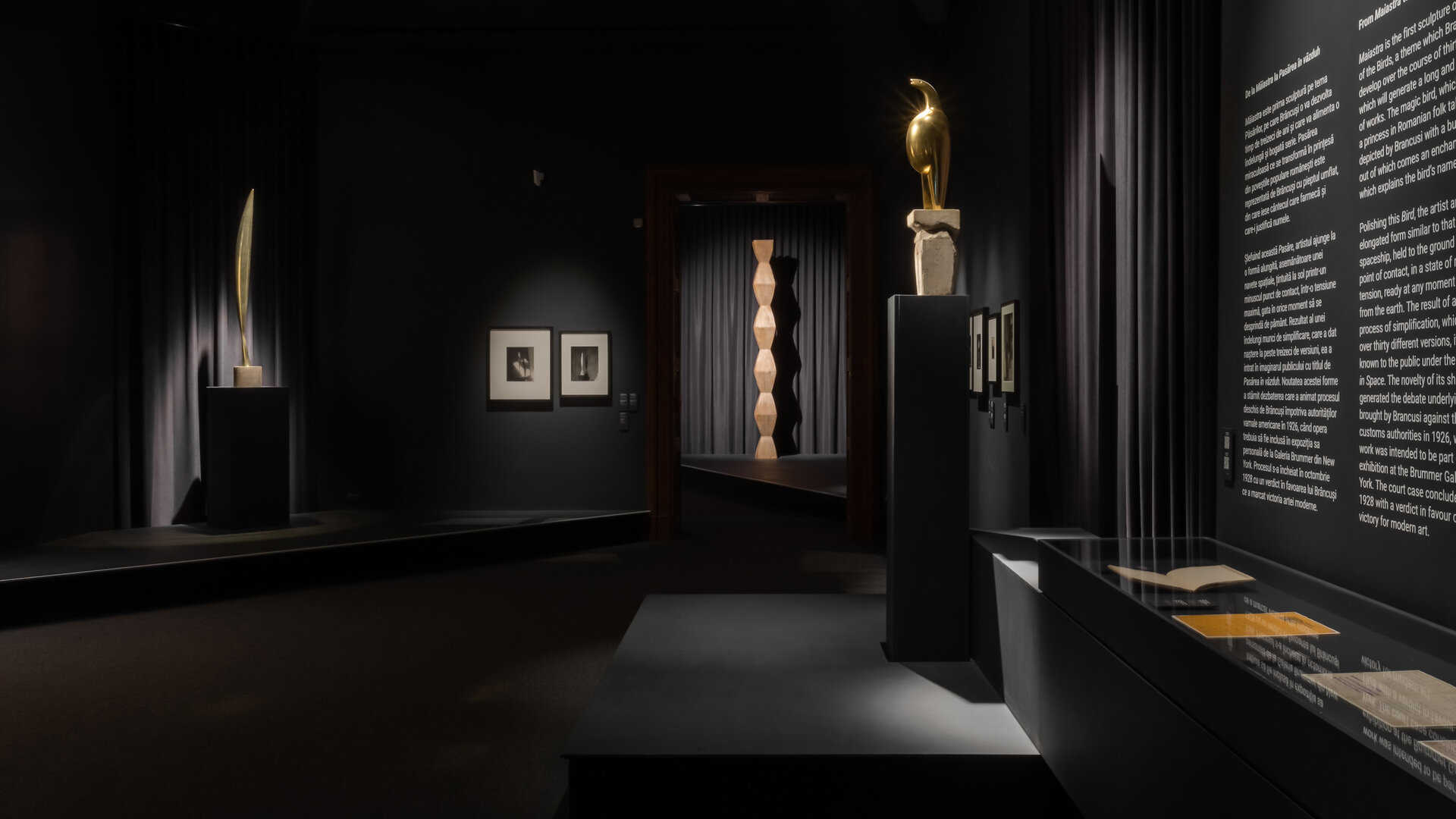
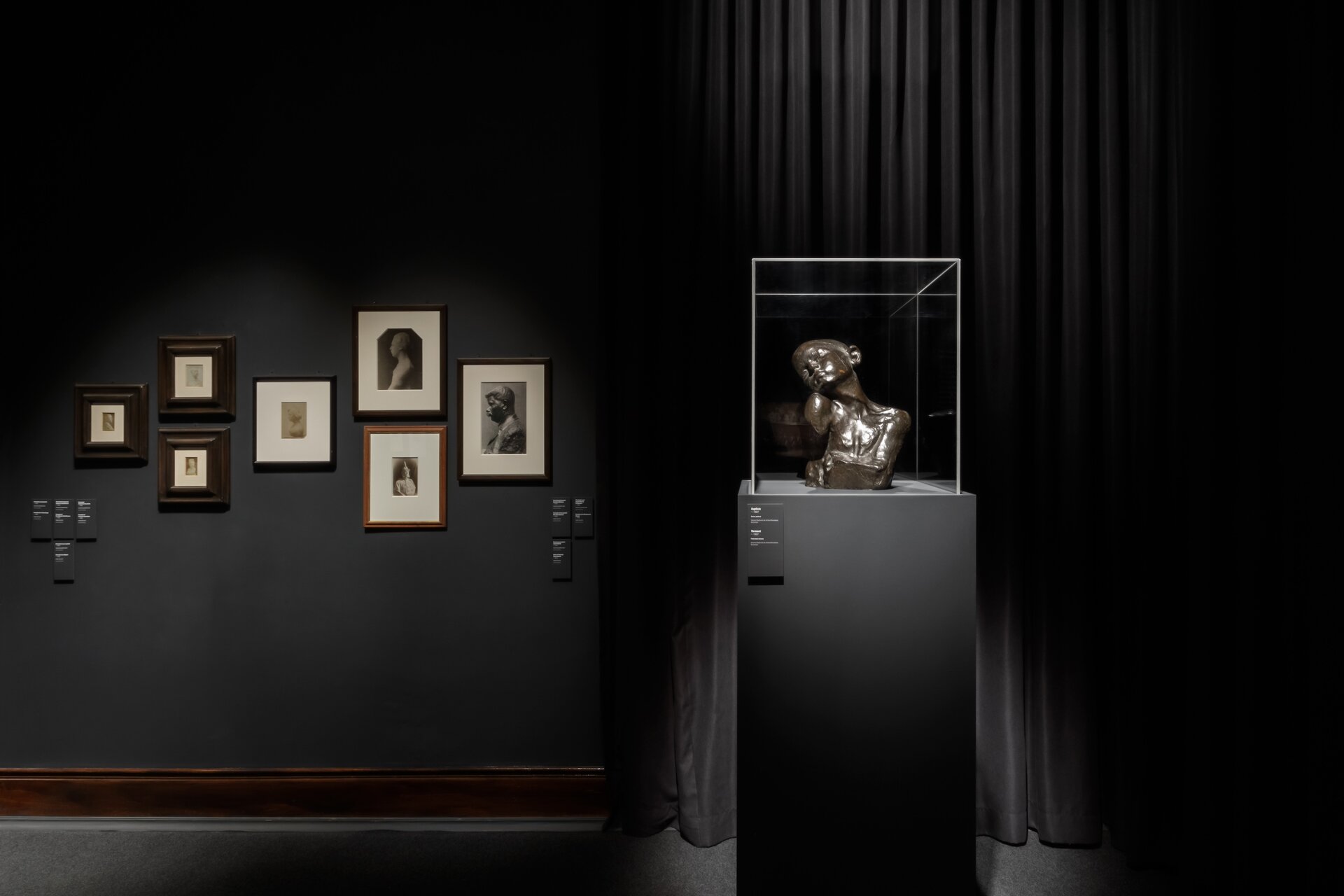
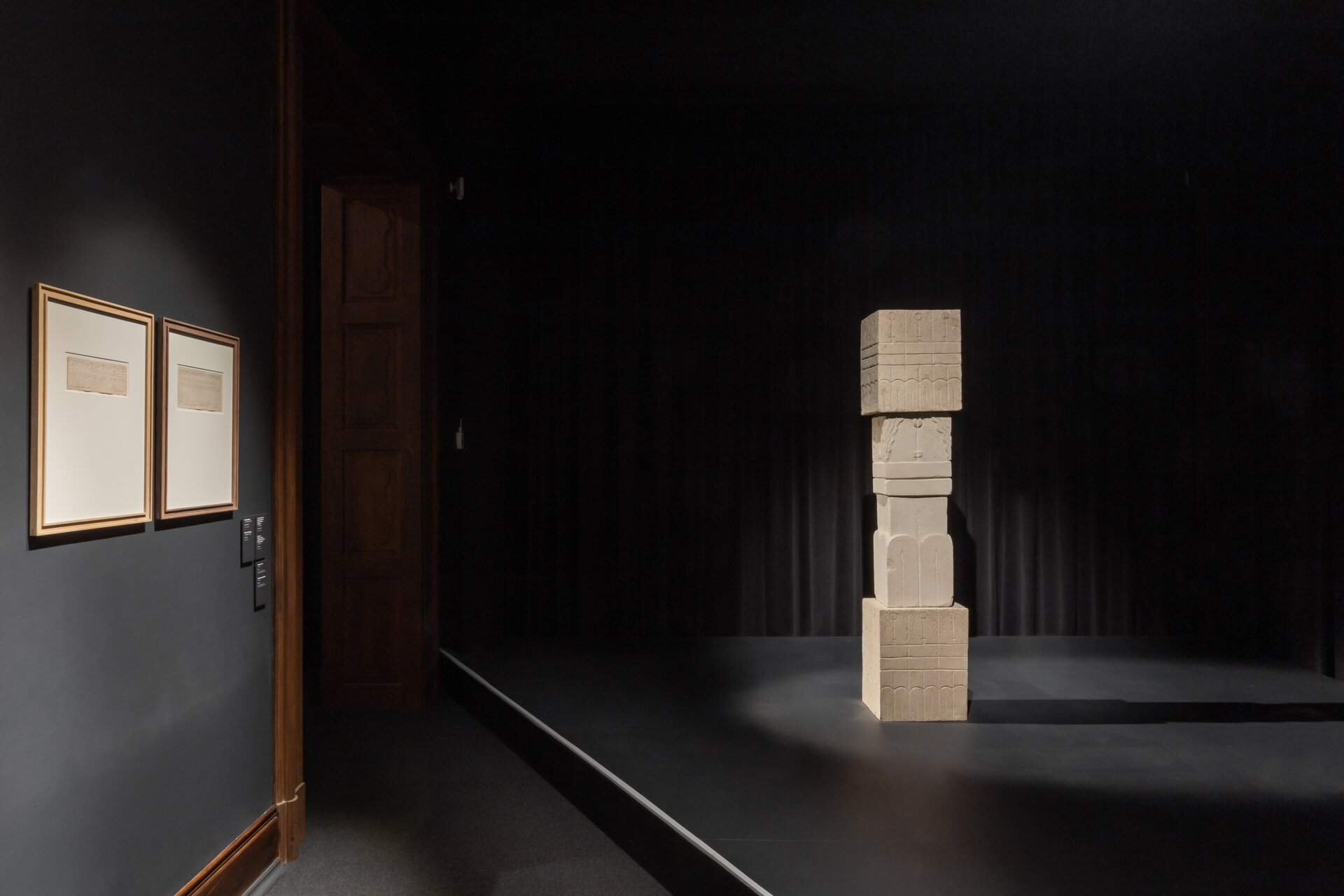
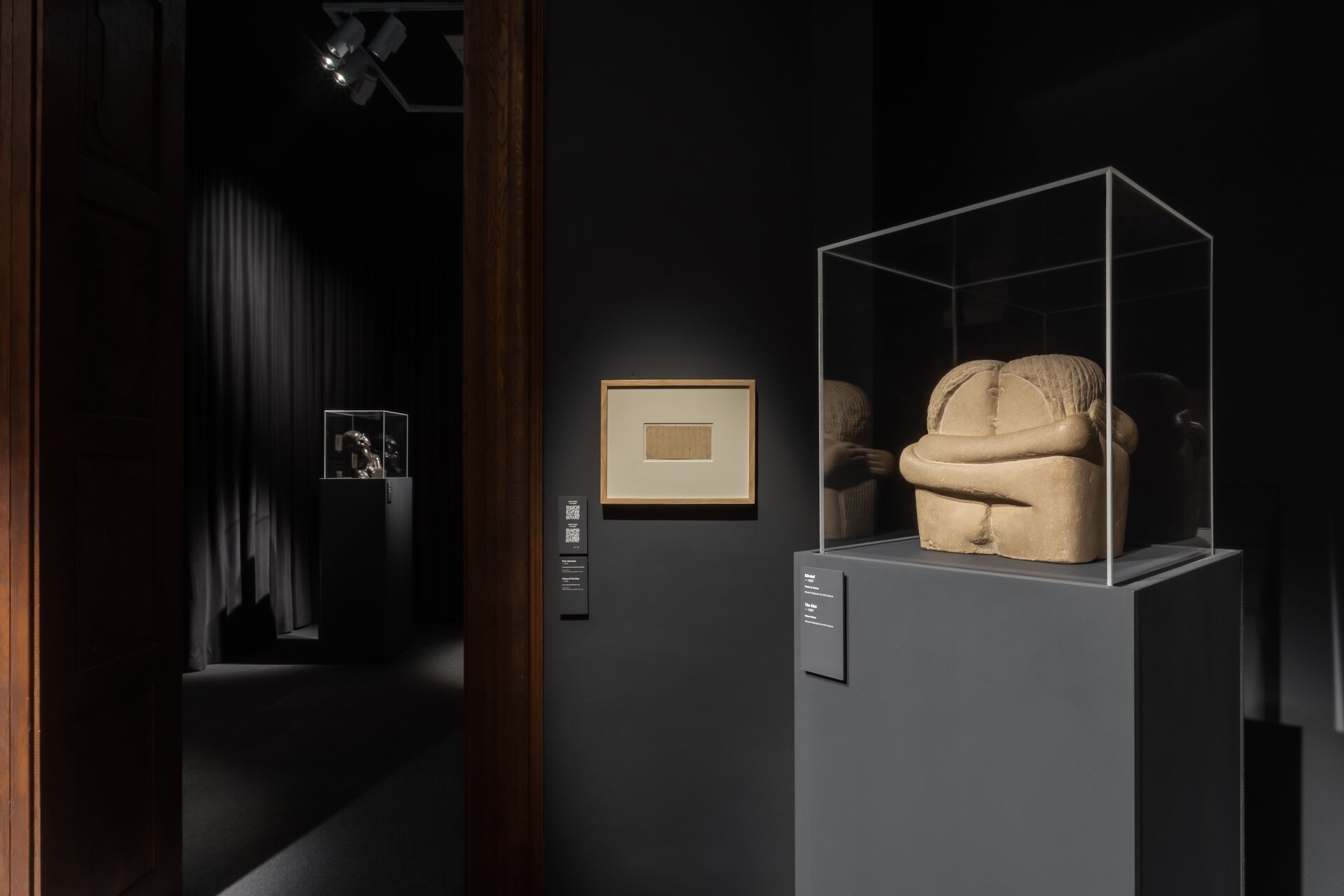
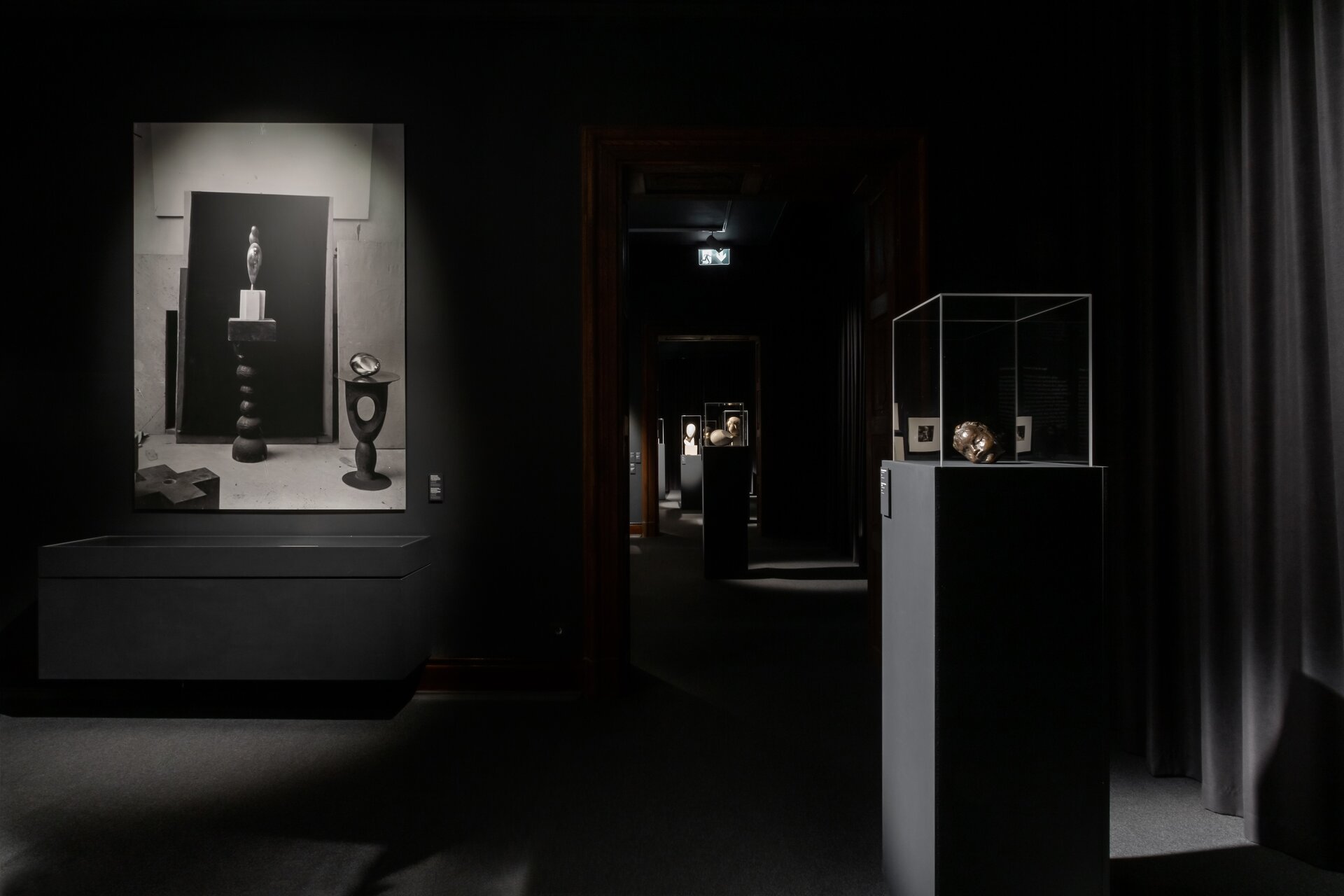
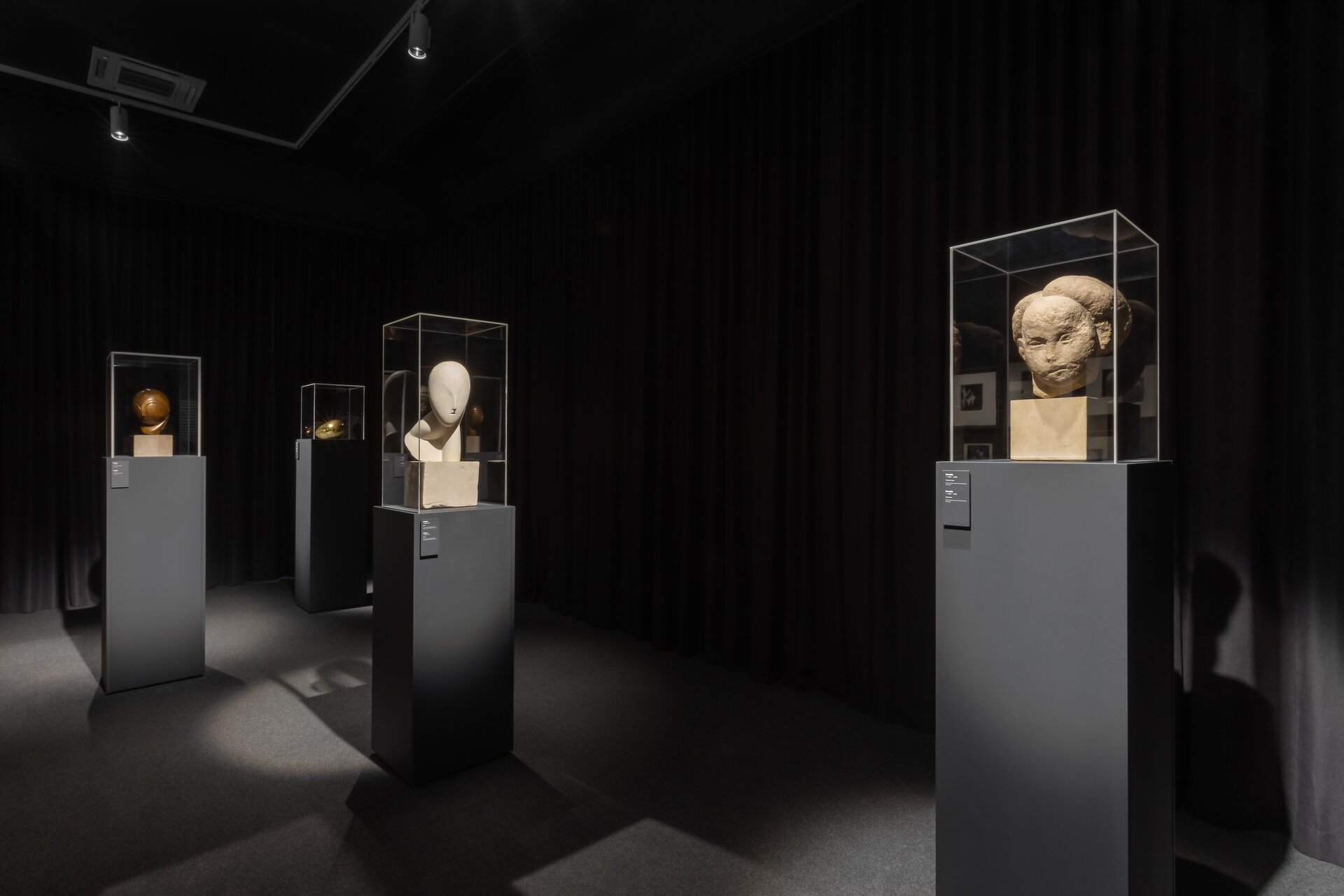
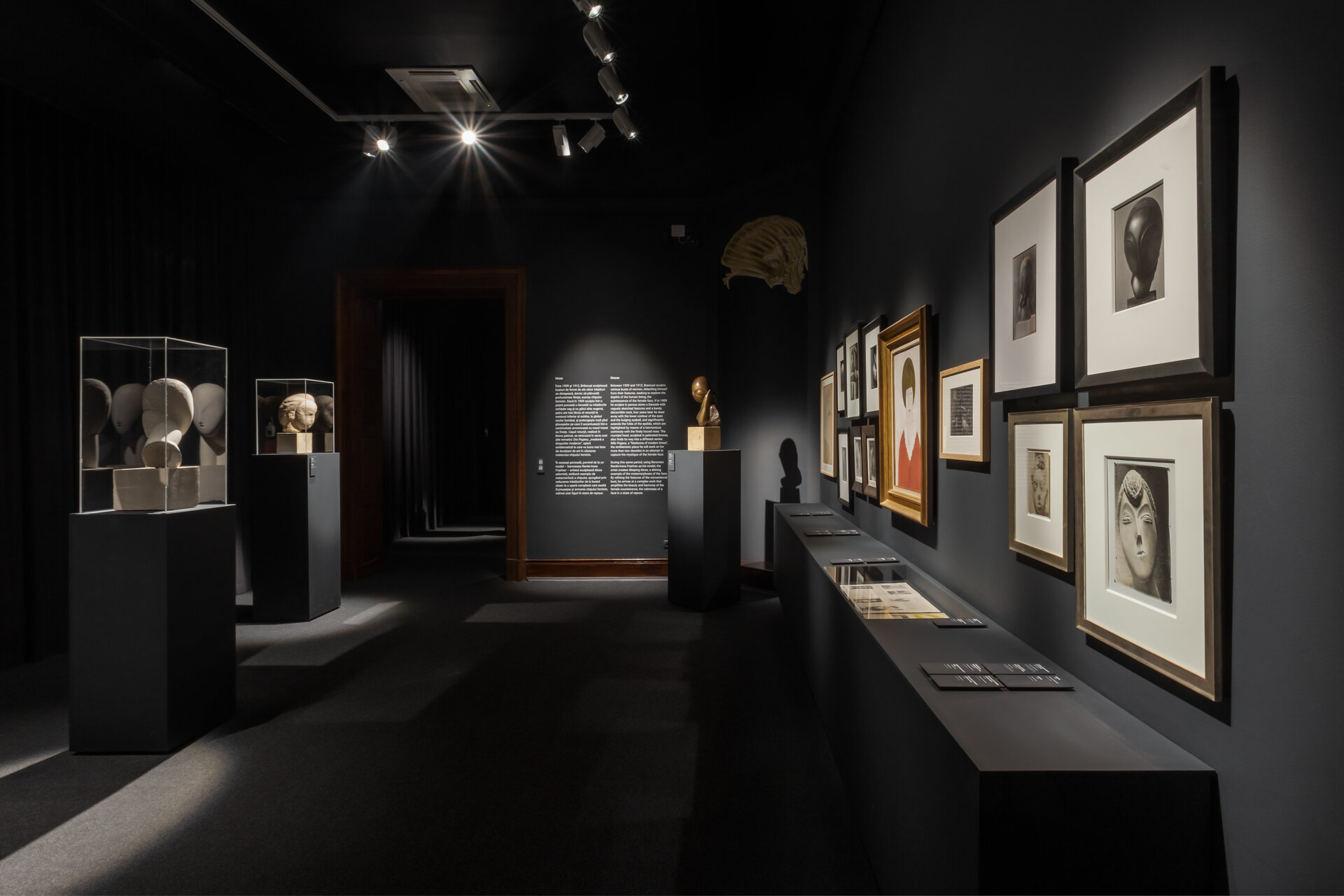
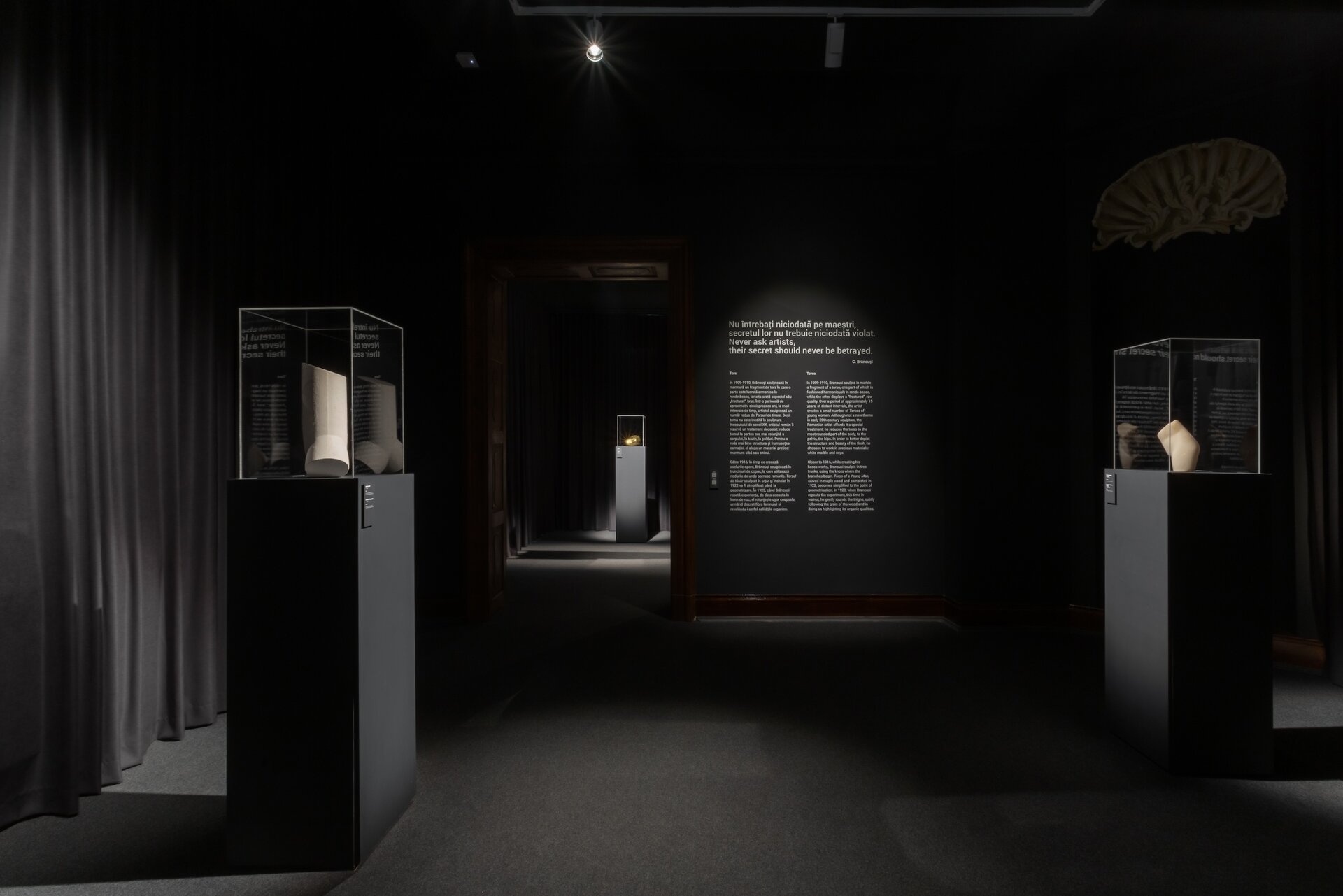
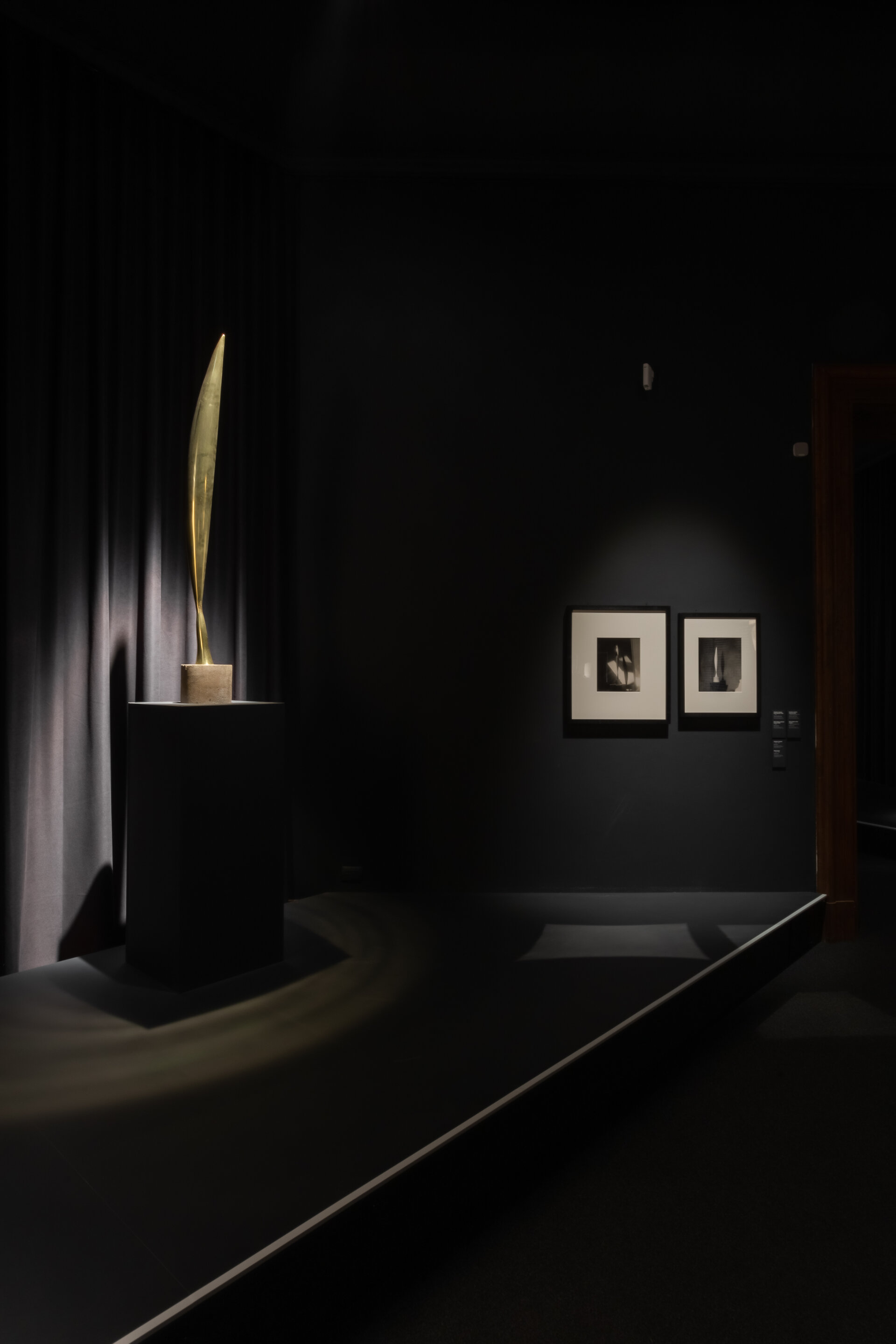
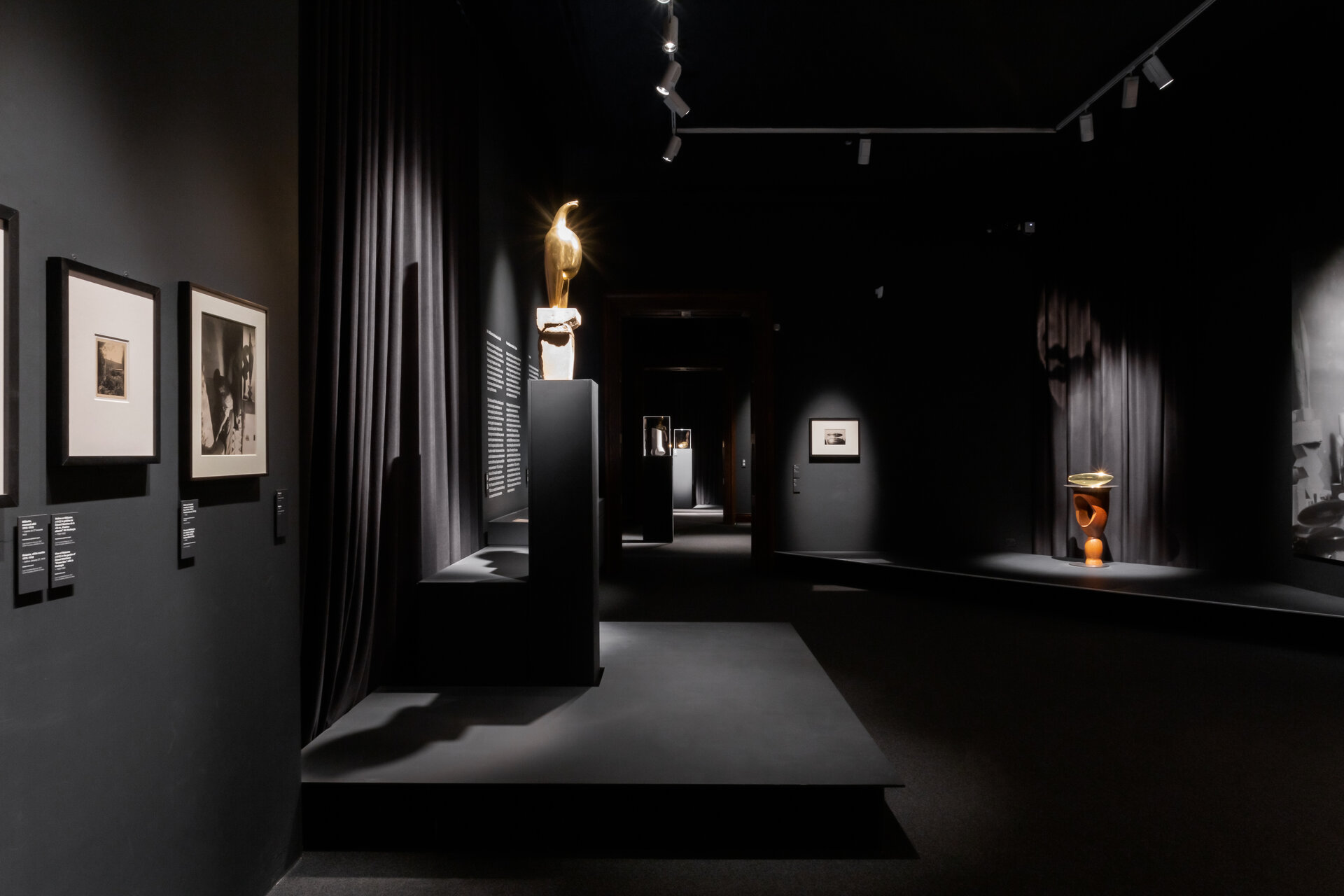
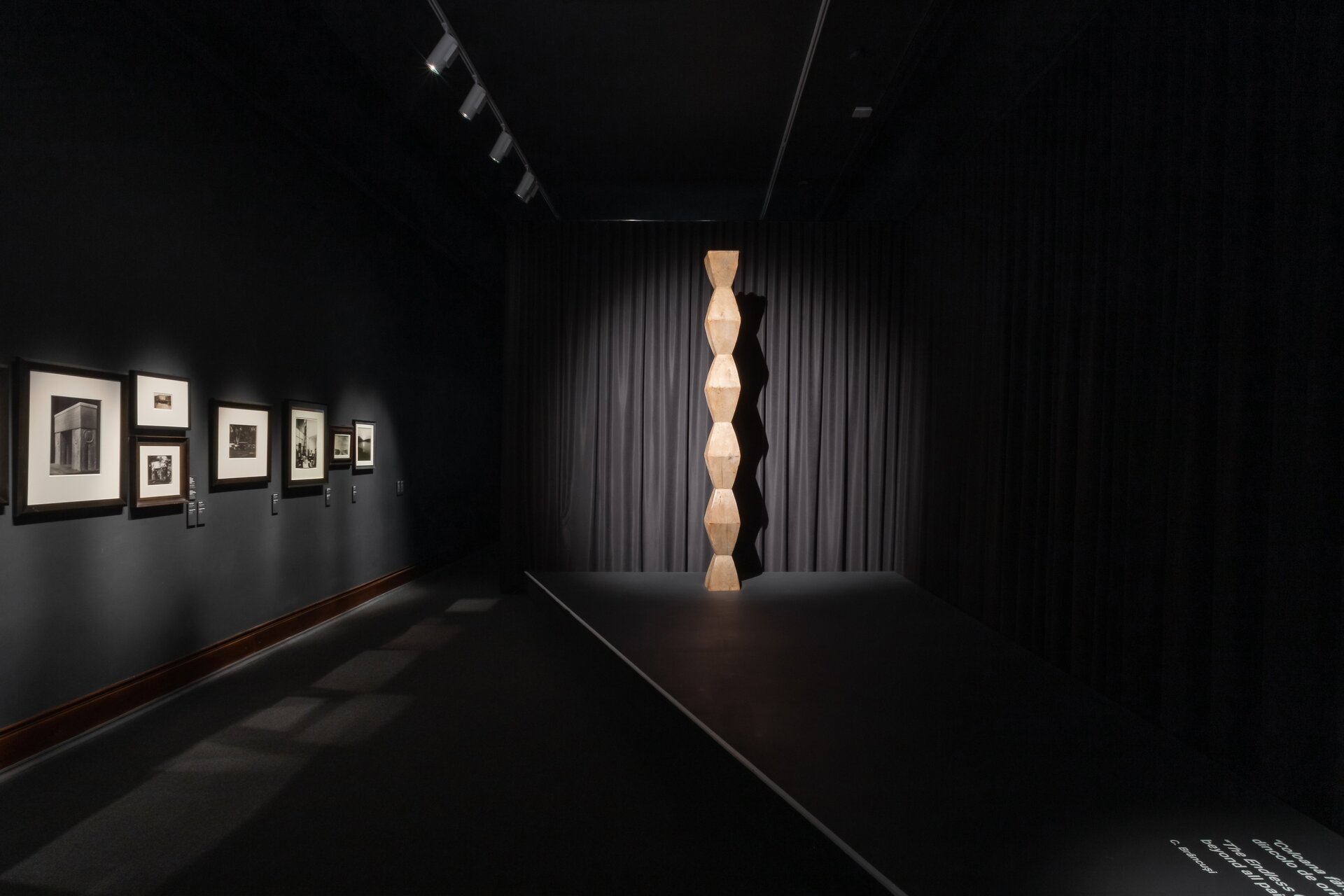
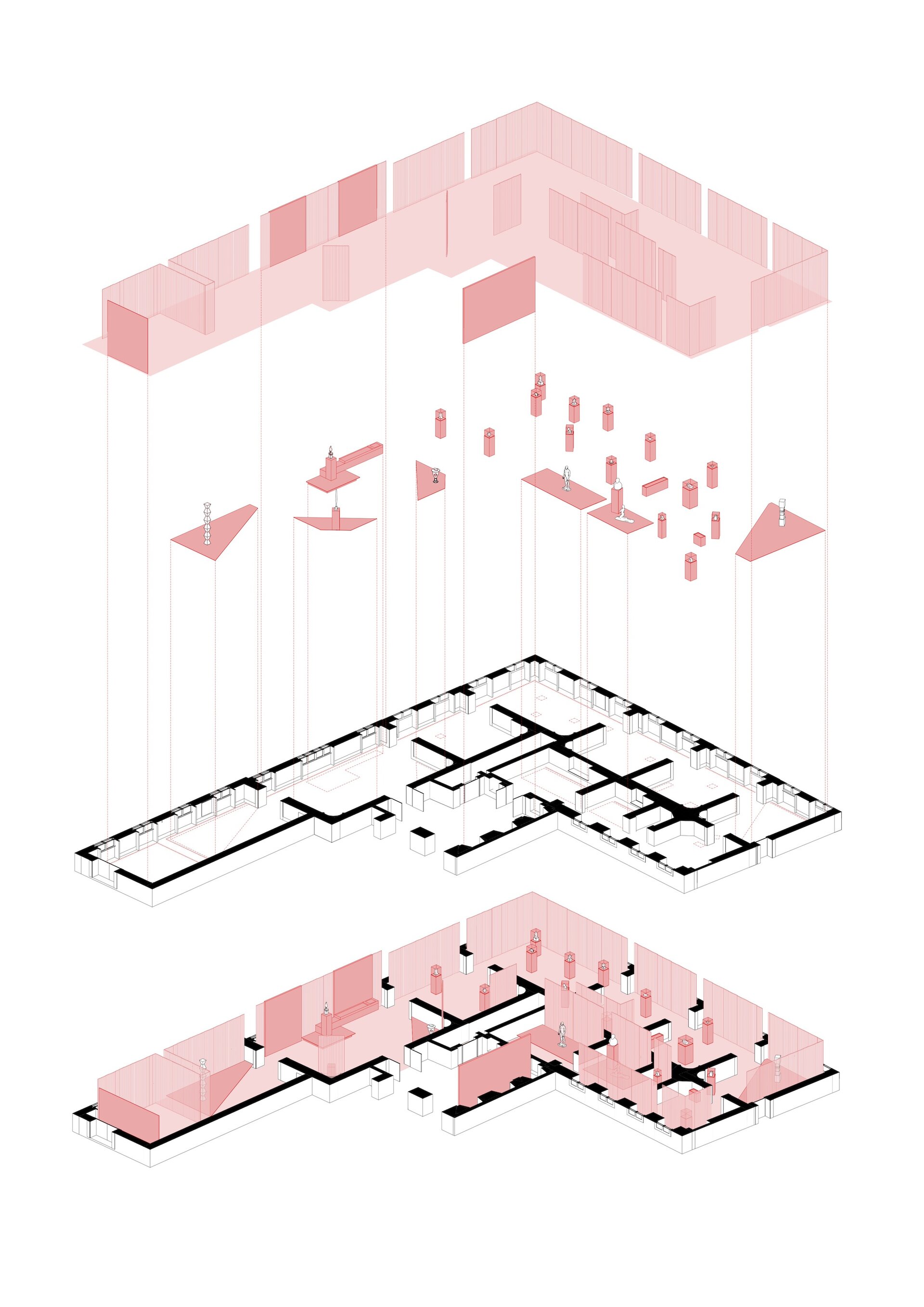
The exhibition halls of the Timișoara National Art Museum, which hosted the Constantin Brancusi: Romanian Sources and Universal Perspectives exhibition, have a very strong architectural character, on the one hand because of the classical Baroque architectural composition, and on the other hand because of the strong chromatic contrast between the white walls and the dark wood carpentry of doors, windows, shutters and plinths.The exhibition's architectural concept is primarily based on diminishing this strong contrast and defining a more neutral space for displaying the artworks. The architectural character of the rooms, the size of the spaces, the way in which the connections between them are made, the strong presence of all the doors, windows, including the niches, which preserve the memory of the former circulations, and last but not least, the presence of decorative elements, determine a general architectural approach of simplification of the museum space.
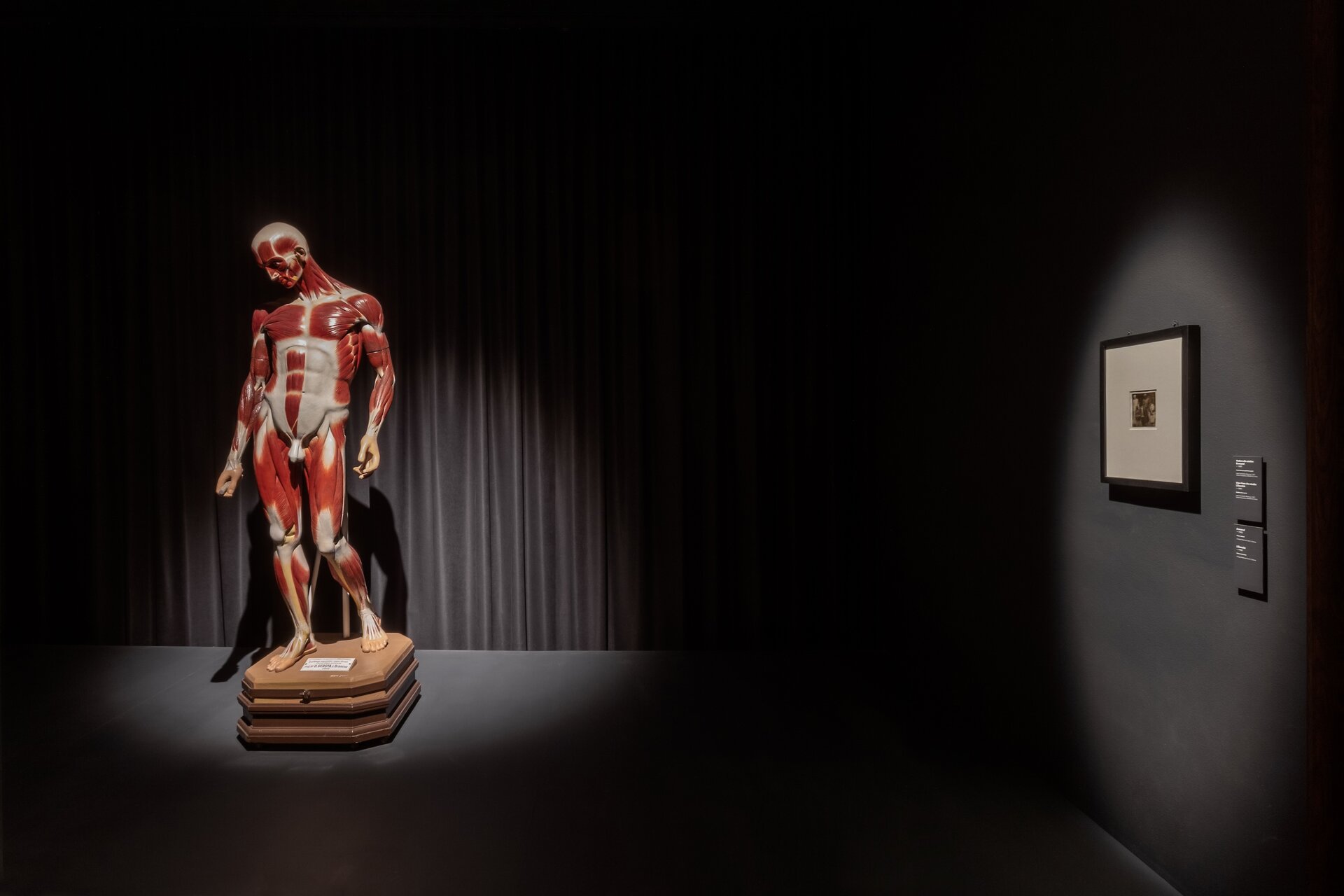
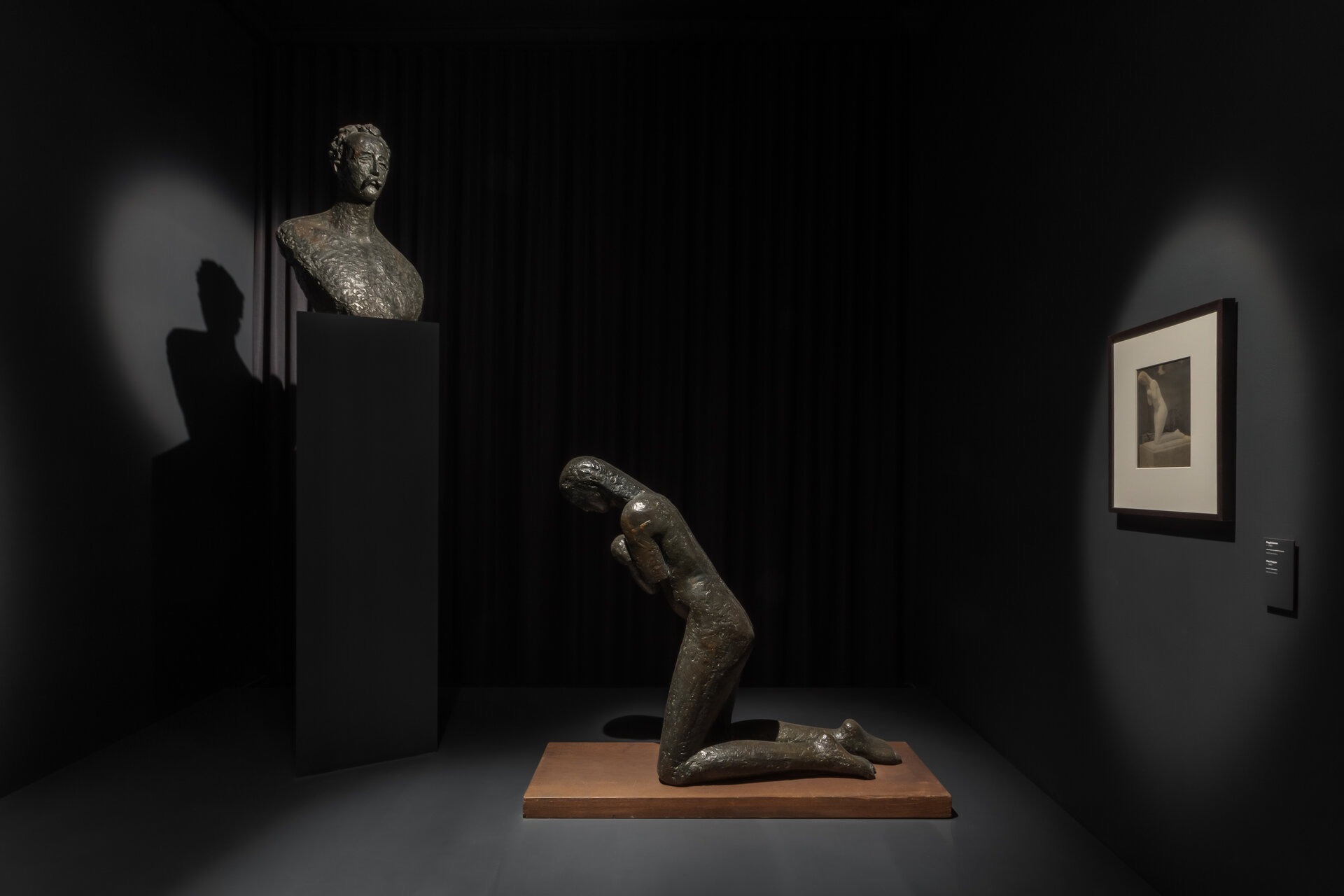
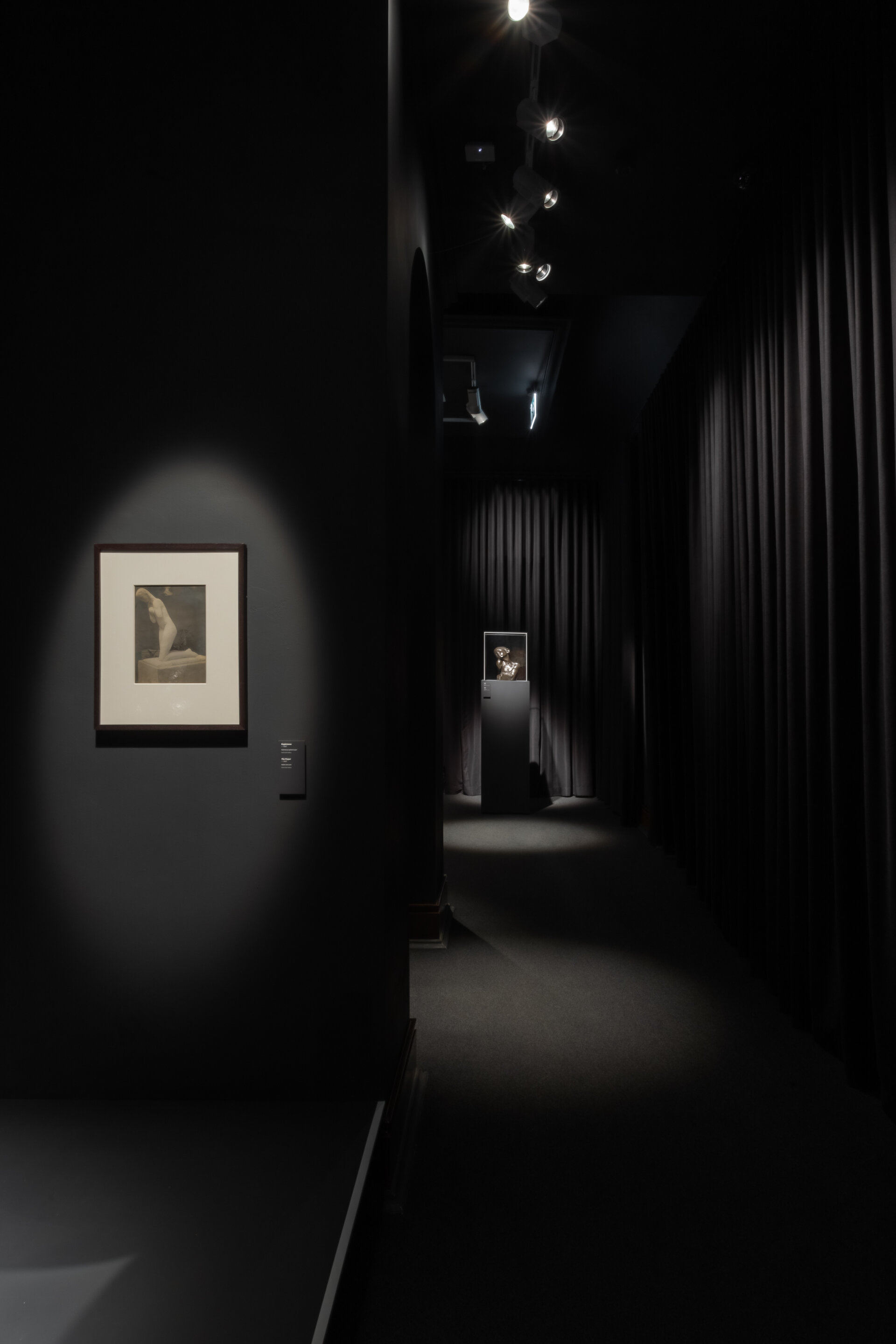
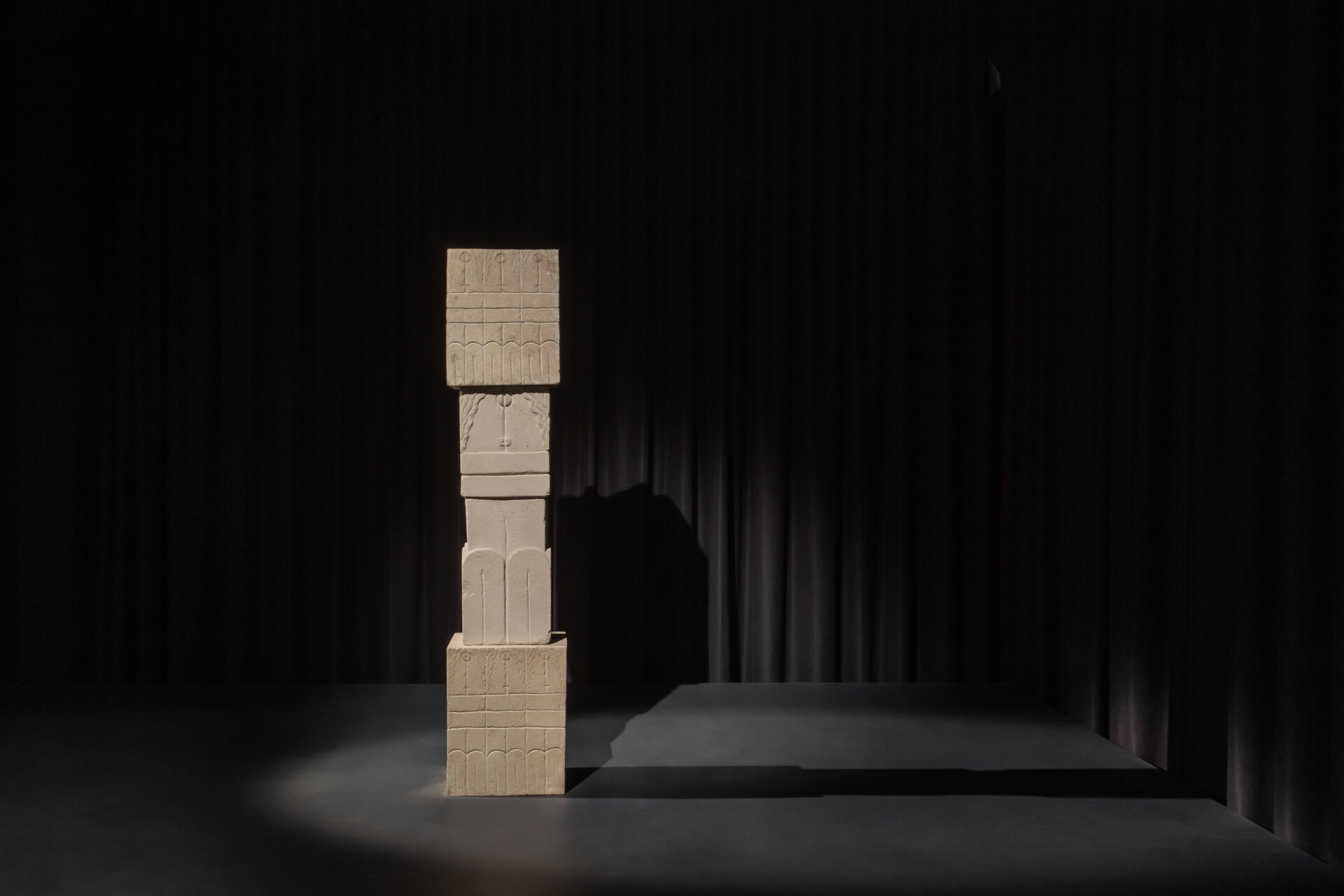
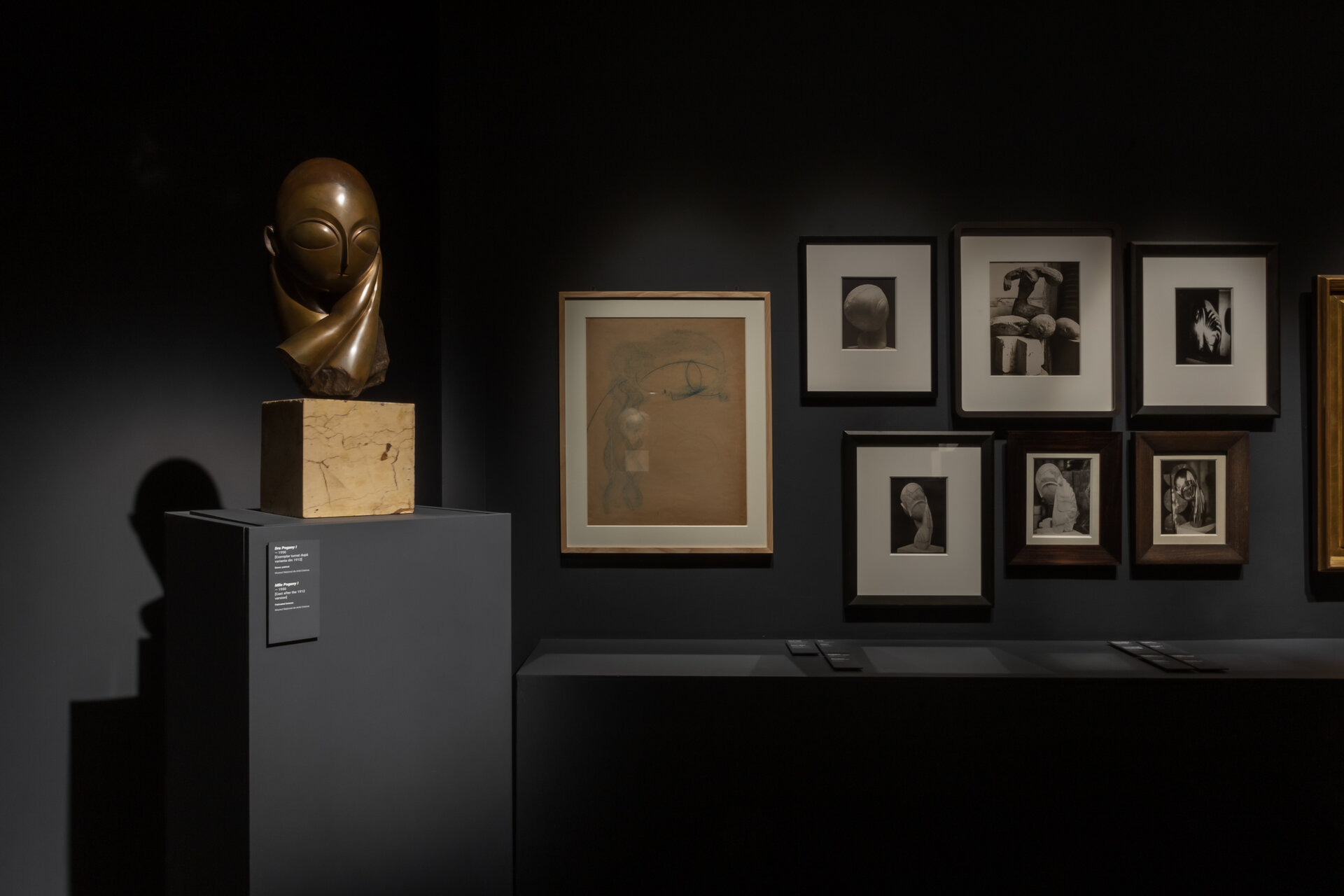
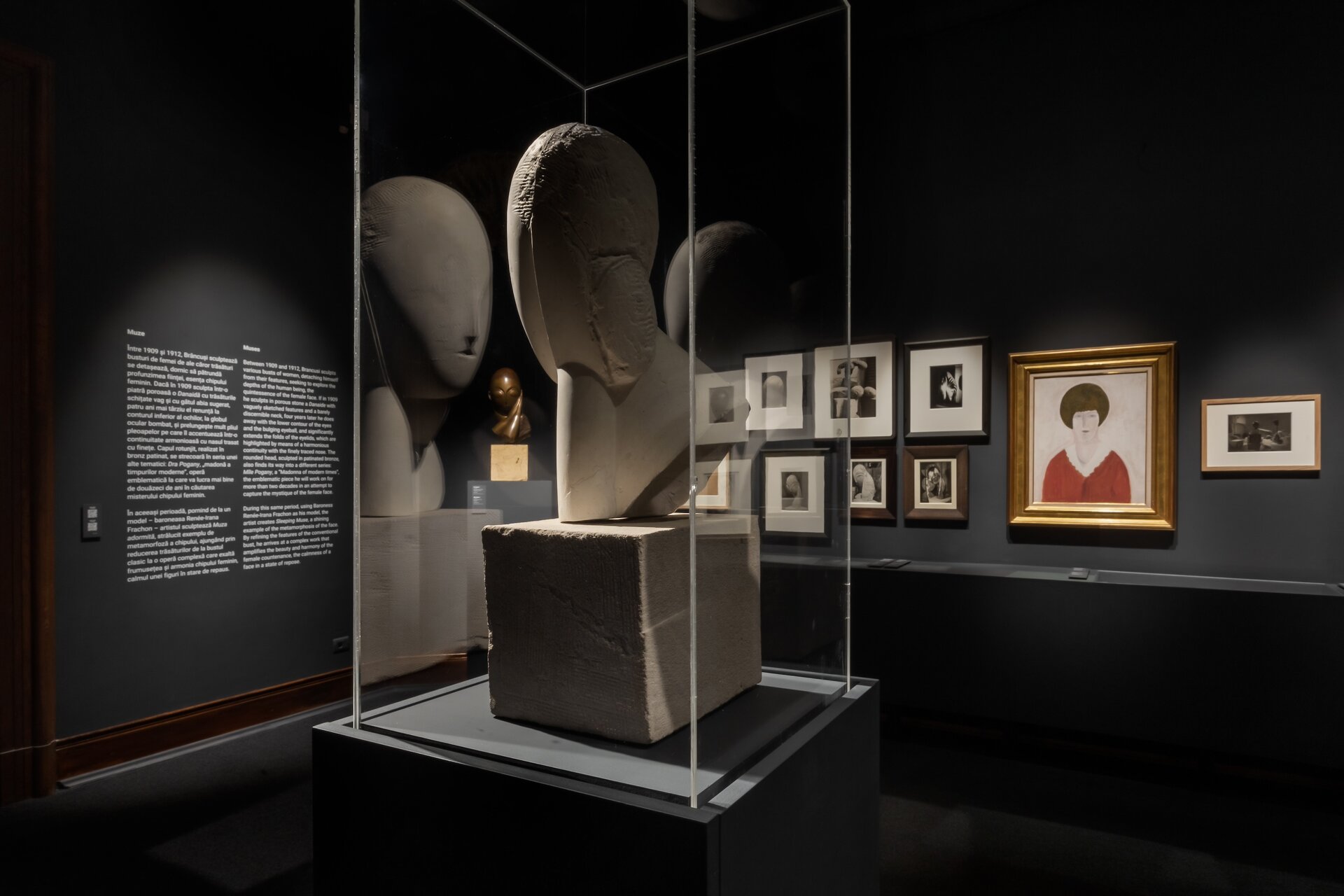
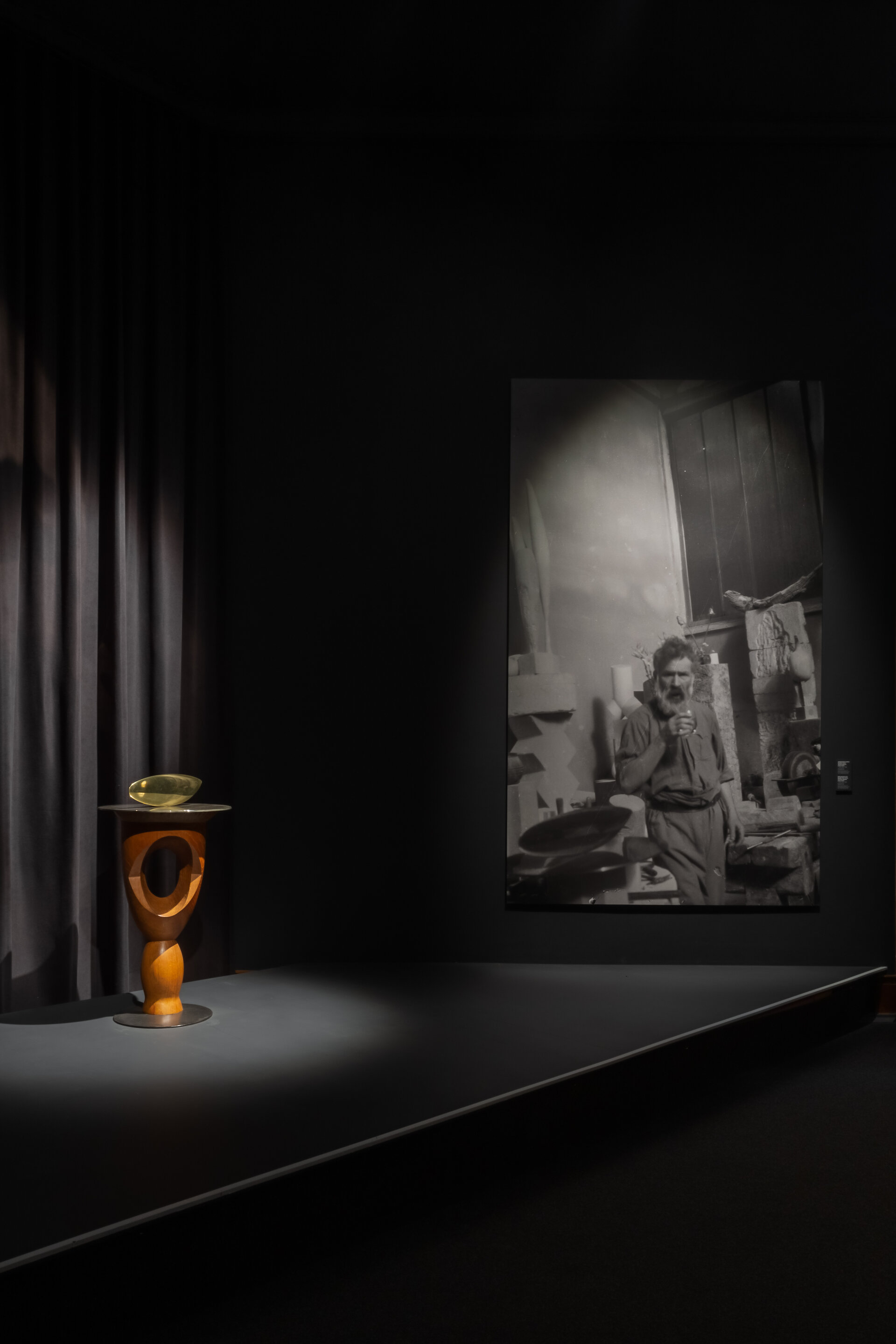
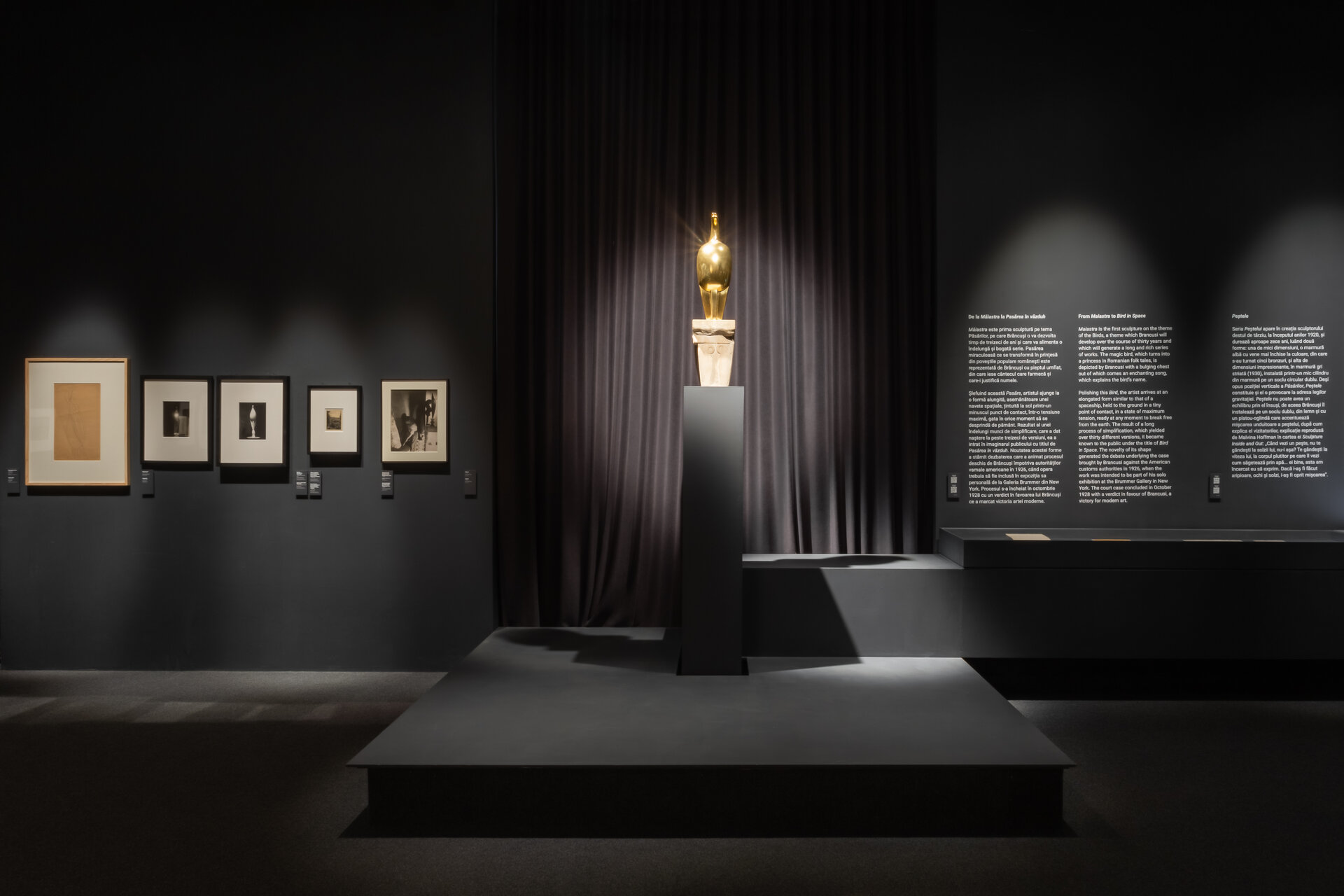
Together with the curator of the exhibition, Mrs. Doina Lemny, the Brâncusi expert from the Center Pompidou, we decided to exhibit the works in a new way, atypical for the artist's exhibitions so far. The exhibition's architecture is inspired by the photographs taken by Brancusi himself and recreates the atmosphere of his photography studio. Brancusi, who learned to photograph from Man Ray, tried to capture in his images the essence of his sculptures and wanted to transmit the emotion to the viewer by excluding natural light, thus canceling any disturbing element. A large number of these photographs were part of the exhibition in Timișoara, offering the visitors his own point of view on the exhibited sculptures and a personal tool for understanding his sculptures.
In recreating the vision of Brancusi, the first step was the elimination of all additional visual elements and the transformation of the exhibition space into a homogeneous one, which would allow the works to be in the center of attention. In contrast to the white-cube approaches, frequent for the exhibition of Brancusi's works, in order to transform the space, the walls were painted entirely black, thus absorbing the light. In addition, black curtains were drawn in certain areas to hide the existing windows and niches in the space. The floor was covered with black carpet, absorbing along with the curtains the sound of the visitors' footsteps. Thus, the viewer was introduced to a dimension in which his senses were blurred, attention being focused exclusively on the exhibited works. The spot lighting on each work, opposed to a general lighting, generated an isolated space for each visitor, where the rest of the crowd is swallowed by the darkness and the focus is on the viewer's connection with the artworks, thus creating a strong intimate connection.
Exhibition and Scenography Design

- Constantin Brancusi: Romanian sources and universal perspectives
- Romanian Design Week 2024 - Central Exhibition
- “Below ground”, the permanent exhibition of the archeological museum in Bergen
- I started to see the colours
- STVL 0.2 _0.3
- The Monster, the Square and the Laughter
- Original Spaces | Legalized Gestures
- “Dan Popescu” Exhibition
- Exfoliated
- Oblic Studio Showcase
- SIT_2324. Shibaura Institute of Technology, Architecture & Landscape Laboratory. Diplomas exhibition. Sessions 2023 and 2024
- Paper Boat
- Touch Nature
- EPHEMERA Pavilion
- /SAC Rezumat
- EXF_SIST
- VIM Studio x Decorum Stand, Archyfest 2024


