Hill. Reenactment
Authors’ Comment
Through an approach that honours the mourning of the irreversible losses caused by the totalitarian interventions of the 1980s, ‘Hill. Reenactment’ proposes a visual and conceptual exploration of reconstruction, focusing on restorative and reparative directions.
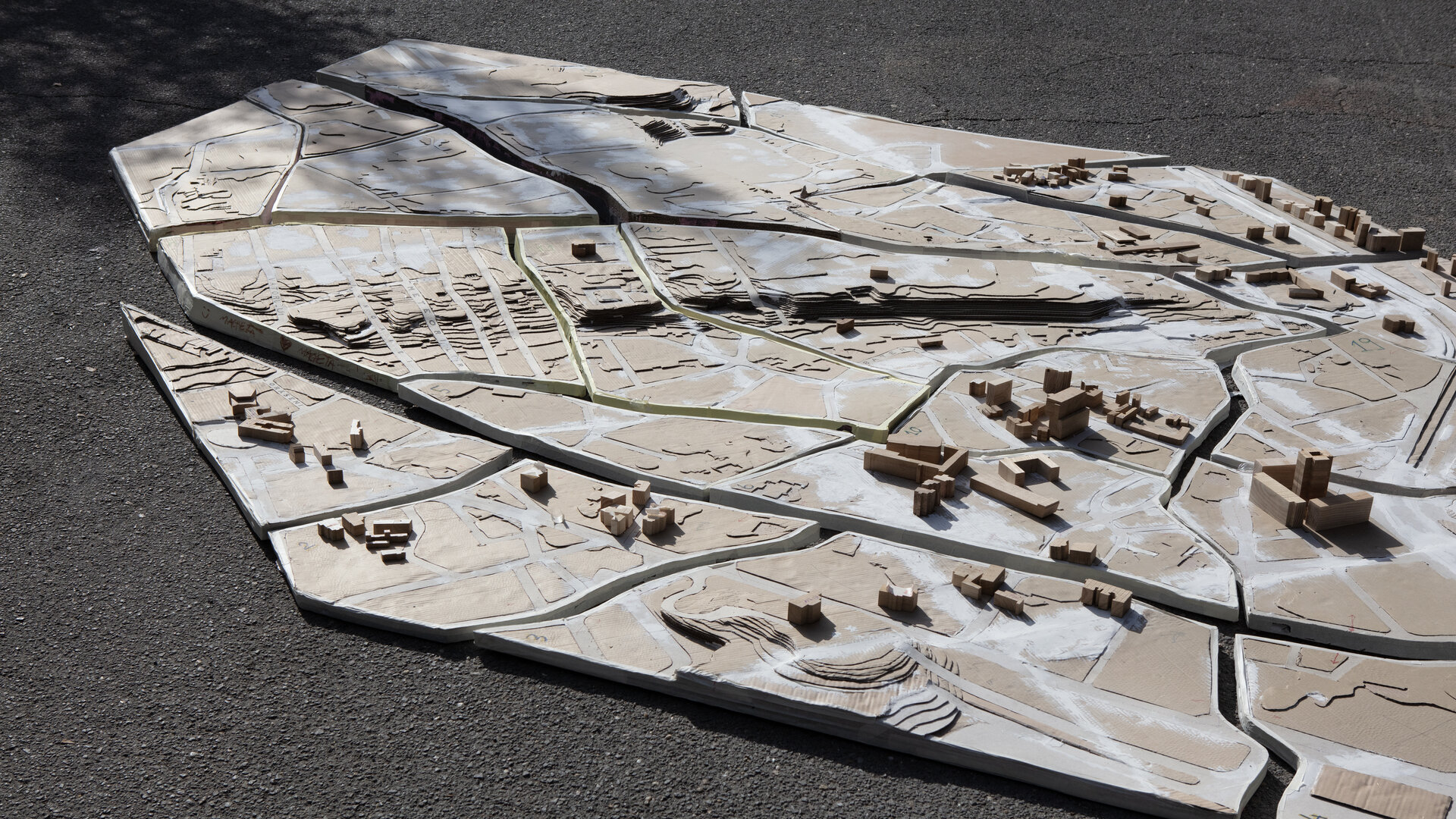
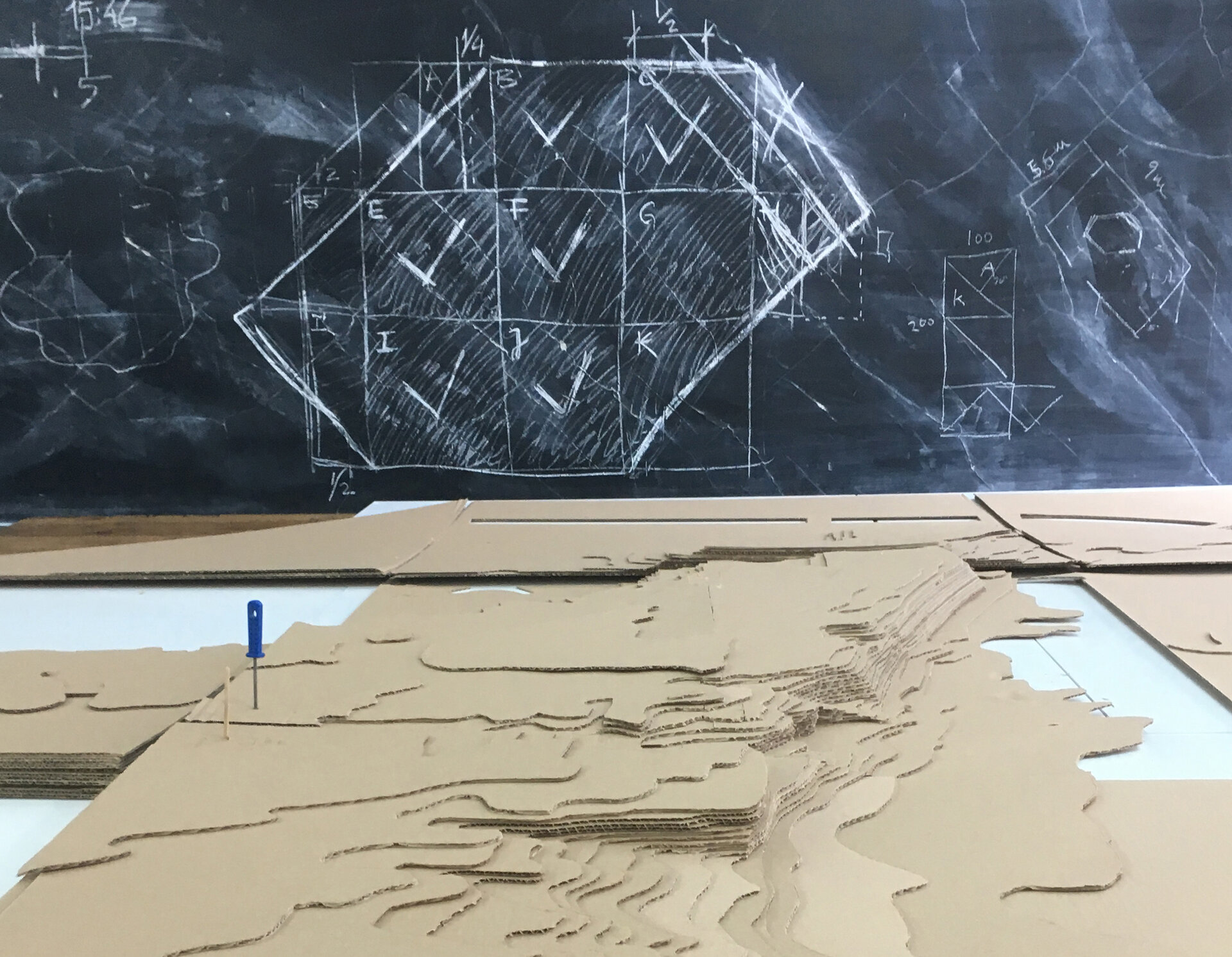
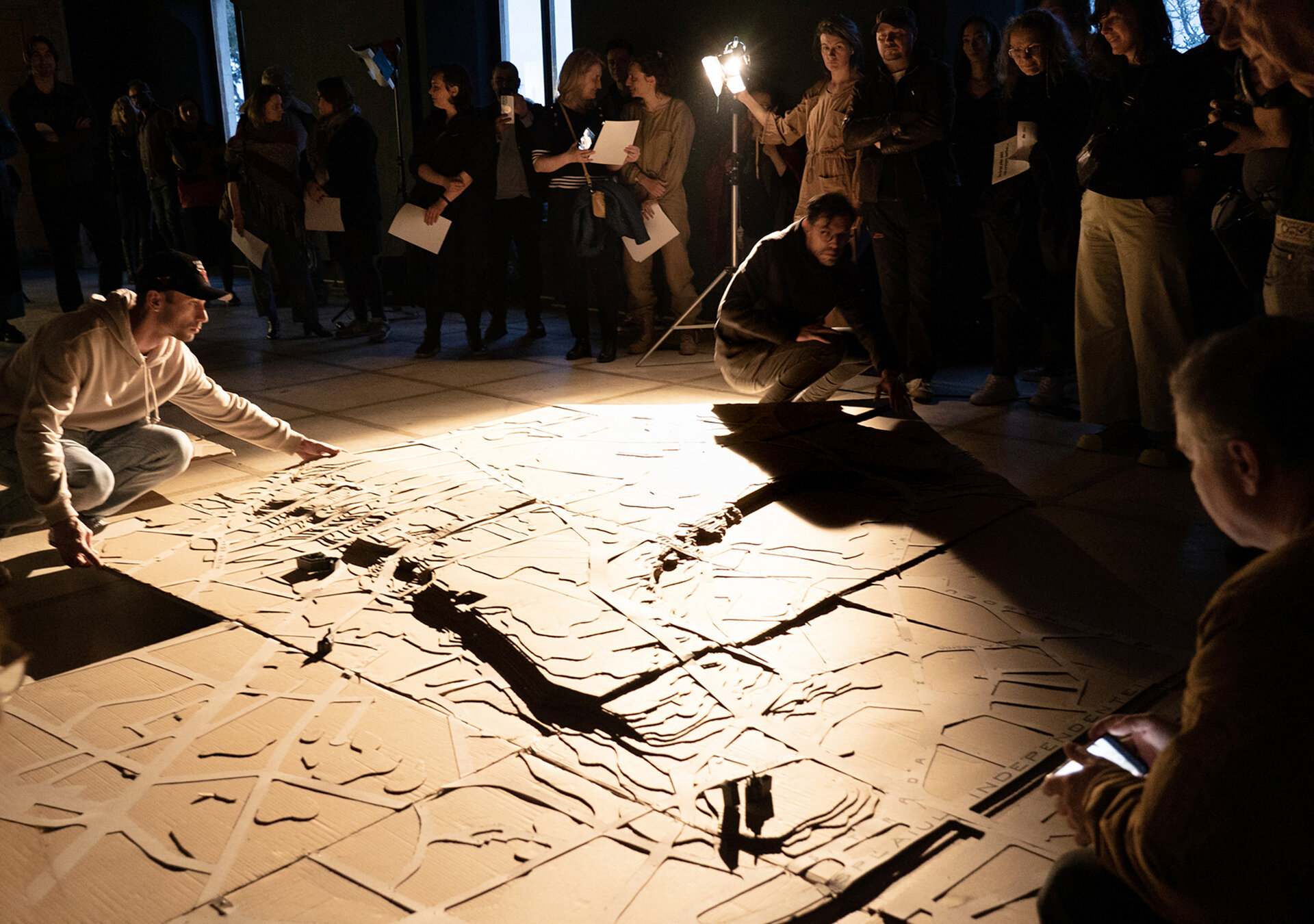
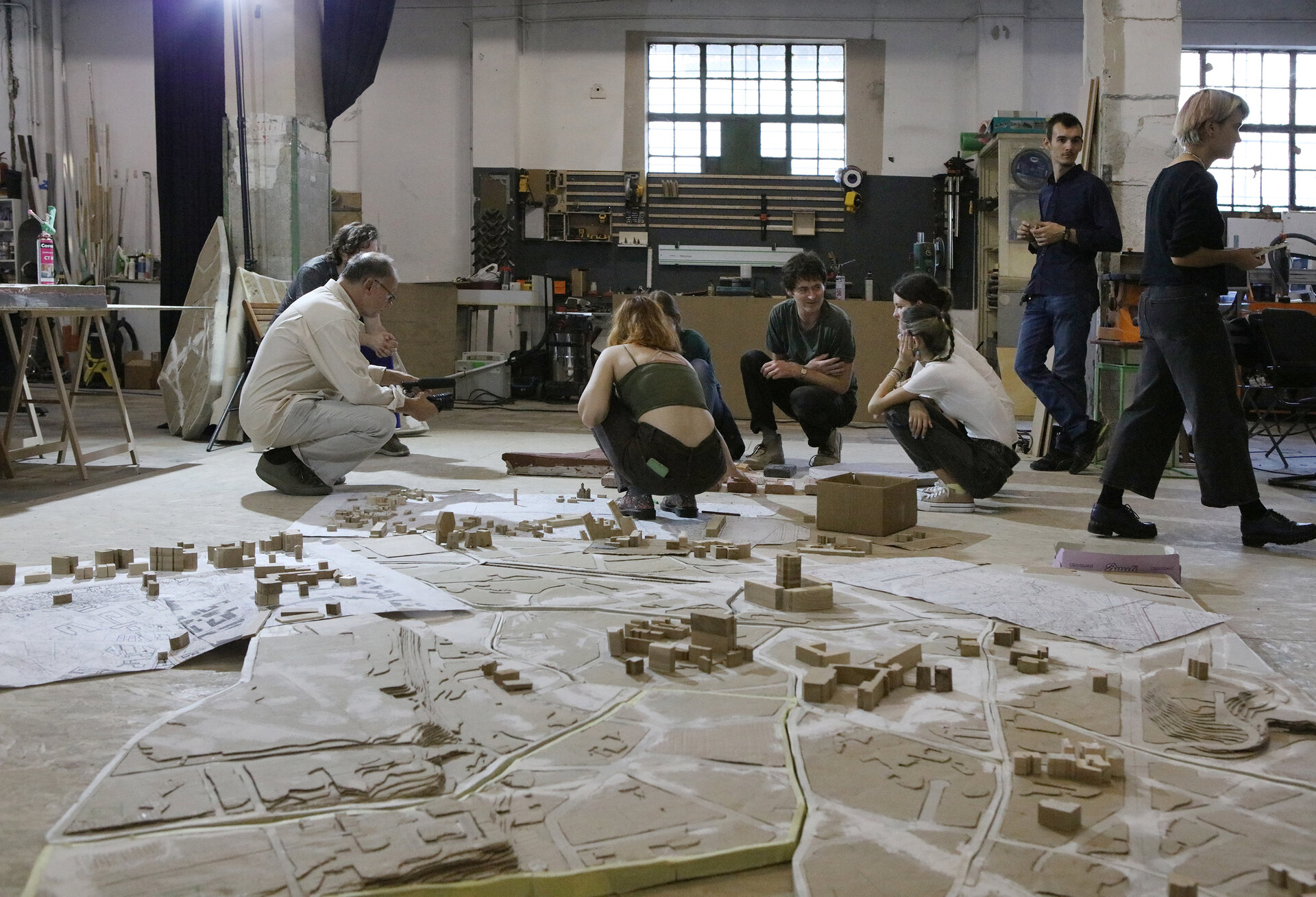
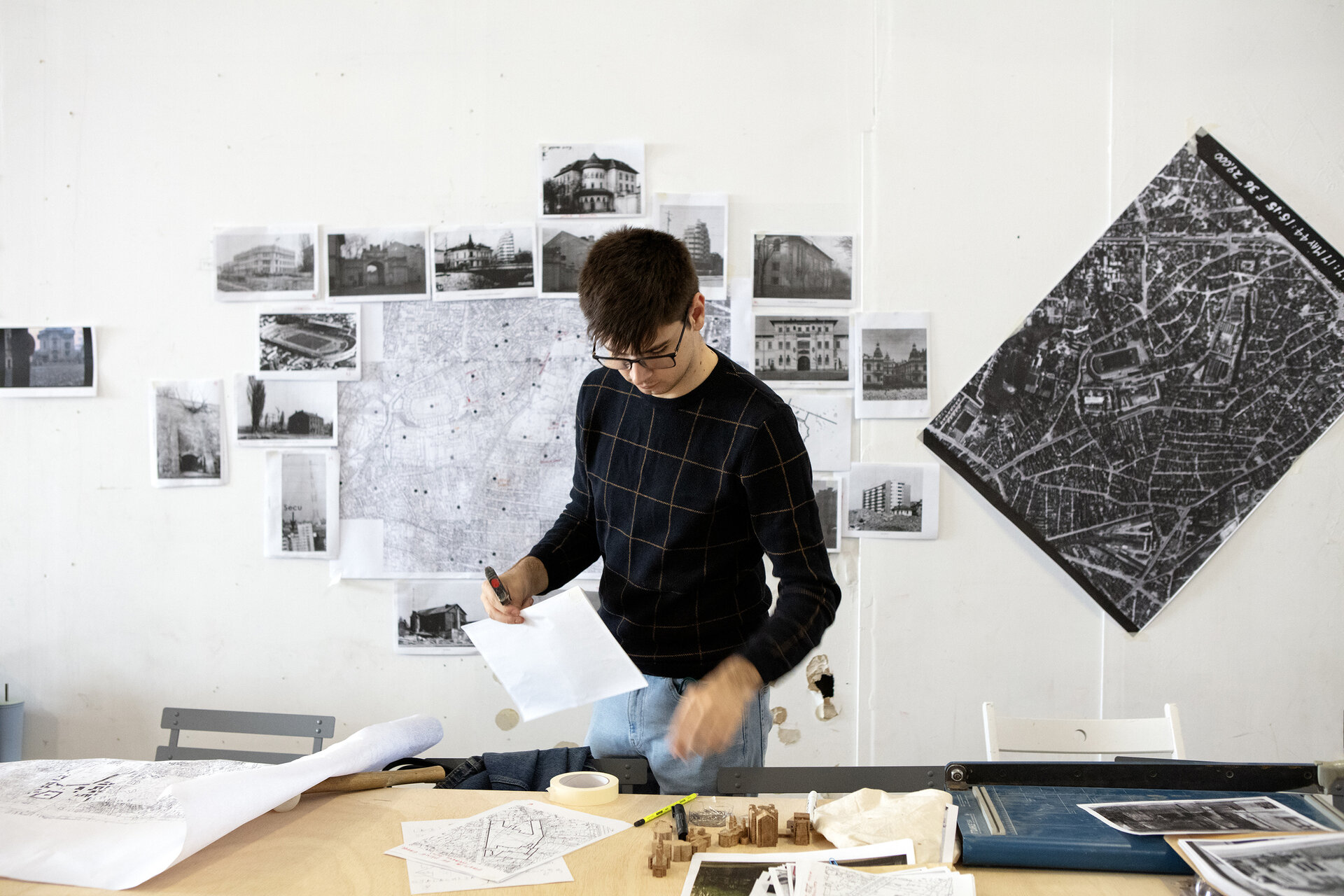
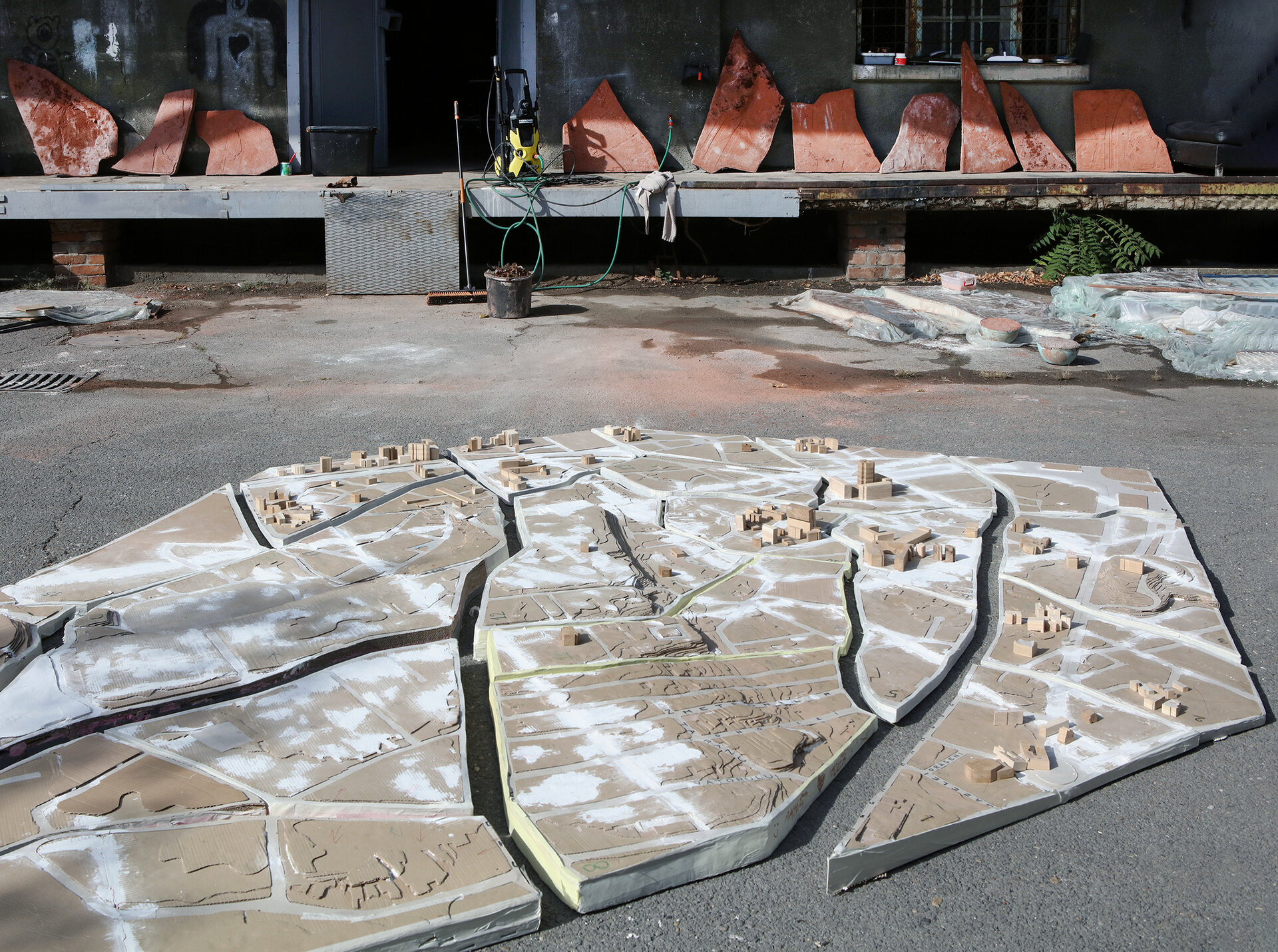
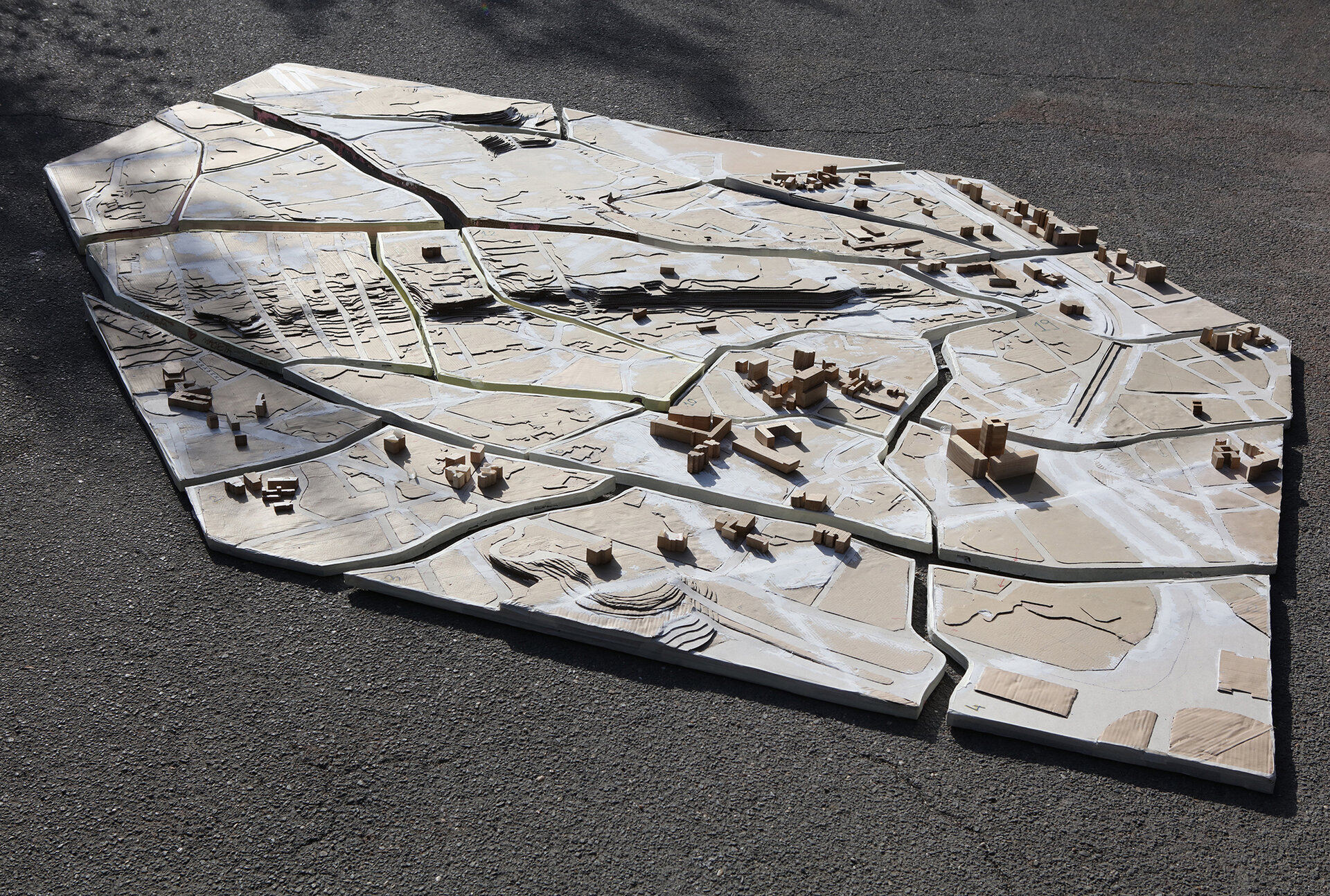
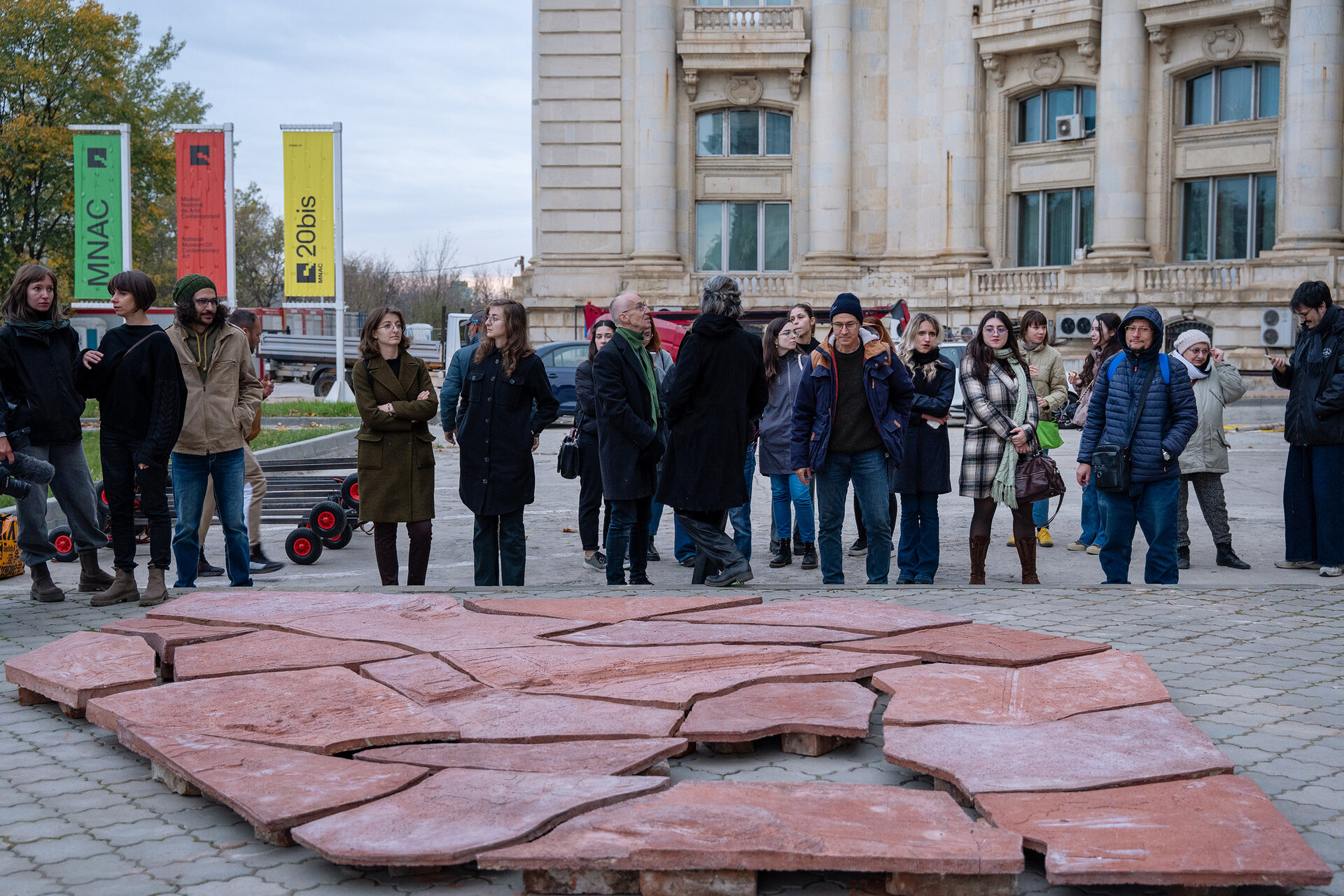
‘Hill. Reenactment’ is a participatory educational and artistic project involving the creation of a large-scale sculptural architectural model – reproducing at a 1:500 scale the topography of the former Dealul Arsenalului (also known as Uranus Hill), flattened in the 1980s. The project includes a series of workshops with architecture students, a collective performance consisting of the symbolic transportion of the “hill” through the former demolished neighbourhoods, an exhibition at the National Museum of Contemporary Art (MNAC), and the long-term installation of the model in front of the museum.
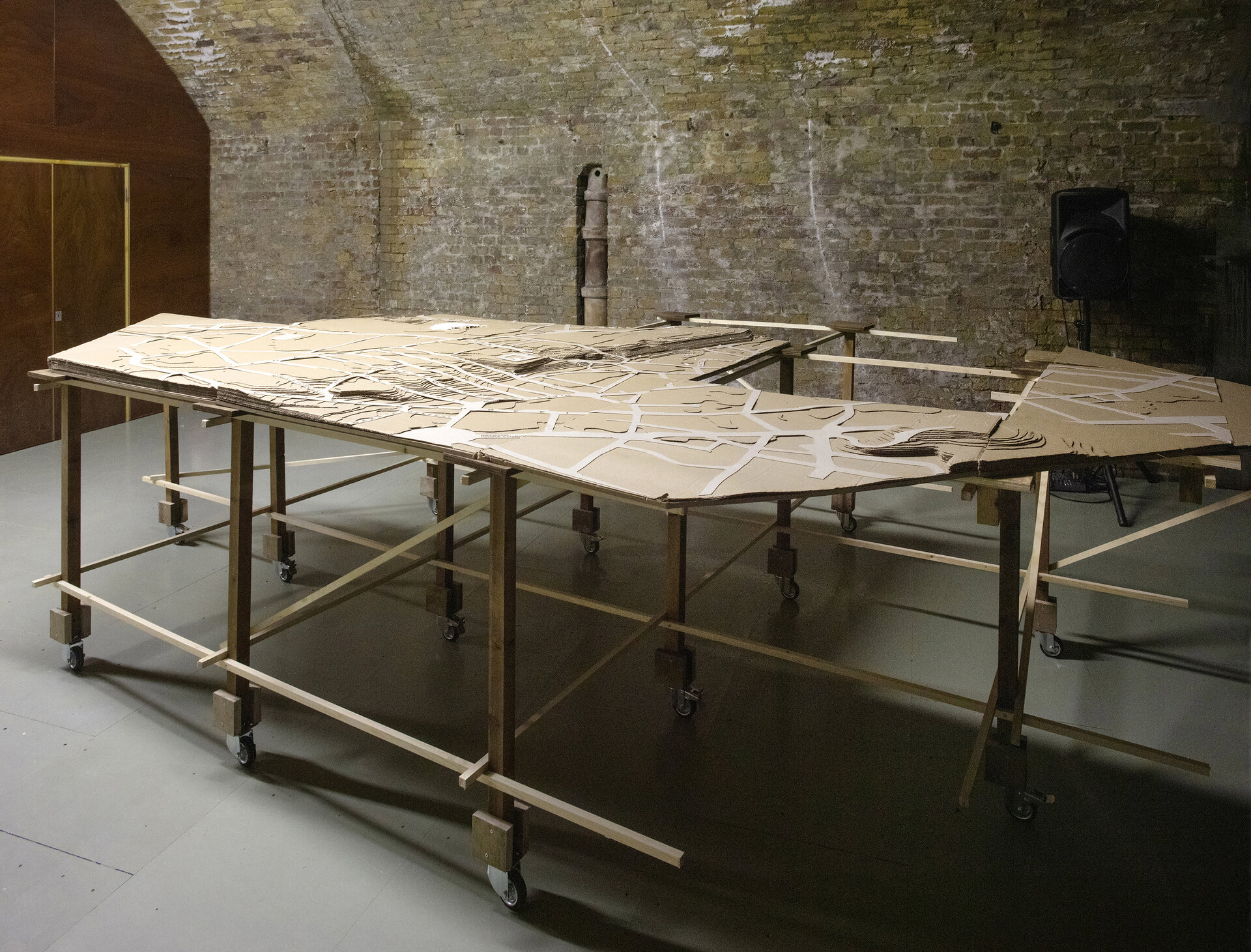
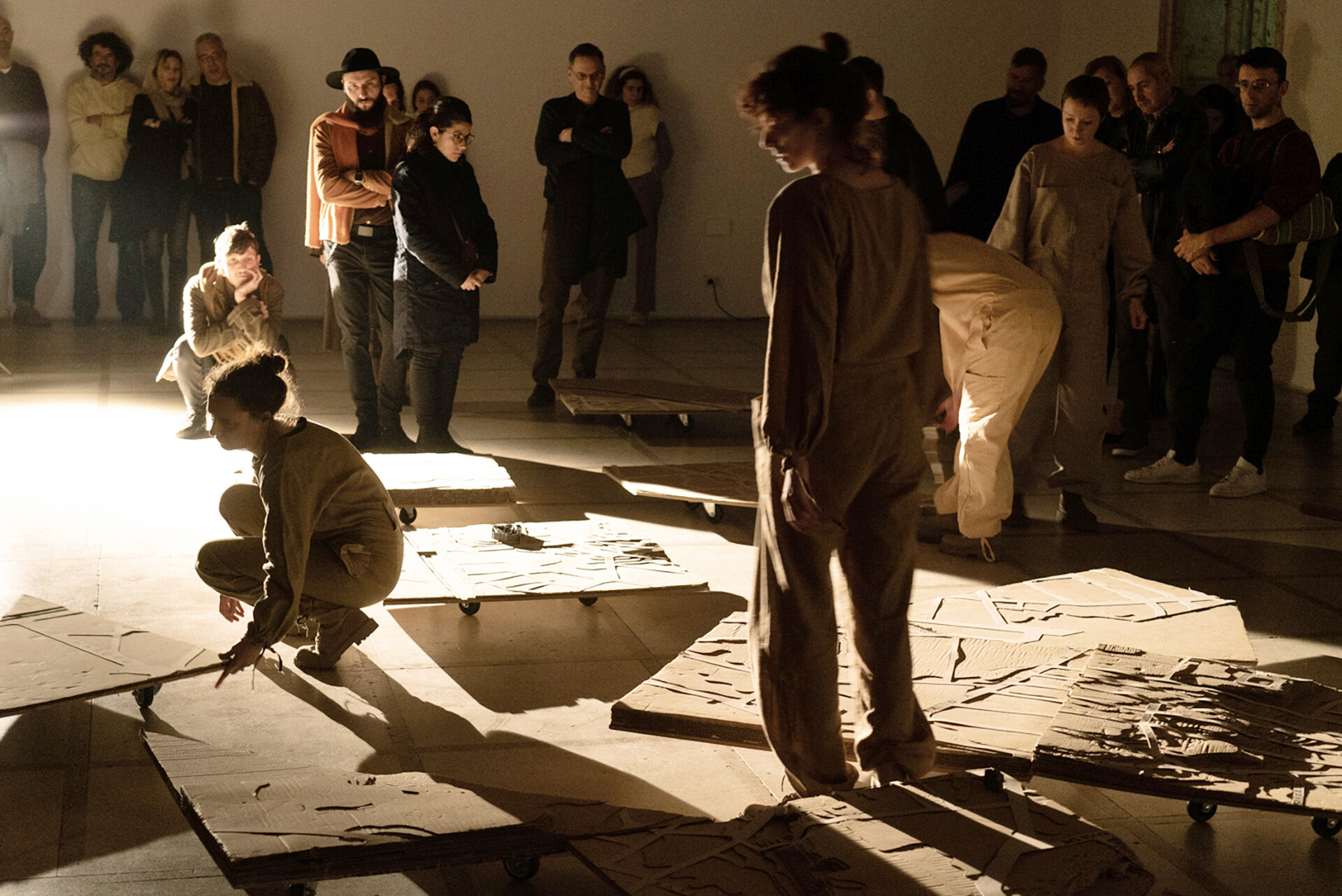
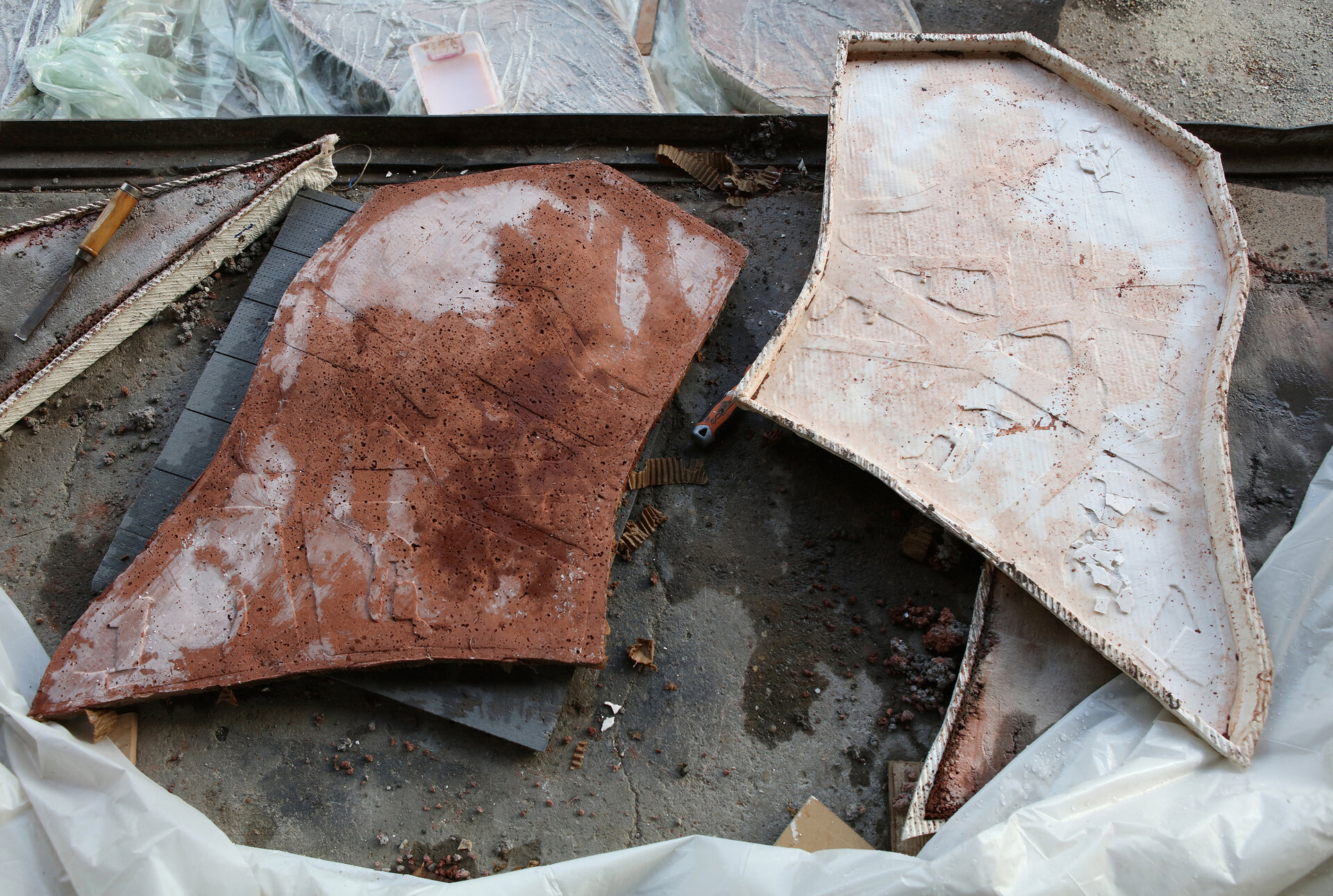
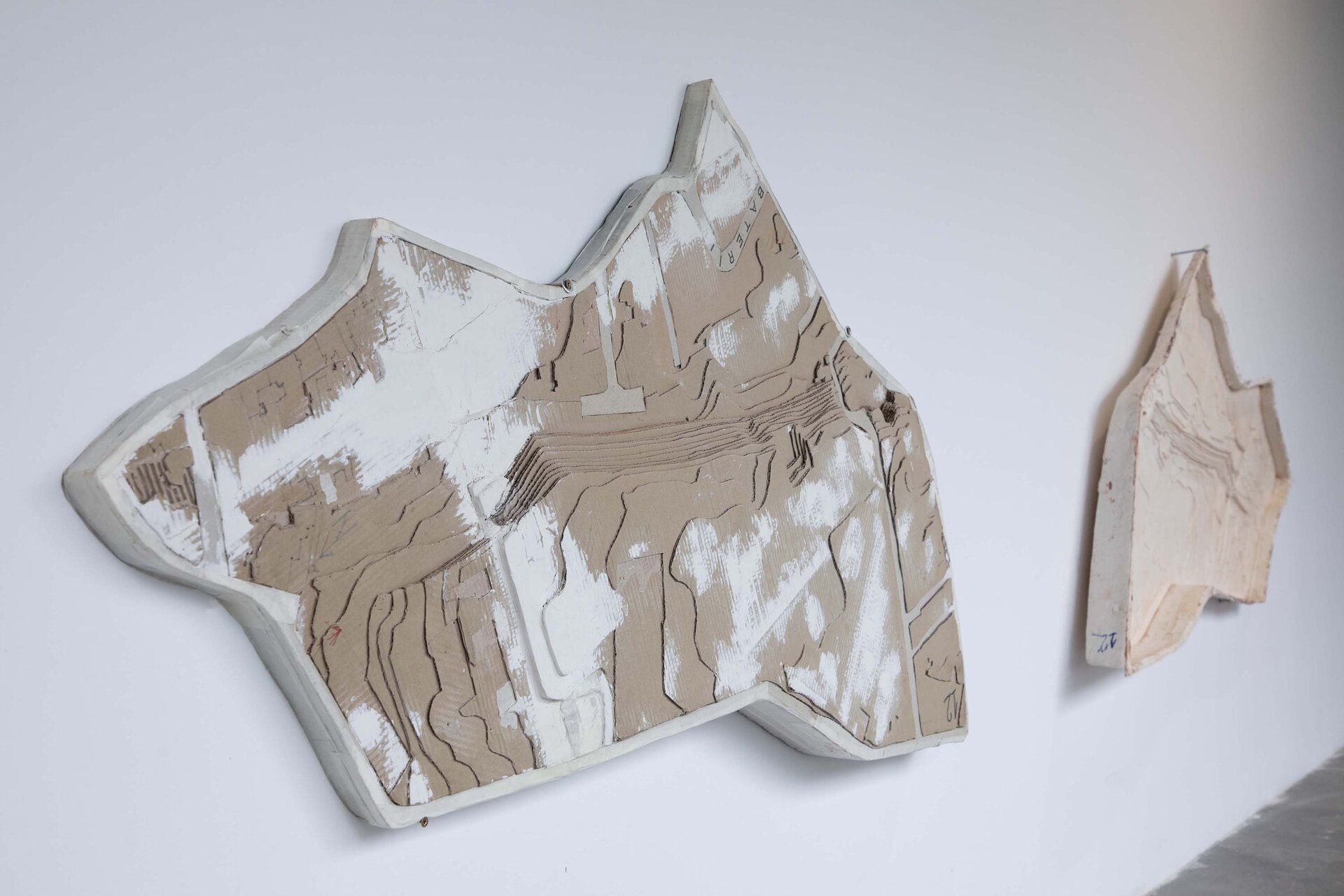
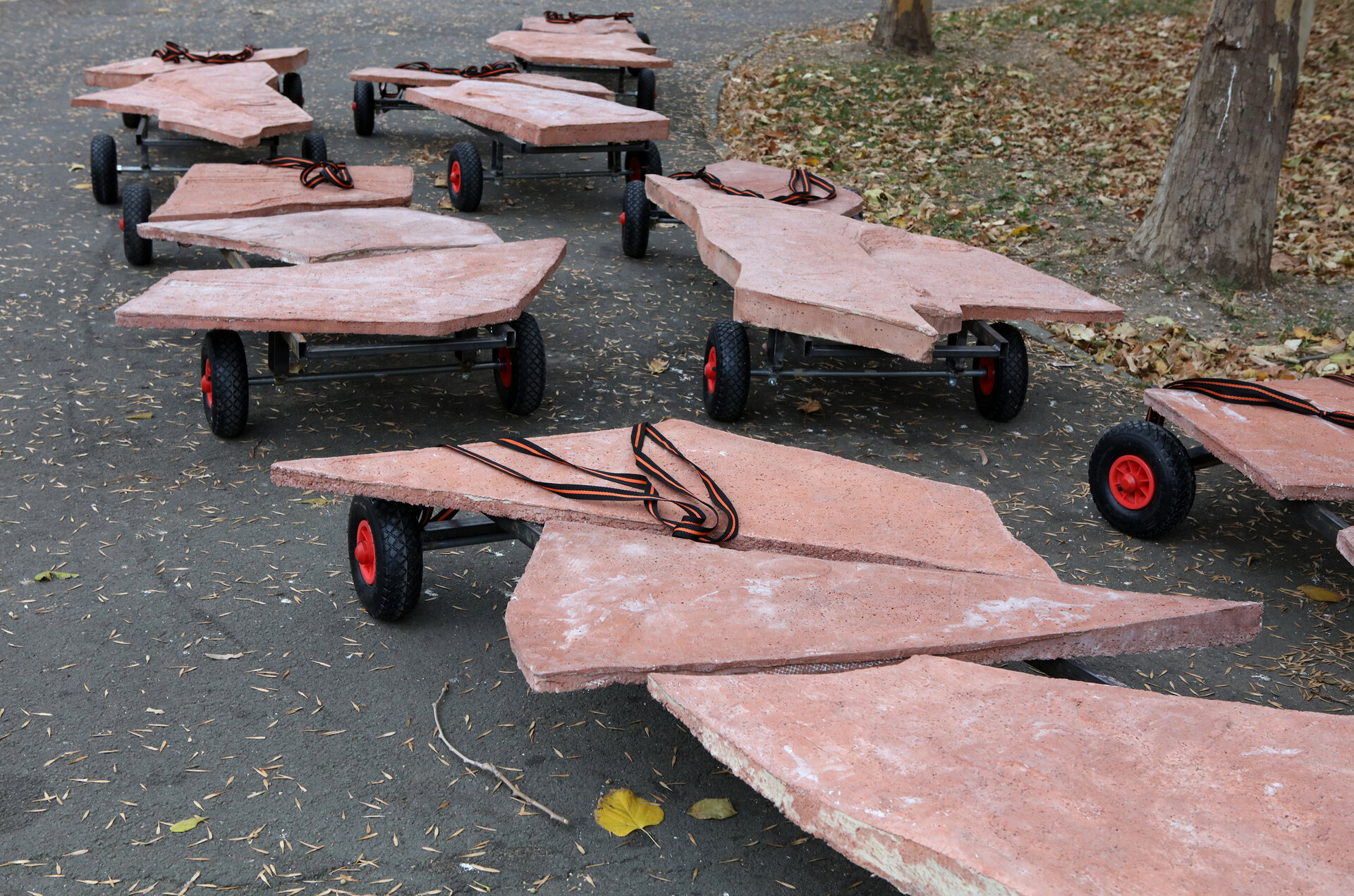
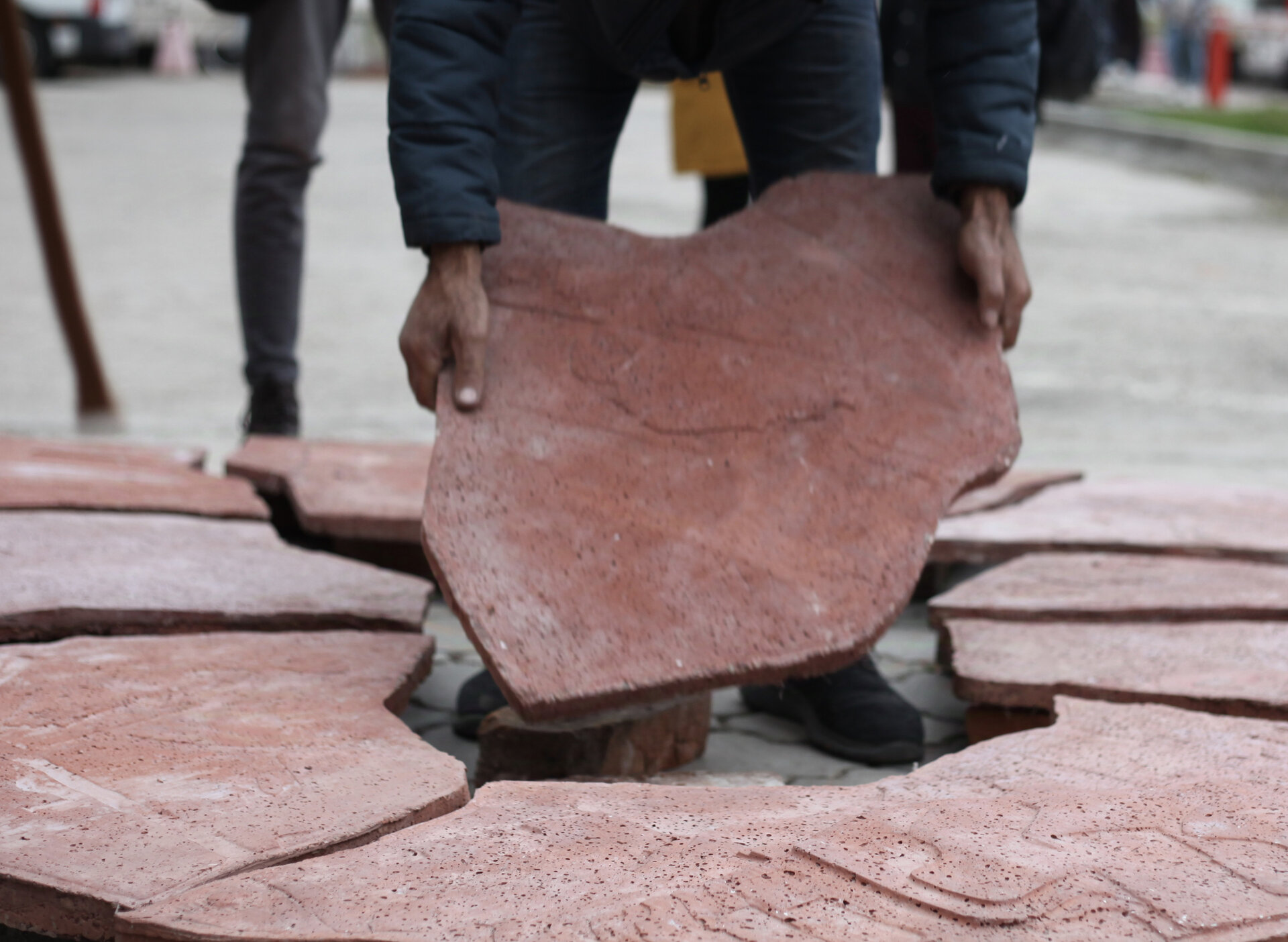
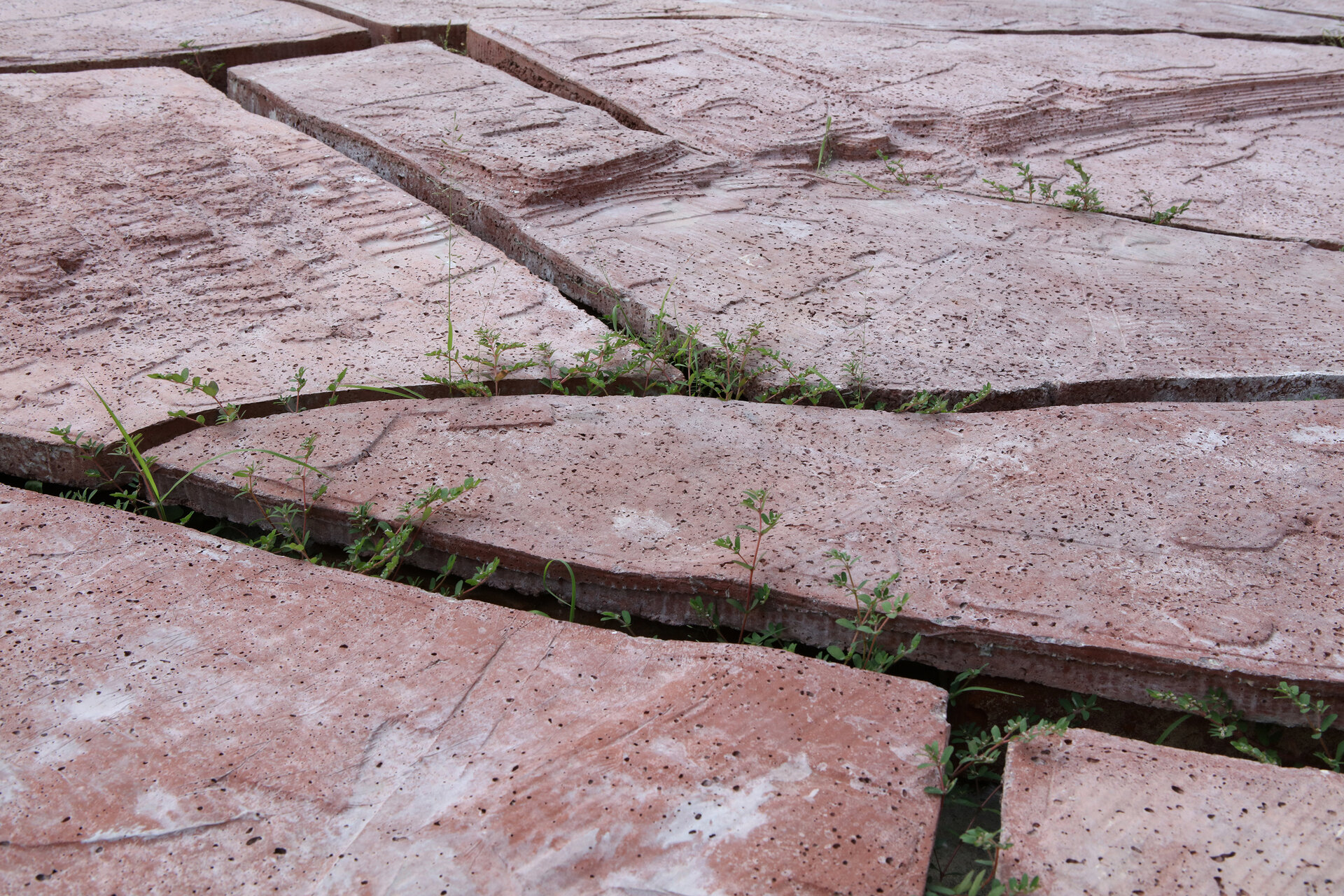
The object was built in several stages, starting with a cardboard model created in 2019 and reconfigured in 2024. In its initial form, the model was exhibited at Casa Costa-Foru (2019), then at /SAC Malmaison (2022) as a mobile puzzle in the performance ‘In 3 days the grass will grow...’ It was later transported to Beaconsfield Gallery in London (2023), where it was exhibited in ‘Past Present. Fragments of Memory’, on a mobile structure. In the autumn of 2024, the cardboard model was reconfigured following the shape of urban “islands” during a 2-week workshop with architecture students. The resulting fragments were used to produce 20 moulds (negatives), into which terracotta colour concrete positives were cast. In this new form, the “hill” becomes a bearer of historical and collective memory, evoking both a territory erased from the map and its own process of construction.
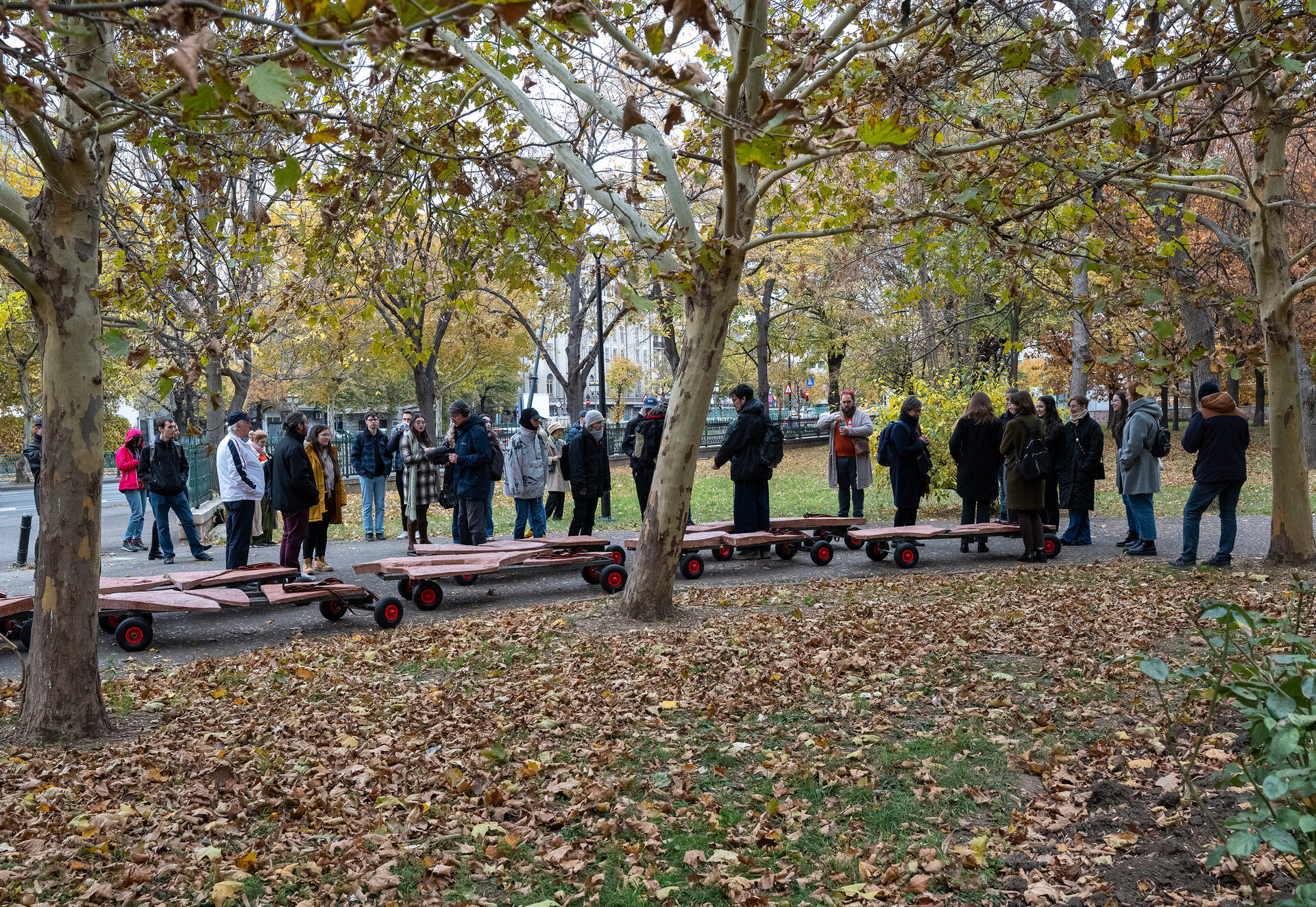
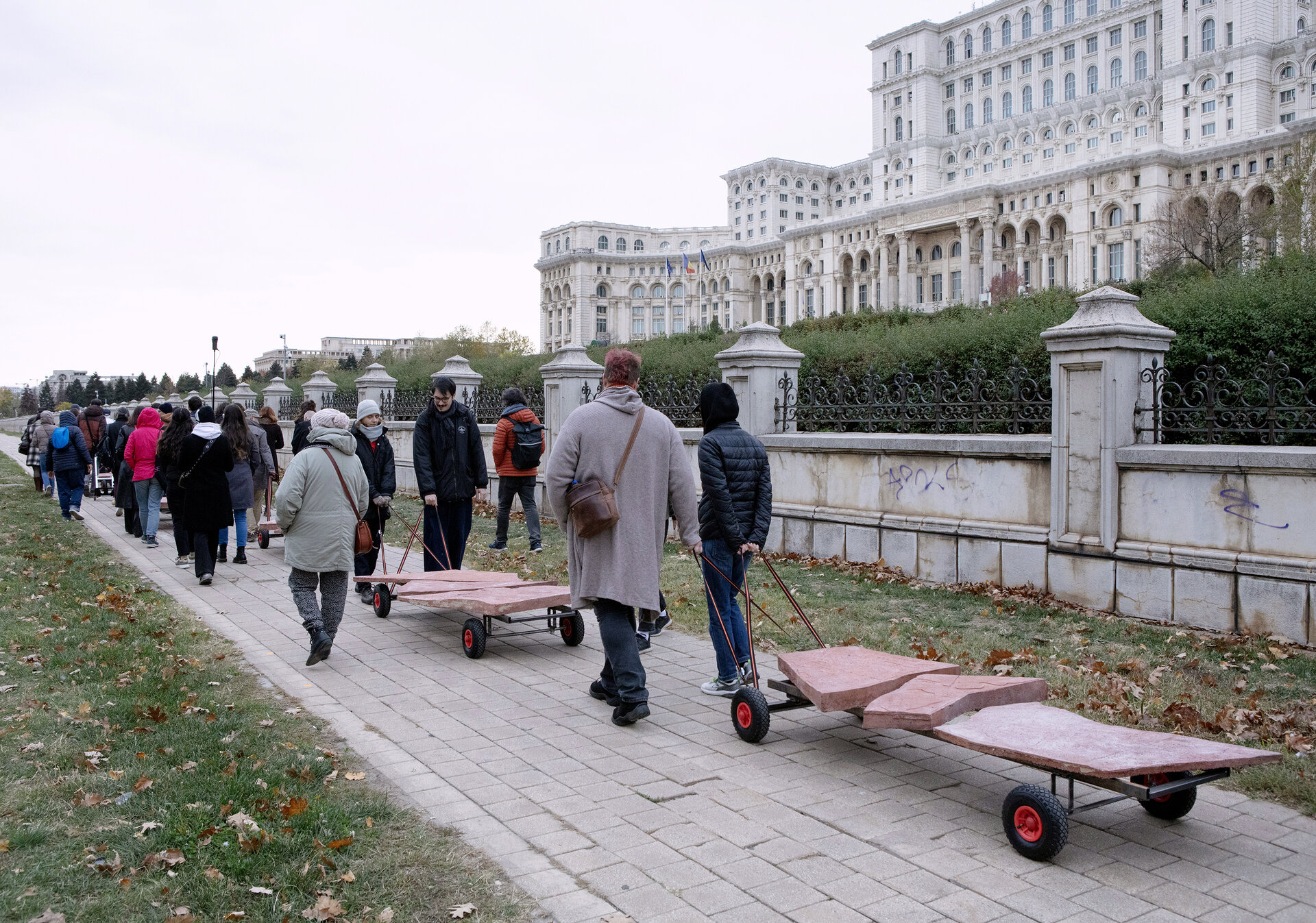
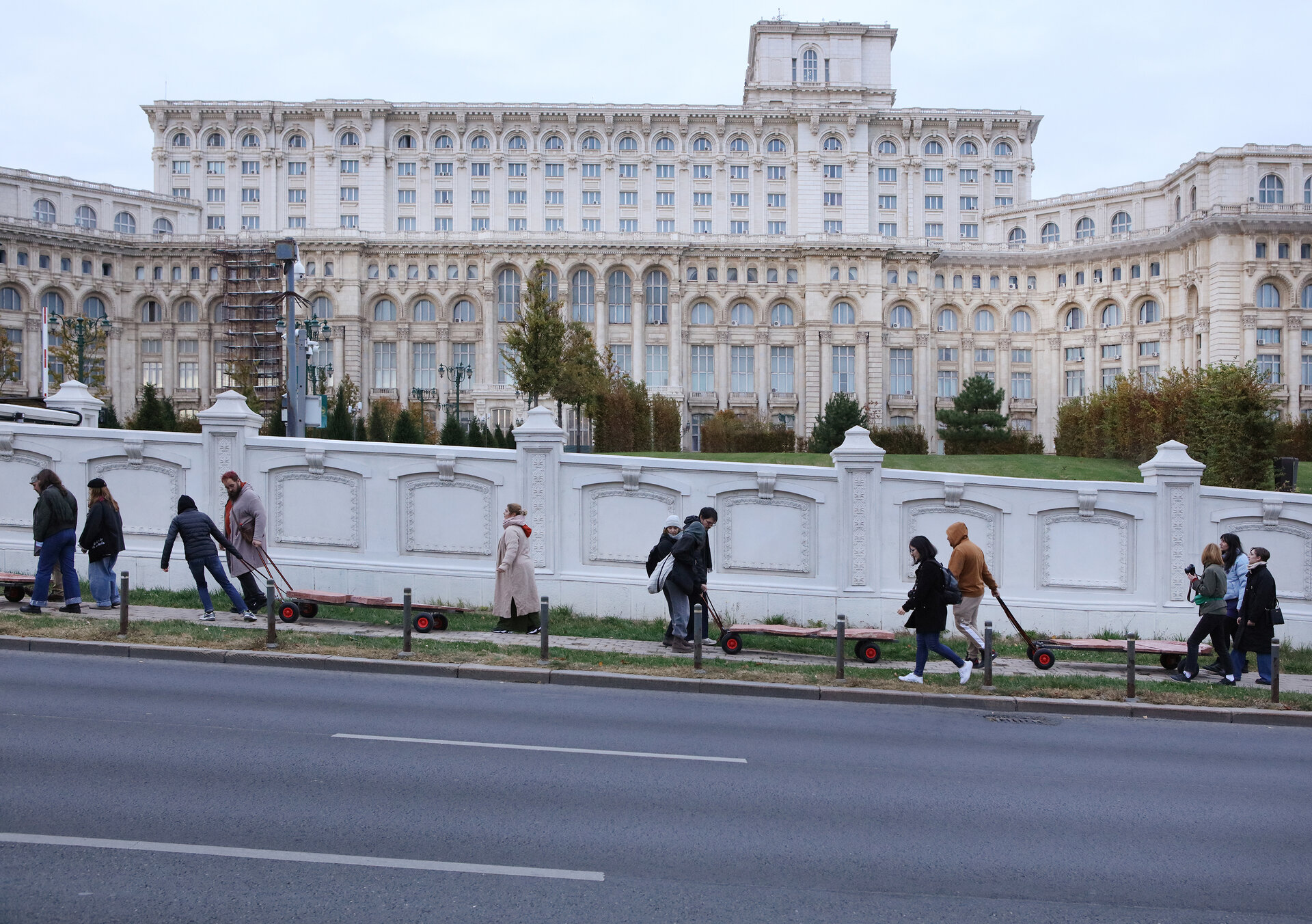
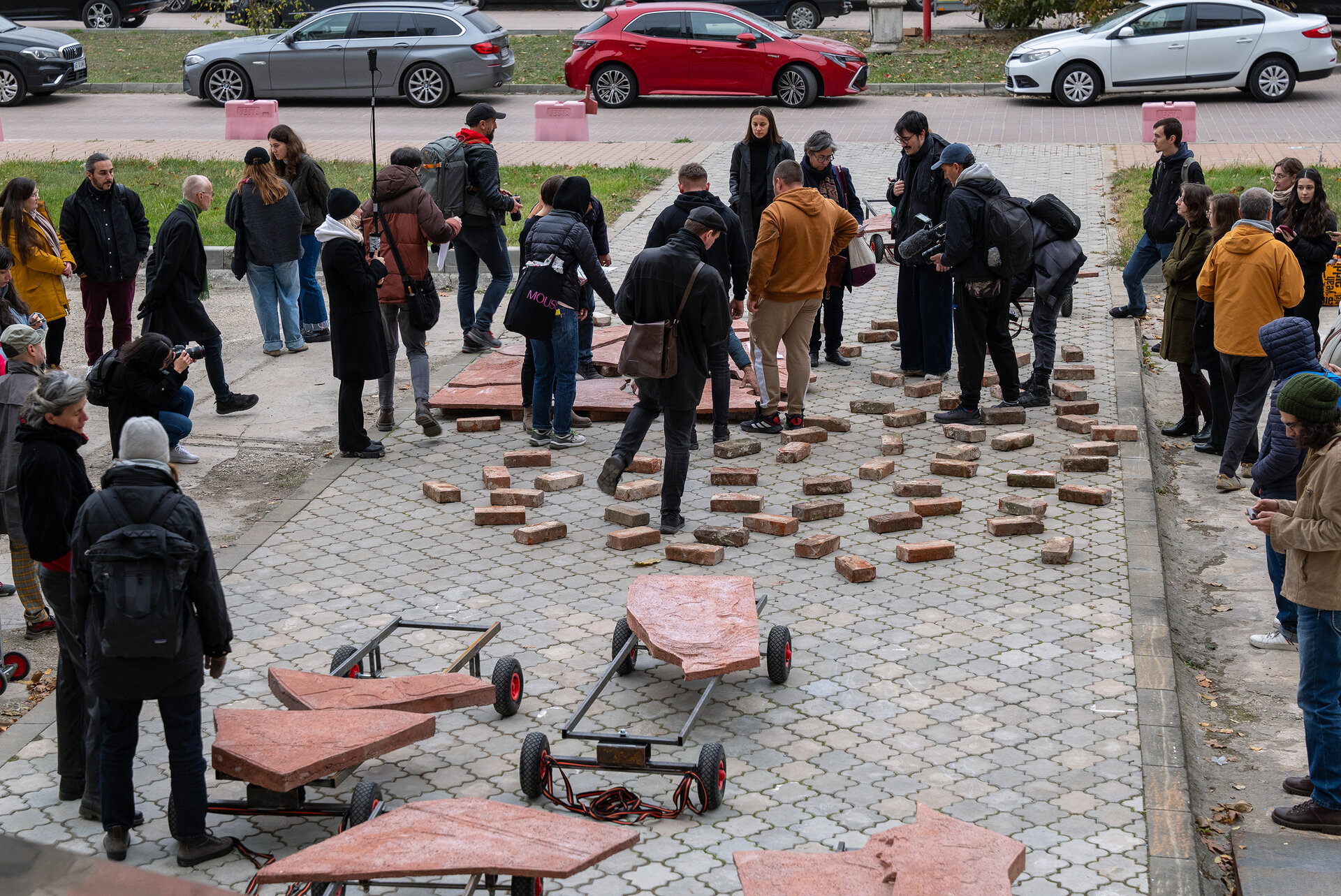
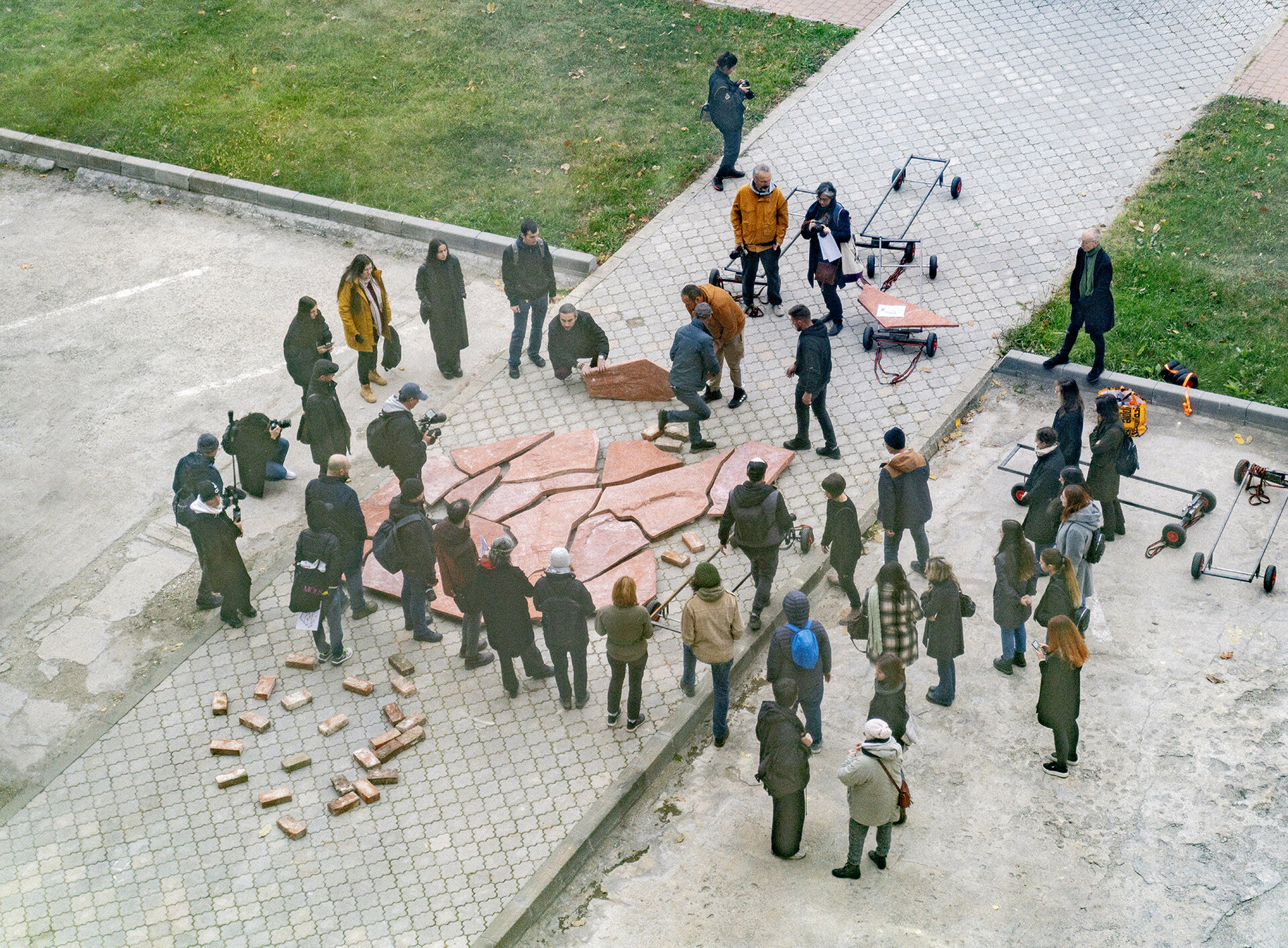
The ‘Hill. Reenactment’ performance took place on 3rd of November 2024, starting from Izvor Bridge and crossing the grounds of the former neighbourhoods. The concrete fragments were placed on 8 custom built metal trolleys and pulled by participants along a given route – through Izvor Park, past the Palace of Parliament, and up Calea 13 Septembrie to MNAC. The route symbolically retraces, in reverse, the forced exodus of the 1980s, also evoking the absurd relocation of churches on railway tracks. The collective transportation of the fragments becomes a performative procession that activates the space and its memory – a shared act of reclaiming a history erased from the city. The heavy concrete slabs were then laid on a bed of salvaged bricks, forming a hexagonal concrete puzzle on the alleyway in front of the museum. A missing fragment at the centre of the composition suggests the impossibility of full reconstruction.
On the 4th floor of MNAC, an exhibition presents two elements from the model’s construction process – one cardboard positive and the resulting mould – alongside films documenting participatory actions carried out in the former neighbourhood: a dinner on the site of a vanished house, film screenings followed by discussions, the construction of the “hill” and its journey through the city – ways of reimagining a once-inhabited space. A sound piece, based on interviews with former residents, resonates through the museum’s hallways and elevators.
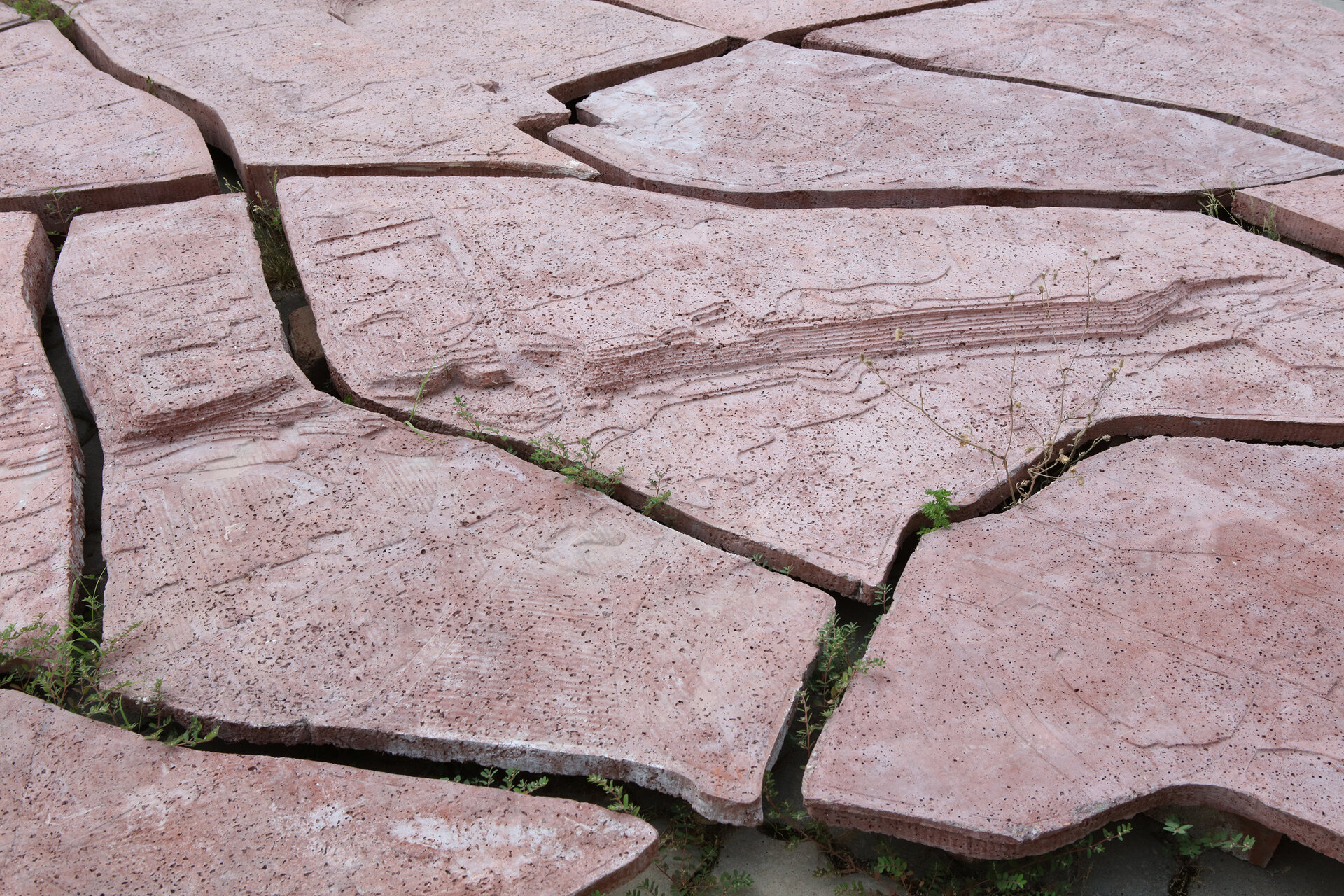
Left outside through the winter, the object withstands the harsh weather. In spring, cracks between the concrete slabs fill with spontaneously growing plants. Thus, the “hill” becomes a living, resilient organism, capable of regeneration – refusing to be forgotten.
Architecture and Experiments

- Acaret 44°N 26°E – Community Cookhouse
- WECARE: Bucharest
- Urban Toy - a cabinet for play in Copou Park, Iași
- ArhiPera International Summer School, 12th edition: “Sustainability through community building”
- Educational program “City as classroom”
- EXF_RD25
- - Π -
- Bibliohub
- Point of view
- Stitch Your Heritage at Roșia Montană
- Plumbuita Social Center
- Street Circus
- Mosaic Square - Recovery of apartment building courtyards
- It’s Oh So Quiet
- Hill. Reenactment


