- Nomination for the “Research through Architecture / Architecture and Experiments” section
WECARE: Bucharest
Authors’ Comment
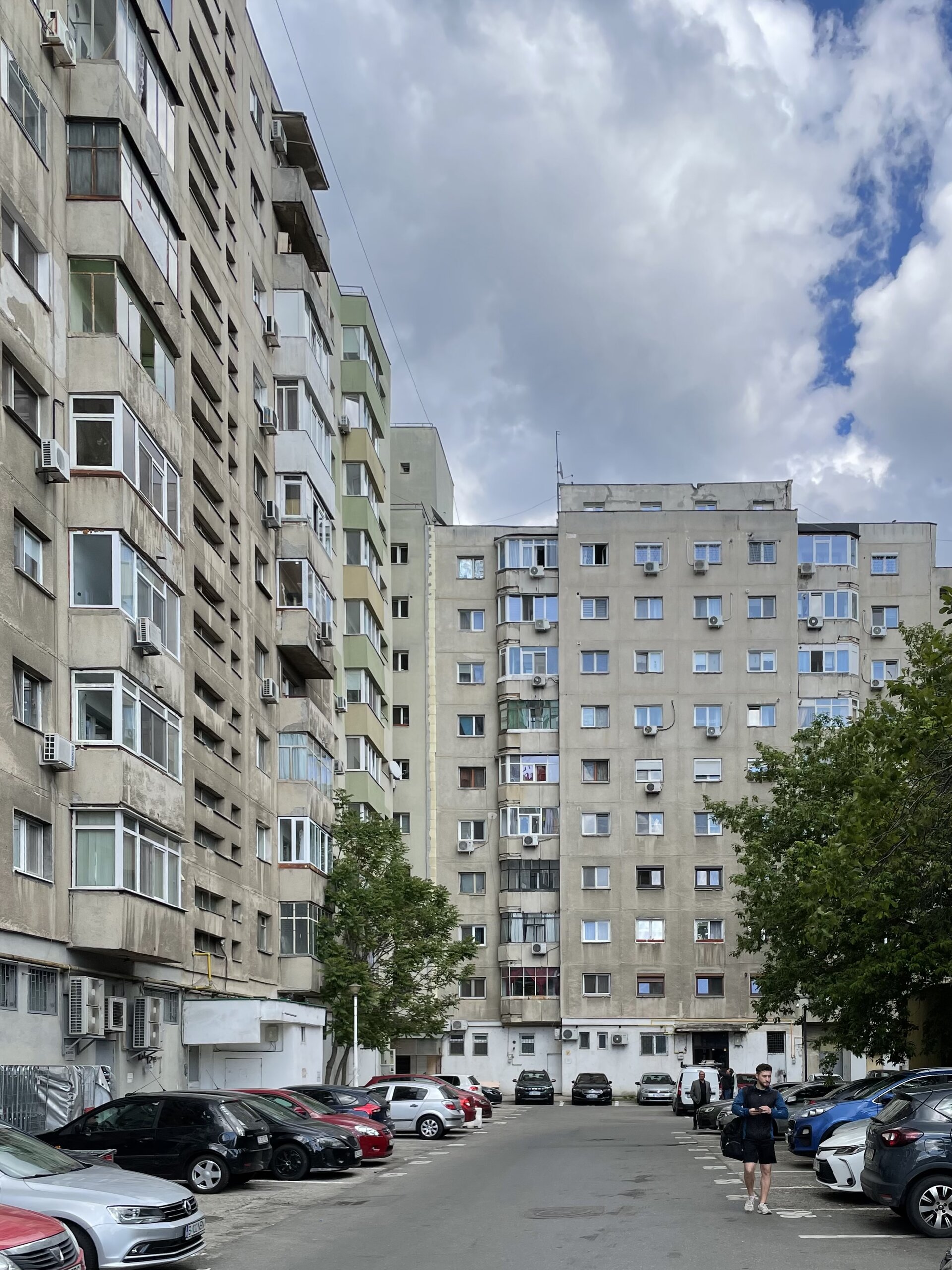
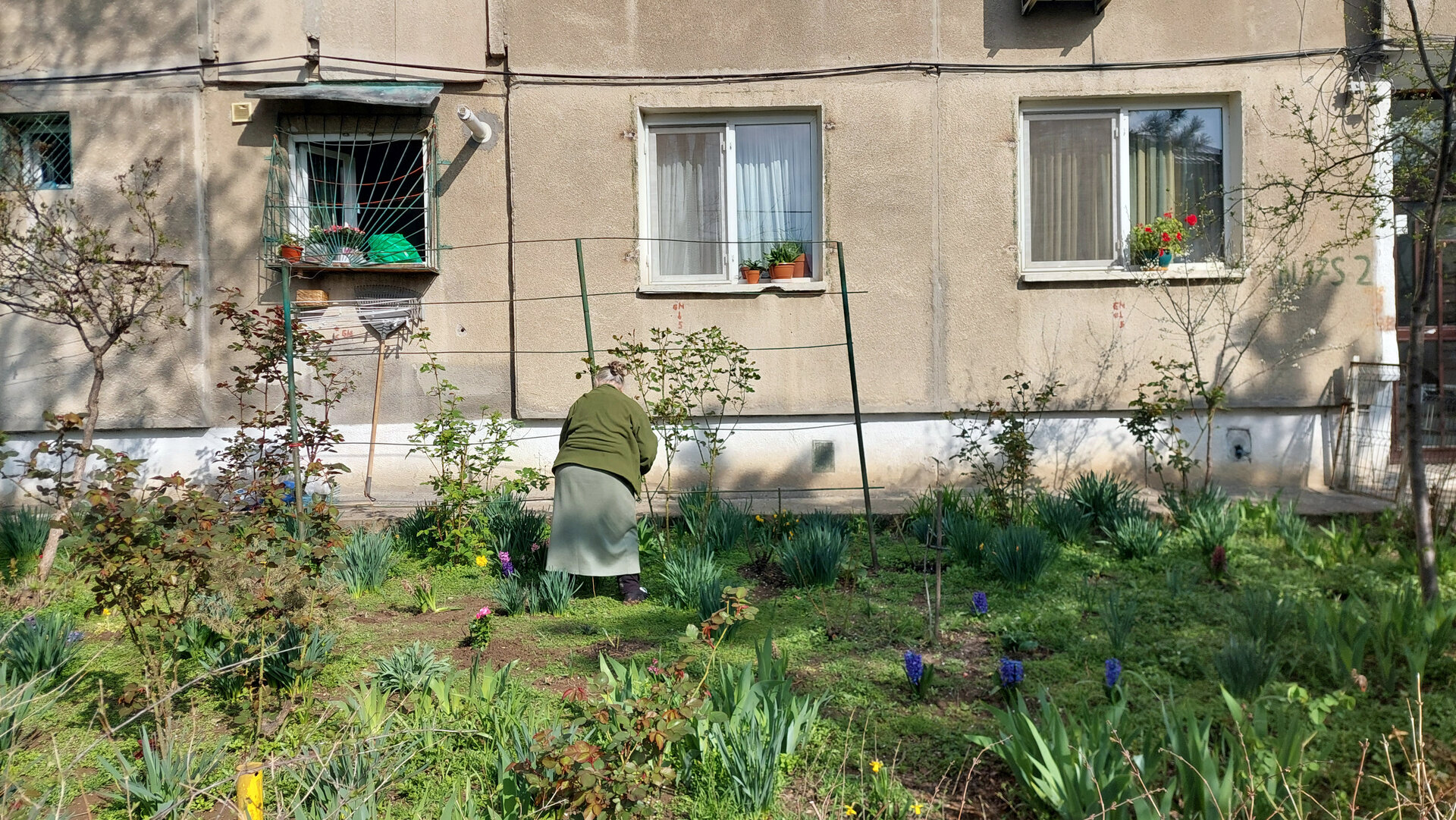
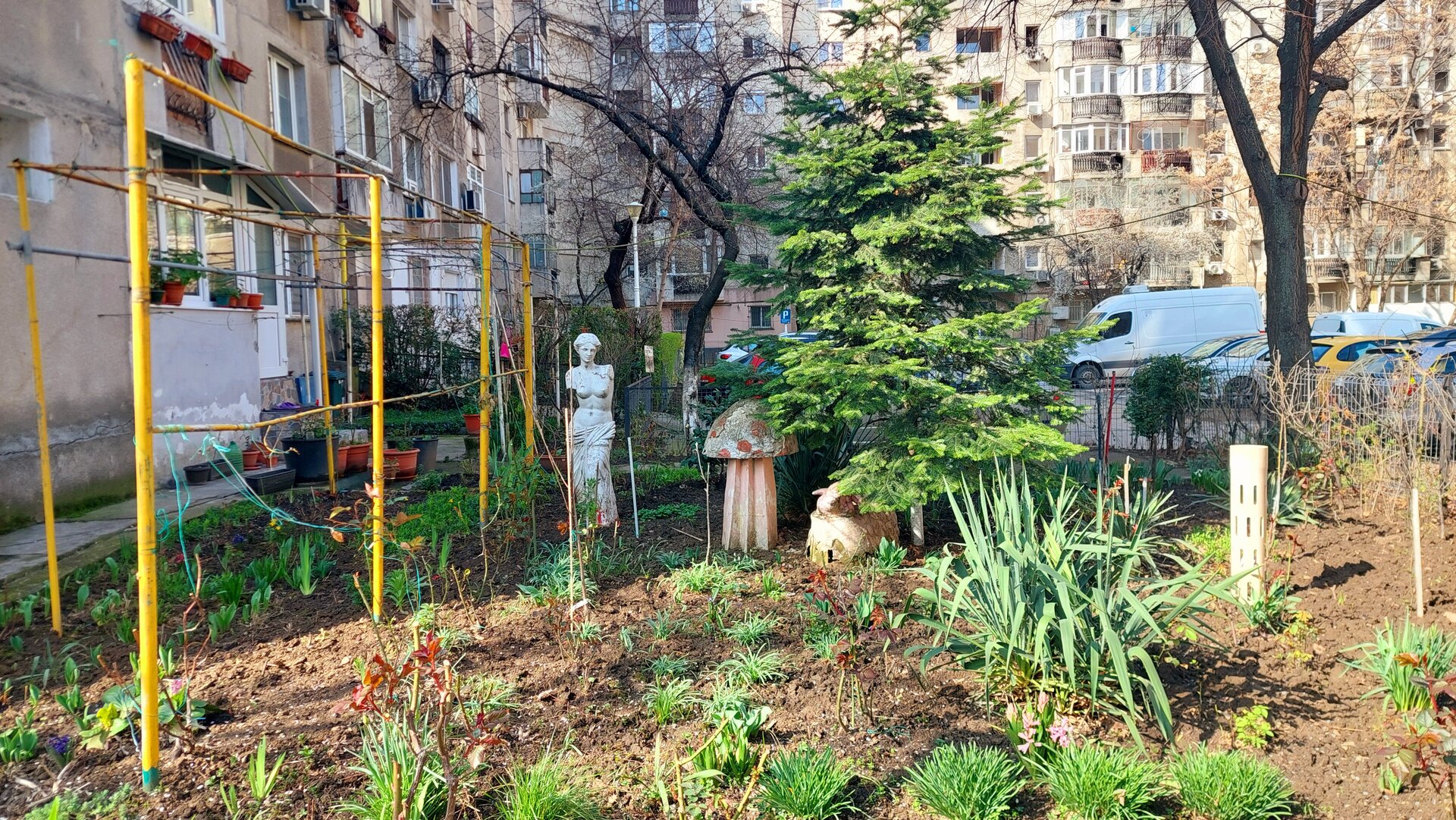
The large collective housing estates built during the socialist period still preserve the legacy of informal practices, whereby residents take care of the spaces between blocks with their own resources and knowledge. These green practices and the informal spaces they produce can be associated with a “silent sustainability” (Smith & Jehlička, 2013).
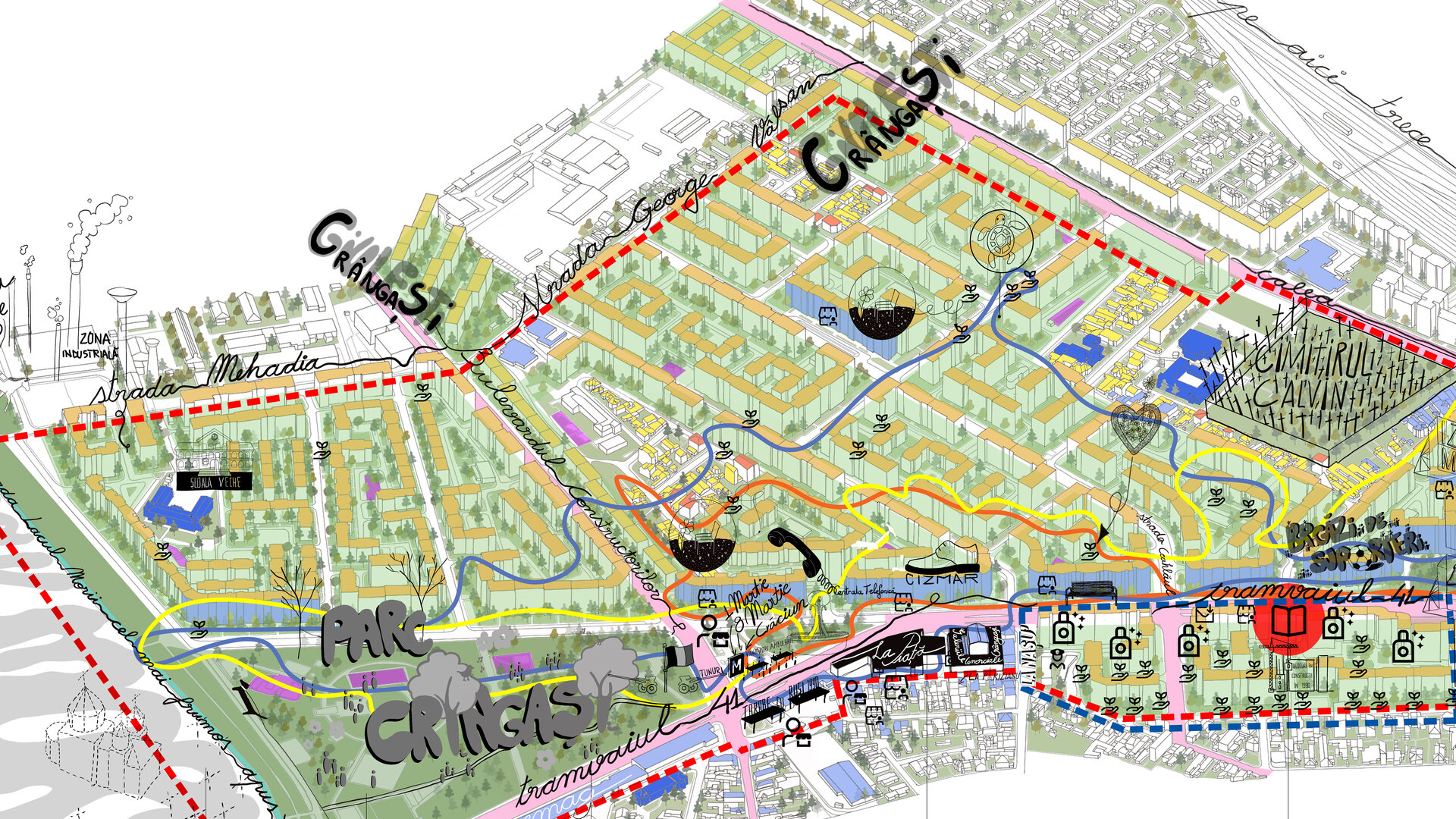
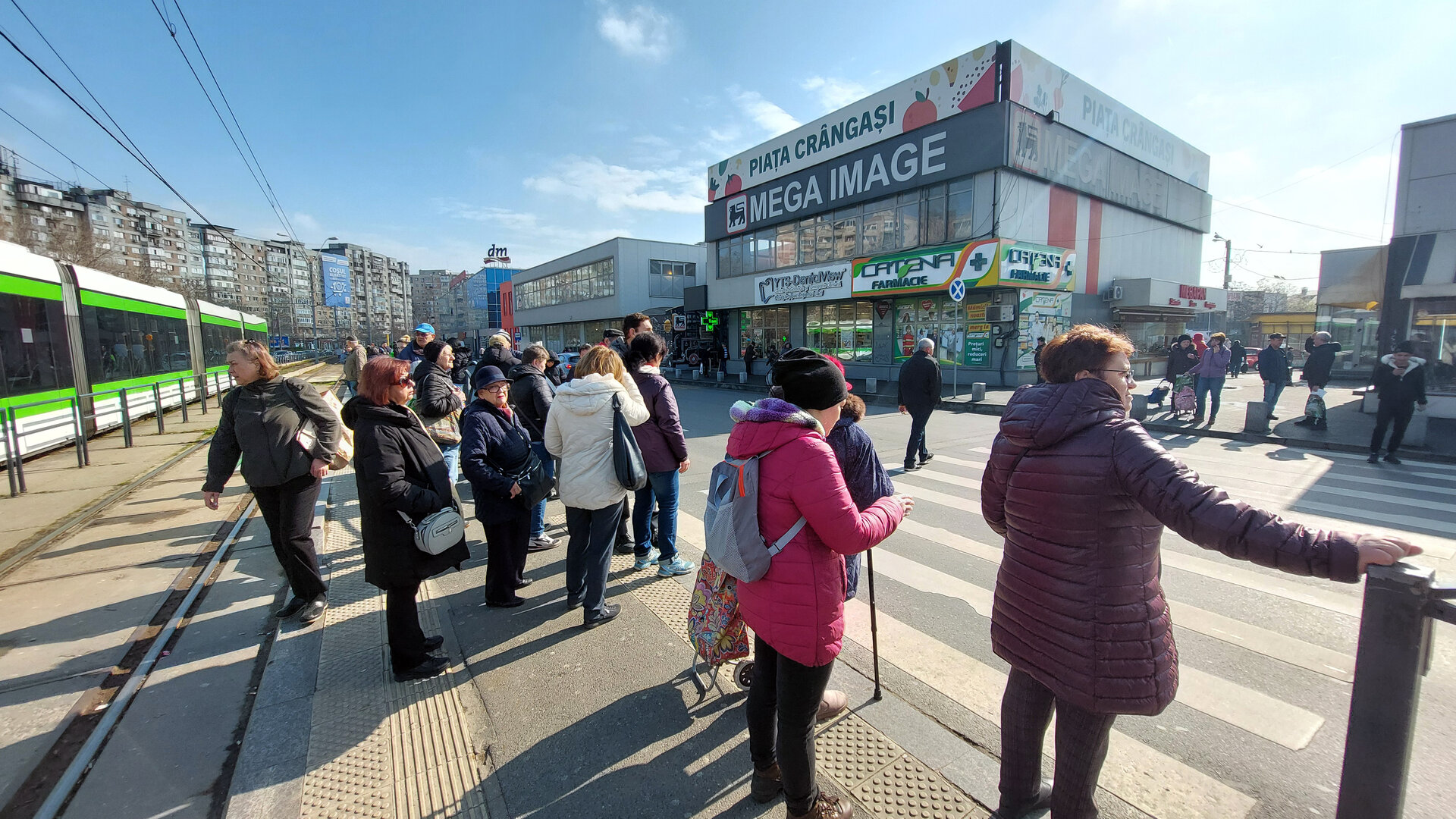
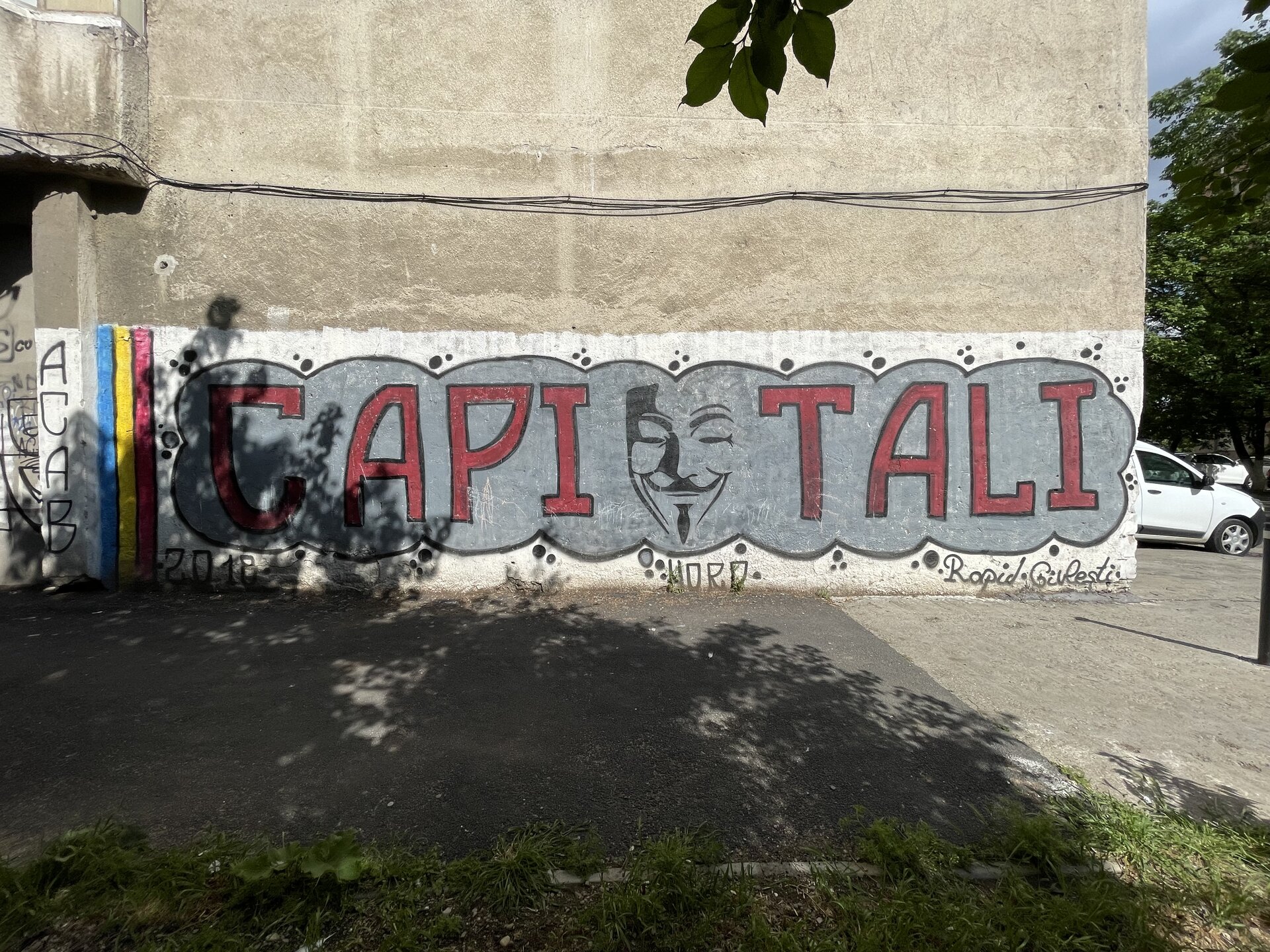
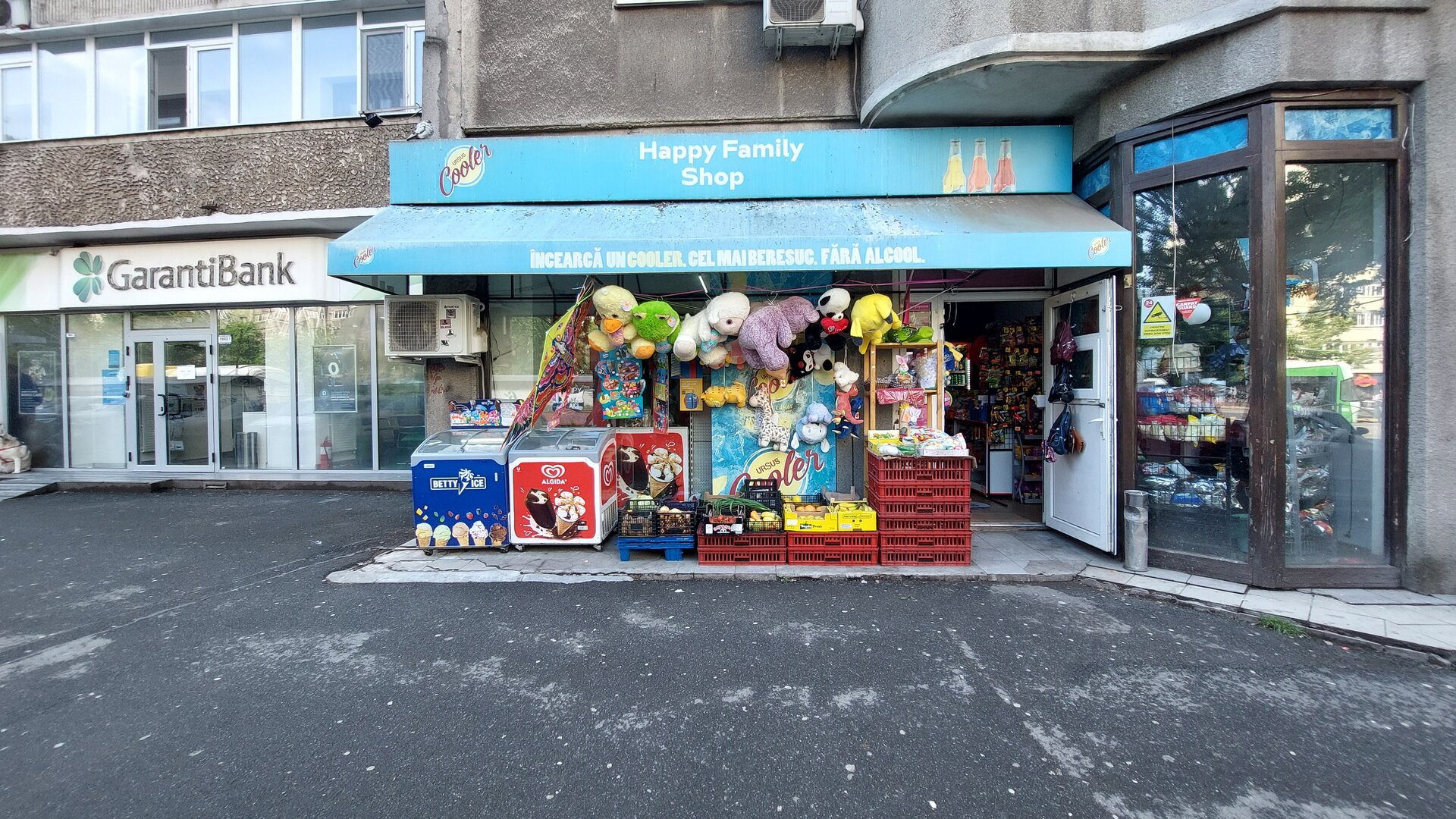
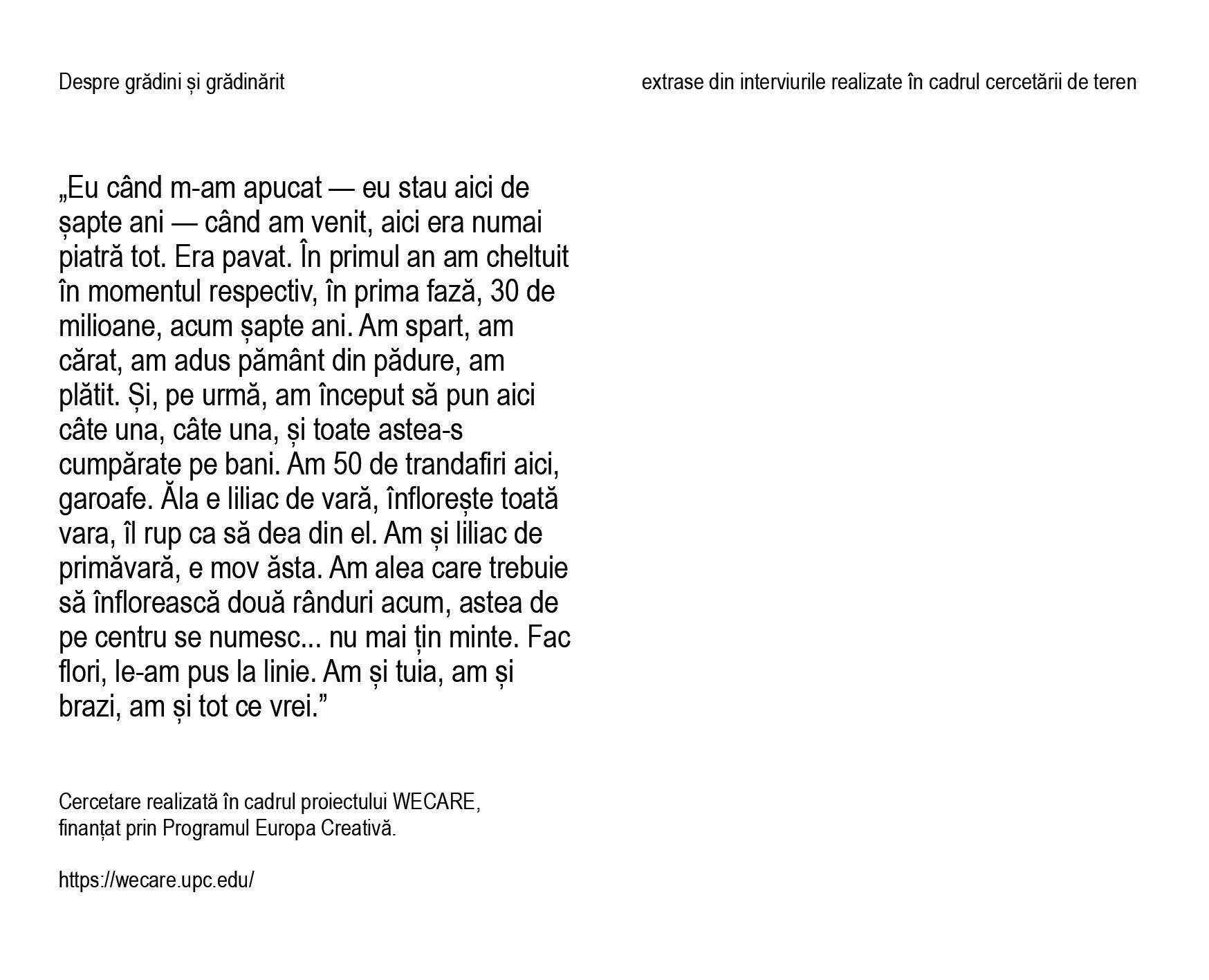
In this context, between March and July 2024, an exploratory research was carried in the Crângași district. The research aimed to answer several questions: How are informal spatial practices manifesting in the studied context? What are the necessary conditions, resources and formats through which informal spatial practices support the (environmental) commons? What spaces exist and what actors are active that can accommodate and support an intervention with a strong ecological and community character?
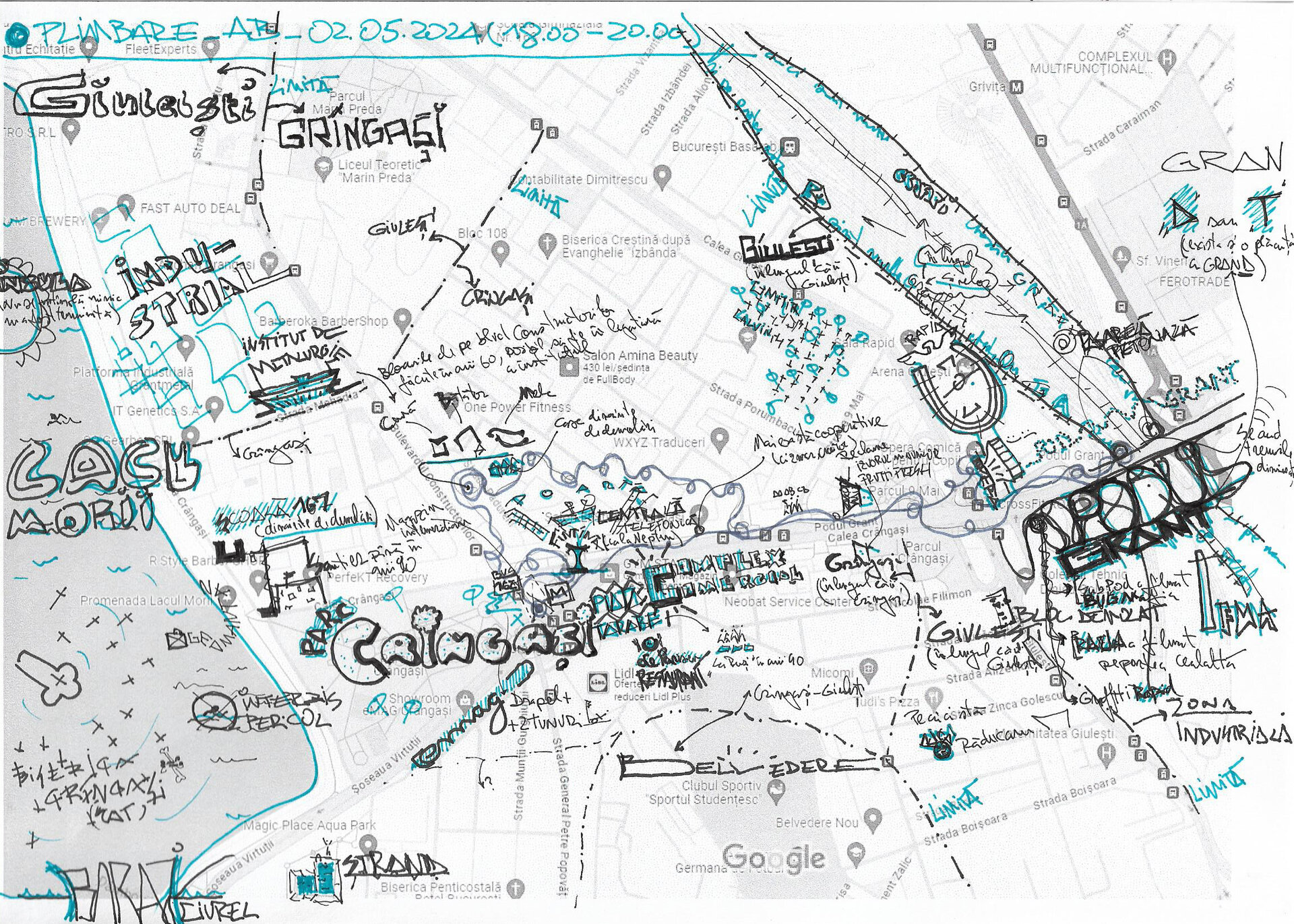
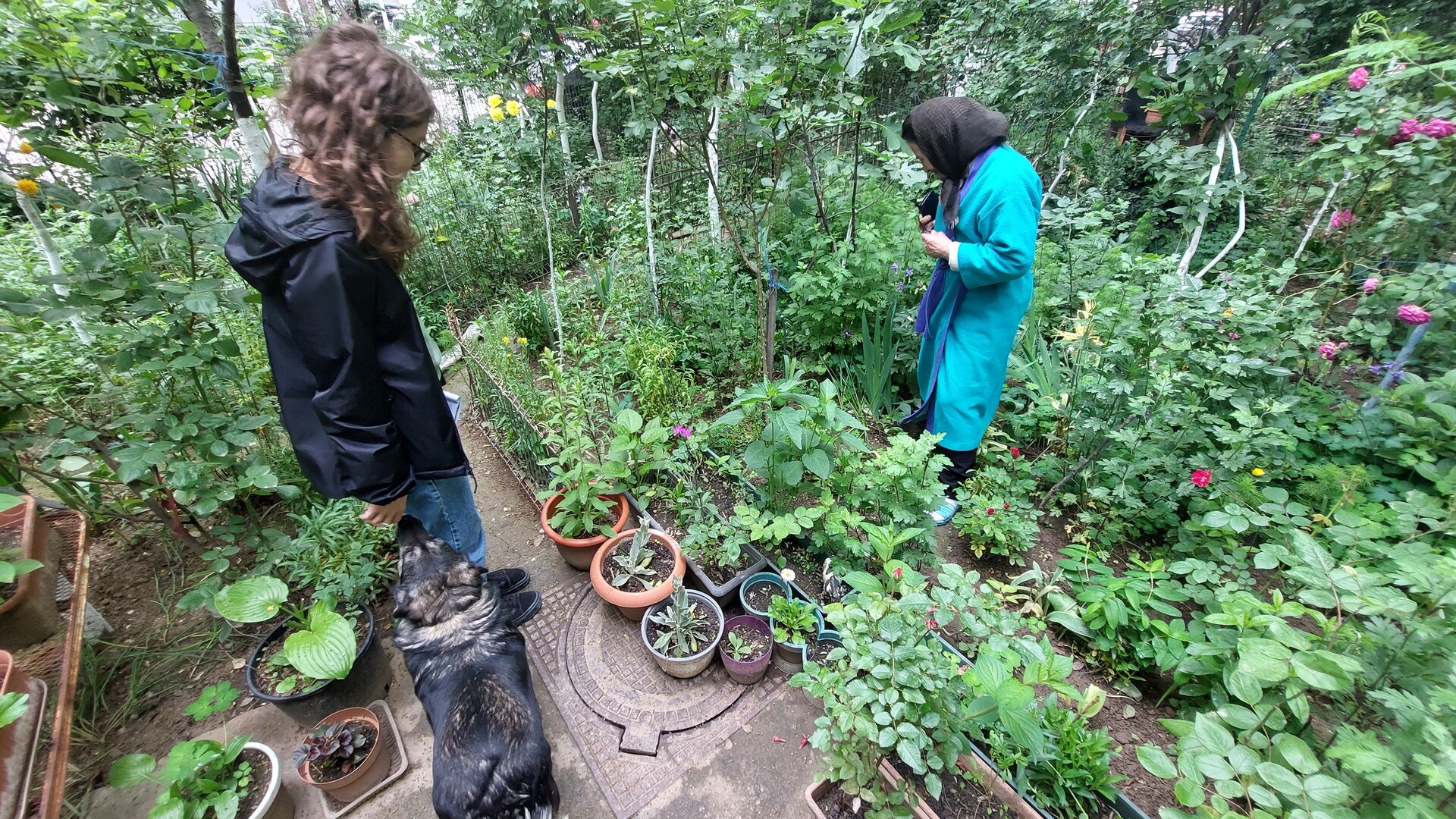
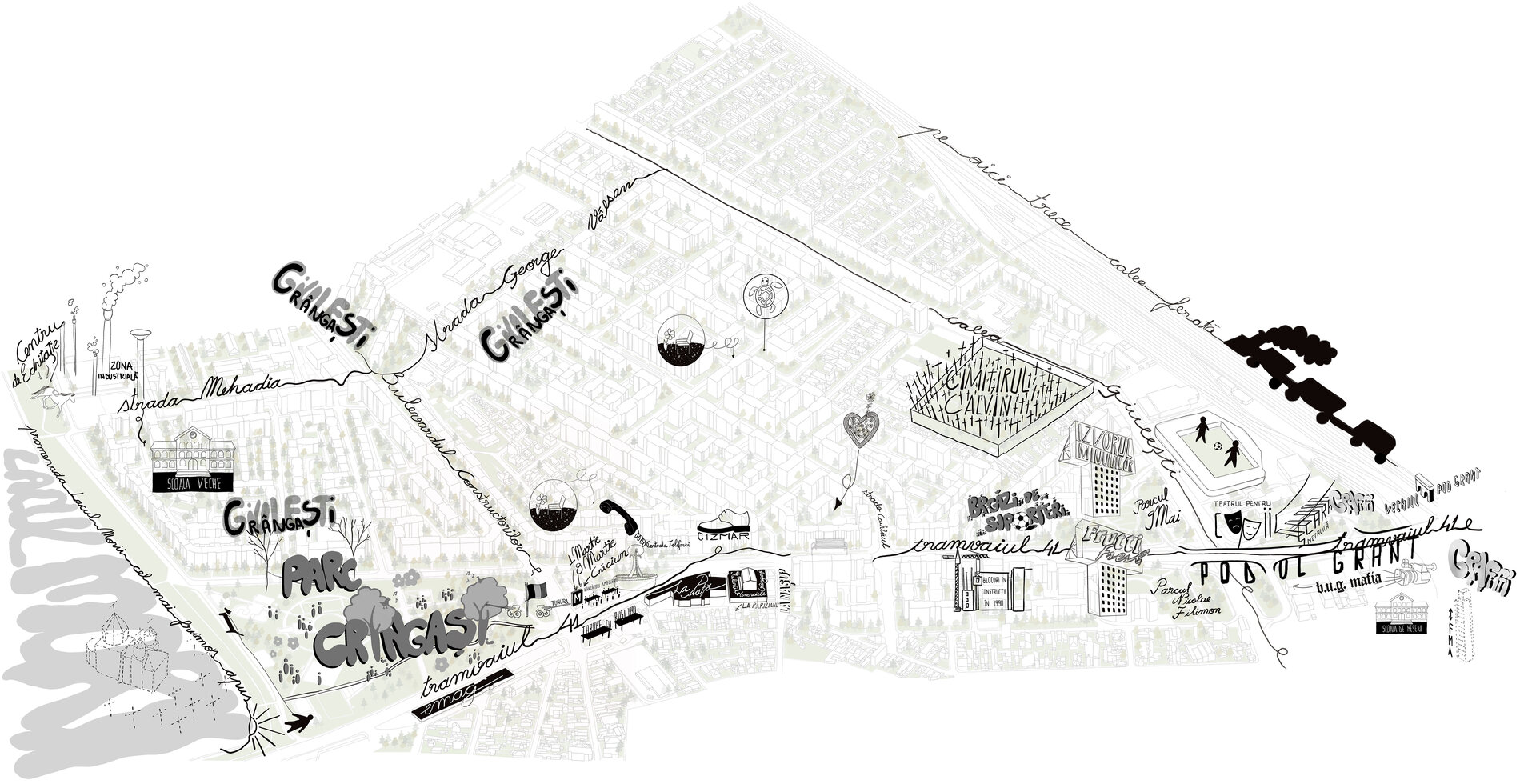
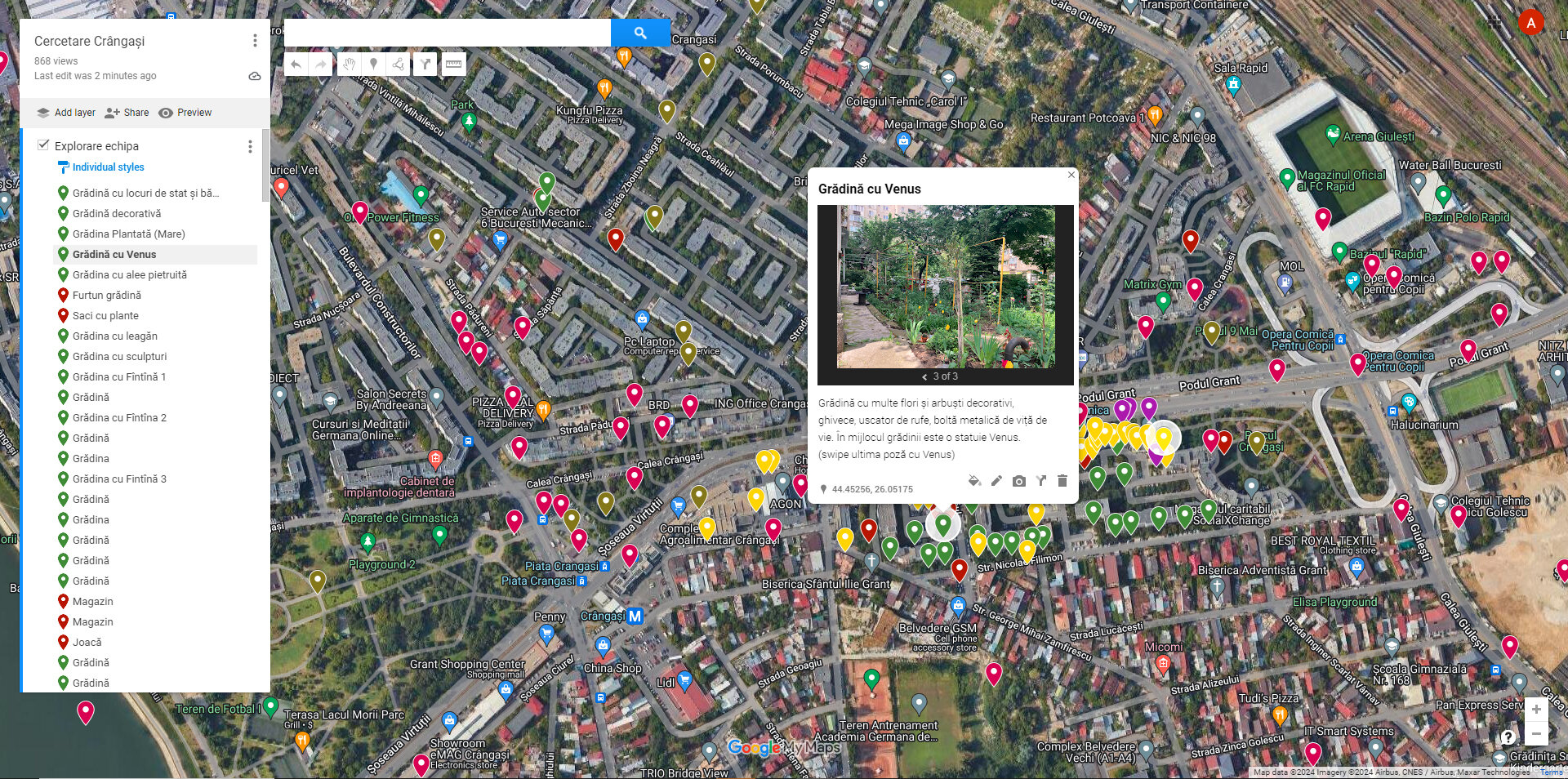
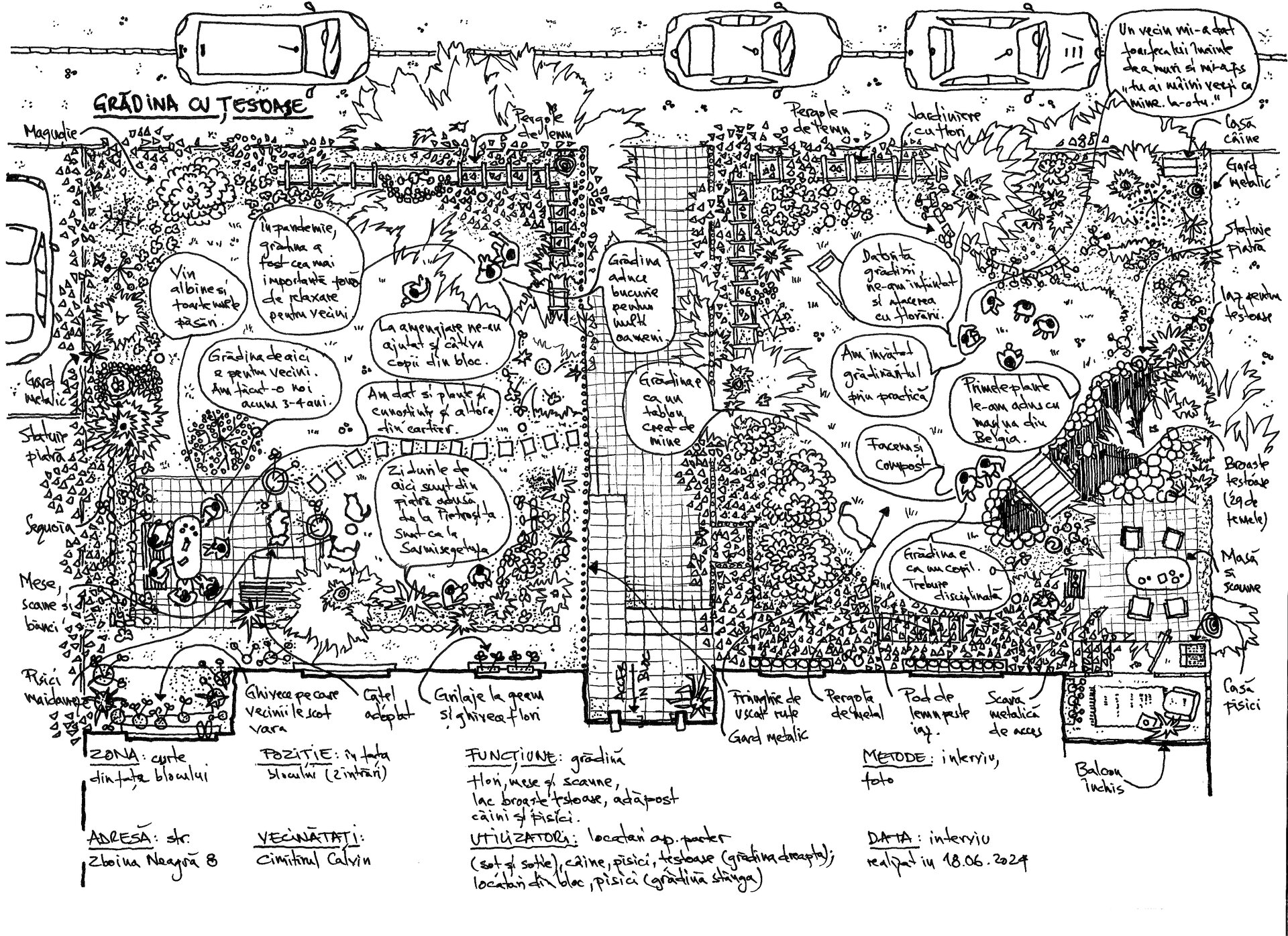
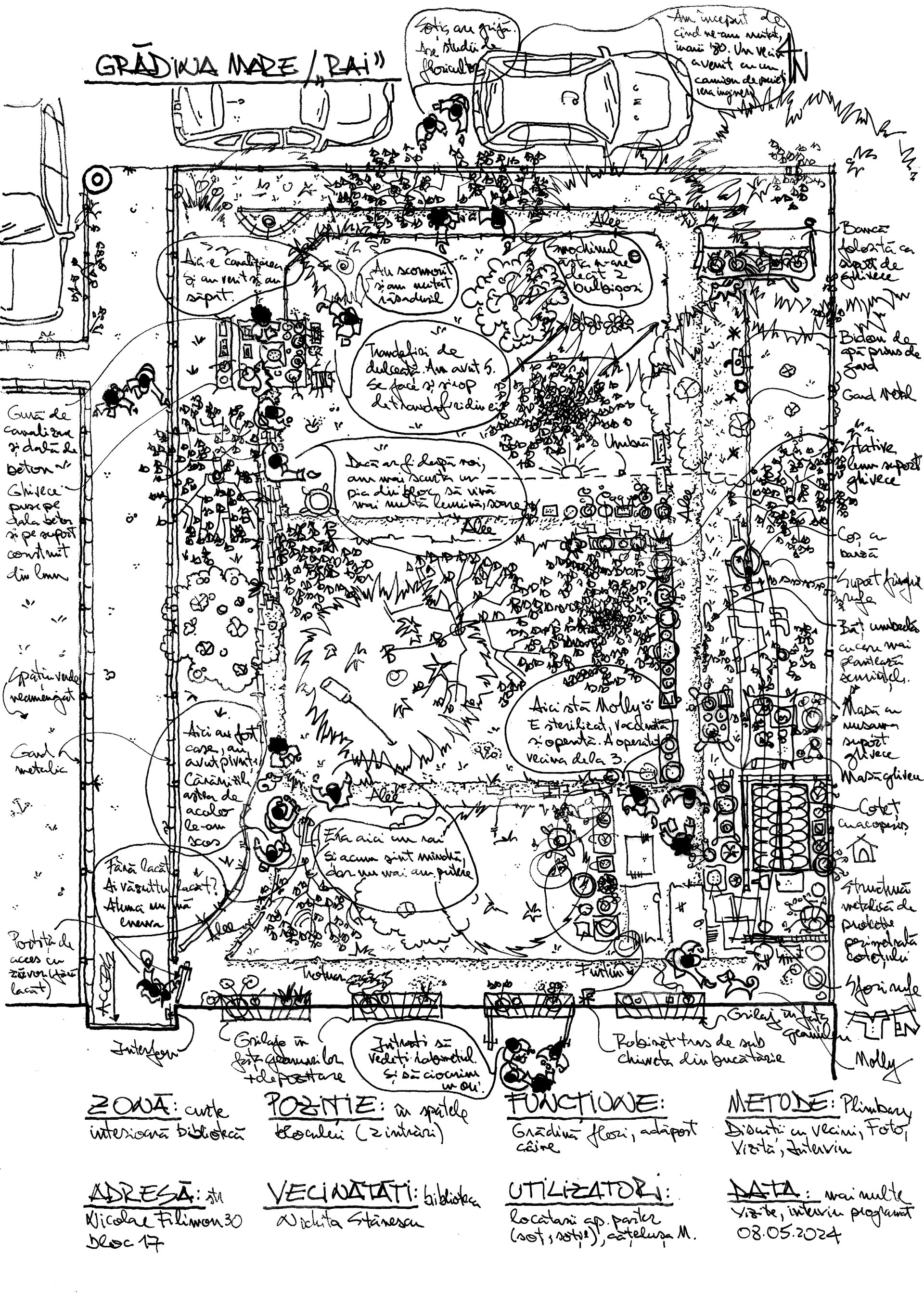
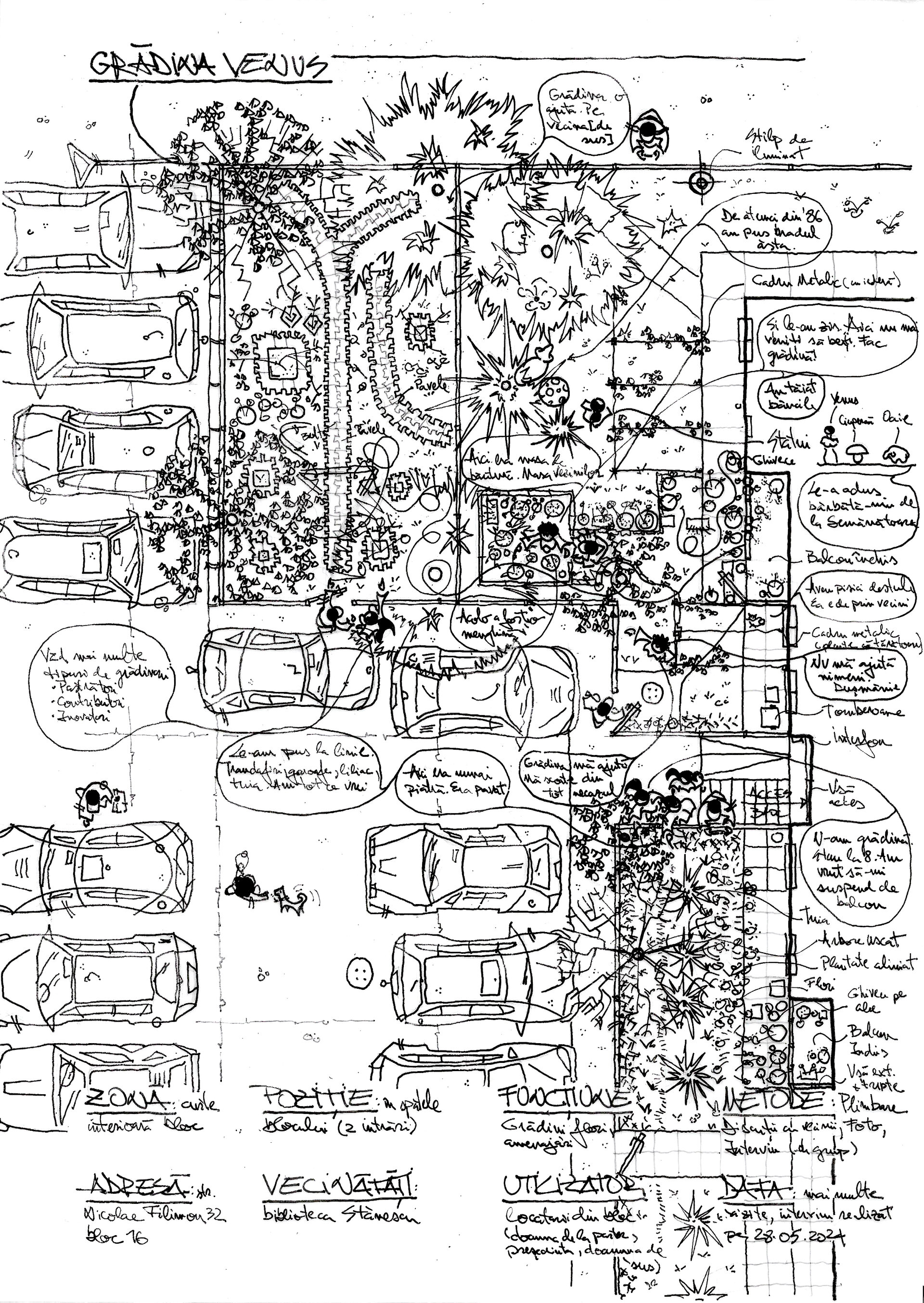
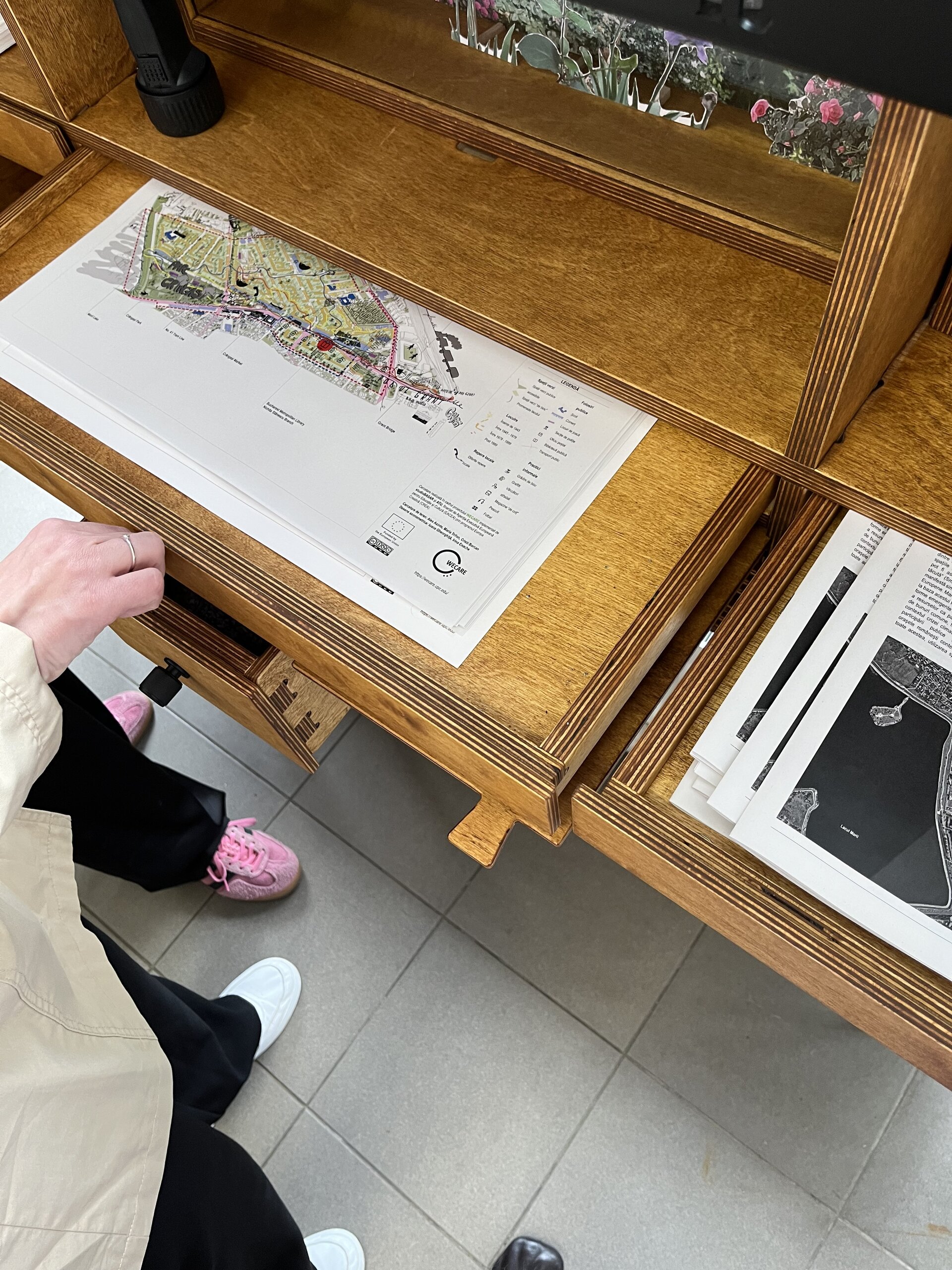
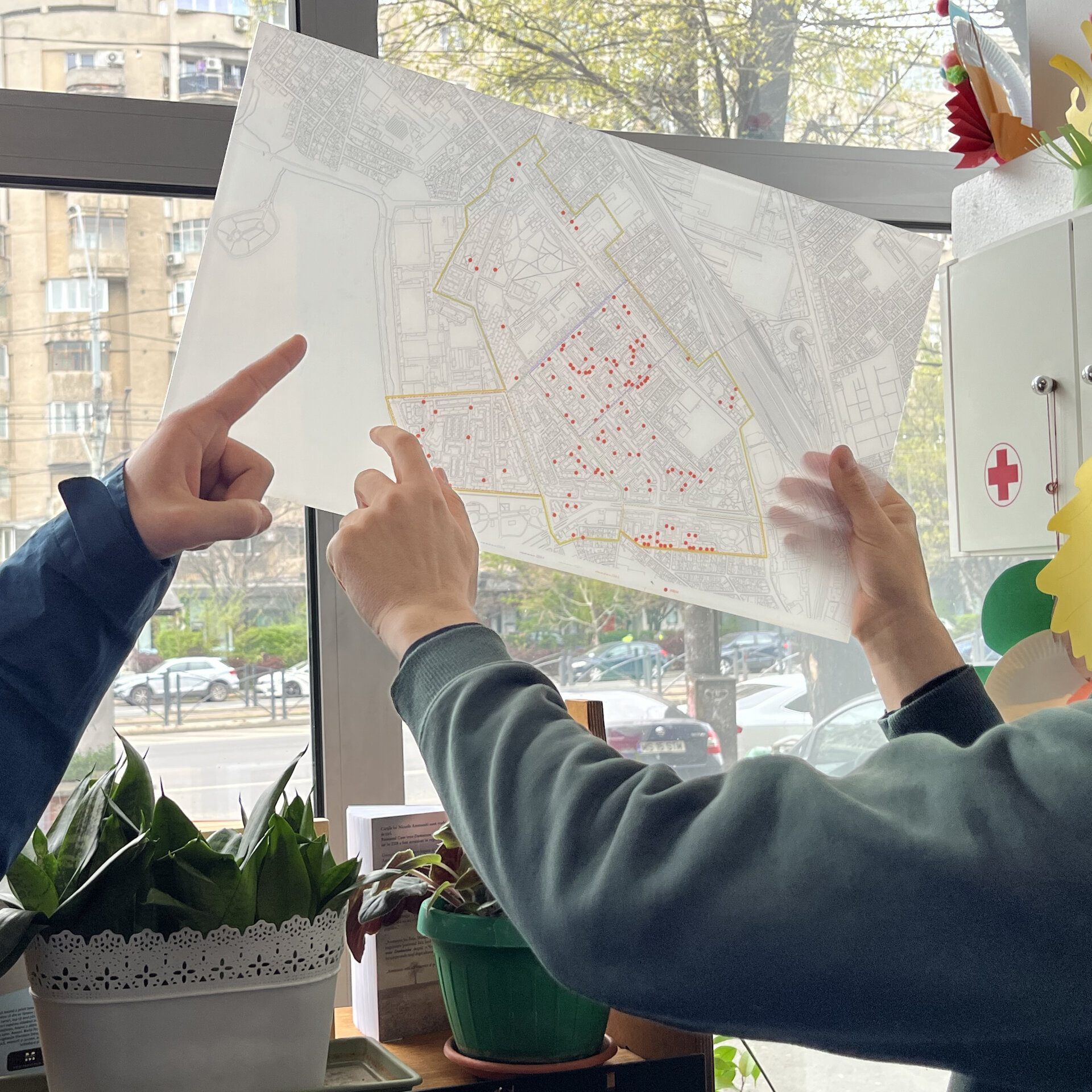
Through qualitative research methods such as ethnography, mapping, interviewing, case study, and storytelling, we collected observations about the current use of public and community spaces and documented the landmark spaces of the area from the inhabitants’ perspective. Subsequently, a series of case studies of informal arrangements of spaces between blocks were identified and investigated in depth. Using a range of urban and landscape analysis criteria, the research evaluated several possible sites within the proposed perimeter. As a result of this assessment, which also included potential actors that may become active in the post-project implementation stages, the site with the highest potential to be transformed by a community-based landscape intervention was selected. The conclusions of these analyses formed also the basis for the diagnosis and recommendations for enhancing and sustaining informal green practices in collective housing neighbourhoods.
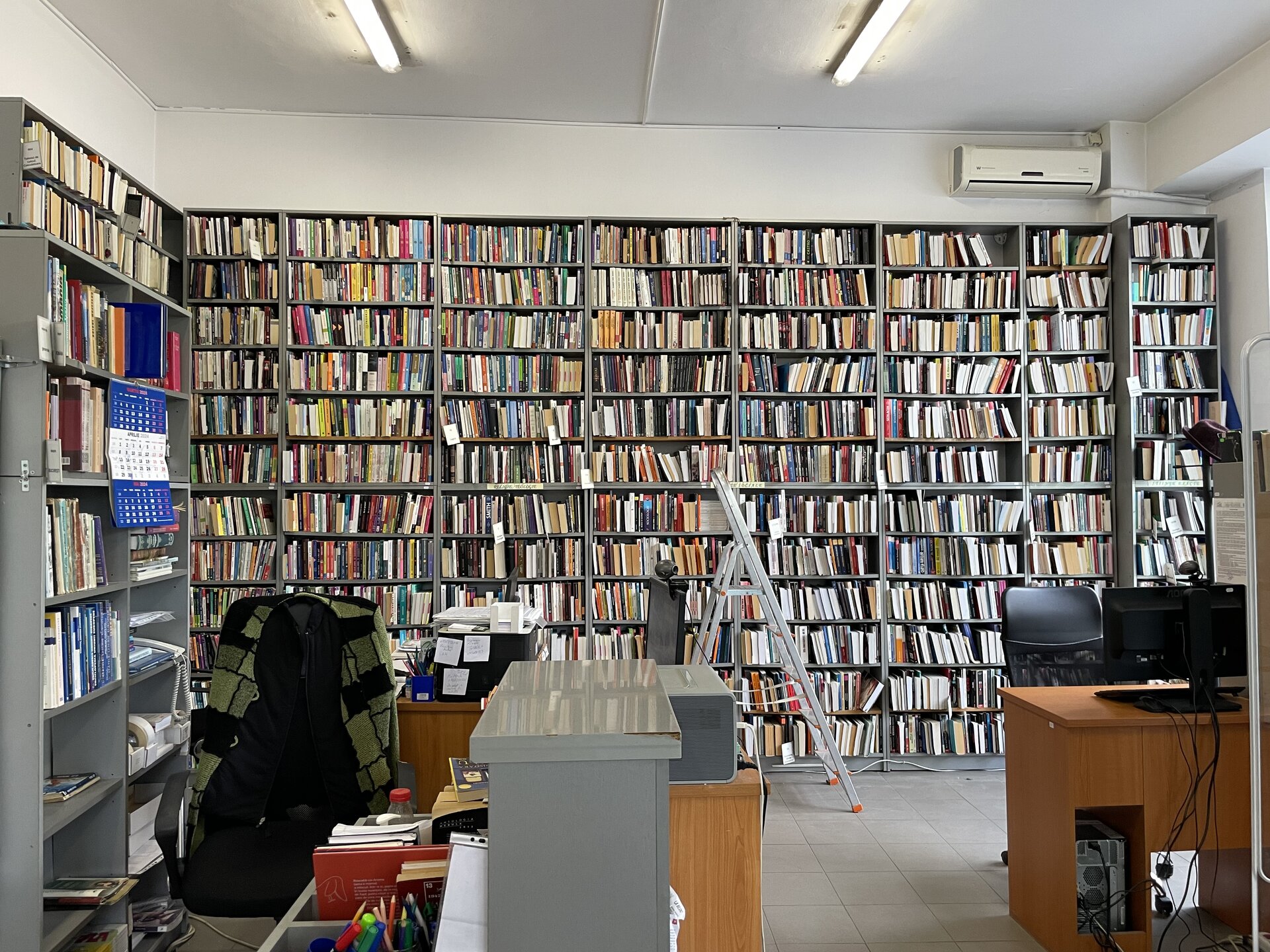
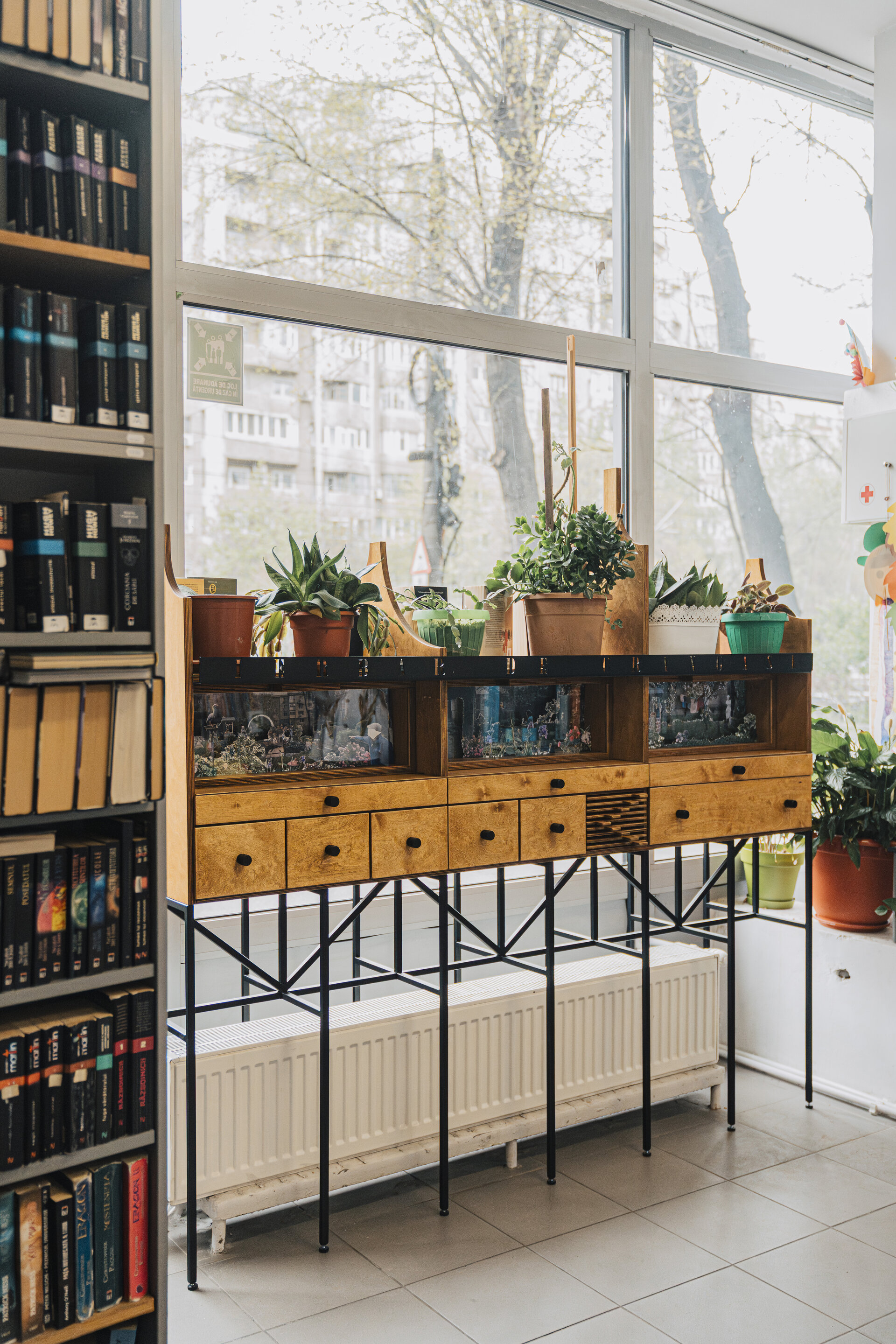
Seeking to illustrate the findings about the necessary conditions, resources and formats through which informal practices are enabling (environmental) commons, the research went propositional and materialized into a communication equipment. Constructed at the intersection between a museum artefact, a school research lab and a furniture specific to a public library, The Crângași Herbarium aims to fill a gap in the institutional landscape by enacting around it a hybrid model of a local knowledge centre, where the content design adapts to the community’s features and interests highlighted by the research. Placed in a public library, the device seeks to articulate the knowledge related to the topic of informal practices and gardens in a new and distinct section, thus signalling their importance and evidencing their value, against its constant dismissal in the public discourse. The equipment and its uses also illustrate designers’ capacity to play a critical role in imagining new forms of community regeneration of collective housing districts by explicitly observing, valuing and sustaining such forms of ‘vernacular ecologies’ (Gandy, 2022, p.34) as part of the ecosystem of environmental commons.
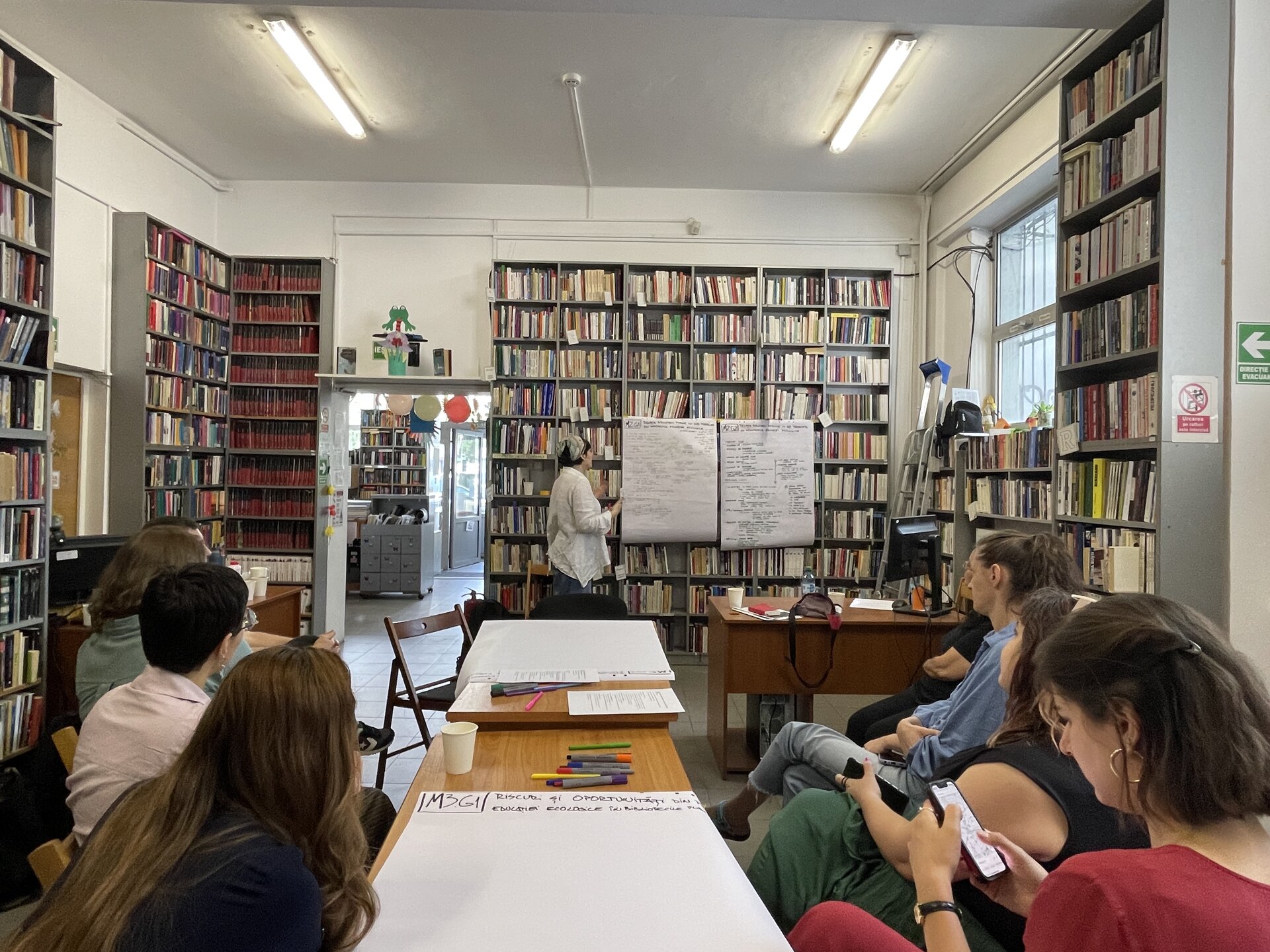
As a way to turn the suggestions from the research report into concrete actions, in June 2025 we organized a workshop with relevant stakeholders in the field, during which possible scenarios for supporting environmental education in public libraries were identified.
Architecture and Experiments

- Acaret 44°N 26°E – Community Cookhouse
- WECARE: Bucharest
- Urban Toy - a cabinet for play in Copou Park, Iași
- ArhiPera International Summer School, 12th edition: “Sustainability through community building”
- Educational program “City as classroom”
- EXF_RD25
- - Π -
- Bibliohub
- Point of view
- Stitch Your Heritage at Roșia Montană
- Plumbuita Social Center
- Street Circus
- Mosaic Square - Recovery of apartment building courtyards
- It’s Oh So Quiet
- Hill. Reenactment


