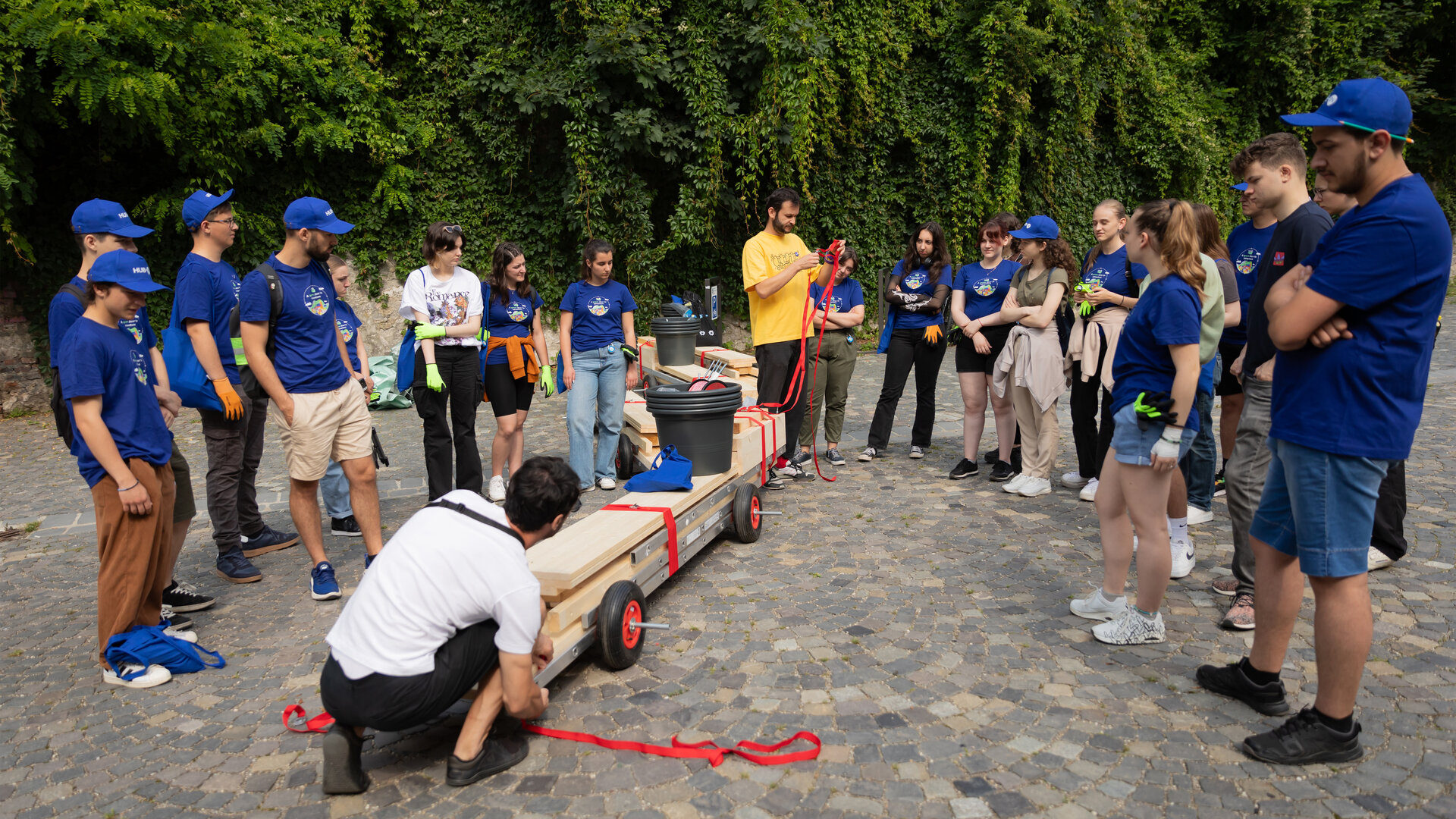
- Jury’s Distinction for transforming public space into an active place of learning and engagement for young people
Educational program “City as classroom”
Authors’ Comment
City as Classroom
For young people, public space can offer opportunities for healthy engagement and socialization, or it can promote harmful habits such as alcoholism, or even insecurity and fear. Public space is often seen as an urban accessory that appears only after other problems have been solved. However, the street and the square are where democracy and community are born.
The importance of public space is connected to concepts such as the "third space" (Lefebvre 1968, Soja 1996), spatial justice (Soja 2009), and the right to the city (Lefebvre 1968), which discuss how urban space can support a resilient urban community or exclude certain social groups. Students, especially adolescents, are one of these groups.
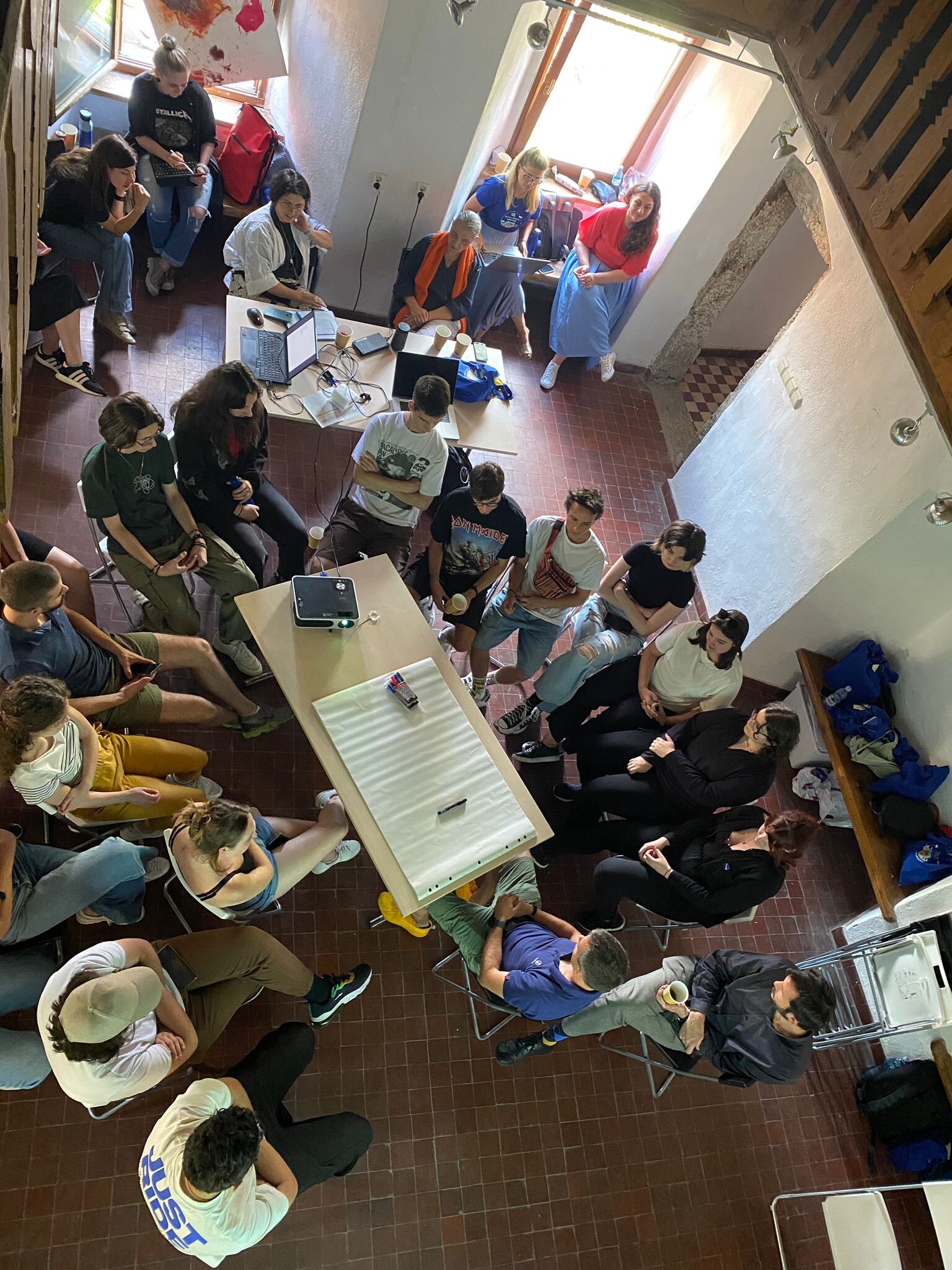
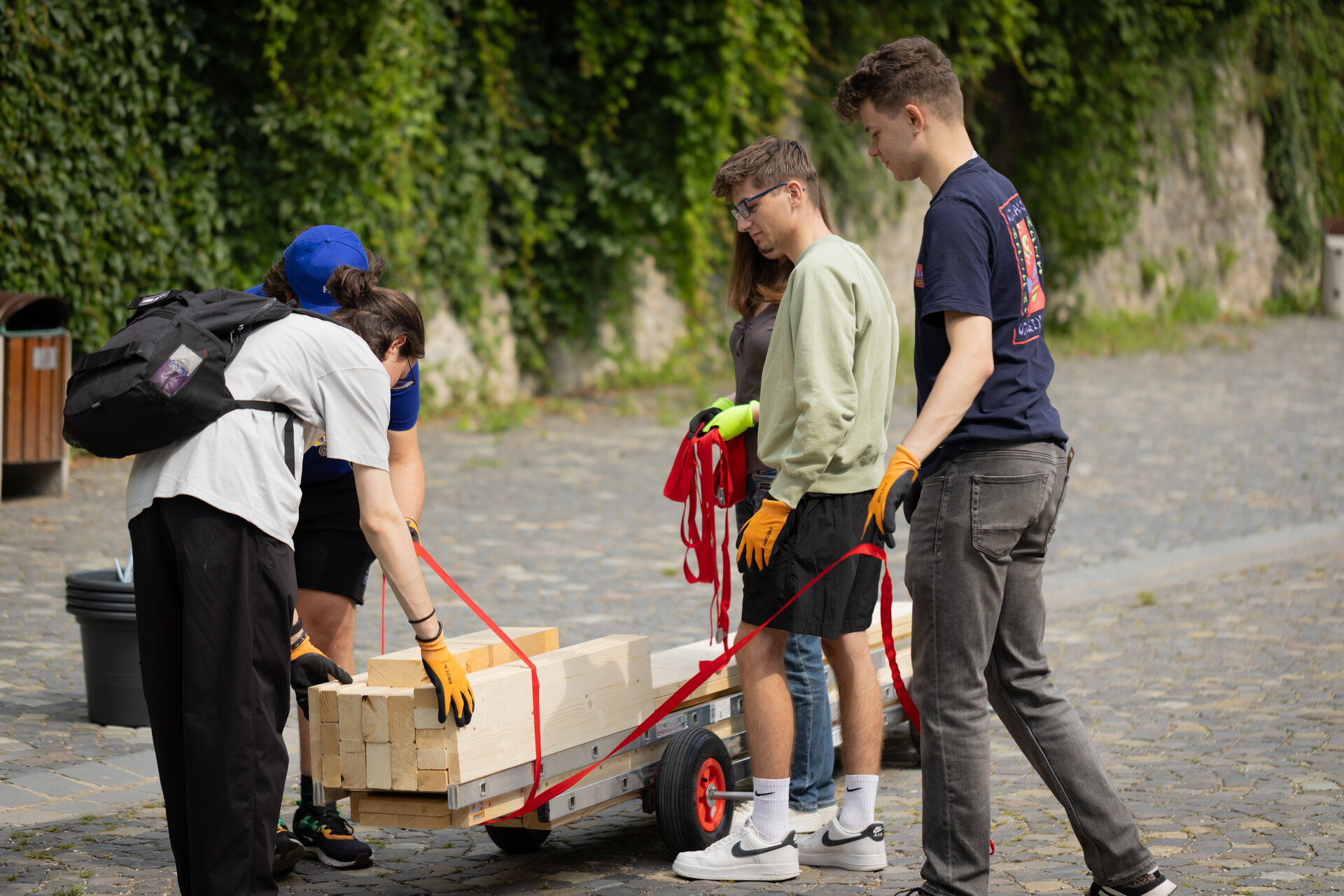
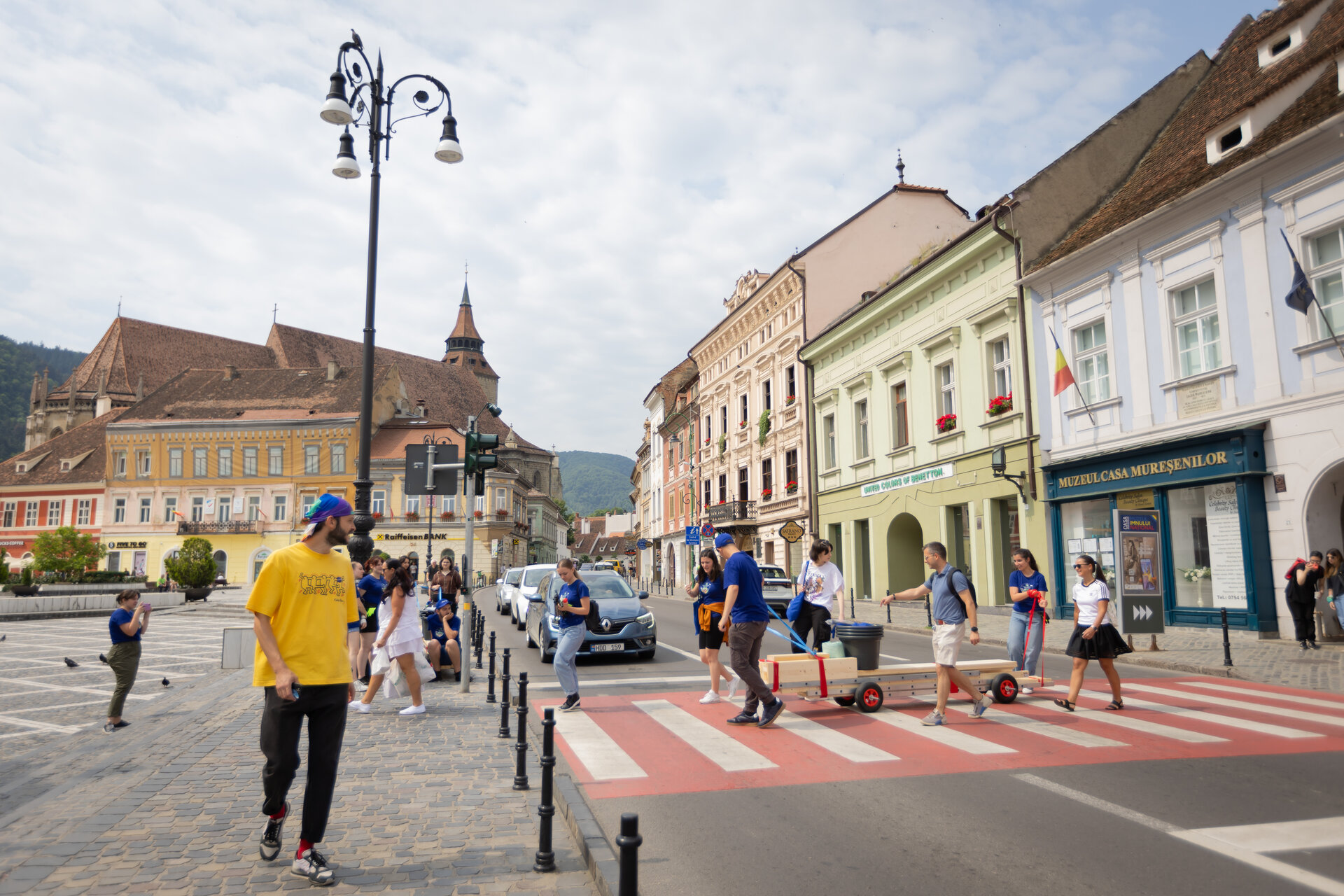
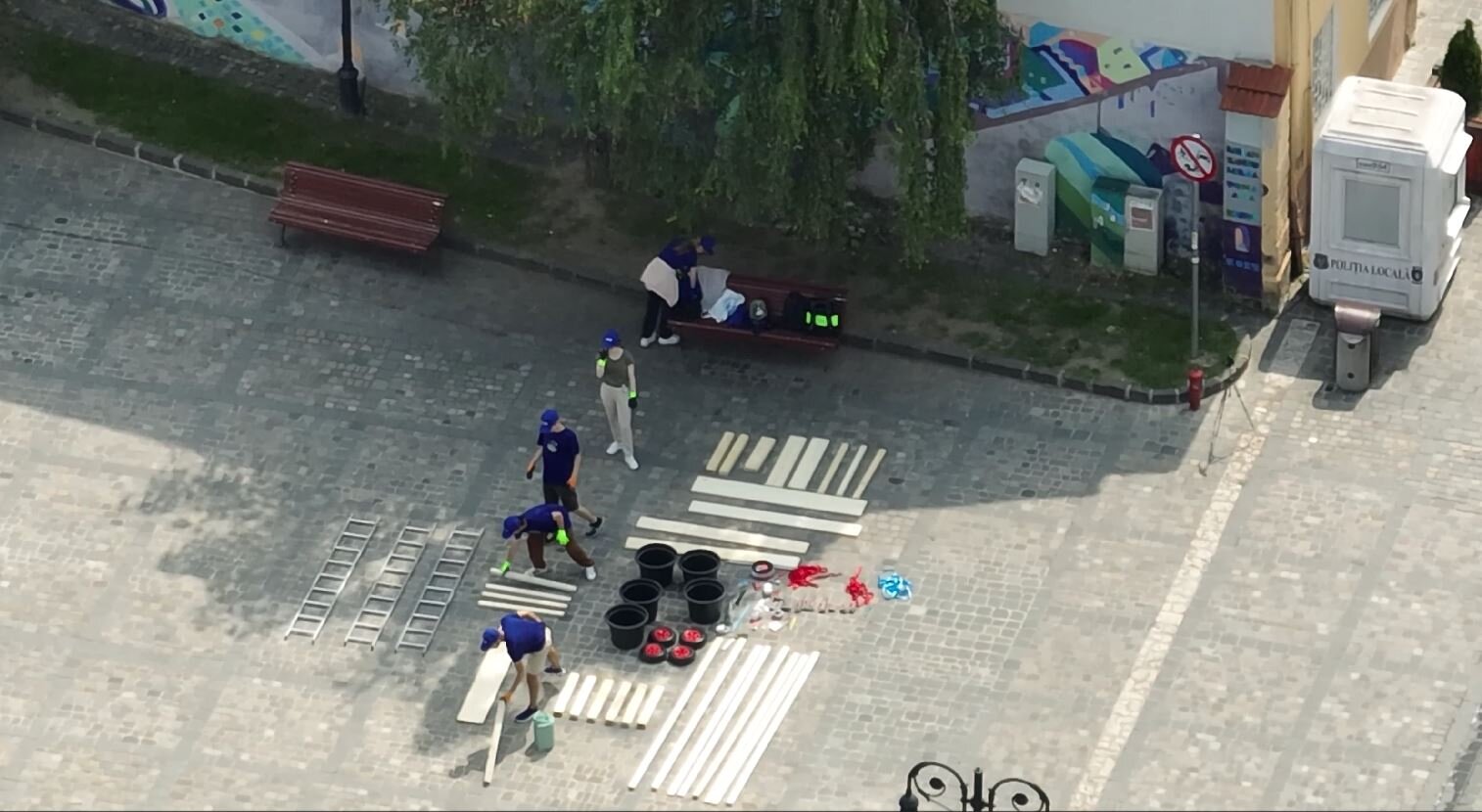
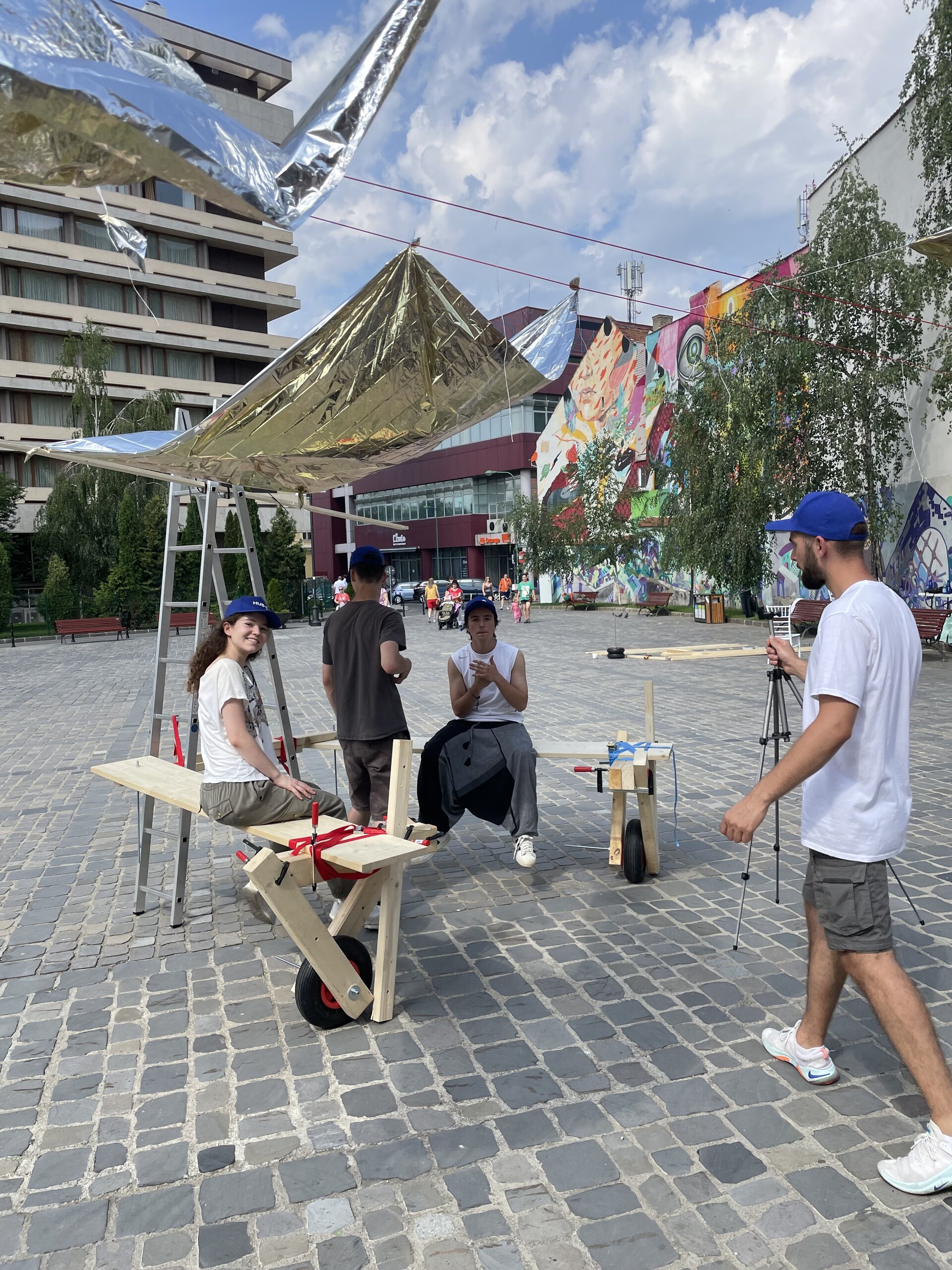
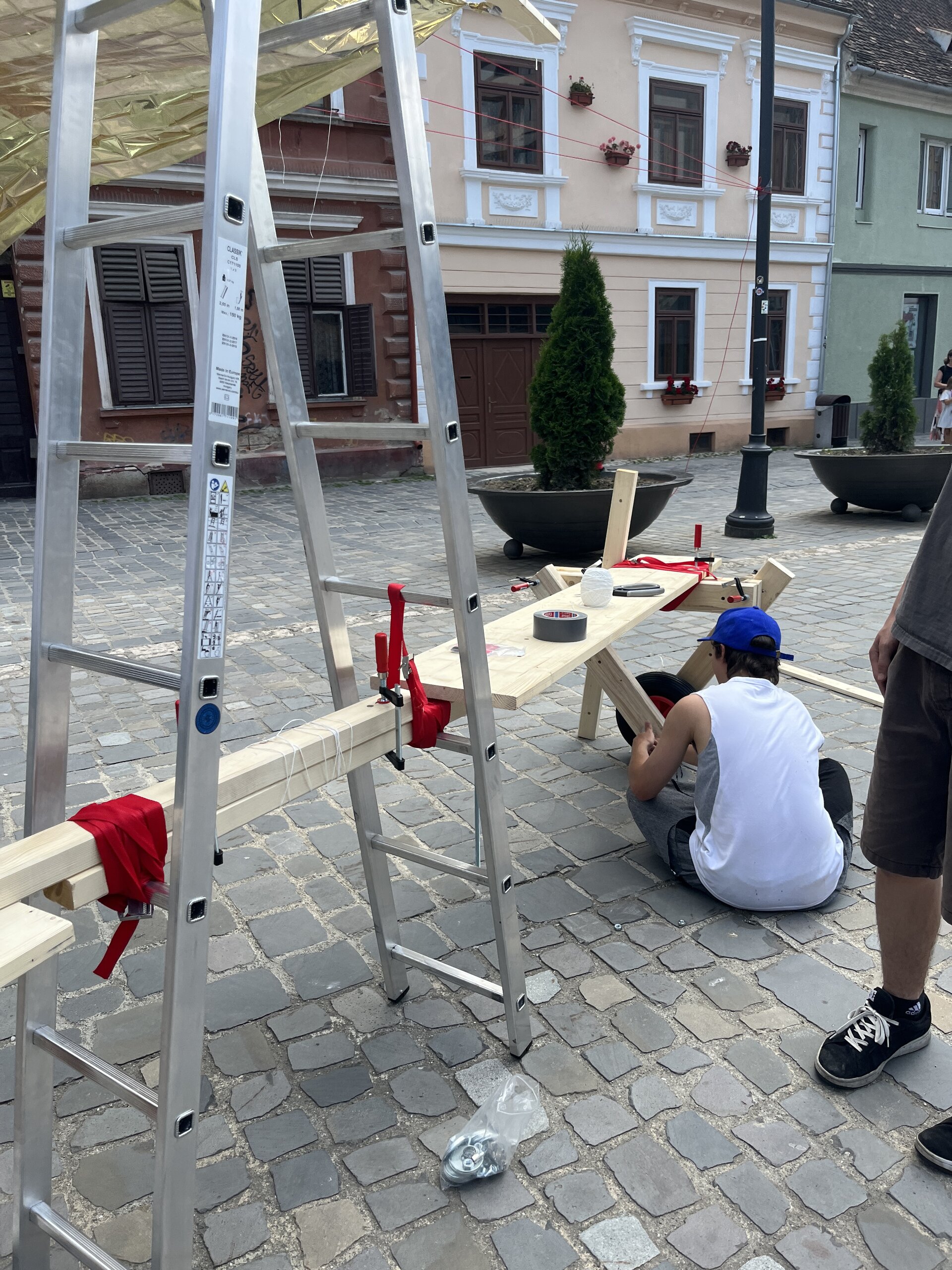
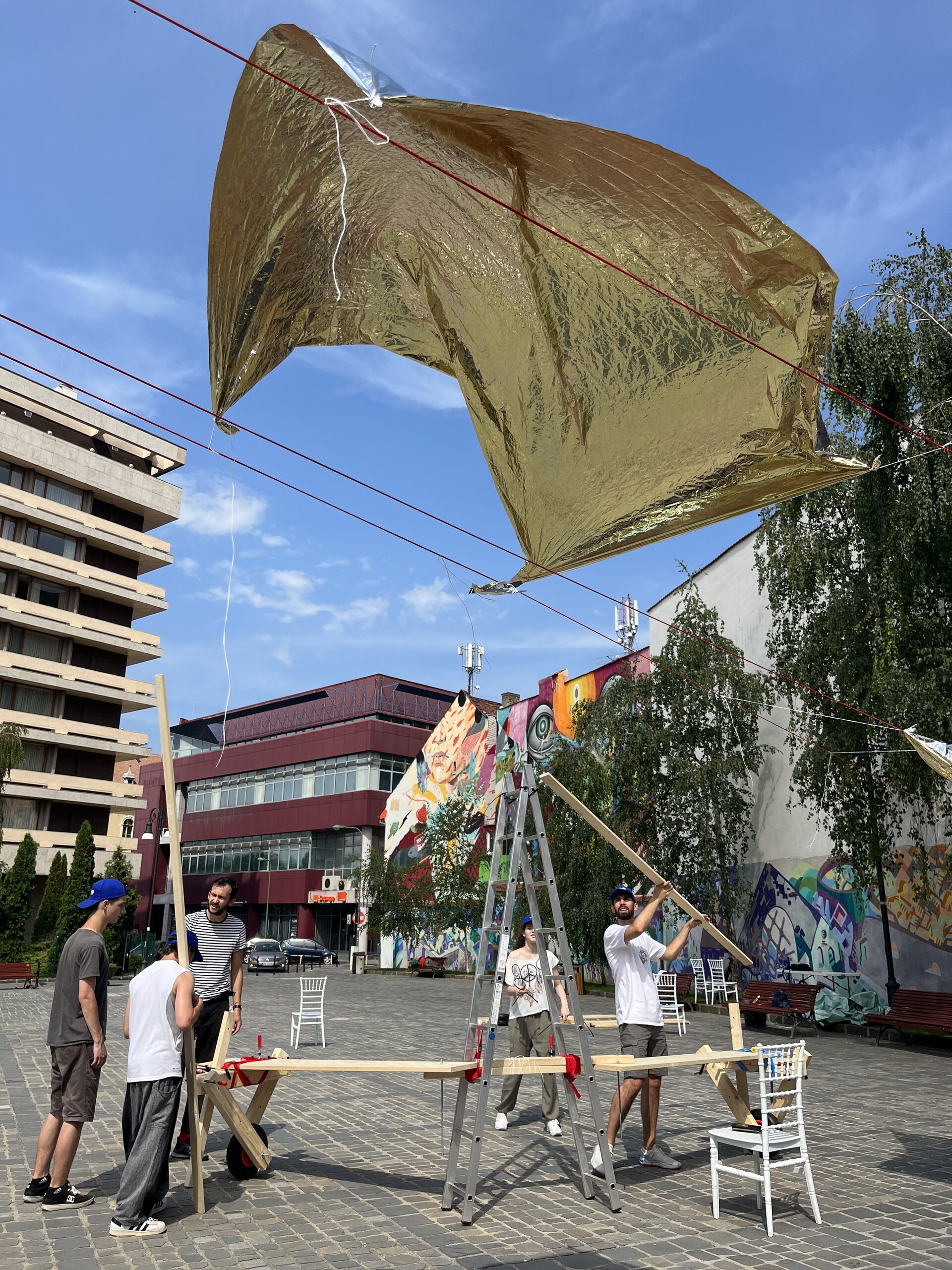
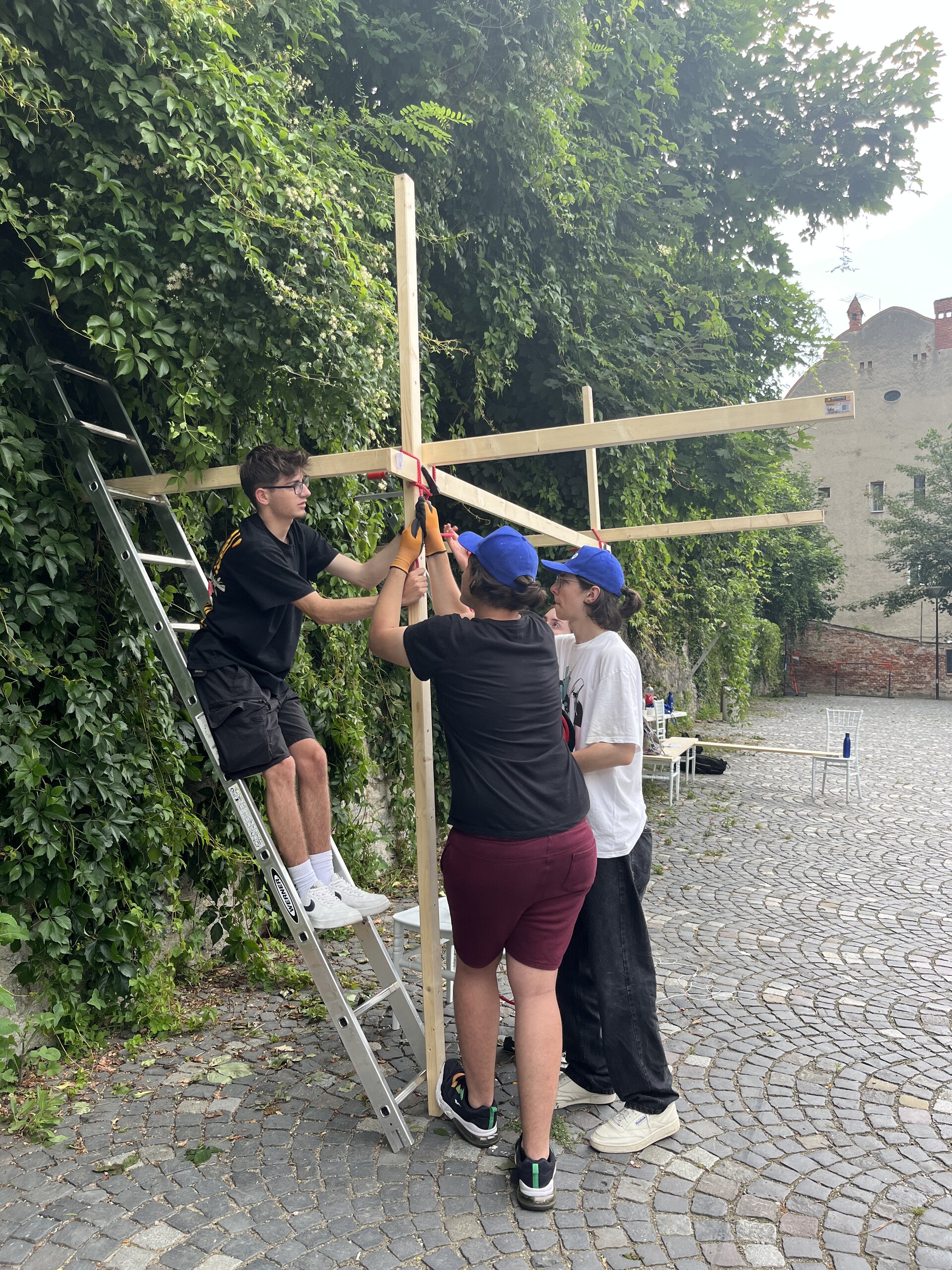
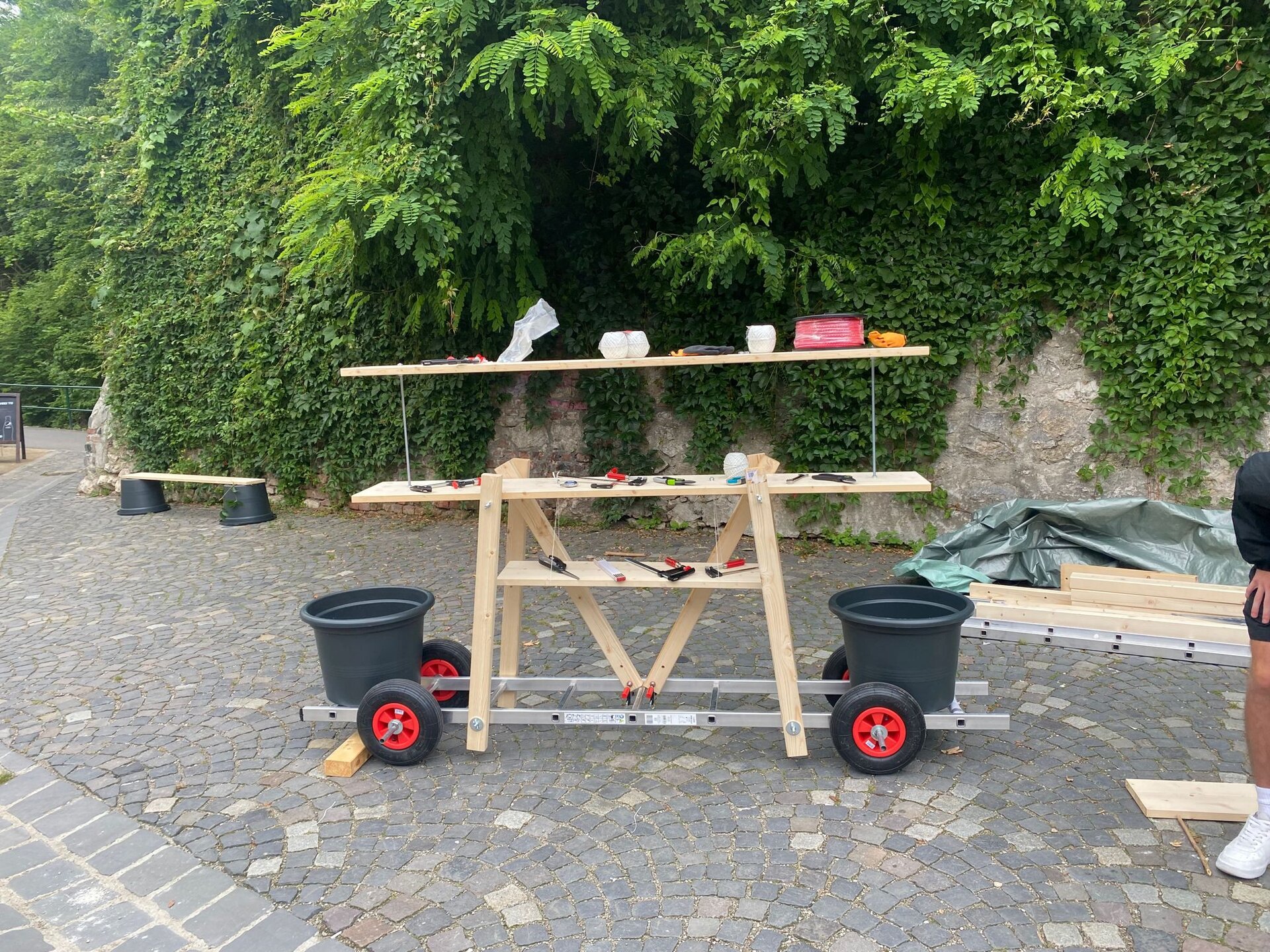
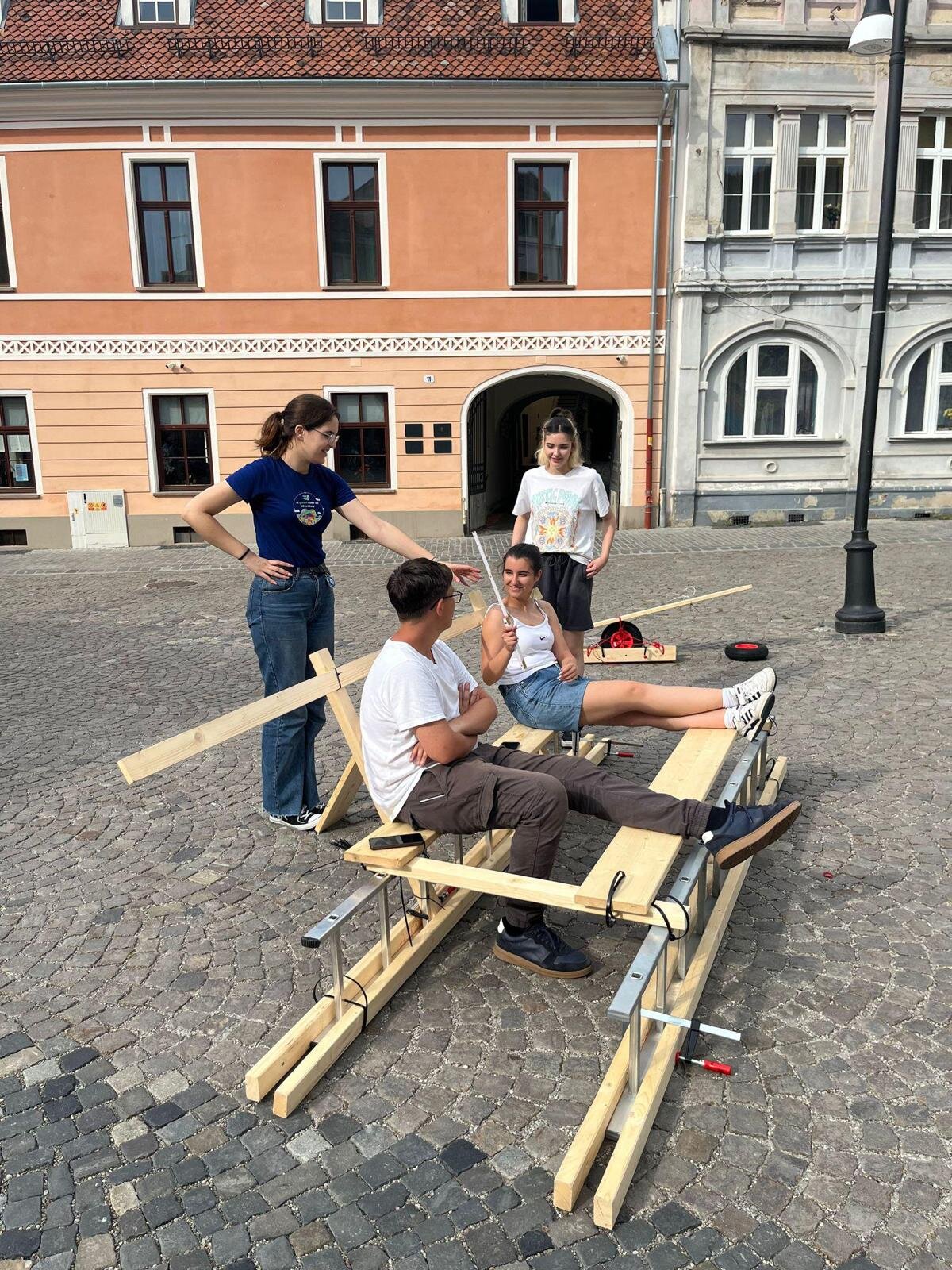
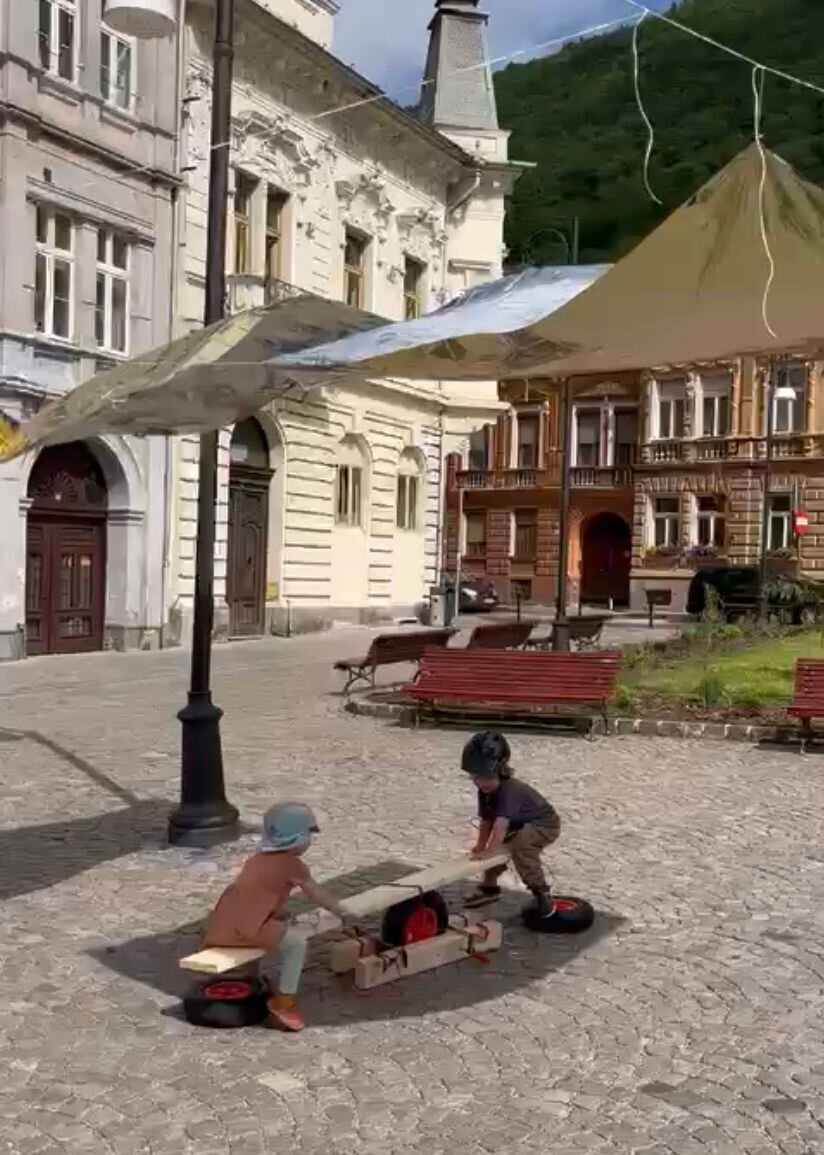
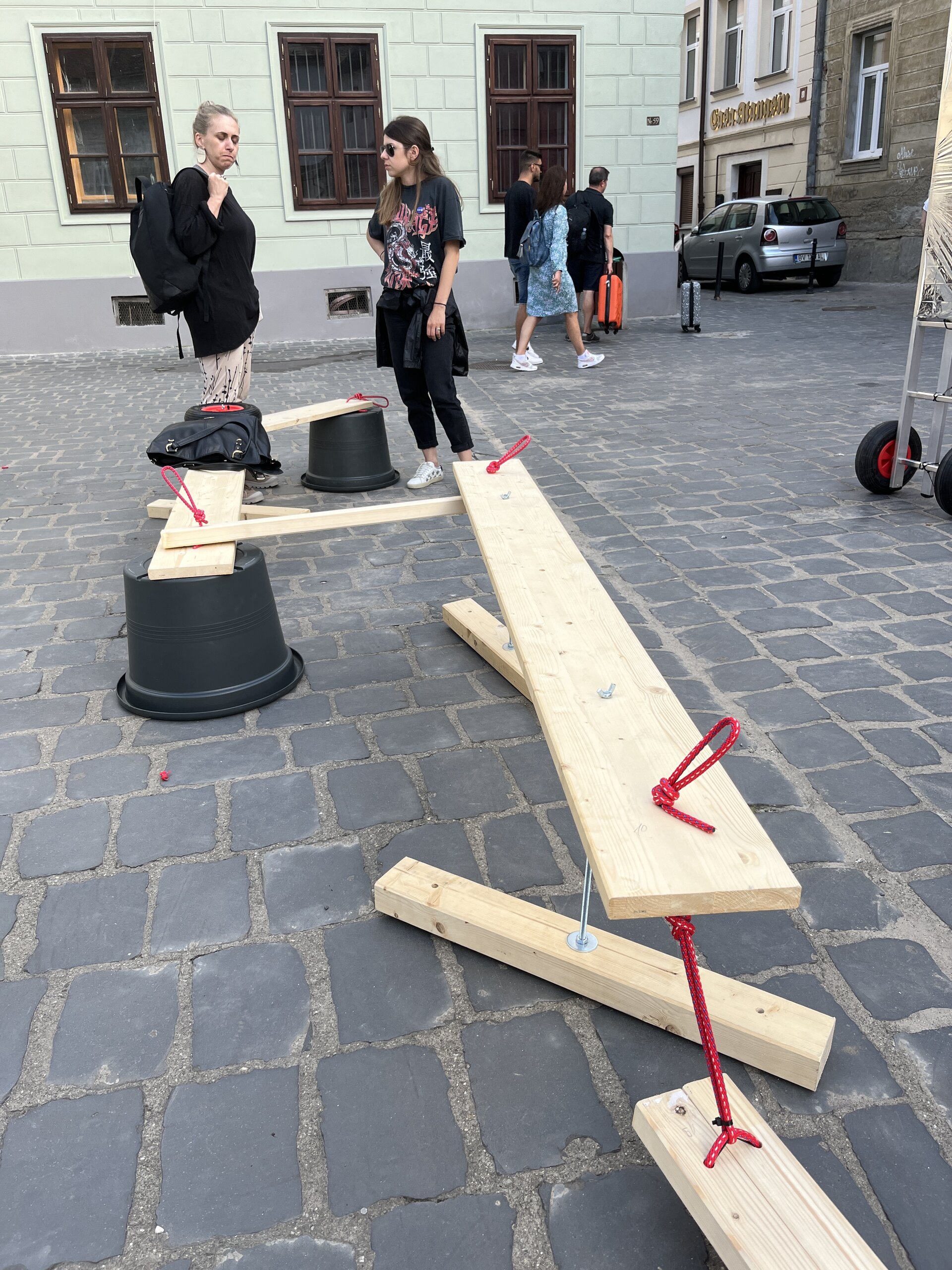
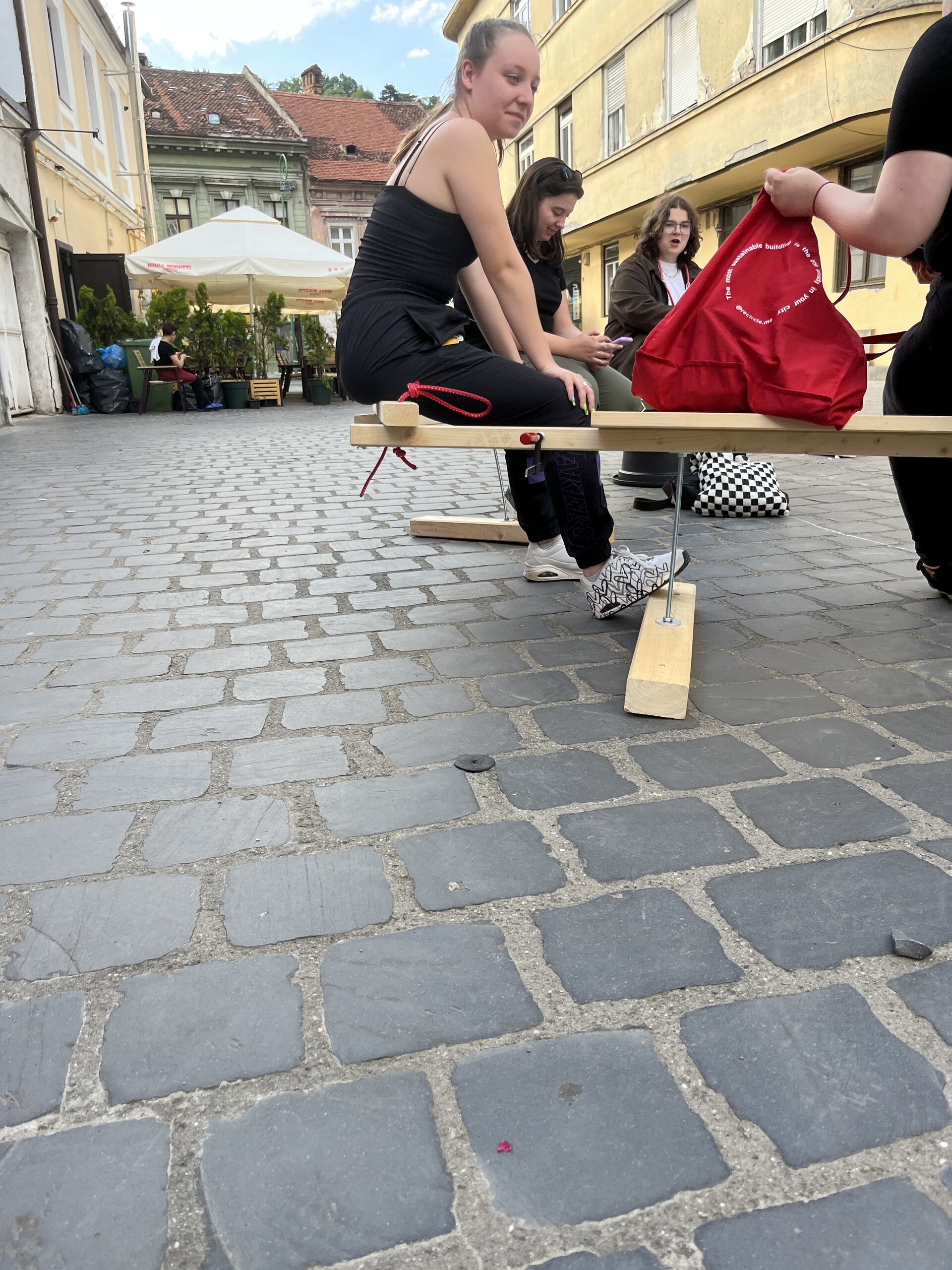
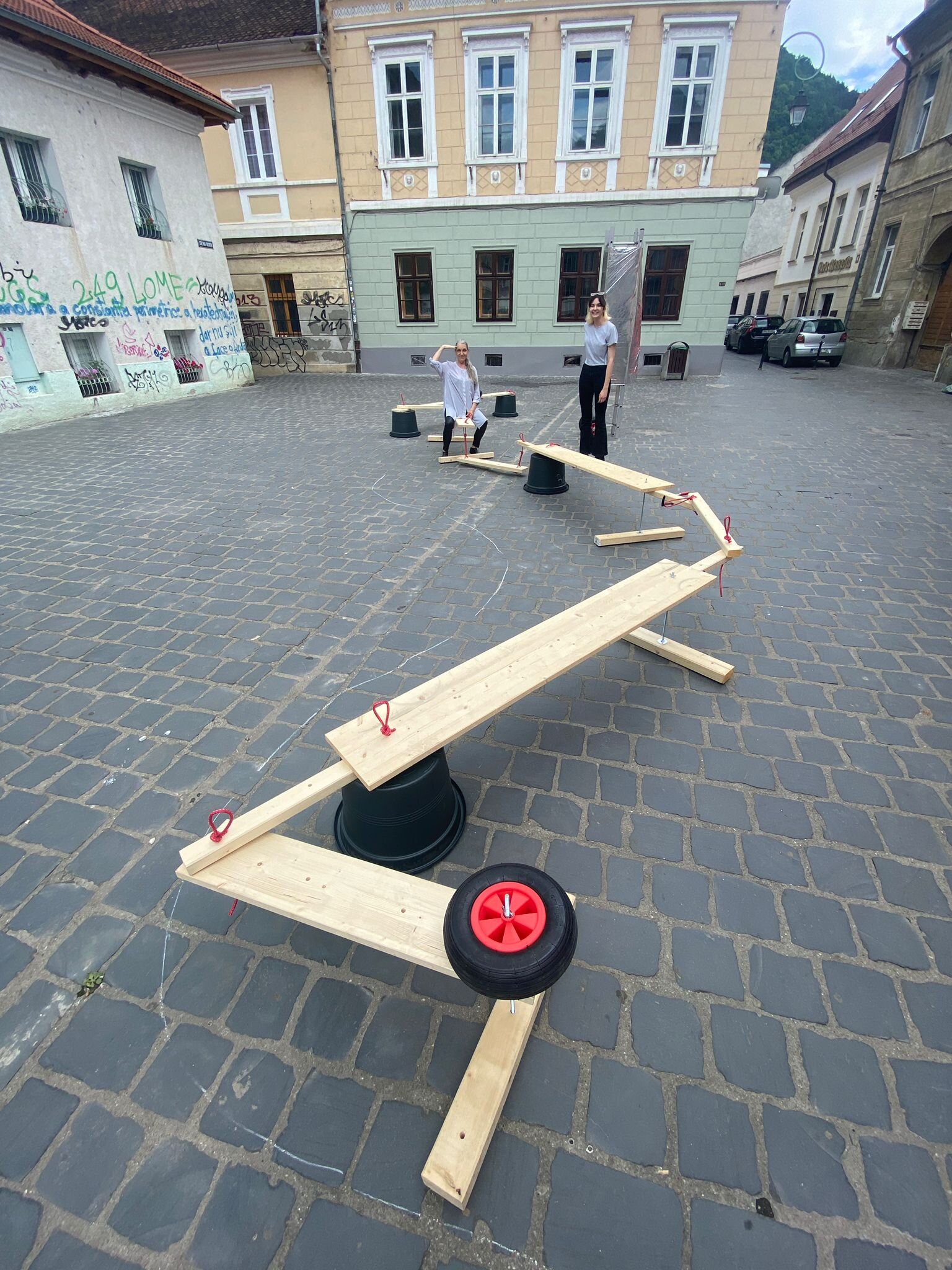
The Historic Center of Brașov is unwelcoming to students, despite them being the main users of the area, outnumbering permanent residents (approximately 5,000). The project "The City as a Classroom" aimed to increase the active participation of young people in the life of the city through urban design exercises. Participants went through an innovative educational project (an urbanism accelerator) with four stages over a year. They freely explored (workshop 1), selected intervention areas (workshop 2), and during a 7-day summer school, proposed and built "in situ" tactical urbanism projects using a specially designed urban design kit. The results were presented to authorities in a public discussion.
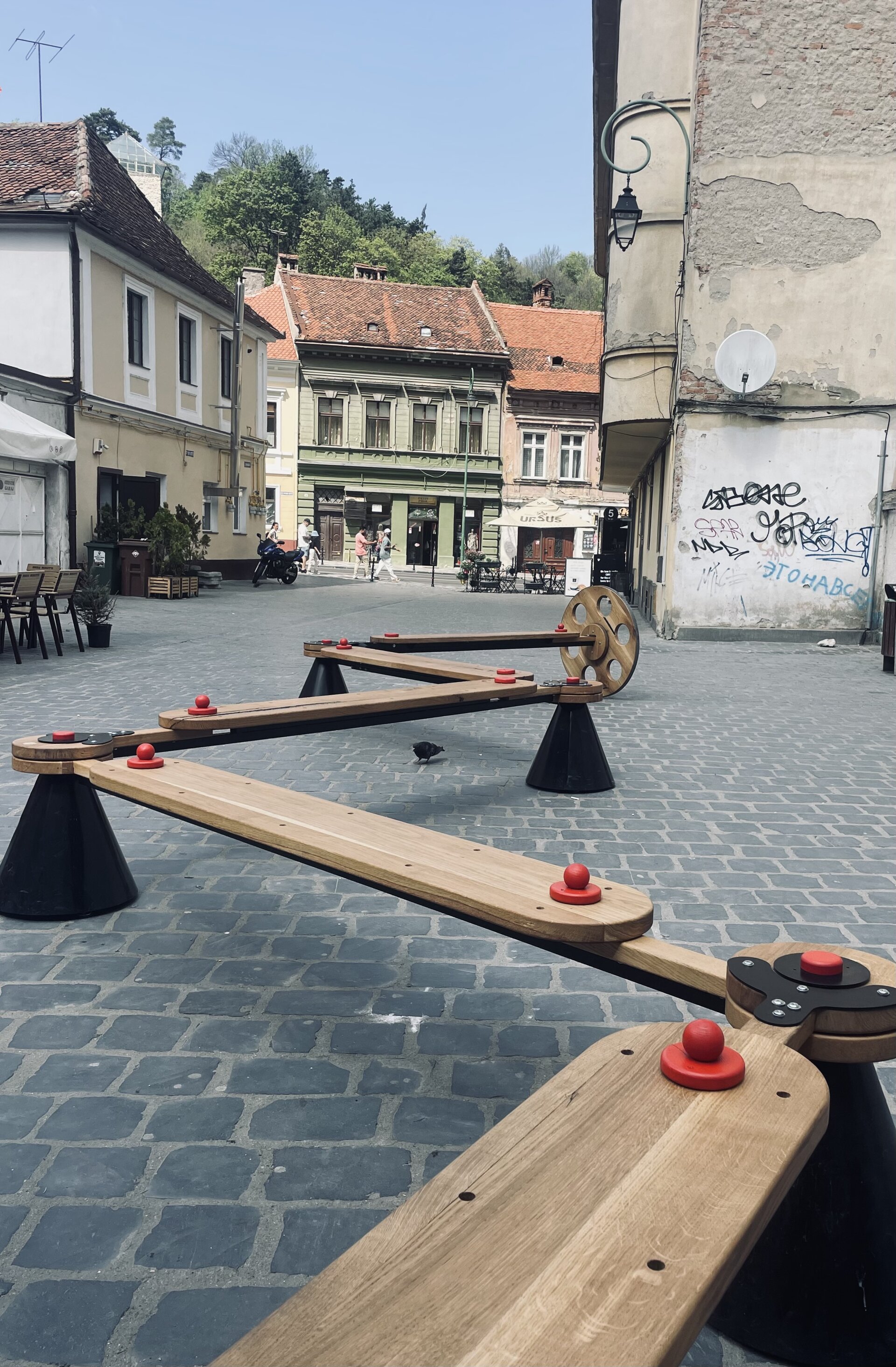
After the summer school, the prototypes created by the participants were evaluated by the mentor team. Together with the participants, the mentors chose 10 prototypes to be built and placed in public space for at least 3 years. The selected projects were improved by our team along with a builder to ensure their appearance, safety, and durability.
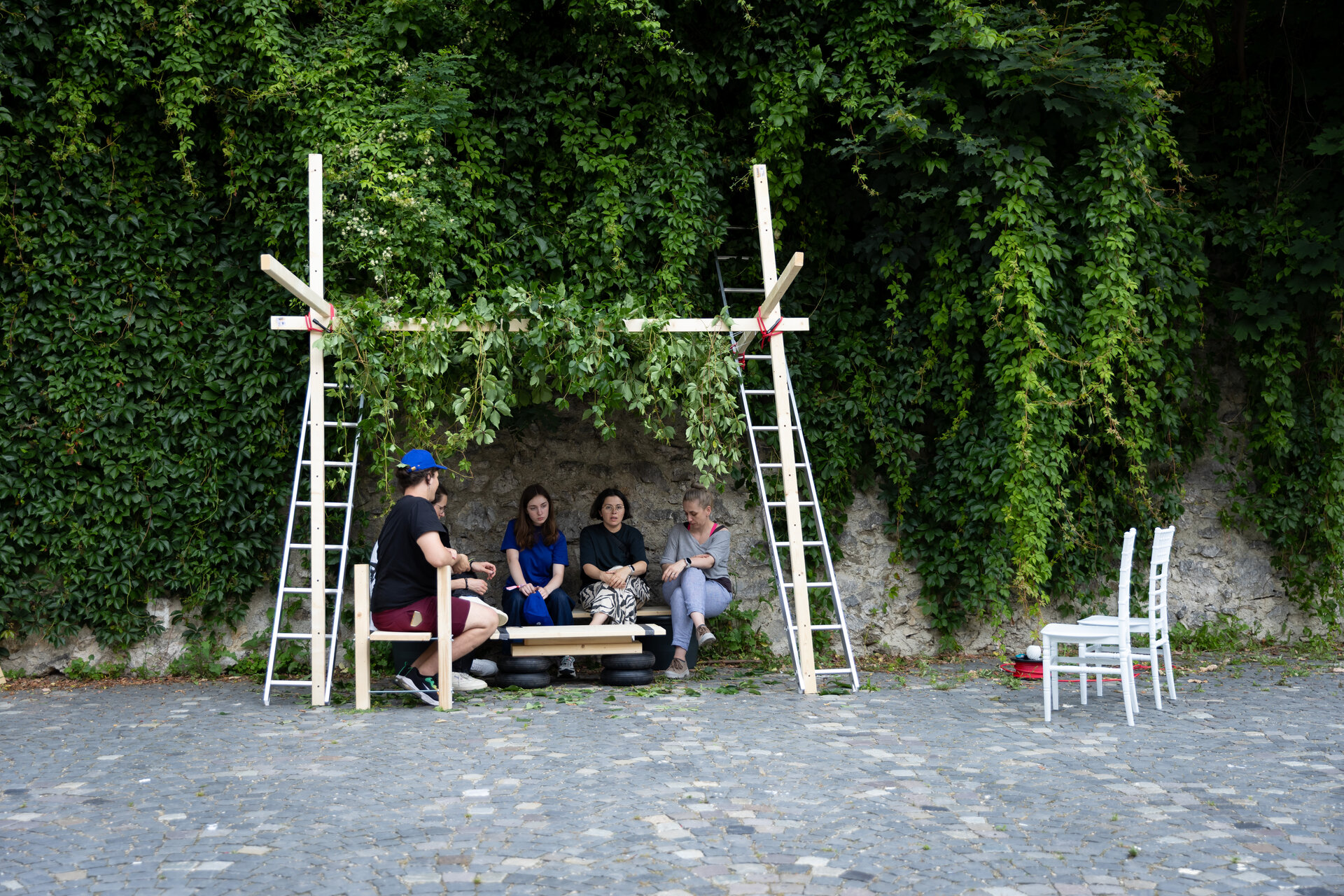
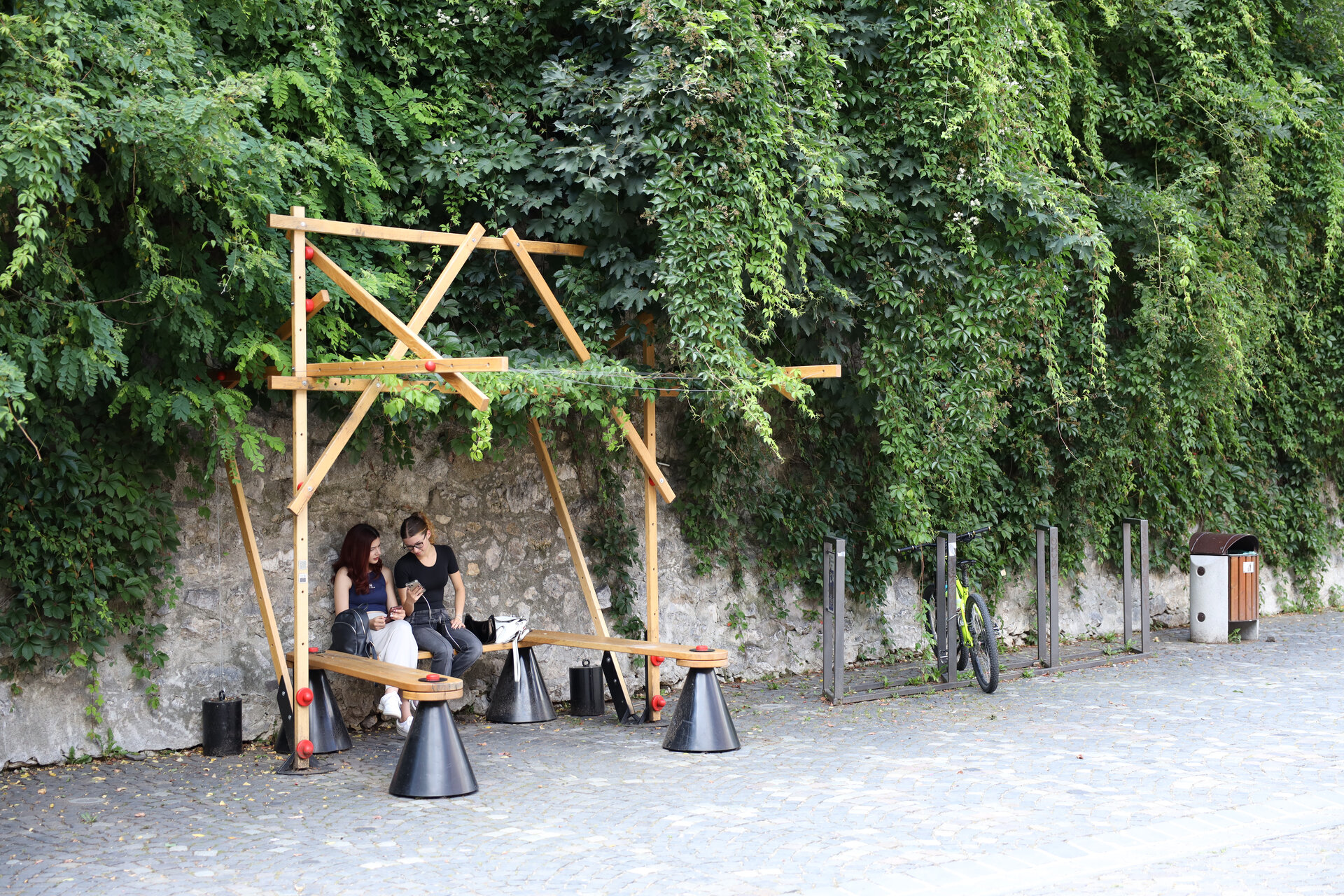
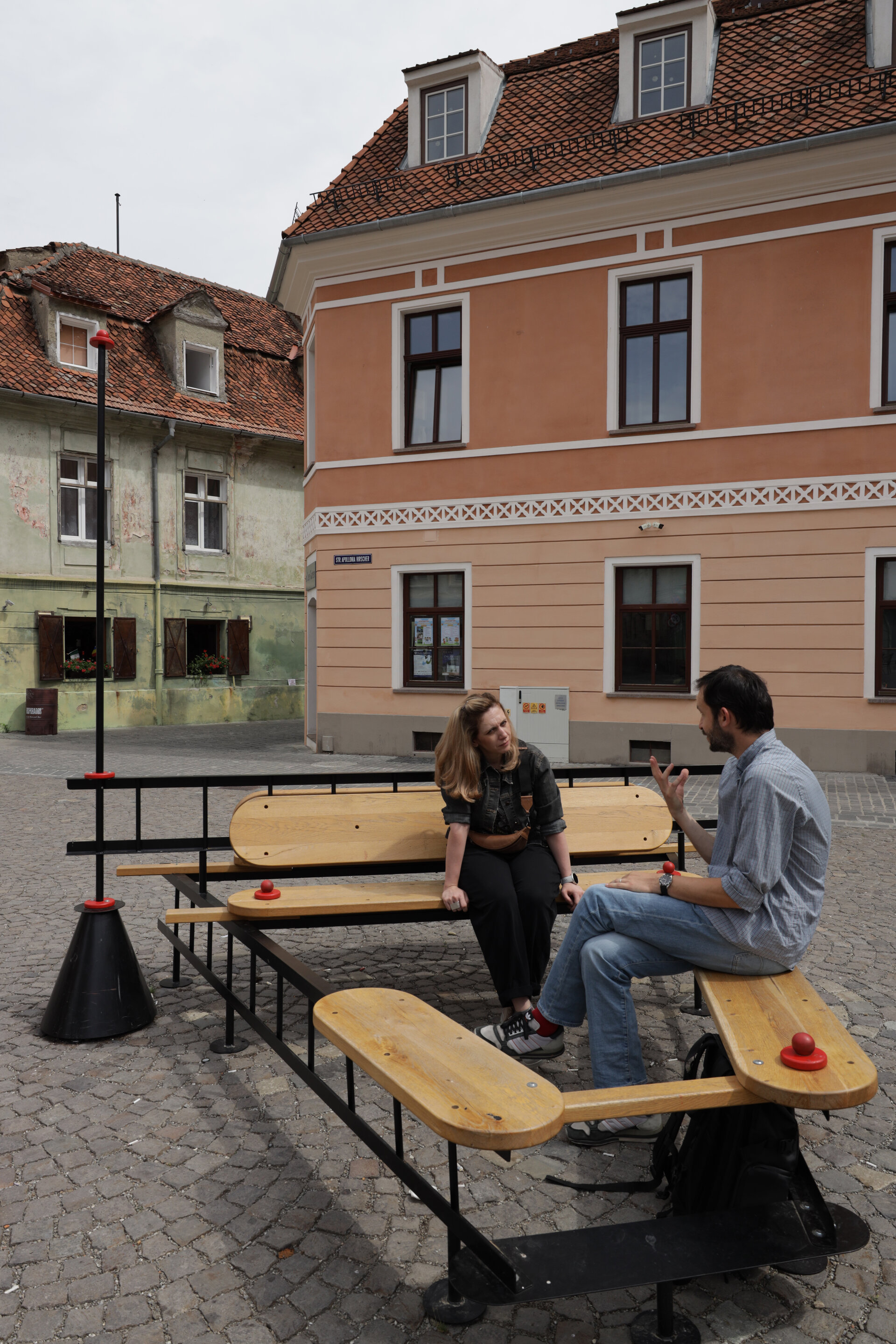
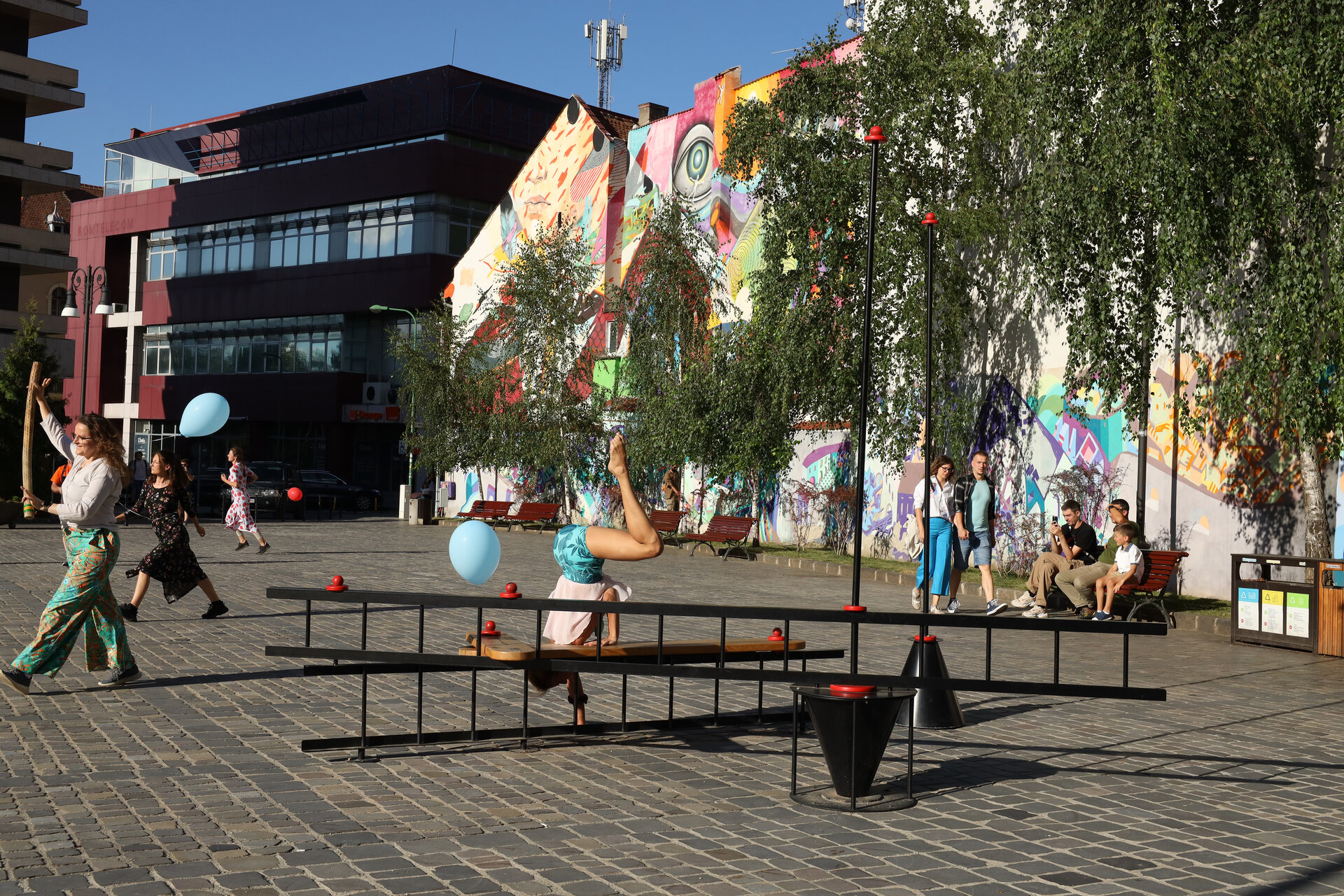
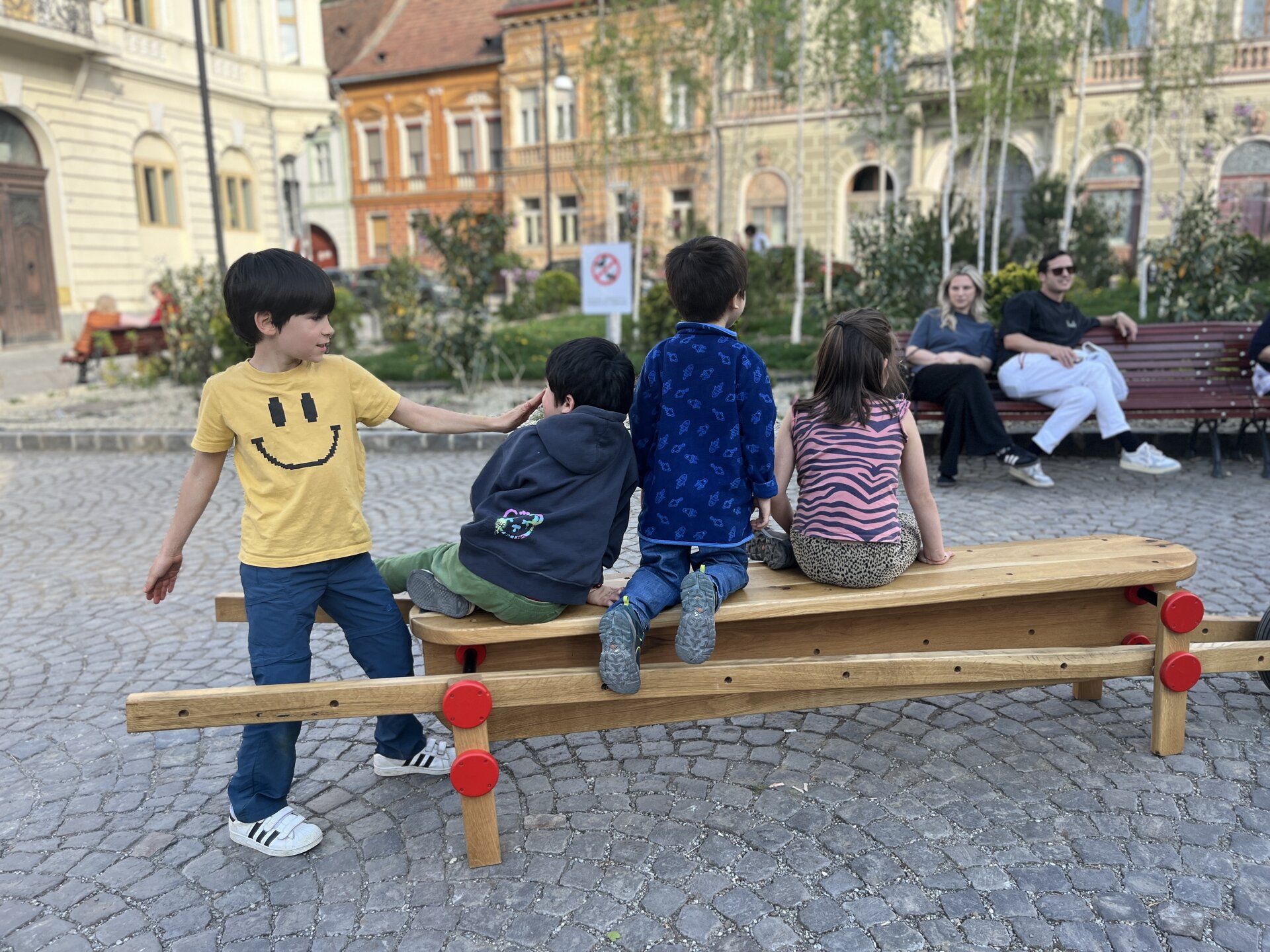
At the end of the program, 16 young people had a better understanding of their rights, advanced design knowledge, and enhanced collaboration skills. The city gained four new PLACES and the first social infrastructure designed and created by adolescents for adolescents, young people, and the general public.
The project was well received by the local community. The "pretext objects," as we call them, are used daily by hundreds of people and are well maintained. We were delighted when a broken bench was repaired by an anonymous benefactor.
Architecture and Experiments

- Acaret 44°N 26°E – Community Cookhouse
- WECARE: Bucharest
- Urban Toy - a cabinet for play in Copou Park, Iași
- ArhiPera International Summer School, 12th edition: “Sustainability through community building”
- Educational program “City as classroom”
- EXF_RD25
- - Π -
- Bibliohub
- Point of view
- Stitch Your Heritage at Roșia Montană
- Plumbuita Social Center
- Street Circus
- Mosaic Square - Recovery of apartment building courtyards
- It’s Oh So Quiet
- Hill. Reenactment


