Bibliohub
Authors’ Comment
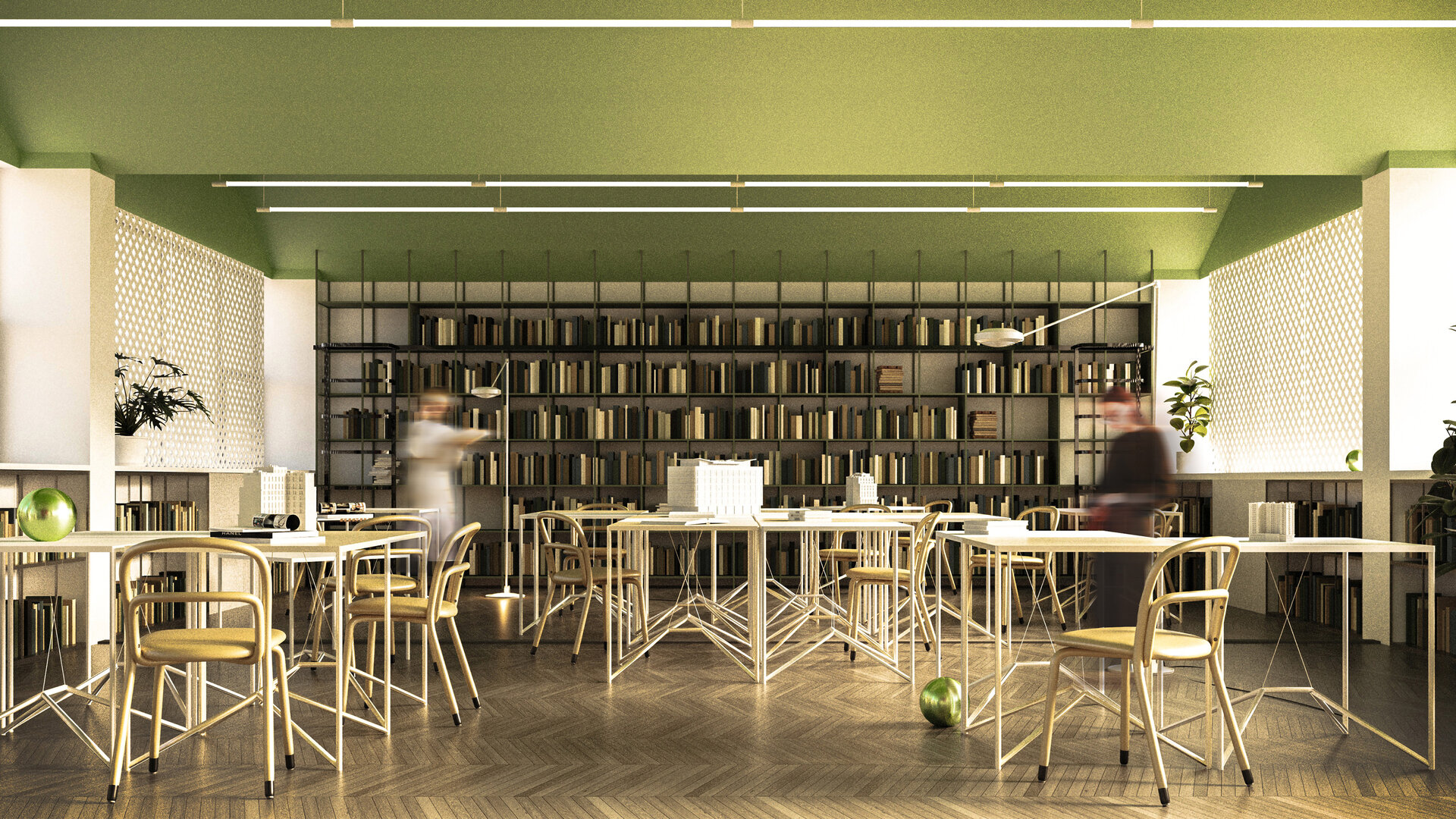
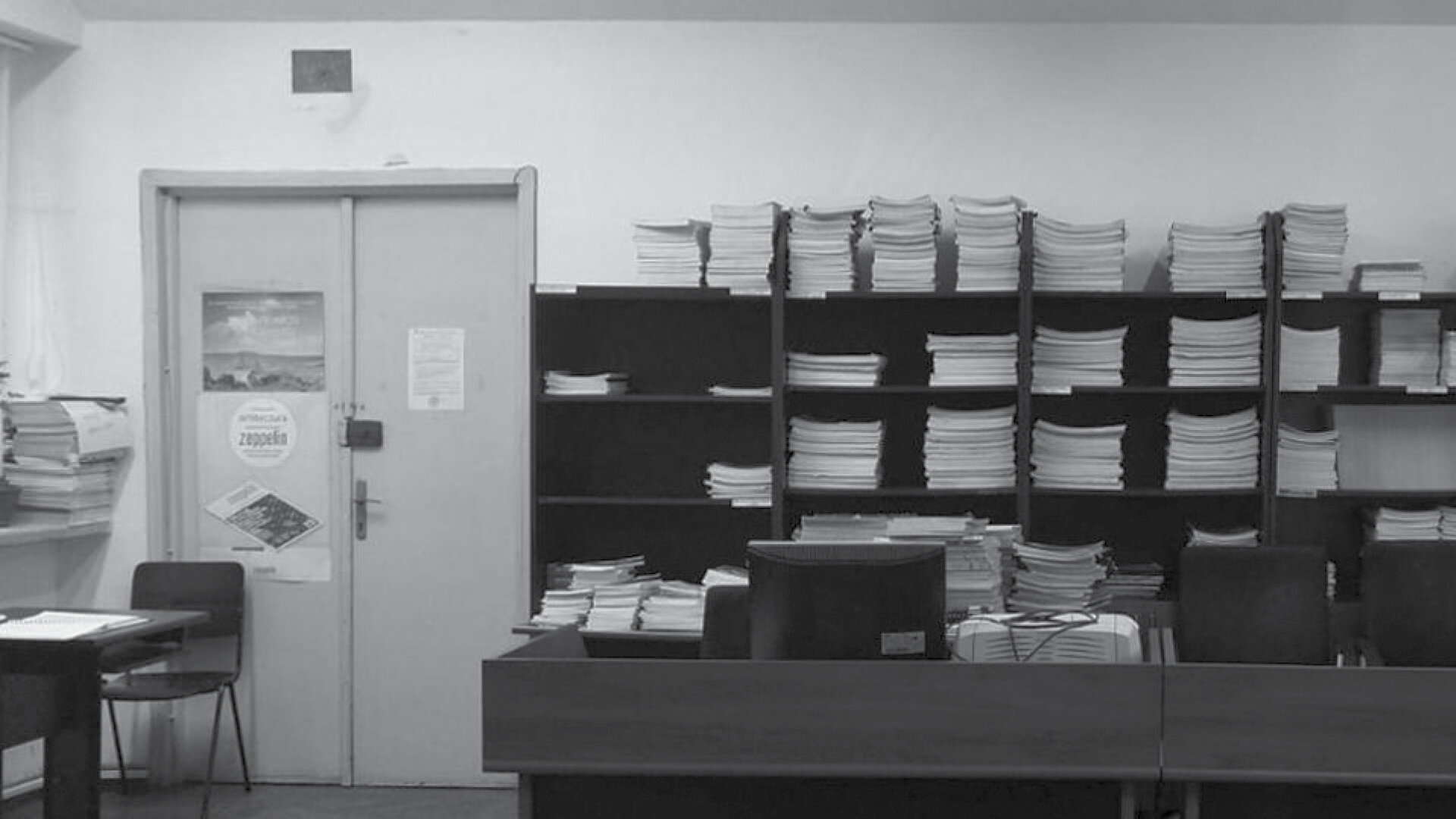
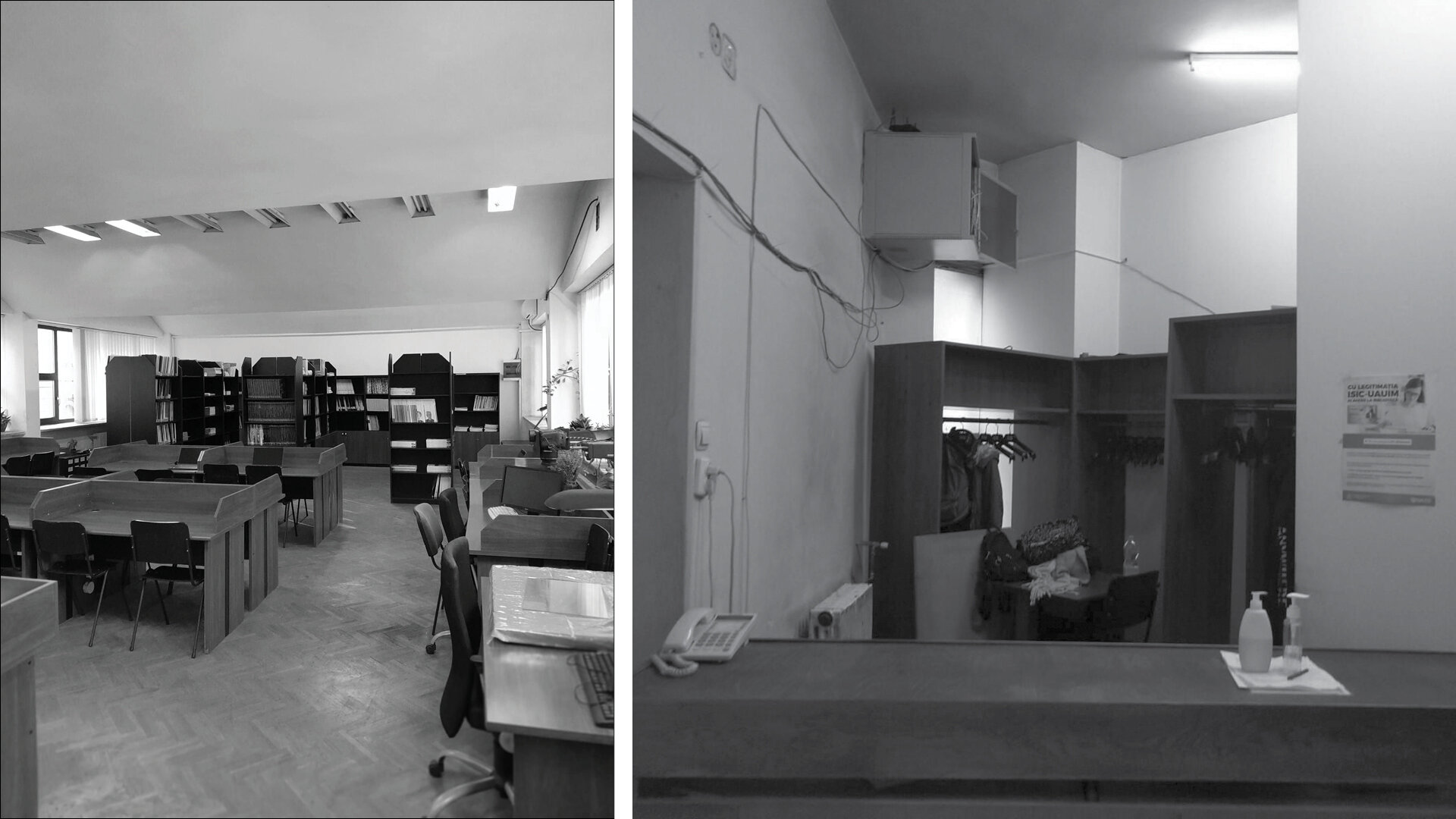
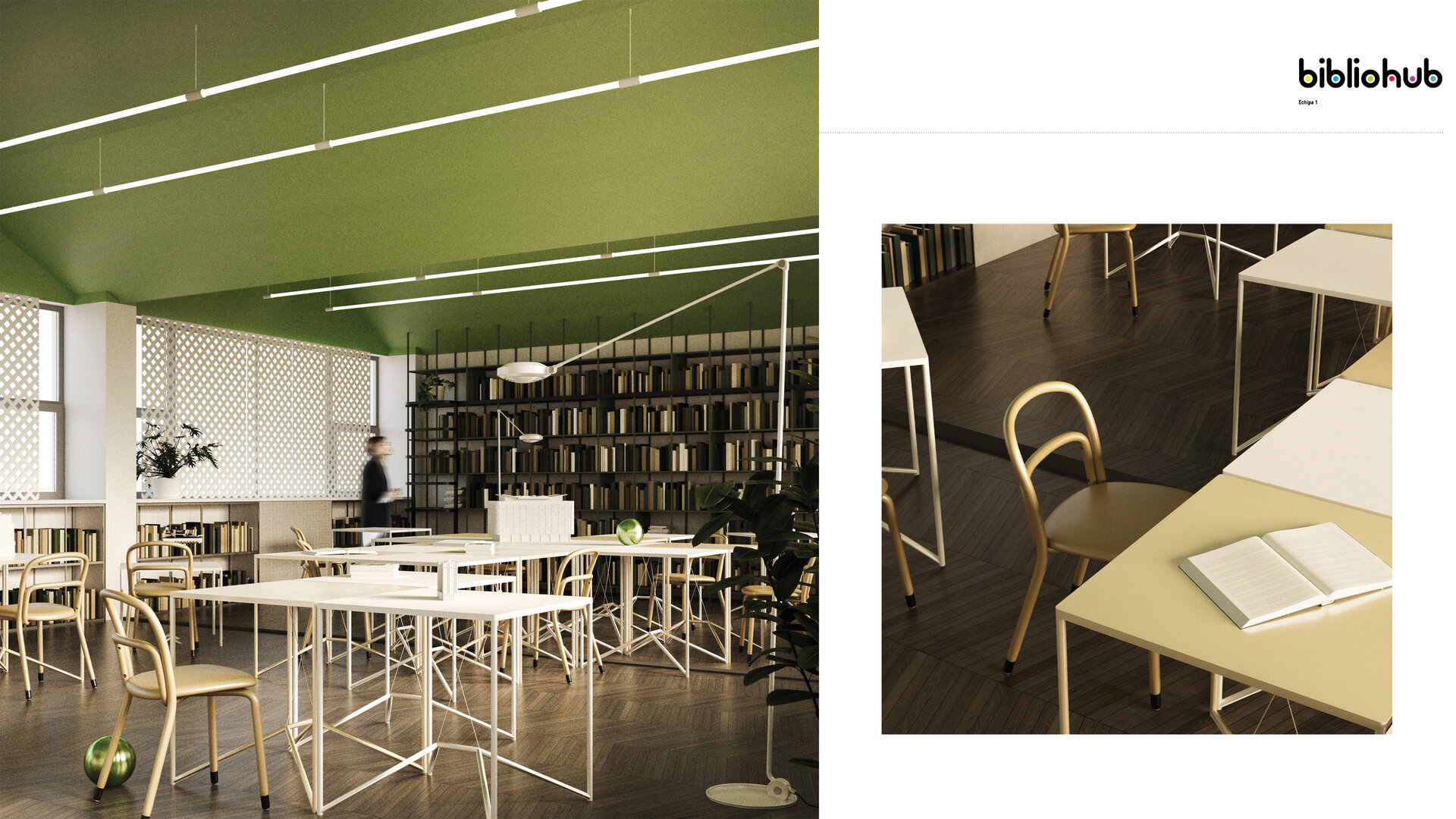
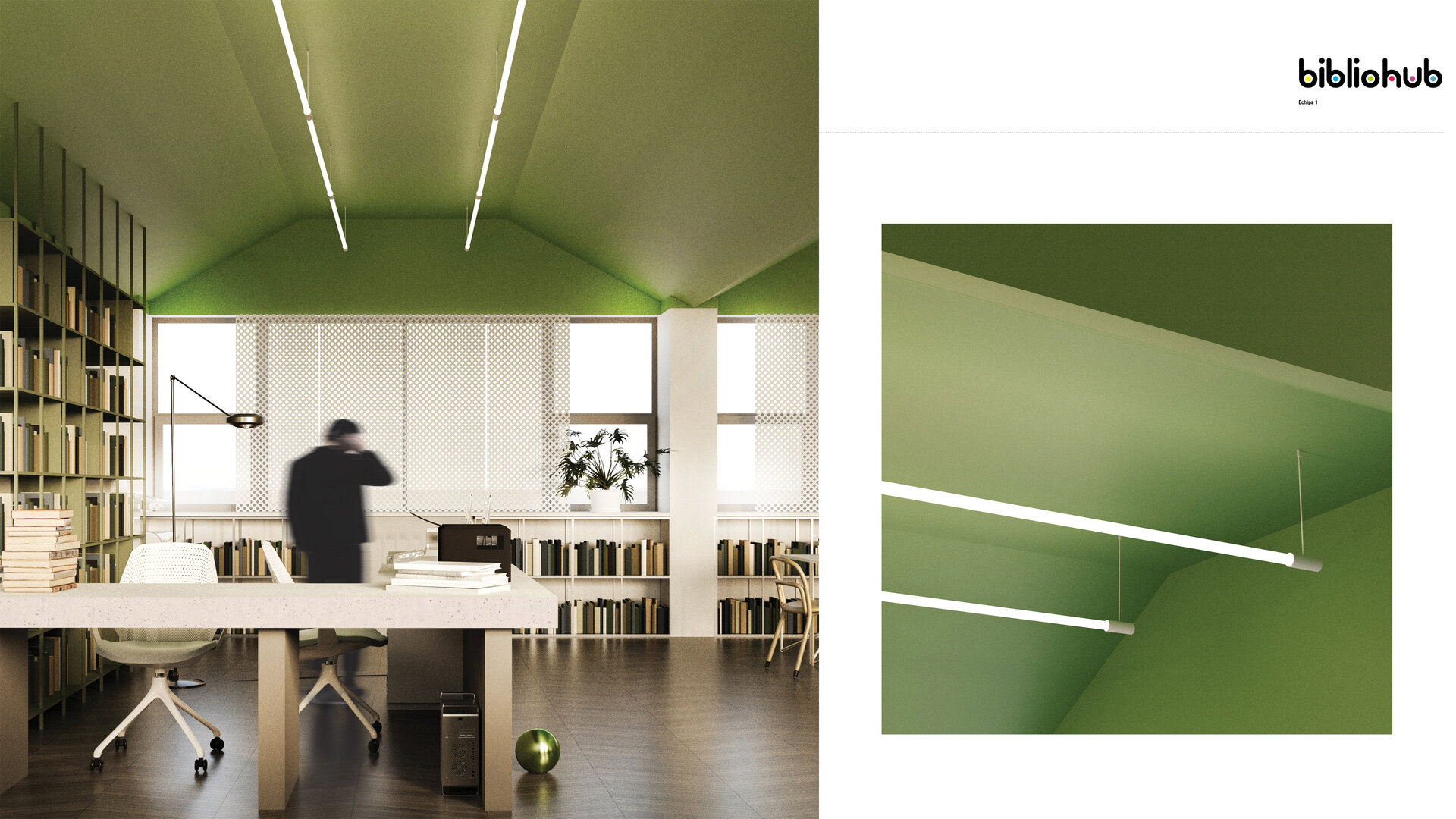
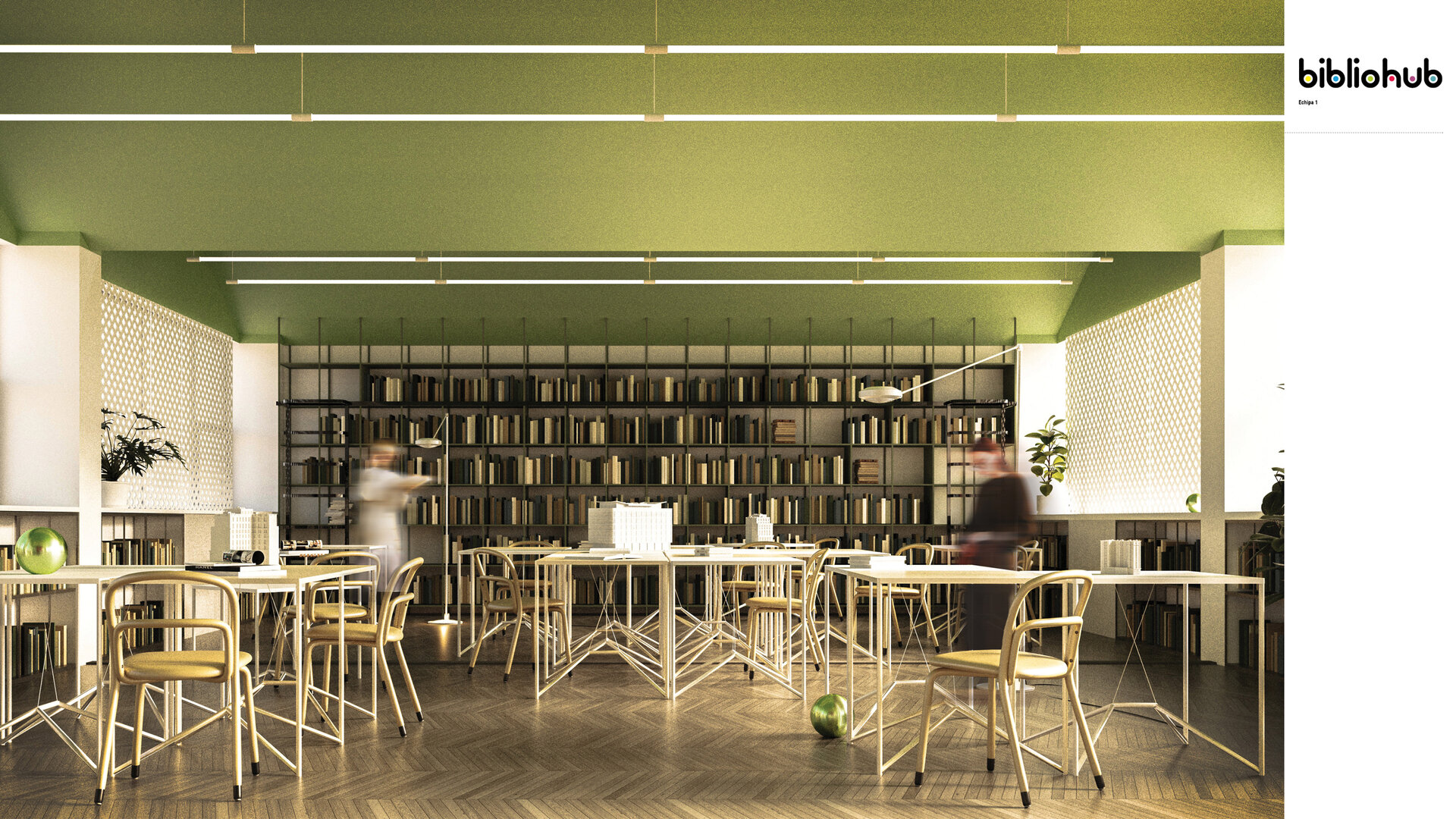
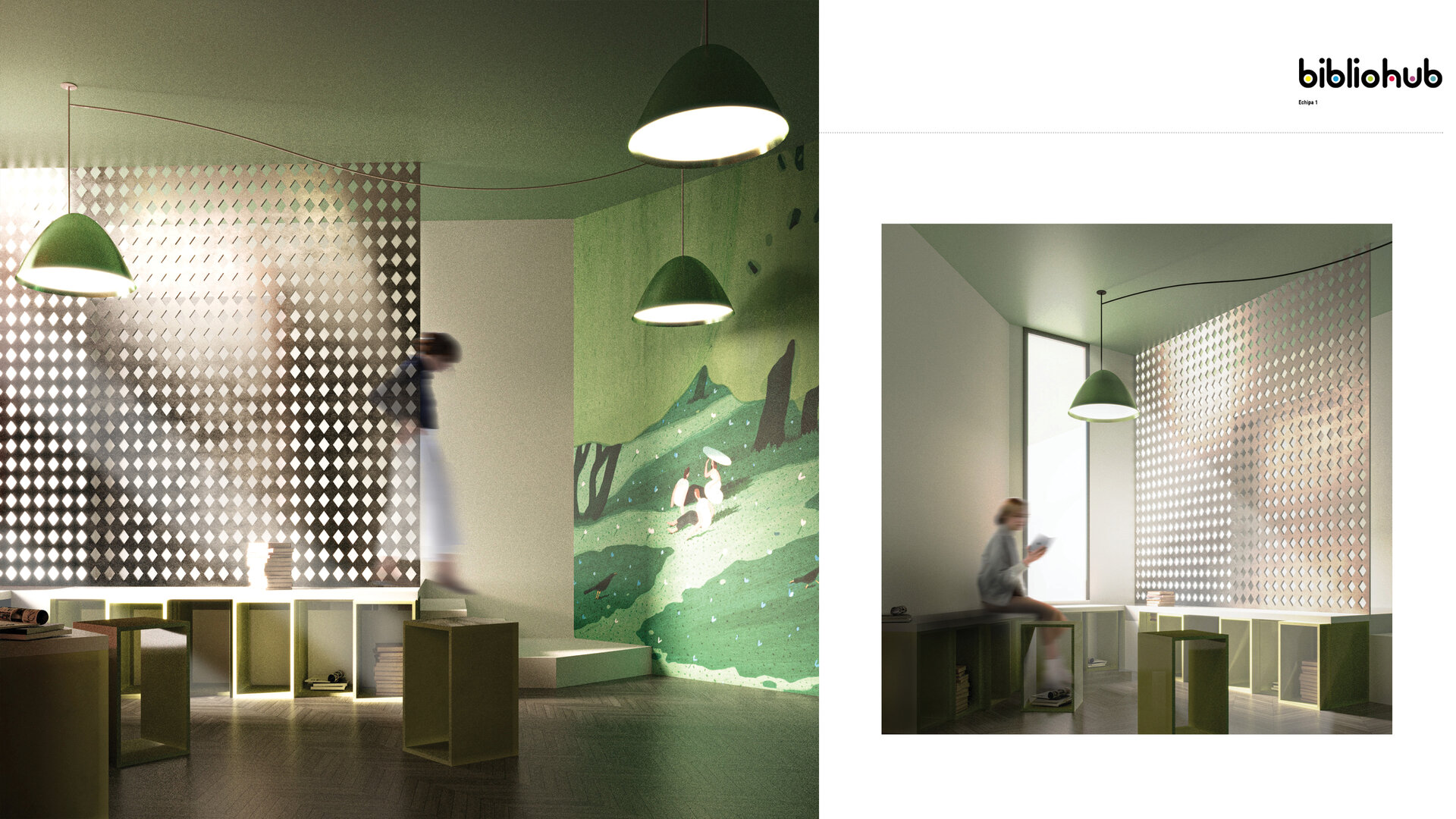
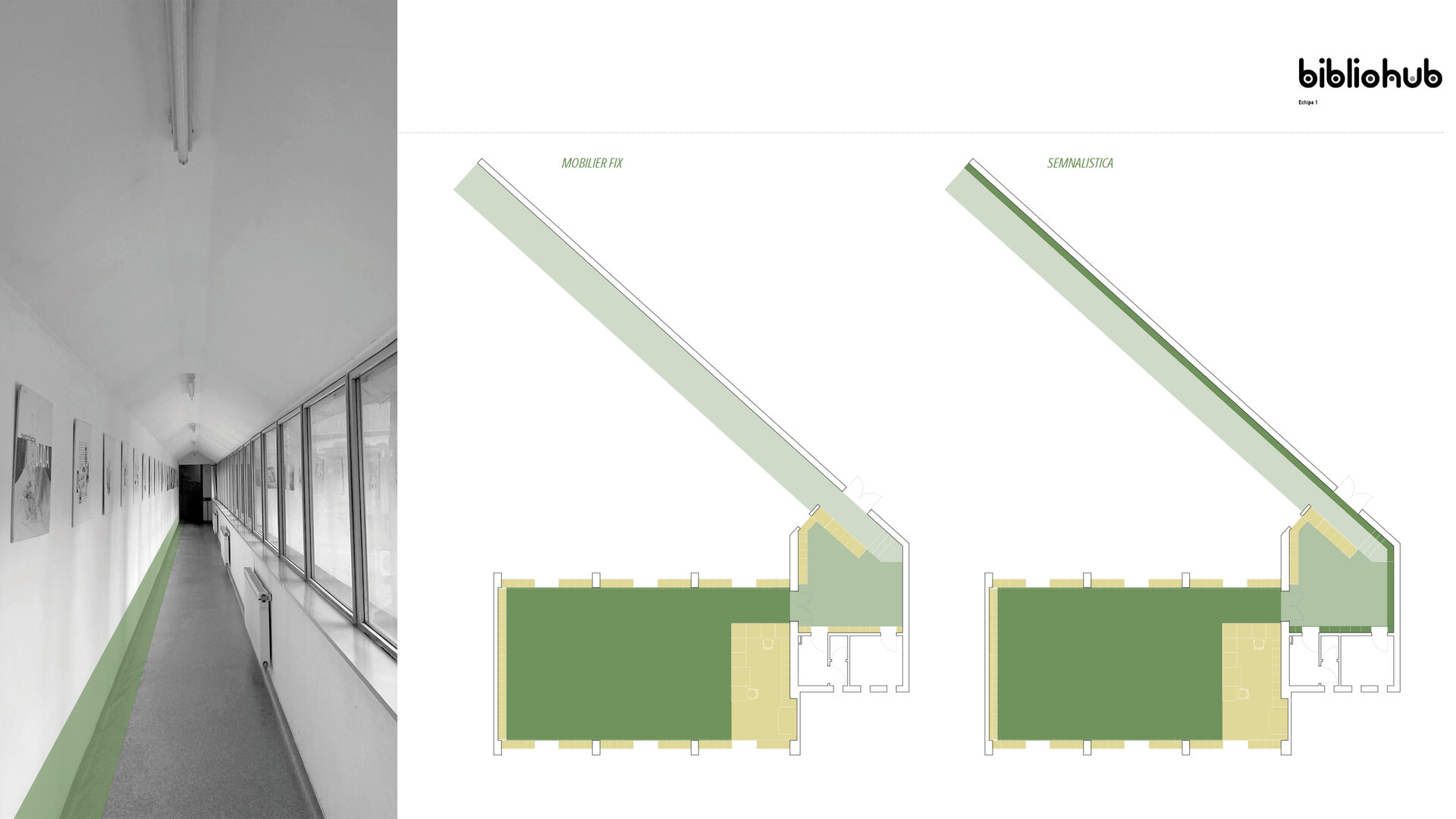
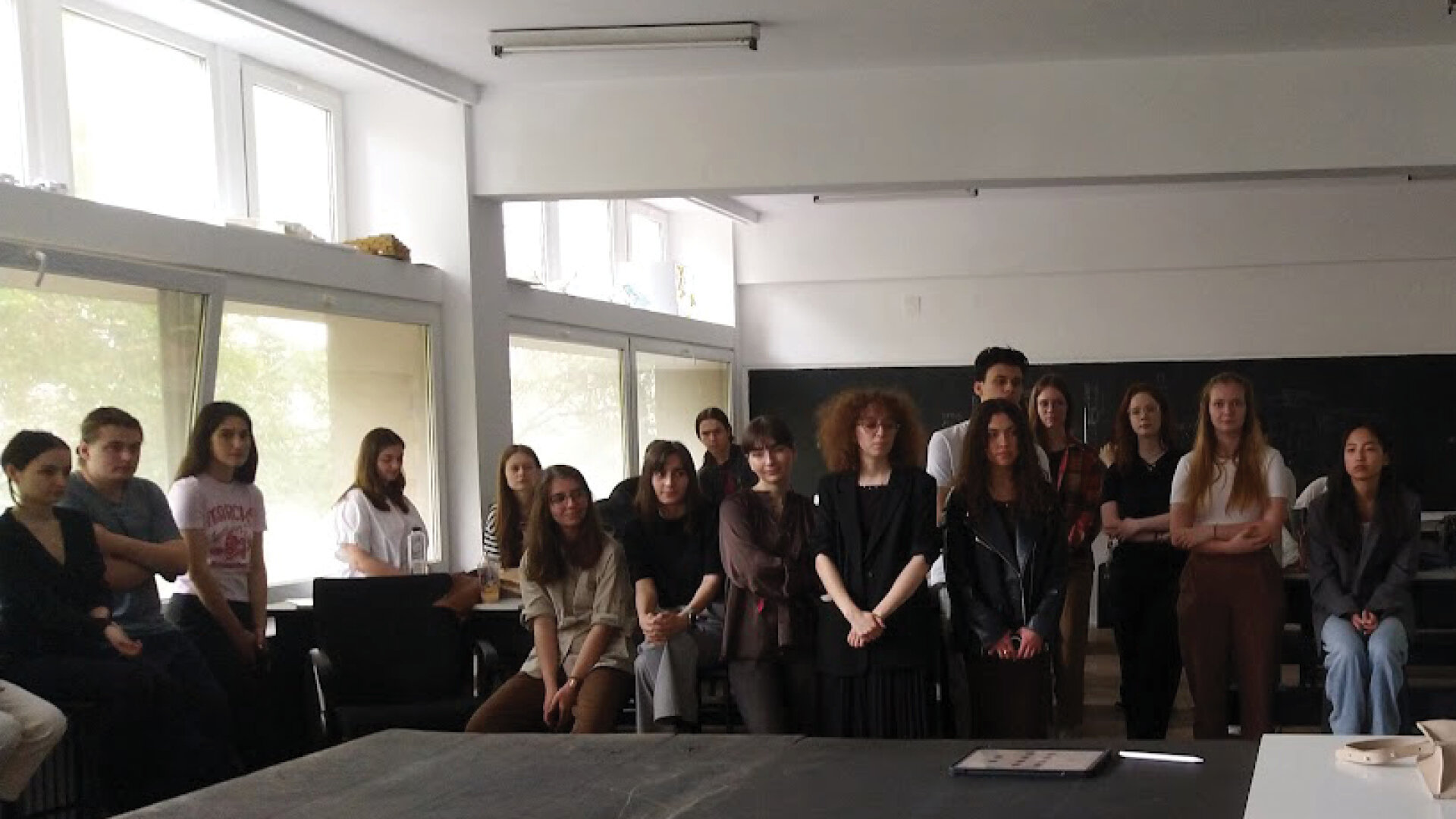
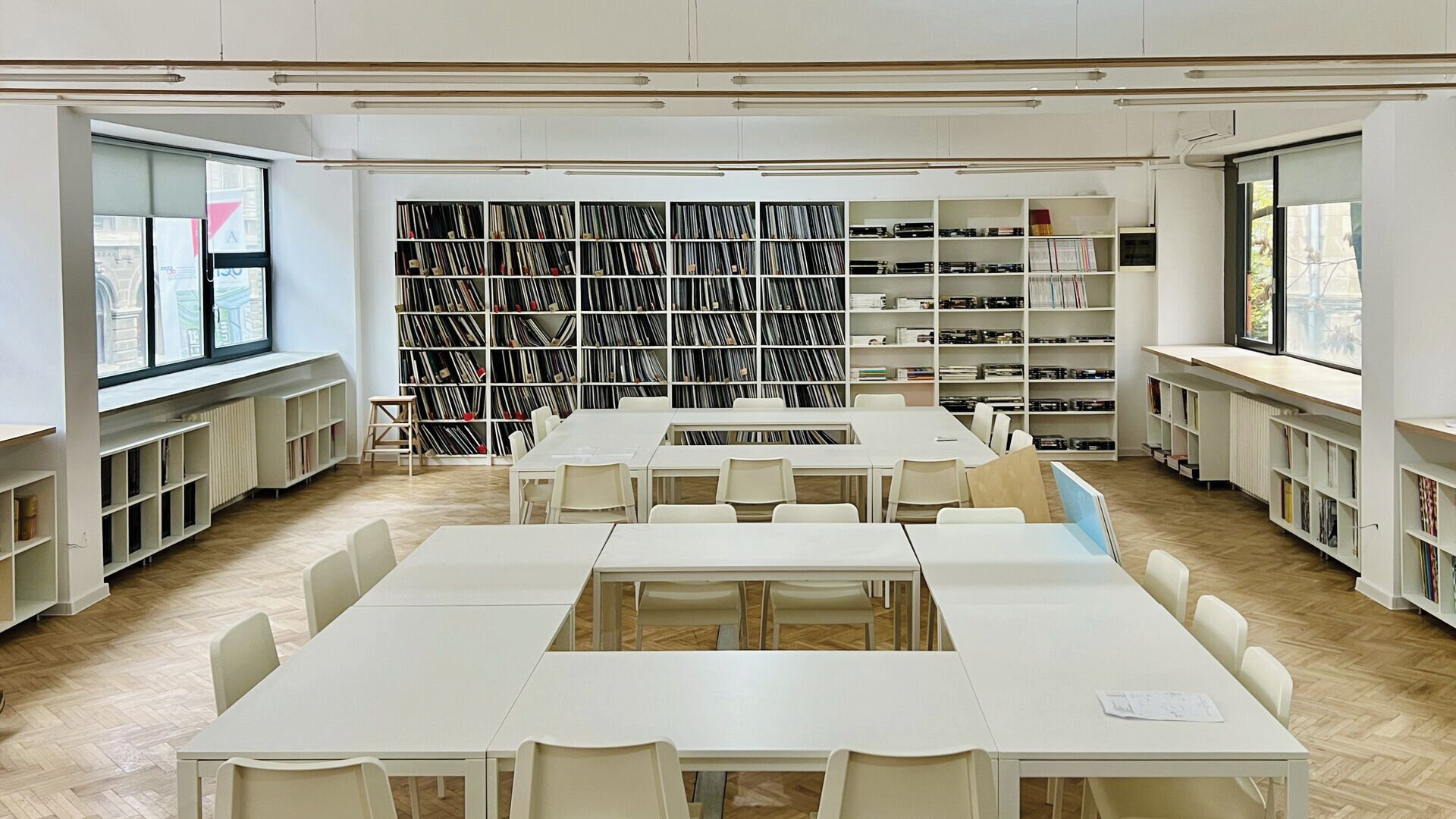
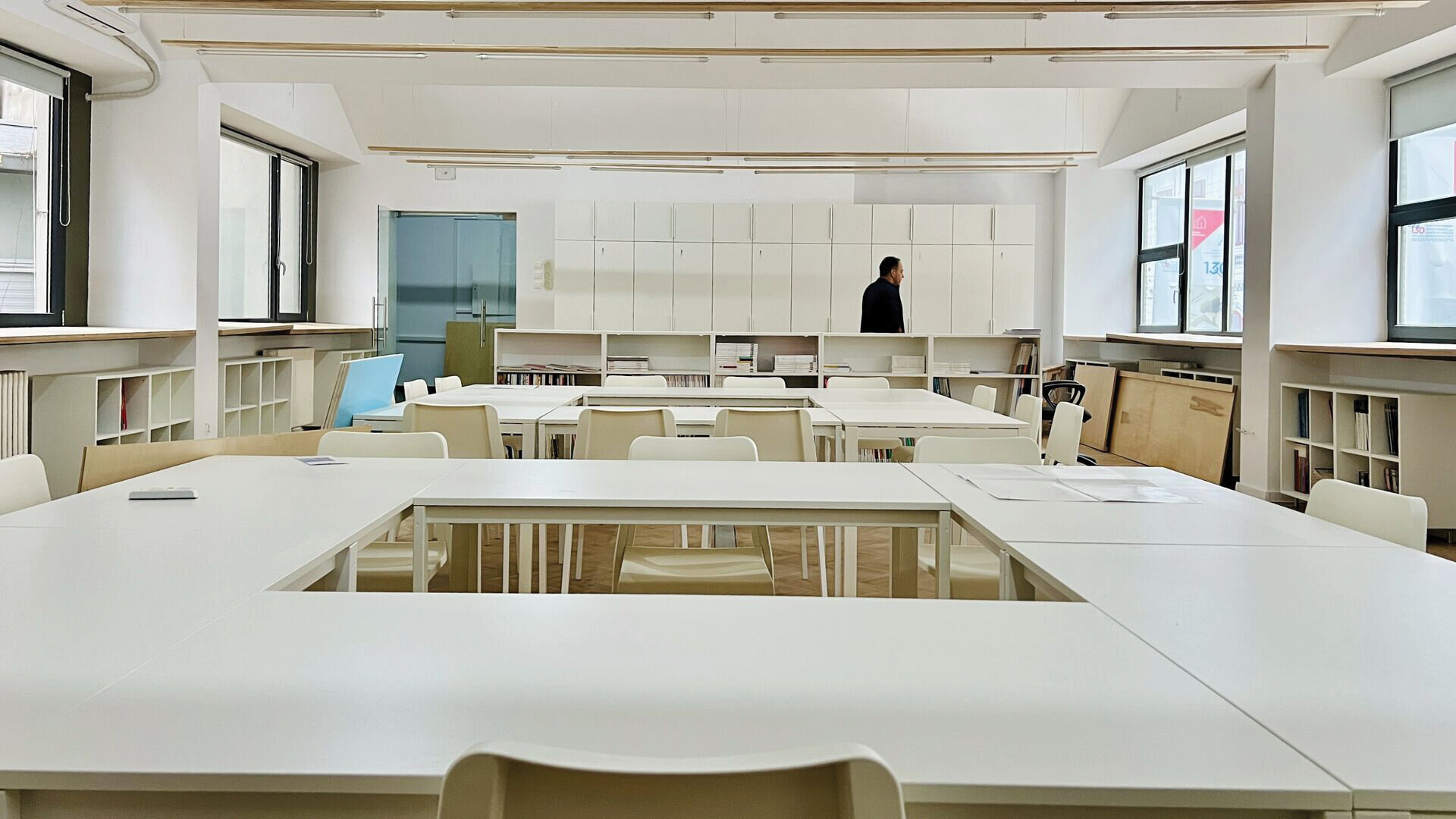
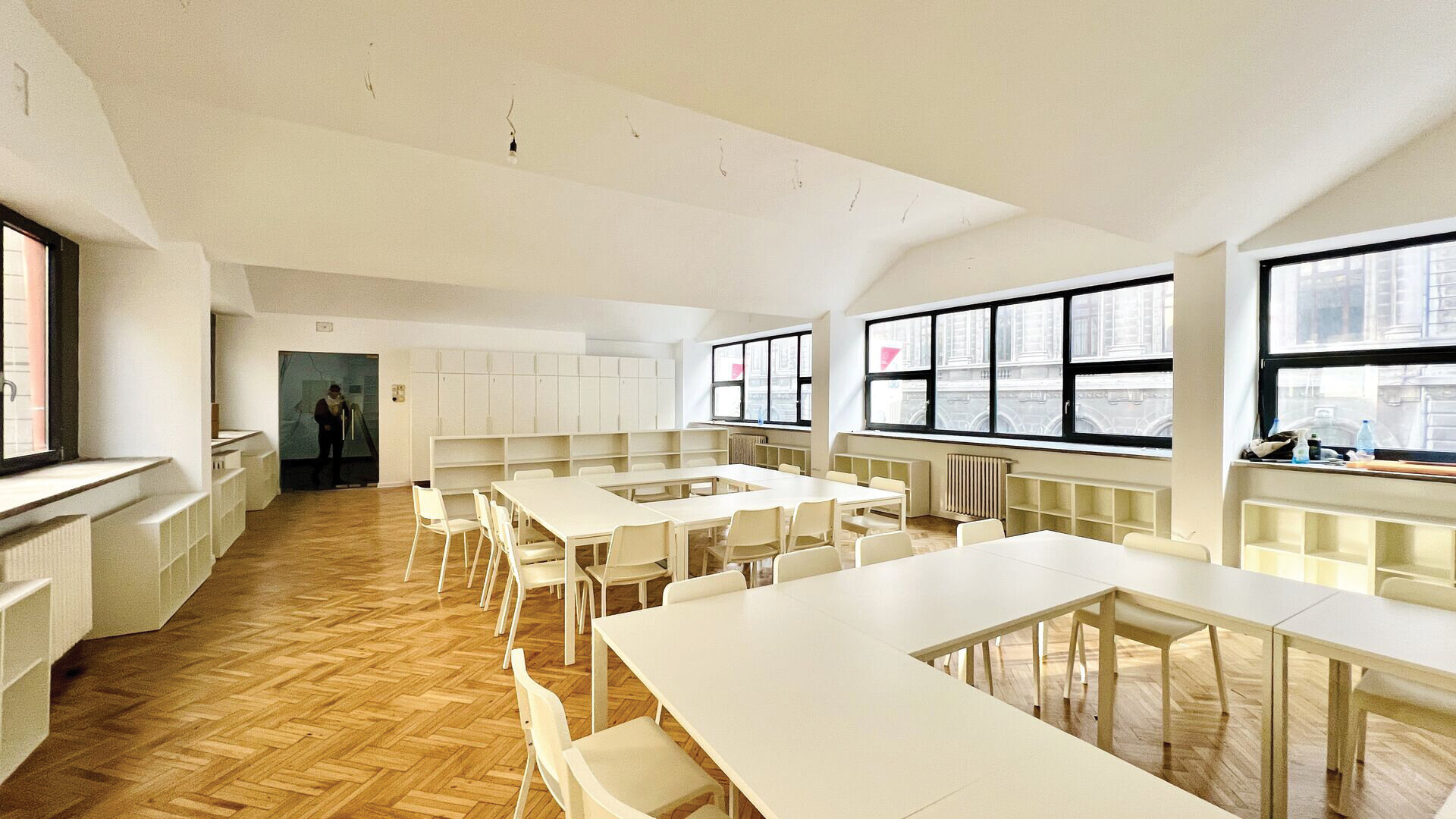
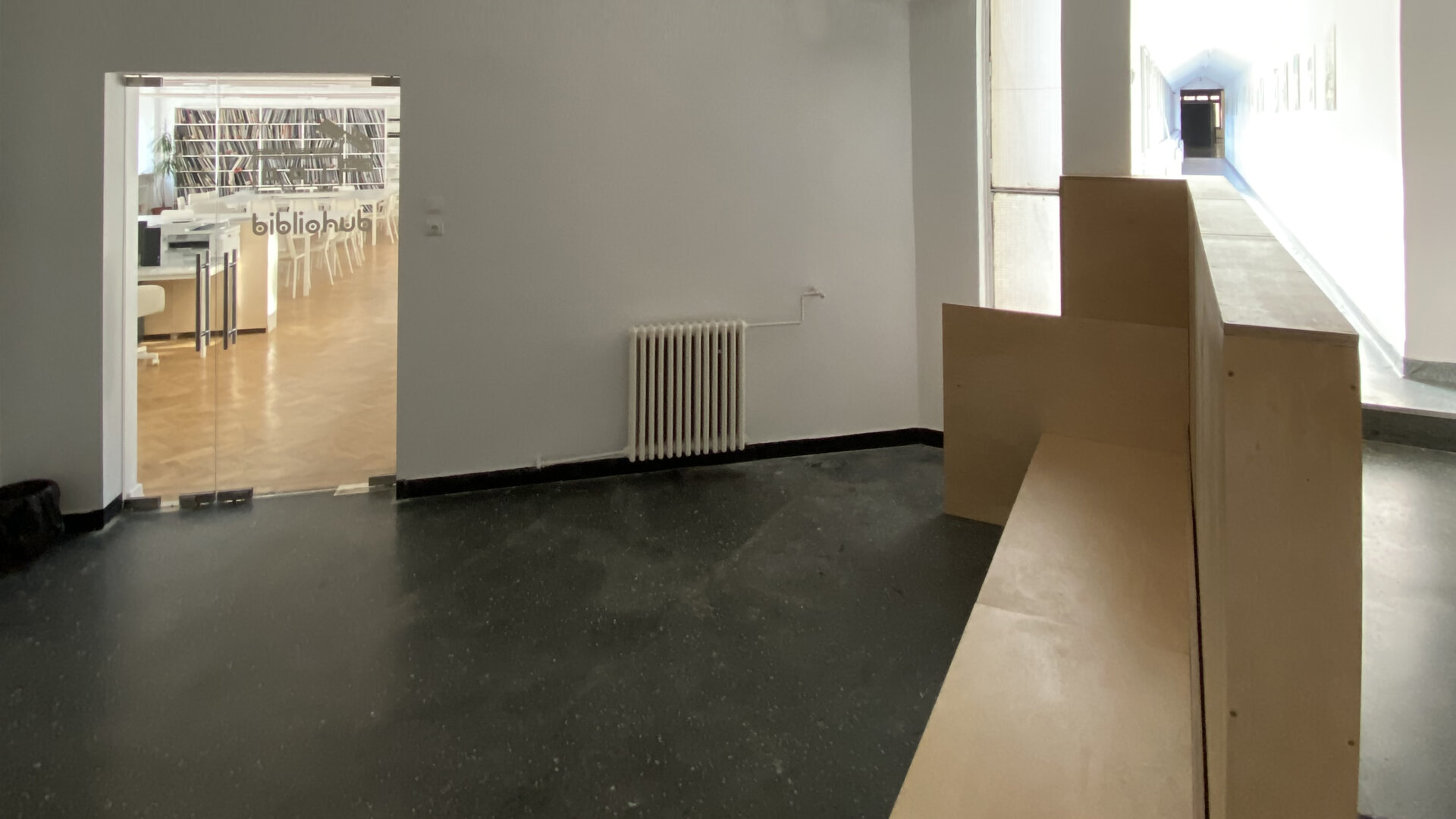
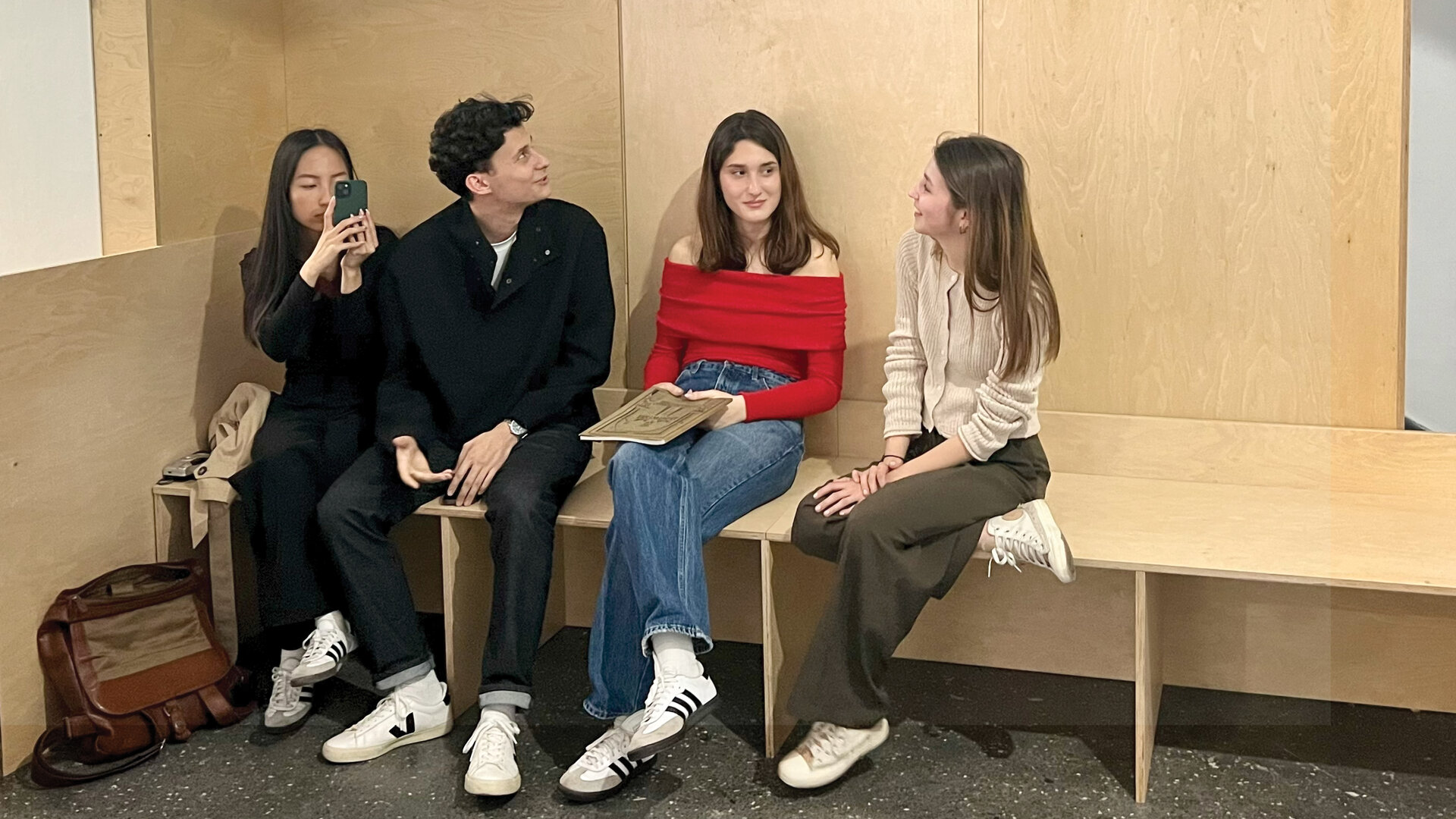
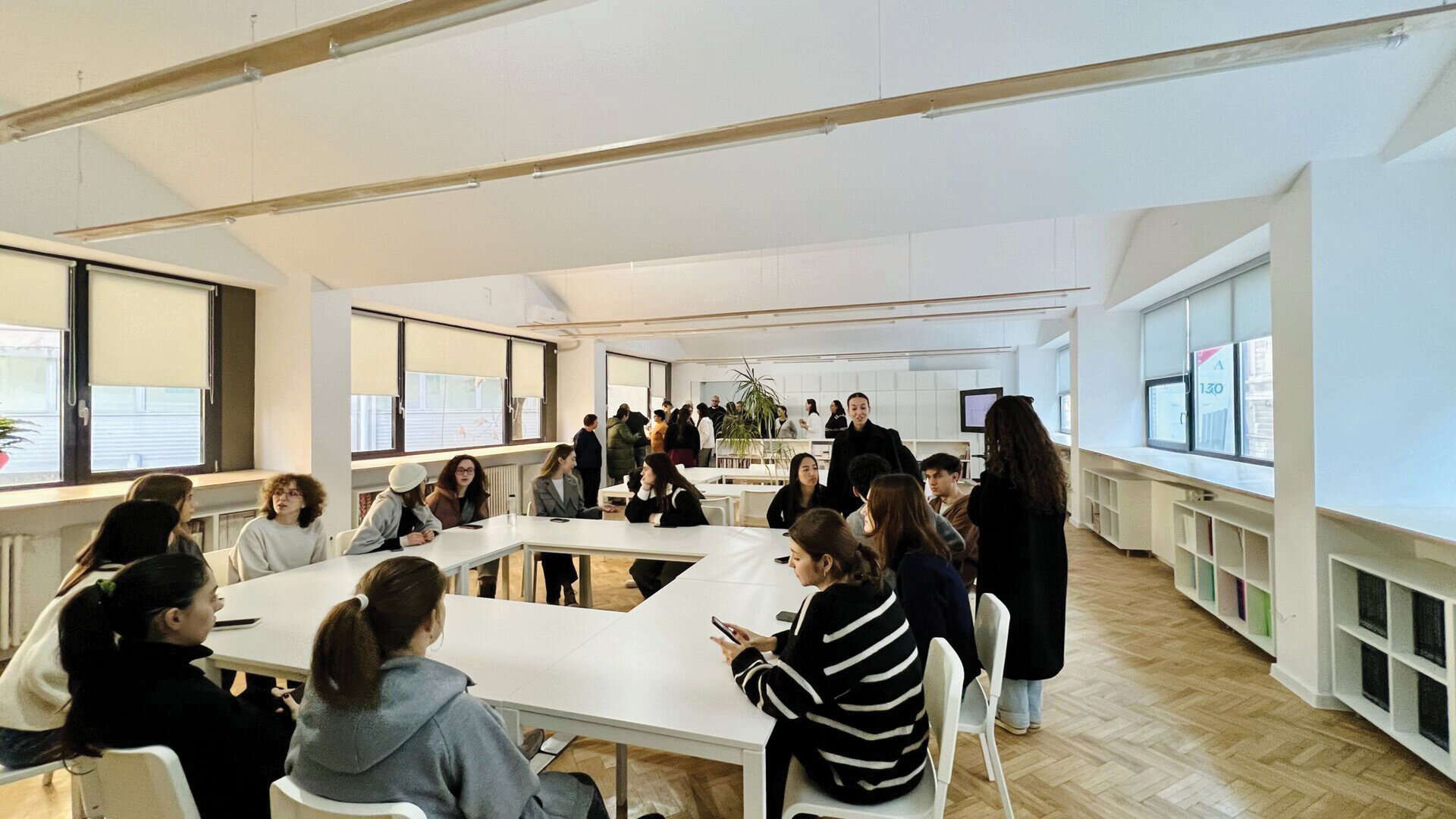
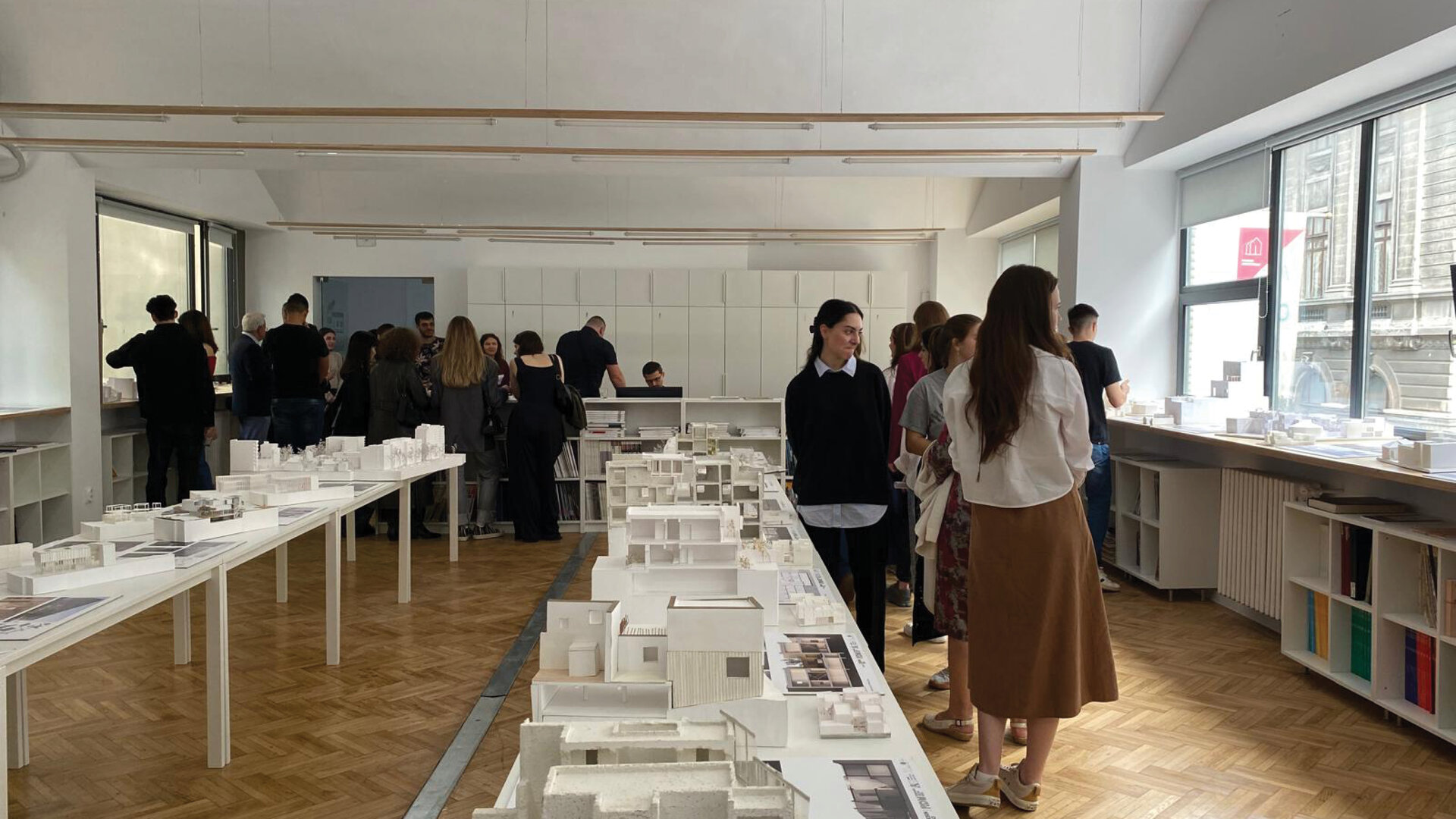
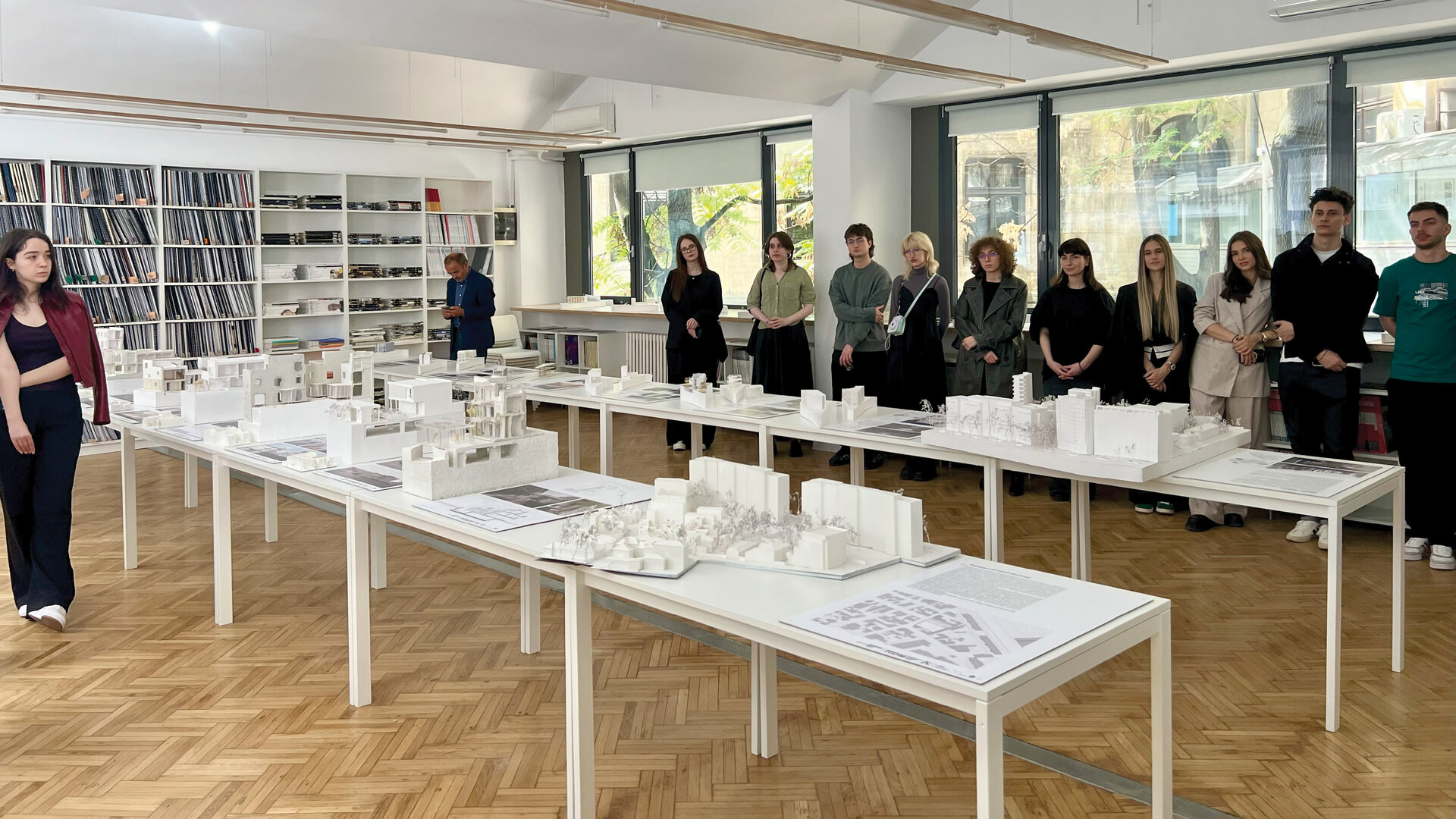
BIBLIOHUB was a project carried out at the “Ion Mincu” University of Architecture and Urbanism at the end of 2023, funded by CNFIS-FDI, aimed at transforming the old journals library space into an organism capable of adapting to the fluctuating needs of its daily users. It included multiple components: a design workshop, the reorganisation of the documentary collection, the design and physical rehabilitation of the space – today successfully integrated into university life.
The project was an act of urban recovery on a micro scale, a form of academic activism that brought back to life a semi-abandoned space. The former journals library, which had become an inert, almost invisible place, was reactivated. But the true stake was the experiment. Not a sterile experiment, but one that risks, tests, fails, adjusts. In this sense, the workshop became the heart of the project.
Five teams of students were thrown directly into the core of the issue: how do you create a space that is neither a museum of books nor merely a place to sit? Their answers – diverse, fragmented, at times poetic – were integrated into a continuous process of testing and adaptation.
Conducted with 35 students from 1-2-3 years over three weeks, the workshop became a laboratory where theoretical hypotheses collided with a limited budget and the practical reality, and the design wrote and rewrote itself as the space took shape. They were not given an abstract brief; they started from reality: conducting surveys, analysing statistics, asking colleagues and professors what was missing, what could be changed, what could be reinvented.
Thus, work focused on the materiality of the place – natural light, existing structure, orientation – creating modular, mobile zones free of rigid partitions and a perimetral storage. The space redefined itself as a stage for exhibitions, round tables, podcasts, ephemeral installations, experimental workshops, community activations, and various forms of participatory architecture that transform not only its physical configuration but also the social dynamics of the university.
In essence, the project proved that even in a limited budget architecture can be simultaneously infrastructure and experiment, space and method, framework and process. It demonstrated that when space ceases to be merely a backdrop and becomes a principal actor, it changes not only the way we learn but also the way we think together.
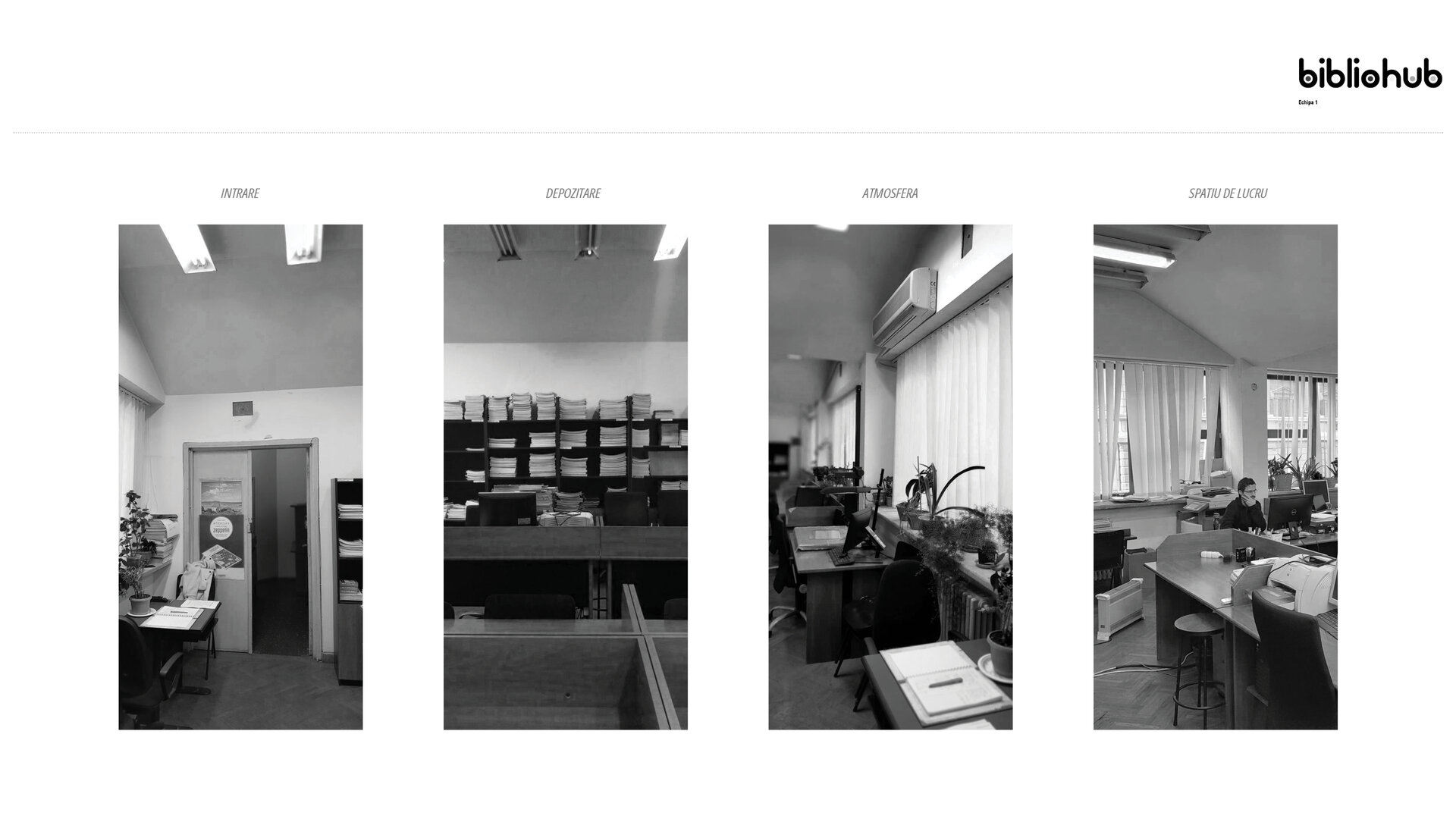
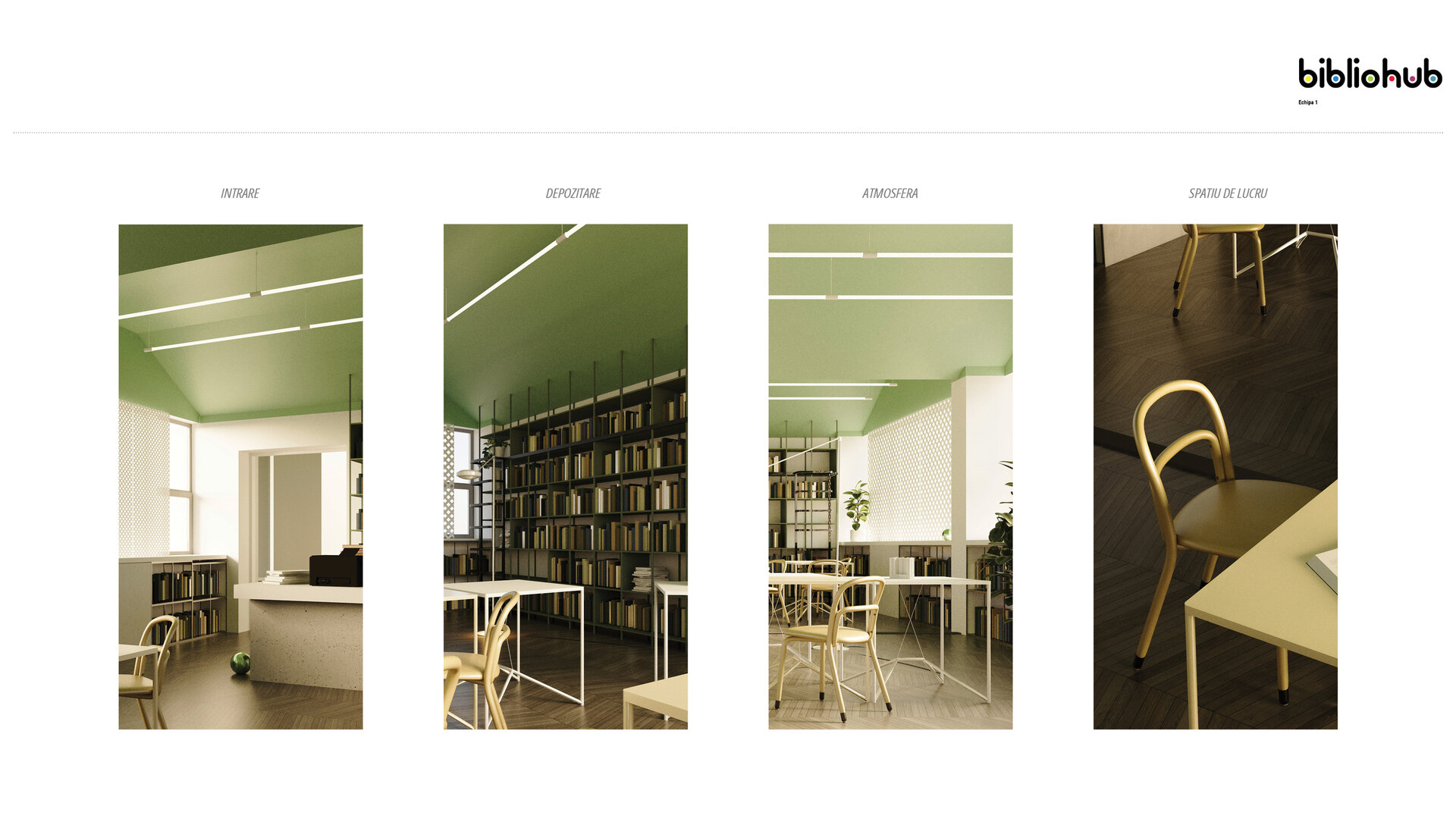
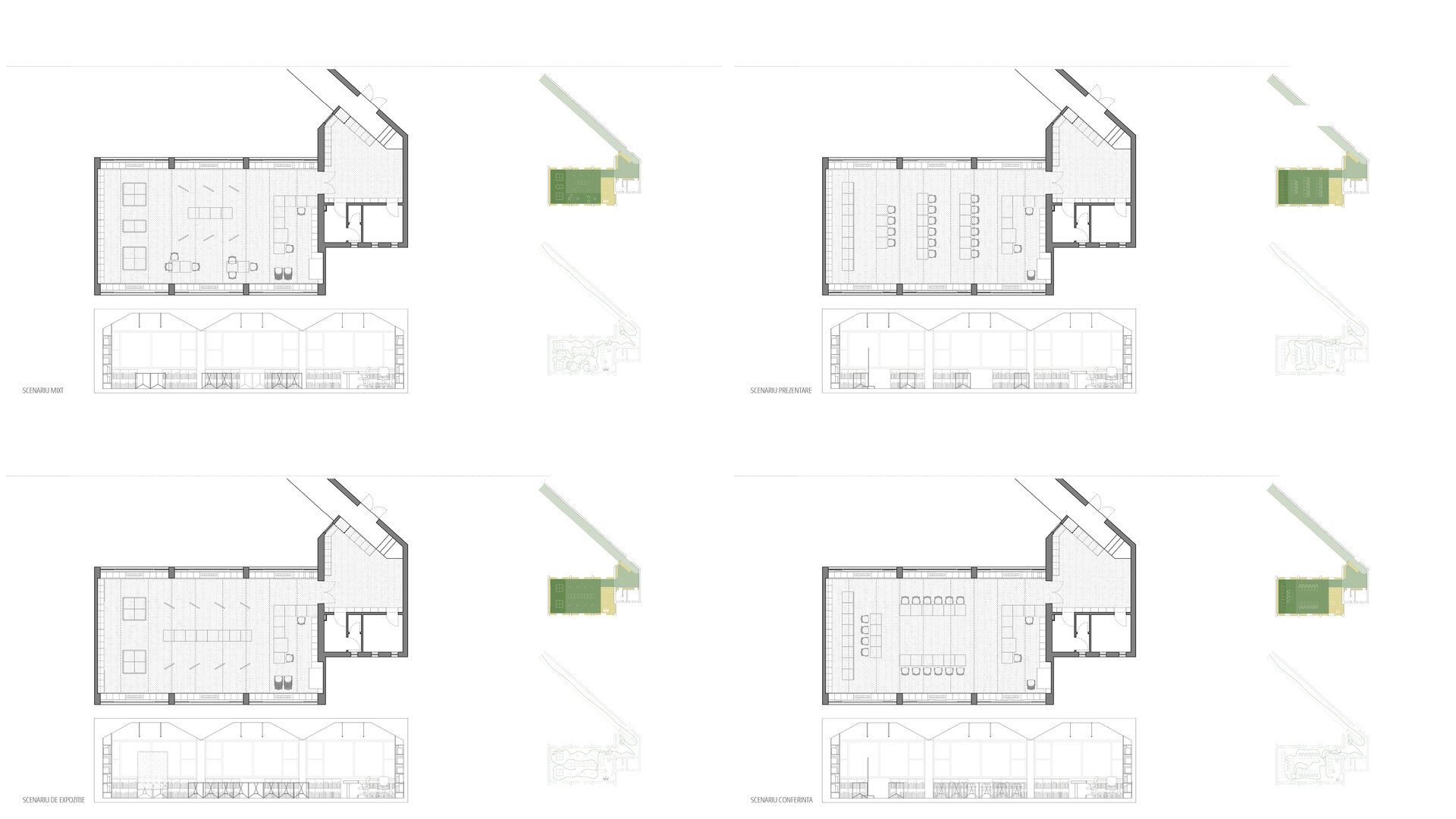
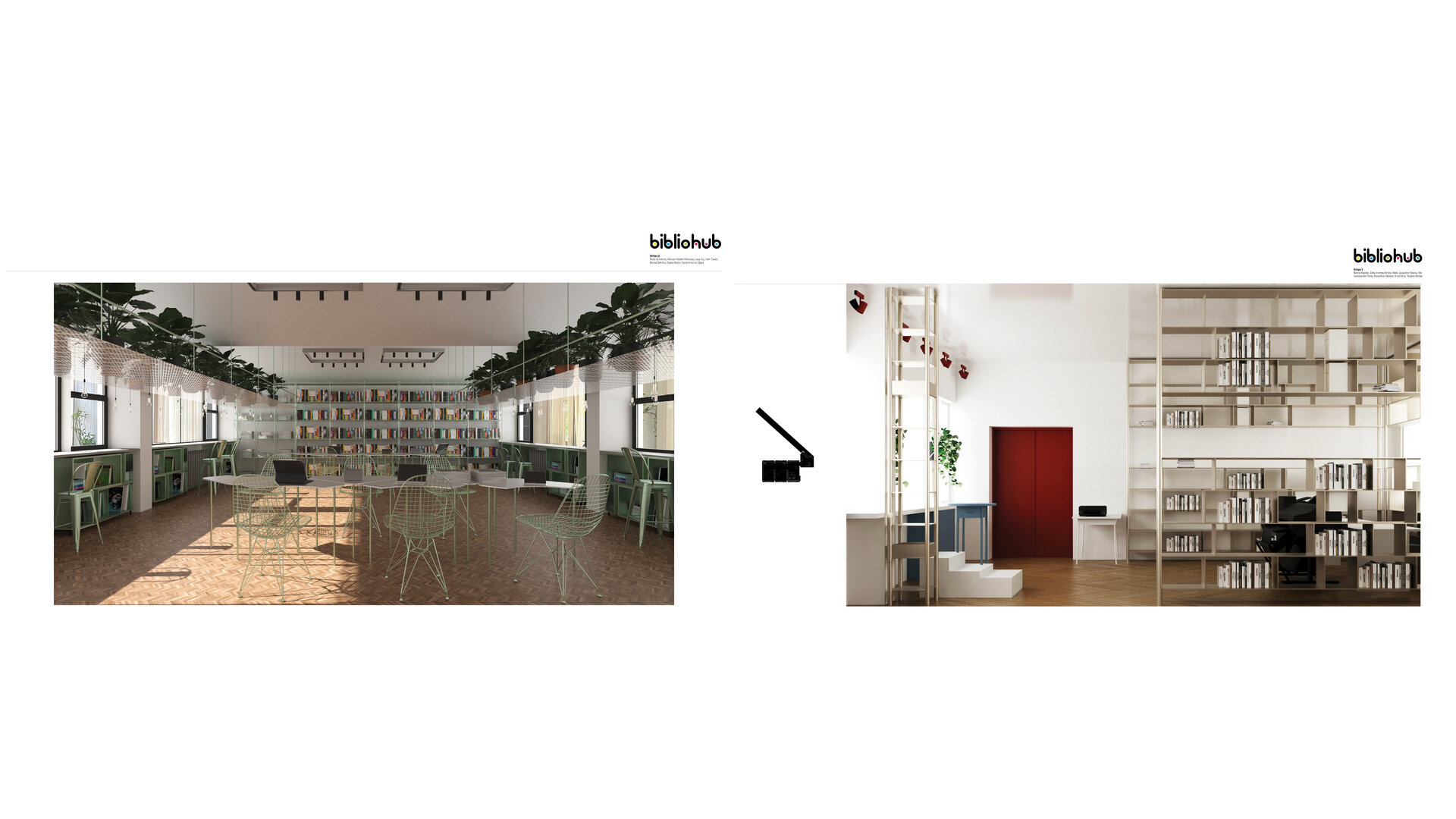
Architecture and Experiments

- Acaret 44°N 26°E – Community Cookhouse
- WECARE: Bucharest
- Urban Toy - a cabinet for play in Copou Park, Iași
- ArhiPera International Summer School, 12th edition: “Sustainability through community building”
- Educational program “City as classroom”
- EXF_RD25
- - Π -
- Bibliohub
- Point of view
- Stitch Your Heritage at Roșia Montană
- Plumbuita Social Center
- Street Circus
- Mosaic Square - Recovery of apartment building courtyards
- It’s Oh So Quiet
- Hill. Reenactment


