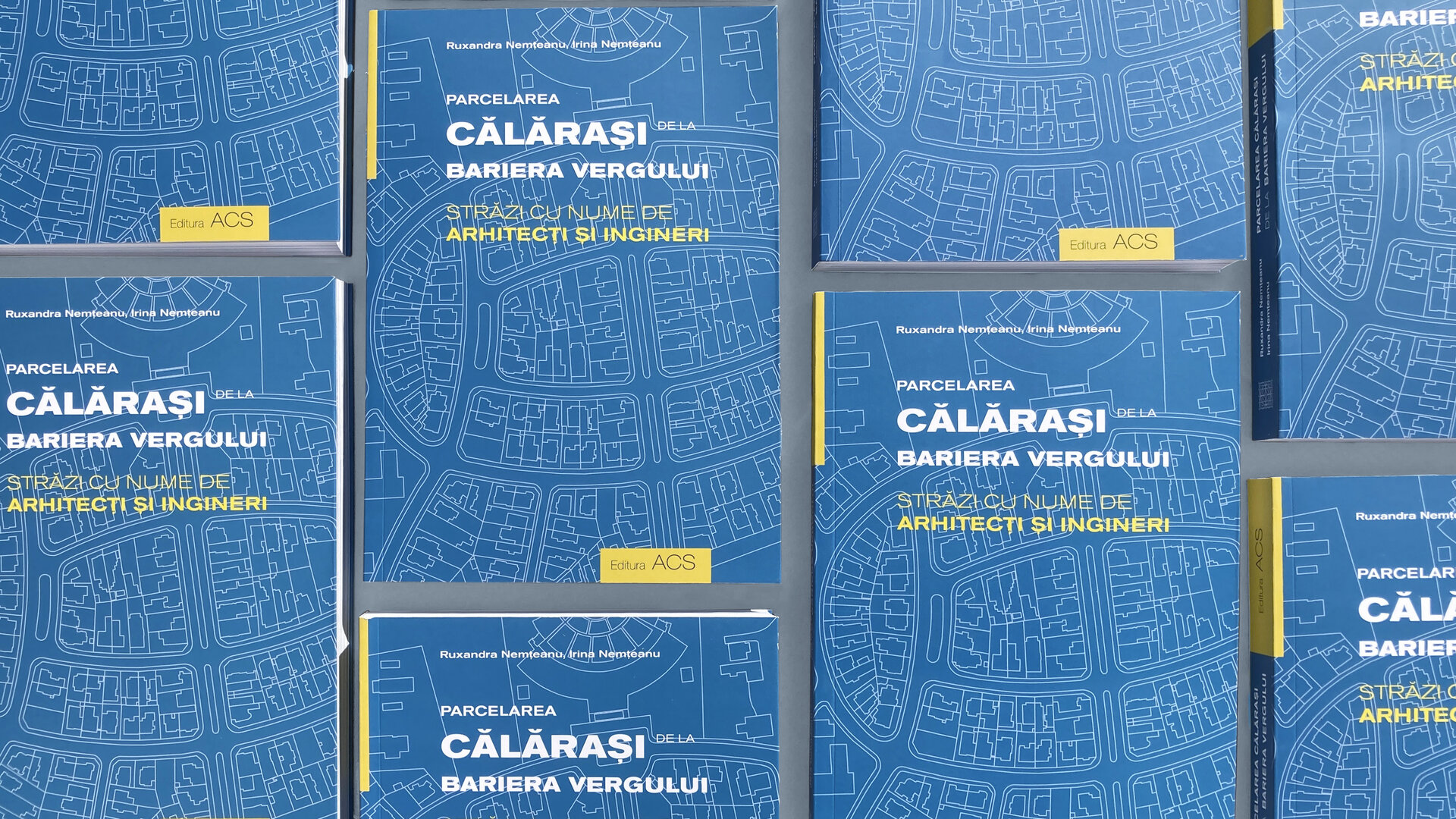
- Nomination for the “Research through Architecture / Architecture Books” section
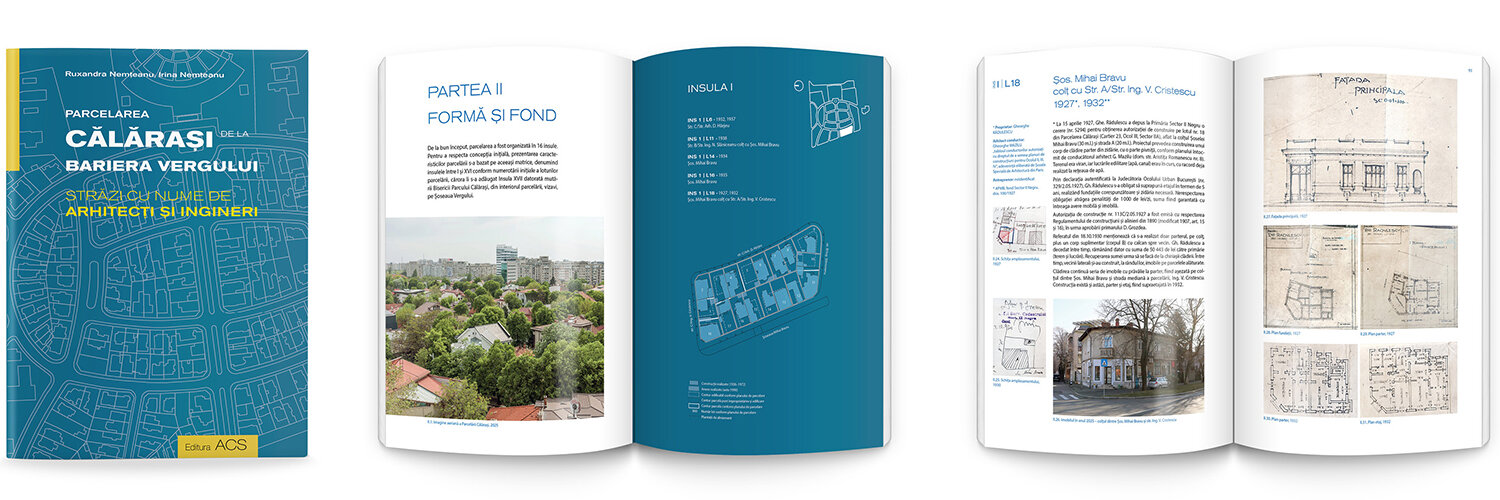
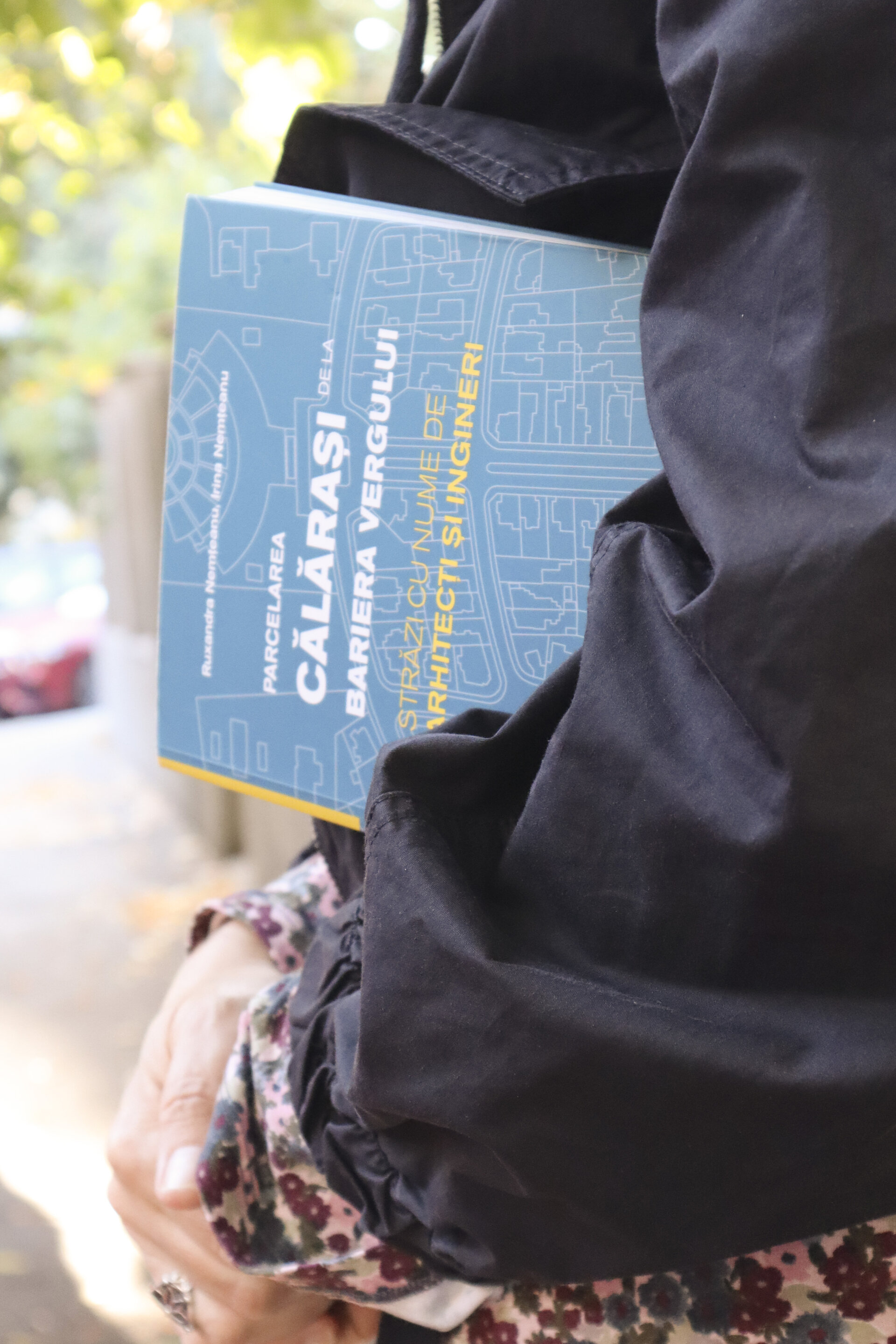
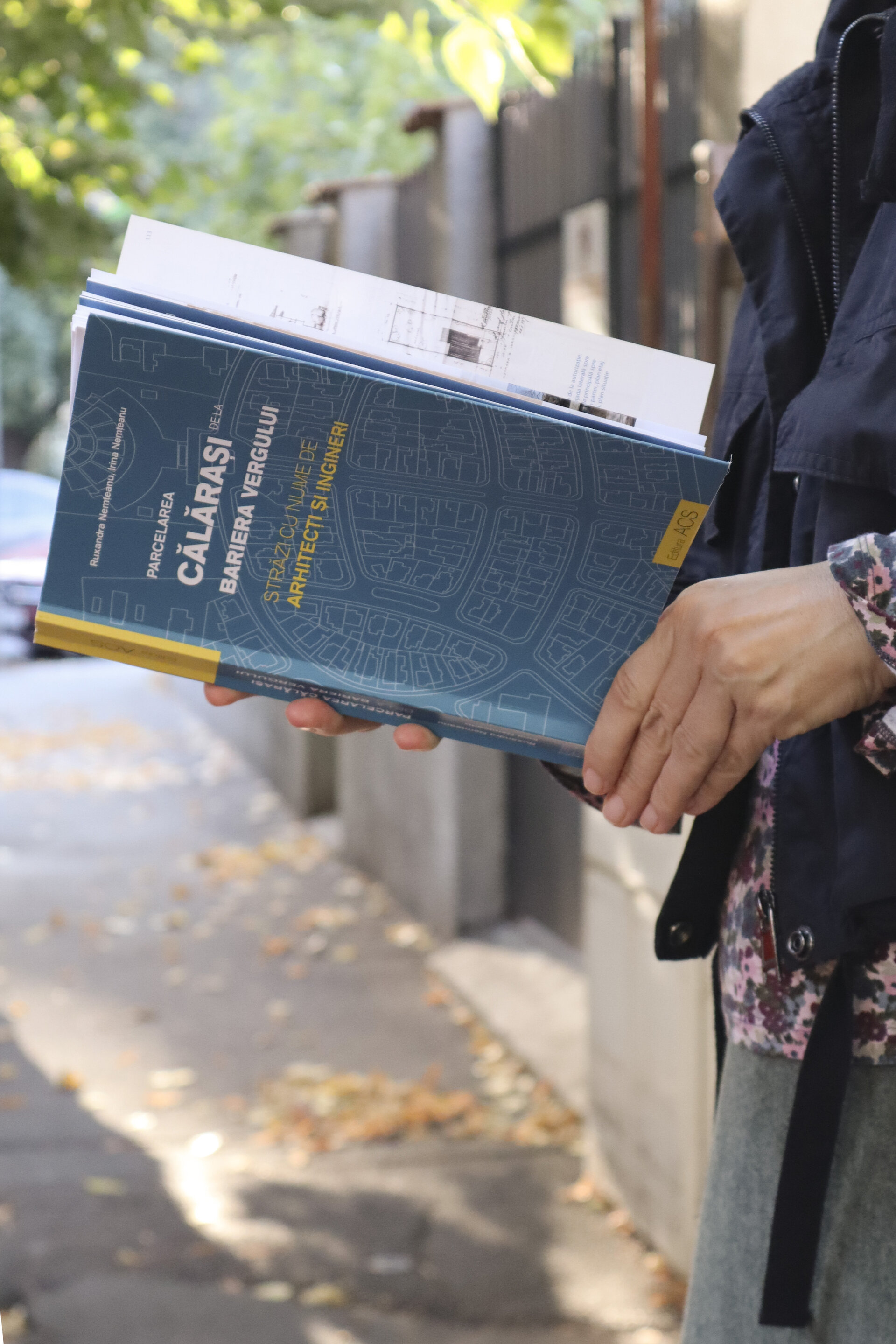
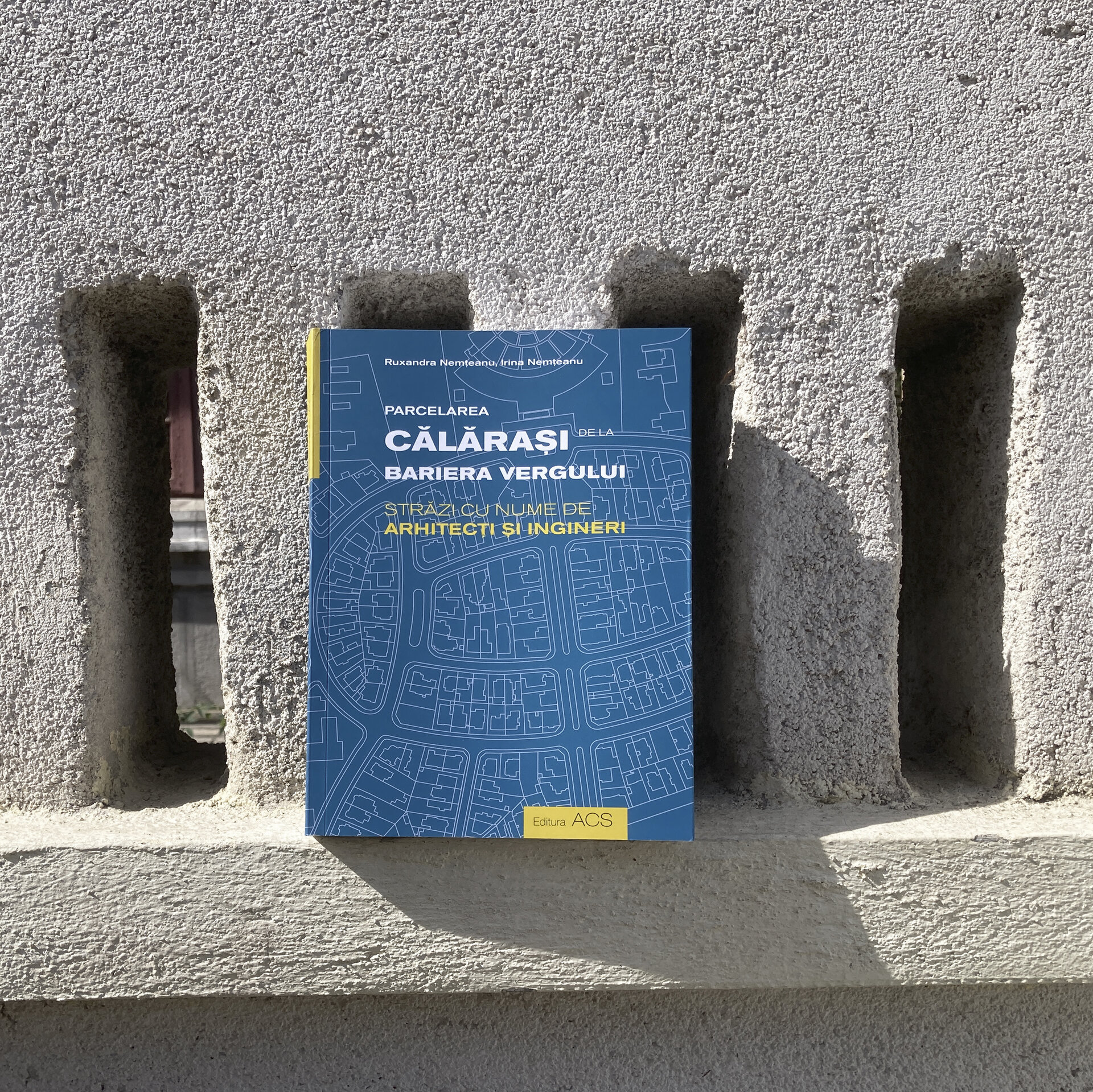
The Călărași Parcelling at Bariera Vergului. Streets named after Architects and Engineers
Authors’ Comment
In the 1920s, on the eastern outskirts of Bucharest, near the Vergului Barrier, the Călărași Parcelling began to take shape—an expression of the Bucharest Municipality’s vision for the urbanization of the city’s emerging peripheries and a response to the need for housing.
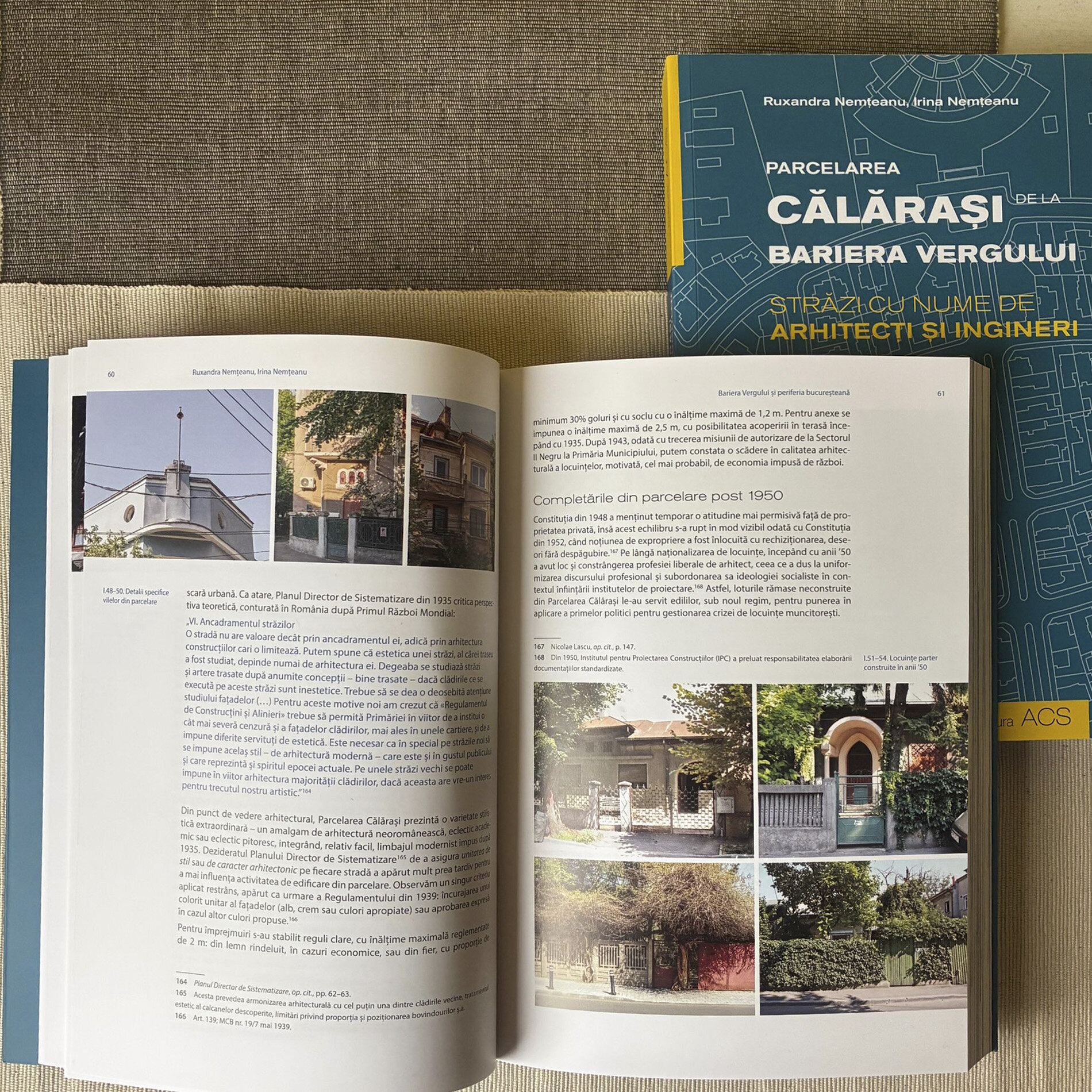
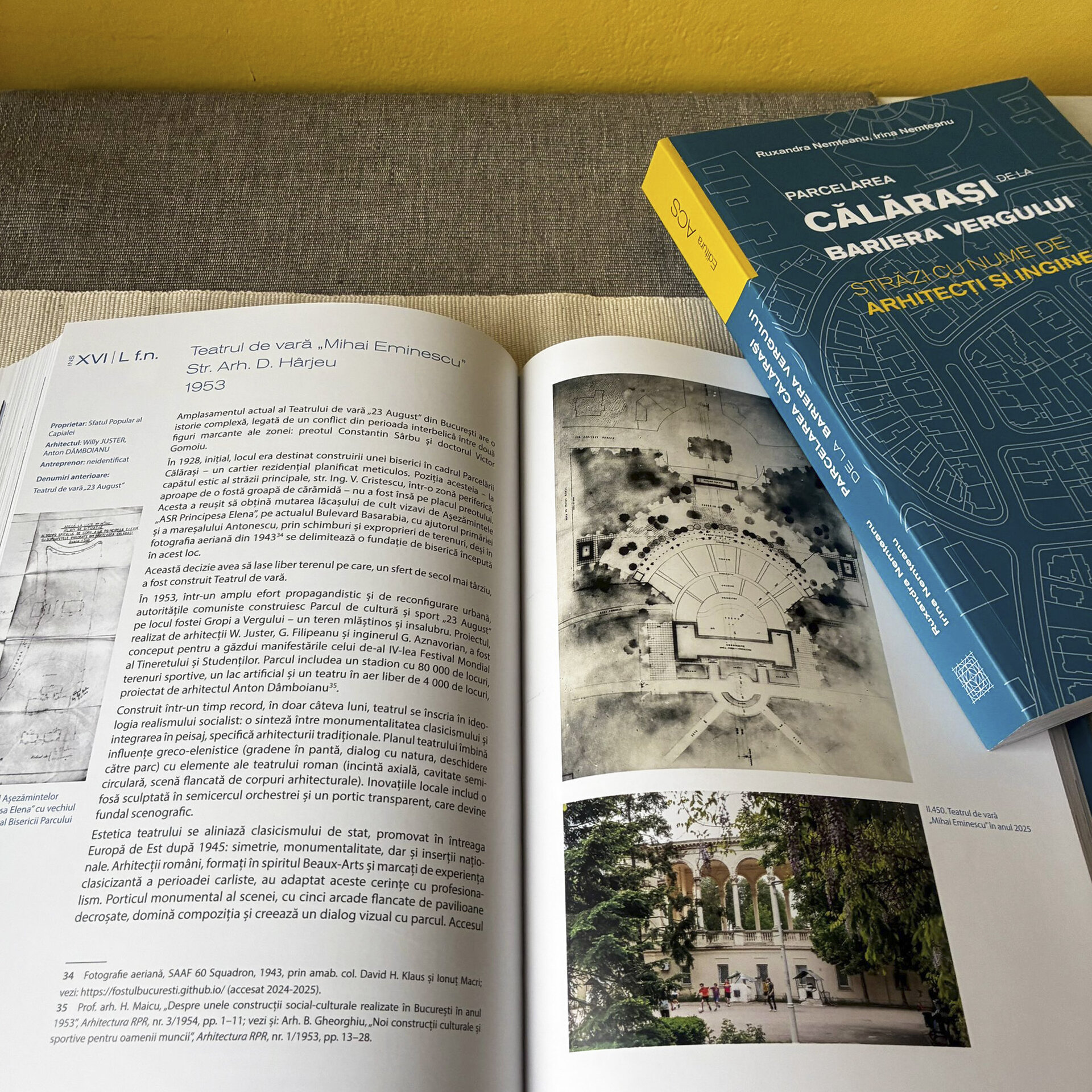
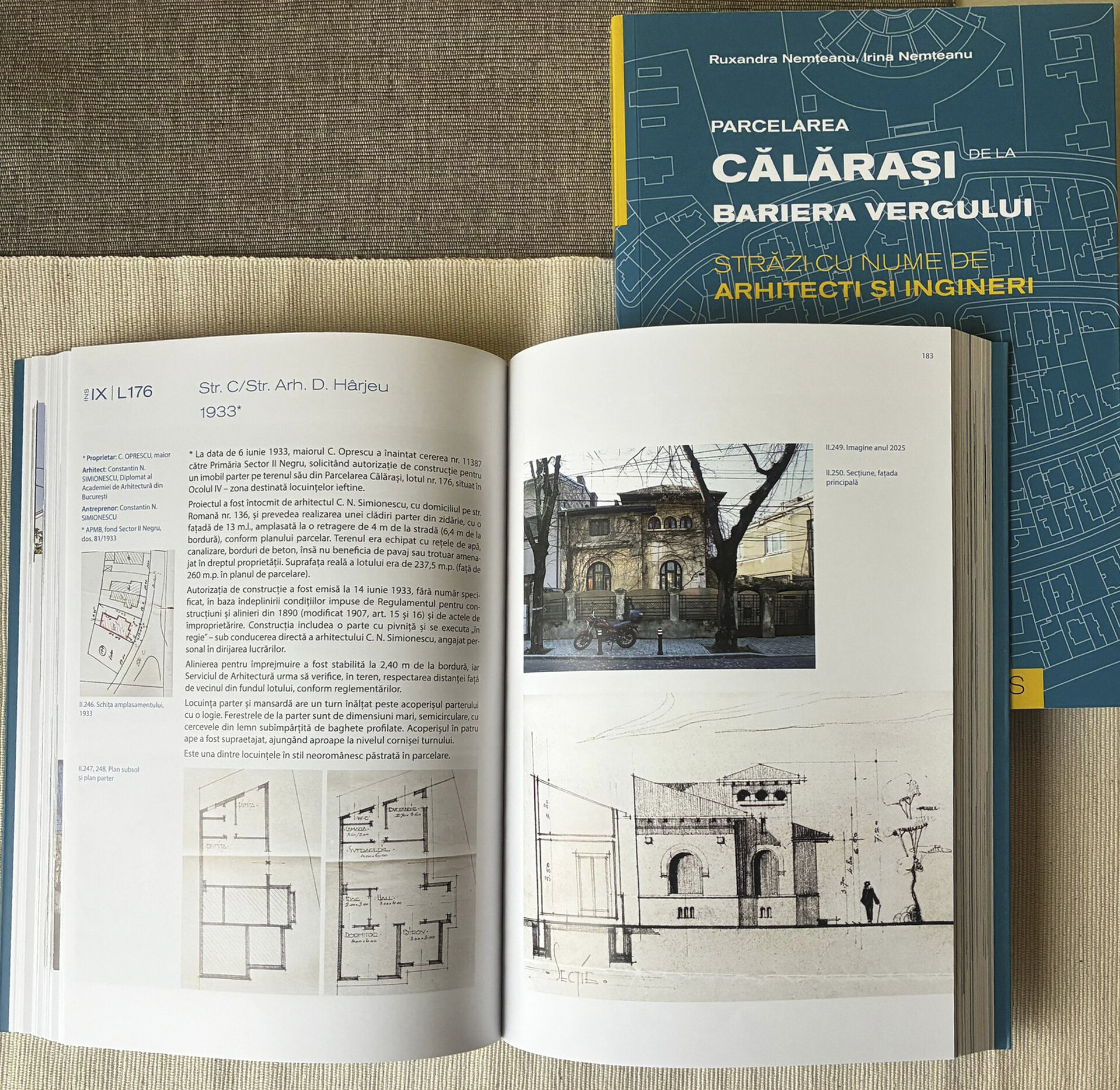
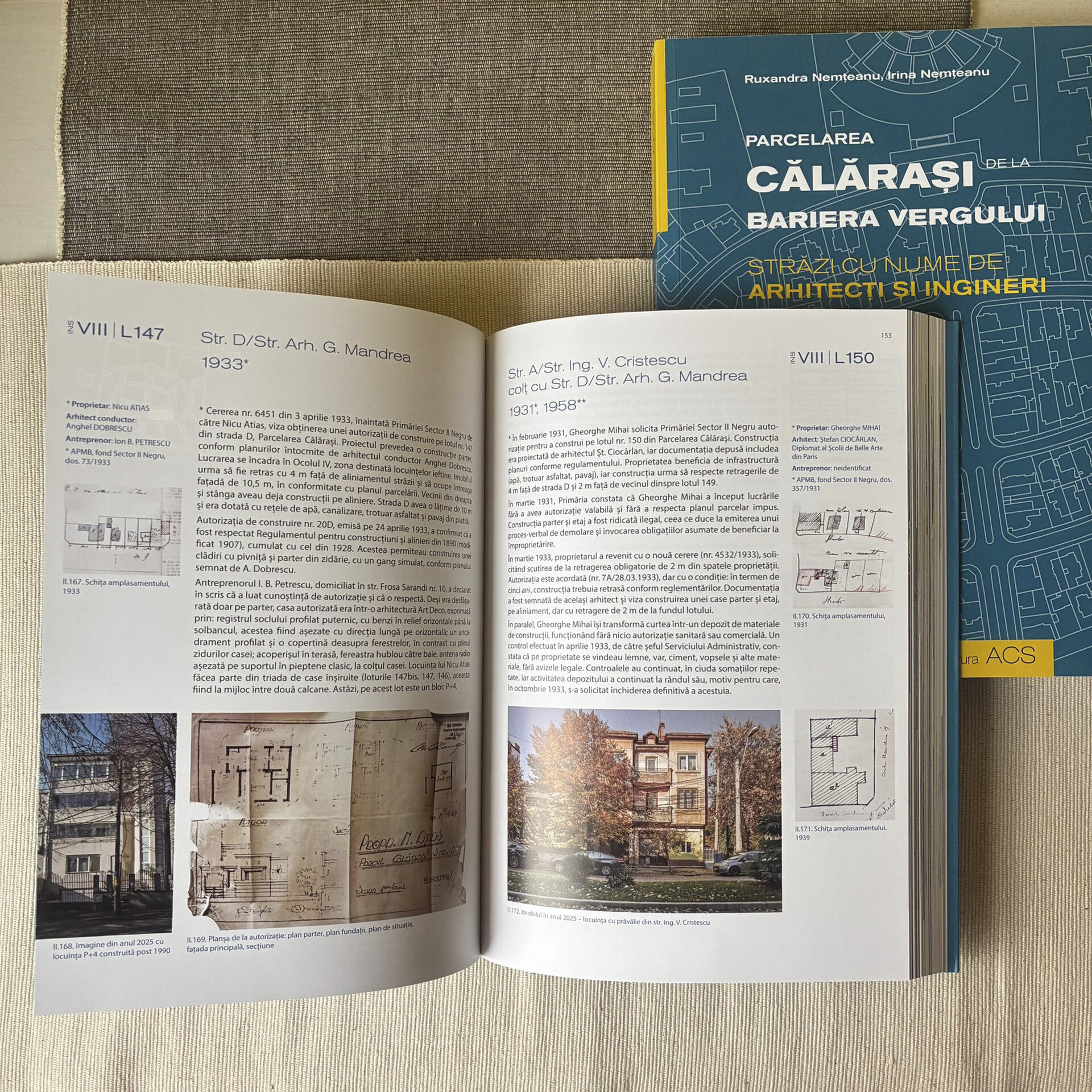
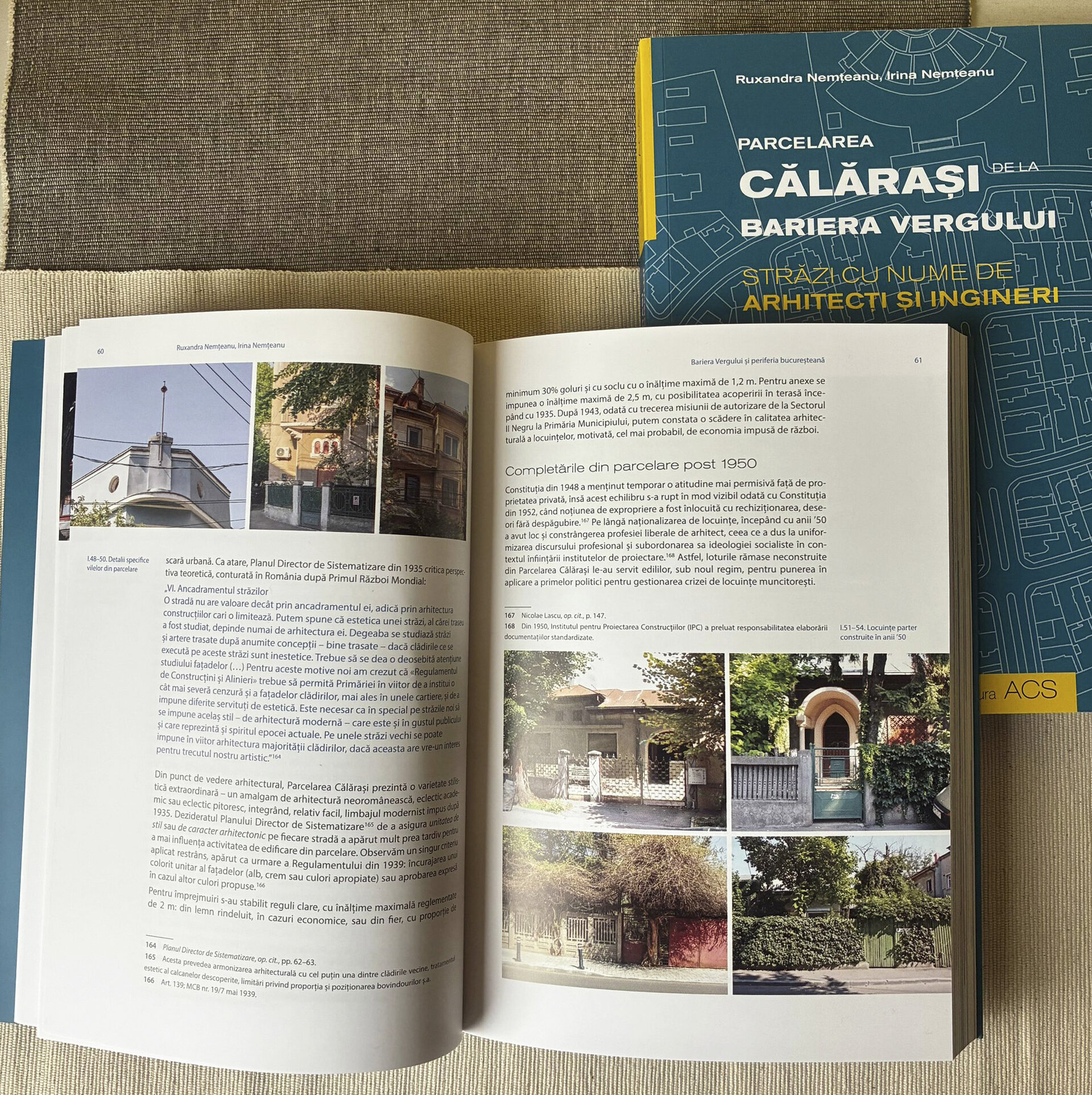
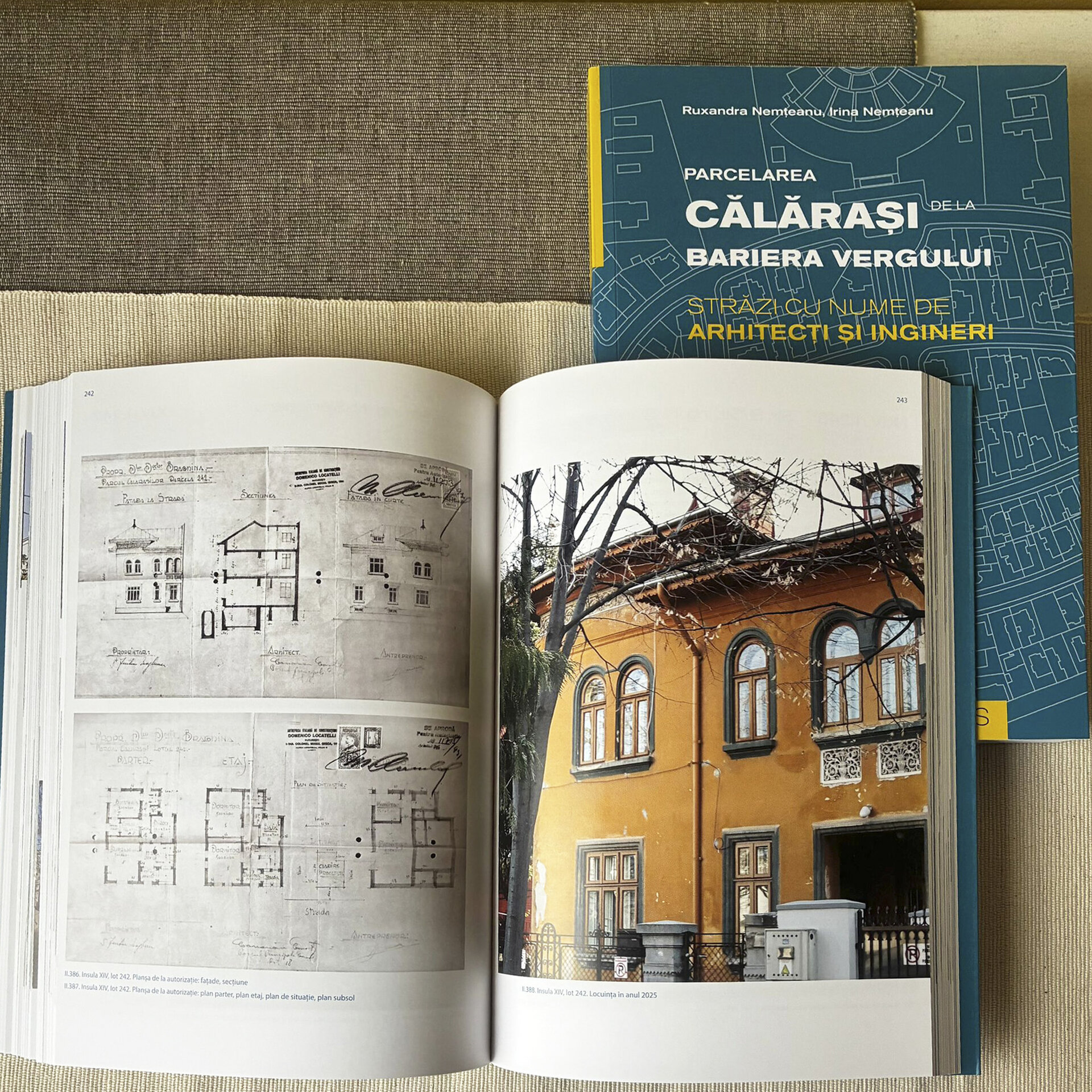
The book is structured in three main parts: (I) the development of the subdivision; (II) an analysis of its urban form and built fabric, tracing the permitting and construction process of its seventeen urban blocks; and (III) more recent perceptions of the neighbourhood. Drawing on historical and archival research as well as oral history, the book aims to present the many lesser-known facets of the Călărași Parcelling. The seventeen urban blocks are examined through selected plots, chosen according to the identification and location of their building permits in the archives, in order to provide a detailed understanding of the development as a whole. This approach evokes the atmosphere of the period in which the parcelling was developed, while also revealing an intrinsic connection between people and buildings, traced in meticulous detail.
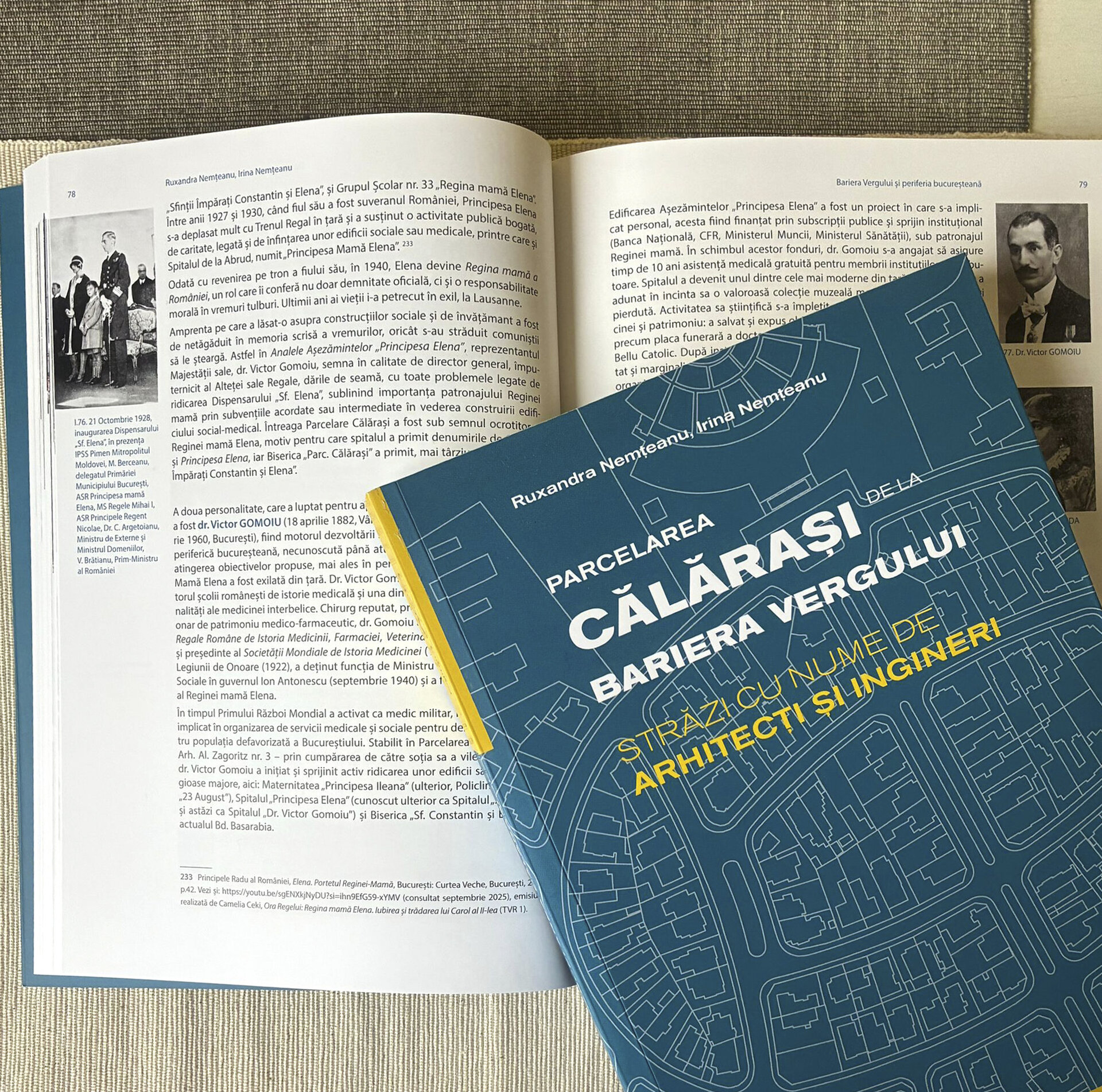
“Following a contemporary understanding of sustainable dwelling and of the role of heritage initiatives—both tangible and intangible—the architects Ruxandra Nemțeanu and Irina Nemțeanu have successfully carried out two forms of heritage protection: one concerned with the built fabric, the other with the inhabitants and the ways in which that fabric is lived in. On the one hand, they produced a historically documented study on the cultural significance and emergency listing of the historic Gomoiu establishments; on the other, they undertook an oral-history and urban-anthropology study in the Călărași subdivision neighbourhood. For this second heritage study, concerned with the living heritage of dwelling, they used the most natural means of legitimizing the act of sitting down and talking: their status as neighbours. Passed from one neighbour to another, these stories come together to form an evocative account of a sustainable way of dwelling in a Bucharest that endures.”
(Paul Drogeanu, Foreword: On the Bucharest That Endures)
Book details:
Number of pages: 376
Dimensions: 23 × 16.5 cm
Print run: 1,000 copies
Architecture Books

- Émile-André Lecomte du Noüy: Architectural Culture in the Old Kingdom
- Place & Architecture. Regionalism and Contextualism in Romania, XX–XXIth Centuries
- The Călărași Parcelling at Bariera Vergului. Streets named after Architects and Engineers
- Architect Ion Giurgea. An architectural monography
- Air Cushion
- F
- The Red Line
- Touch Nature
- Original Spaces / Legalised Gestures
- Romanian-Spanish Architecture Workshops. 20 Years of Academic Collaboration
- Technical Guide to Product Design
- Seaside. Aside
- Moments - thoughts, spaces, sketches
- Recyclable Materials in Interior Architecture. Textile Recycling and Natural Pigments


