- Prize of the “Research through Architecture / Architecture Books” section (ex aequo)
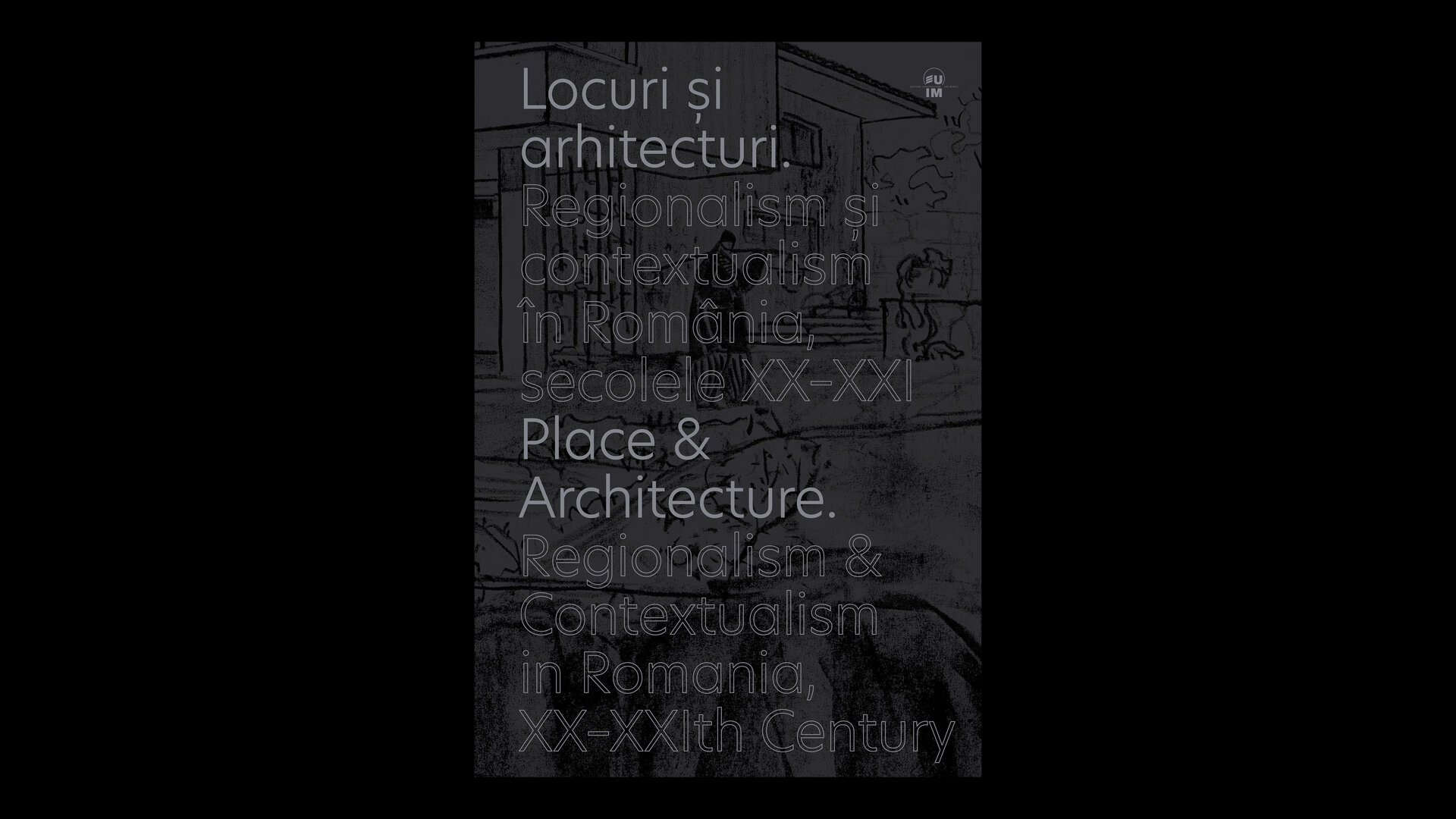
Place & Architecture. Regionalism and Contextualism in Romania, XX–XXIth Centuries
Authors’ Comment
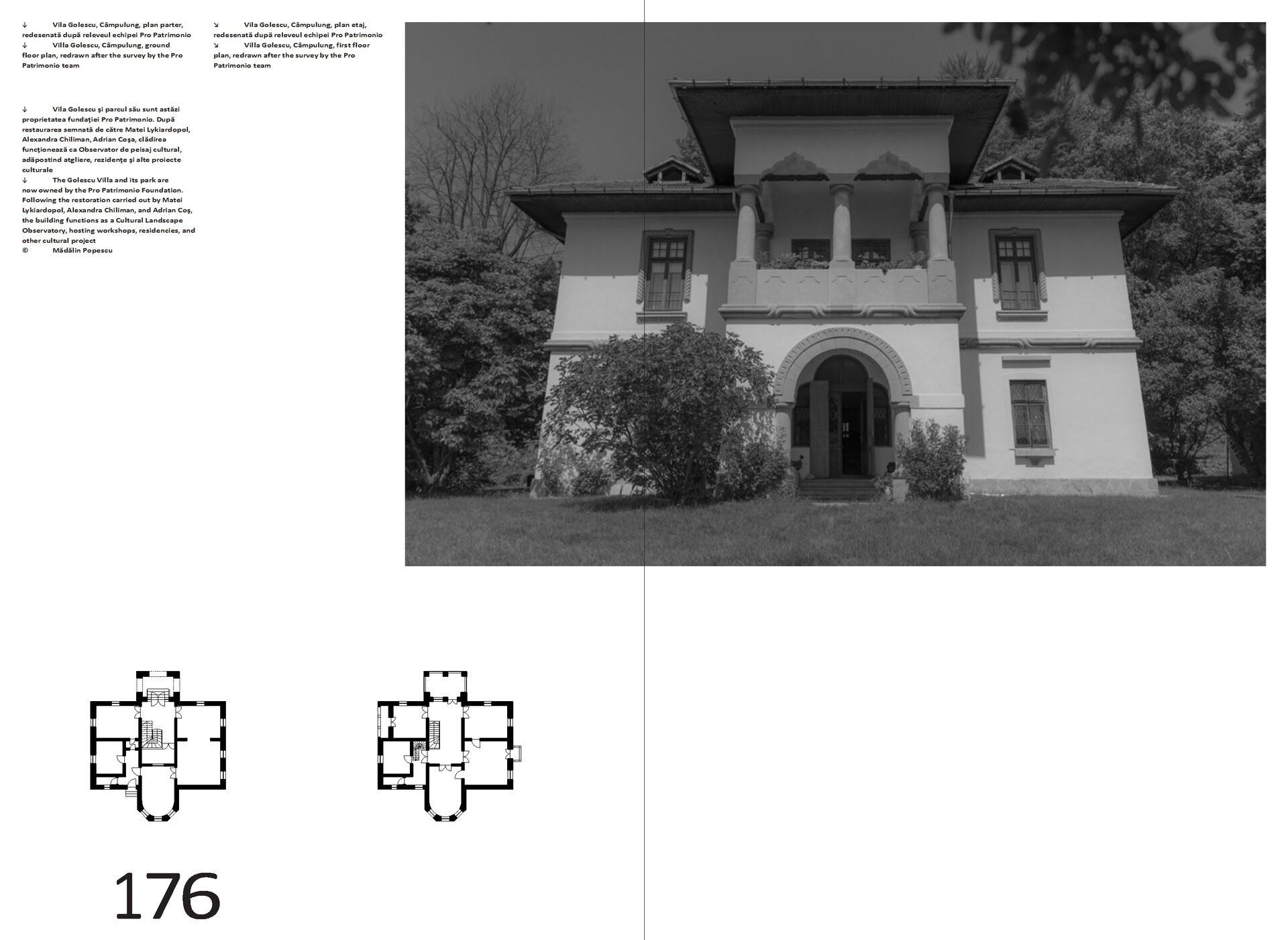
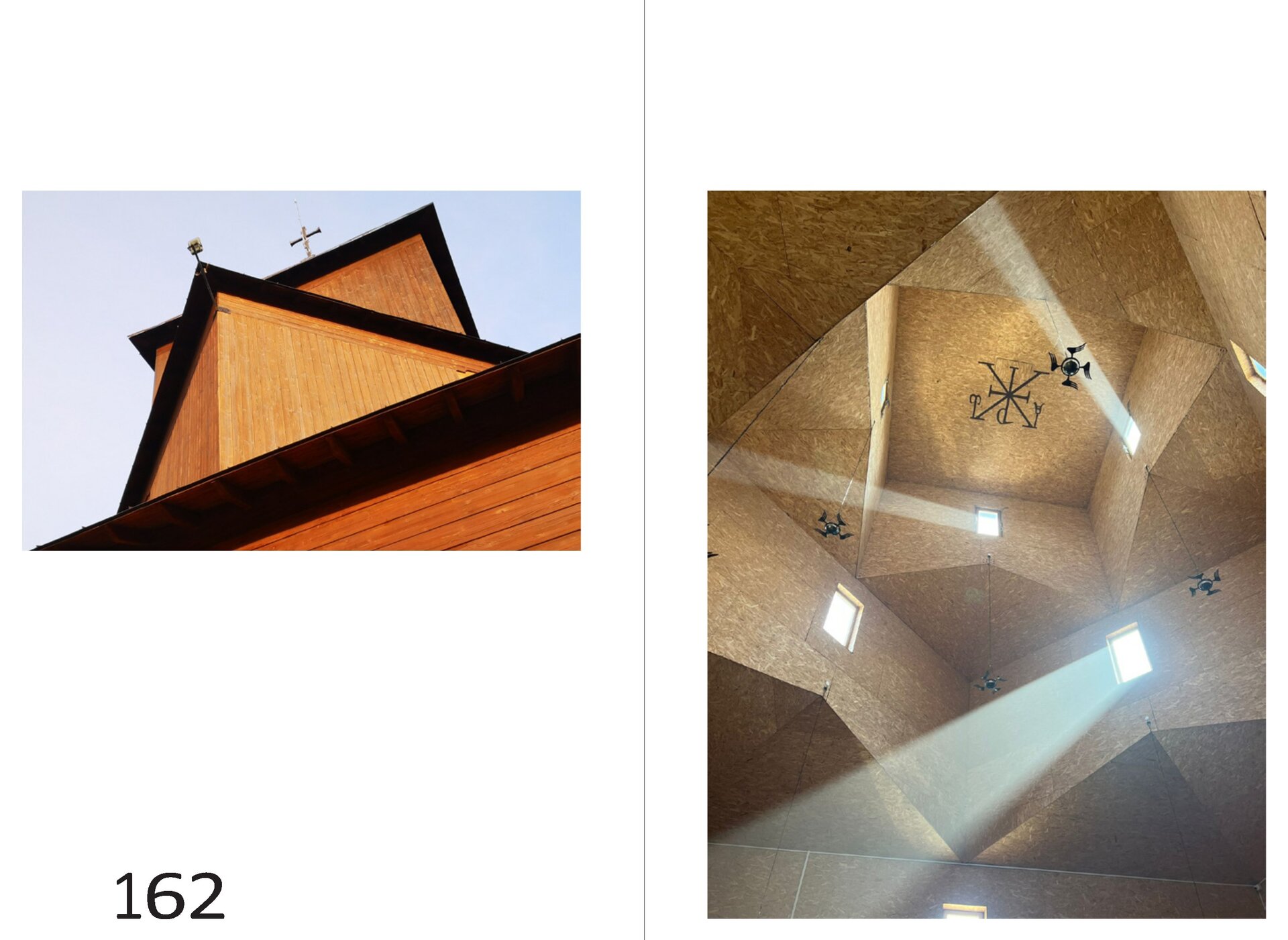
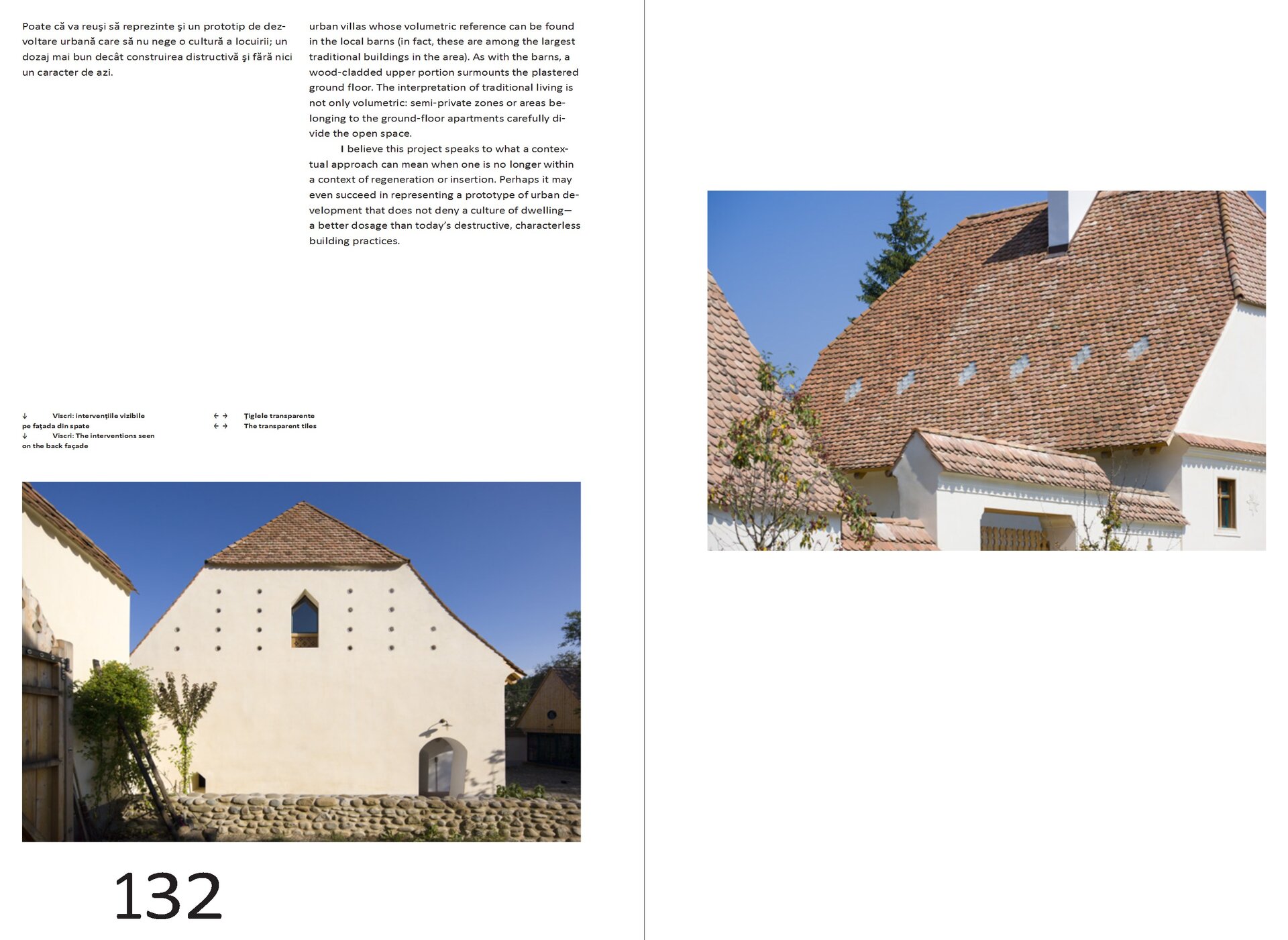
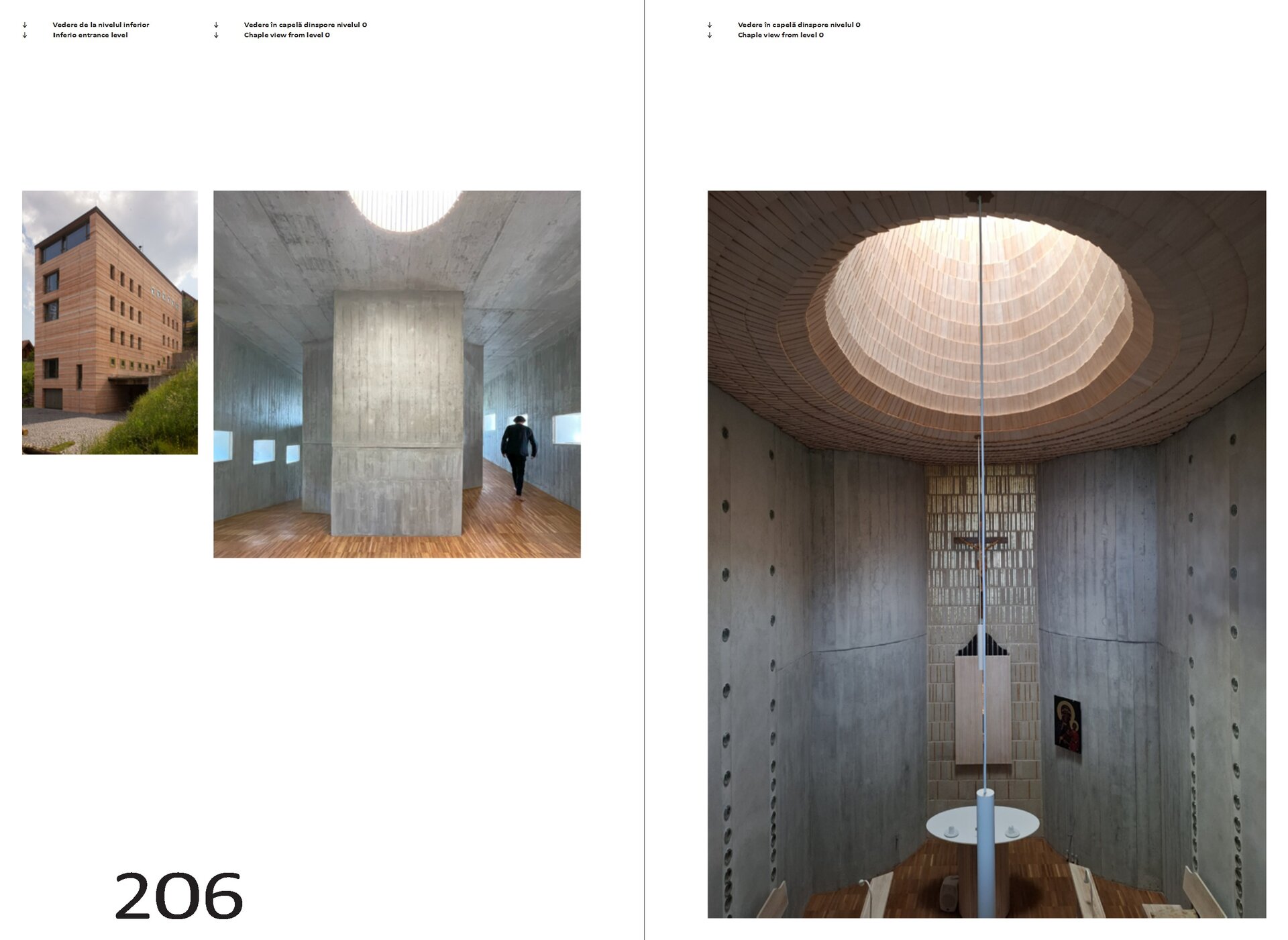
We see this book as an answer to remaining struck in extremes – the “national” and the “generic”. At Zeppelin, we have always tried to promote a truly contemporary and responsible architecture. We strongly believe in the connection to the place, where the place represents not only the physical context, but also an entire network of characteristics and connections that include the inhabitants, the culture of building, and the relationship with nature and the ecosystem.
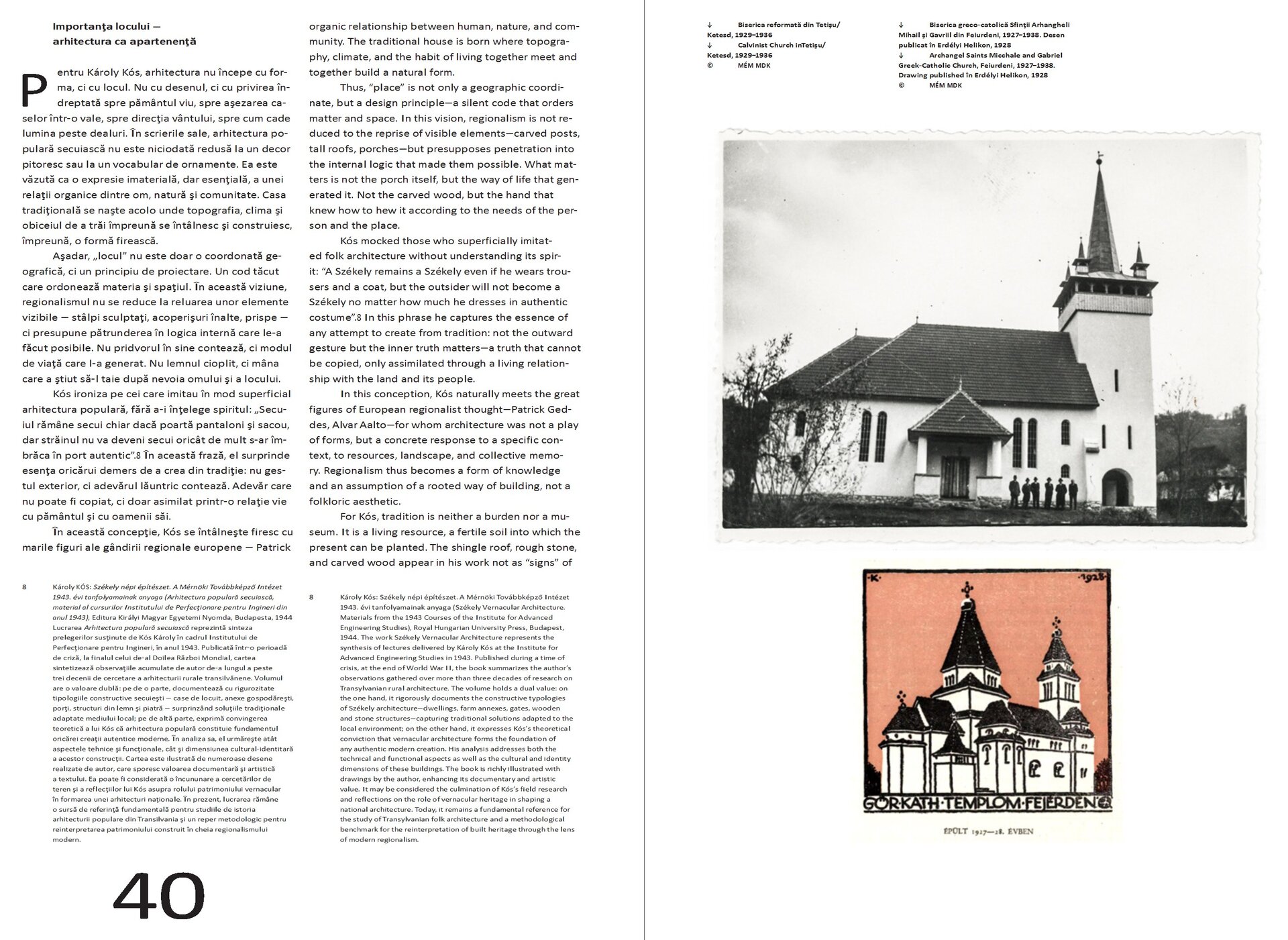
We are convinced that today any civilised architecture is also contextual, and that this concerns history, scale, respect, and even the processing of elements—but not pastiche, falsehood, or crude imitation. All the more, between non-character or aggression and the global or national reference, there are intermediate levels. One of them is simply the responsible insertion we just mentioned. But we can go further: even on the current territory of Romania (and in regions that were once part of this territory), there have been examples of approaches that, often without stating, privileged the connection with a specific place and architectural culture. More than that, after 1990, defined movements, individual architects, or important works appeared that clearly belong to modernity but find their roots in a local identity and oppose both generic international architecture and superficial traditionalism.
These phenomena are the subject of our book.
We are not proposing an album of contemporary architecture with some historical contextualisation, nor a history book with a conclusion regarding the present. We are exploring a phenomenon of local modernity, viewed within a historical evolution, and its correspondences and essential elements.
We firmly and deliberately emphasise the value of model possessed by the practices and works presented.
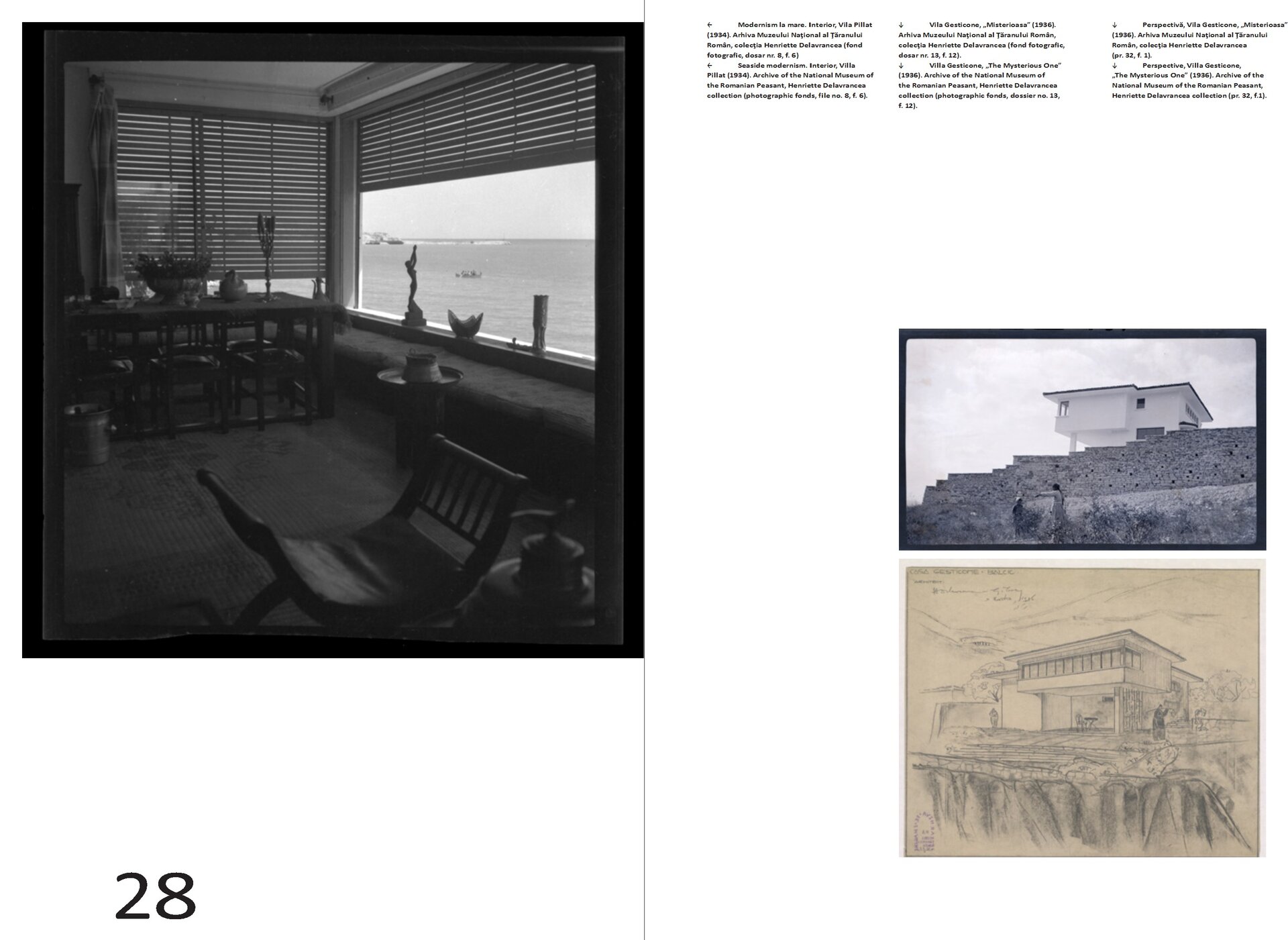
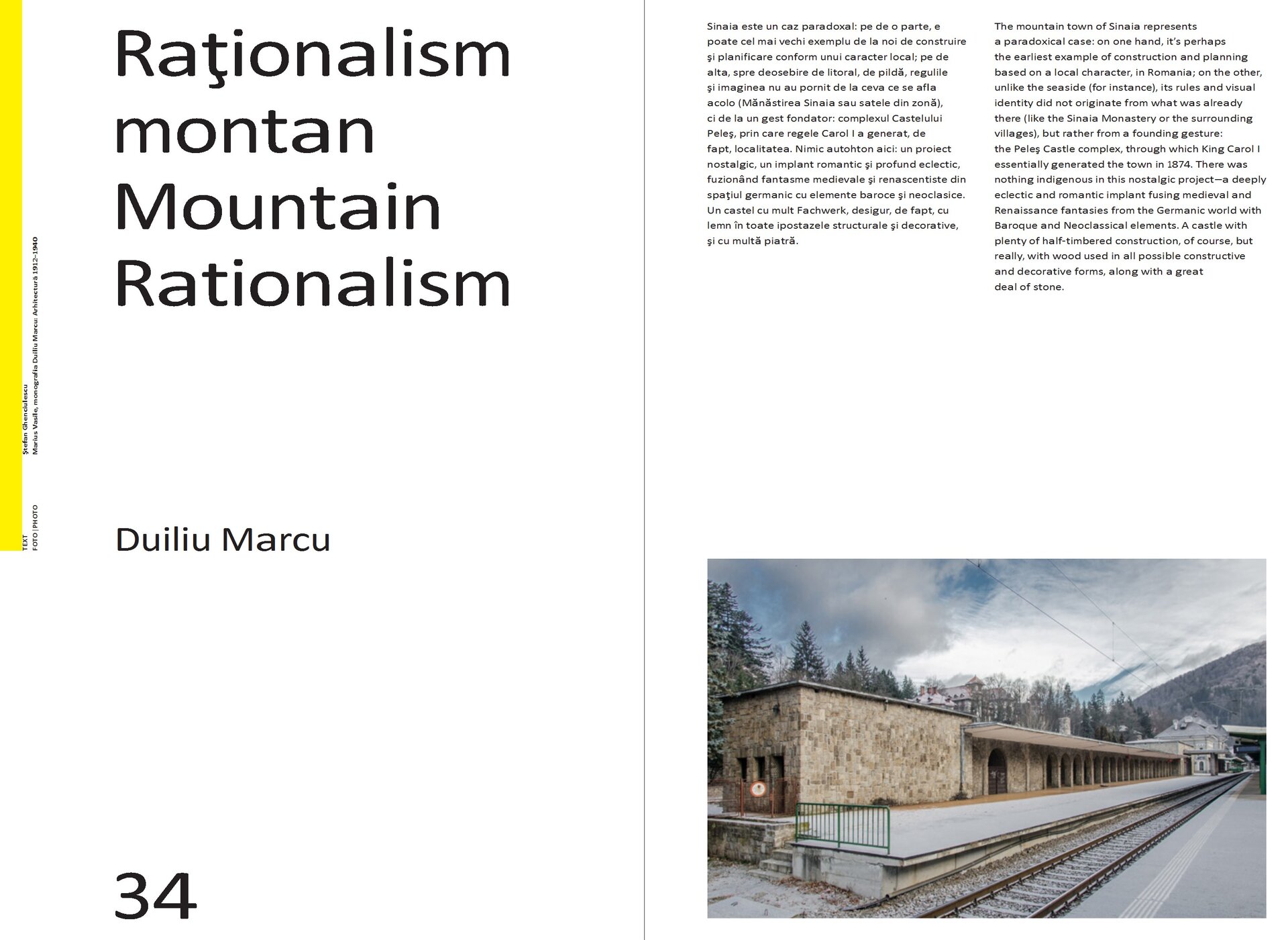
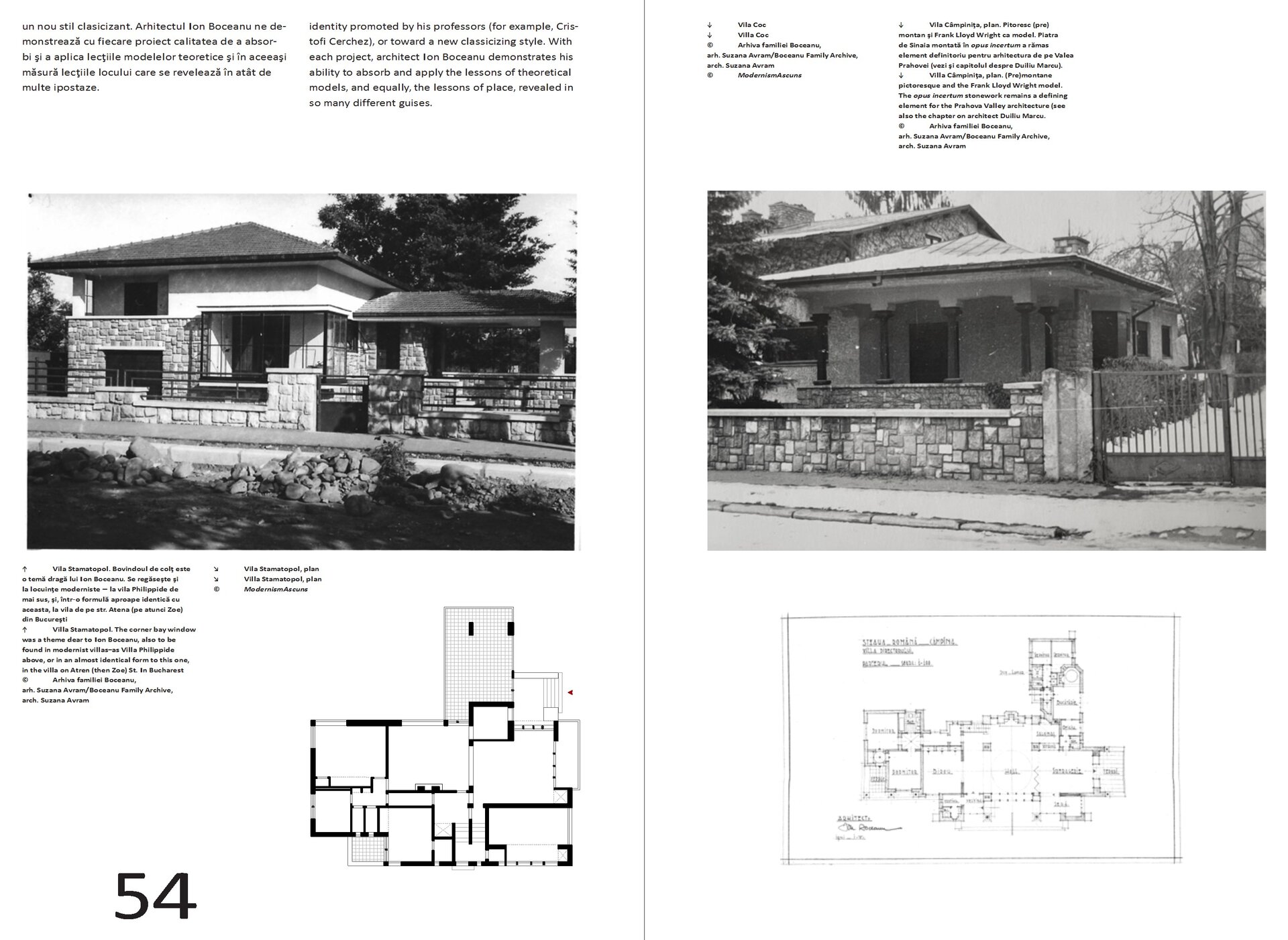
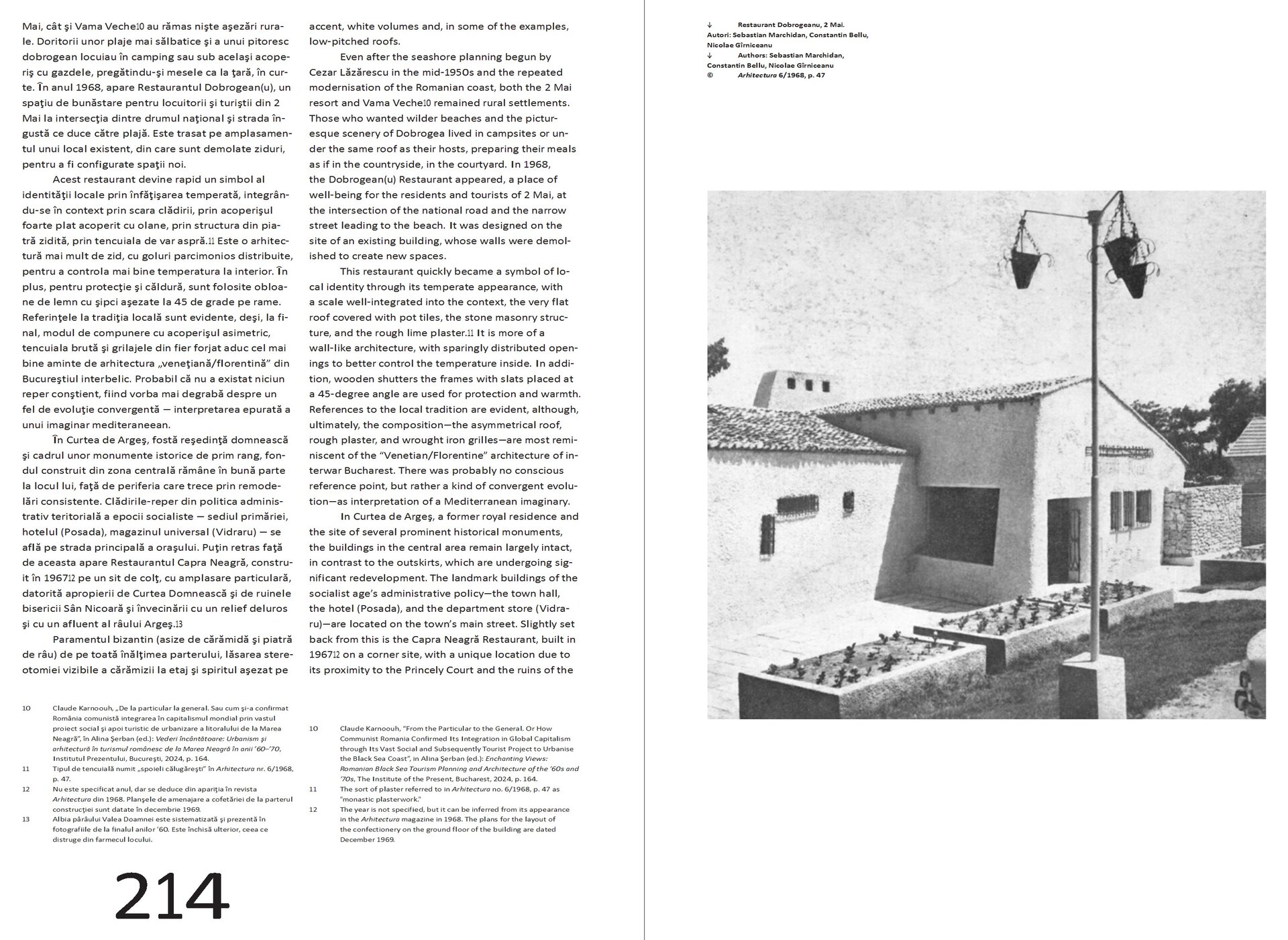
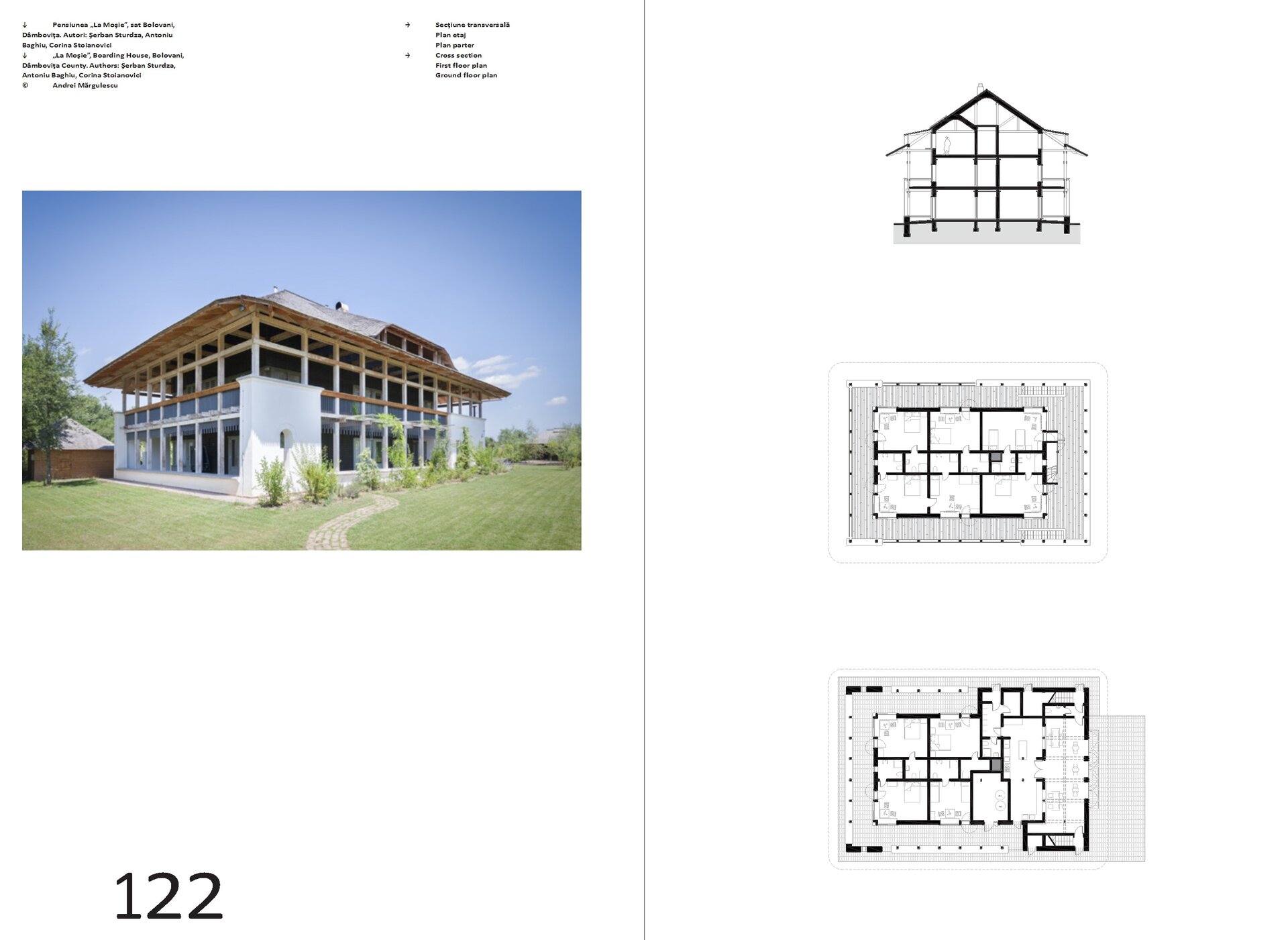
We explore over 100 years of modern architecture that originates from the site where it settles, from heritage, neighborhood, landscape, and a culture of building. We investigate it within a social, historical, and European architectural context. We bring together masters of a historical modernity, local adaptations and practices during the socialist period, and today’s eco-regionalism and responsible architecture.
Among the architects and the offices are: Károly Kós, Henriette Delavrancea‑Gibory, Duiliu Marcu, Ion Boceanu, Șerban Sturdza & Prodid, Radu Mihăilescu, Larix Studio, Abruptarhitectura, Ana‑Maria Goilav, Johannes Bertleff, Macalik Arnold & Mossfern
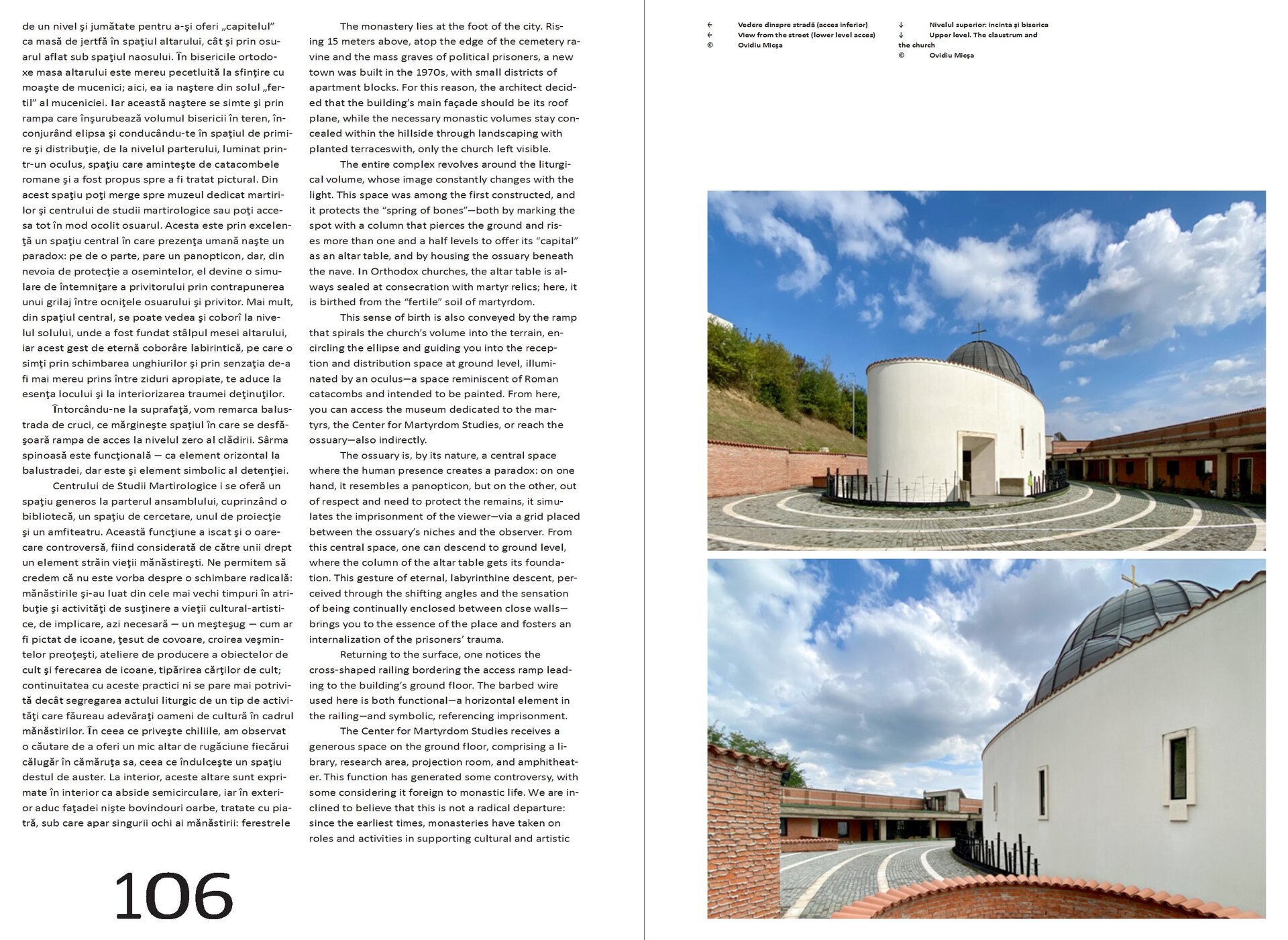
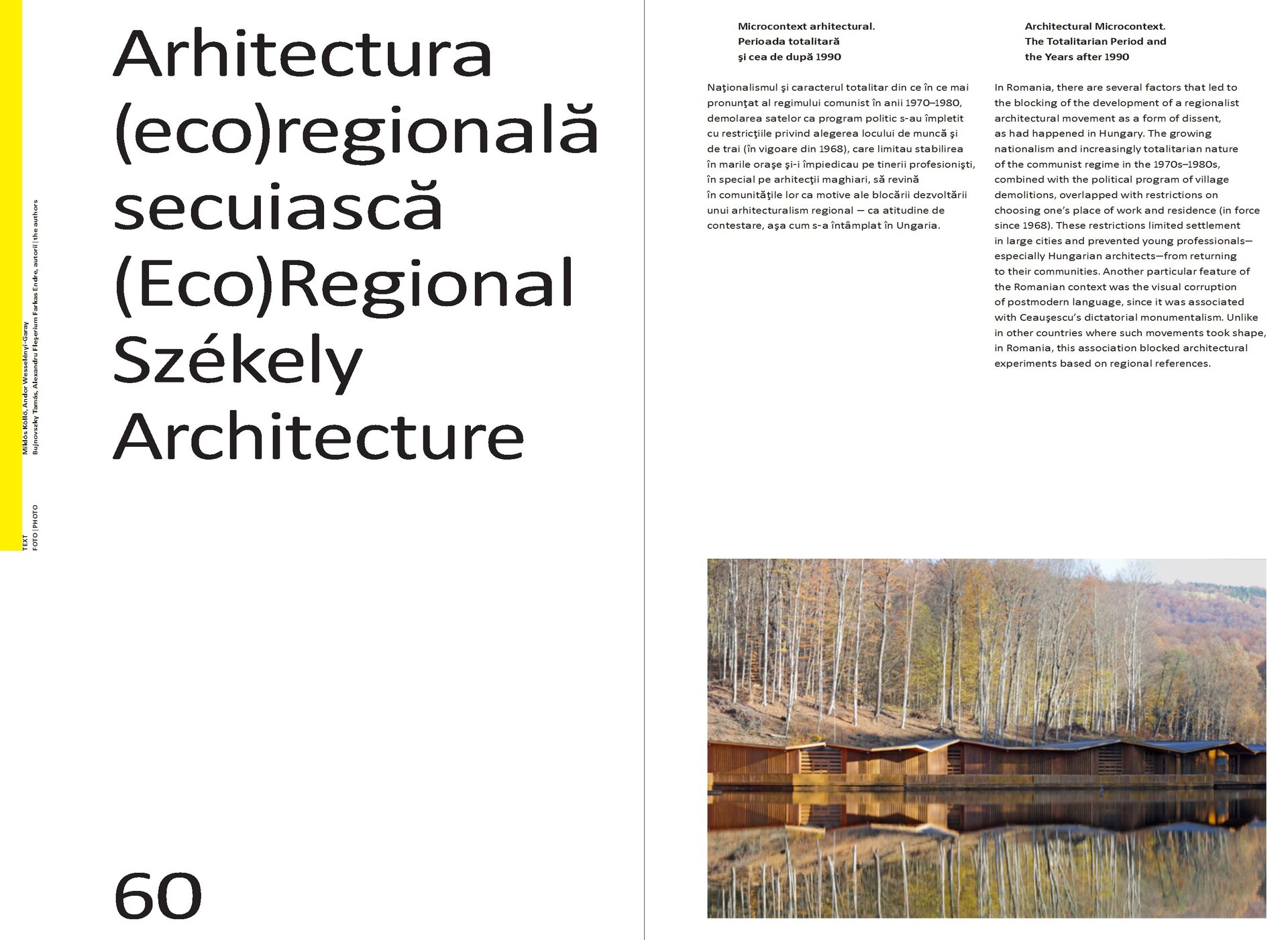
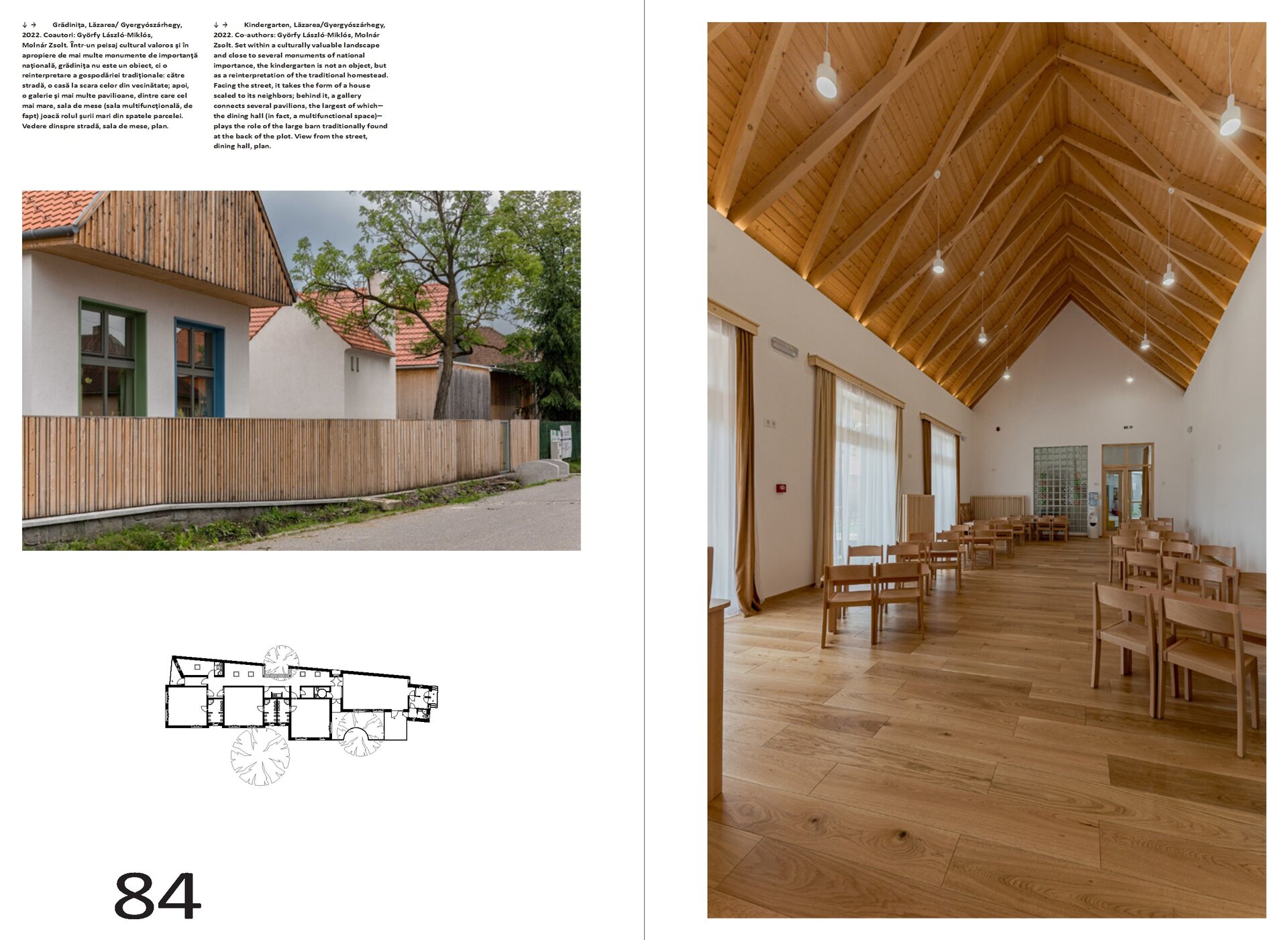
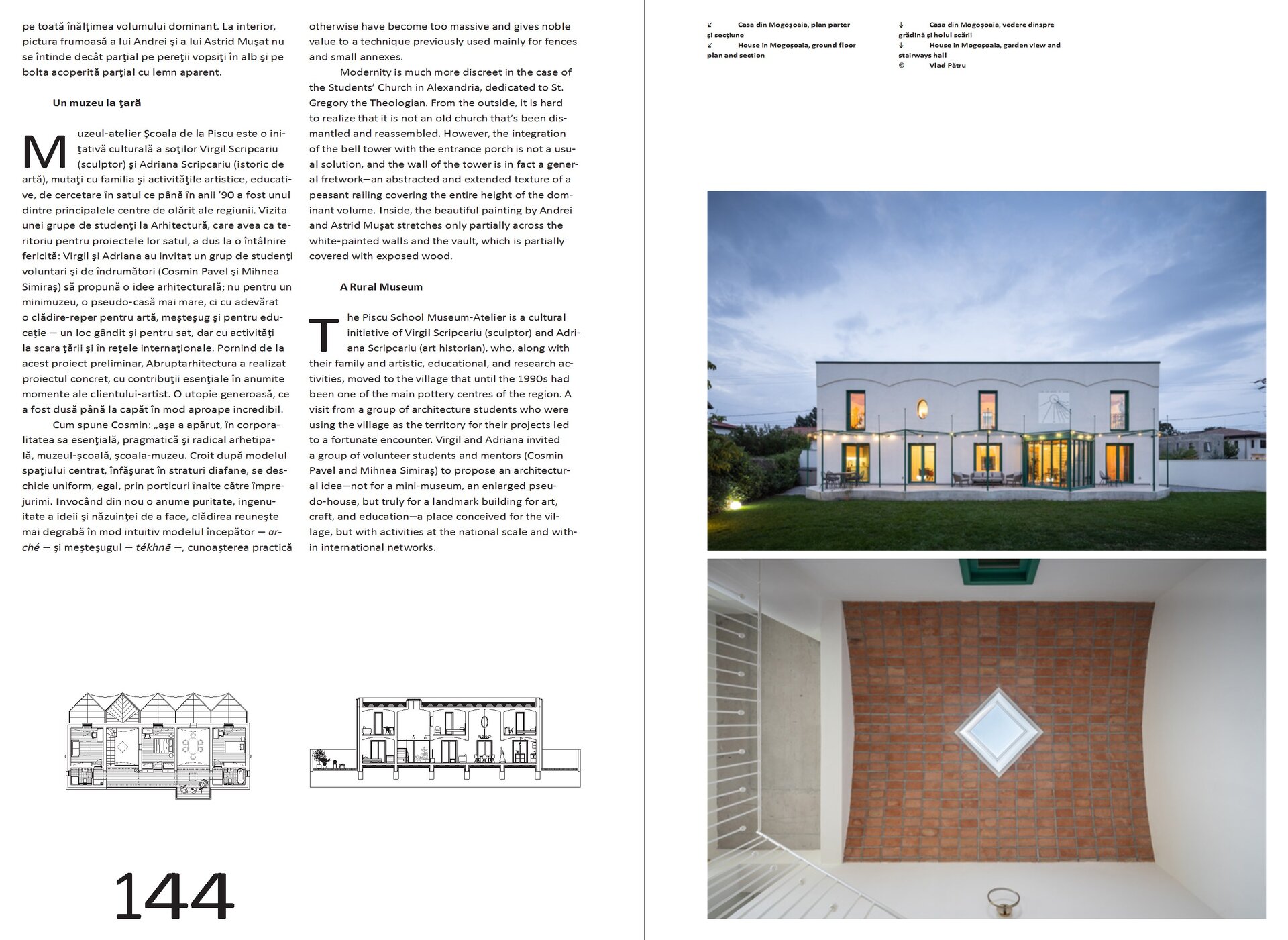
Architecture Books

- Émile-André Lecomte du Noüy: Architectural Culture in the Old Kingdom
- Place & Architecture. Regionalism and Contextualism in Romania, XX–XXIth Centuries
- The Călărași Parcelling at Bariera Vergului. Streets named after Architects and Engineers
- Architect Ion Giurgea. An architectural monography
- Air Cushion
- F
- The Red Line
- Touch Nature
- Original Spaces / Legalised Gestures
- Romanian-Spanish Architecture Workshops. 20 Years of Academic Collaboration
- Technical Guide to Product Design
- Seaside. Aside
- Moments - thoughts, spaces, sketches
- Recyclable Materials in Interior Architecture. Textile Recycling and Natural Pigments


