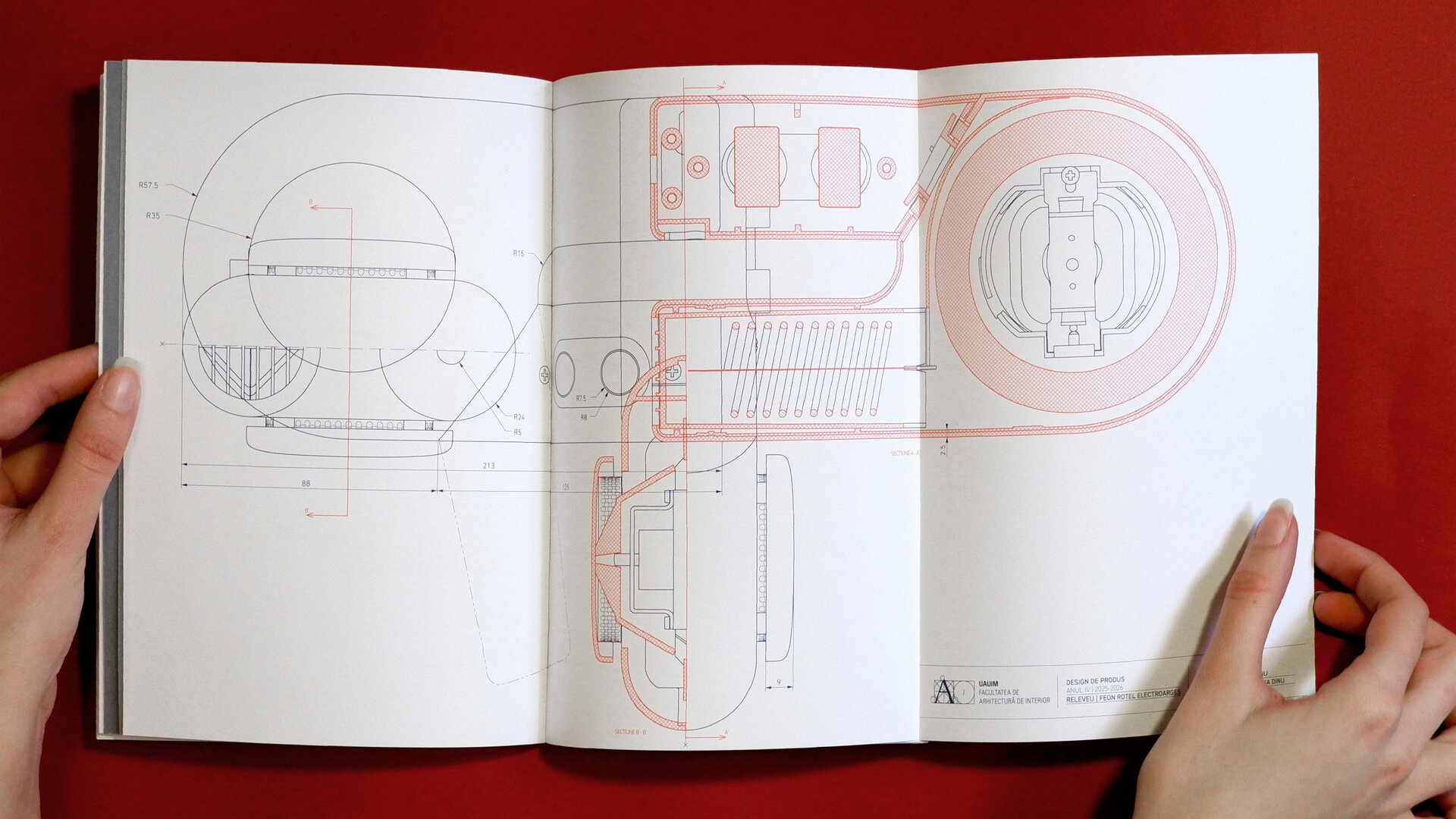
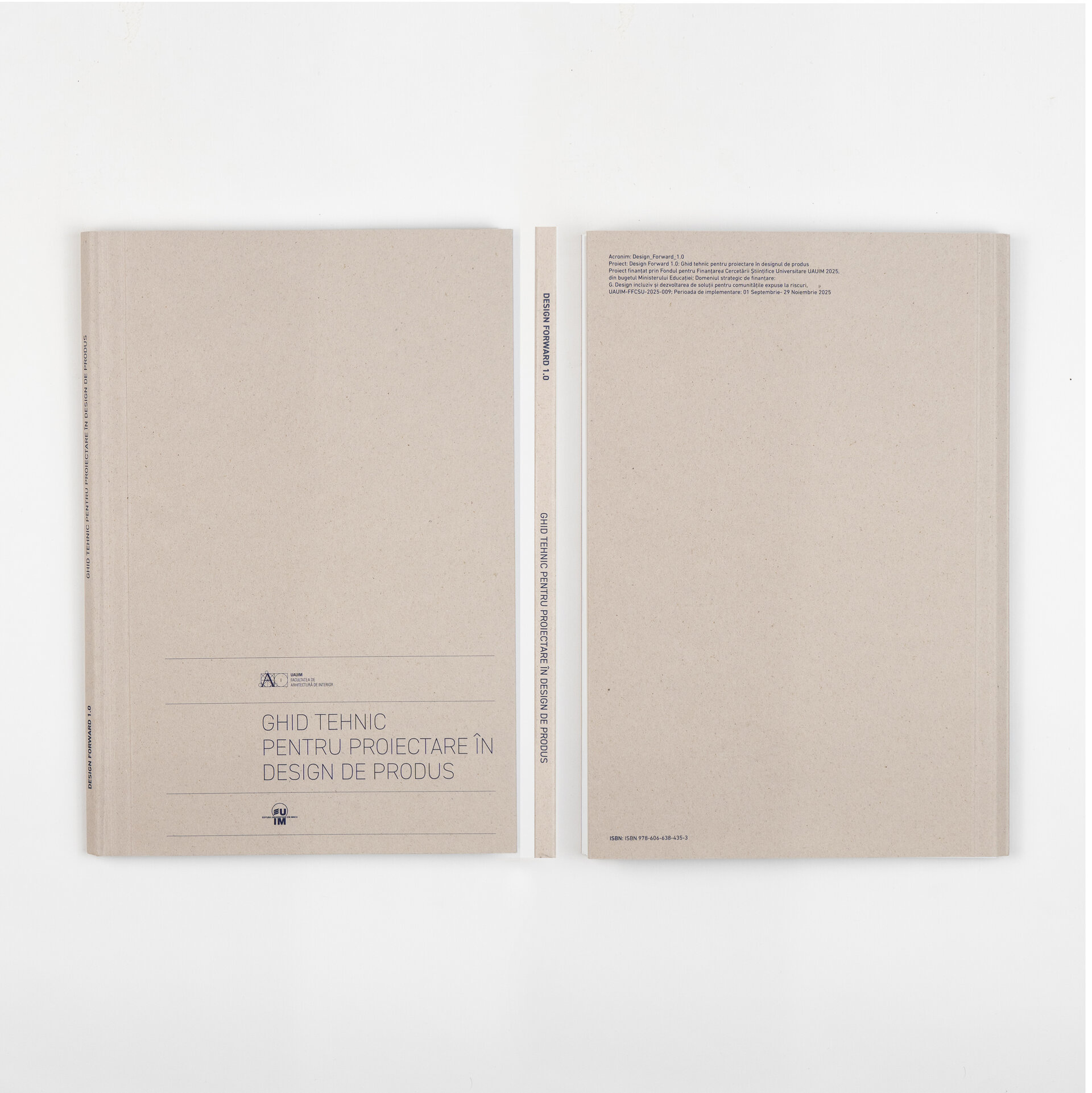
Technical Guide to Product Design
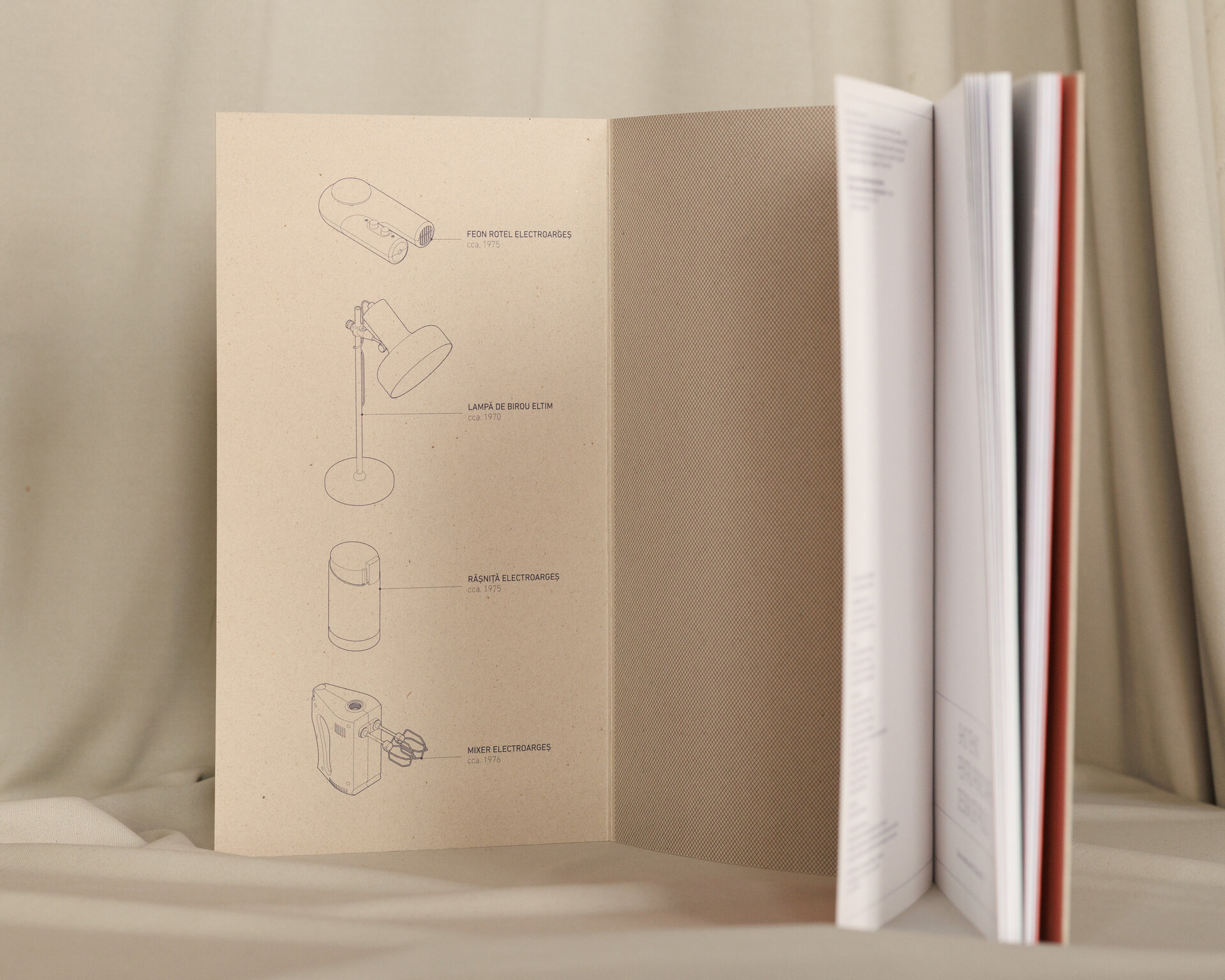
Authors’ Comment
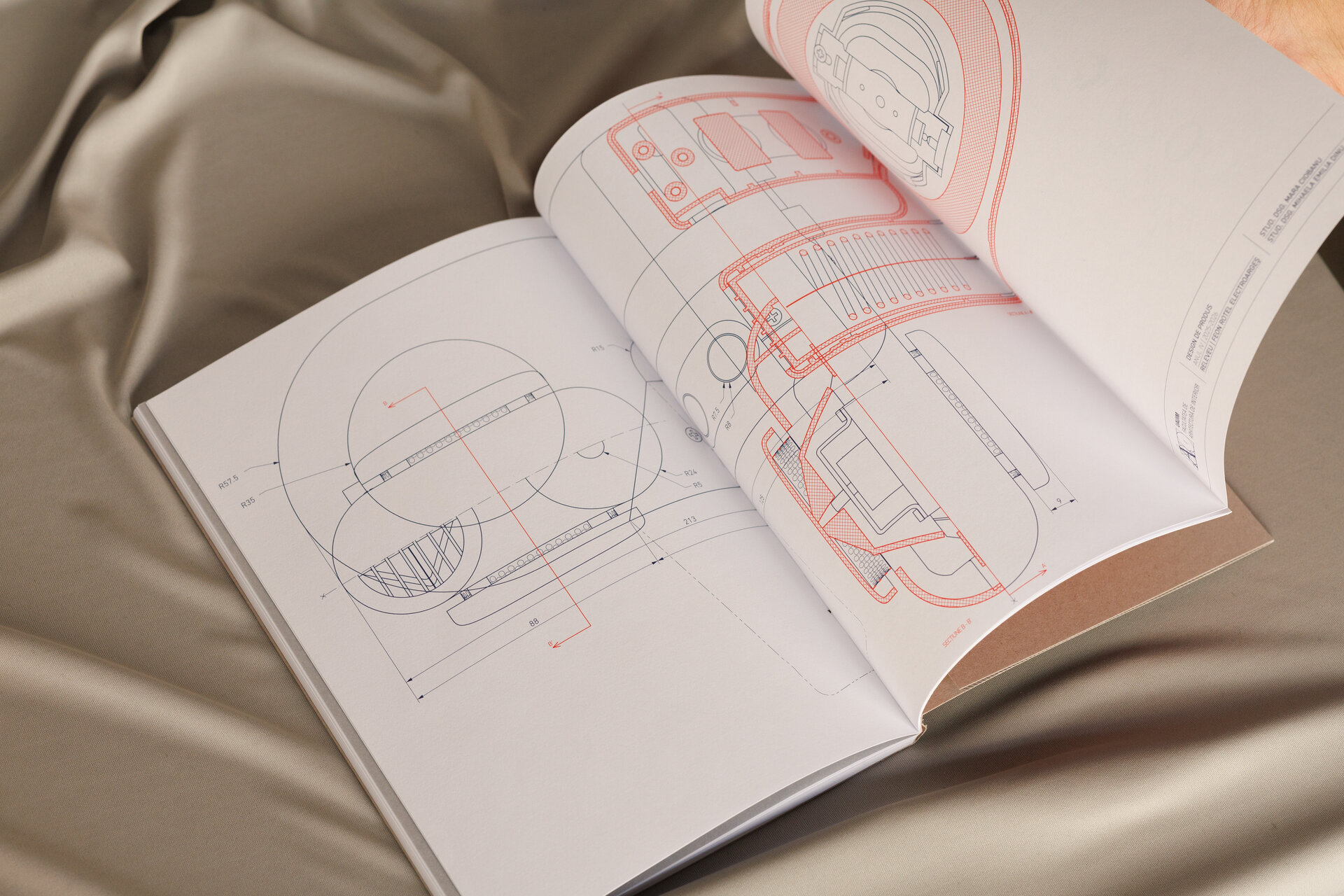
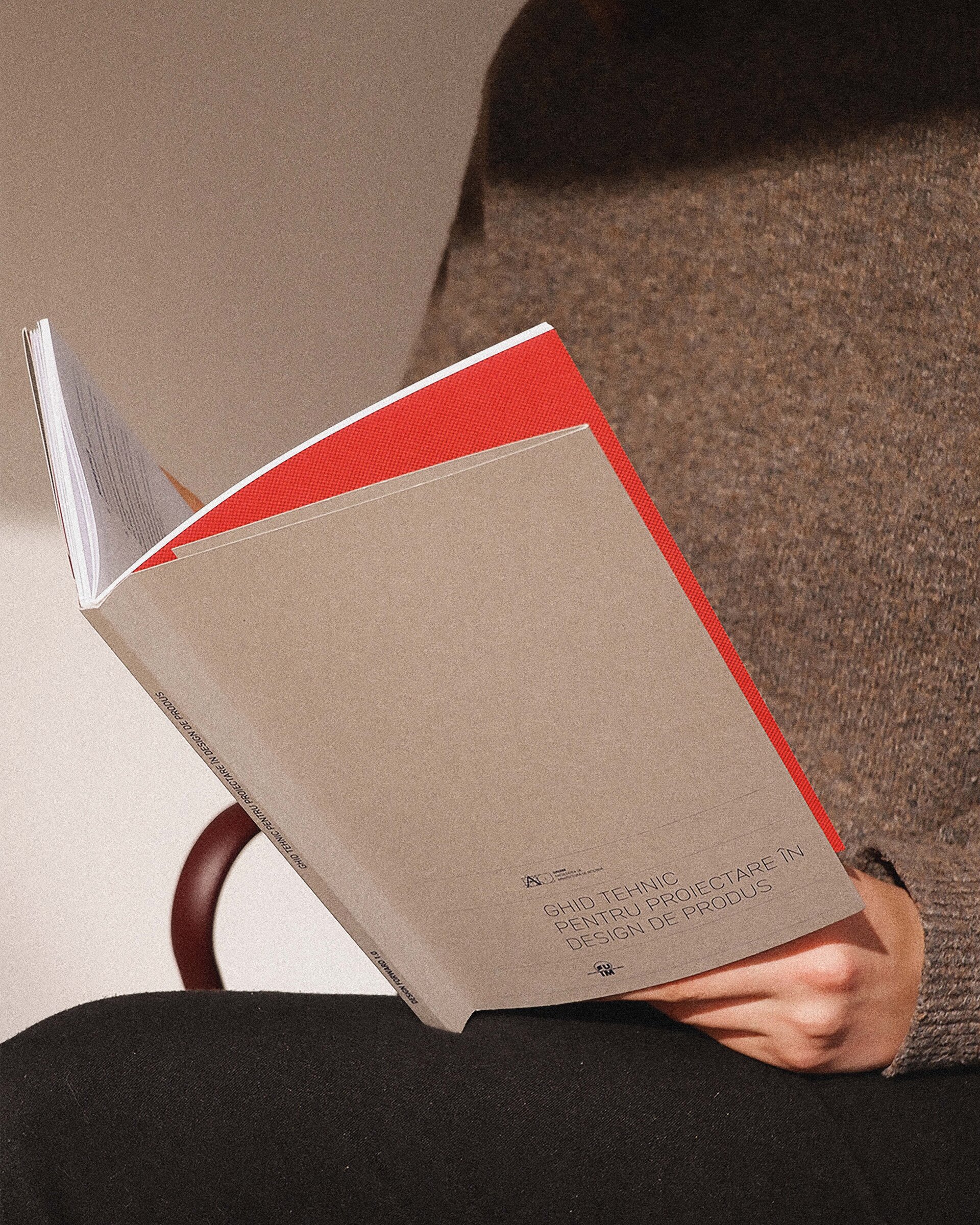
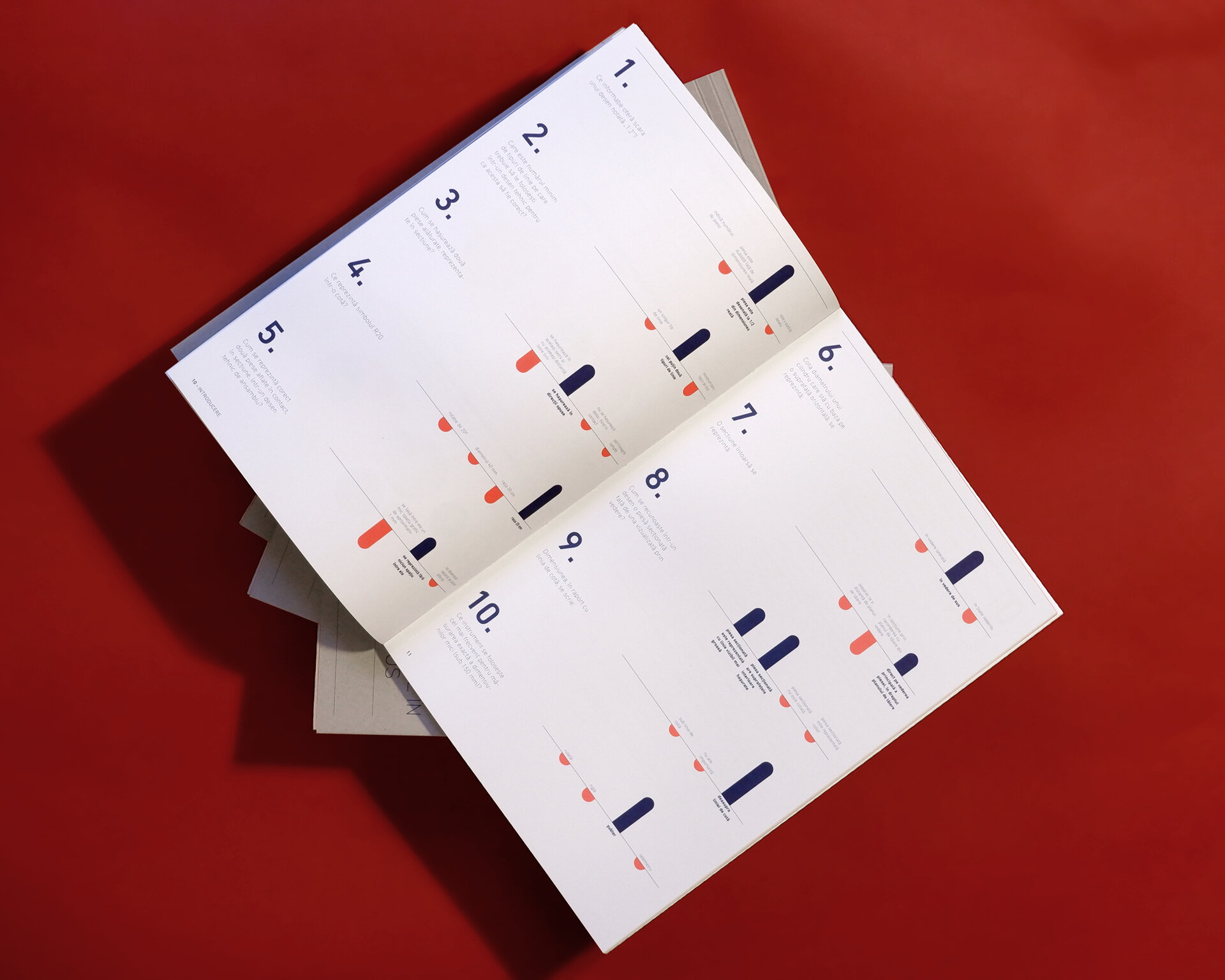
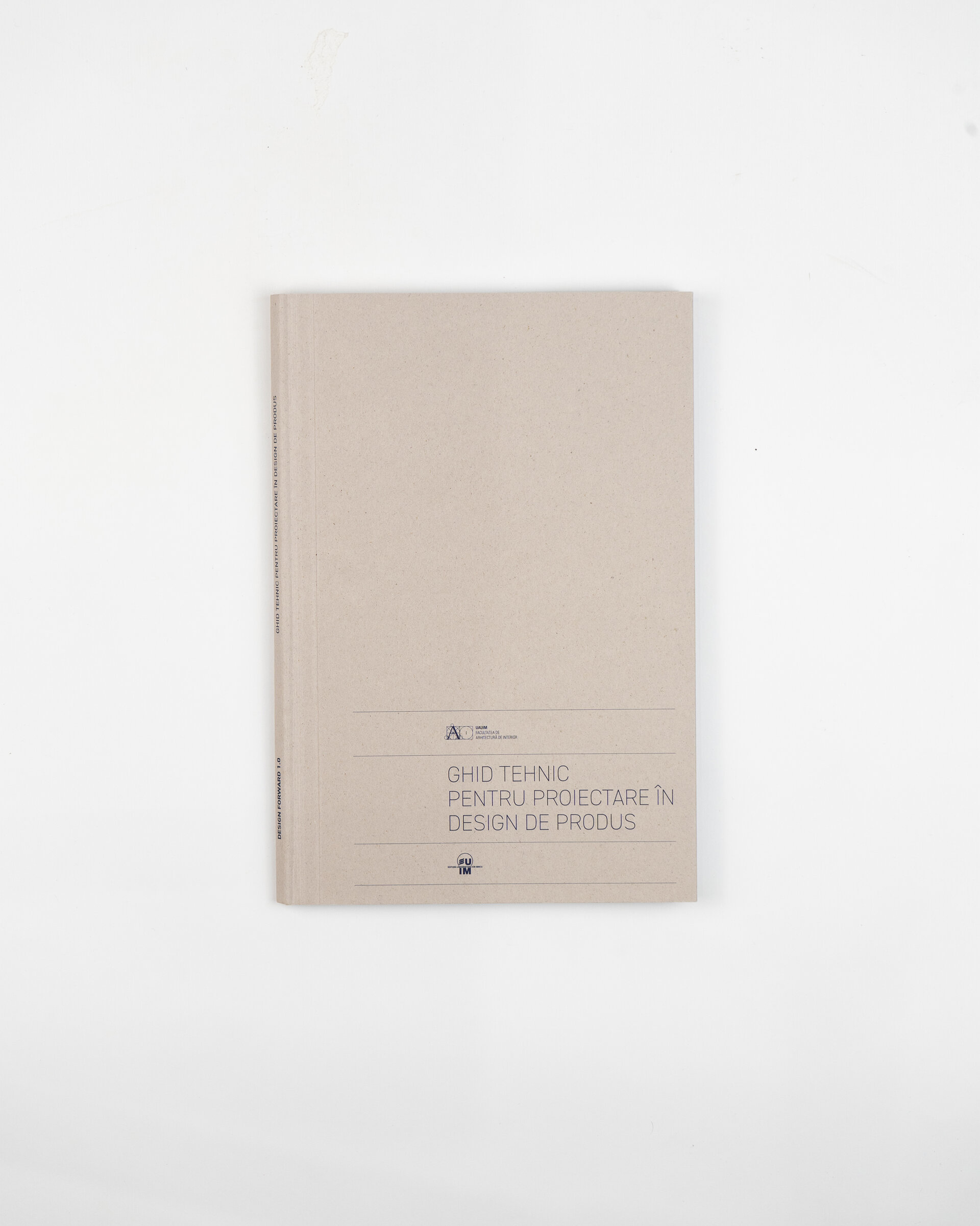
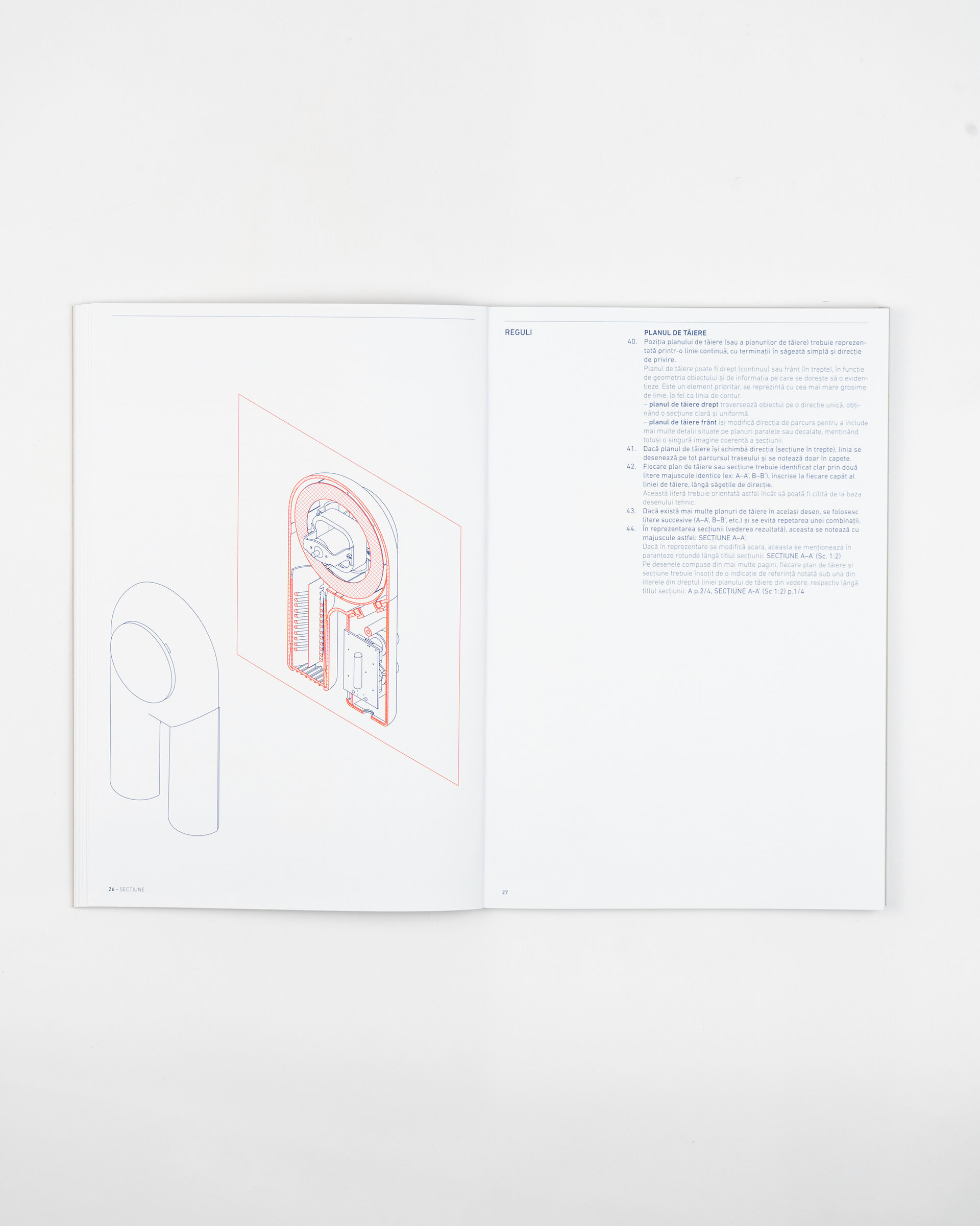
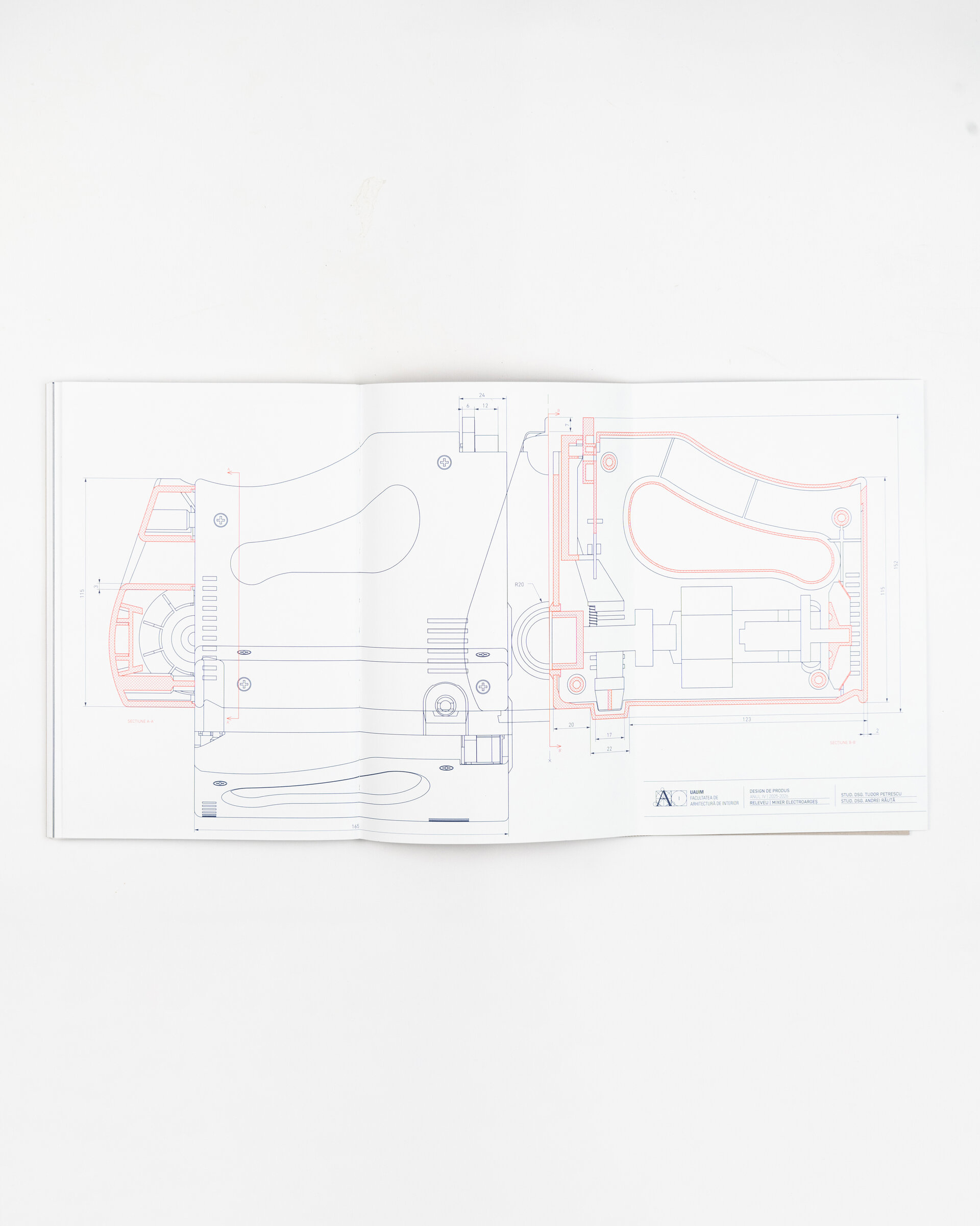
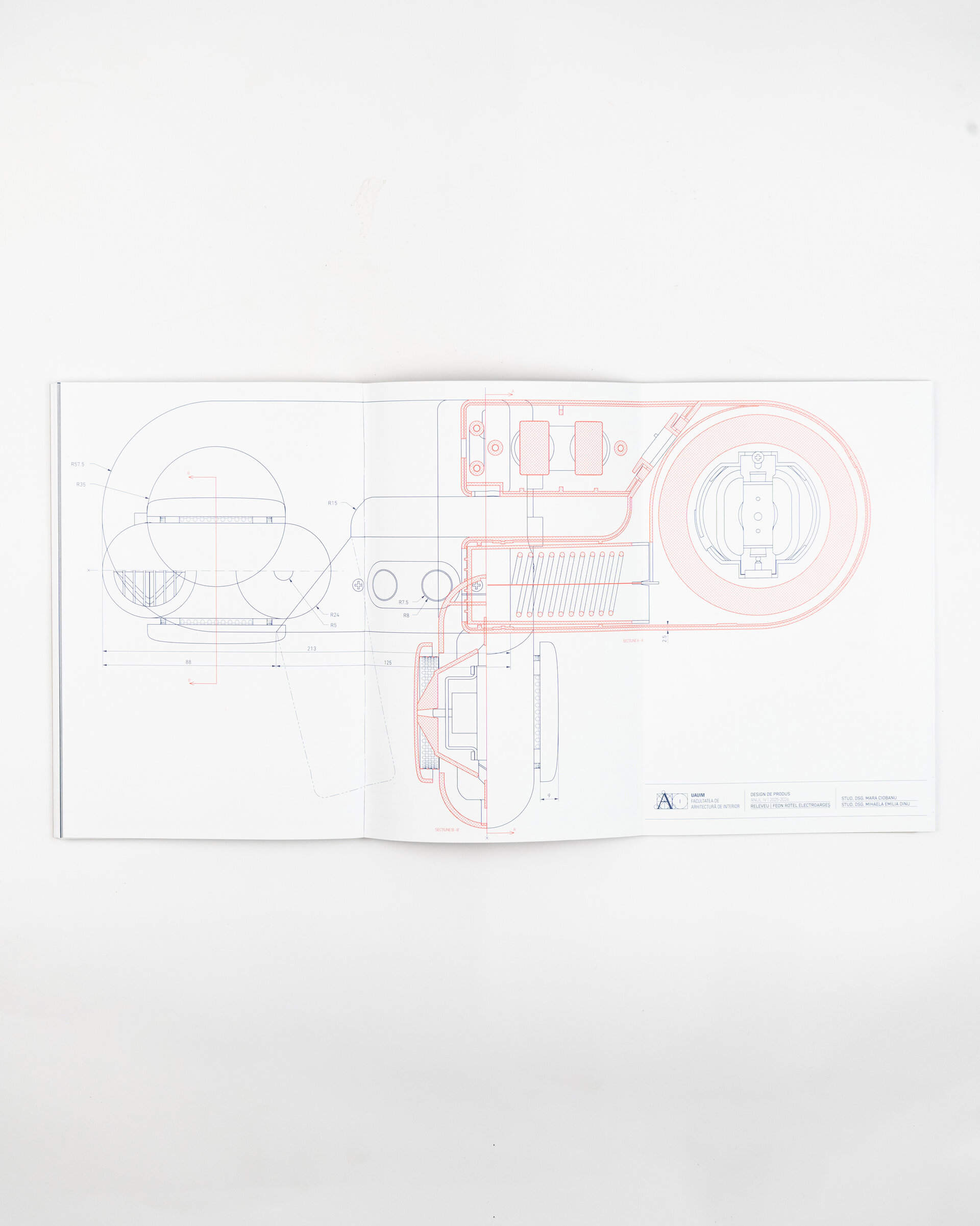
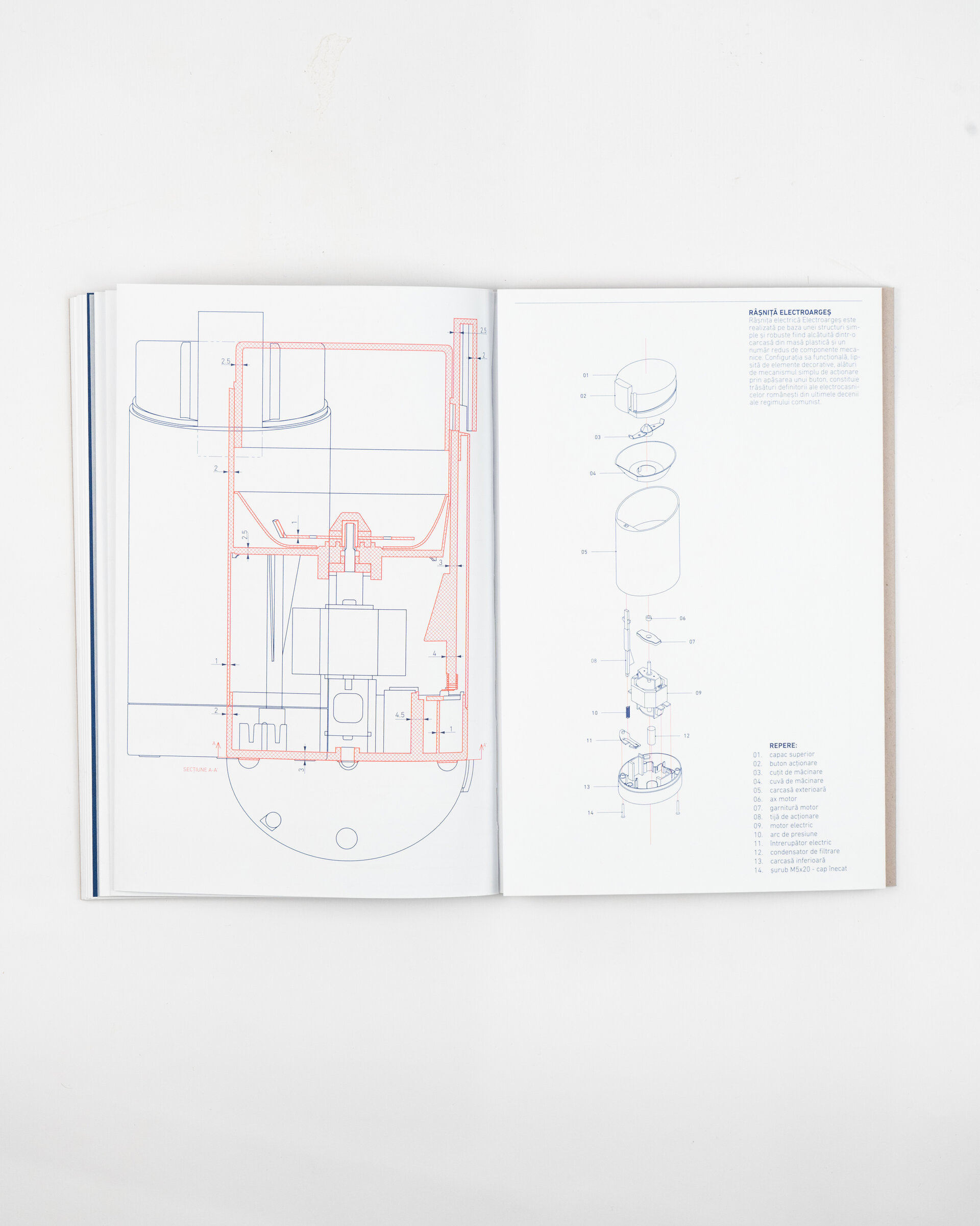
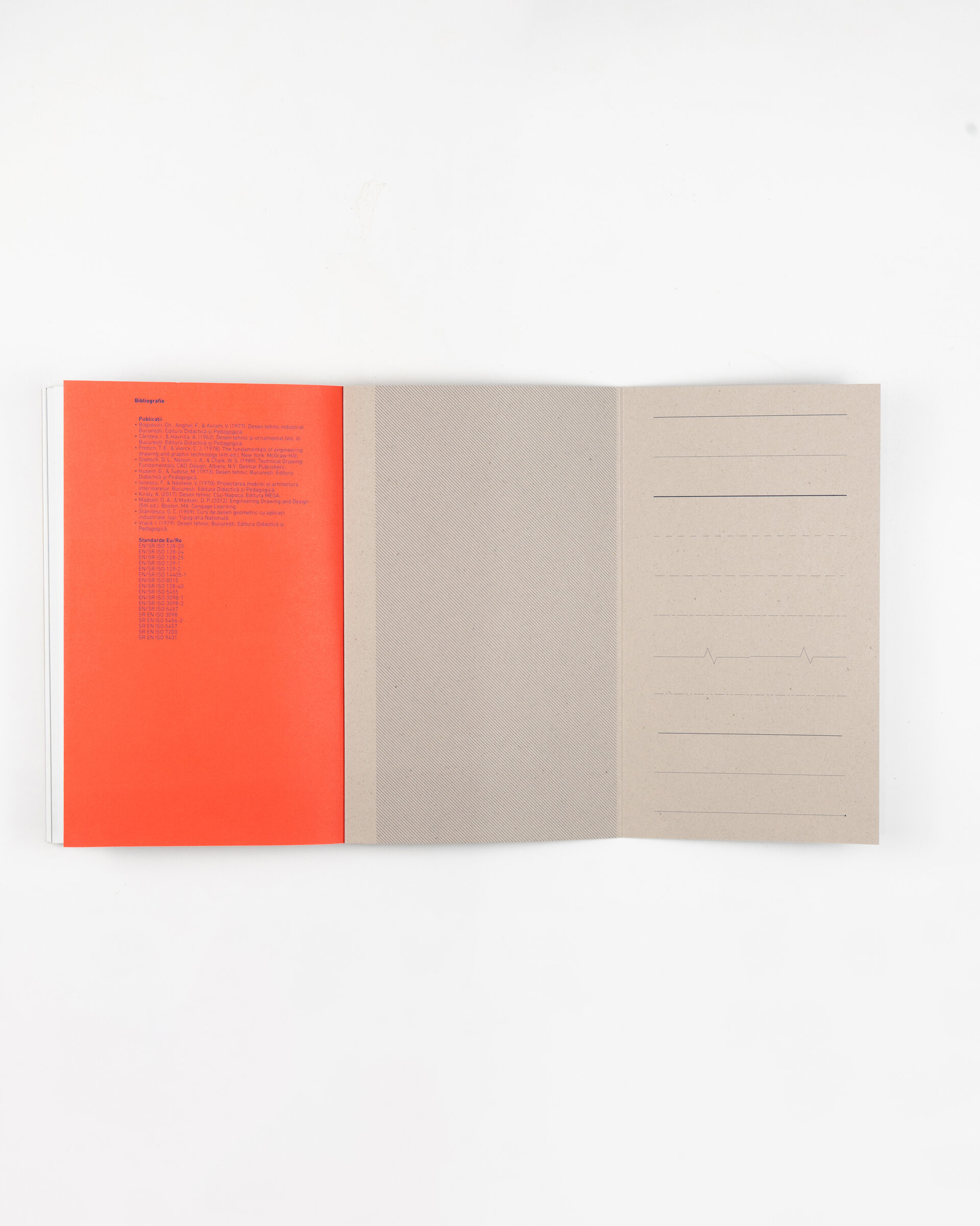
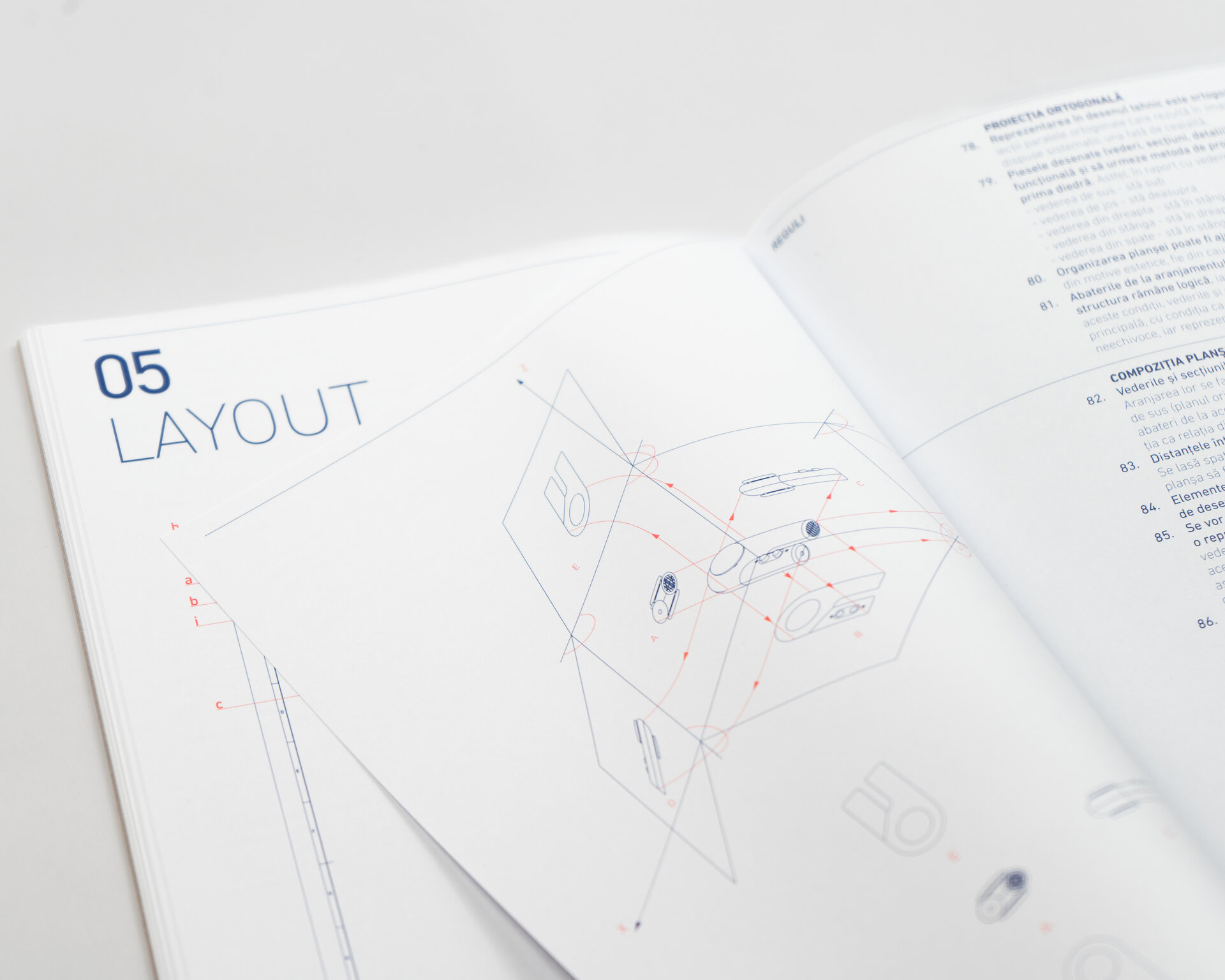
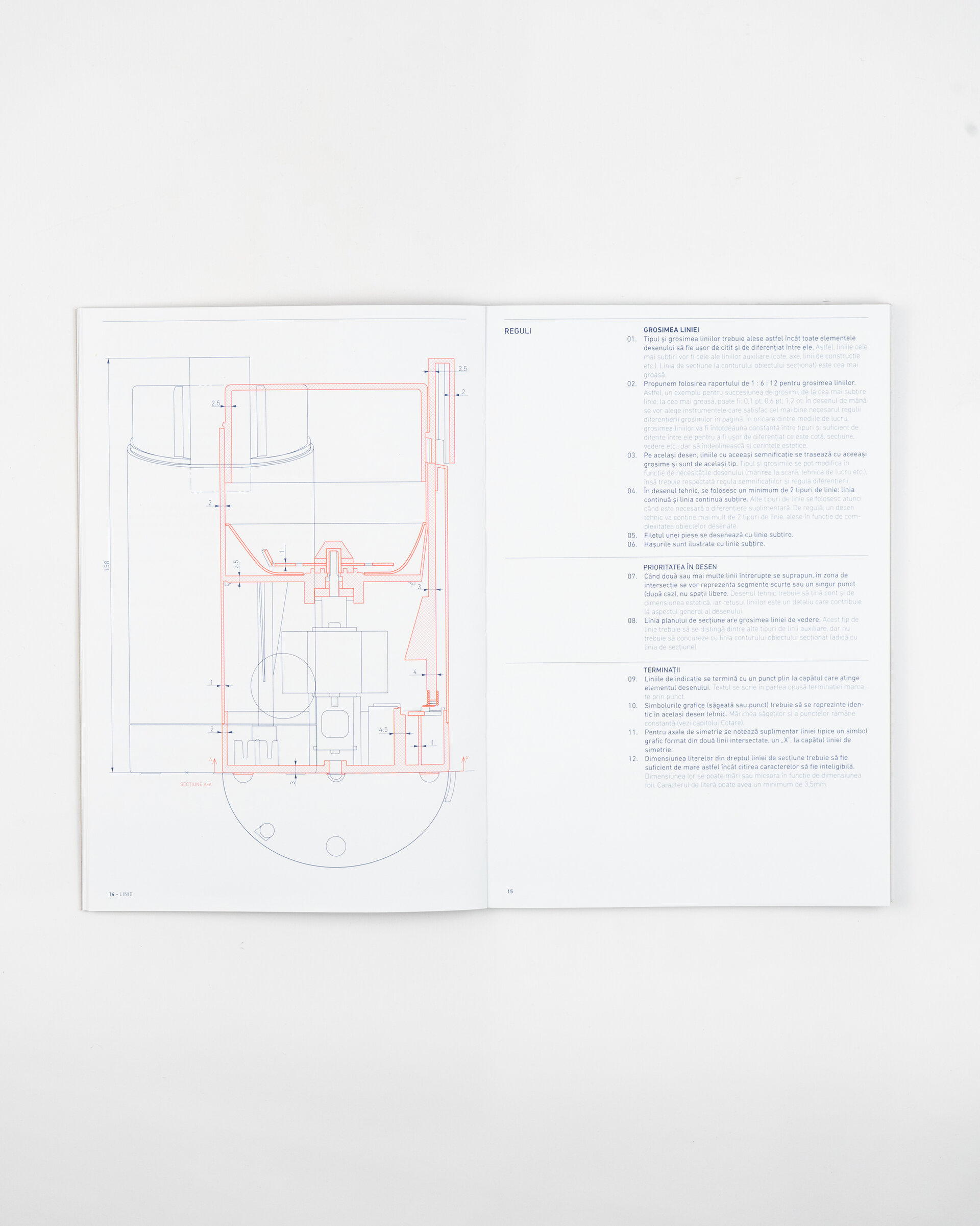
The volume “Technical Guide for Product Design”, produced at the Fabrik printing house and published by the “Ion Mincu” University Publishing House, is a direct result of the Design Forward 1.0 research project. The guide was conceived in response to the difficulties students face in understanding and using technical drawing, and it offers an accessible, coherent journey through design that brings together rules, representation conventions, and specific product design tools.
Design Forward 1.0 is an academic initiative developed within the “Ion Mincu” University of Architecture and Urban Planning Bucharest, through collaboration with specialists in the fields of product design and architecture. This approach highlights the intrinsic connection between architecture and product design. Technical drawings of objects are not merely a tool for representation, but become a valid form of research through design.
The project is dedicated to researching the history and cultural relevance of Romanian product design and aims to bring attention to a series of representative objects for the evolution of this field, while contributing to a better understanding of product design as a distinct and essential profession with an impact on innovation, education, and sustainable development in the contemporary socio-economic context and its connection with the architectural world.
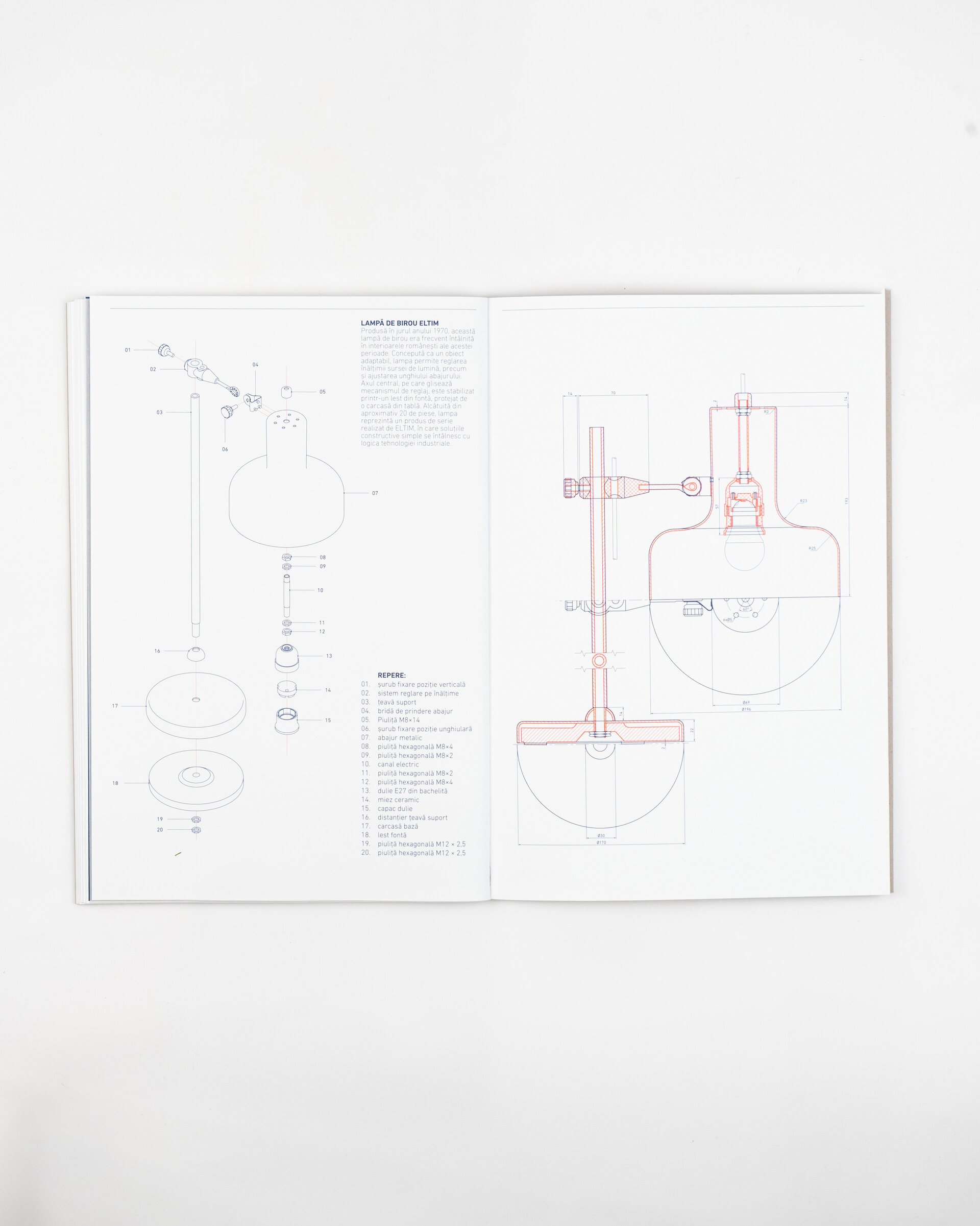
The first stage of the project started with the research and documentation of representative objects for the history of product design in Romania. Within this phase, four objects were selected and used as case studies for developing complex technical drawings and a methodology of analysis and representation. The research combined bibliographic analysis, questionnaires, and survey documentation, resulting in an approach that connects the historical perspective on the object with current design practice.
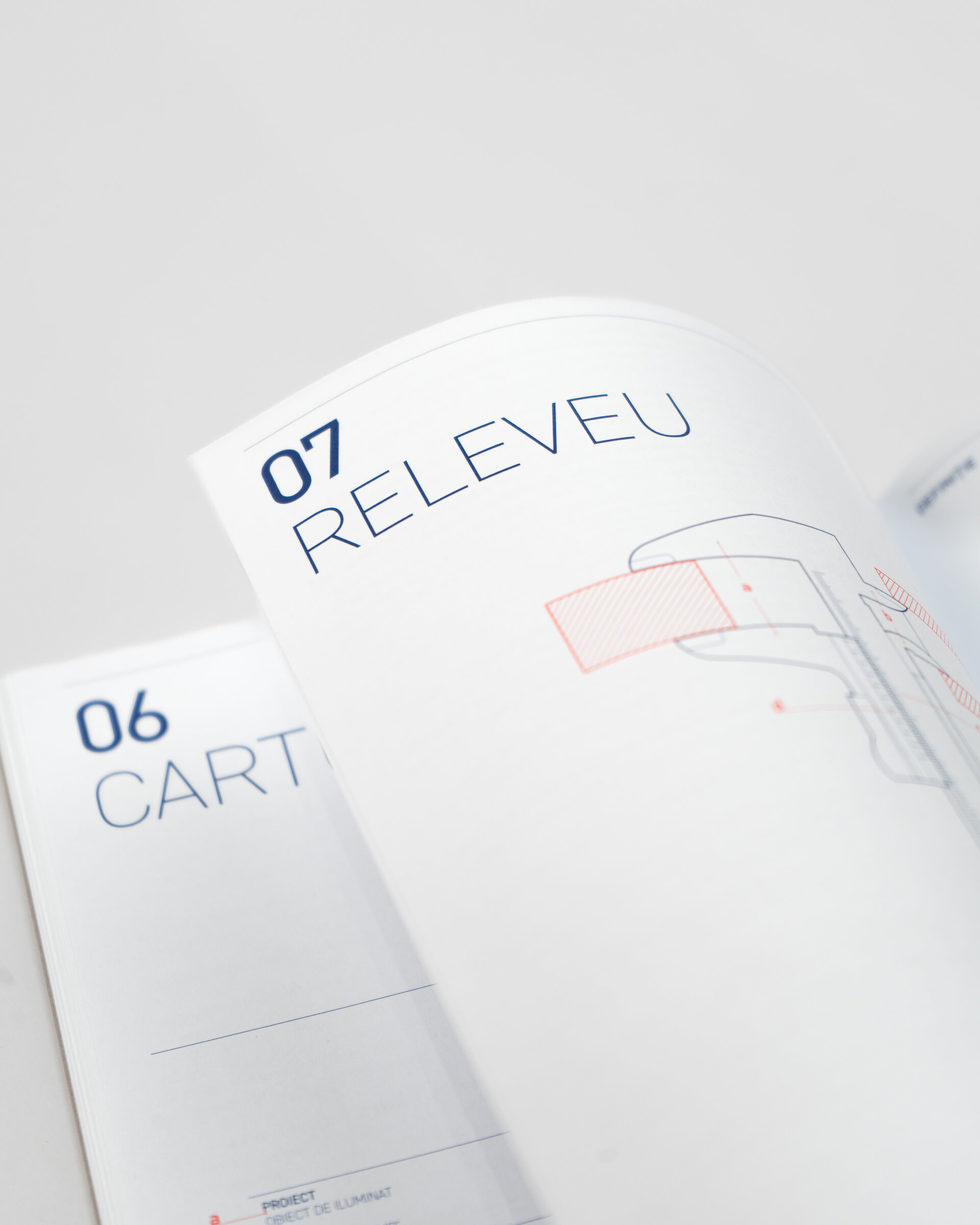
Through its structure, the publication transforms technical drawing from an instrument often perceived as abstract into a clear and accessible visual language. The chapters dedicated to representation systems, views, sections, and exploded axonometric views offer both theoretical references and applied examples, gradually building a common technical vocabulary. In this way, the guide contributes to forming a more coherent and accessible skill base for future product designers.
Design Forward 1.0 thus proposes more than just a documentation of objects from the history of Romanian design; through the publication, research becomes an educational tool and a link between design heritage, design practice, and the education of new generations of designers. In this context, the guide represents both a synthesis of the research process and a tool intended for transmitting and developing a shared language of product design.
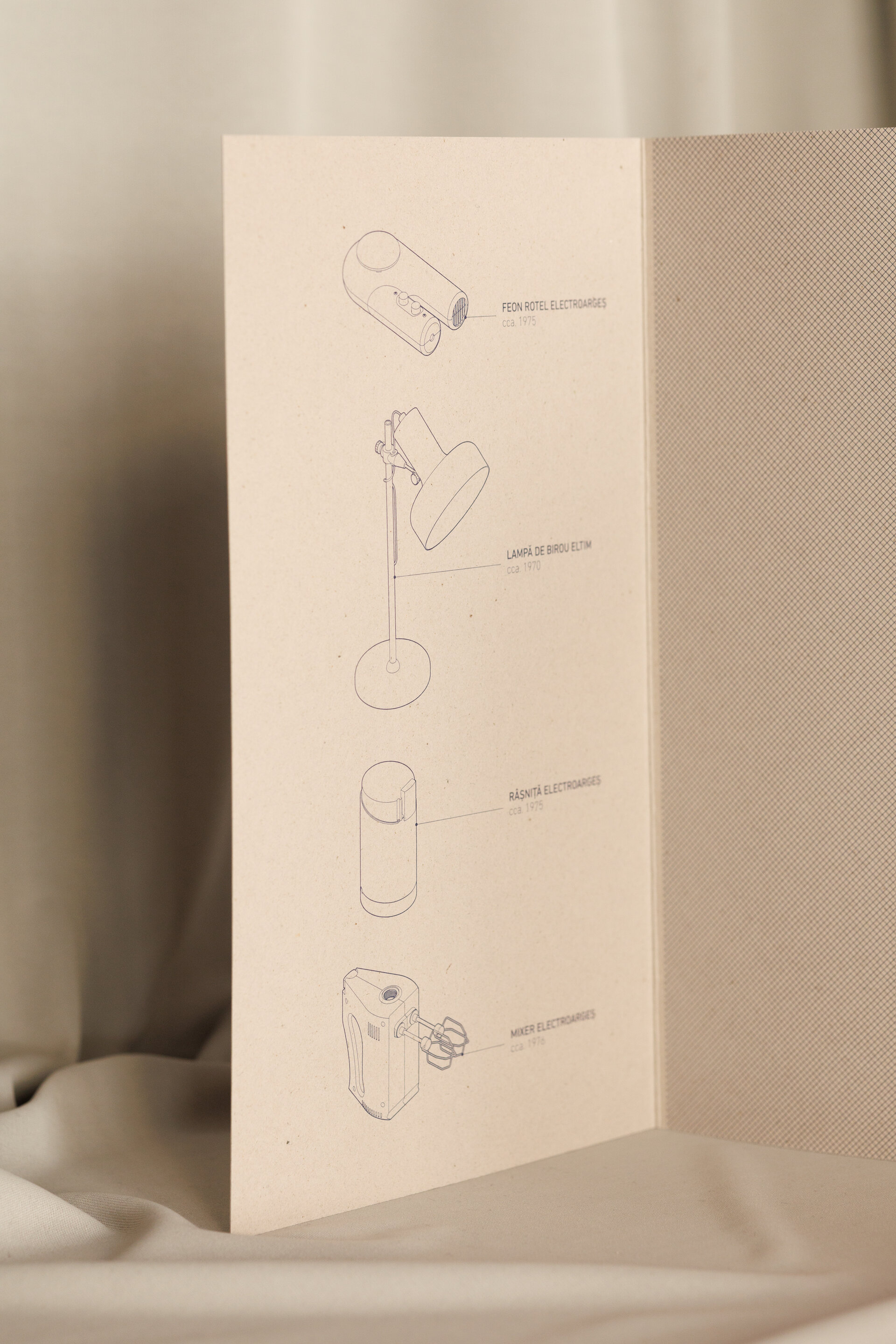
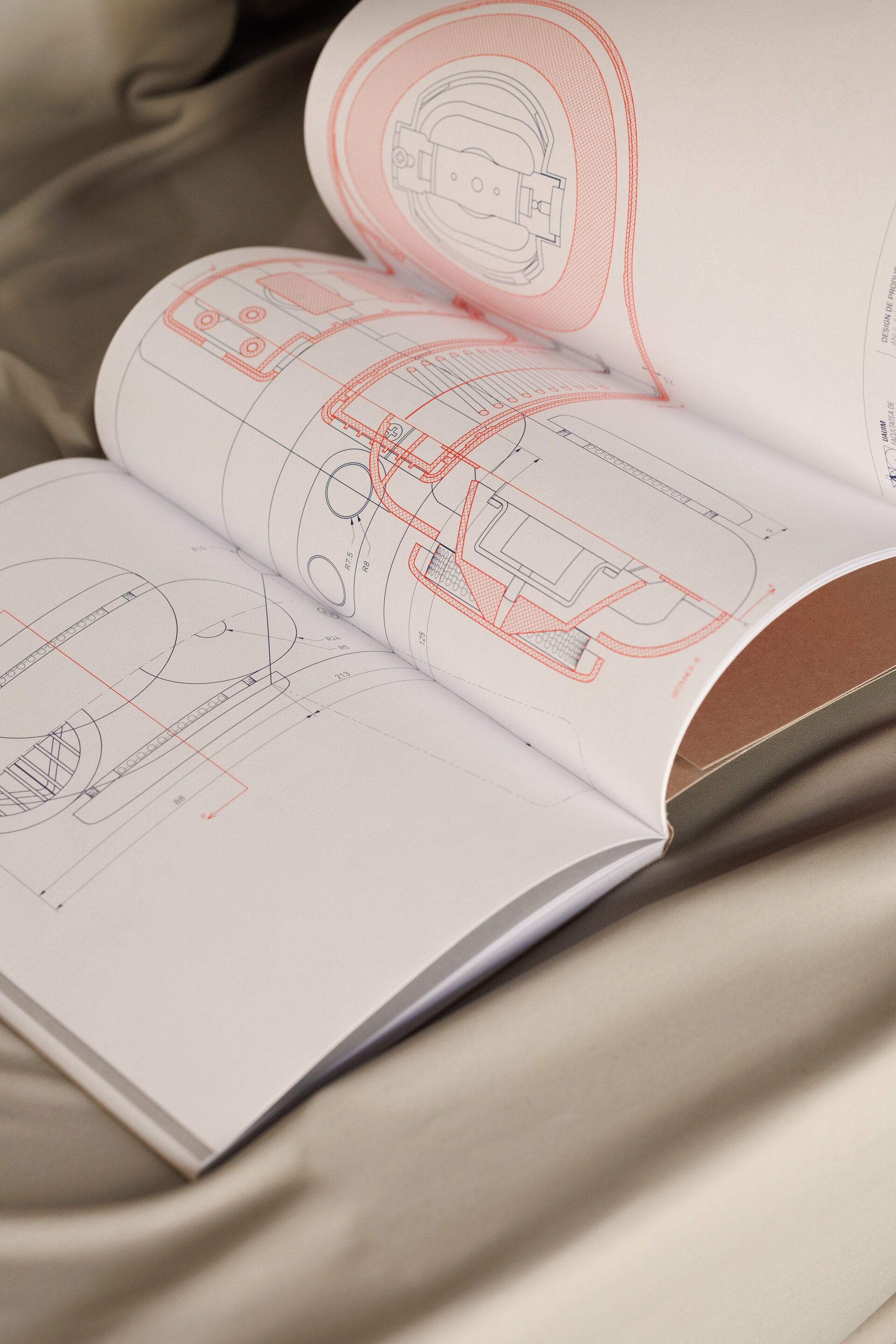
Architecture Books

- Émile-André Lecomte du Noüy: Architectural Culture in the Old Kingdom
- Place & Architecture. Regionalism and Contextualism in Romania, XX–XXIth Centuries
- The Călărași Parcelling at Bariera Vergului. Streets named after Architects and Engineers
- Architect Ion Giurgea. An architectural monography
- Air Cushion
- F
- The Red Line
- Touch Nature
- Original Spaces / Legalised Gestures
- Romanian-Spanish Architecture Workshops. 20 Years of Academic Collaboration
- Technical Guide to Product Design
- Seaside. Aside
- Moments - thoughts, spaces, sketches
- Recyclable Materials in Interior Architecture. Textile Recycling and Natural Pigments


