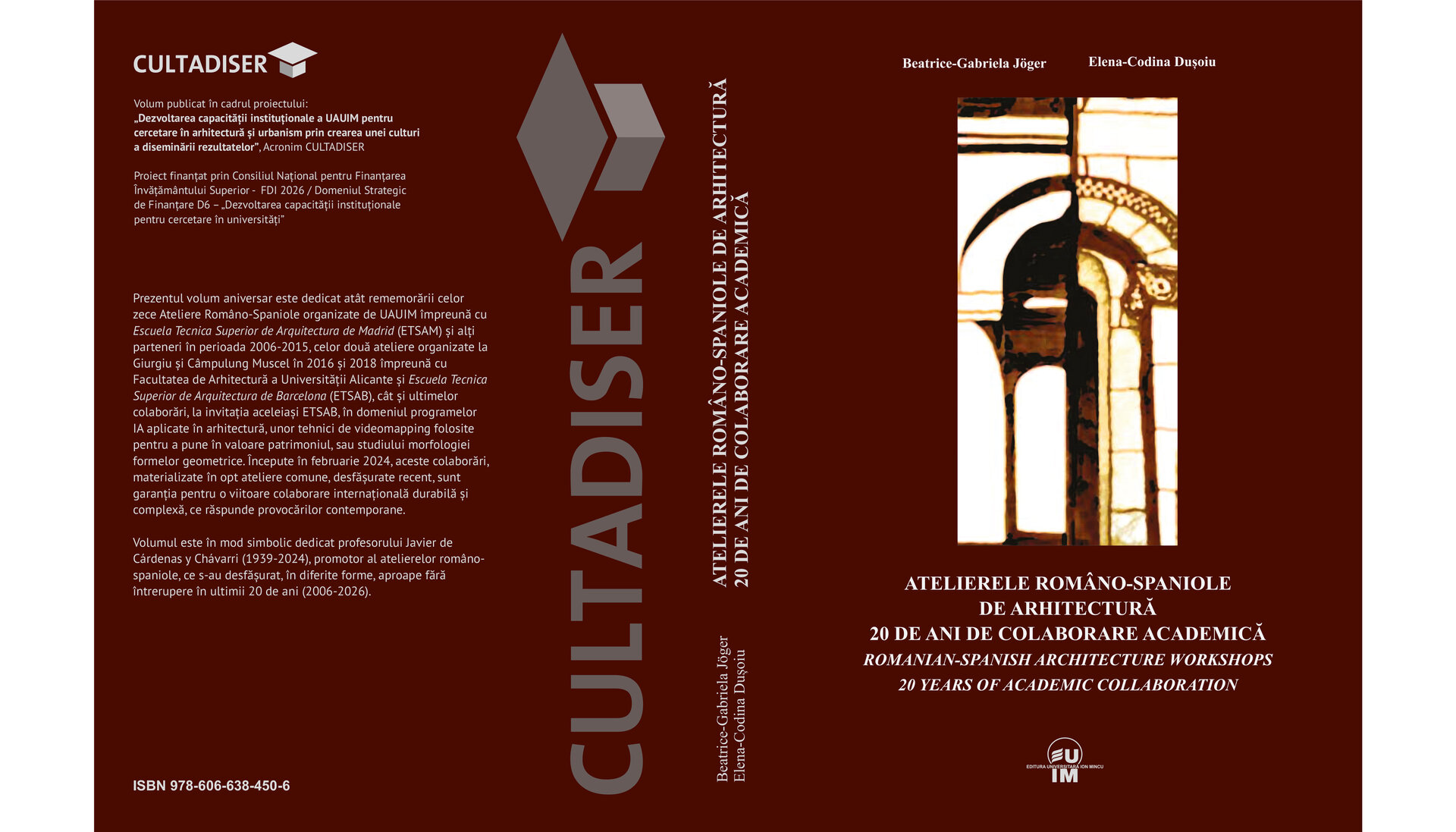
Romanian-Spanish Architecture Workshops. 20 Years of Academic Collaboration
Authors’ Comment
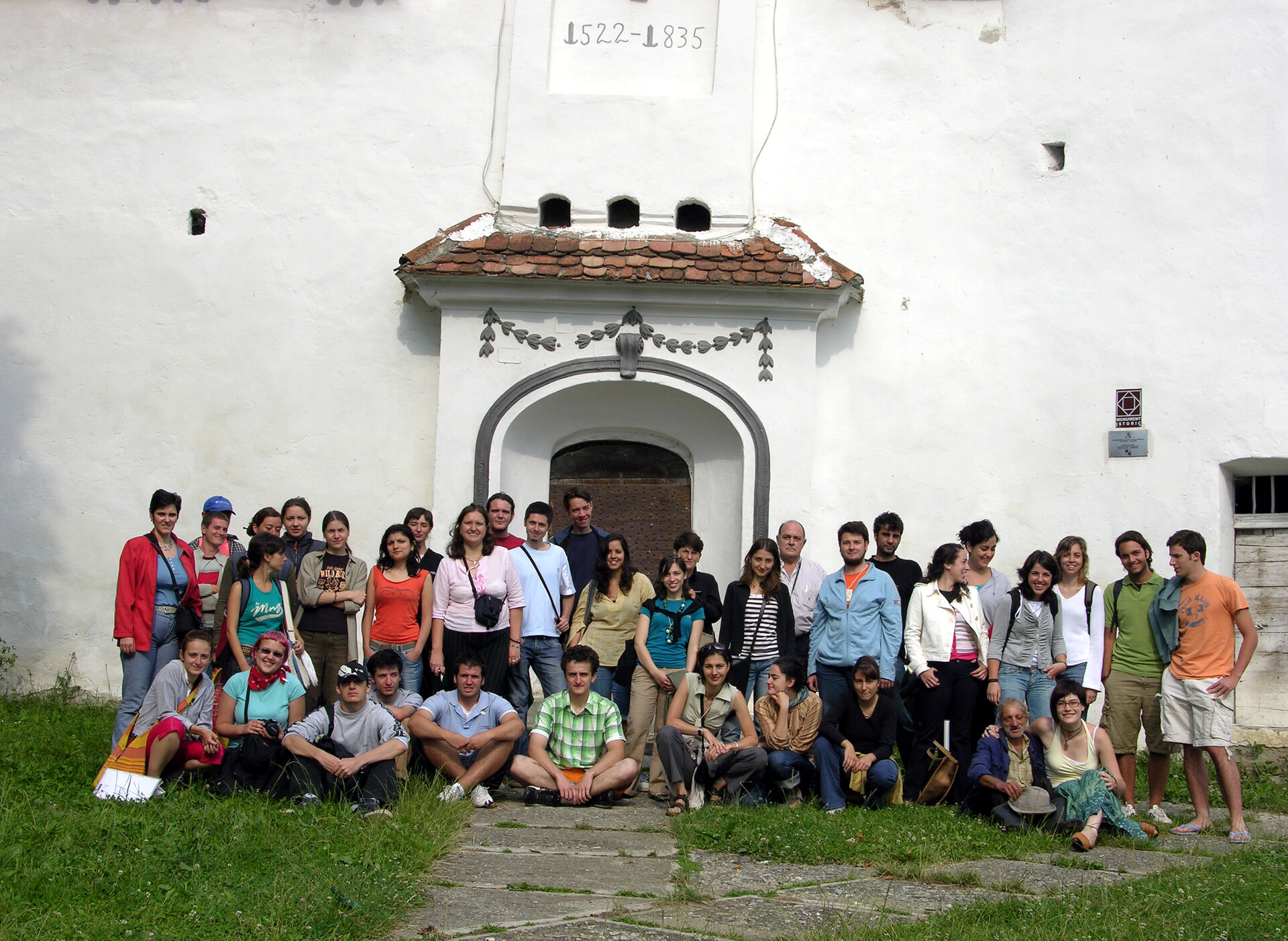
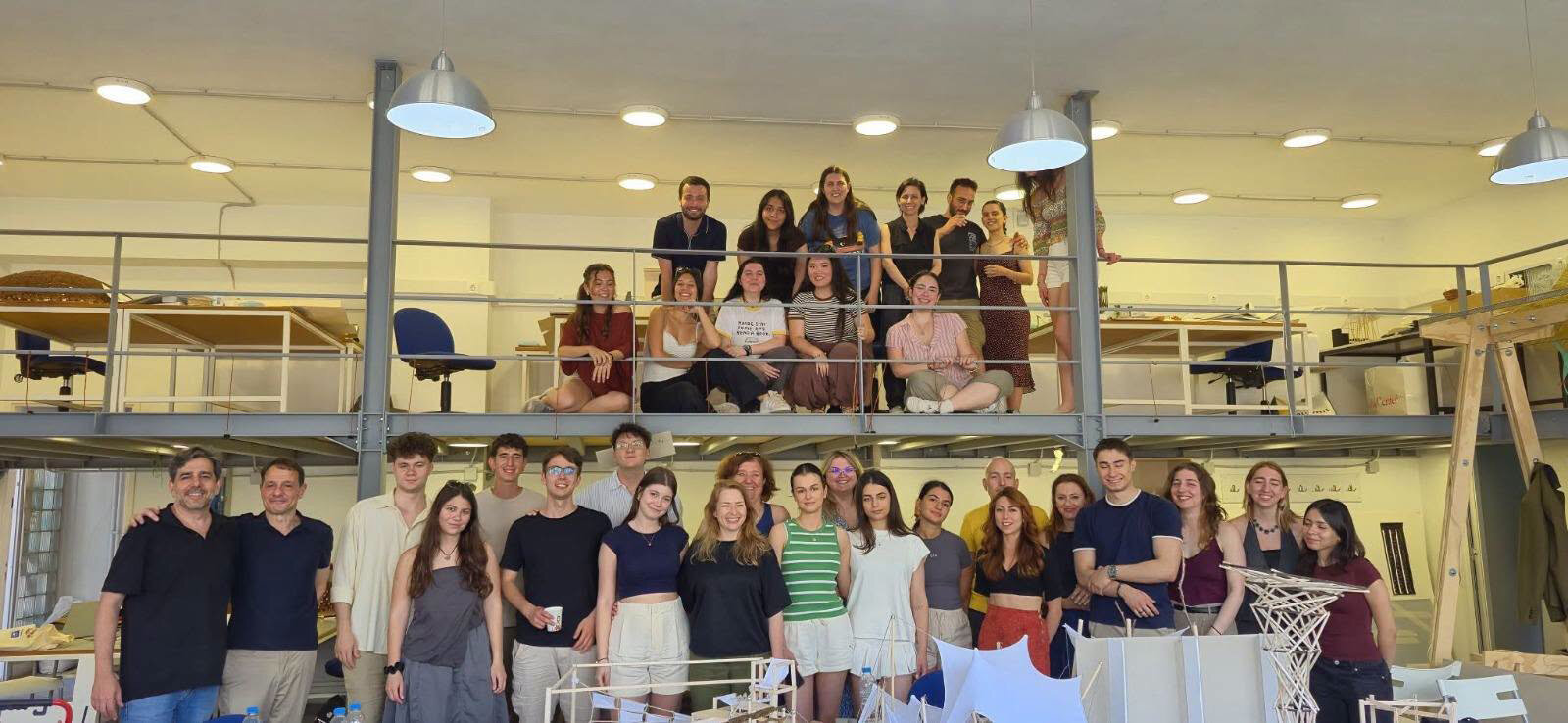
The bilingual anniversary volume Romanian-Spanish Architecture Workshops – 20 Years of Academic Collaboration showcases the extensive activities resulting from the partnership between UAUIM and various schools of architecture in Spain, beginning in 2006—the year the first Romanian-Spanish workshop was held at Dealu Frumos, hosted by the Center for Vernacular Architecture Studies. That event was organized by UAUIM and ETSAM (Technical University of Madrid’s School of Architecture), an institution that has become a long-standing partner of our school, collaborating not only on workshops but also on numerous other academic events.
The Romanian-Spanish workshops were made possible thanks to Professor Javier de Cárdenas y Chávarri—a professor at ETSAM and director of several architecture schools in Spain—to whom this volume is dedicated. Over time, other architecture schools joined the project: Alfonso X University in Madrid, the G.M. Cantacuzino Faculty of Architecture in Iași, Federico II University in Naples, the University of Alicante, and ETSA Barcelona. The first ten editions (2006–2015) took place without interruption, alternating between Romania and Spain. Subsequently, the collaboration continued with the University of Alicante and ETSA Barcelona—a school with which UAUIM is currently developing an intensive partnership in the field of digital architectural representation.
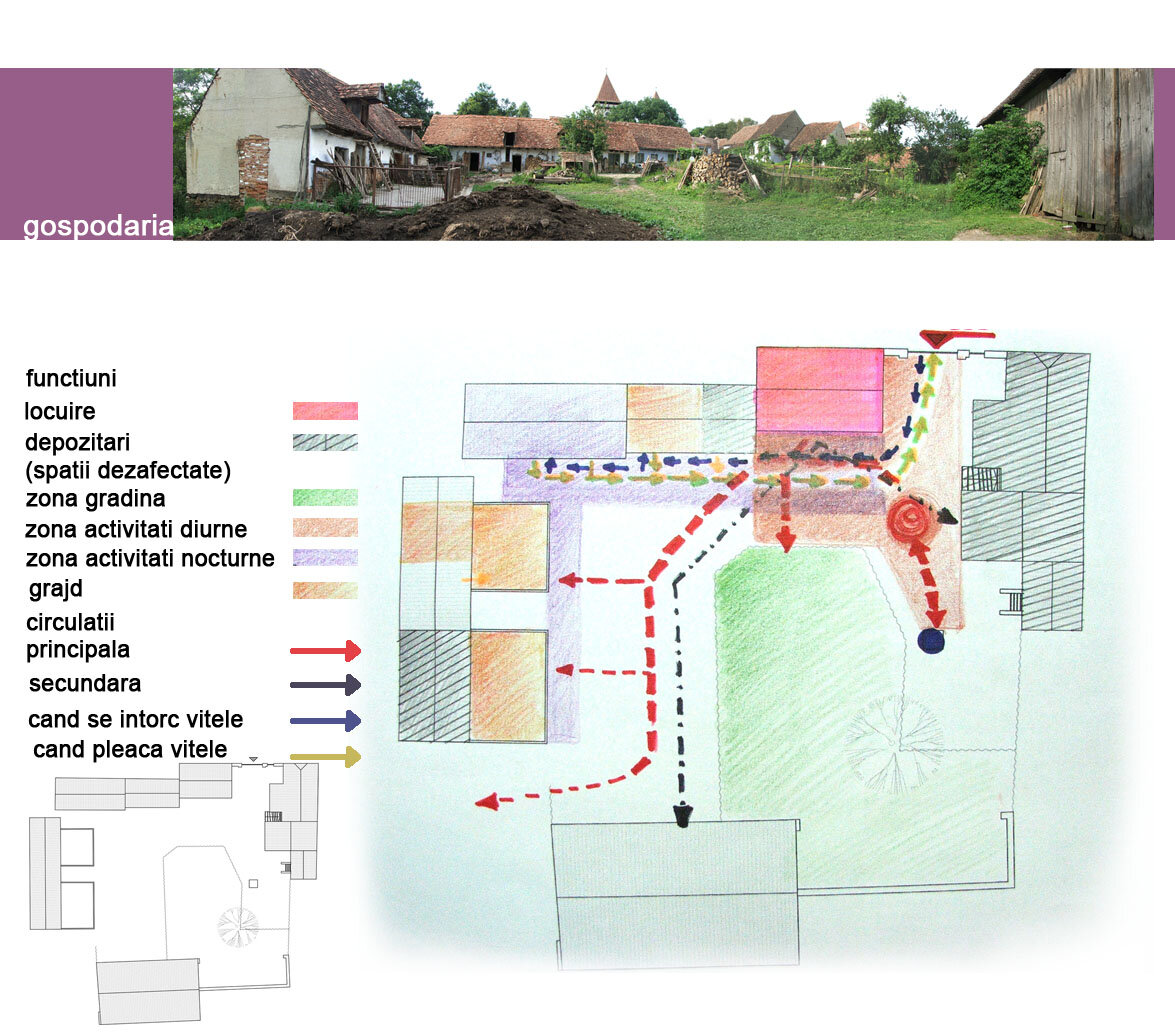
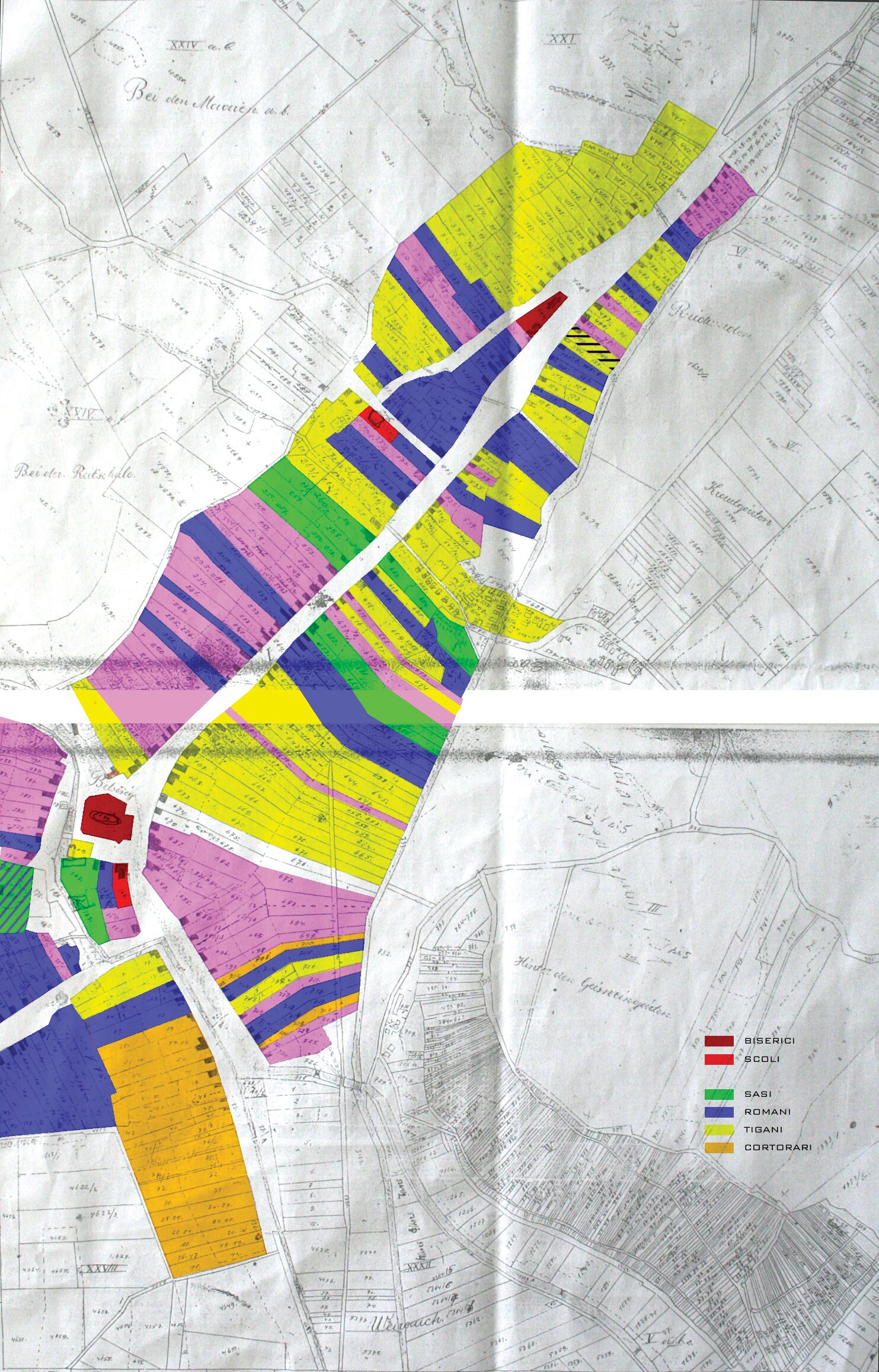
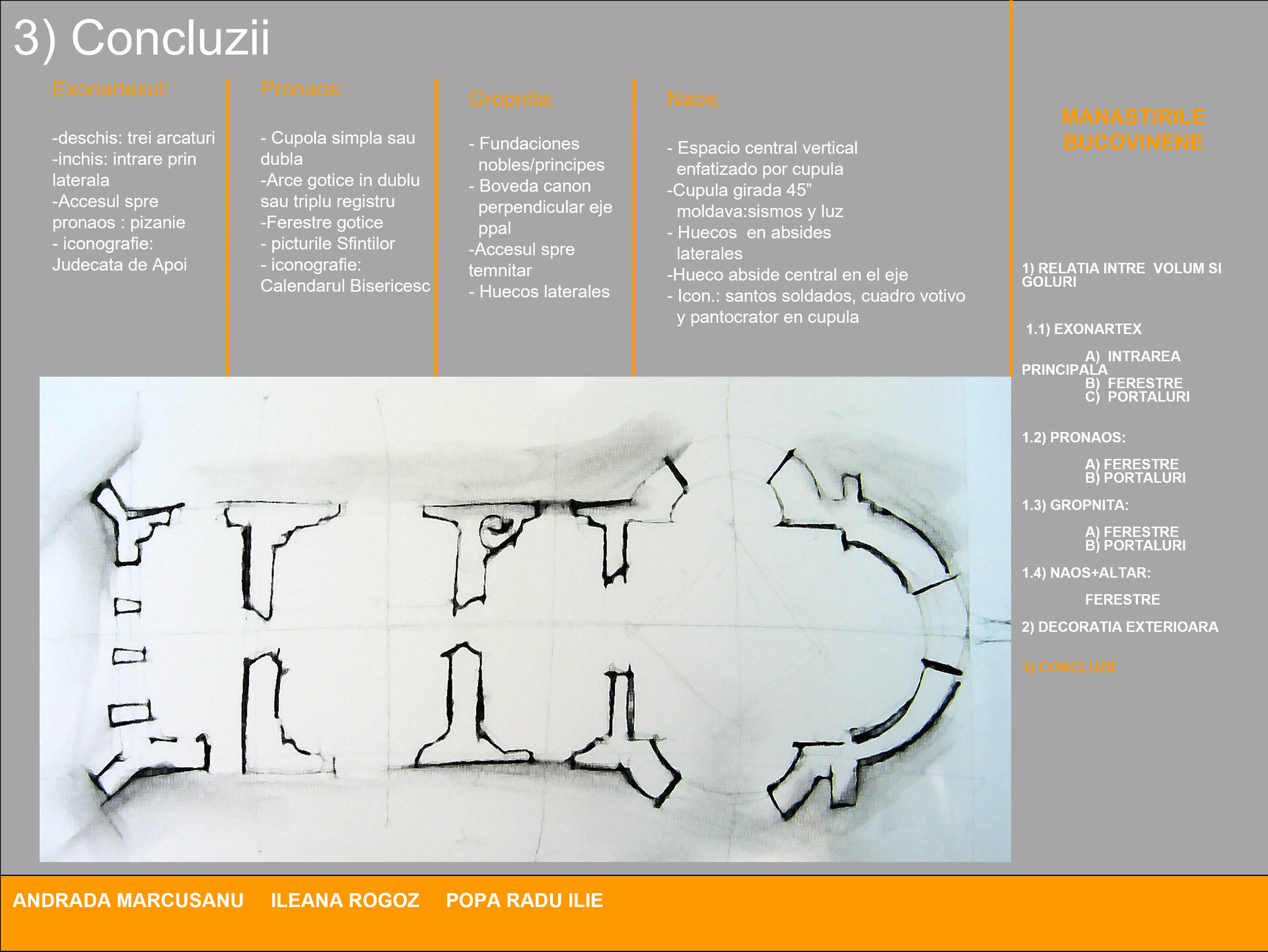
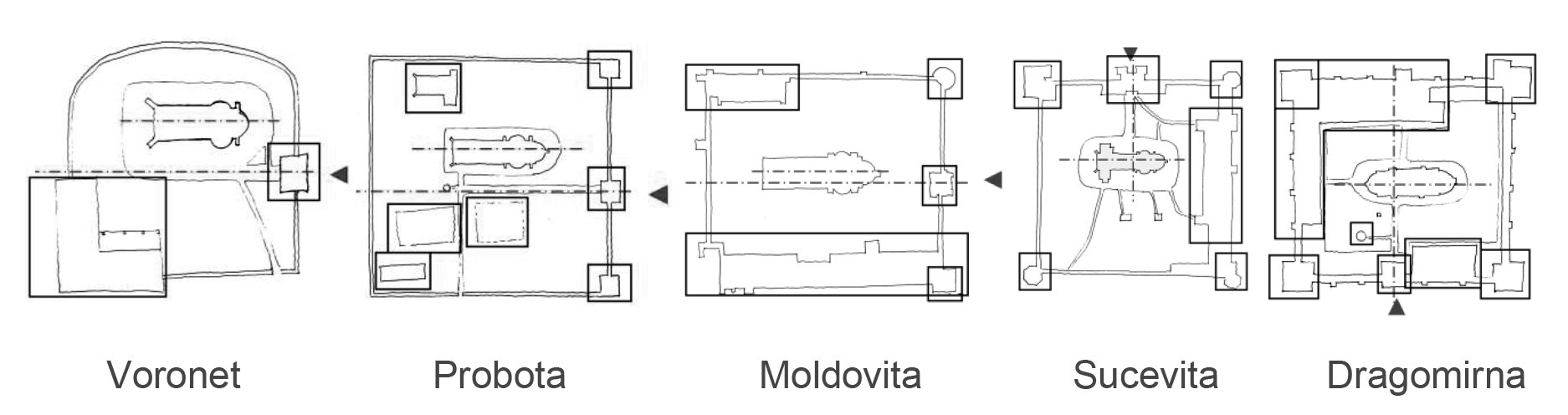
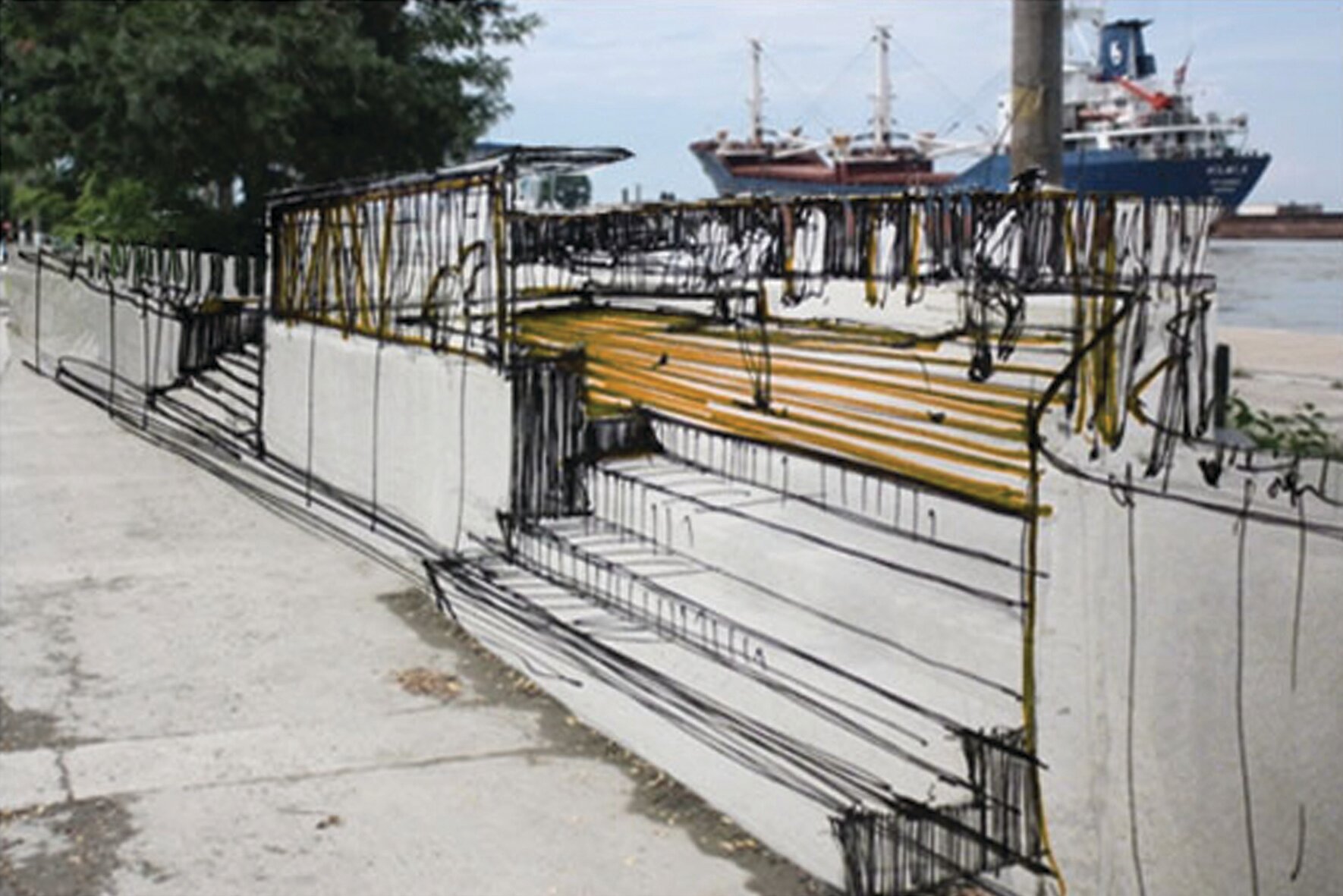
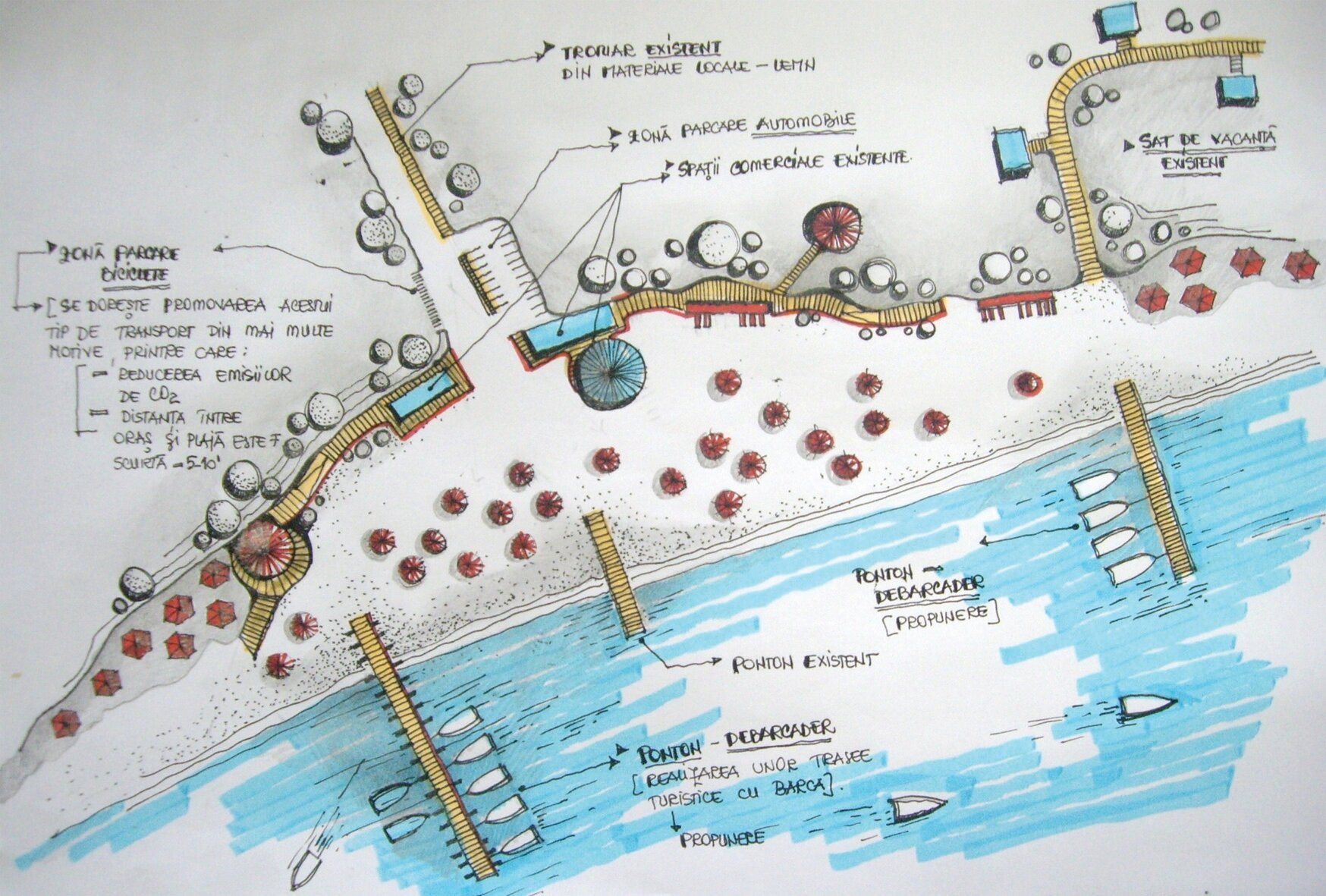
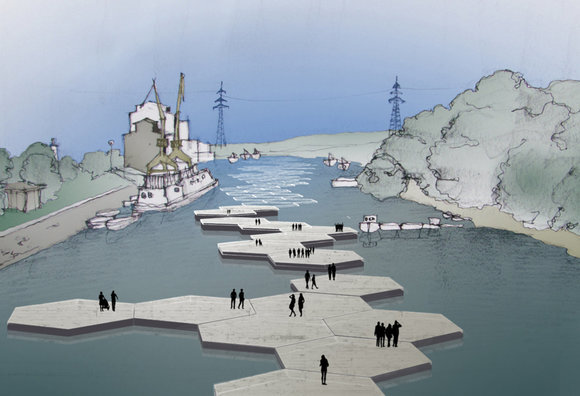
The themes of the first ten key Romanian-Spanish workshops were varied, covering topics such as vernacular heritage (Dealu Frumos 2006, Castile 2007, Canary Islands 2011, El Bierzo 2013, Daroca 2015), the relationship between sacred architecture and the territory and community (Iași and Suceava 2008, Santiago de Compostela 2009, Camino de Santiago 2013), and the study of port architecture and infrastructure (Constanța and Sulina 2010, Las Palmas de Gran Canaria 2011, Giurgiu 2014).
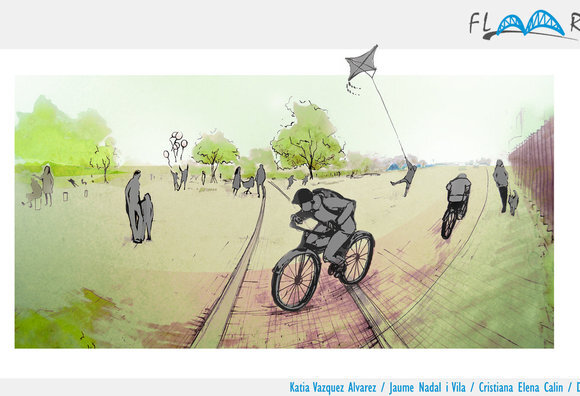
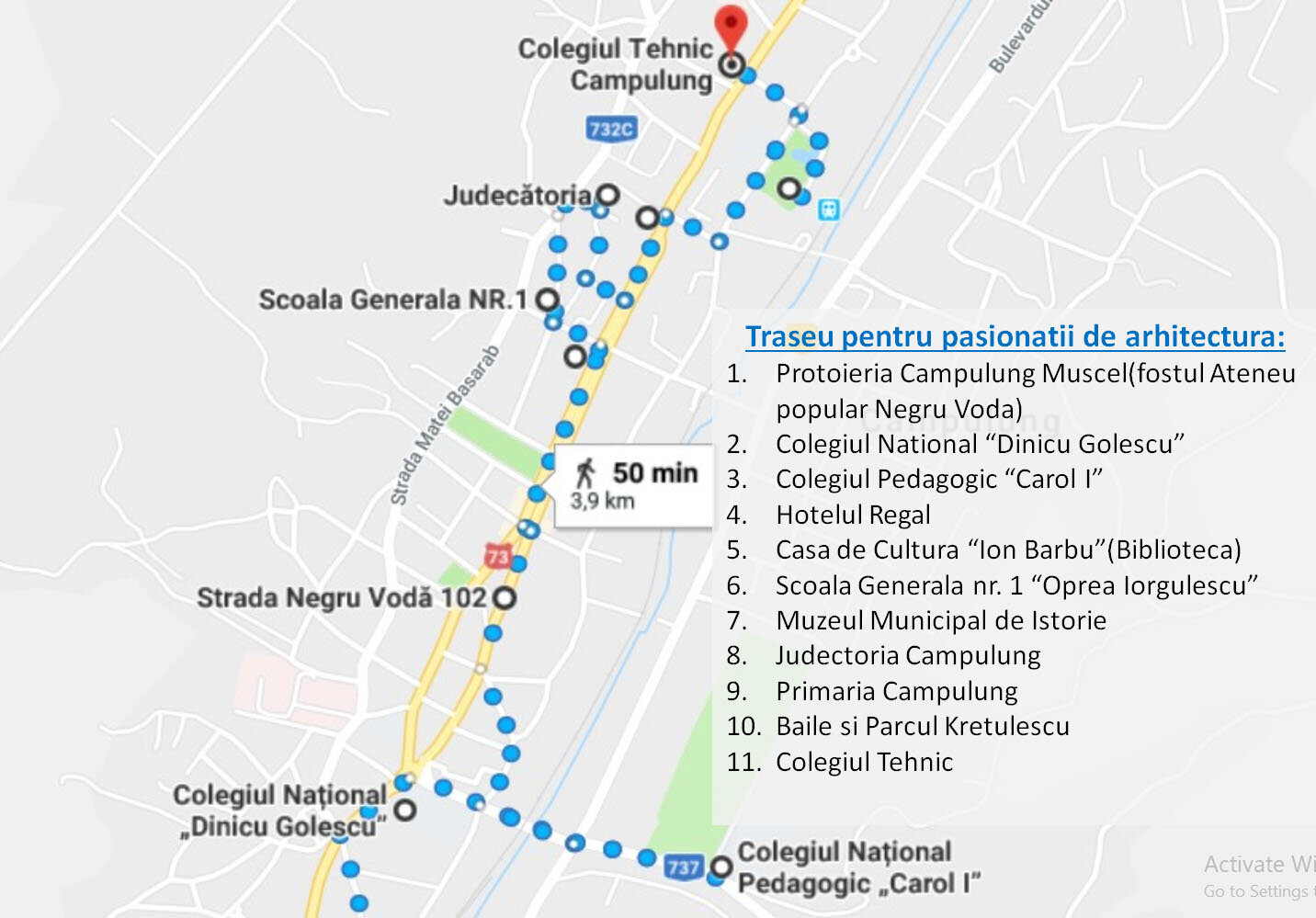
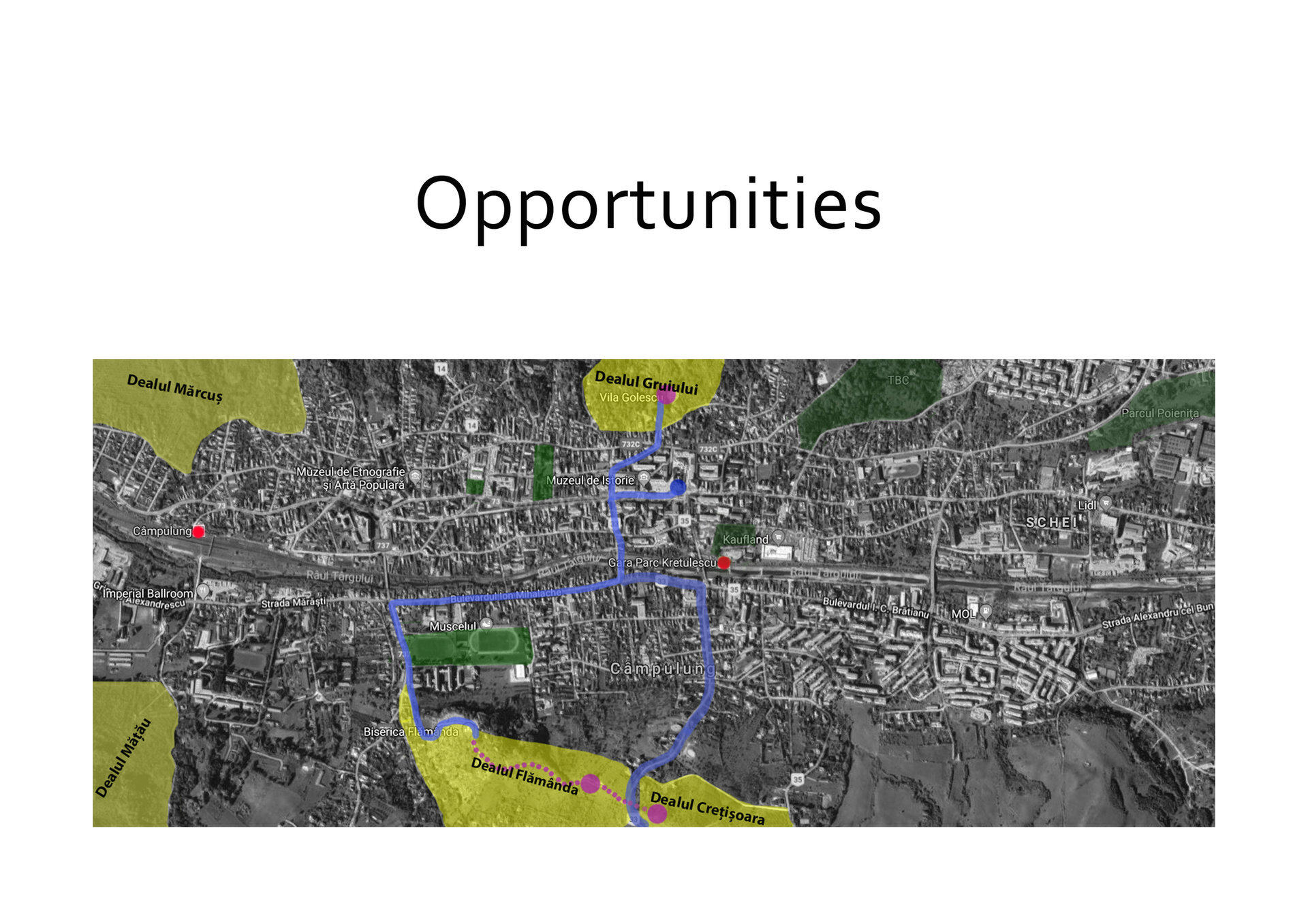
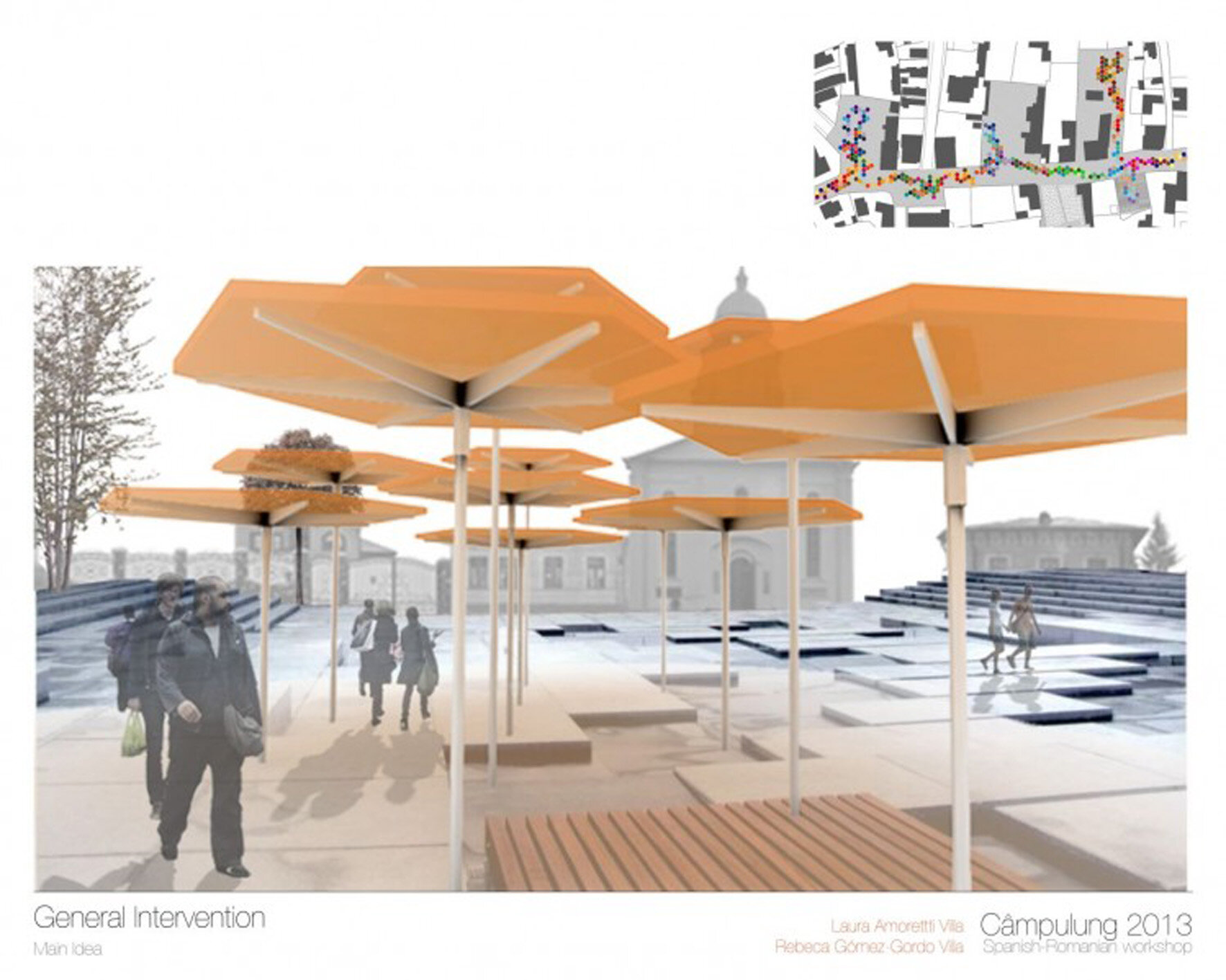
The Romanian-Spanish workshops constituted a valuable initiative, highlighting the similarities and common knowledge between two cultures located at the extremes of our continent, in the Carpathian-Danubian-Pontic space, respectively in the Iberian Peninsula. In the field of vernacular architecture and architectural heritage, comparative models have been created that shed light on the understanding of two geographically distant cultures, but extremely close in their foundations. At the initiative of the Pro Patrimonio Foundation and the Câmpulung Muscel Town Hall, the Romanian-Spanish workshop model was also implemented in Câmpulung, running parallel editions there for 7 consecutive years (2009-2015).
The first four editions held in Romania (2006, 2008, 2010, 2012) saw the publication—by the "Ion Mincu" University Press—of volumes documenting the workshop results. With this volume, we also aim to publish papers and findings from the other workshop editions (held in both Spain and Romania) that did not previously benefit from such a record of the research and projects specifically created for them.
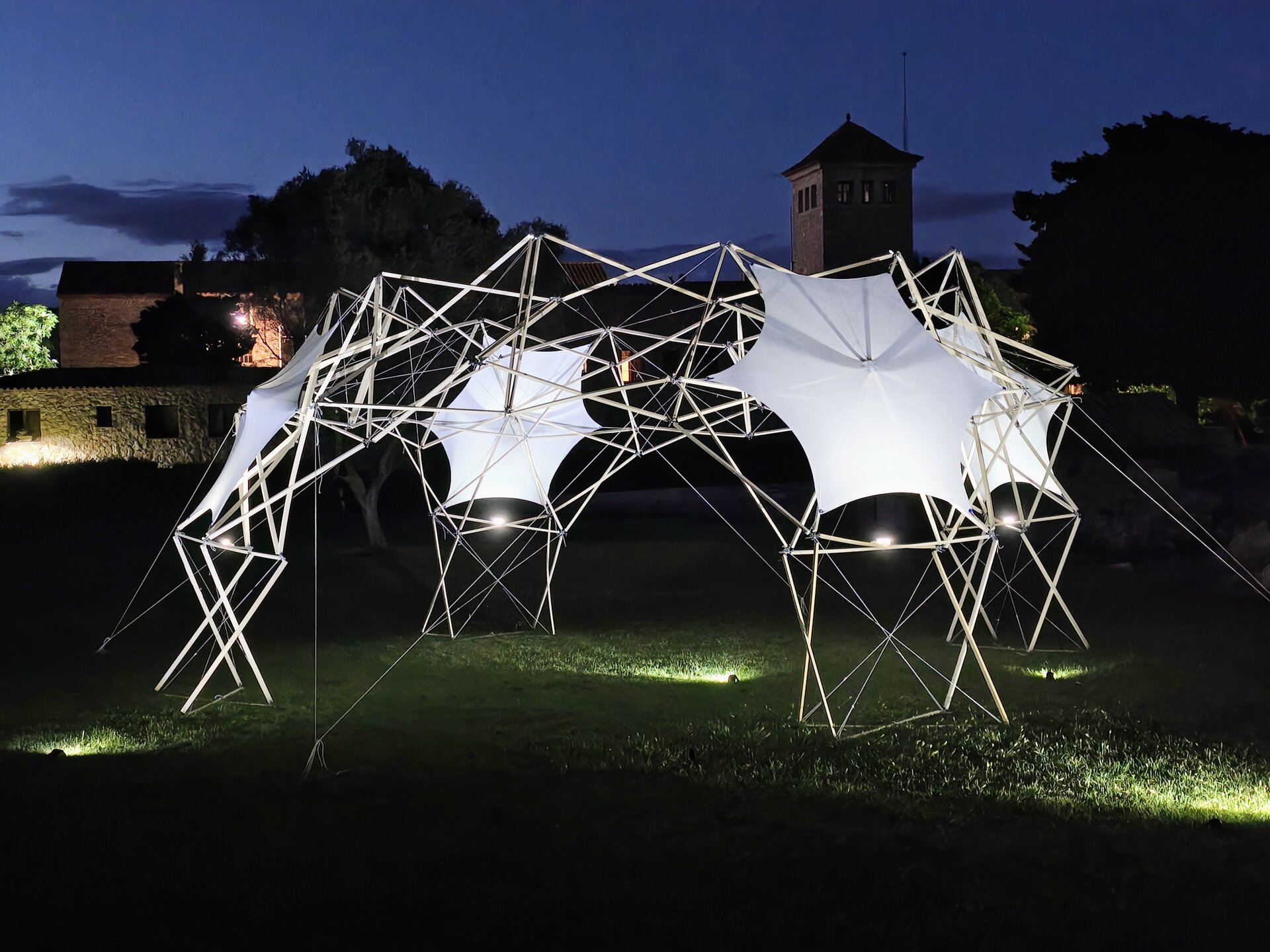
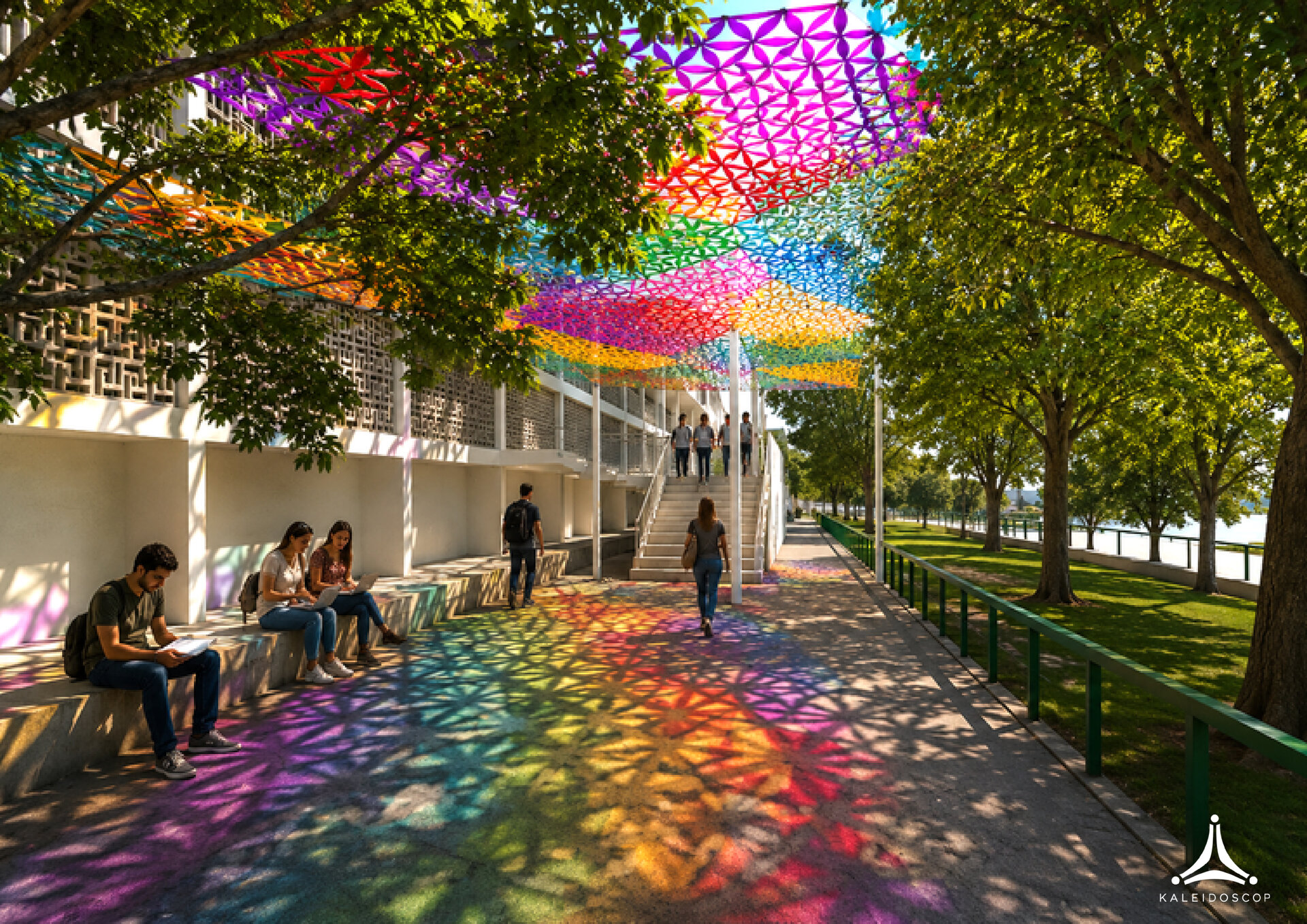
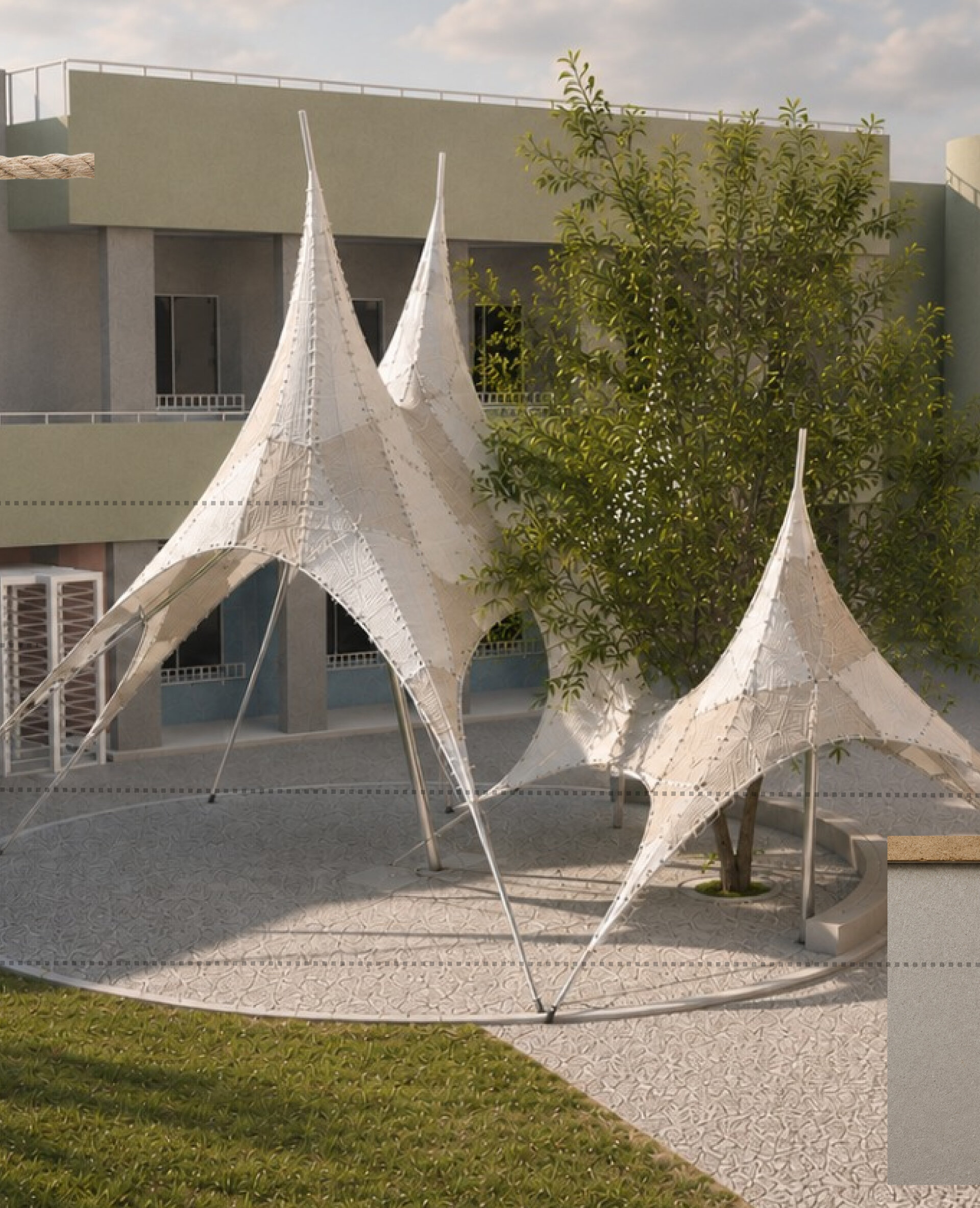
The book is structured into three main sections: I. Evocations, Memories, and Future Directions, featuring previously unpublished accounts from participants in the Romanian-Spanish Workshops; II. The Romanian-Spanish Workshops 2006–2018 (a detailed presentation of each individual workshop), comprising a selection of previously published articles alongside a series of new ones; and III. Collaborations in the AI Era, a section presenting the new direction opened up by intensive cooperation with the Department of Architectural Representation at ETSA Barcelona.
Architecture Books

- Émile-André Lecomte du Noüy: Architectural Culture in the Old Kingdom
- Place & Architecture. Regionalism and Contextualism in Romania, XX–XXIth Centuries
- The Călărași Parcelling at Bariera Vergului. Streets named after Architects and Engineers
- Architect Ion Giurgea. An architectural monography
- Air Cushion
- F
- The Red Line
- Touch Nature
- Original Spaces / Legalised Gestures
- Romanian-Spanish Architecture Workshops. 20 Years of Academic Collaboration
- Technical Guide to Product Design
- Seaside. Aside
- Moments - thoughts, spaces, sketches
- Recyclable Materials in Interior Architecture. Textile Recycling and Natural Pigments


