Recyclable Materials in Interior Architecture. Textile Recycling and Natural Pigments
Authors’ Comment
This publication is the outcome of the fourth edition of the research project “Sustainable Materials and Technologies for Interior Architecture”, a project that systematically investigates the relationship between materiality, process, and sustainability in interior architecture. The present edition consolidates a research direction focused on textile materials, approached as a critical medium for material experimentation, ecological reflection, and pedagogical practice.
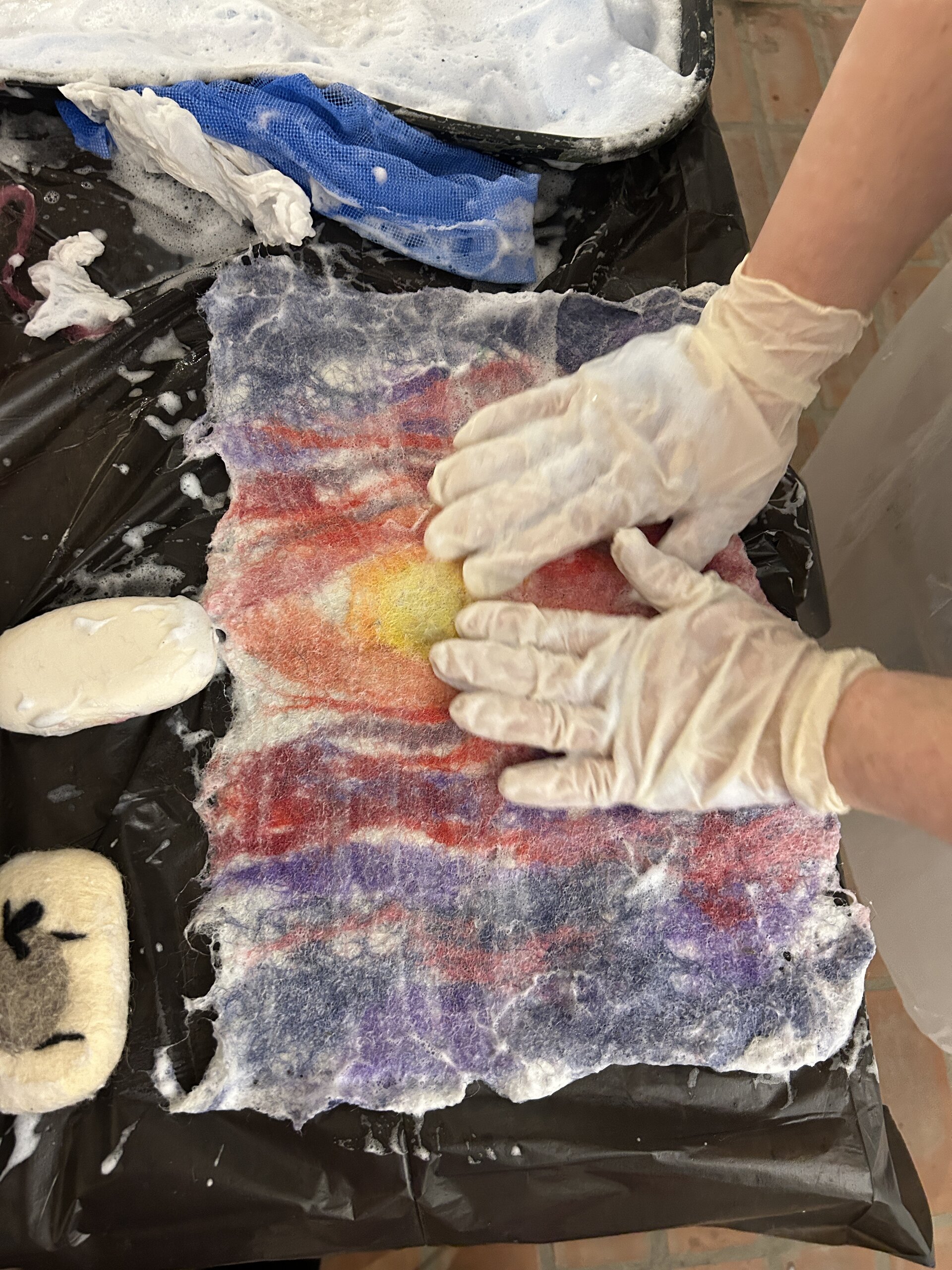
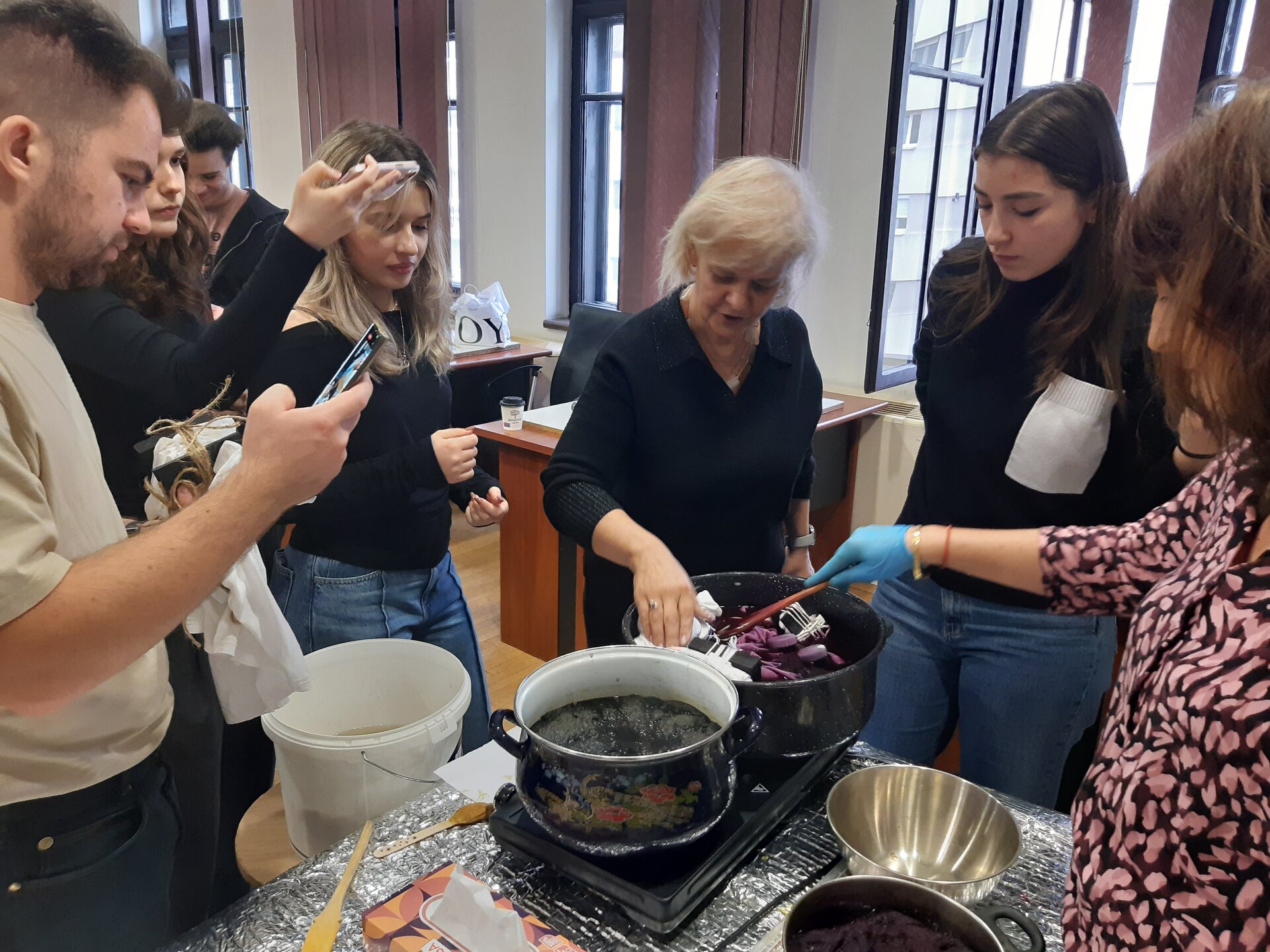
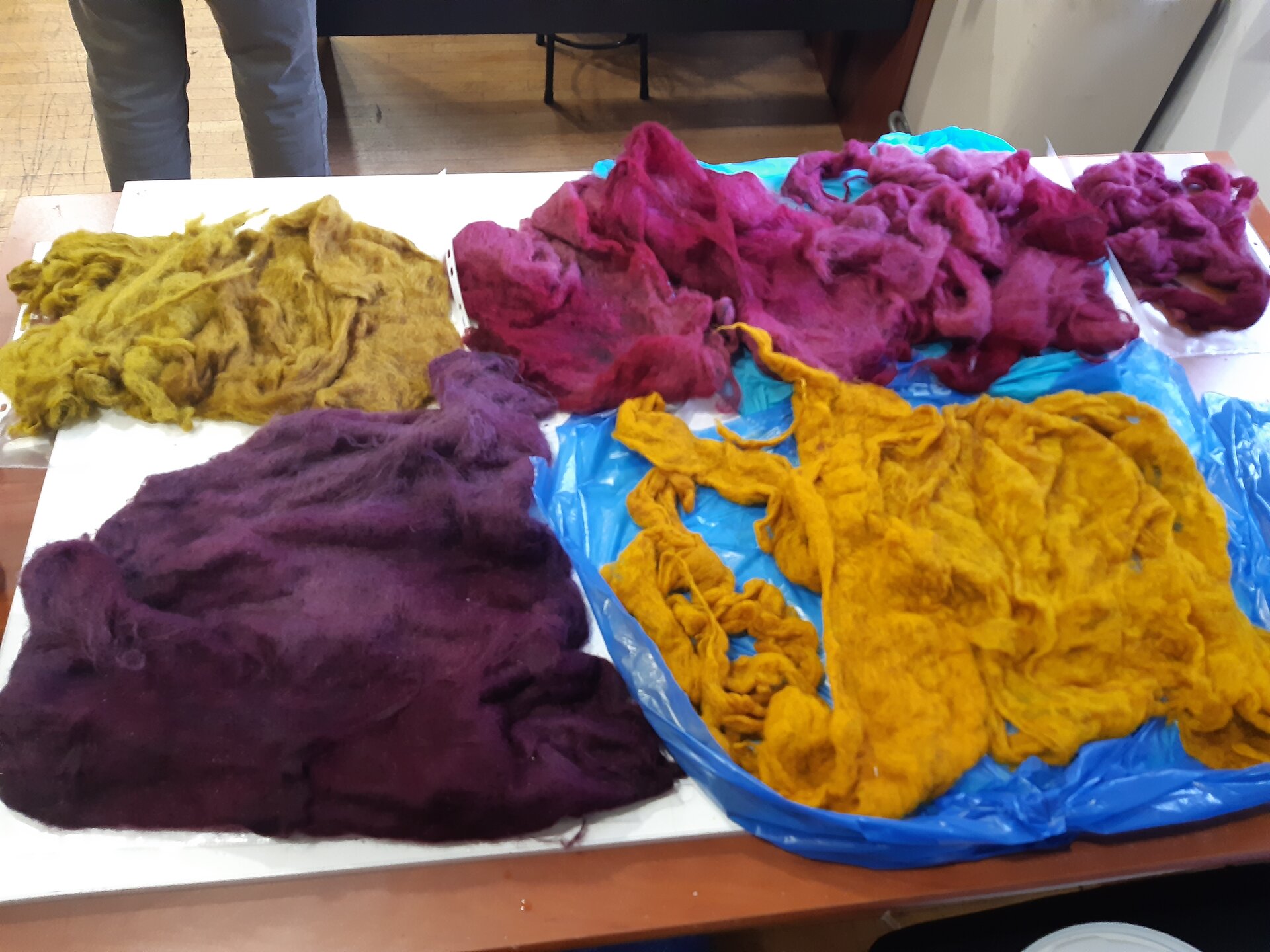
The volume focuses on the use of natural dyes and textile recycling, with particular emphasis on dyeing wool with plant-based pigments, examined both from the perspective of material processes and in terms of the cultural and spatial implications of colour. Natural textiles are treated as open systems, characterised by chromatic variability, controlled instability, and contextual dependence—parameters understood as design tools in contemporary interior architecture.
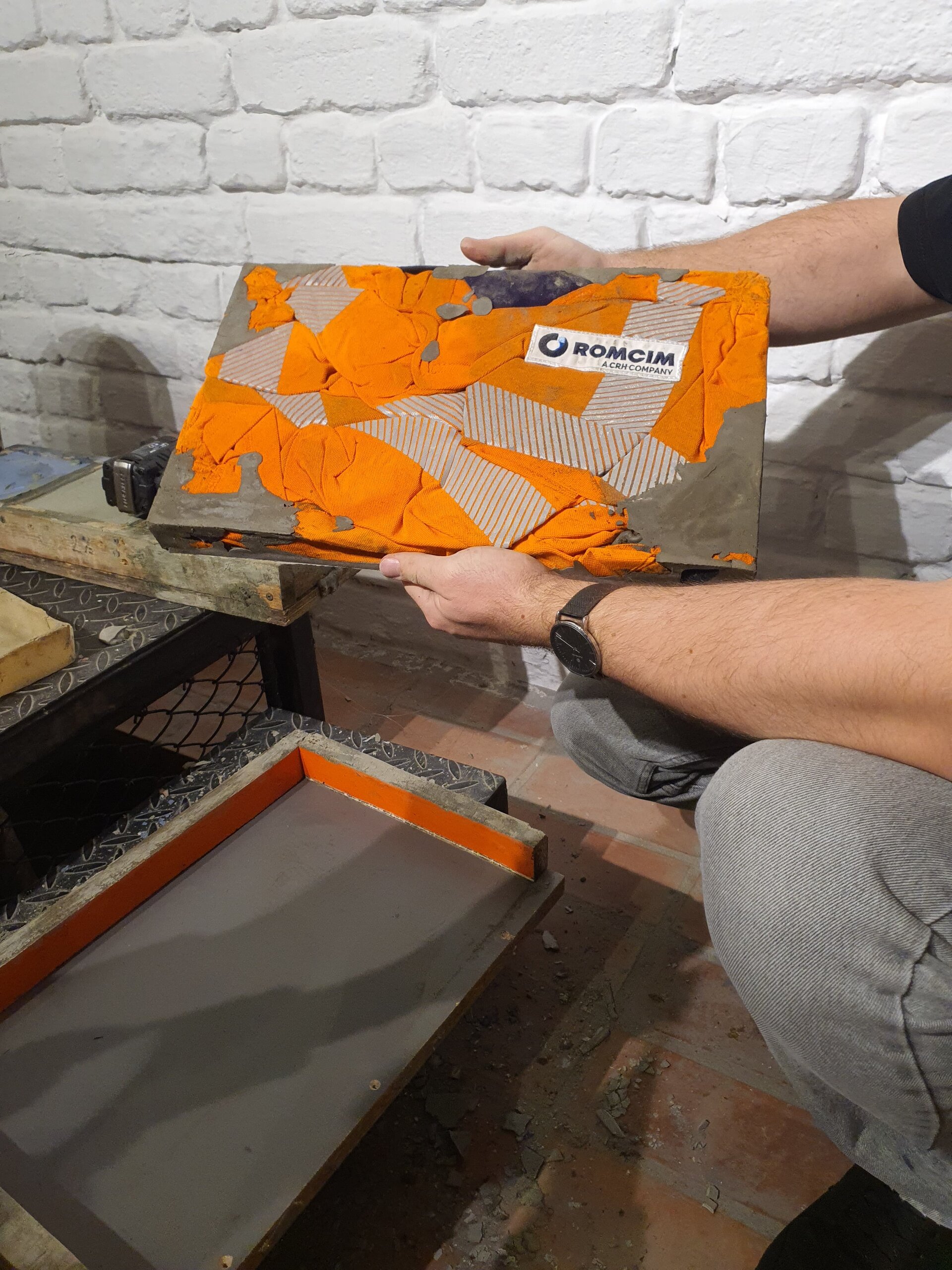
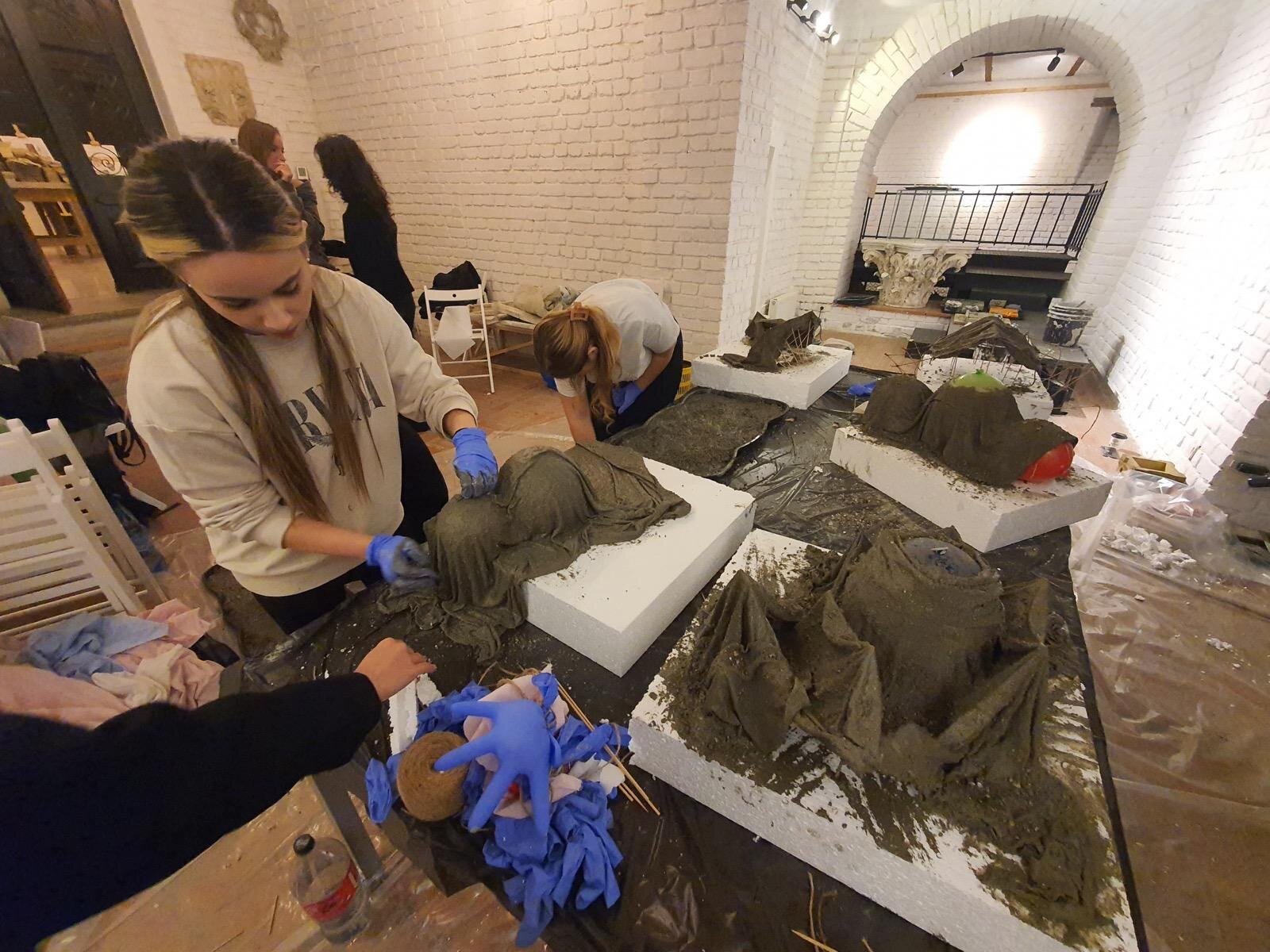
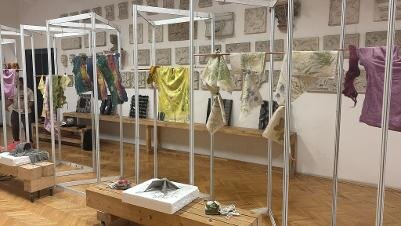
The research is grounded in material experimentation as a method of knowledge production. Laboratory activities and applied workshops made it possible to investigate the relationship between fibre, pigment, and time, as well as to explore strategies for reconfiguring recycled textile materials within contemporary spatial contexts.
Institutional partnerships with the National Museum of Romanian History (MNIR) and the National University of Arts Bucharest (UNArte) played a decisive role in this edition, providing the necessary framework for experimentation, interdisciplinary expertise, and documentary resources. Without these partnerships, the development of applied research, experimentation, and knowledge transfer across disciplines would not have been possible.
The publication therefore proposes a critical framework for integrating sustainable textile materials into interior architecture, in which material is understood as a carrier of ecological, cultural, and ethical values. The volume is addressed to academic and professional audiences interested in developing informed design practices, in which textiles, colour, and material processes become active tools for reflecting on the responsible use of resources in contemporary interior space.
The project relies on a consistent team that has remained involved throughout all four editions—colleagues who have contributed through work, dialogue, and experimentation to the development of this research initiative. Their commitment and continuity have made possible both the existence and the maturation of the project as a platform for research and applied pedagogy in interior architecture.
Architecture Books

- Émile-André Lecomte du Noüy: Architectural Culture in the Old Kingdom
- Place & Architecture. Regionalism and Contextualism in Romania, XX–XXIth Centuries
- The Călărași Parcelling at Bariera Vergului. Streets named after Architects and Engineers
- Architect Ion Giurgea. An architectural monography
- Air Cushion
- F
- The Red Line
- Touch Nature
- Original Spaces / Legalised Gestures
- Romanian-Spanish Architecture Workshops. 20 Years of Academic Collaboration
- Technical Guide to Product Design
- Seaside. Aside
- Moments - thoughts, spaces, sketches
- Recyclable Materials in Interior Architecture. Textile Recycling and Natural Pigments


