- Nomination for the “Built Architecture / Architecture and Heritage” section
The Restoration of Secu Monastery
Authors’ Comment
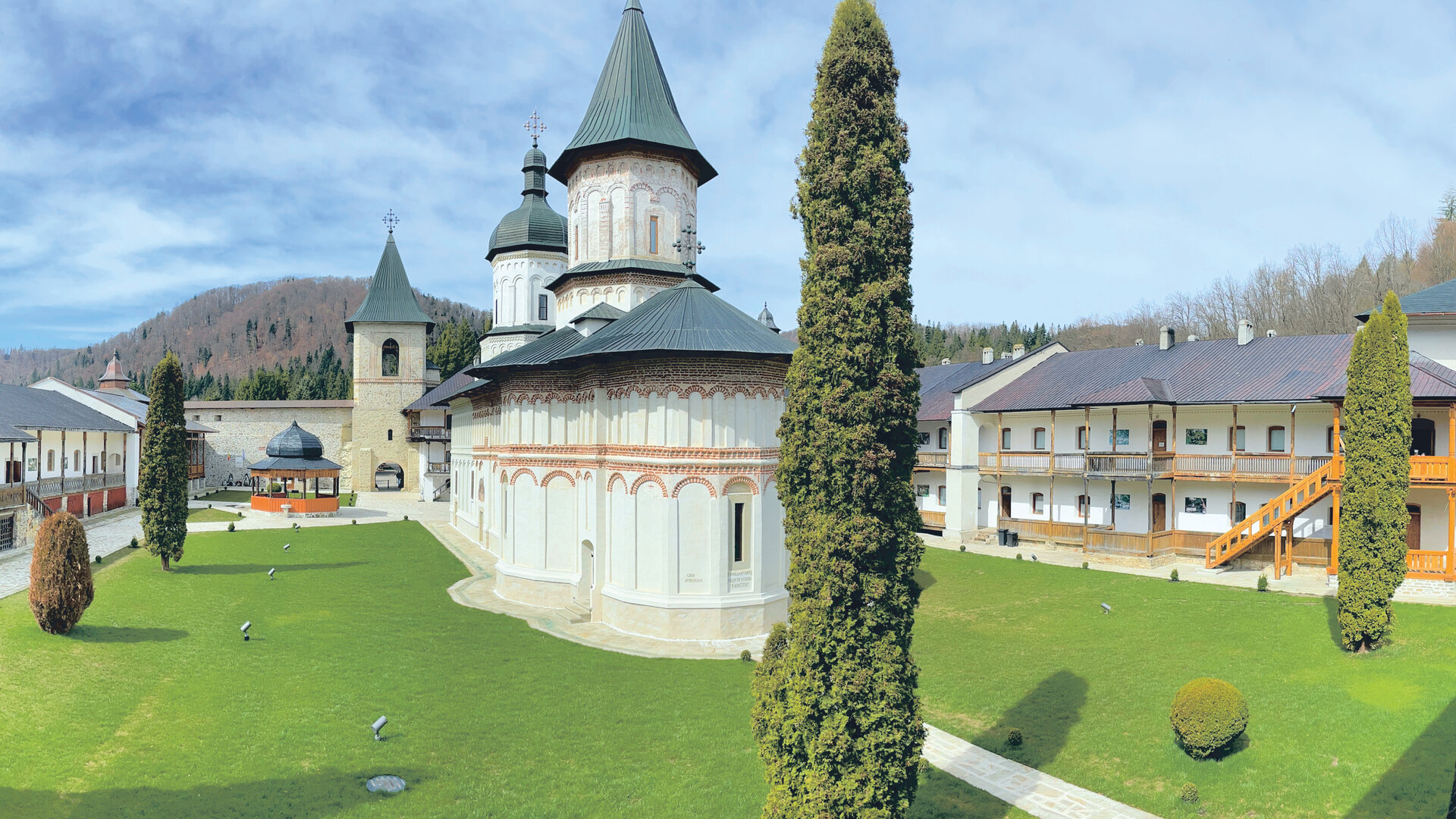
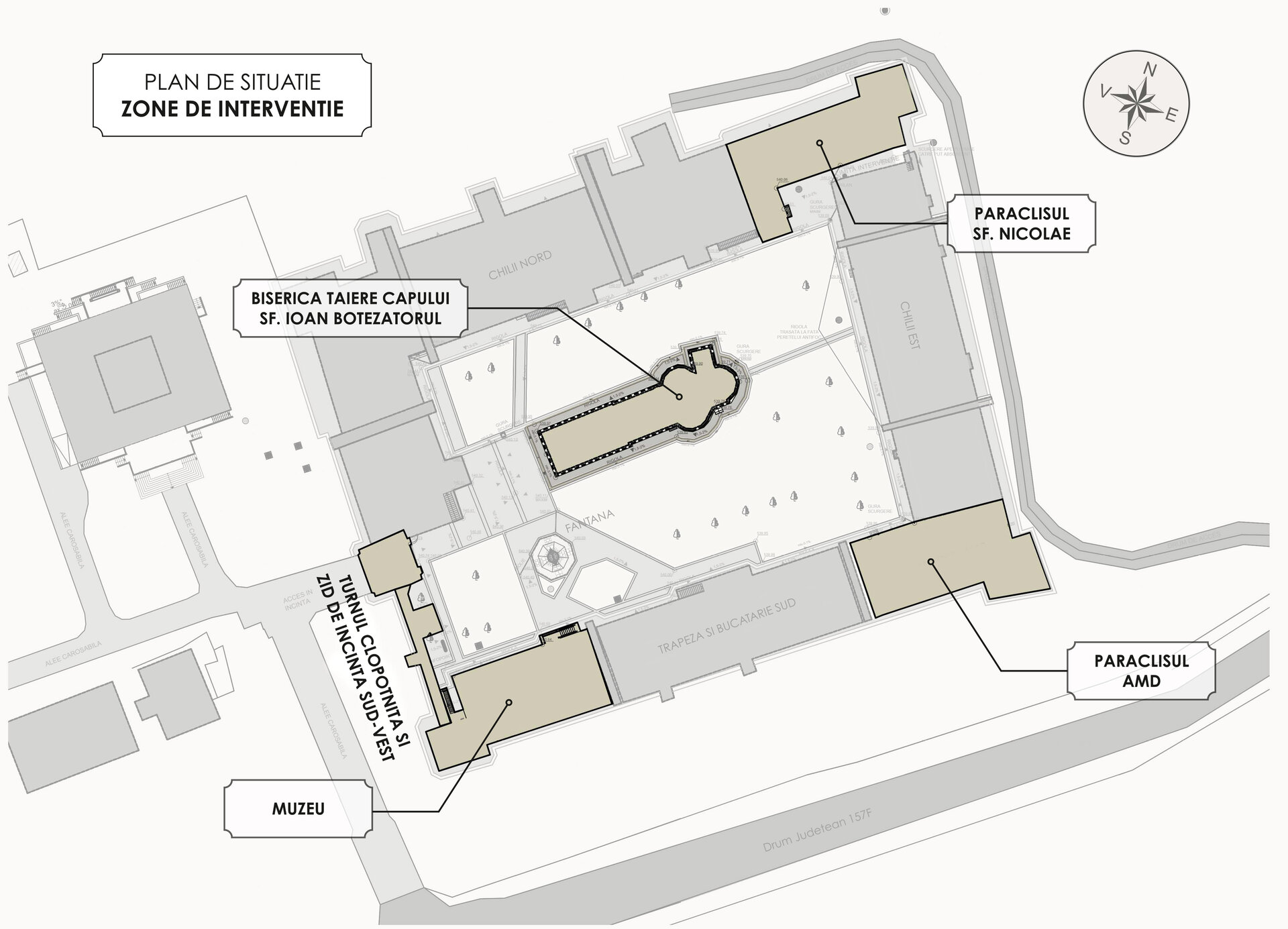
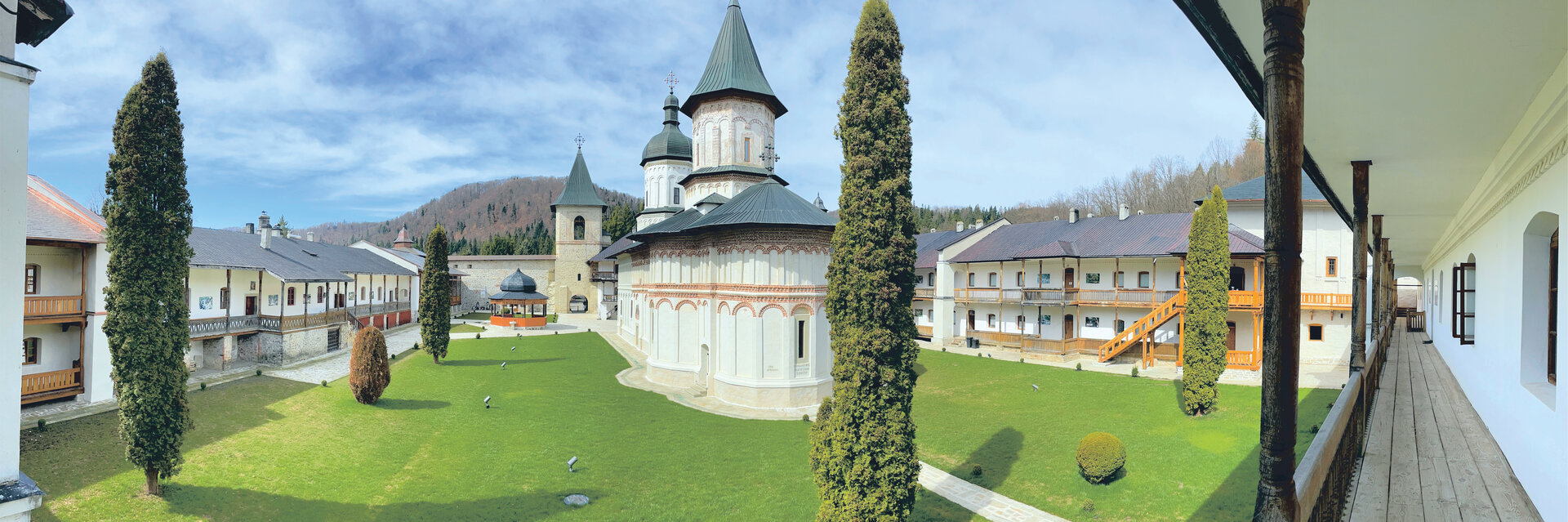
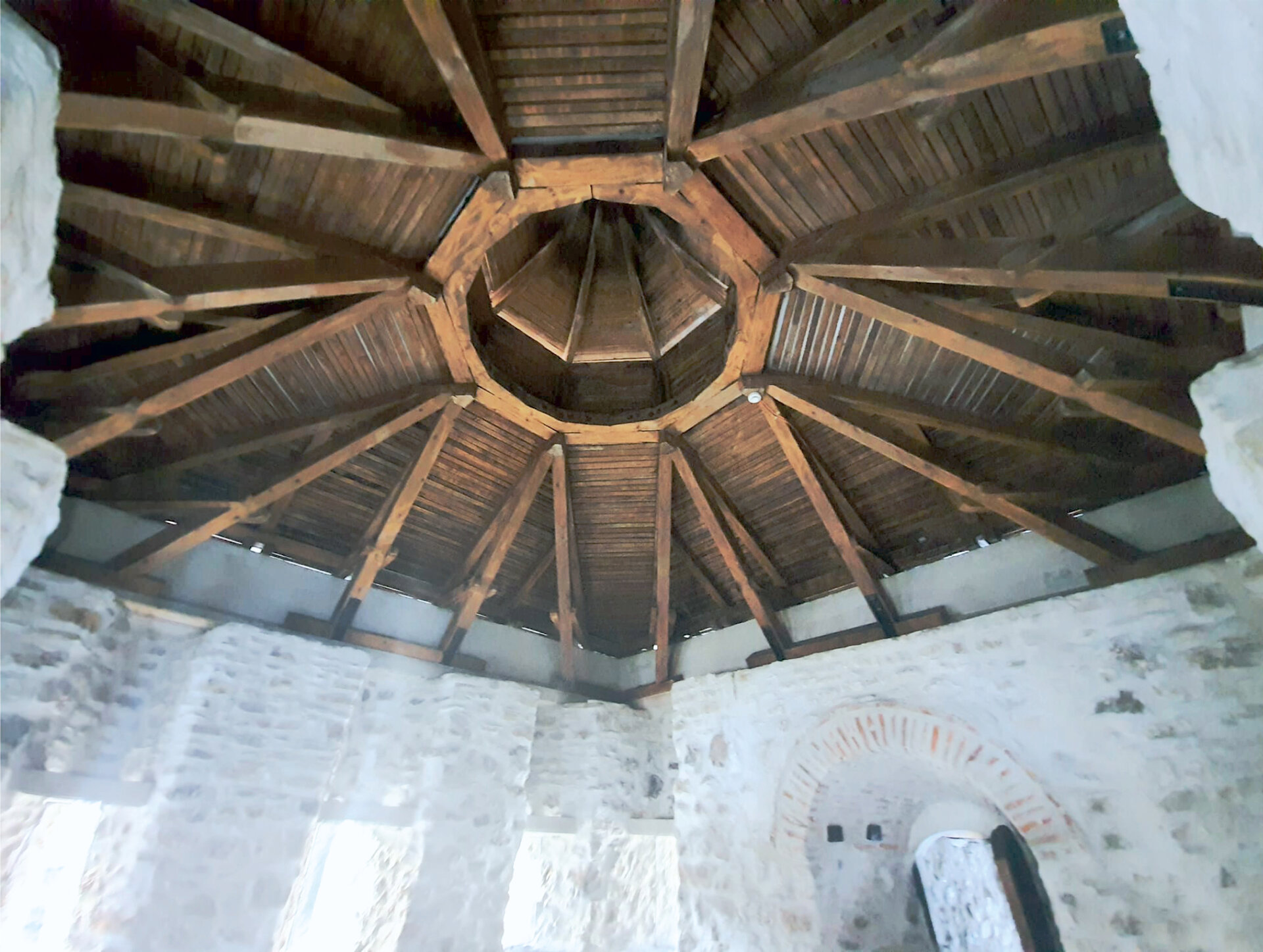
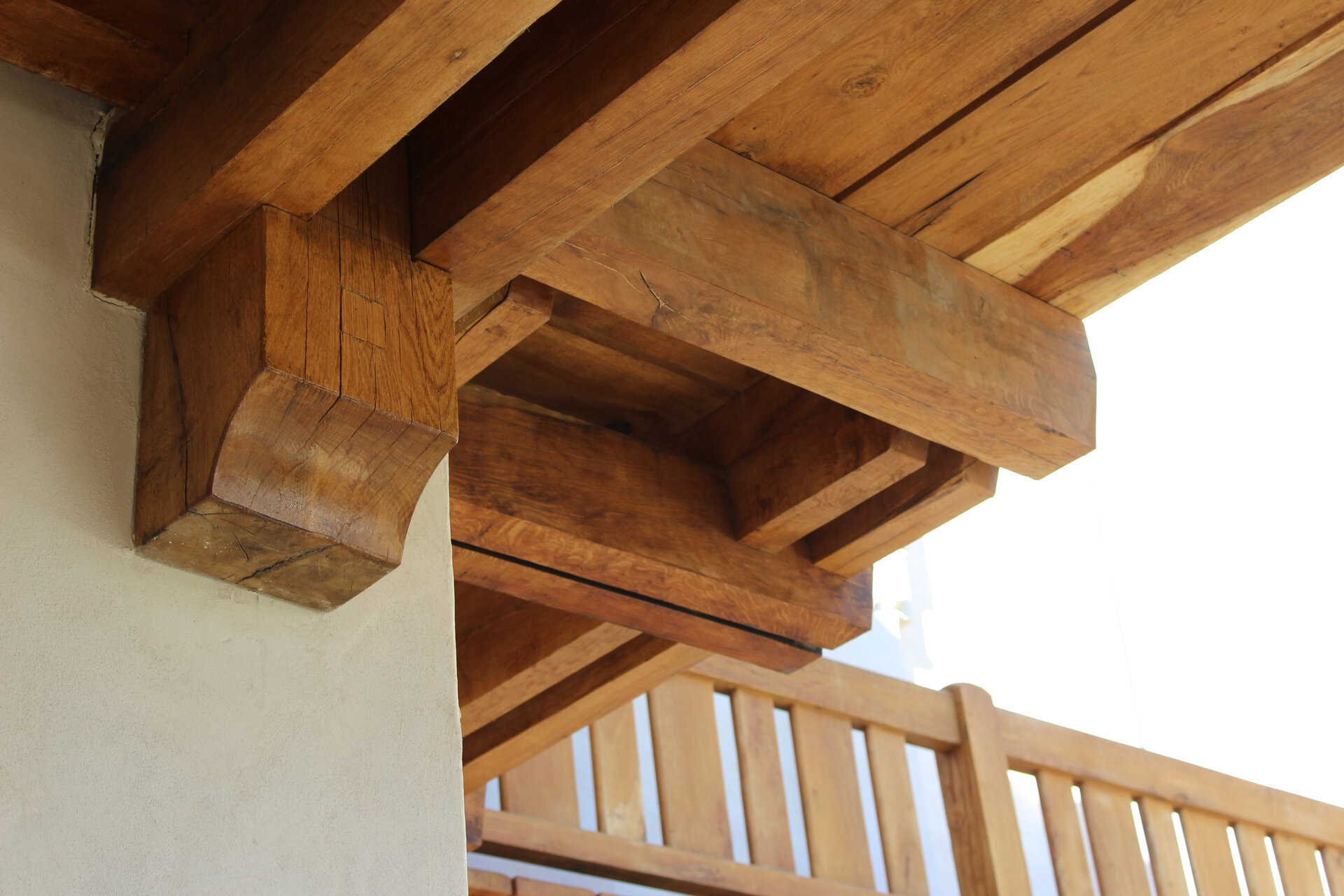
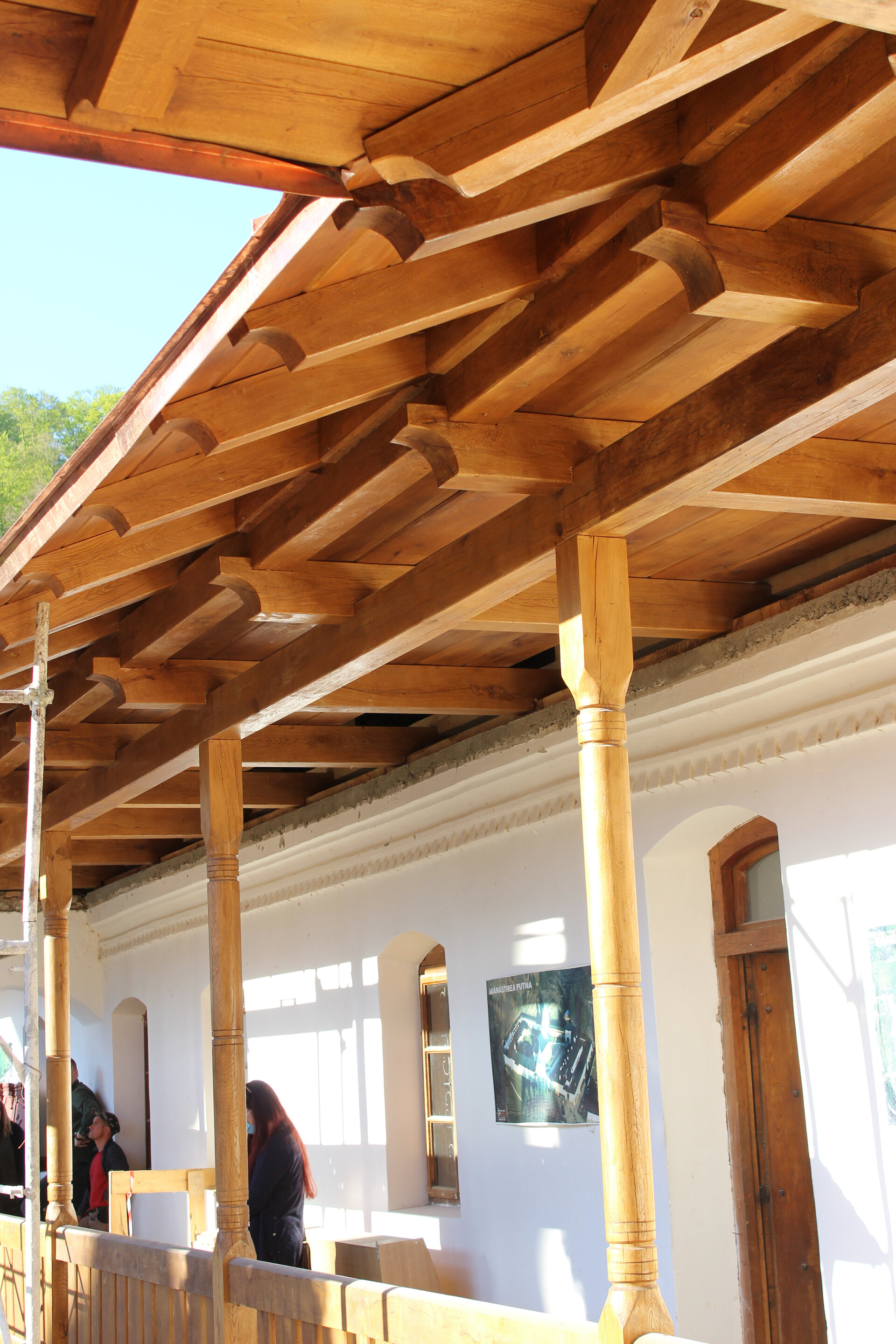
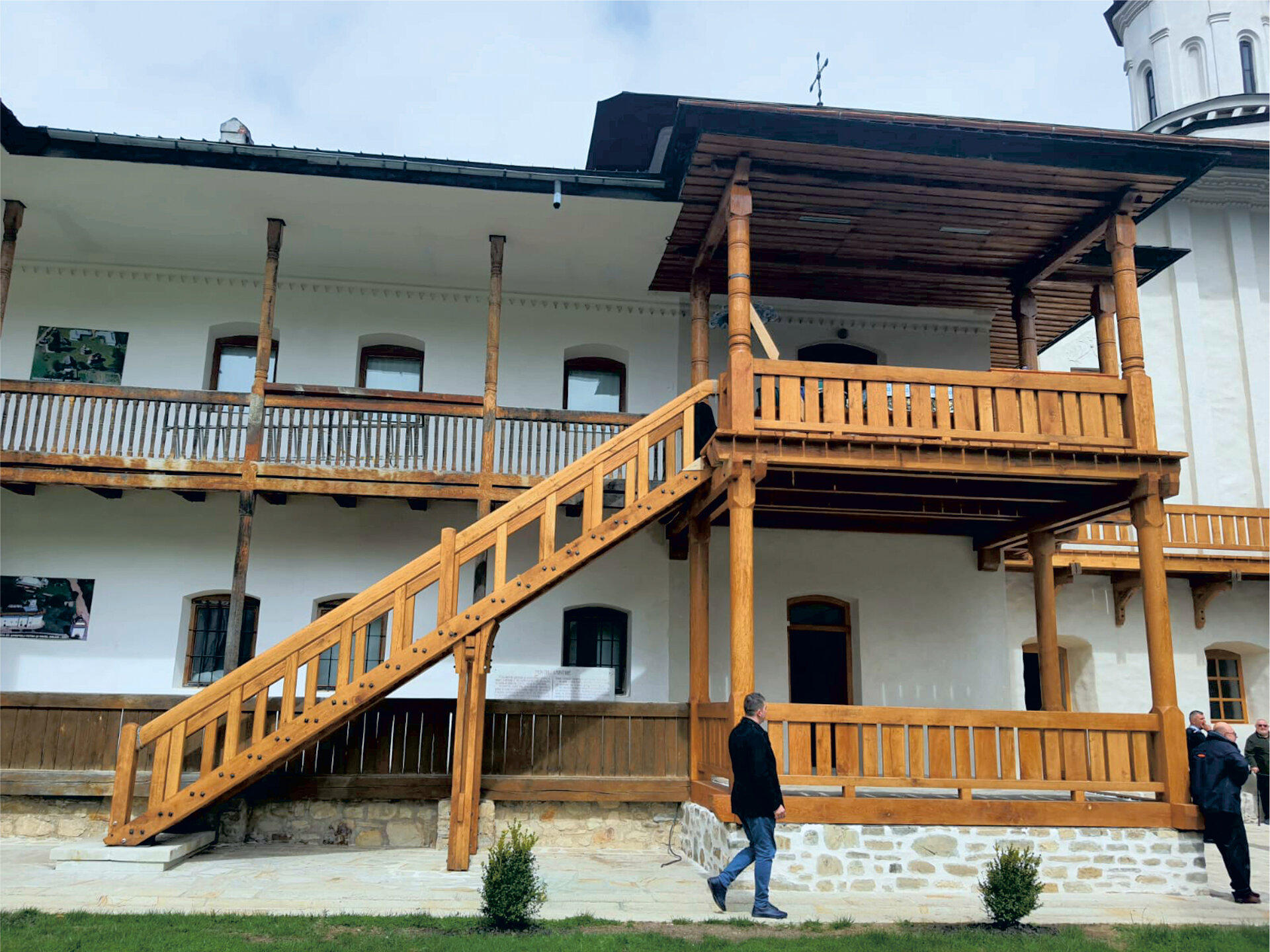
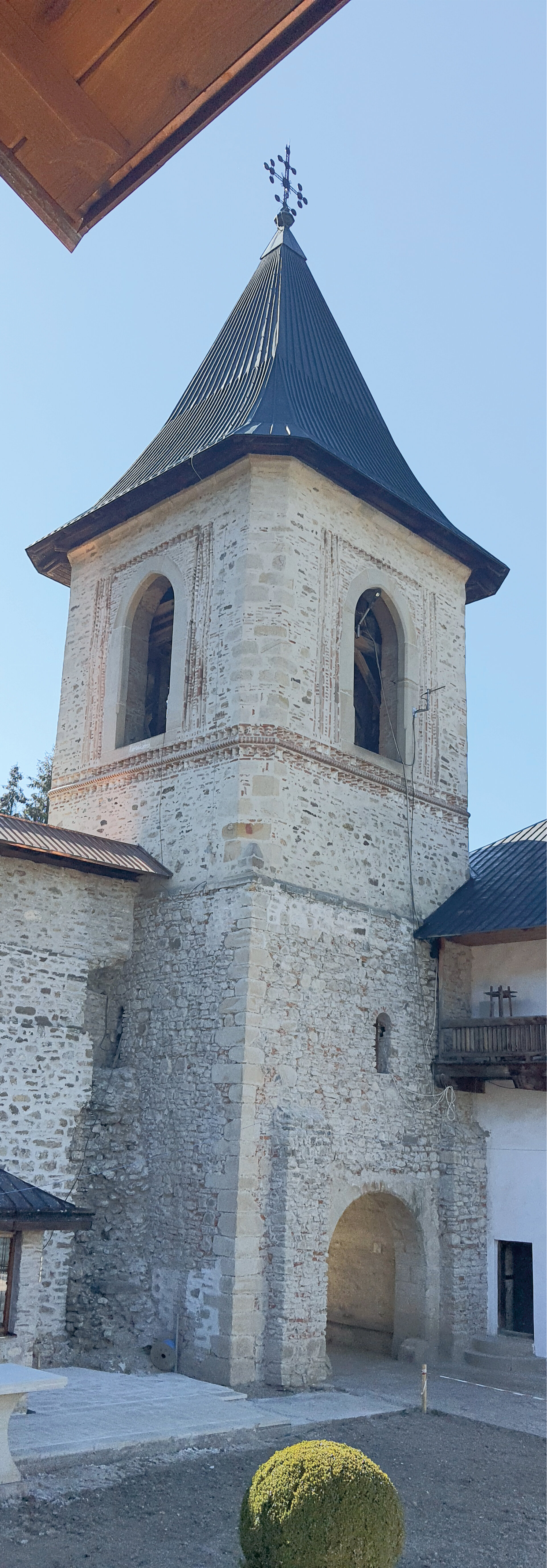
The project, funded by the European Commission through the 2014-2020 Regional Operational Program with de title "Restoration of Secu Monastery," focused on the restoration of a monastic complex, a national historical monument (category A). The complex includes the Church of the "Beheading of St. John the Baptist," the Monastery Museum, the Chapel of the "Dormition of the Mother of God," the Bell Tower, the southwest enclosure wall, and the fortified enclosure. Construction works began in 2018, and the reception took place in March 2022.
Secu Monastery, named after the stream next to which it is situated, was founded by Nistor Ureche, father of the chronicler, and was built in 1602. Local tradition speaks of destruction, including the burning of the wooden monk cells by the Turks in 1821. Afterward, between 1822 and 1825, the buildings inside the enclosure were rebuilt in stone. Both the church and the monastery buildings underwent several transformations throughout the 19th century. In 1824, the Chapel of "St. Nicholas" was built, and in 1832, the small cemetery church was erected. In 1847, the church added the proscomedia (a small room where the Eucharistic bread and wine are prepared), and the vestry was restored and enlarged in 1878. Mid-19th century modifications included adding the porch in front of the church, removing the wall between the nave and the narthex, and widening the doors between the narthex and the burial room, as well as between the porch and the narthex. The interventions from 1966-1967, based on the project of architect Ioana Grigorescu, included works on the main components of the enclosure: the church, bell tower, Mitrofana tower, and the portion of the defensive wall near the bell tower.
Our project, developed in 2018, was structured around the following objectives and categories of works:
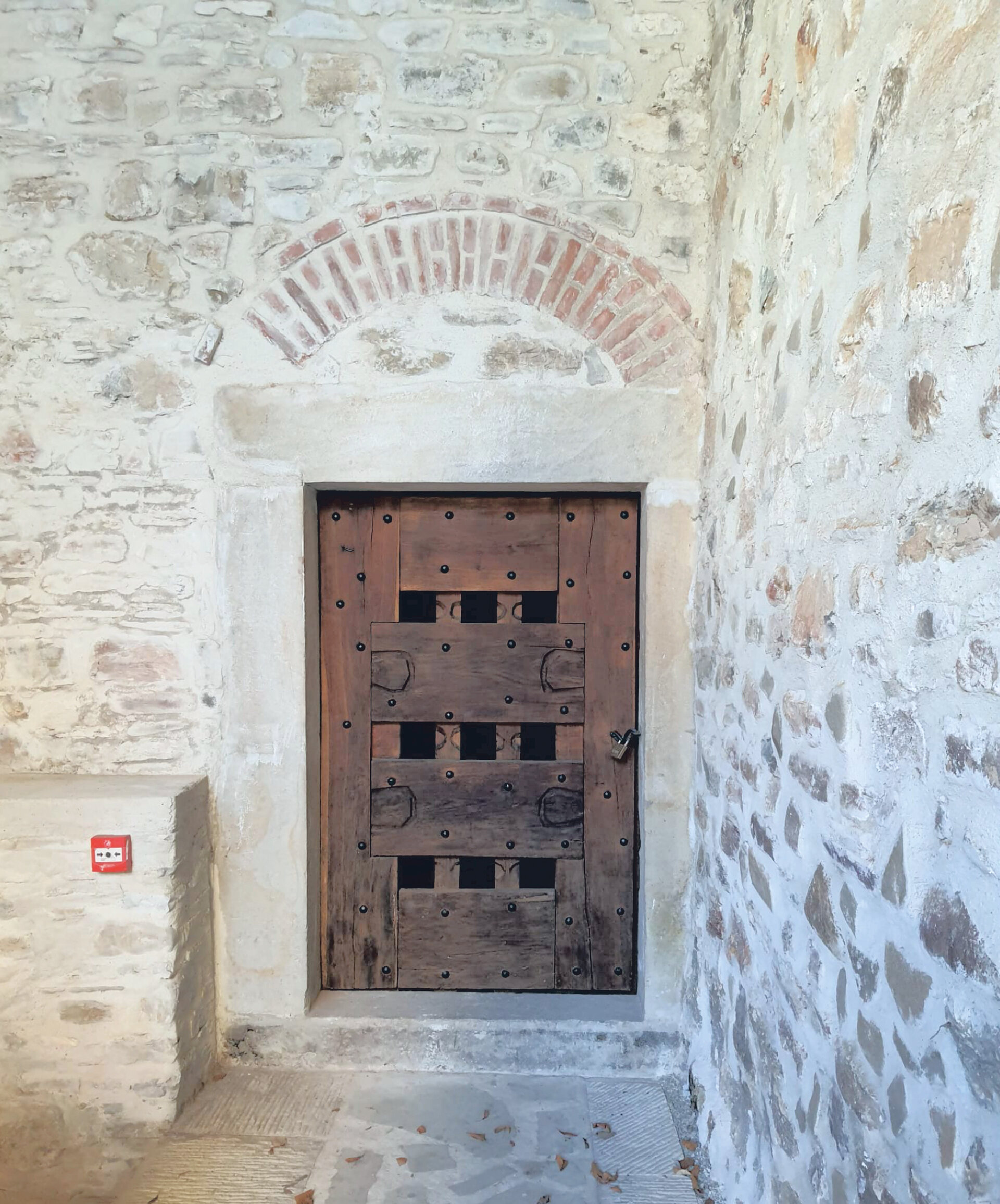
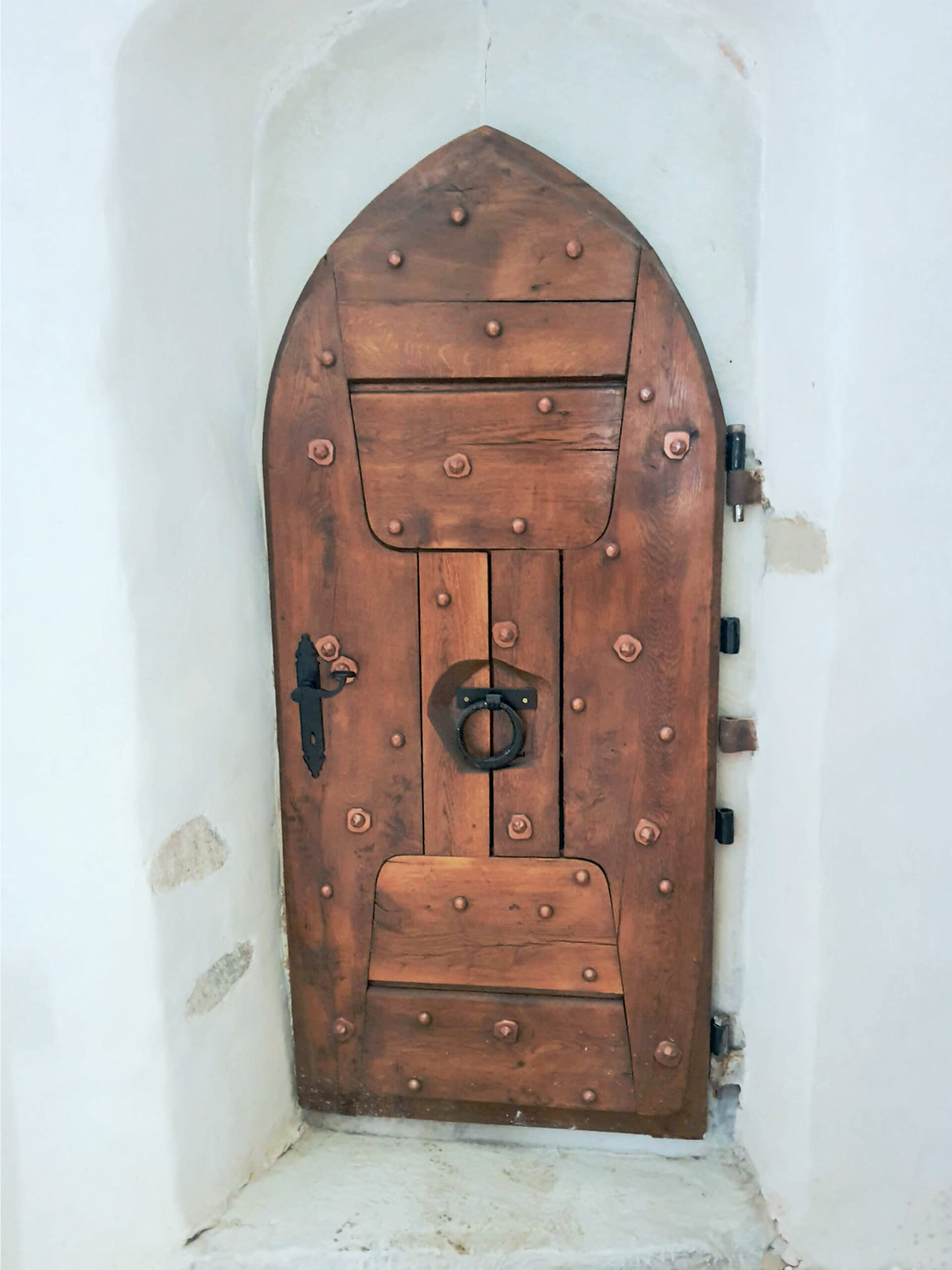
- The Church of the “Beheading of St. John the Baptist”: Restoration of interior stone flooring with the installation of an underfloor heating system, restoration of the facade plaster, restoration of the west façade access door, and the introduction of an air ventilation channel to reduce humidity;
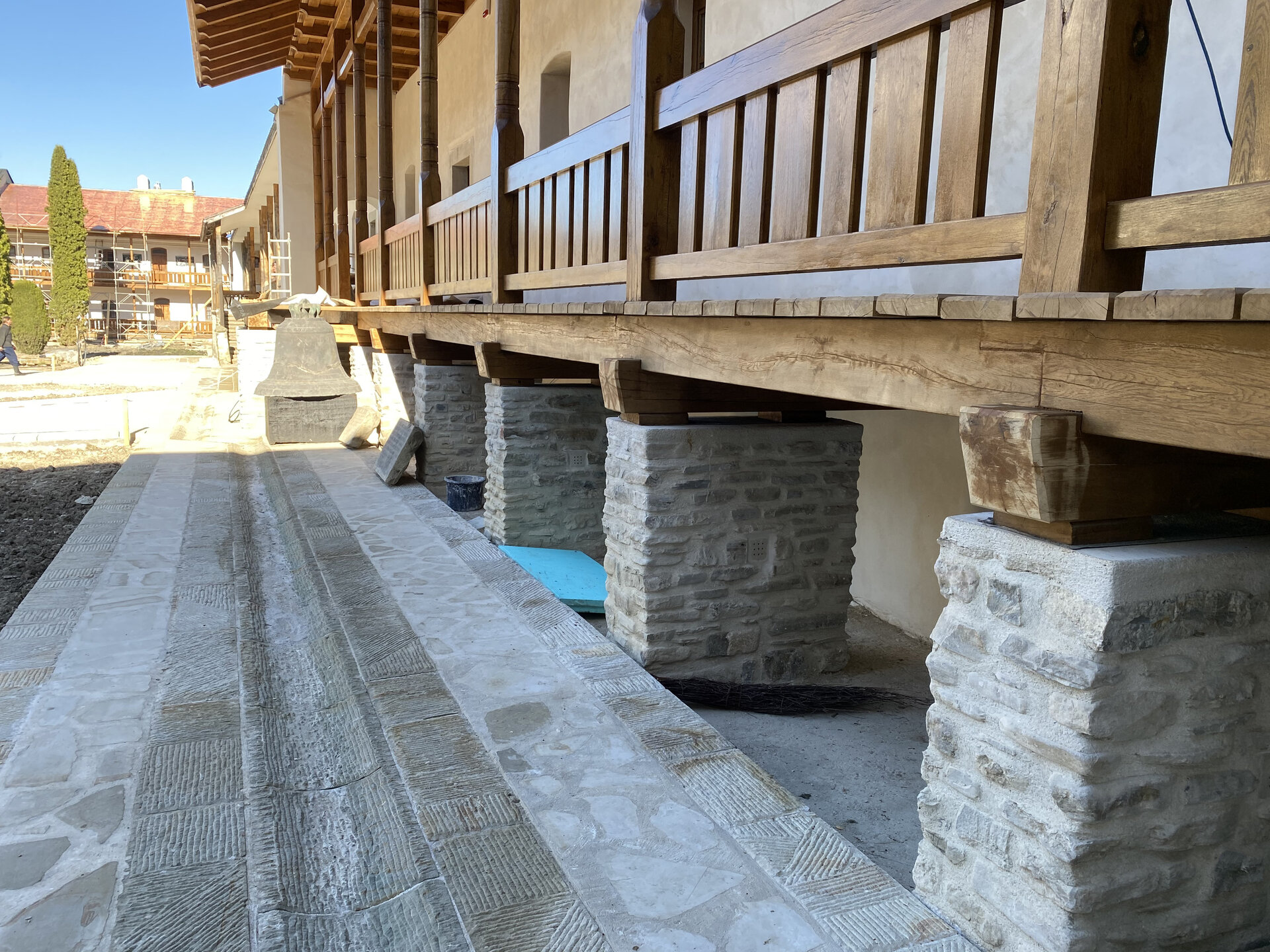
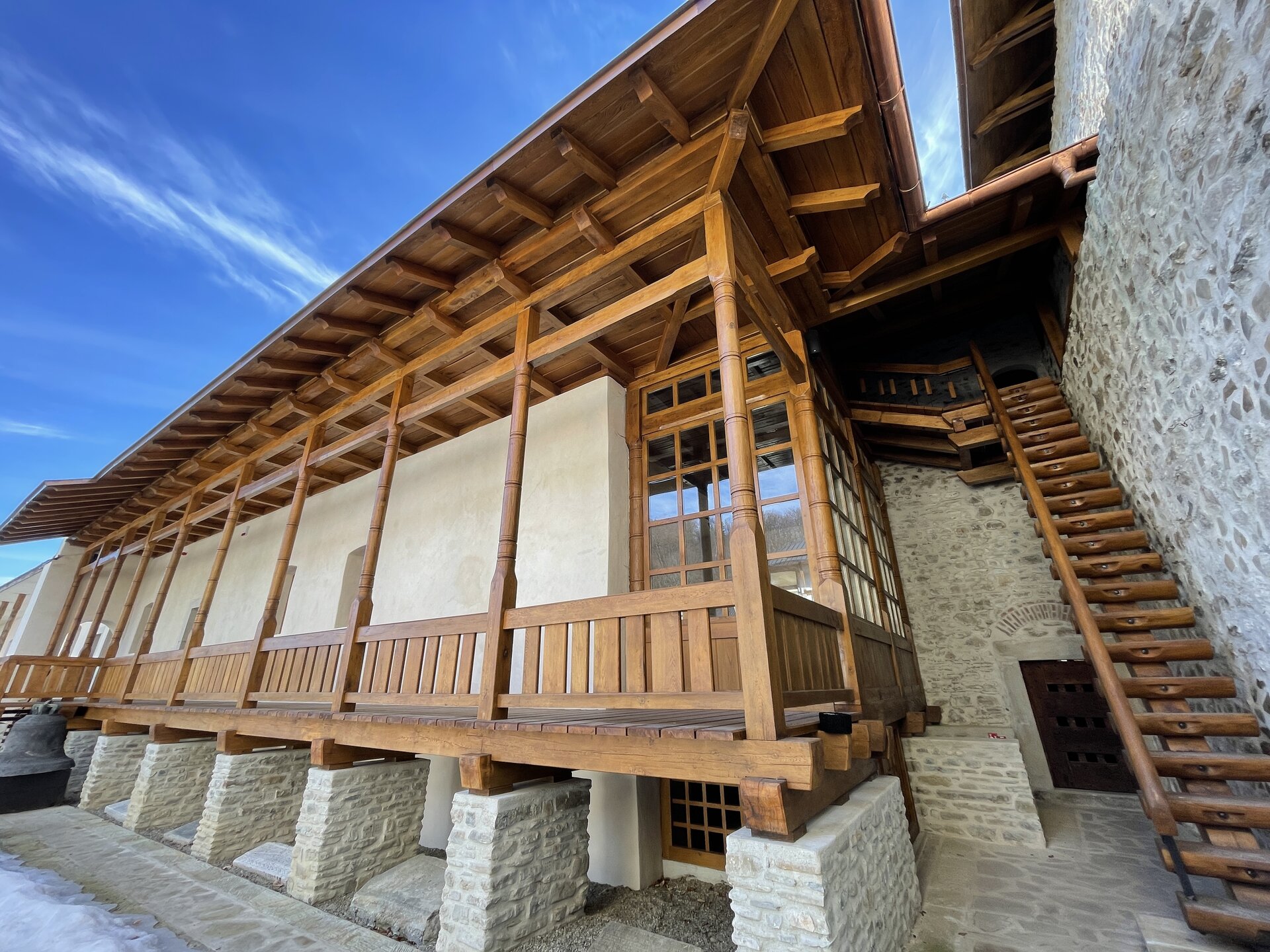
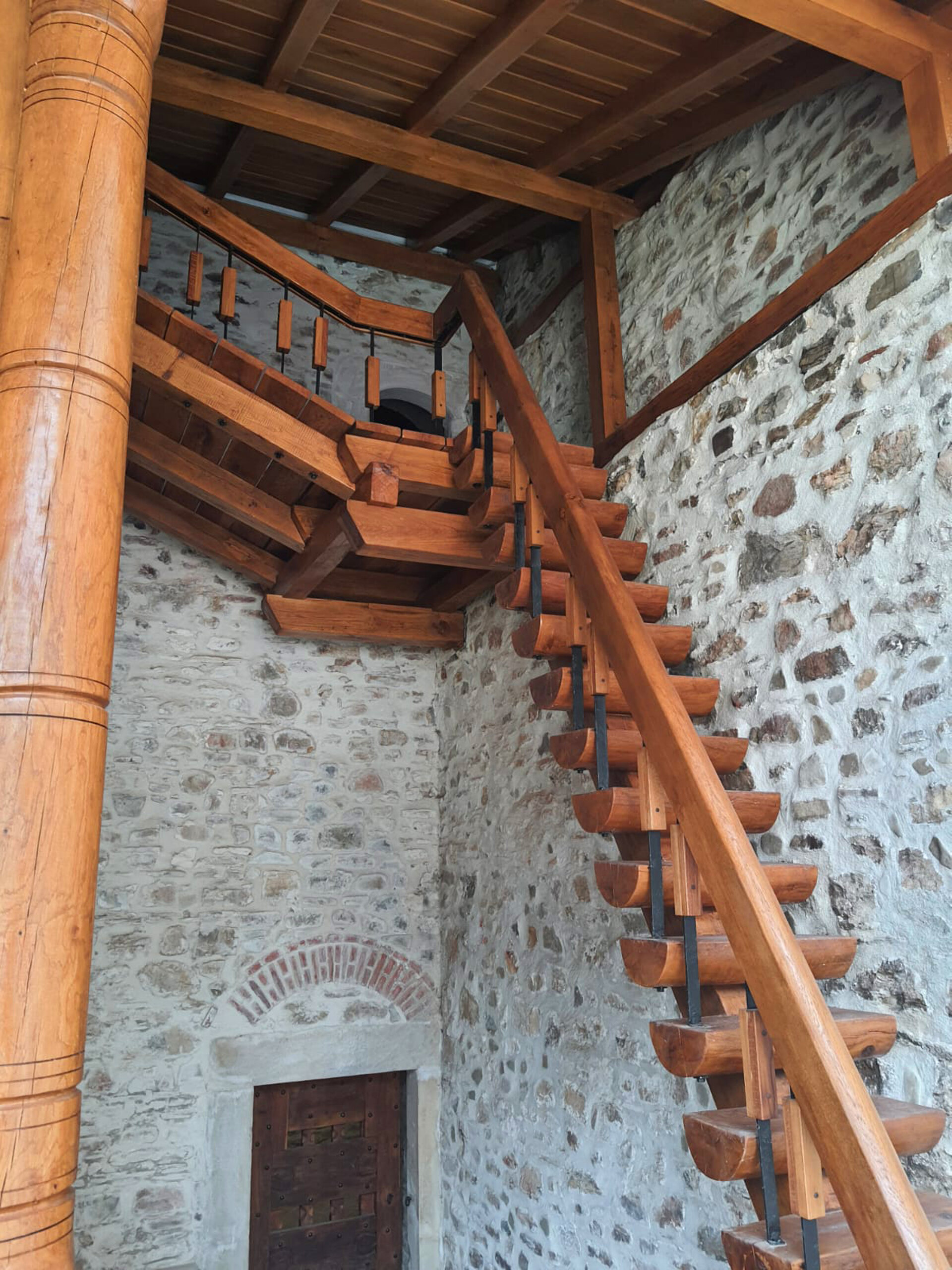
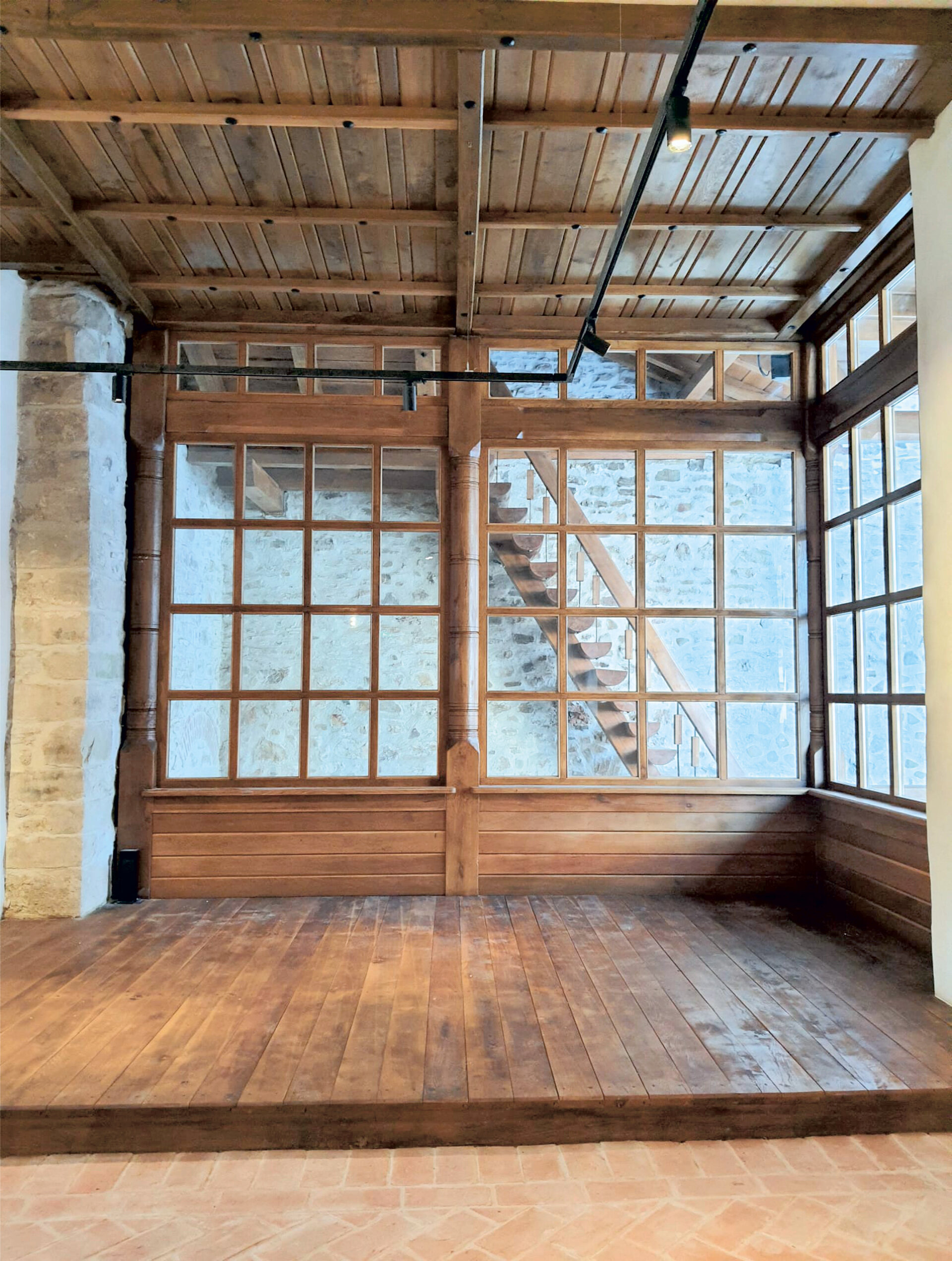
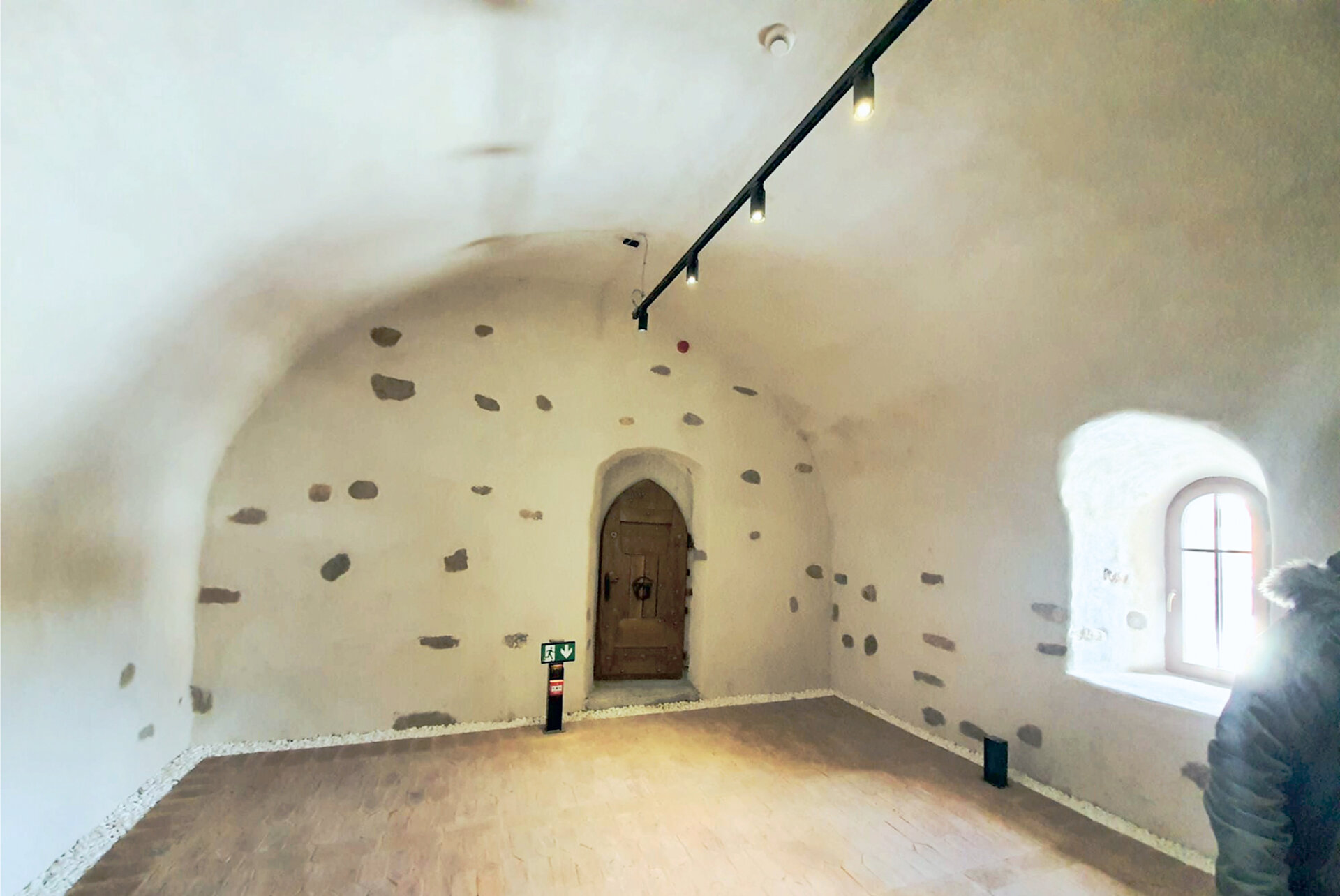
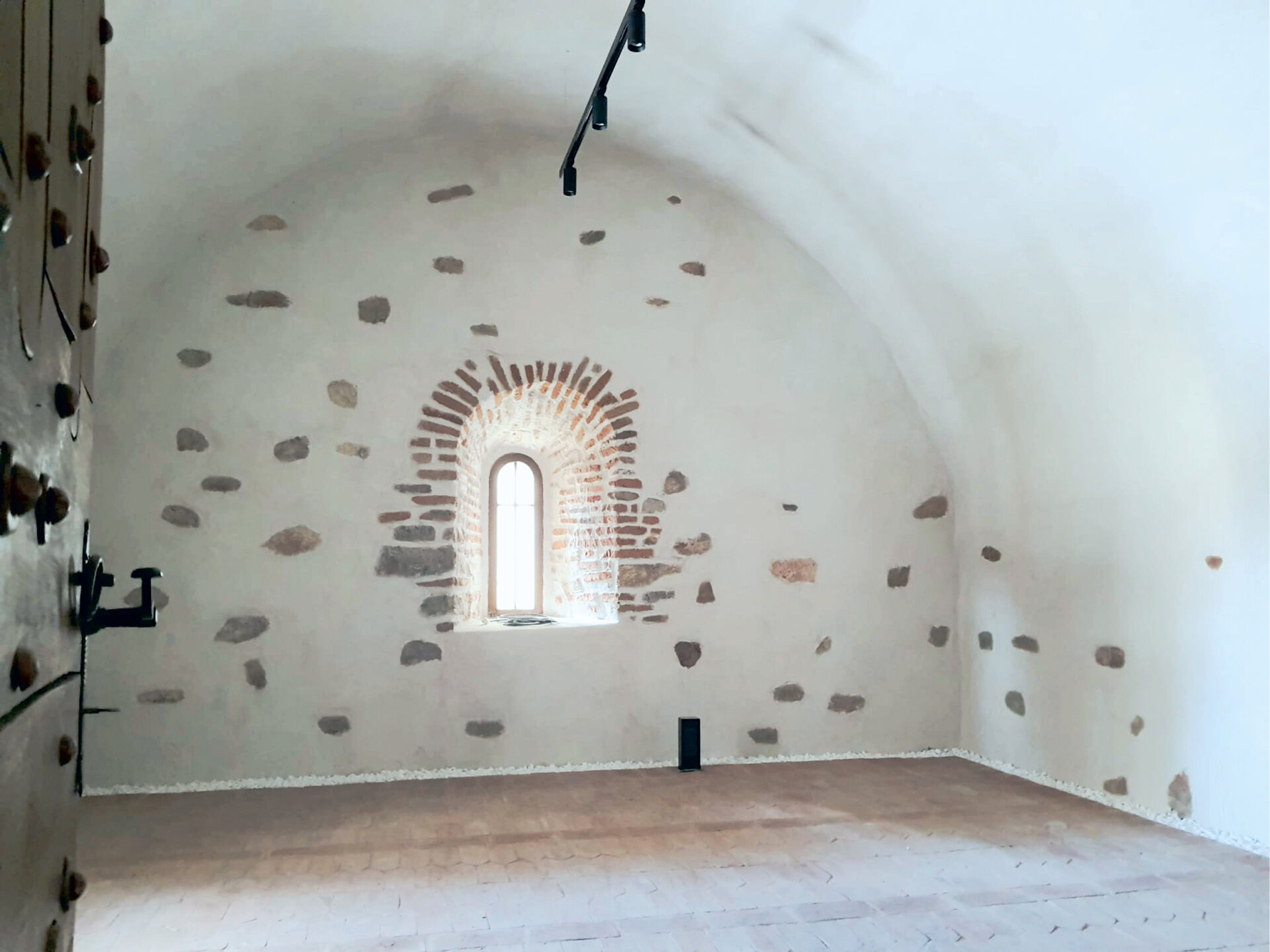
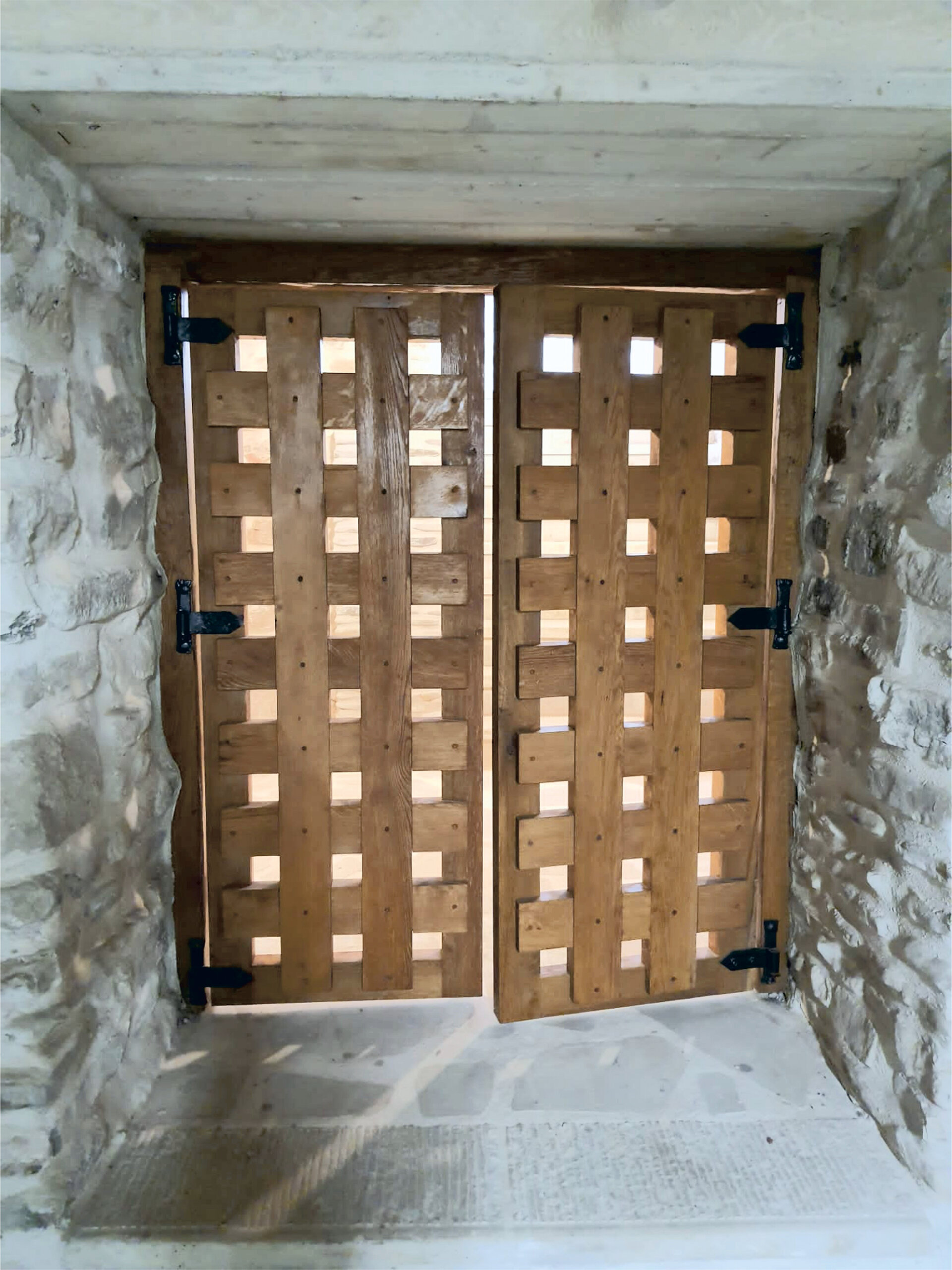
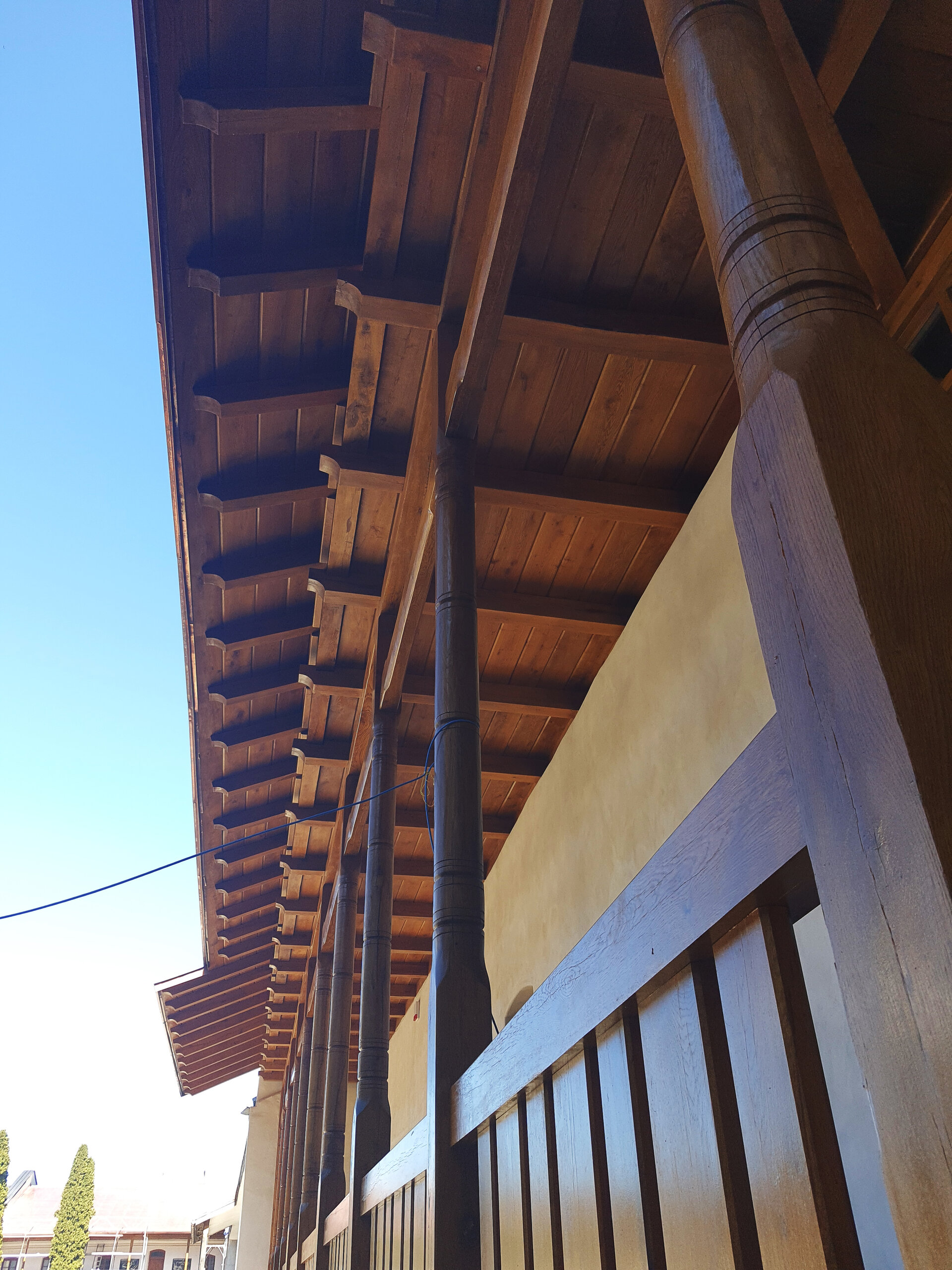
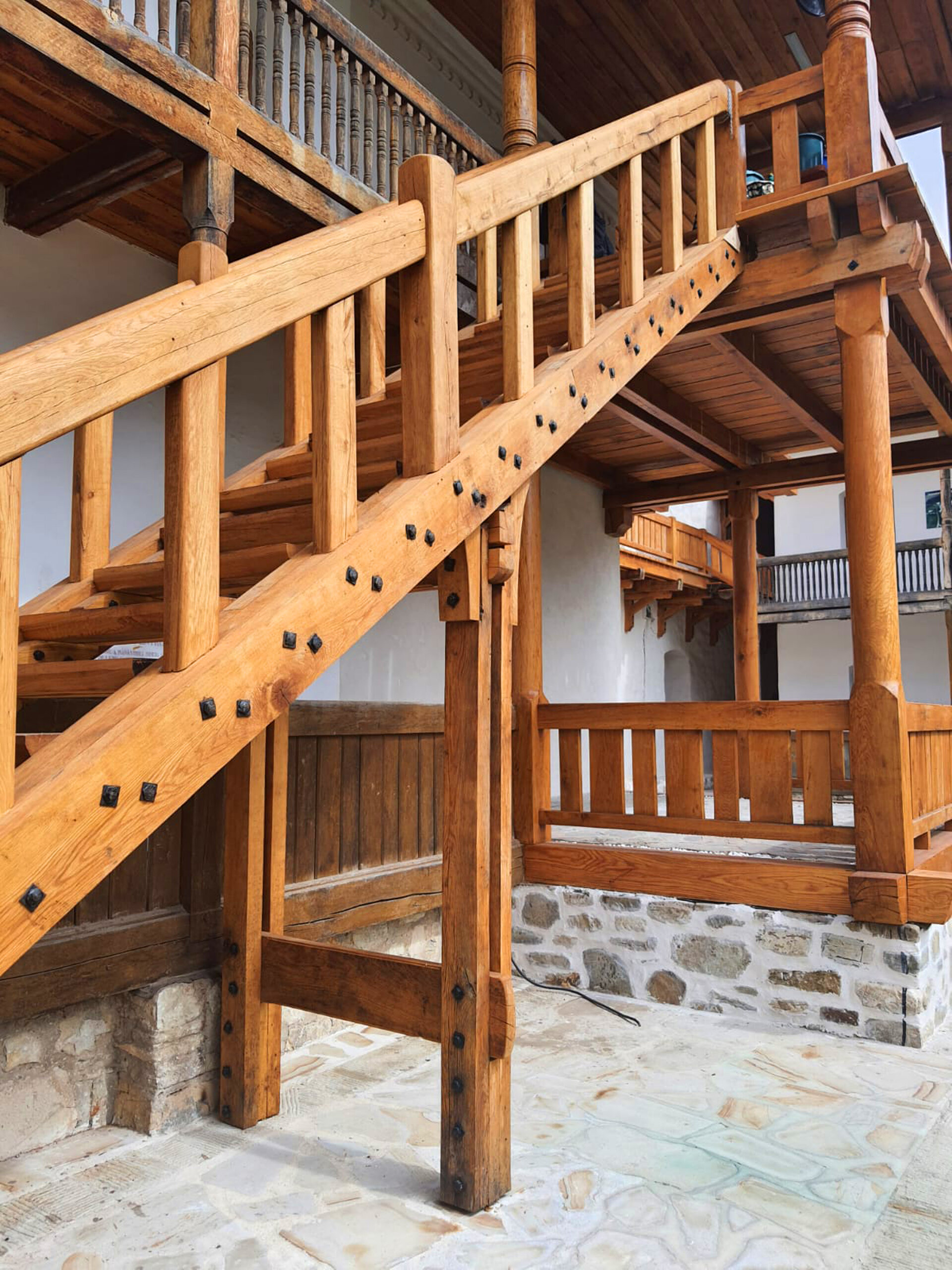
- Museum and the Chapel of the “Dormition of the Mother of God”: Restoration of the roof and structure, restoration of wall and vault finishes, installation of ventilation channels, installation of a ventilation system in the basements, installation of sanitary facilities, restoration of floors with heating and brick finishes in the museum and chapel, installation of tiled floors in the sanitary areas, gravel floors in the basements, oak plank floors on walkways, replacement of windows and exterior doors, closing of shooting openings with laminated glass, installation of new oak stairs;
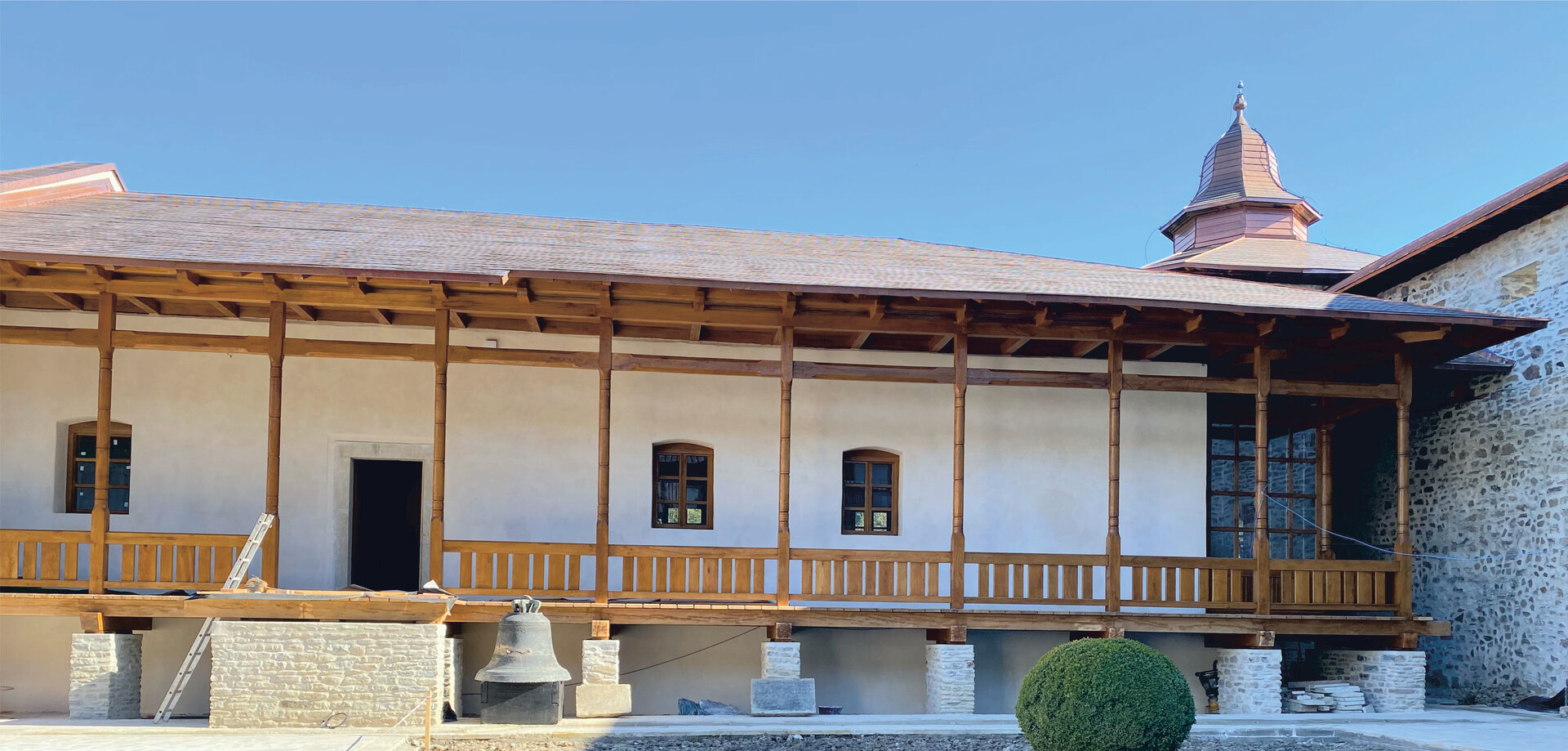
- Chapel of “St. Nicholas”: Revision of the copper roof and structure, restoration of wall and vault finishes, except for areas with mural paintings, installation of heated brick floors in the chapel, construction of period brick flooring with a perimeter ventilation slot in the basement, installation of new oak plank floors, construction of a new oak staircase, restoration of exterior wooden doors on the ground floor, replacement of windows, closing of shooting openings with laminated glass;
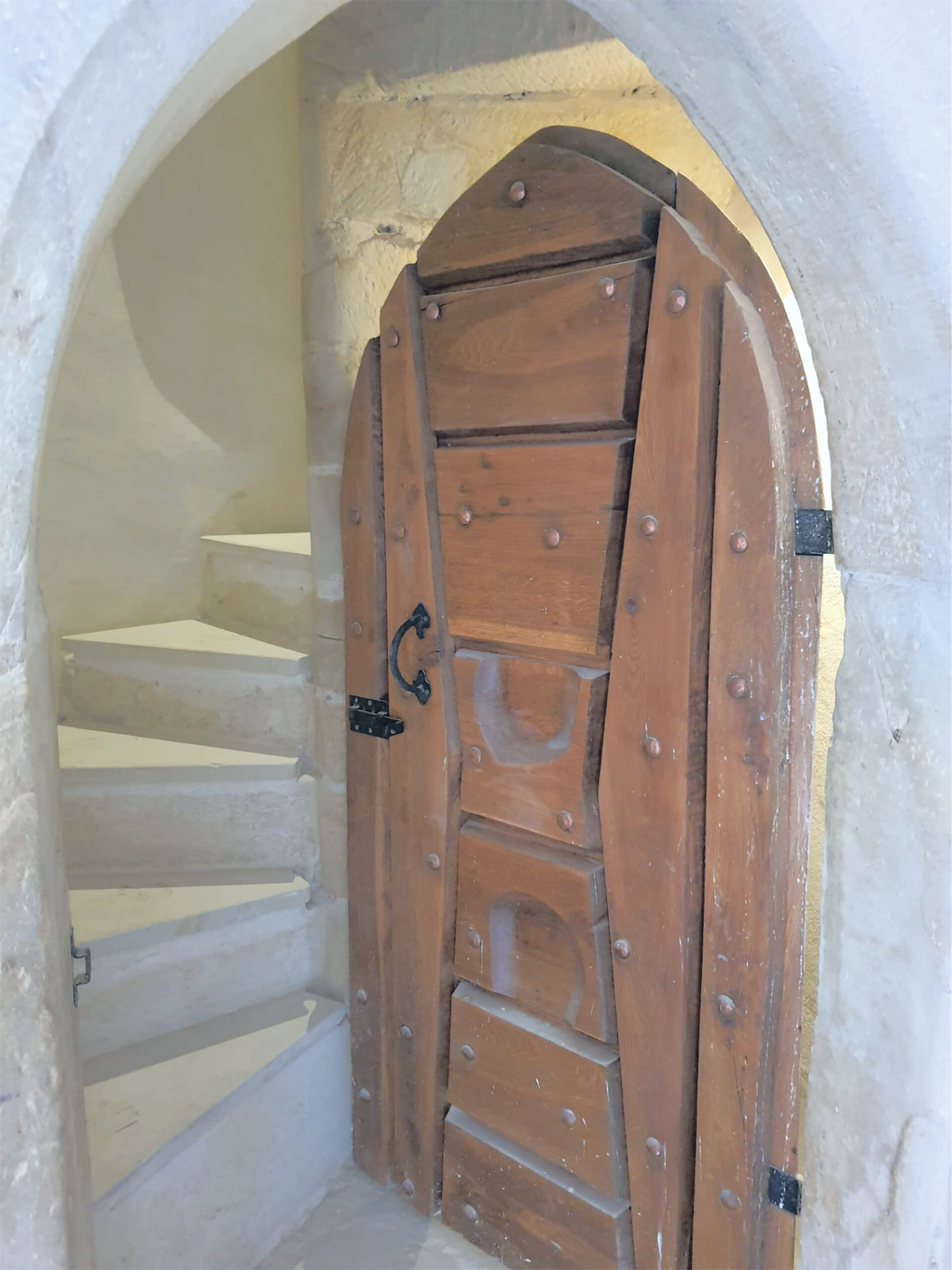
- Bell Tower and southwest enclosure wall: Restoration of wall and vault finishes, installation of brick floors laid on sand, restoration of the wooden planks at the bell level, restoration of doors and sliding gates, replacement of windows with laminated wood joinery, and repair of stone steps on the spiral staircase;
- Fortified enclosure: Restoration of stone-paved sidewalks and alleys, vertical systematization of the entire enclosure, ensuring proper slopes for water drainage, and arrangement of green spaces.
The project aimed to highlight the two main stages in the evolution of the monuments: stage 1 (the initial enclosure from 1602) and stage 2 (1822-1825 restoration of the enclosure buildings). The masonry from stage 1 was finished with exposed stone with pointed joints, while the masonry from stage 2 was finished with full-period lime-sand-straw plaster. Additionally, the roofs from stage 1 feature vertical seams, while those from stage 2 have frequent horizontal seams.
The climate control of the complex was achieved through an innovative system using a renewable energy source, geothermal, with 12 deep boreholes of 80 meters in a closed system and water-water heat pumps. The complex received architectural lighting system, which, together with the interior microclimate, was integrated into an active electronic control system of the BMS (Building Management System) type.
Architecture and Heritage

- The Restoration of the church in Pătrăuți (UNESCO)
- House for a collection
- The Restoration of Secu Monastery
- A house in Cotroceni
- The Old School in Tohani
- Restoration and extension of a house in Tugomir Voievod St., Bucharest
- Rosenthal House
- Rehabilitation, change of function, interior and exterior design for Restaurant Parc
- The recovery of the architectural ensemble in Plantelor St. No. 4, Bucharest
- Little garden house
- ALEXE 2-4-19


