ALEXE 2-4-19
Authors’ Comment
A restoration and conversion project, developed over the course of about four years, as an involuntary revitalization and regeneration strategy of Biserica Alexe Street, in the area of Calea Șerban Vodă.
Although located in an urban fabric with a strong historical character, Biserica Alexe street "succeeded", together with all the adjacent urban fabric south of the blvd. Mărășești, to avoid any urbanistic/historical classification that would have confused the "prolific" urban development of the last decades. The street takes its name, however, from a historical monument, the Alexe Church, built approx. 1812, located at the intersection with Calea Șerban Vodă, original artery of the historical fabric of the area, of the slum type.
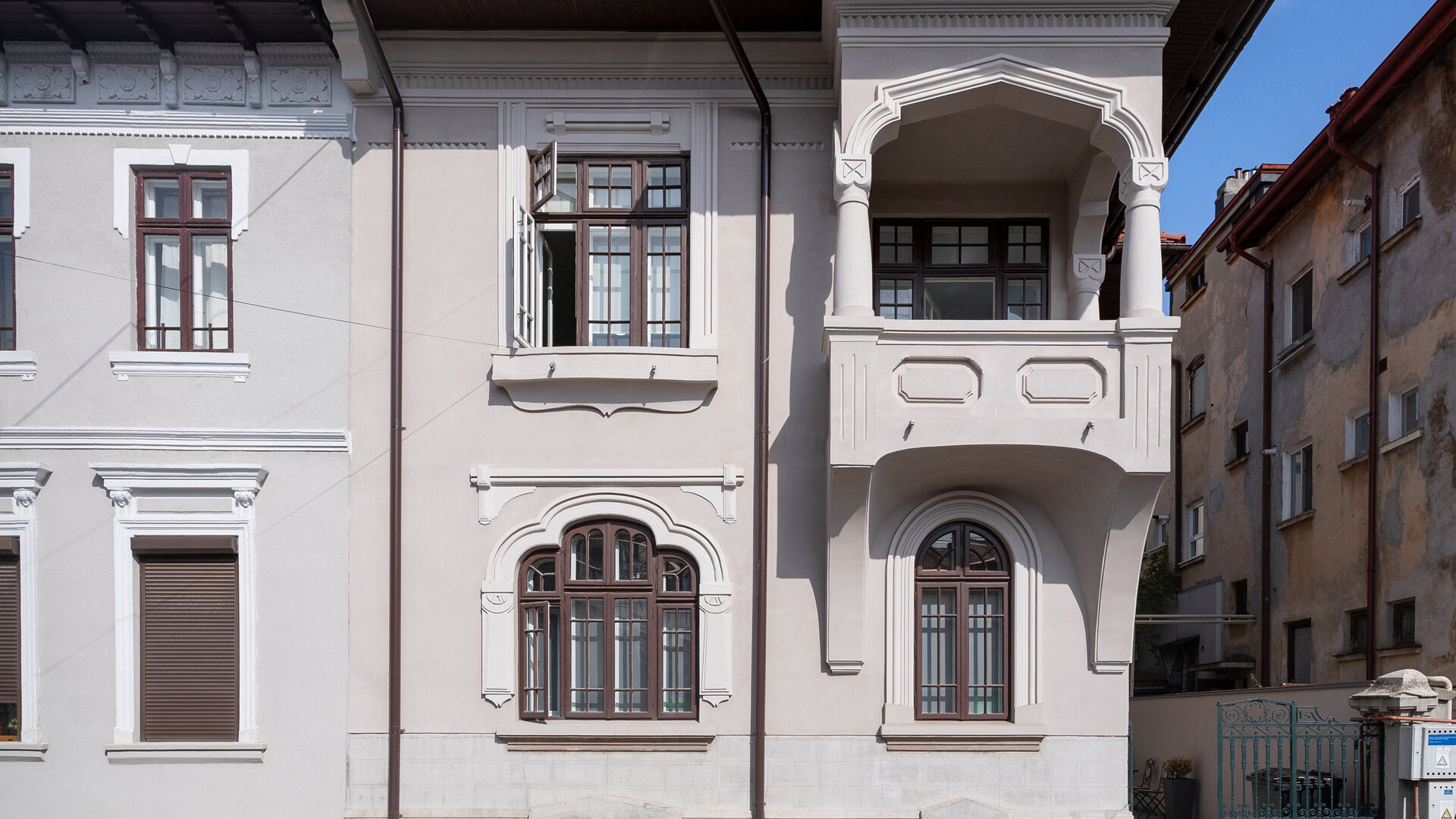
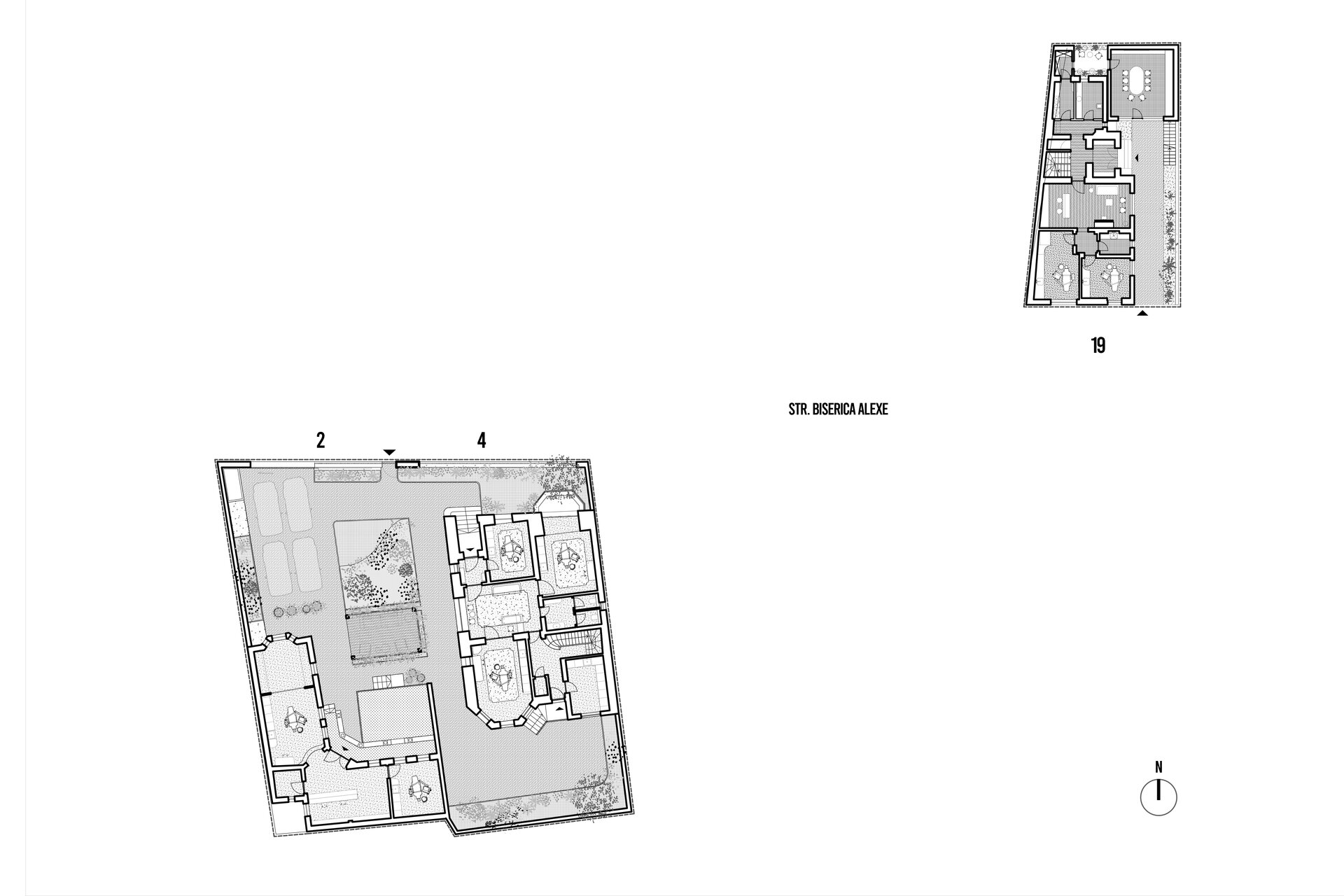
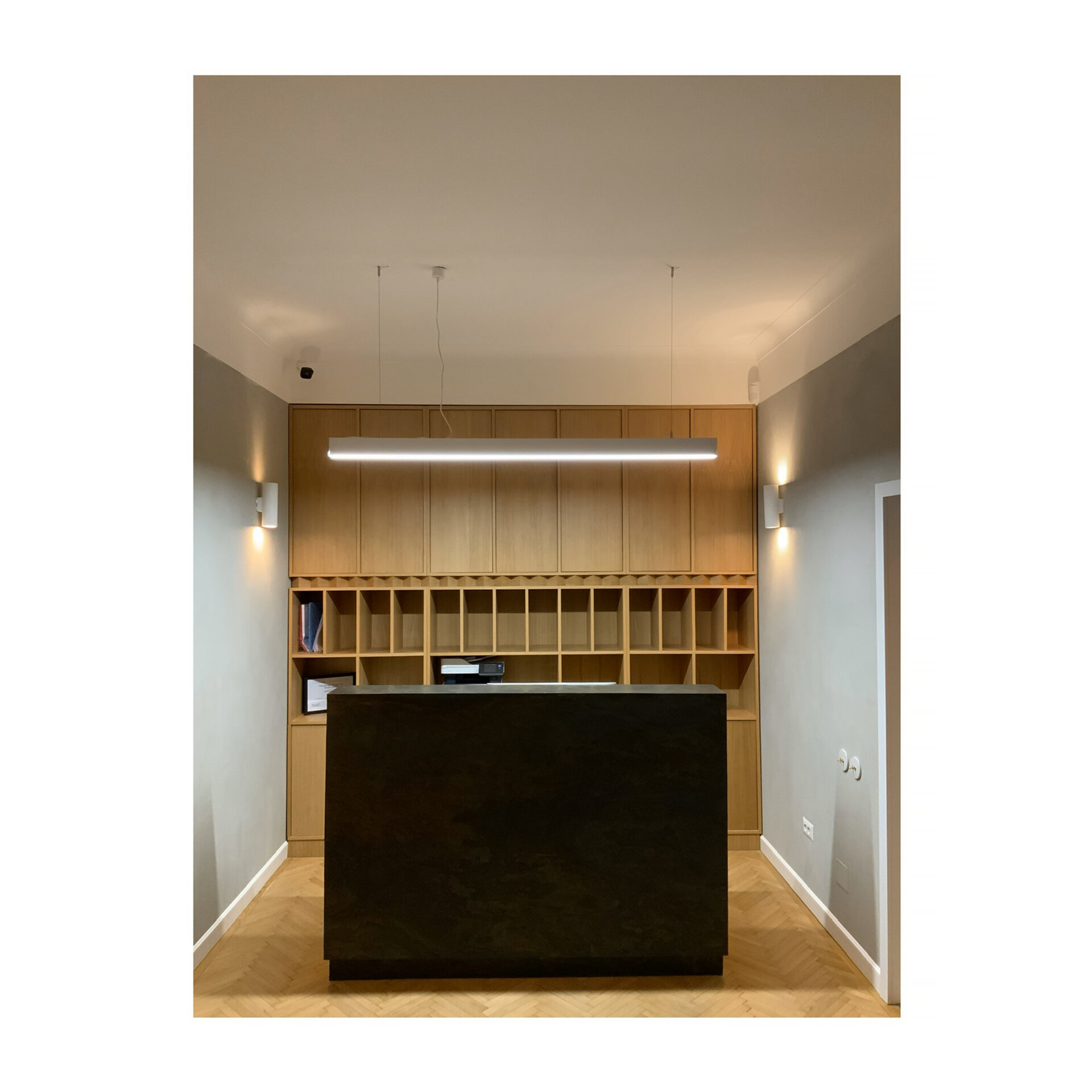
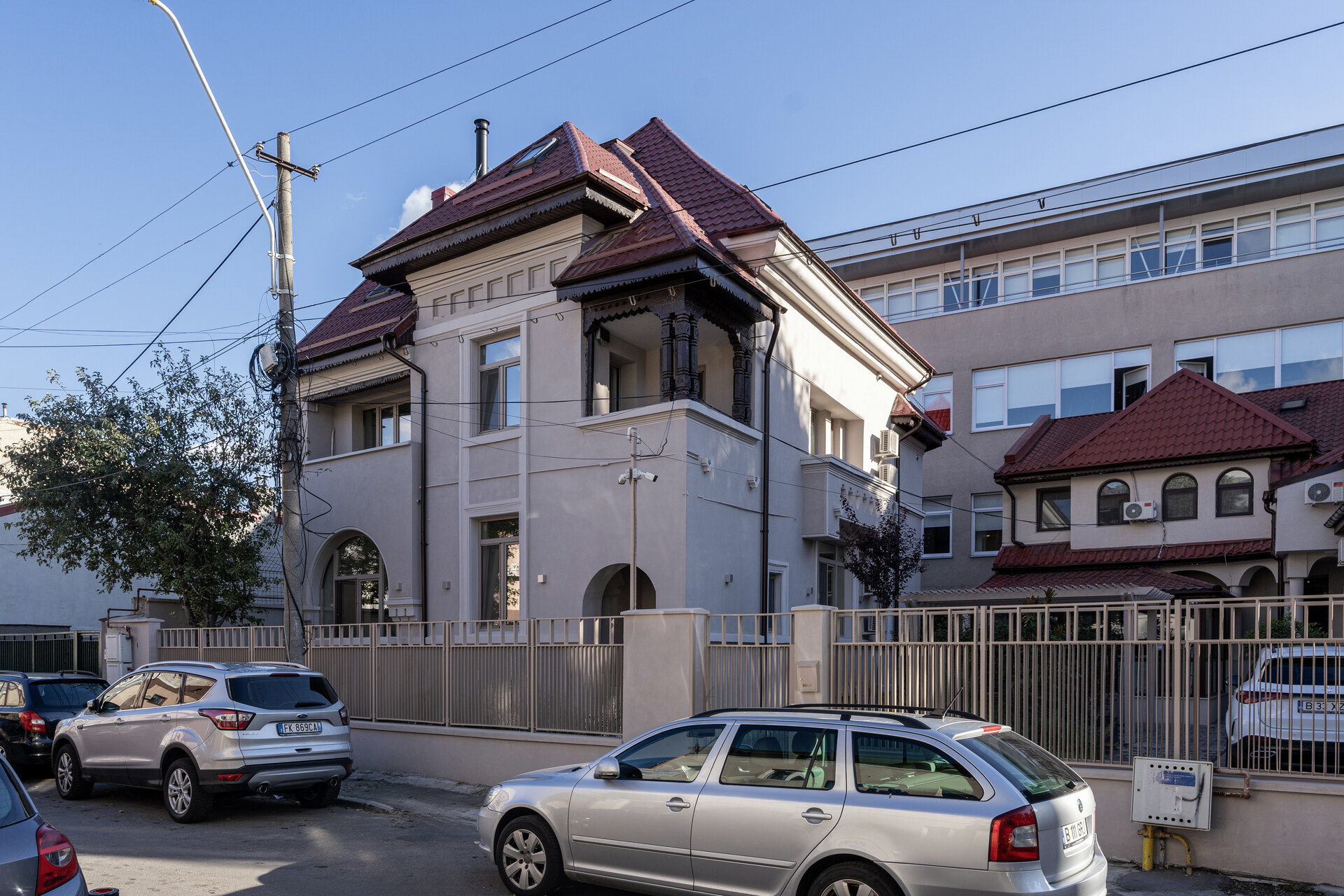
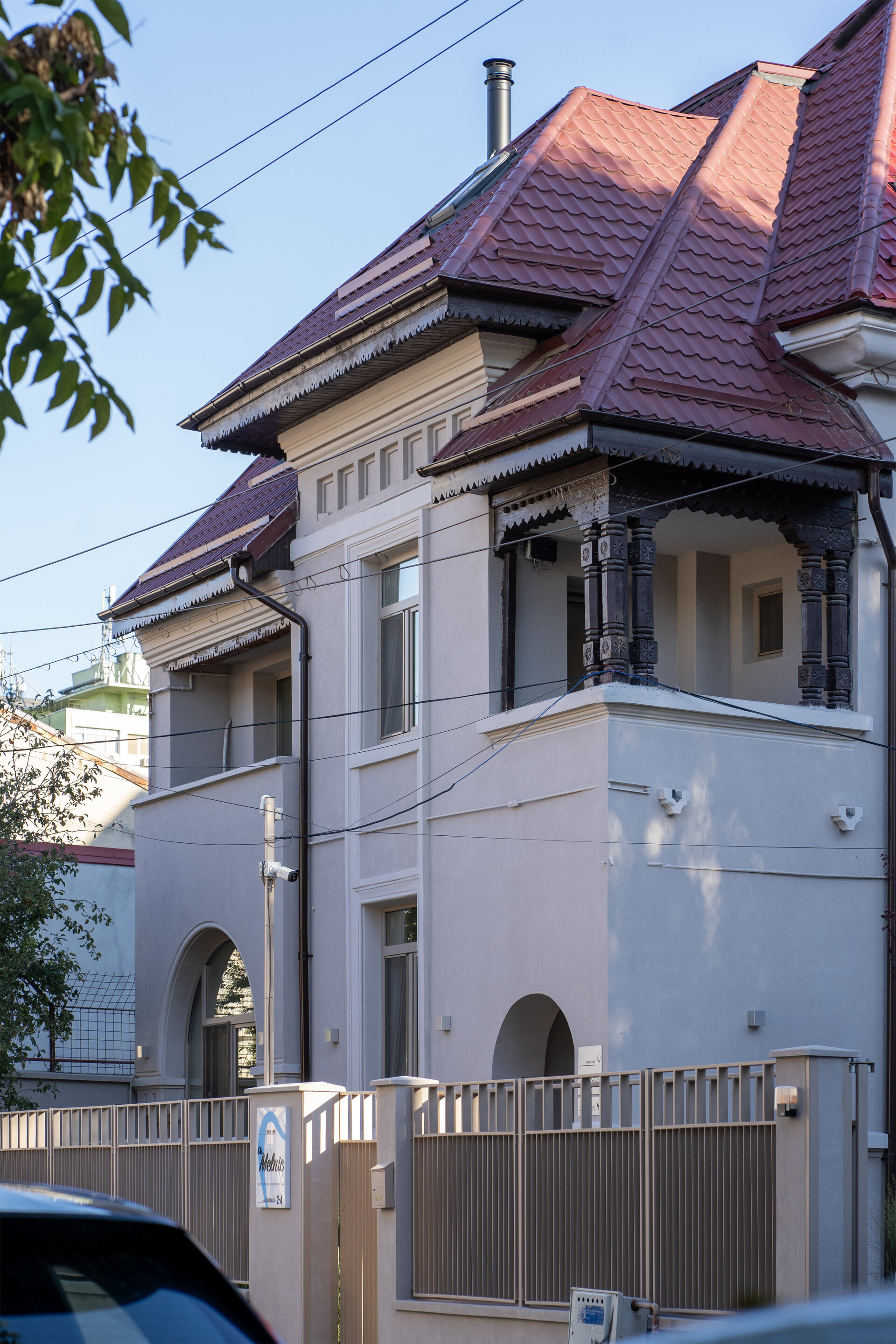
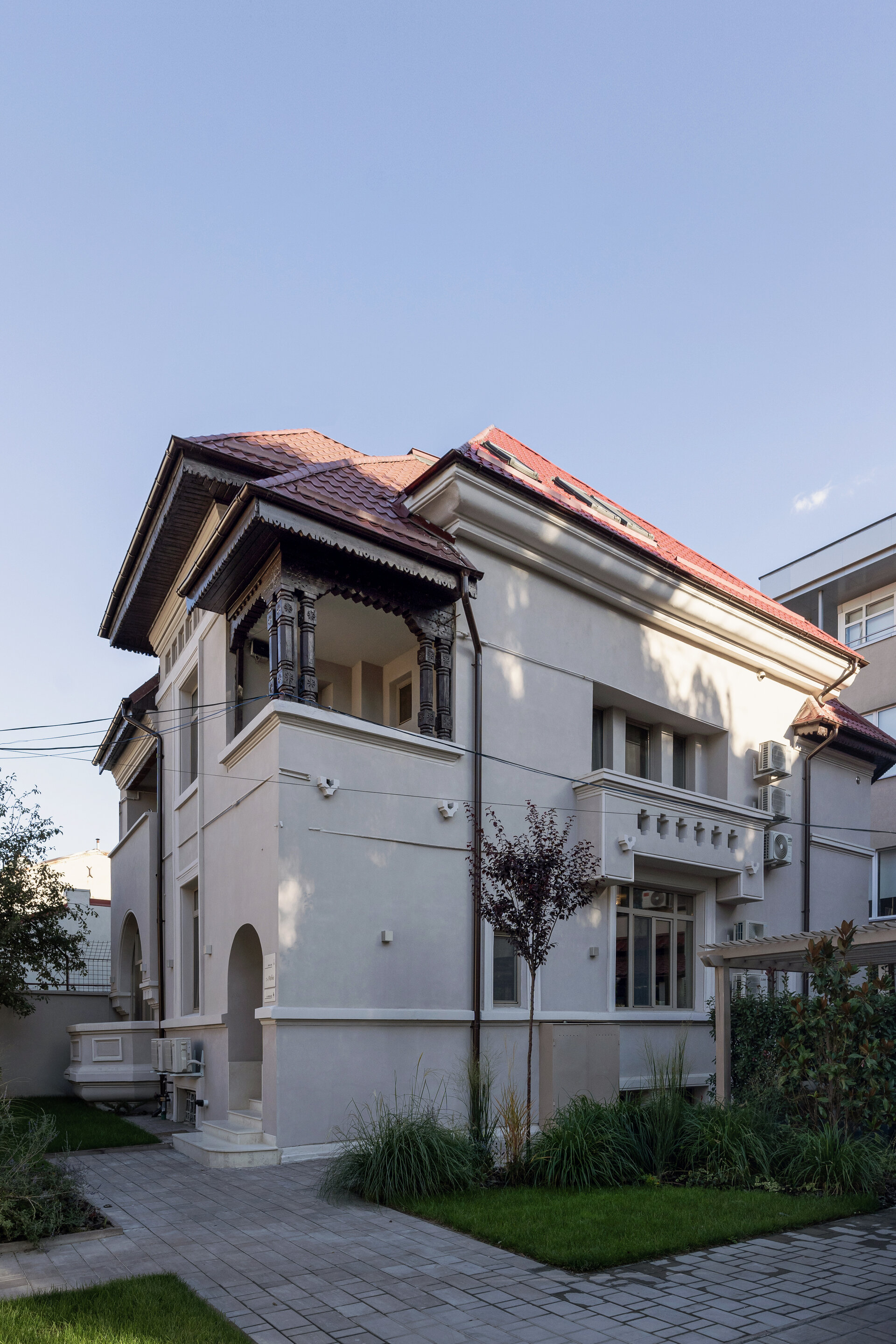
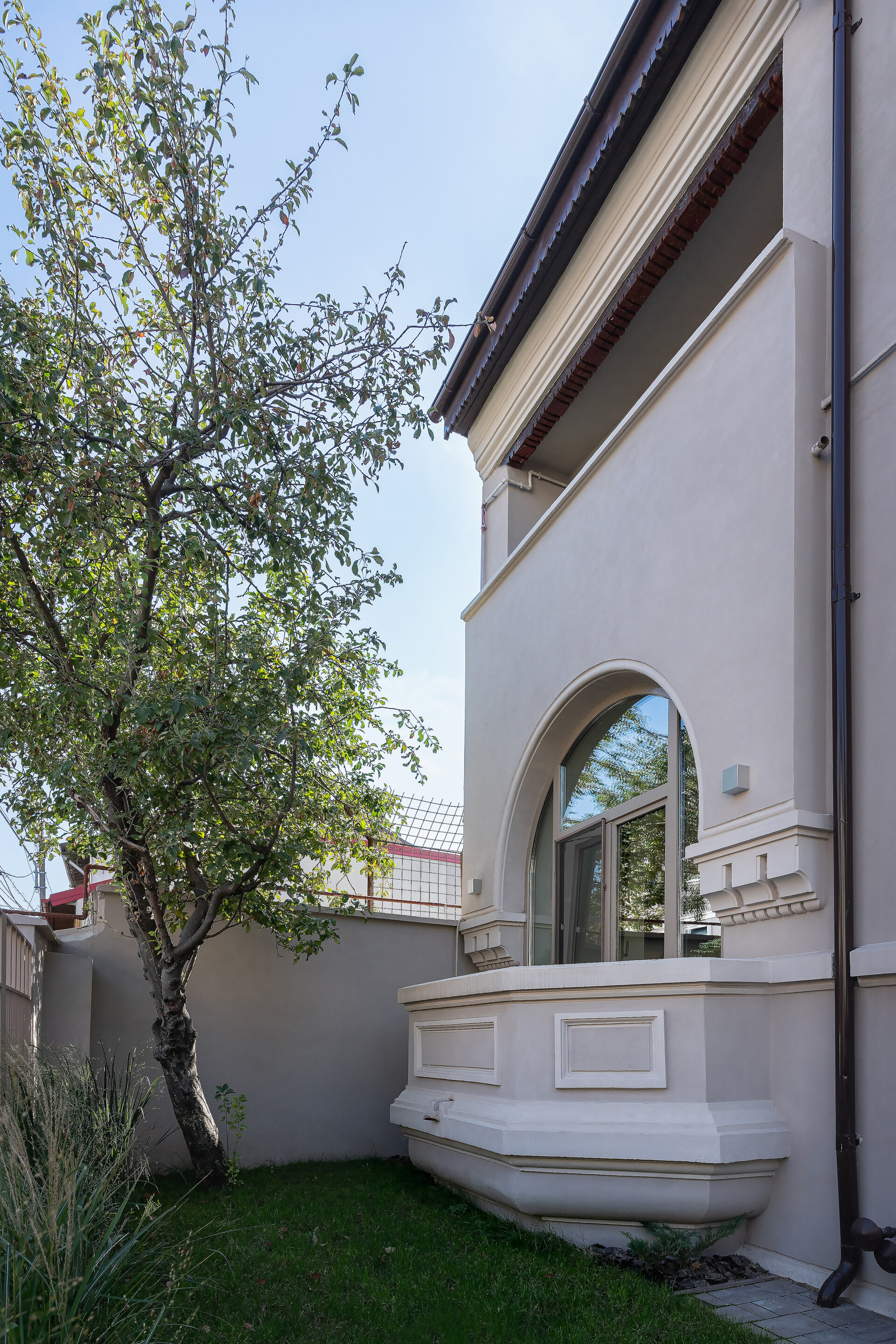
The project in question begins by renting a first building for the purpose of setting up a dental clinic, at no. 2, a project on which I partially worked, during the faculty, around 2013. Next is the purchase of a building, in 2021, at no. 19. Here we reappeared in the landscape and found a house with a neo-Romanian style architecture, from around 1928. It was in an advanced state of decay, but it was inhabited, even by the descendants of the first owner, who also built actually the house.
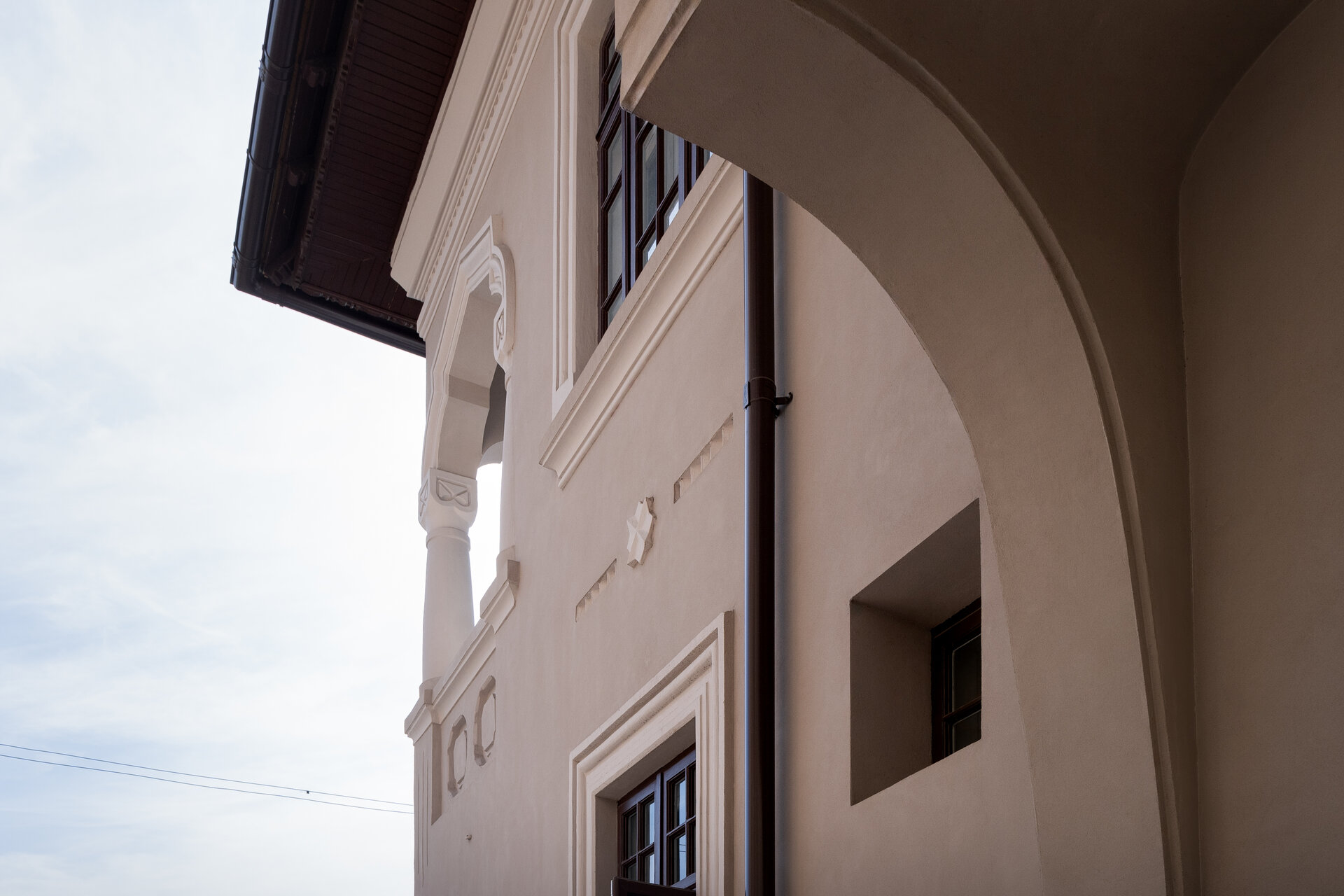
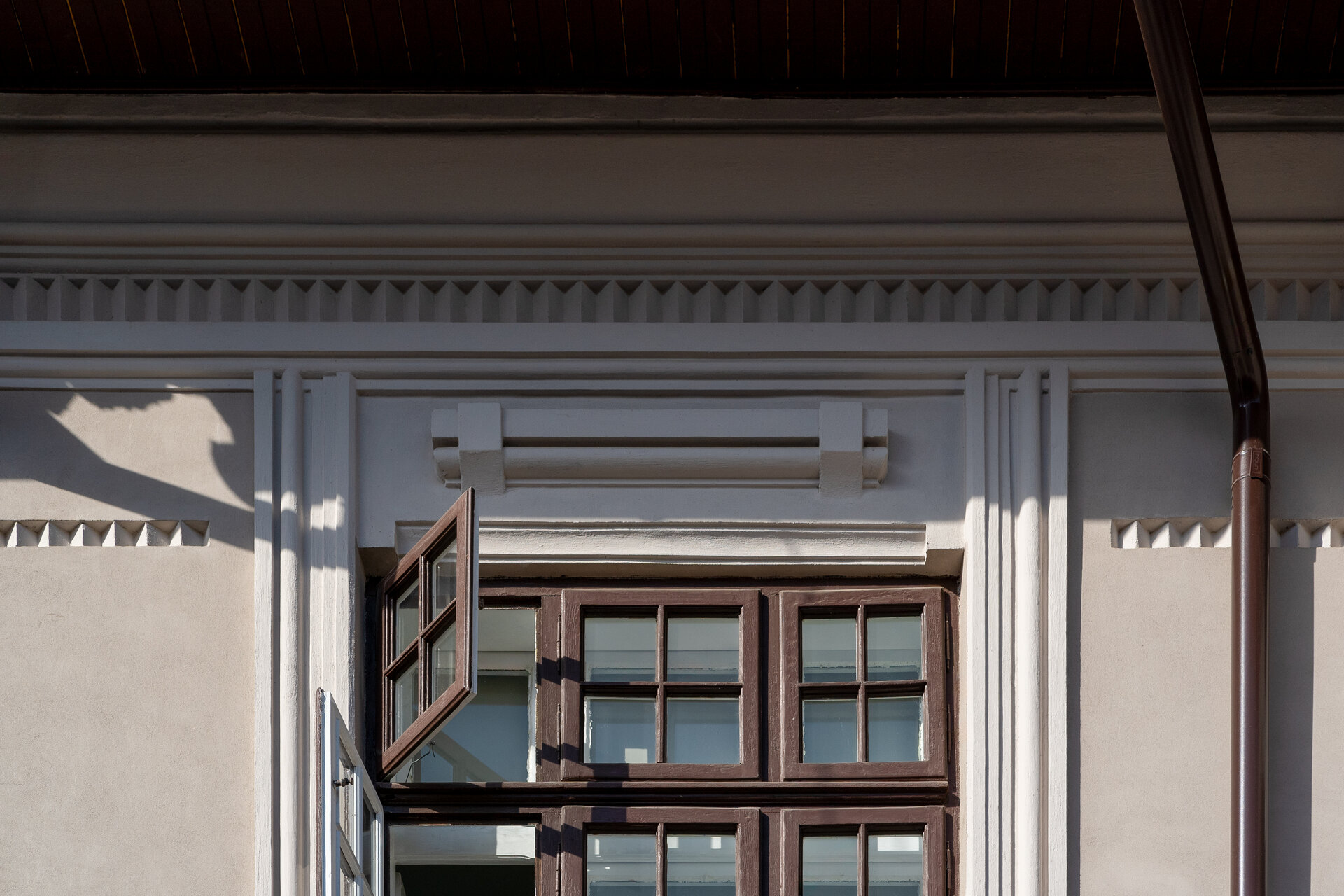
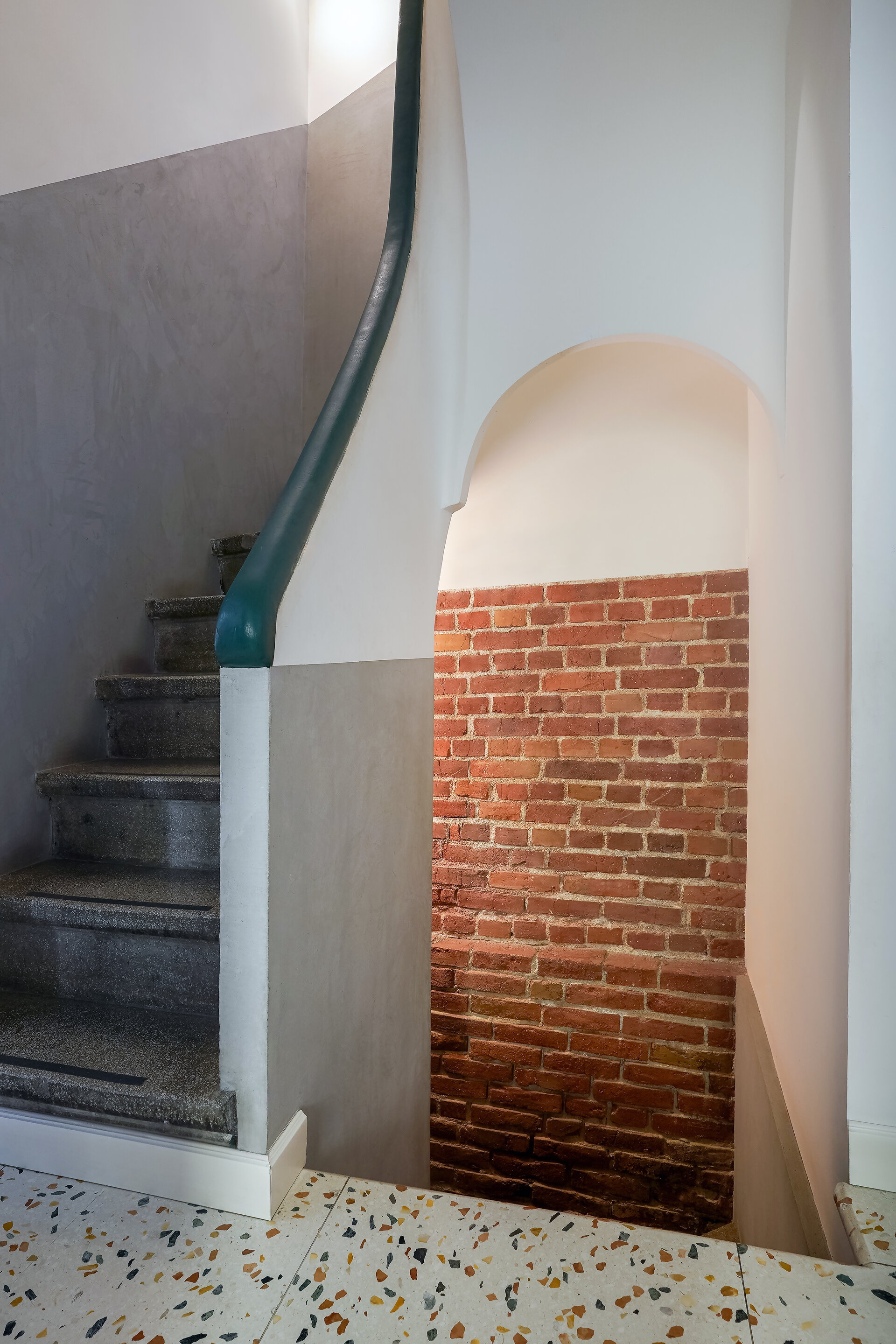
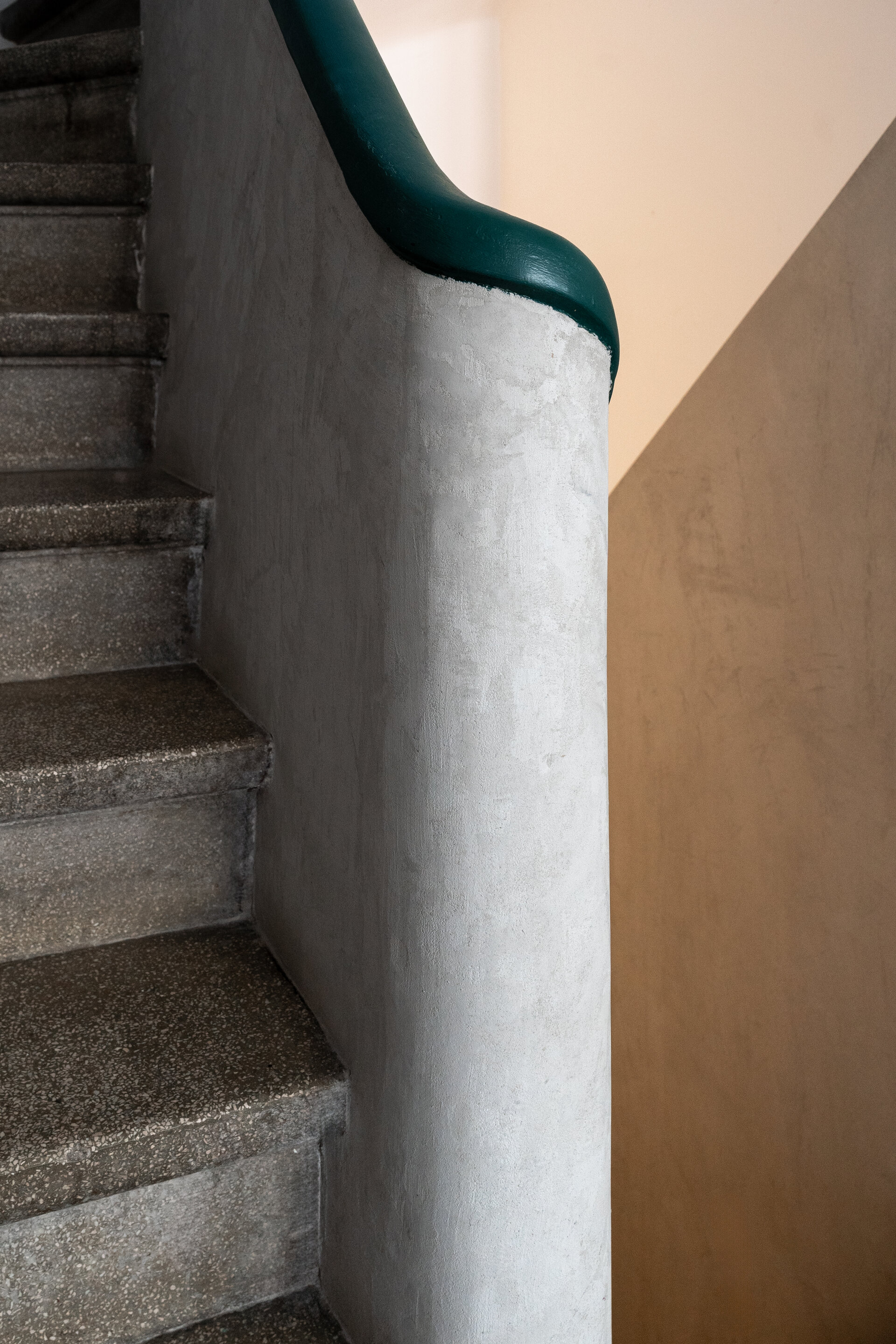
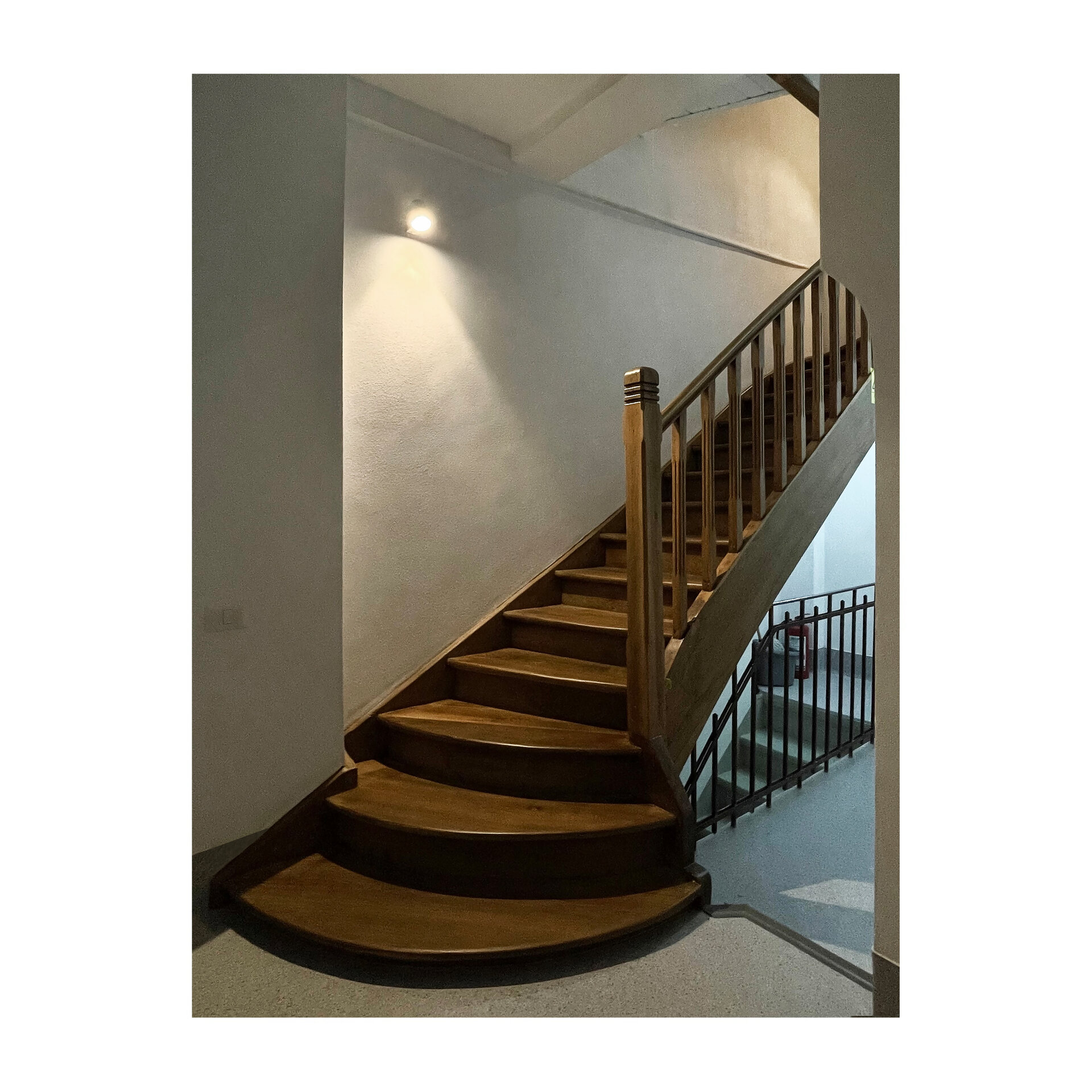
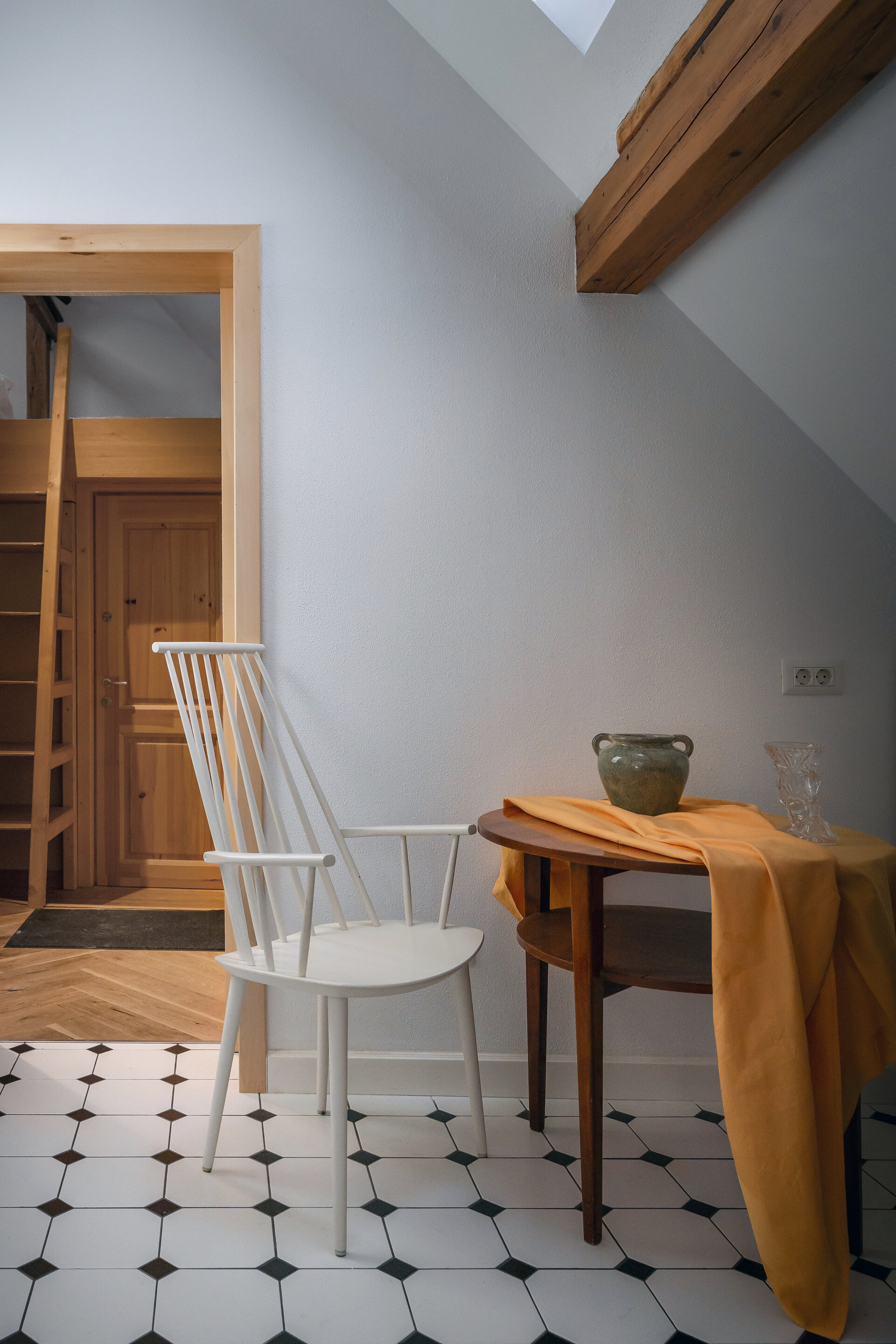
Our proposal was to inventory all the objects found in the home and to keep as much of the furniture found in the building as possible, although the new function, as a dental clinic, had other functional, planimetric and equipment needs. On the outside, we tried to bring back as much as possible the original textures and colors, identified from the original architectural plans, found in the house, or from the stories of the descendants. Although the project and its scale did not have this claim, we constantly kept the renovation works desired by the beneficiary as close as possible to those suitable for a restoration process, and we had the joy of cooperating very well with the client, who was very open in this approach. A very pleasant thing was that the building became d.p.d.v. functional like those of sec. 19, shop-type, where a commercial activity is carried out on the ground floor and living space on the upper floors.
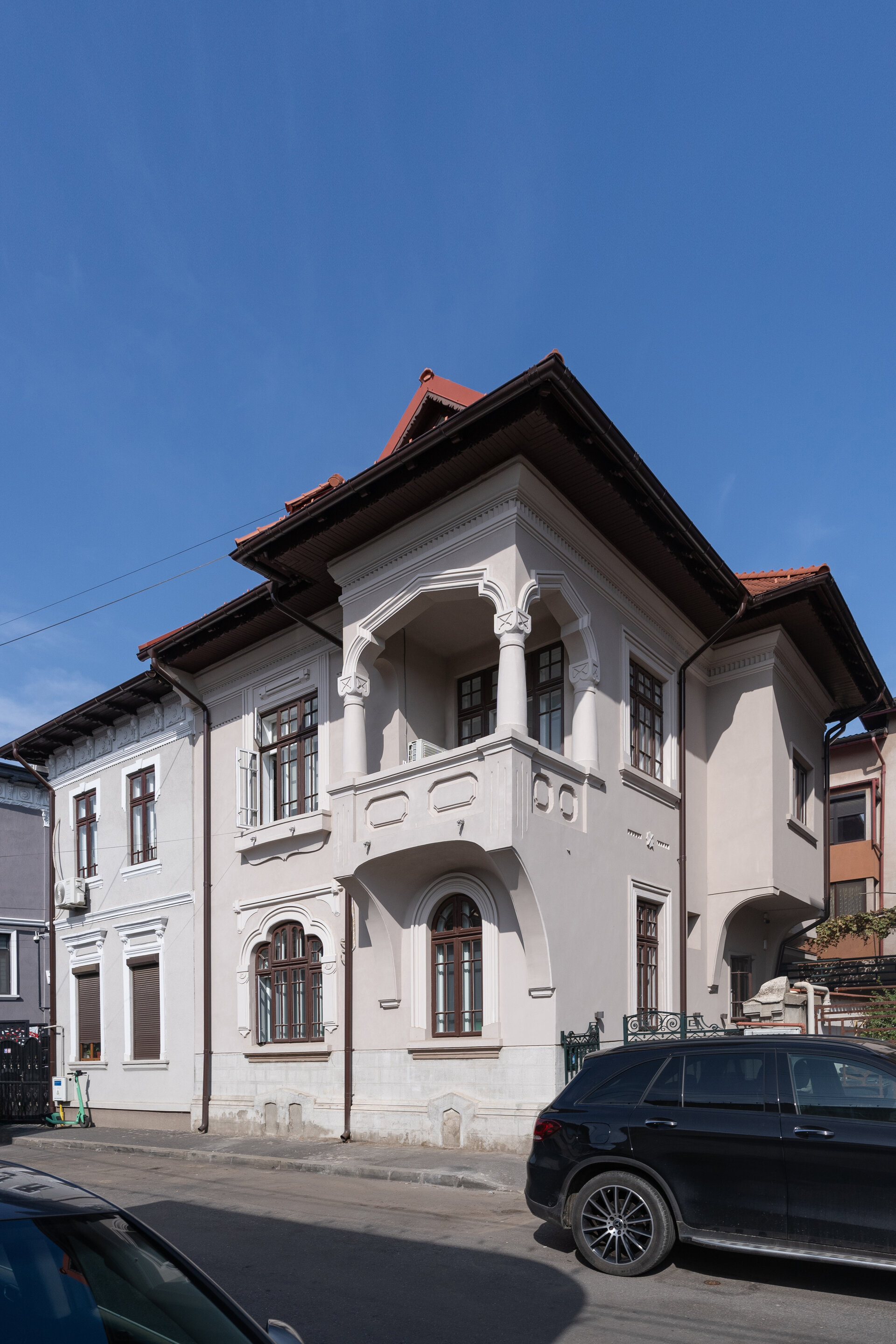
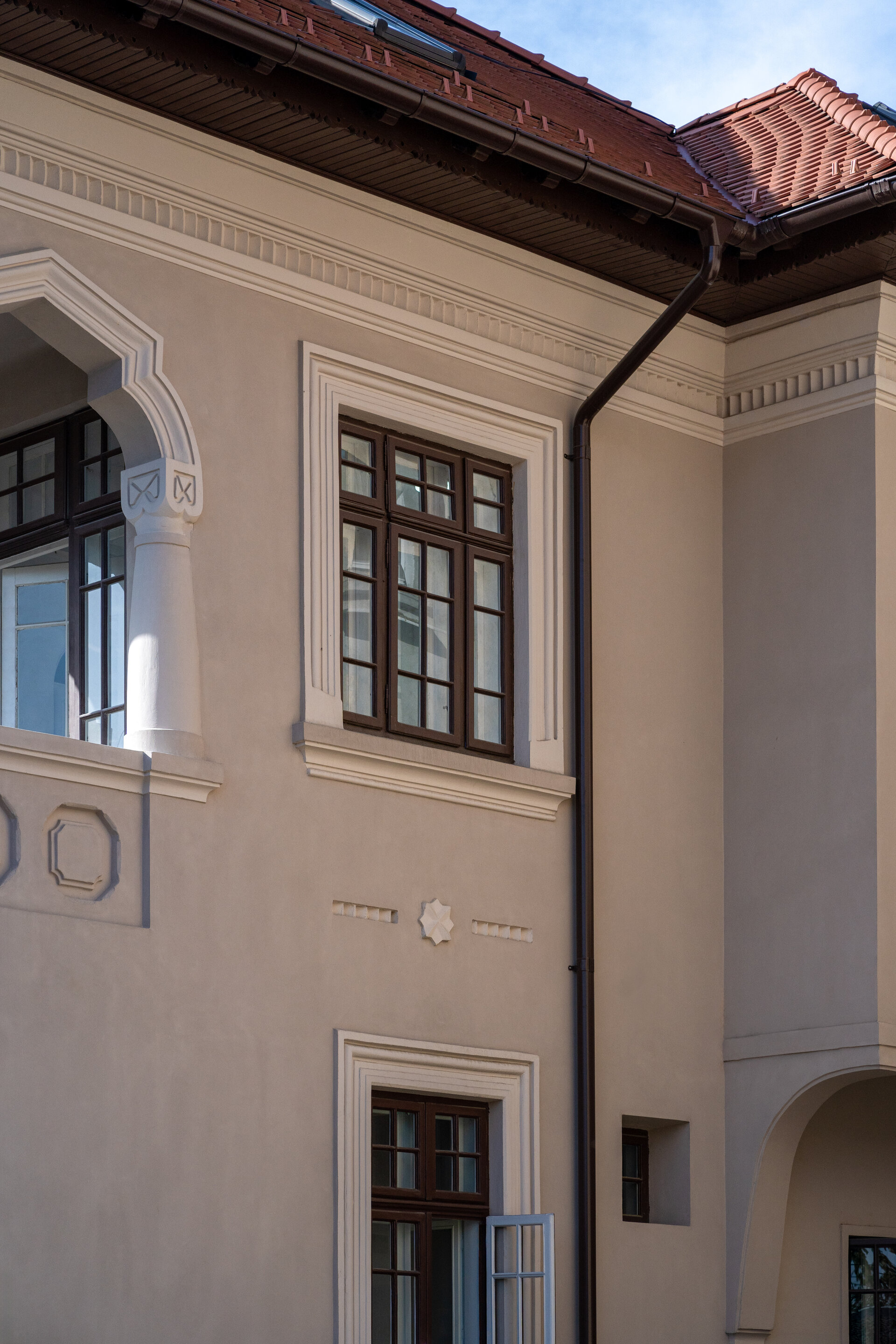
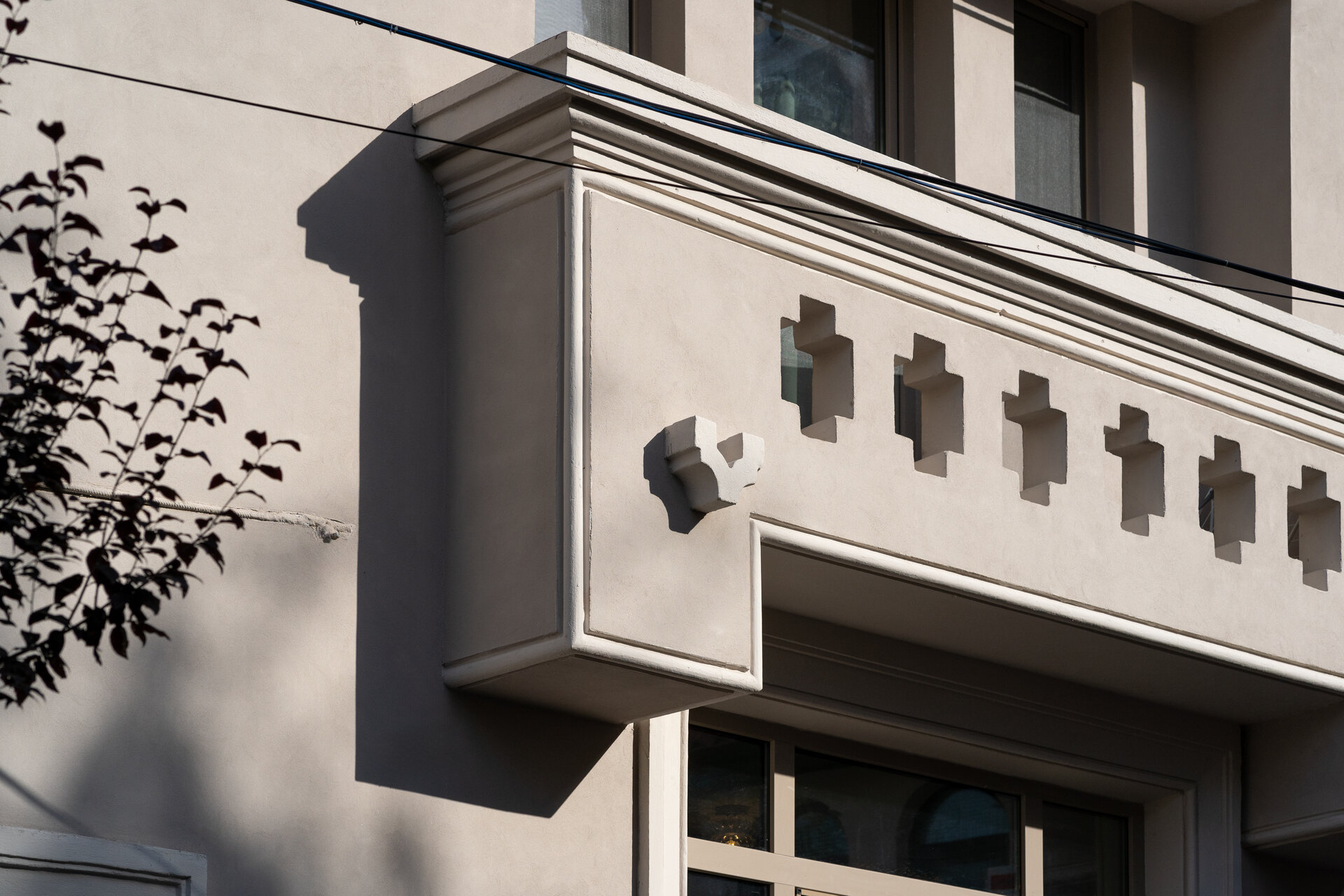
After the positive experience from no. 19, followed in 2023 by the building at no. 4, which is purchased by the same client and transformed, following approximately the same route. If at no. 19 the building was architecturally intact, but degraded, here the building had suffered all kinds of parasitic works, from inappropriate closures of balconies and loggias, to local thermosystem installations on the facades of the building, false plinth finishing or changes to the original wooden joinery with PVC ones. We had the satisfaction that the project was slightly but importantly different, in the sense that it had an extra stage, the one where we eliminated all parasitic additions and identified valuable architectural elements, such as the balcony on the western facade, which has gaps in cross-shaped parapet, most likely a reference to the Alexe Church, towards whose main altar and spire he actually faces. As the year of construction of the building is approx. 1936-1938 and I only found the original finishes very locally, I proposed textures and chromatics similar to those of no. 19.
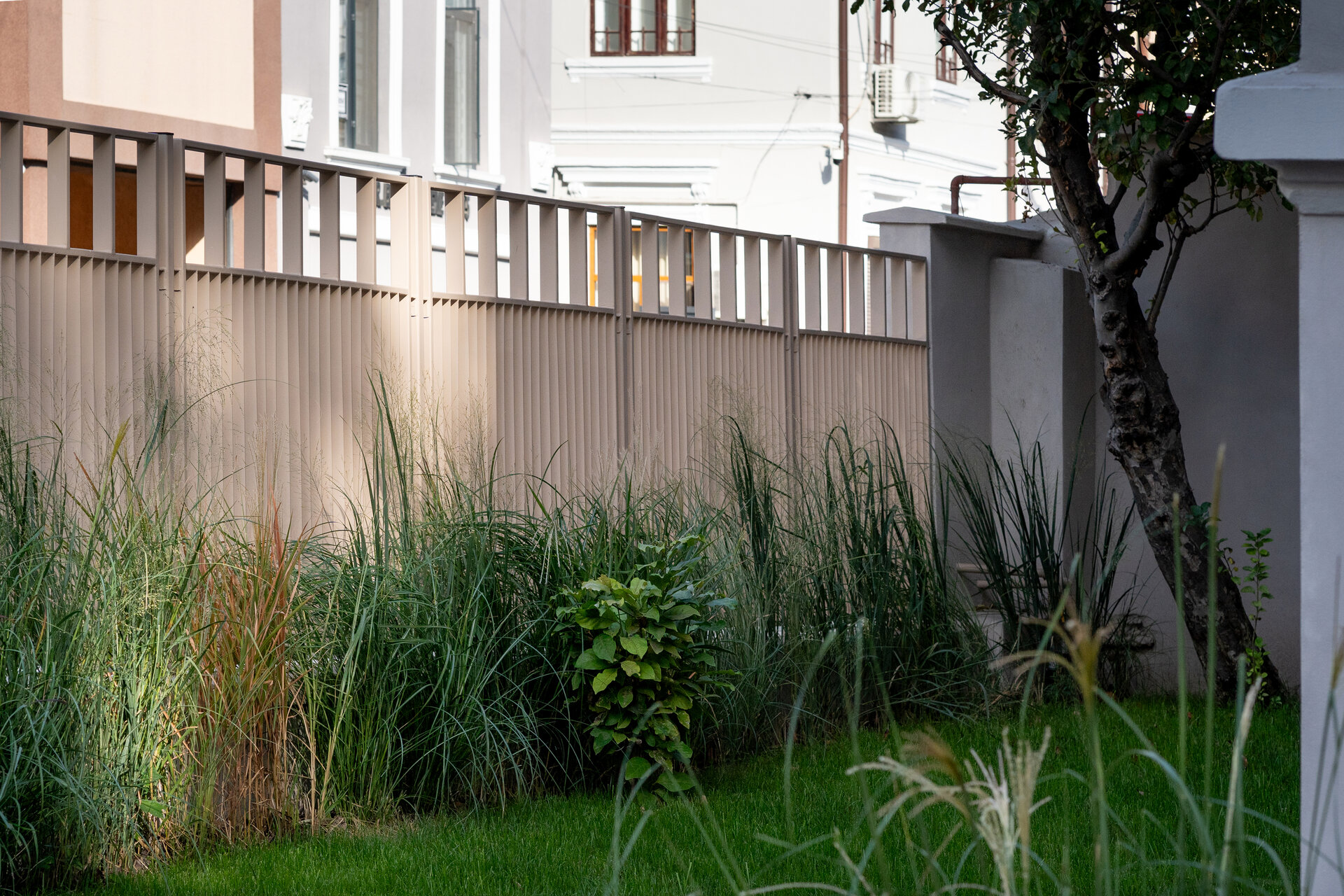
The project is completed by the purchase of the building that actually started this whole initiative, that of number 2 - thus, courtyards no. 2 and no. 4 become common, the fence on the common boundary is removed, the fencing to the street becomes continuous, by demolishing the old, opaque and inappropriate one and building a new one, in a neutral manner, which allows the street to take part in the newly created energy.
What made us very happy was that after the project from no. 19, many other owners on the street followed to renovate the facades or fences, recently the road was paved, so the image of Biserica Alexe street changed a lot and for the better through an initiative that started singularly and became collective, which, we believe that it is actually the recipe for the transformation of the city – from the private to the public and diminishing the boundaries between the two.



Architecture and Heritage

- The Restoration of the church in Pătrăuți (UNESCO)
- House for a collection
- The Restoration of Secu Monastery
- A house in Cotroceni
- The Old School in Tohani
- Restoration and extension of a house in Tugomir Voievod St., Bucharest
- Rosenthal House
- Rehabilitation, change of function, interior and exterior design for Restaurant Parc
- The recovery of the architectural ensemble in Plantelor St. No. 4, Bucharest
- Little garden house
- ALEXE 2-4-19


