- Nomination for the “Built Architecture / Architecture and Heritage” section
Restoration and extension of a house in Tugomir Voievod St., Bucharest
Authors’ Comment
Restoration and extension of a house in Tugomir Voievod Street, Bucharest
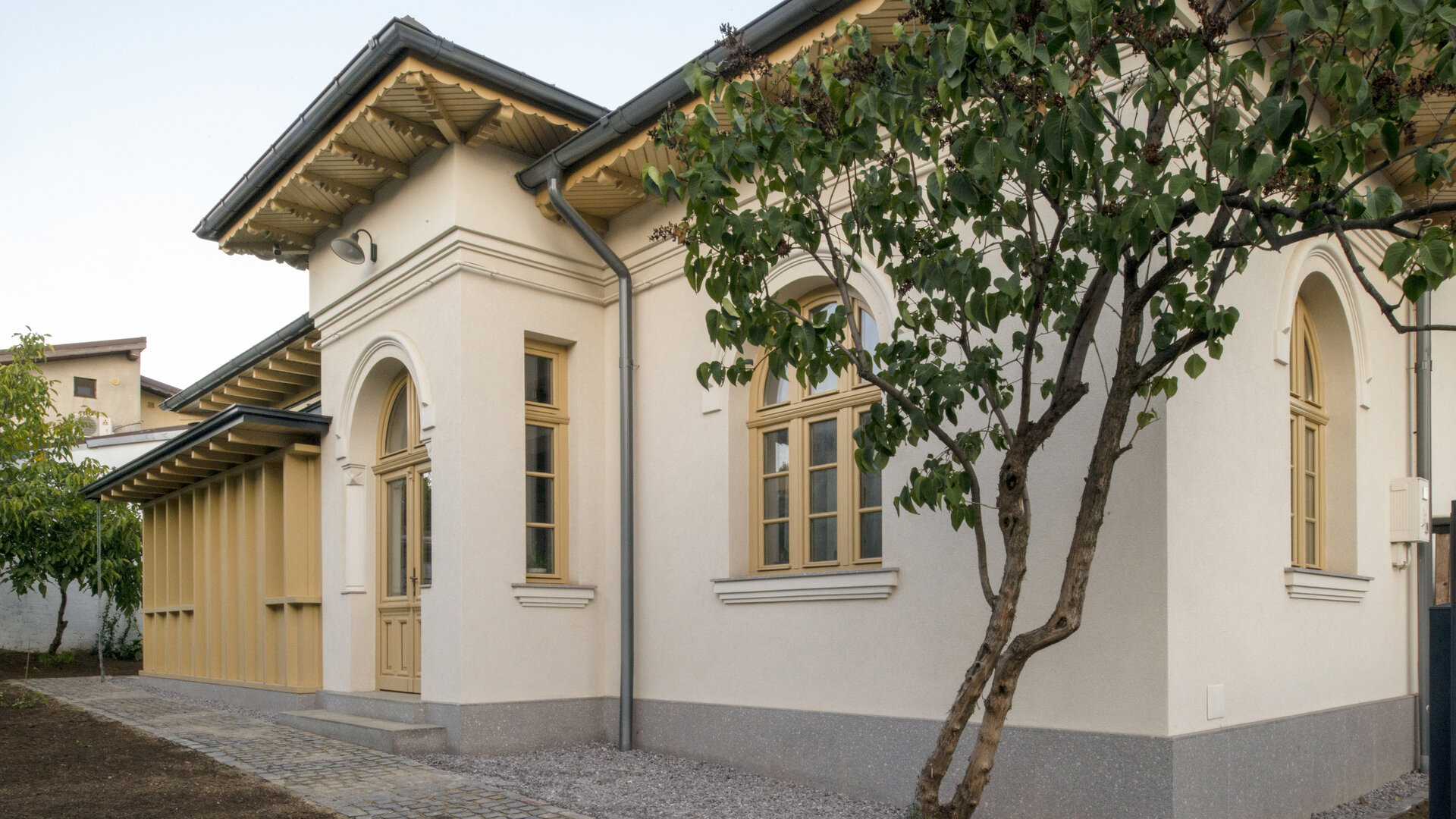
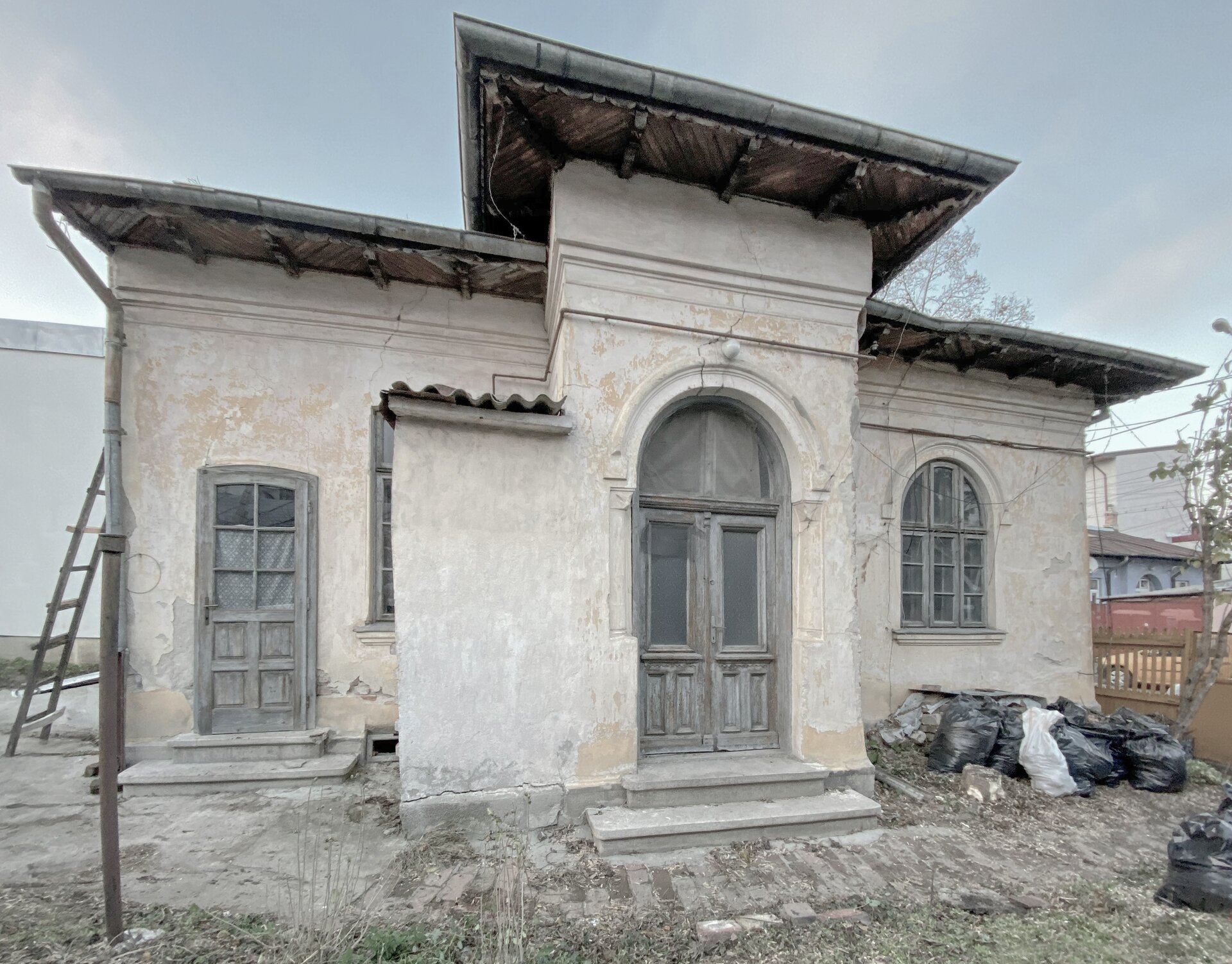
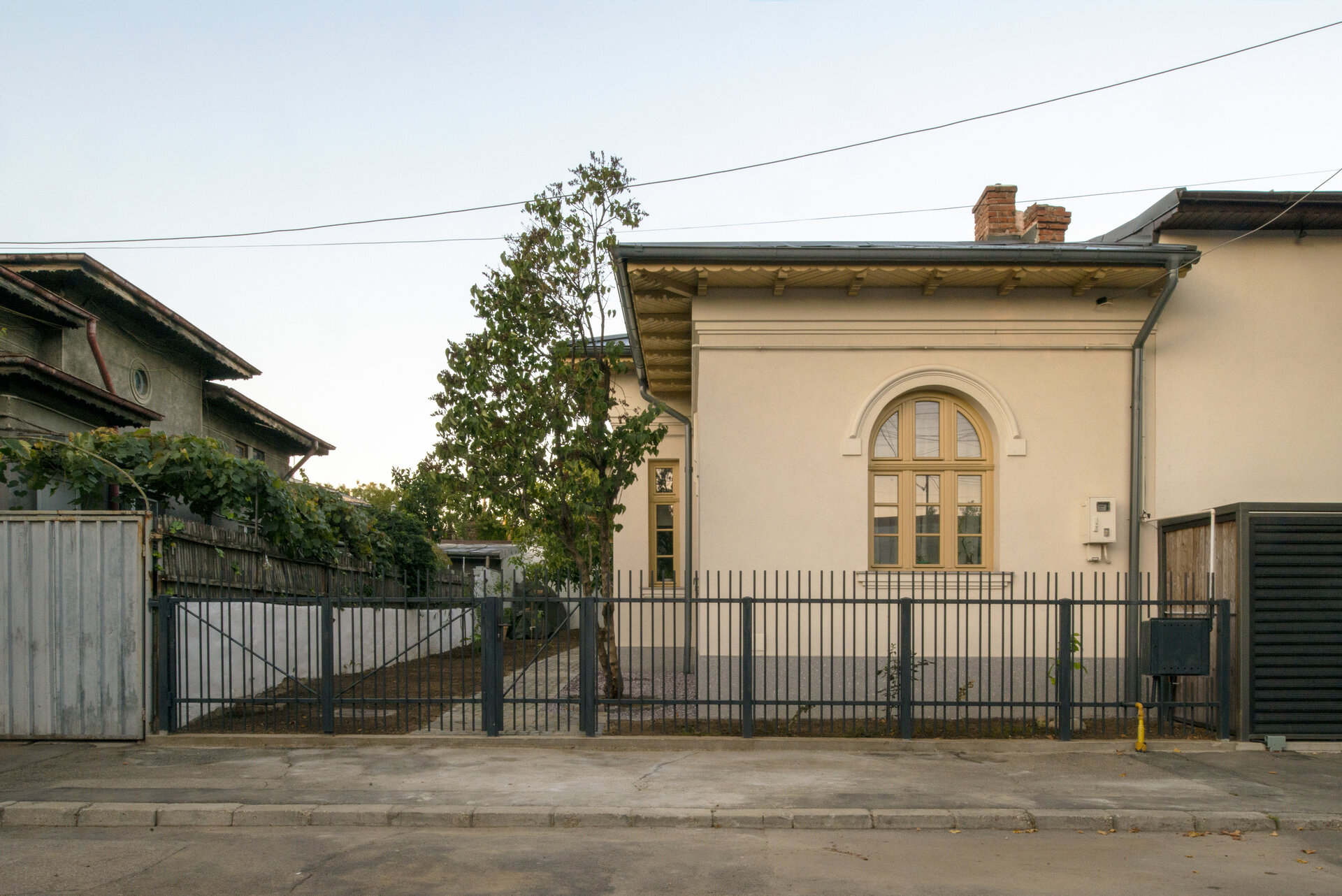
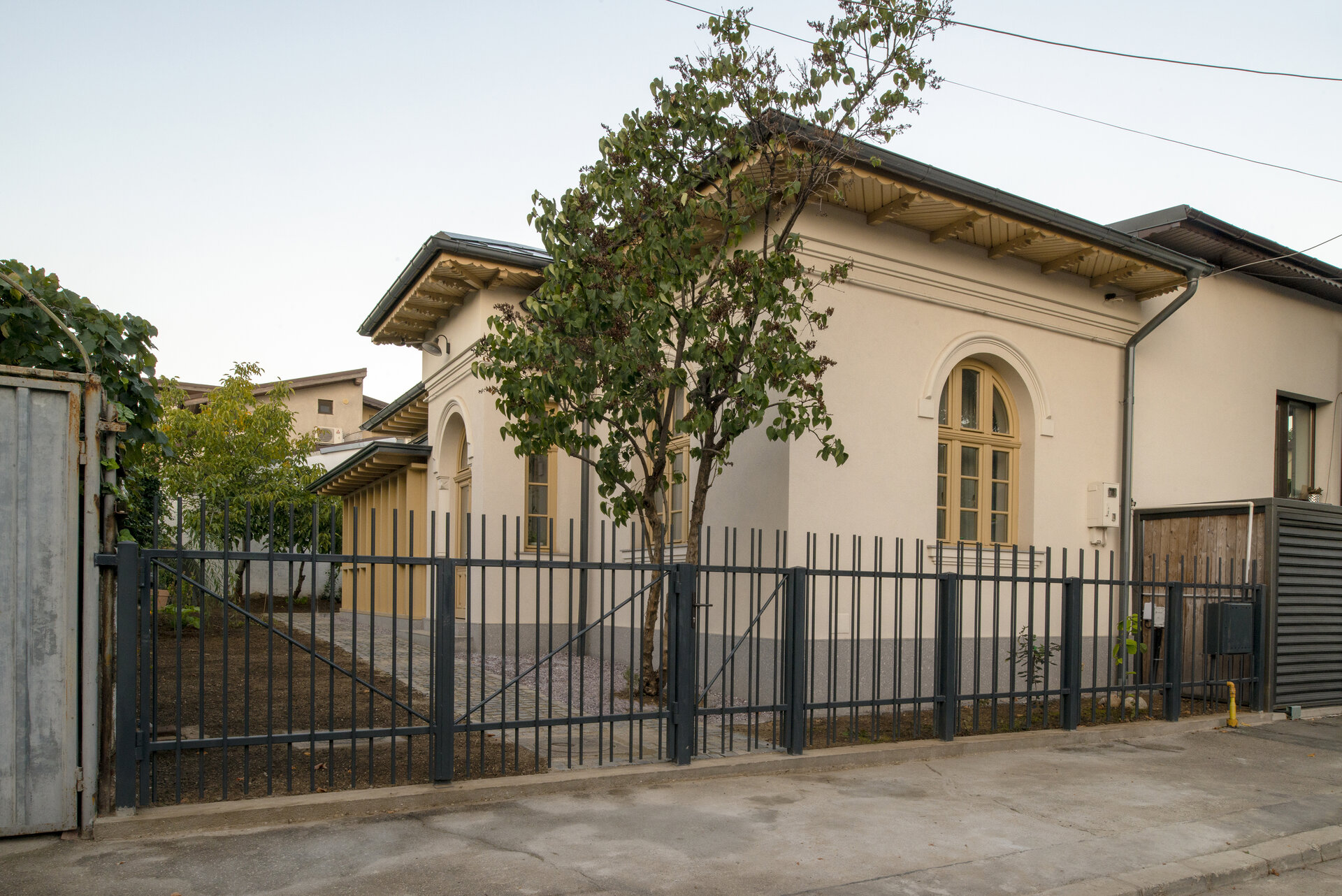
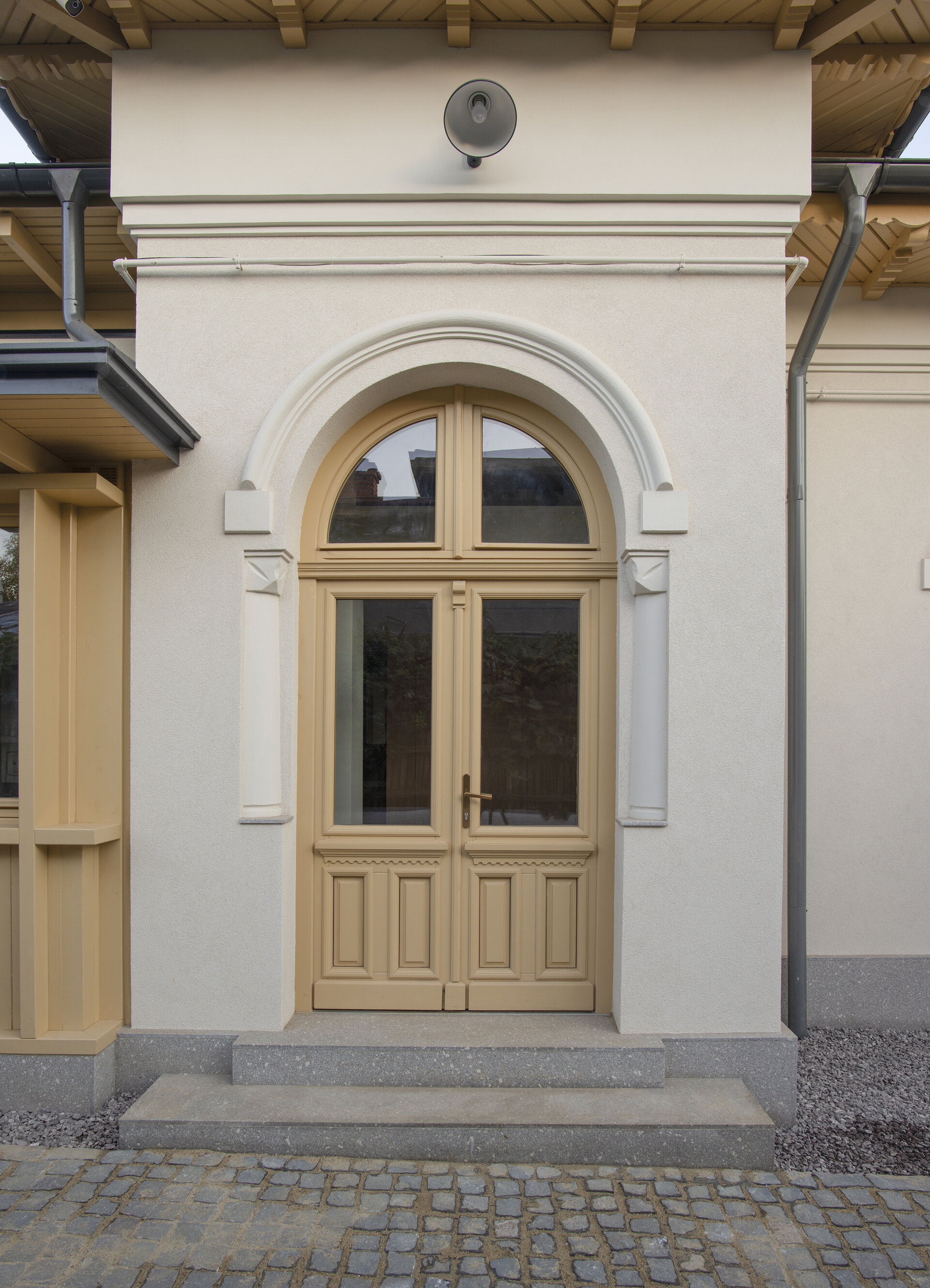
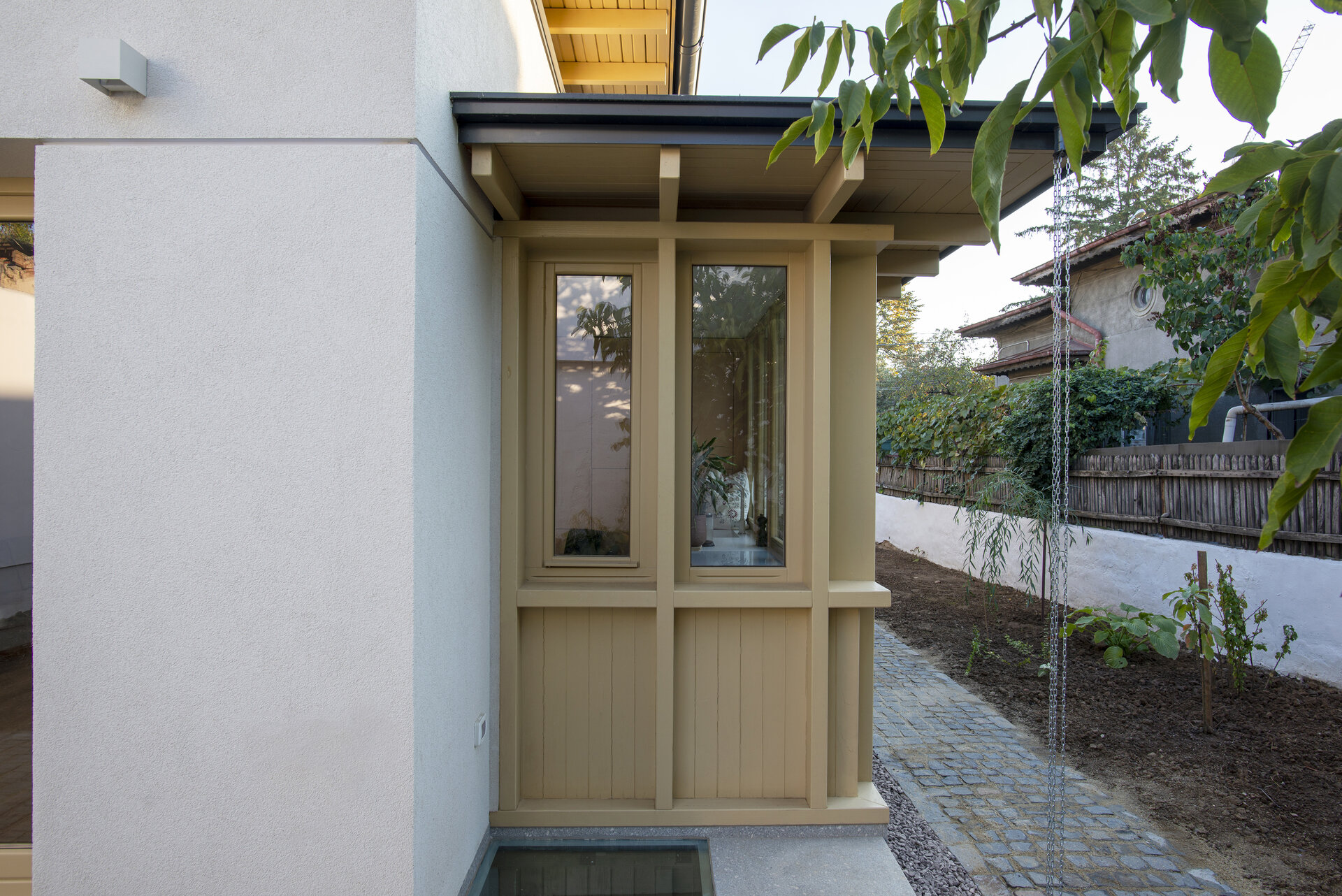
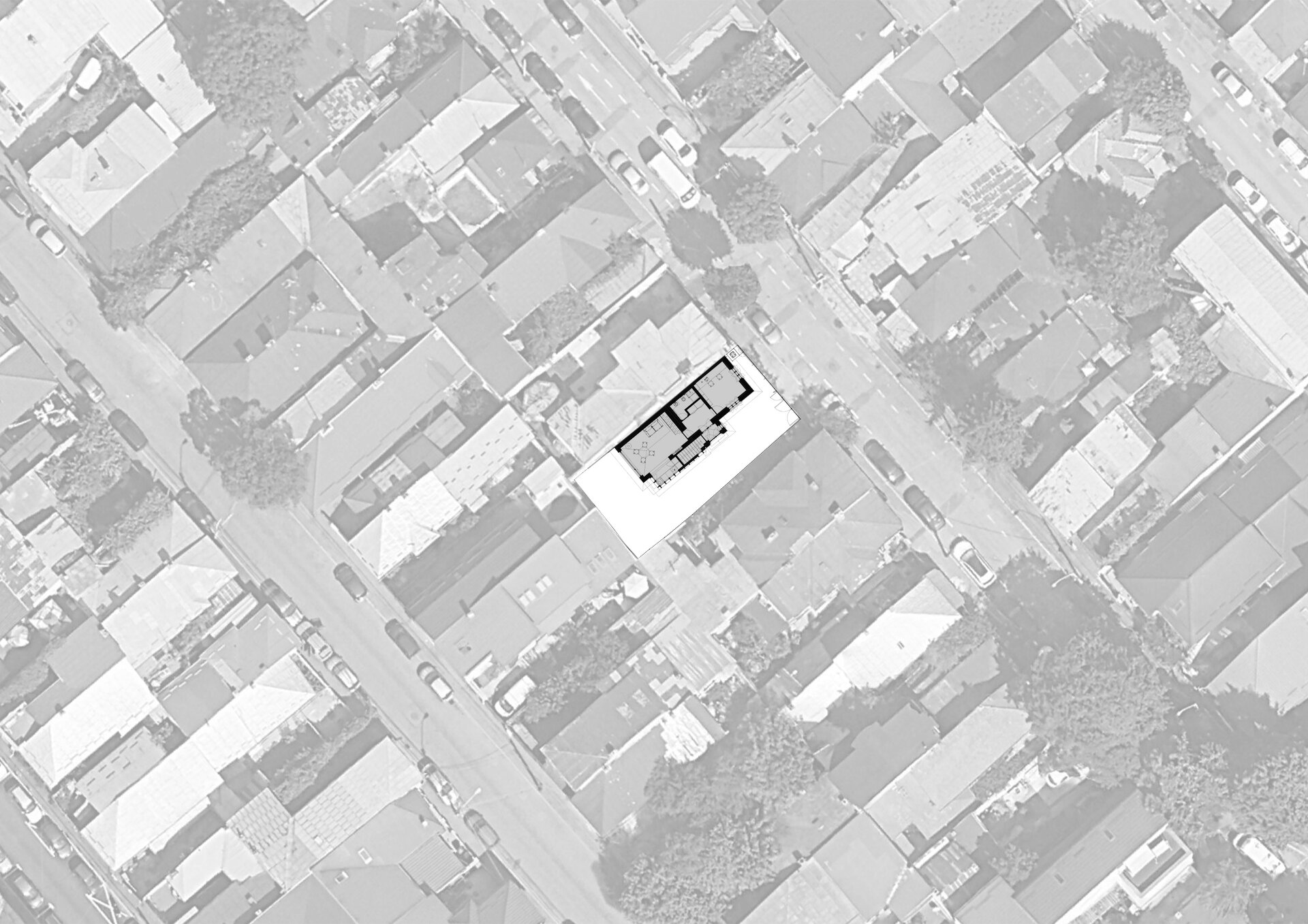
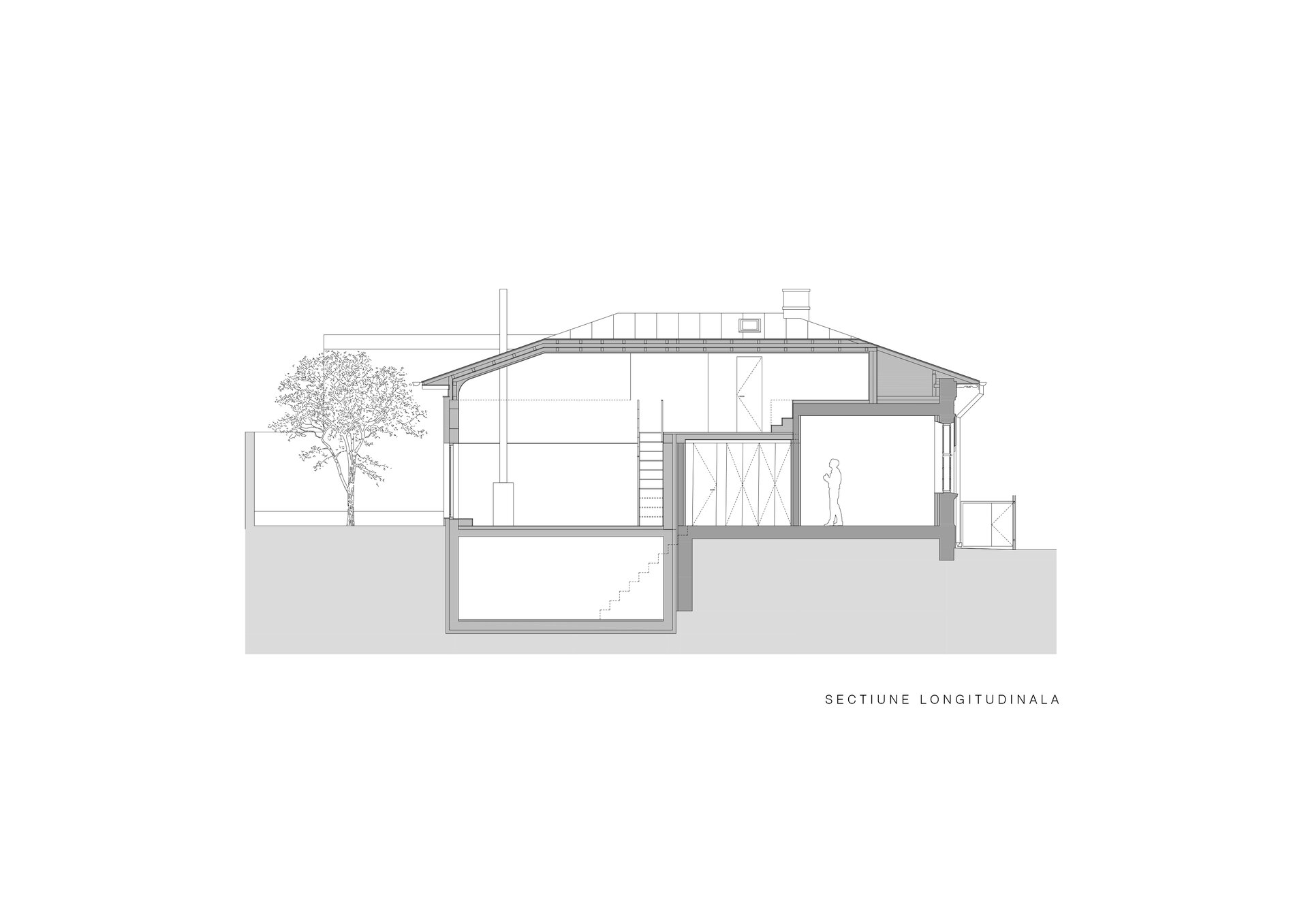
The opportunity to approach once again the subject of interventions on existing houses occurred in 2020, when we were contacted to be entrusted with the restoration, reconfiguration and extension of a typical Bucharest house, built on one level in the early '30s and having a very modest surface of only 49 square meters. Situated on Tugomir Voievod Street, in an old neighborhood near Obor Market, characterized by repetitive subdivisions with small plots, the house was in a state of very advanced structural degradation but preserved most of the original exterior elements of plaster and wood. The proportions, the delicate detailing, the human scale, made us immediately like it and want to contribute to its revitalization.
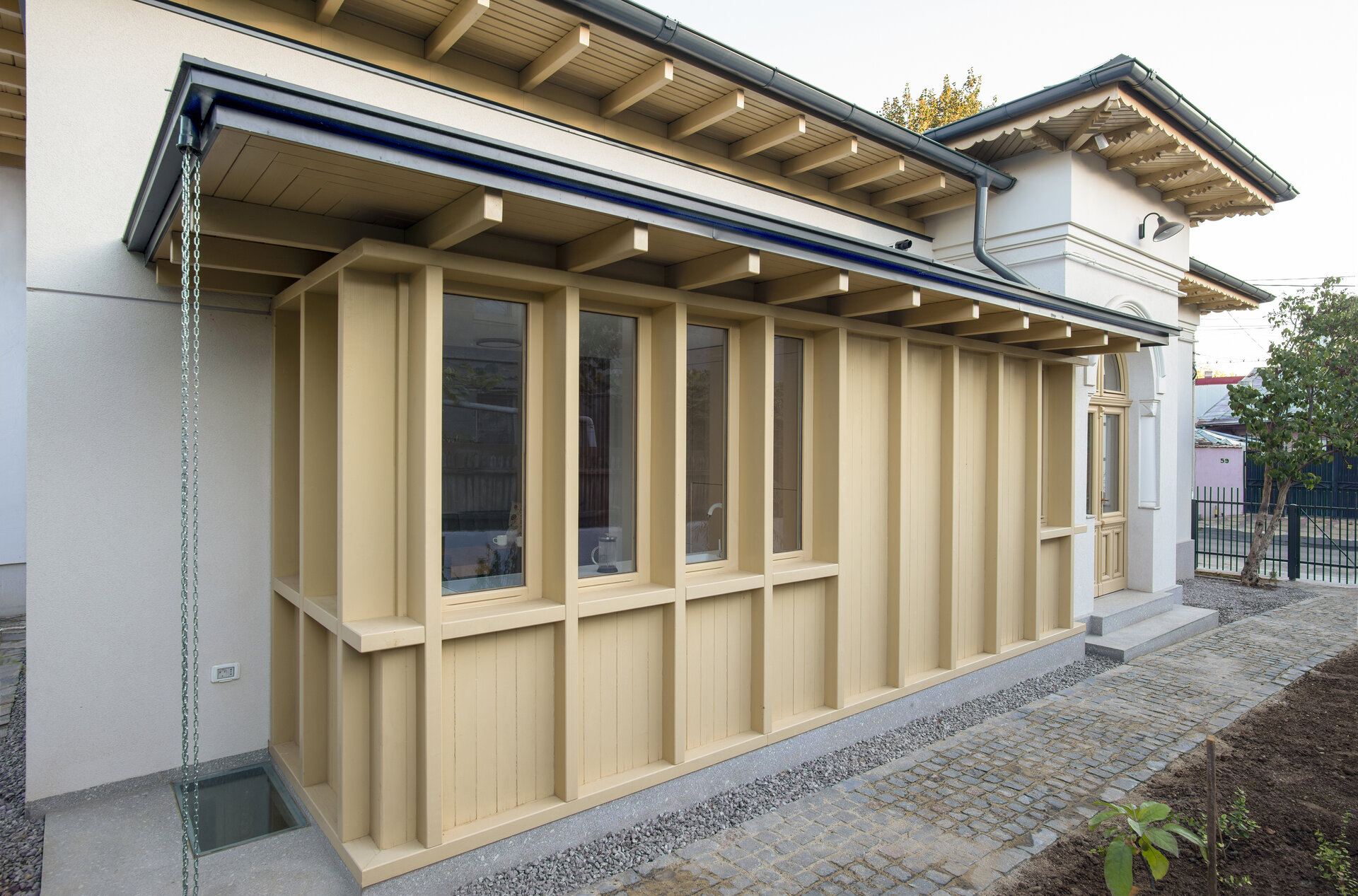
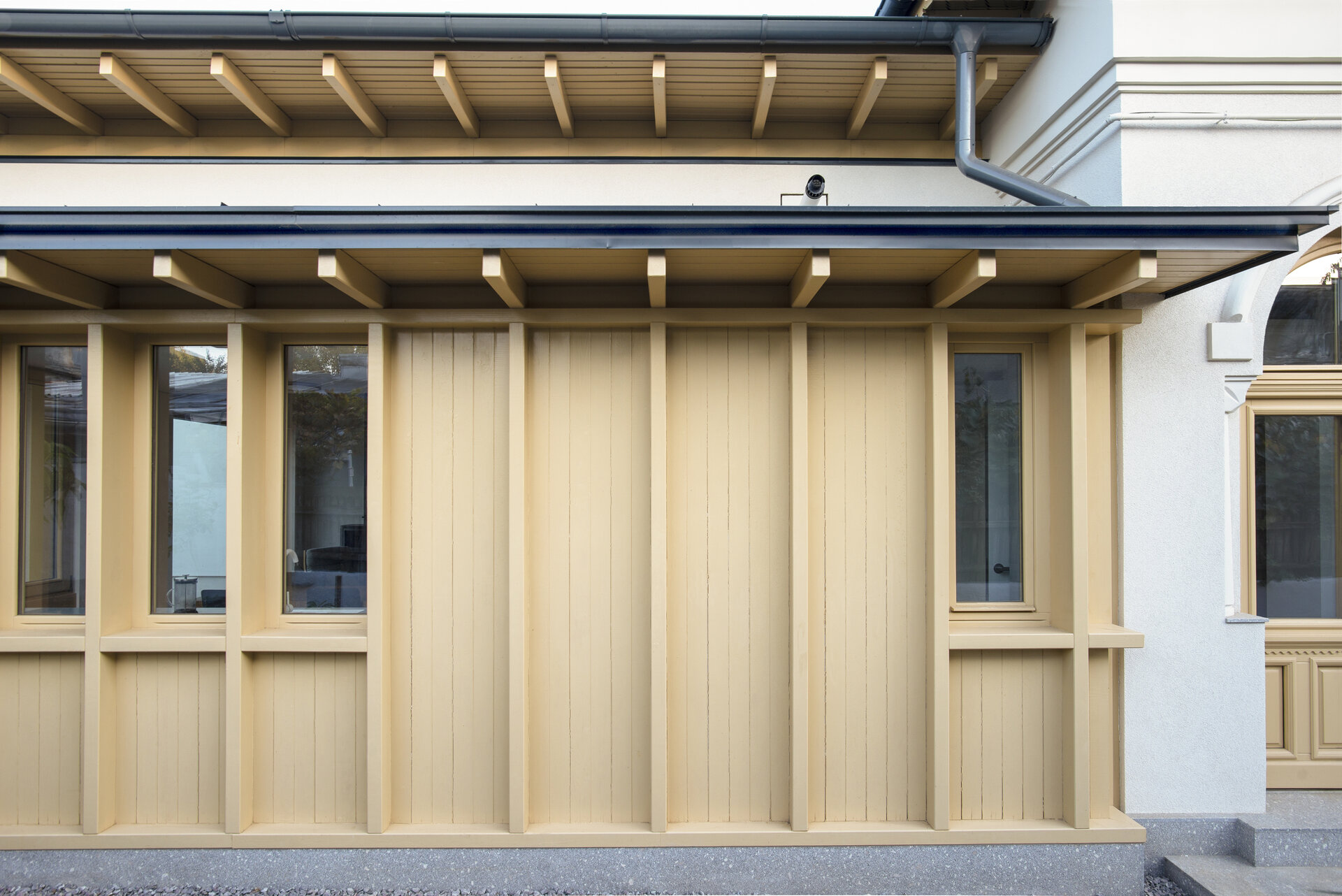
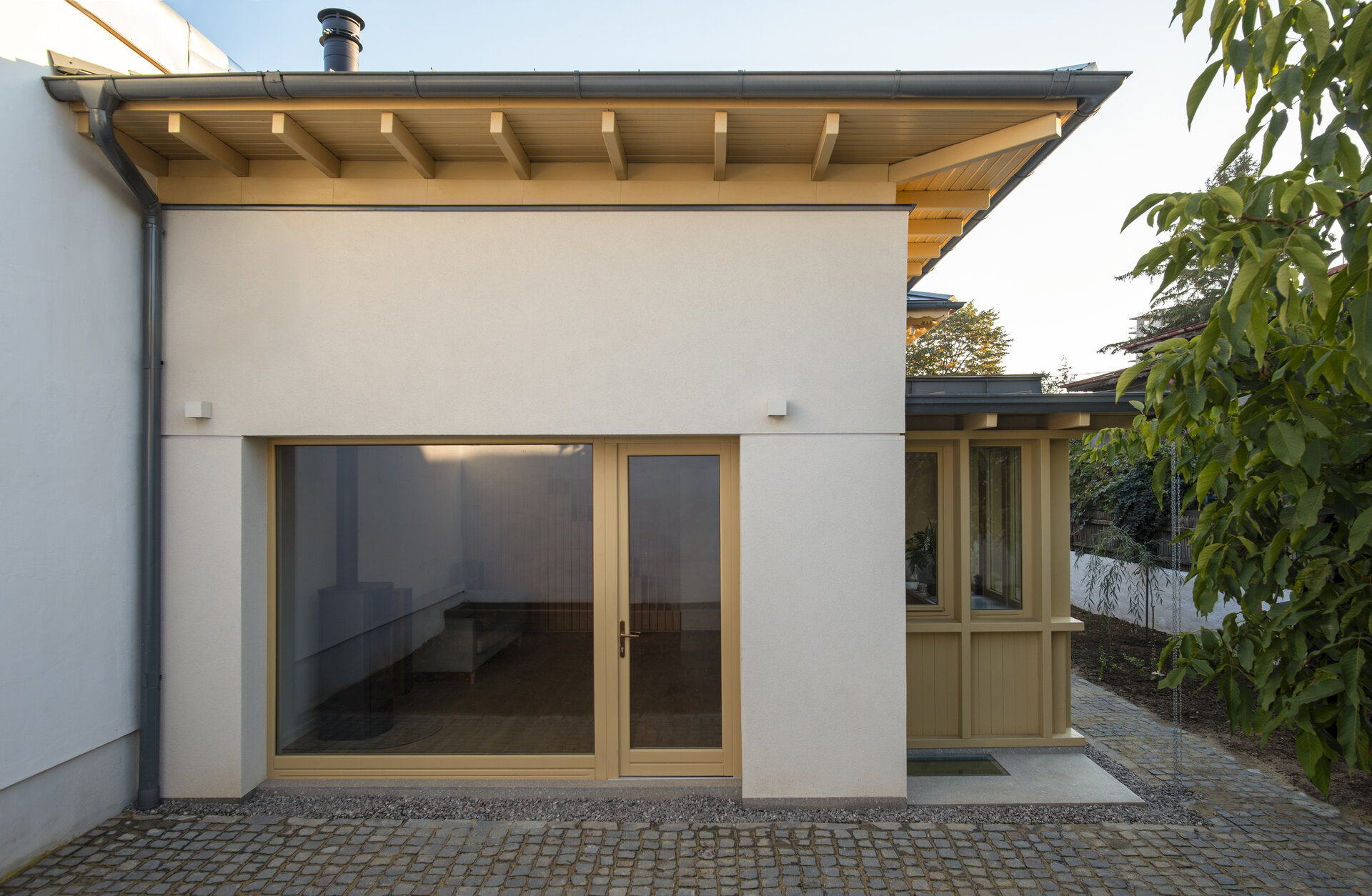
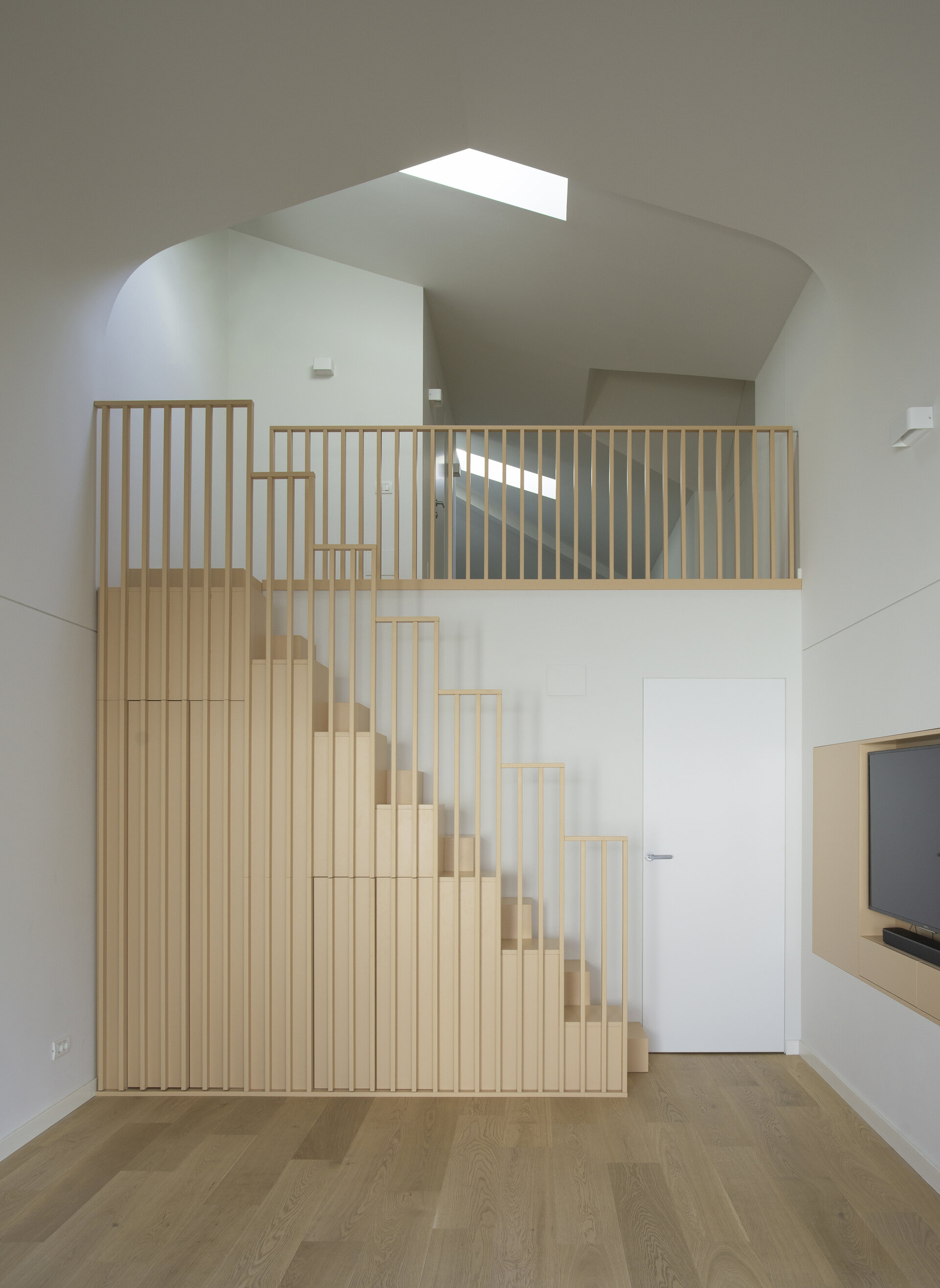
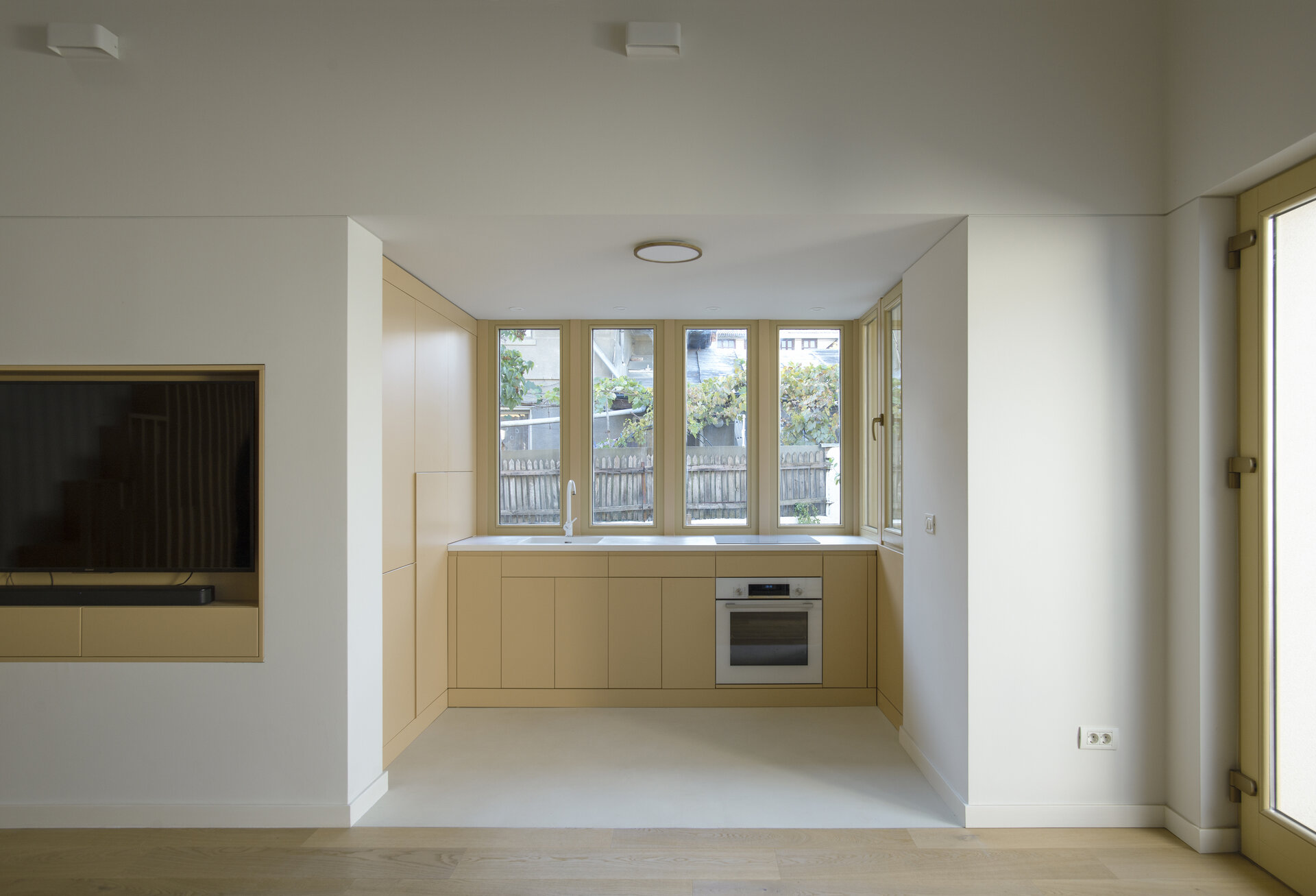
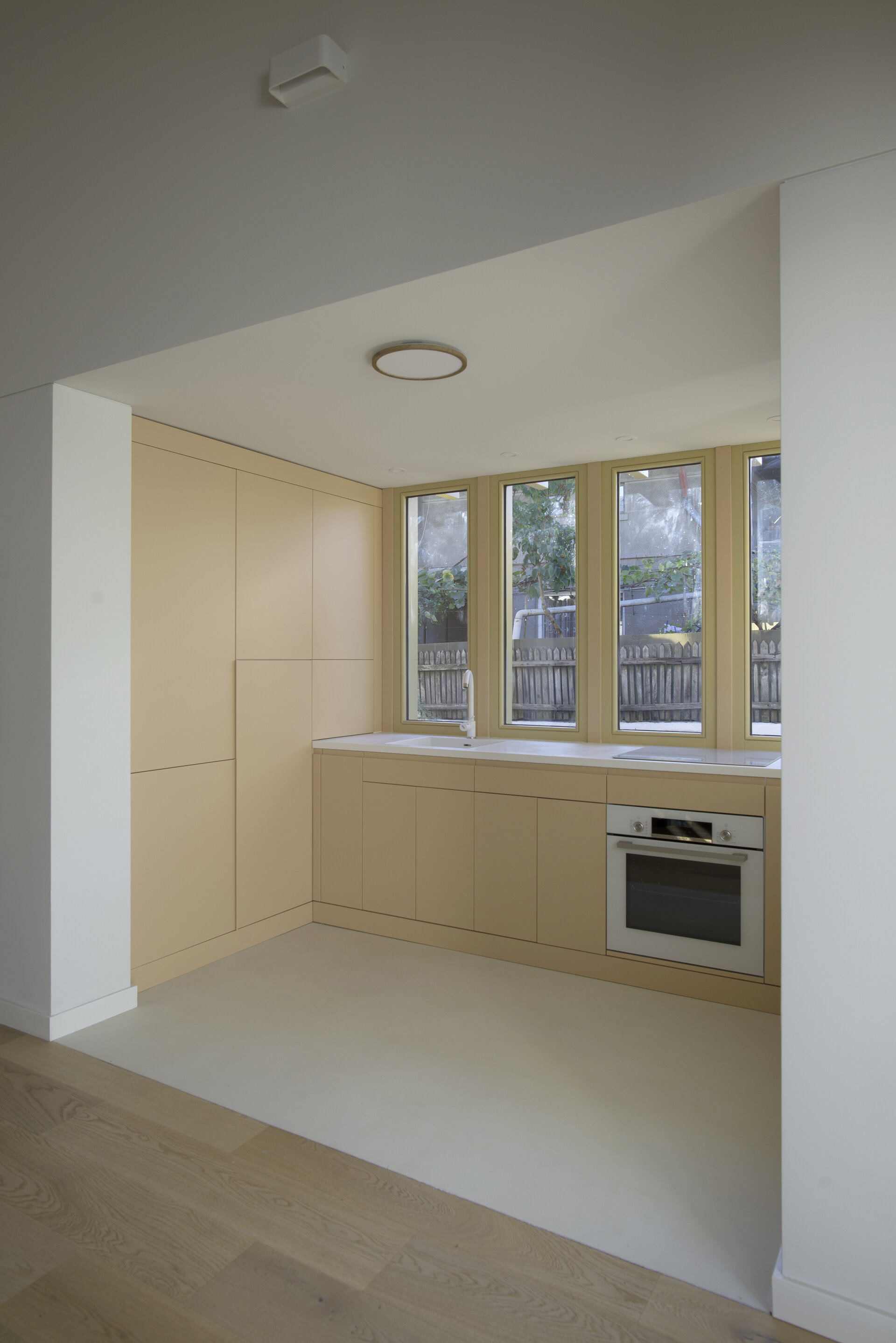
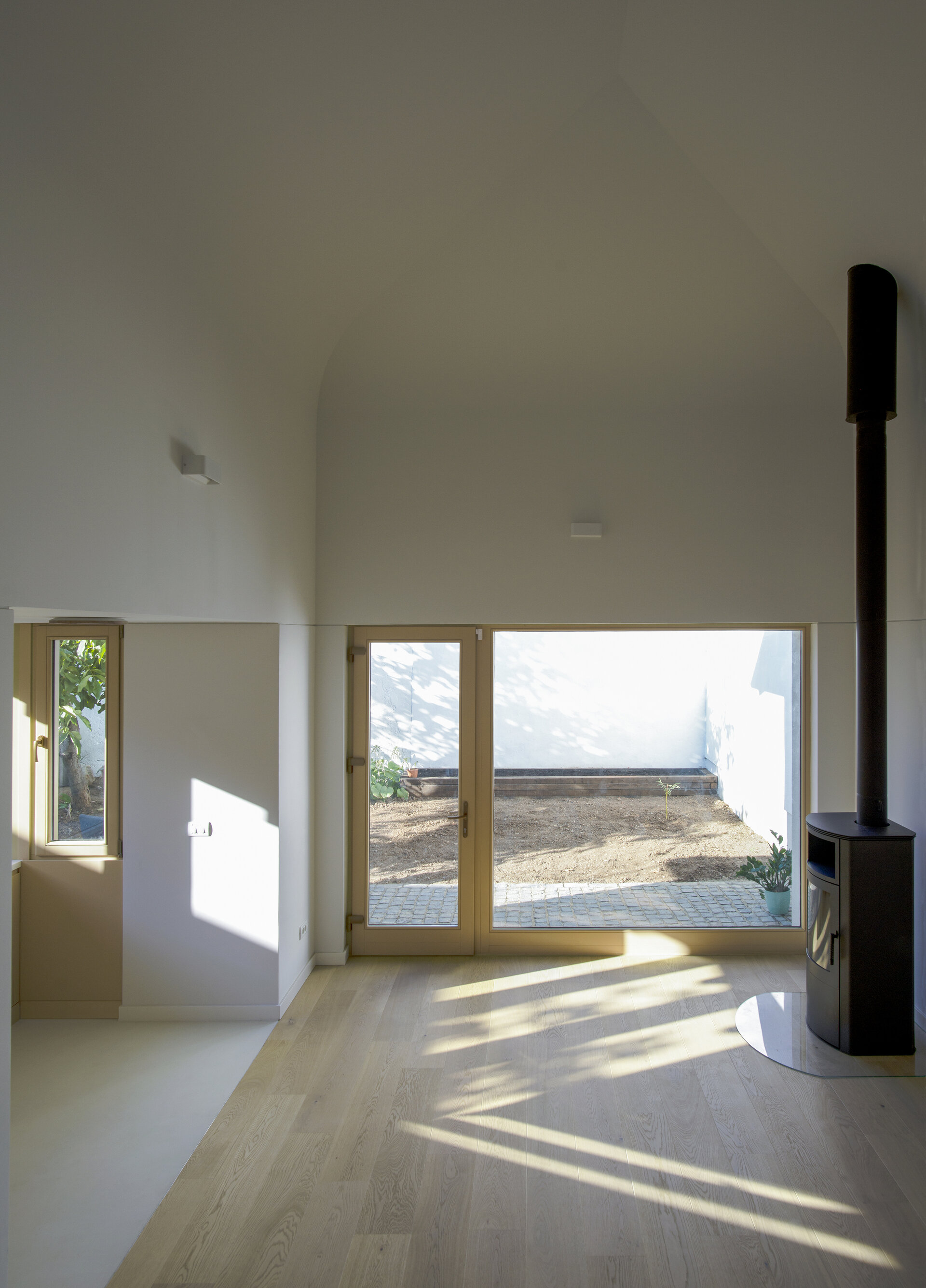
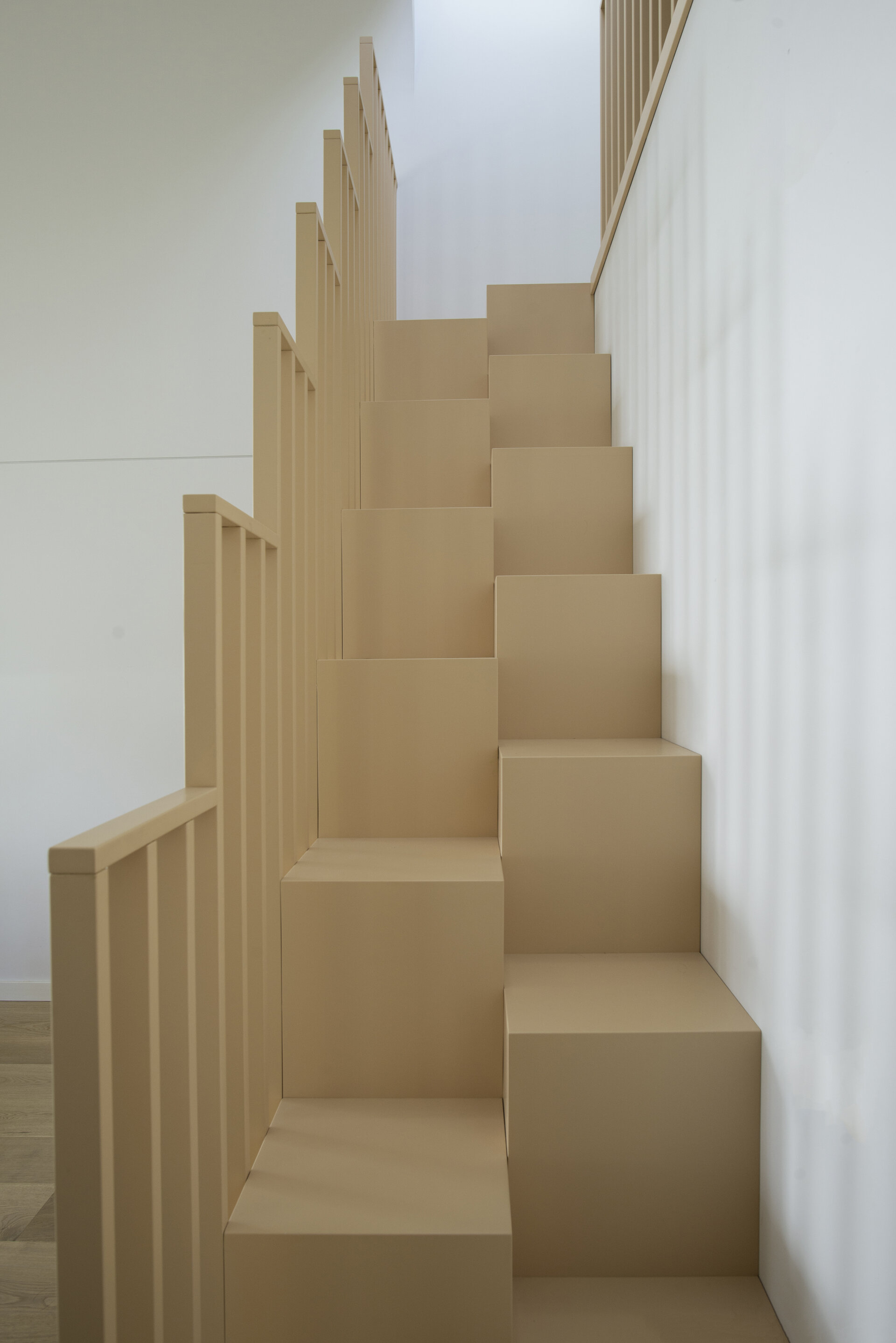
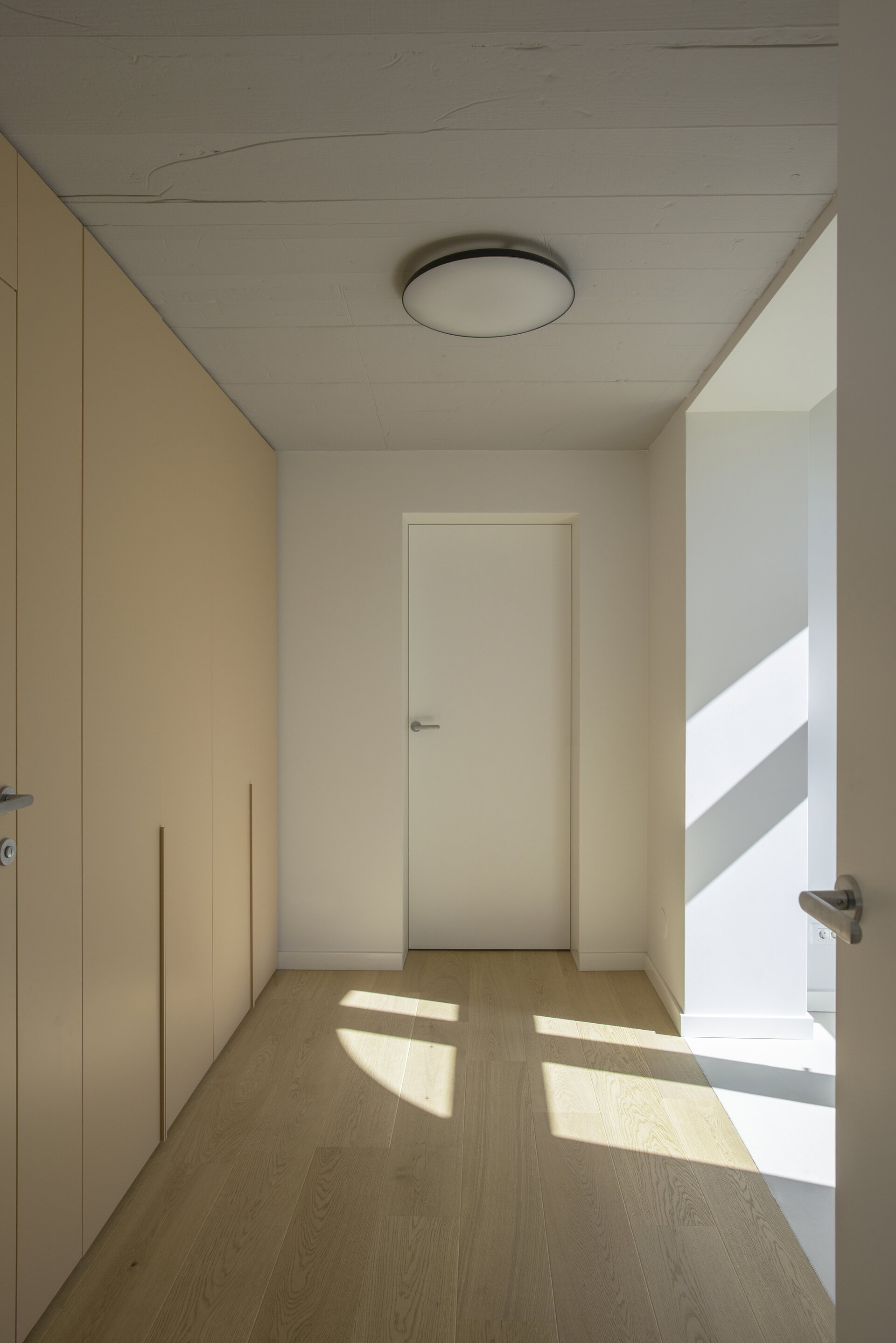
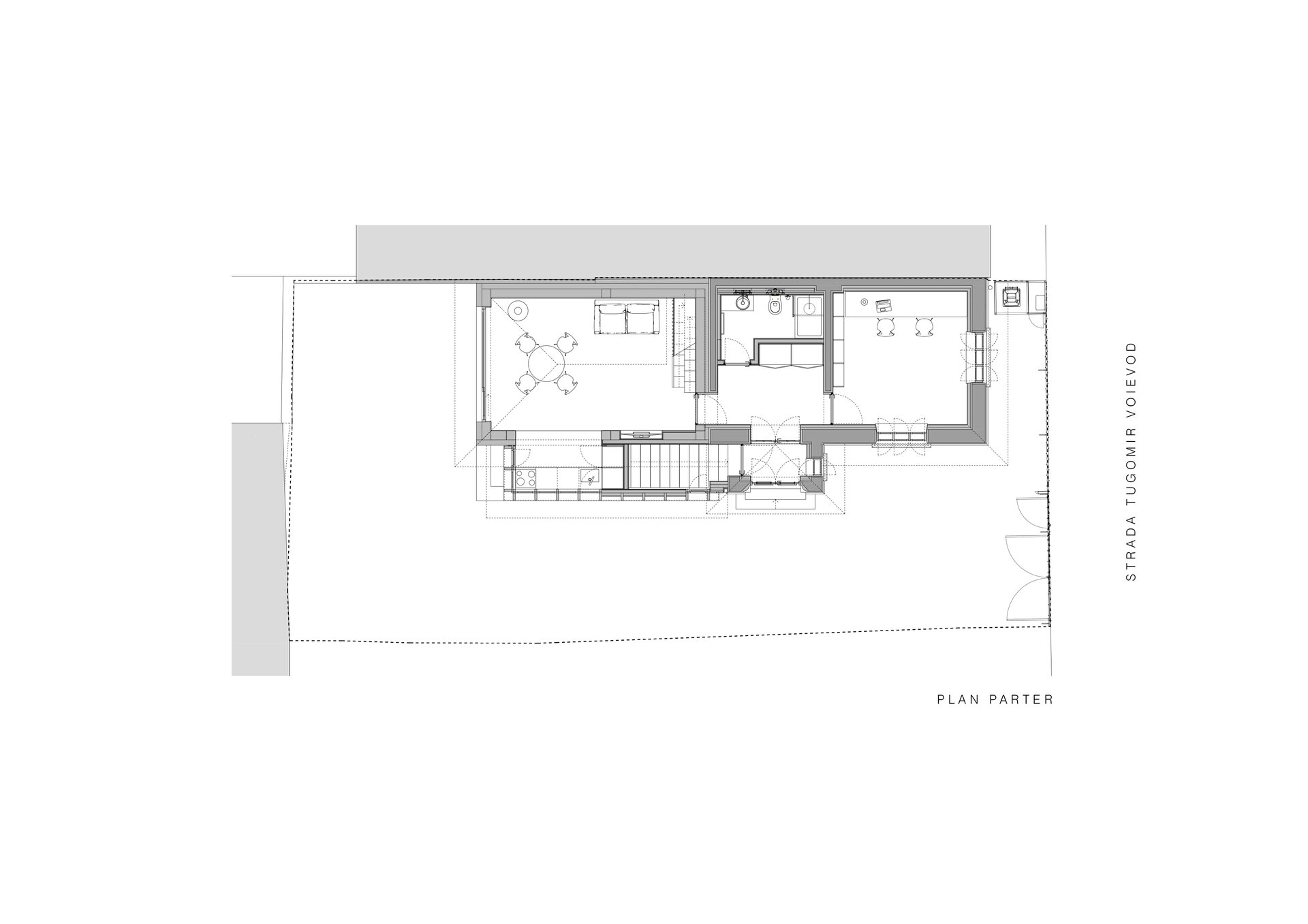
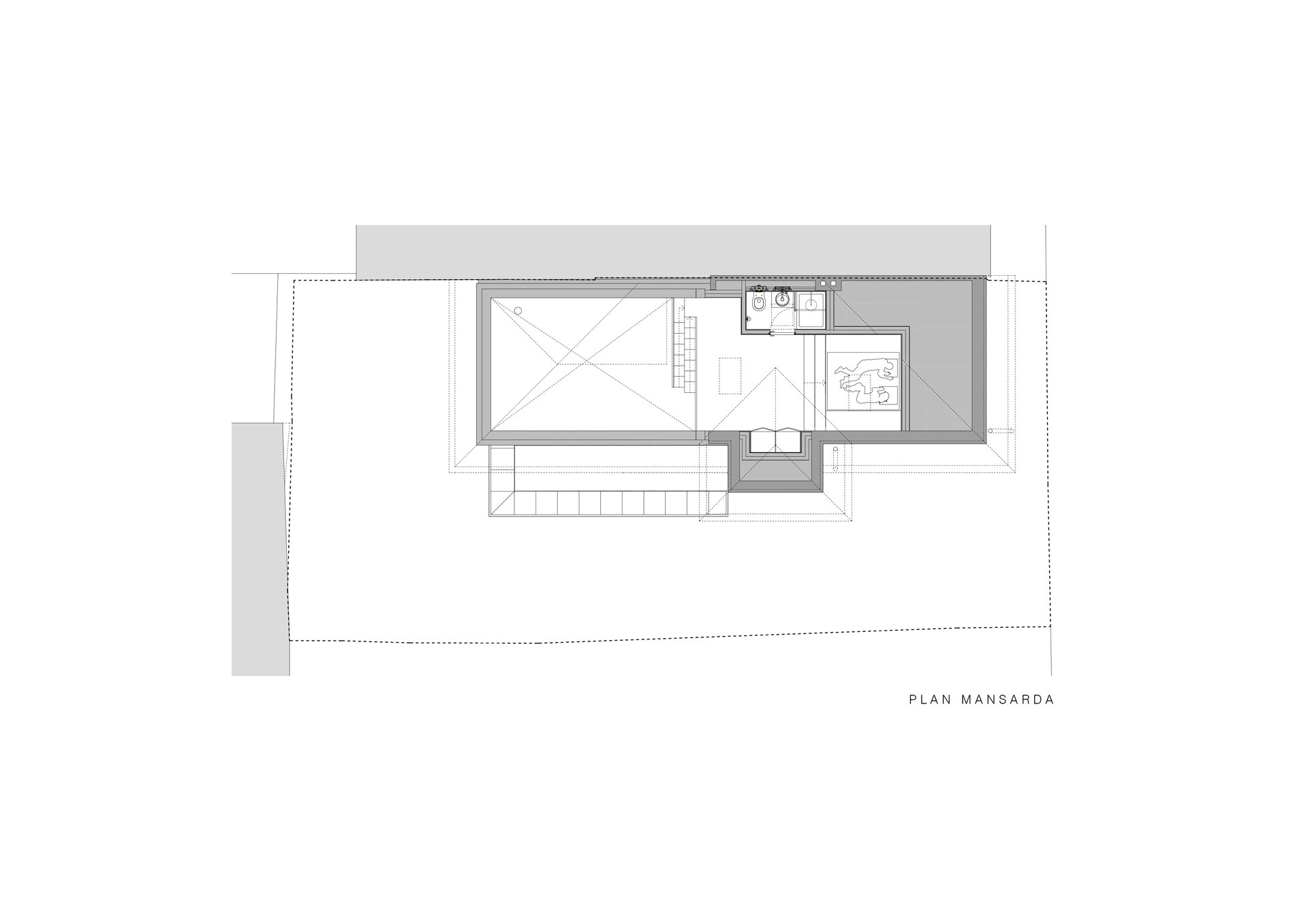
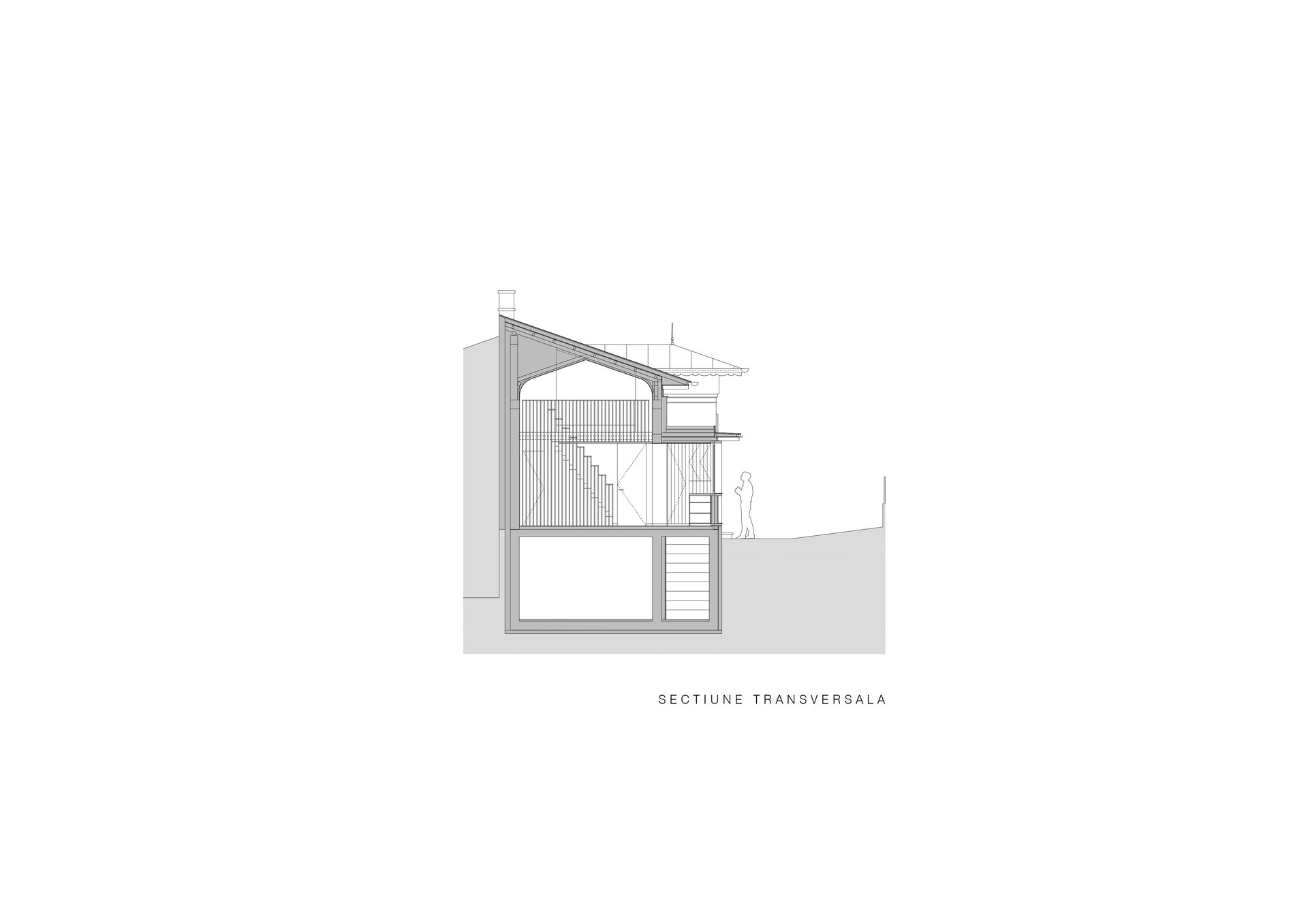
The functional needs of the new owner demanded a reconfiguration of the living area, capitalizing on the potential of the old attic now converted into a bedroom, and the introduction of a workshop, which, in order to not disturb too much the whole, was located in the new basement. The initial configuration, characteristic of the modest Bucharest houses built in the first part of the last century, inspired by traditional Romanian architecture, with only three spaces distributed in a linear fashion on the ground floor, has been preserved and amplified in the new proposed spatial formula. One of the rooms, the one at the back of the lot, was demolished and replaced by a slightly larger, double-height space, under which, on the same perimeter, a technical basement was built. In the same spirit, the former attic was reimagined in the form of a bedroom open to the main space below.
This type of work has forced us to adopt a more fluid approach to the design process, in which the element of surprise and constant adaptation to ever-changing conditions have played an important role. However, respecting the spirit of the house and carefully calibrating any new interventions to the existing, were our main concerns. The experience of following and guiding the careful and faithful restoration of the original architectural details, from the special joinery, and the elaborate woodwork of the eaves, to the volumetric elements of the masonry of the facades, has proved to be very rewarding. What is characteristic of this kind of project - direct contact with old architecture that forces a superior understanding of building processes and techniques - refined our technical knowledge and suggested ideas for further architectural experiments.
For the implementation of this project, we turned to an old architect friend, who, over time, also became a builder specializing in this type of intervention. His dual capacity proved extremely useful in overcoming the many technical obstacles and surprises that arose during the construction.
Architecture and Heritage

- The Restoration of the church in Pătrăuți (UNESCO)
- House for a collection
- The Restoration of Secu Monastery
- A house in Cotroceni
- The Old School in Tohani
- Restoration and extension of a house in Tugomir Voievod St., Bucharest
- Rosenthal House
- Rehabilitation, change of function, interior and exterior design for Restaurant Parc
- The recovery of the architectural ensemble in Plantelor St. No. 4, Bucharest
- Little garden house
- ALEXE 2-4-19


