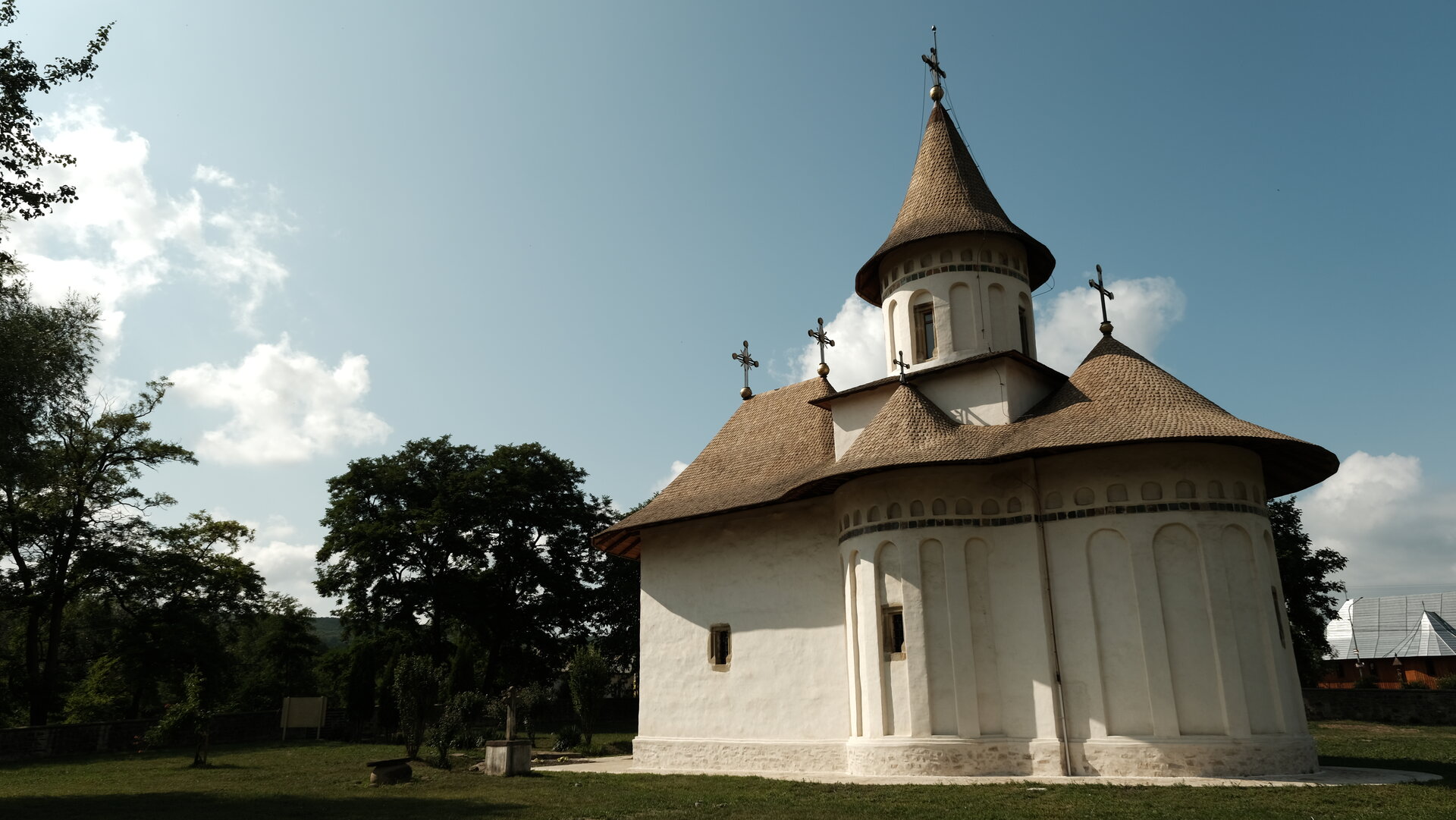
- Prize of the “Built Architecture / Architecture and Heritage” section (ex aequo)
The Restoration of the church in Pătrăuți (UNESCO)
Authors’ Comment
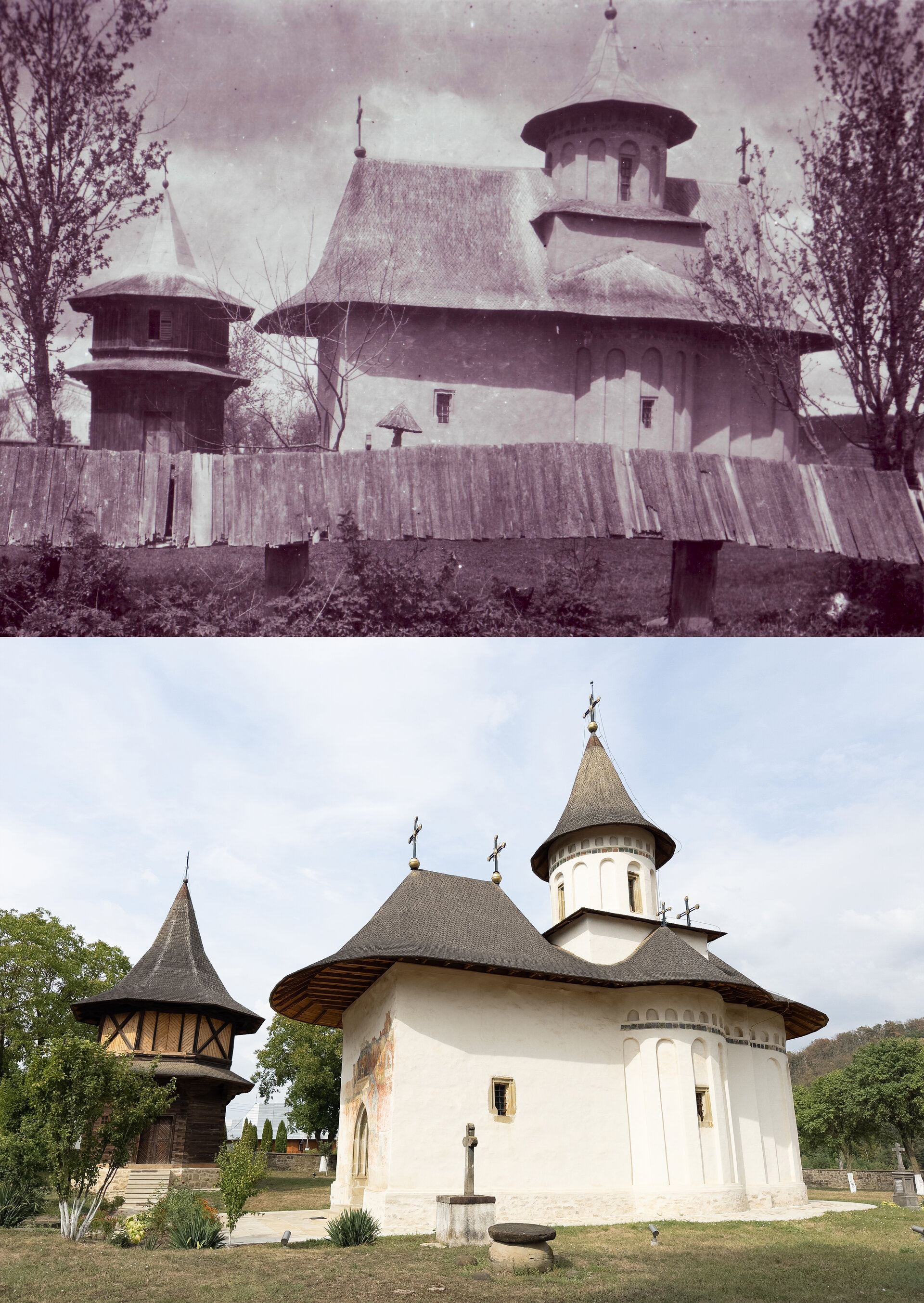
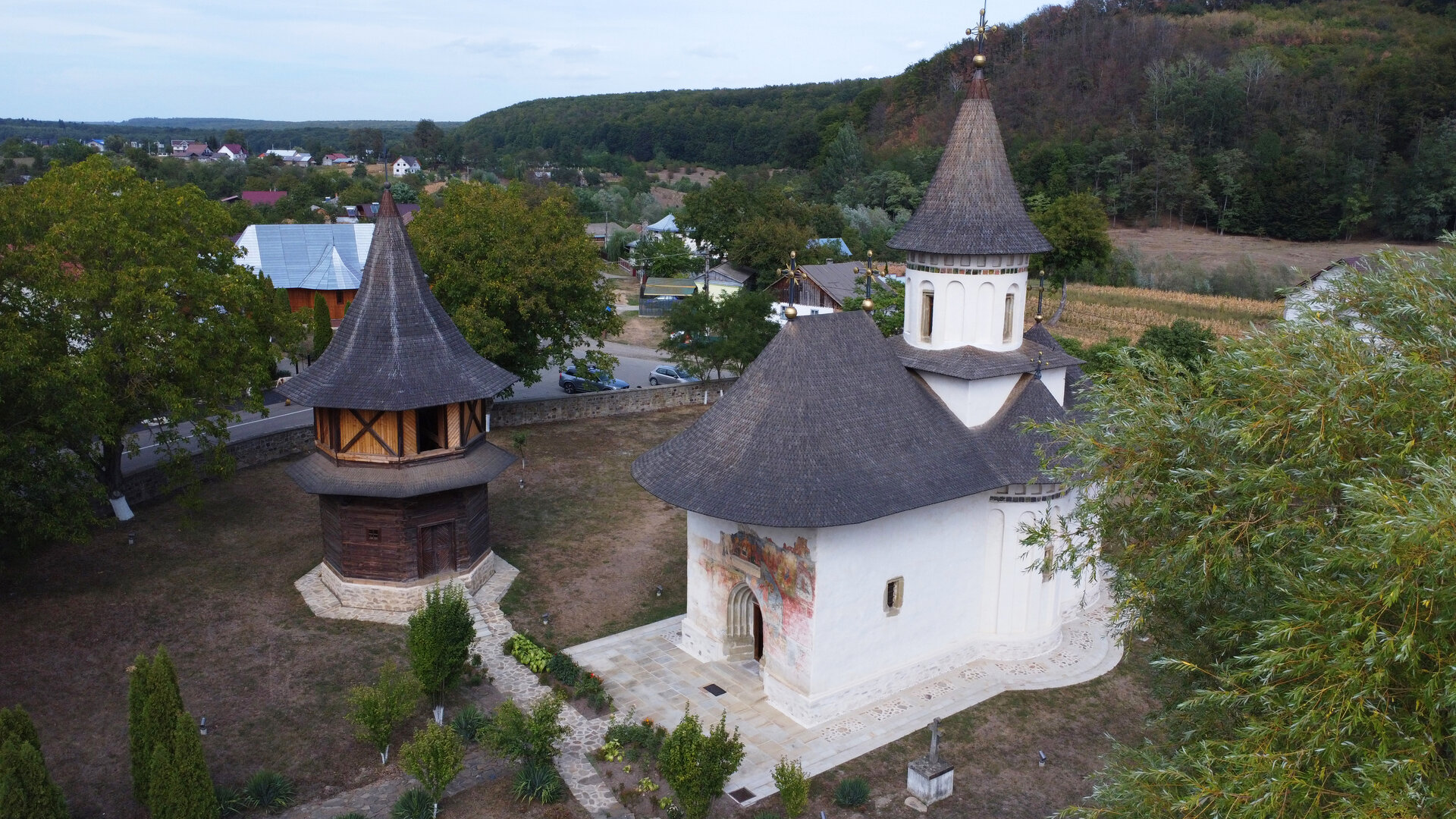
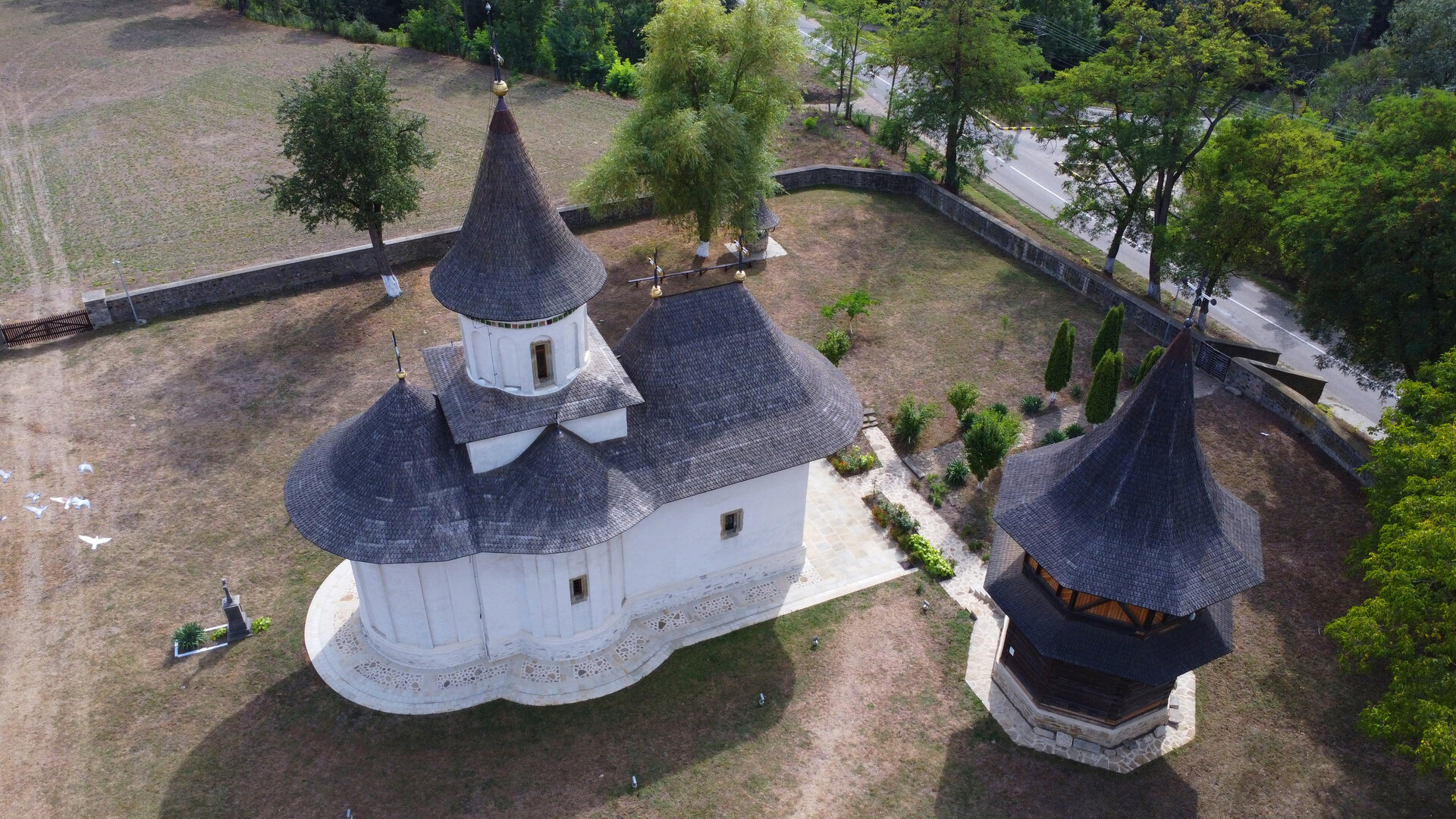
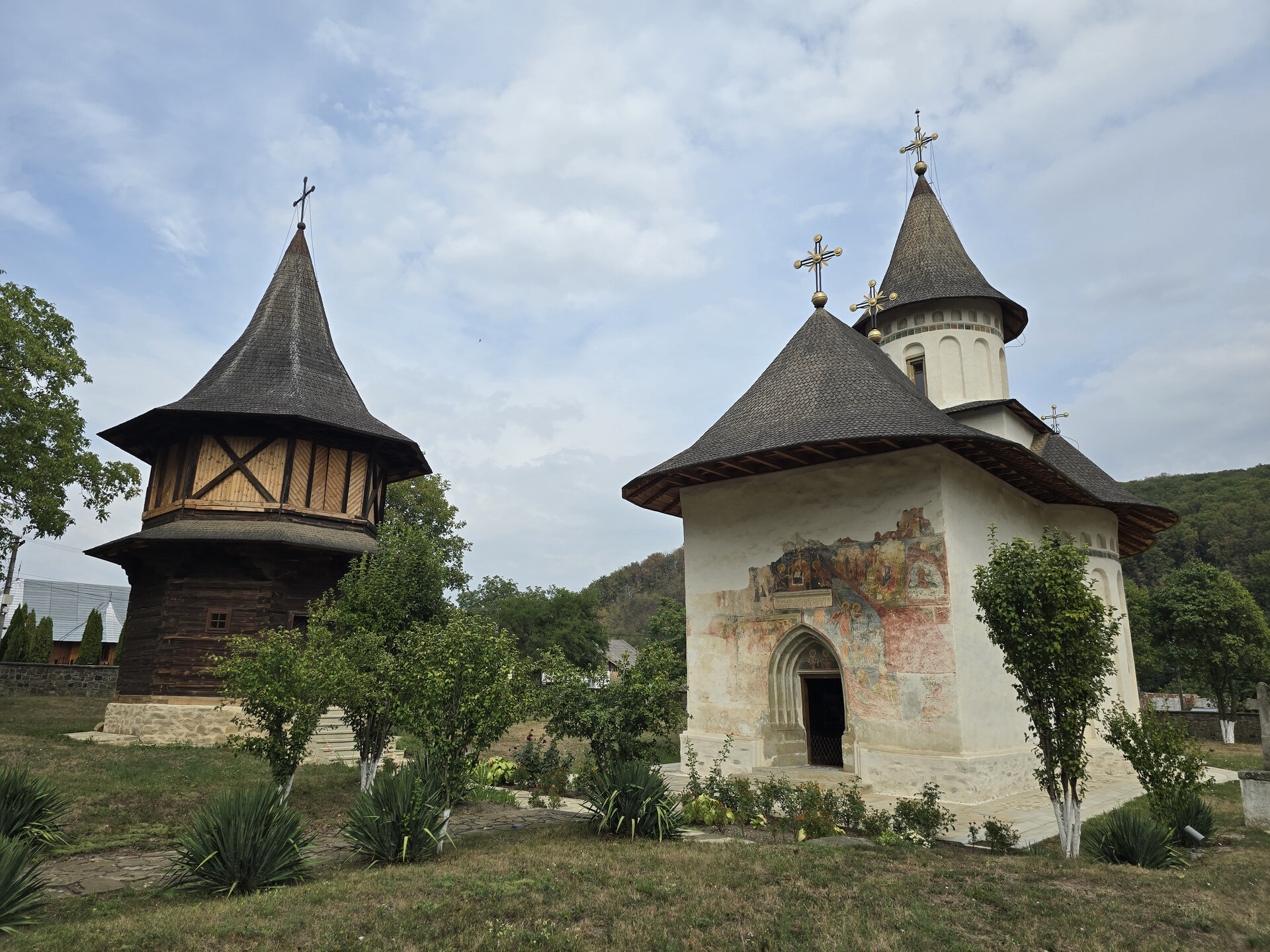
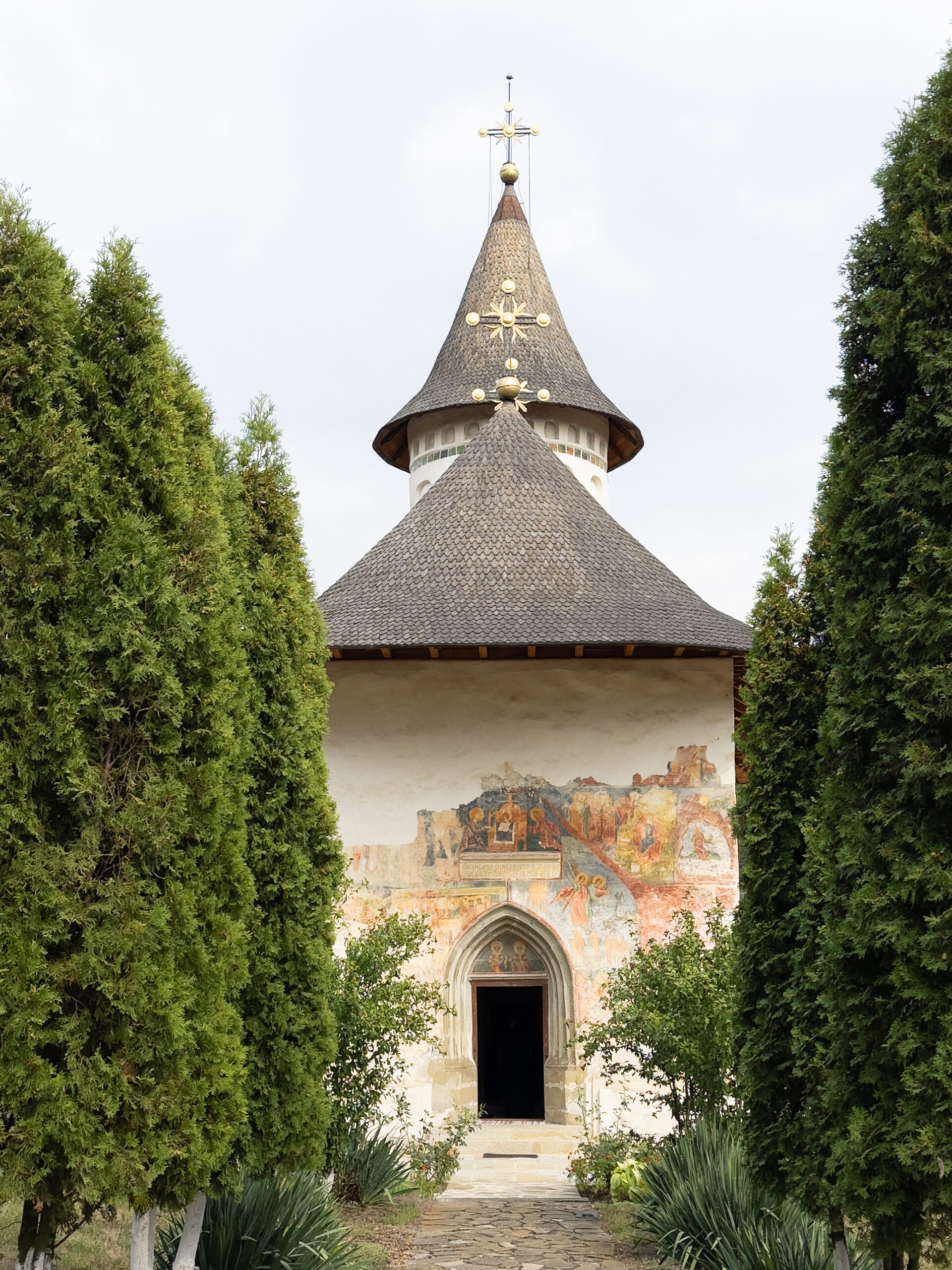
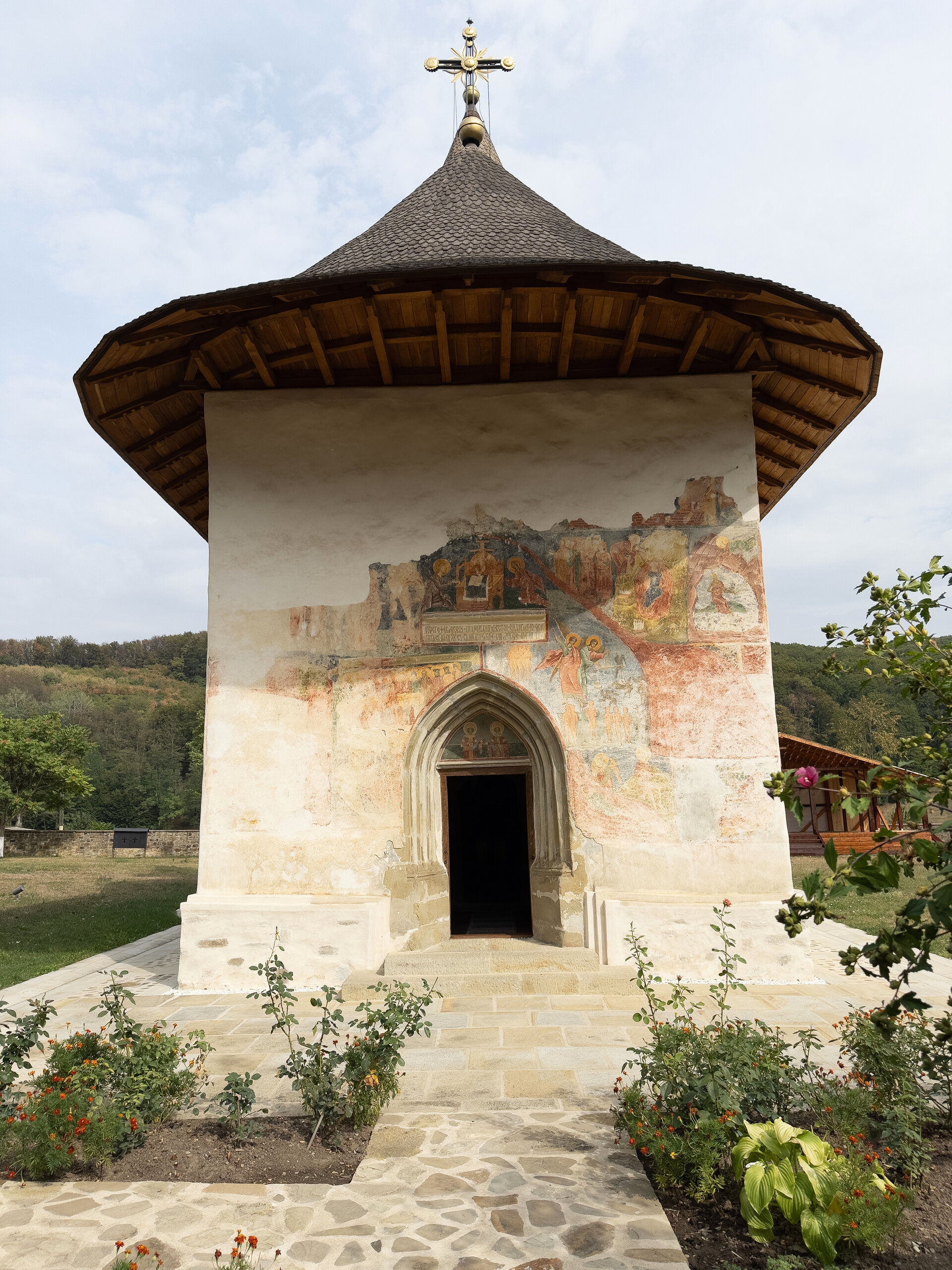
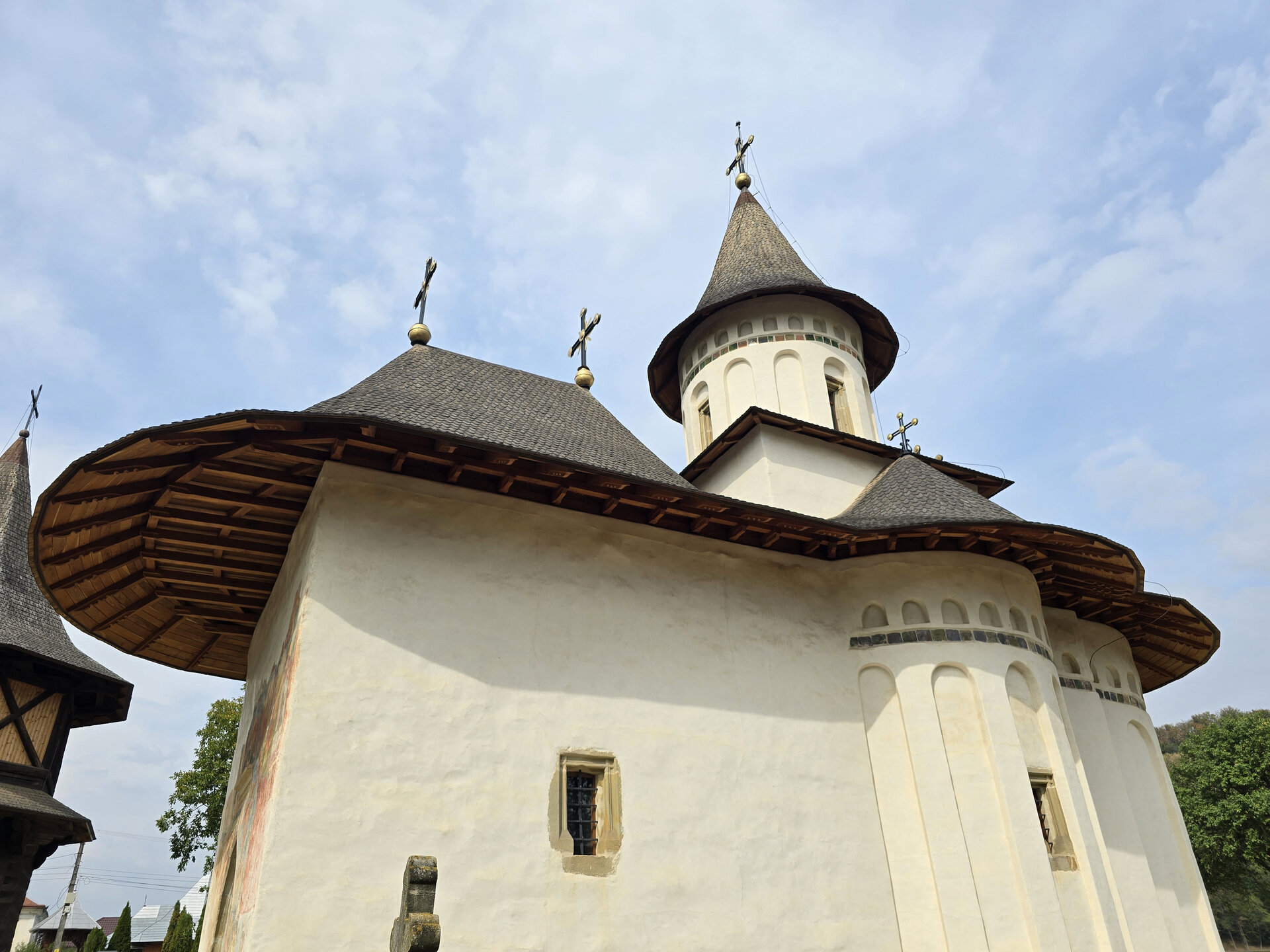
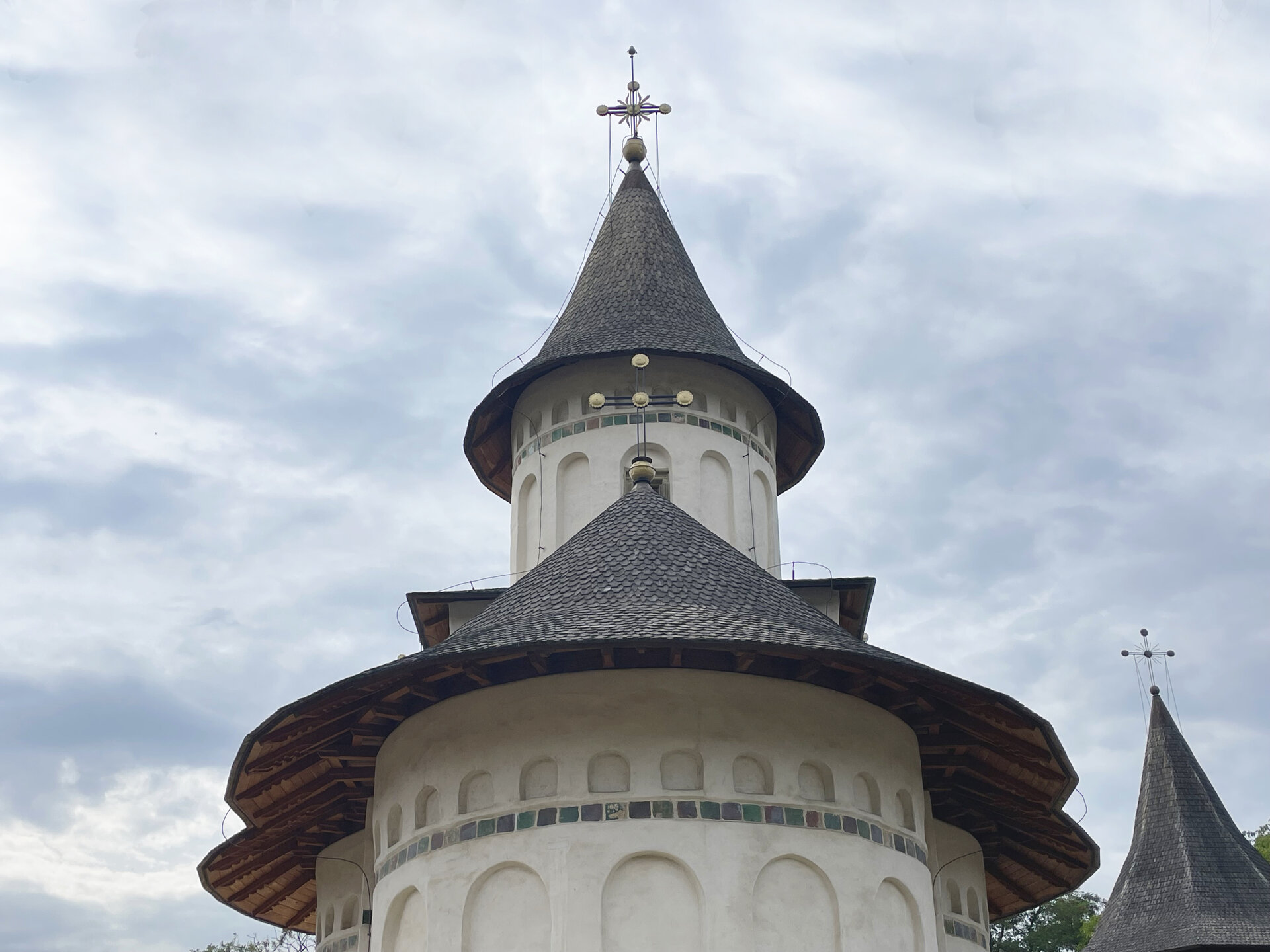
The "Ascension of the Holy Cross" church included in the UNESCO World Heritage was built in 1487 and and is one of the first four churches constructed by Stephen the Great at the beginning of his campaign to build religious structures (between 1487 and 1504, over 30 stone churches were built). The church is not mentioned in chronicles, but it is known to have functioned as a nunnery until the time of Petru Rareș. The wooden bell tower, part of the church complex, was built during the time of Bishop Calistru of Rădăuți in 1725, who was responsible for re-establishing the monastery.
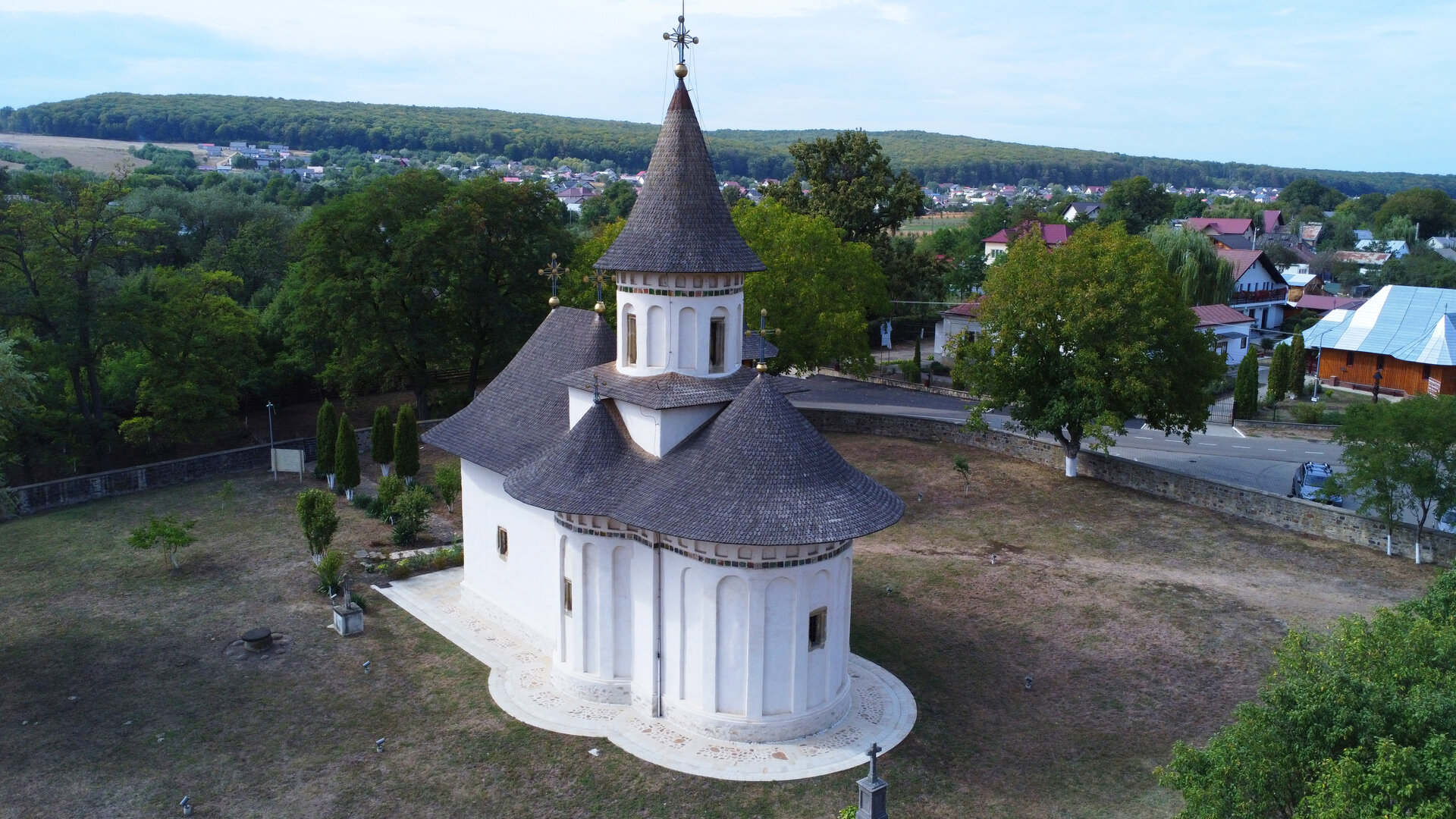
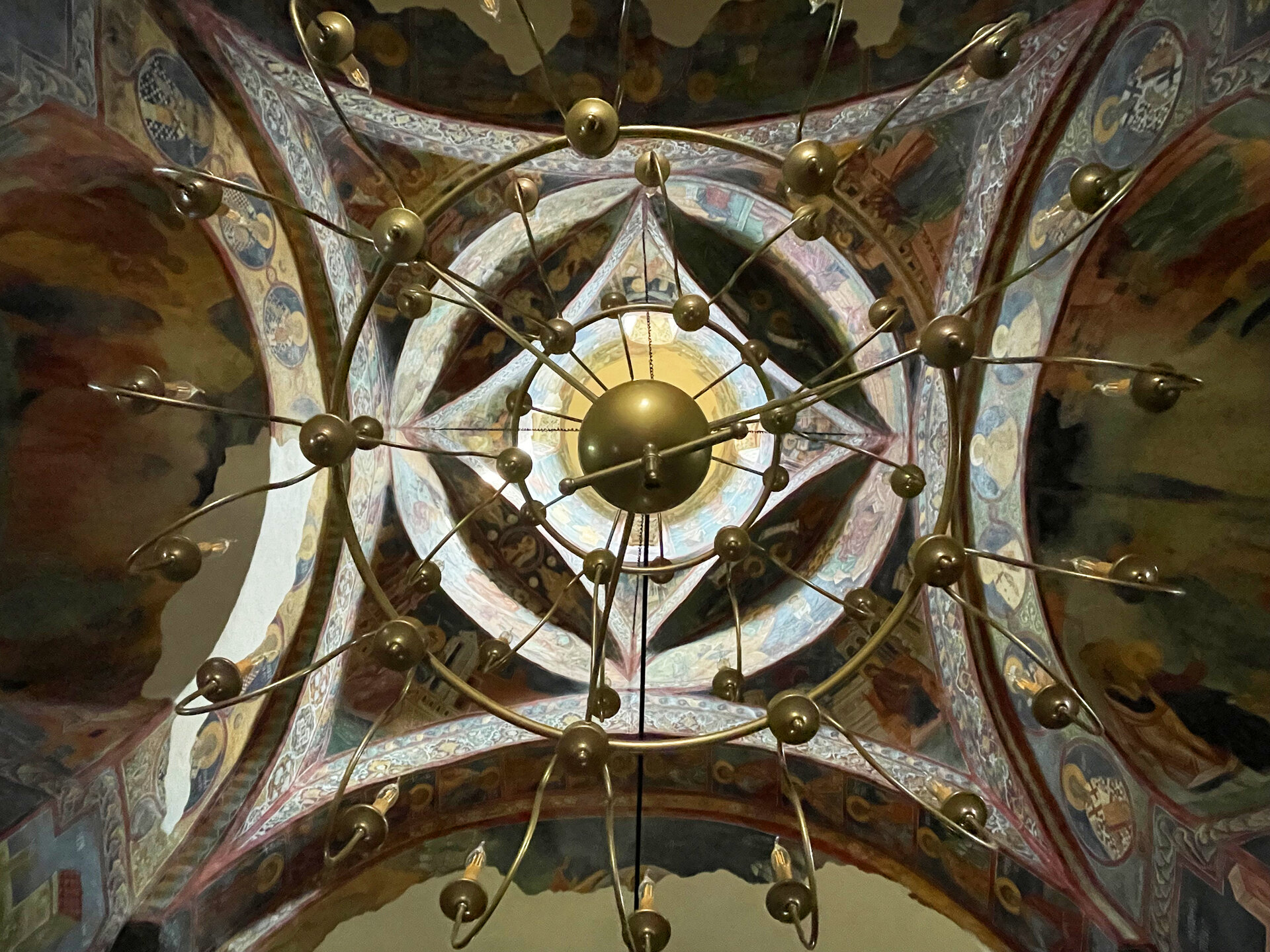
The church preserves the oldest expression of the Moldavian style in architecture. This style harmonizes Byzantine and Gothic elements, adding original Moldavian solutions, such as the elevated dome or tower, built on two systems of four diagonally or cross-arranged arches. The division of the church into three main chambers (the narthex, nave, and altar) can be considered a Byzantine influence. This is combined with Gothic elements in the stone carvings, the slenderness of the towers, and the roofs. At the foundation of Moldavian ecclesiastical architecture is "a Byzantine plan executed by Gothic hands and according to Gothic principles" (architect S. Balș).
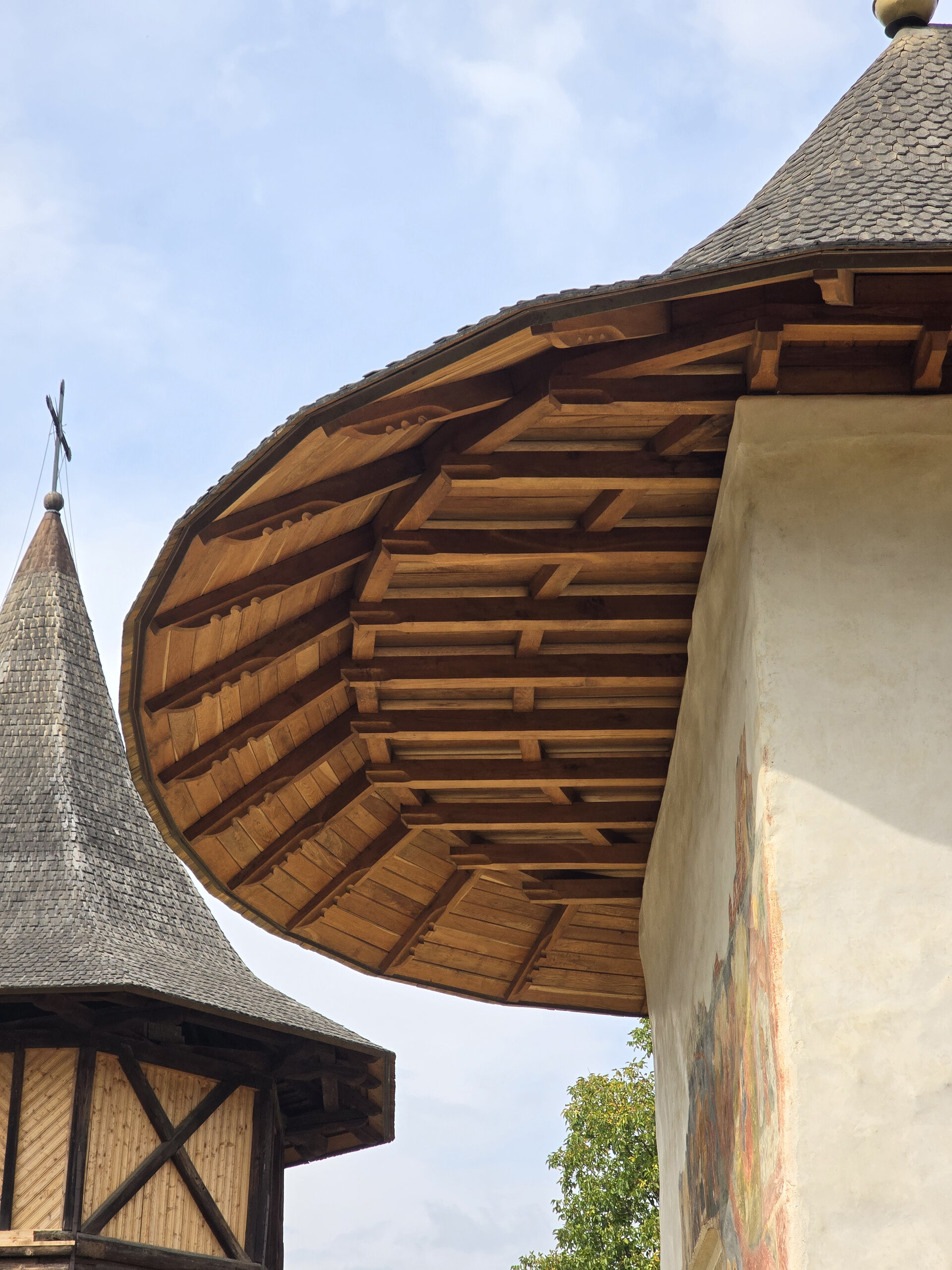
The UNESCO Church in Pătrăuți required urgent intervention from specialists to ensure its preservation by removing the internal and external factors causing deterioration, as well as restoring the original protective details—roof, eaves, and coverings.
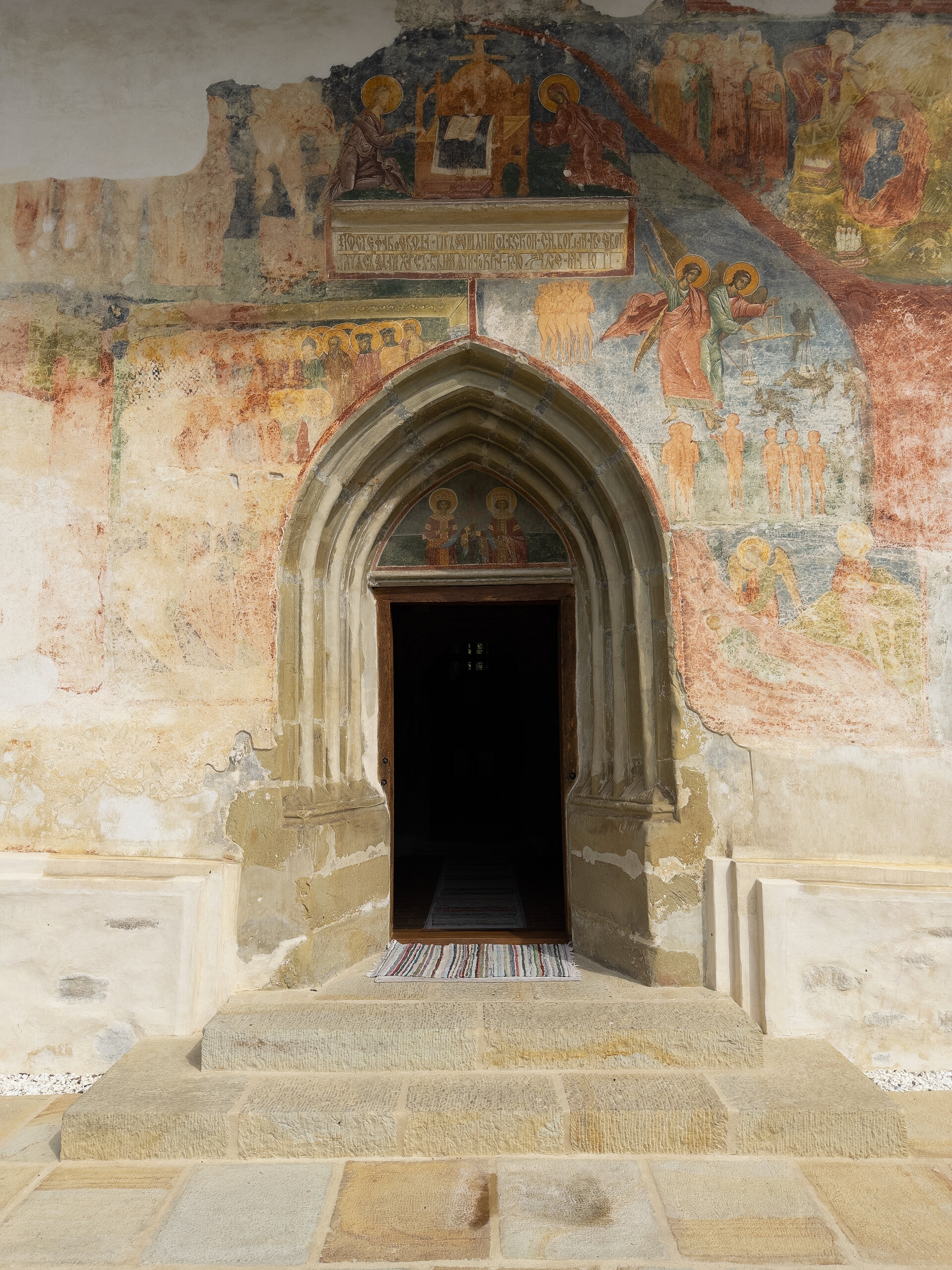
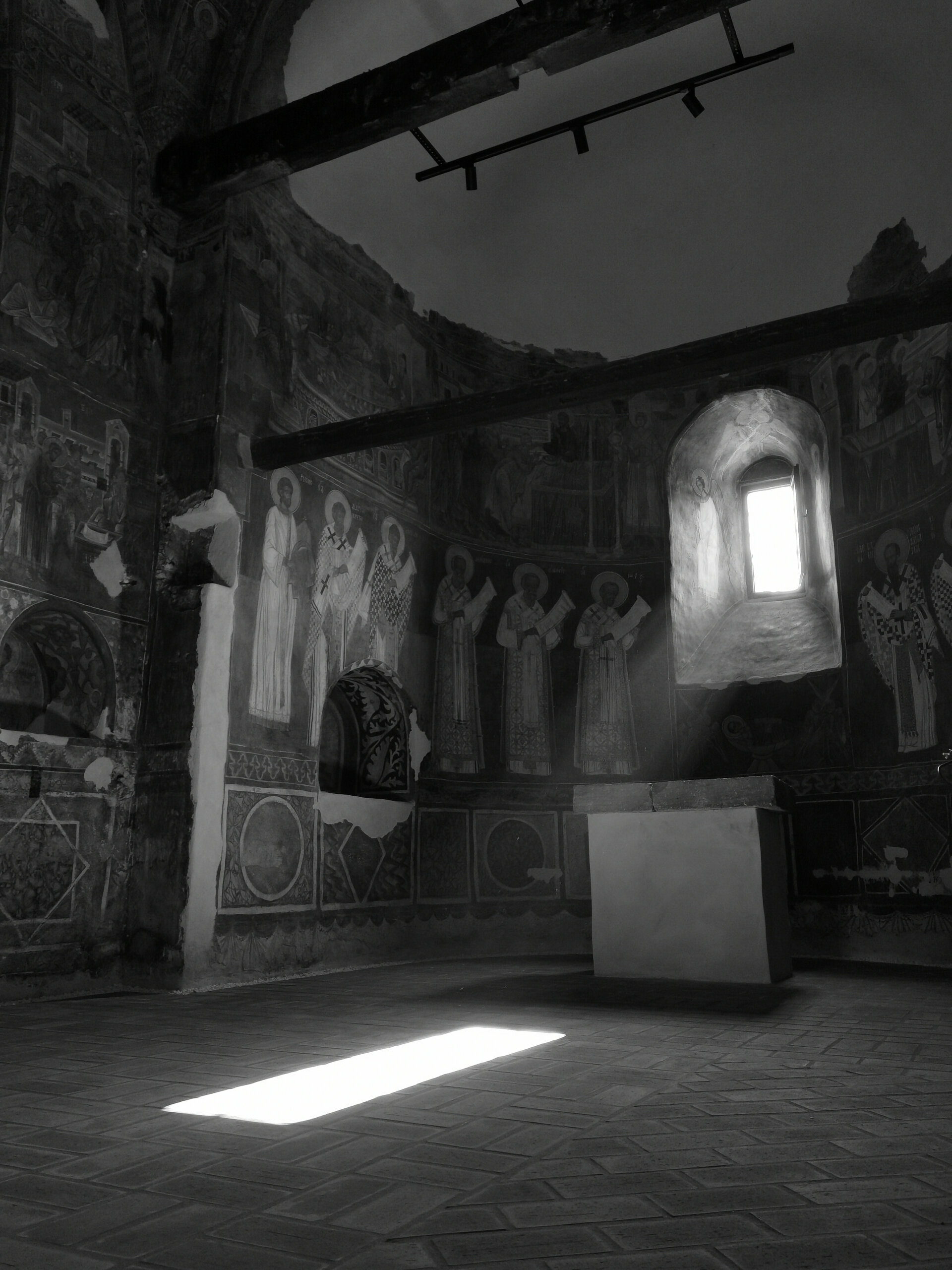
The degradation of the roof covering and the unsuitable volume of the roof over time caused water infiltration from rainfall into the superstructure of the attic, leading to the rotting of some roof elements, biological attacks, and water infiltration, which damaged the interior spaces, including the deterioration of the interior and exterior murals. There were also damages to the woodwork, the perimeter sidewalk, and the interior flooring.
The wooden bell tower suffered from roofing and structural degradation due to water infiltration and biological attacks. The wooden beam walls were heavily affected by climatic and biological factors (presence of biological attacks). The interior wooden flooring was in an advanced state of decay, as was the wooden joinery.
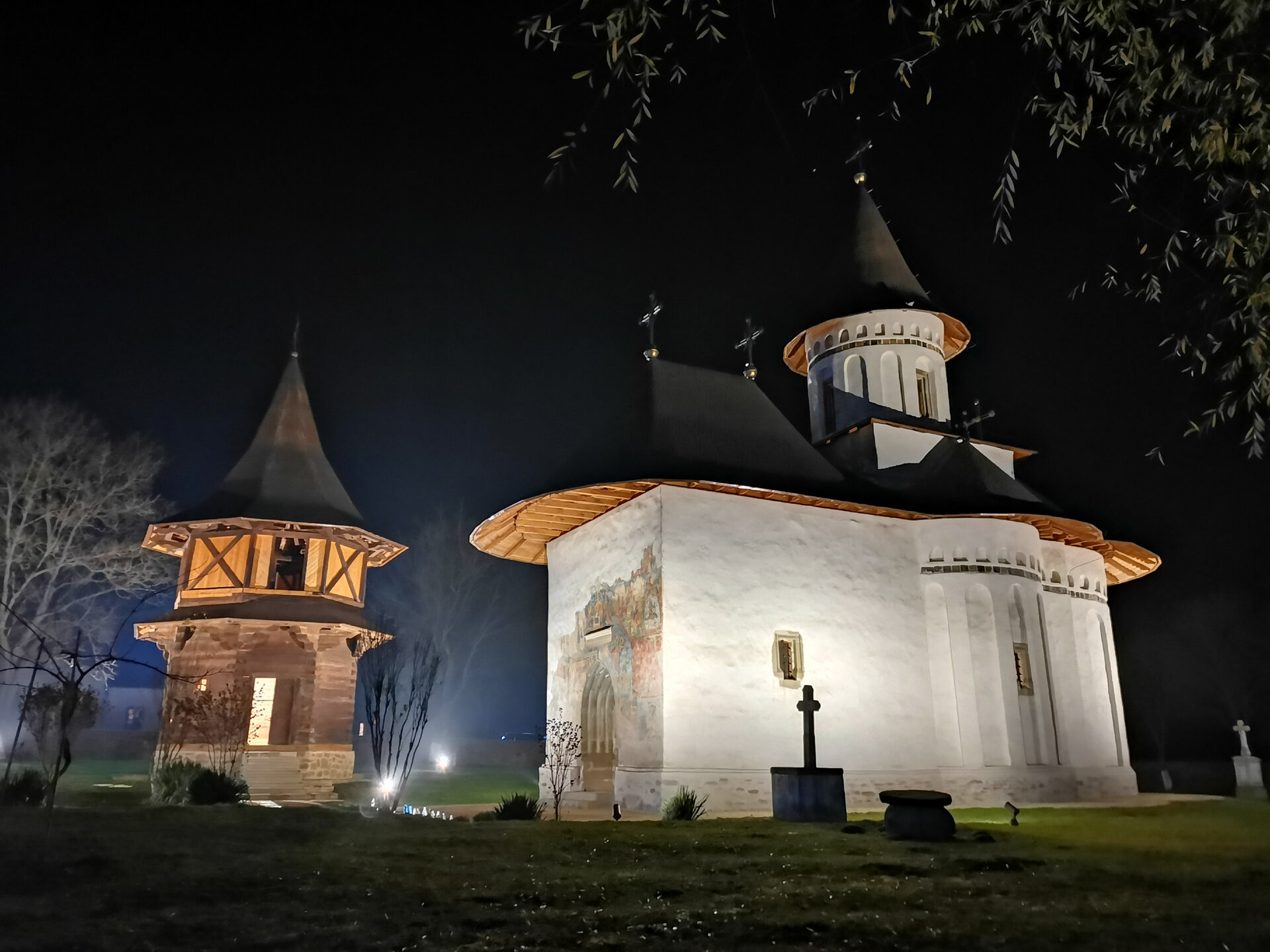
Neither of the two structures was enhanced by an architectural lighting system.
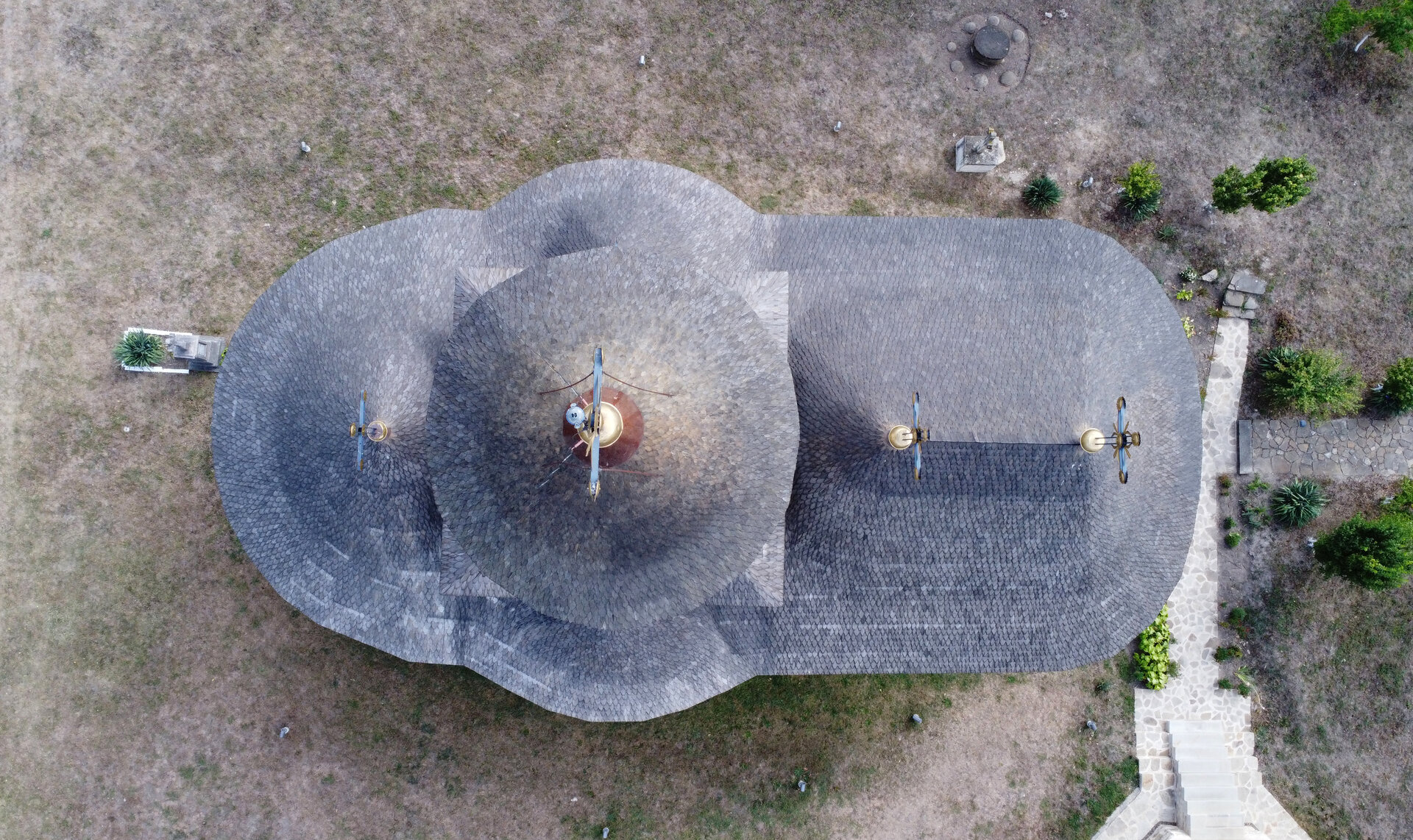
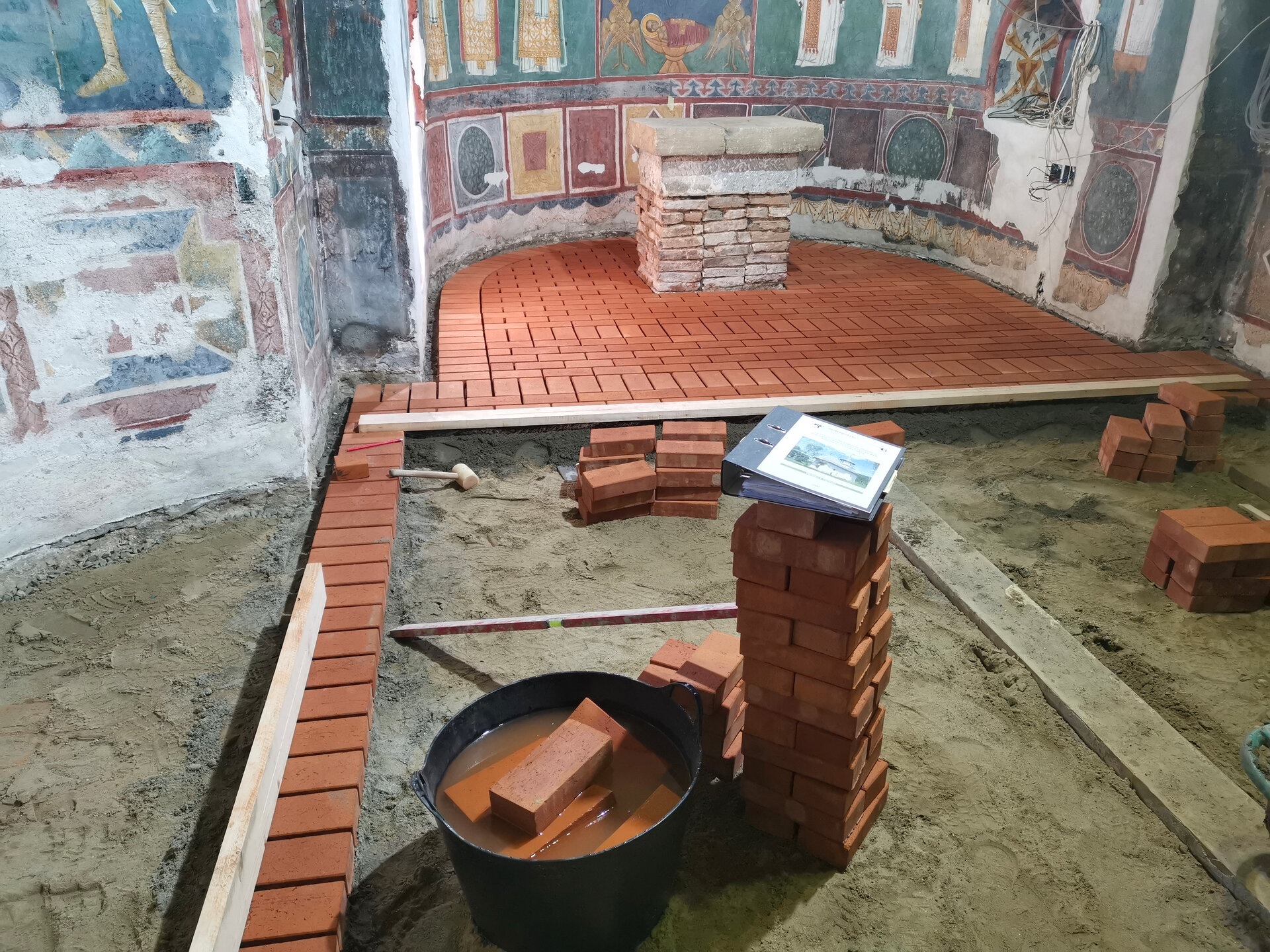
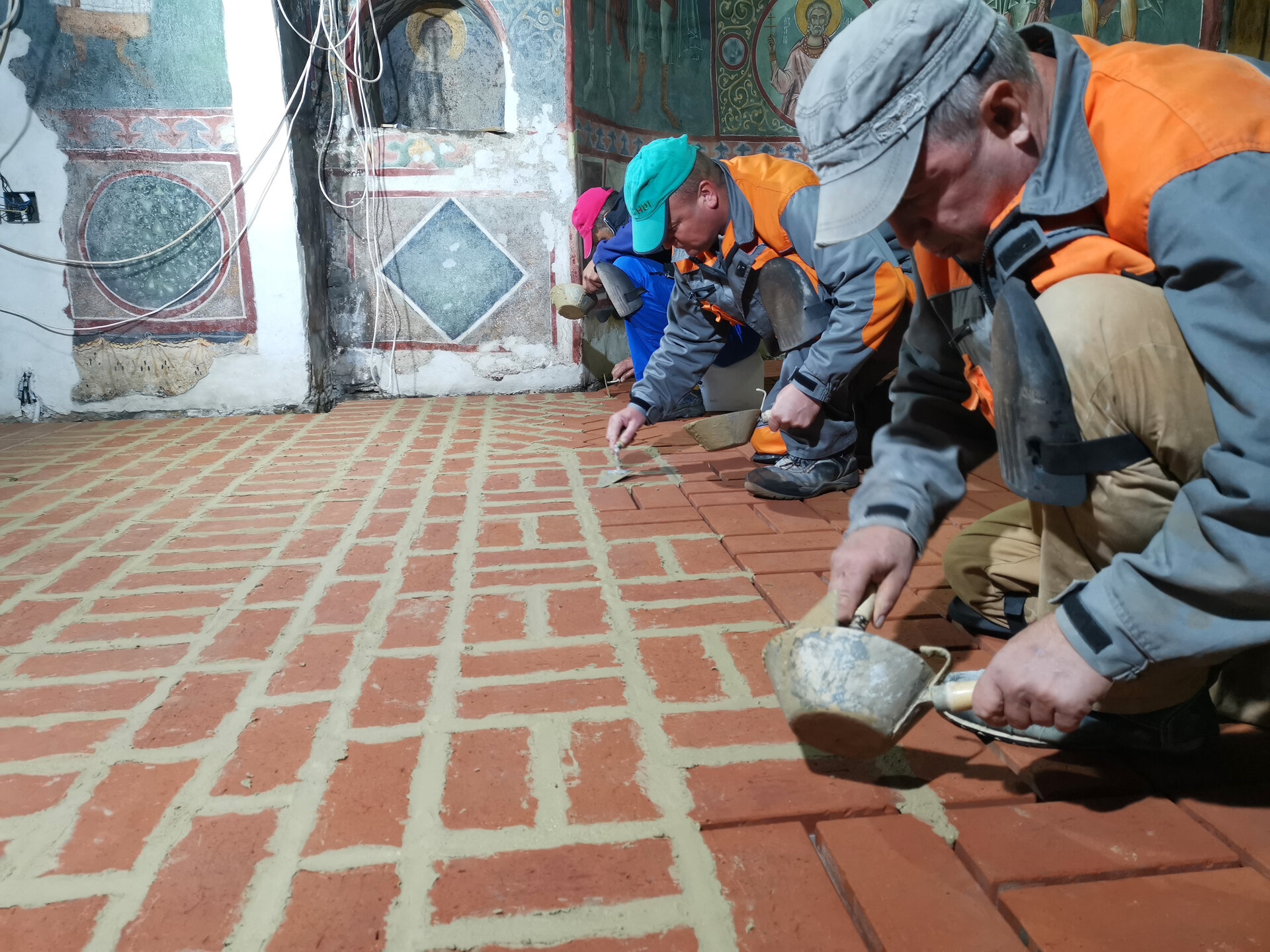
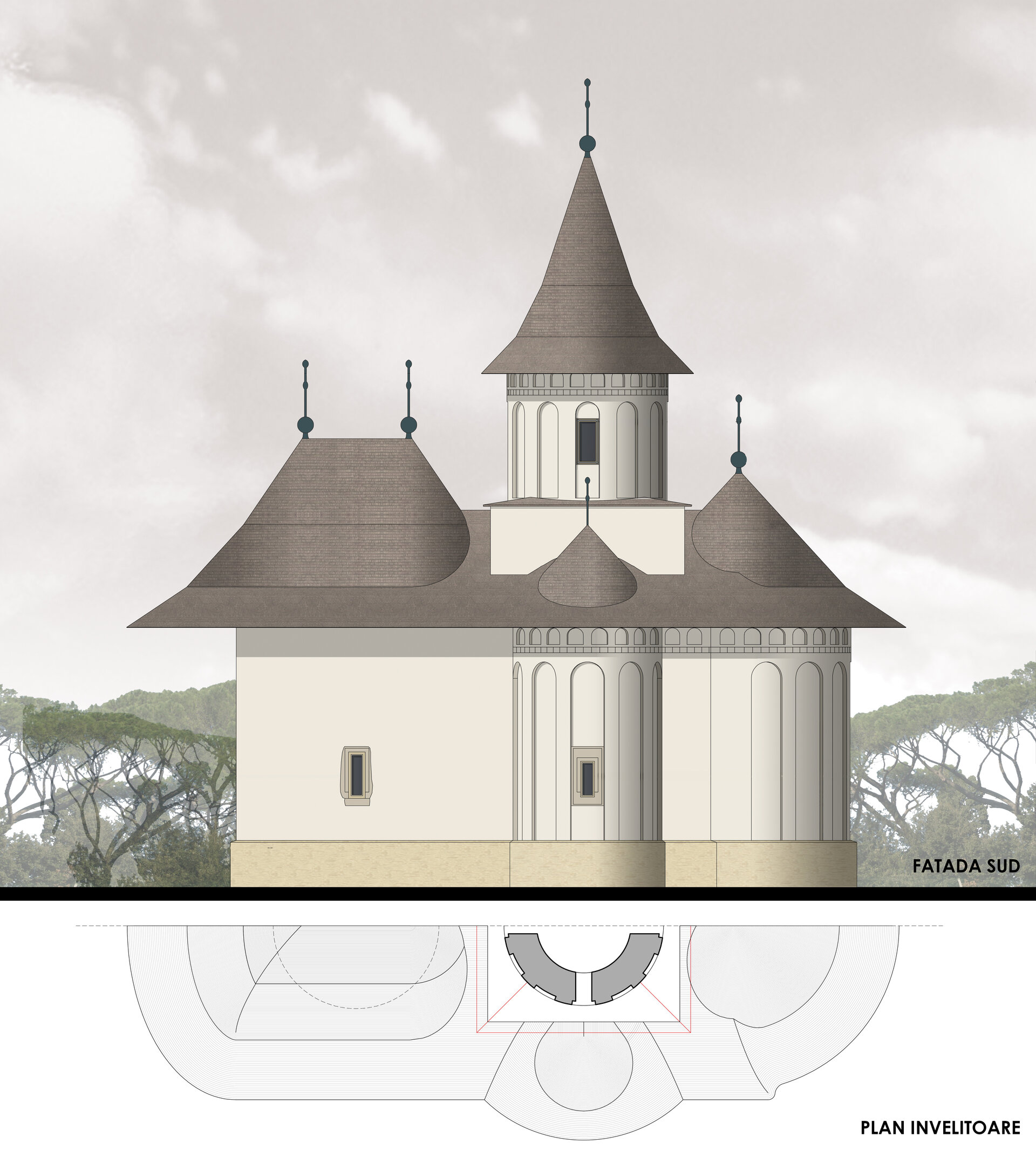
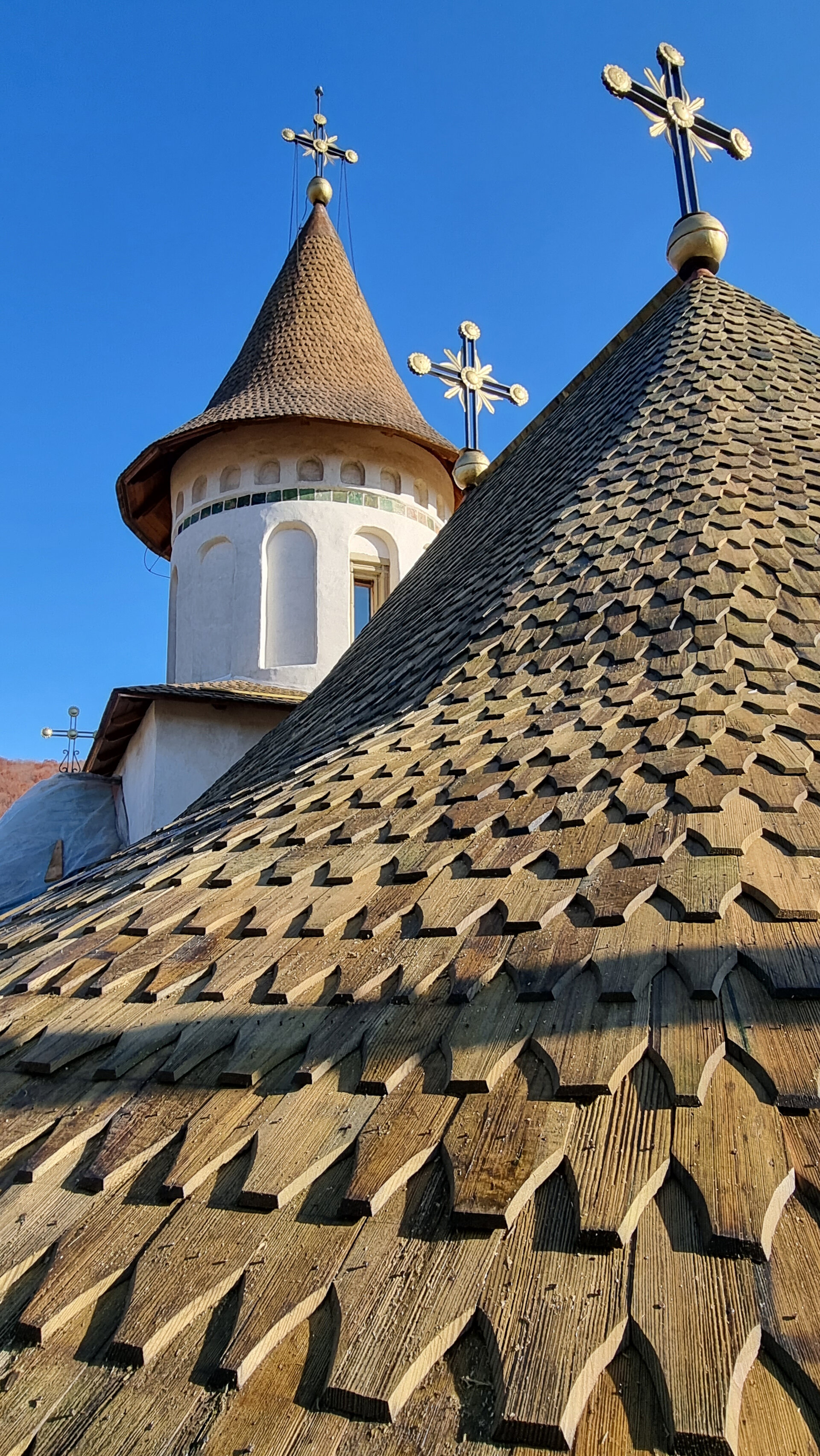
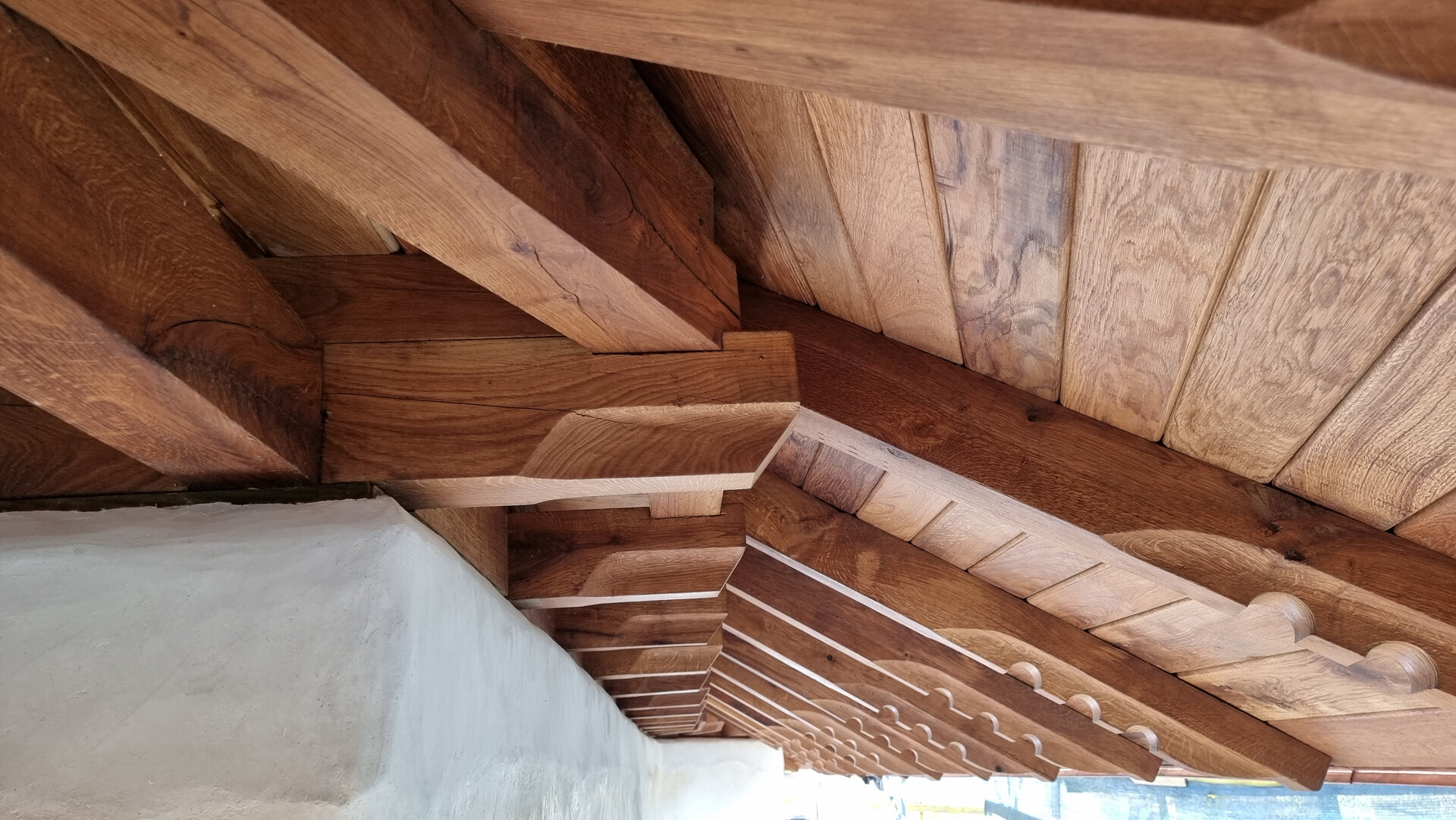
The intervention aimed to stop the degradation process by removing its causes, restoring the building as much as possible to its original state. The main intervention works included: strengthening the structure, restoring the shingle roof and the wooden frame with proper roof volume configuration, restoring the wooden joinery, the interior brick floors, and the stone sidewalks with perimeter drains ("at the drop").
At the bell tower, works were carried out to replace the roof covering, review all wooden elements by replacing degraded ones, replacing the joinery and flooring, and strengthening the stone masonry of the base.
The electrical system and fire and burglary safety features were also refurbished, and exterior architectural lighting was added to highlight the ensemble.
Modern electronic systems for seismic and interior microclimate monitoring were installed to facilitate future maintenance and restoration interventions.
Architecture and Heritage

- The Restoration of the church in Pătrăuți (UNESCO)
- House for a collection
- The Restoration of Secu Monastery
- A house in Cotroceni
- The Old School in Tohani
- Restoration and extension of a house in Tugomir Voievod St., Bucharest
- Rosenthal House
- Rehabilitation, change of function, interior and exterior design for Restaurant Parc
- The recovery of the architectural ensemble in Plantelor St. No. 4, Bucharest
- Little garden house
- ALEXE 2-4-19


