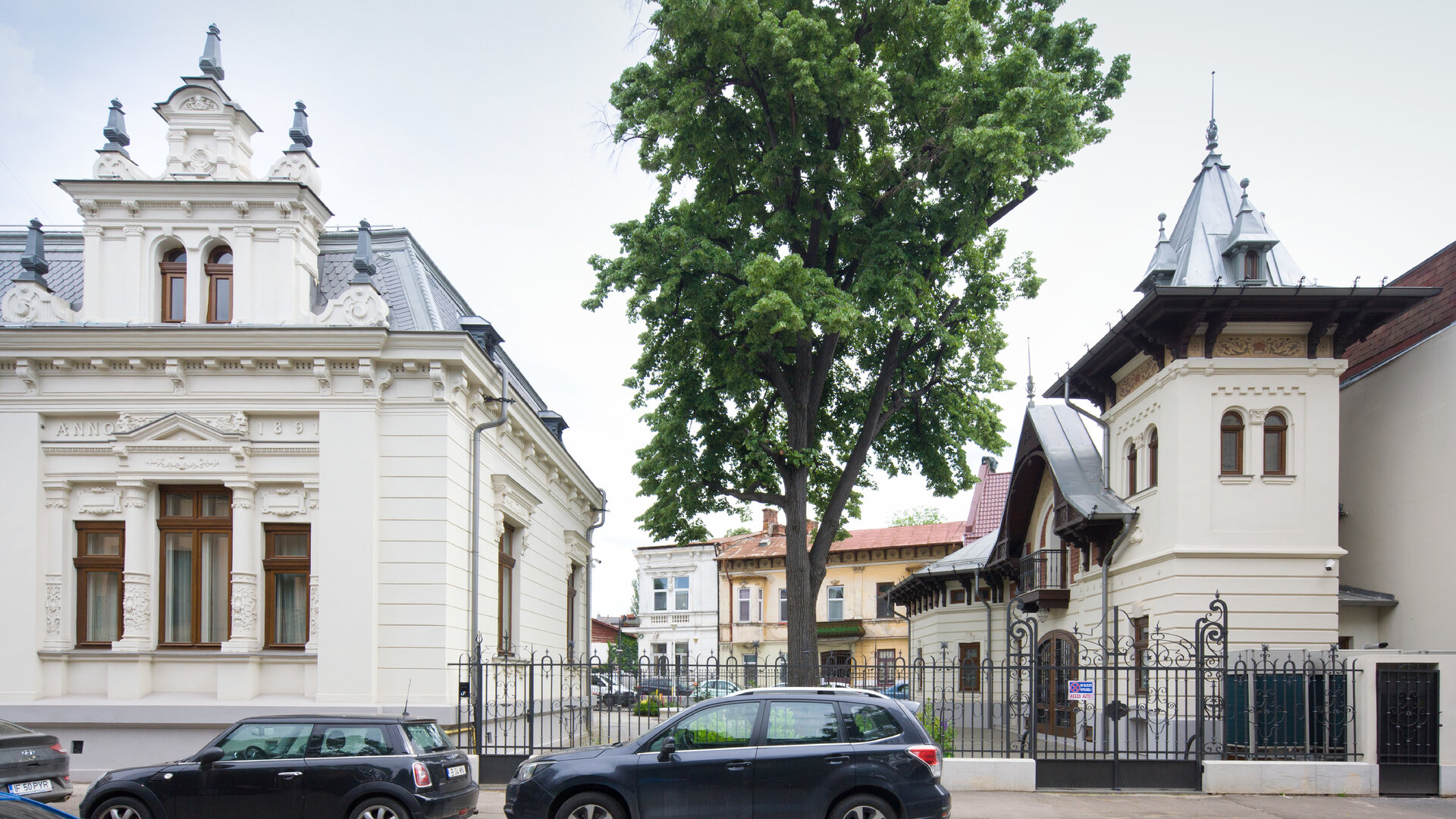
The recovery of the architectural ensemble in Plantelor St. No. 4, Bucharest
Authors’ Comment
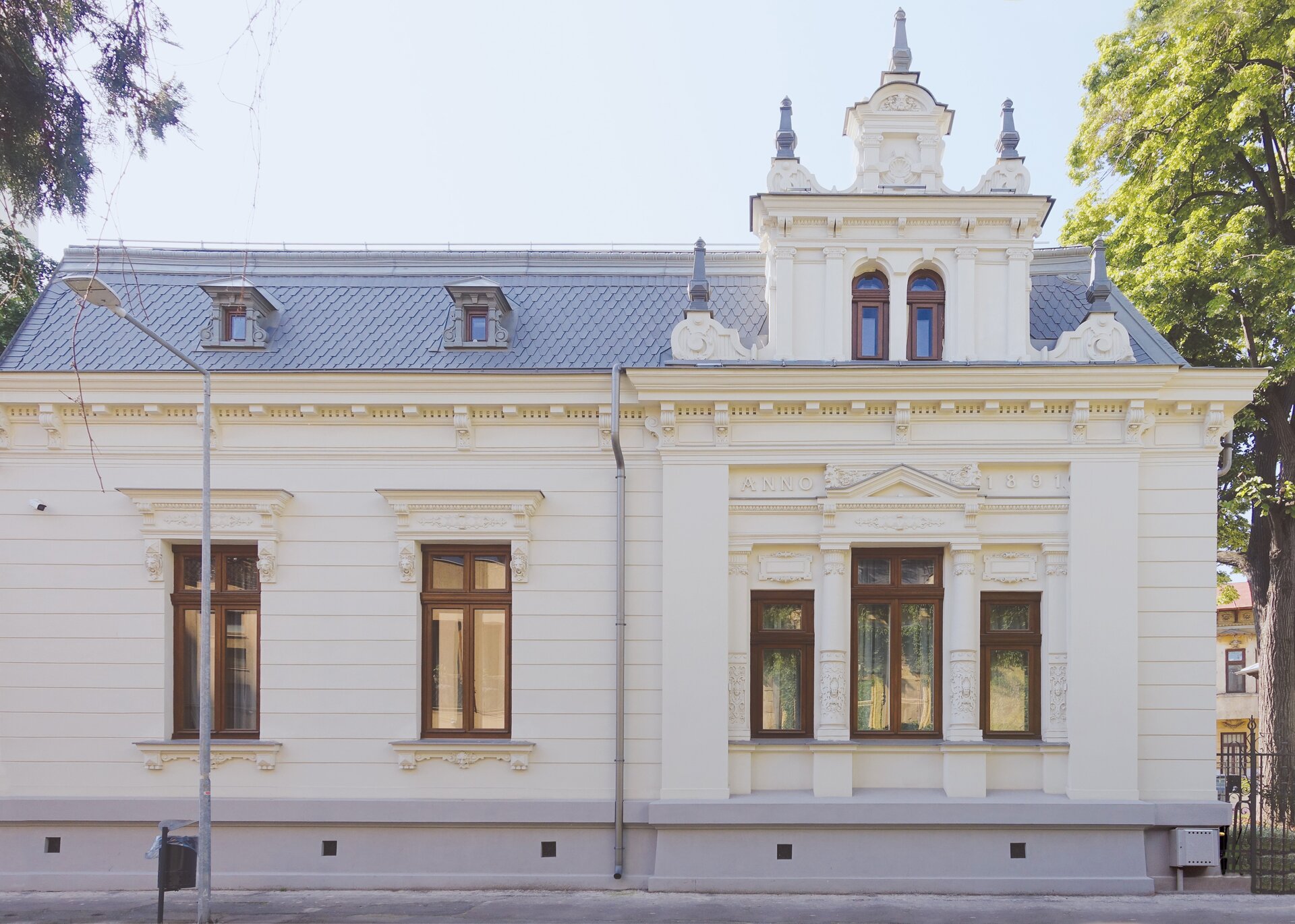
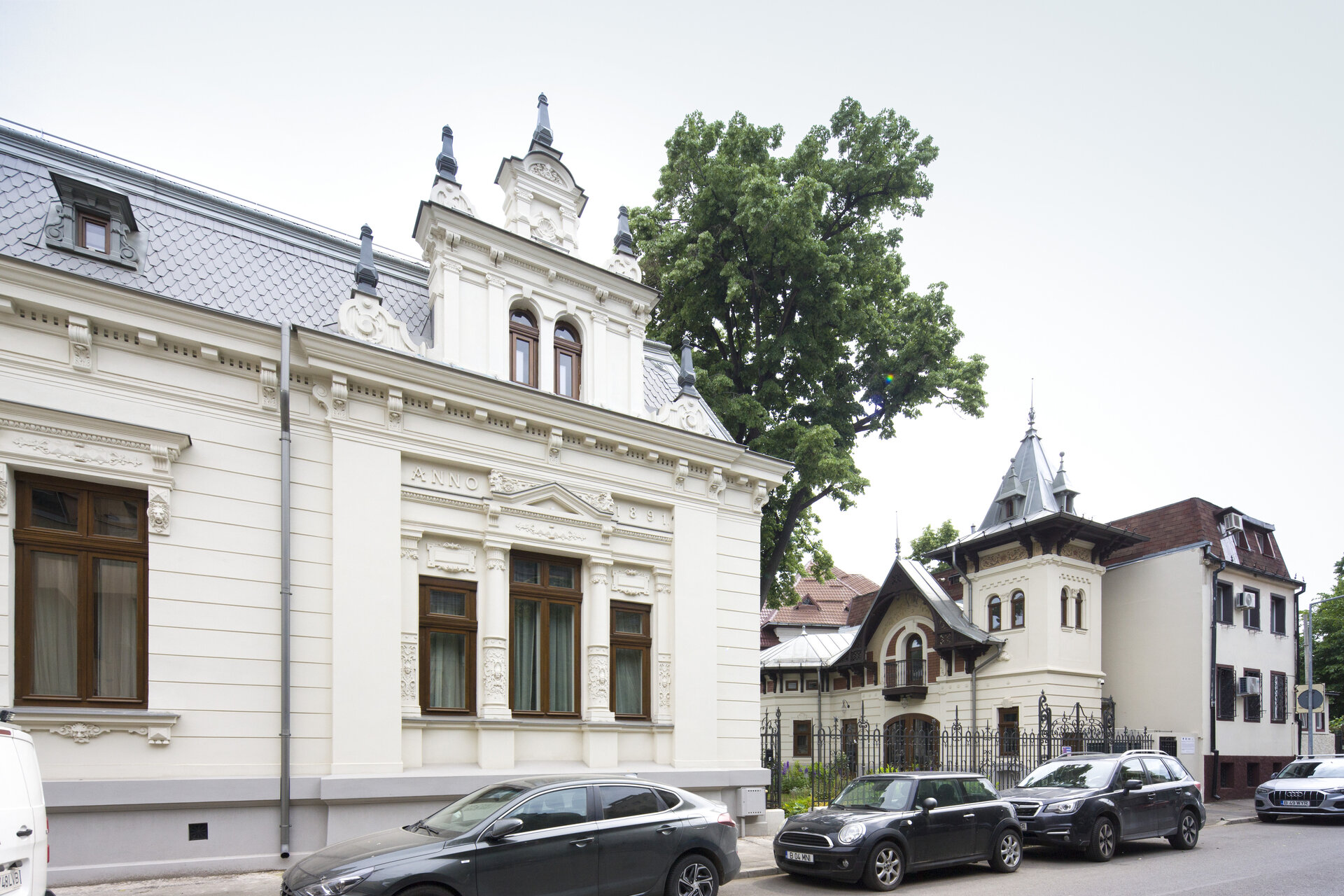
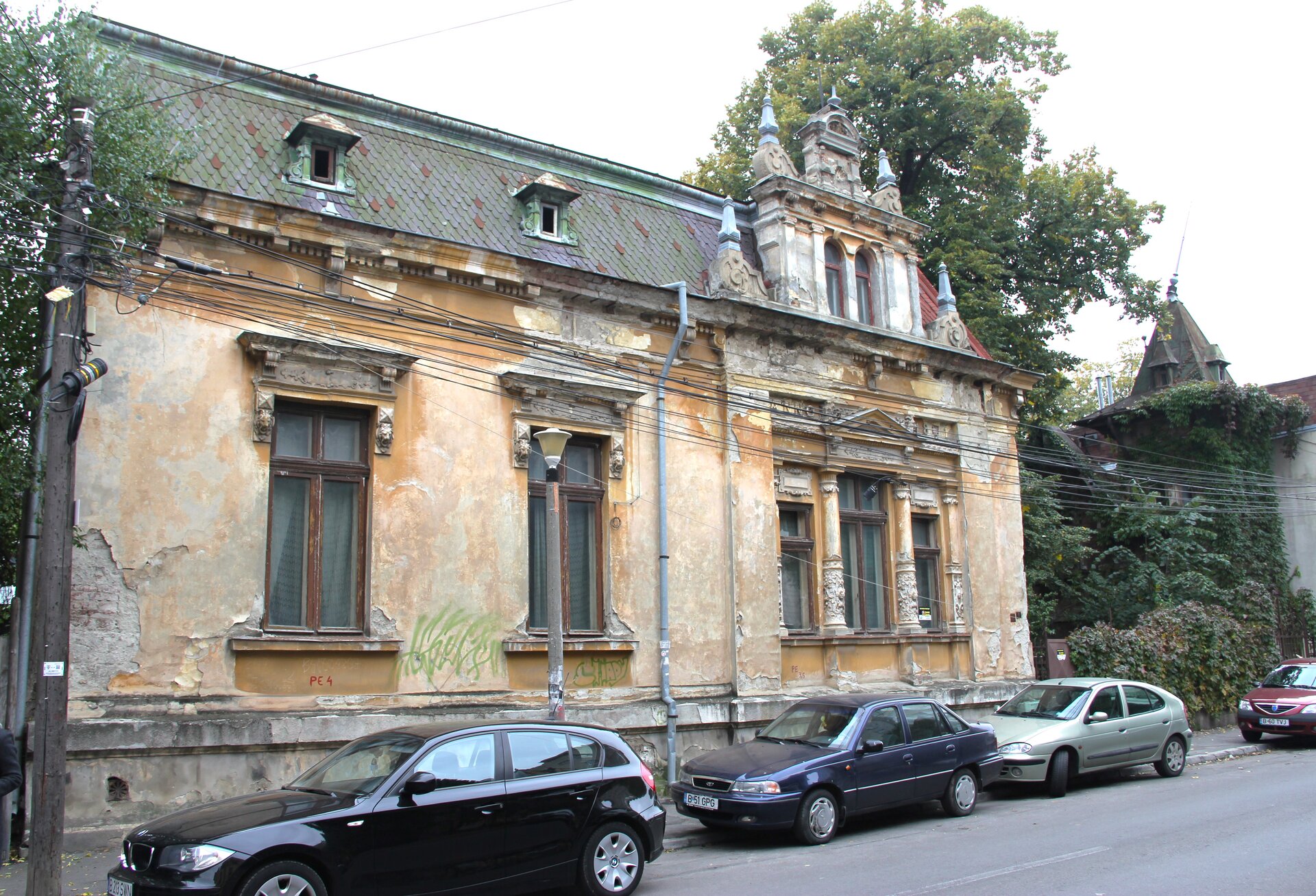
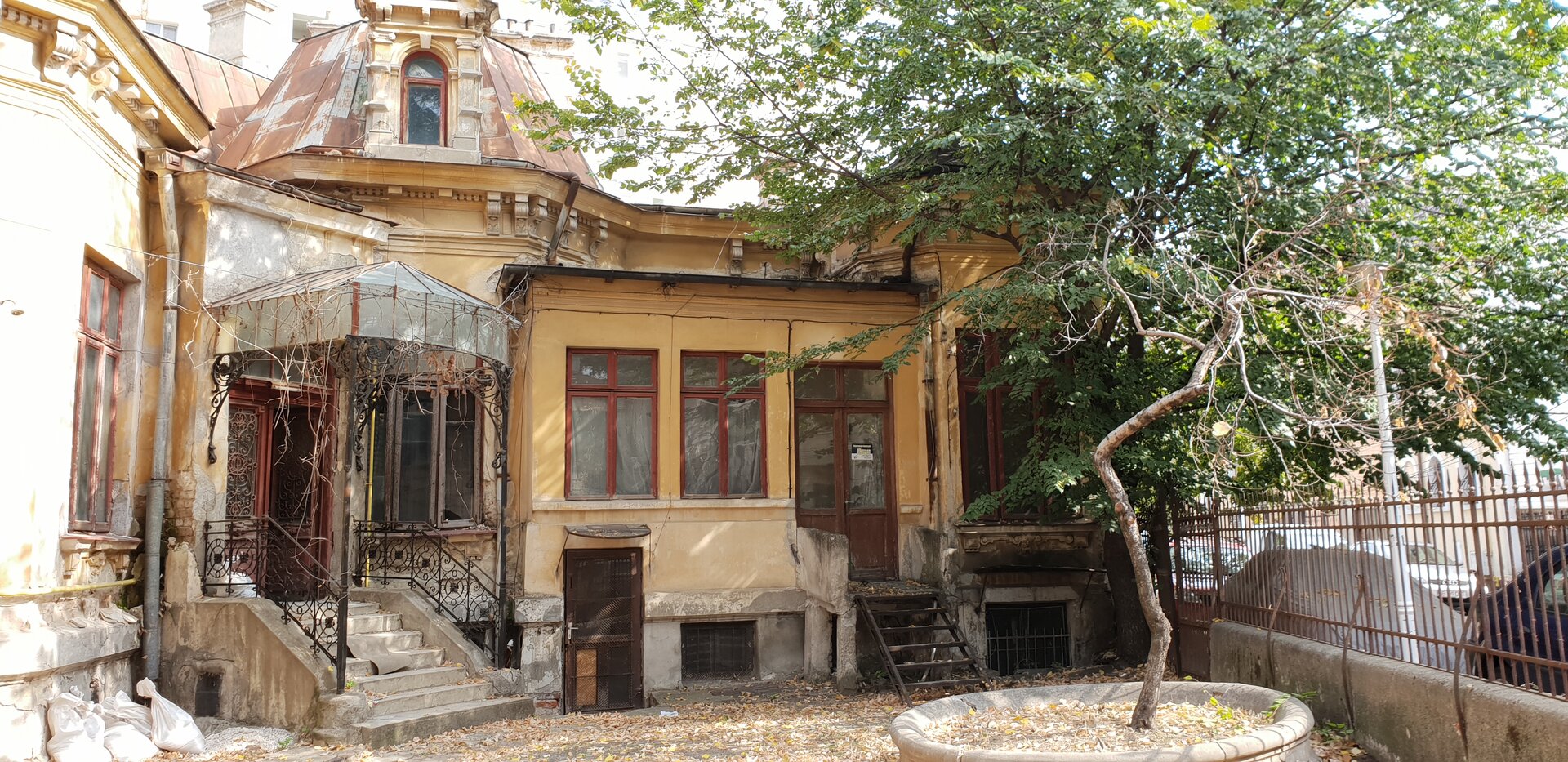
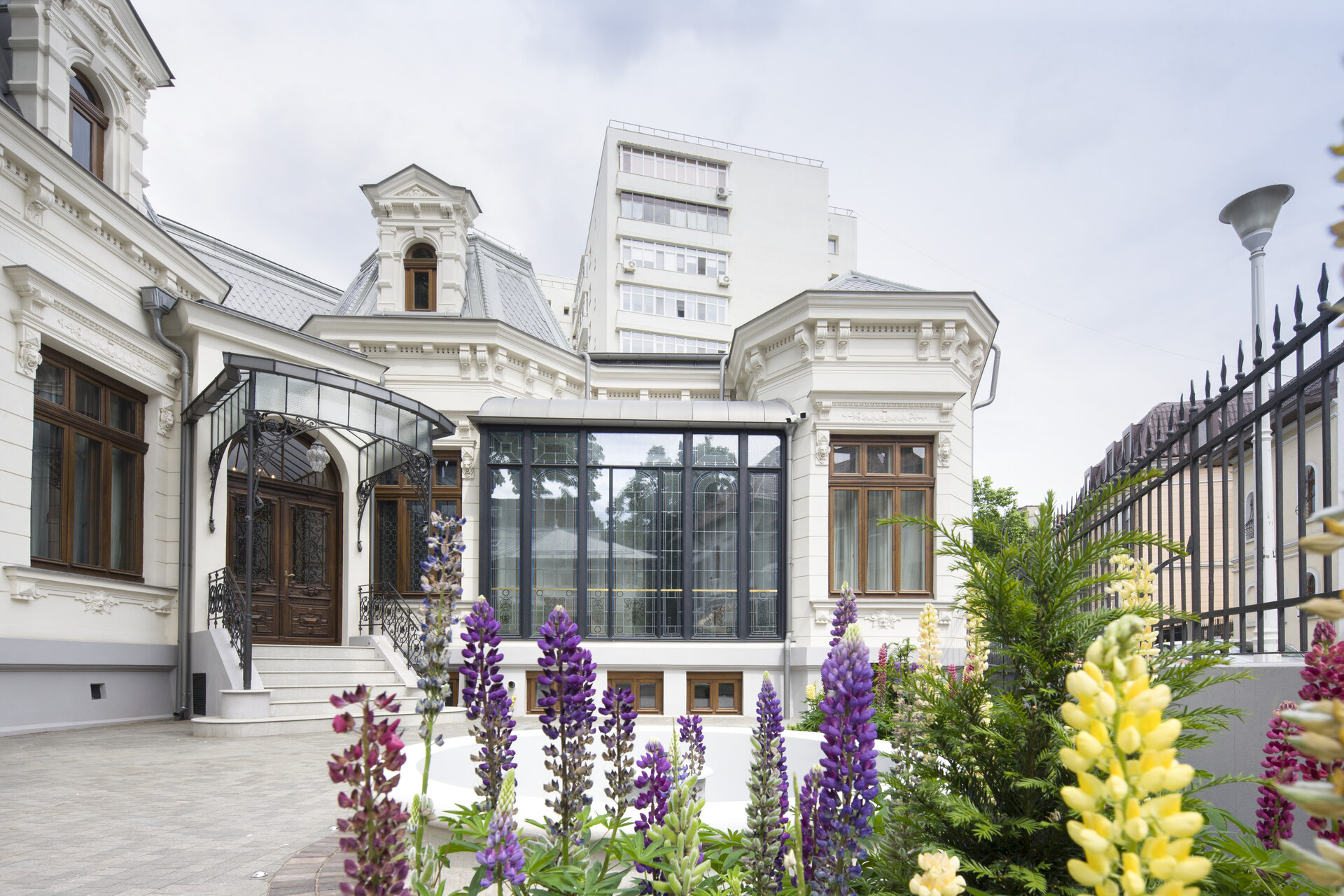
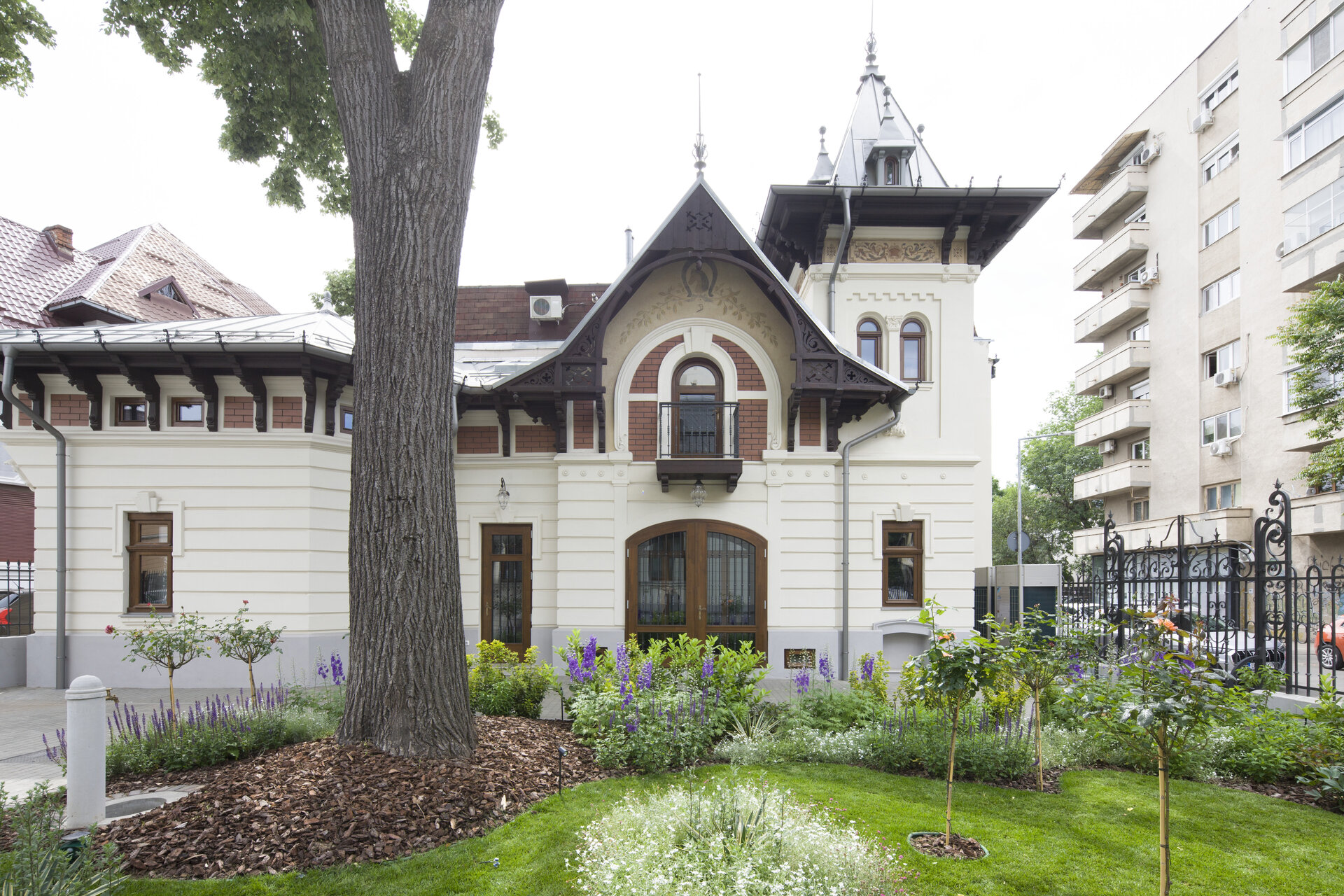
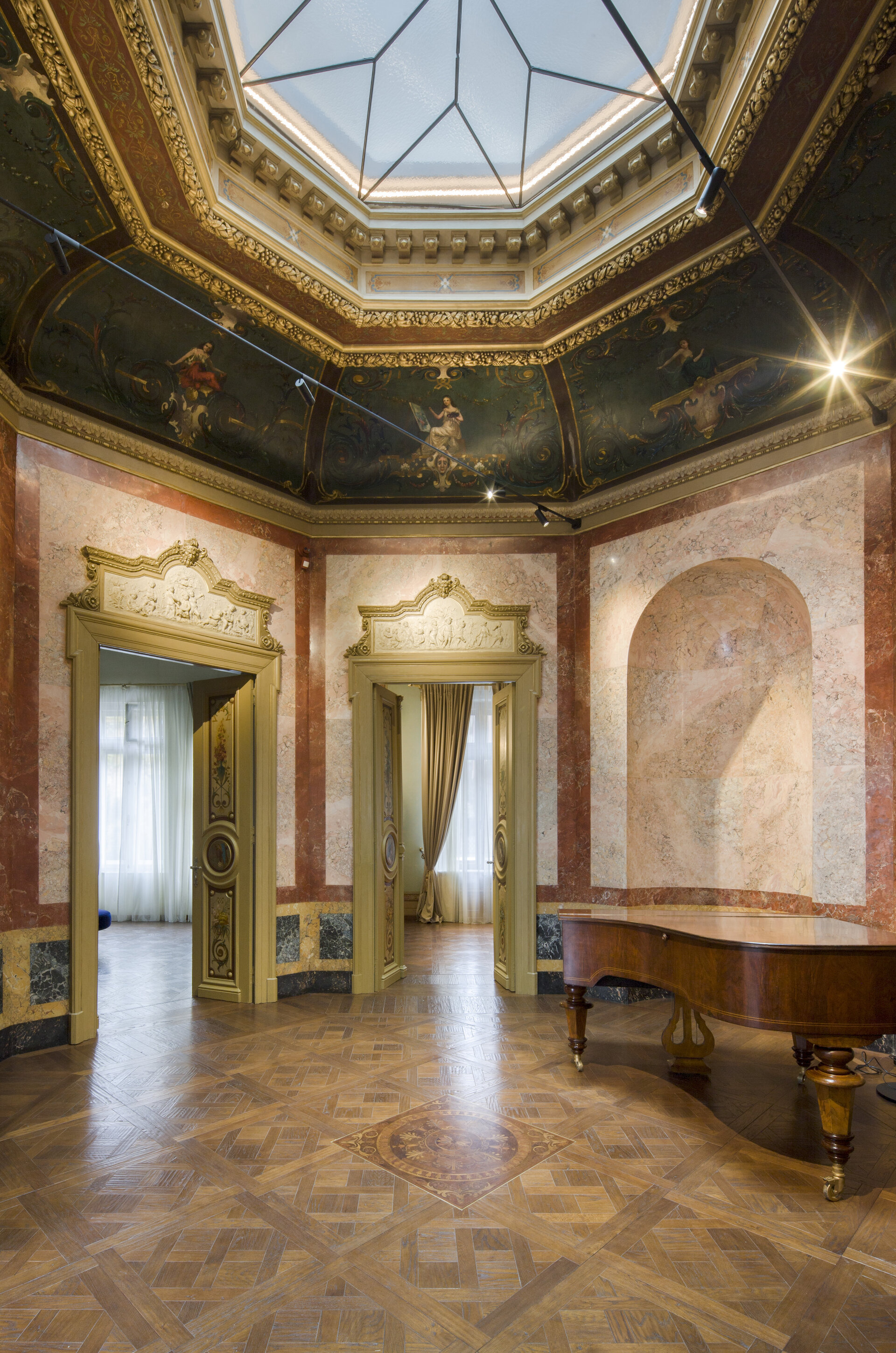
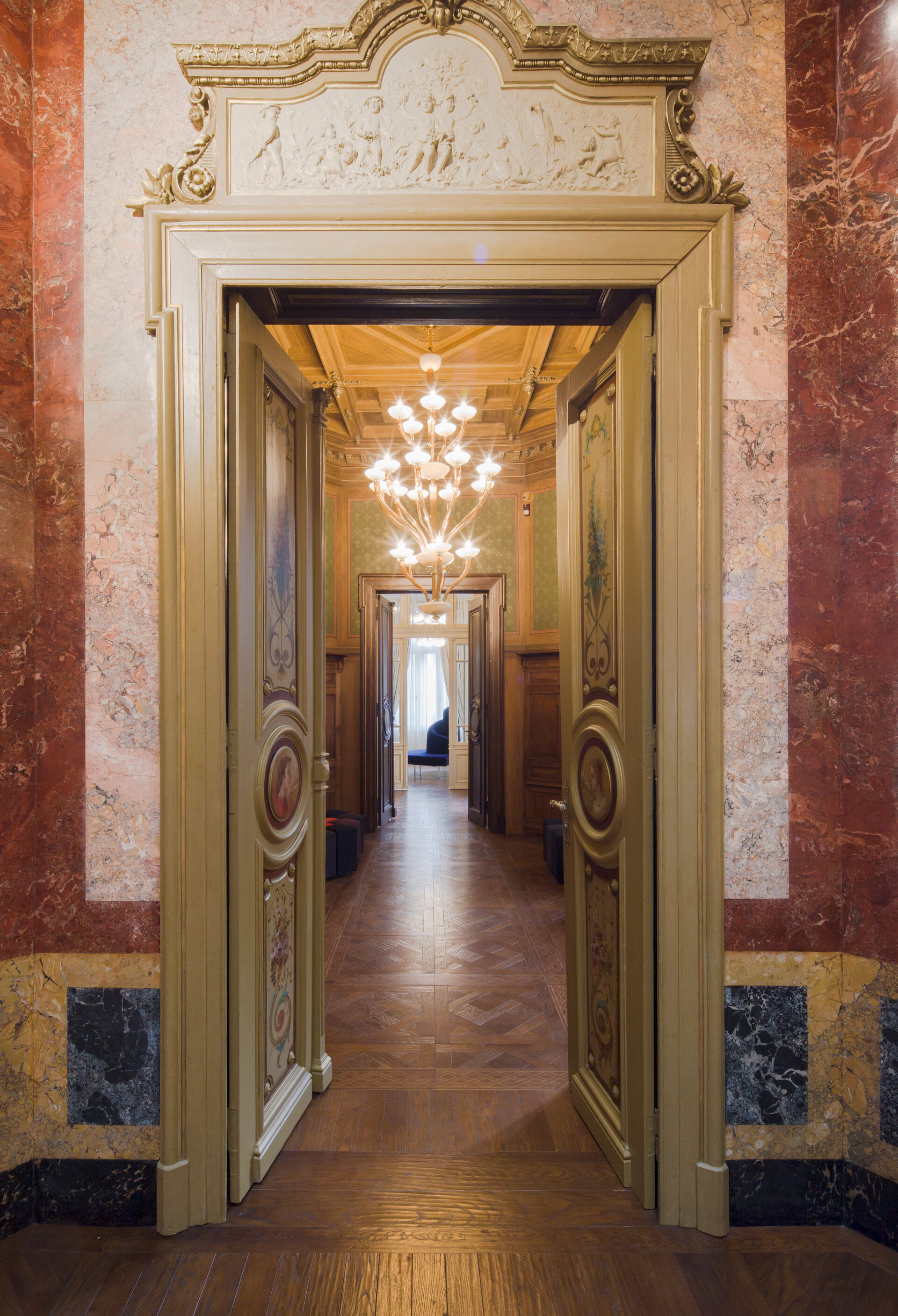
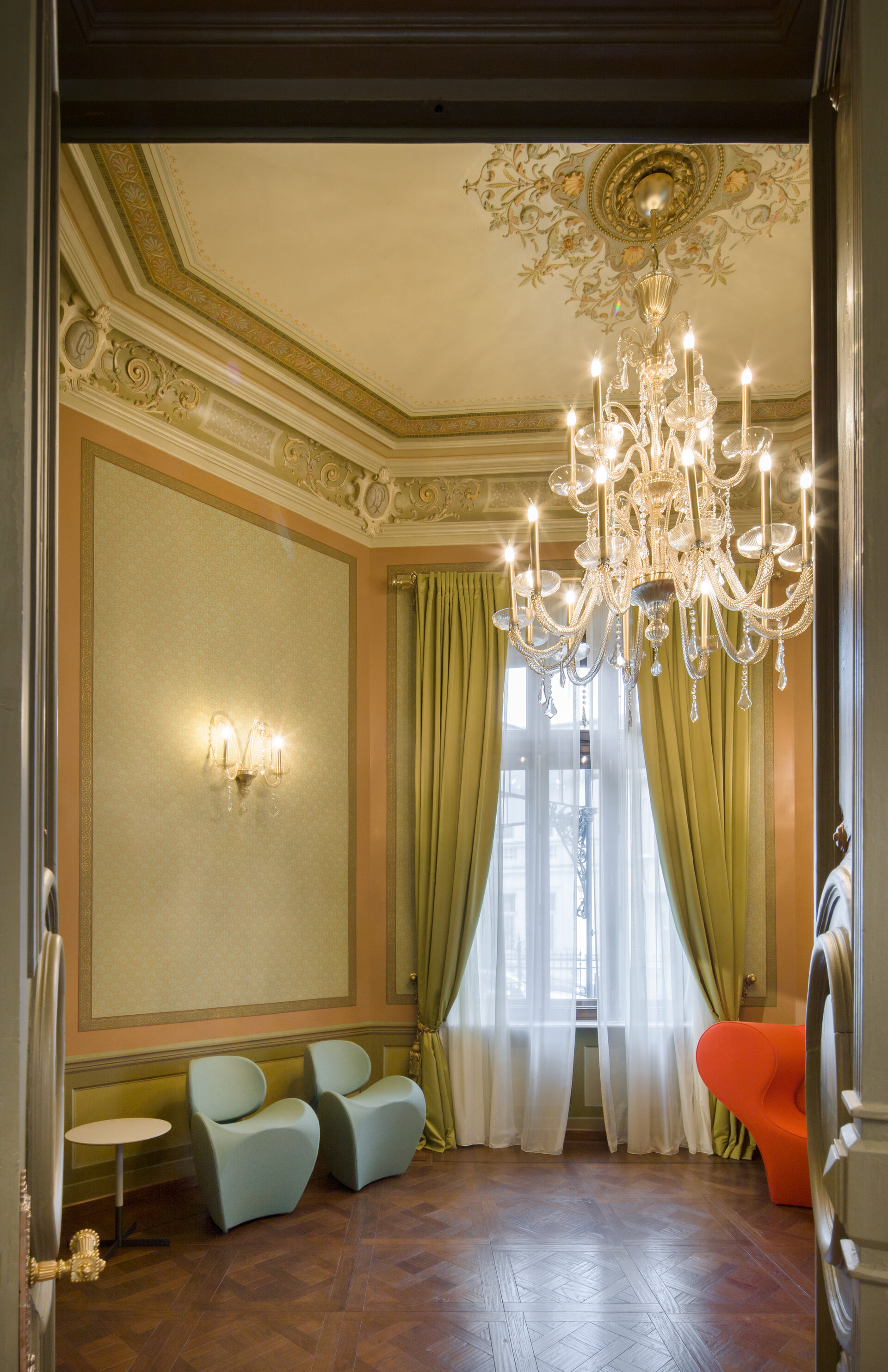
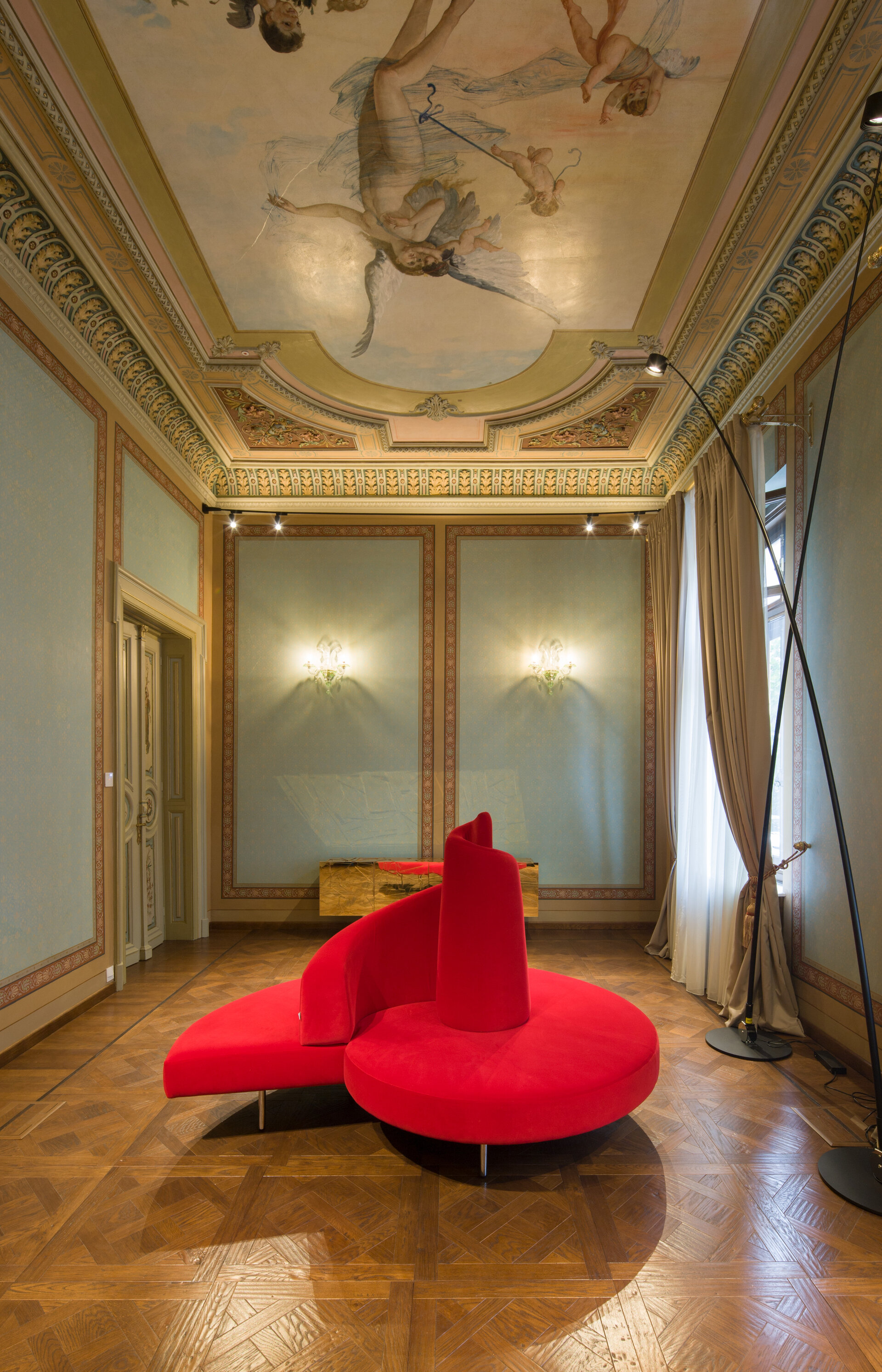
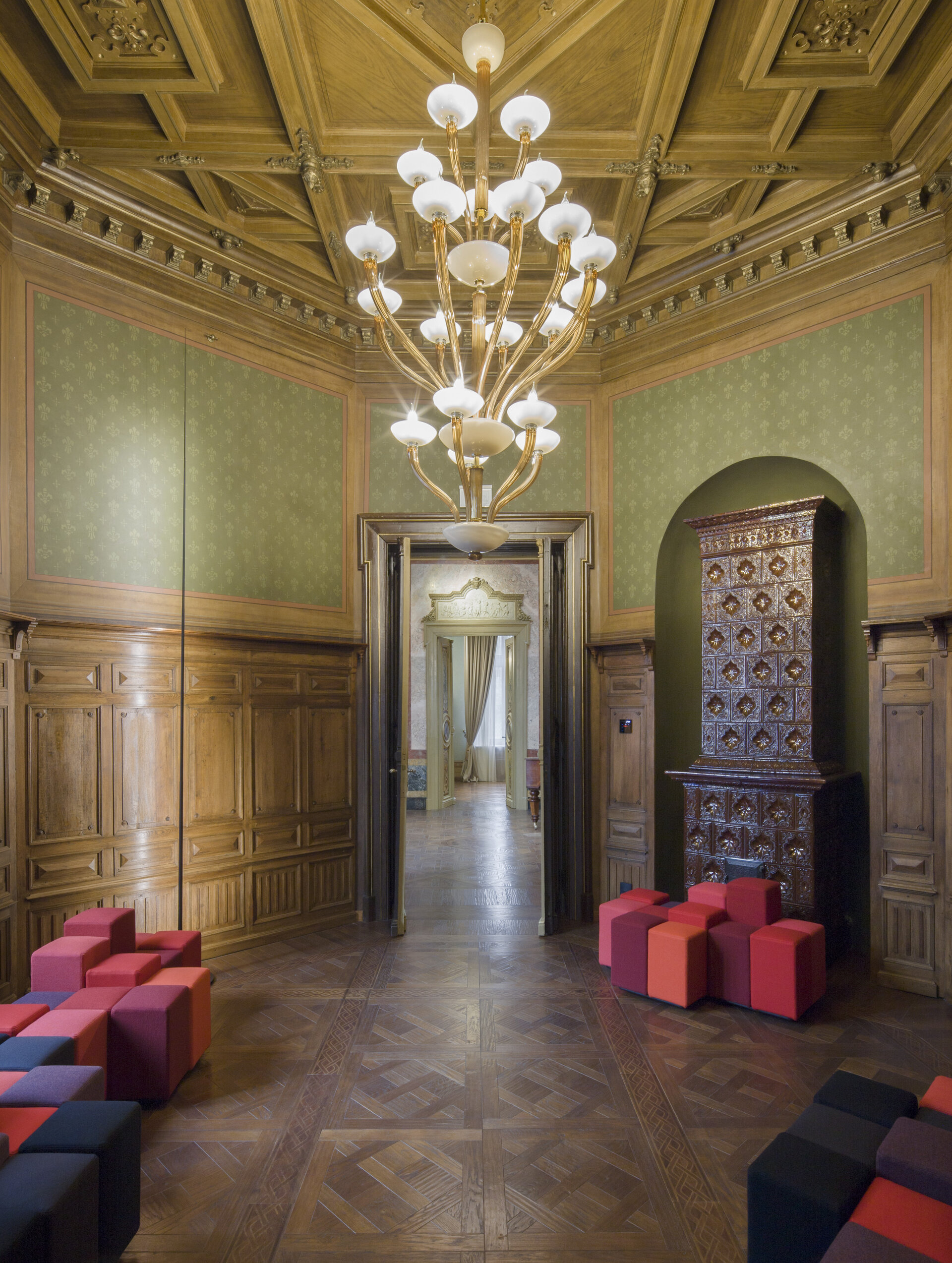
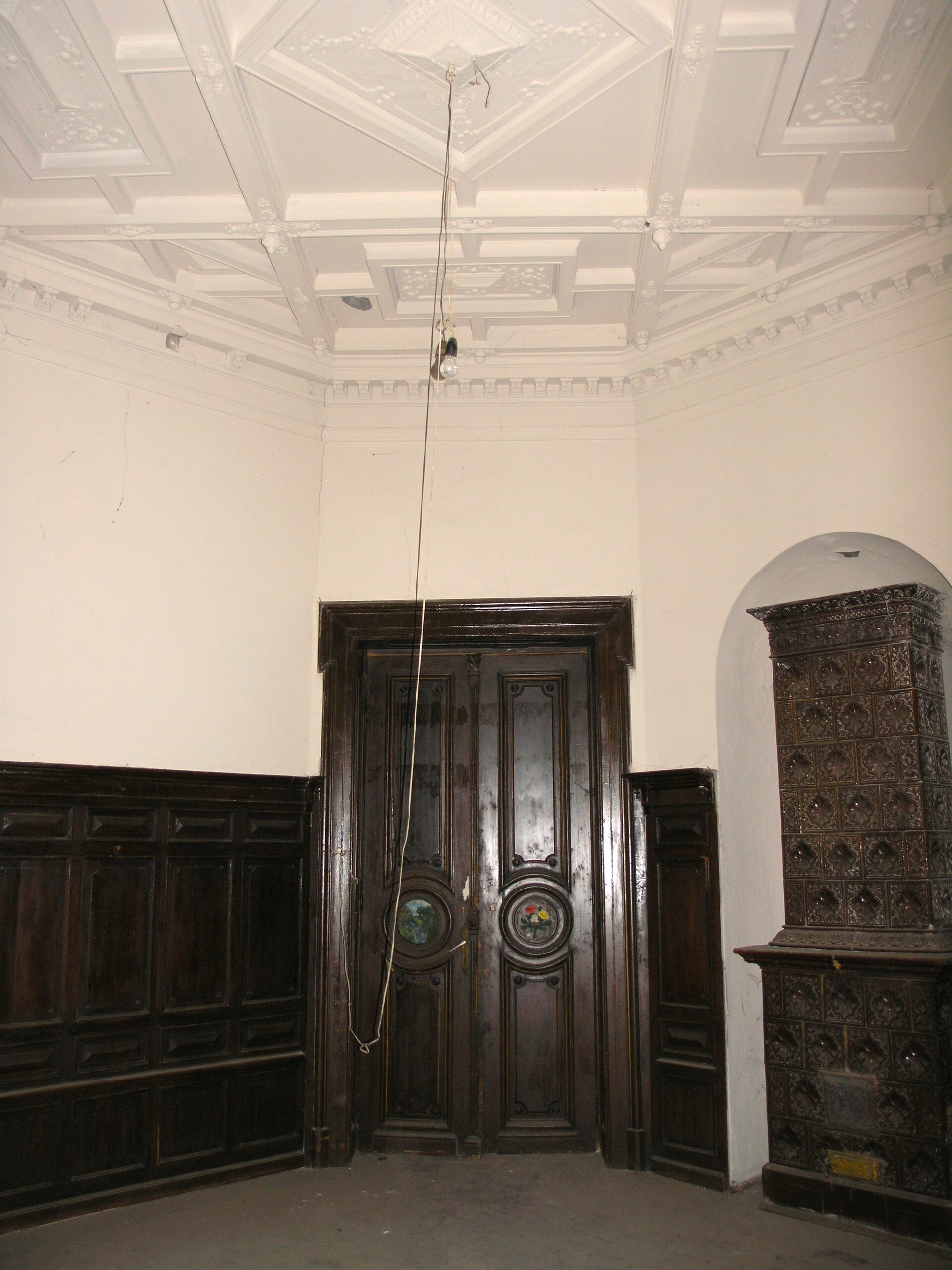
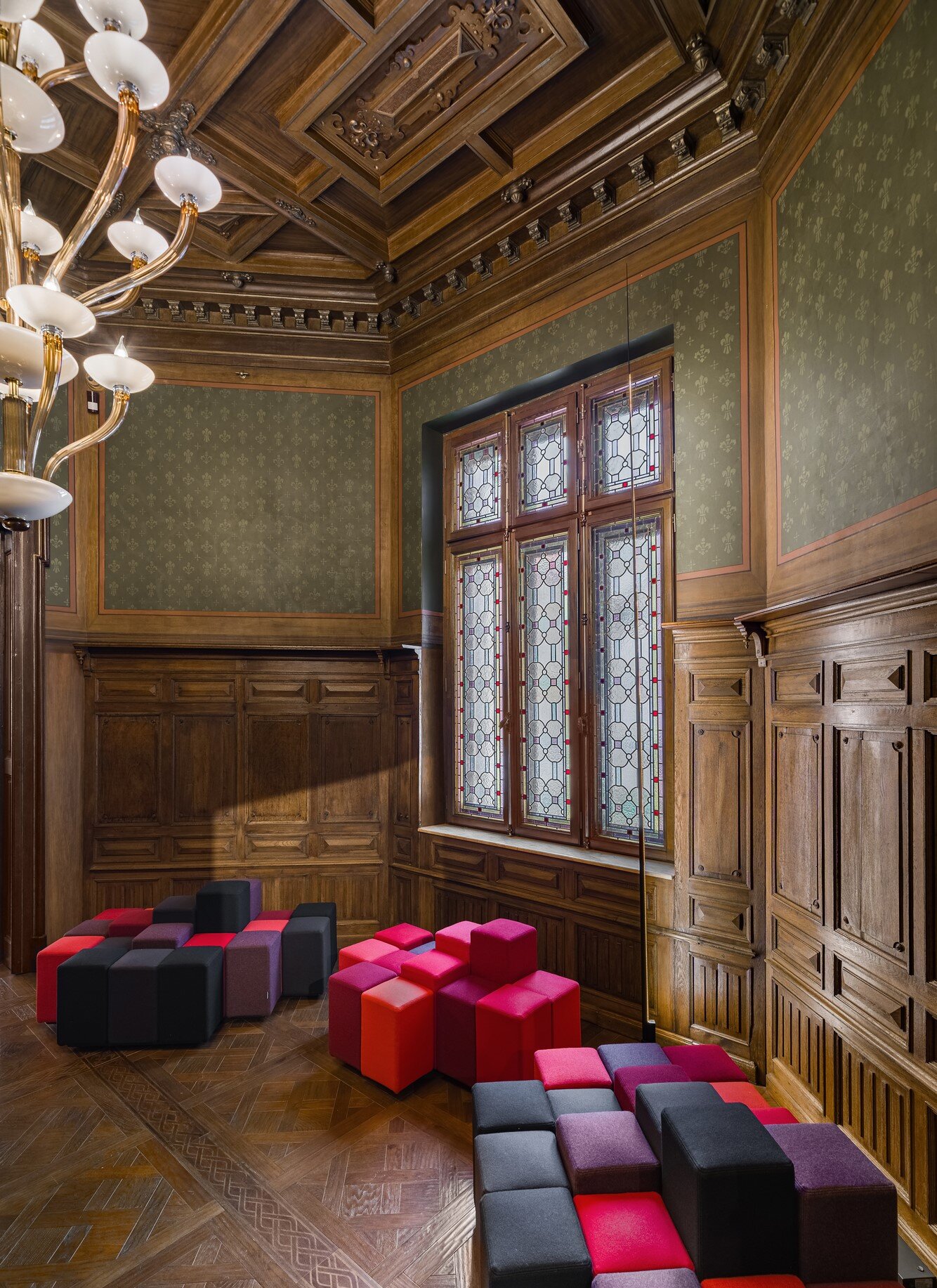
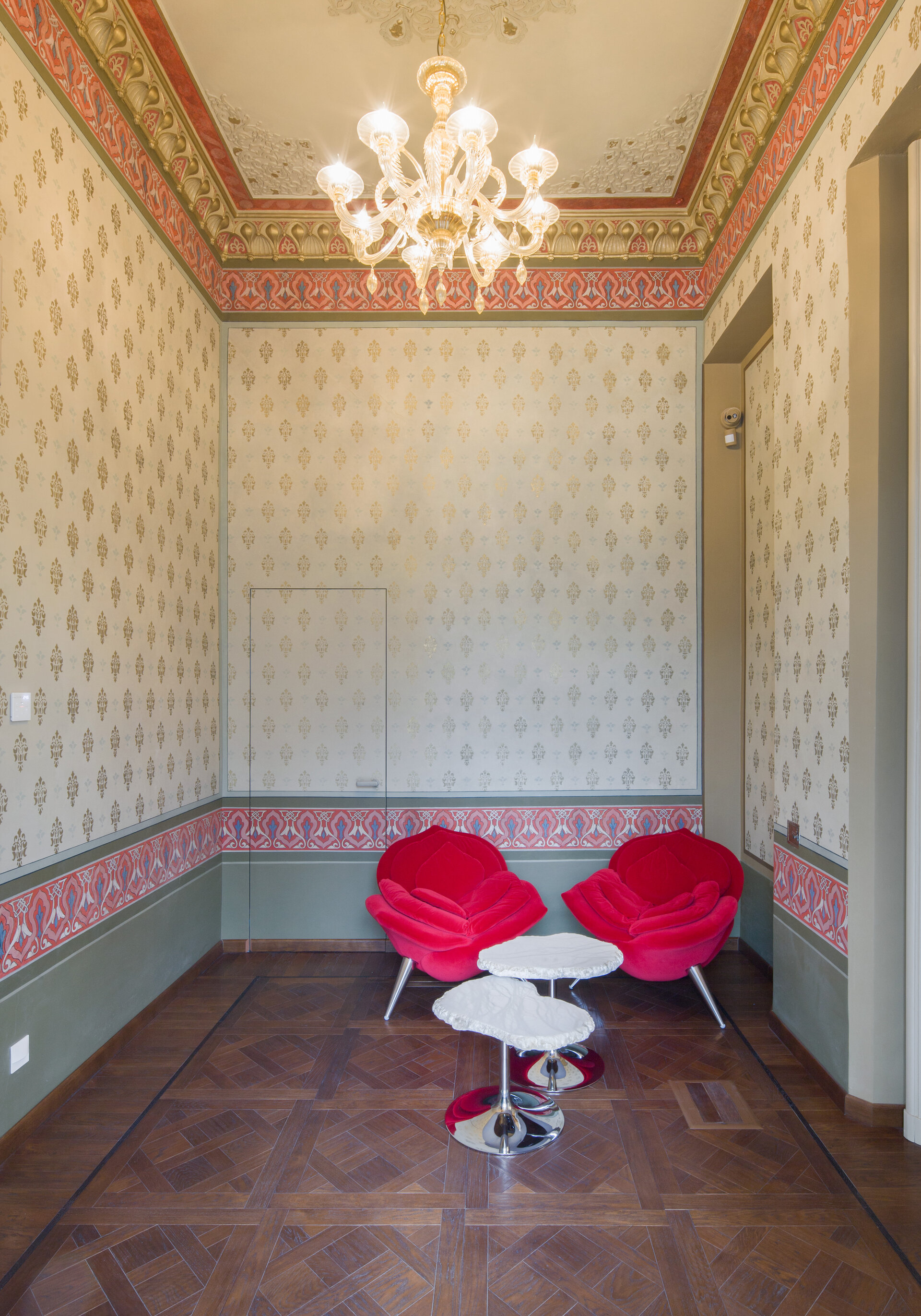
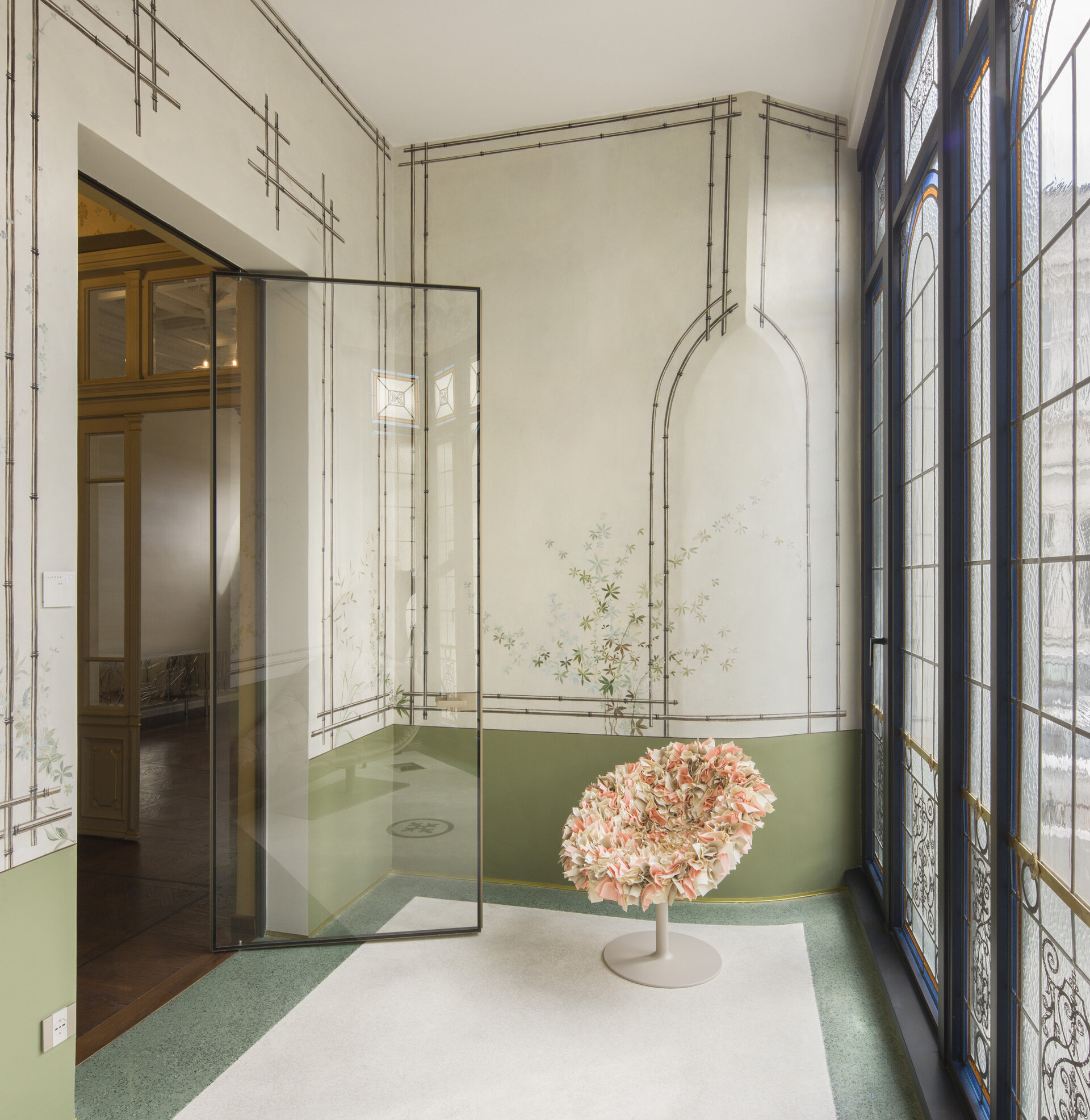
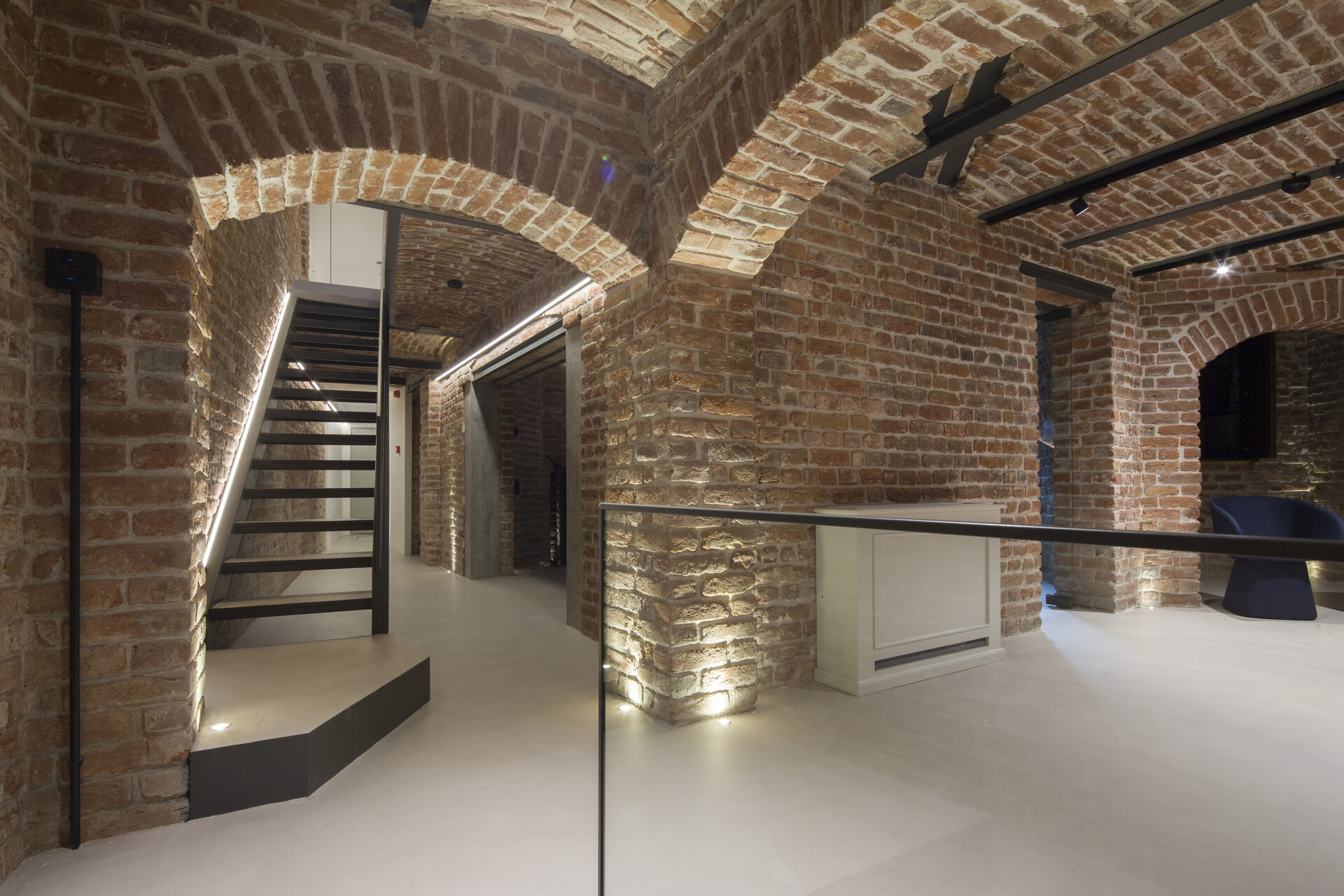
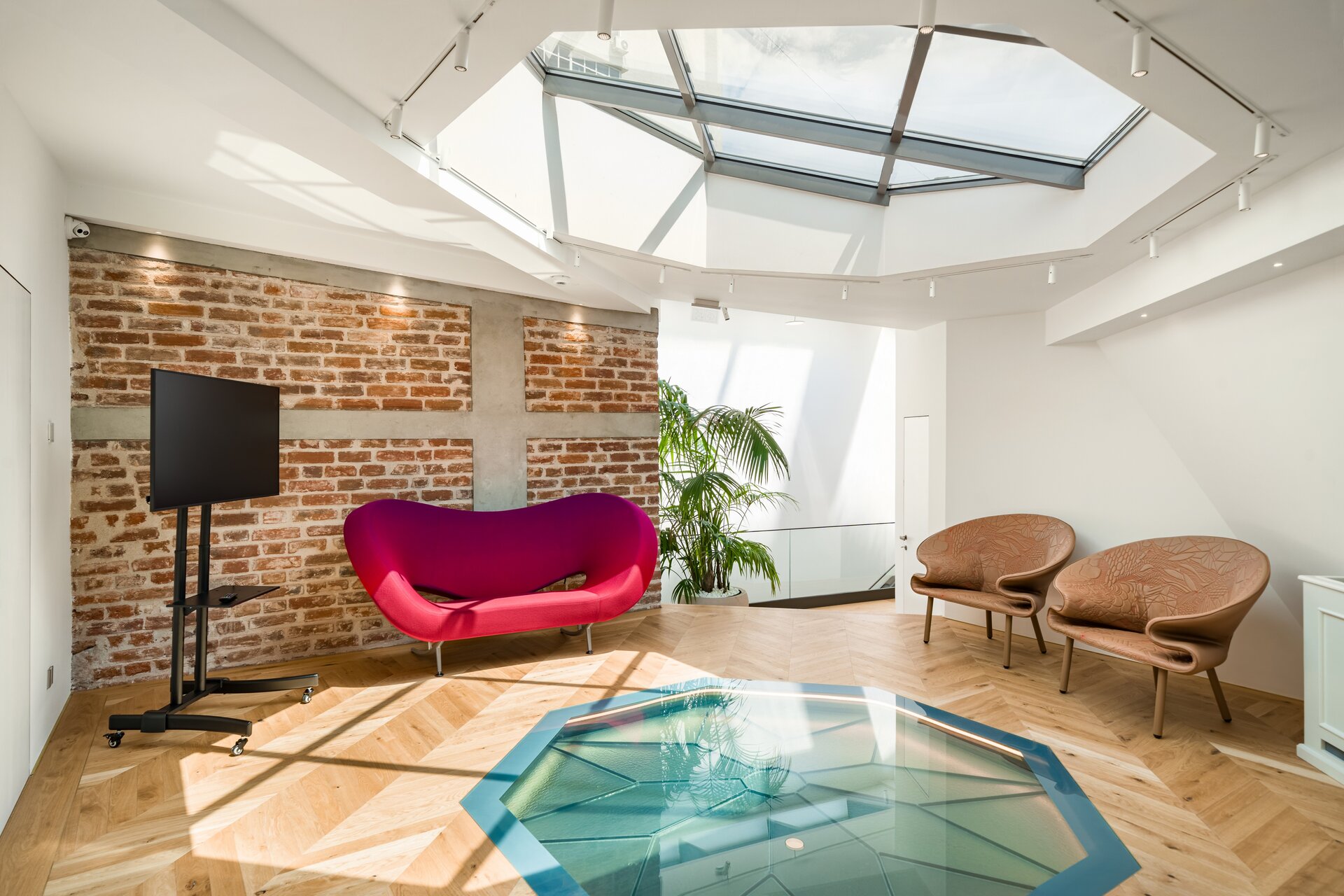
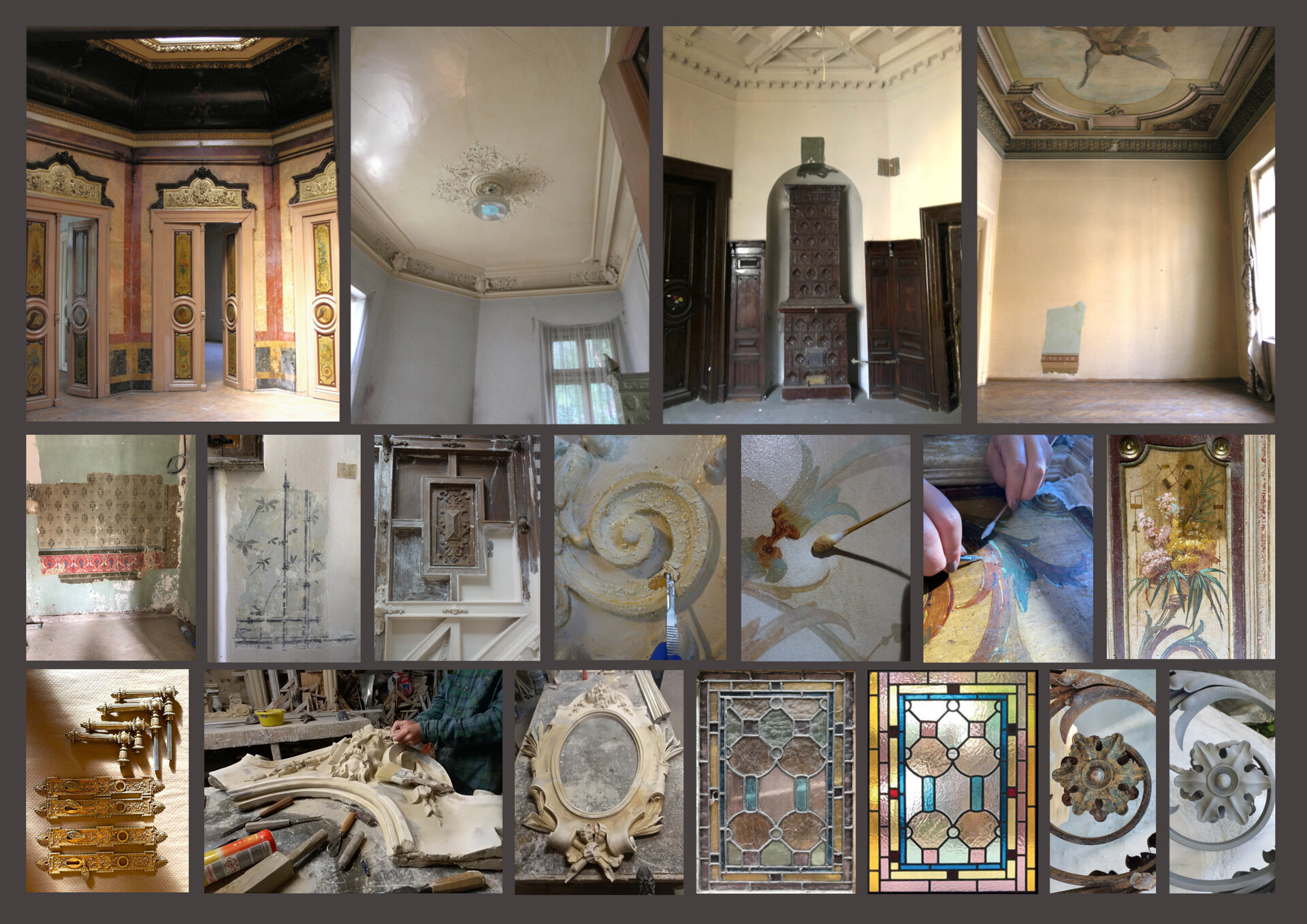
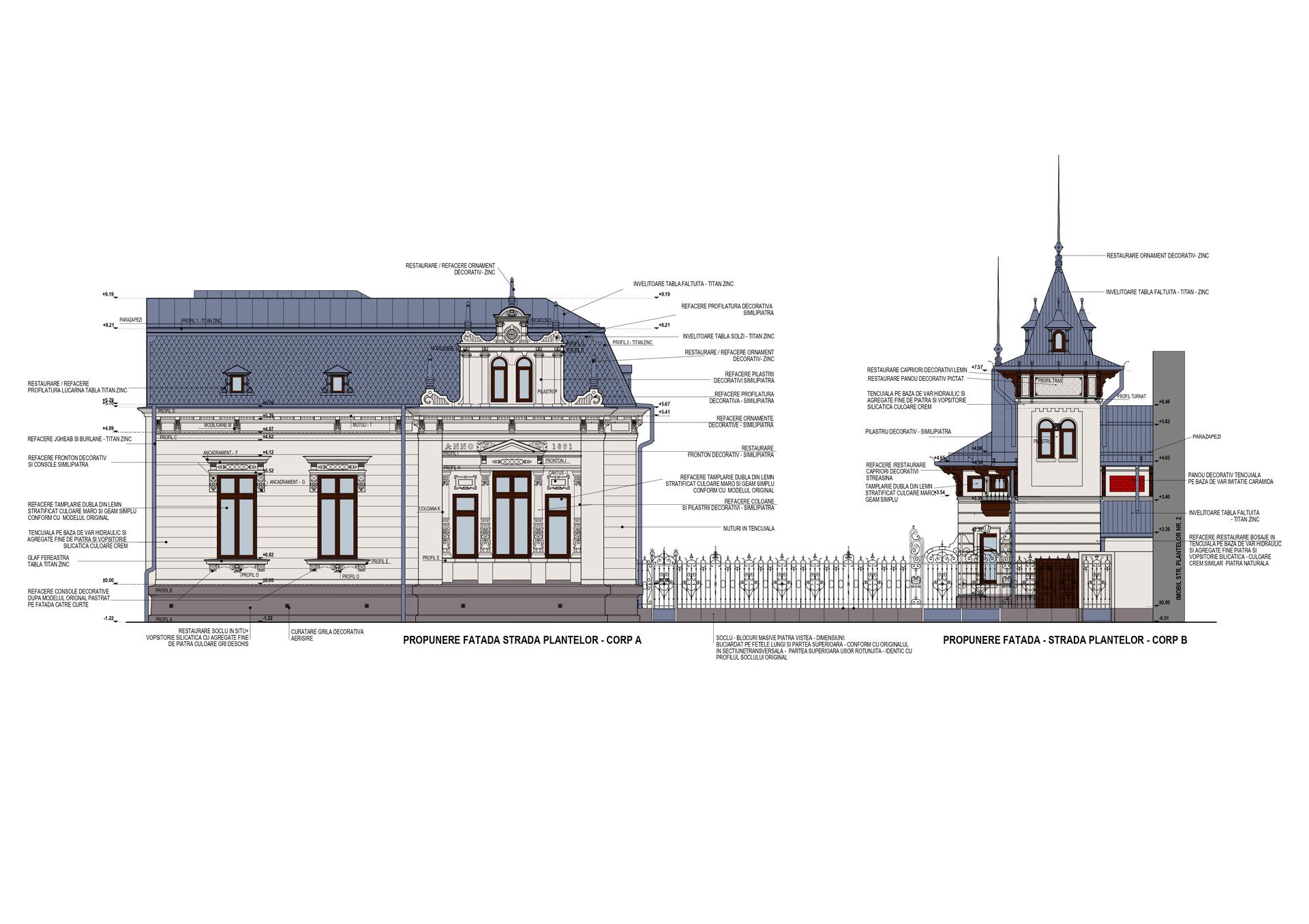
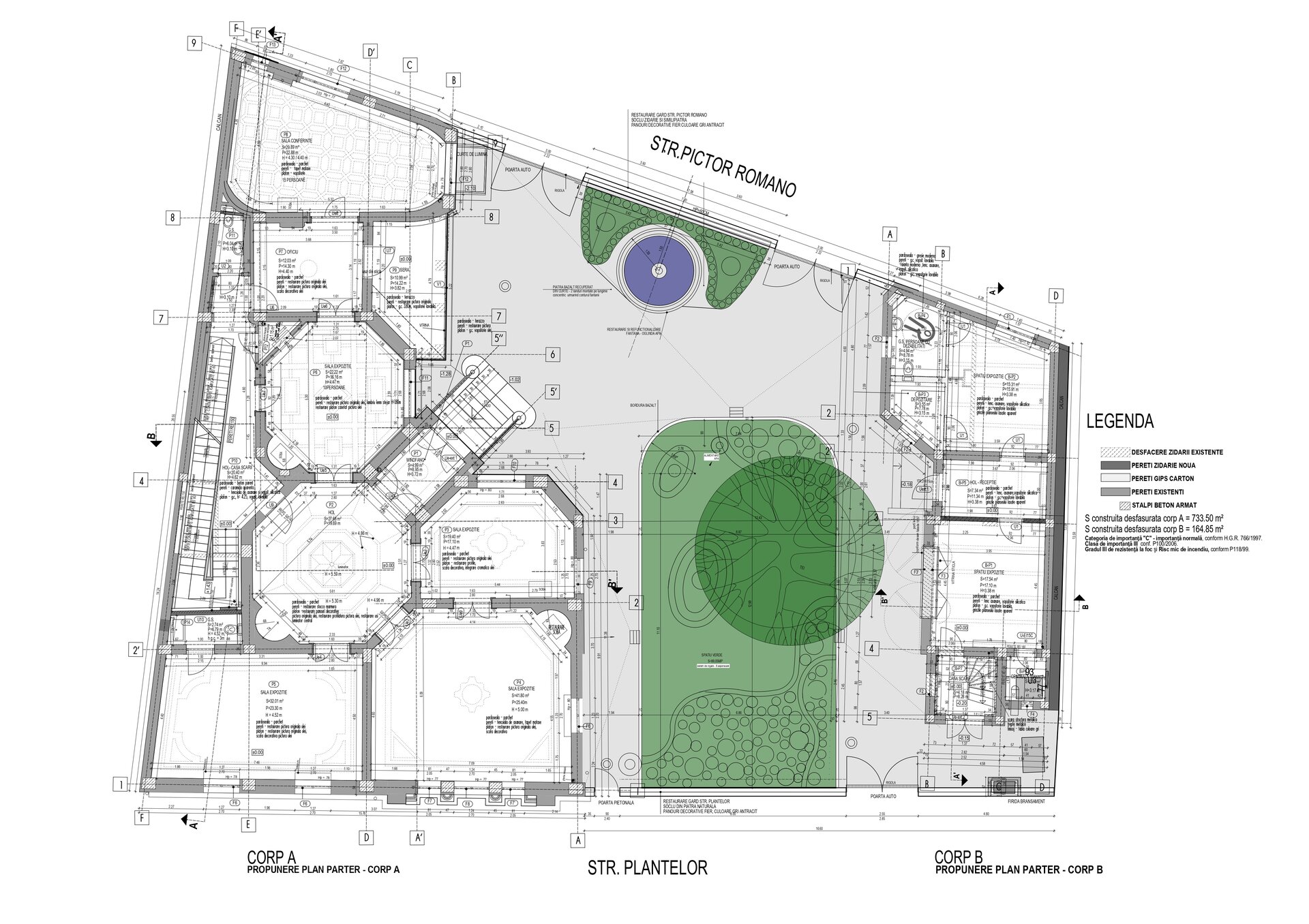
The architectural ensemble in Plantelor St. No. 4 in Bucharest, which belonged to captain Dimitrie Pandele, consists of two buildings and a garden: the former house built in 1891 and the former stable built in 1897. The buildings are part of Protected Area no. 37 – St. Stephen and are classified as a class B historical monument. Since this consolidation and restoration intervention was carried out due to European funds, the building is now open to the public, as a cultural centre. Stylistically, both the exterior and the interior of the two buildings fall within the eclecticism specific to the end of the 19th century. Over time, and especially after the nationalization in the 1950s, the building suffered many improper interventions: on the outside, ocher-colored plasters, the bricked up of the greenhouse, the loss of decorative profiles, gaps and aggressive masonry, and on the inside, abusive partitions, covering with paint of the original decoration of the walls and ceilings, apparent installations, found in an advanced state of decay. According to the technical expertise of resistance, both buildings were placed in the seismic risk class I, requiring delicate consolidation operations: the casting of concrete columns in the thickness of the structural walls and the casting of a concrete floor between the ground floor and first one, the wooden structure of the existing floor remaining the support for the original decorative ceilings. Following the stratigraphic surveys, it turned out that in addition to the two painted ceilings that were degraded but visible, in the other rooms as well, layers of paint hid the original oil painting on both the walls and ceilings. Through the planimetry, the architectural plasticity, the wealth of authentic artistic components that have come to light and the restoration site, we are currently facing a unique and complete architectural object. A whole that, in addition to a typological architecture of the moment, groups together a fan of decorative arts specific to the era, but very rarely preserved as in the present case: the oil paintings signed by the author and the stuccoes of all the ceilings, the oil painting imitating wallpaper of the walls, the painting of the interior doors, the art of stained glass, bronzes, stoves, the art of ironwork highlighted by the entrance awning and the enclosure fences. All facilities have been redone and modernized. The spaces in the basement were enhanced by restoring the existing vaults, and those in the attic were treated in a modern way. Since the original lighting fixtures and furniture were not preserved, it was decided to purchase some contemporary pieces by renowned designers: furniture - Ron Arad, M. Cananzi and R. Semprini, Masanori Umeda, Patricia Urquiola; lighting fixtures - Barrovier-Tosso, Flos. The work carried out constituted a complex operation, which grouped together difficult consolidation techniques and best practices for the restoration of all artistic components, bringing together a wide range of specialized teams: architects, engineers, builders, art restorers. The discovery, consolidation, conservation and restoration of the building in Plantelor St. No. 4 constitutes a beneficial case of recovery of a lesser-known heritage from the architectural and artistic history of Bucharest. All the intervention and restoration operations led to the (re)discovery of an authentic architectural object, which is a testimony of a representative housing model for the middle bourgeoisie at the end of the 19th century.
Architecture and Heritage

- The Restoration of the church in Pătrăuți (UNESCO)
- House for a collection
- The Restoration of Secu Monastery
- A house in Cotroceni
- The Old School in Tohani
- Restoration and extension of a house in Tugomir Voievod St., Bucharest
- Rosenthal House
- Rehabilitation, change of function, interior and exterior design for Restaurant Parc
- The recovery of the architectural ensemble in Plantelor St. No. 4, Bucharest
- Little garden house
- ALEXE 2-4-19


