Oneheadlight
Authors’ Comment
ONE Headlight
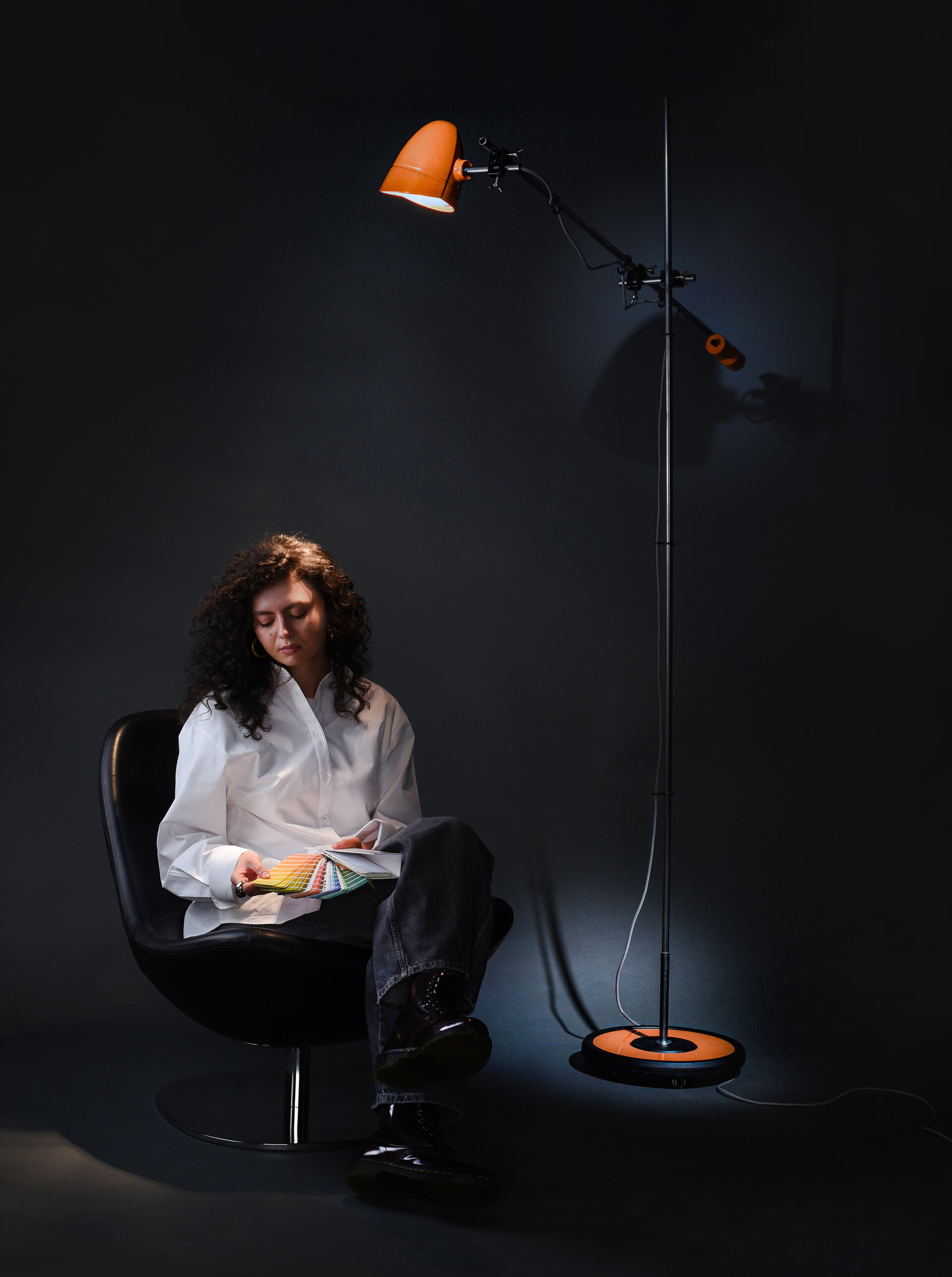
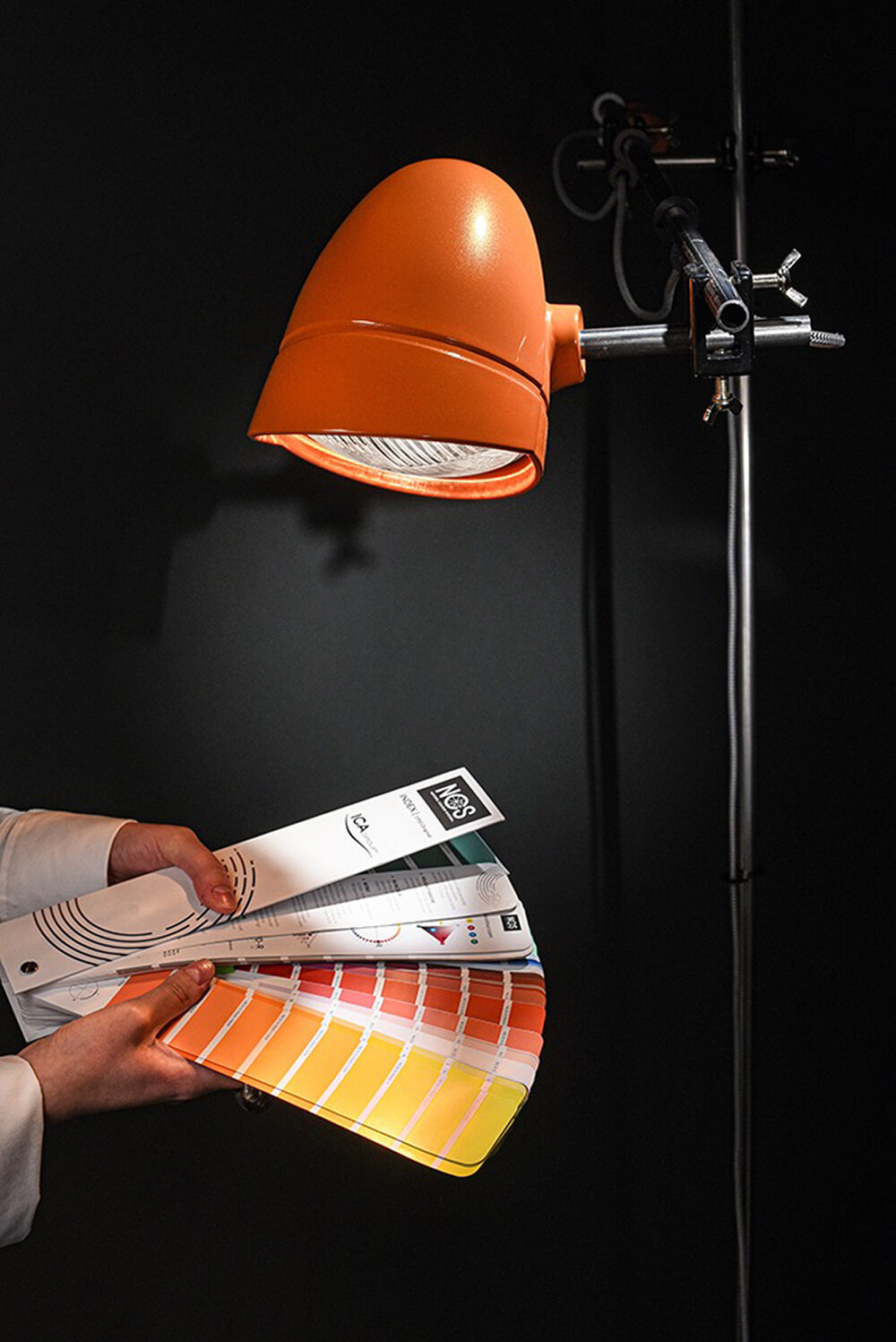
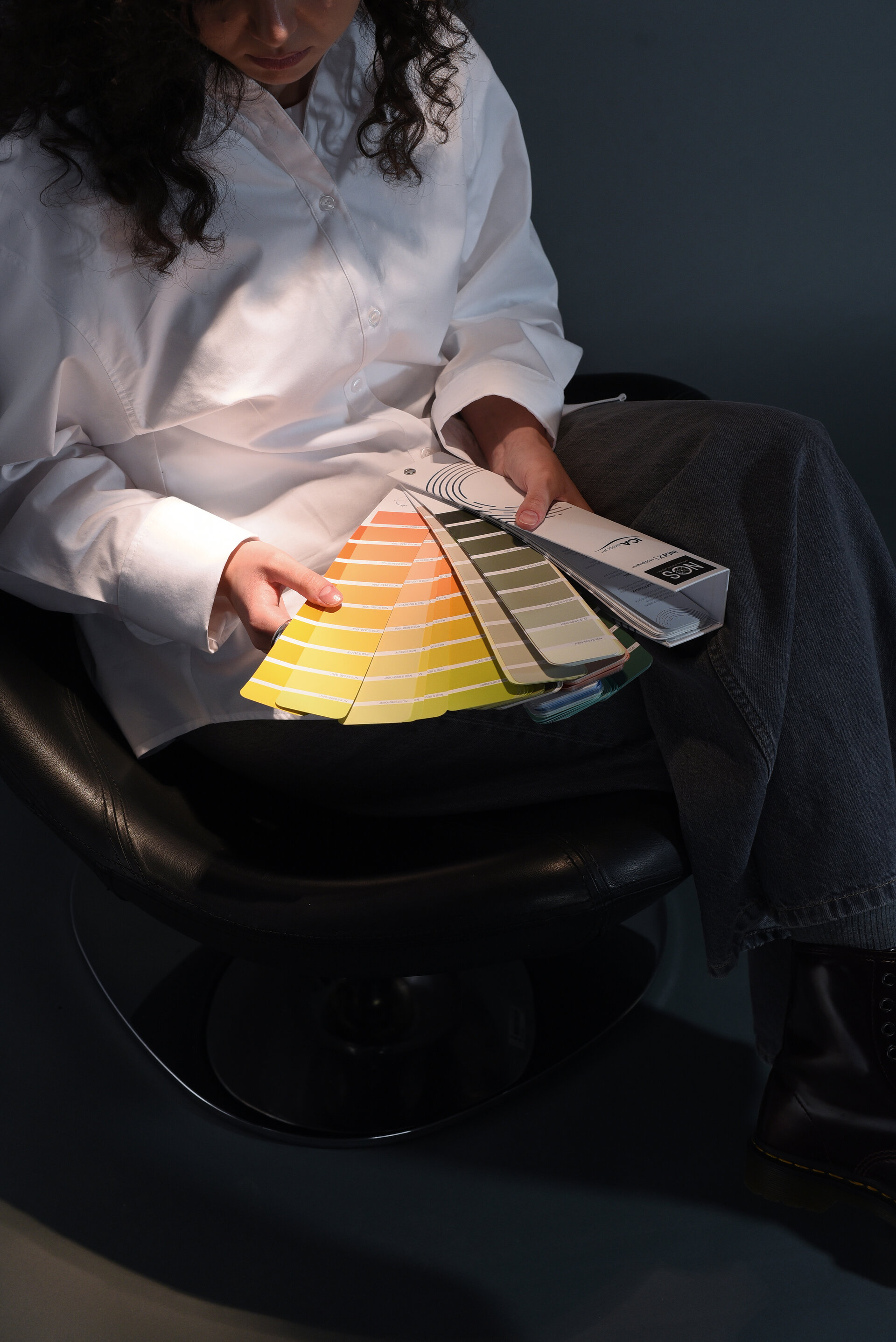
A desk lamp intended for local lighting in the fields of architecture and design must be considered a lamp with a special application. Proper lighting plays a crucial role when comparing material samples or palettes, where accurate color rendering is critical.
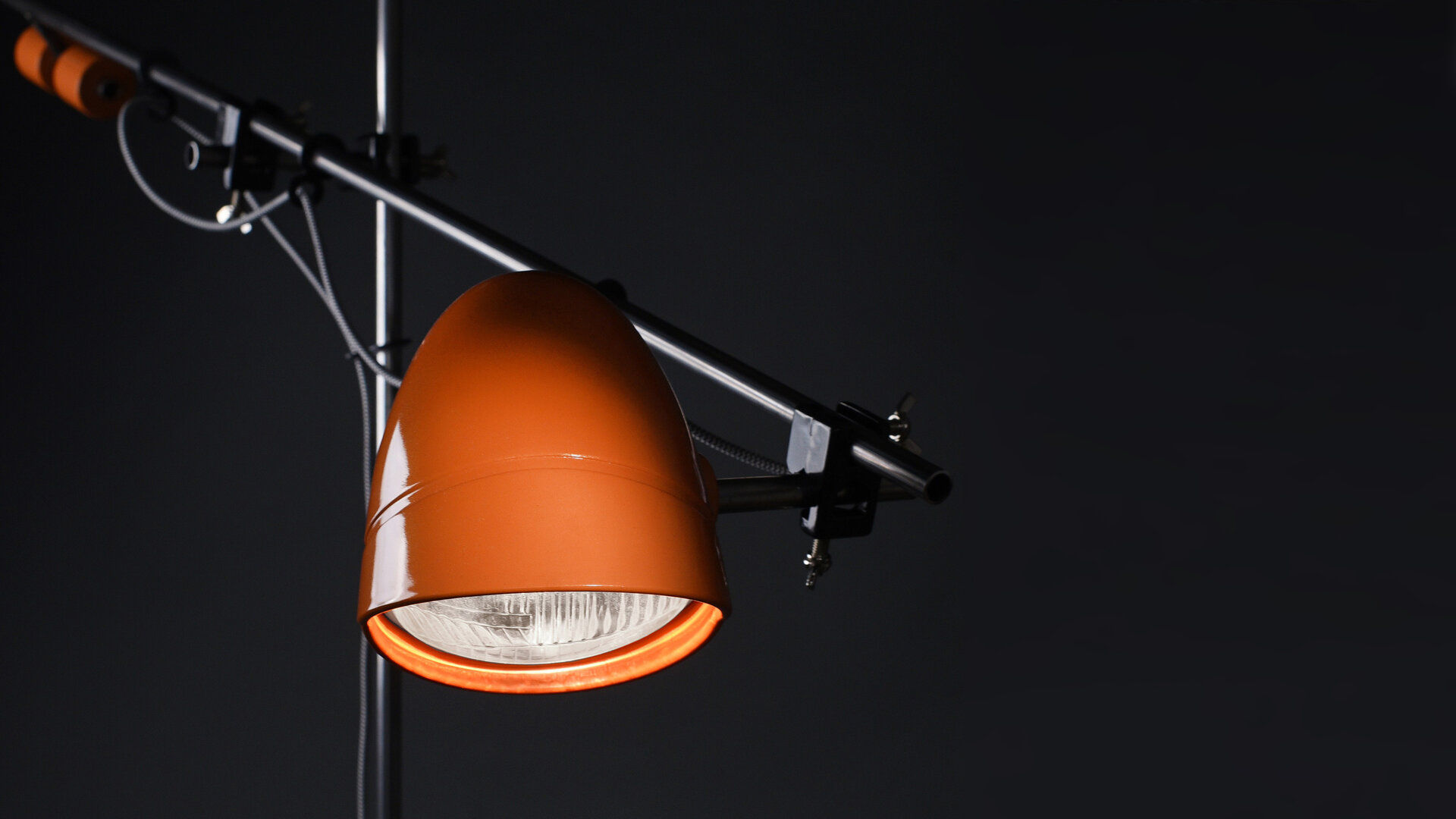
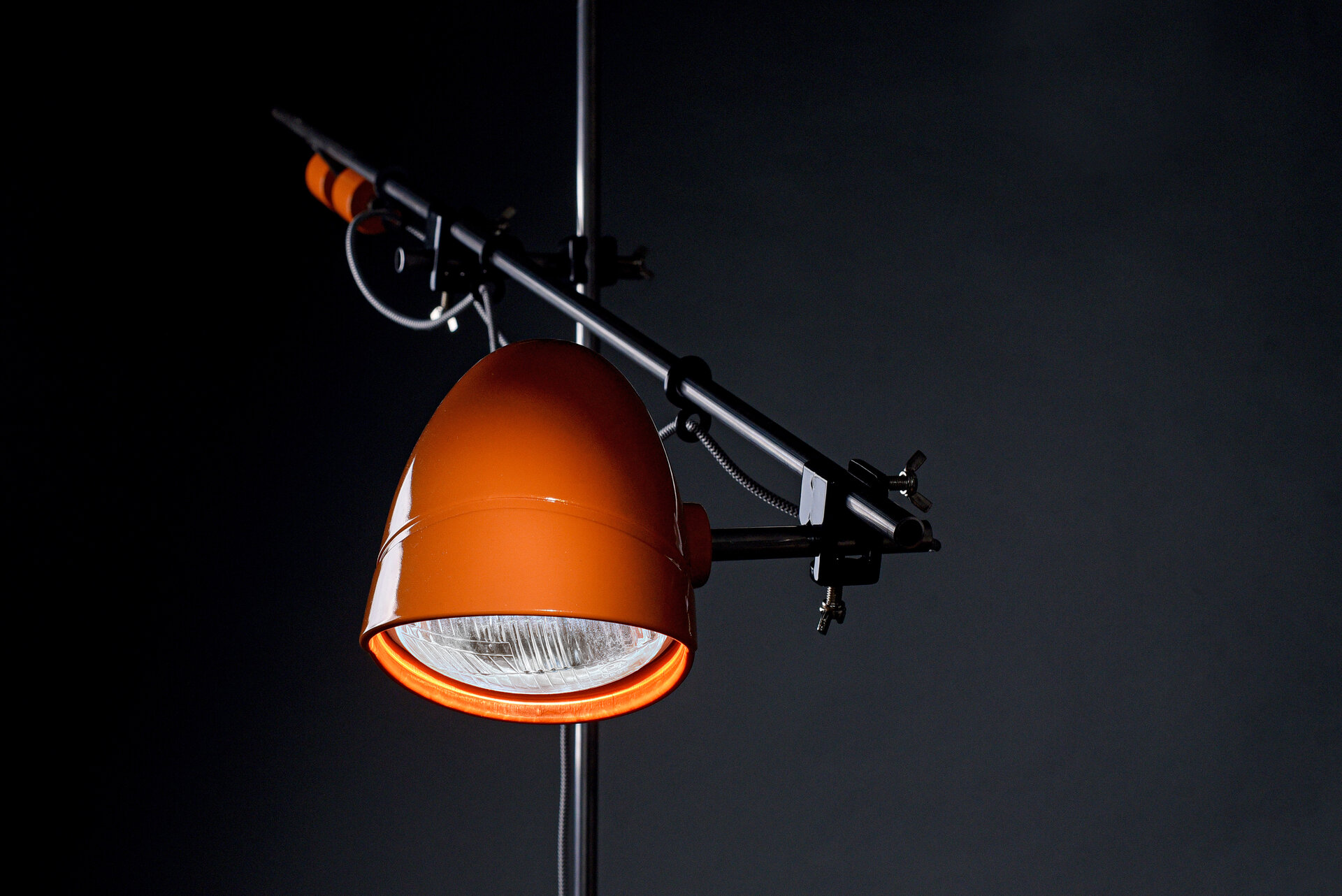
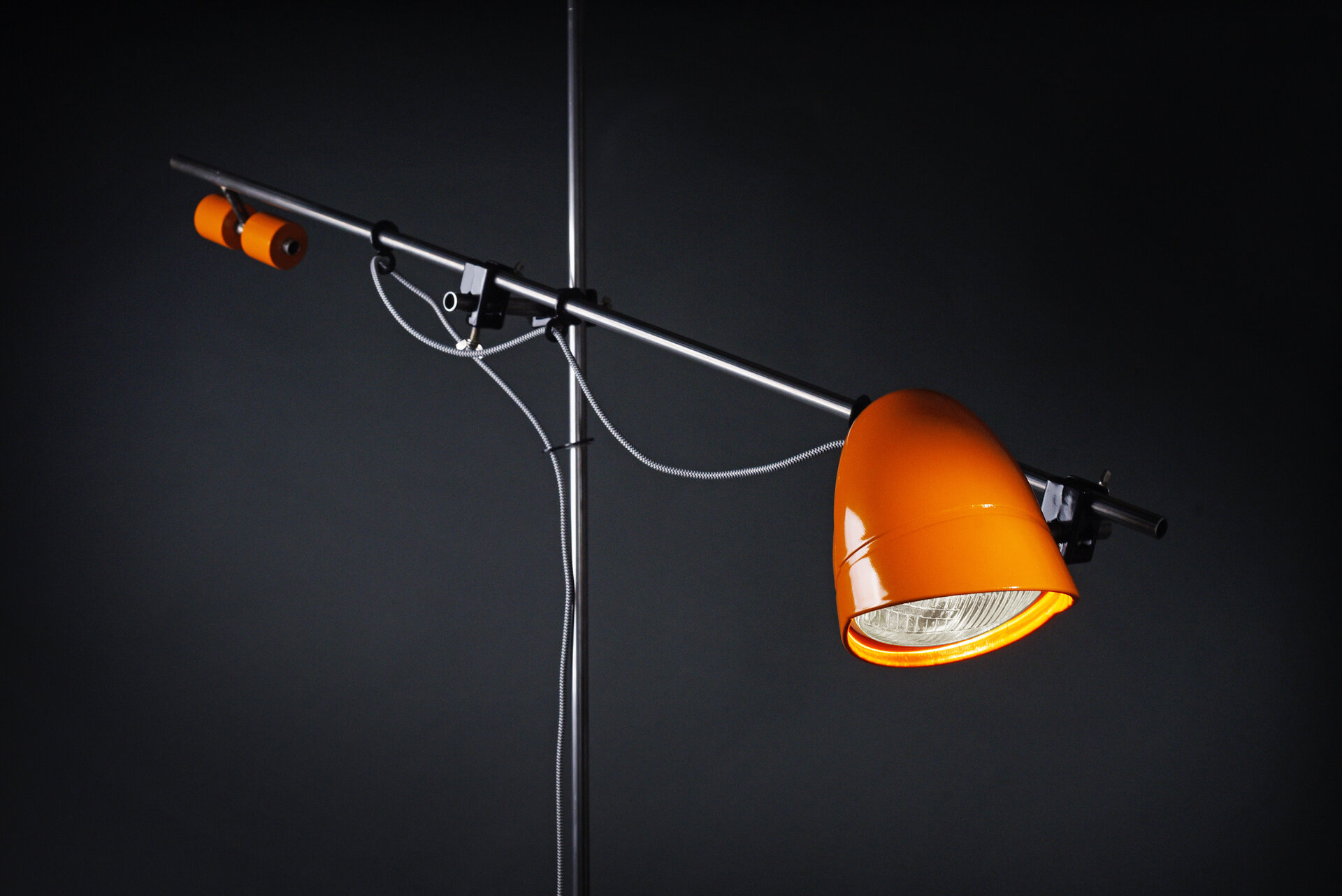
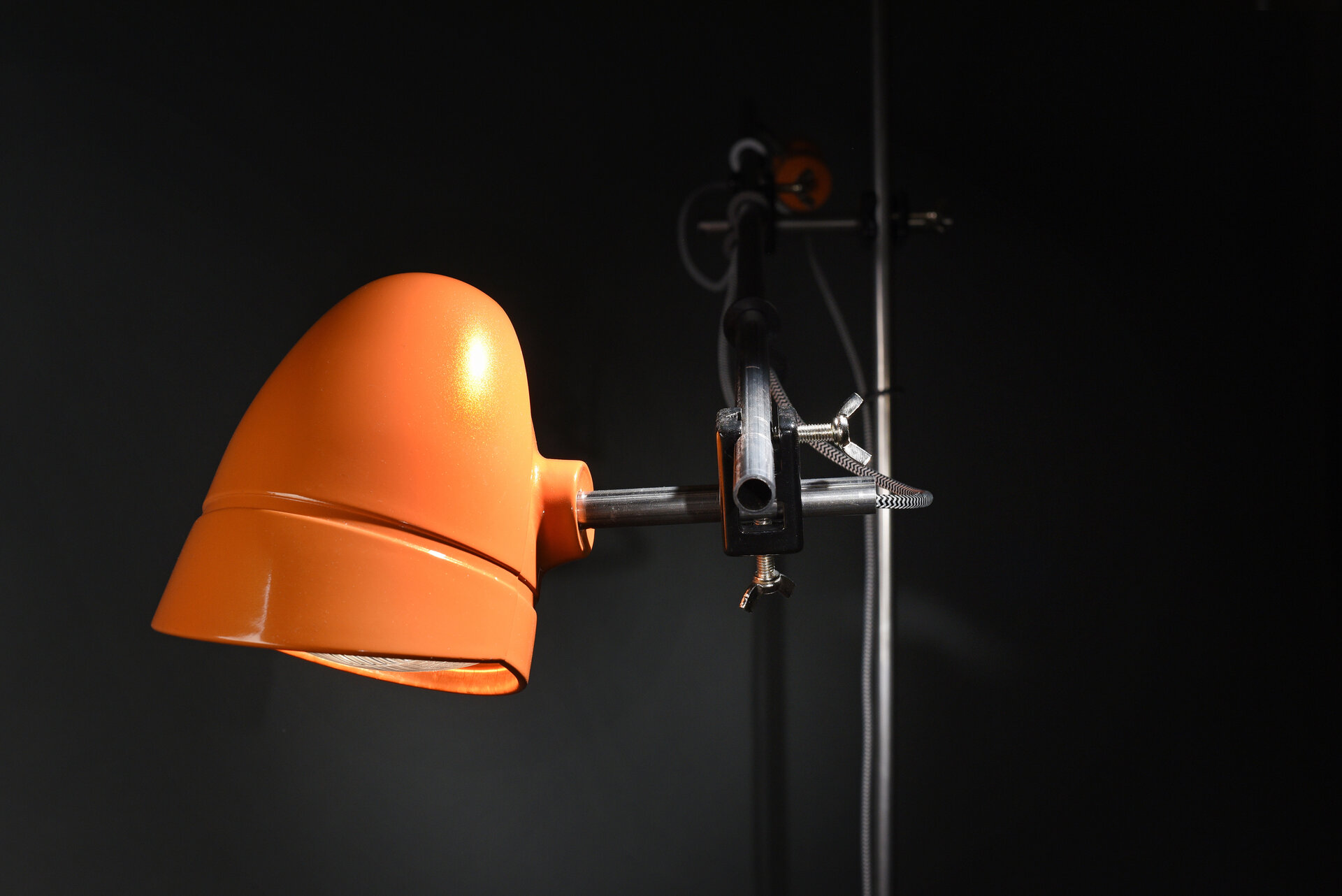
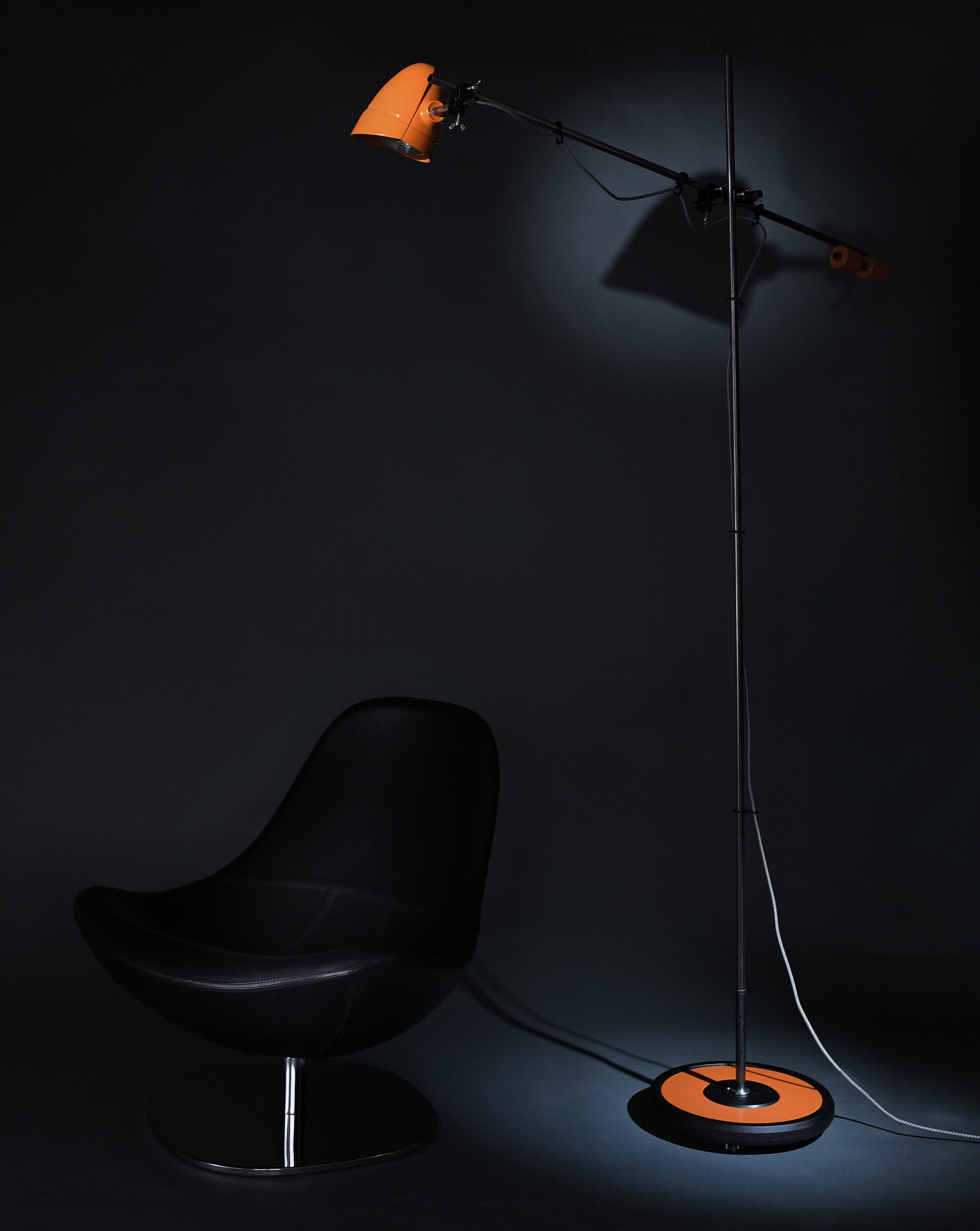
ONE Headlight is an example of an assembly, the idea being to create a lamp using minimally modified, already available components. These components are not concealed but are clearly presented in the resulting object. The right-side headlight of the UTB U-445 tractor is the main element, its shape being altered only in the mounting area.
But this is not just about a lamp.
Legislation regarding the use and commercialization of incandescent bulbs was implemented primarily to reduce energy consumption and greenhouse gas emissions, encouraging the transition to more efficient lighting sources.
The Ecodesign Directive (2009/125/EC) set minimum energy efficiency requirements for energy-consuming products, including light bulbs. Starting in 2009, a phased plan was implemented to eliminate inefficient incandescent bulbs, culminating in 2012 with the ban on their sale for general use. The Color Rendering Index (CRI) of an incandescent bulb is 100, which is the highest possible value on the CRI scale. This means that incandescent sources render the colors of objects with very high fidelity, similar to natural light.
There are ways to circumvent the legislation, as shown in the example of ONE Headlight. However, this solution is not desirable, requiring low-voltage power supplies or the use of high-power lamps designed for stage lighting or signaling, where the color temperature is too low.
The logical alternative would obviously be the possibility of equipping lighting fixtures with incandescent sources that have a long lifespan and can be connected directly to the power grid.
In this context, the discussion should shift from energy savings to user responsibility.
According to Regulation (EU) 2019/2020, taking into account Directive 2009/125/EC of the European Parliament and the Council establishing eco-design requirements for energy-related products—particularly Article 15(1)—the Commission established eco-design requirements for lighting products in Regulations (EC) No 244/2009, (EC) No 245/2009, and (EU) No 1194/2012, which should be reviewed in light of technological progress.
Exemptions from the requirements set out in this regulation should be provided for light sources with special technical characteristics for specific uses, including those related to health and safety, for which no more energy-efficient alternatives are available or economically feasible.
The regulations do not apply to:
(c) light sources … in products that operate on batteries, … including flashlights, mobile phones, toys …, desk lamps that work only on batteries, arm lamps for cyclists, solar-powered garden lamps, etc.;
(m) low-voltage … halogen light sources … with a luminous flux > 12,000 lm, … used for stage lighting in film studios, TV studios, and photographic studios or for stage lighting in theaters, discos, and during concerts or other events;
Object Design