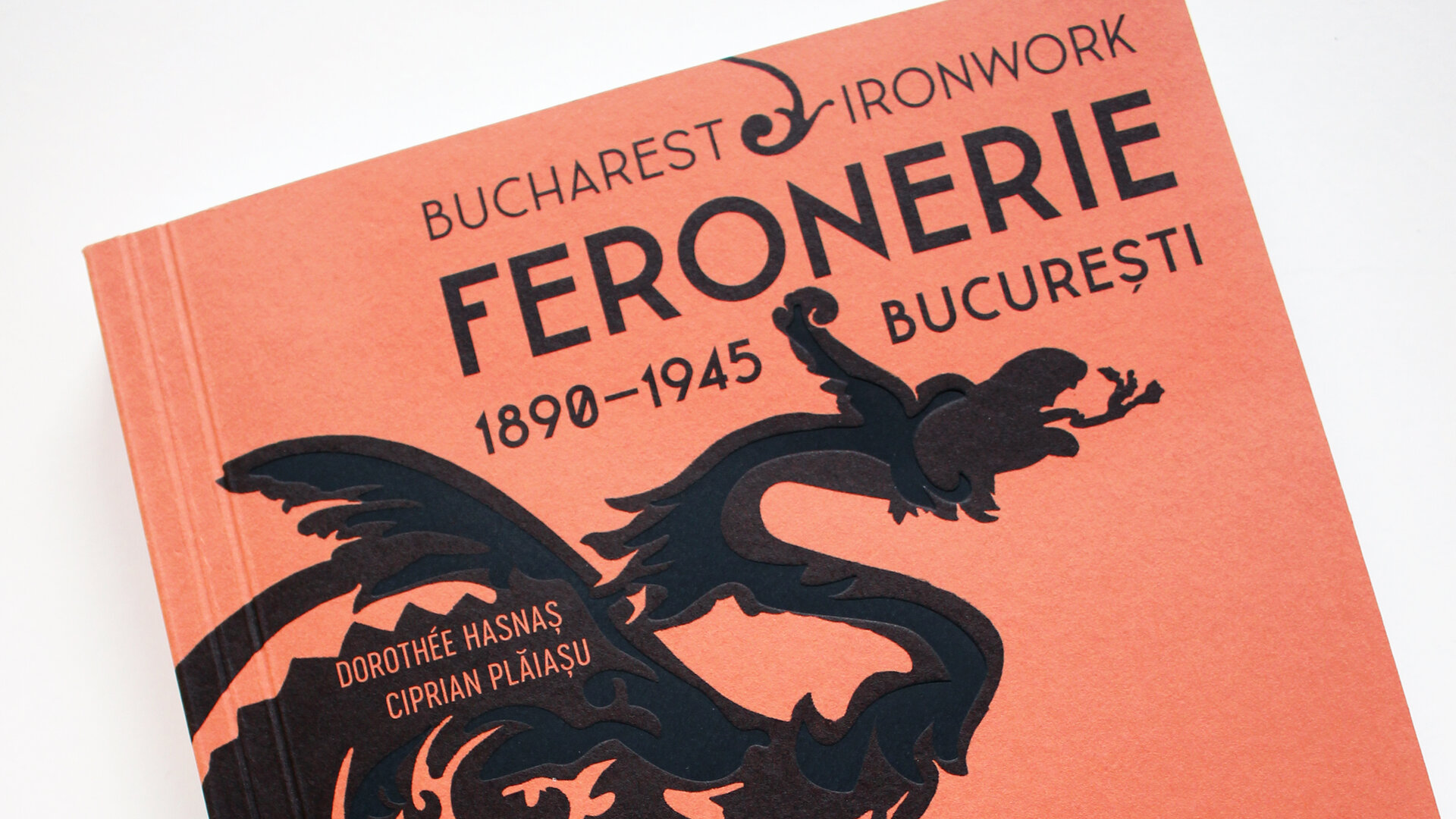
- Nomination for the “Research through Architecture / Architecture Books” section
Ironwork. Bucharest 1890-1945
Authors’ Comment
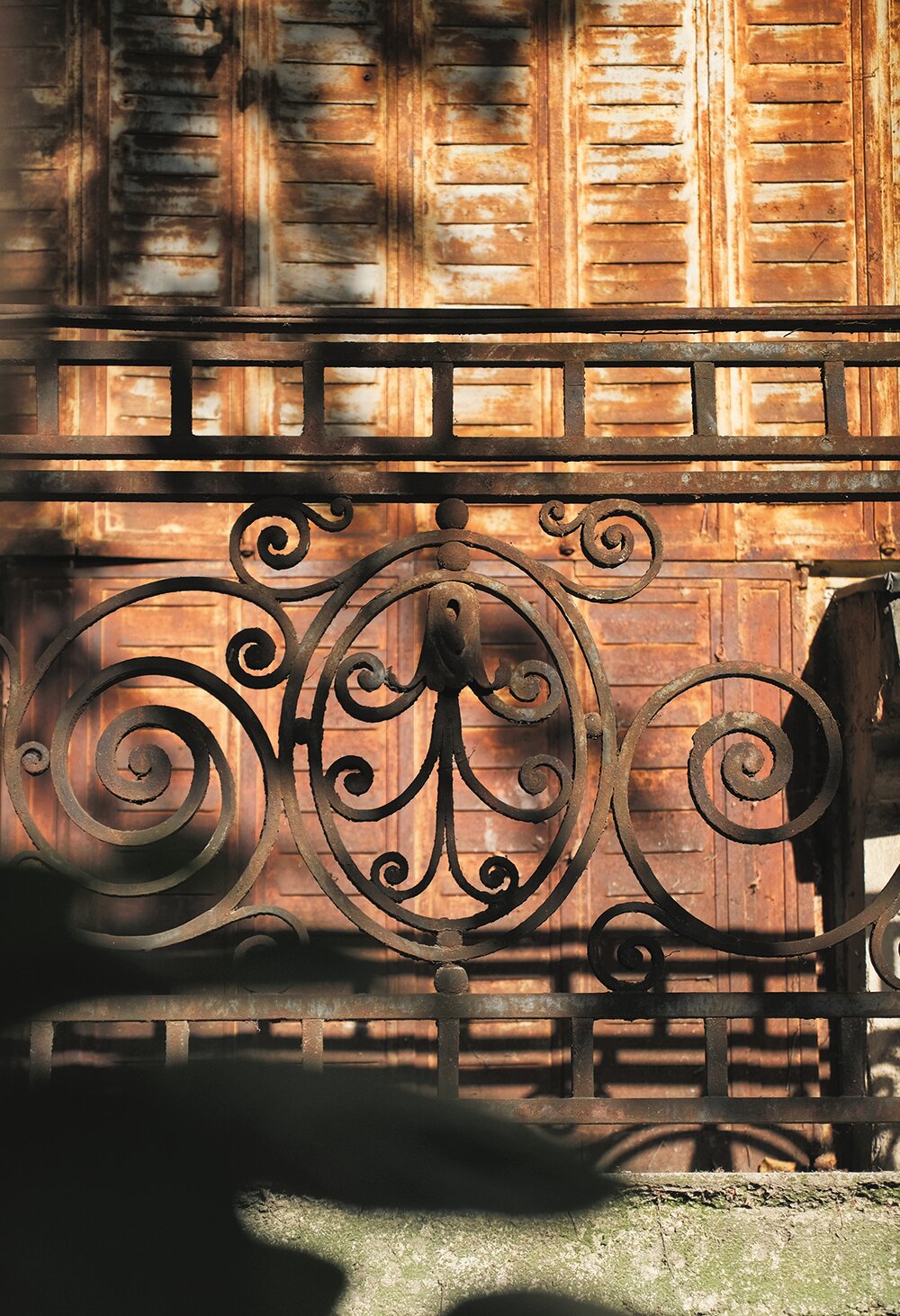
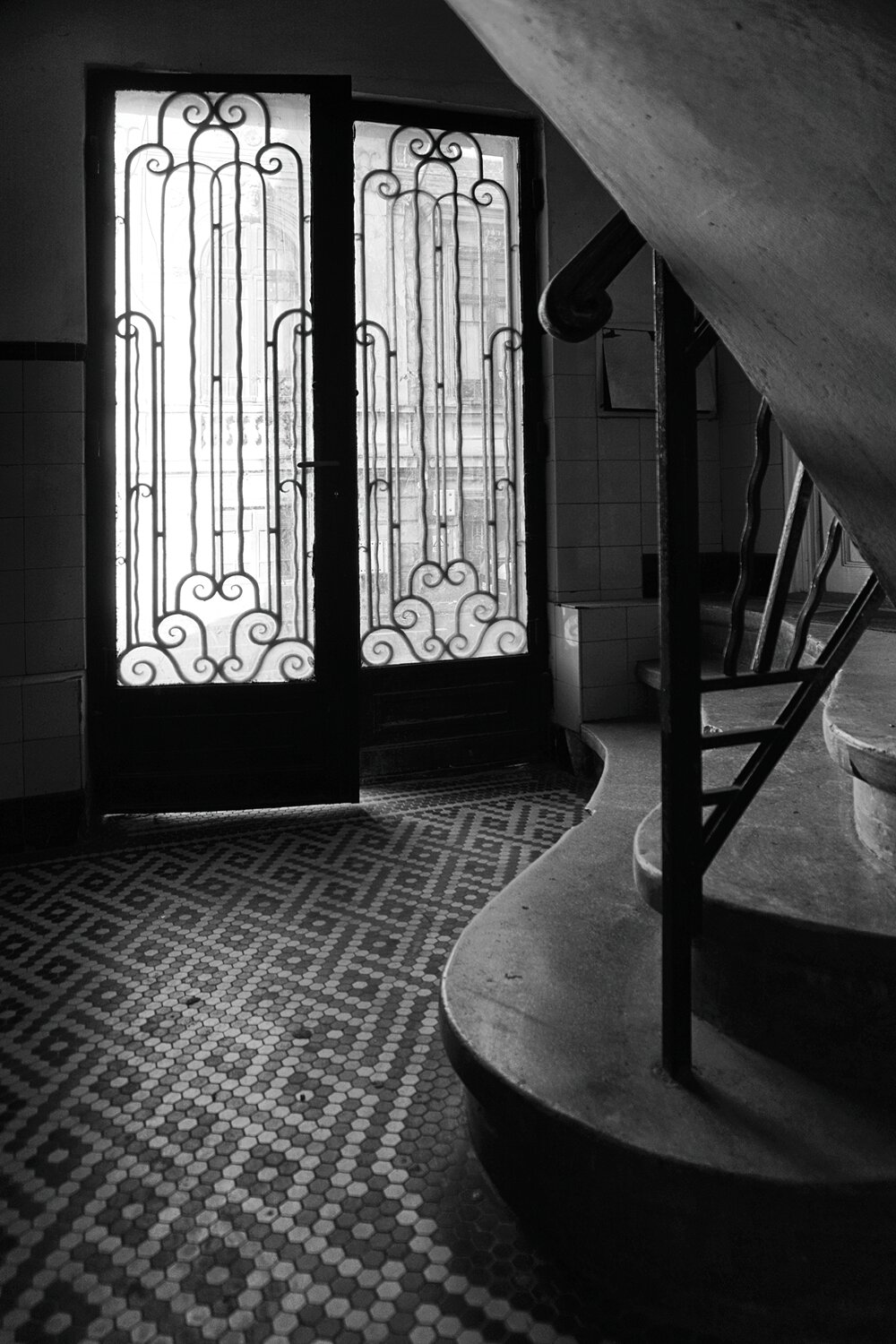
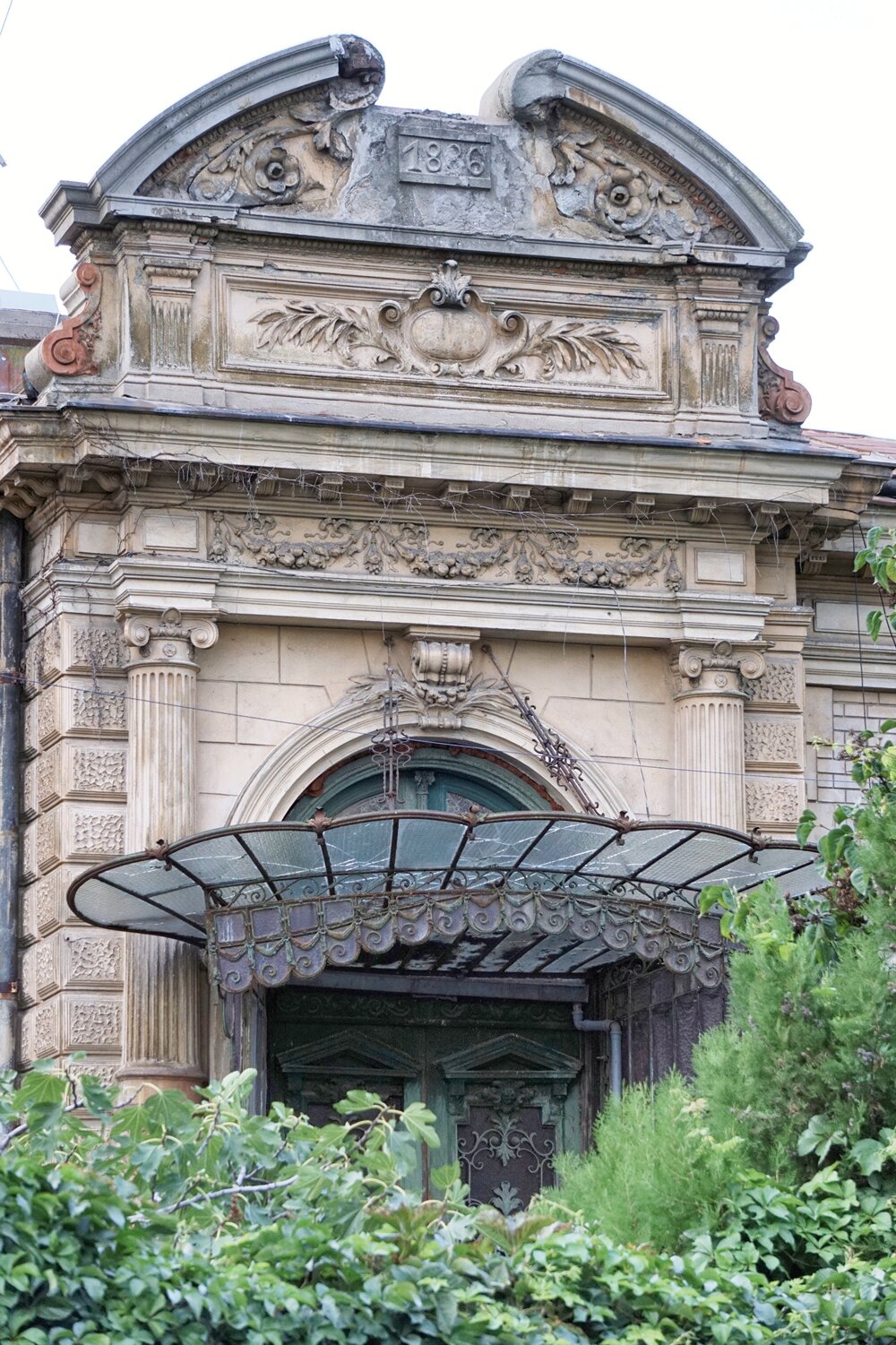
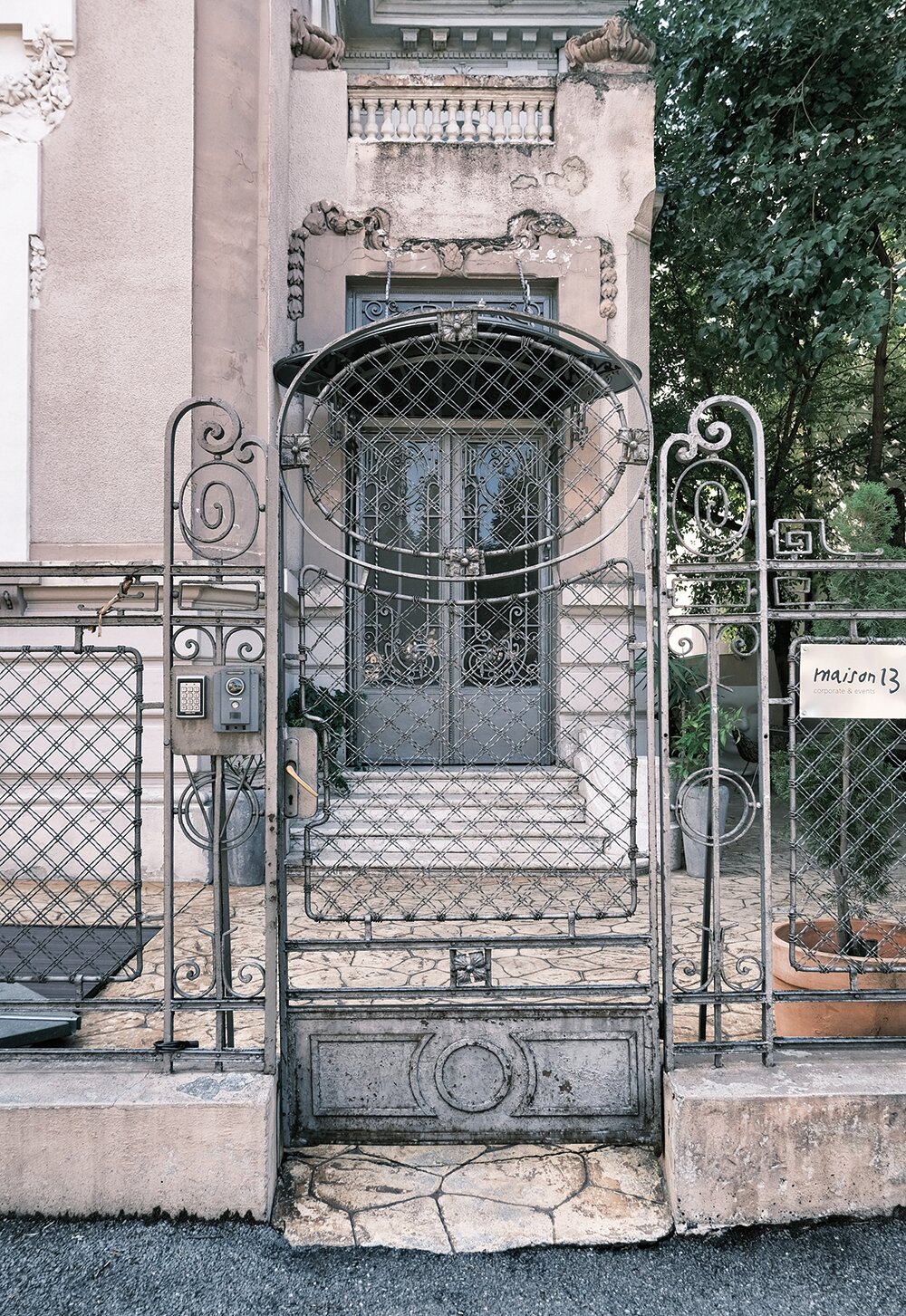
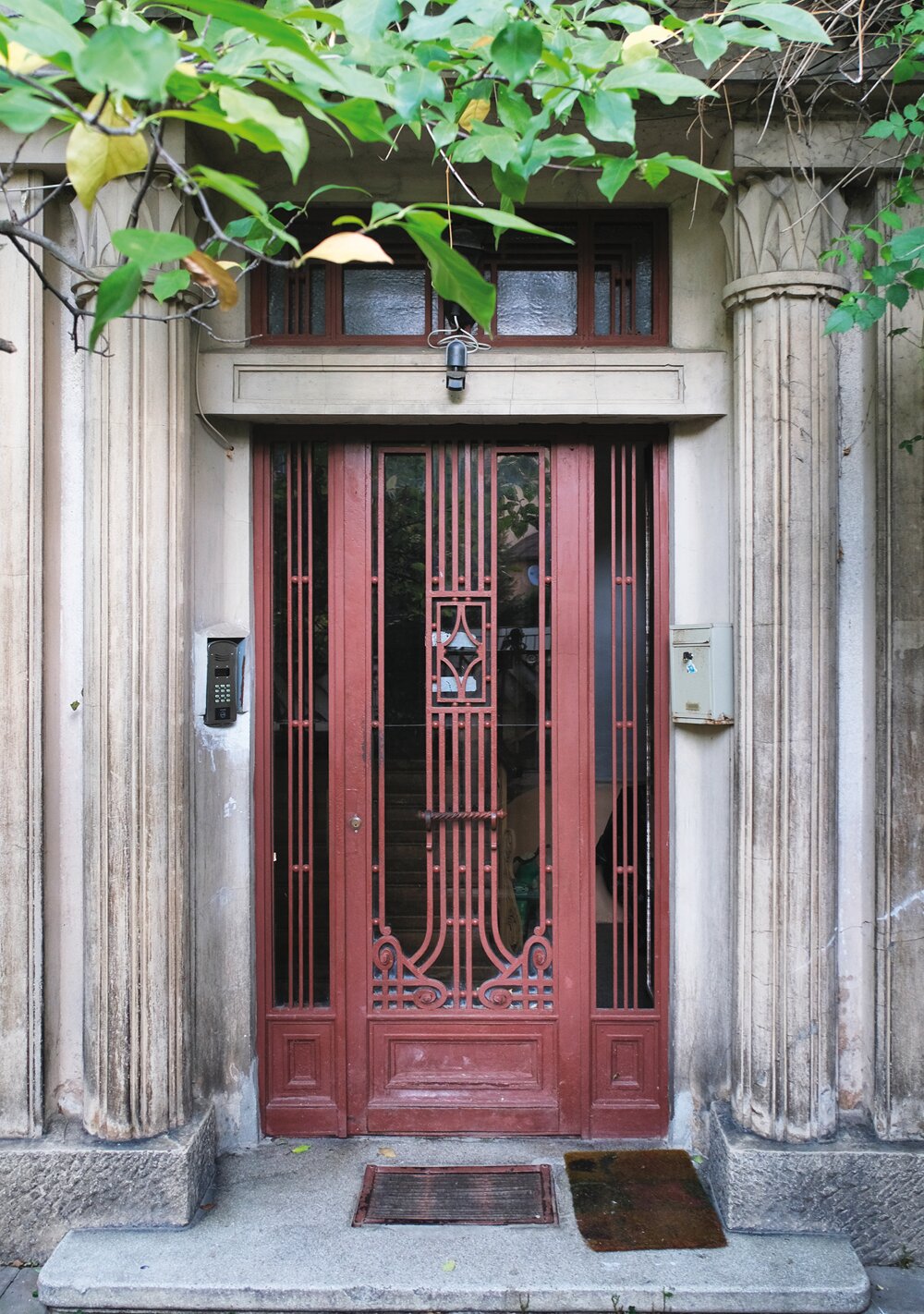
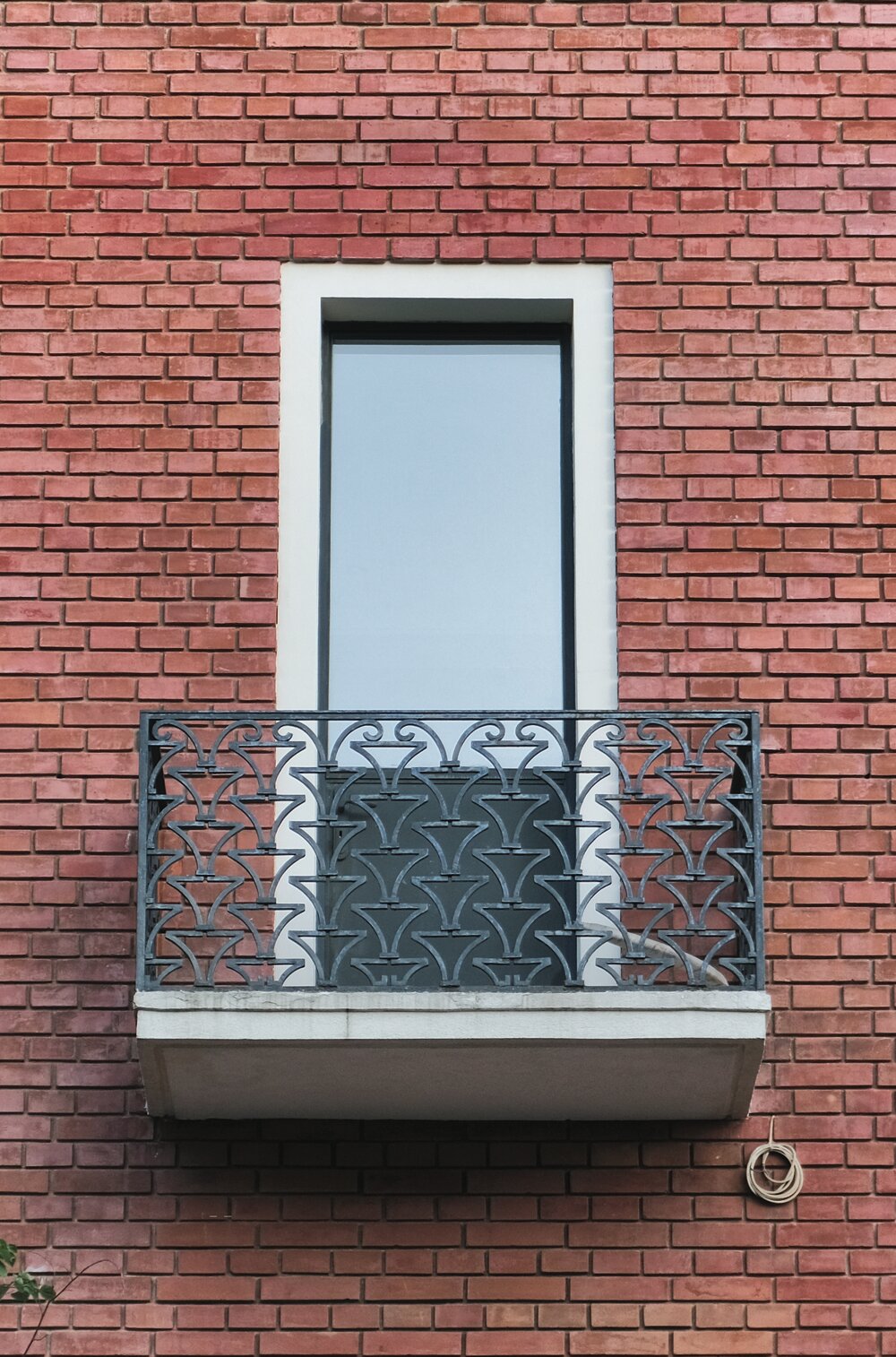
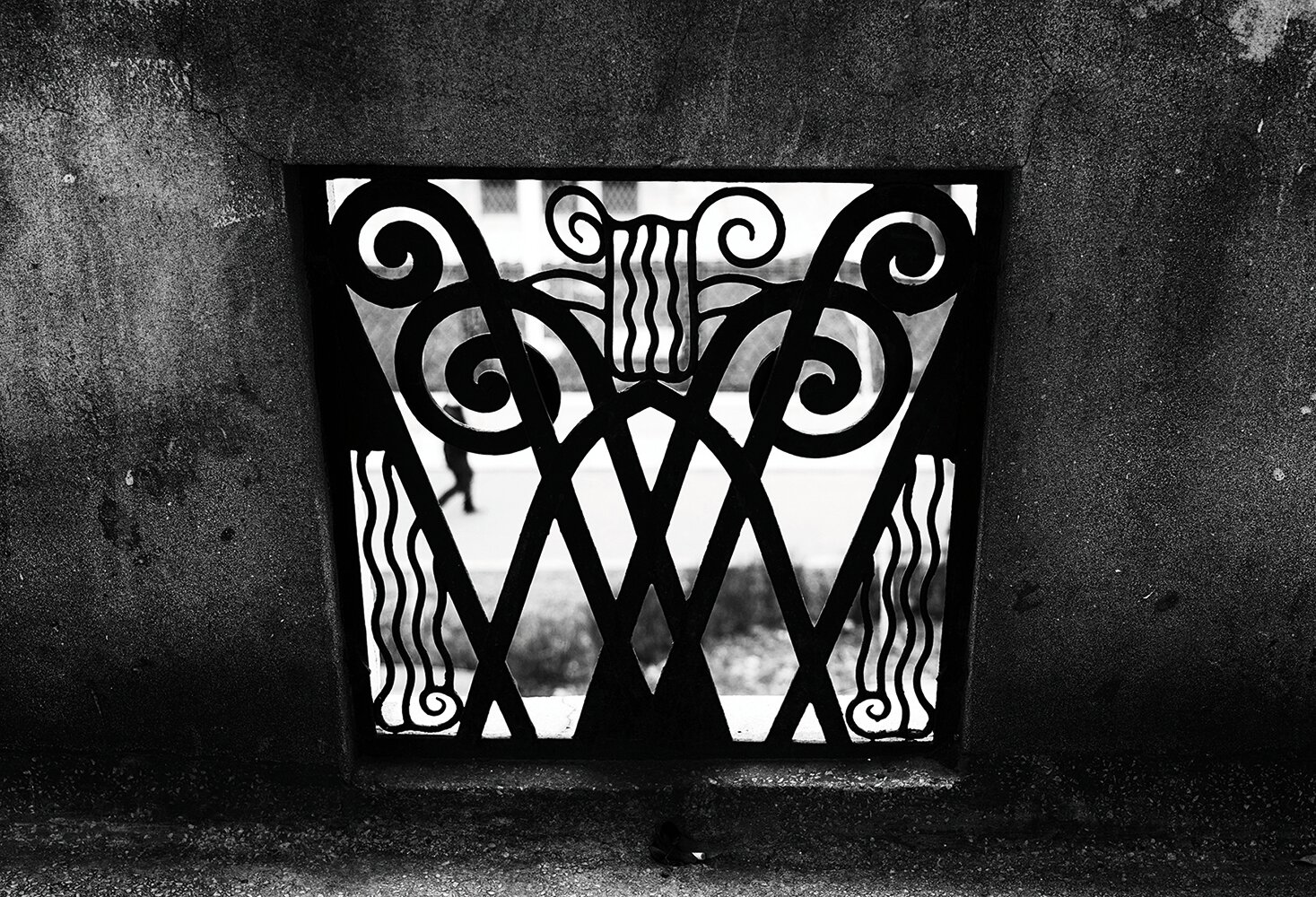
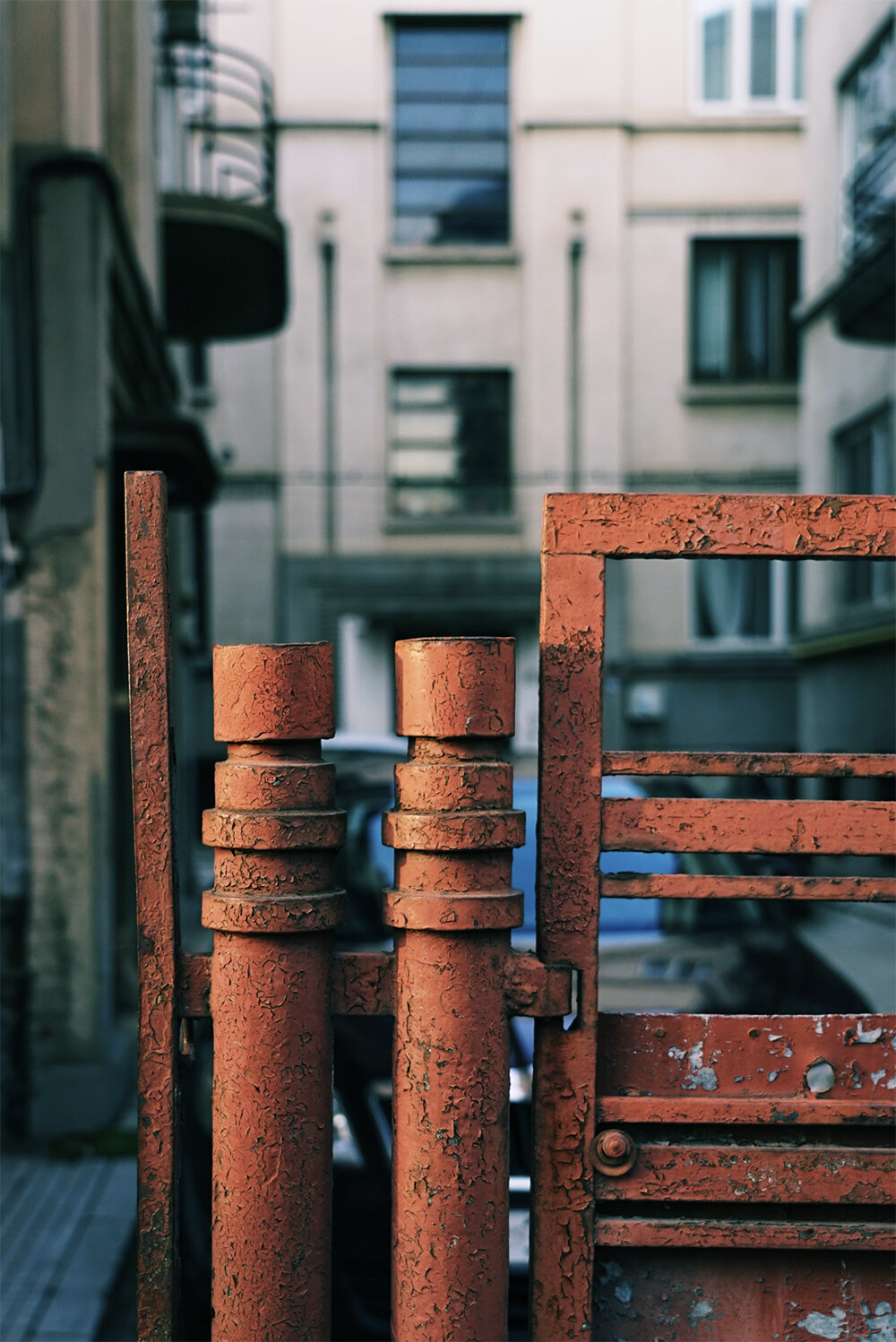
Ironwork. Bucharest 1890–1945 offers a thoughtful and sensitive perspective on a detail often overlooked: decorative ironwork. In a city constantly evolving—between the elegant echoes of the Belle Époque and the clean lines of interwar modernism—this book examines how railings, balconies, and gates discreetly but decisively shaped Bucharest’s identity.
More than a simple stylistic survey, the book recovers stories of craftsmen, workshops, and European influences creatively adapted to the local context. We discover how the same skilled hands produced works for aristocratic villas as well as for functionalist apartment blocks, always maintaining a balance between expressiveness and precision.
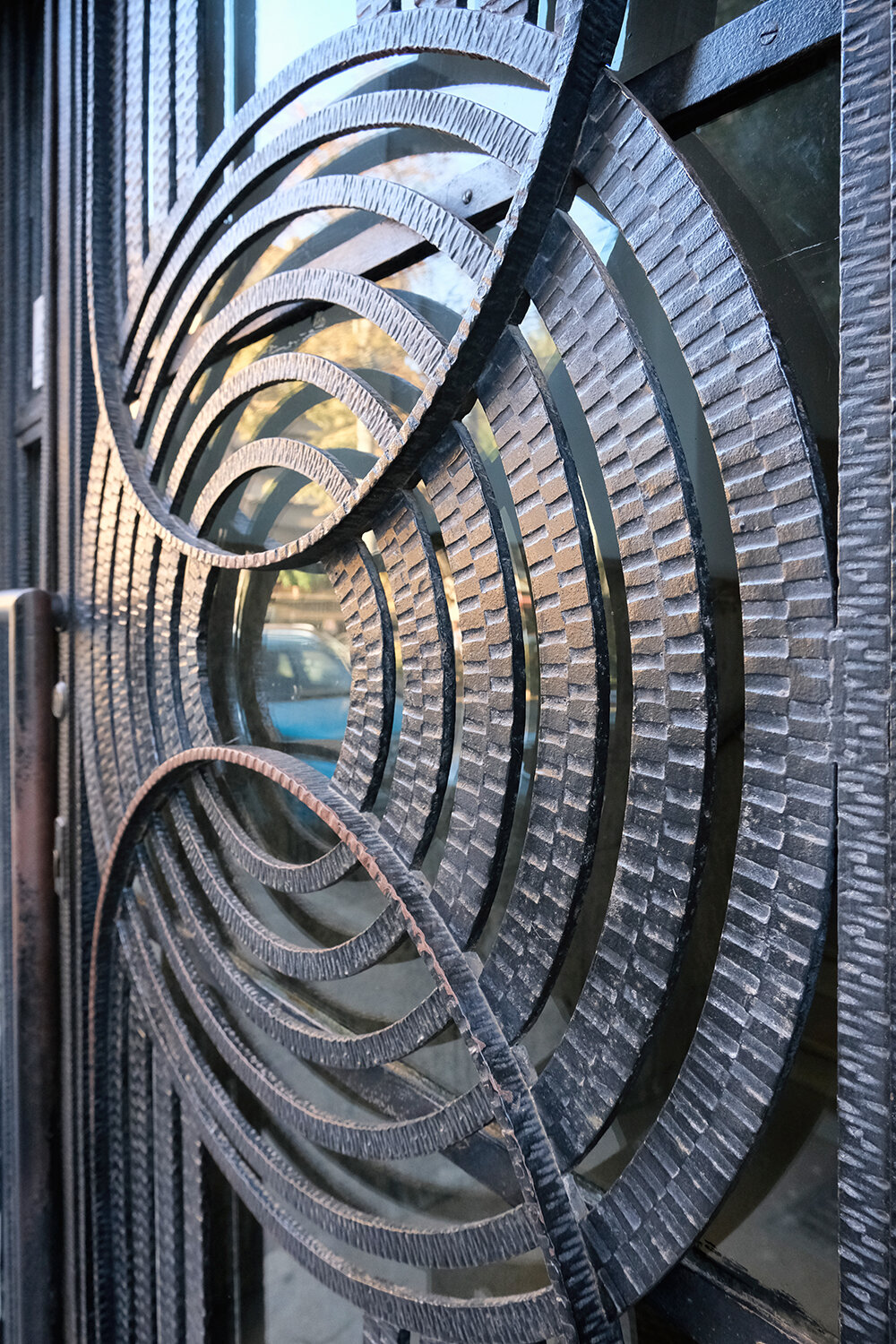
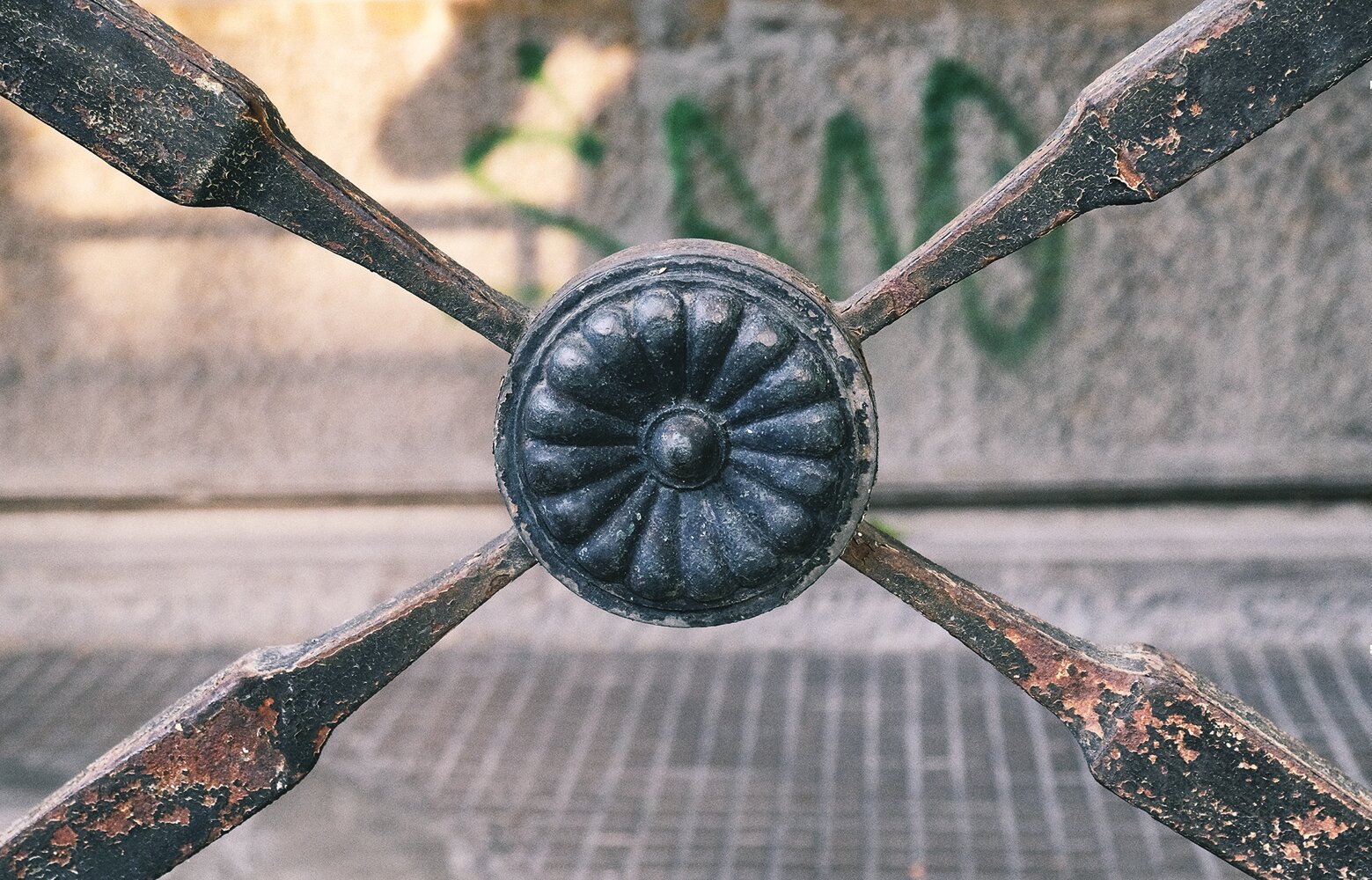
With over 120 images and a proposed guided tour of Polonă Street—selected for the stylistic eclecticism of its buildings and, by extension, their ironwork—the volume becomes not just an architectural study, but an invitation to observe and rediscover the city. It offers a new way of seeing Bucharest—through wrought iron that silently tells the stories of an era.
This book is a plea for the preservation and understanding of Bucharest’s architectural heritage—a city whose identity is shaped by overlapping styles, aspirations, and layers of history. The buildings constructed between 1890 and 1945, with their carefully crafted details, reflect a unique relationship between client and builder, specific to a society that preceded the changes brought by the communist regime. At that time, each house or building was an expression of the owner’s personality and ambitions, and this direct connection ensured a natural harmony between function, style, and craftsmanship.
Before the war, Bucharest’s construction and craft industries were well developed, supported by a network of specialized workshops and manufactories offering serially produced ornaments tailored to every architectural style. Decorative ironwork, in particular, was a remarkable example of craftsmanship—blending functionality with aesthetics. Dragons, suns, vegetal garlands, or lightning bolts—all these elements were mass-produced and featured in workshop catalogs, yet executed with such quality and finesse that they became true works of art. These details give identity to buildings and, by extension, to the streets and neighborhoods they shape.
Architecture Books

- Conversions. A Laboratory-Book
- Beyond Norms. Non-standard dwellings in Communist Romania
- Ironwork. Bucharest 1890-1945
- The connection of the healing architecture. The hospital built by Dăruiește Viață
- Beyond Perimeter: 12 Complementary Pedagogies for a Sustainable Architecture
- Landscape blog 2014 - 2019. LE:NOTRE news
- The dual element water and the inclusion in architectural programs in the first half of the 20th century
- Digital architecture history of the first half of the 20th century in Europe, Second revised edition
- Individual All-Around
- Aldo Rossi – A Critical Inquiry “Call Me Aldo.”
- The crumbling of the faces of the fortress. Busts from Bucharest
- The Oltenian Tower Houses. Potential Landmarks of the UNESCO World Heritage
- Visual Archives
- Block of flats: E. Botez, S. Baloșin, H. Delavrancea-Gibory, M. Maller, T. Niga
- 1000


