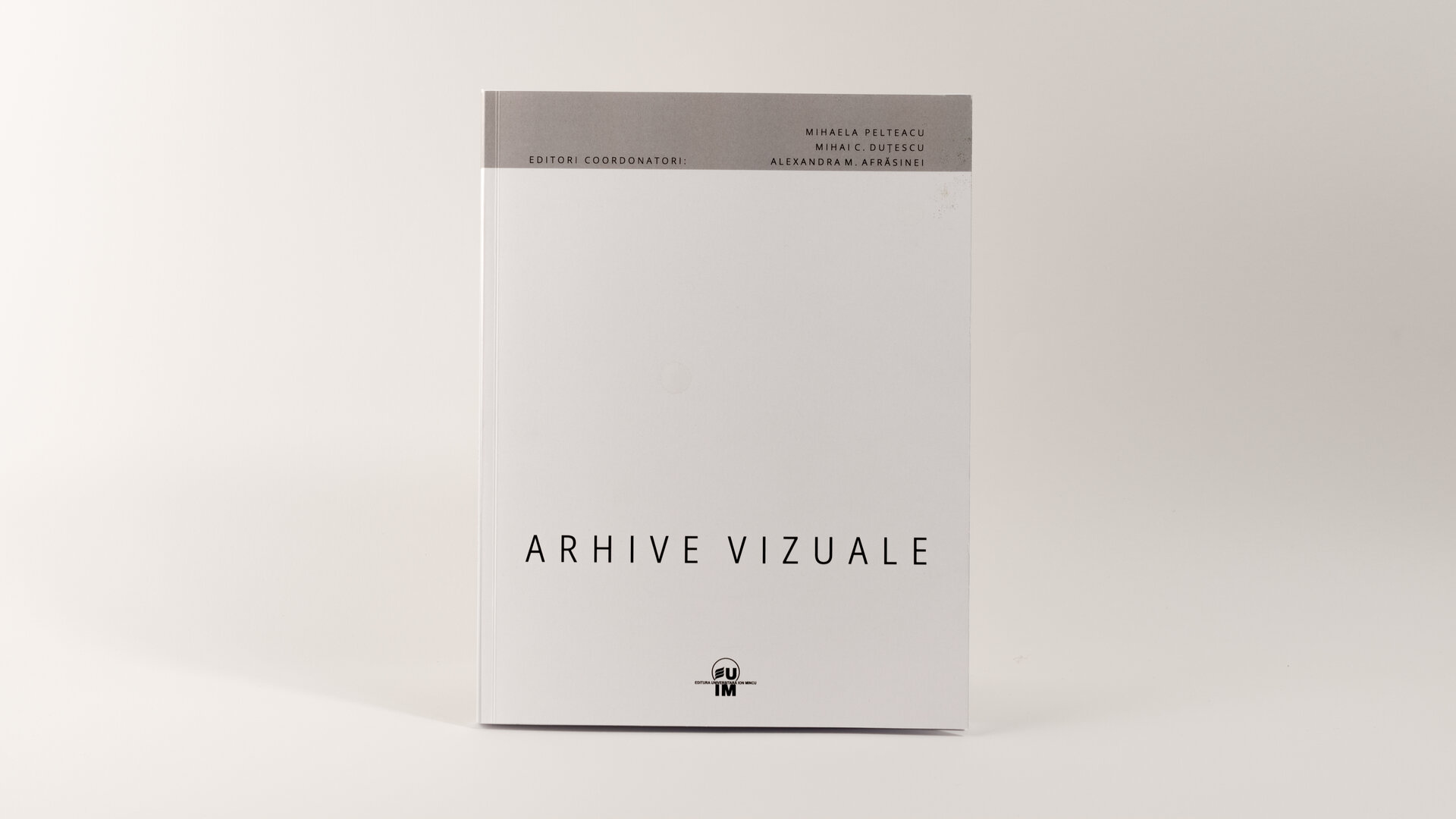
Visual Archives
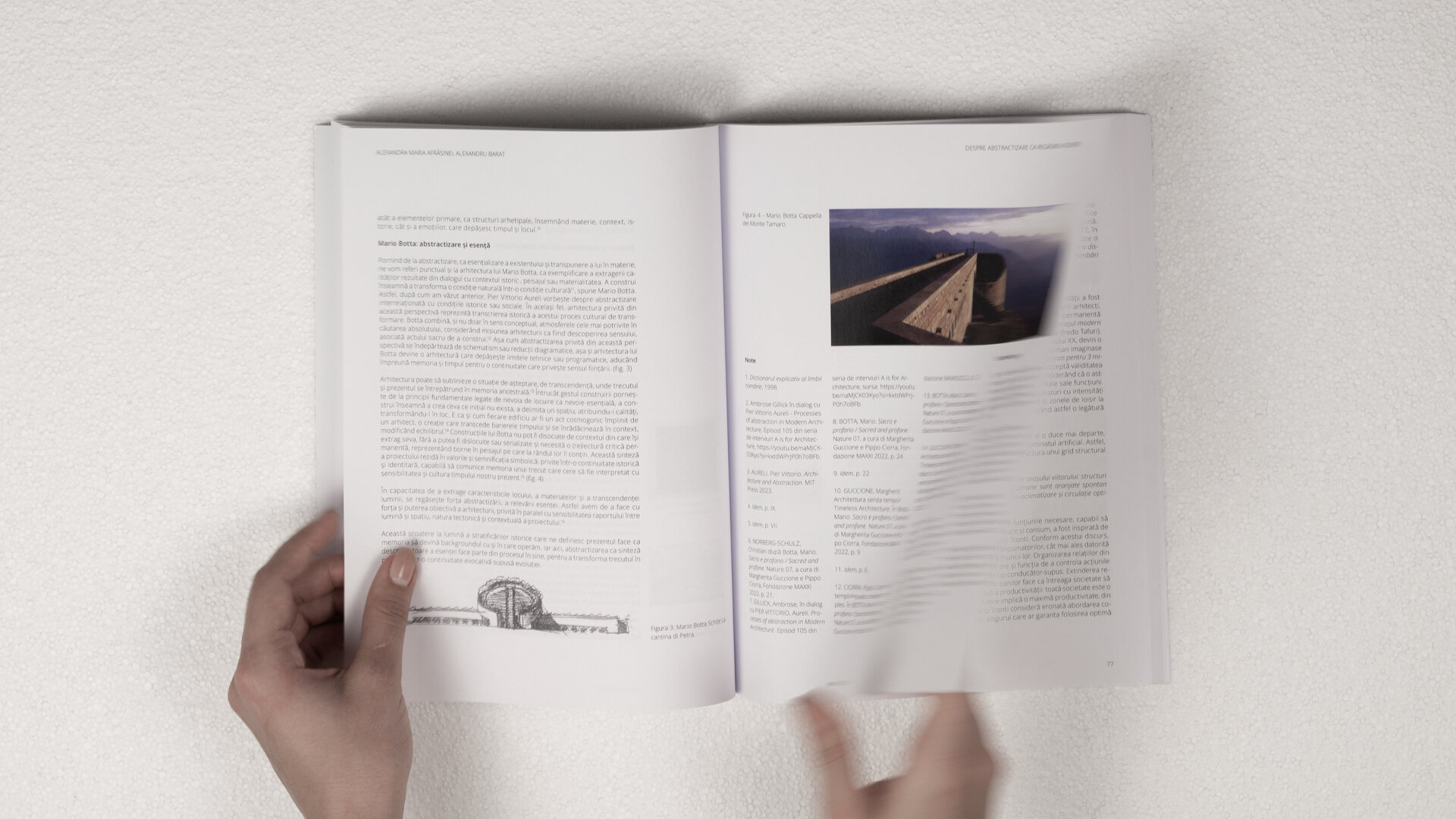
Authors’ Comment
‘Visual Archives’ is a collective volume that brings together writings by 22 architects, academics and doctoral students from the Ion Mincu University of Architecture and Urbanism.
The materials presented, both text and images, are the result of debates held during the academic symposium of the same name, organised at UAUIM in December 2024.
The volume is part of the larger CULTADISER project carried out by UAUIM through institutional development funds (FDI) and was proposed and coordinated by Mihaela Pelteacu, Alexandra Afrăsinei and Mihai Duțescu.
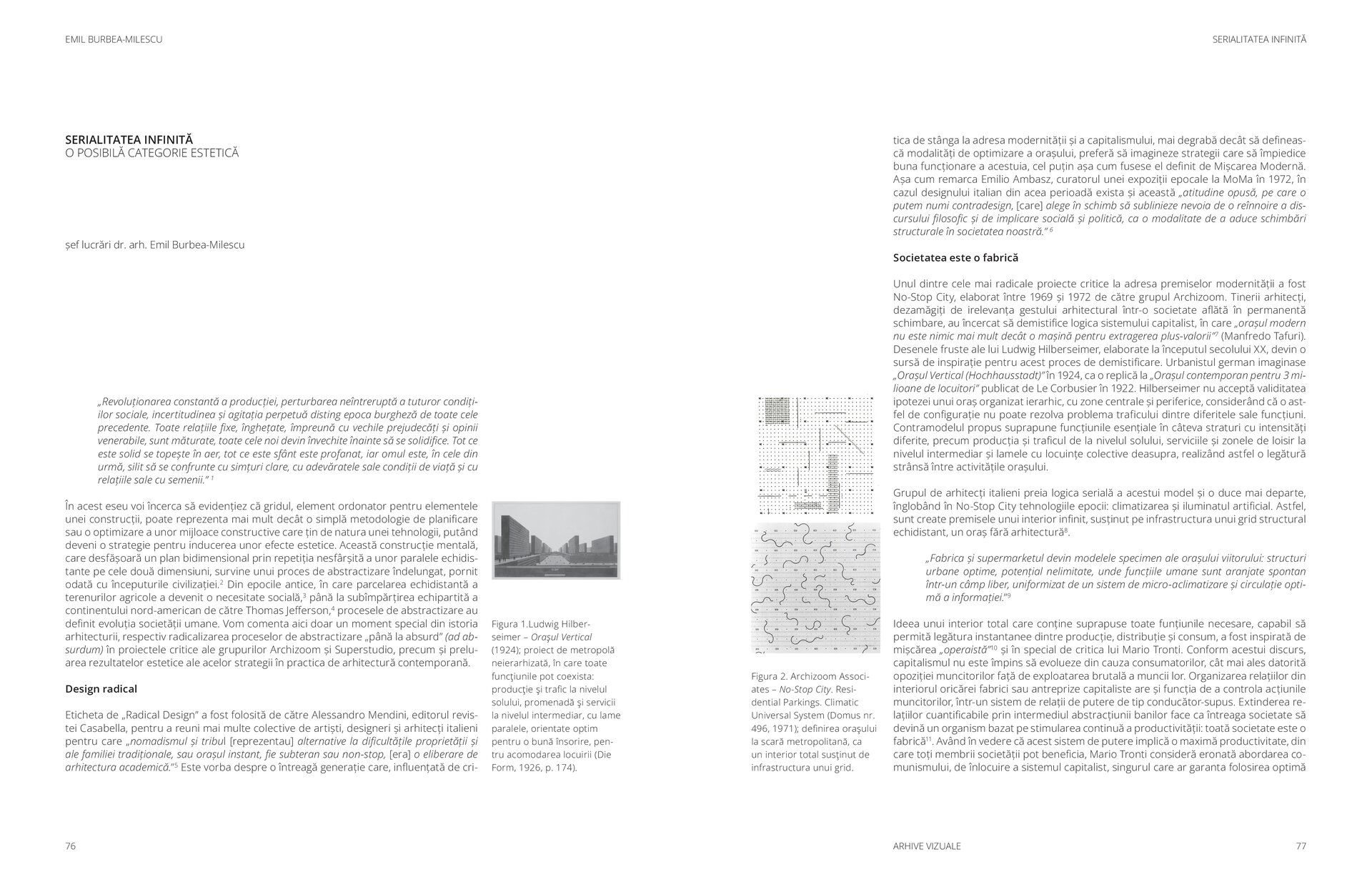
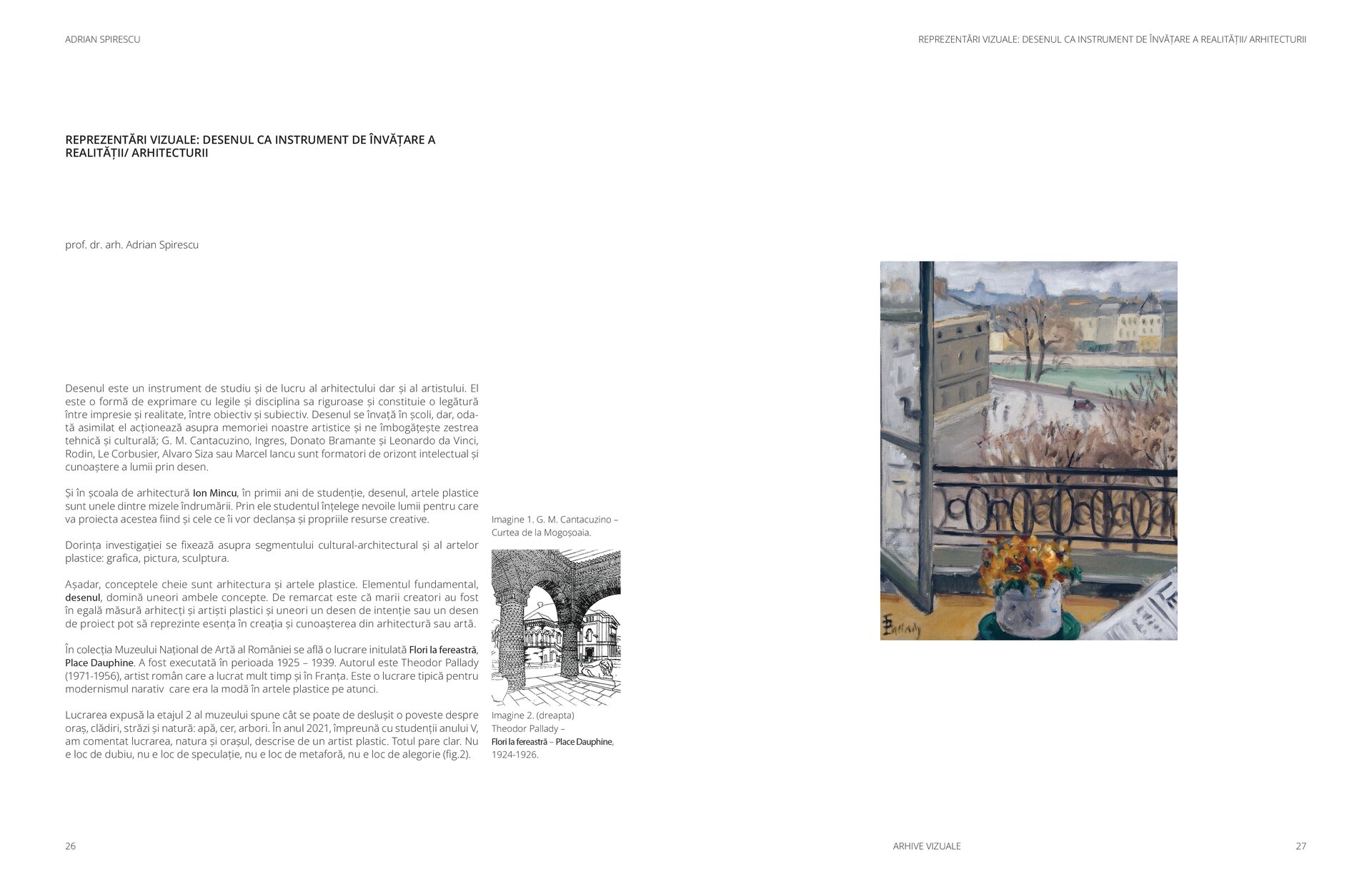
The articles are the personal reflections of the authors, the result of their experience and research on the role and importance of visual representations in architectural design. Brought together in the same volume, the articles discuss the various types of representation that exist within the discipline, understood not so much as an end in themselves, but as a means of searching for and finding answers related to architectural education or, more generally, to the discipline of architecture, thus responding to the theme of the symposium.
The areas of interest are diverse, ranging from the pedagogy of architecture and representations appreciated as tools for stimulating understanding and skills, to visual thinking considered as a distinct area of reflection, which involves figurative productions capable of recounting thought processes, philosophy, and how these are transposed into drawings, diagrams, study photographs, sketches and other graphic tools of analysis.
Most of the texts presented fall into this category, with the authors evoking, for the purpose of analysis, significant moments in studio study related to graphic representations and their potential in understanding issues of education or architectural practice.
The history of architecture is also among the authors' concerns, with a series of historical and critical aspects of modes of representation being addressed, emphasising their influence on the evolution of ideas.
A brief overview of these concerns, expressed in writing, highlights the authors' interest in investigating and understanding the ways in which visual representations are connected to architectural theory and practice.
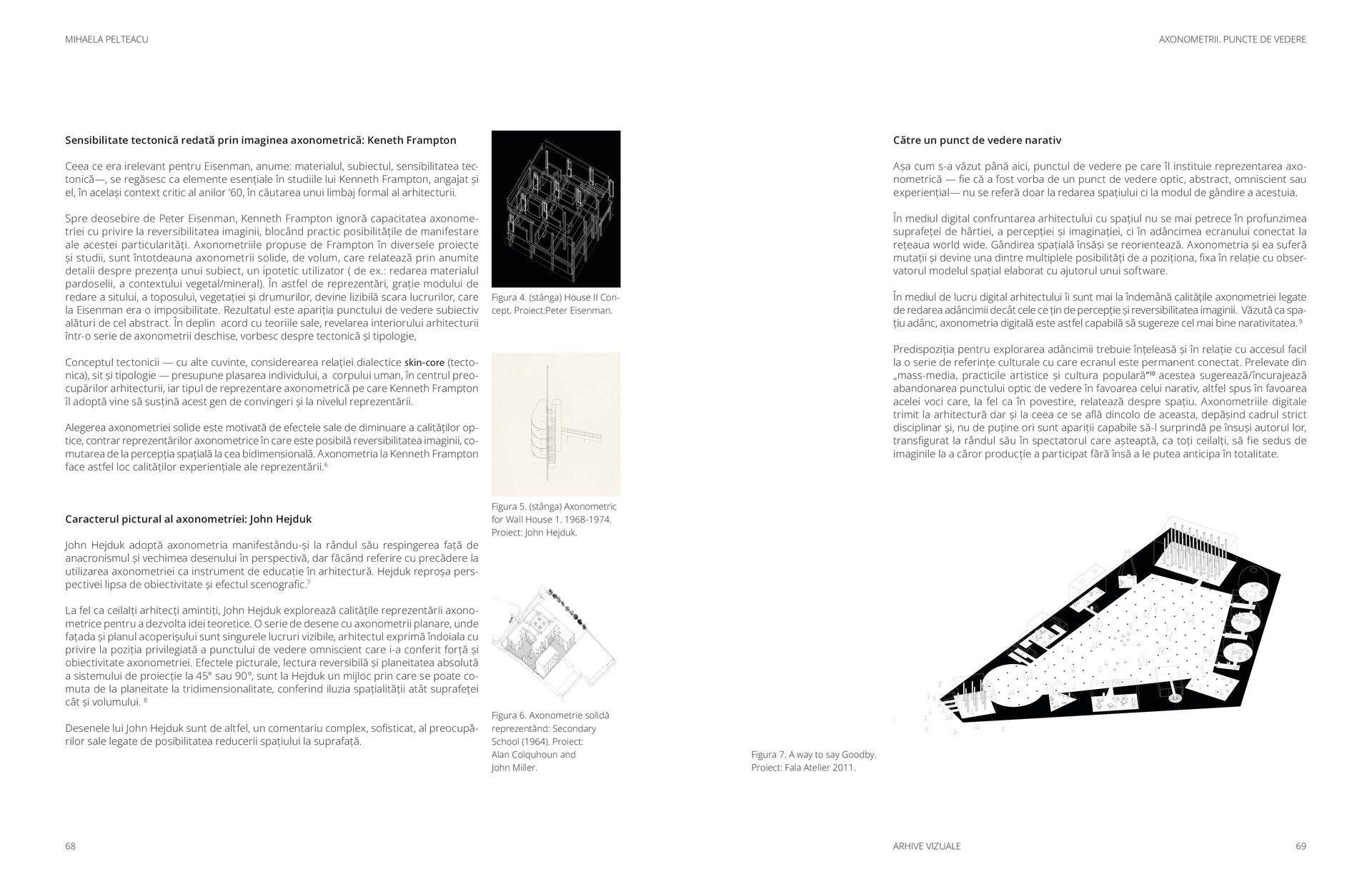
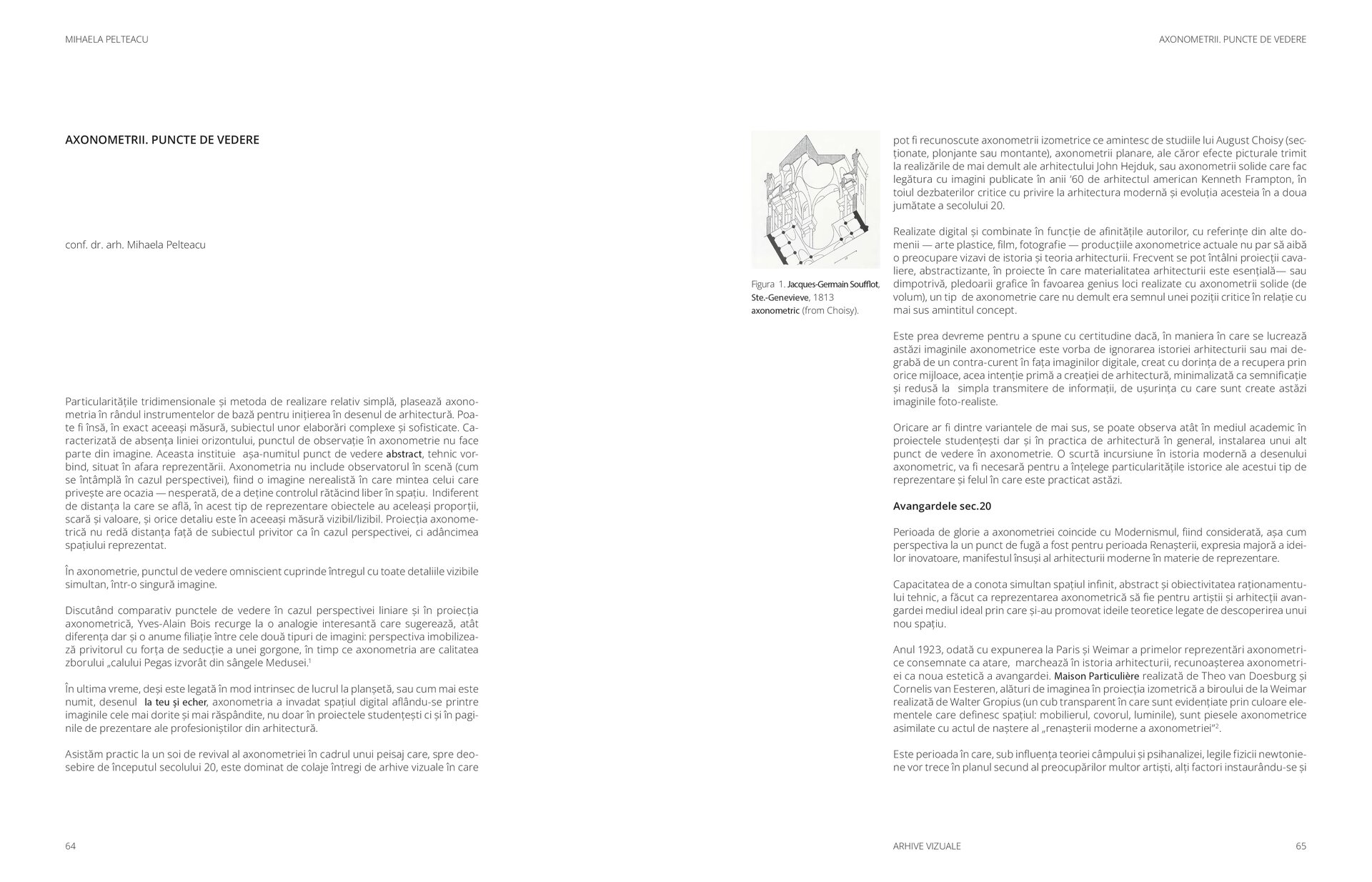
Mihaela Pelteacu offers a brief overview of the modern history of axonometric drawing with the stated aim of clarifying lesser-discussed theoretical ideas related to this type of representation, the understanding of which may explain the proliferation and current status of axonometric images. The topic proposed by Melania Dulămea, together with Laura Popa-Florea and Vlad-Răzvan Nicolescu, falls within the field of pedagogy and concerns the use of diagrams to highlight the essential stages in the evolution of studio study.
Mihaela Pelteacu offers a brief overview of the modern history of axonometric drawing with the stated aim of clarifying lesser-discussed theoretical ideas related to this type of representation, the understanding of which may explain the proliferation and current status of axonometric images.
In the same thematic area, Andra Panait approaches the visual archive from the perspective of the beginning, the start of the thought process, starting from a meticulous accumulation of sketches, collages or diagrams, seen as ‘captures of a specific moment’.
In conclusion, this initiative aimed to discover and reaffirm the existence and potential of drawing and images to enliven architecture and the pedagogy of architectural design, enabling them to evolve.
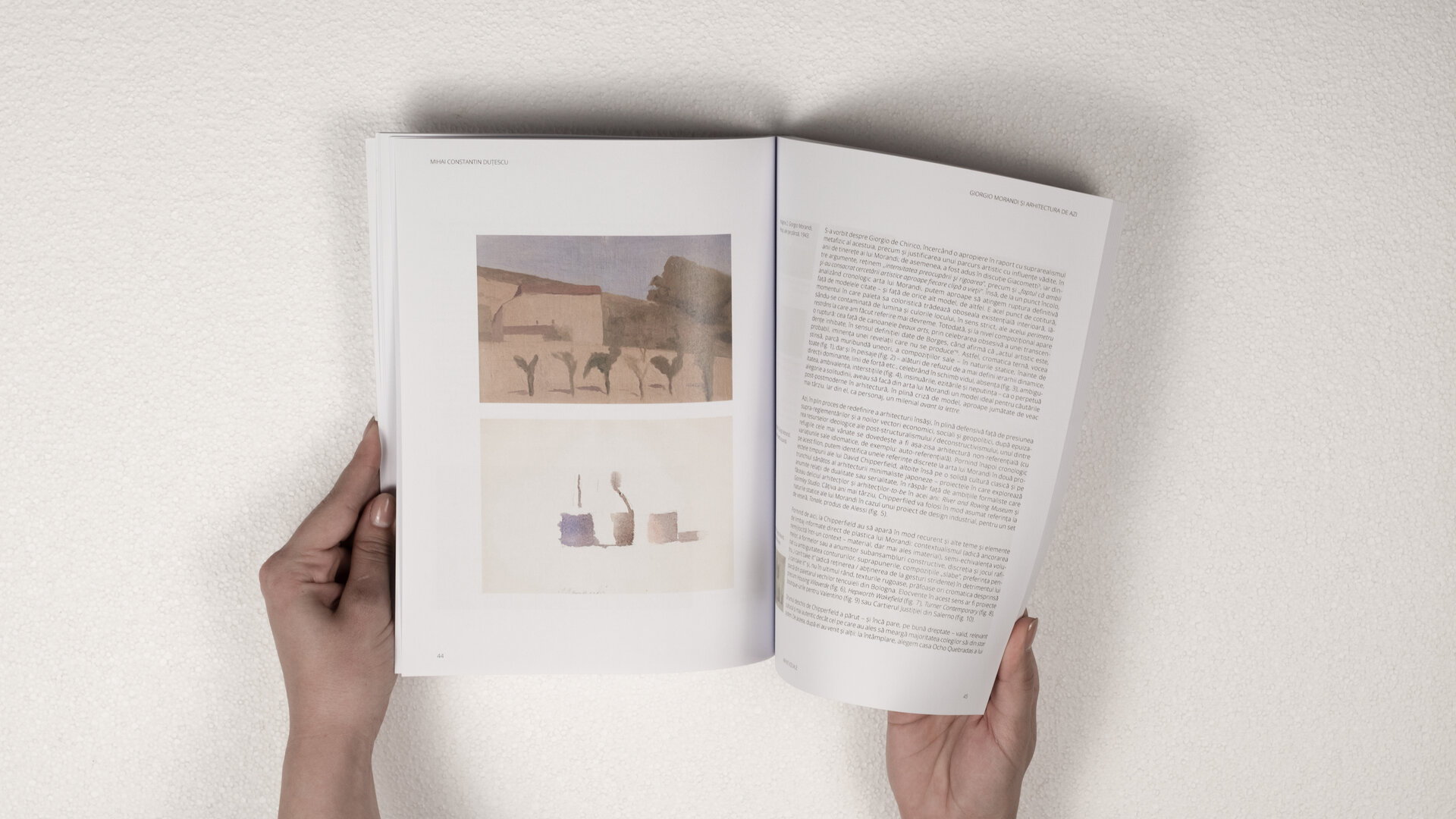
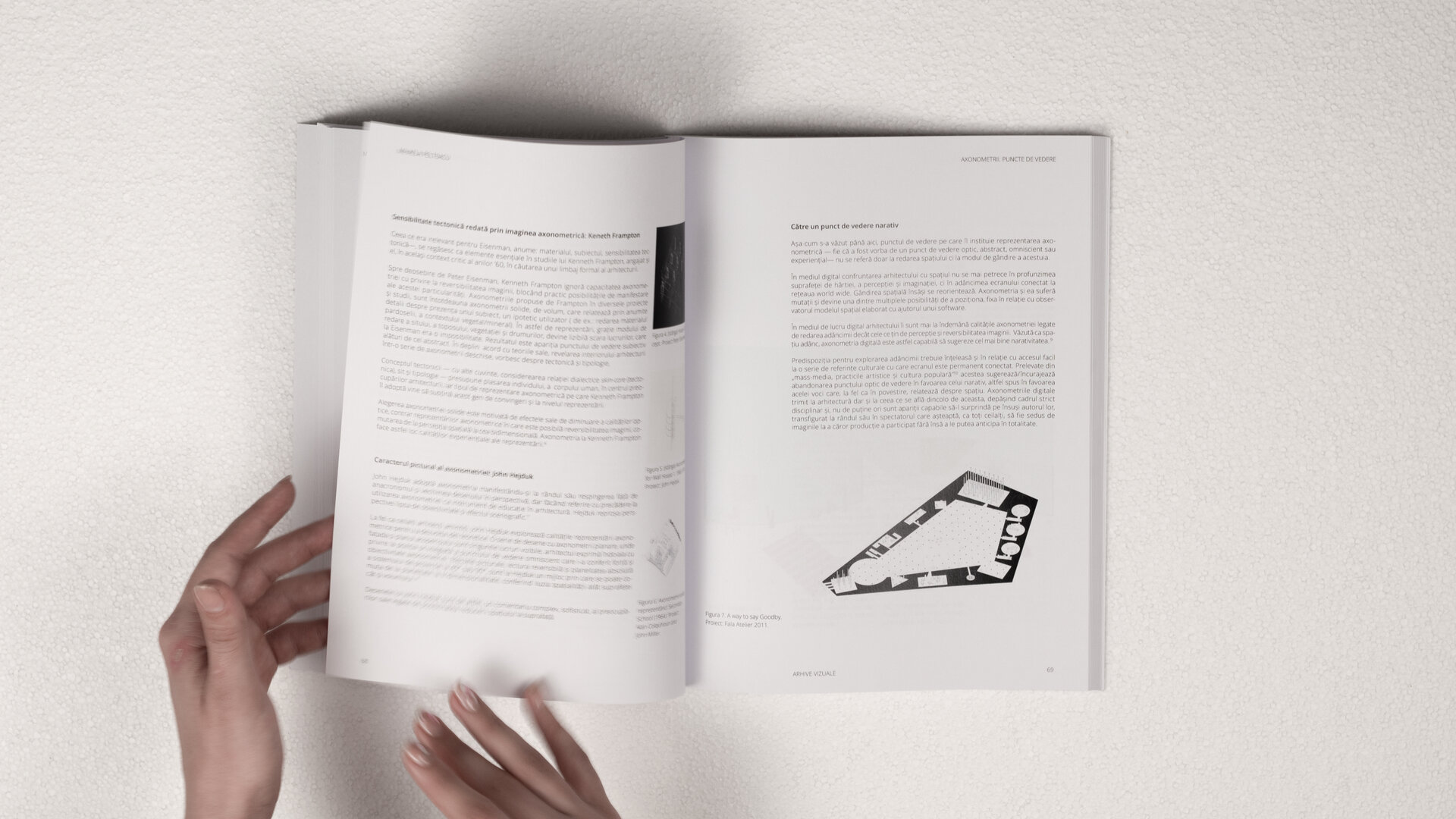
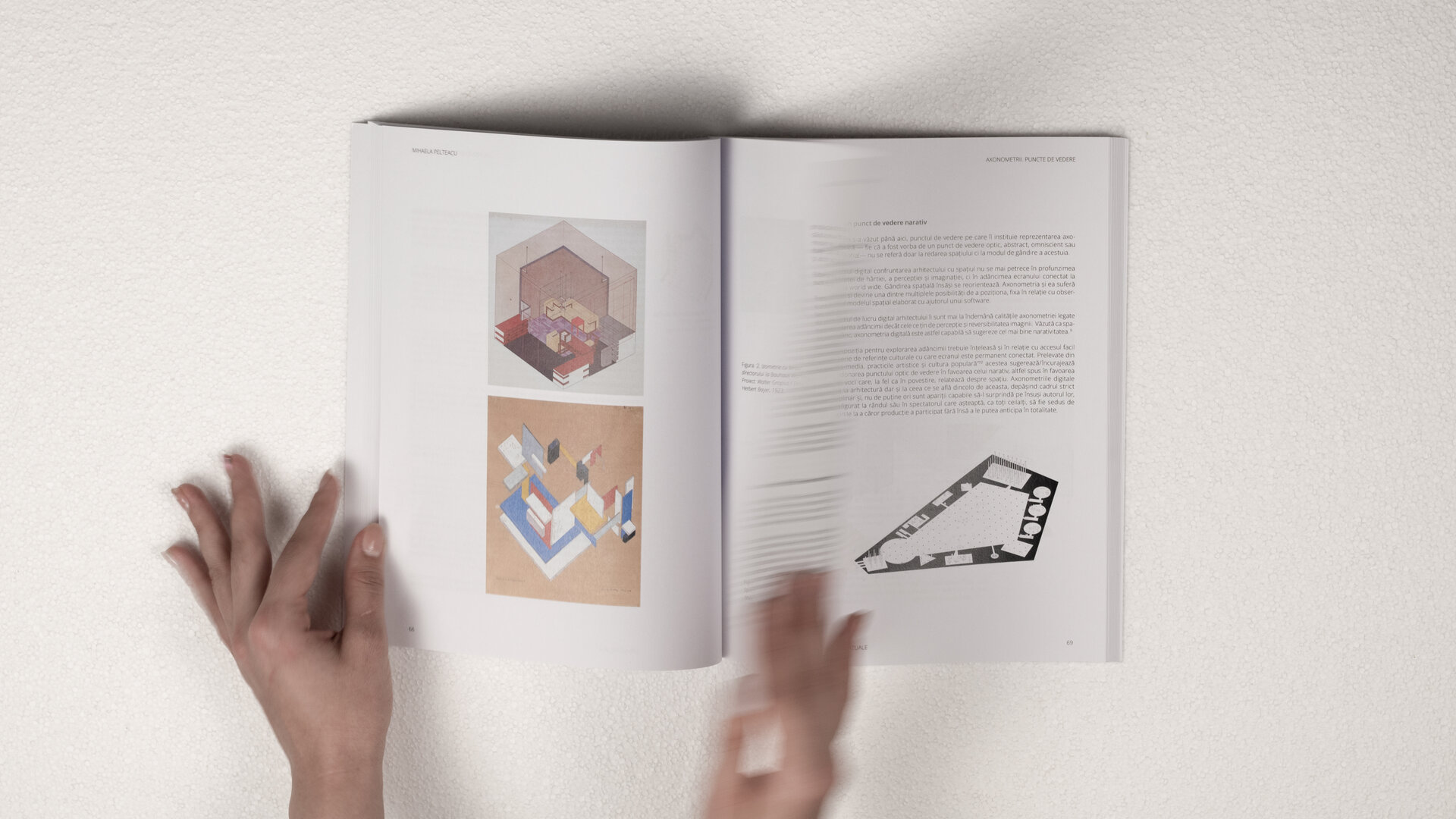
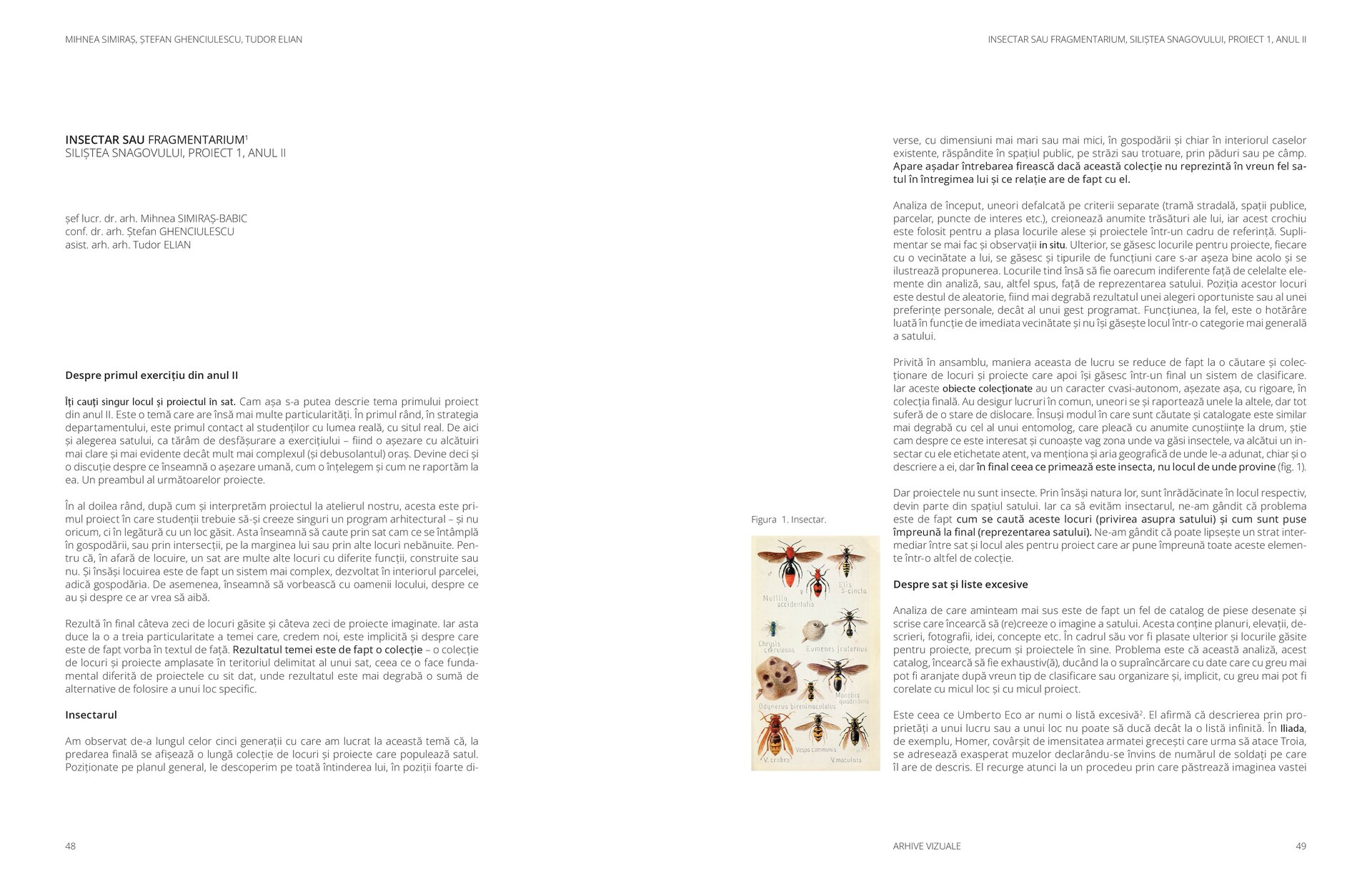
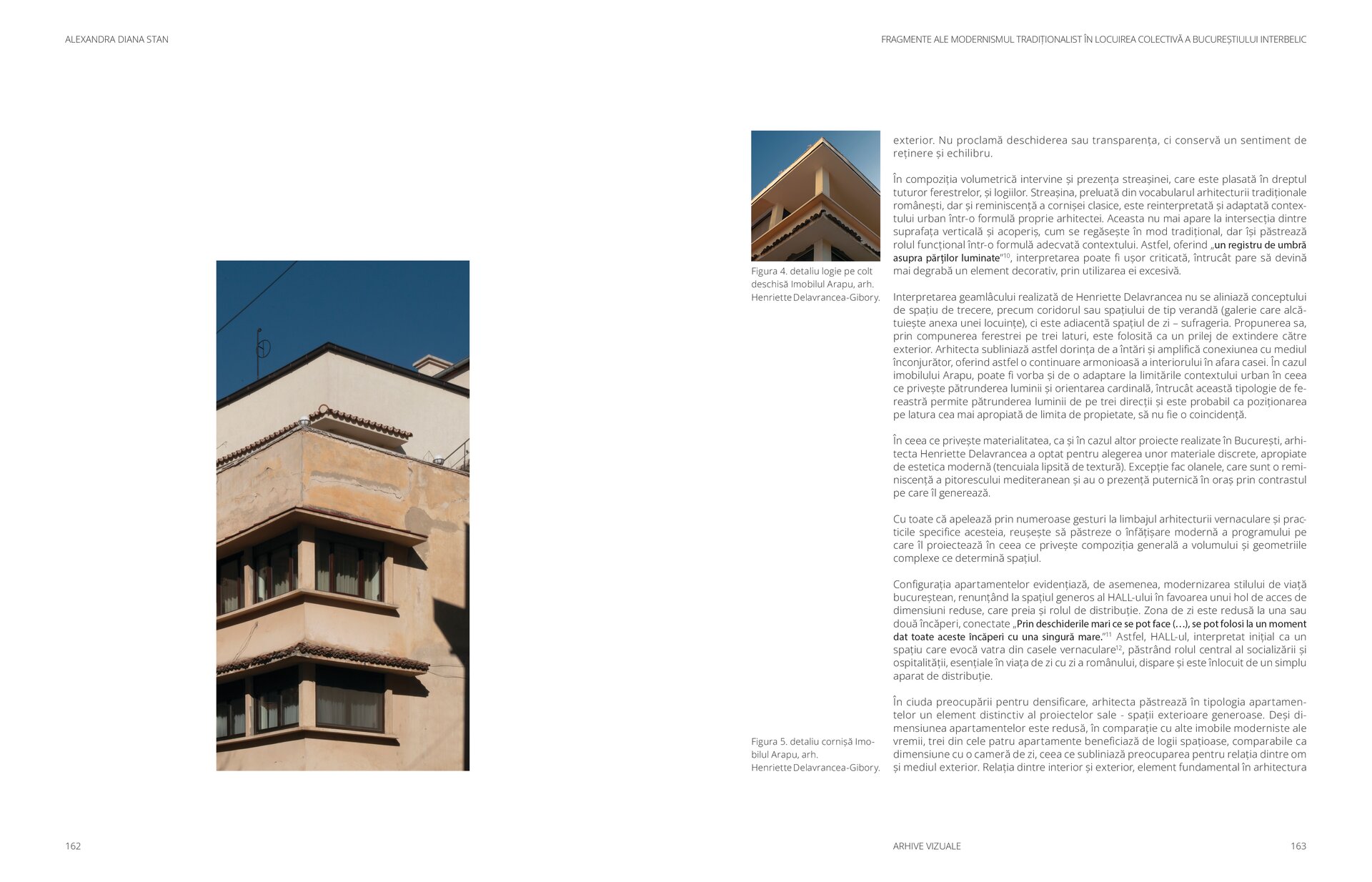
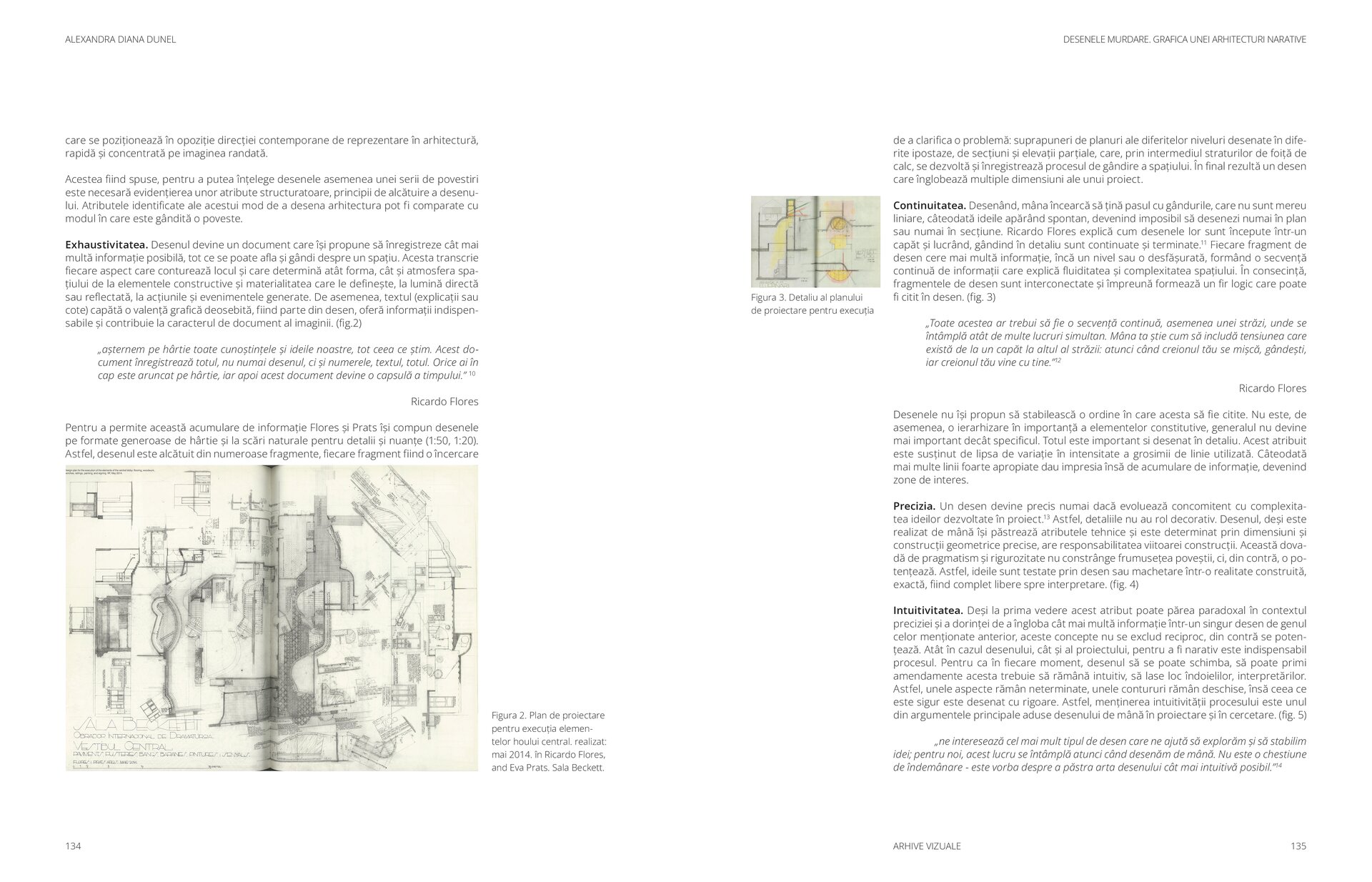
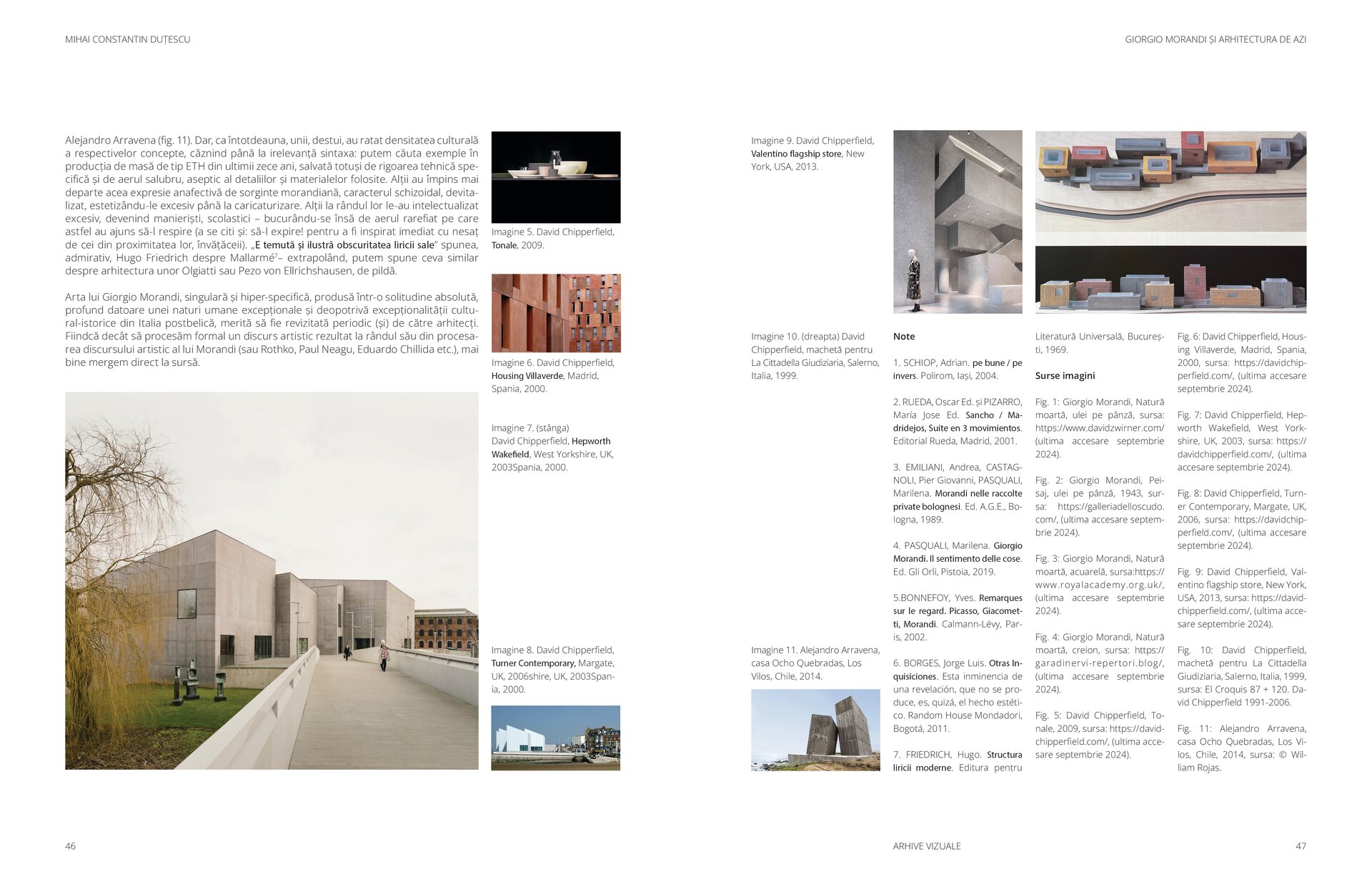
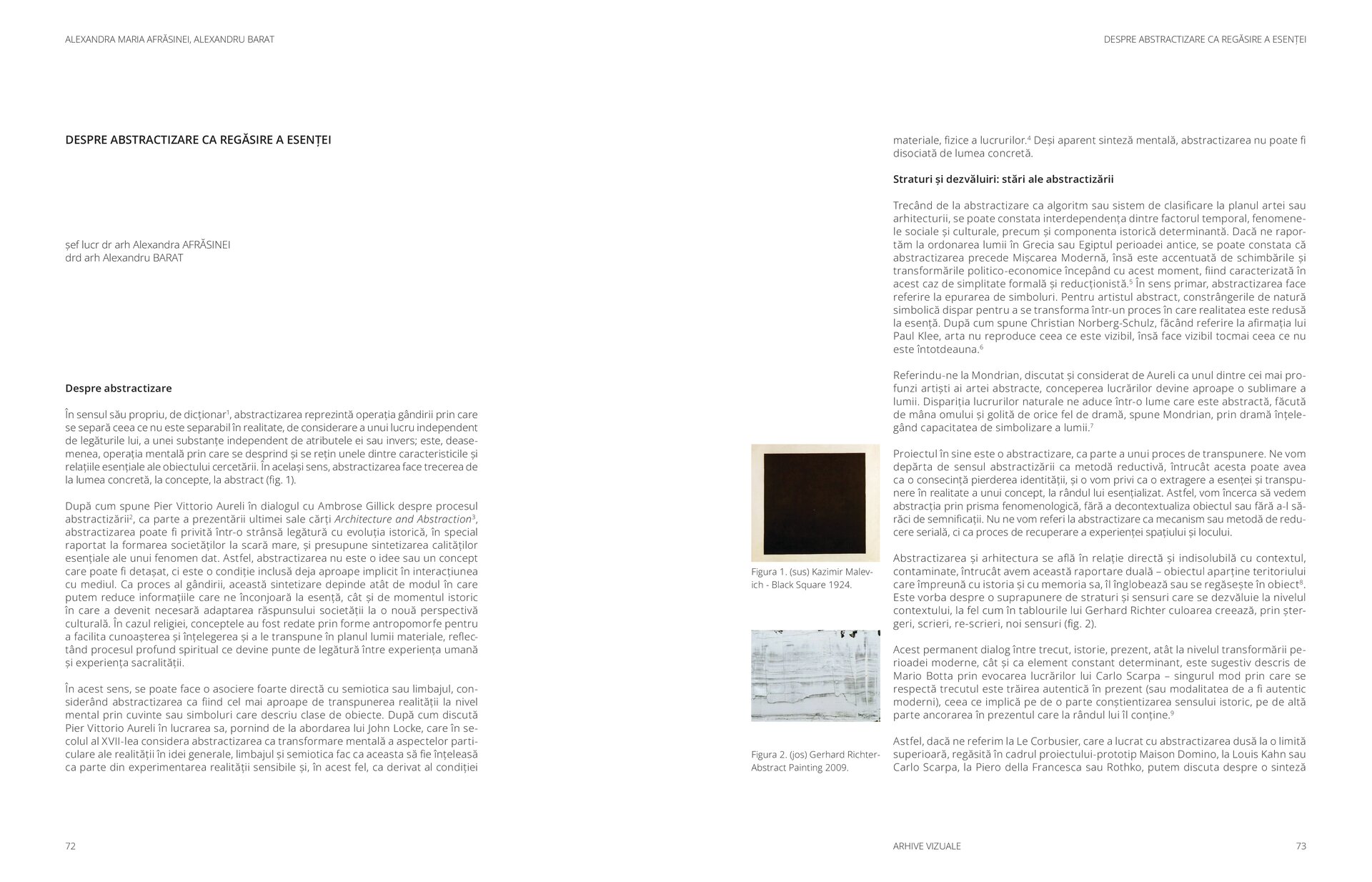
Architecture Books

- Conversions. A Laboratory-Book
- Beyond Norms. Non-standard dwellings in Communist Romania
- Ironwork. Bucharest 1890-1945
- The connection of the healing architecture. The hospital built by Dăruiește Viață
- Beyond Perimeter: 12 Complementary Pedagogies for a Sustainable Architecture
- Landscape blog 2014 - 2019. LE:NOTRE news
- The dual element water and the inclusion in architectural programs in the first half of the 20th century
- Digital architecture history of the first half of the 20th century in Europe, Second revised edition
- Individual All-Around
- Aldo Rossi – A Critical Inquiry “Call Me Aldo.”
- The crumbling of the faces of the fortress. Busts from Bucharest
- The Oltenian Tower Houses. Potential Landmarks of the UNESCO World Heritage
- Visual Archives
- Block of flats: E. Botez, S. Baloșin, H. Delavrancea-Gibory, M. Maller, T. Niga
- 1000


