- Distinction of the Jury for social involvement, selflessness, professionalism, and humanity
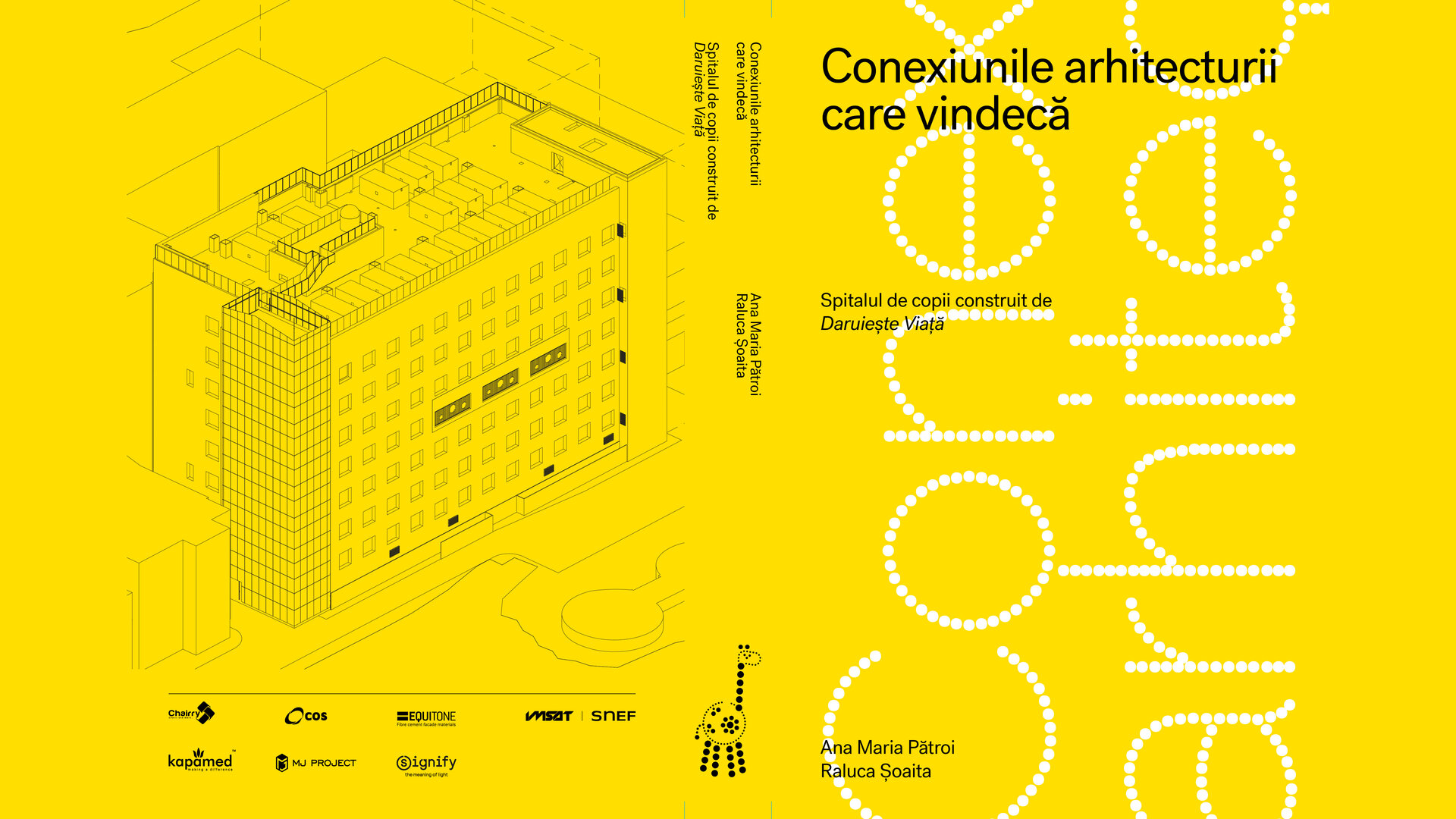
The connection of the healing architecture. The hospital built by Dăruiește Viață
Authors’ Comment
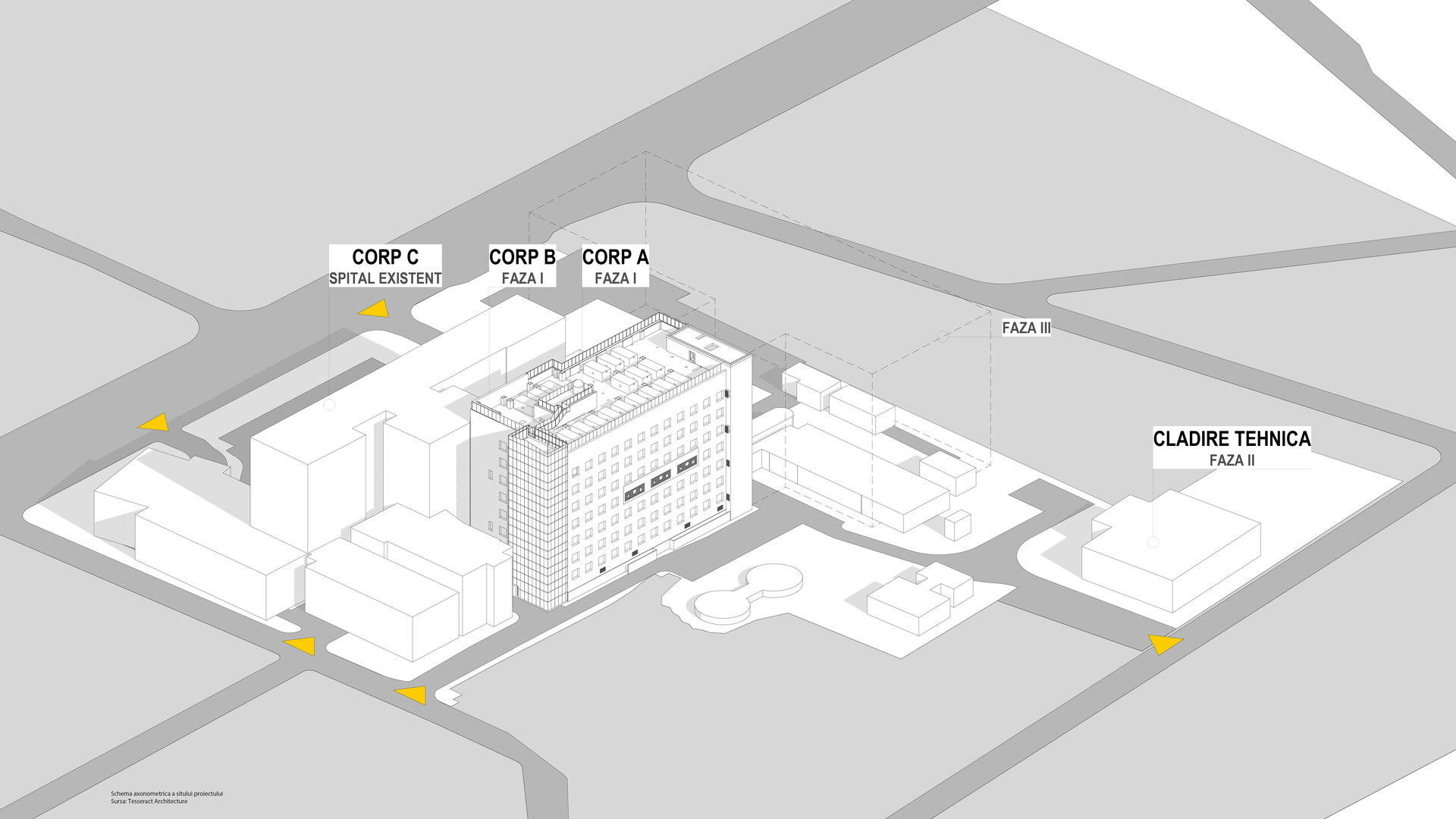
At the beginning of the writing process, there were, on one hand, the project, and on the other hand, the people involved. We saw a fundamental connection: the vision of “#WeAreBuildingAHospital”. We set out to transform this vision into a process that would recreate and enrich the entire journey through renewed and expanded research, gathered into a book meant for all of us. The hospital and the people were to stand together within a system of relationships, one that only a narrative built as a journey through different worlds could encompass. Thus, all the complementary aspects of this macro-project began to unfold before us.
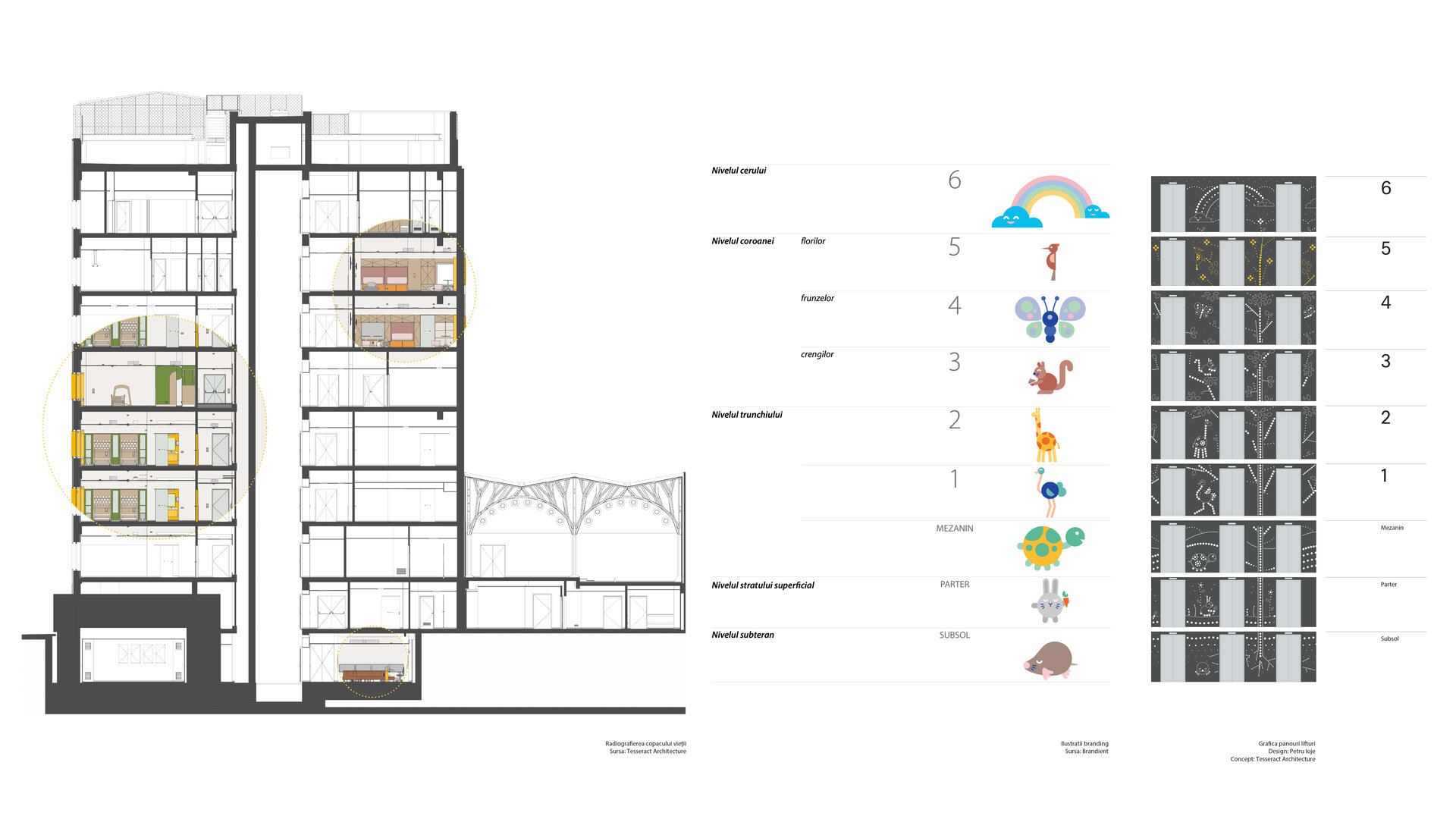
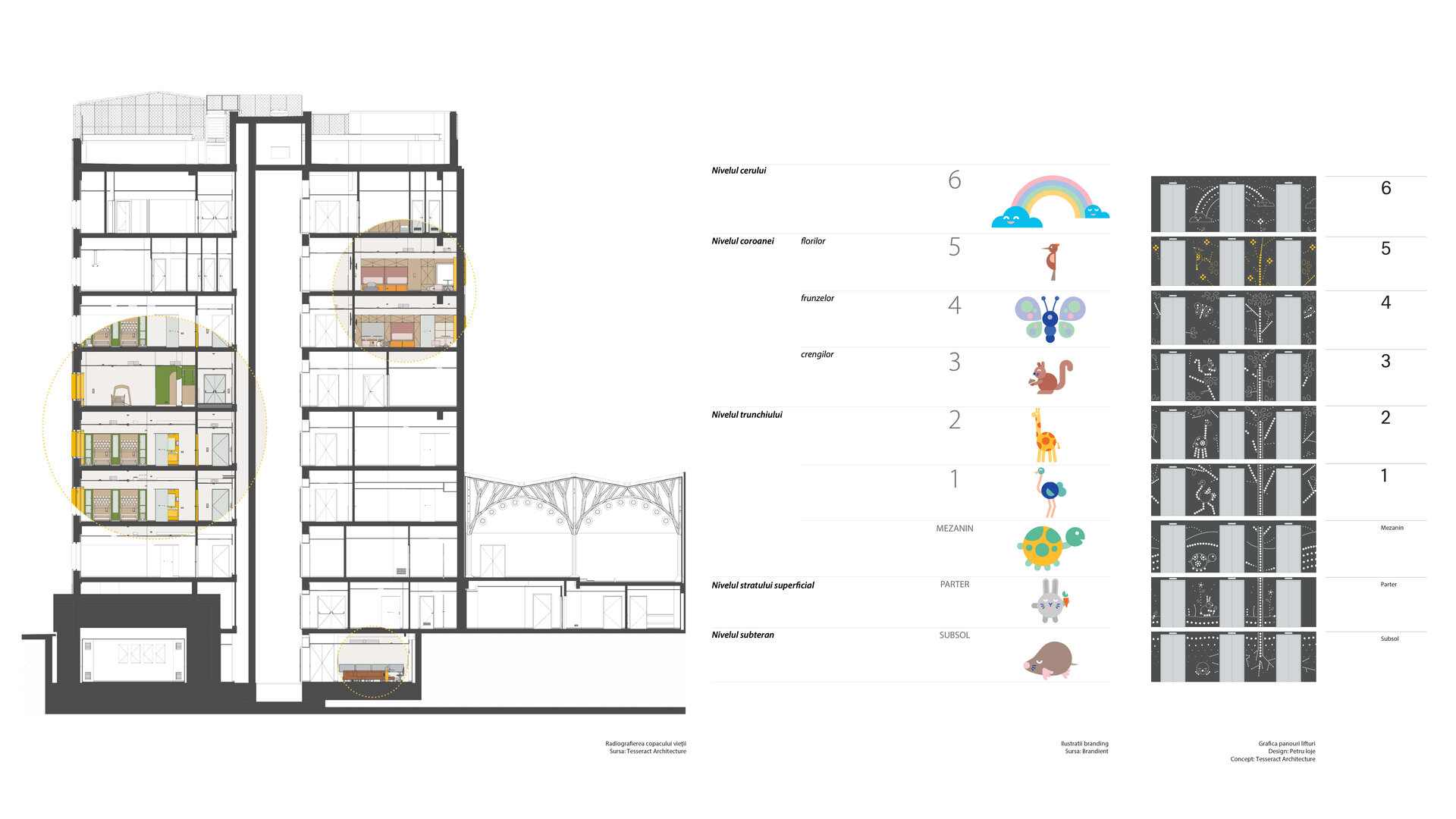
We continued by overlaying the idea of “we” with the “tree of life,” the core concept of the architectural project. The tree of life—the central concept—creates a community of healing by establishing a circuit of data, ideas, and directions between all levels of work and all layers of meaning, between specialists, designers, and the entire community of donors.
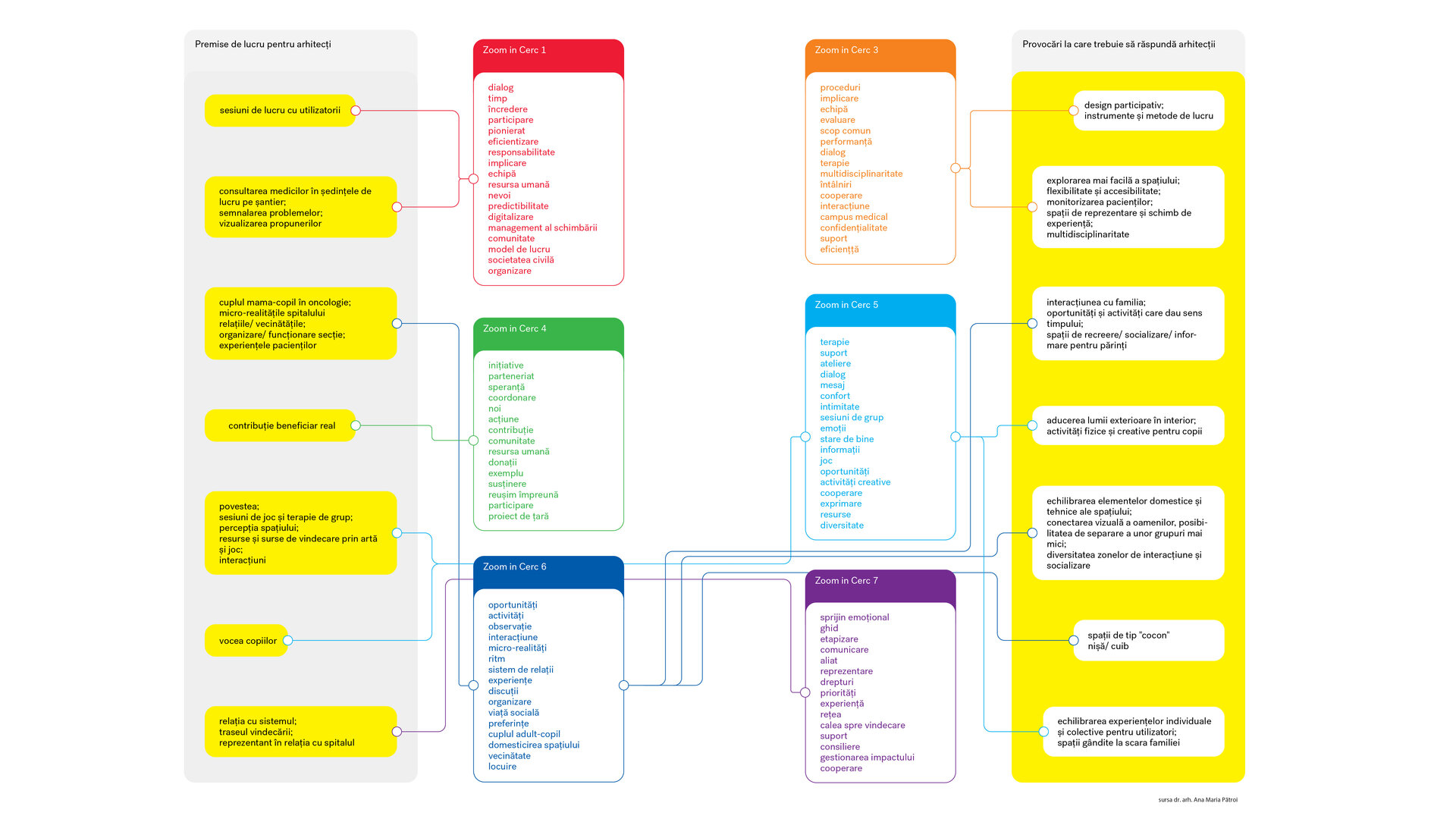
Each world forms the image like a puzzle, placing the existing pieces, reconstructing missing elements through the testimonies of the actors involved, and adding details that complete the story into a narrative addressed to all of us. The inserted data, themes, and concepts have the ability to move across worlds, both ways, generating new connections that verify the authenticity of the interdisciplinary research implemented in the proposed design, as well as connections that suggest new approaches and directions.
The unseen world, symbolized by the roots of the tree of life, collects, highlights, and records relevant data and themes for each character in the project team, each representing a specialty or field. Every team member brings into discussion their specific way of relating to the child patient, thus shaping work perspectives that store new meanings—meanings that require validation and decoding in the Seen World (the trunk of the tree of life). This is how permanent feedback relationships between research and design are outlined, with the aim of enriching the design brief of a children’s hospital. As the implementation of the data in the proposed design is verified, new questions and concerns arise, new expectations consciously redirecting research toward a renewed path—the integration of knowledge from other fields.
This is how the Imagined World (the crown of the tree of life) is born—a world that speaks of future directions for the evaluation of the project. The Imagined World opens a process of change both for research and for design, with the goal of enriching the connections and interactions between the two in the future. These three worlds form a network of transfer and mechanisms of overlap and transformation of data between all the characters in this project’s story.
The worlds in the book describe the worlds within the project in a language based on the testimonies of selected specialists—a small part of all those involved in the project. Only from a context of communication were we able to highlight and explore the meaning of each actor's participation, in such a way as to retrace the path of developing a macro-project and to present it within a broader context—one of reconnecting research and design.
Architecture Books

- Conversions. A Laboratory-Book
- Beyond Norms. Non-standard dwellings in Communist Romania
- Ironwork. Bucharest 1890-1945
- The connection of the healing architecture. The hospital built by Dăruiește Viață
- Beyond Perimeter: 12 Complementary Pedagogies for a Sustainable Architecture
- Landscape blog 2014 - 2019. LE:NOTRE news
- The dual element water and the inclusion in architectural programs in the first half of the 20th century
- Digital architecture history of the first half of the 20th century in Europe, Second revised edition
- Individual All-Around
- Aldo Rossi – A Critical Inquiry “Call Me Aldo.”
- The crumbling of the faces of the fortress. Busts from Bucharest
- The Oltenian Tower Houses. Potential Landmarks of the UNESCO World Heritage
- Visual Archives
- Block of flats: E. Botez, S. Baloșin, H. Delavrancea-Gibory, M. Maller, T. Niga
- 1000


