- Prize of the “Research through Architecture / Architecture Books” section
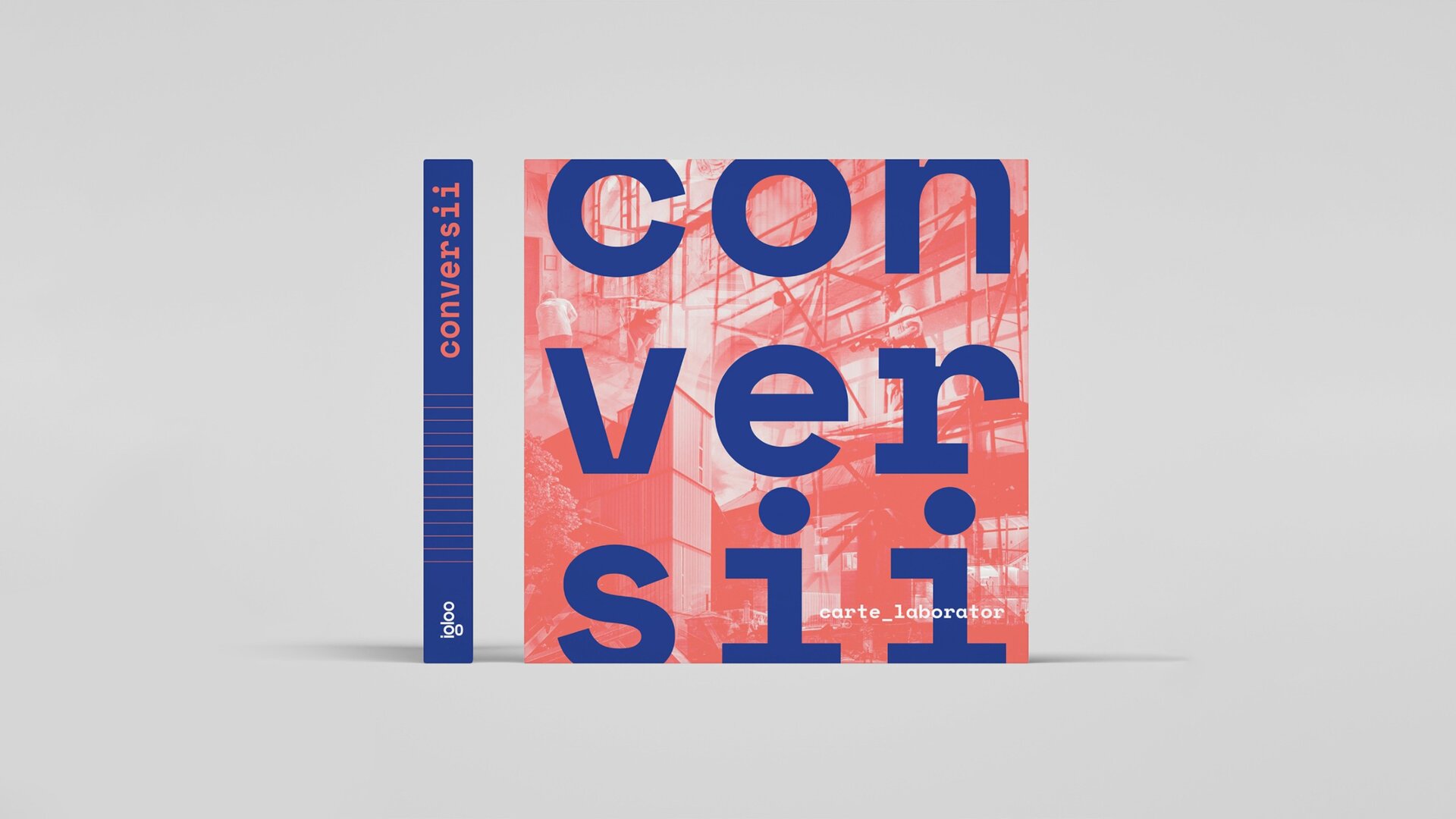
Conversions. A Laboratory-Book
Authors’ Comment
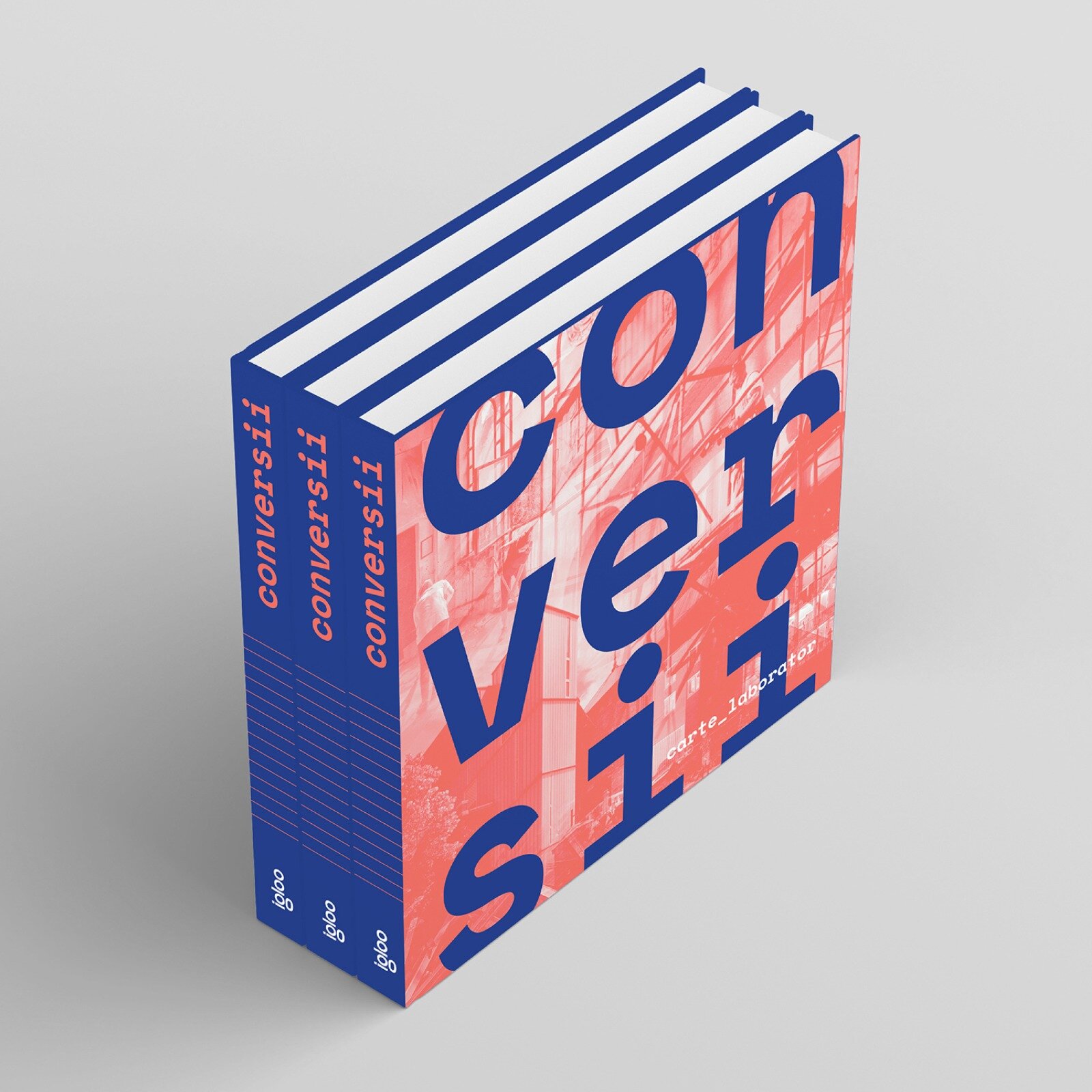
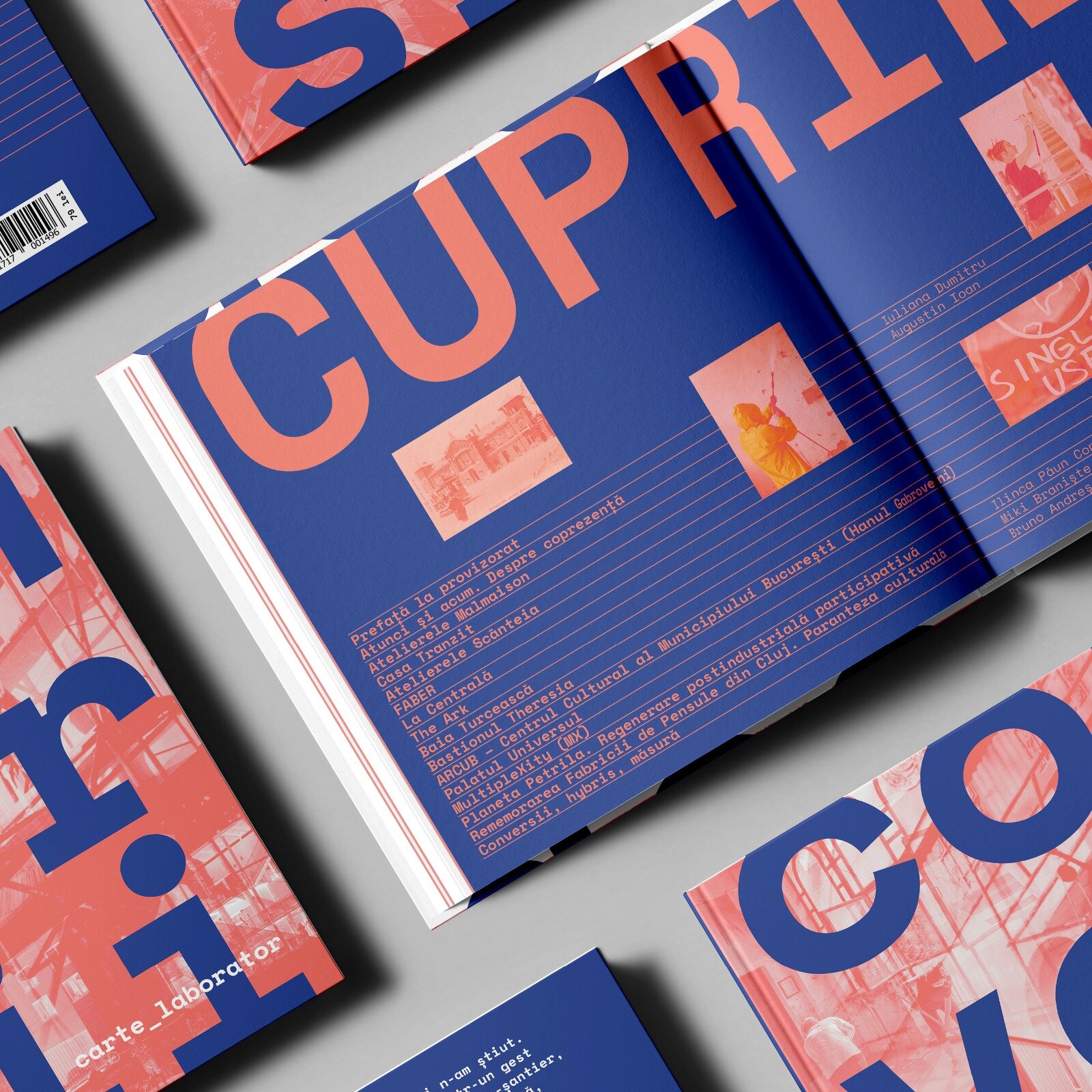
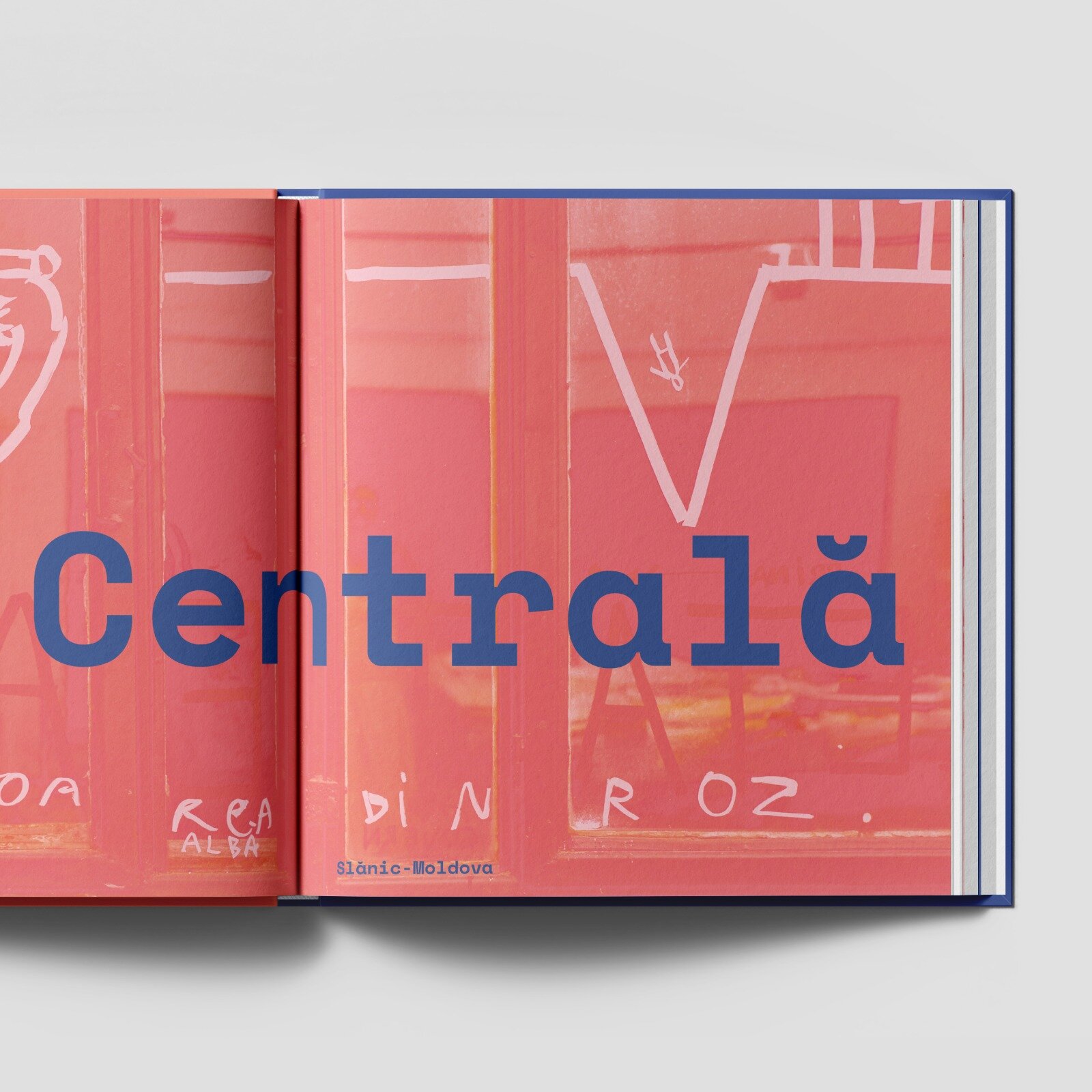
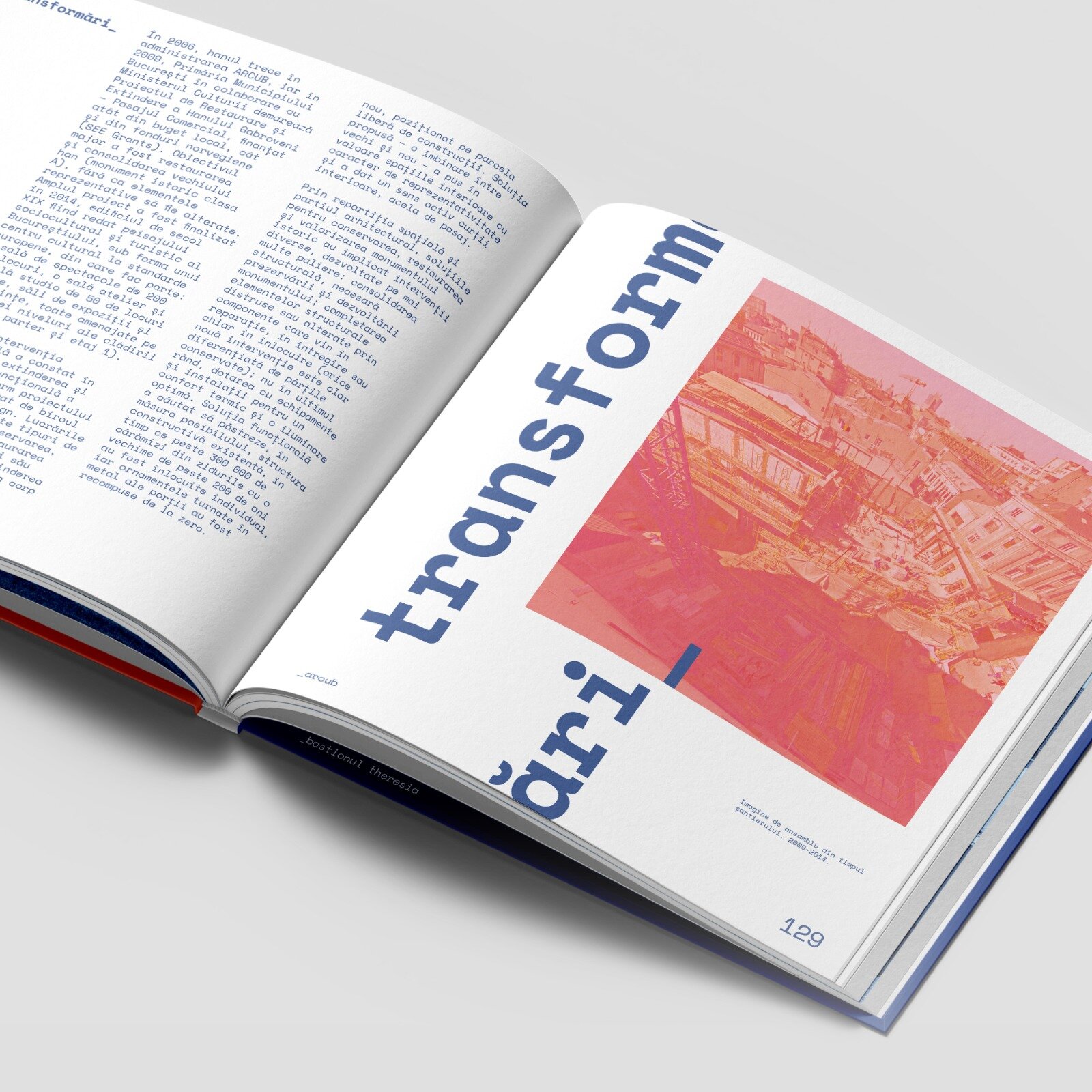
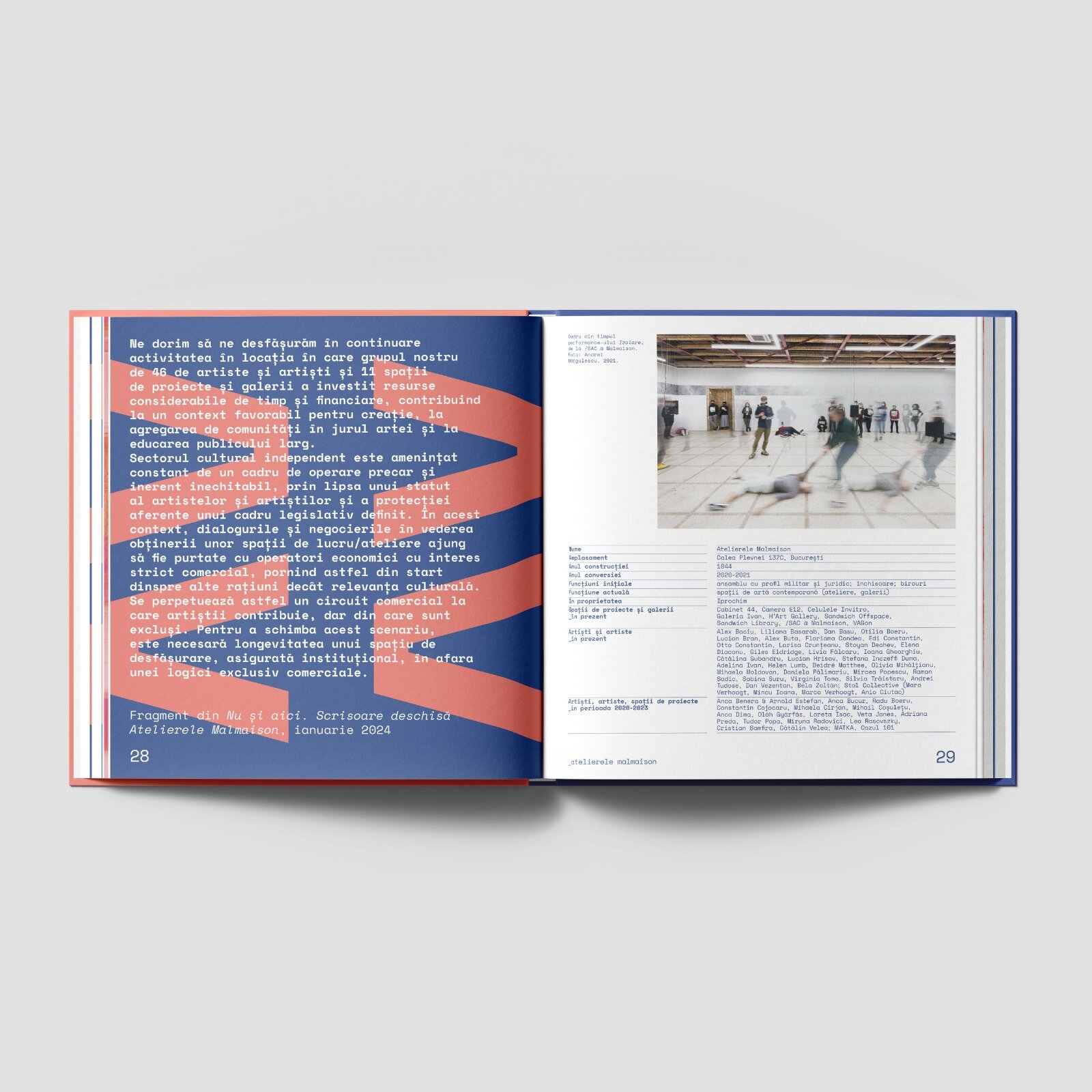
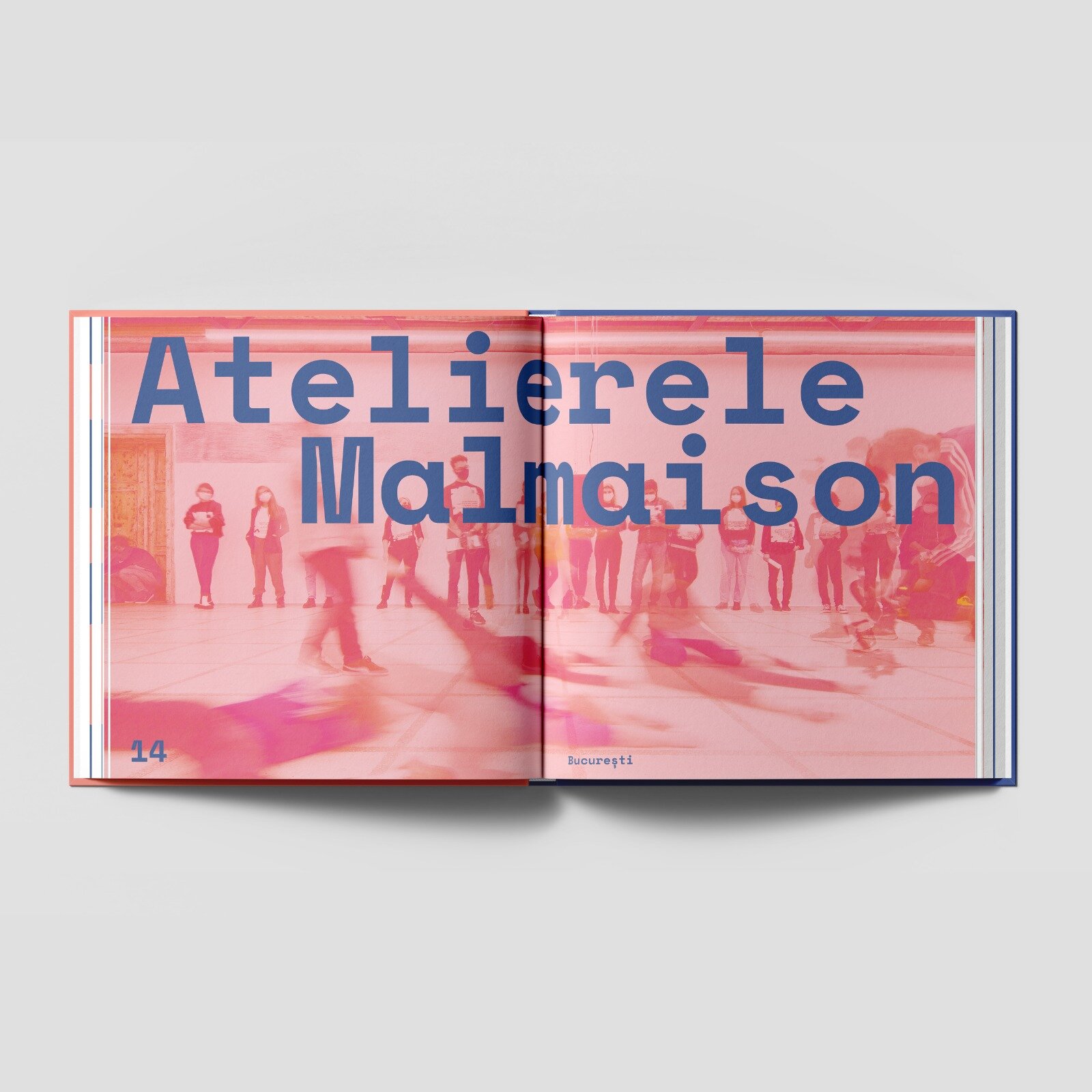
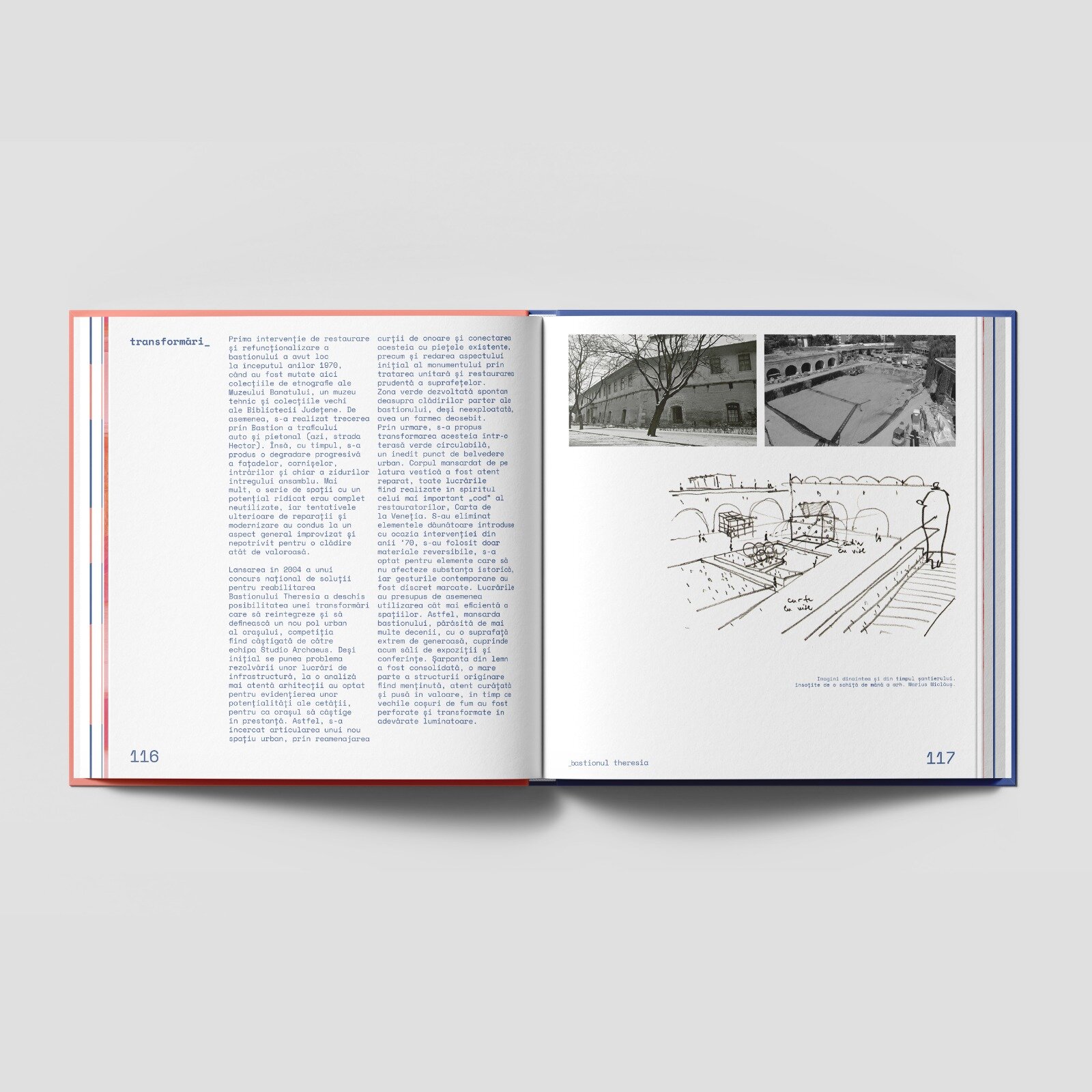
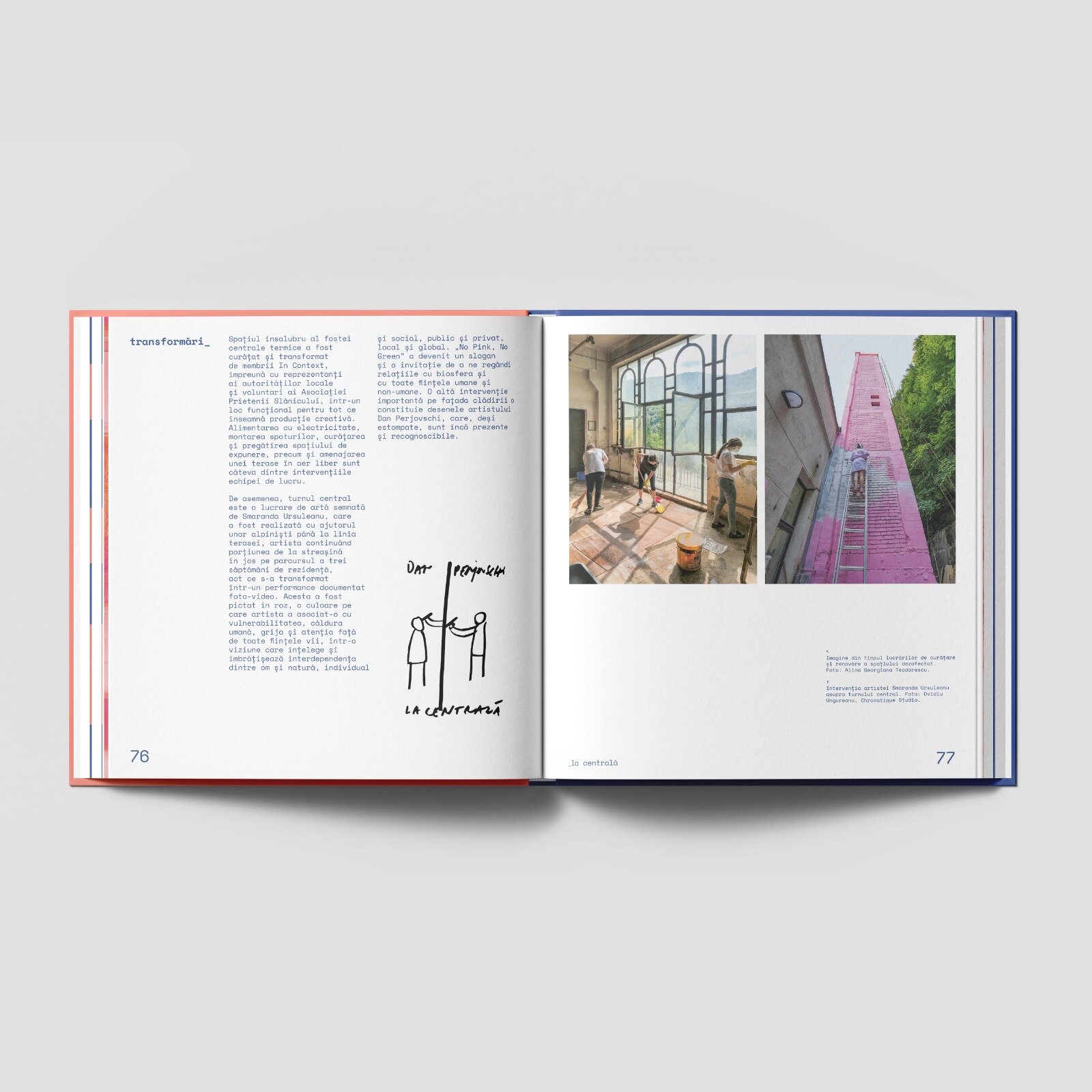
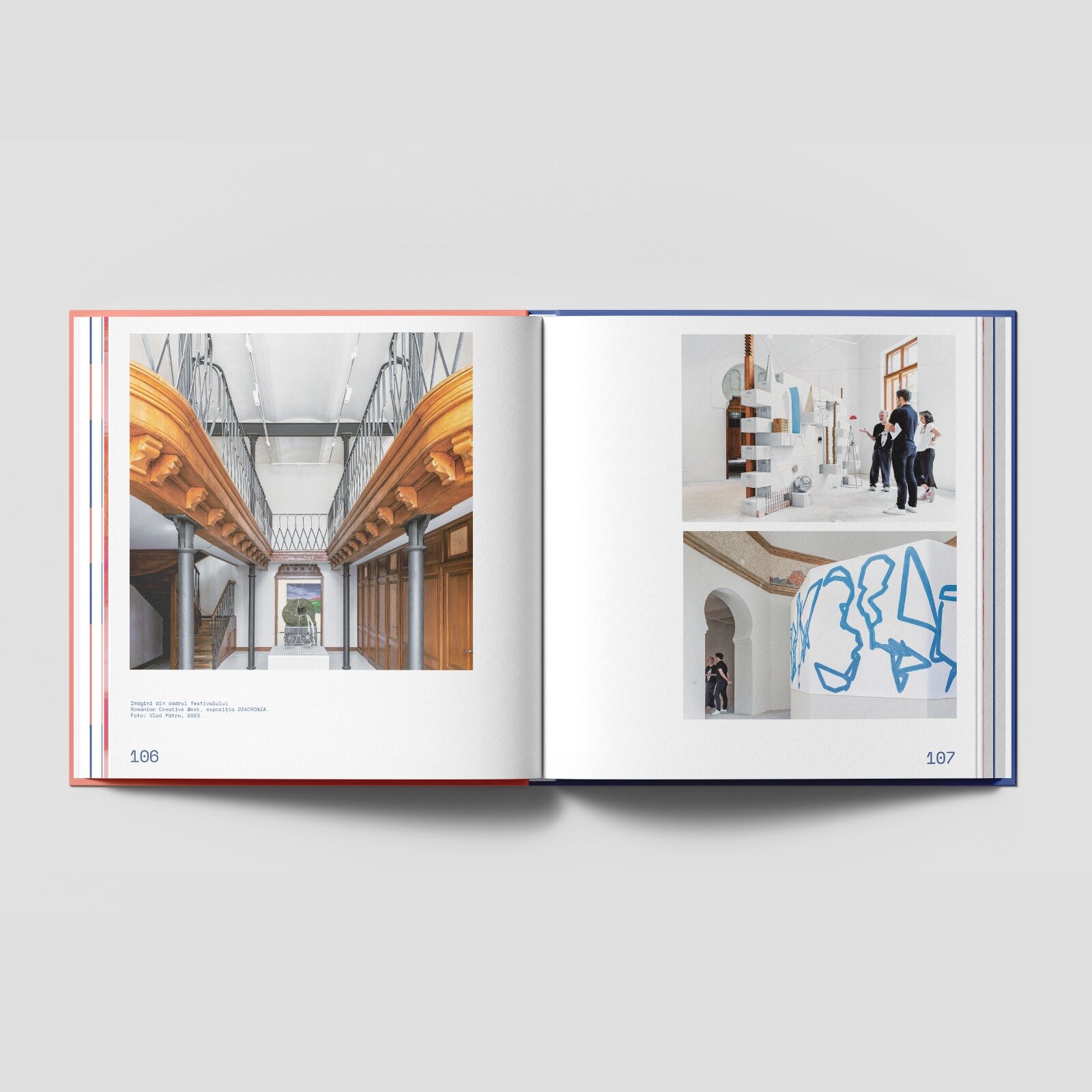
"Conversions. A Laboratory-Book" is a unique publishing appearance that (de)archives 13 contemporary examples of architectural and functional conversion in Romania. In these cases, buildings from industrial, religious, military, and commercial heritage have been readapted and revalorized through a cultural and artistic dimension. These include: Atelierele Malmaison, Casa Tranzit, Atelierele Scânteia, FABER, La Centrală (Slănic-Moldova), The Ark, Baia Turcească, Bastionul Theresia, ARCUB, Palatul Universul, and MultipleXity (MX), along with two case studies dedicated to special initiatives, Mina ("Planeta") Petrila and Fabrica de Pensule in Cluj-Napoca.
But what kind of book is this? For a while, even we didn't know. We eventually called it a "Laboratory-Book," a provisional name. It could have been a workshop-book, a construction-site book, an archive-book – which it still is. Above all, however, it is an unfinished book. For it reflects, through itself (through its format, graphics, and materiality), the fundamental condition of its theme – conversion – and, more specifically, of spaces with variable destinies and destinations. It's a book like a fragmented territory, with uncertain borders, and then an inevitably incomplete attempt to map it – proof that the situation of some of the selected projects changed even as we were writing about them.
The inevitable result is a hybrid book (of architecture, contemporary art, recent history, urban observation?), which speaks about the potential of spaces in waiting, caught between fragility and continuity.
Architecture Books

- Conversions. A Laboratory-Book
- Beyond Norms. Non-standard dwellings in Communist Romania
- Ironwork. Bucharest 1890-1945
- The connection of the healing architecture. The hospital built by Dăruiește Viață
- Beyond Perimeter: 12 Complementary Pedagogies for a Sustainable Architecture
- Landscape blog 2014 - 2019. LE:NOTRE news
- The dual element water and the inclusion in architectural programs in the first half of the 20th century
- Digital architecture history of the first half of the 20th century in Europe, Second revised edition
- Individual All-Around
- Aldo Rossi – A Critical Inquiry “Call Me Aldo.”
- The crumbling of the faces of the fortress. Busts from Bucharest
- The Oltenian Tower Houses. Potential Landmarks of the UNESCO World Heritage
- Visual Archives
- Block of flats: E. Botez, S. Baloșin, H. Delavrancea-Gibory, M. Maller, T. Niga
- 1000


