- Nomination for the “Portfolio Architecture / Residential Architecture” section
Omnia. Redefining Shelter
Authors’ Comment
Concept
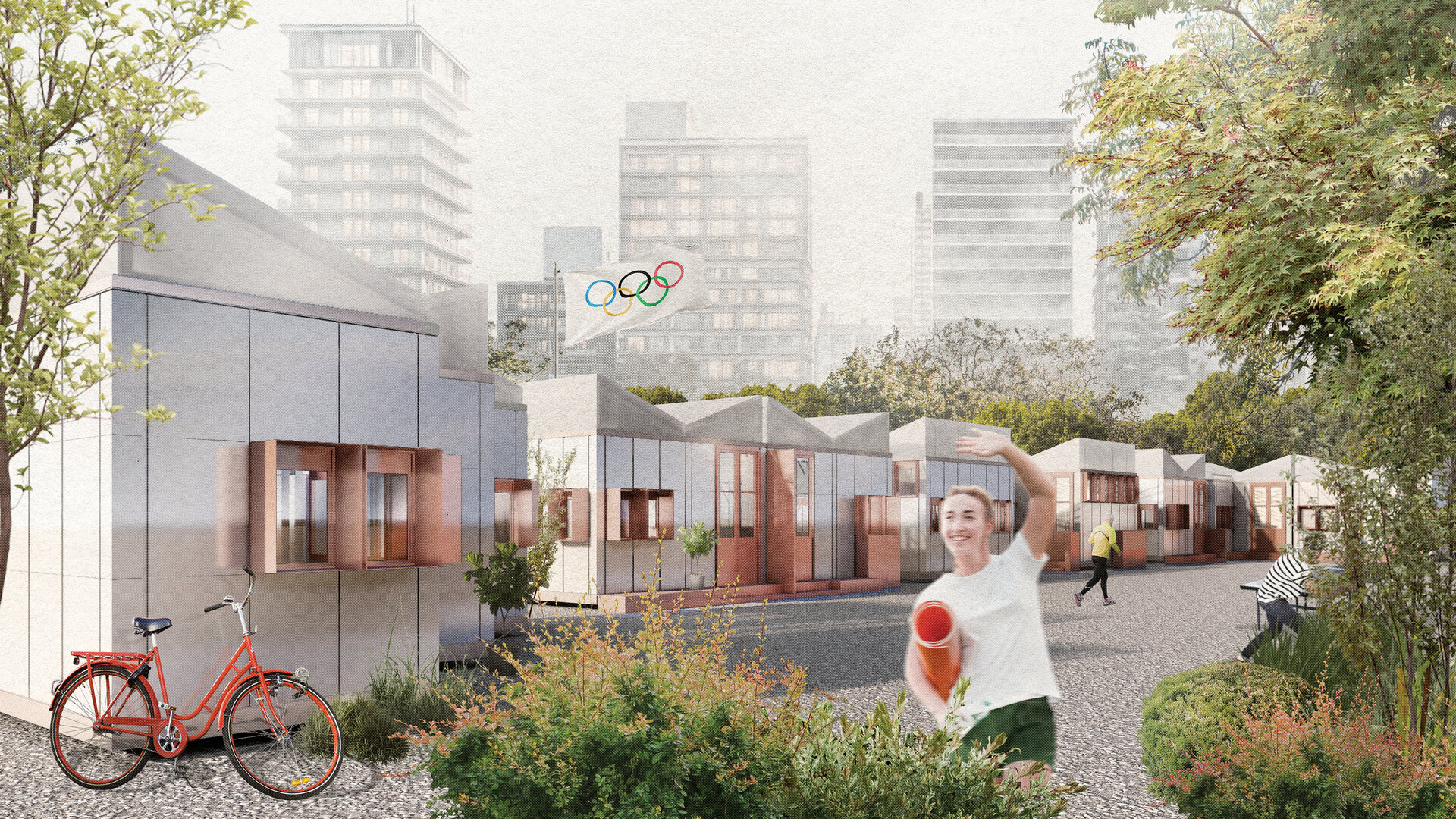
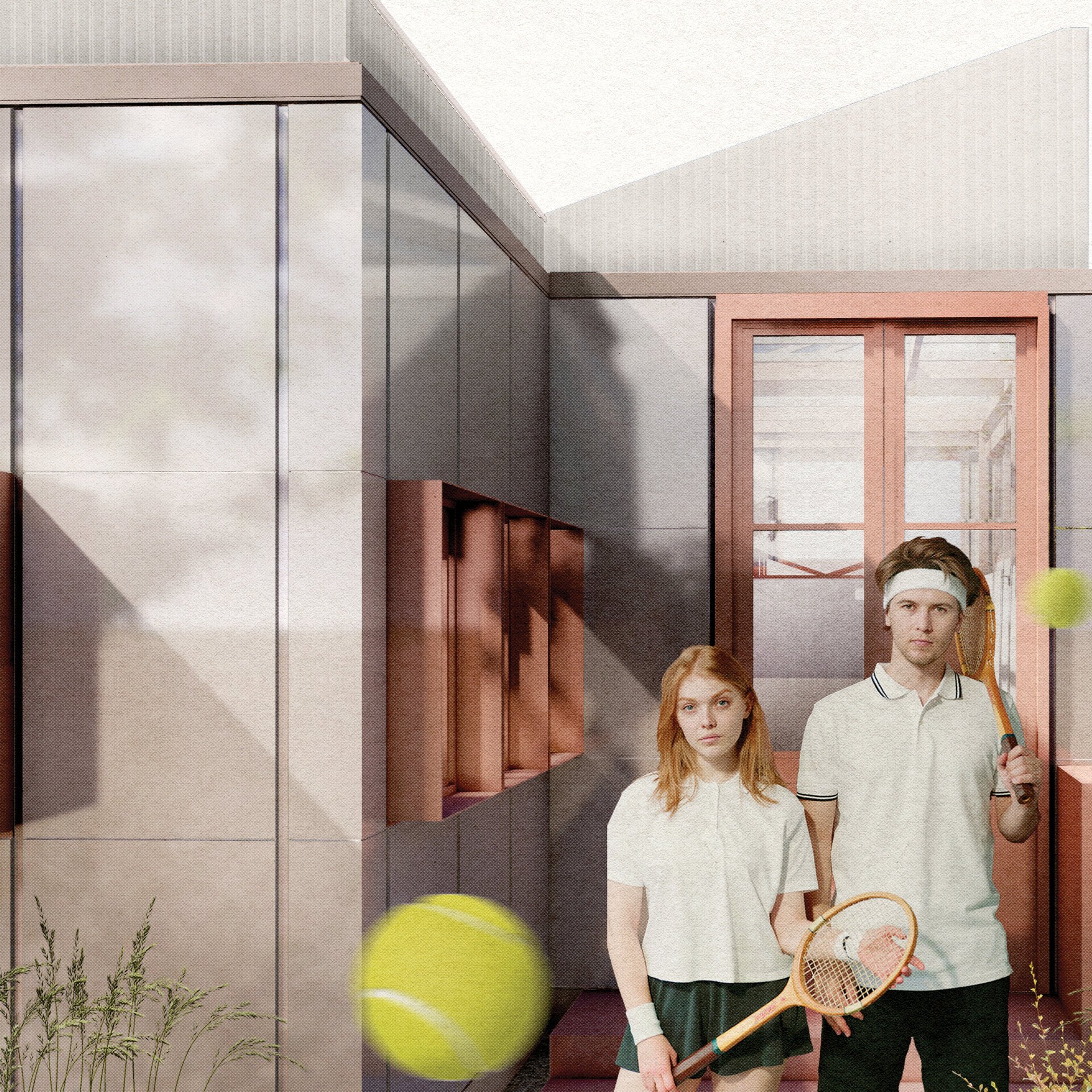
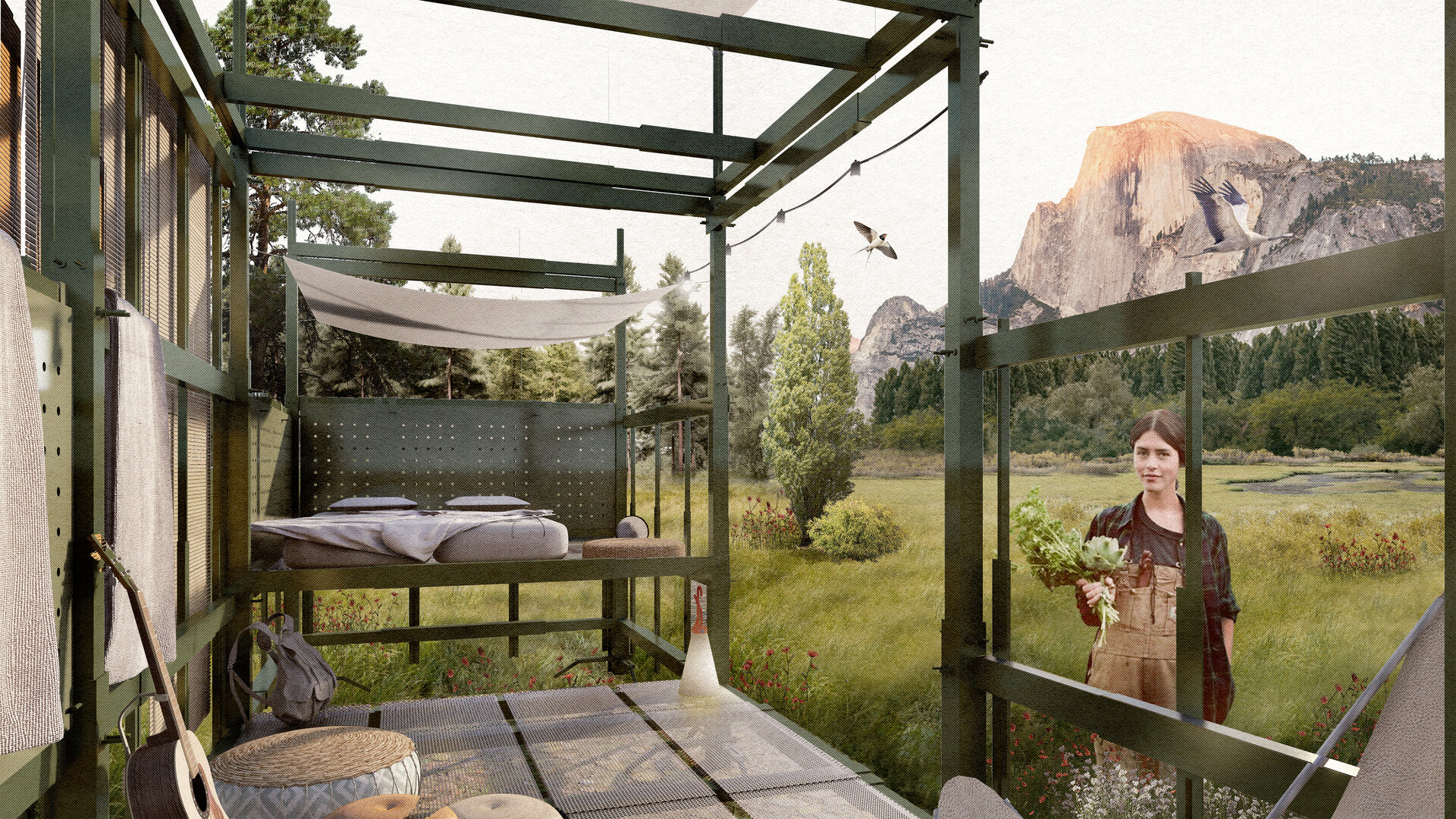
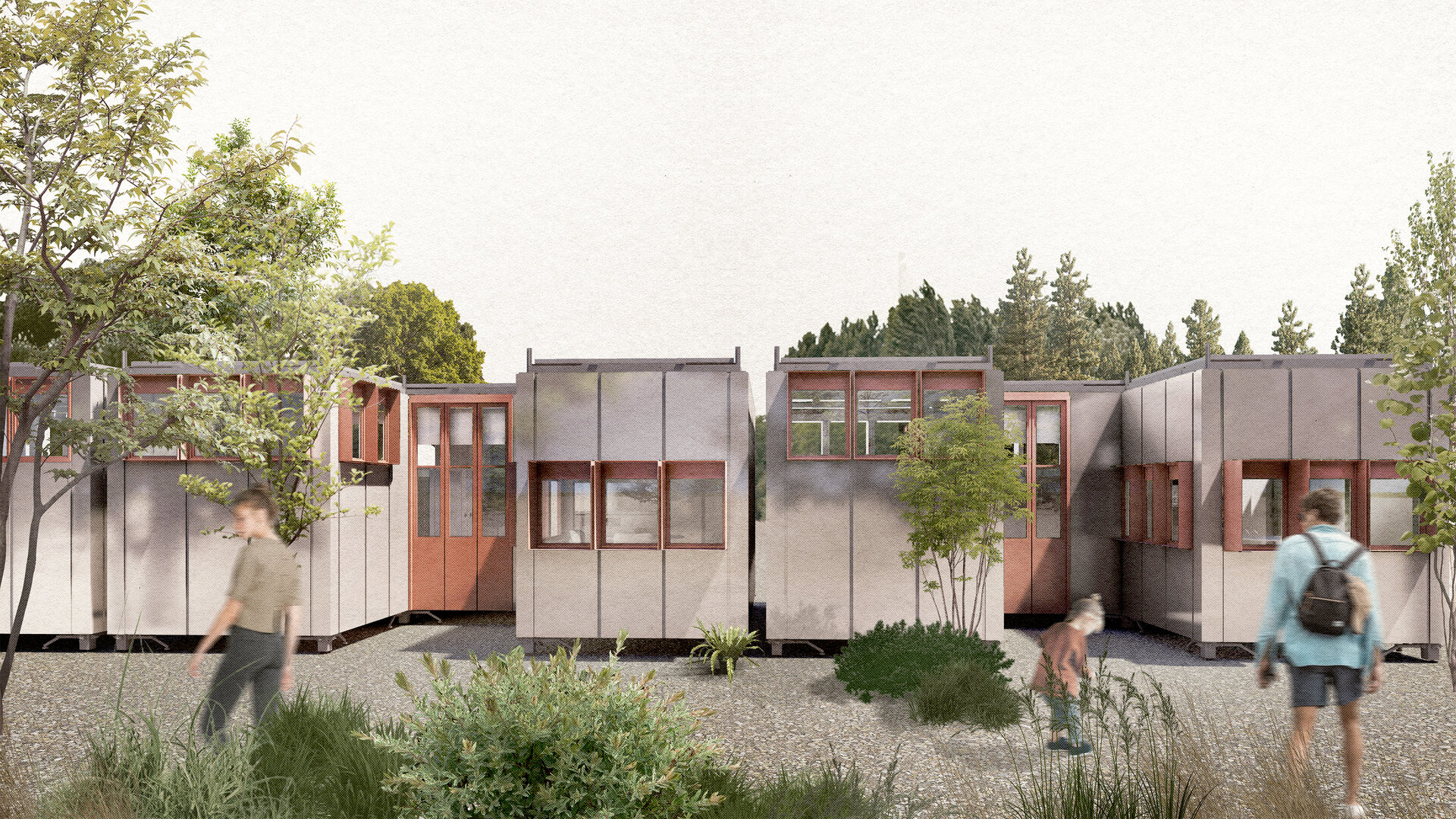
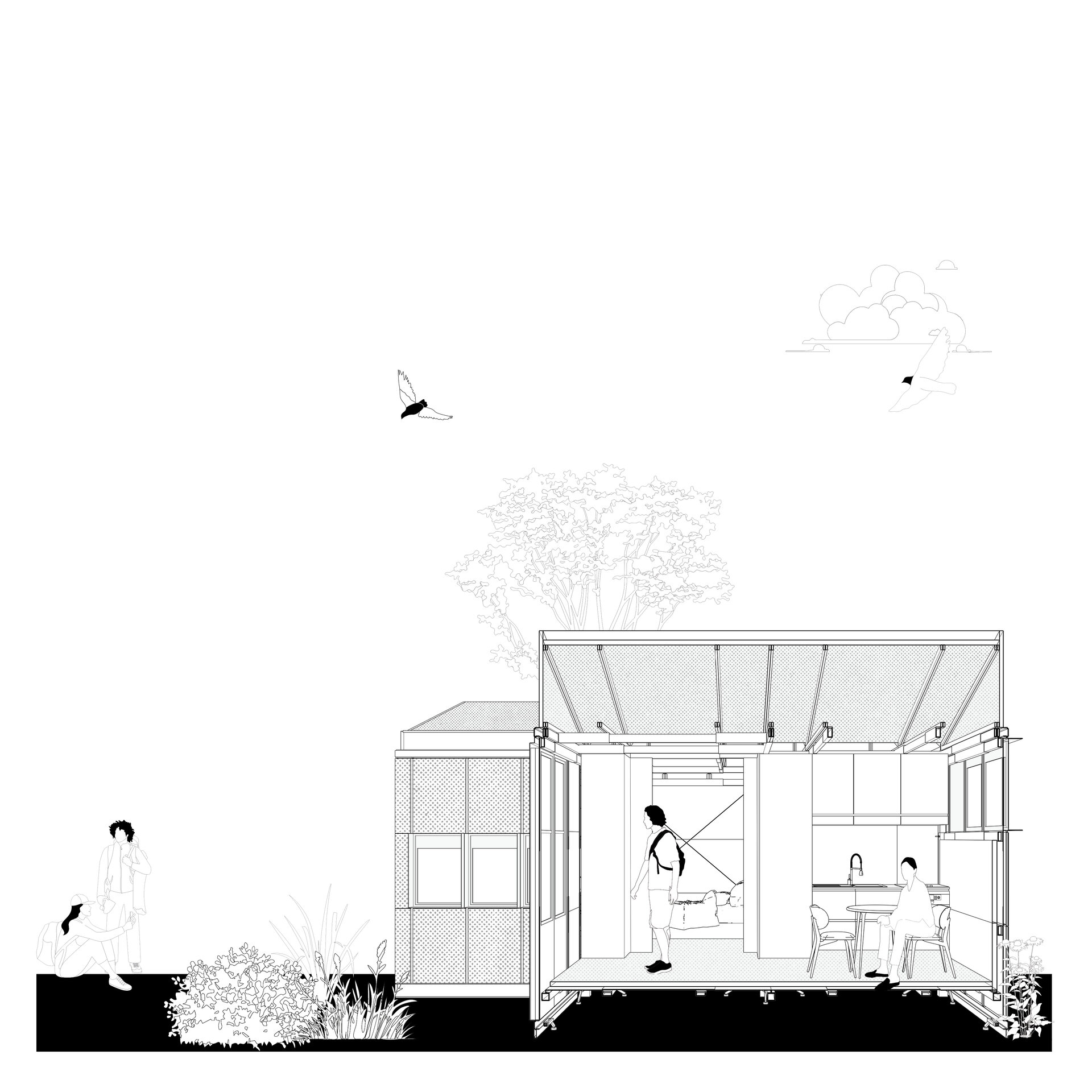
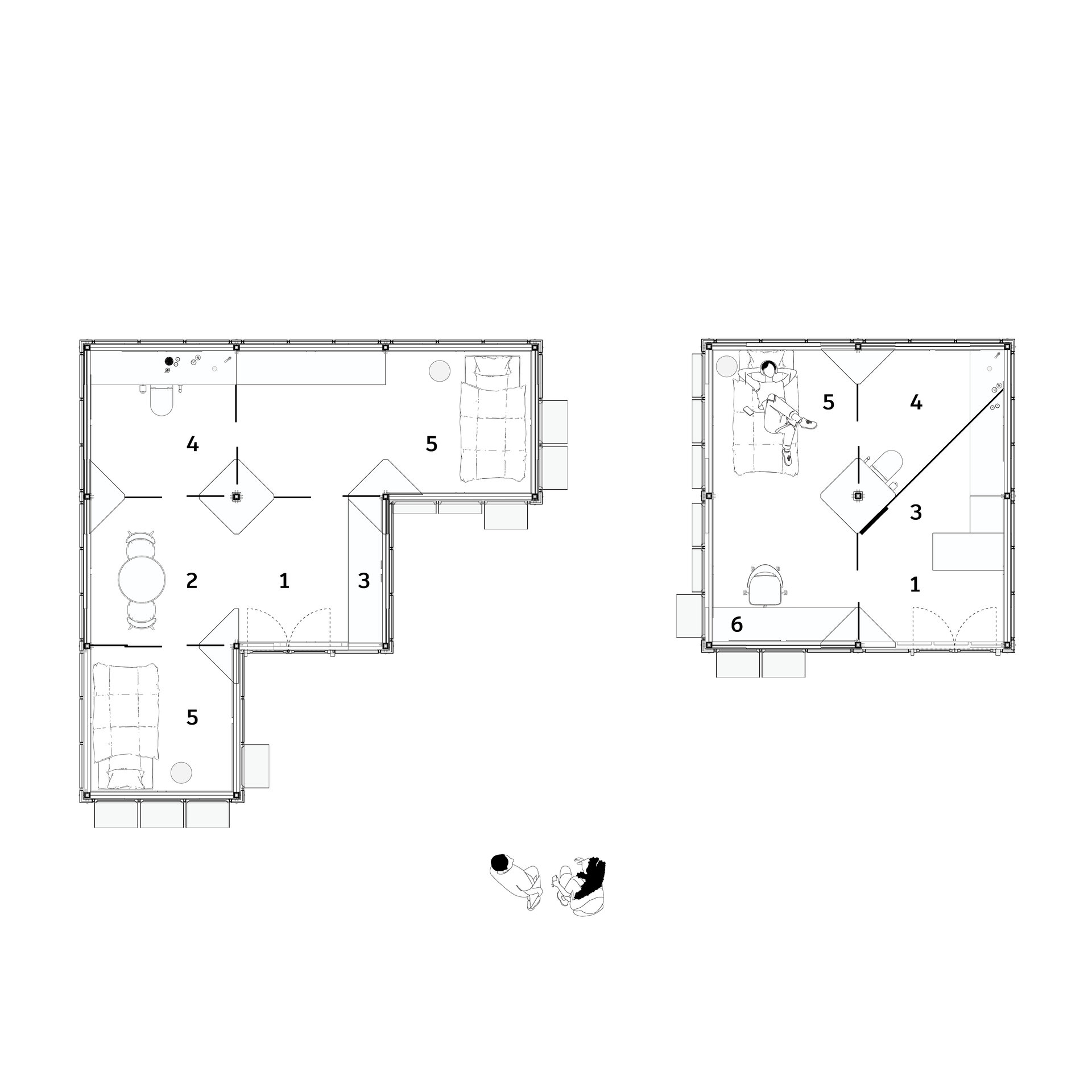
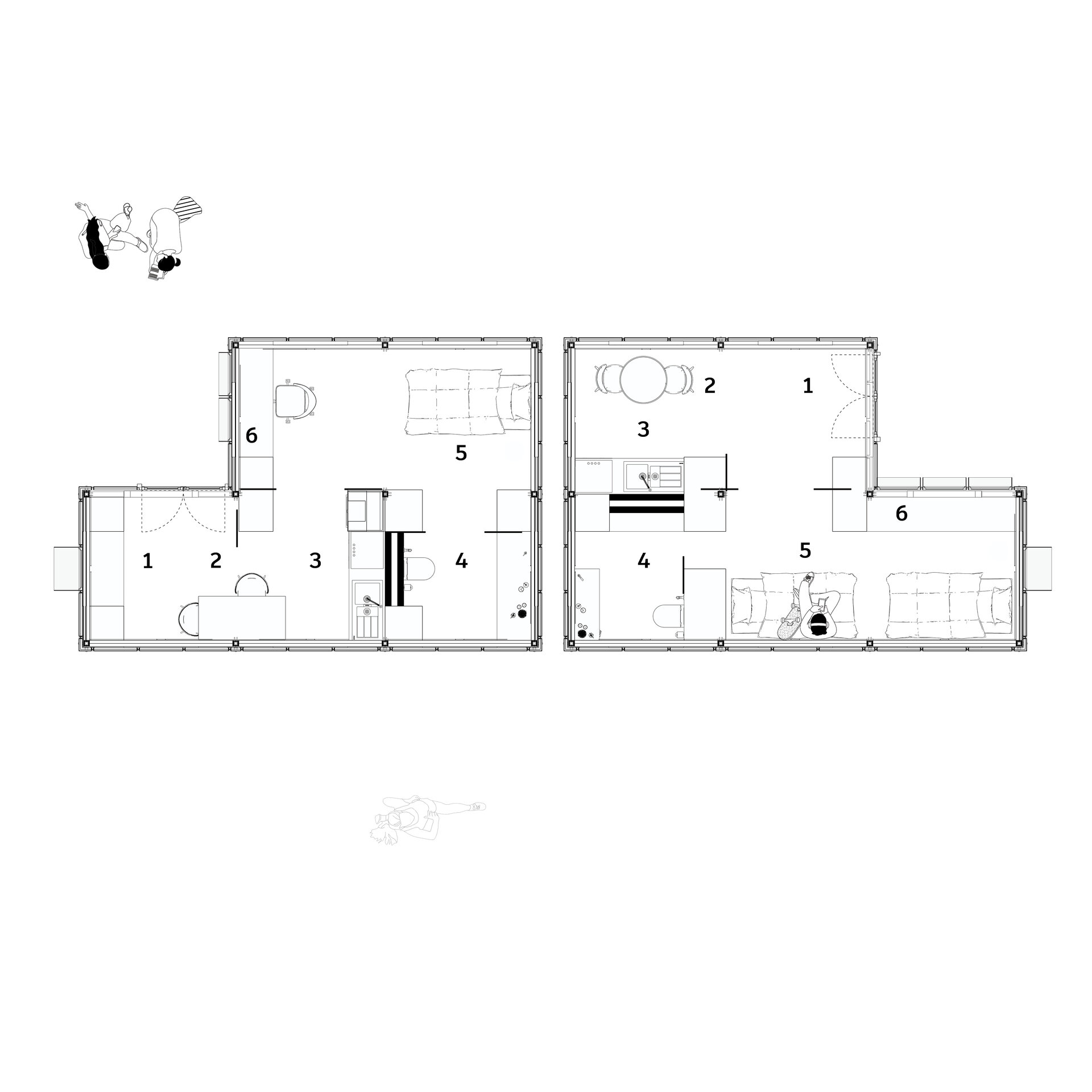
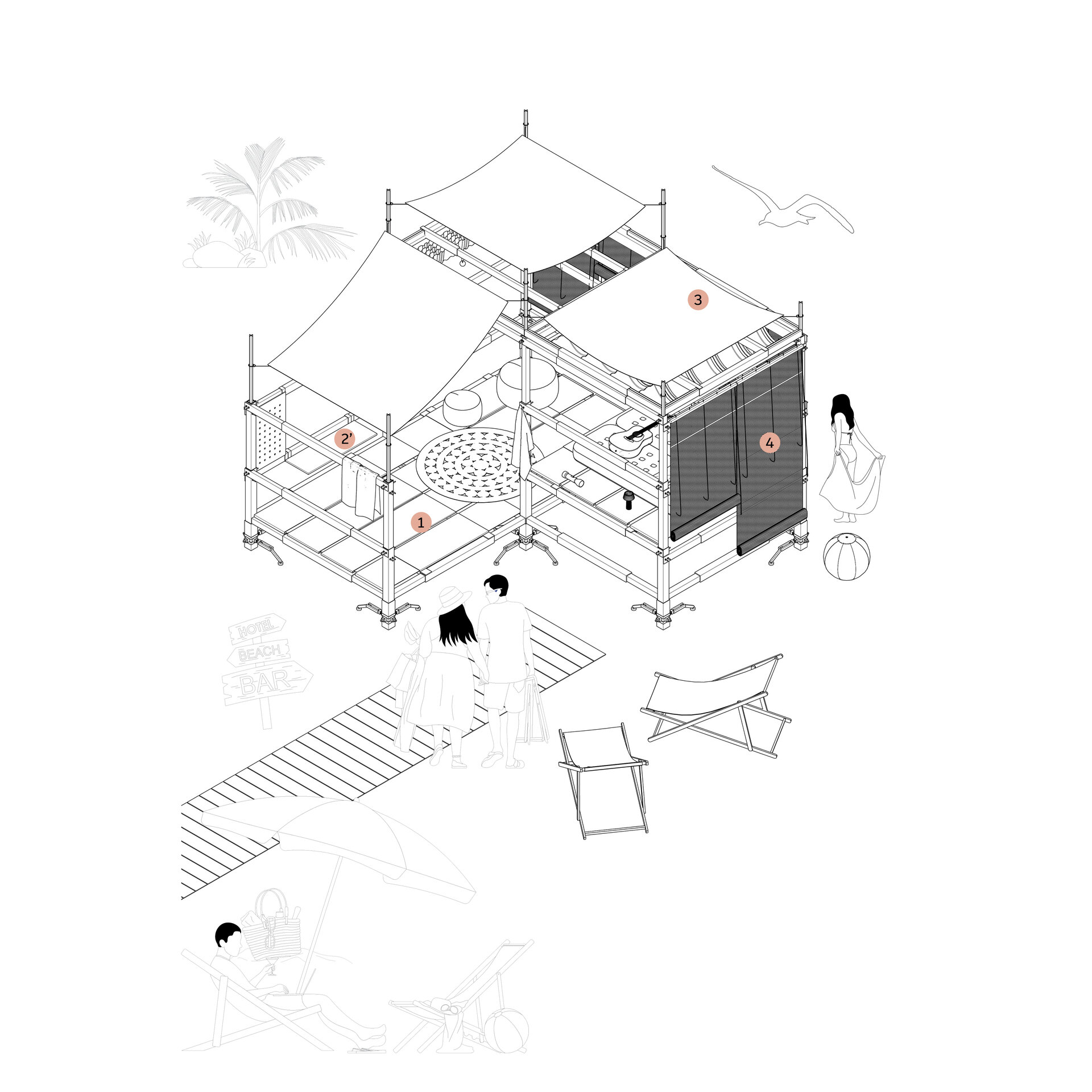
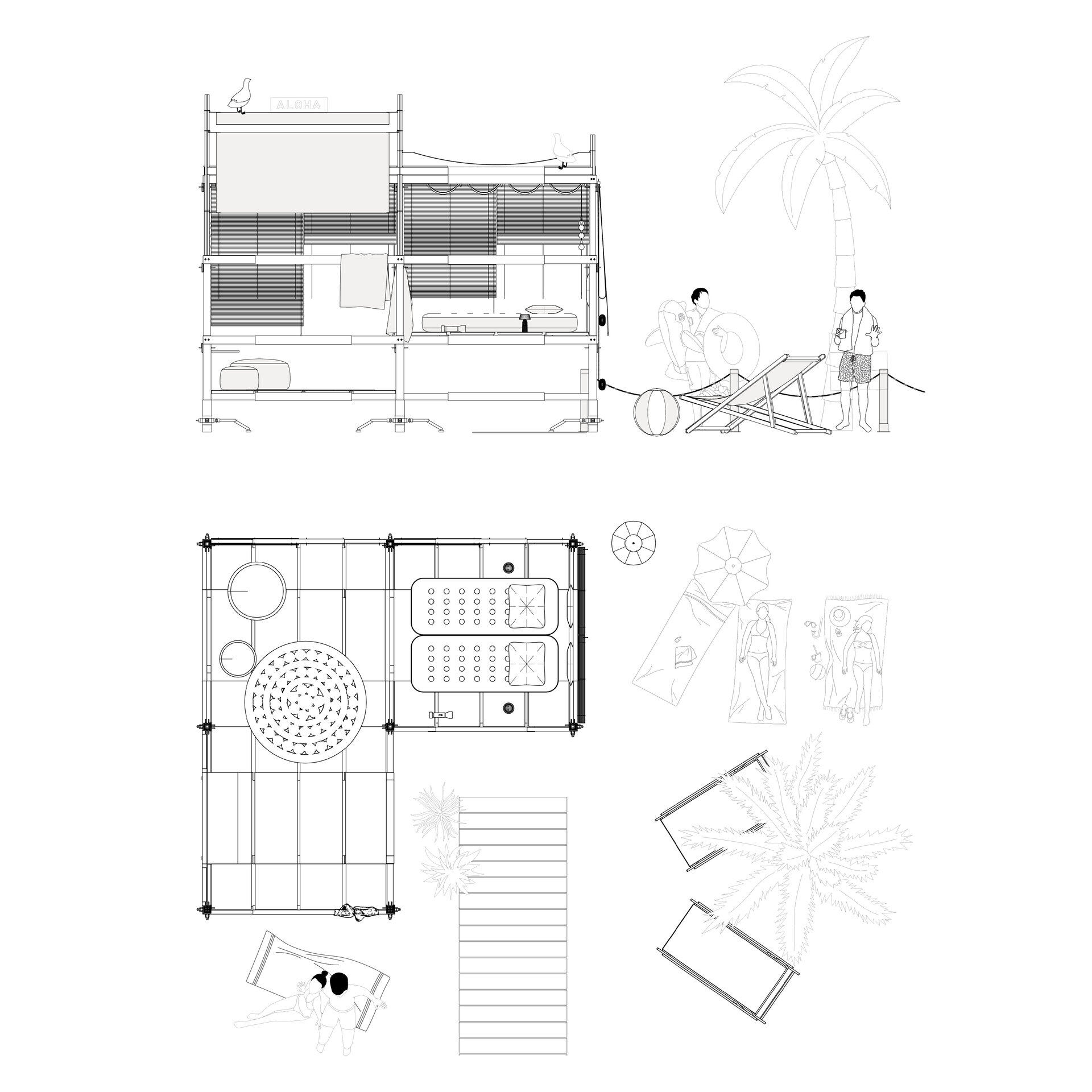
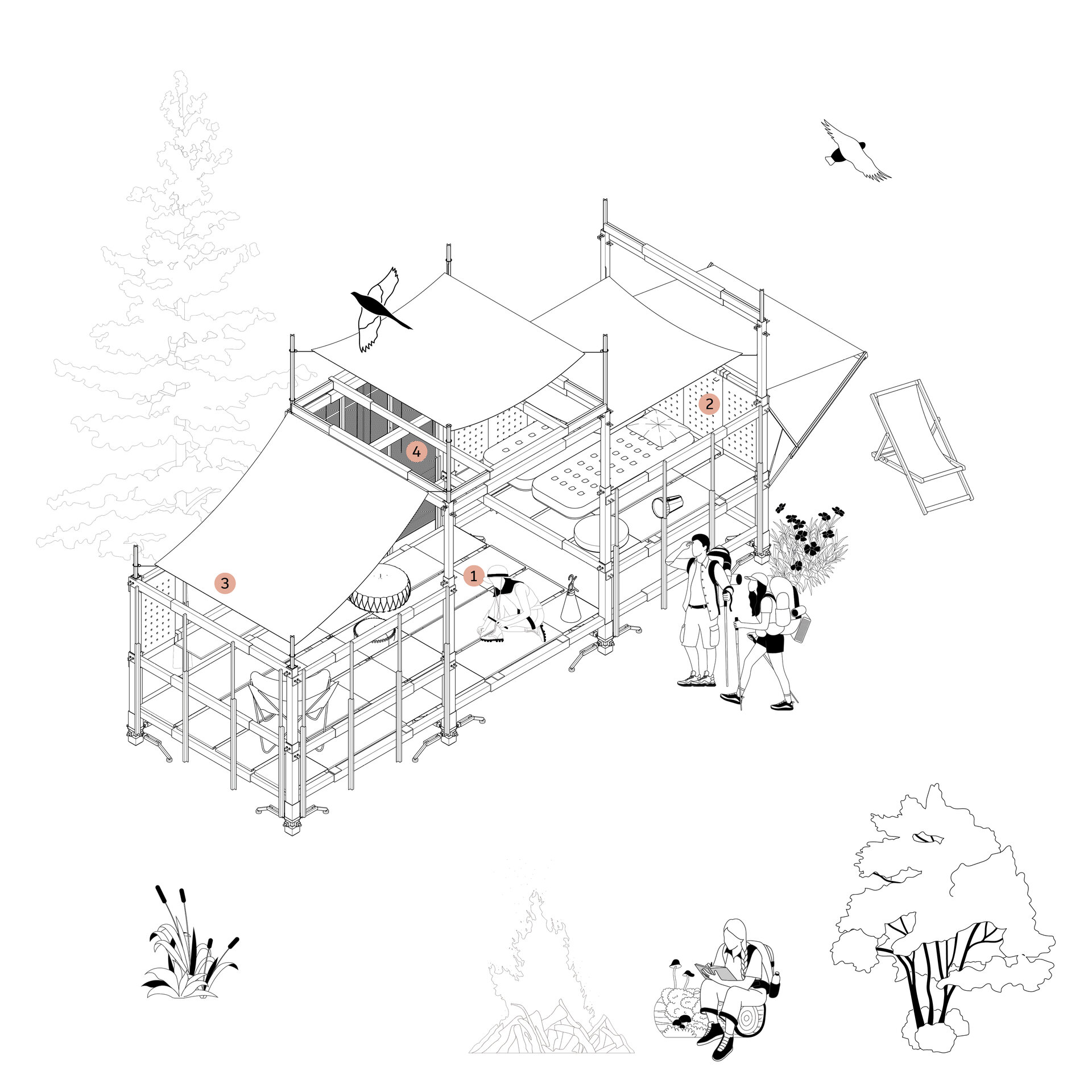
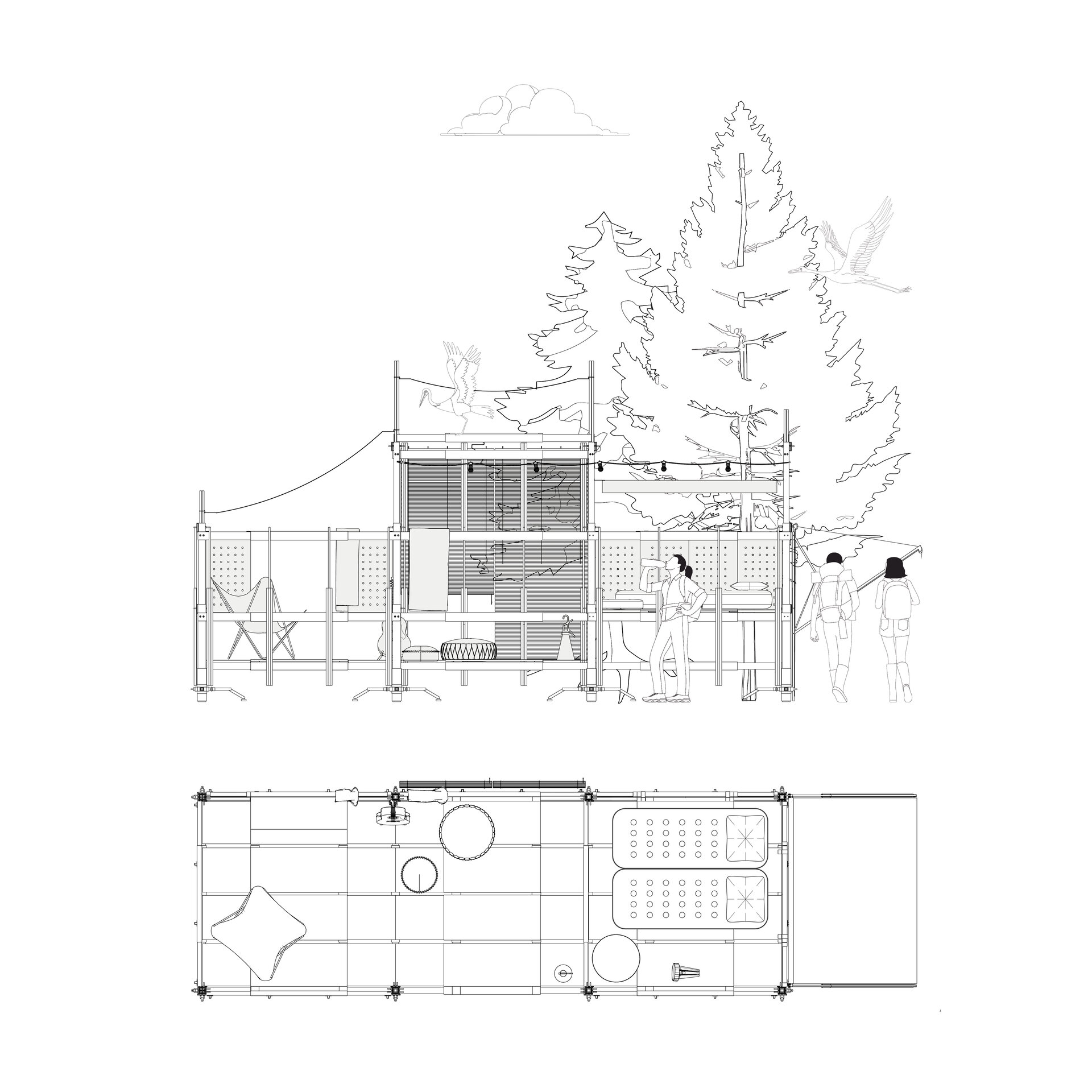
The Omnia project addresses the need for efficient and flexible temporary accommodation for large-scale events such as the Olympic Games. Instead of investing in permanent, costly infrastructure that often becomes obsolete post-event, Omnia offers a sustainable alternative: a modular, extendable, and reusable system designed to house athletes and support staff. Each unit can function independently or be integrated into a community network, allowing configurations tailored to specific needs. After the event, the system can easily be repurposed into temporary housing for emergency situations, tourism, or other uses. Omnia is not just a temporary shelter, but a versatile global solution that maximizes resources and reduces environmental impact.
Sustainability, Modularity, and Adaptability
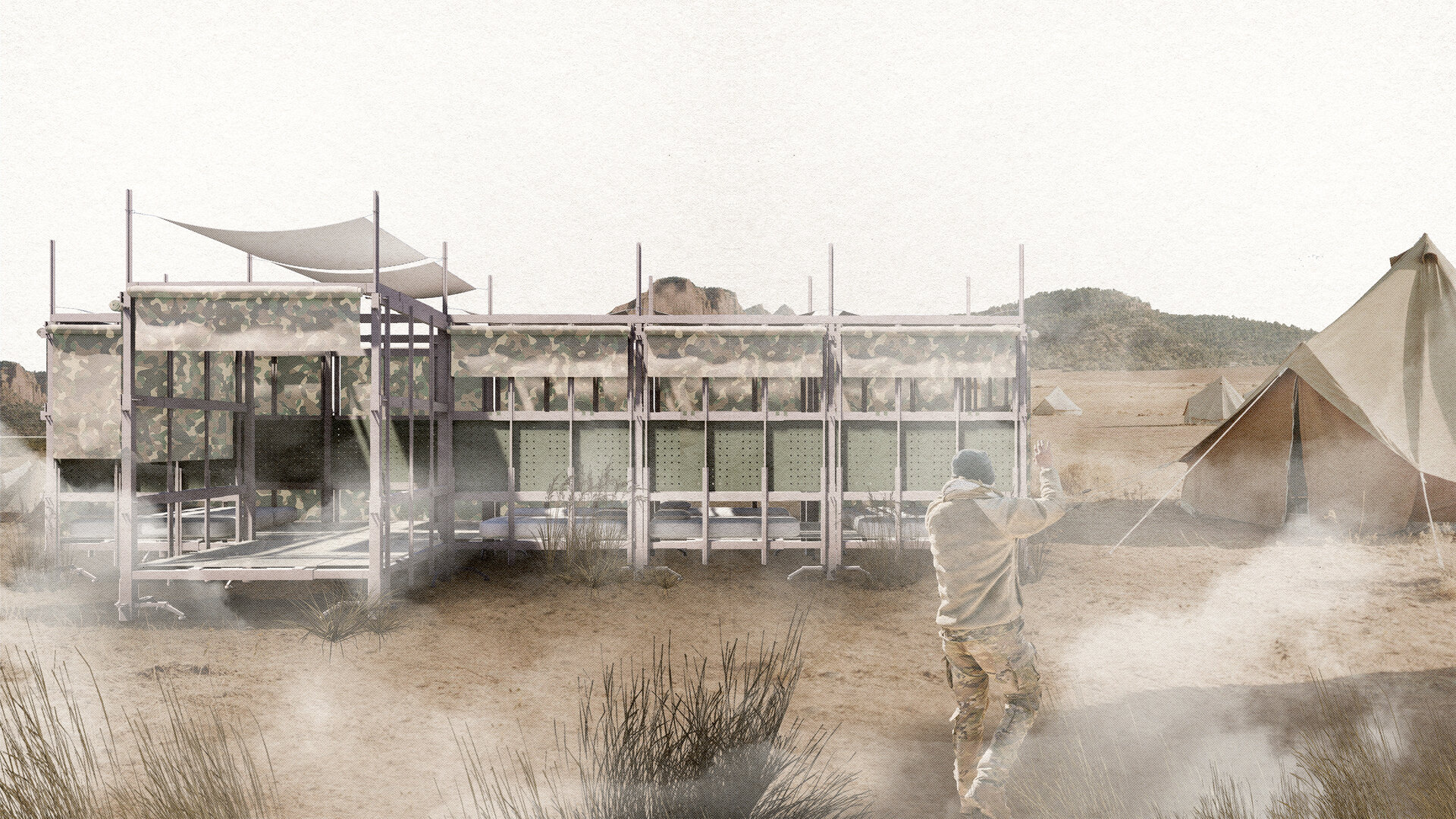
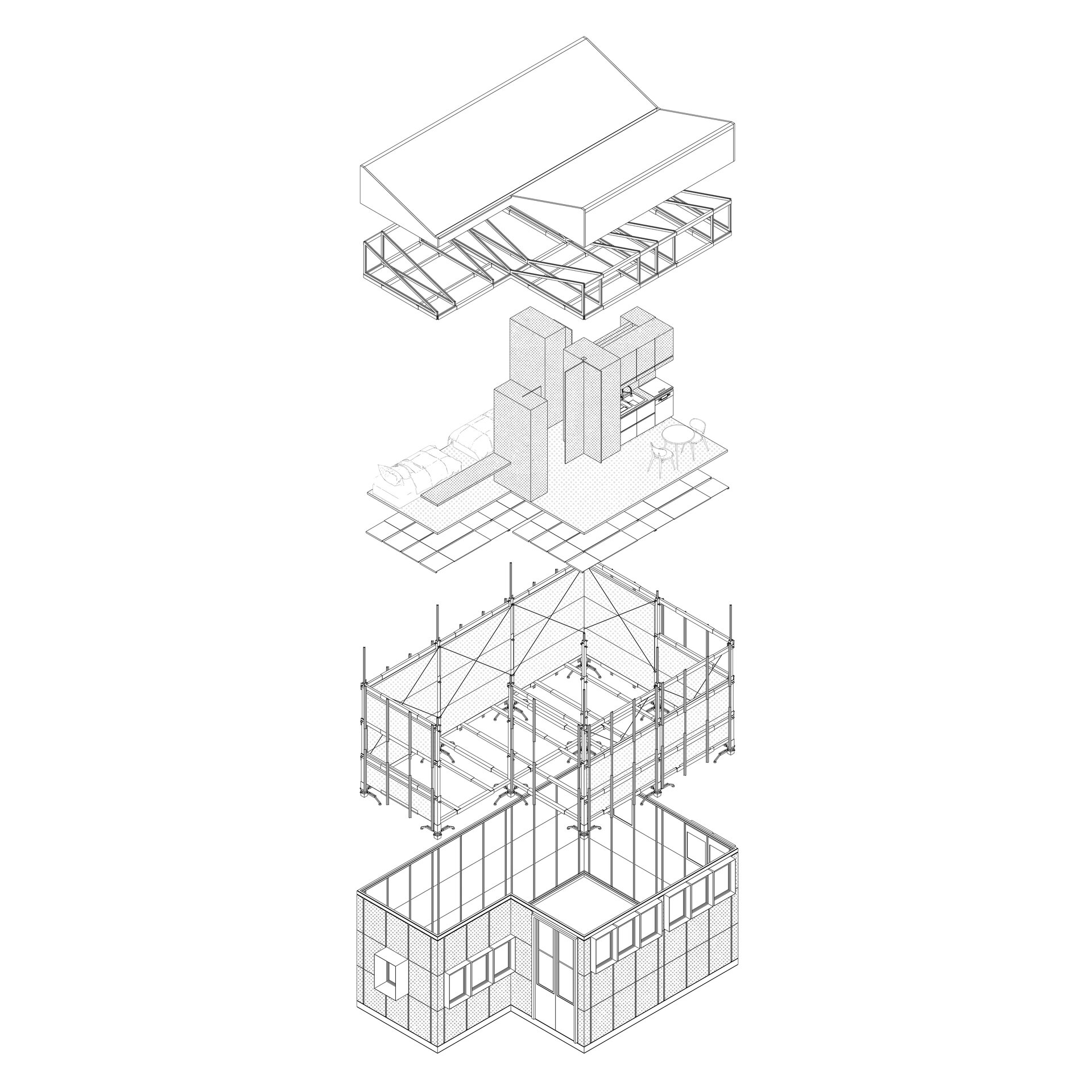
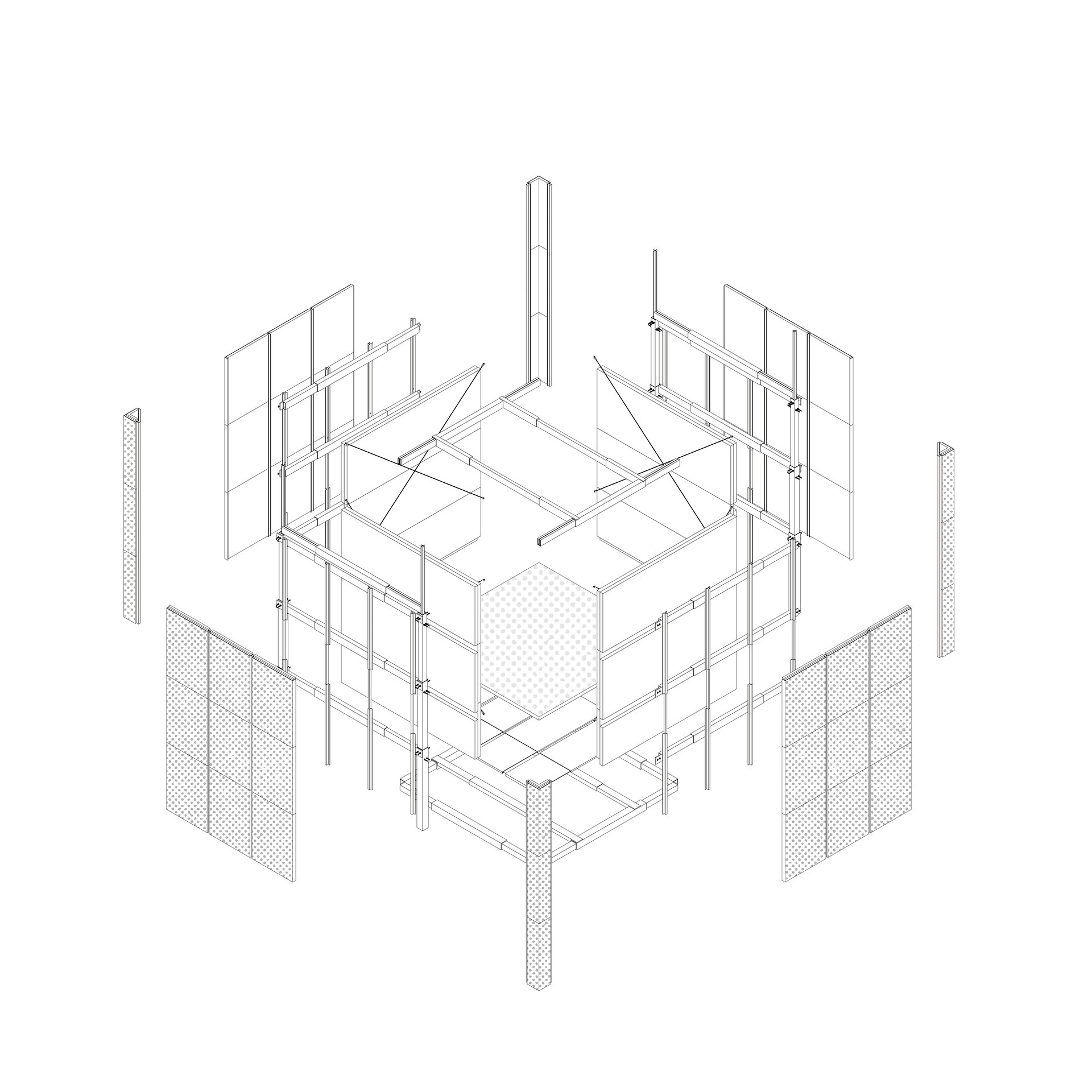
With a modular design and lightweight materials, Omnia ensures quick handling and assembly without the need for specialized tools. The configurations are scalable—easily expanded or reduced—and adaptable to various contexts, from individual users to larger communities. Compact formats and flat-pack packaging reduce logistical costs and transportation impact. Components are prefabricated from durable, recyclable materials, with low emissions during production and operation. The design allows for the reuse and repurposing of modules in different contexts—seasonal camps, emergency shelters, mobile workspaces, or operational support units—minimizing environmental footprint without compromising comfort or functionality.
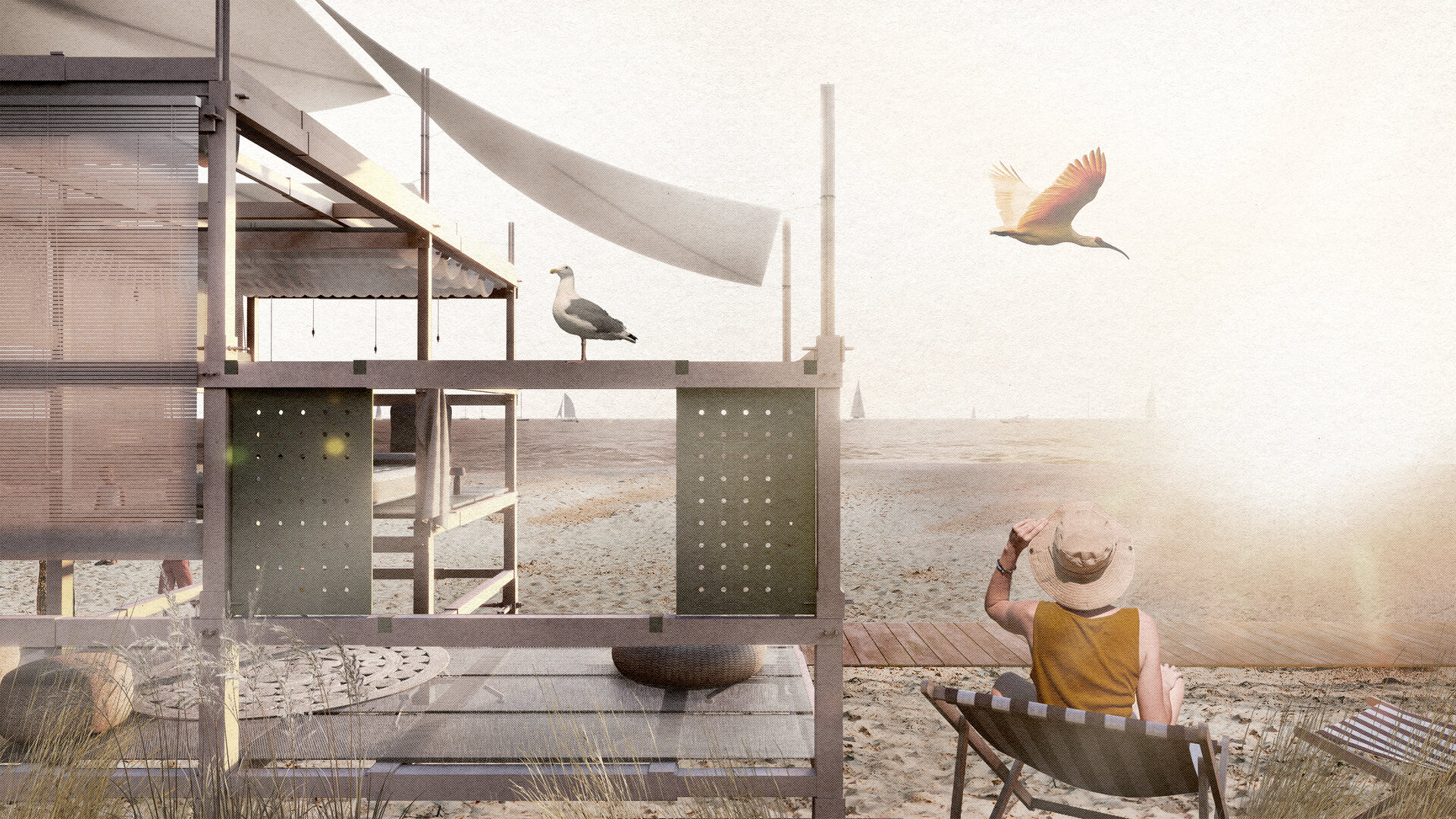
The system's versatility lies in its ability to adapt effortlessly to a wide range of environments and purposes. Its structure can be scaled based on the number of users or specific needs, making it ideal for both small and large-scale applications. This flexibility enables its use across multiple sectors, from humanitarian aid to tourism, offering an efficient and reliable solution in any scenario.
Implementation, Strategy, Features, and Results
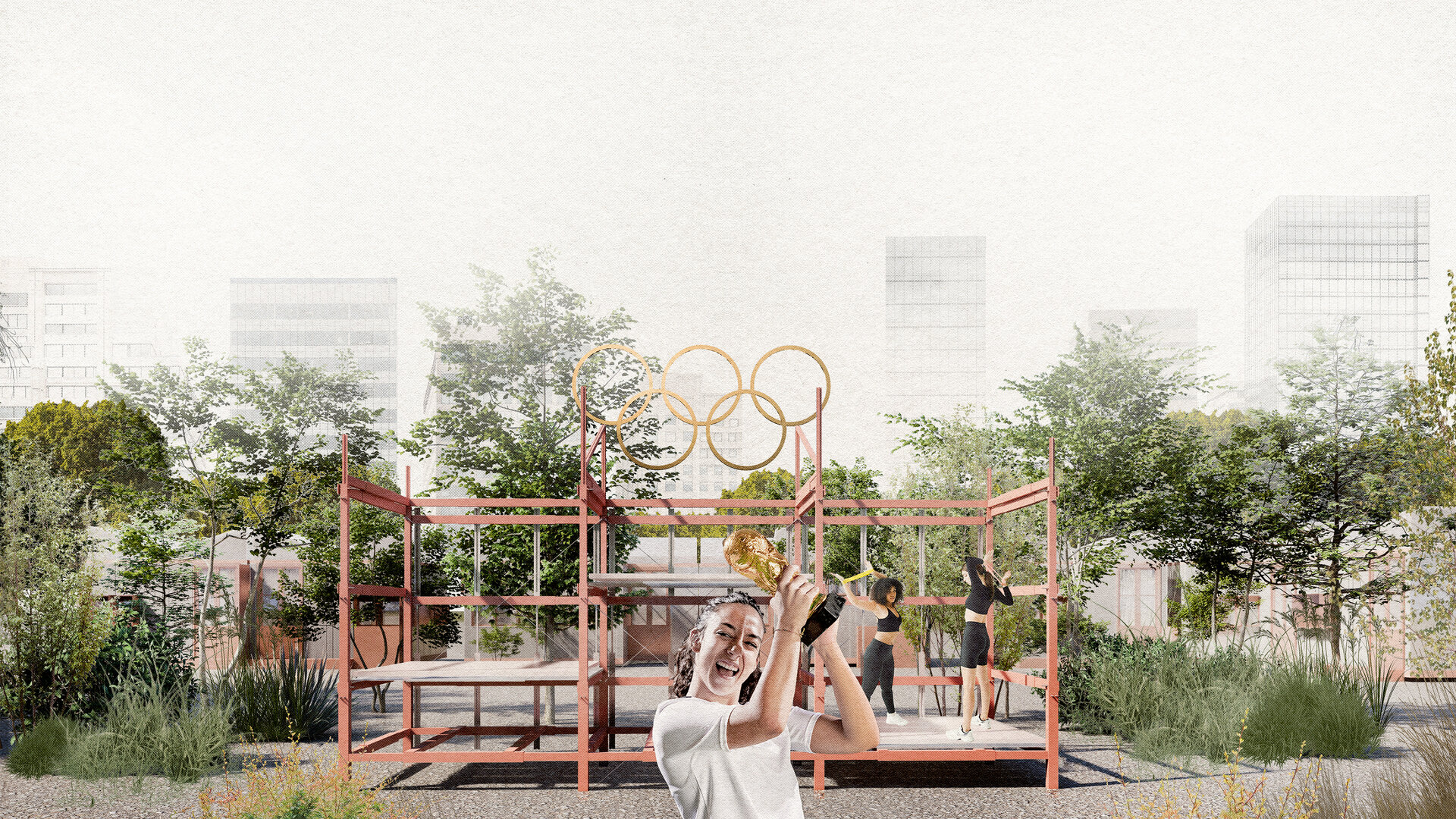
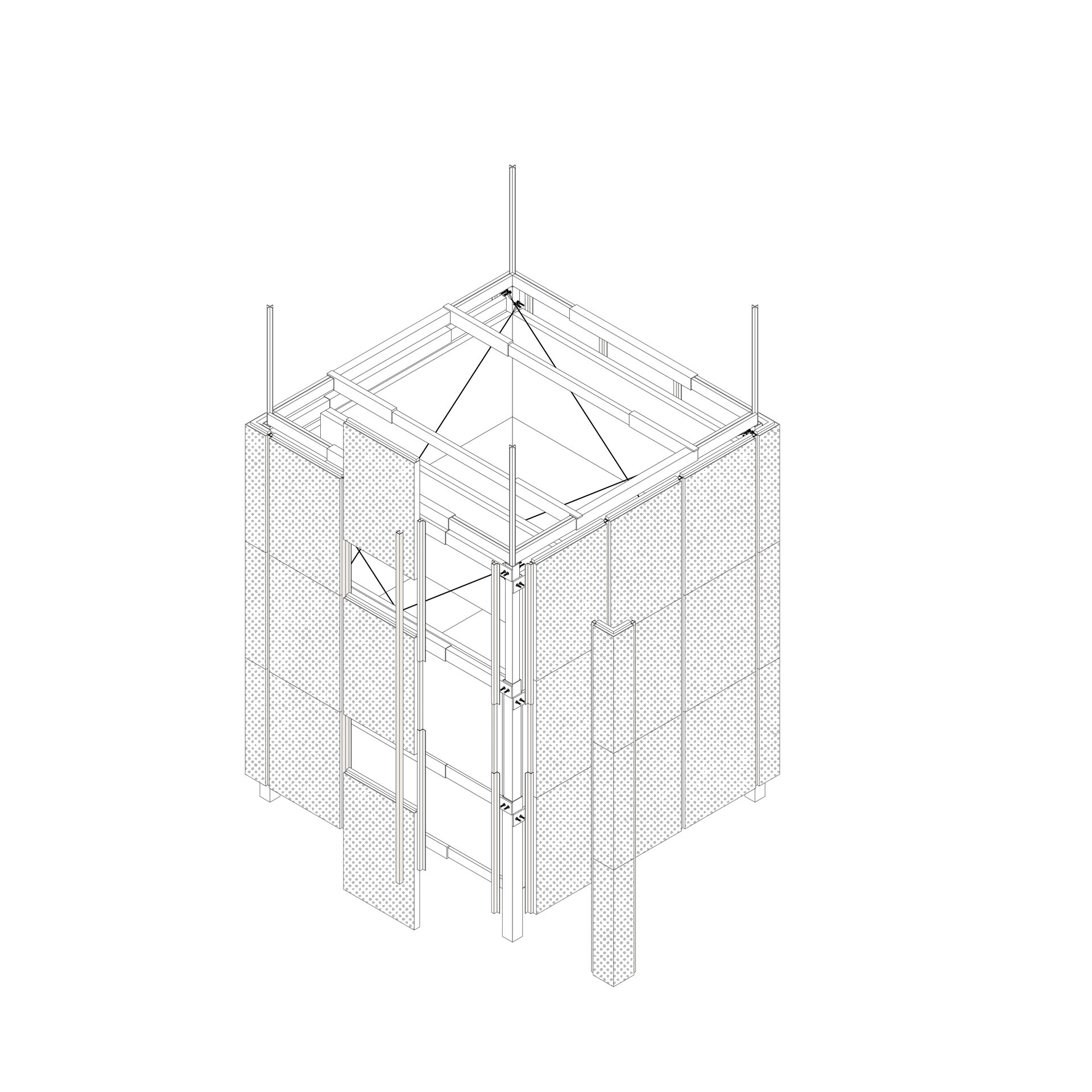
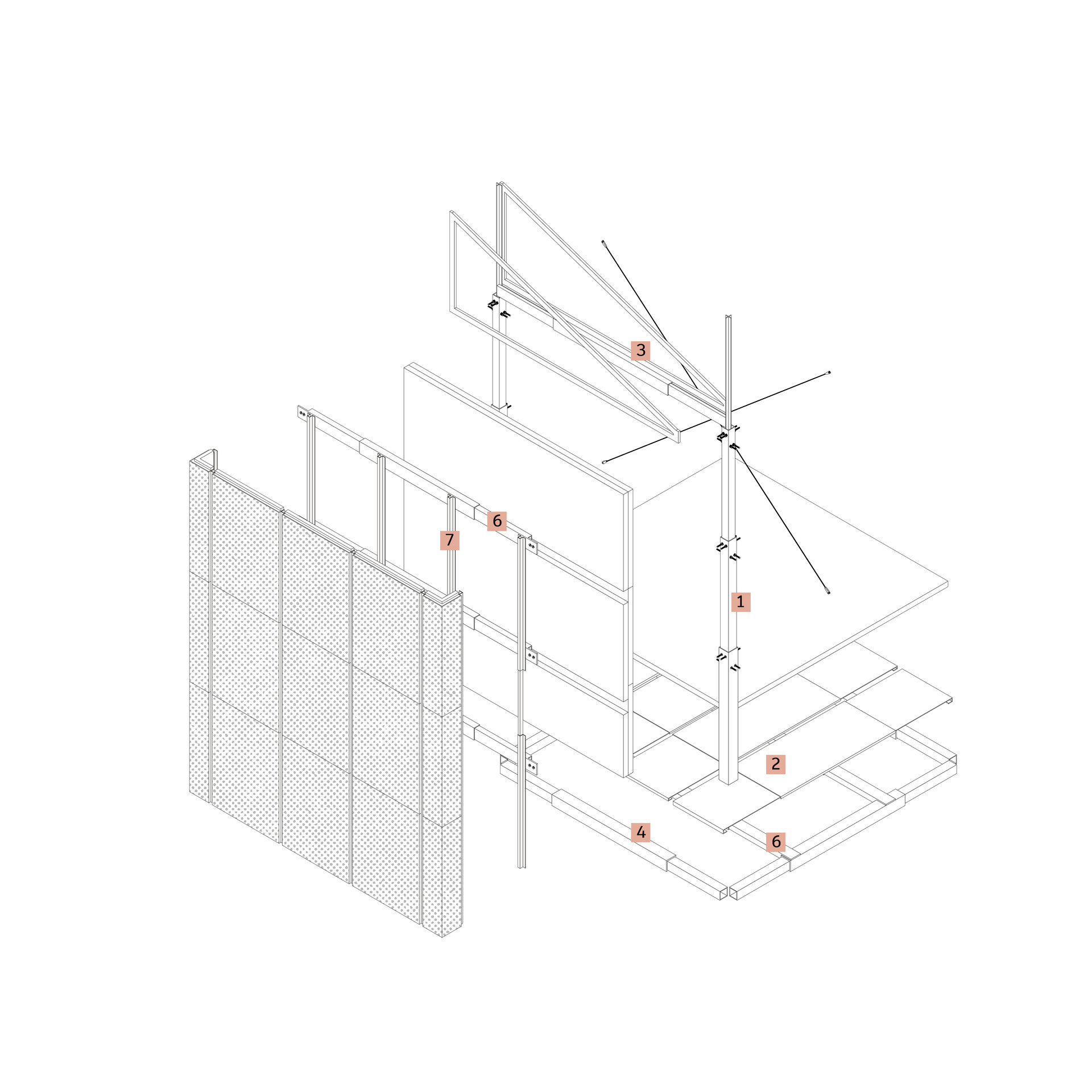
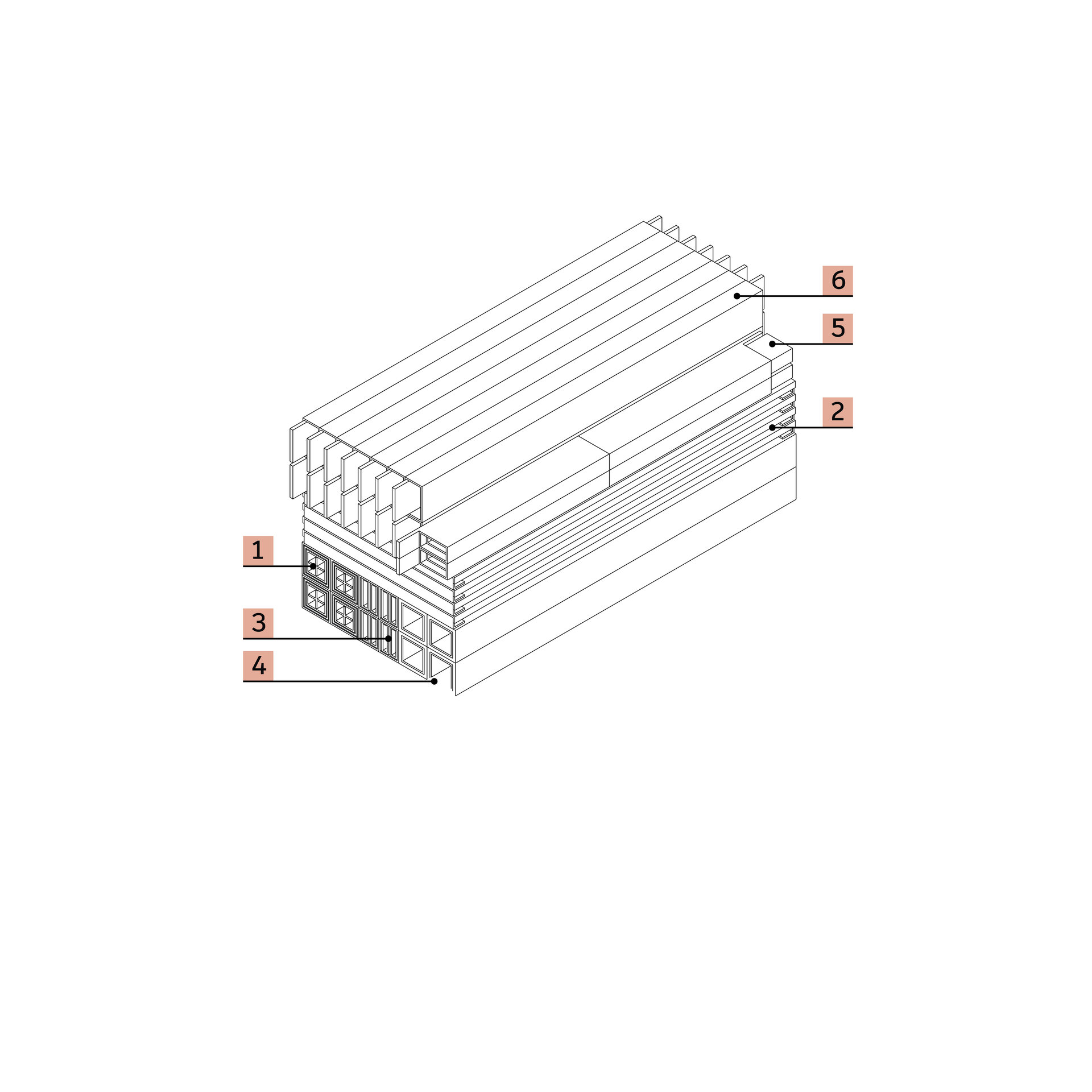
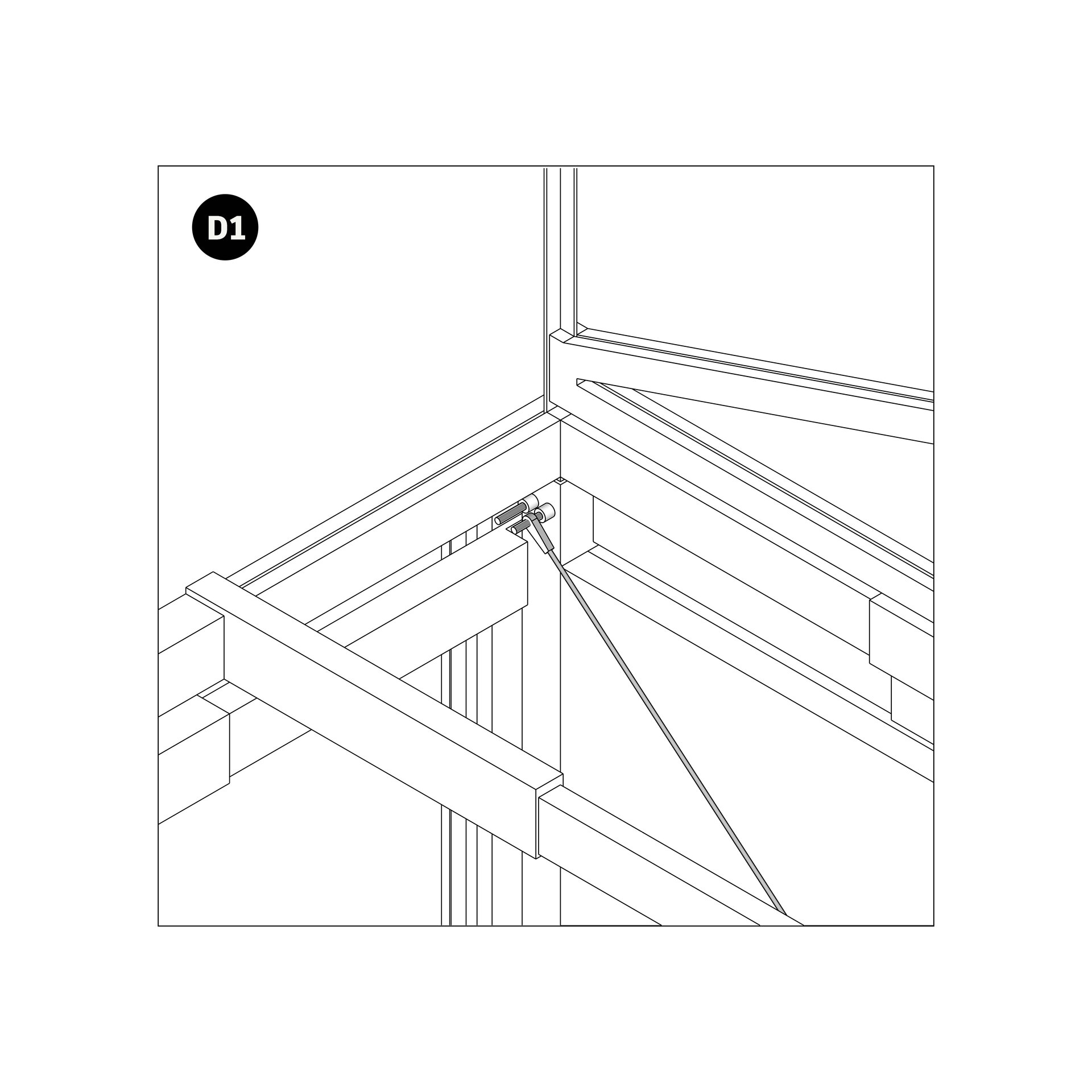
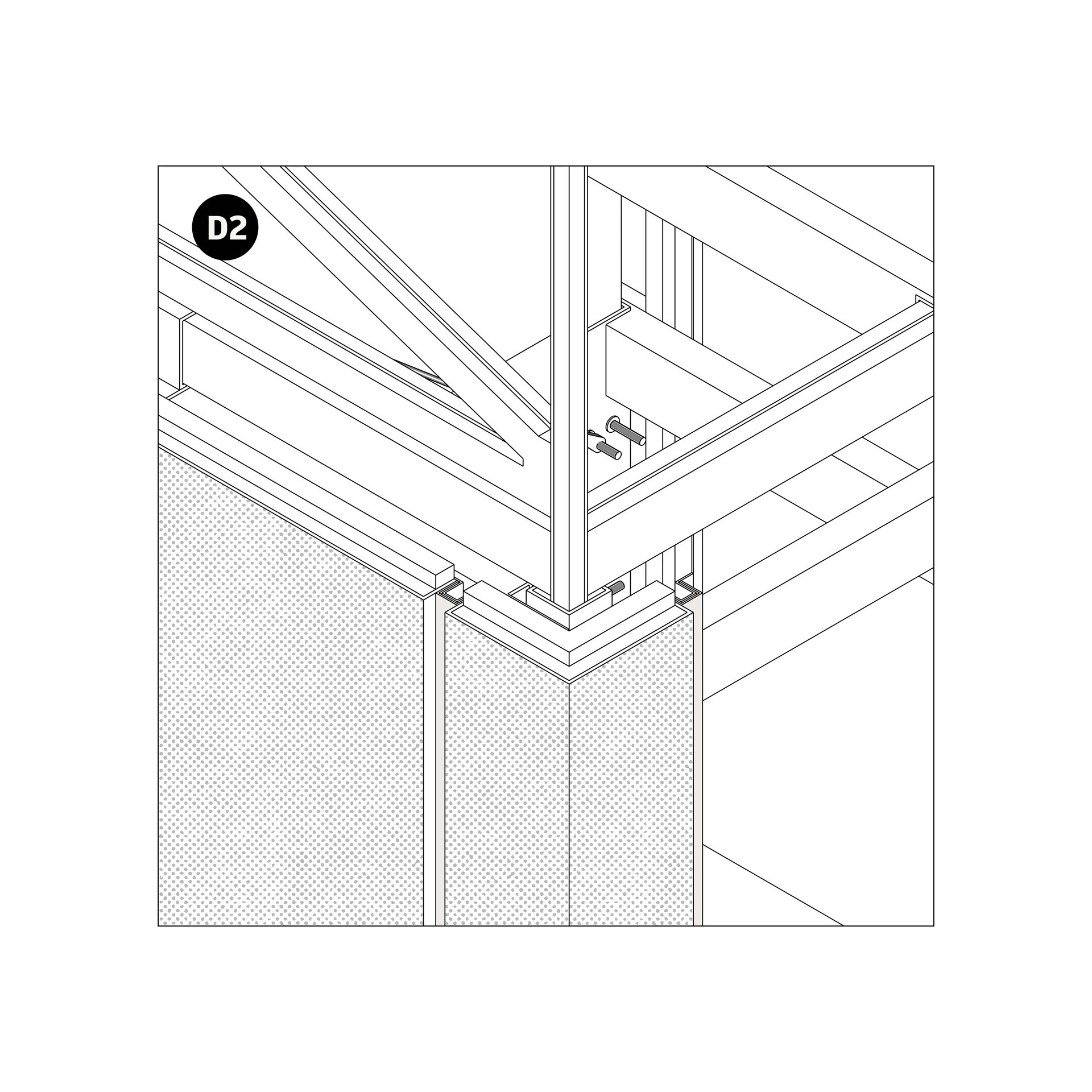
The system is built from high-precision prefabricated metal components, easy to transport and assemble thanks to standardized connection points. The design allows for both vertical and horizontal expansion, includes integrated utilities, and is weather-resistant. Off-site manufacturing reduces waste and ensures fast, low-effort on-site assembly. The challenge of balancing portability with strength was addressed using lightweight yet robust alloys, while scalability was achieved through a limited number of standardized parts. Production was optimized to maintain affordability and minimize material waste.
The result is a scalable, sustainable housing solution that reduced construction time by 50%, accommodated thousands during the event, and was later repurposed for crisis response or other temporary uses. Omnia stands as an efficient and adaptable model for temporary housing in a rapidly changing world.
Residential Architecture

- Transylvanian guesthouse with greenhouse and sauna
- Omnia. Redefining Shelter
- House in the Outback
- Totem. Adaptive Structural System
- Tower house
- House NC
- Between Field and Sky: House in the Irish Rural Landscape
- An Interstitial House
- Creative residency – temporary dwelling in nature
- AR House
- Pod House
- House P
- Single-Family House in Cotroceni – Consolidation and Extension
- Atria Promenada
- CS23B House


