- Jury’s Distinction for innovative system
Totem. Adaptive Structural System
Authors’ Comment
CONCEPT
This project is our proposal for the international architecture competition HOUSE OF THE FUTURE 2024/25, a continued exploration of the future living spaces for citizens of the United Arab Emirates.
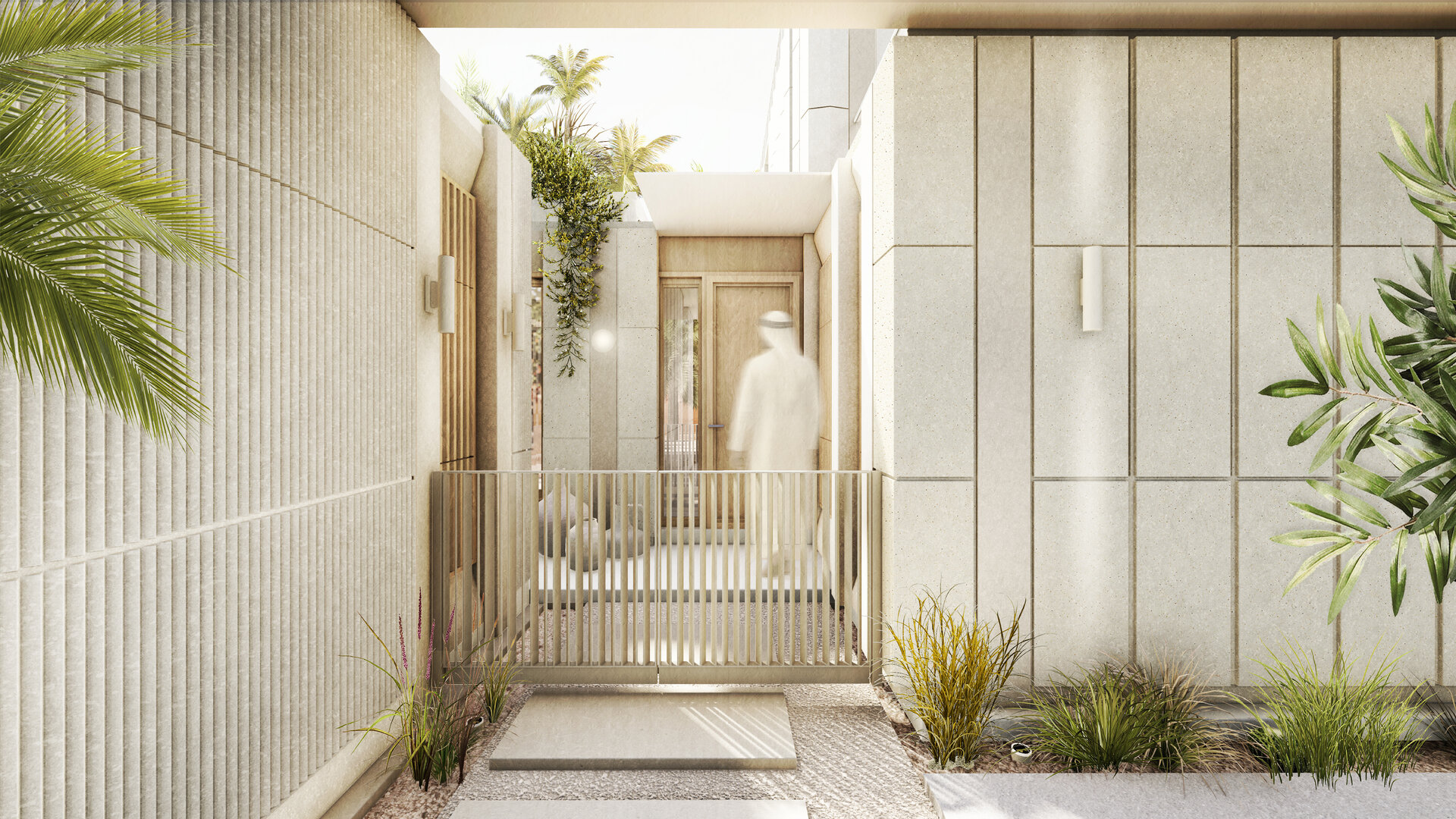
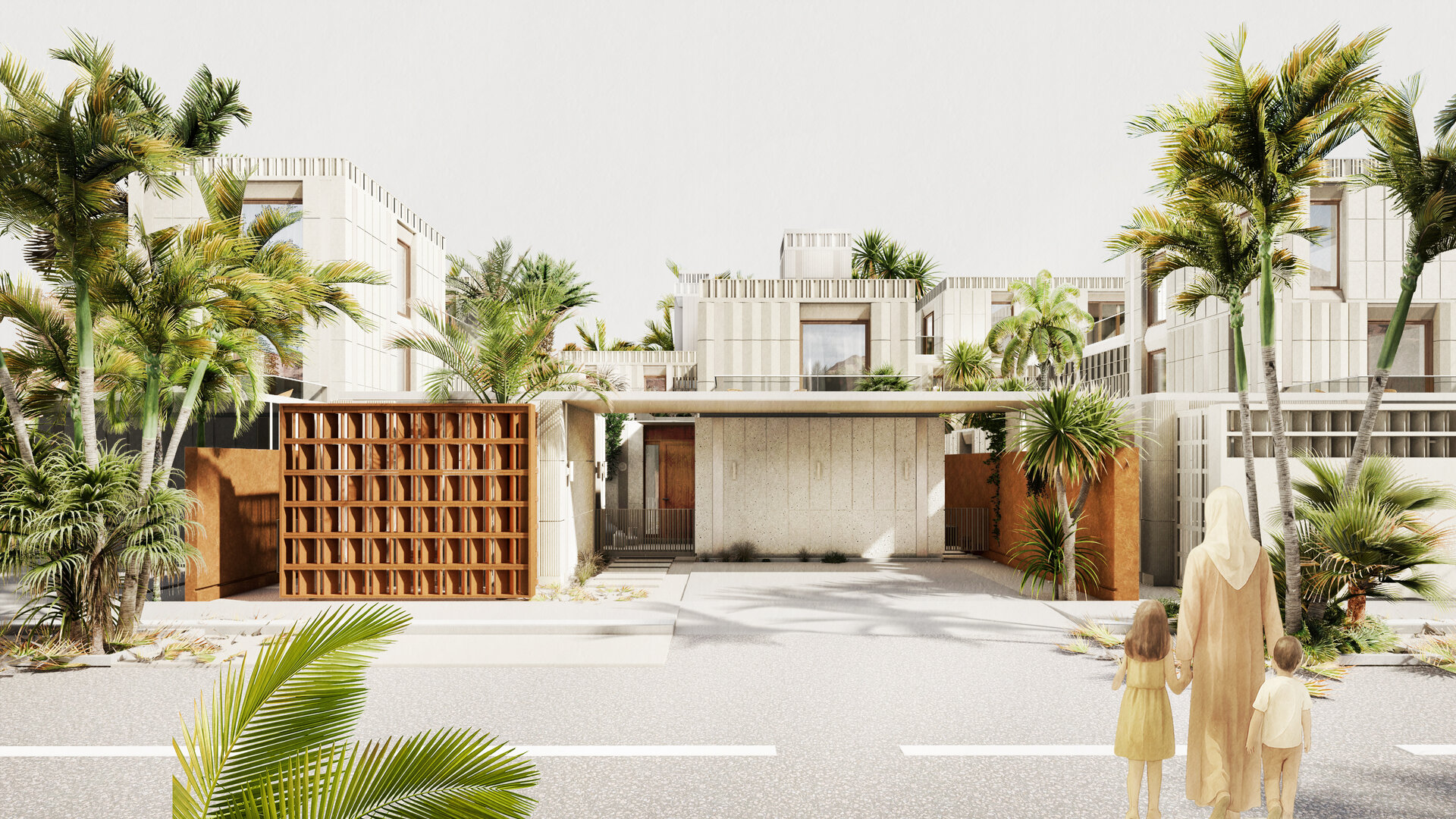
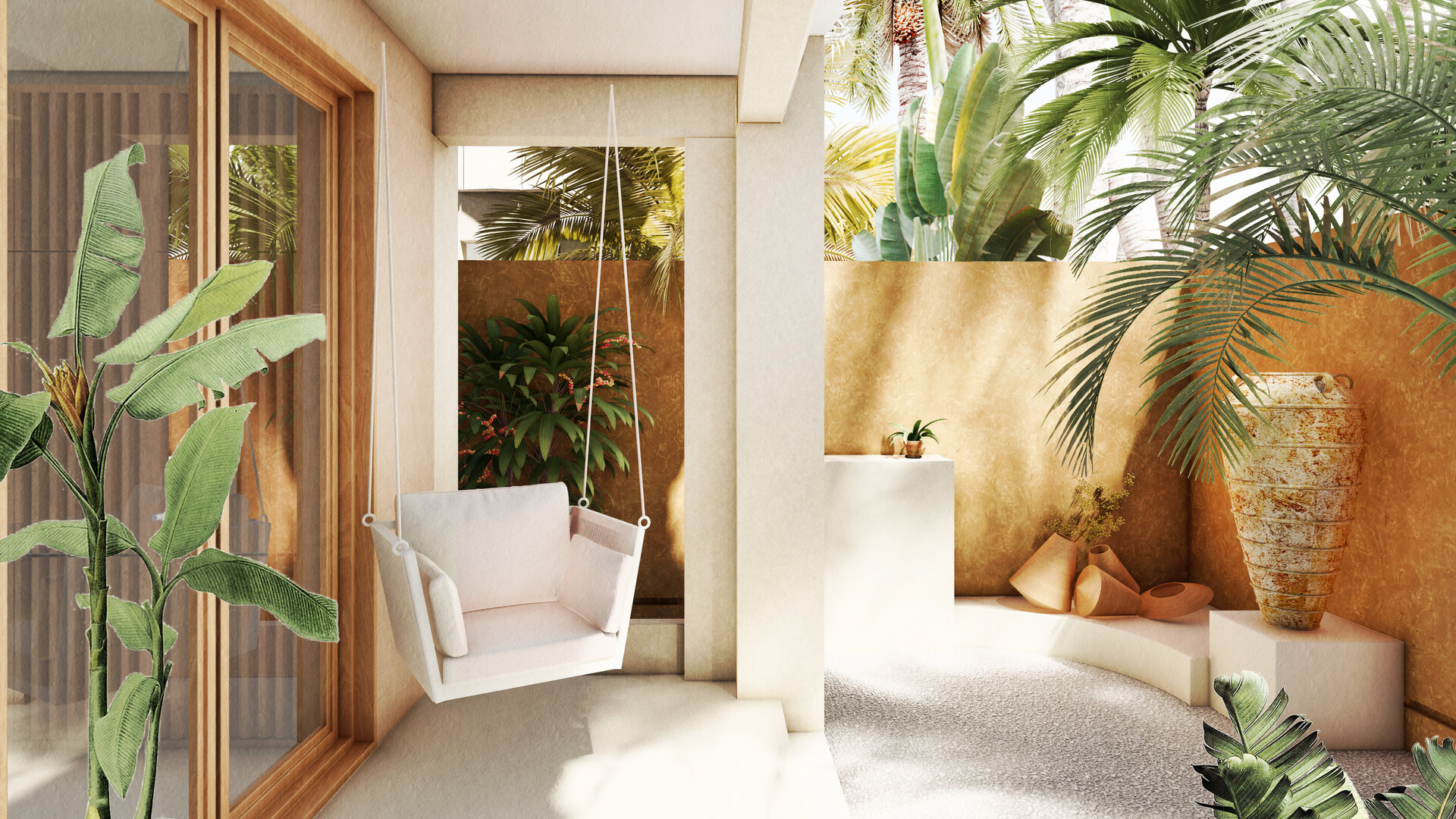
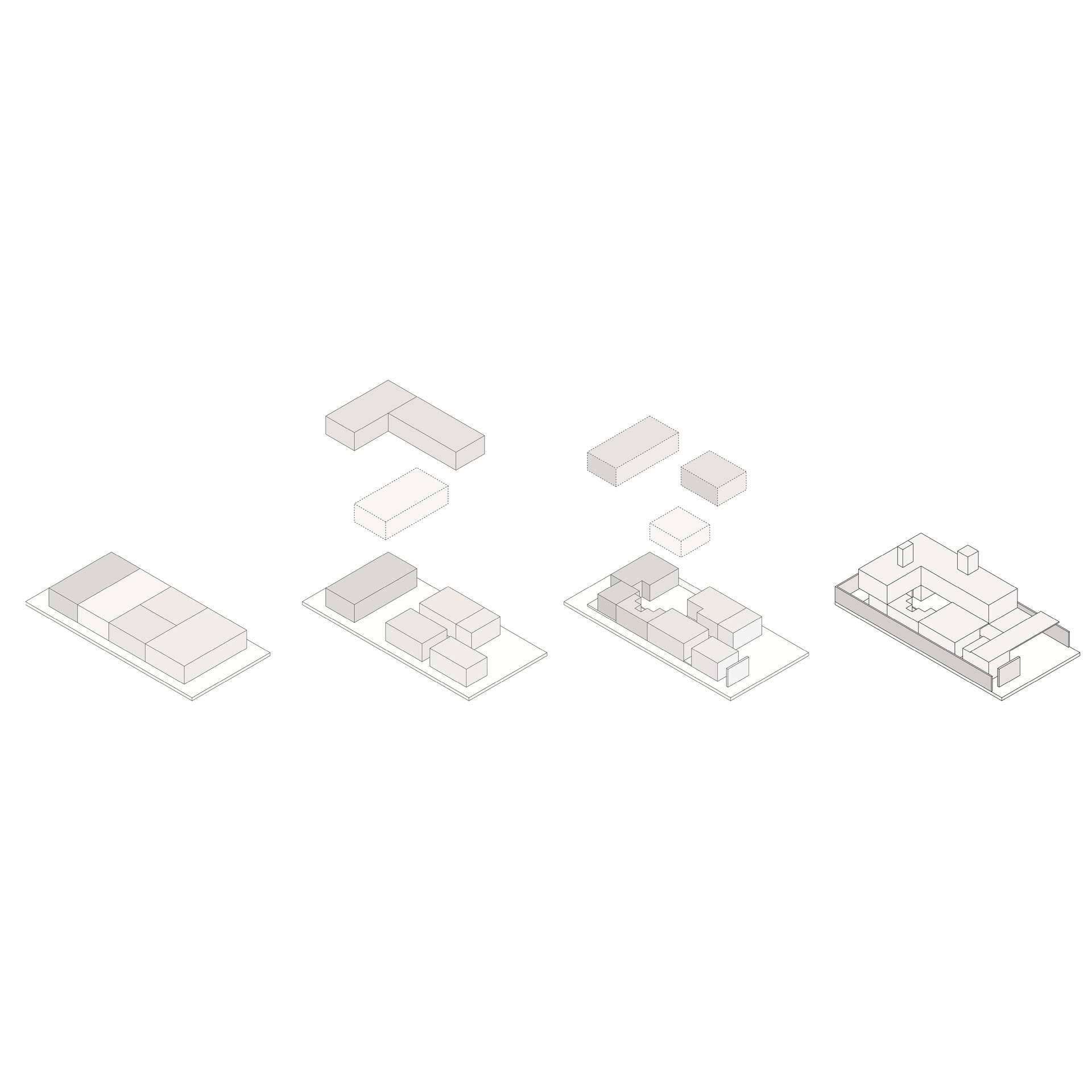
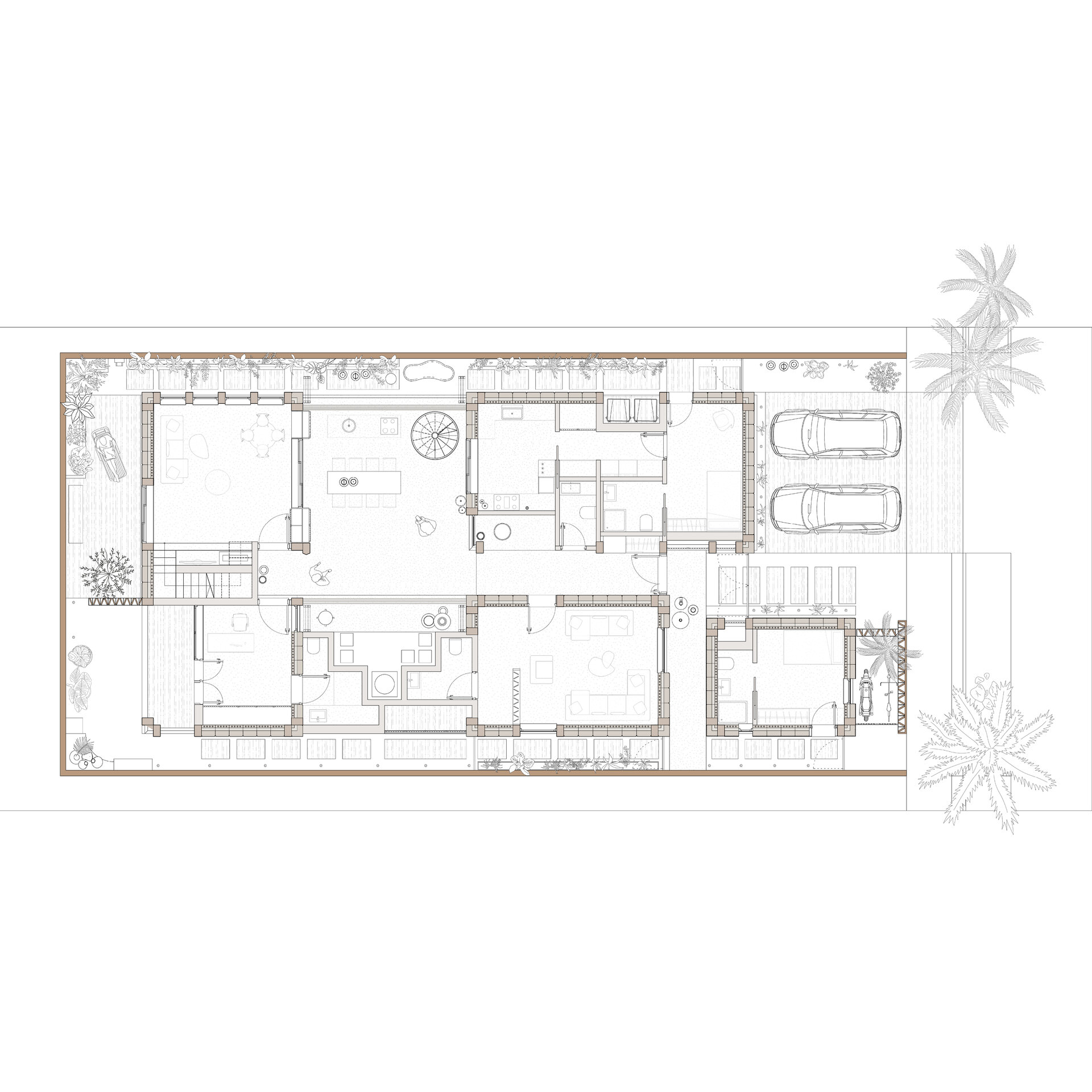
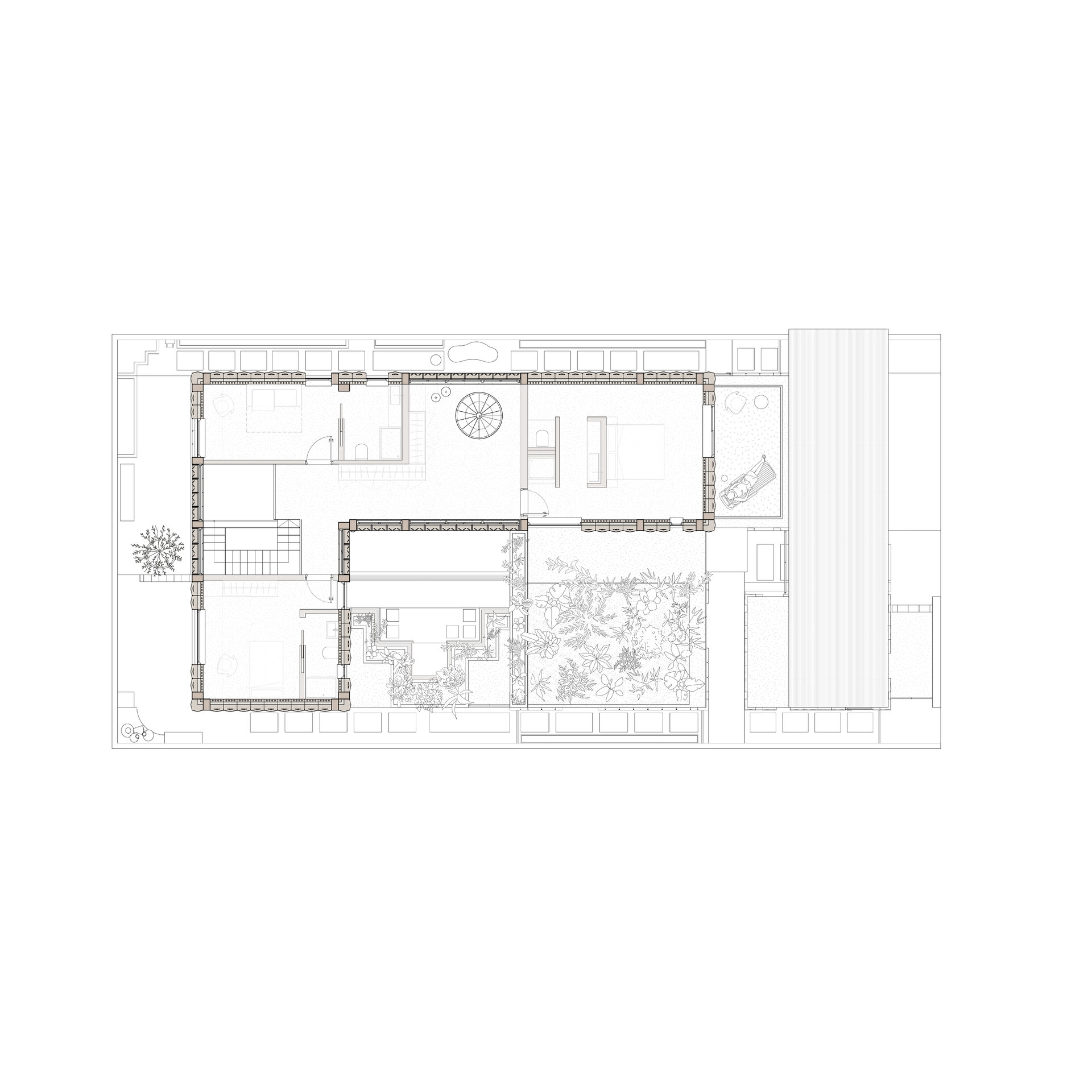
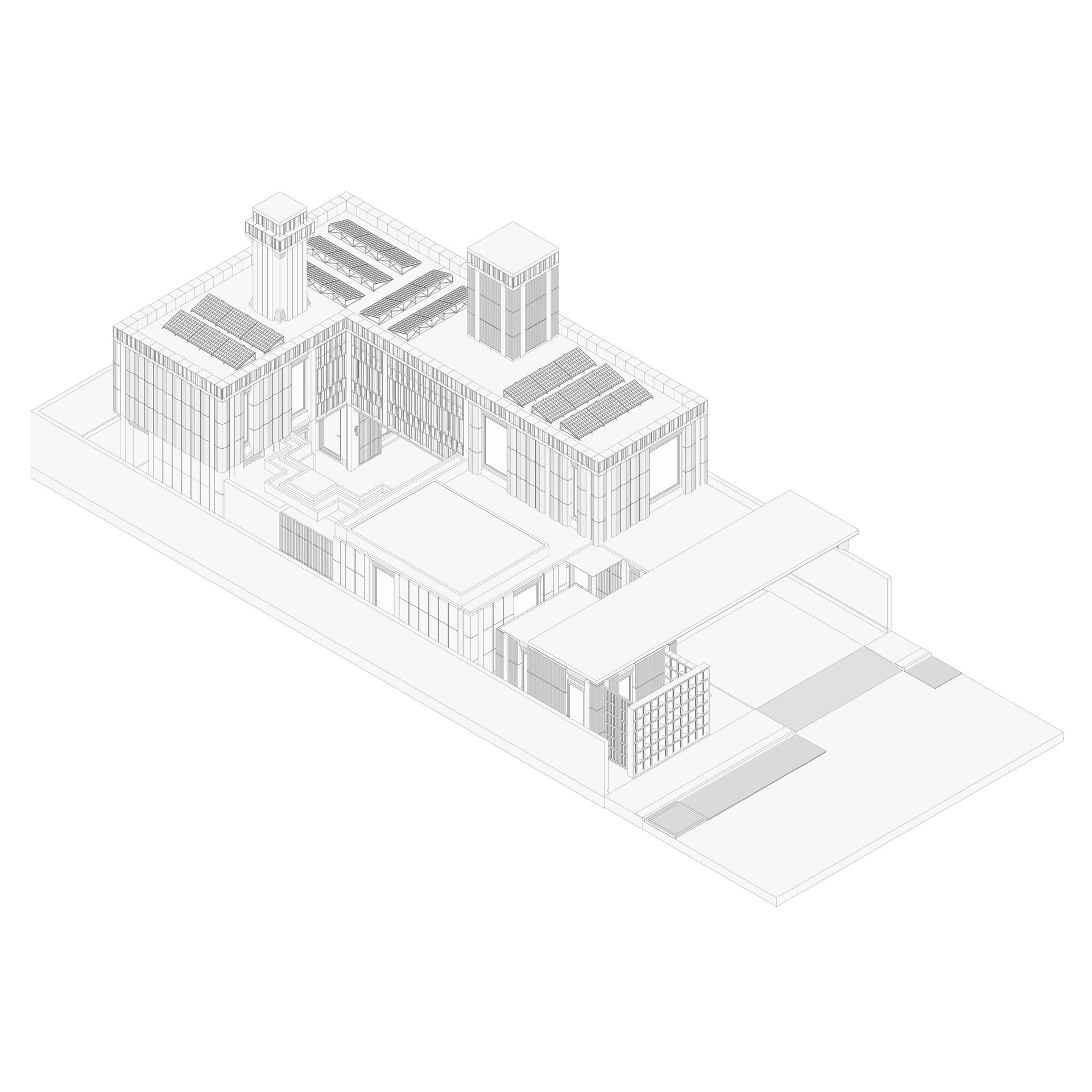
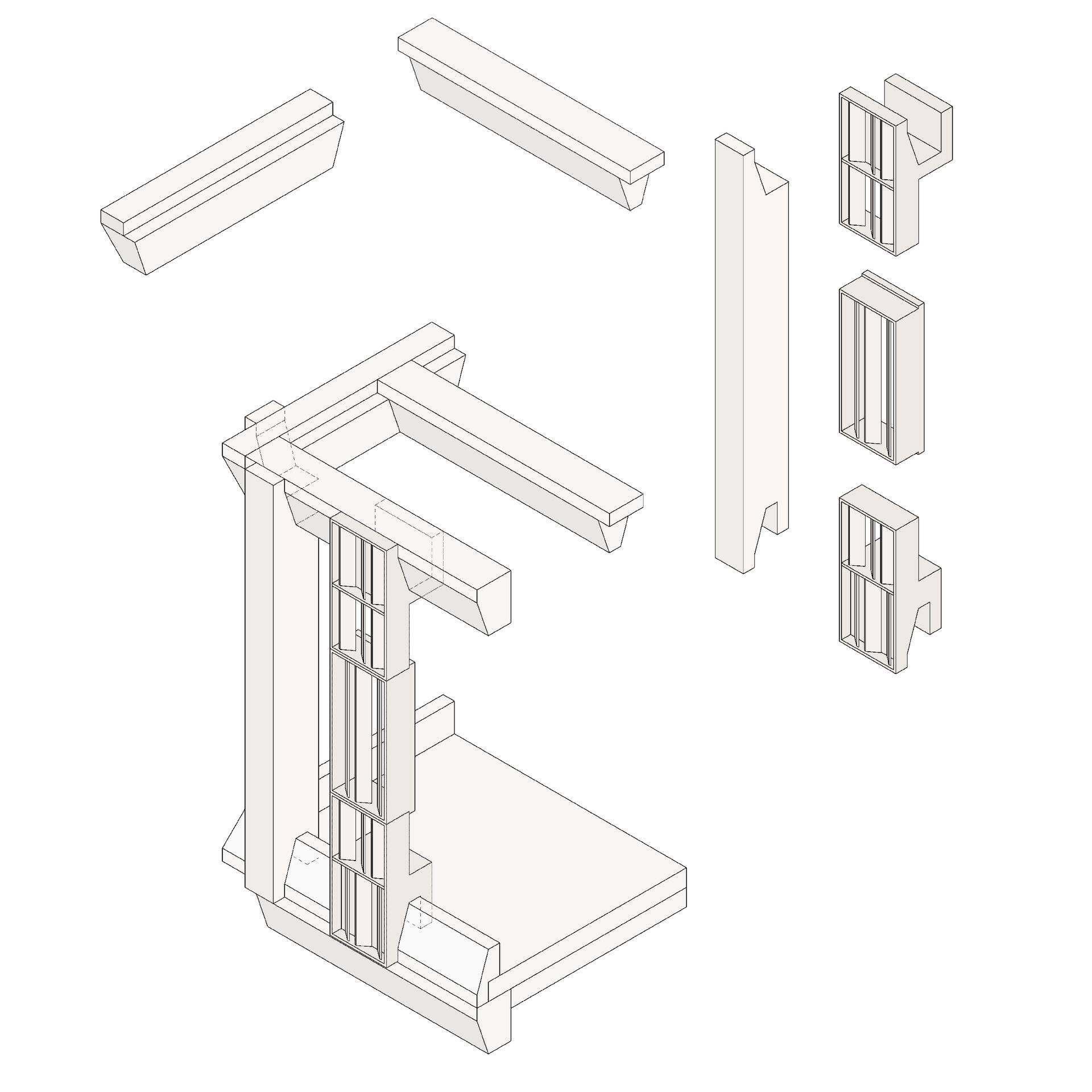
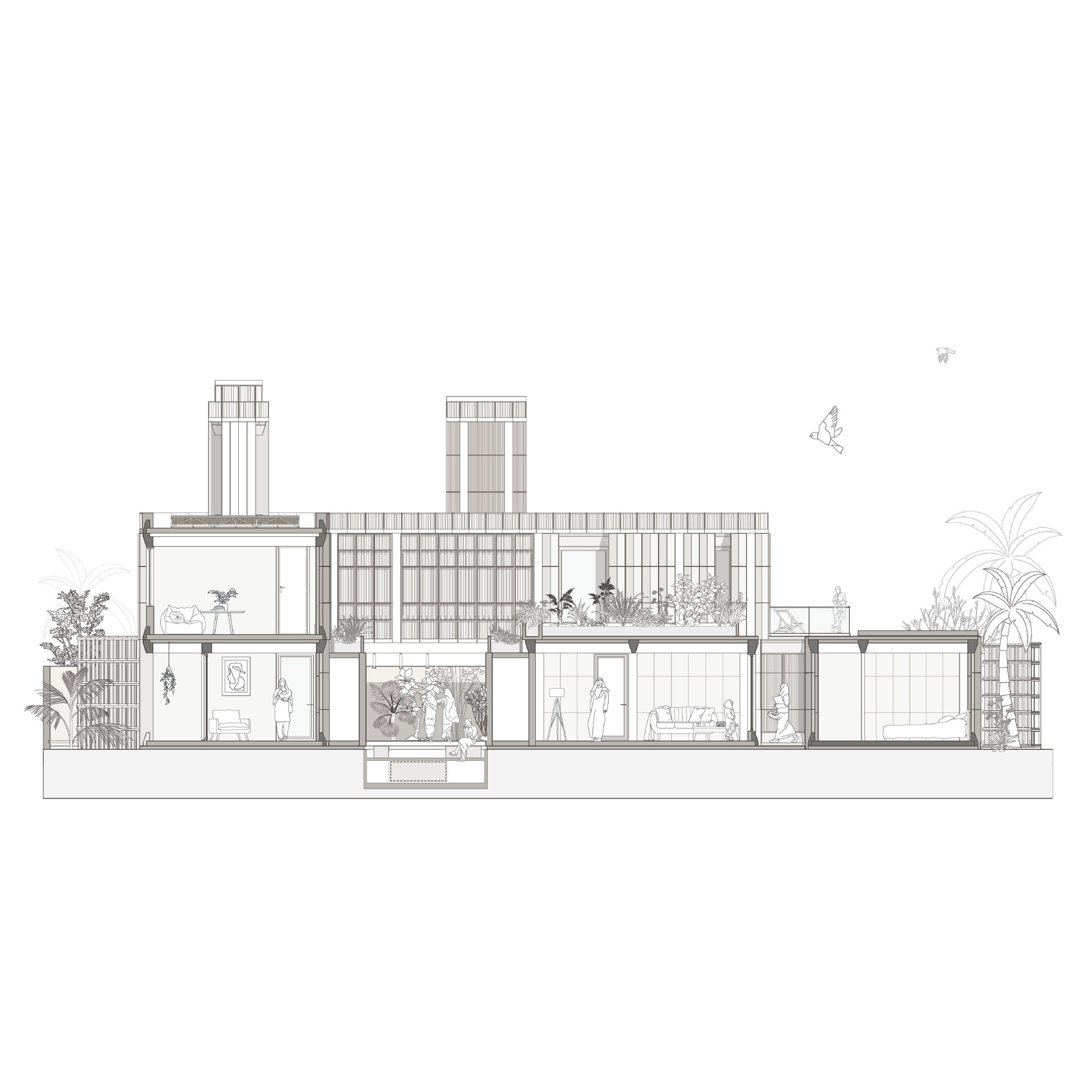
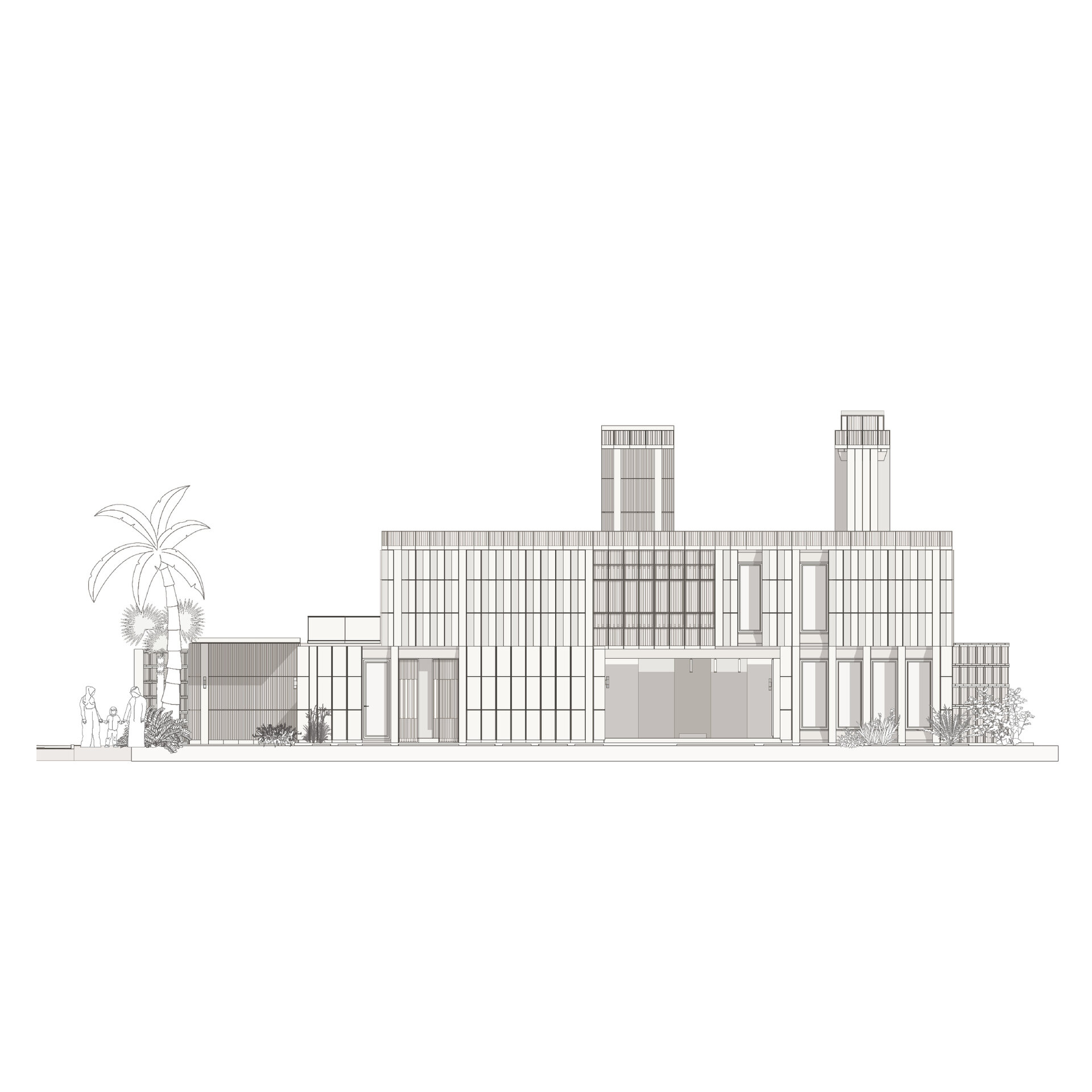
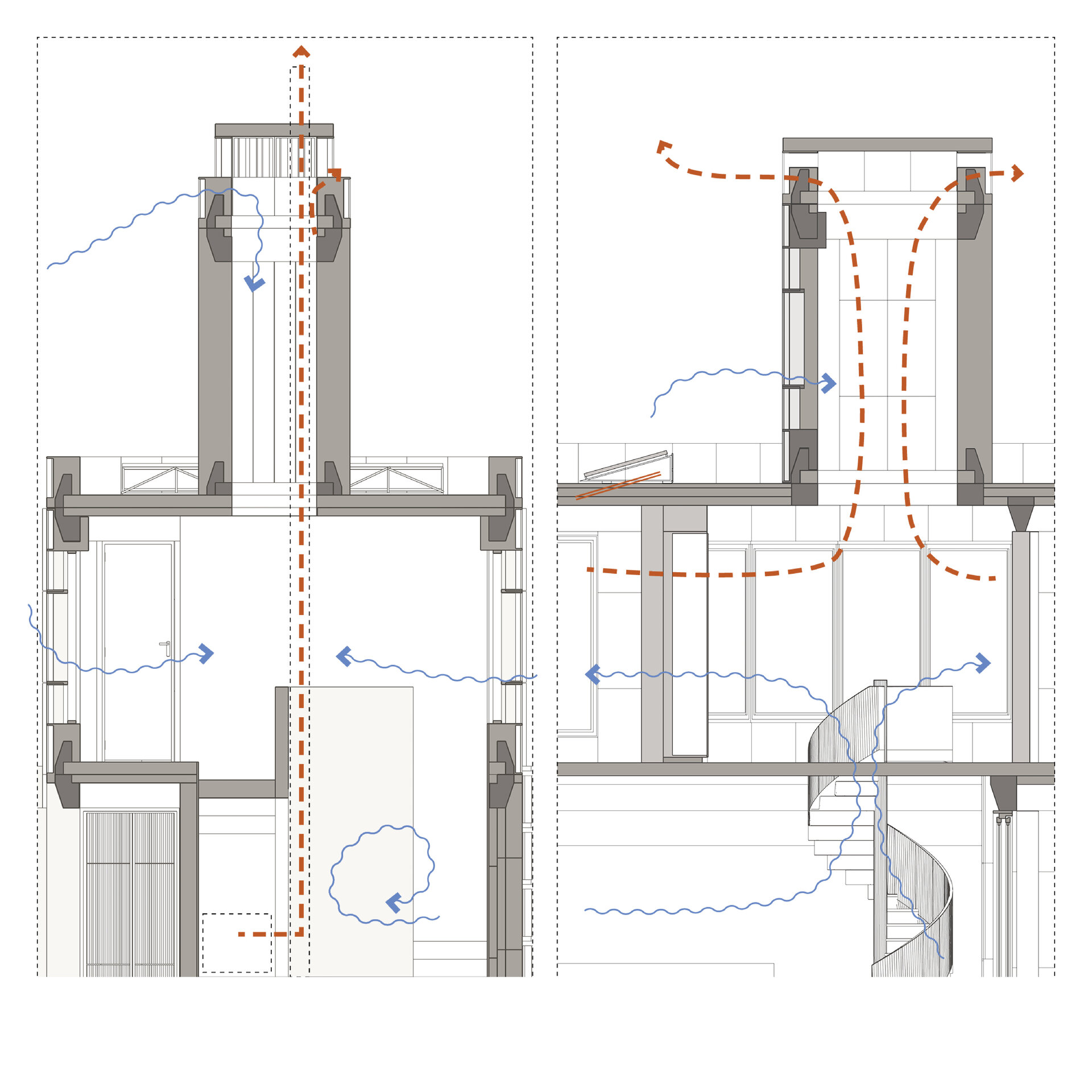
The design blends cultural heritage, ecological awareness, and contemporary architecture, drawing inspiration from totemic symbols that express identity and connection to nature. The modular system is flexible and adaptable, allowing horizontal and vertical expansions to suit diverse residential contexts. Traditional materials — stone, terracotta, and carved wood — provide natural insulation and durability, effectively protecting against desert heat through passive methods. Sustainable features such as green roofs, solar panels, and natural ventilation towers, combined with shaded courtyards, facilitate natural cooling. Perforated panels and thermal insulating materials enhance comfort and reduce energy consumption. Thus, Totem offers not only protection but also a harmonious connection between tradition and innovation in the architectural landscape.
MATERIALITY & STRUCTURAL SYSTEM
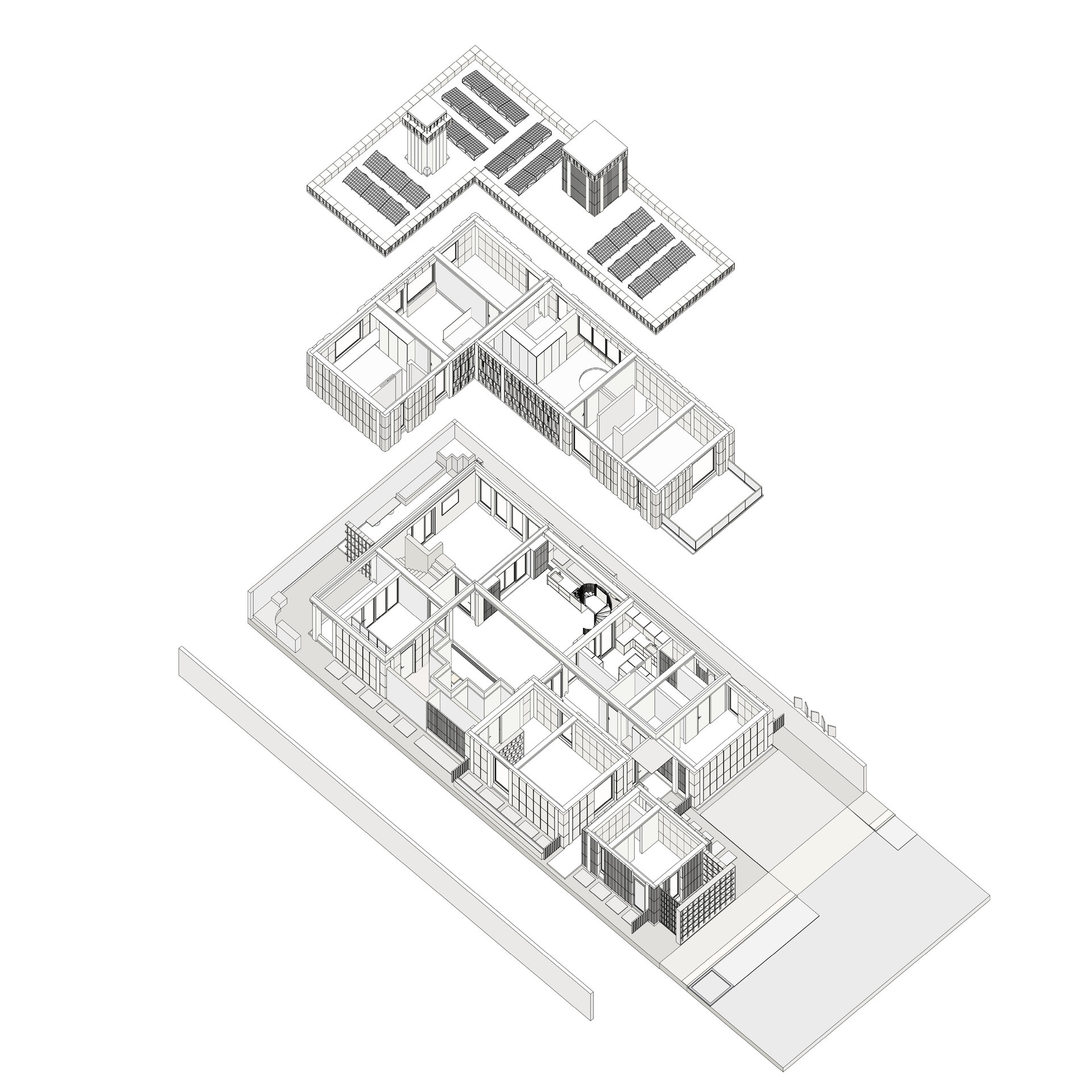
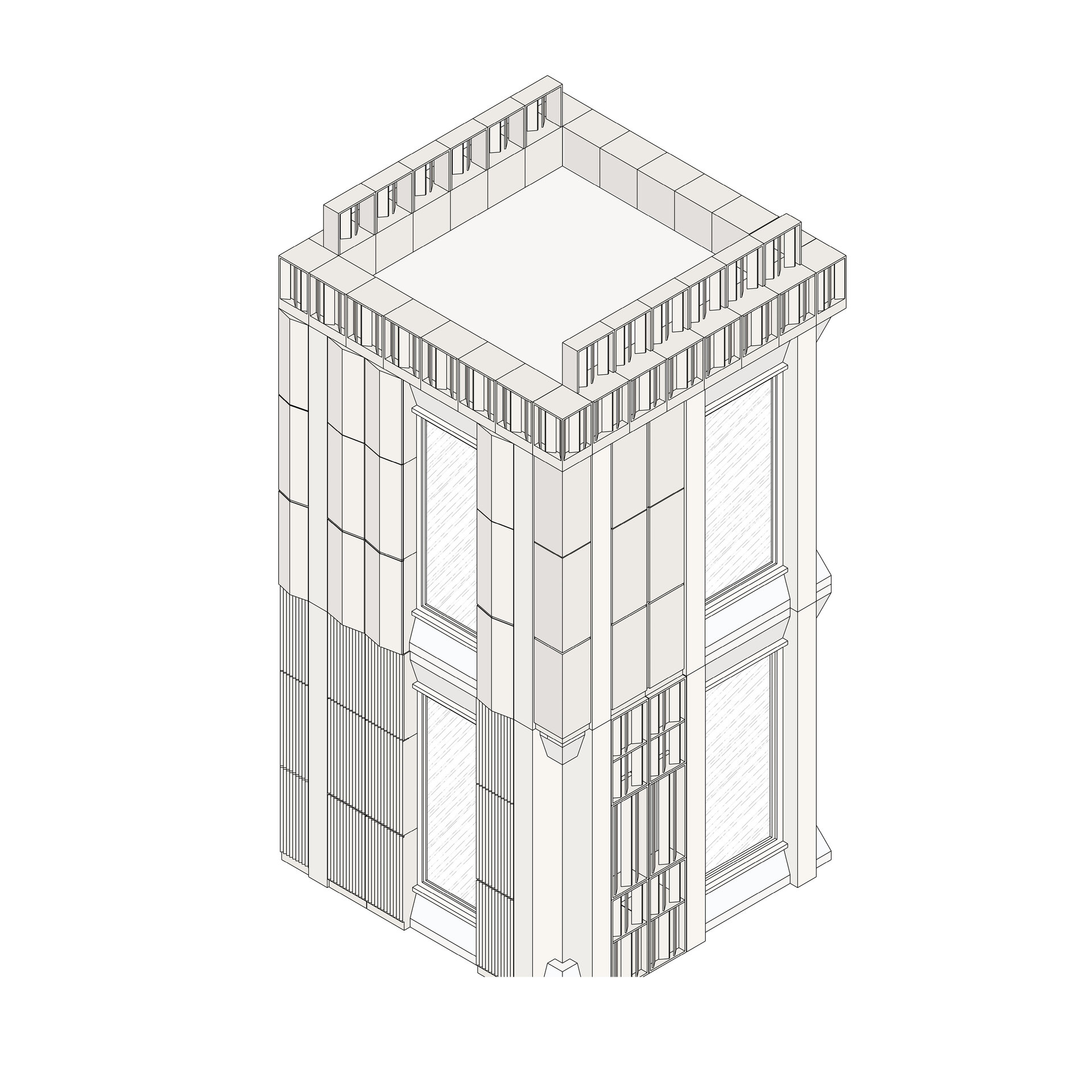
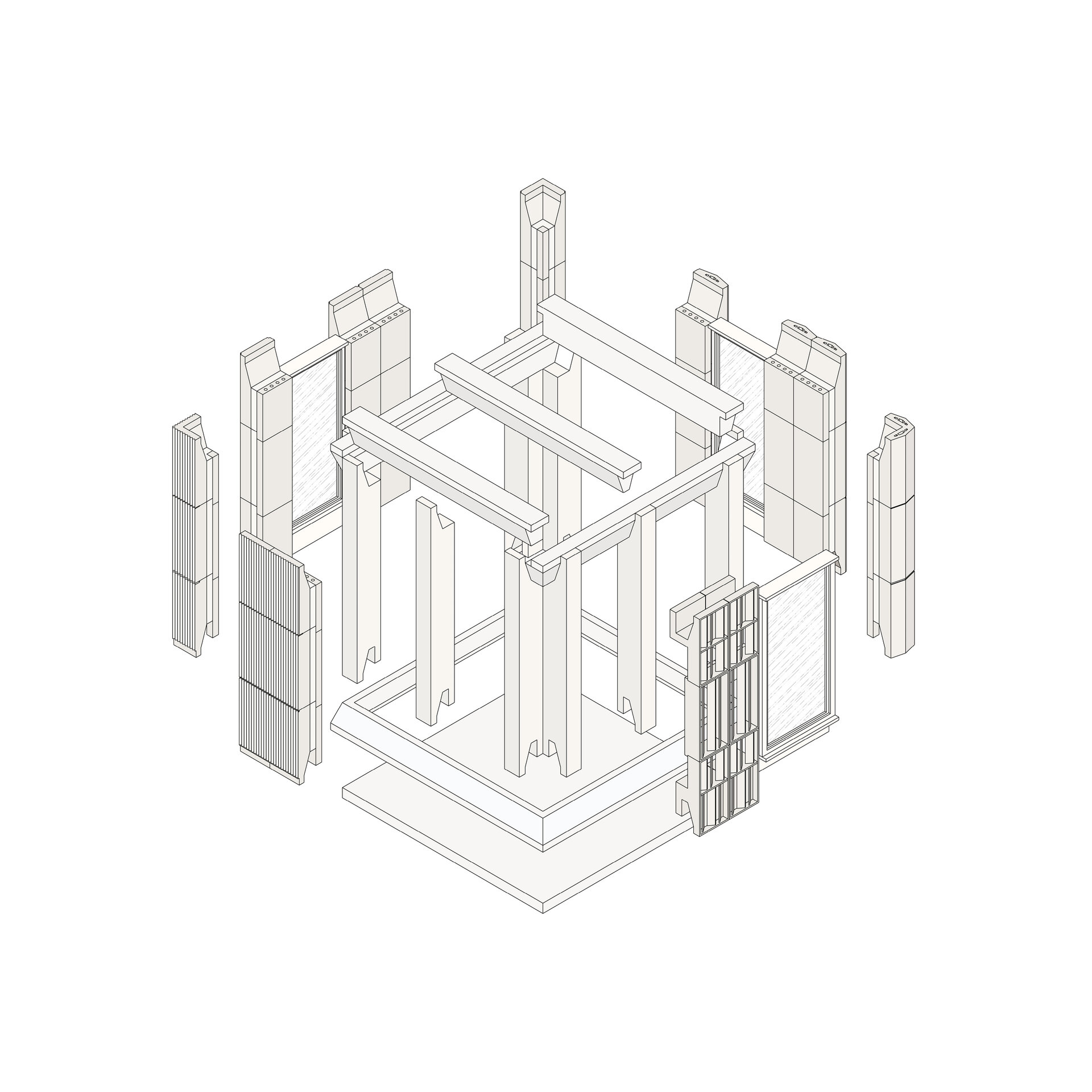
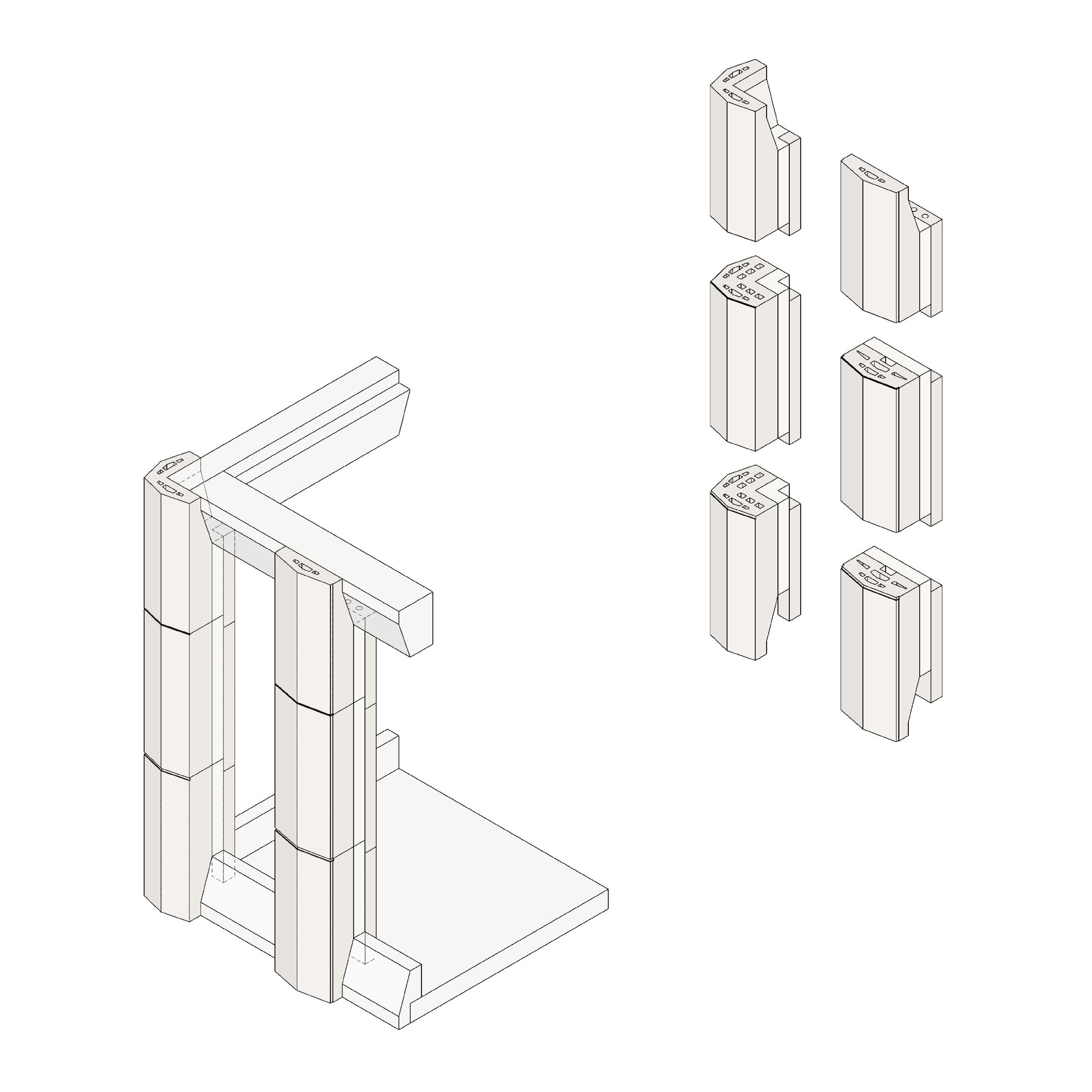
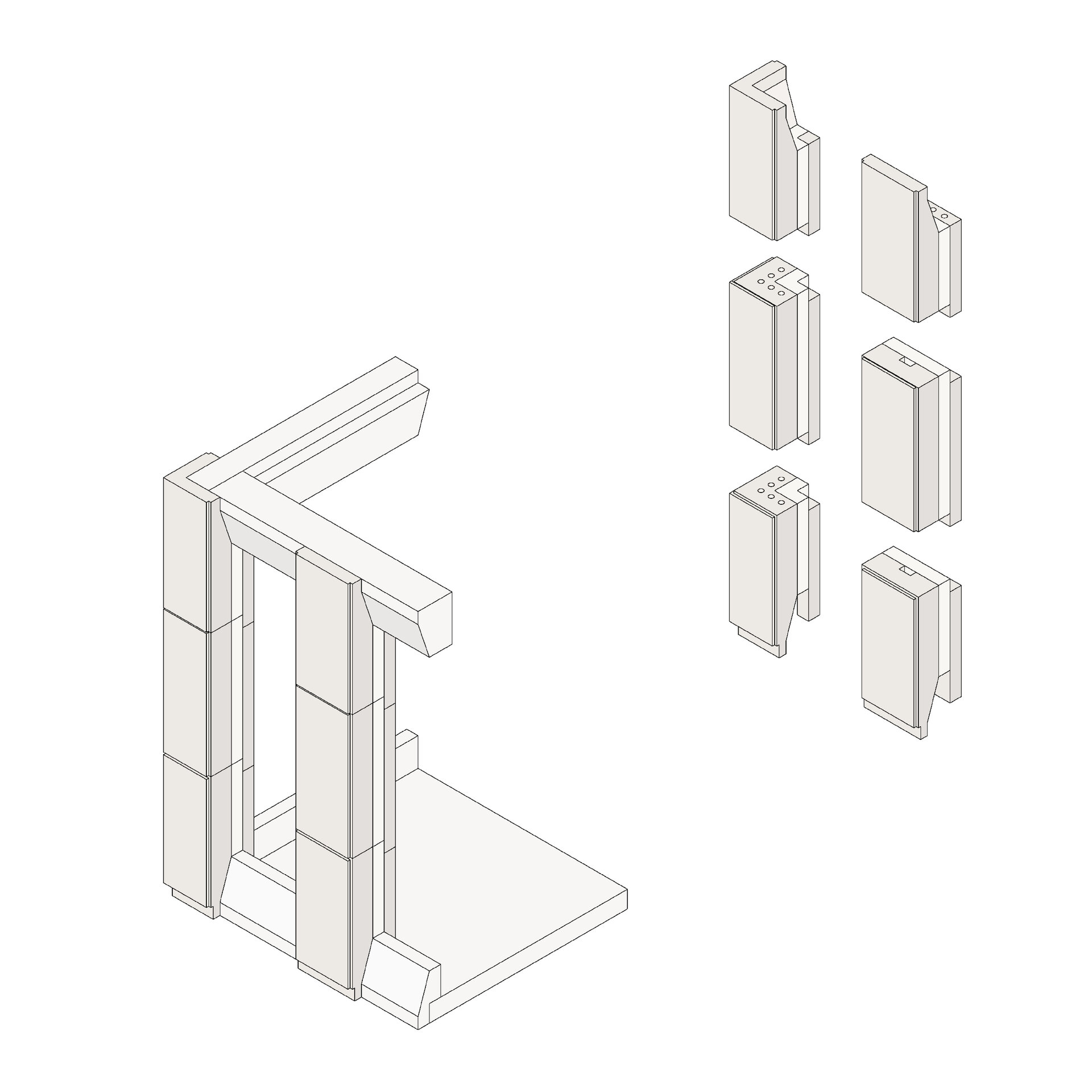
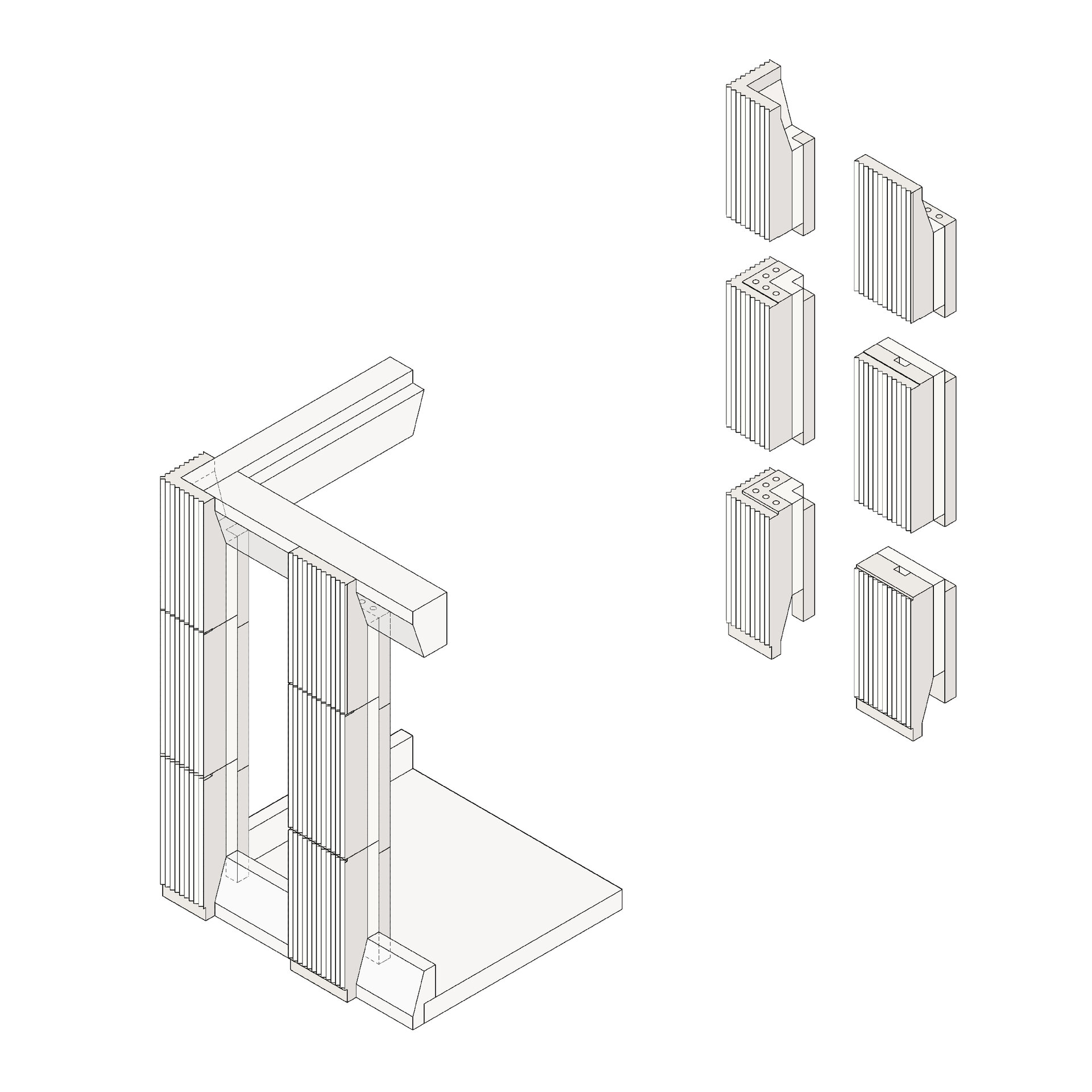
The structure is based on an intuitive modular system inspired by traditional stone stacking techniques. Prefabricated panels made from concrete, stone fragments, and terracotta are porous and durable, enabling natural thermal regulation without additional fixings. Quick assembly and the possibility of horizontal and vertical expansion maintain stability and adaptability. The balanced textures and color palette create a distinctive aesthetic, while panel perforations ensure natural ventilation, maintaining comfortable interior temperatures in the desert climate.
ADAPTABILITY & SUSTAINABILITY
The modular system reduces construction time and costs, adapting easily to varying site conditions and family needs. Durable local materials can be repaired, reused, or recycled, minimizing environmental impact. Natural ventilation, material porosity, and thermal insulation boost energy efficiency, while sourcing local materials lowers transport emissions and logistics. This system offers a sustainable, flexible, and cost-effective housing solution adapted to its environment.
DESIGN FEATURES & CULTURAL HERITAGE
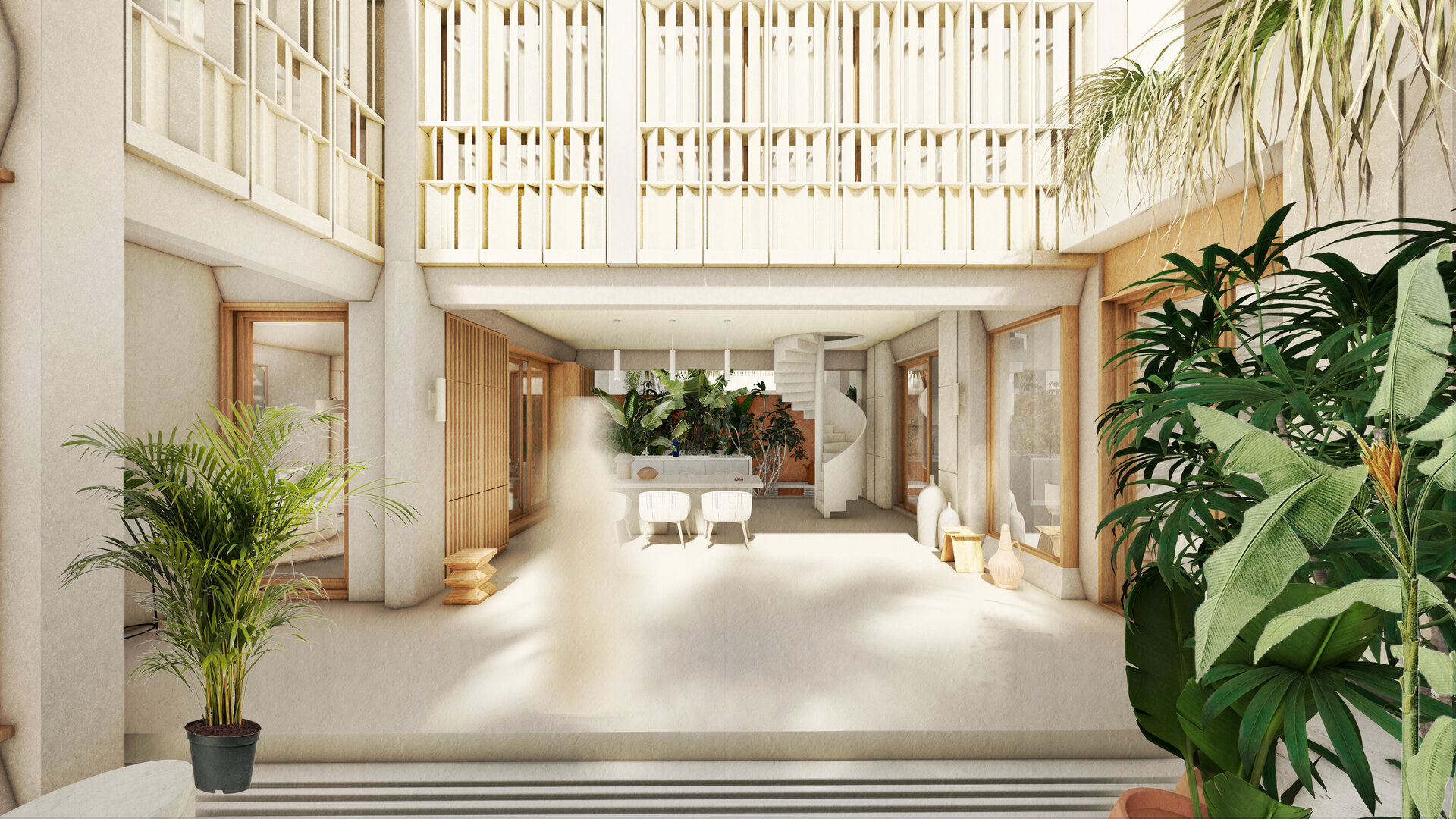
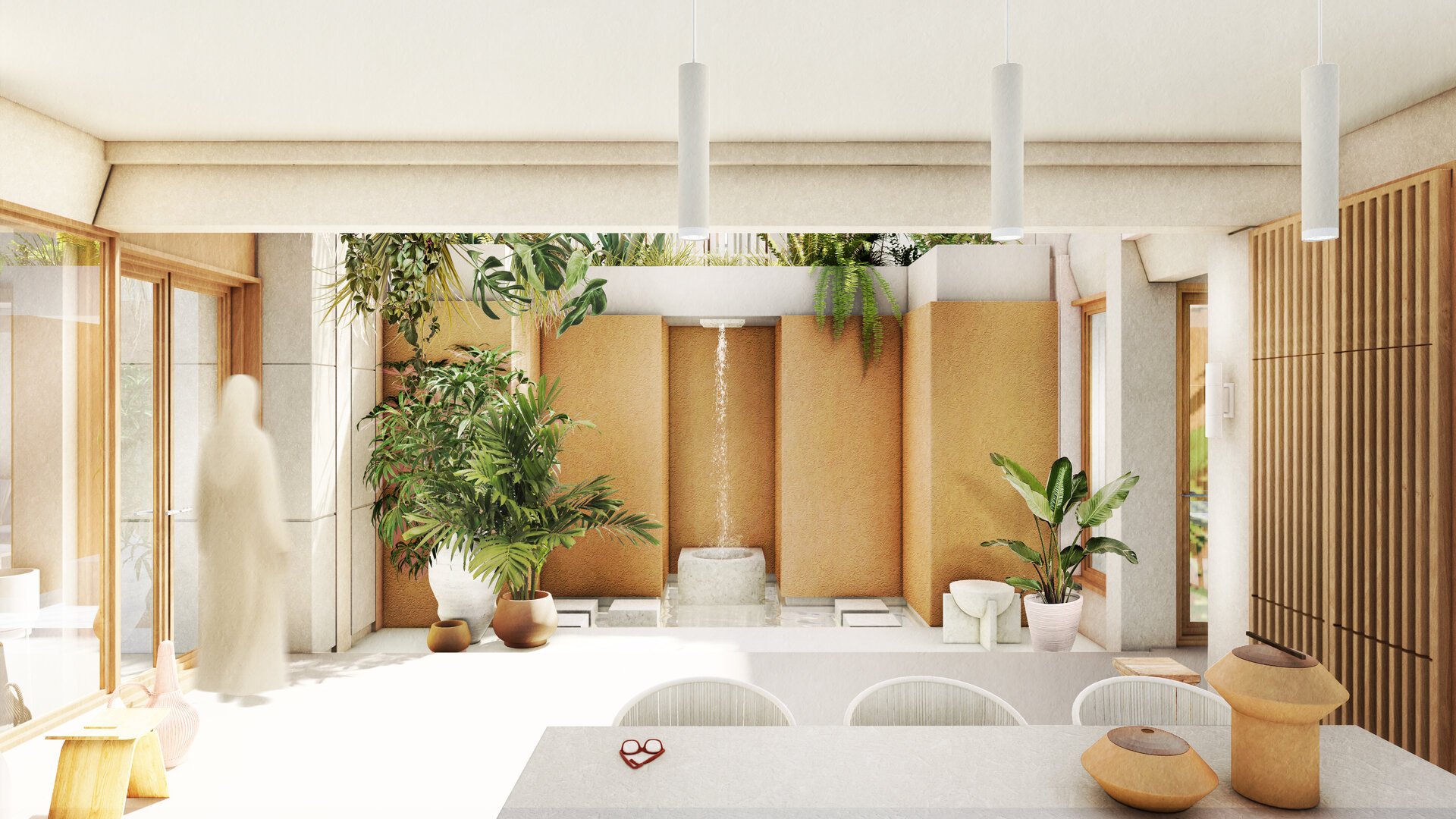
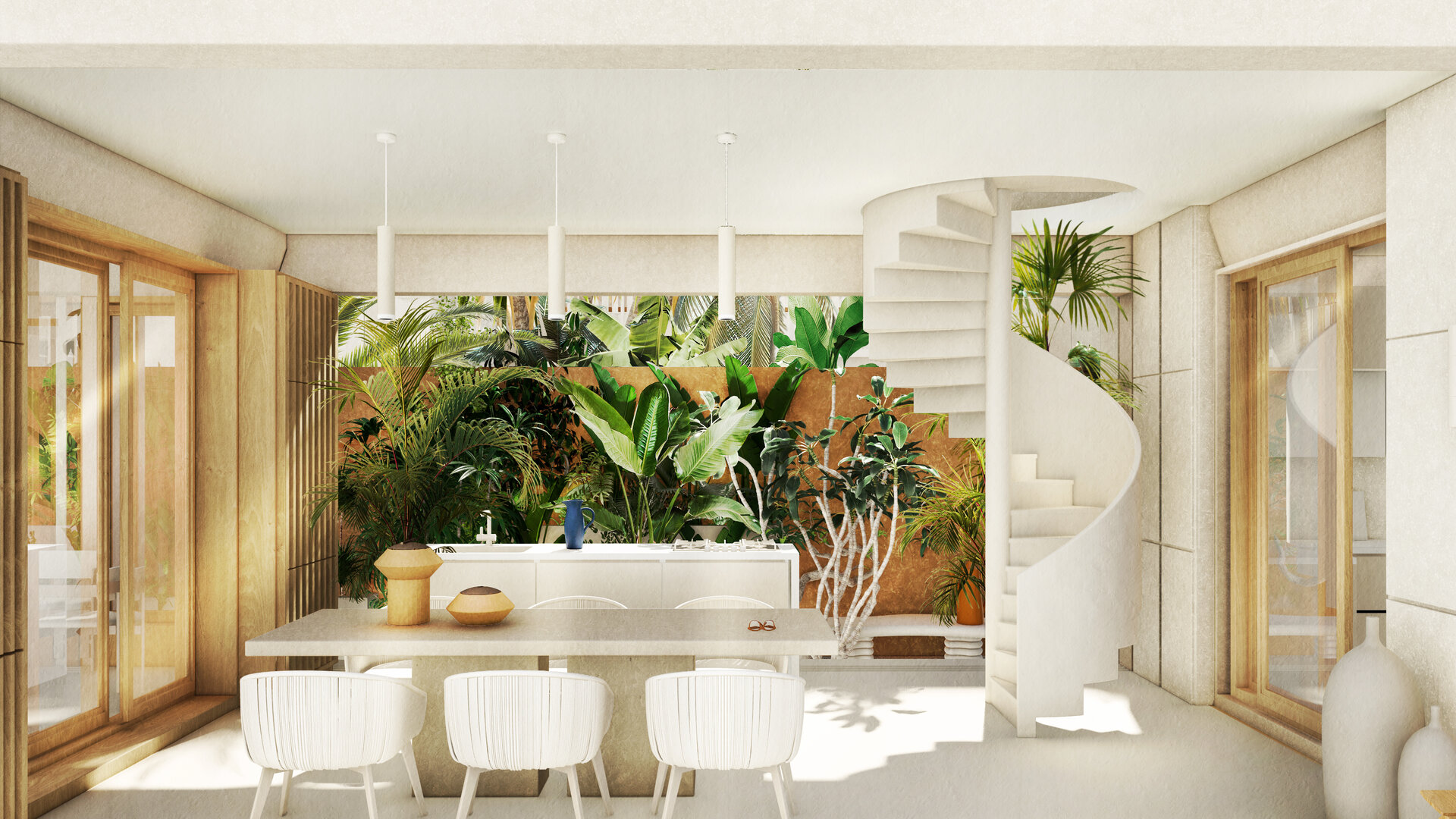
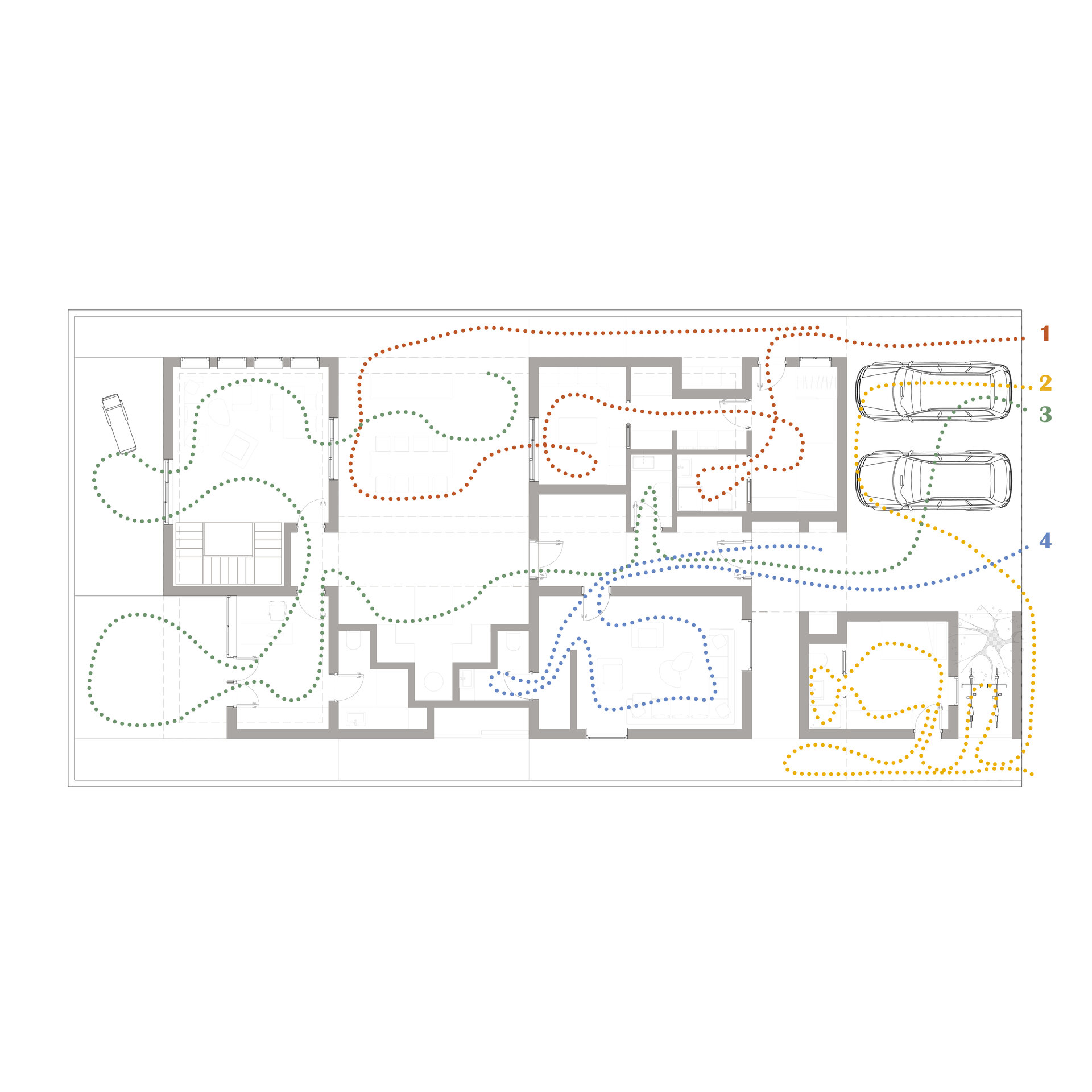
The project incorporates traditional local elements such as Mashrabiya-inspired shading modules that blend aesthetics with climatic performance through natural ventilation and diffused light, and a stepped pool inspired by the Targheem technique, adding symbolic and aesthetic value to the interior courtyard. Terracotta and stone finishes reflect local craftsmanship, with decorative details recalling Arabic motifs. The wind-capturing tower, integrated with the chimney, ensures natural ventilation and temperature regulation, while solar panels enhance energy efficiency. Modular blocks and perforated panels offer flexibility, lighting, and airflow. The exposed structure highlights the modular rhythm and visual cohesion. The partially covered courtyard uses sliding panels for spatial adaptability, and double-height open spaces maximize natural light and ventilation. Shaded courtyards with perimeter planted planters contribute to a comfortable microclimate, while light tones and local materials support thermal performance and preserve the aesthetic of local architecture.
Residential Architecture
- Transylvanian guesthouse with greenhouse and sauna
- Omnia. Redefining Shelter
- House in the Outback
- Totem. Adaptive Structural System
- Tower house
- House NC
- Between Field and Sky: House in the Irish Rural Landscape
- An Interstitial House
- Creative residency – temporary dwelling in nature
- AR House
- Pod House
- House P
- Single-Family House in Cotroceni – Consolidation and Extension
- Atria Promenada
- CS23B House


