- Jury’s Distinction
- Romanian Union of Architects Award
Faculty of Horticulture USAMVB
Authors’ Comment
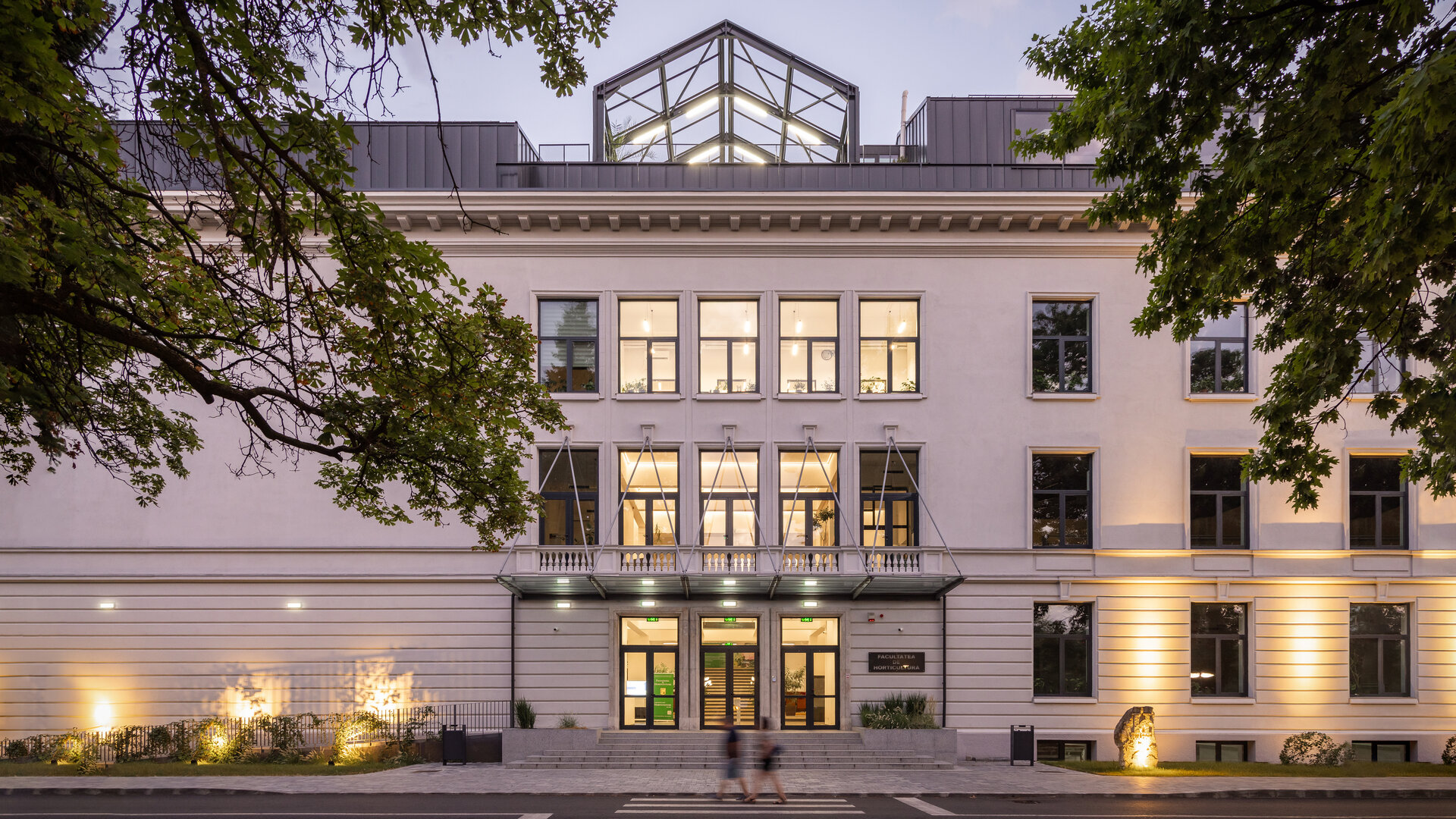
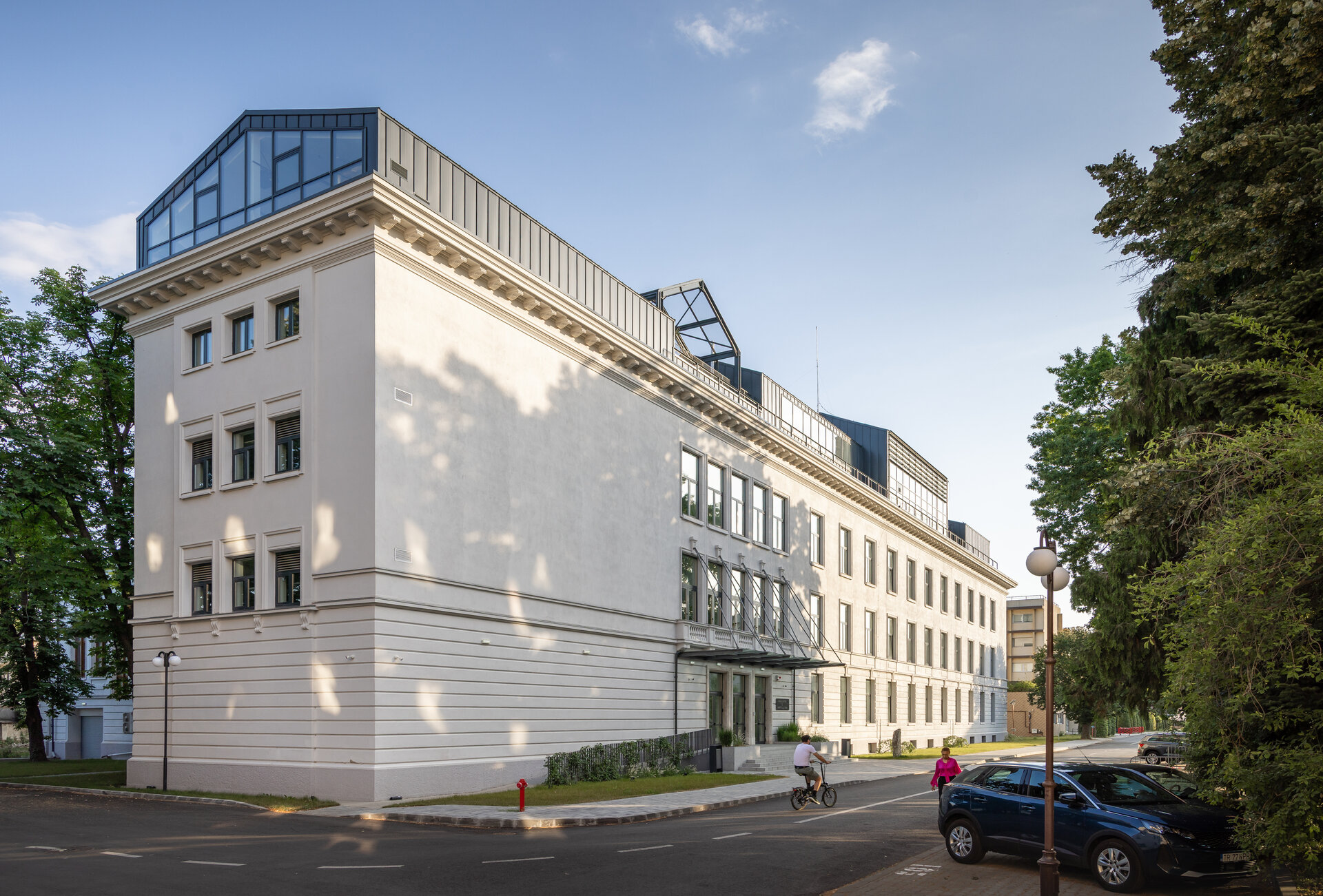
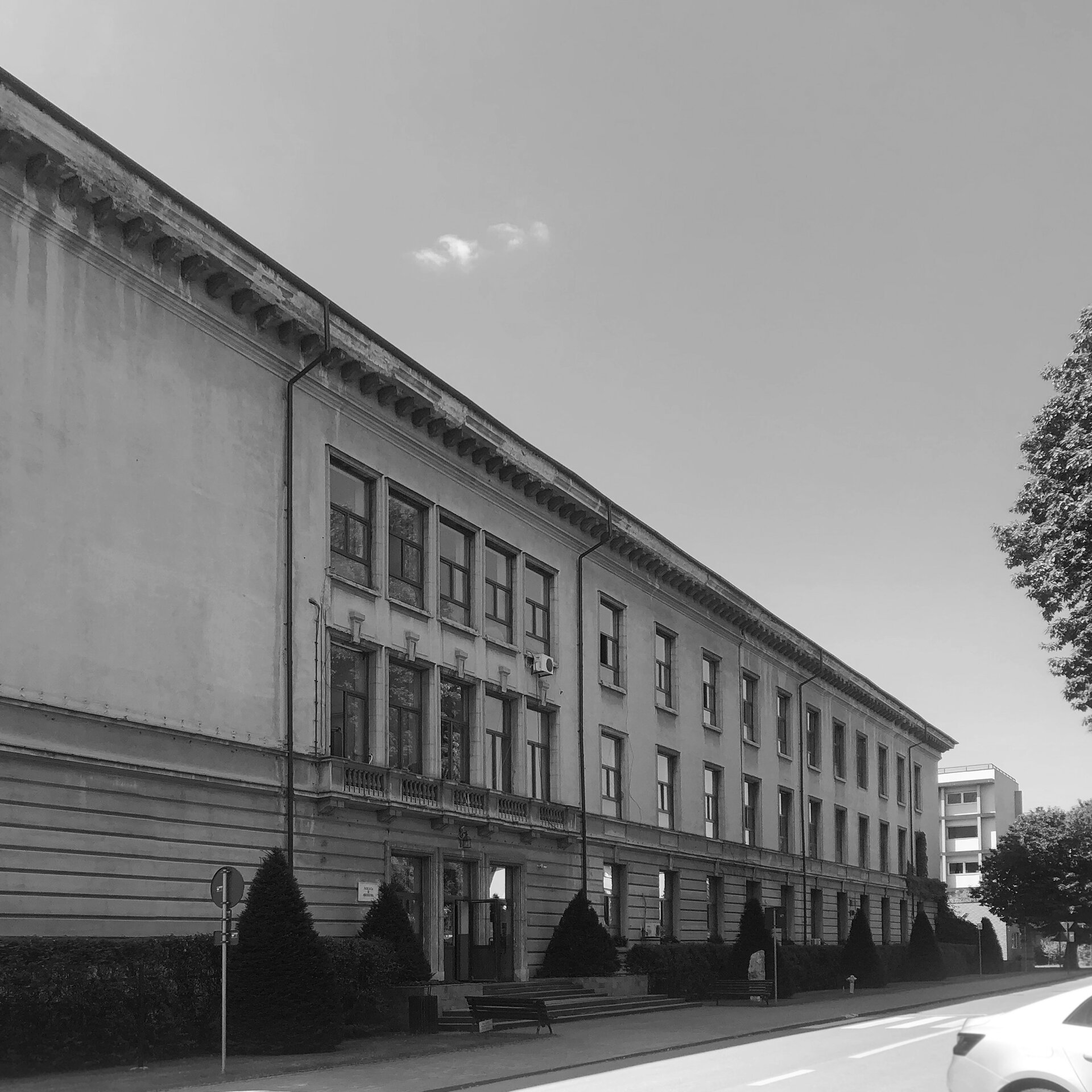
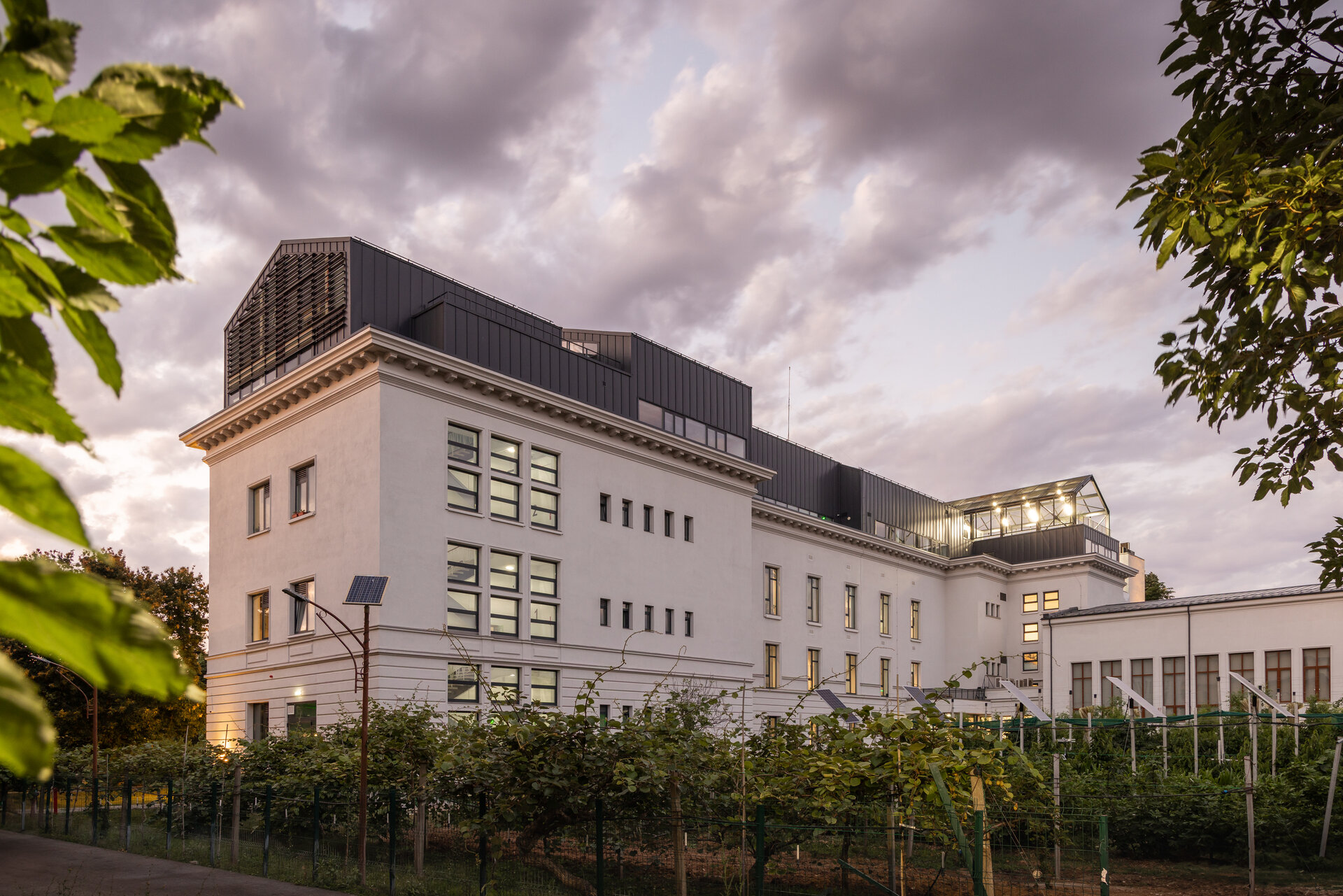
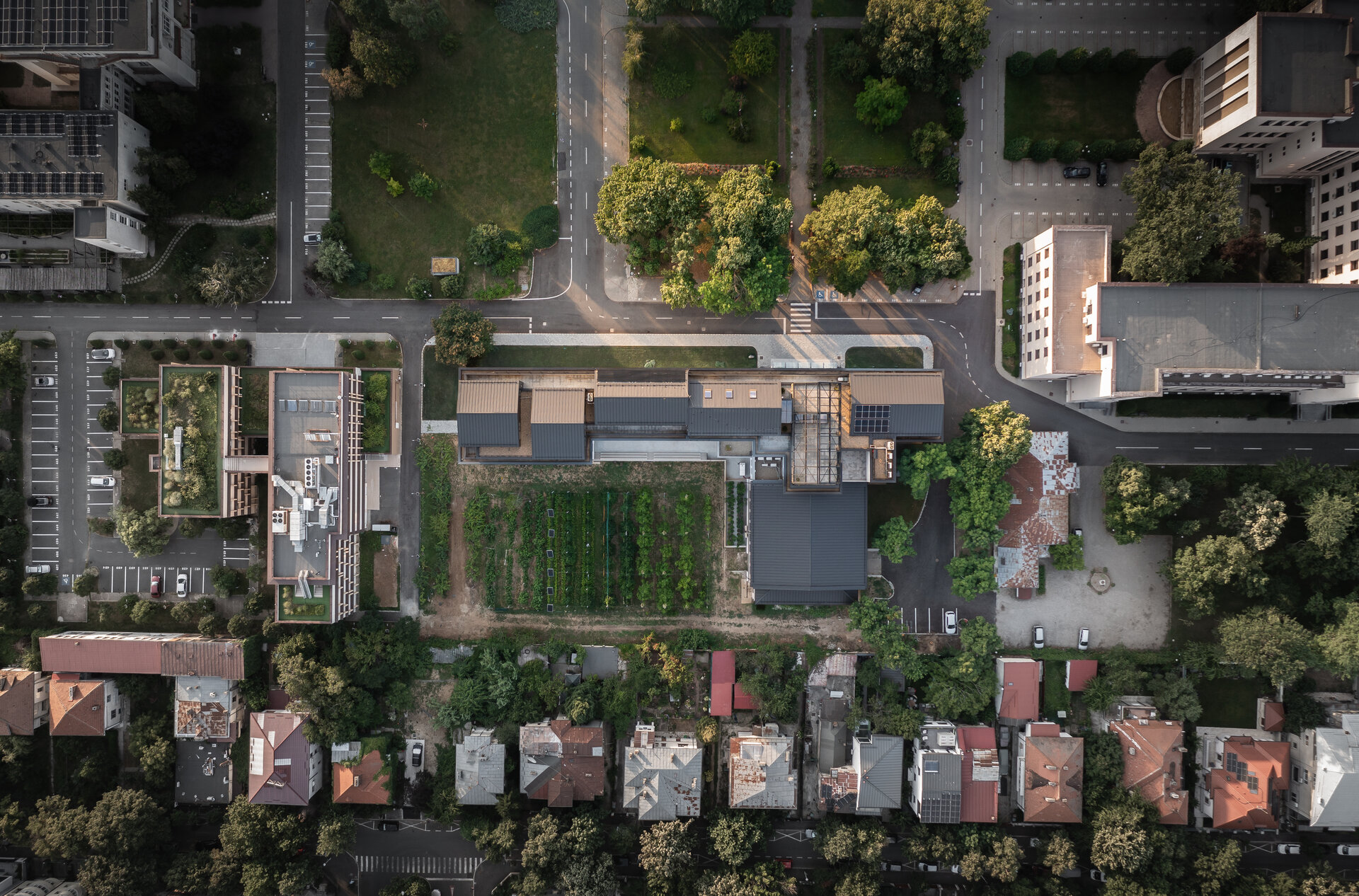
The building subject to the intervention accomodates the Faculty of Horticulture of the University of Agronomic Sciences and Veterinary Medicine in Bucharest, part of the "Agronomie" campus—an academic ensemble of historical and symbolic value for specialized higher education in Romania. Designed by architect Ianola Trișcu and built between 1952 and 1954, the building reflects the balance and restraint characteristic of post-war institutional architecture. Although located in a protected area, it is not listed as a historic monument.
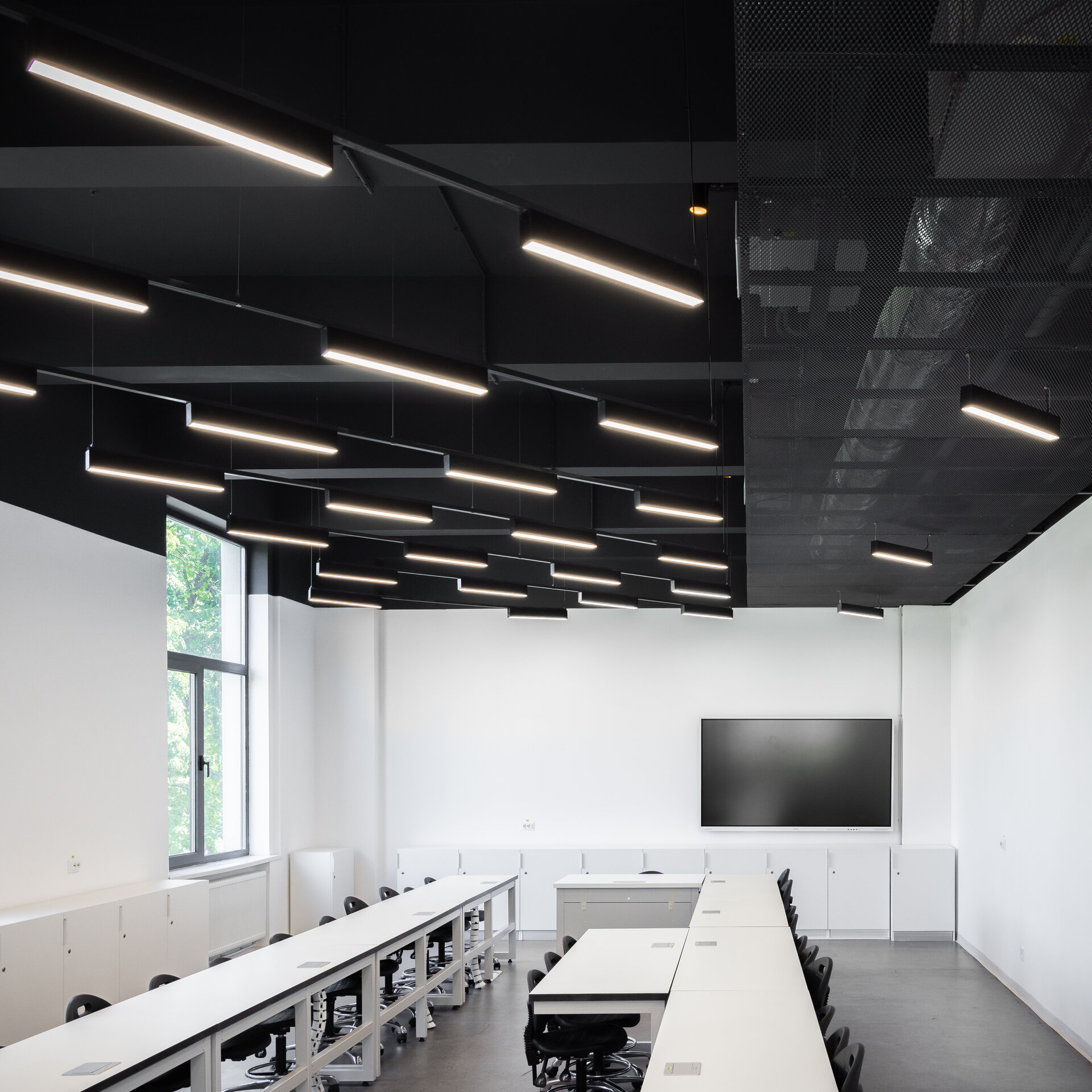
The intervention was complex, combining structural consolidation and heritage preservation with functional modernization and spatial extension—aligned with the current demands of the educational process.
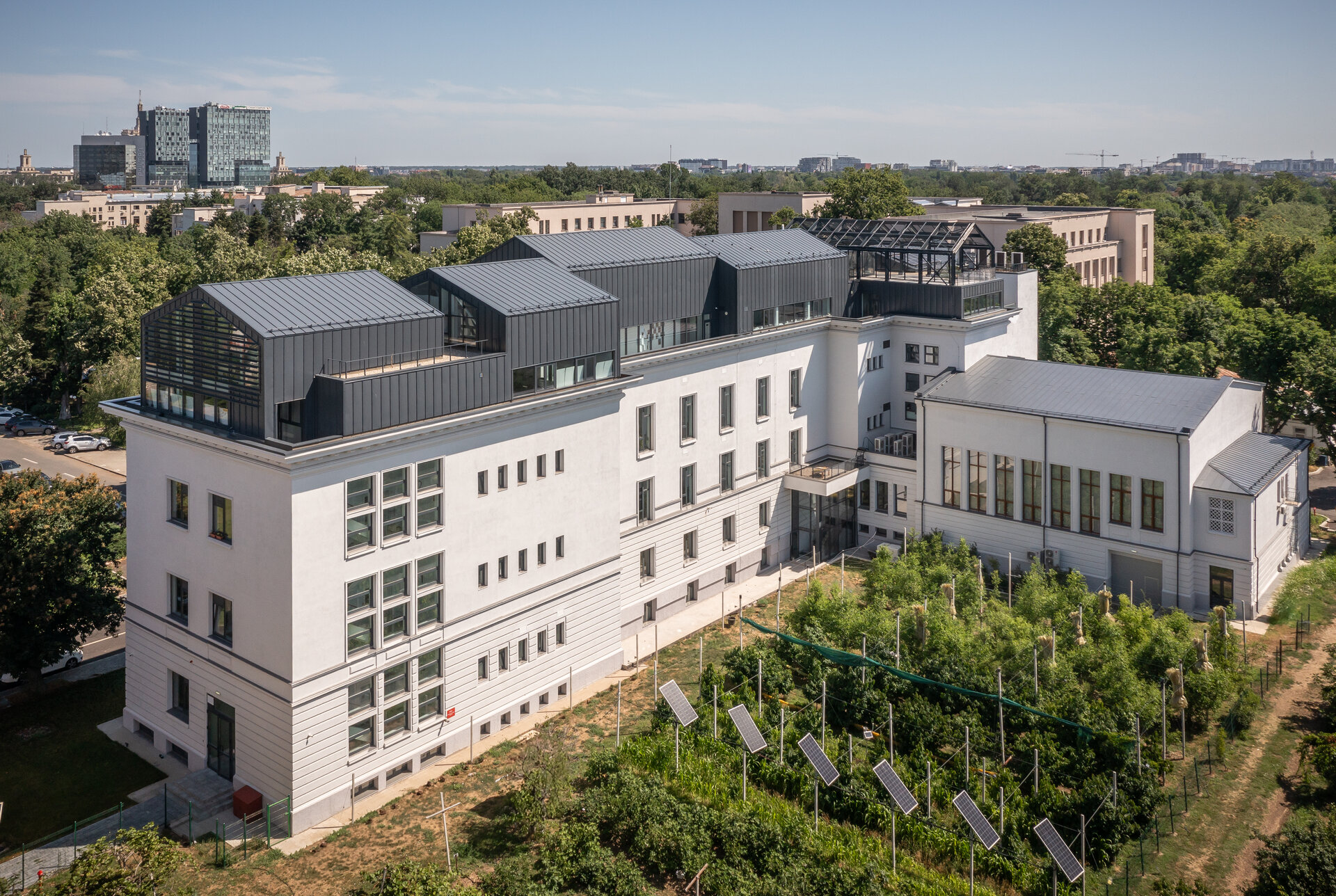
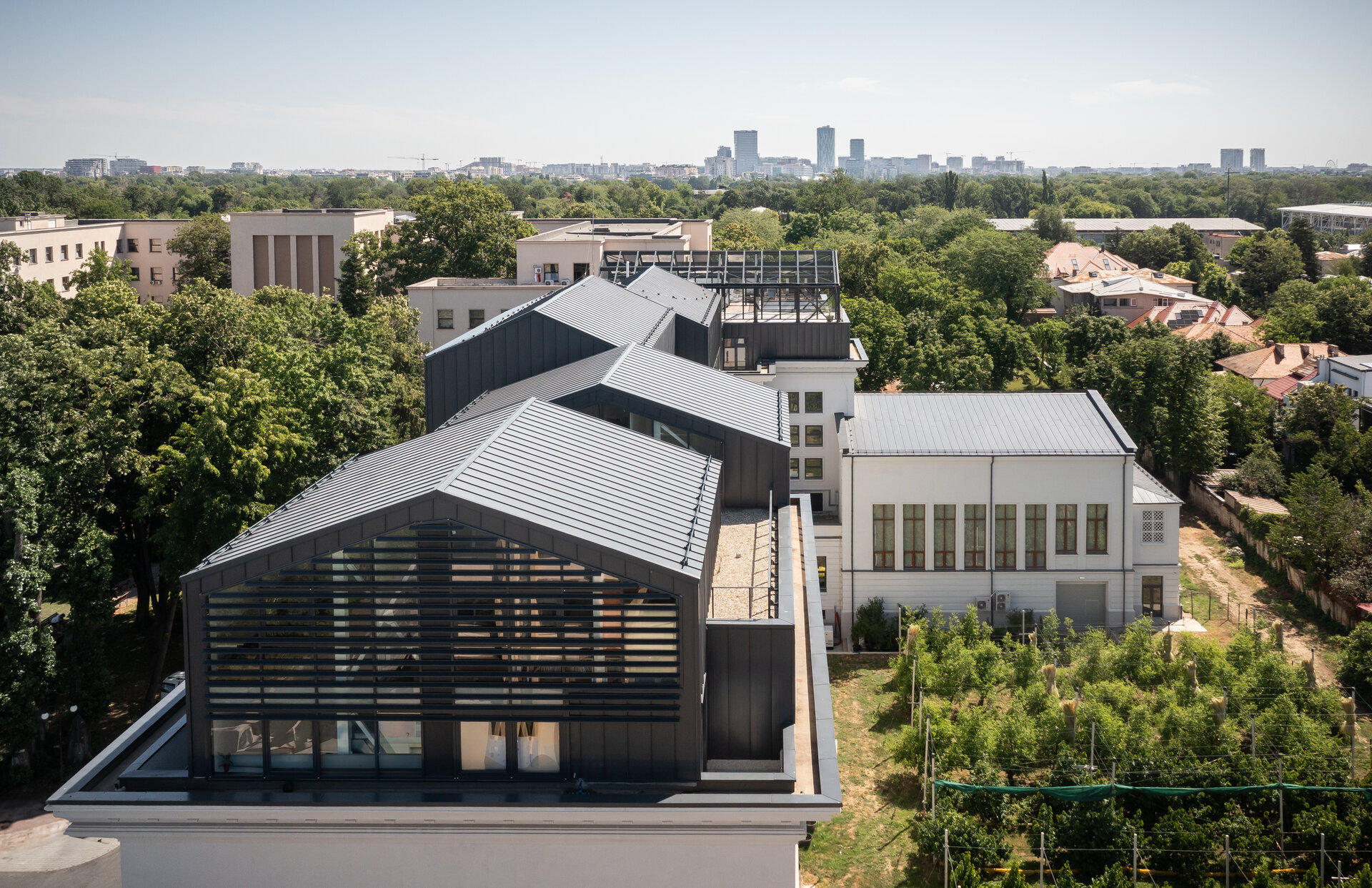
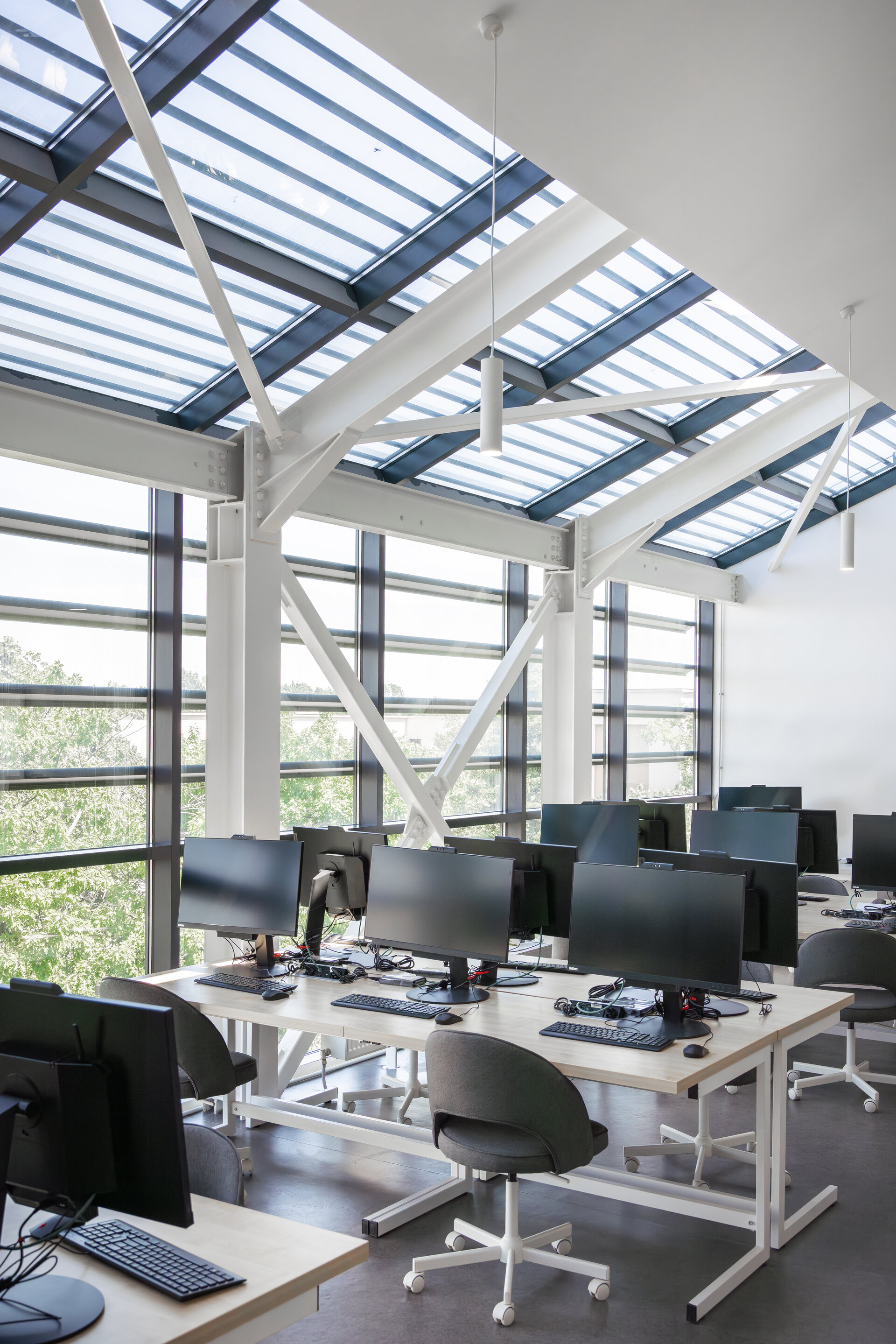
Structural consolidation was achieved through a mixed system, including new shear walls, wall jacketing, partial slab replacements or concrete overlays, without altering the relevant original finishes or spatial configuration. The existing attic—previously used informally by the Faculty of Landscape Architecture—was entirely restructured and extended using a lightweight steel structure.
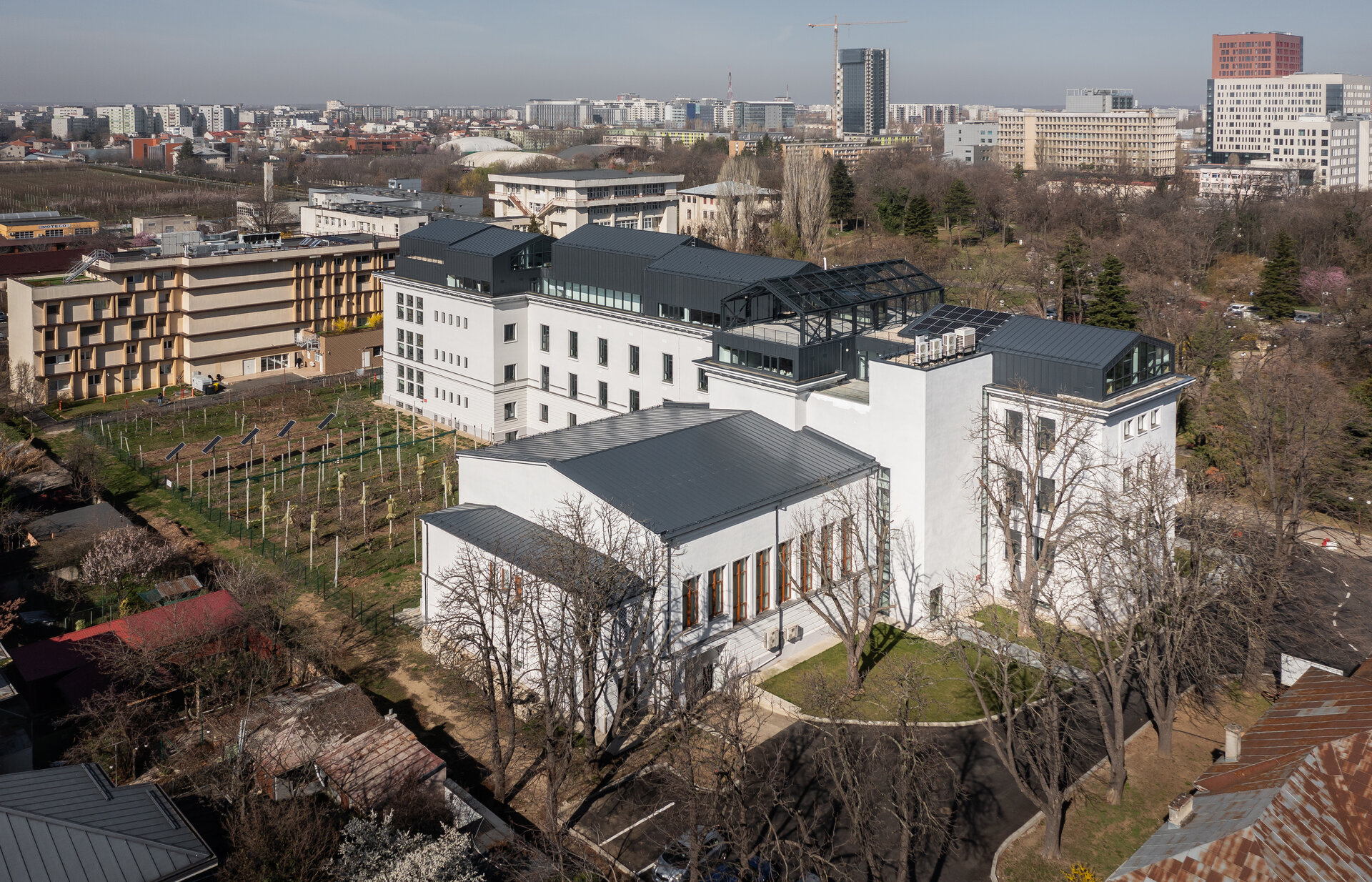
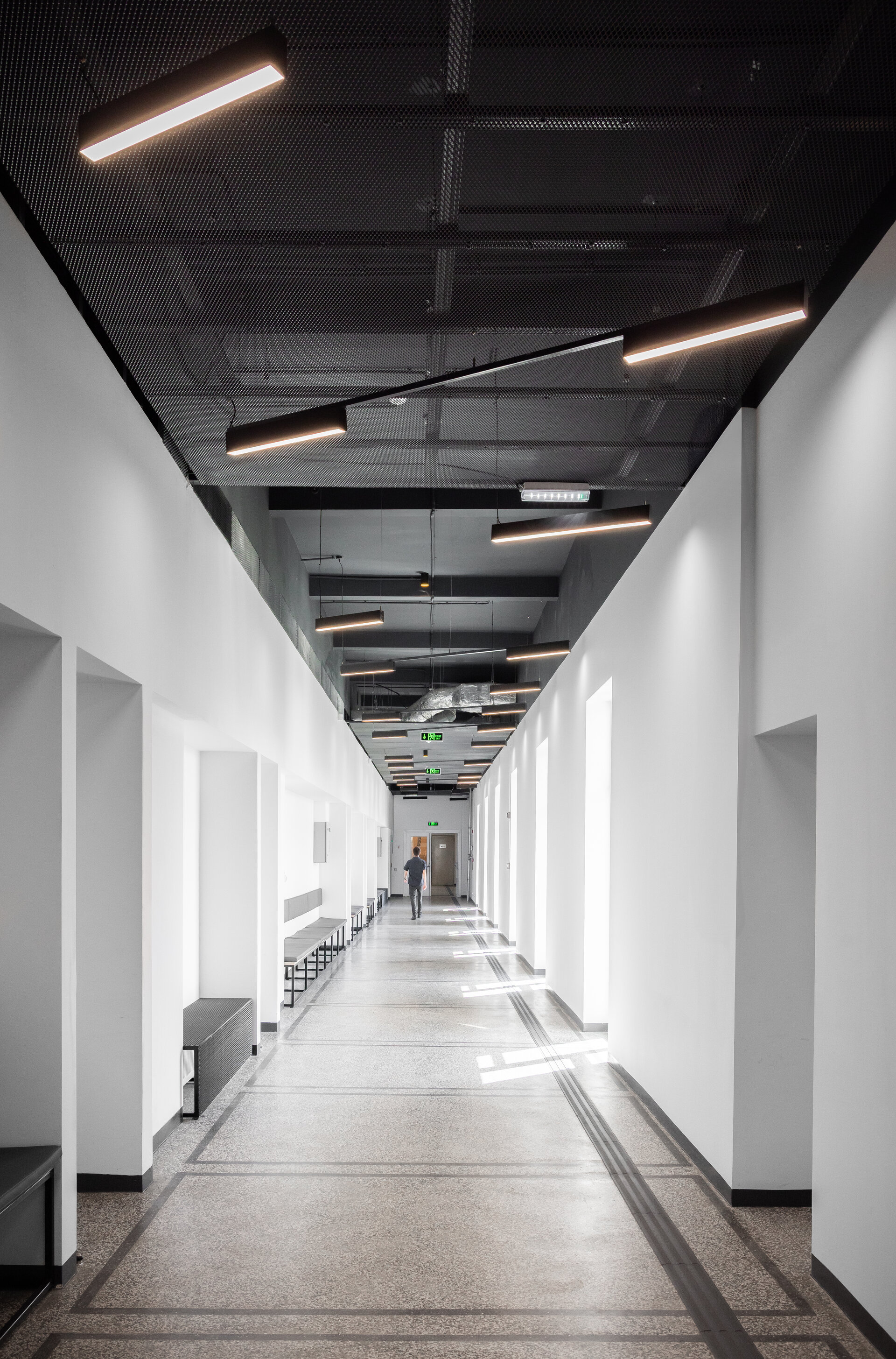
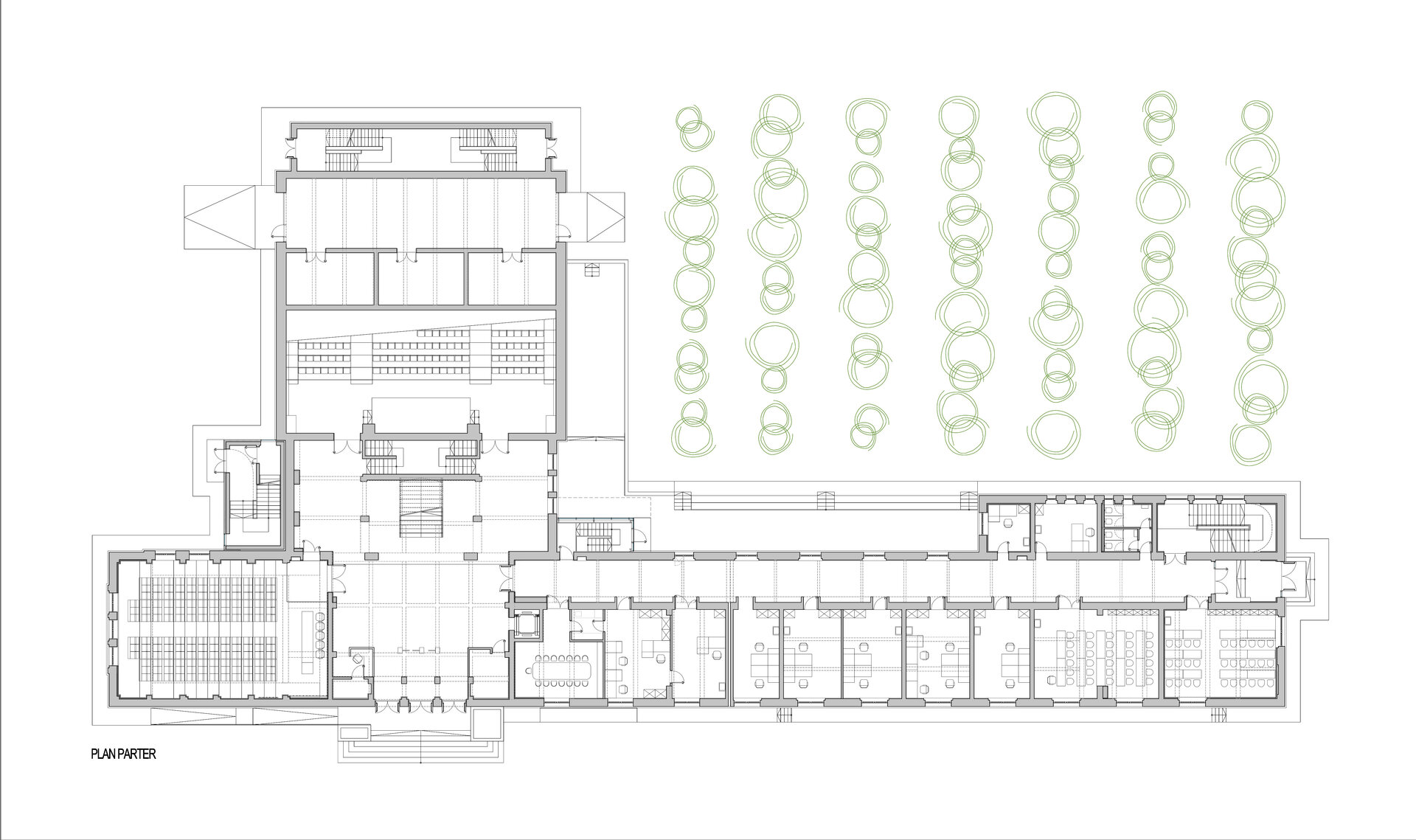
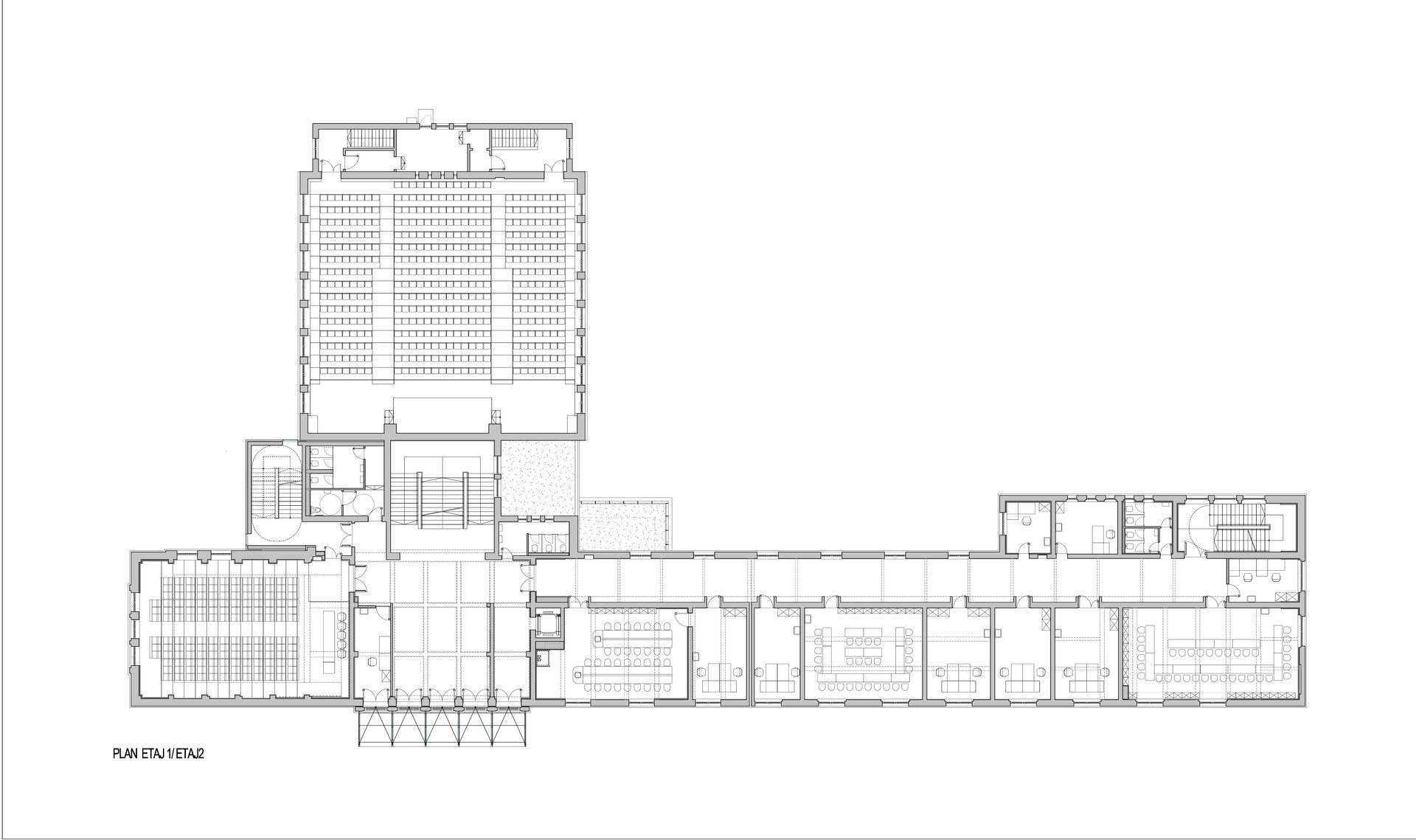
The reorganization of circulation routes and the improvement of accessibility significantly contributed to the functional coherence of the entire building. This included the discreet integration of an elevator that connects all levels and ensures access for people with disabilities, as well as a new volume housing an emergency staircase and additional restrooms.
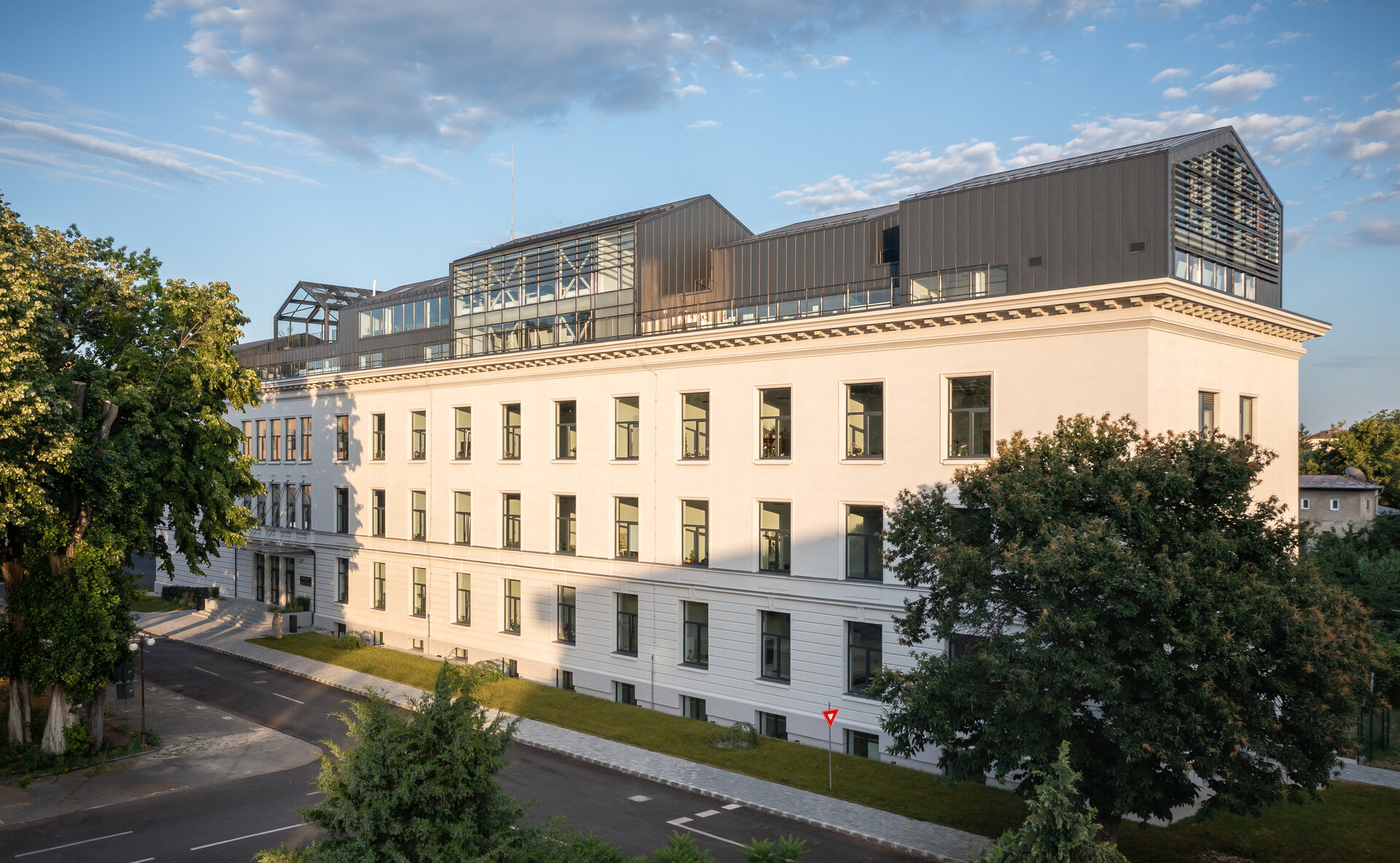
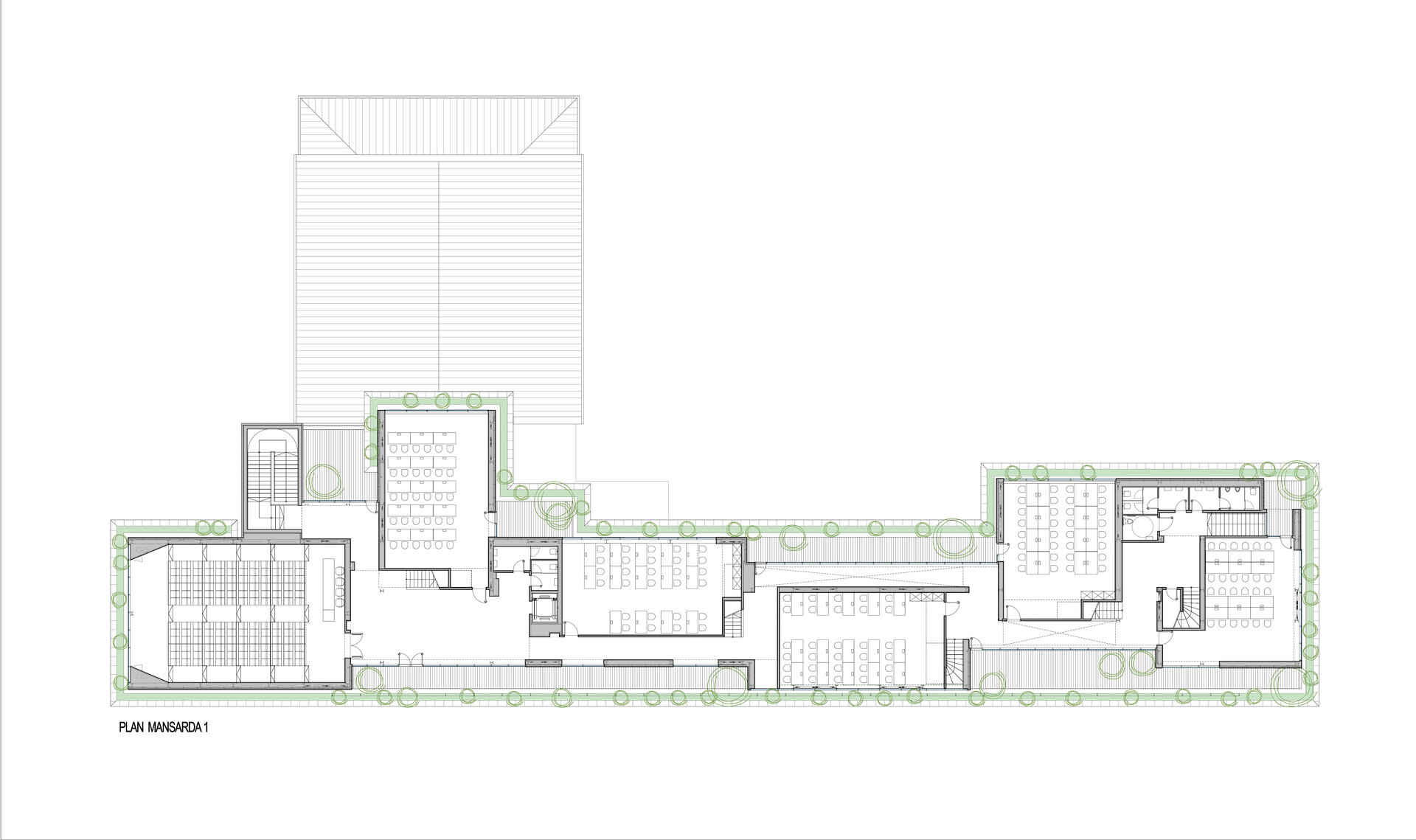
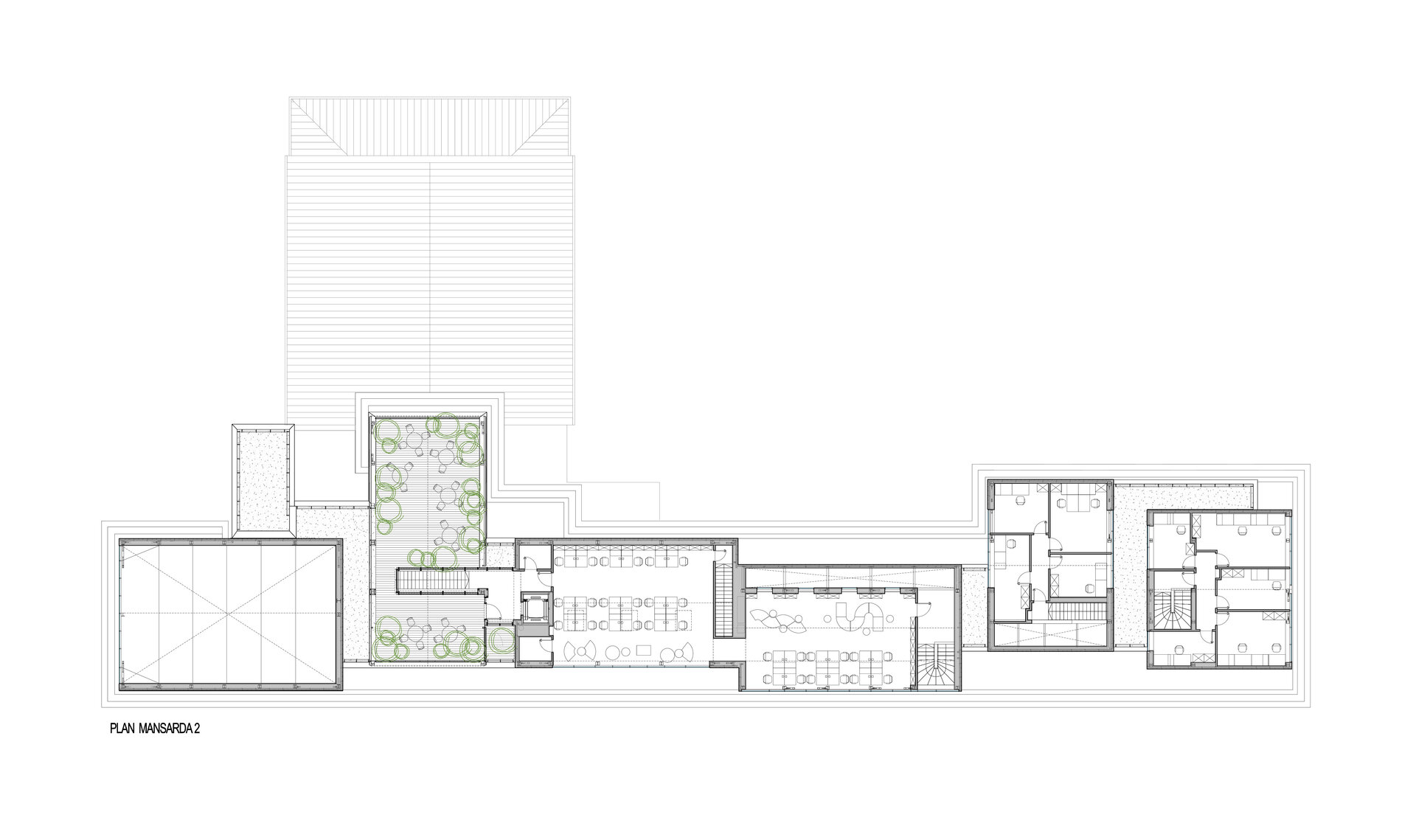
A central component of the project was the reconfiguration of the roof area, transformed both functionally and volumetrically to accommodate new educational spaces for the Faculty of Landscape Architecture. The vertical extension respects the original building's rhythm and proportions, aiming for a contemporary yet harmonious insertion. Architecturally, the continuous roof was fragmented into smaller volumes, scaled to relate more sensitively to the surrounding streetscape. These volumes reinterpret, both formally and symbolically, the image of greenhouses—a recurring element within the USAMV campus and directly tied to the identity of horticultural and landscape studies. The resulting volume fosters a more balanced relationship with the urban fabric while creating a distinctive yet integrated visual identity.
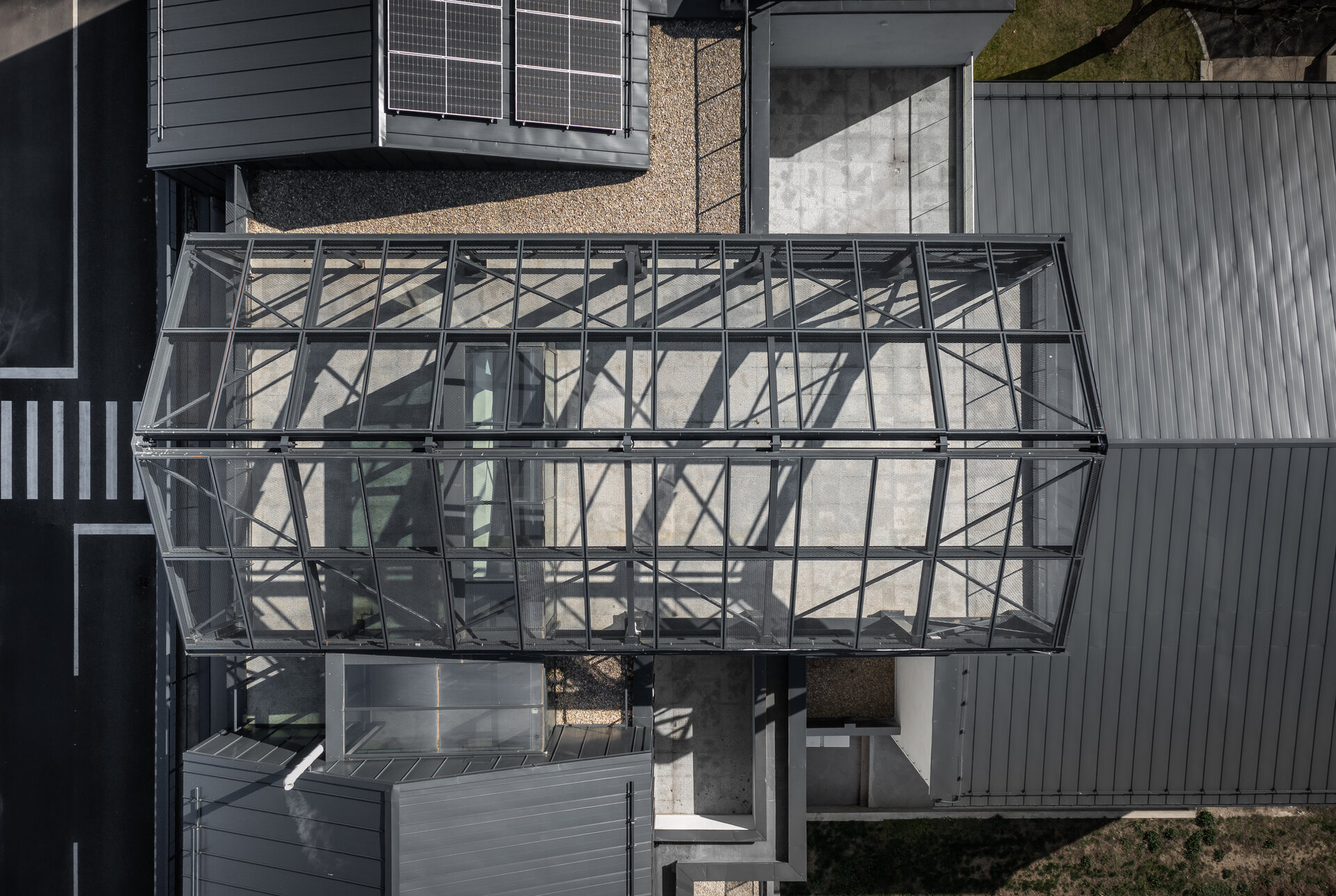
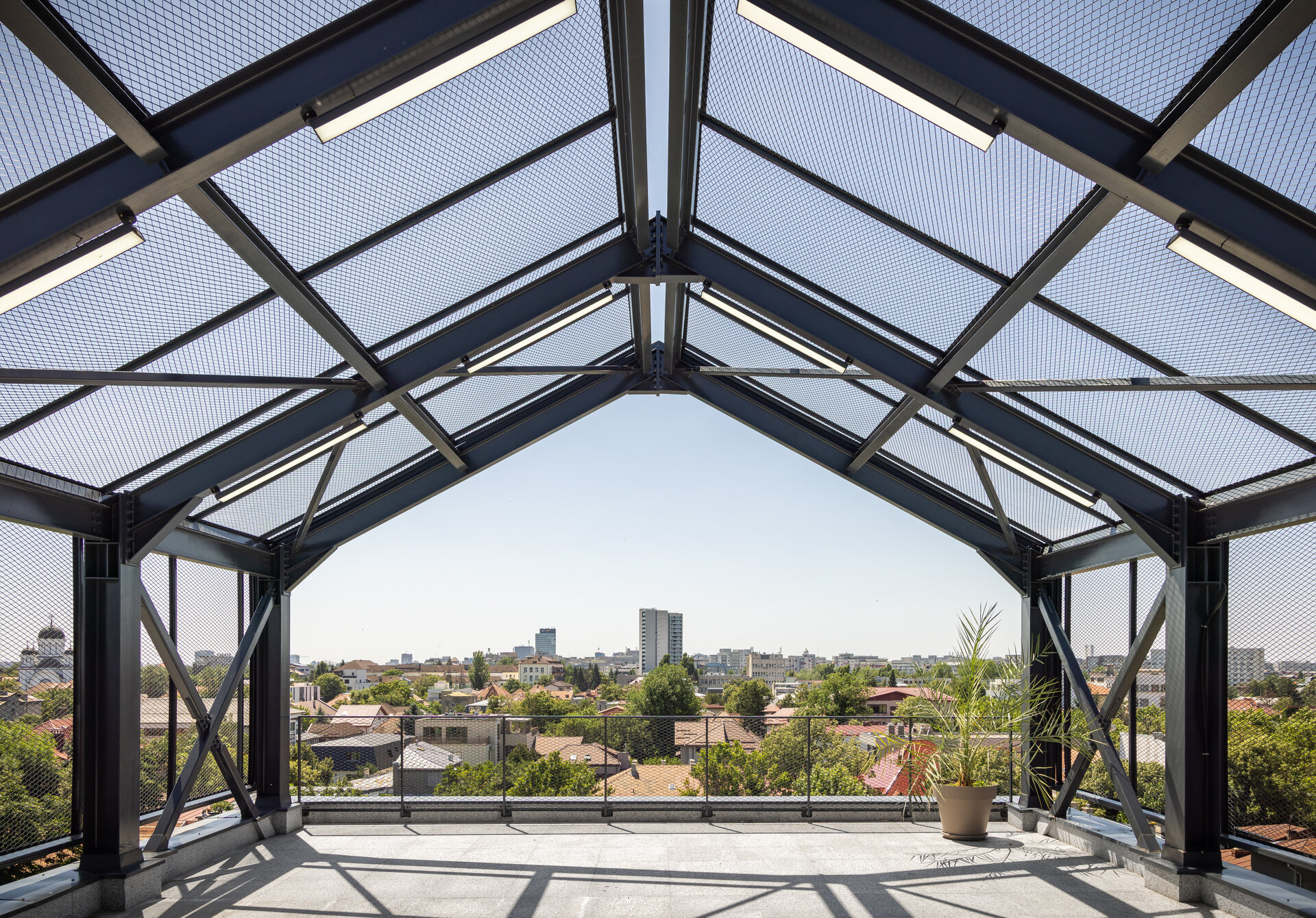
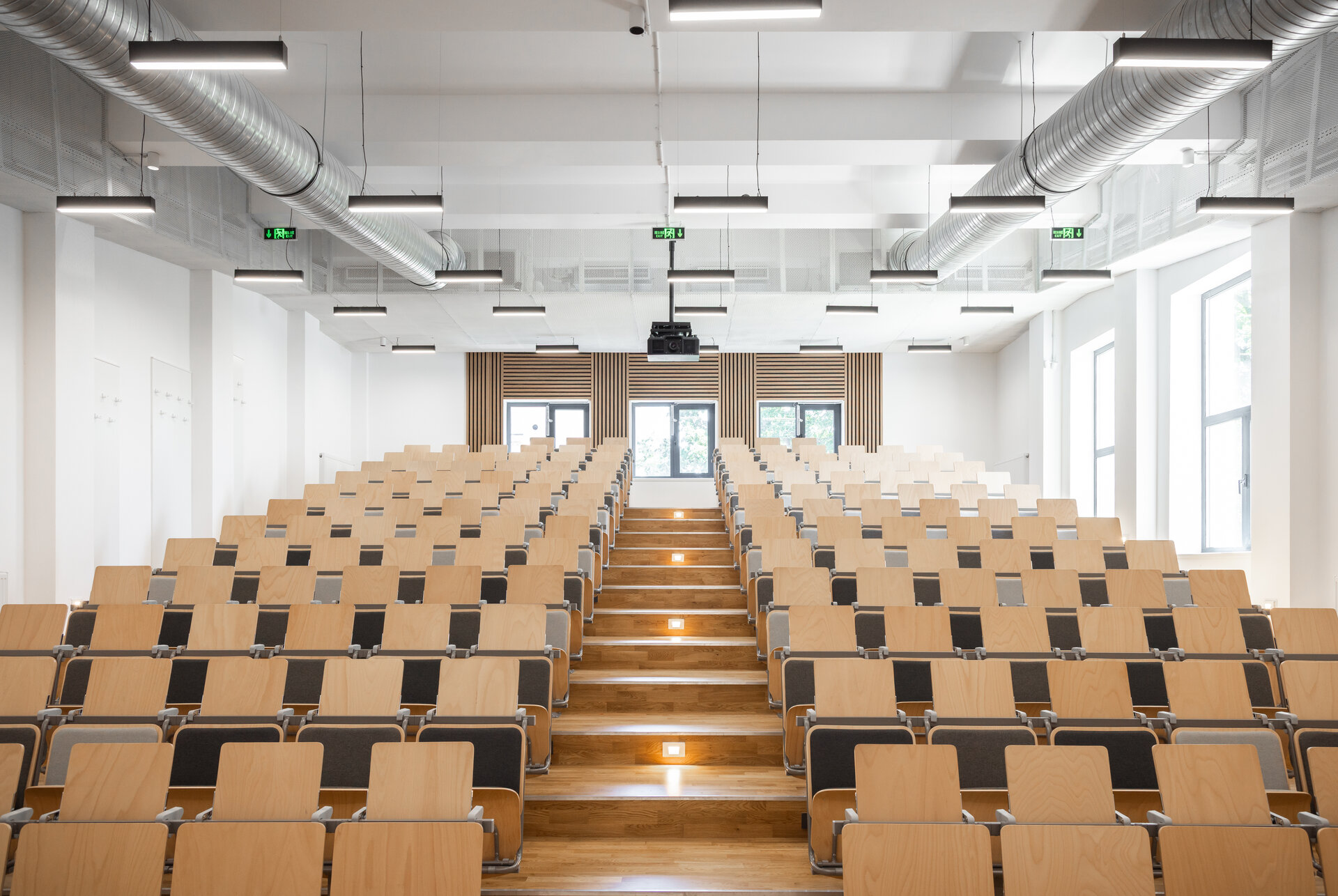
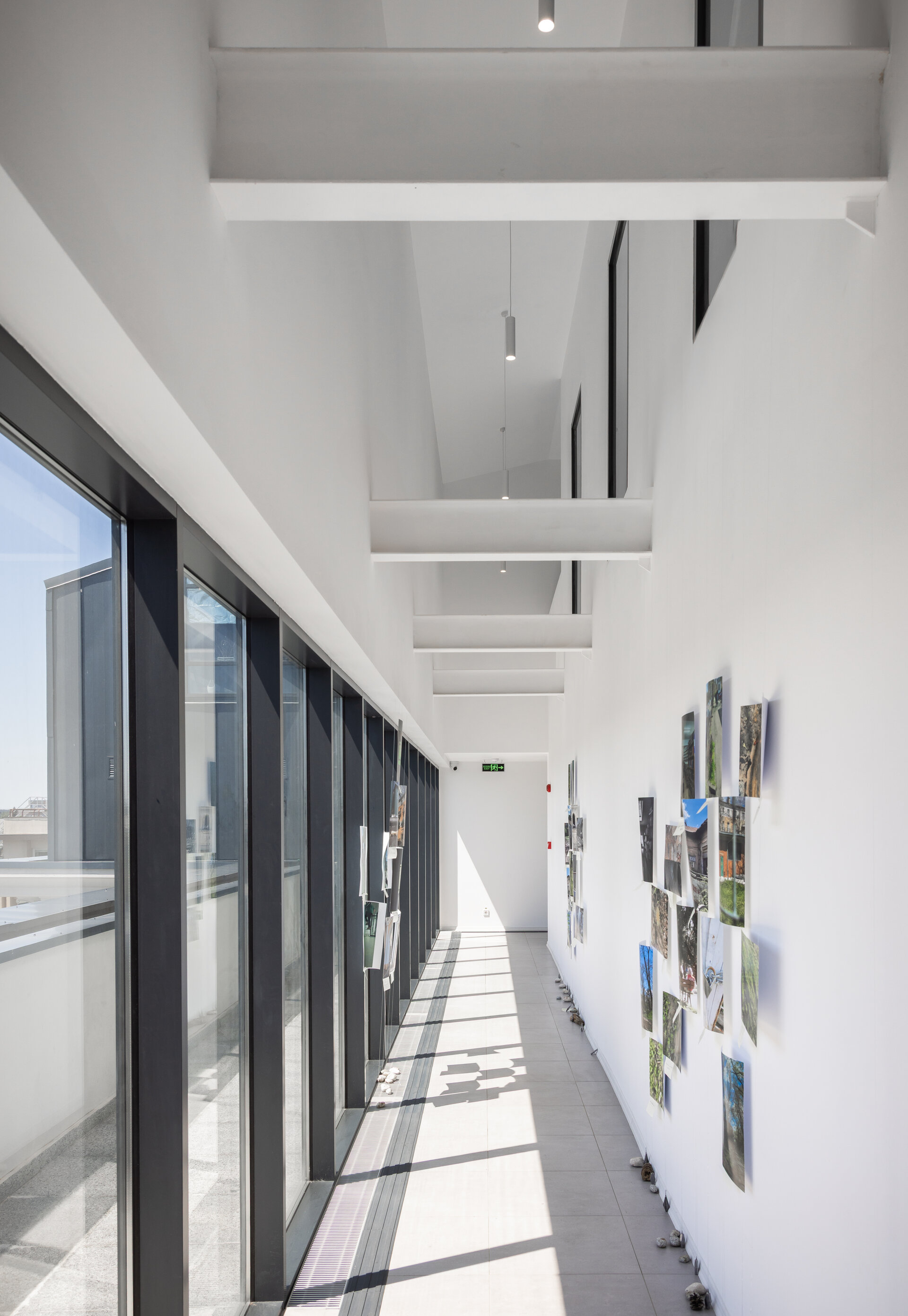
Inside, spatial continuity complies with fire safety regulations while enhancing fluid and coherent flow through areas dedicated to study, research, and social interaction. At attic level, a fluid circulation path, flanked on all sides by exterior terraces, connects the amphitheater, the studios and the upper levels of the new attic volumes. The most prominent of these is the roof garden terrace. This space, along with the building’s cornice—transformed into a continuous perimeter planter, supports future experimental plantings, making architecture an active part of the educational process. Covered in expanded metal mesh over a steel frame, the central greenhouse-like structure—designed to host climbing plants—also marks and emphasizes the main entrance of the building.
The intervention aligns with principles of sustainability through the reuse and enhancement of existing built heritage. By blending the original architecture with carefully integrated contemporary elements, the building regains full functionality and acquires new symbolic and educational significance within the university campus context.
Public Architecture

- Labirint – Church and School within an Urban Community Hub
- The Chapel
- “Marie Curie” Children’s Oncology Hospital
- Faculty of Horticulture USAMVB
- Itinerant nZEB Pavilion
- Beach restaurant and pools - Zanziblue Waves Resort, Zanzibar
- Ana and the Kids
- Boutique Office TD5
- Senior Housing Valea Izvoarelor
- Kaliba Cabins
- Stone Guesthouse by the Olt River


