Kaliba Cabins
Authors’ Comment
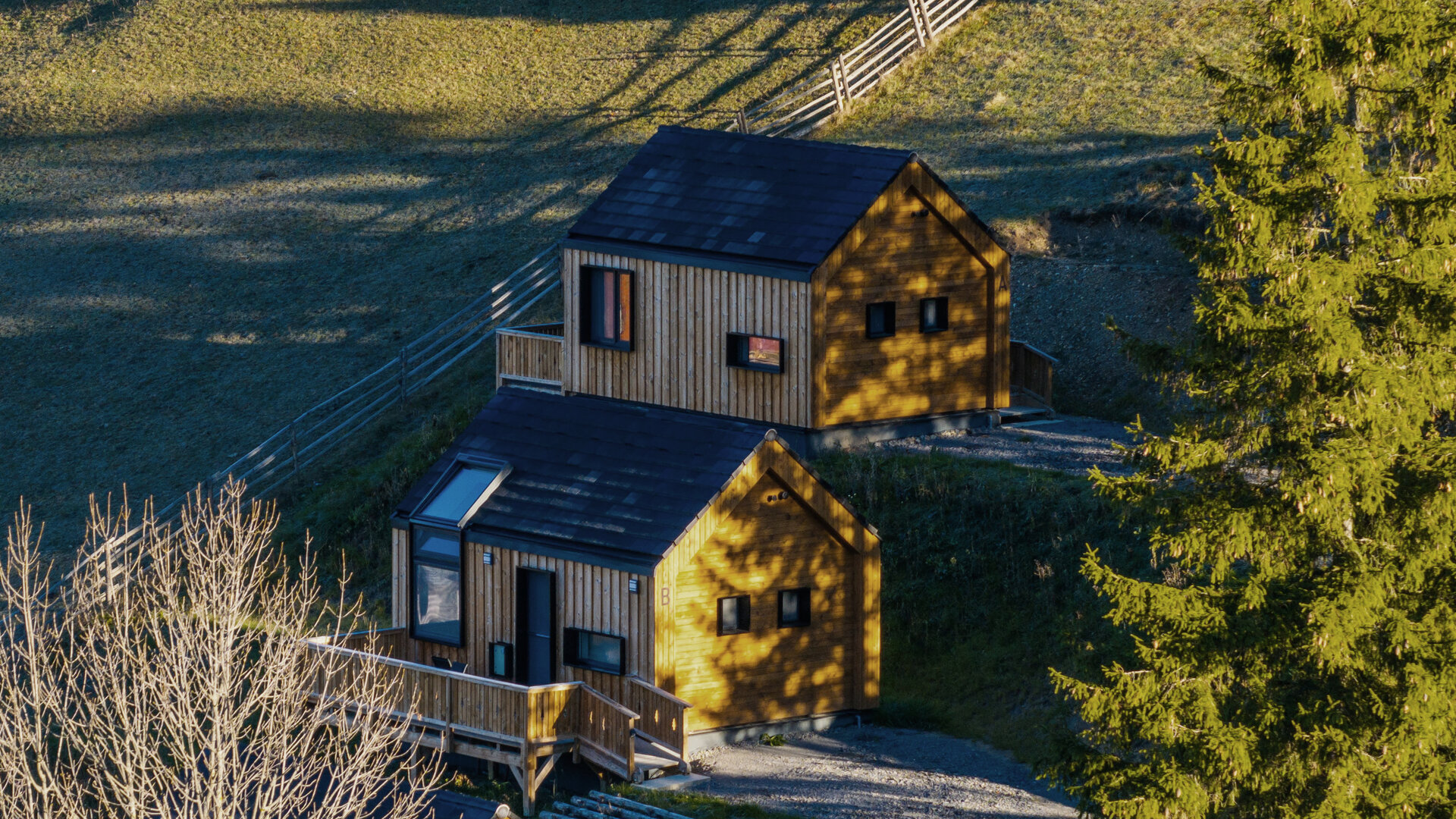
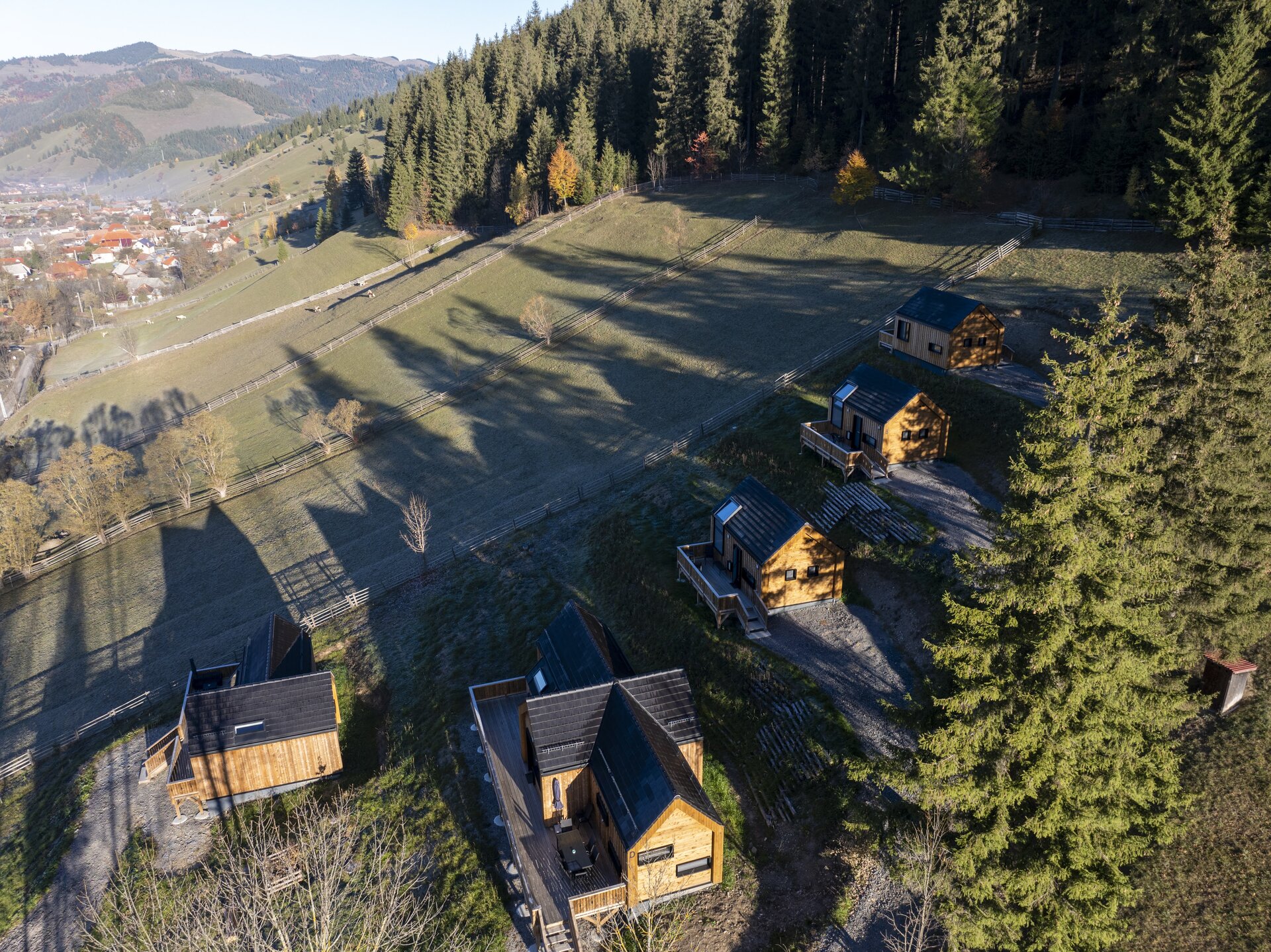
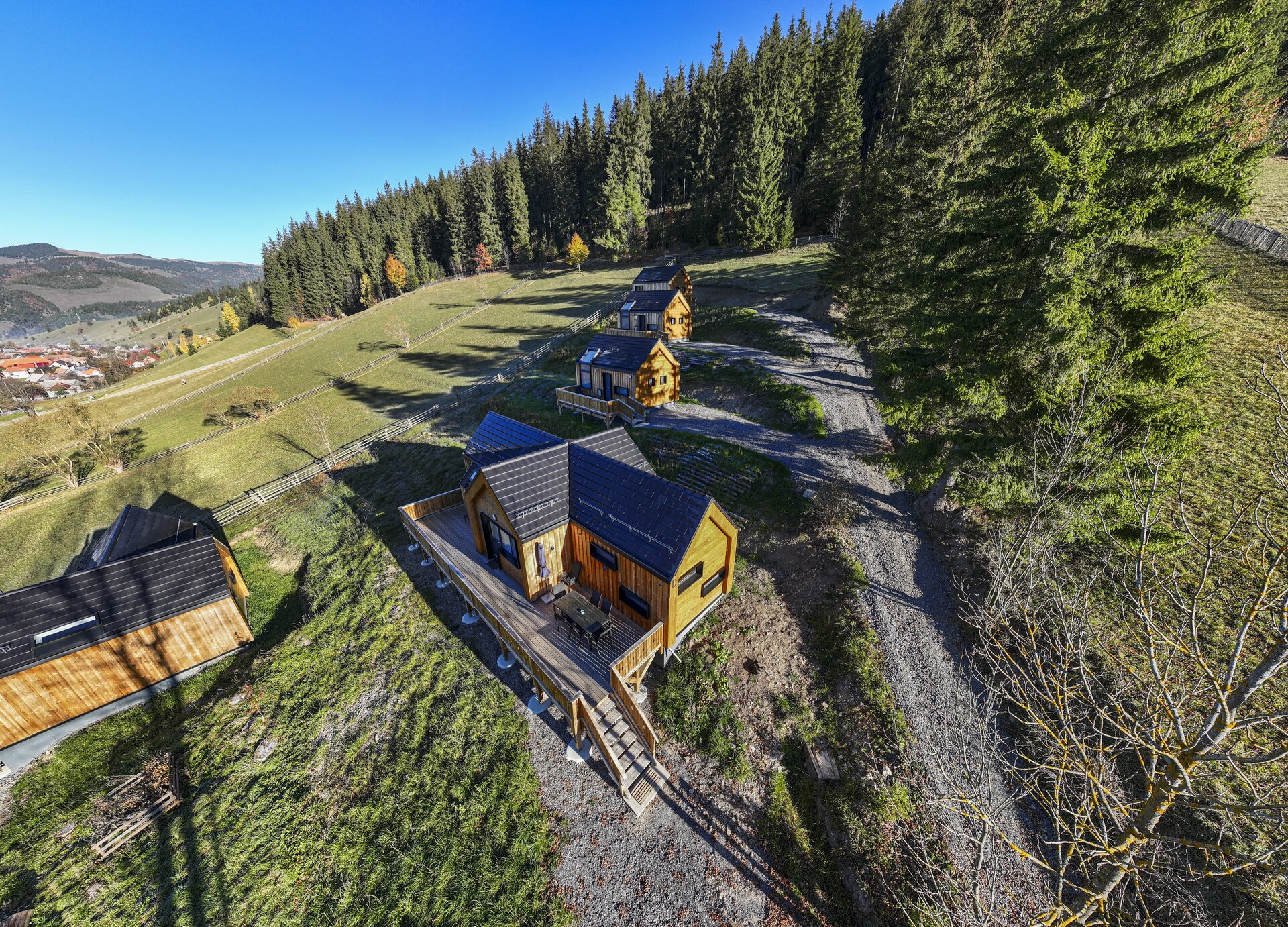
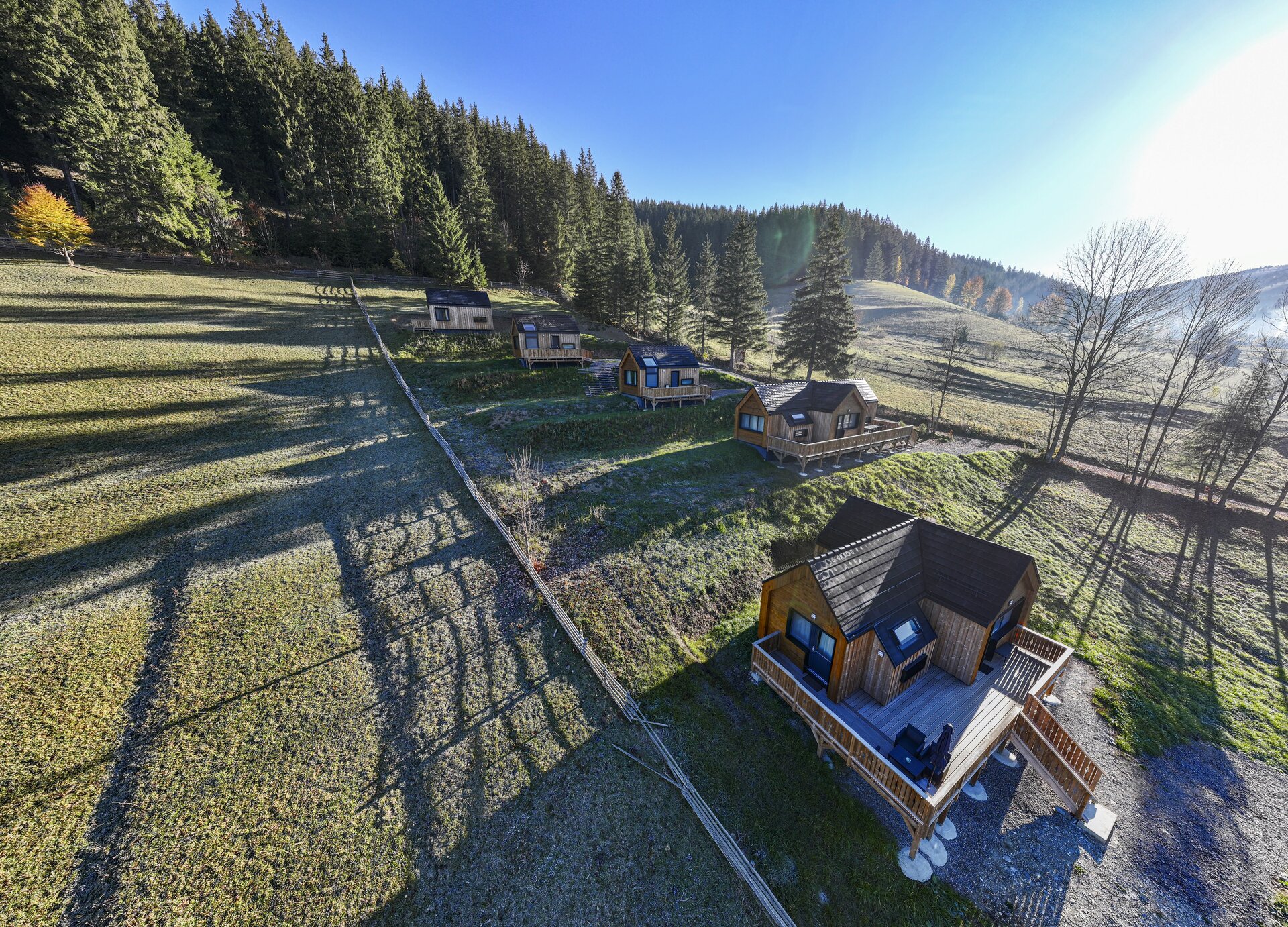
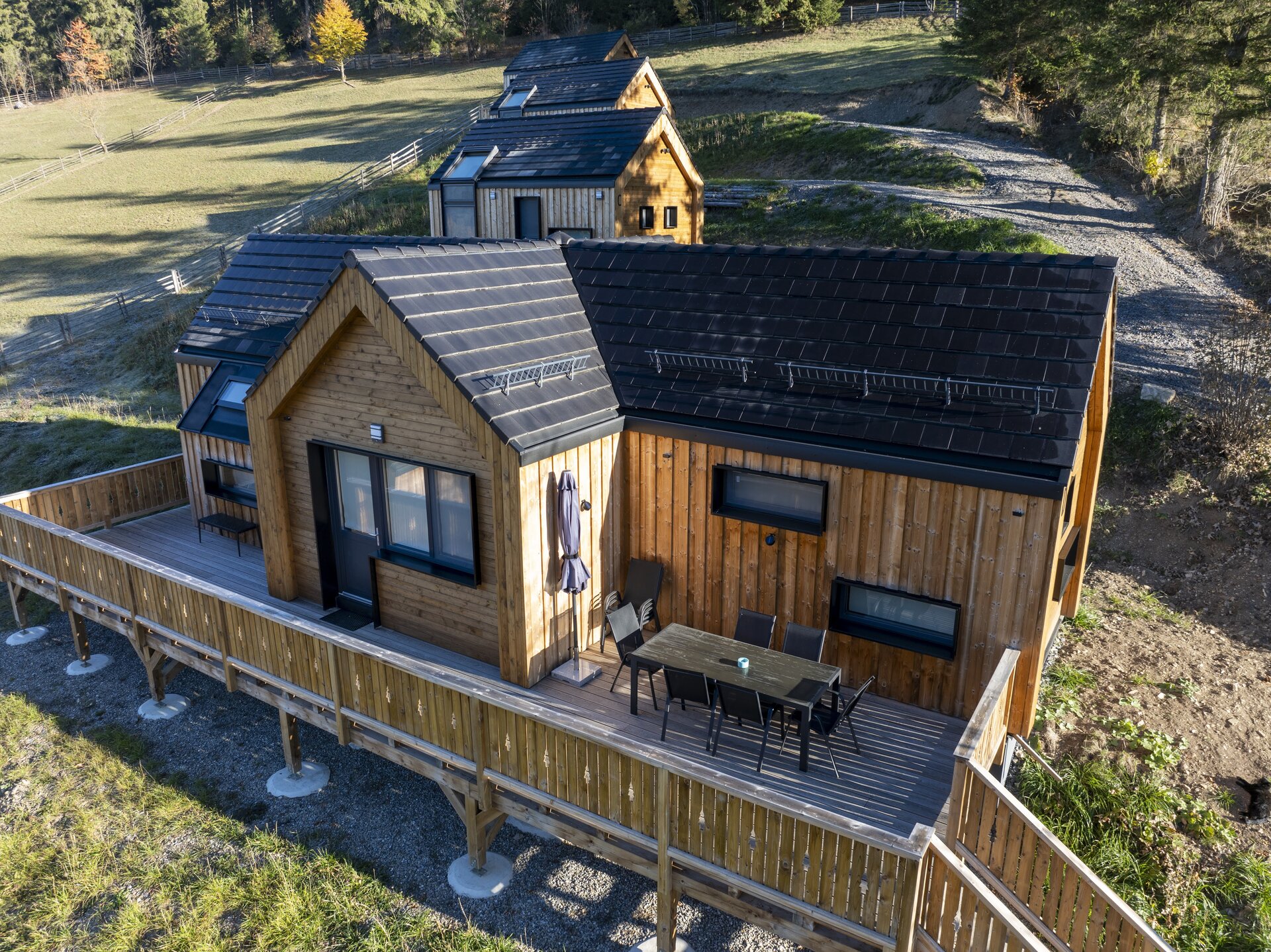
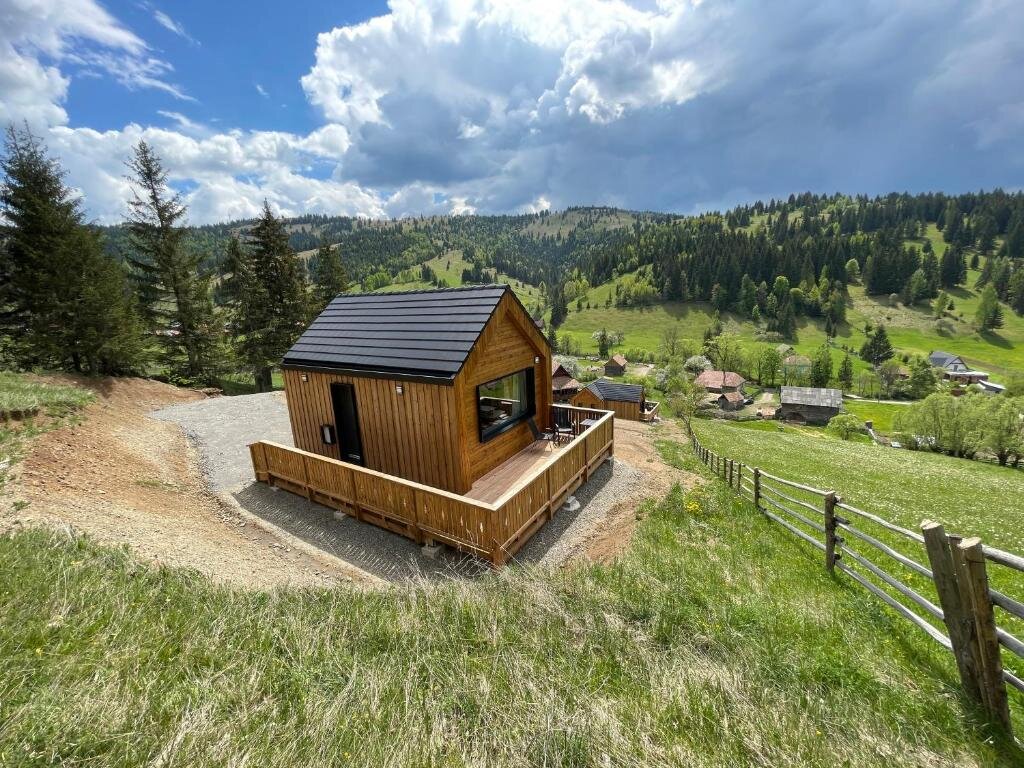
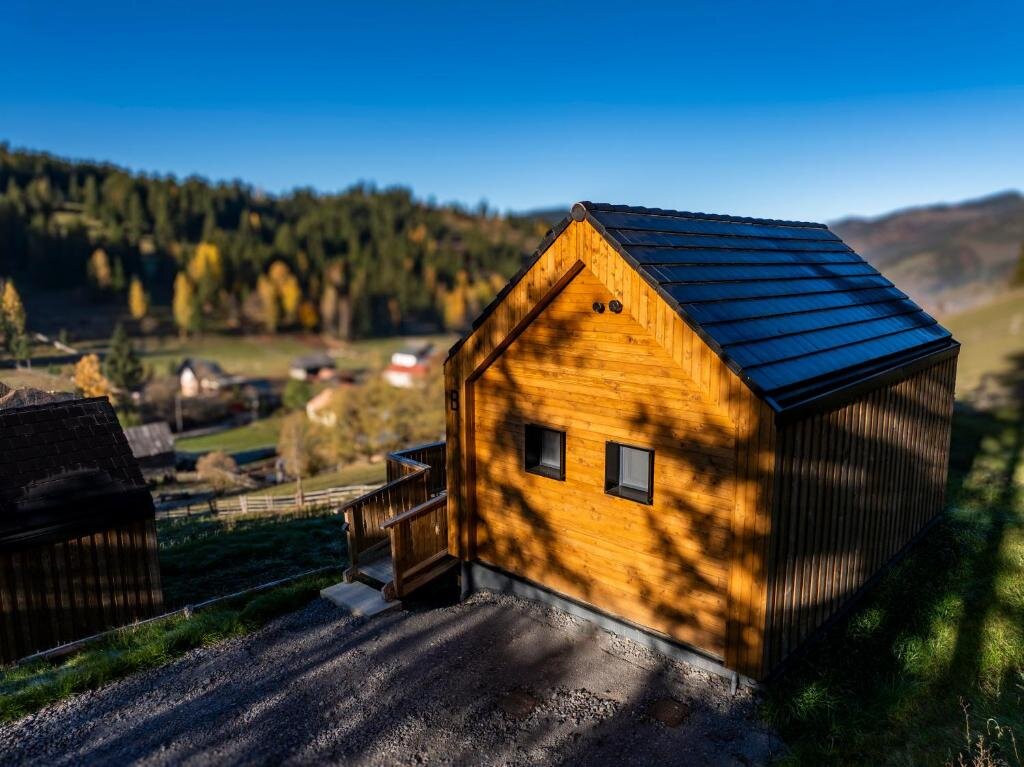
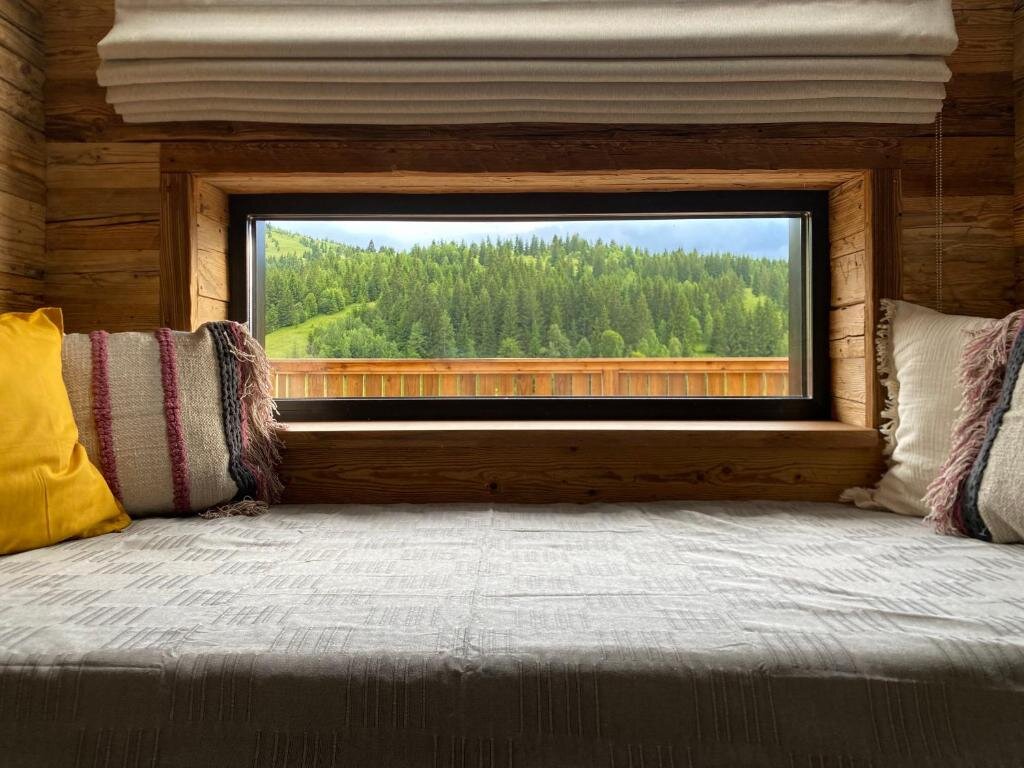
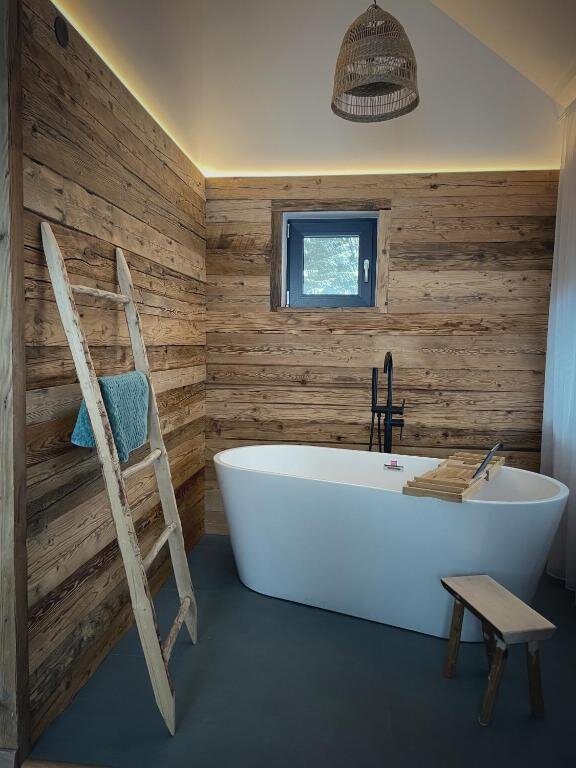
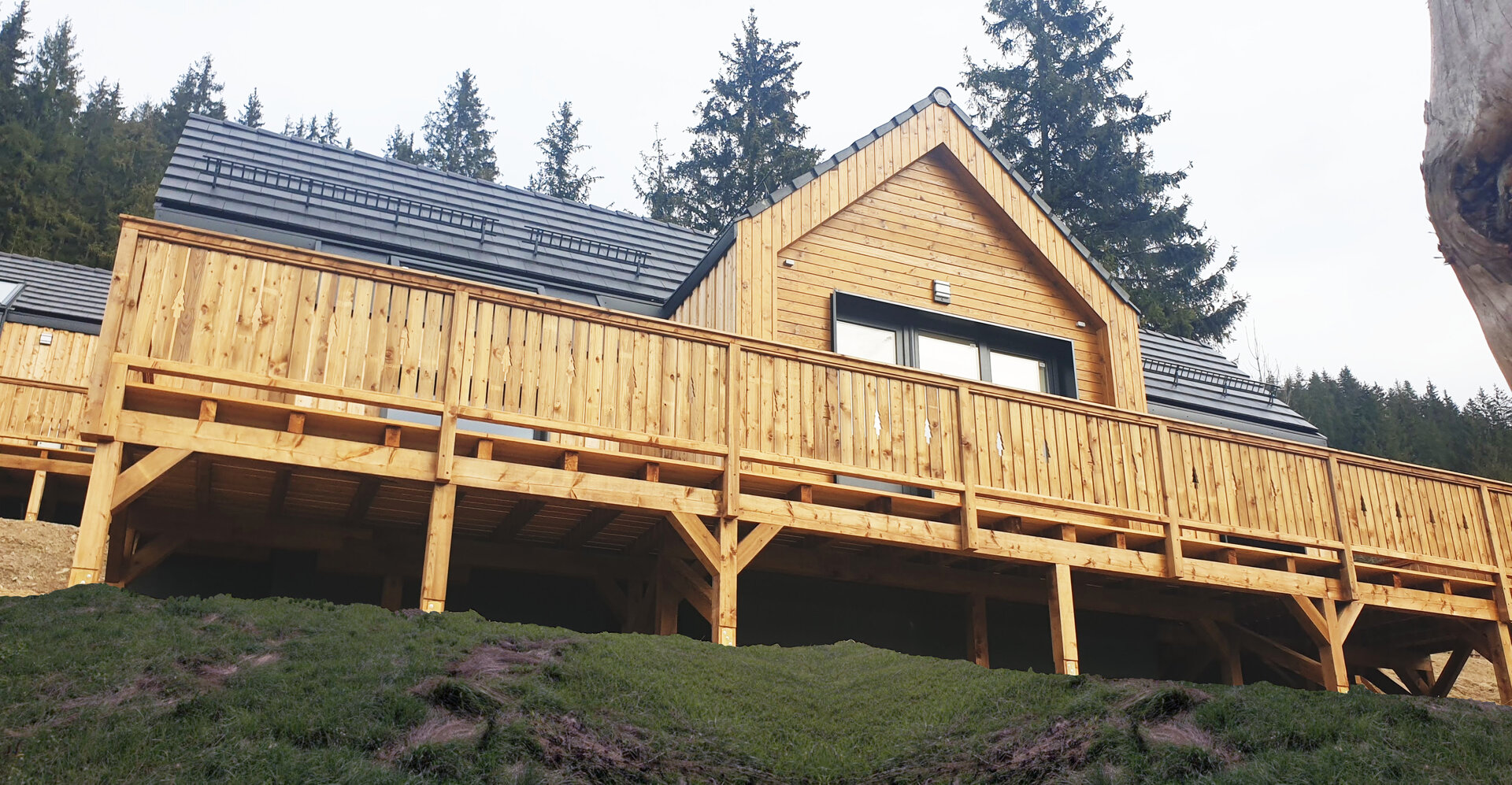
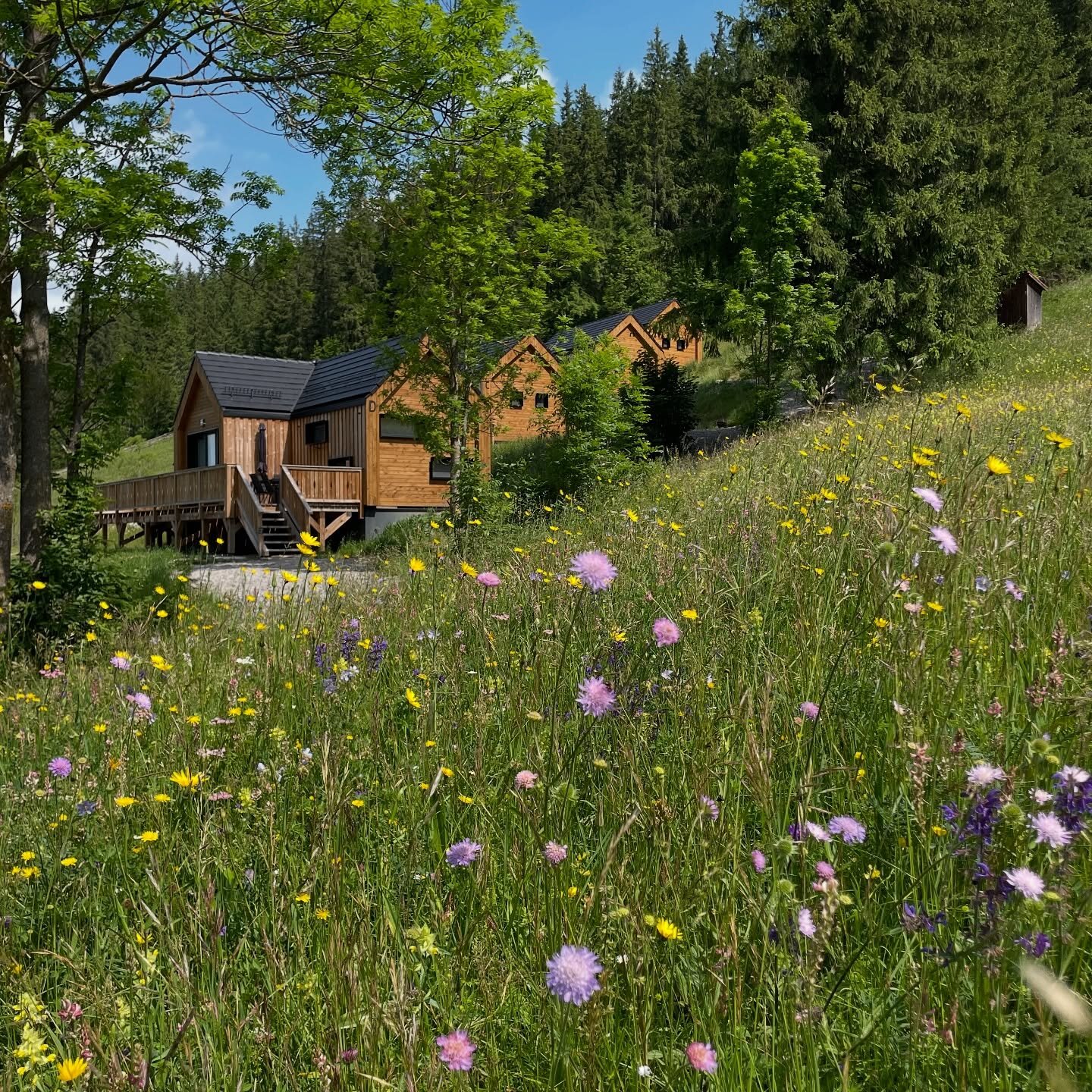
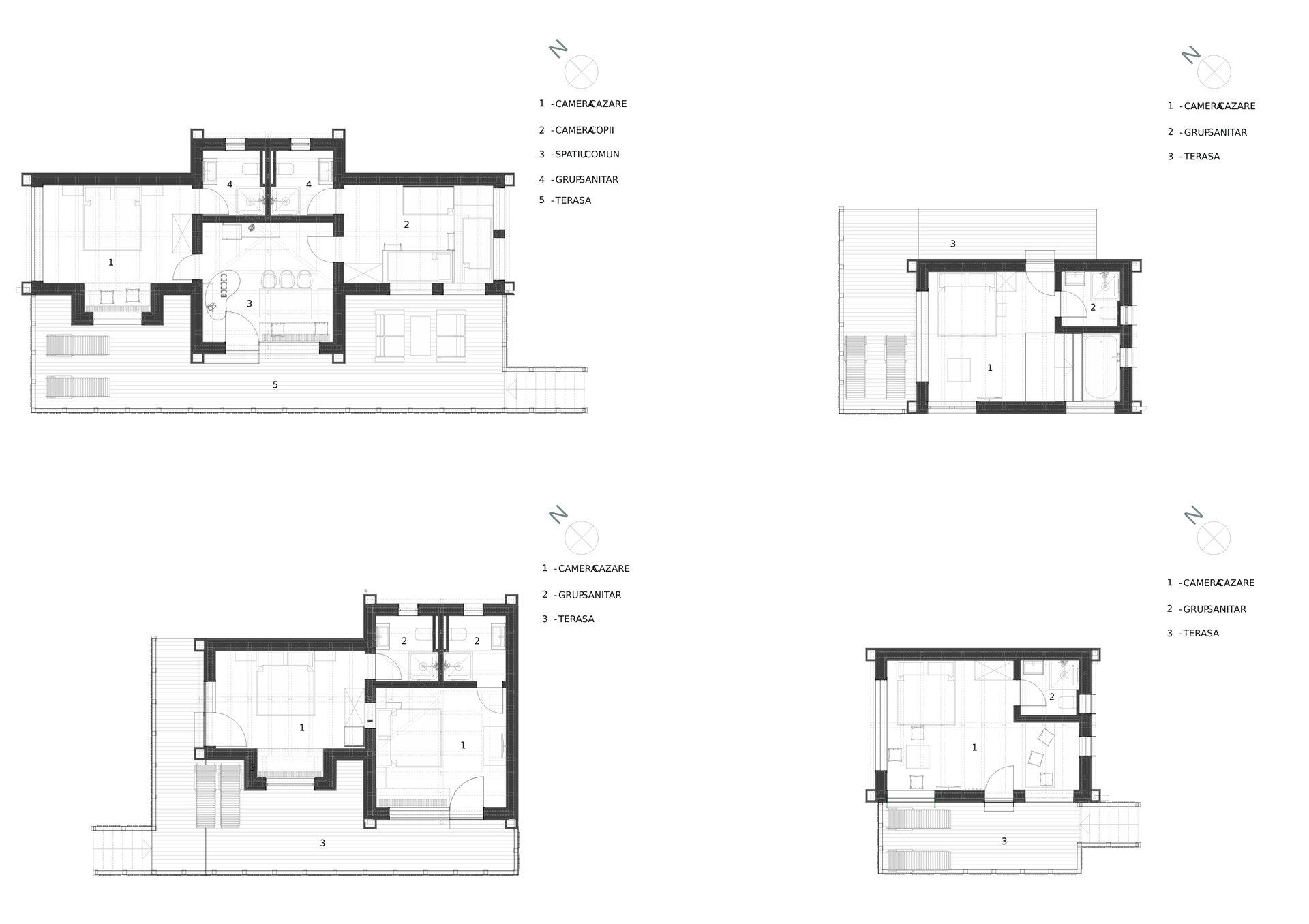
The accommodation units within this ensemble represent a significant example of sustainable architecture, integrating contemporary values with a strong sense of local identity. The project stands out through the use of timber as the primary material—both structurally and in finishing details—evoking the traditional architecture specific to the region, and complemented by ceramic tile roofs that recall the image of the authentic rural village.
Beyond material choices, the project emphasizes the importance of preserving and transmitting local craftsmanship. By engaging artisans in the making of handcrafted architectural elements, the design sustains a short, transparent production chain rooted in tradition. A key component is the principle of circular economy: numerous timber elements, metal fittings, and ceramic tiles have been reclaimed from deconstructed buildings and recontextualized as decorative or finishing features, enriching the spaces with cultural significance and an honest aesthetic.
Through these gestures, the project becomes more than just a place of accommodation—it becomes an expression of respect for nature, heritage, and community. The space is conceived not only to host visitors but to bring people together around shared values of simplicity, responsibility, and continuity of tradition. Through its siting, materiality, and community integration, the ensemble contributes to the consolidation of a responsible tourism model—one in which architecture becomes a tool for rural regeneration and a dialogue between heritage and innovation.
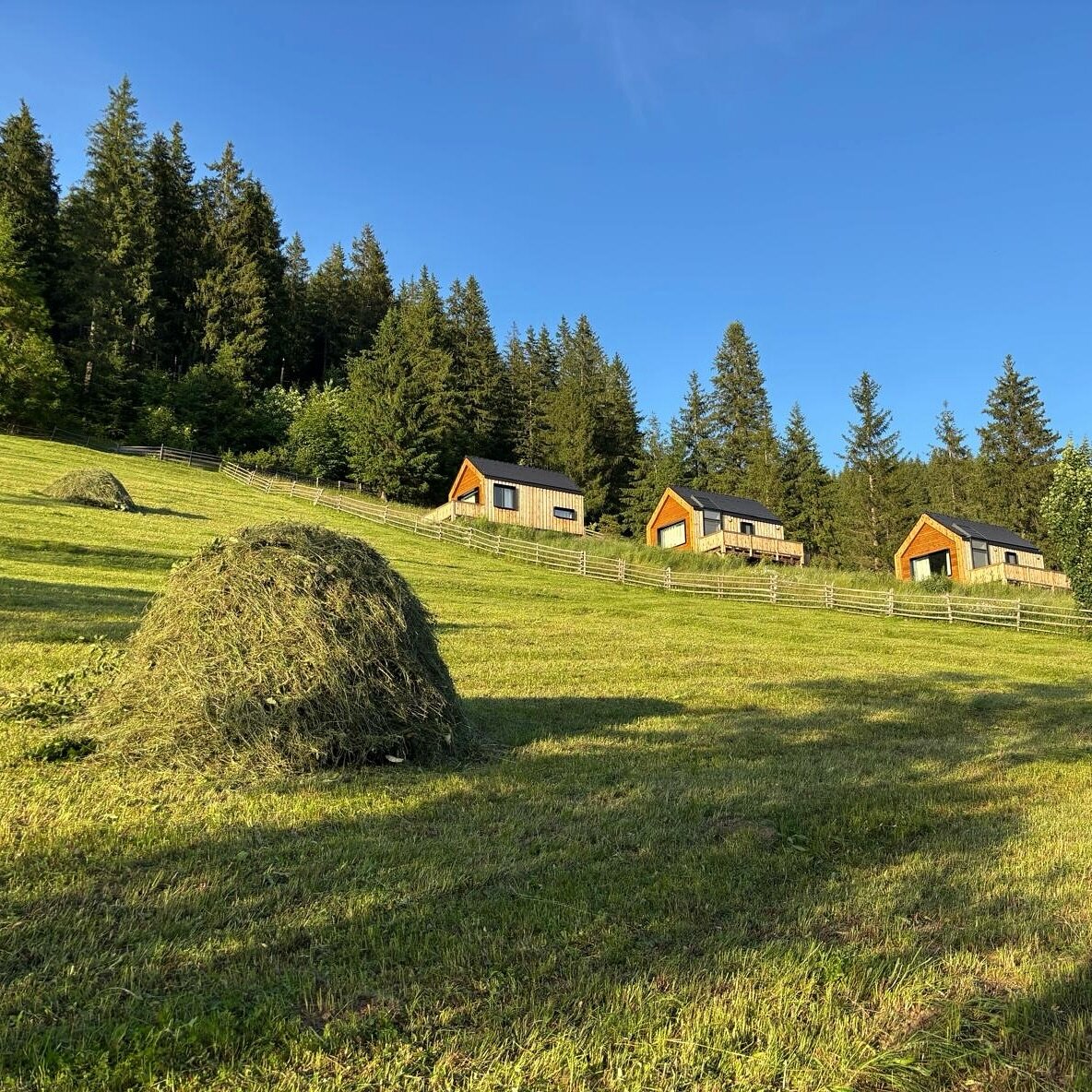
The surrounding landscape has guided the architectural composition, defining the spatial axes, the rhythm of the façades, and the sequence of solids and voids, in a delicate dialogue between volume, light, and topography. The site becomes a stylistic generator, with the intervention seeking to capture the silent tension between nature and construction, between permanence and revelation. Thus, architecture does not impose itself but rather settles naturally into the territory, revealing the spirit of the place through its discreet presence—in the harmony of textures, the dialectics of mass and void, the cadence of surfaces, and the tectonics of joints.
Public Architecture

- Labirint – Church and School within an Urban Community Hub
- The Chapel
- “Marie Curie” Children’s Oncology Hospital
- Faculty of Horticulture USAMVB
- Itinerant nZEB Pavilion
- Beach restaurant and pools - Zanziblue Waves Resort, Zanzibar
- Ana and the Kids
- Boutique Office TD5
- Senior Housing Valea Izvoarelor
- Kaliba Cabins
- Stone Guesthouse by the Olt River


