Boutique Office TD5
Authors’ Comment
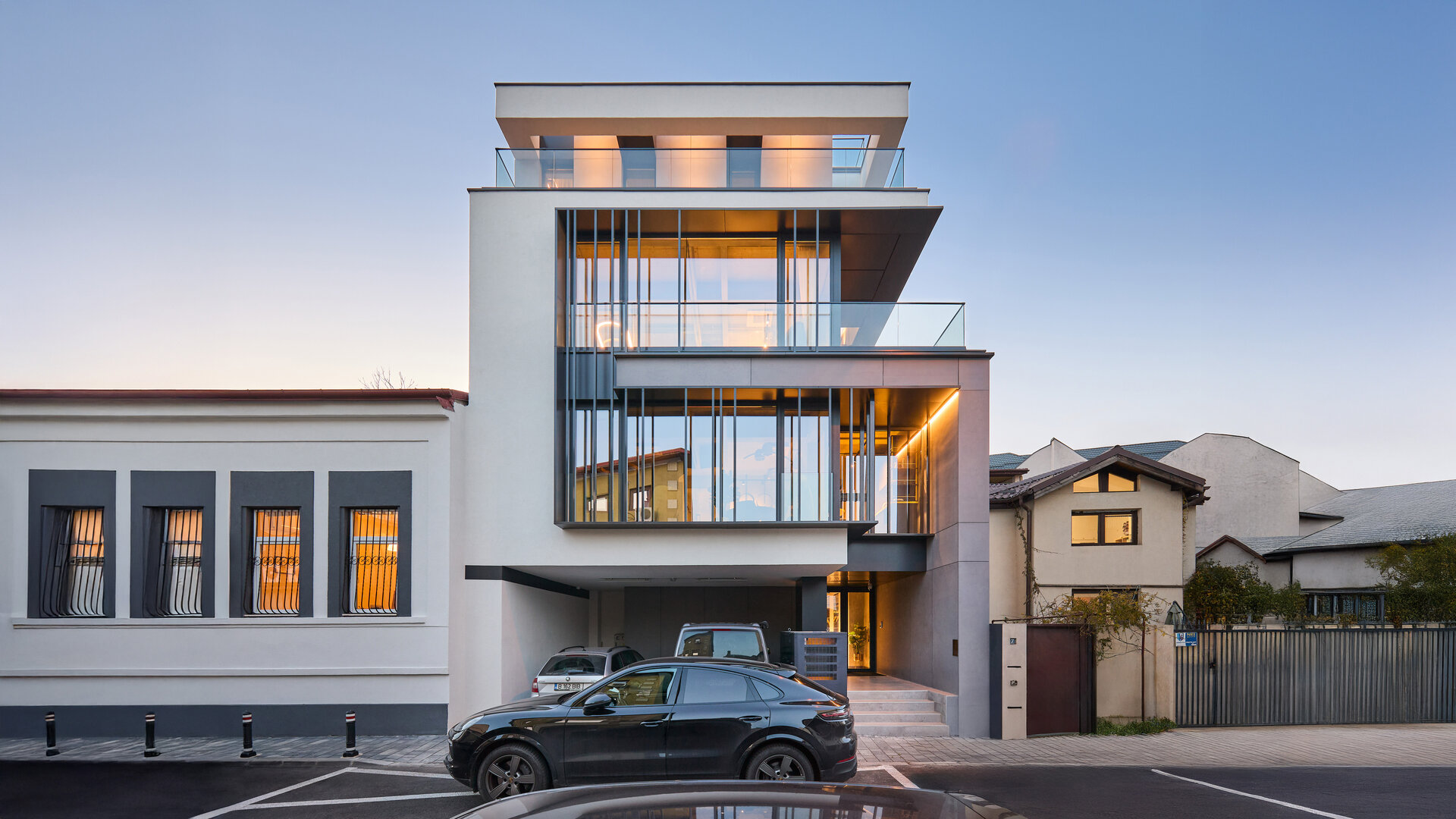
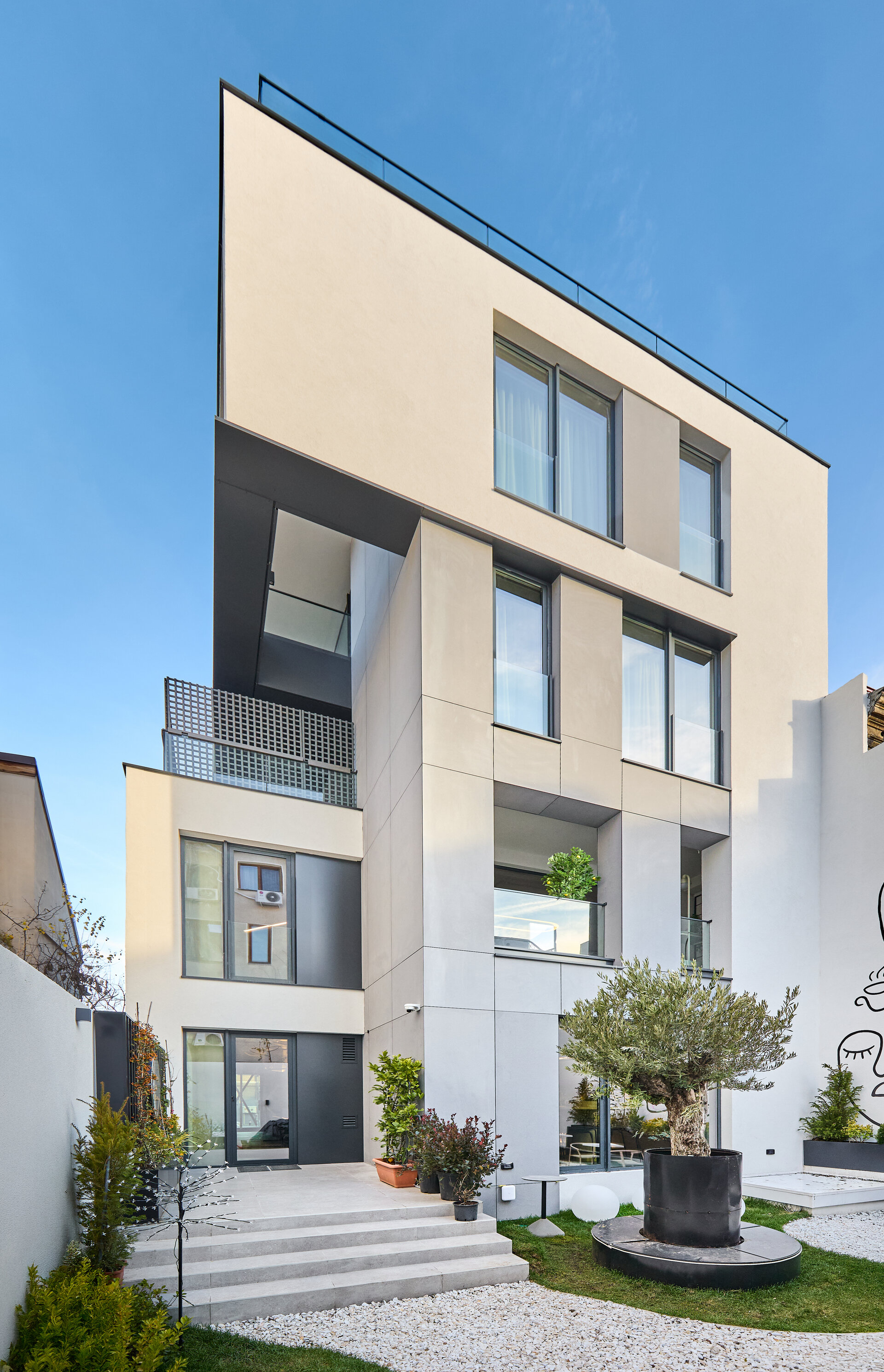
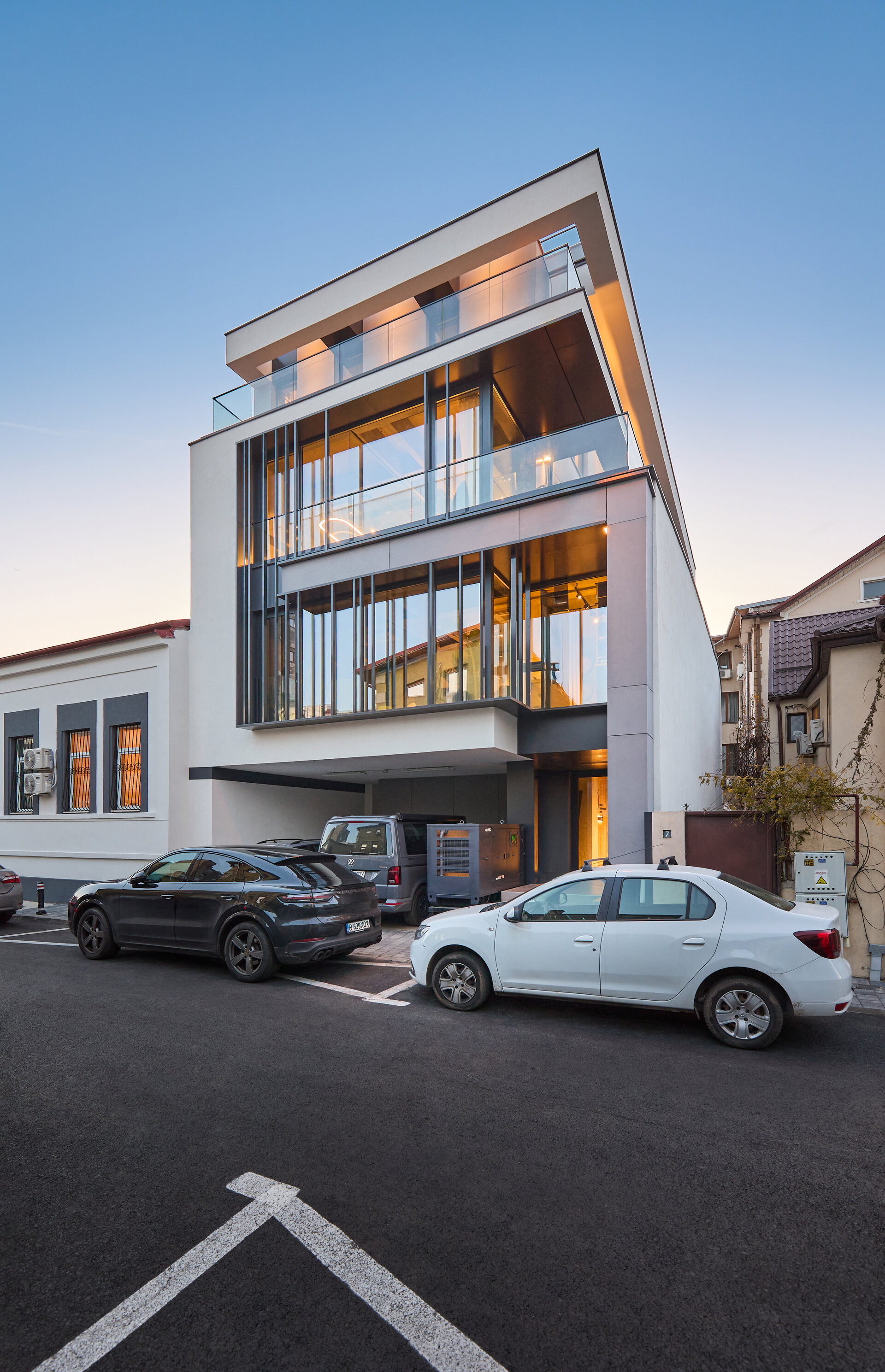
Located in a central area of Bucharest, the TD5 building offers an alternative to conventional workspaces: a boutique office designed for a small, close-knit, and authentic team.
Completed in 2025, this new construction was conceived not as a generic office, but as a home for work. The atmosphere here is relaxed, personal, and warm — reflecting the values of a small family-run business, where people know each other, collaborate closely, and operate in a natural rhythm.
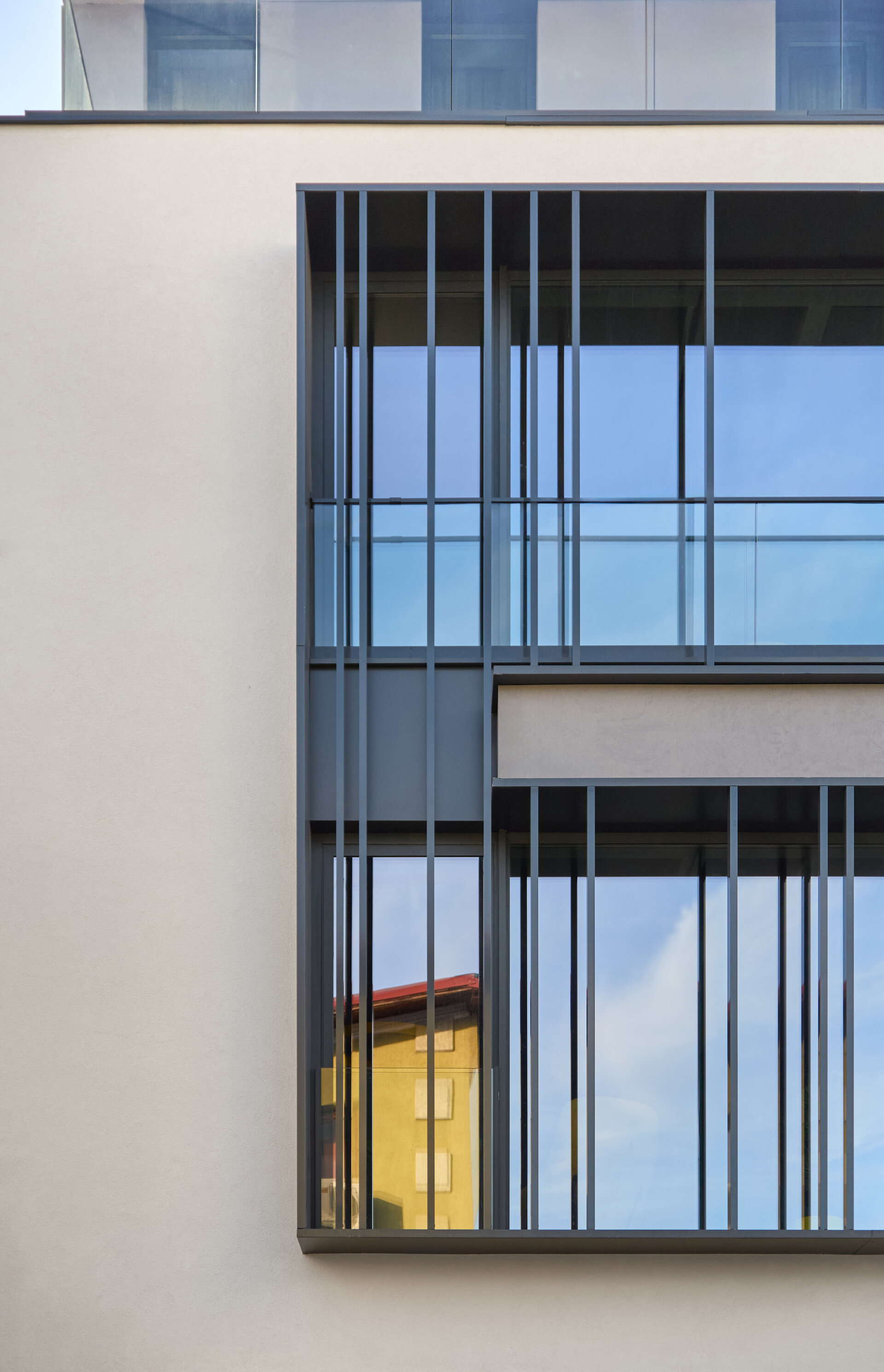
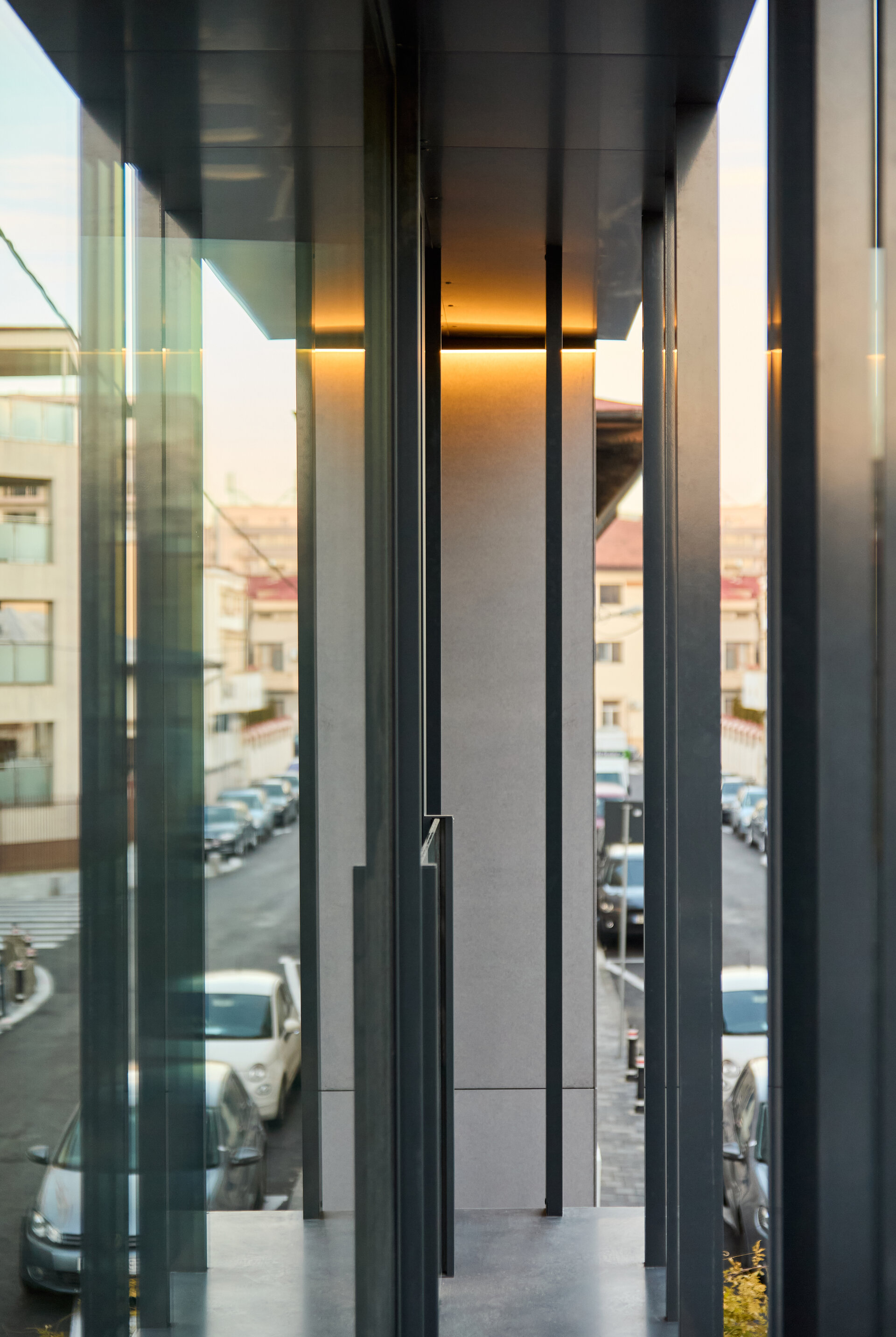
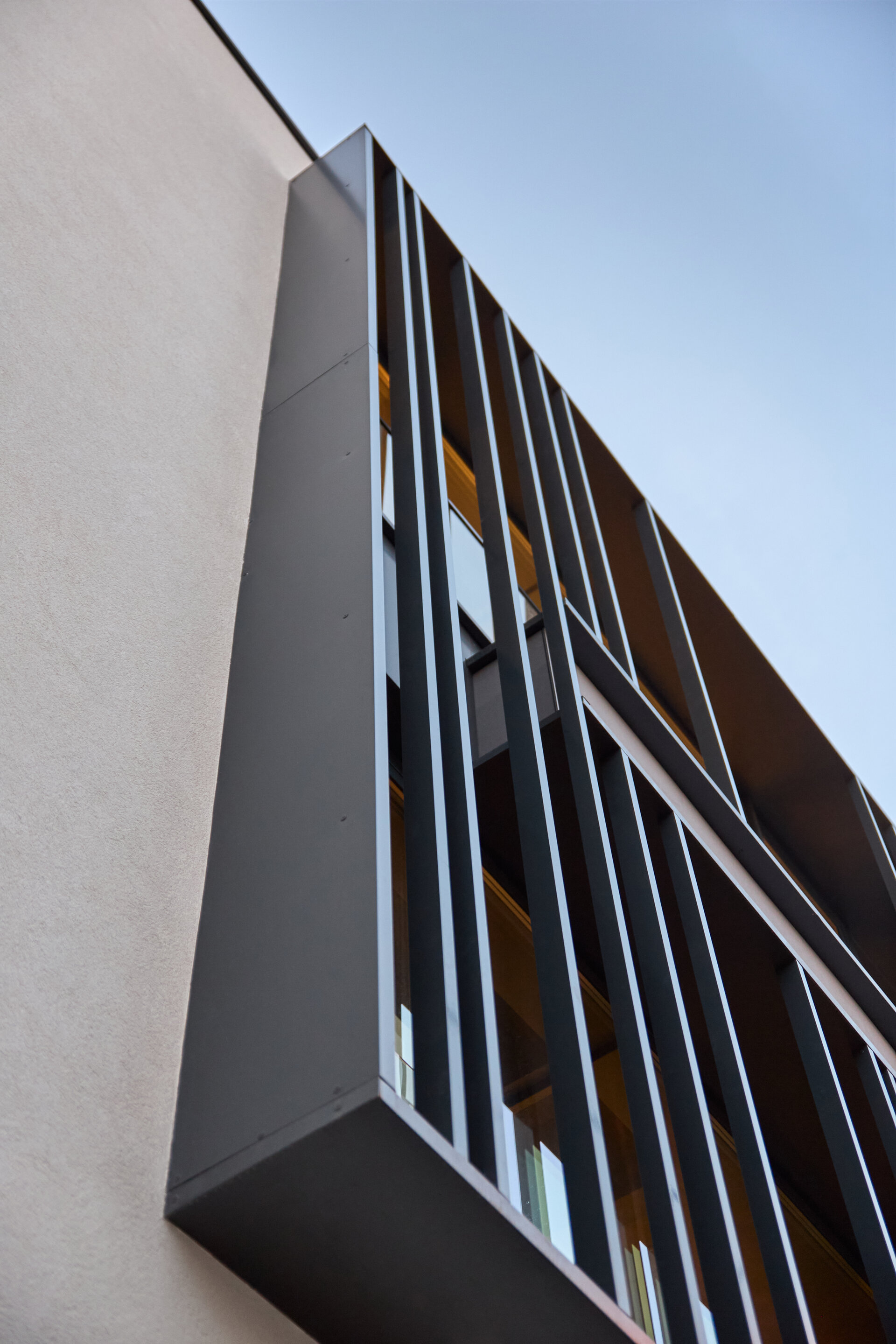
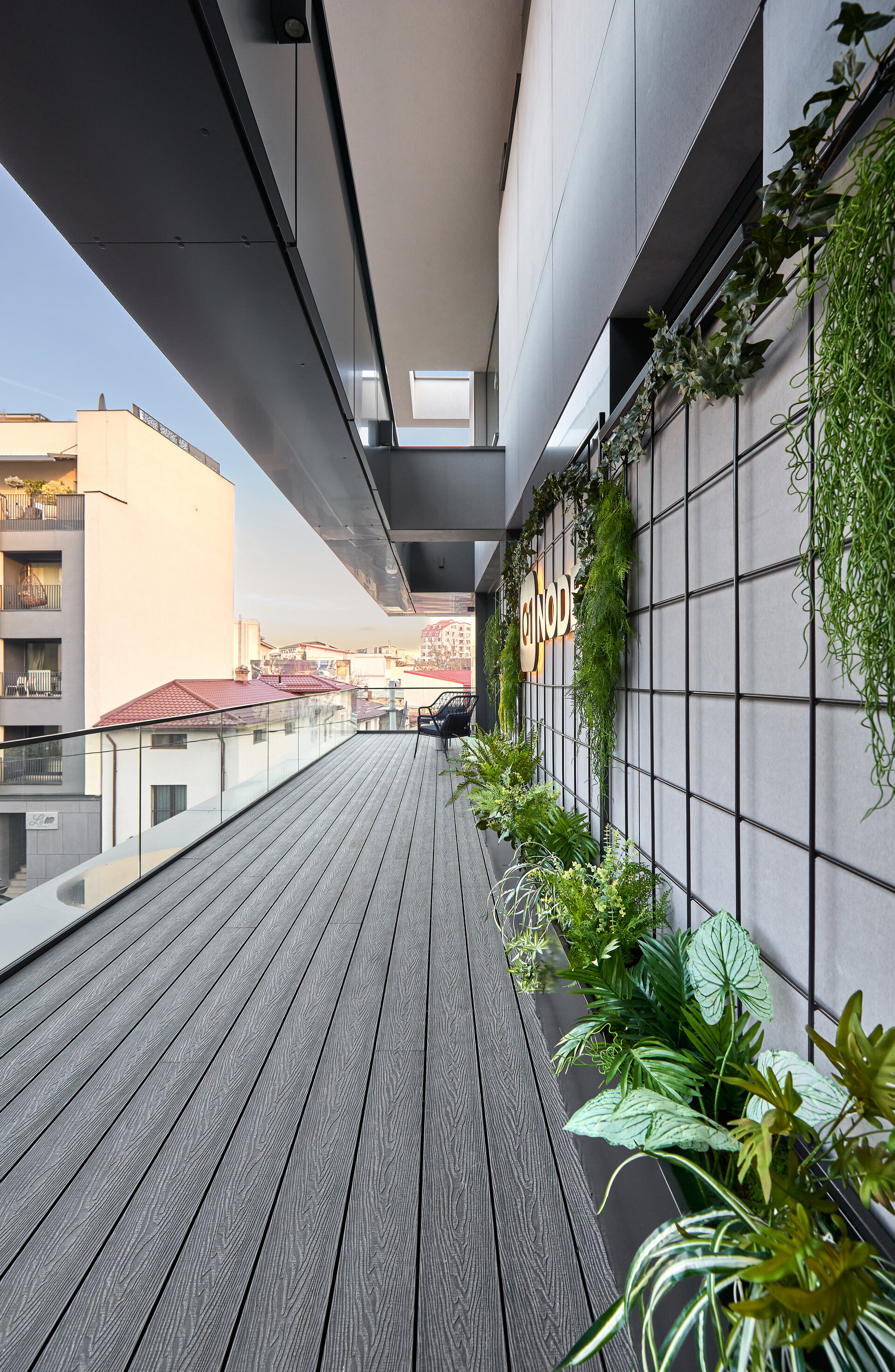
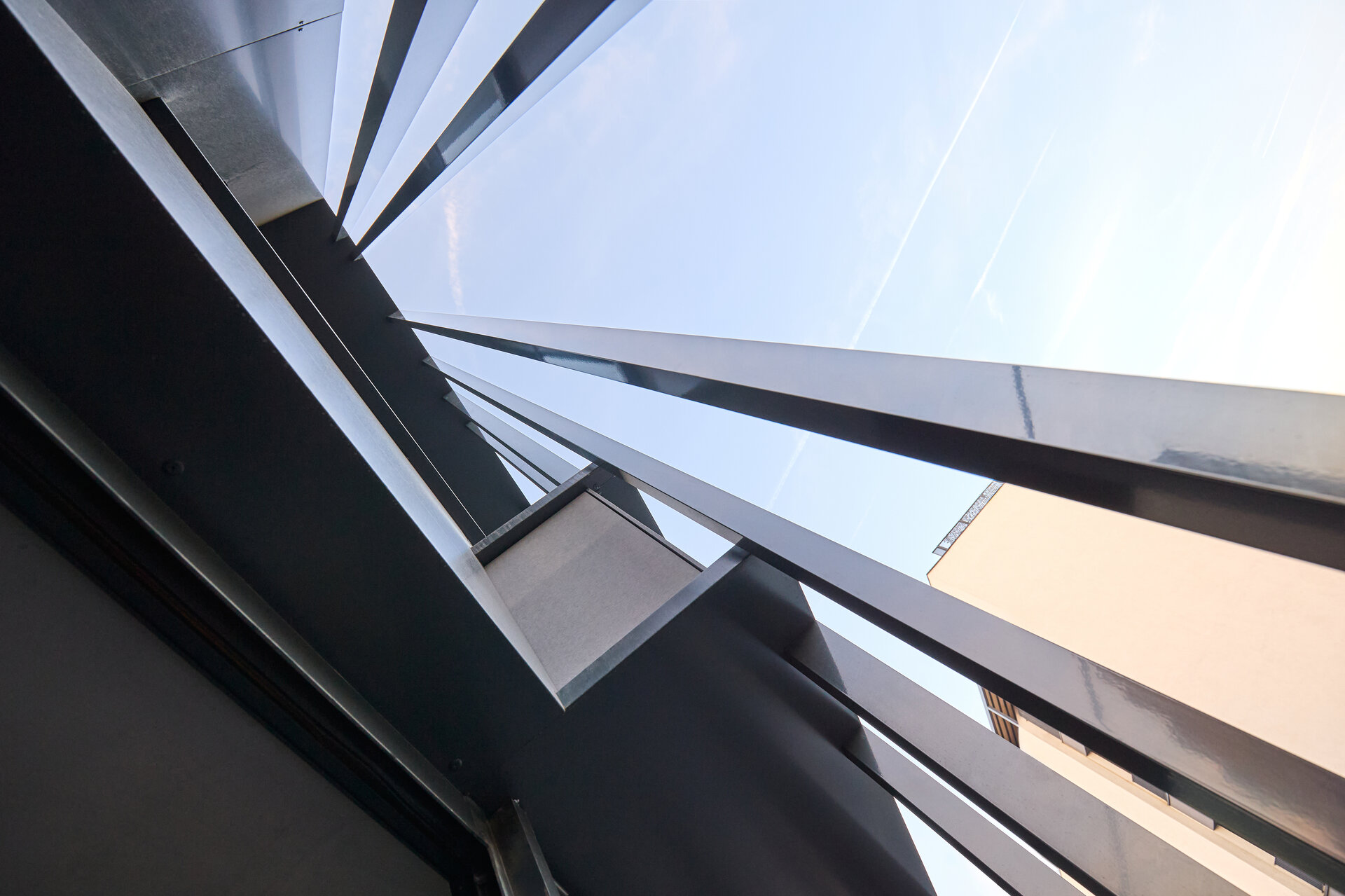
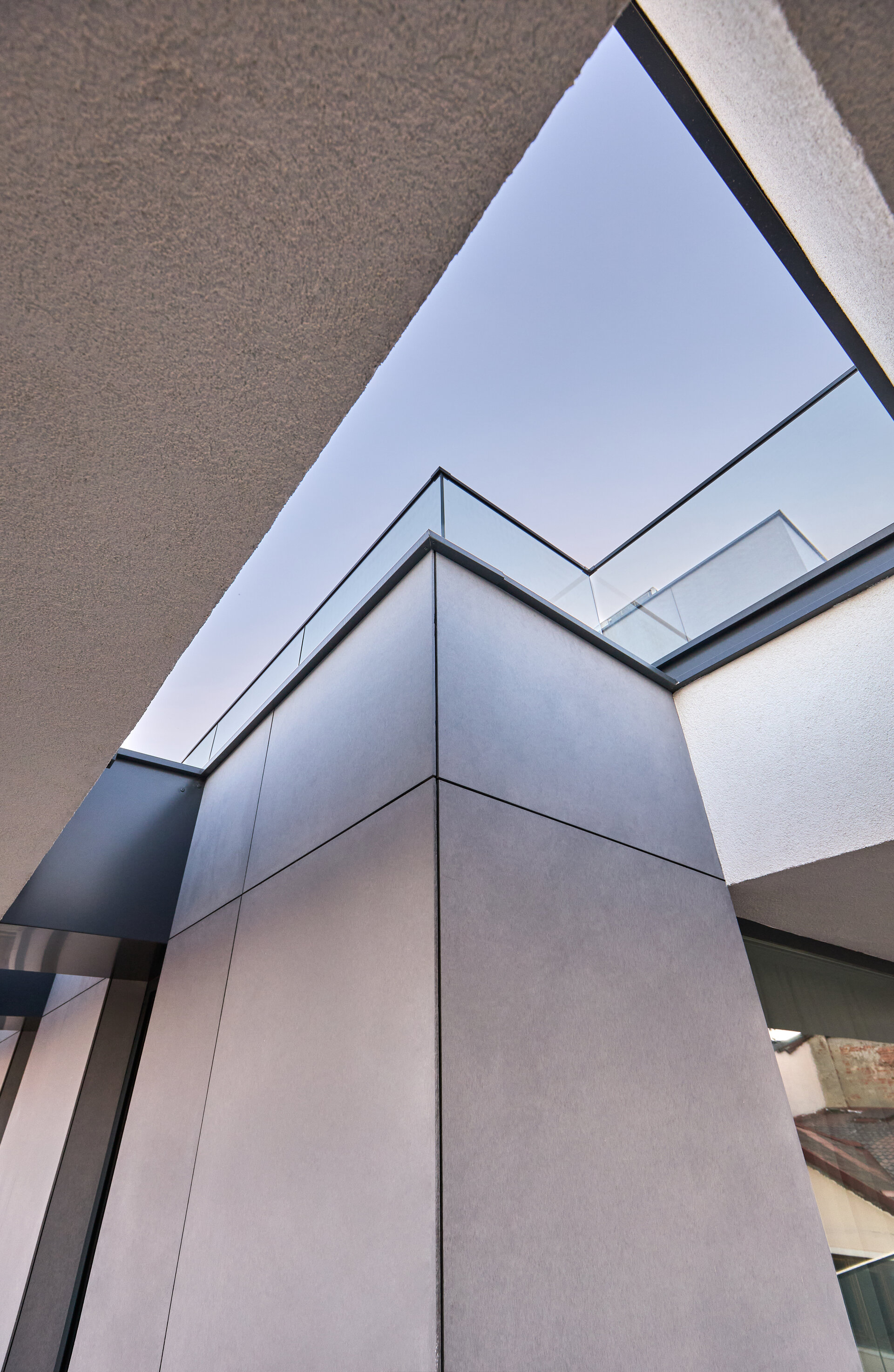
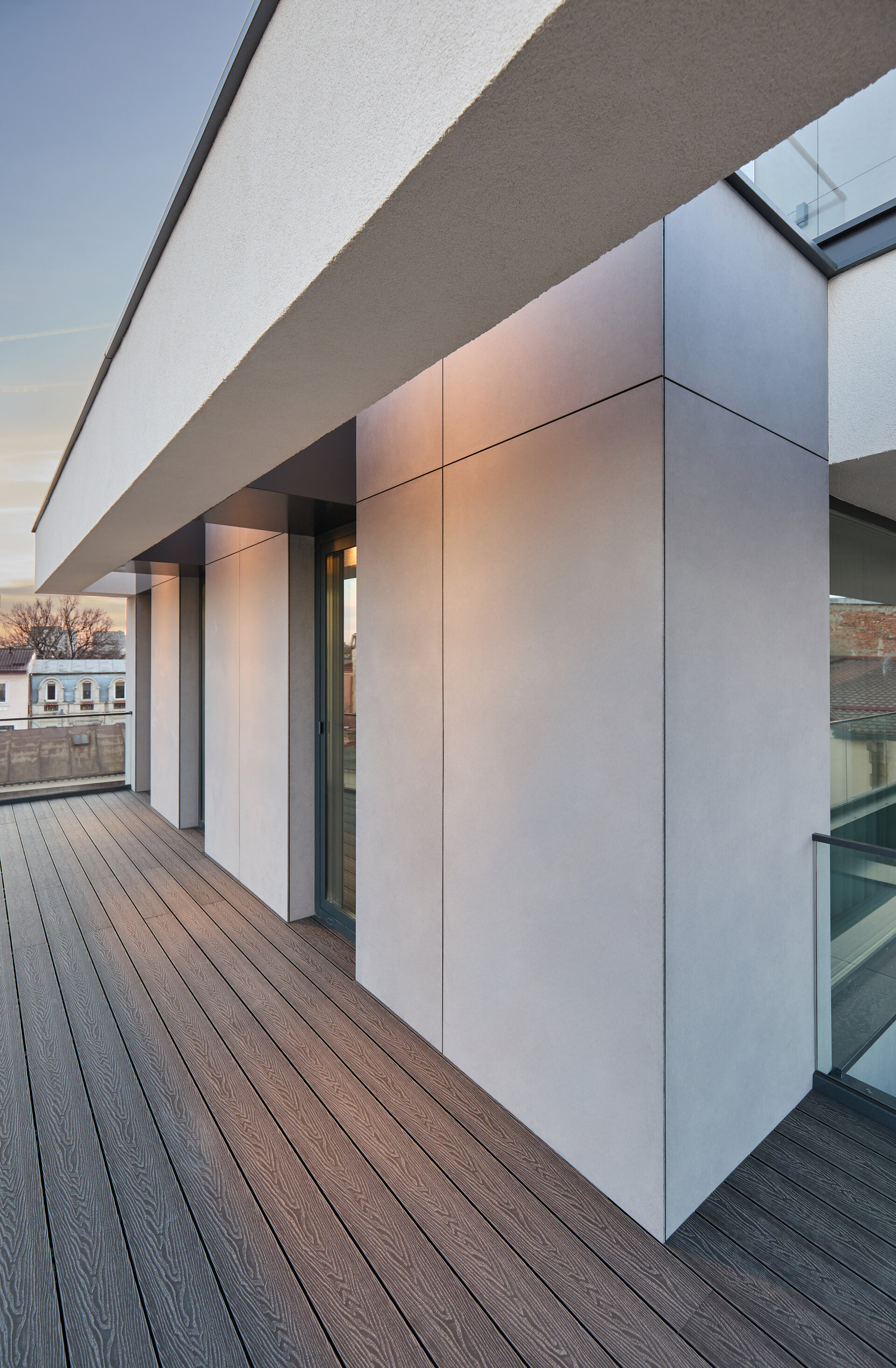
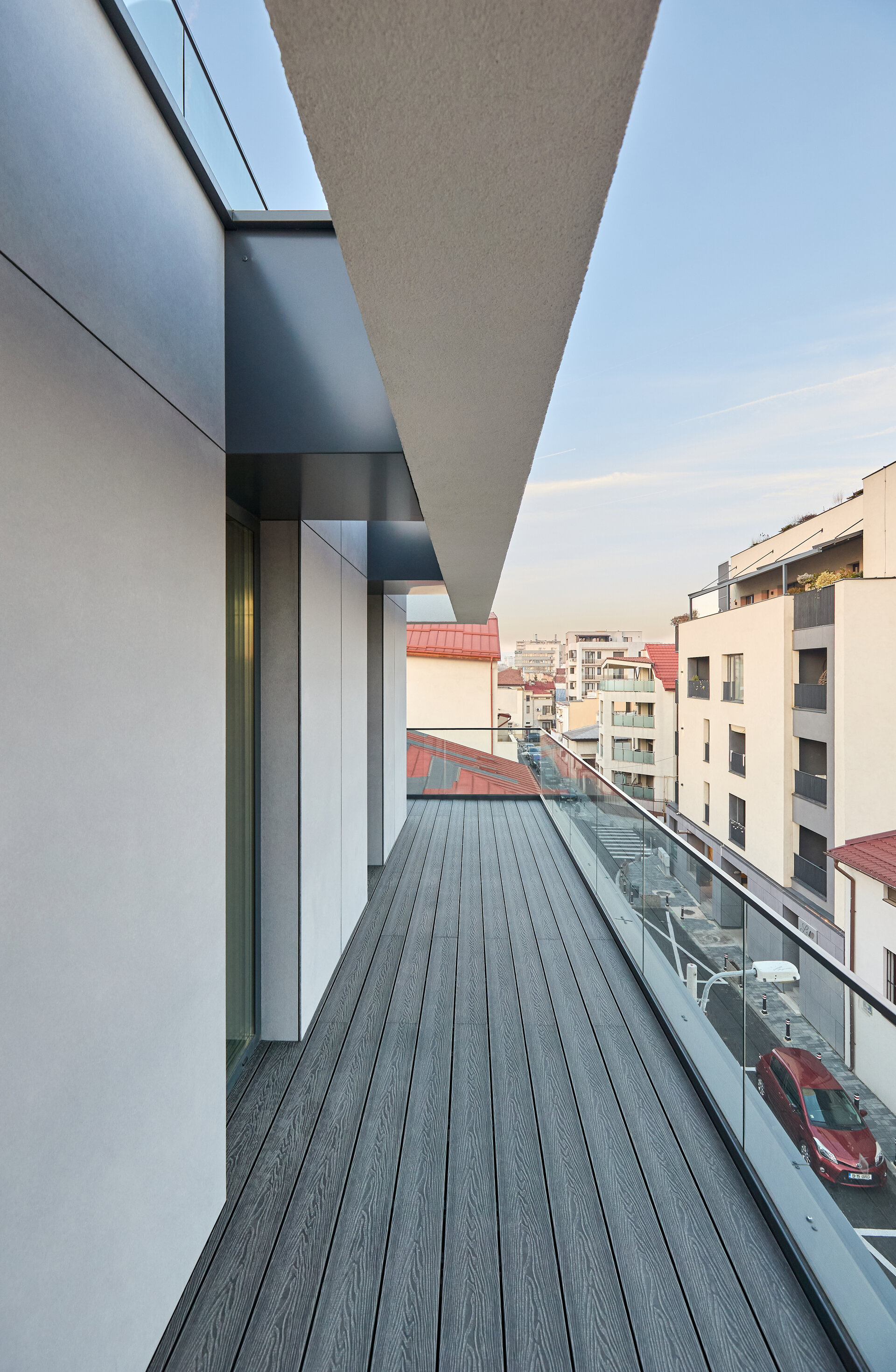
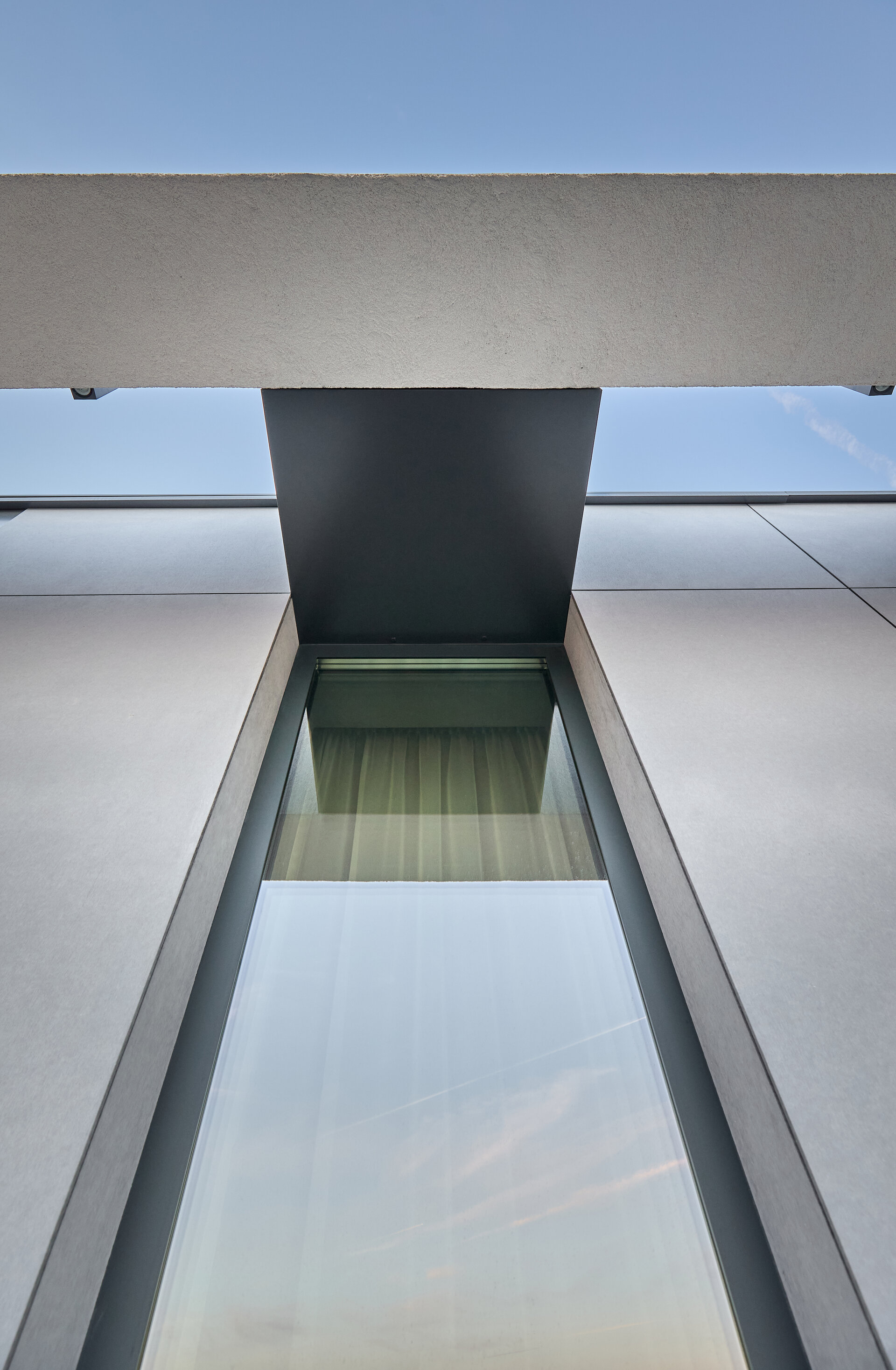
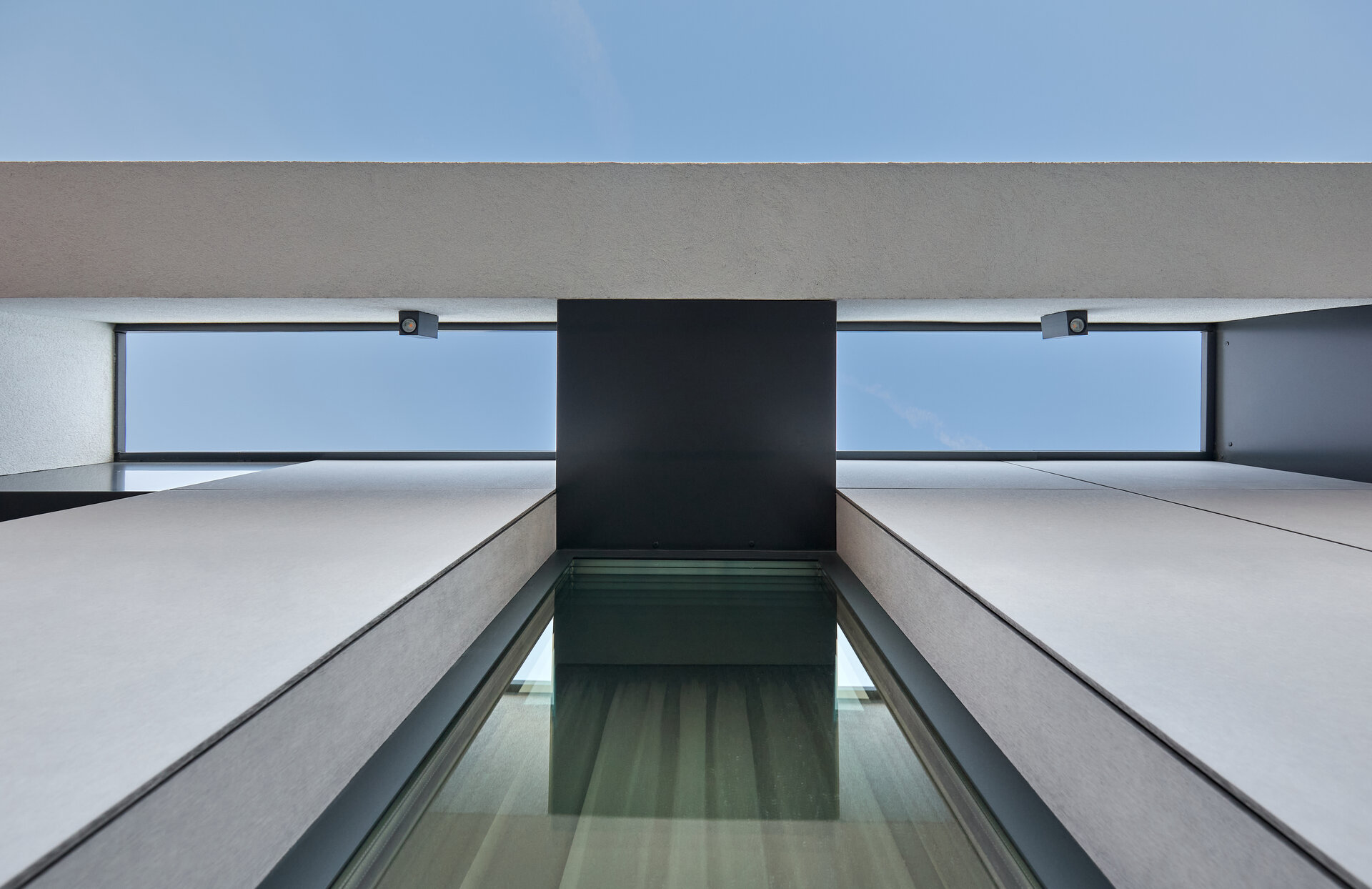
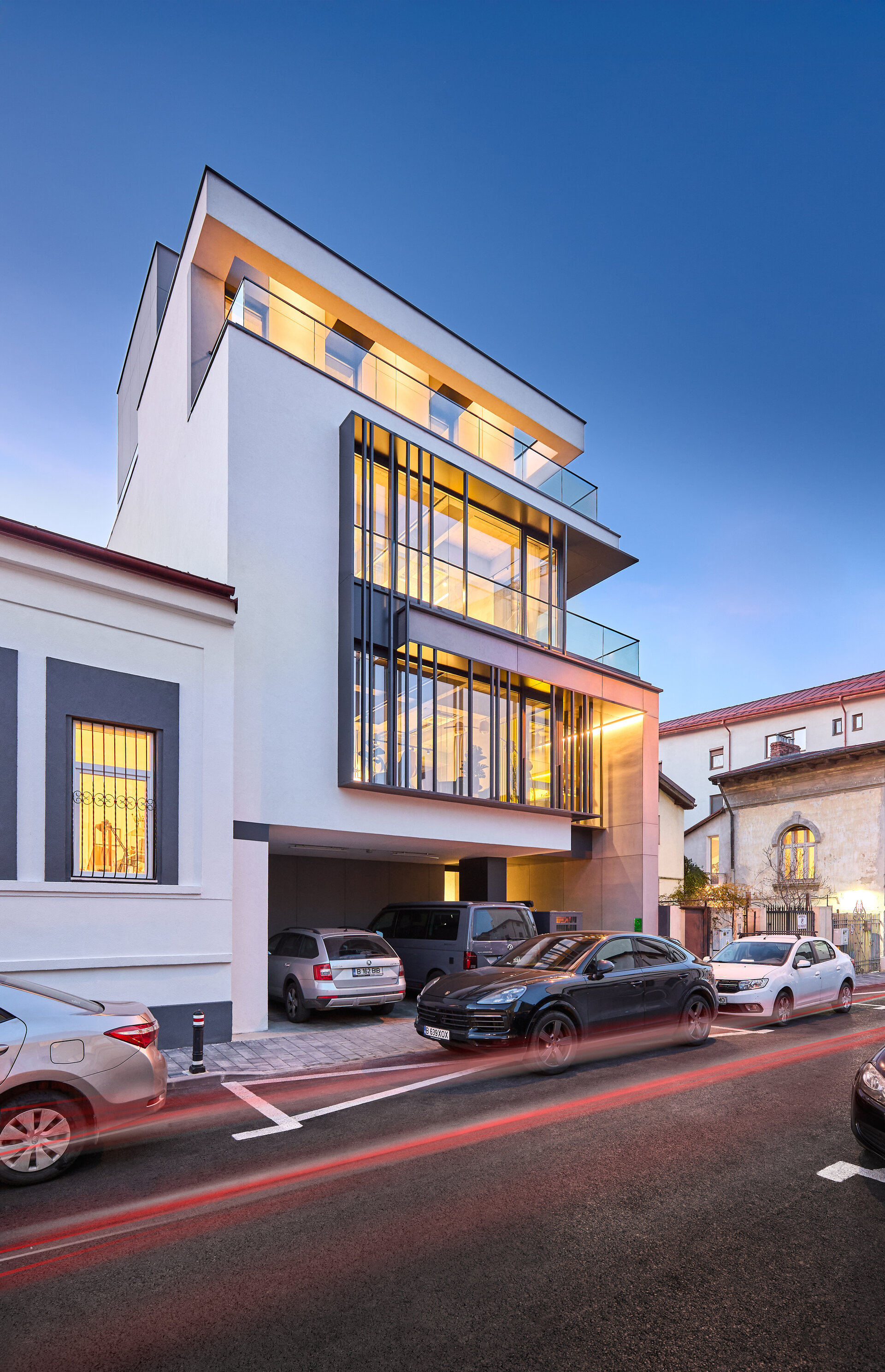
The simple volume and balanced façade speak of discretion and control, without ostentation. The building communicates subtly with the street, while protecting a generous yet friendly interior space — where natural light, materials, and proportions create a calm and human-scale ambiance.
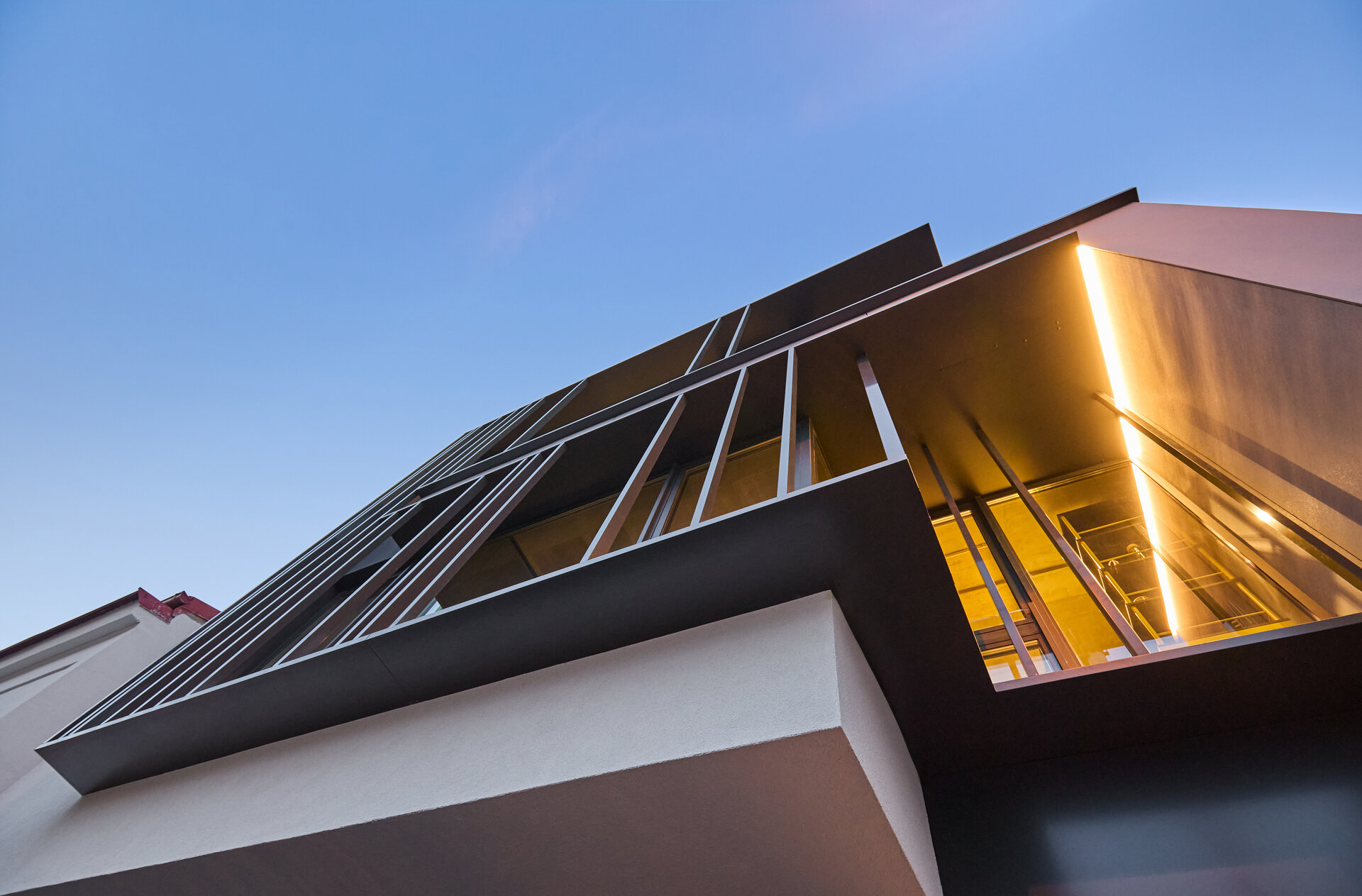
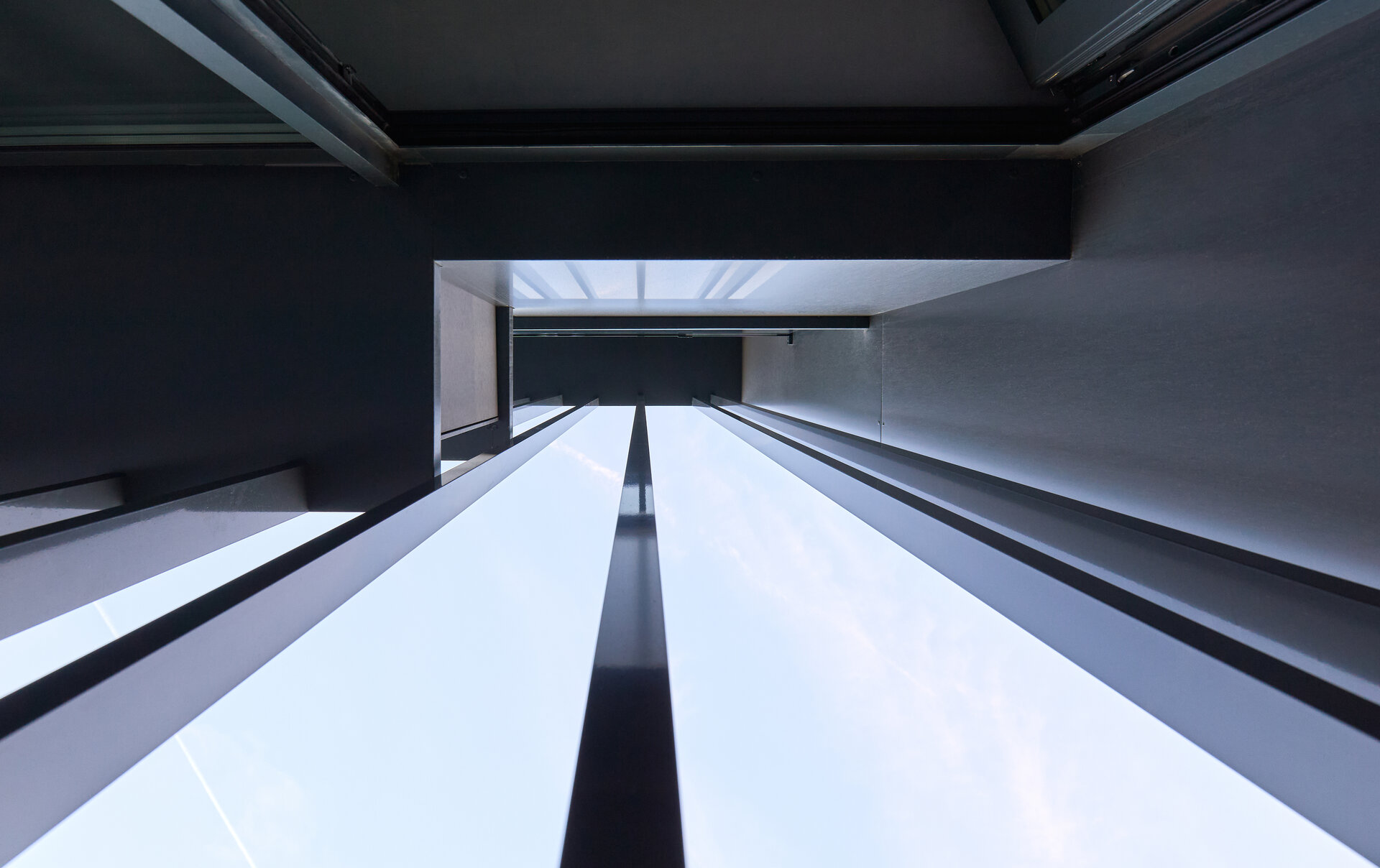
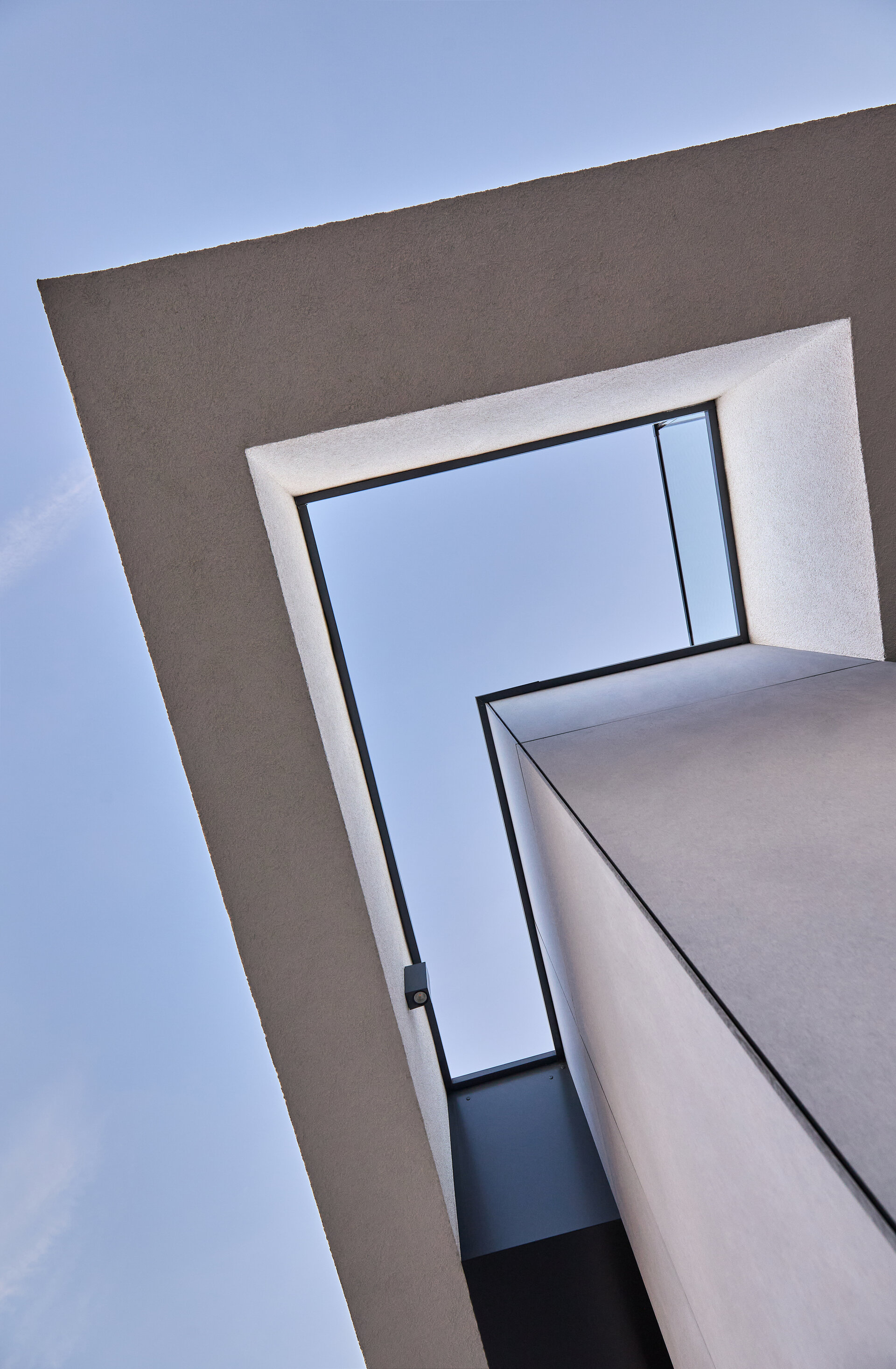
The volumetric story is a play between two distinct masses, scaled to fit the urban context, that interlock and overlap to enclose the interior space — without creating an aggressive, monolithic presence in relation to its neighbors.
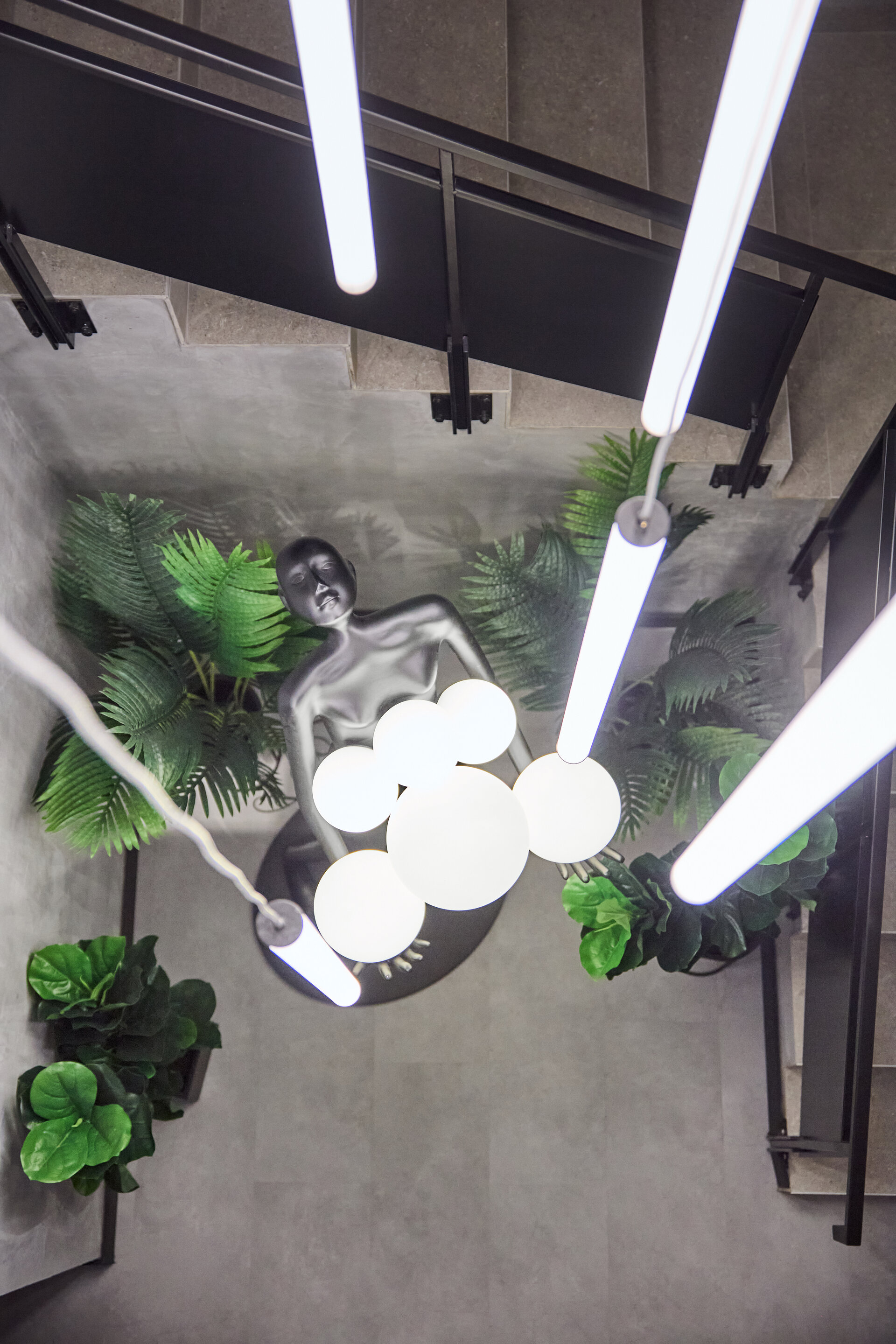
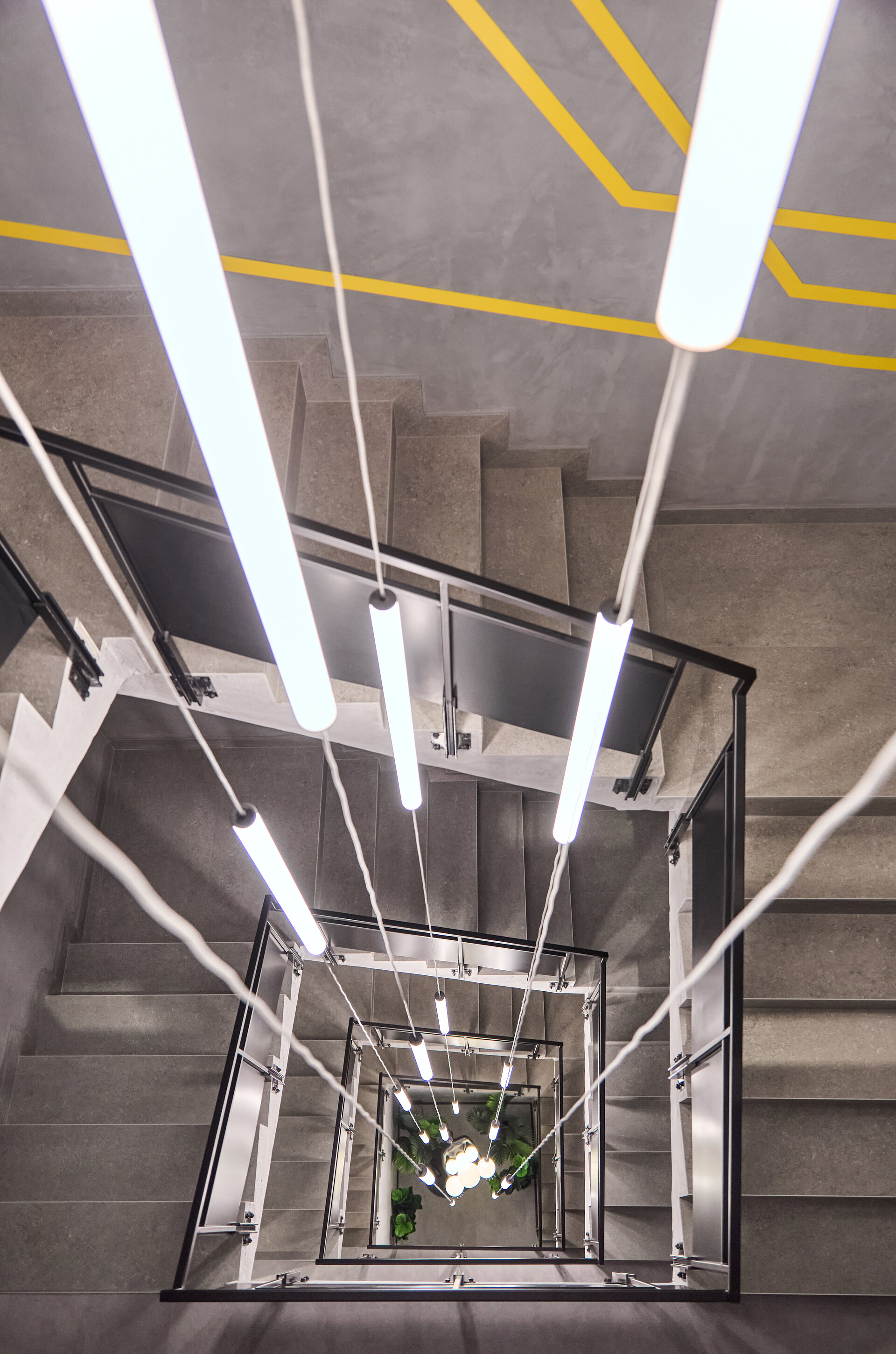
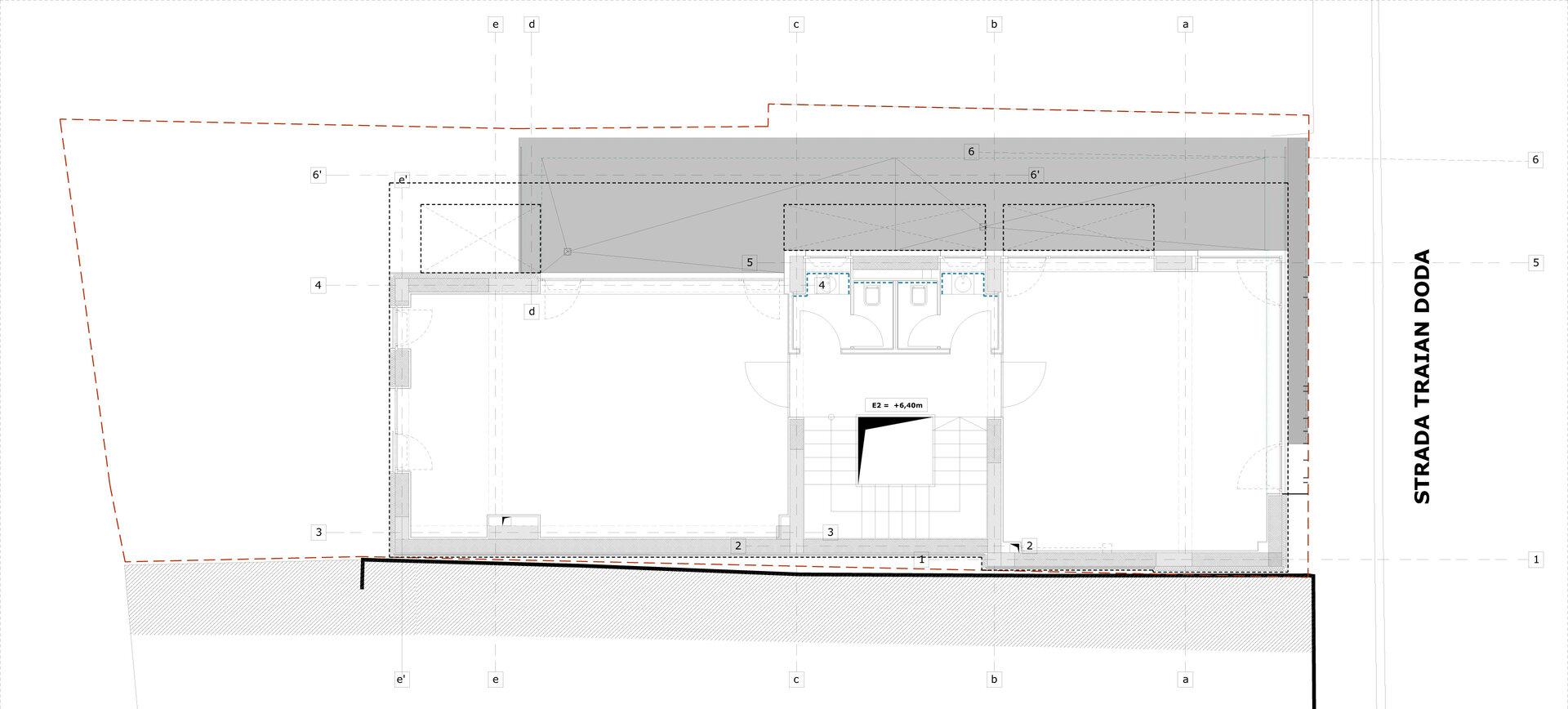
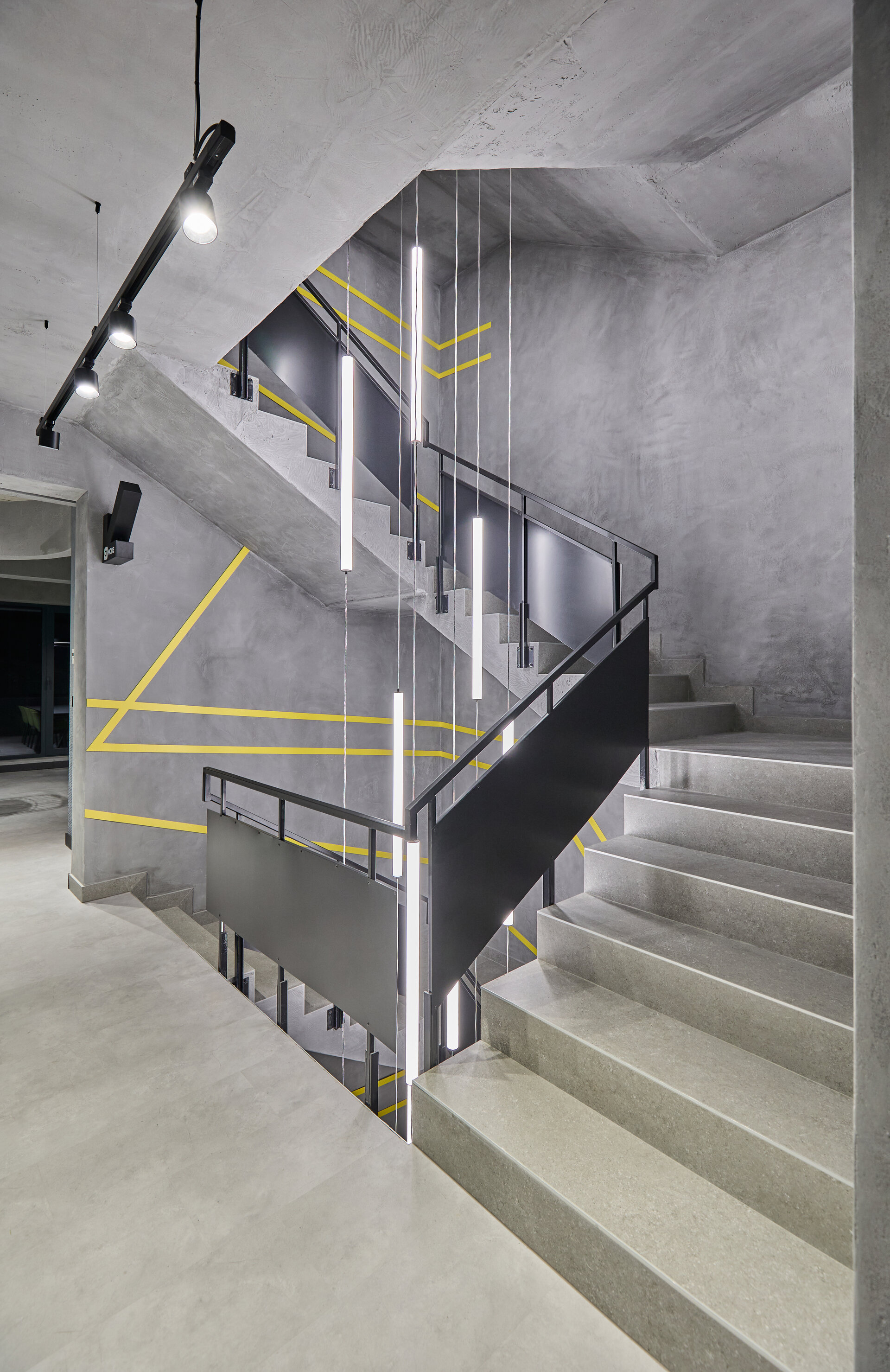
The interior layout encourages communication and human connection, without neglecting the need for focus or privacy. Each of the three floors, simply structured — central circulation core + sanitary group + open space — is treated with a unique interior atmosphere, in terms of color, light, and materiality, generating a spatial dynamic.
On the ground floor, a shared team space includes a small bar and dining area, opening onto a rear courtyard that connects the interior to a small garden — turning the daily work routine into a quiet ritual, balanced between inside and outside.
This project was fortunate to have a highly engaged client — open to the proposed solutions and generous in investing both time and resources in order to achieve a high-quality result. A result that serves not only the urban image, but also the team he works with — together becoming the true beneficiaries of this special space.
TD5 explores an increasingly relevant theme: how we can design workspaces that support not only productivity, but also relationships, mental wellbeing, and everyday joy. The boutique office becomes, in this case, not just a typology, but a way of life
Public Architecture

- Labirint – Church and School within an Urban Community Hub
- The Chapel
- “Marie Curie” Children’s Oncology Hospital
- Faculty of Horticulture USAMVB
- Itinerant nZEB Pavilion
- Beach restaurant and pools - Zanziblue Waves Resort, Zanzibar
- Ana and the Kids
- Boutique Office TD5
- Senior Housing Valea Izvoarelor
- Kaliba Cabins
- Stone Guesthouse by the Olt River


