- Nomination for the “Research through Architecture / Architecture and Experiments” section
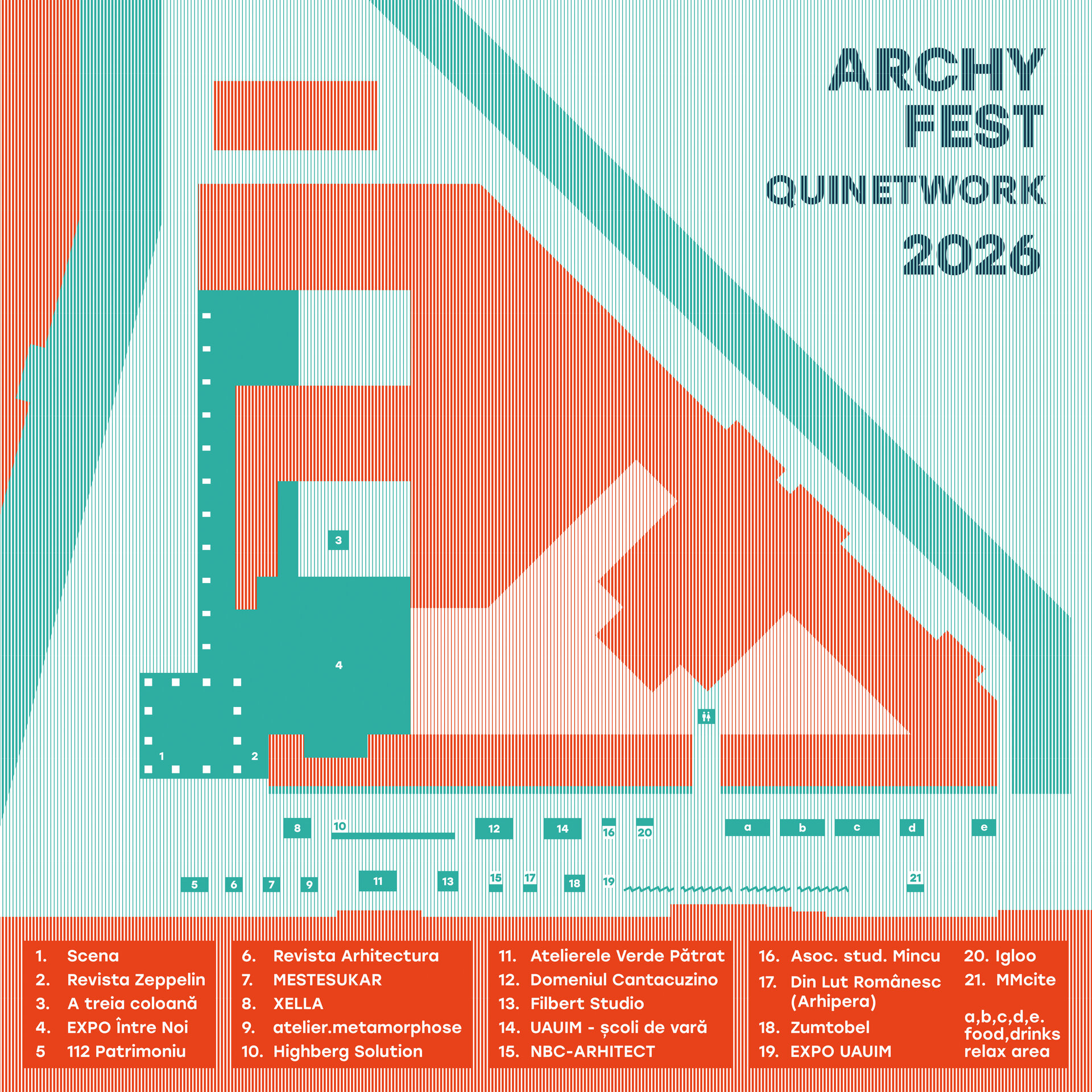
ARCHY FEST_QUINETWORK 2026
Authors’ Comment
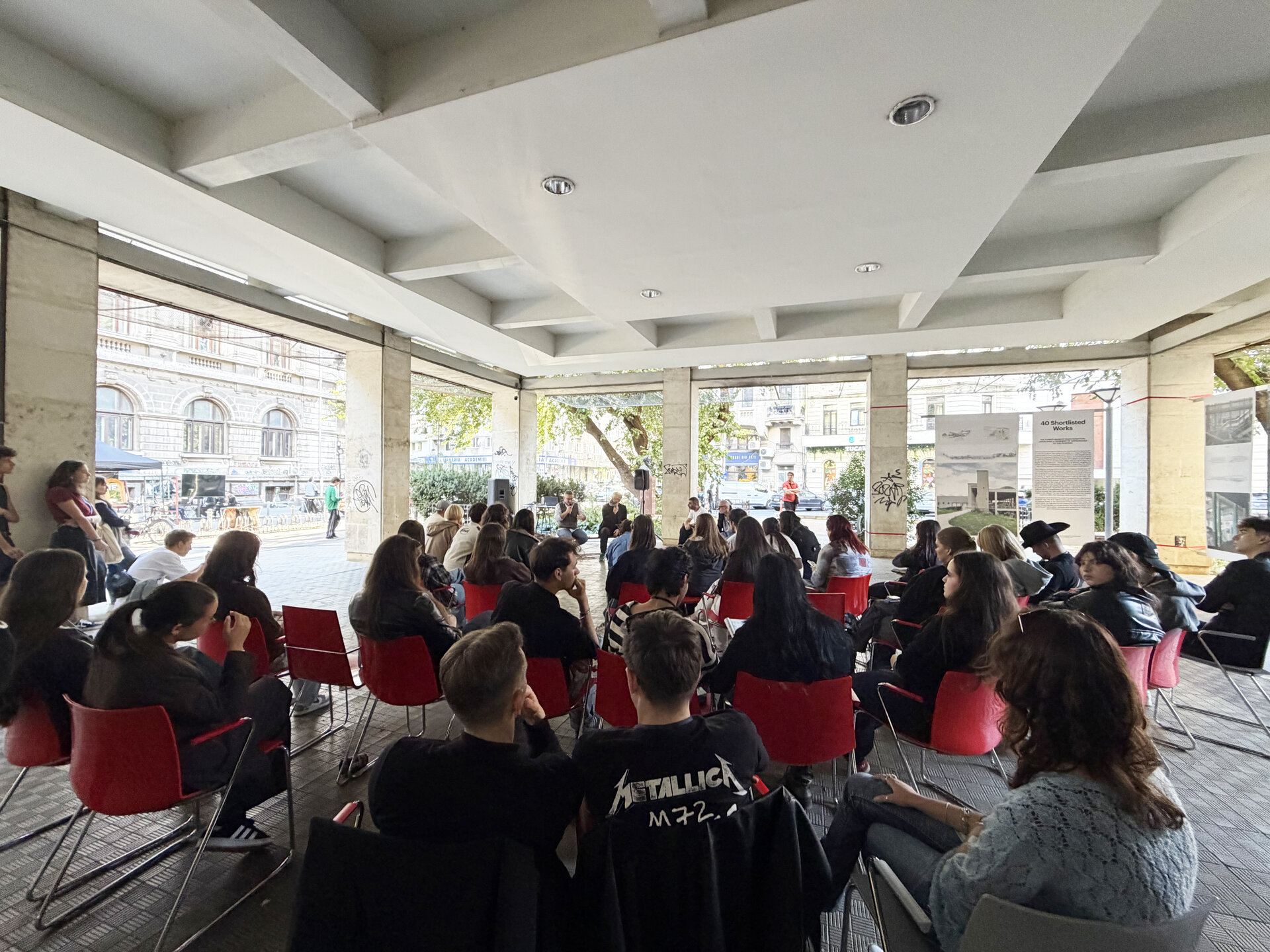
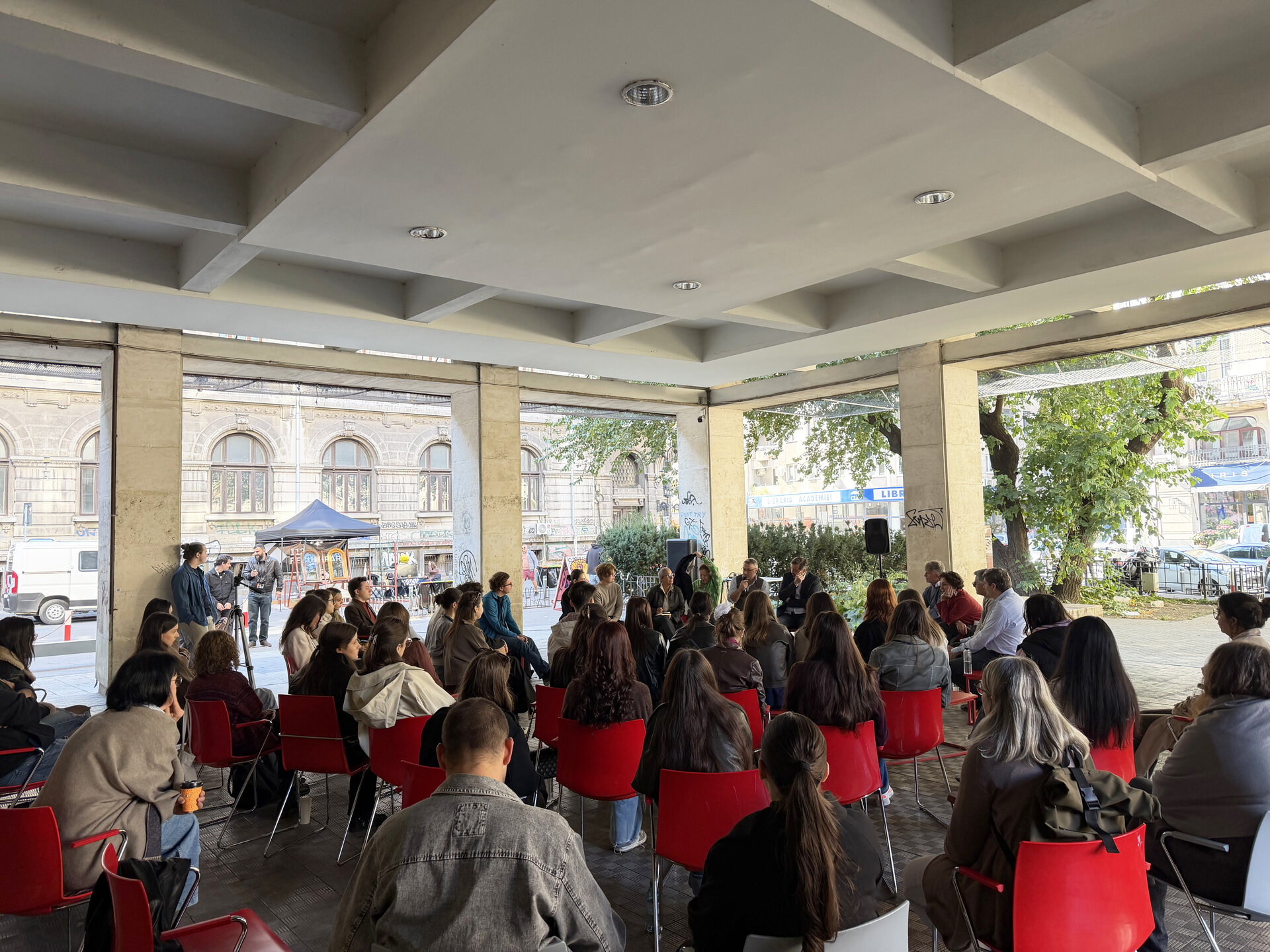
A street can be a research instrument. ARCHY FEST, a festival of architecture, starts from this hypothesis and tests it through each edition, turning Strada Edgar Quinet into an open urban laboratory for the general public.
The festival operates at the intersection of cultural activation and applied research on public space. It does not propose finished solutions, but creates the conditions for questions about the city to be formulated in public, with the public, and about the place where it takes place. ARCHY FEST does not initiate the urban planning themes it addresses, but recognises them as urgent and builds the platform through which they can be brought before the wider community.
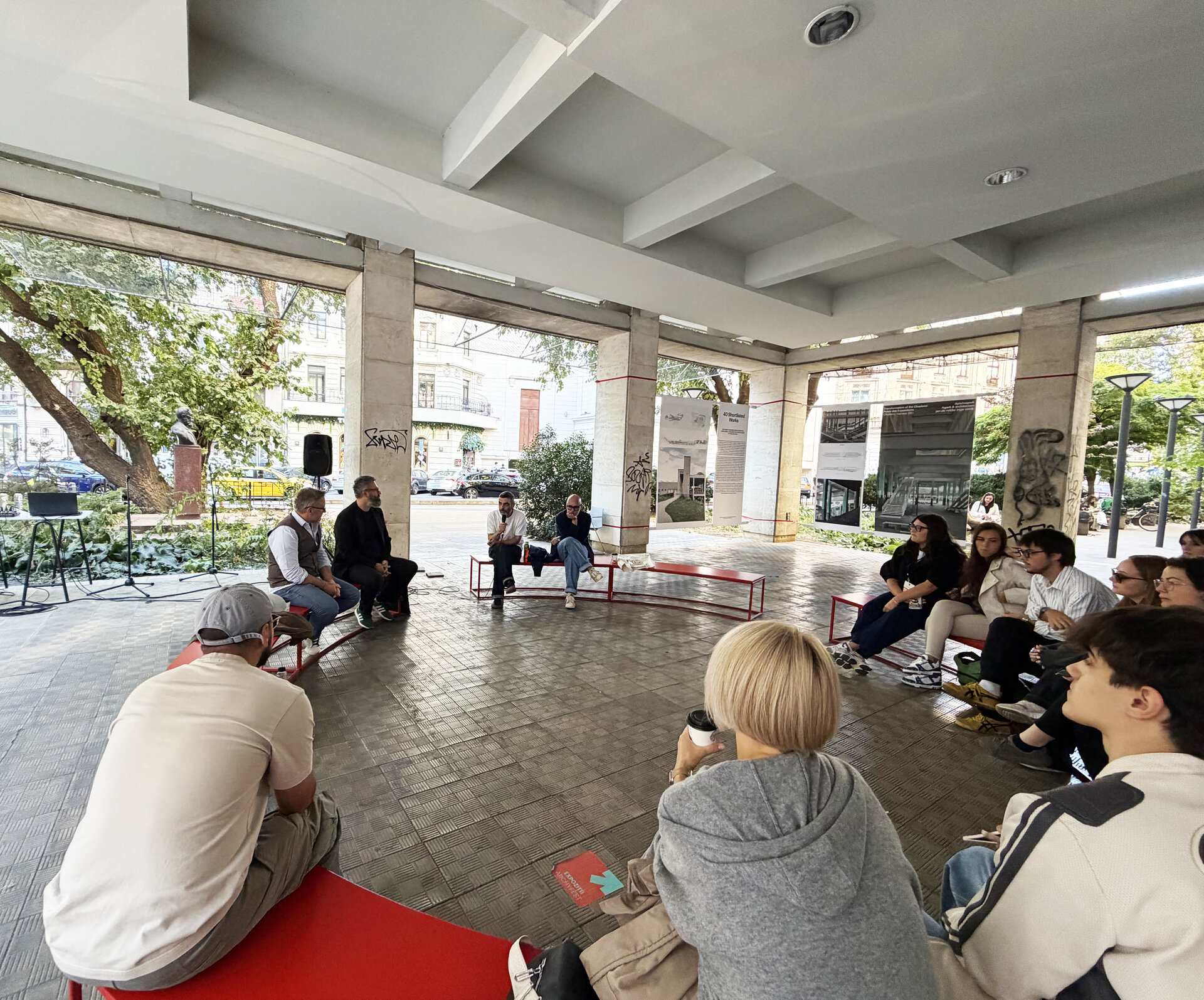
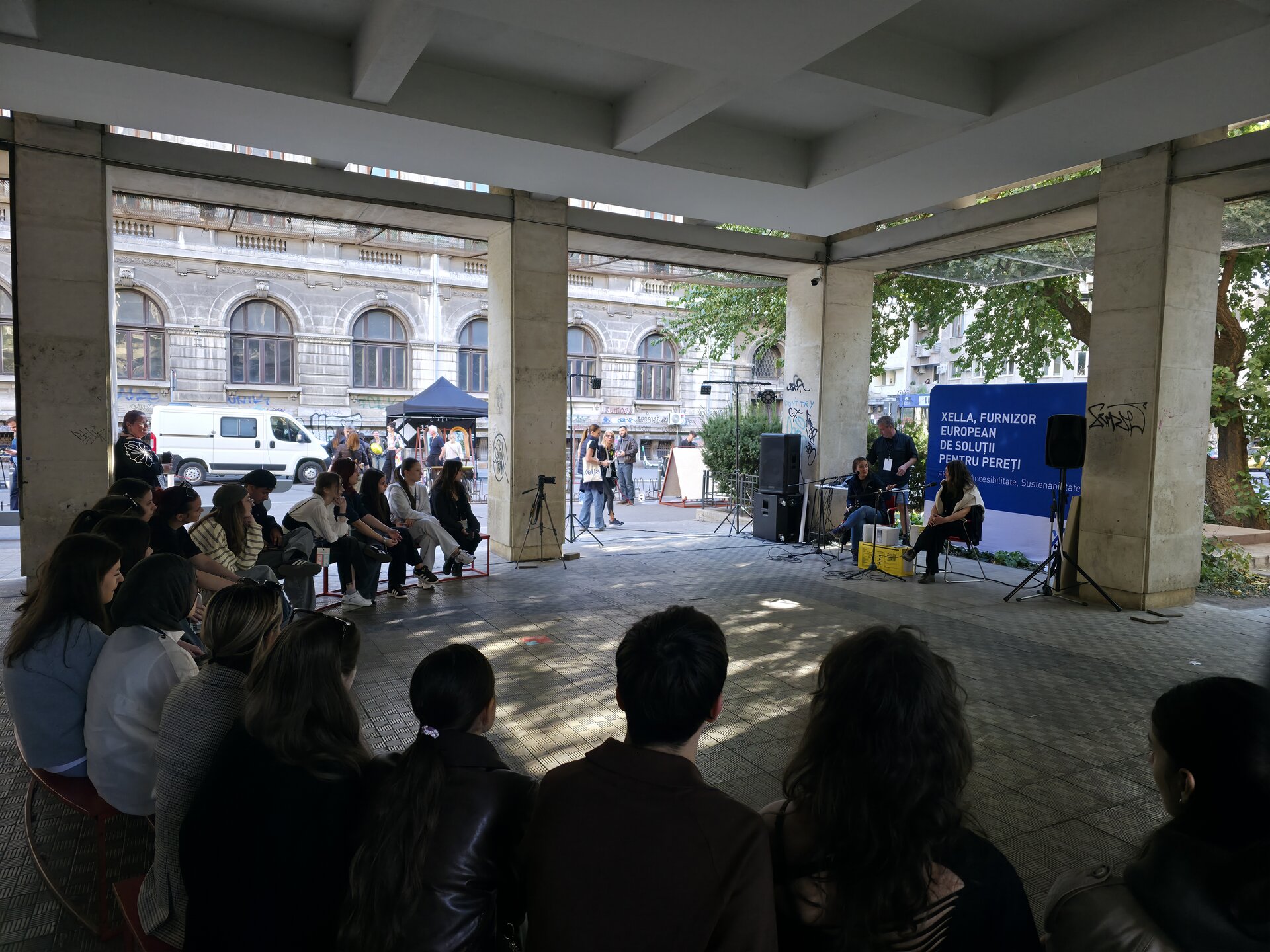
The third edition, held on 3 and 4 October 2026, focused on two subjects present simultaneously on the PMB agenda, in professional practice and in the academic programme of UAUIM: the phenomenon of graffiti and tagging on the built heritage and the permanent pedestrianisation of the Edgar Quinet - Biserica Enei axis. ARCHY FEST created the framework in which these three spheres - administrative, professional and academic - met in the public space that constitutes the very object of the research.
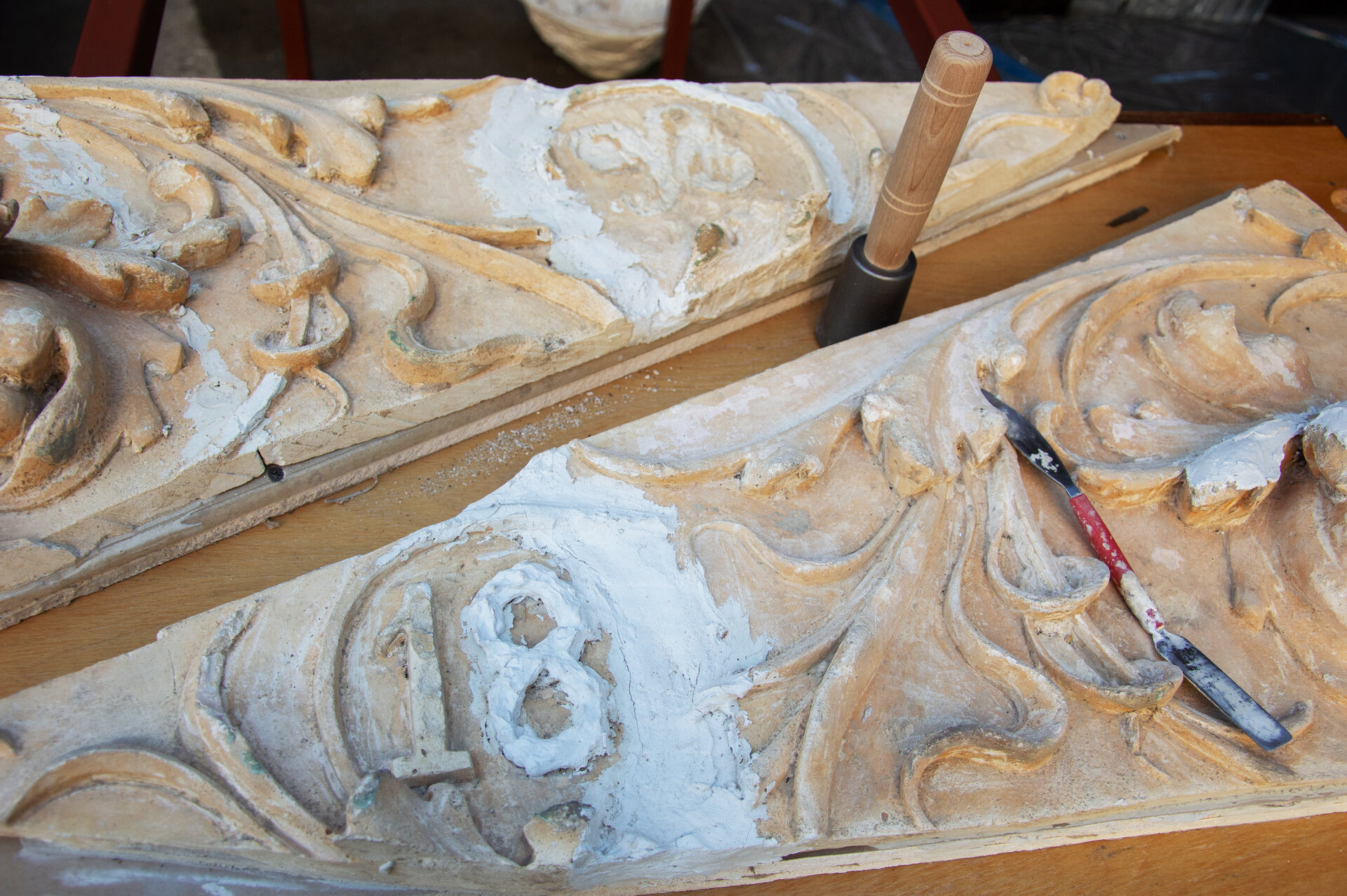
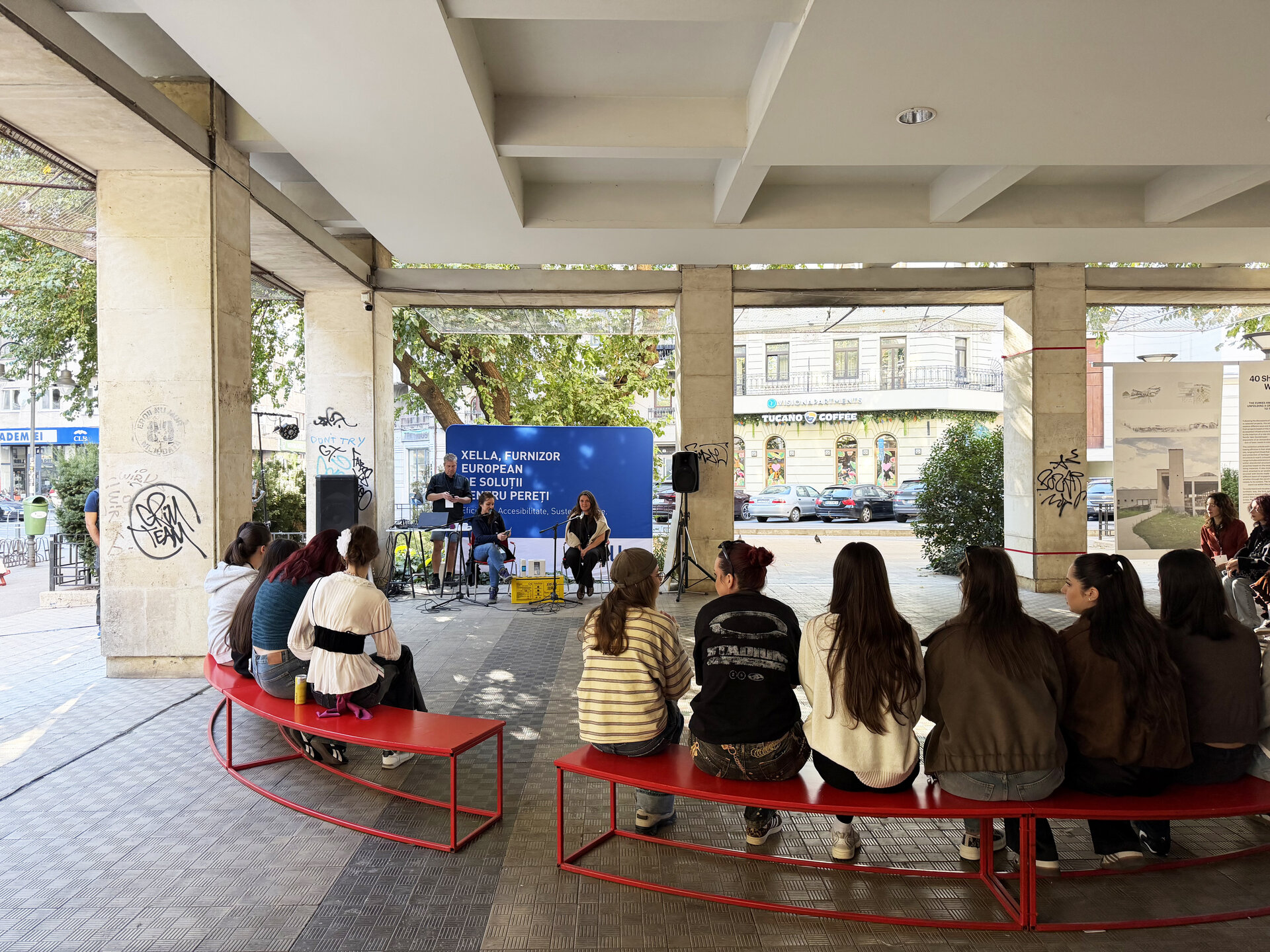
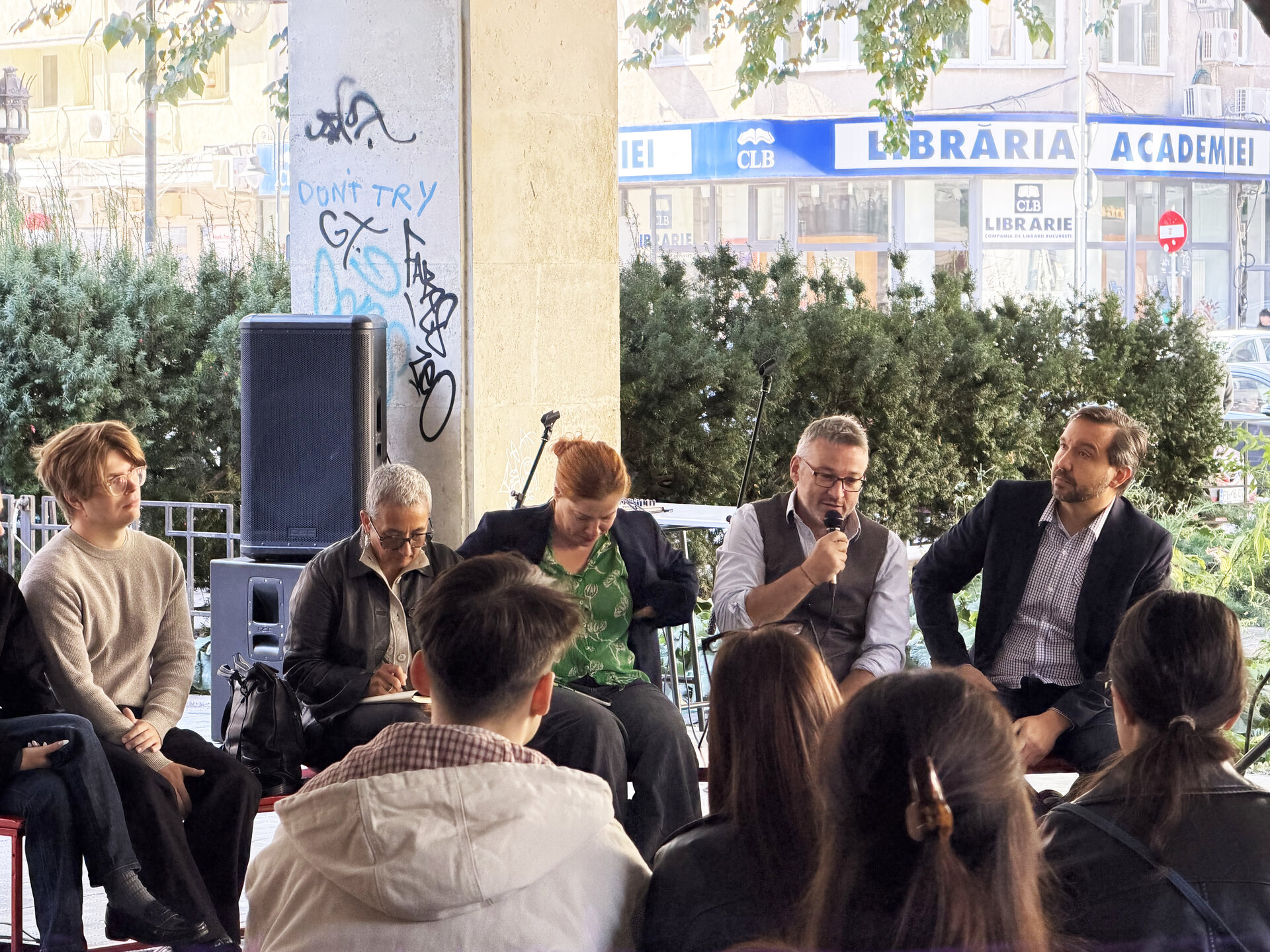
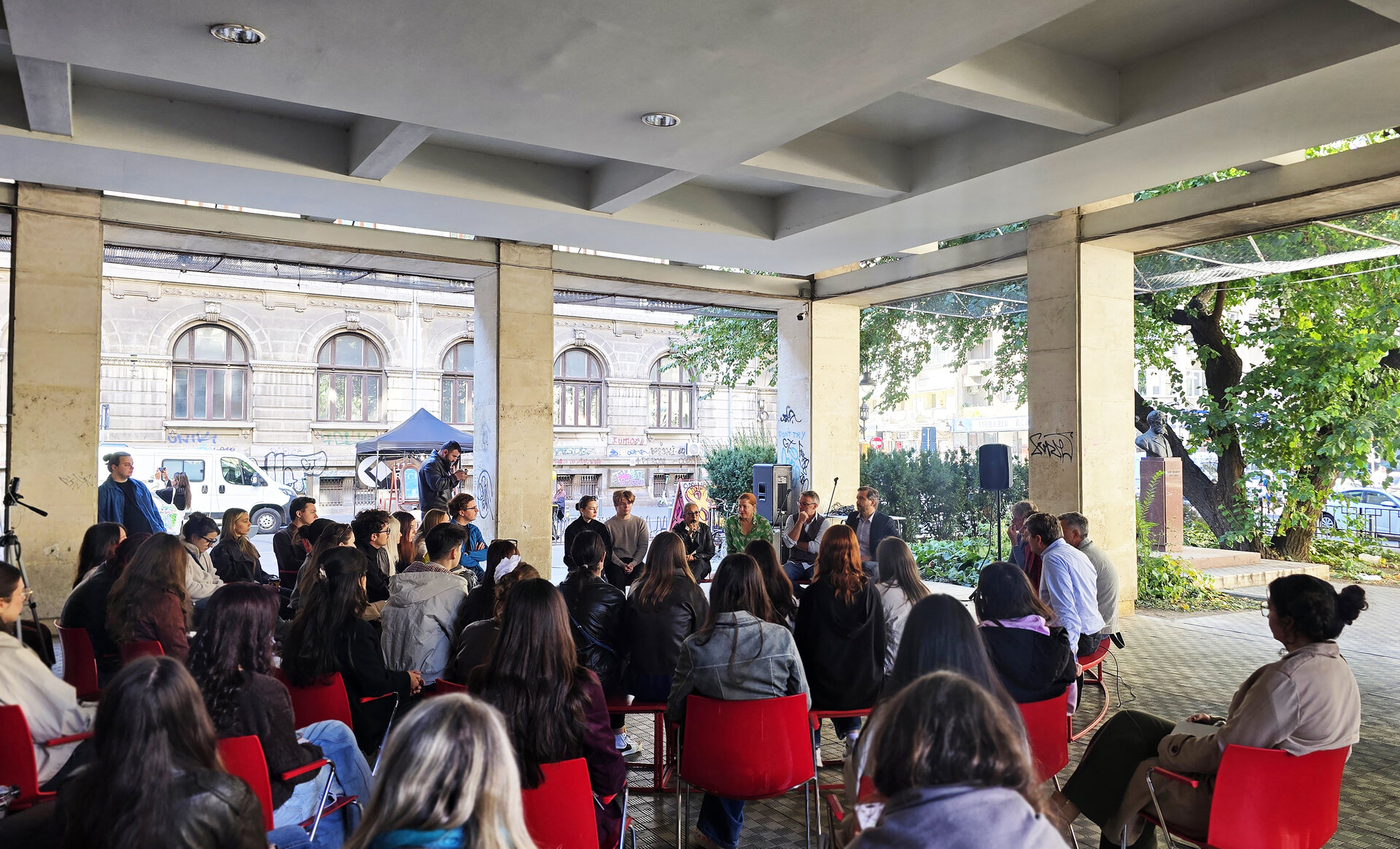
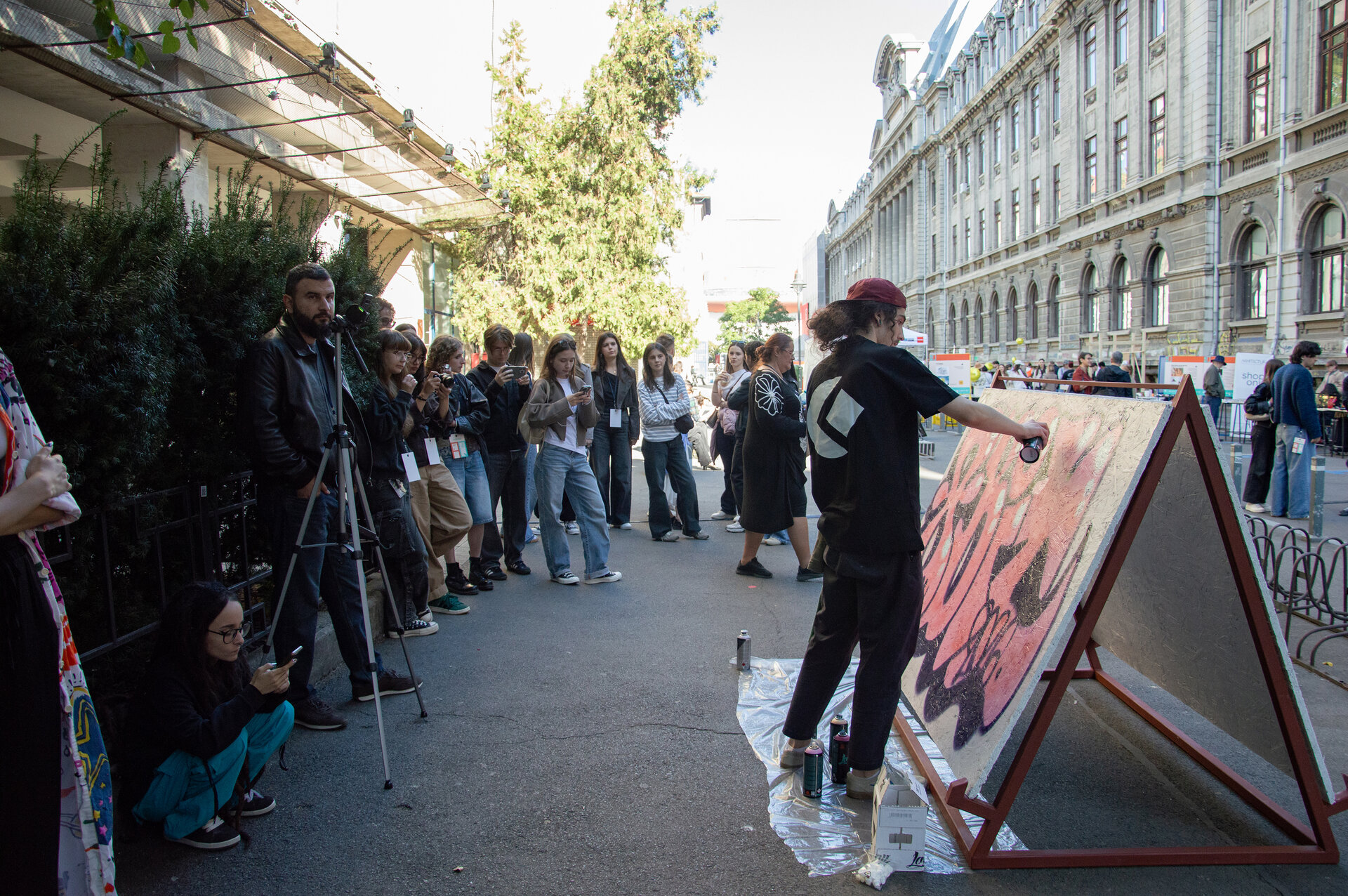
The research unfolded on three simultaneous levels. In the debate dimension, the OAR Bucharest working group 112 Patrimoniu organised a roundtable with architects, restorers, experts in built heritage protection certified by the Ministry of Culture and representatives of PMB on graffiti and intervention methodologies, followed by live technical demonstrations on the facade of the old UAUIM building. A second debate, Edgar Quinet. From Street to Urban Campus, bringing together senior UAUIM academics, experts and public administration representatives, explored the potential of permanent pedestrianisation as an extension of academic and urban life.
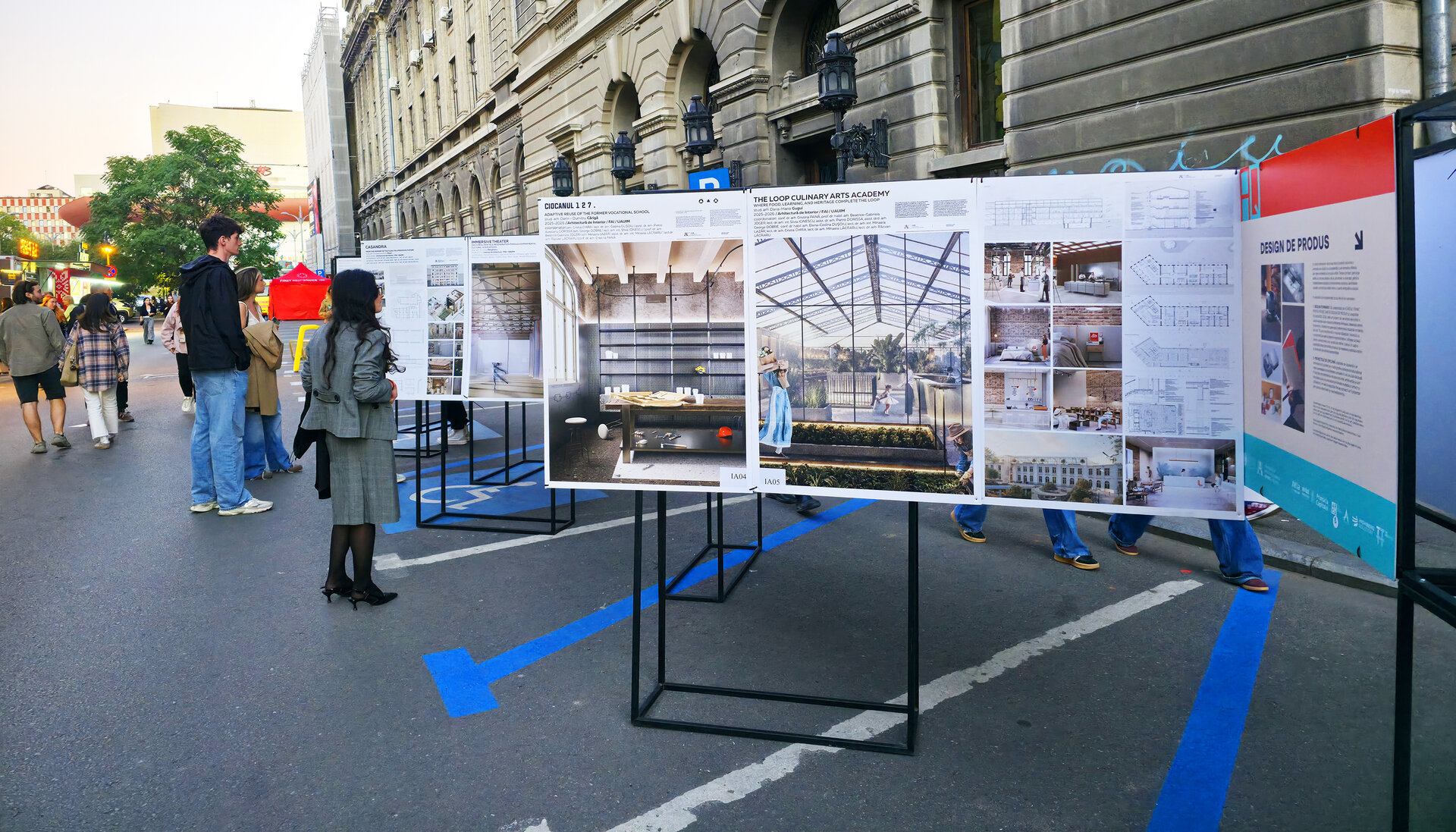
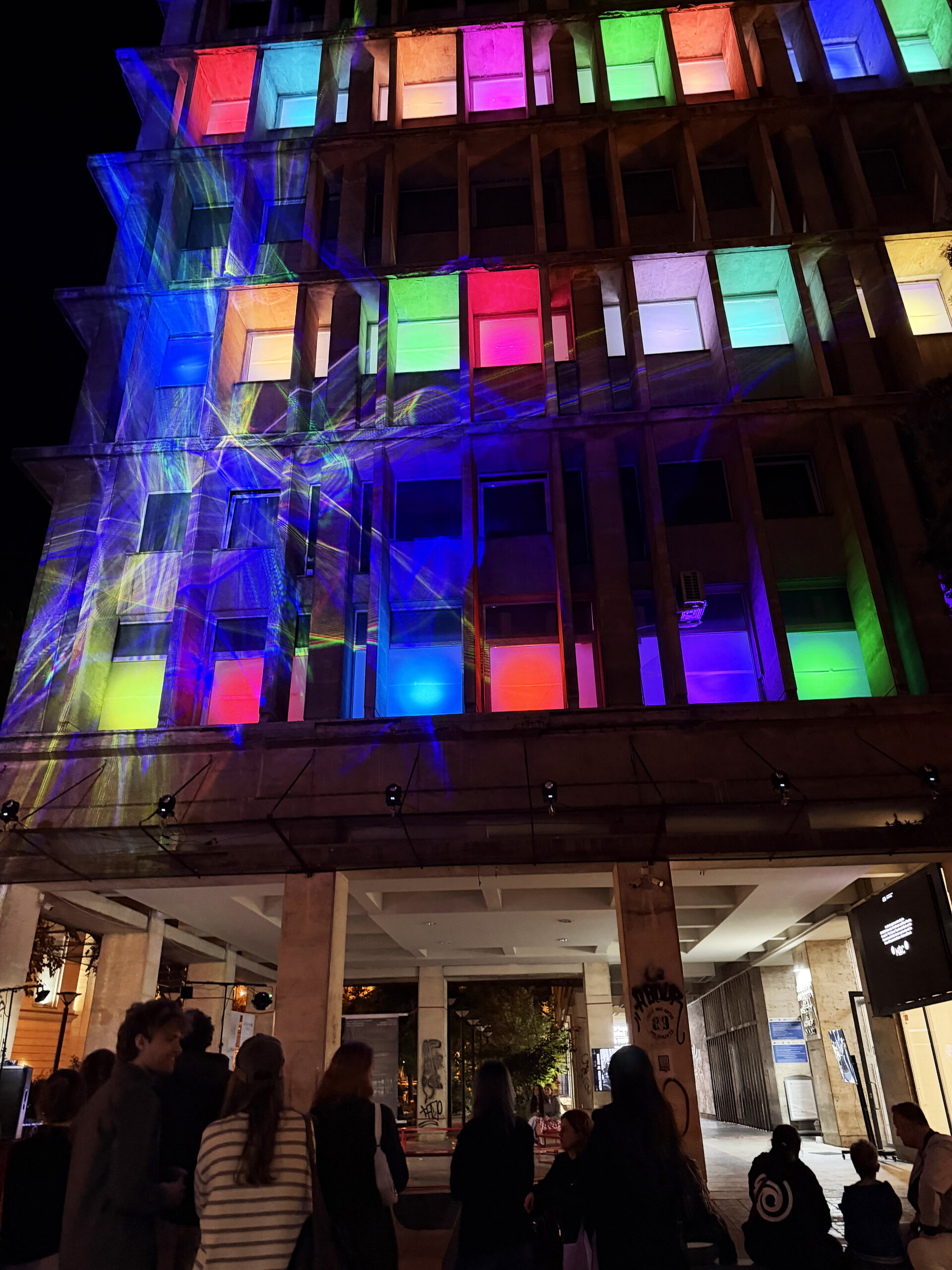
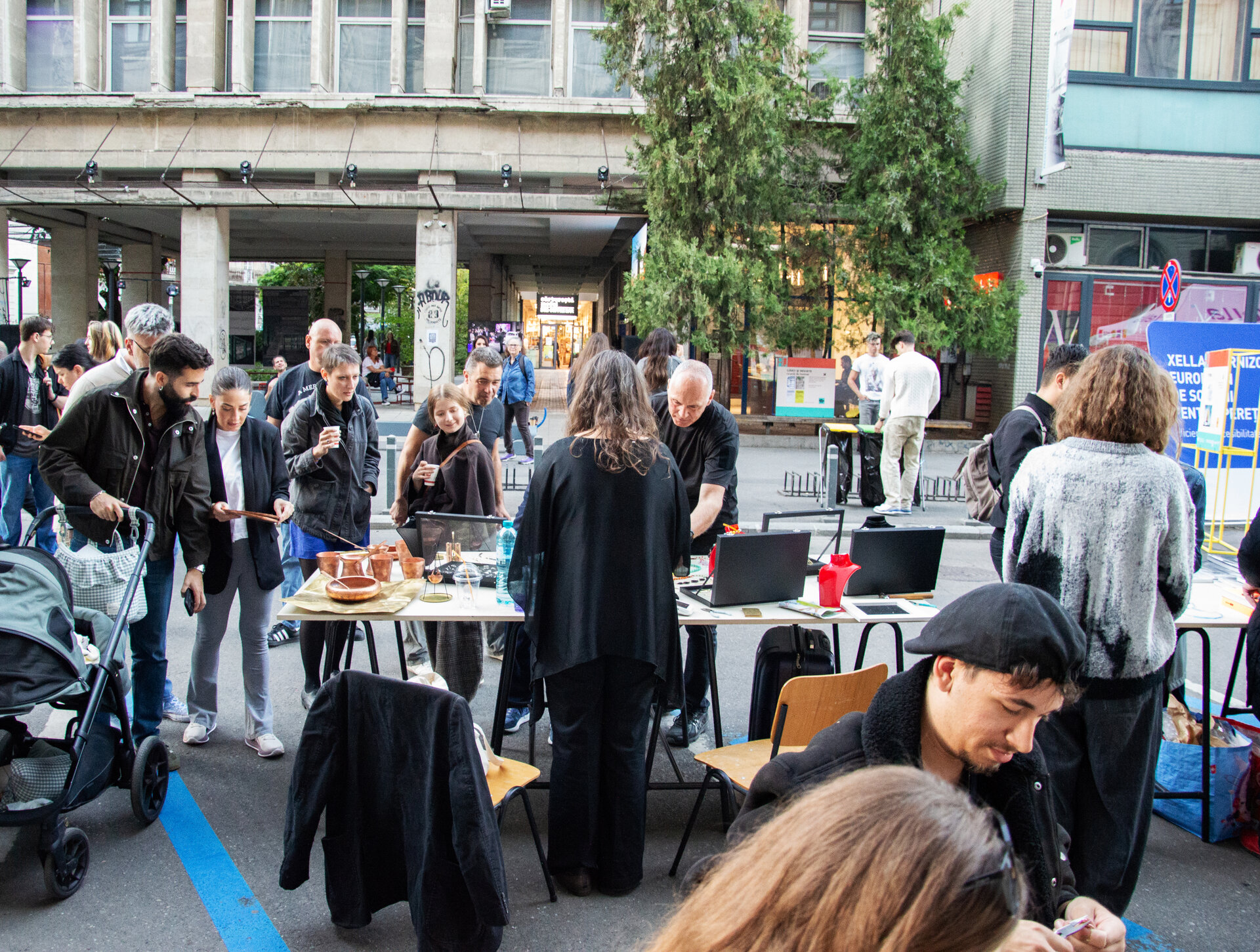
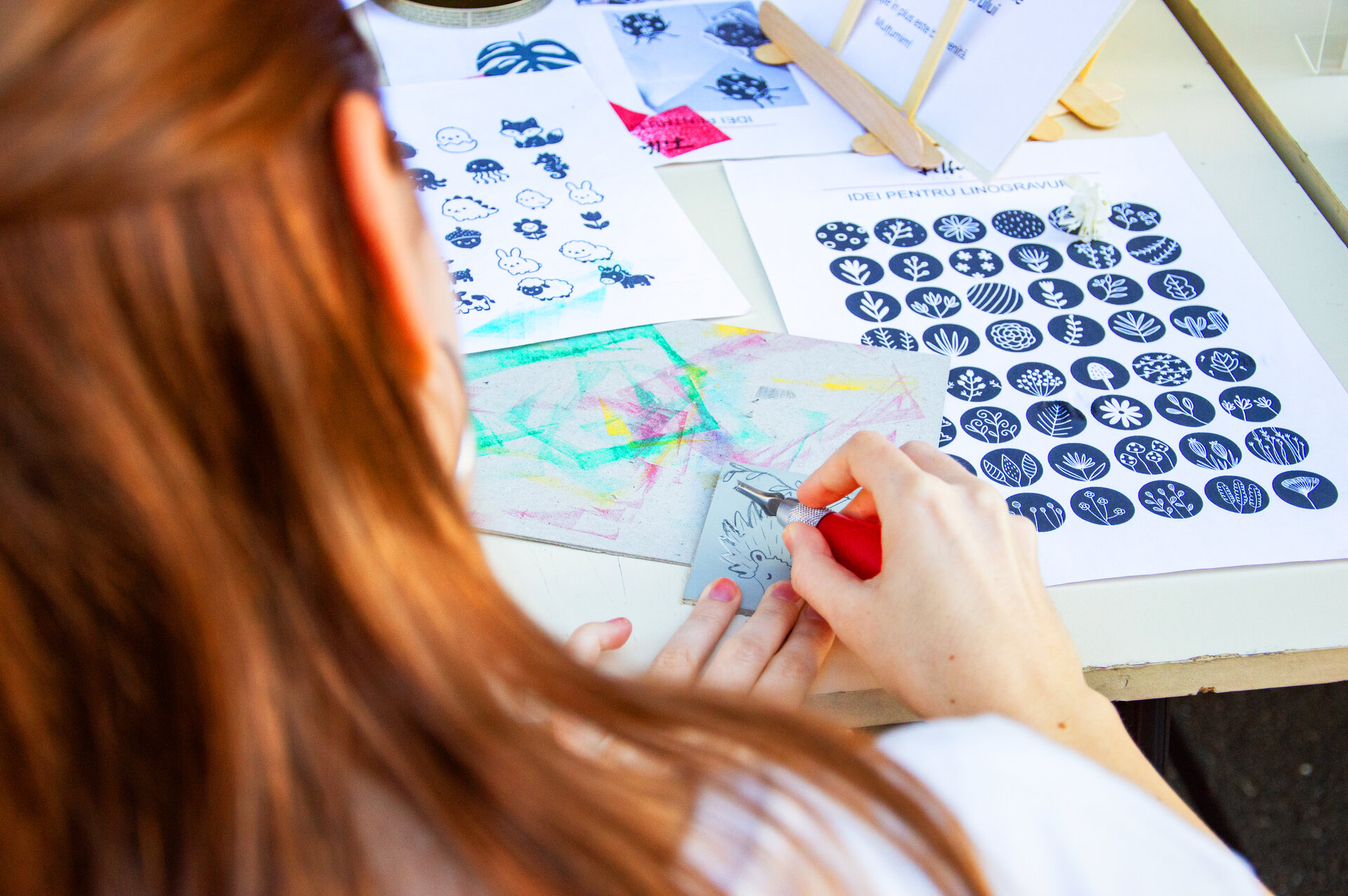
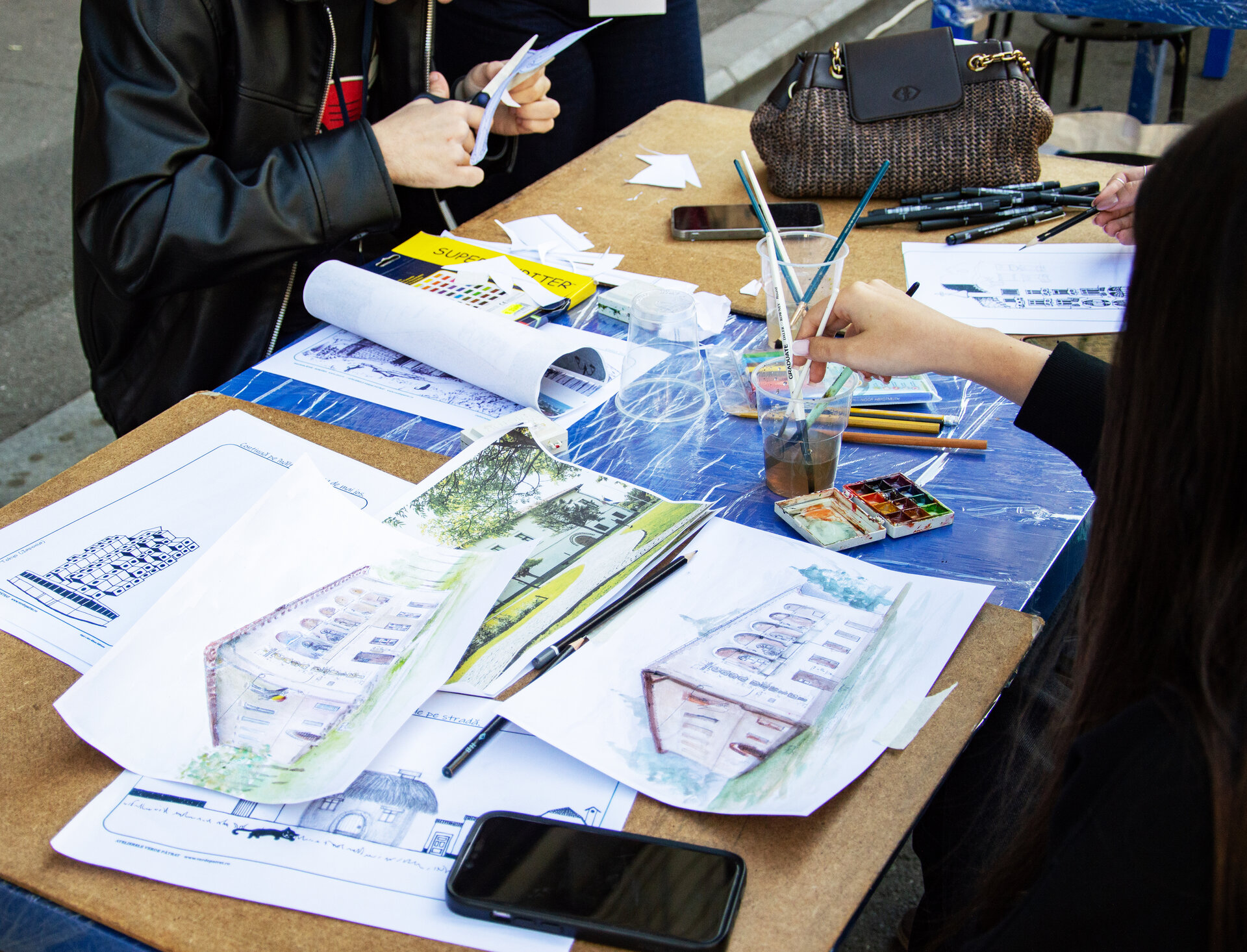
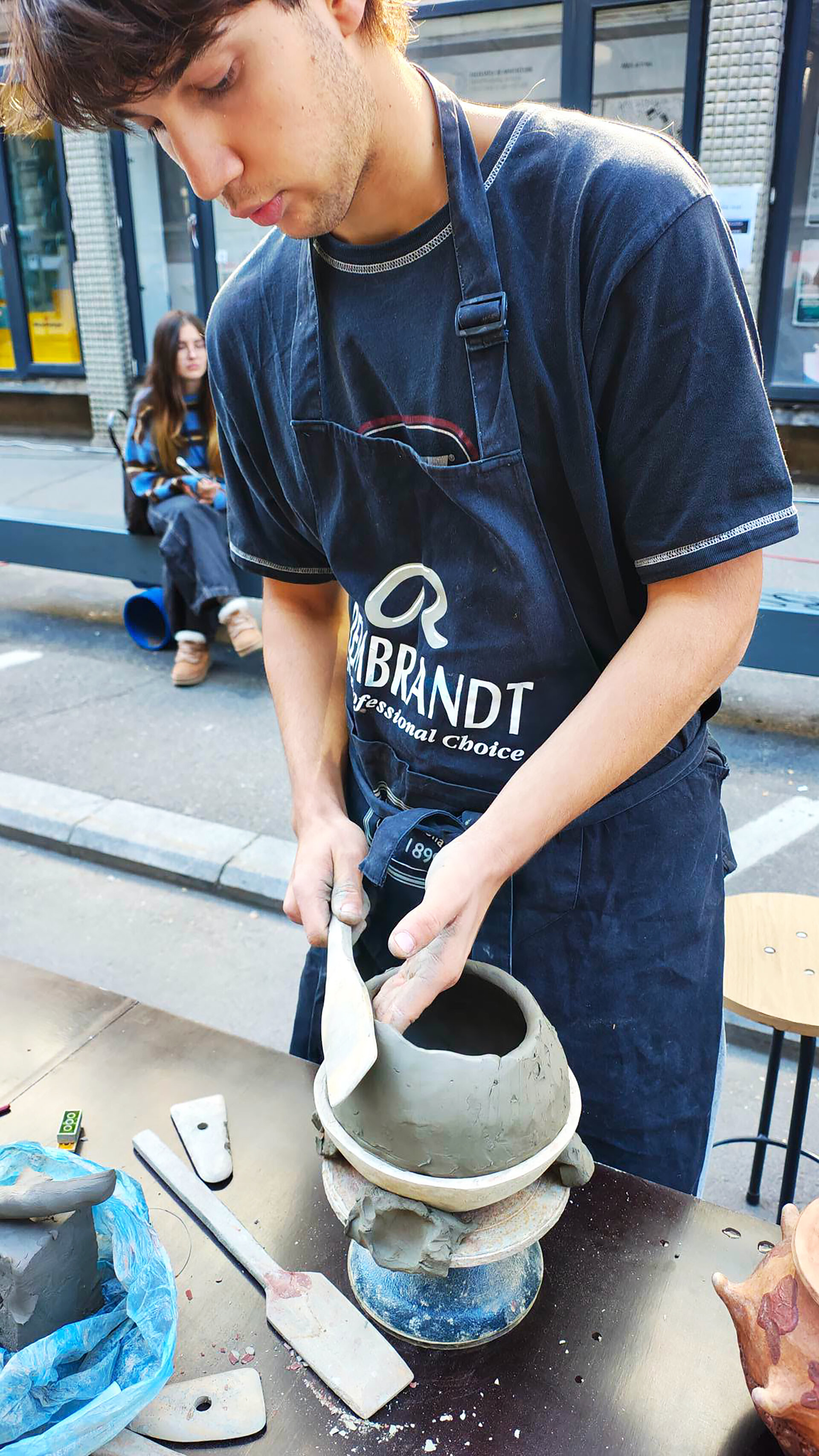
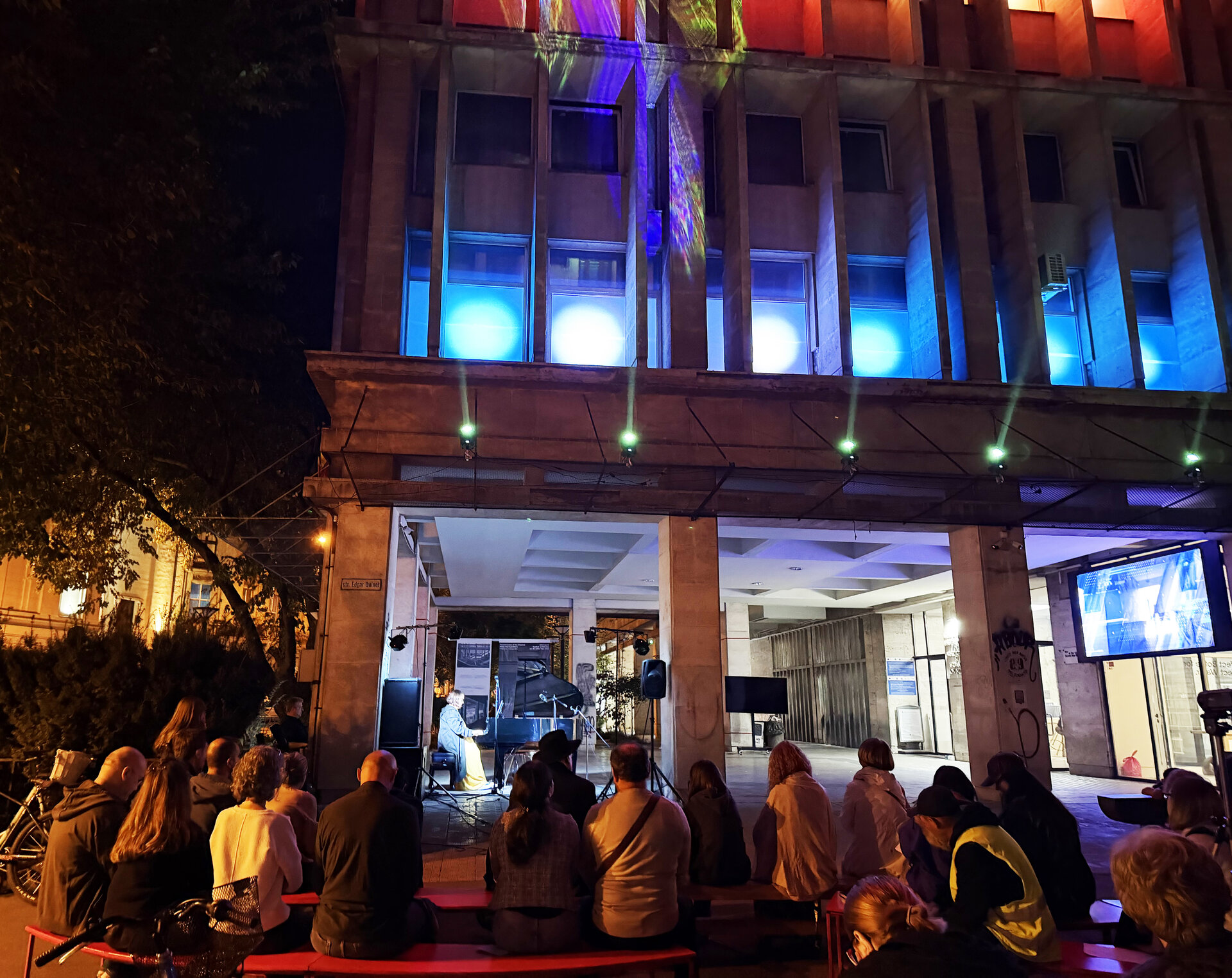
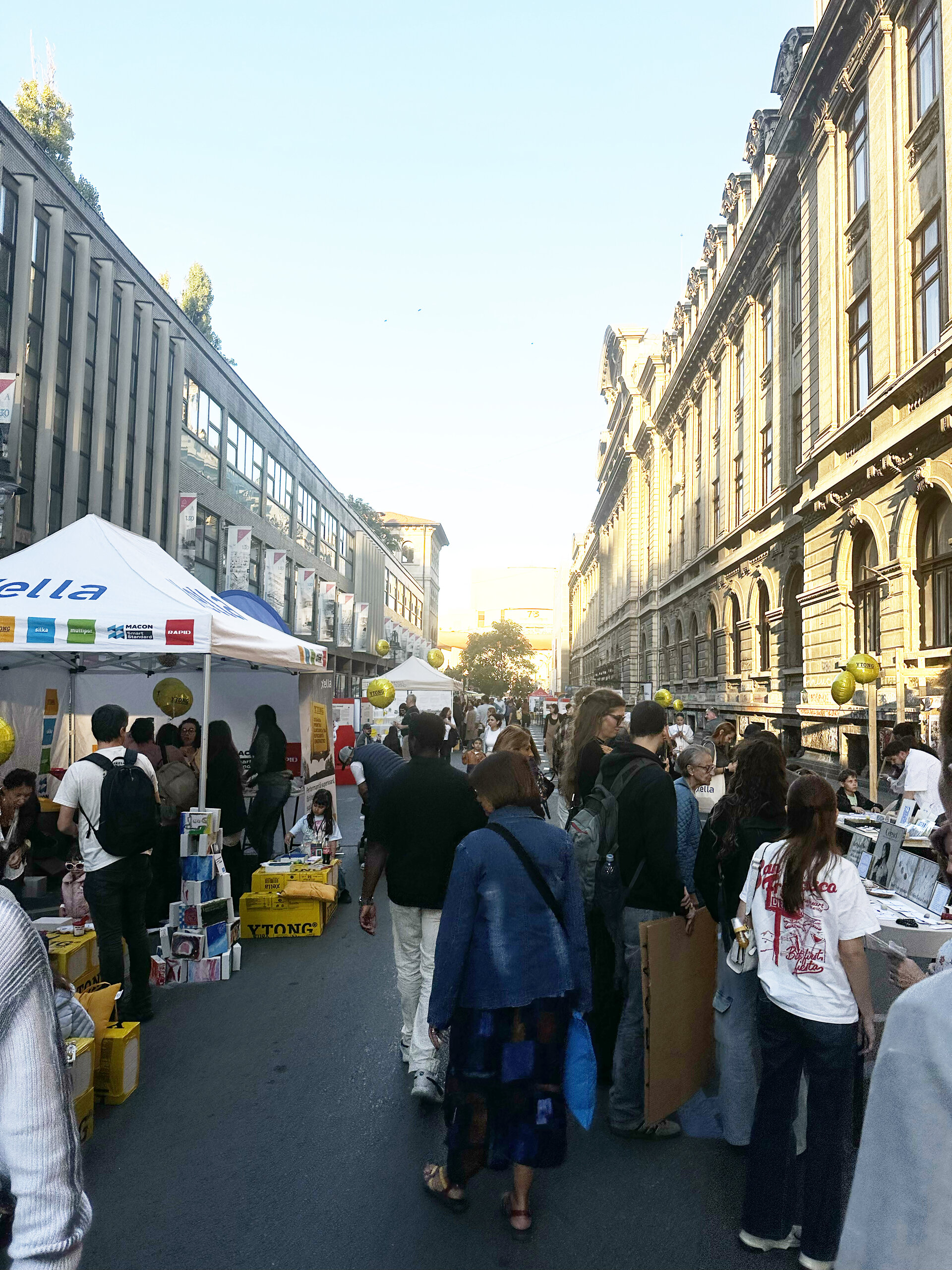
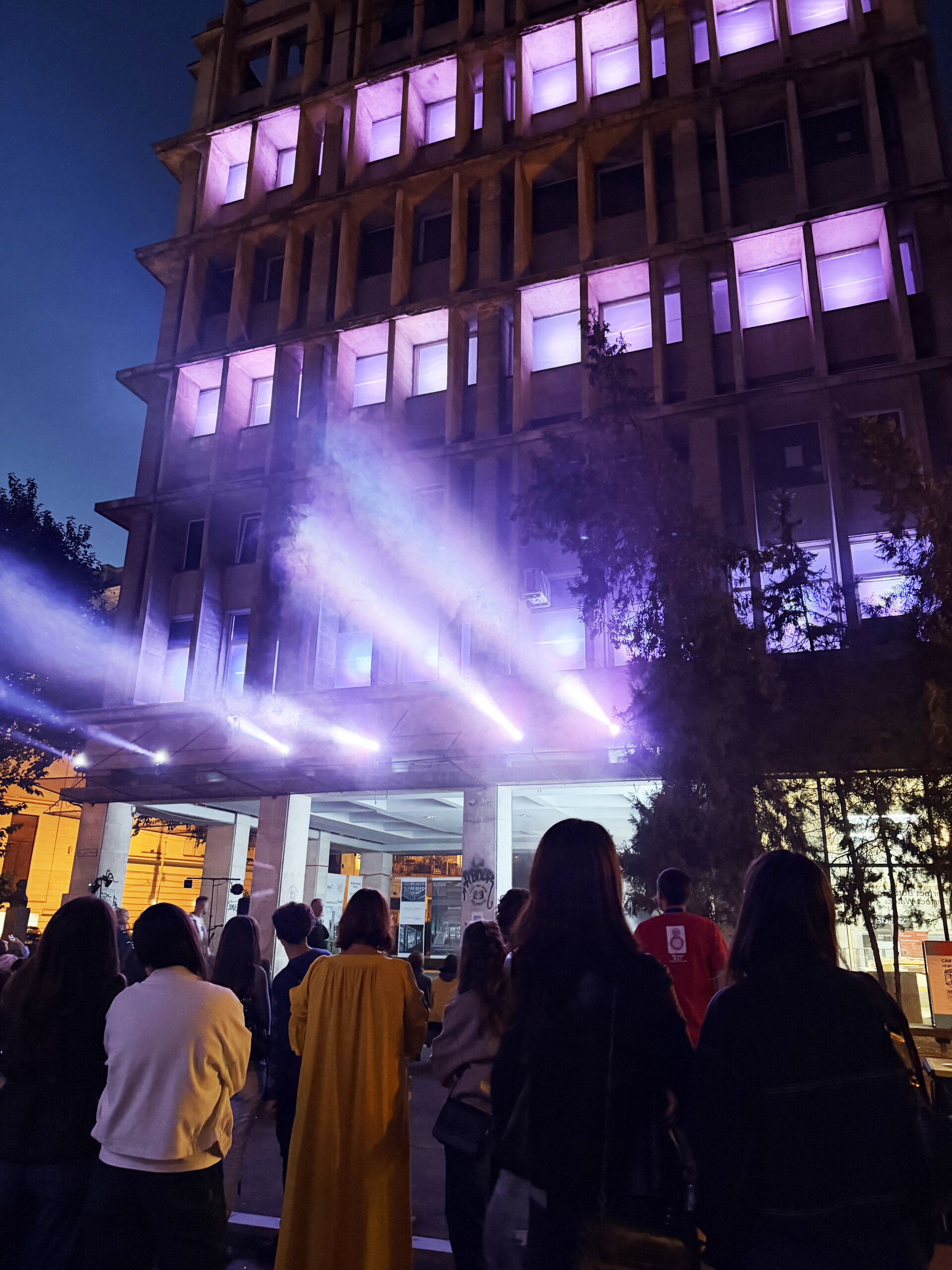
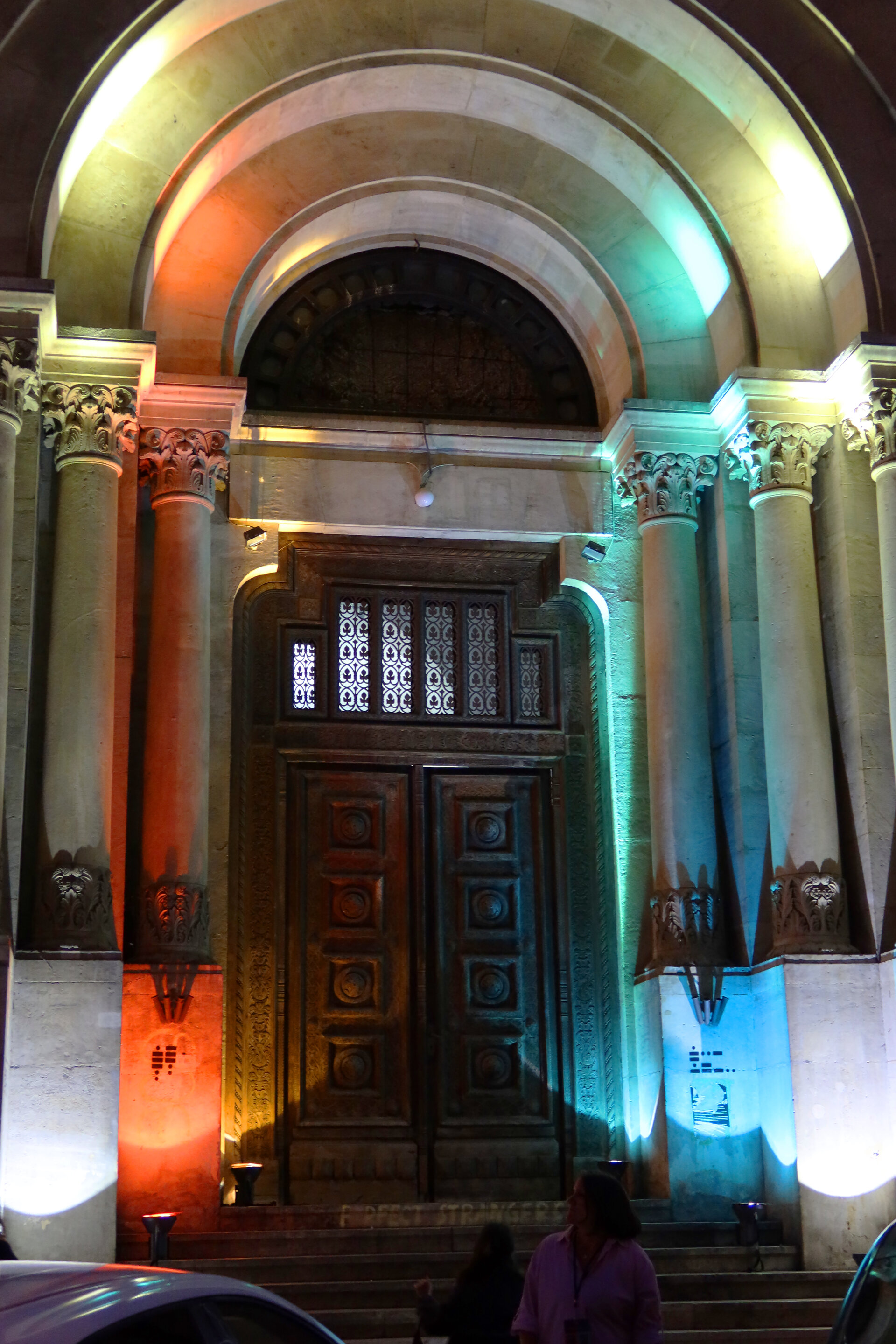
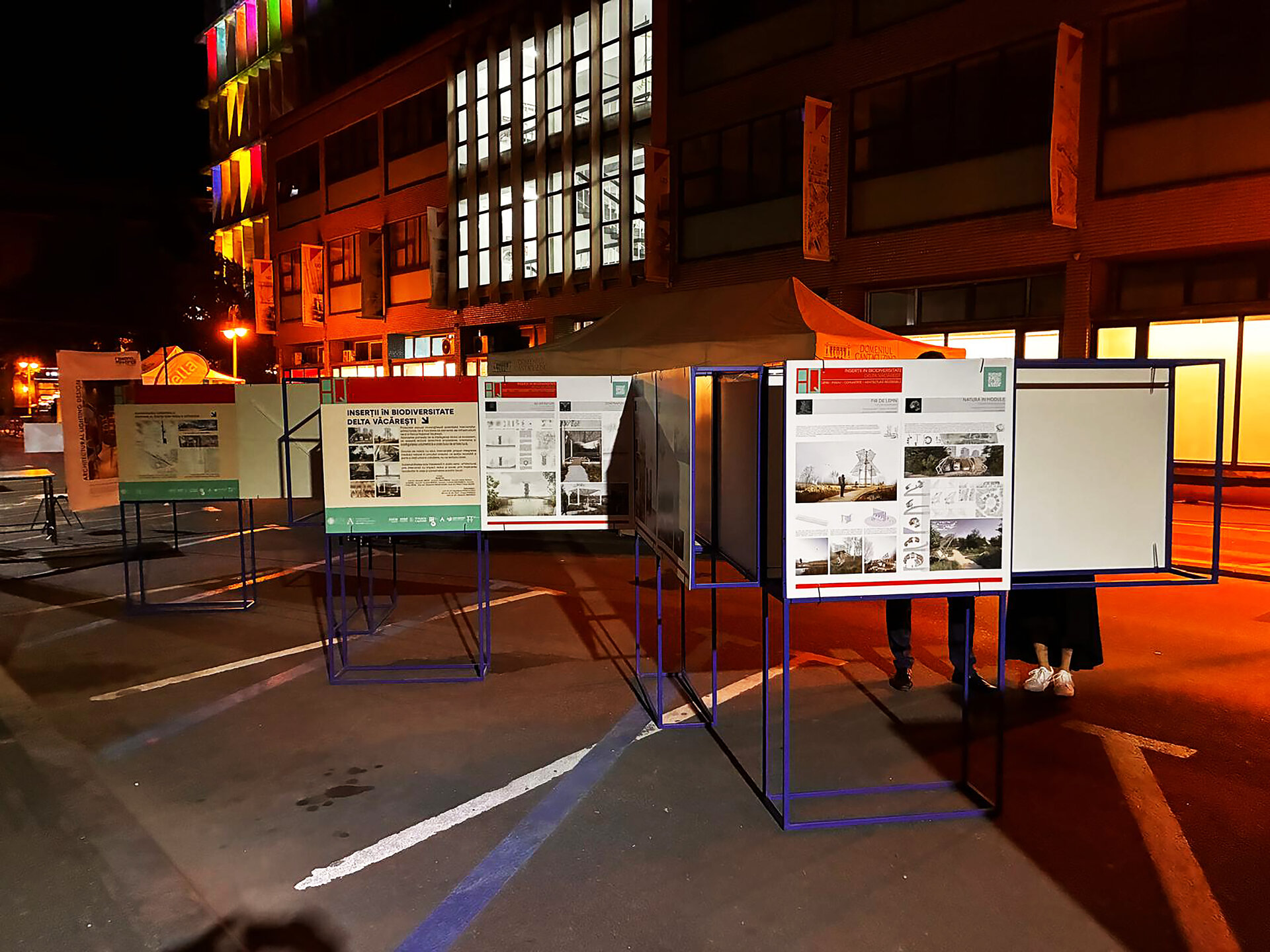
In the physical intervention dimension, the festival activated both the street and the university buildings as experimental supports: the Guerilla Lighting workshop transformed the facade of the old UAUIM building, the tower of the new building was activated through immersive light design flash shows, and practical workshops in plastering, carpentry restoration, architectural lighting, urban furniture prototyping, clay, ceramics, linocut and jewellery functioned as instruments of spatial education for both professionals and the general public. Studio projects and diploma works by students from the Faculties of Architecture and Interior Architecture were exhibited on the street and in the UAUIM portico, turning academic production into a public act.
In the sociological research dimension, a team from the Faculty of Sociology and Social Assistance of the University of Bucharest, in partnership with UAUIM, collected 138 responses on visitor attitudes towards pedestrianisation and cultural events in the street, to be developed into a study made available to public administration and the academic community.
ARCHY FEST does not produce built architecture. It produces questions, data and direct experiences about the city in which we work. The festival operates simultaneously for architects, students, researchers and residents, addressing each with the same question from their own perspective: what does the city we build or inhabit look like? This overlap of audiences and perspectives is itself a method - research does not take place in the absence of the community, but through its presence.
Architecture and Experiments
- A Roof for St. Michael / Ein Dach für die Burgkirche
- ARCHY FEST_QUINETWORK 2026
- Civic Bucharest
- (H)ODAIA – A Rural Hub for the Rehabilitation of Cultural Landscapes
- Model 10
- Workshop AI in Architecture
- Video Mapping and Heritage. Empúries, Costa Brava: ancient ruins, media, and artificial intelligence
- GEMA – Geometric Experimentation with Architectural Morphology. A European Experience
- I can’t talk right now. I’m busy
- Disco Blast
- Limanu Summer School 2026 – Multicultural Heritage on the Edge
- Bucium Summer University 2026, 14th Edition. Safeguarding Rural Heritage through Education
- Camping and Research Kit on Șimian Island
- Cantacuzino Estate Summer School 2026, 8th Edition


