- Nomination for the “Research through Architecture / Architecture and Experiments” section
(H)ODAIA – A Rural Hub for the Rehabilitation of Cultural Landscapes
Authors’ Comment
(H)ODAIA – A Rural Hub for the Rehabilitation of Cultural Landscapes
Brăduleț, Vâlsan Valley, Argeș
Context
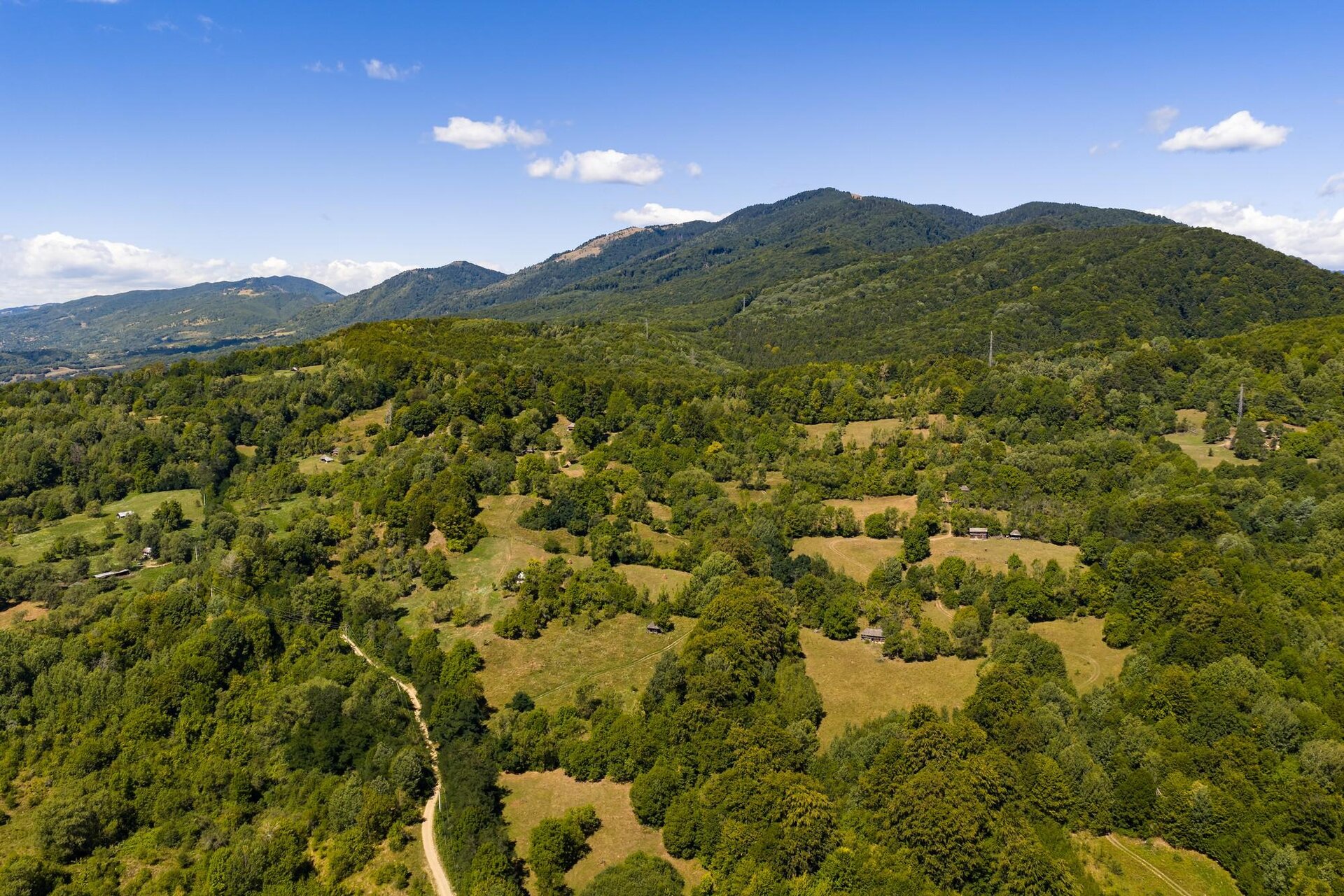
While the rural cultural landscape is increasingly present in heritage discourse, there is a lack of practical tools for its identification, intervention, and protection. Depopulation, the abandonment of pastoral practices, and unregulated construction are leading to the disappearance of unique landscapes, such as that of the hodăi—seasonal homesteads linked to transhumance pastoralism.
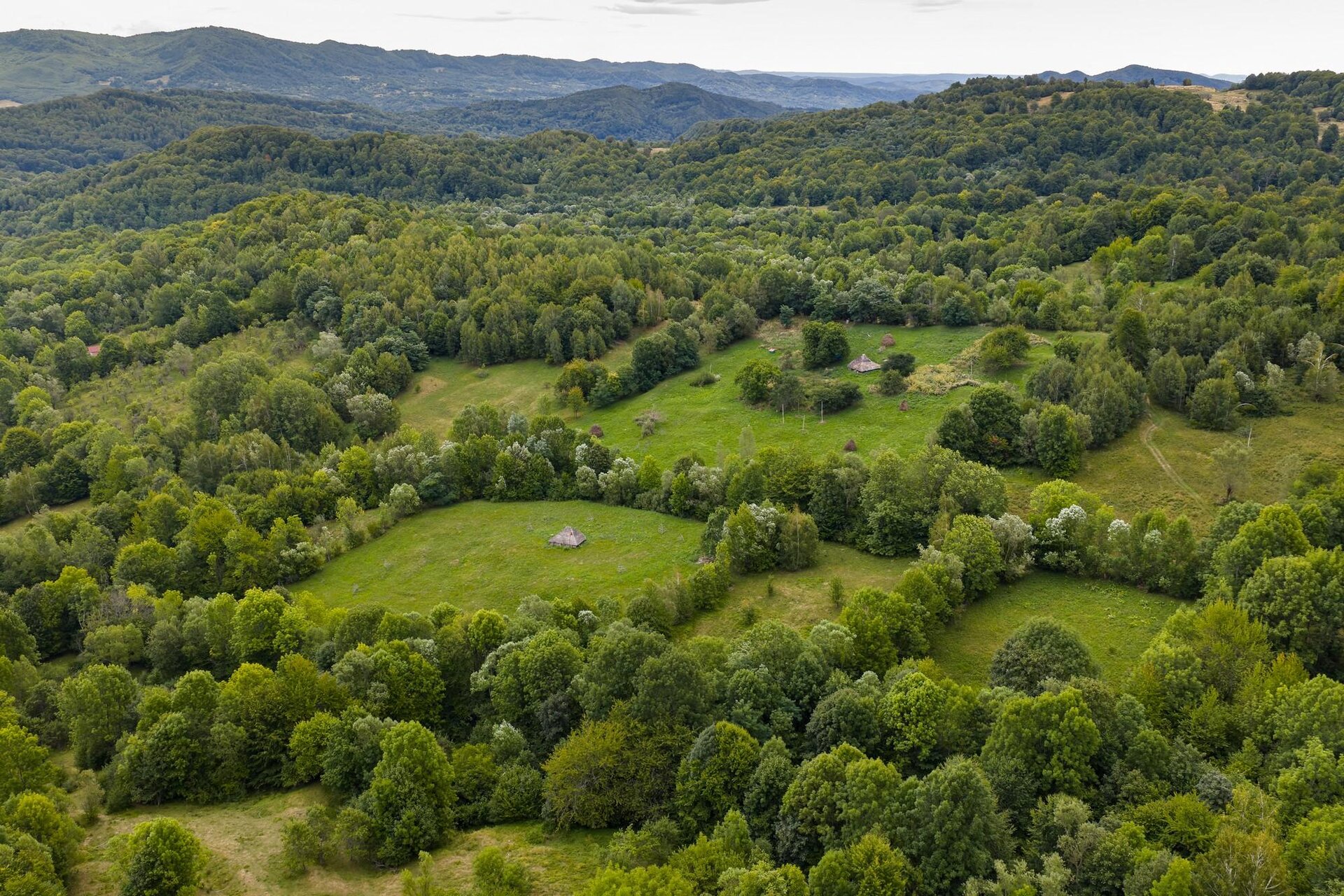
In the commune of Brăduleț, there are 593 hodăi, barns, and sheepfolds, but over the last 20 years, 40 of them (more than 6%) have disappeared. This abandonment accelerates reforestation: around vanished structures, the forest occupies 15% of the land area, compared to just 6.6% around active ones. The loss of a hodaie leads to the closure of the landscape and the disappearance of high-nature-value meadows.
The Hodaie
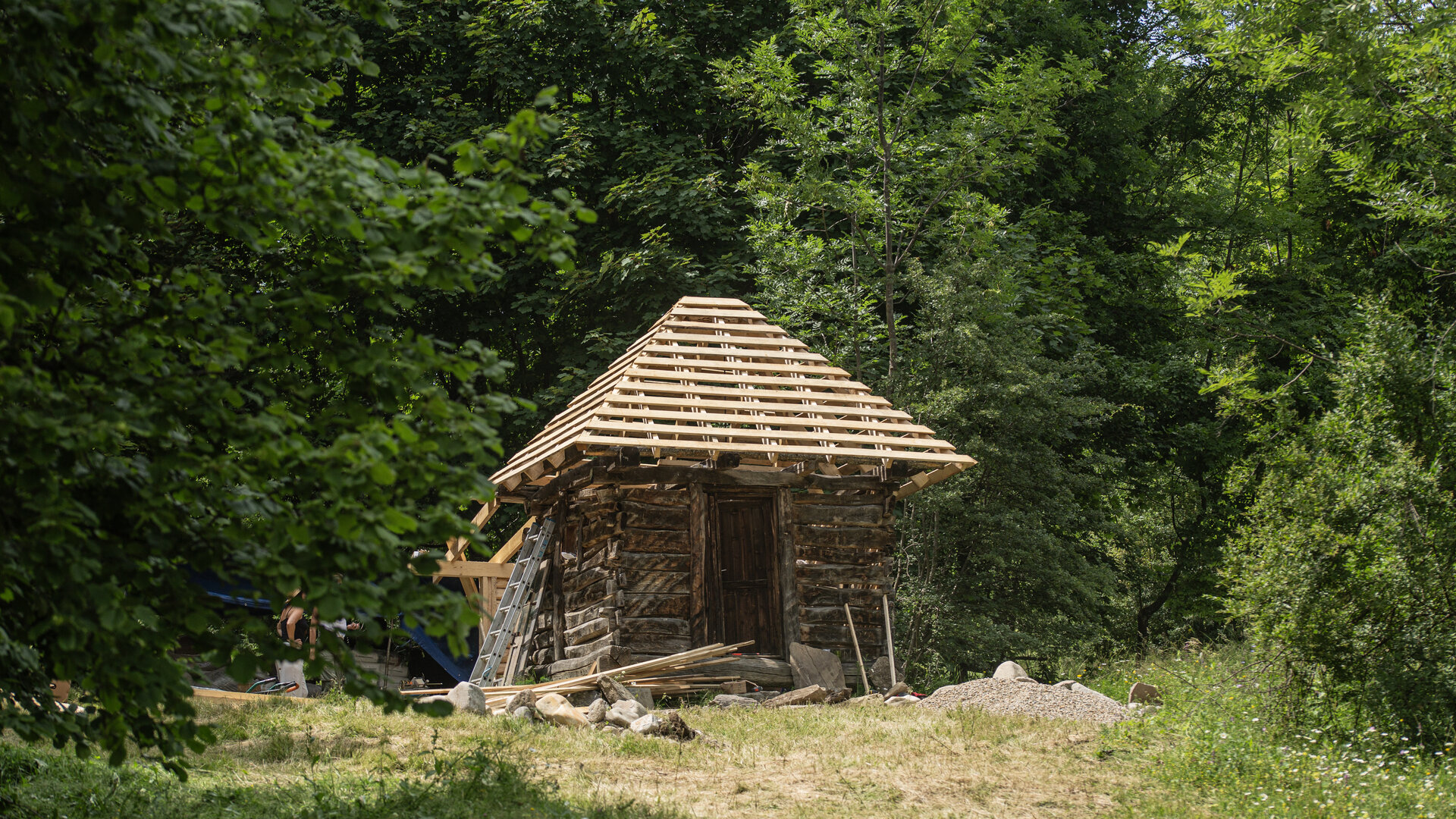
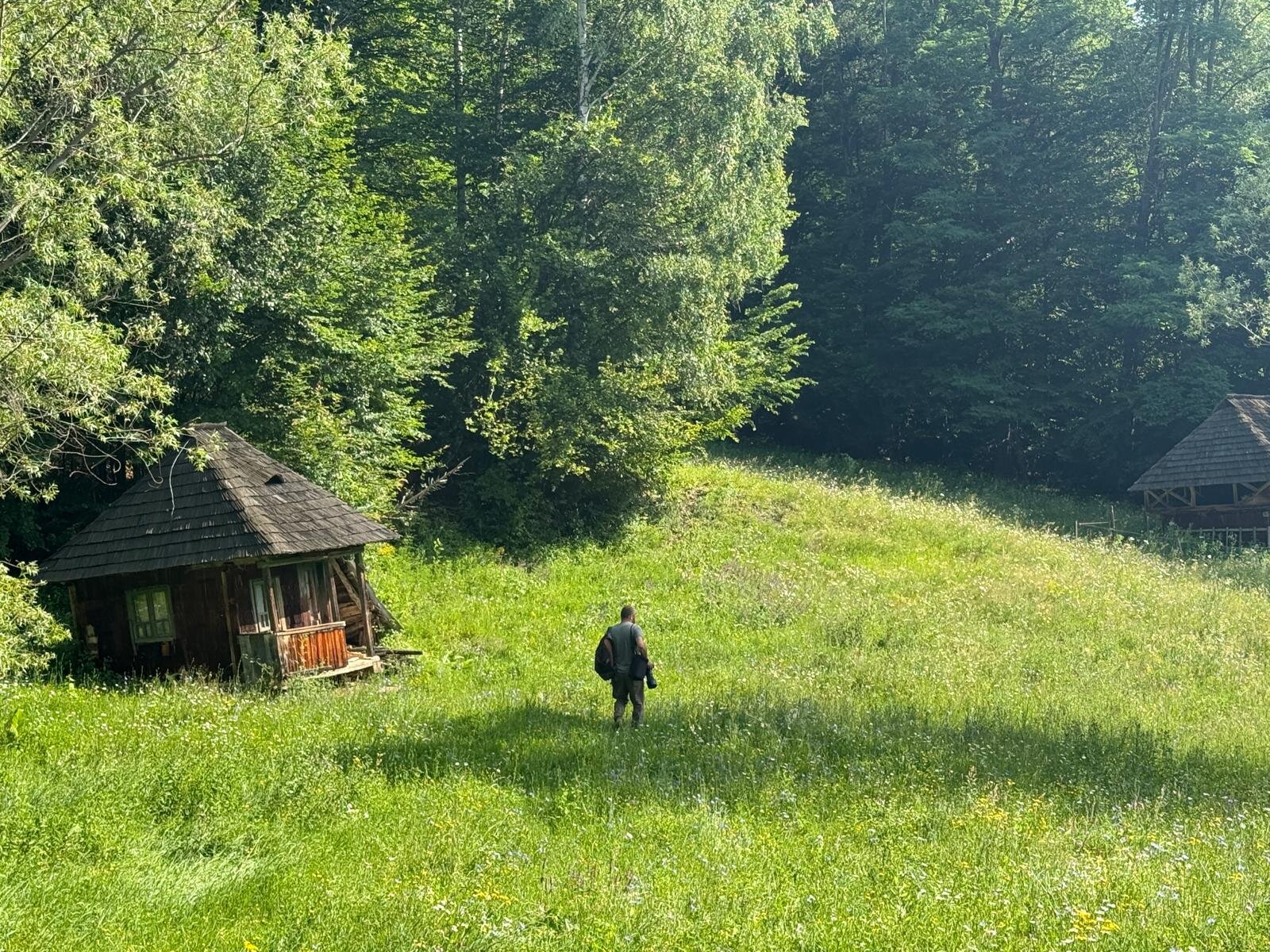
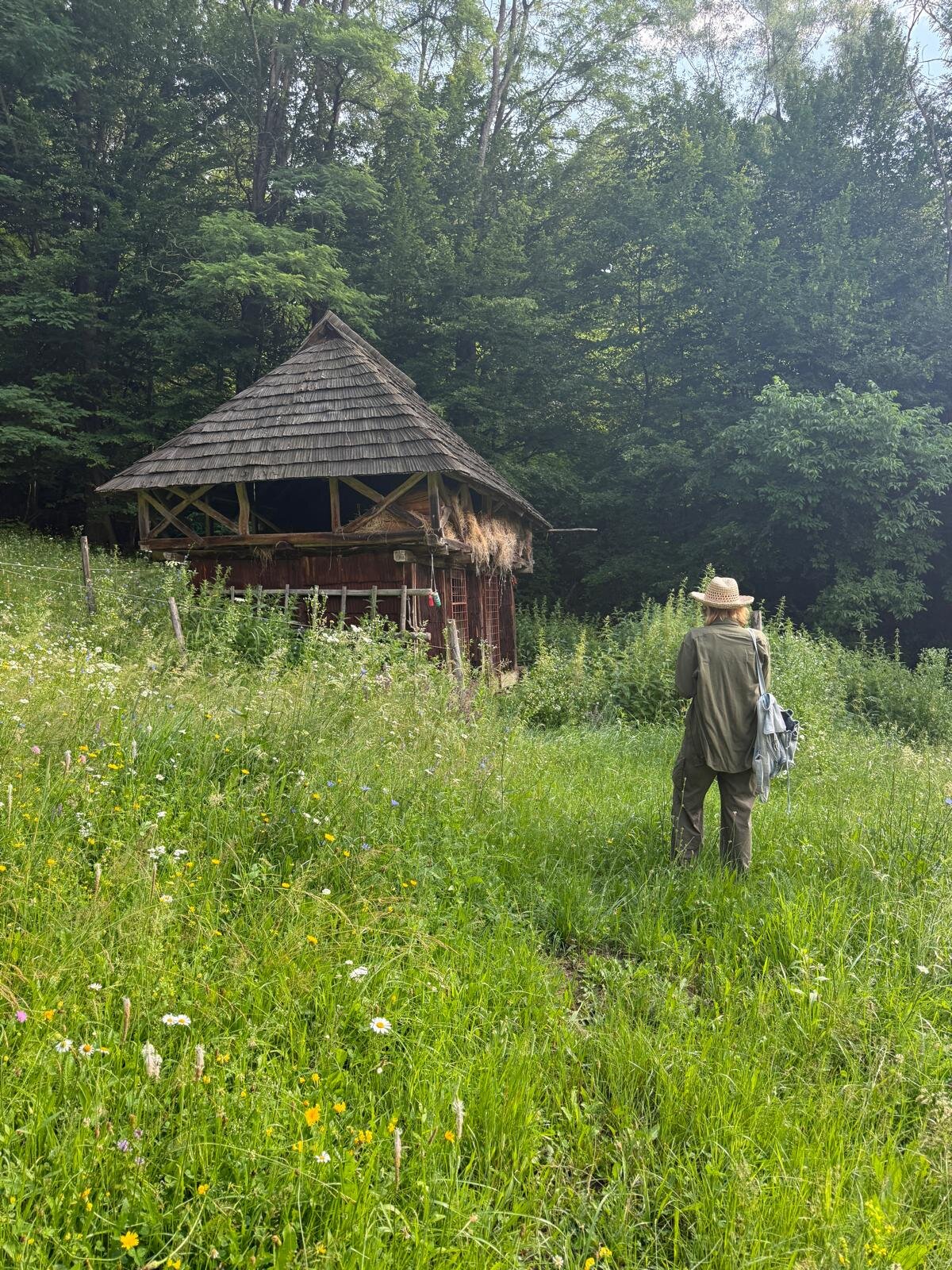
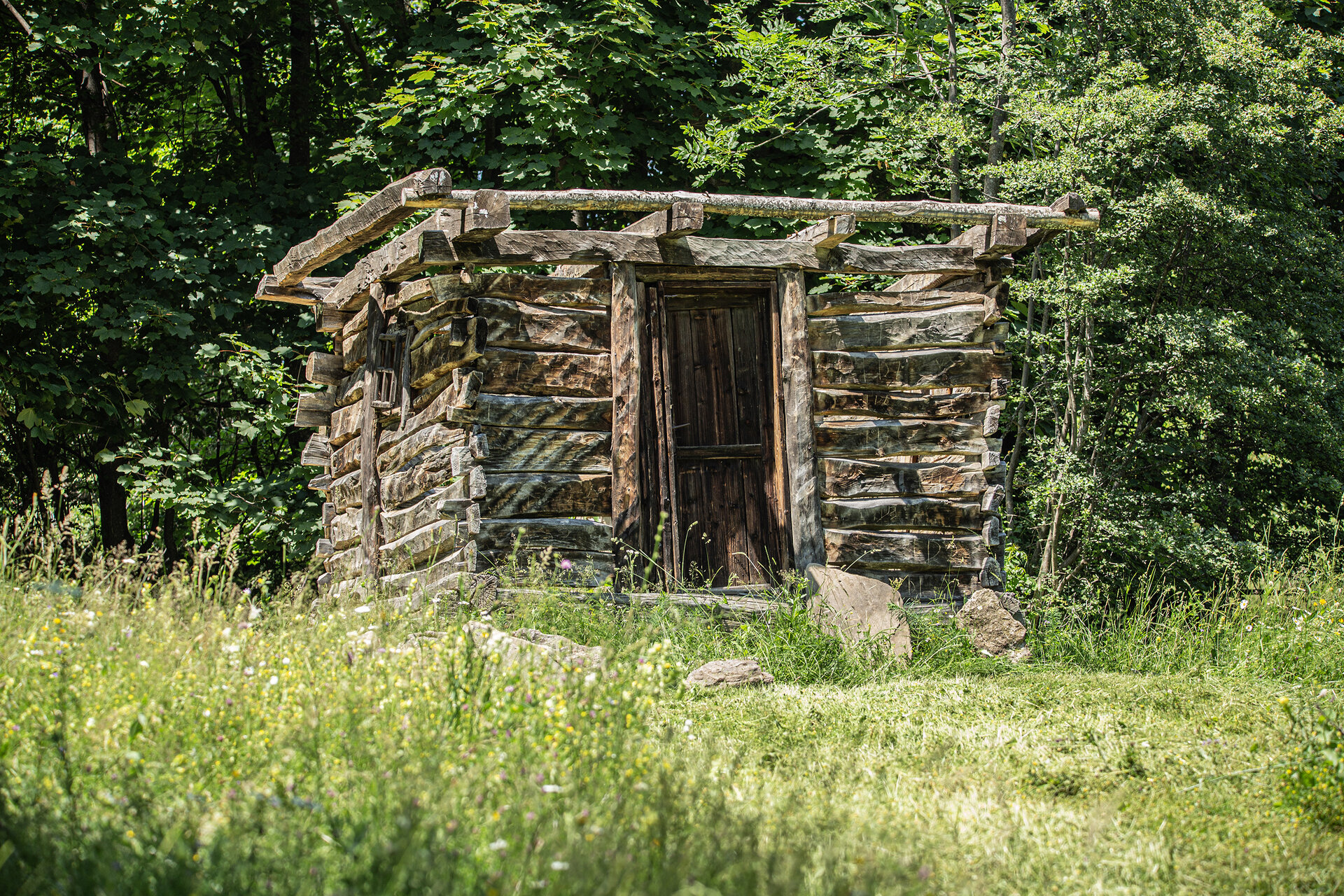
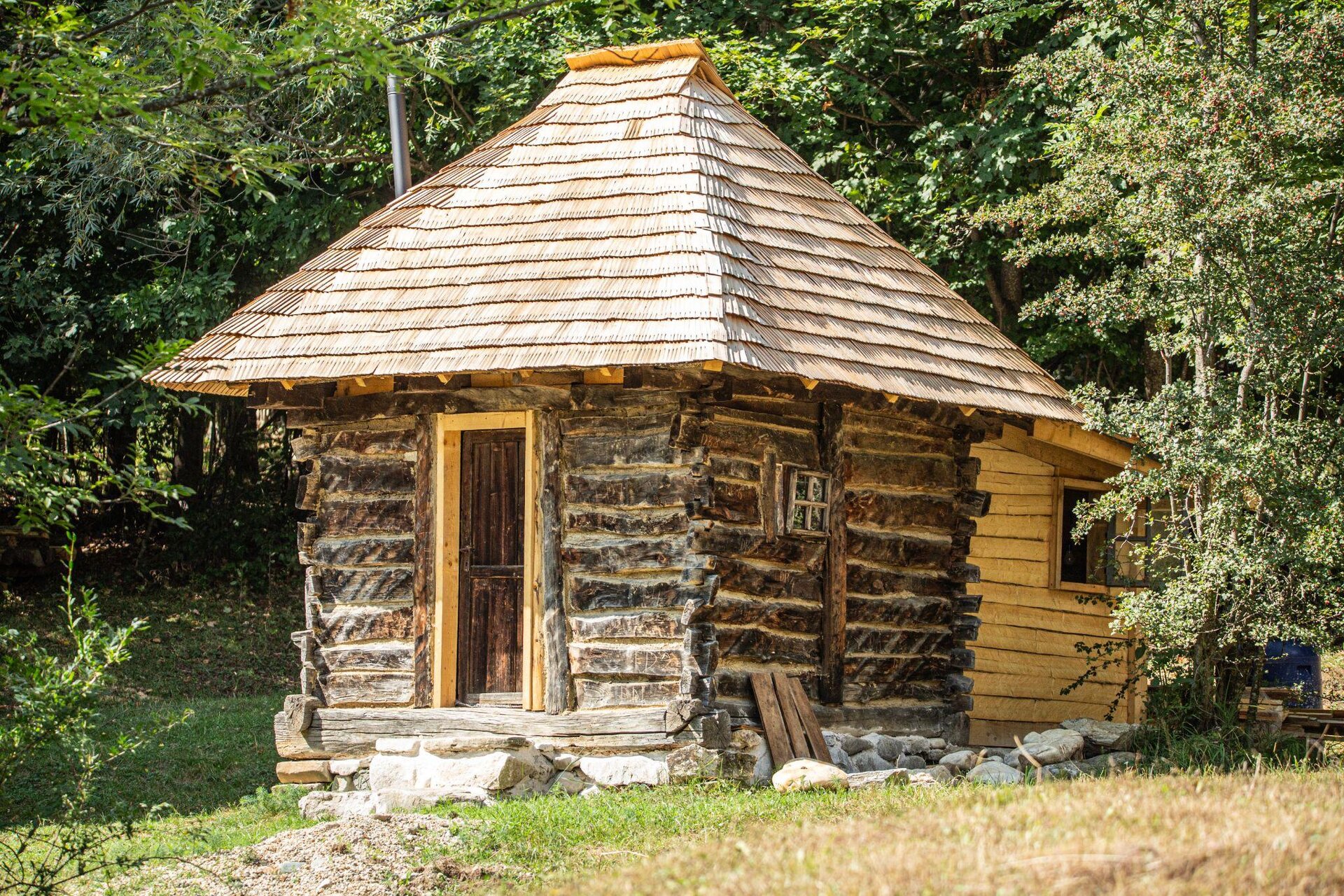
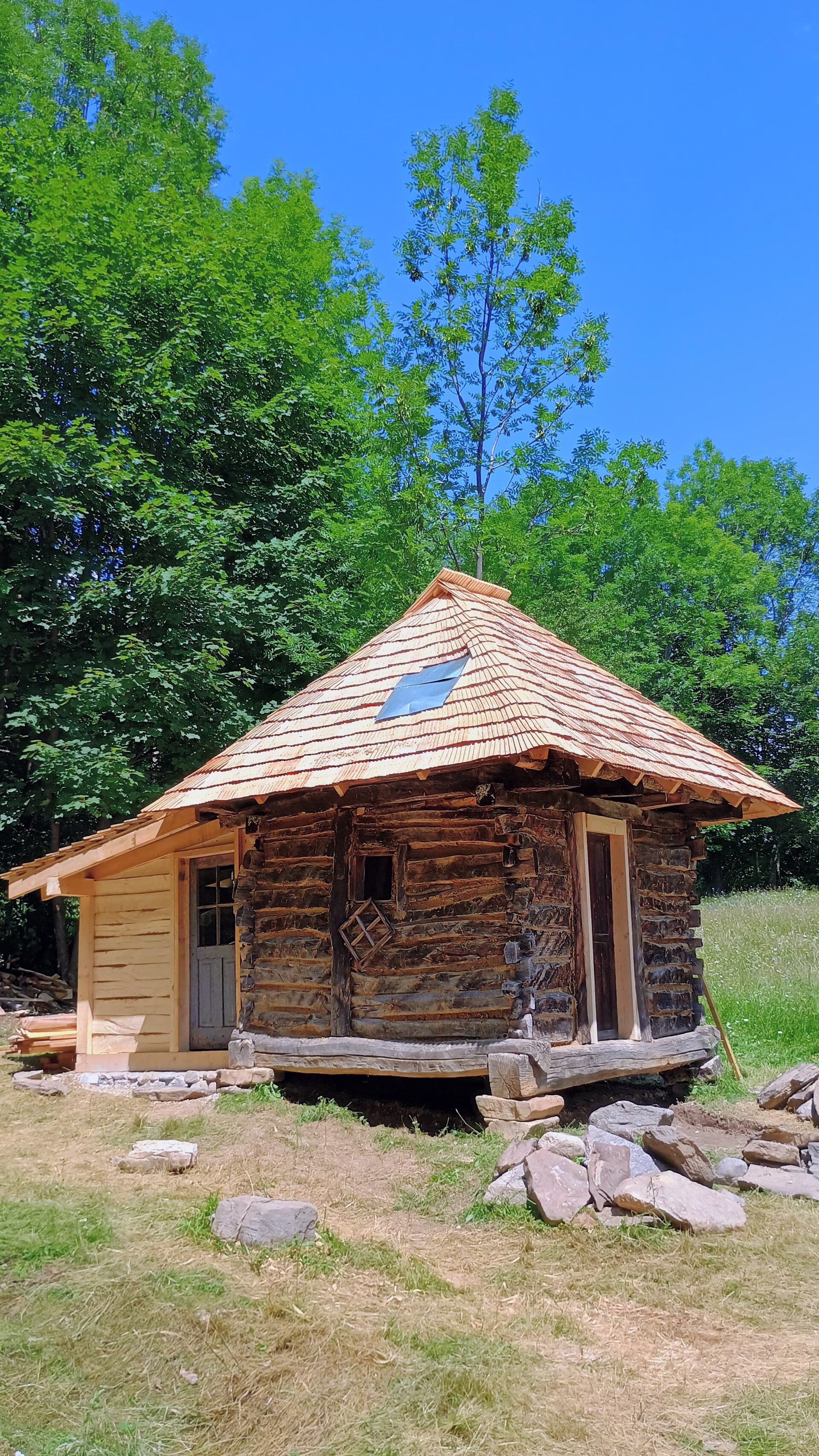
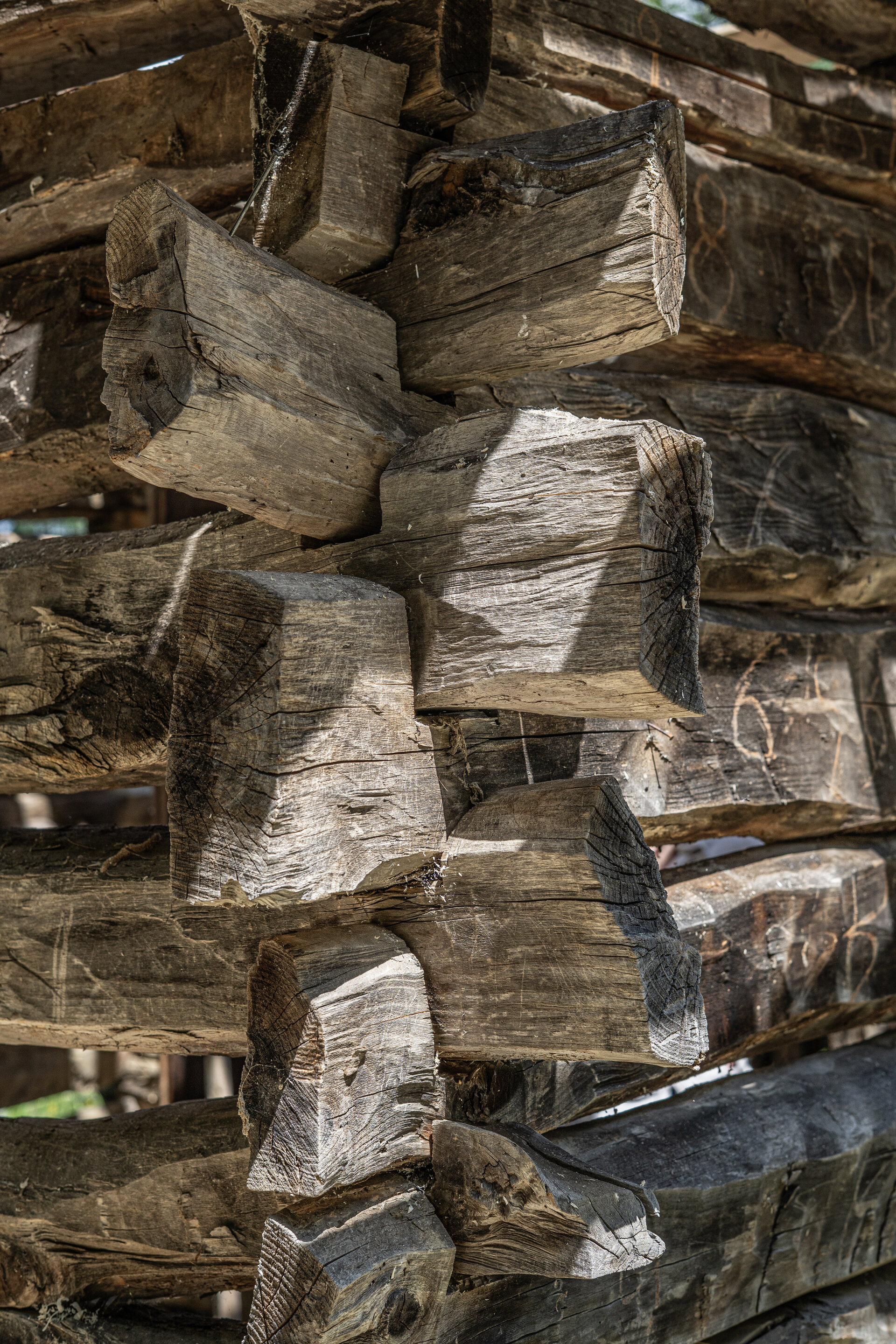
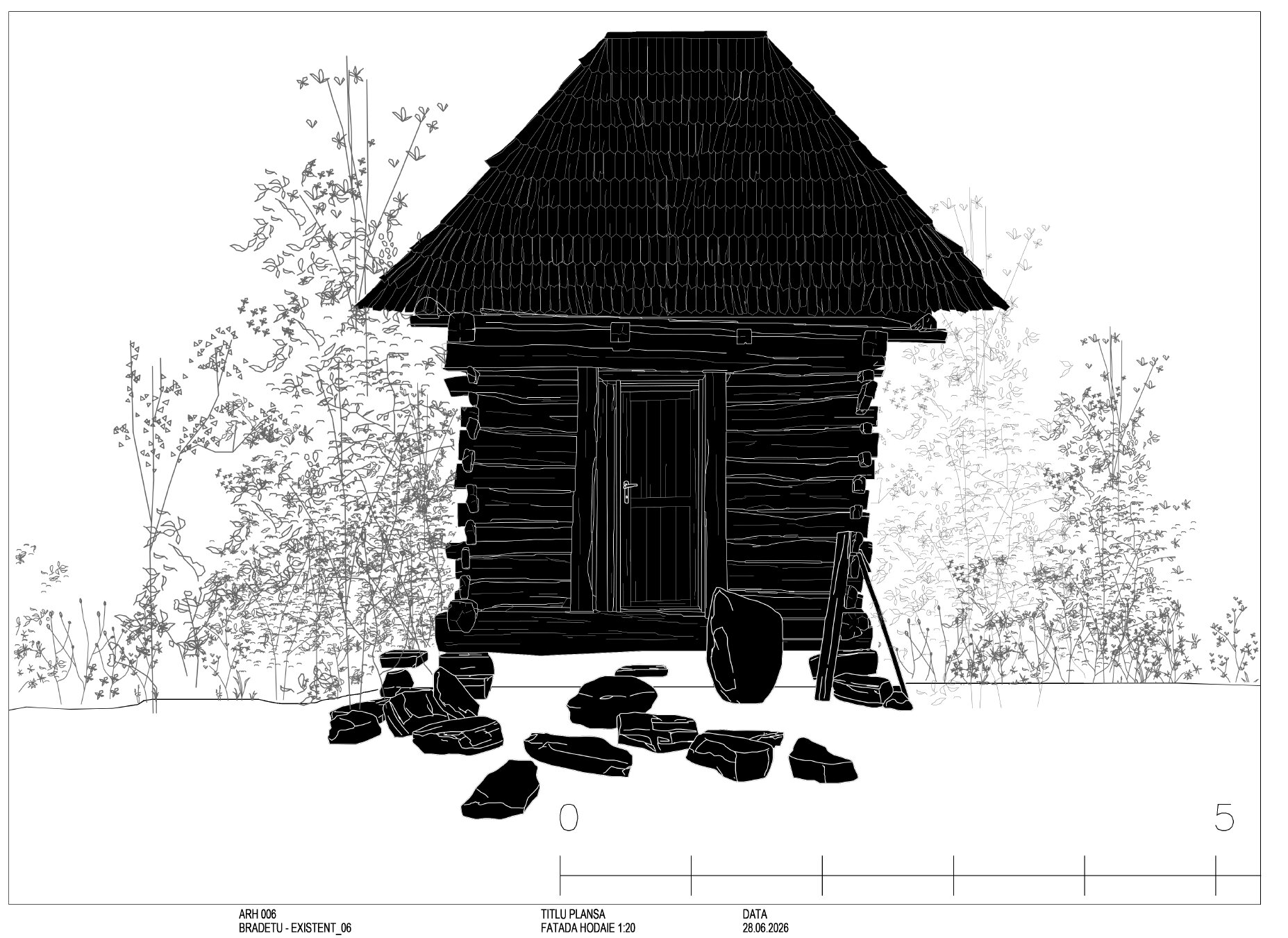
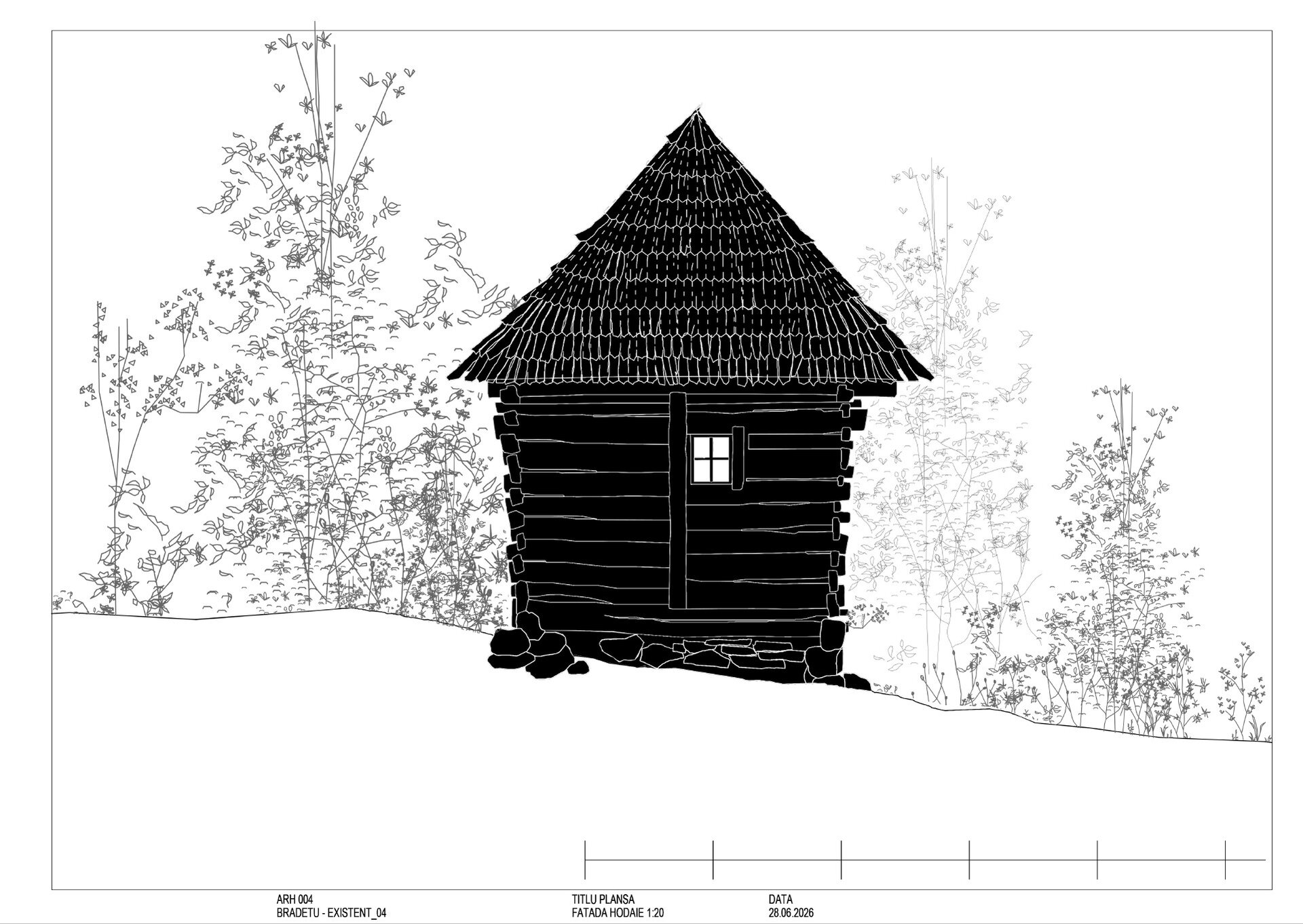
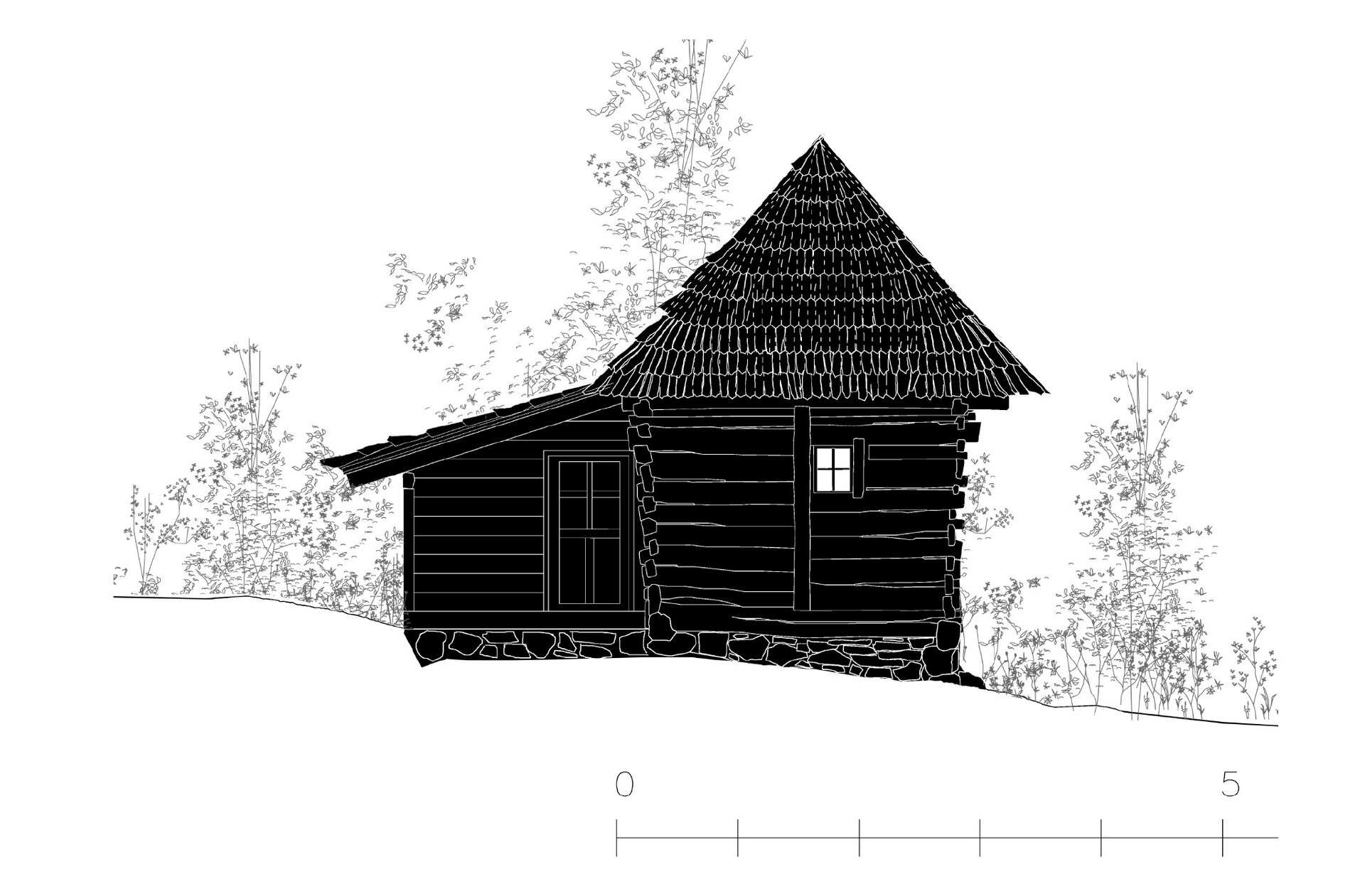
A single-room structure (ranging from 2x2 to 3x3 meters) built from local materials: softwood logs, hardwood base beams, river stone foundations, and shingle roofing (șiță). Its profile is defined by a 1x1x2 volumetric proportion and a four-pitched roof with slopes of 45°–60°. Although they are not listed historical monuments, these hodăi serve as visual and collective memory landmarks, and interventions using asbestos-cement or corrugated sheet metal compromise their authenticity.
Carried out over the course of one year, the (H)ODAIA project treats the vernacular landscape as a functional organism rather than an open-air museum. The project combined:
• Field research and documentation (GIS, architectural, landscape, photographic, anthropological, and biodiversity studies);
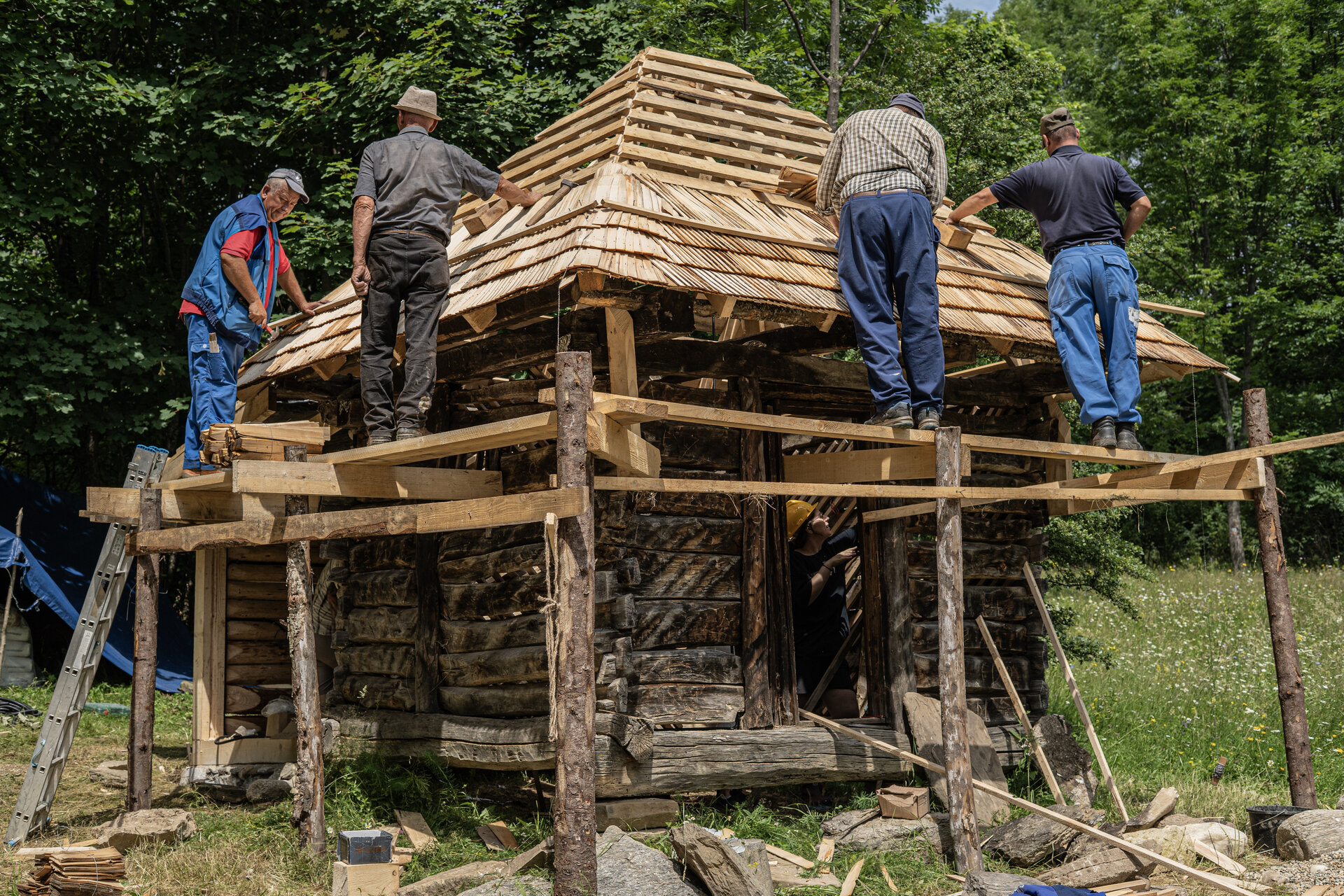
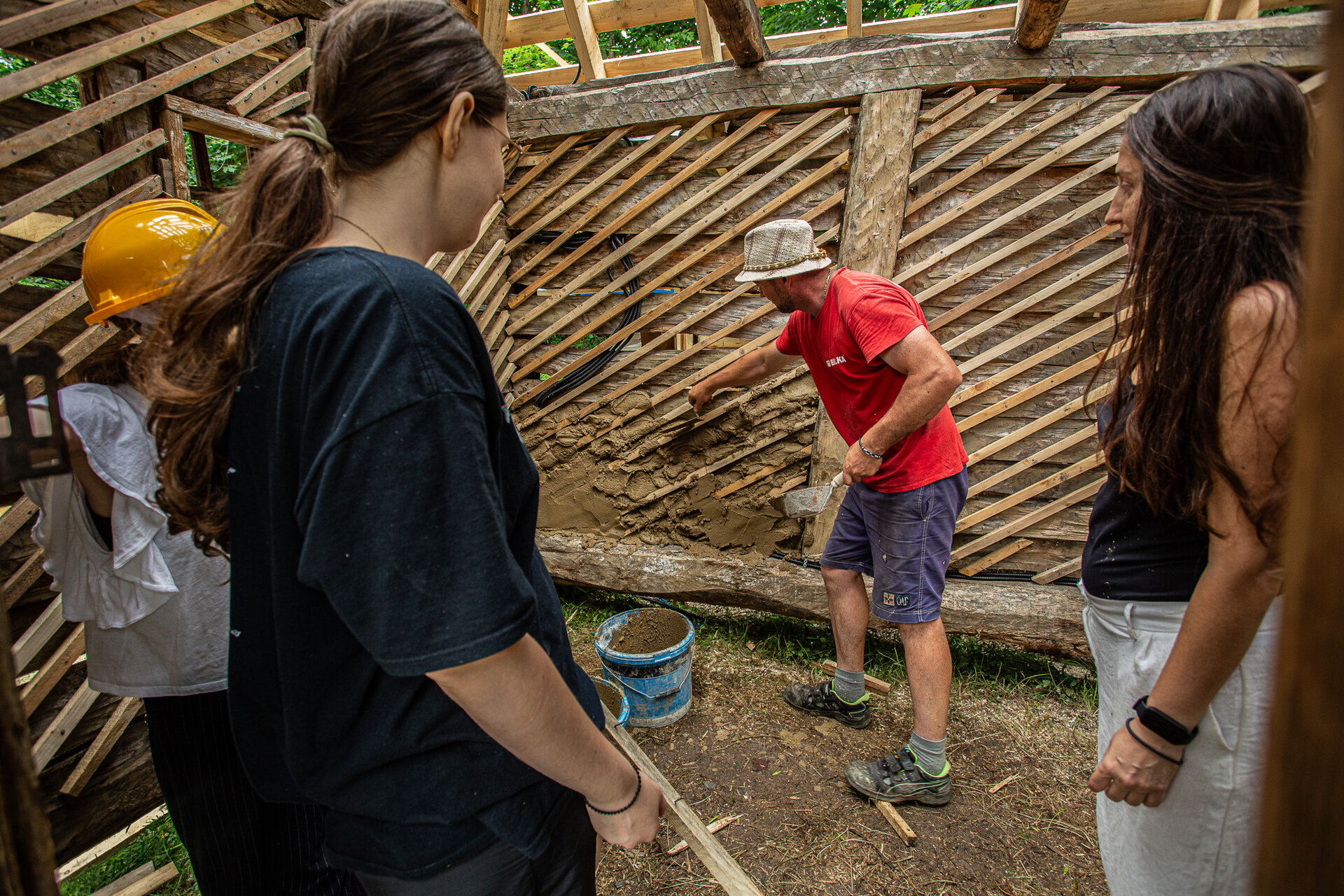
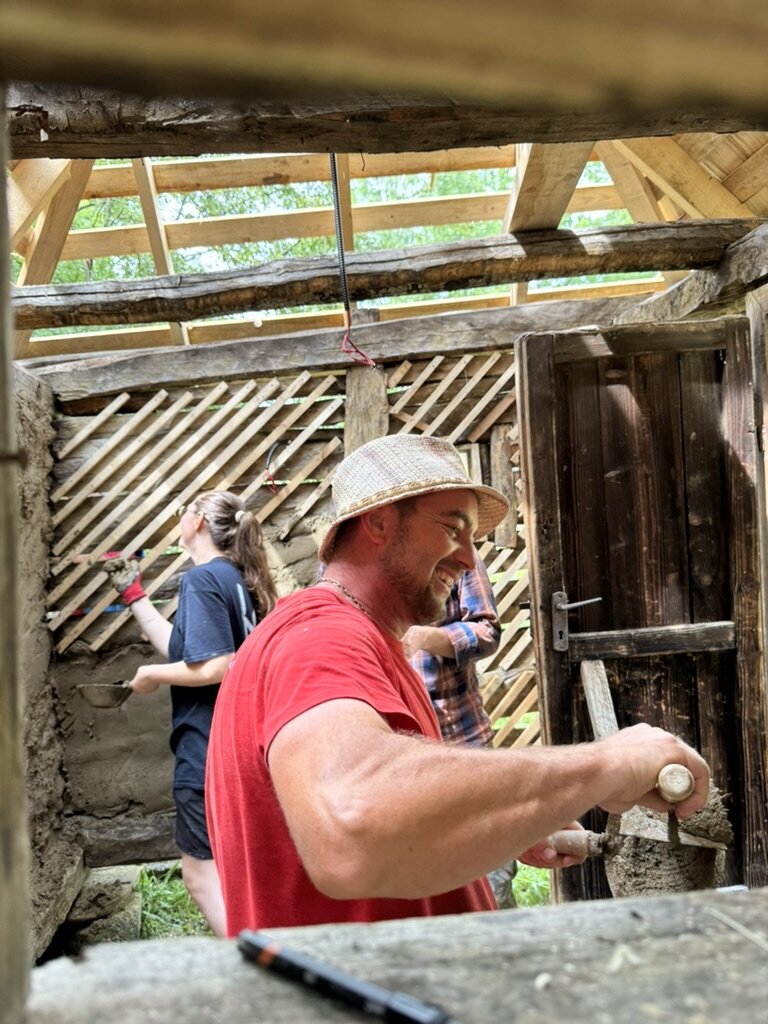
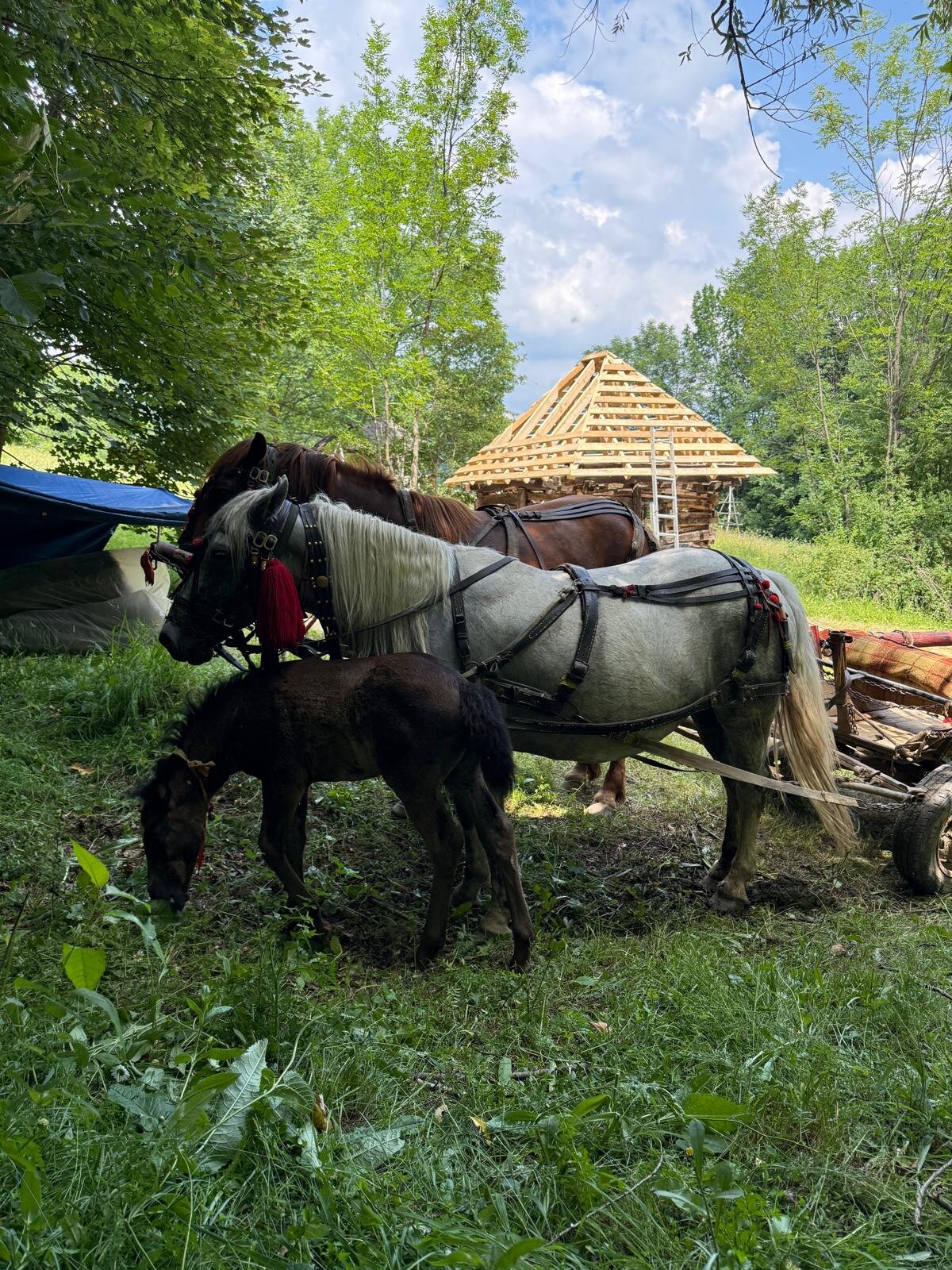
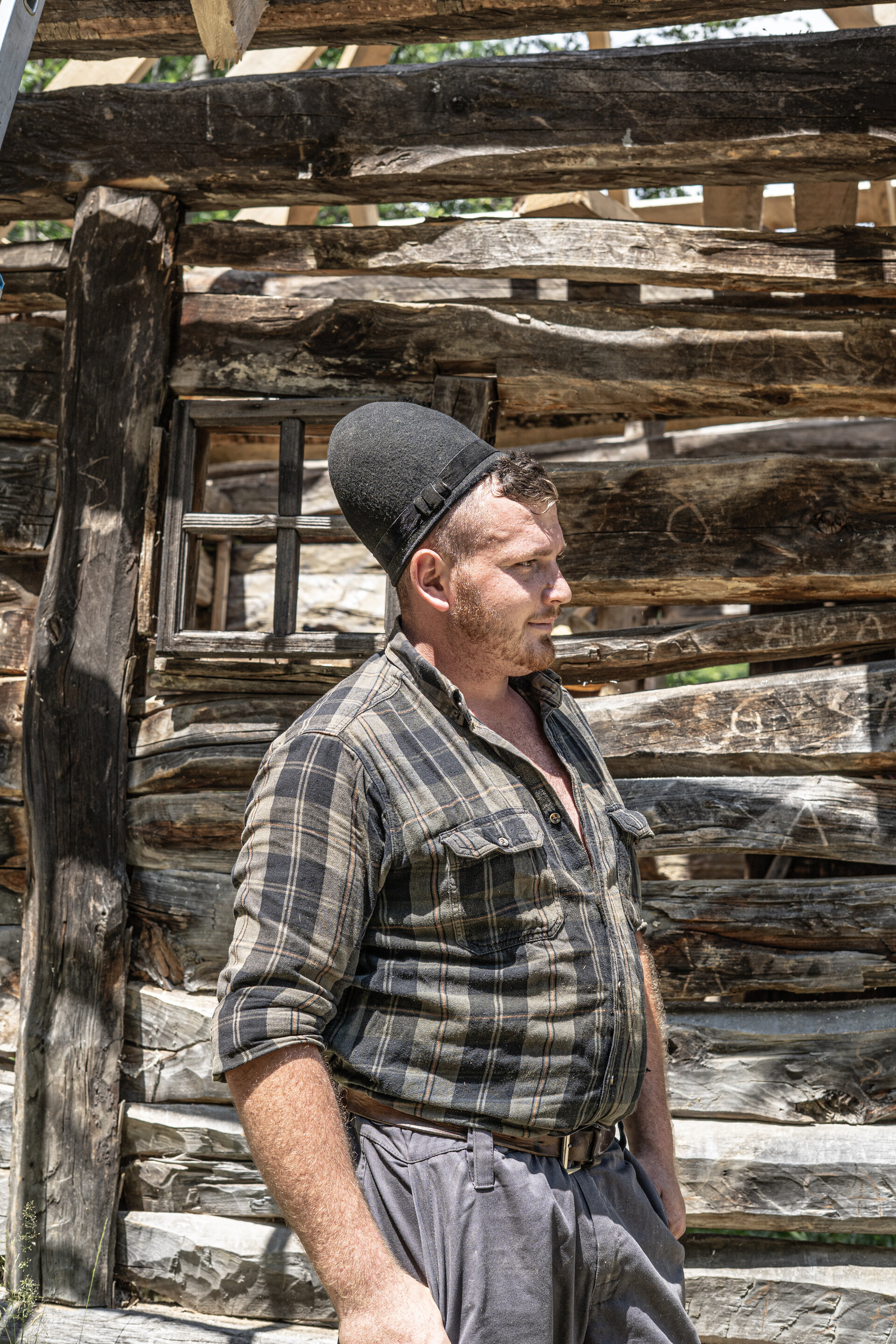
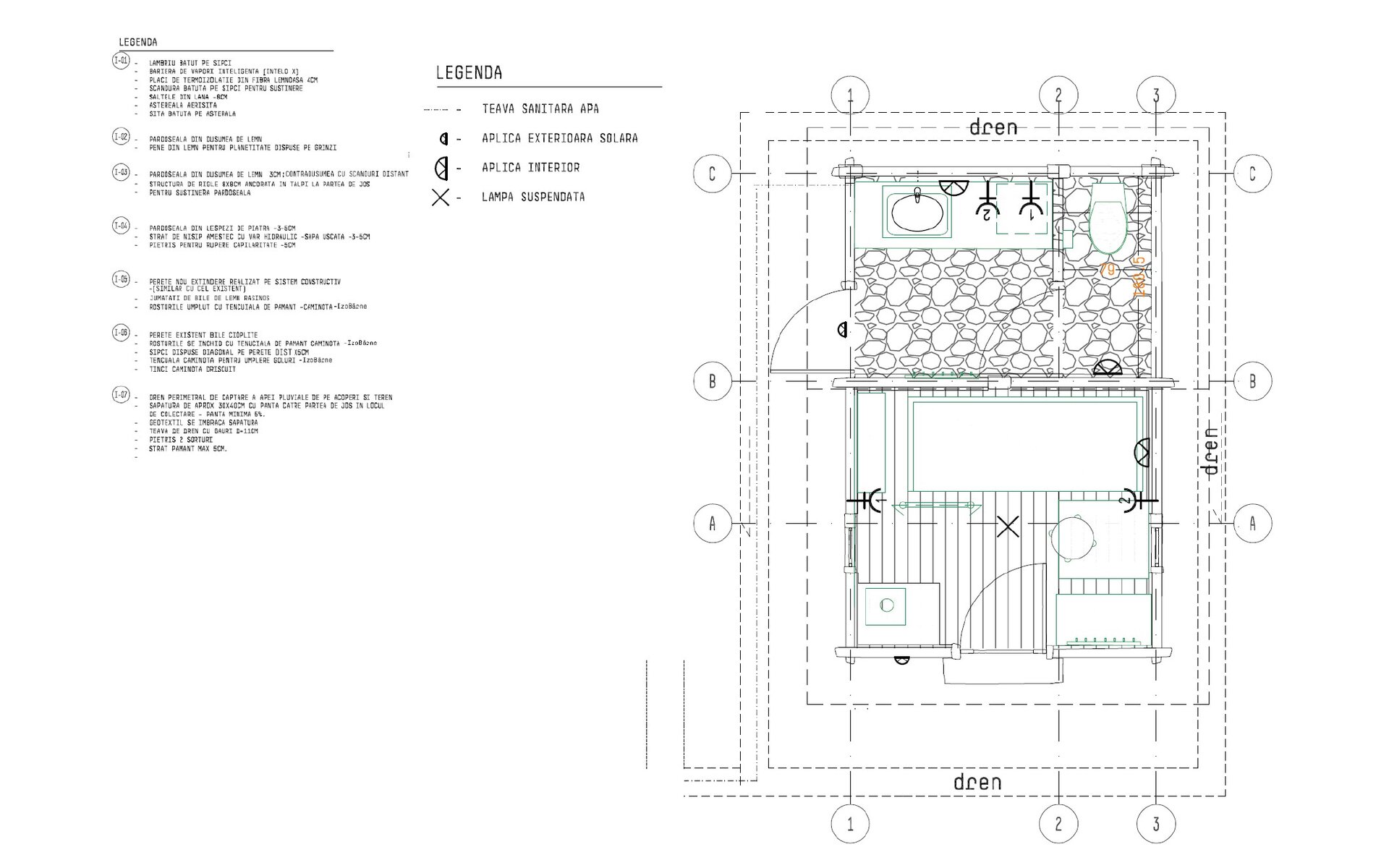
• The rehabilitation of a hodaie that was relocated to a neighboring plot, completed with local craftsmen and a one-week summer school;
• A guide to best practices, compiling findings from both the studies and the rehabilitation process.
Intervention Principles (according to ICOMOS)
• Preserving the profile, proportions, and texture of the roof;
• Using exclusively local materials: river stone, wood, and traditional shingles;
• Transferring traditional crafts to the youth of the community;
• Controlled contrast: new elements remain visible (distinguishing between sawmill-cut and hand-worked wood) to avoid historical falsification;
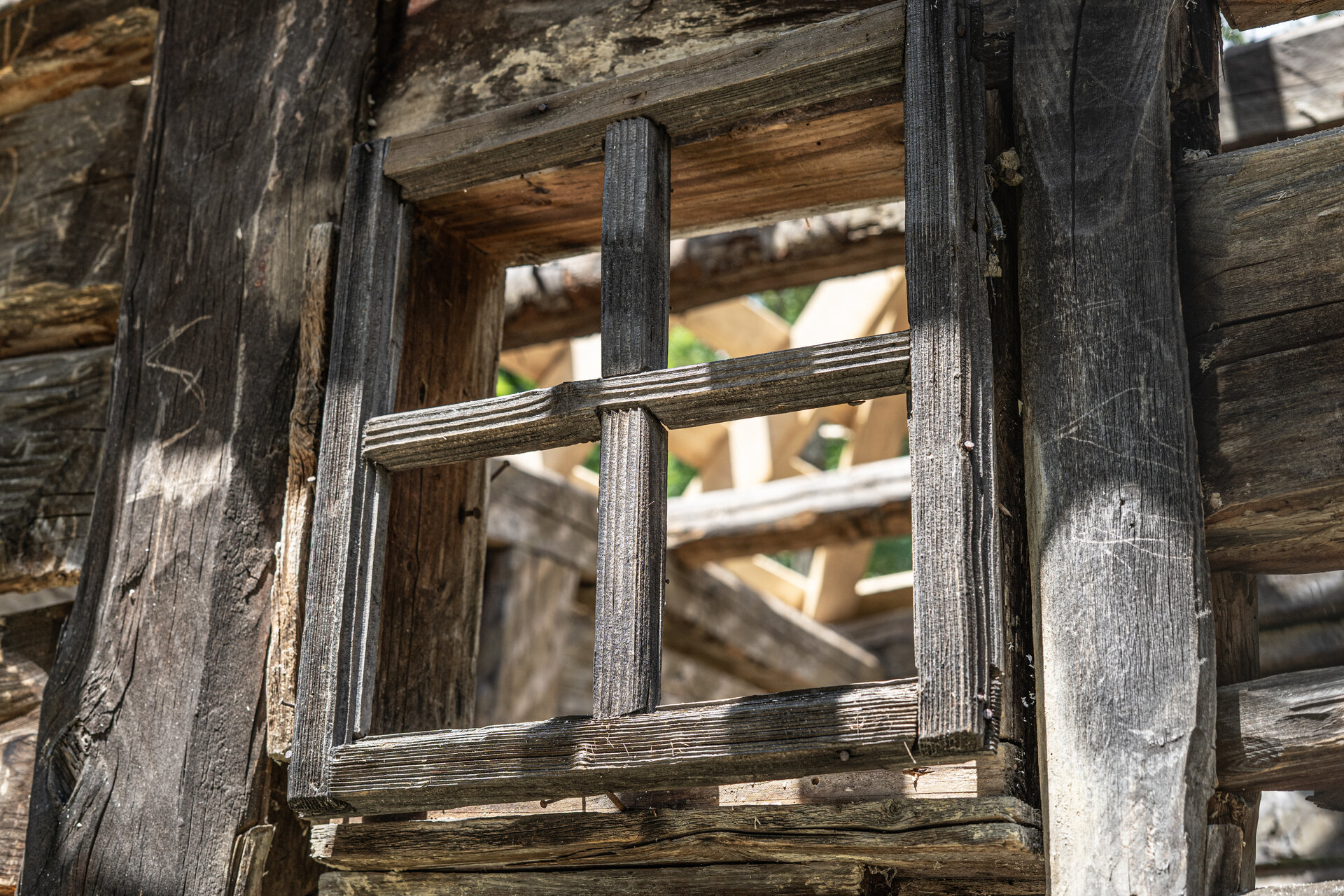
• Adaptive reuse: historical doors and windows were restored and preserved in situ.
Community Integration
The hodaie now hosts an artistic residency, which remains deeply connected to local life through:
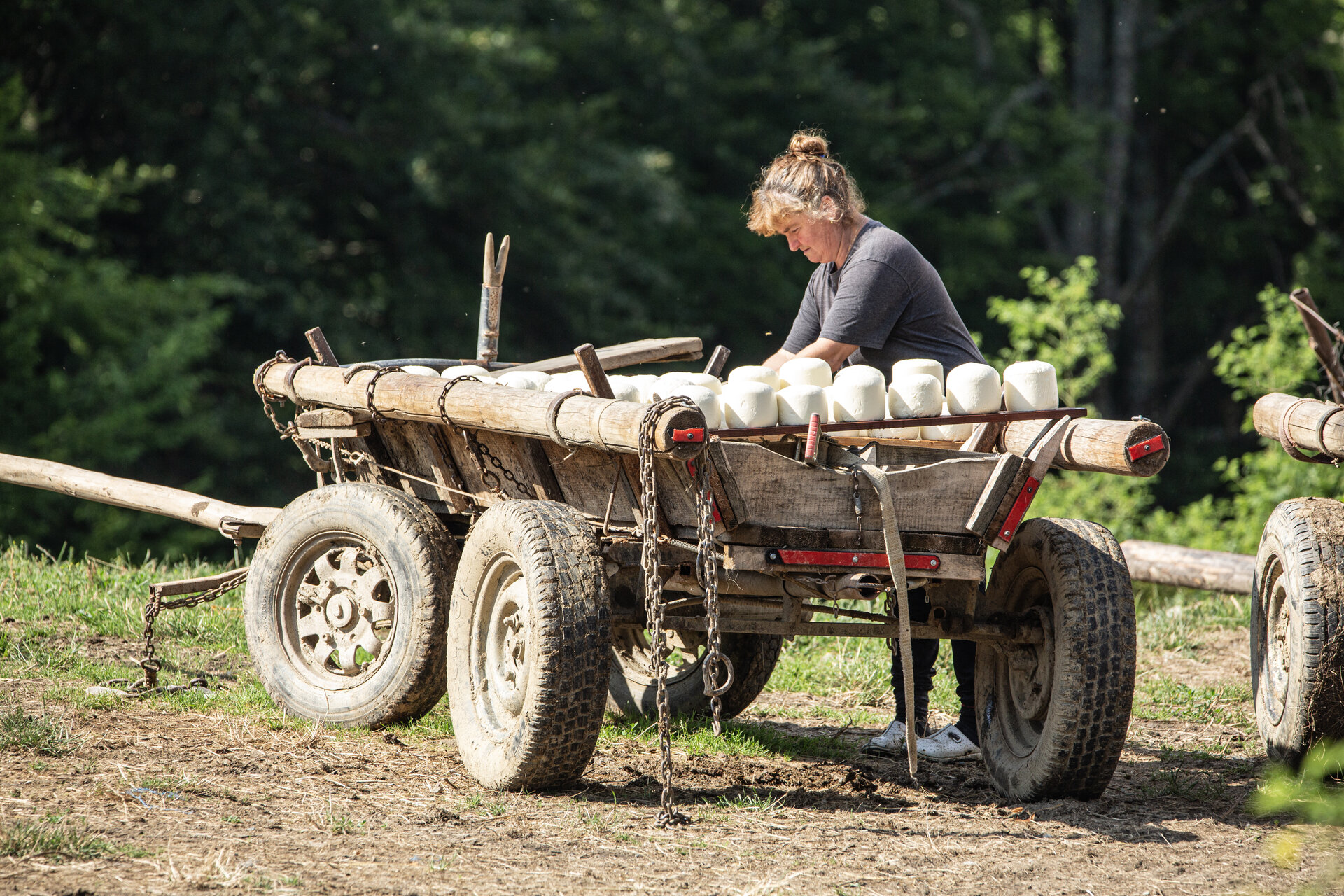
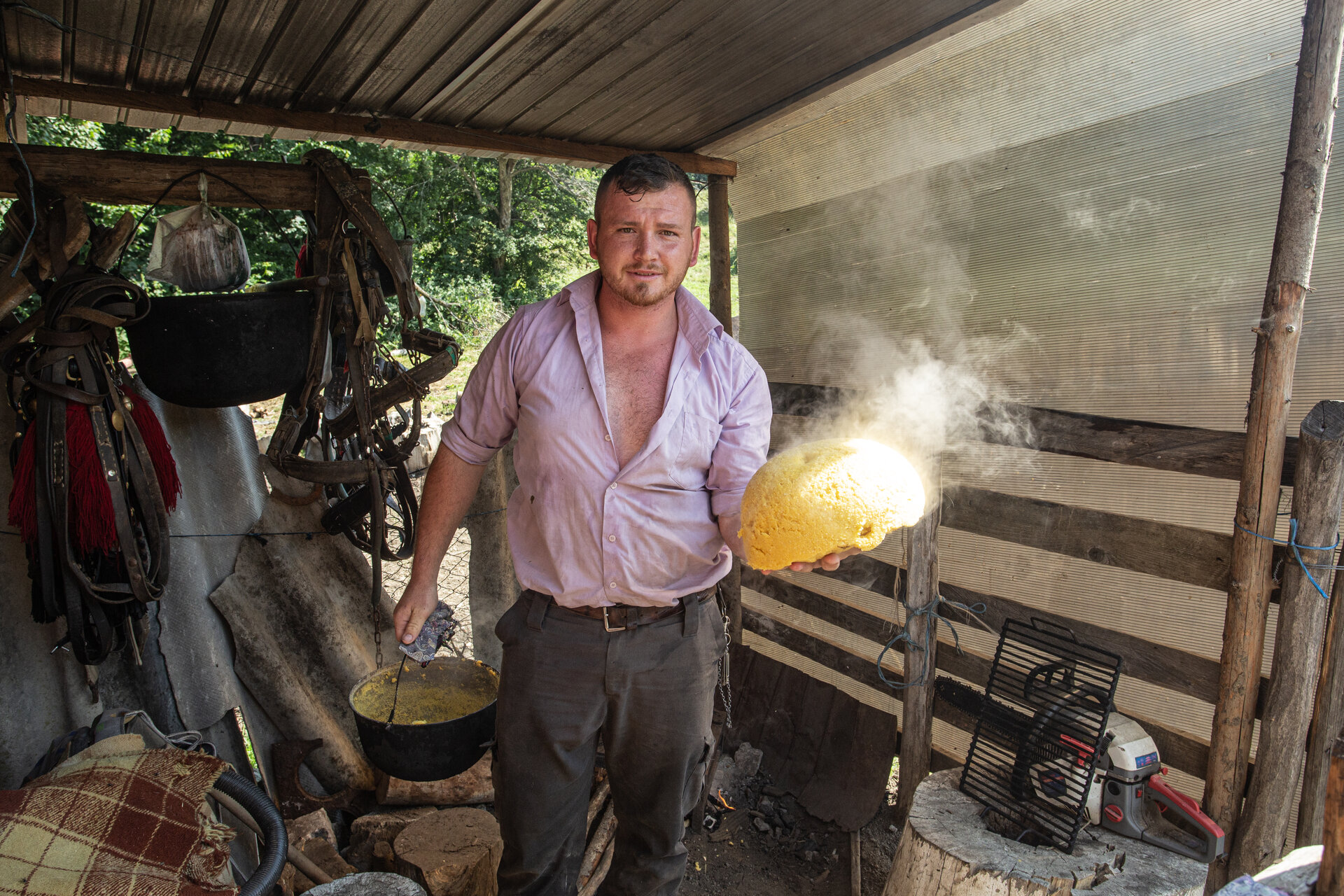
• Direct sourcing from village households, supporting animal farming and traditional mowing;
• Employing locals as craftsmen, guides, and maintenance staff;
• Organizing workshops and exhibitions for the village children and community.
Continuity
The project proposes a replicable model: a network of active rural hubs supported by an open digital platform, a media archive, and educational resources for rural schools. The ultimate goal is to reintegrate the hodăi into contemporary life, acting as bridges between urban and rural environments.
Architecture and Experiments
- A Roof for St. Michael / Ein Dach für die Burgkirche
- ARCHY FEST_QUINETWORK 2026
- Civic Bucharest
- (H)ODAIA – A Rural Hub for the Rehabilitation of Cultural Landscapes
- Model 10
- Workshop AI in Architecture
- Video Mapping and Heritage. Empúries, Costa Brava: ancient ruins, media, and artificial intelligence
- GEMA – Geometric Experimentation with Architectural Morphology. A European Experience
- I can’t talk right now. I’m busy
- Disco Blast
- Limanu Summer School 2026 – Multicultural Heritage on the Edge
- Bucium Summer University 2026, 14th Edition. Safeguarding Rural Heritage through Education
- Camping and Research Kit on Șimian Island
- Cantacuzino Estate Summer School 2026, 8th Edition


