Cantacuzino Estate Summer School 2026, 8th Edition
Authors’ Comment
CANTACUZINO ESTATE SUMMER SCHOOL, FLOREȘTI – 8th EDITION, 2026
Heritage as a Laboratory for Research, Restoration and Experimentation
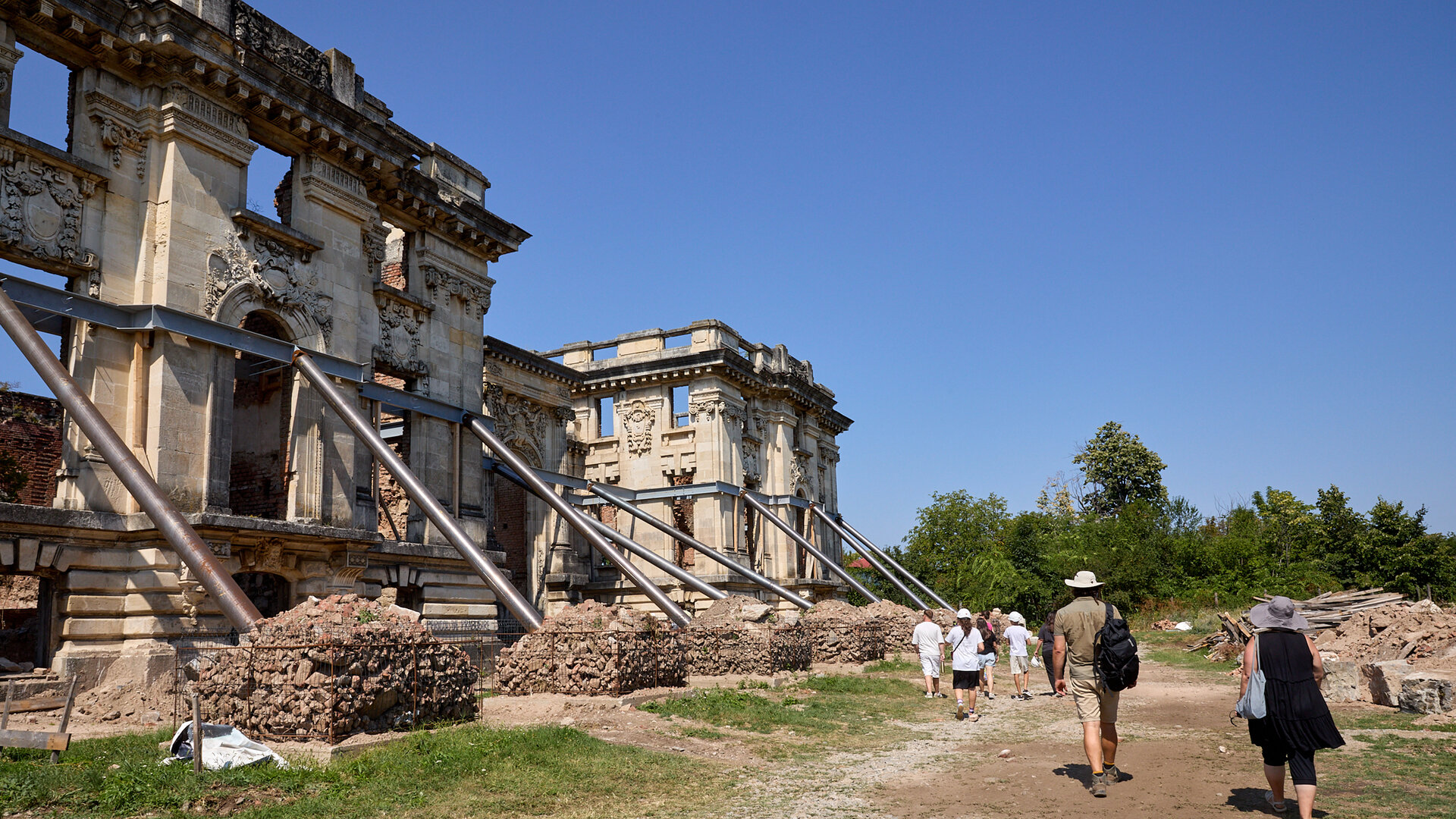
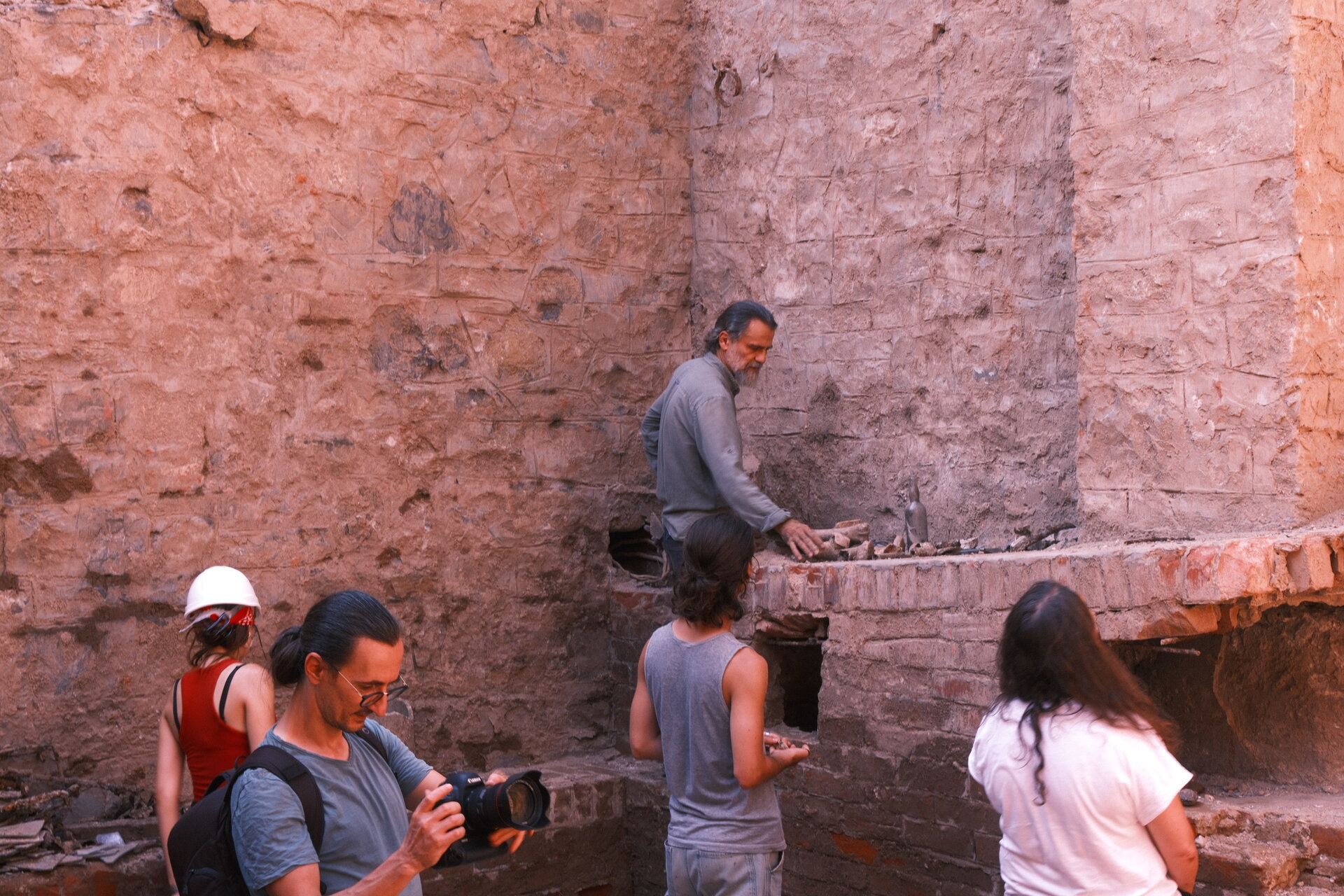
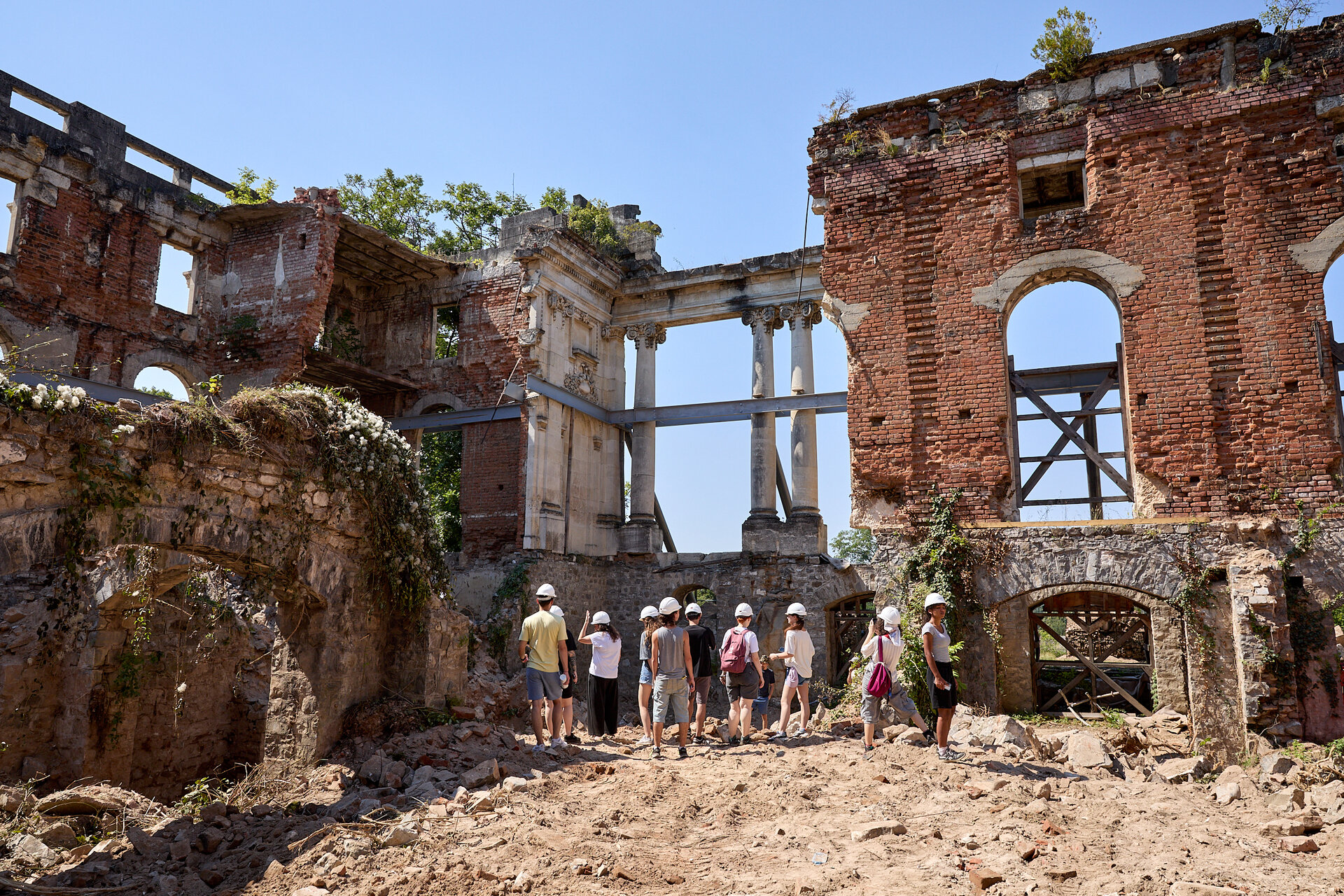
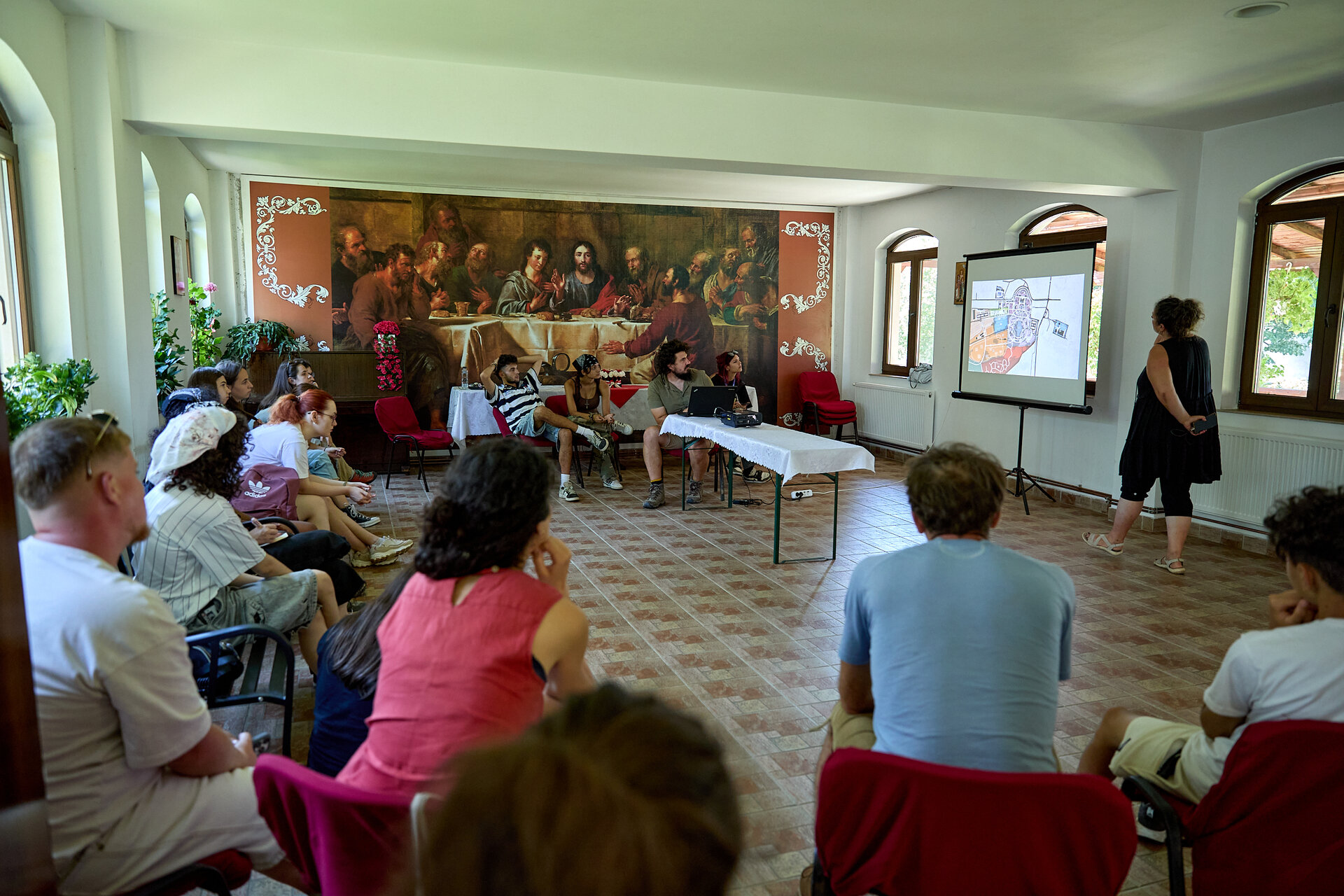
The eighth edition of the Cantacuzino Estate Summer School in Florești continued the programme of applied research and education initiated in 2019, using the historic ensemble and its park as an open laboratory for understanding heritage. In 2026, the activities focused particularly on the direct relationship between architectural research and the restoration site, offering students the opportunity to observe real processes of conservation, intervention and recovery of historic fabric.
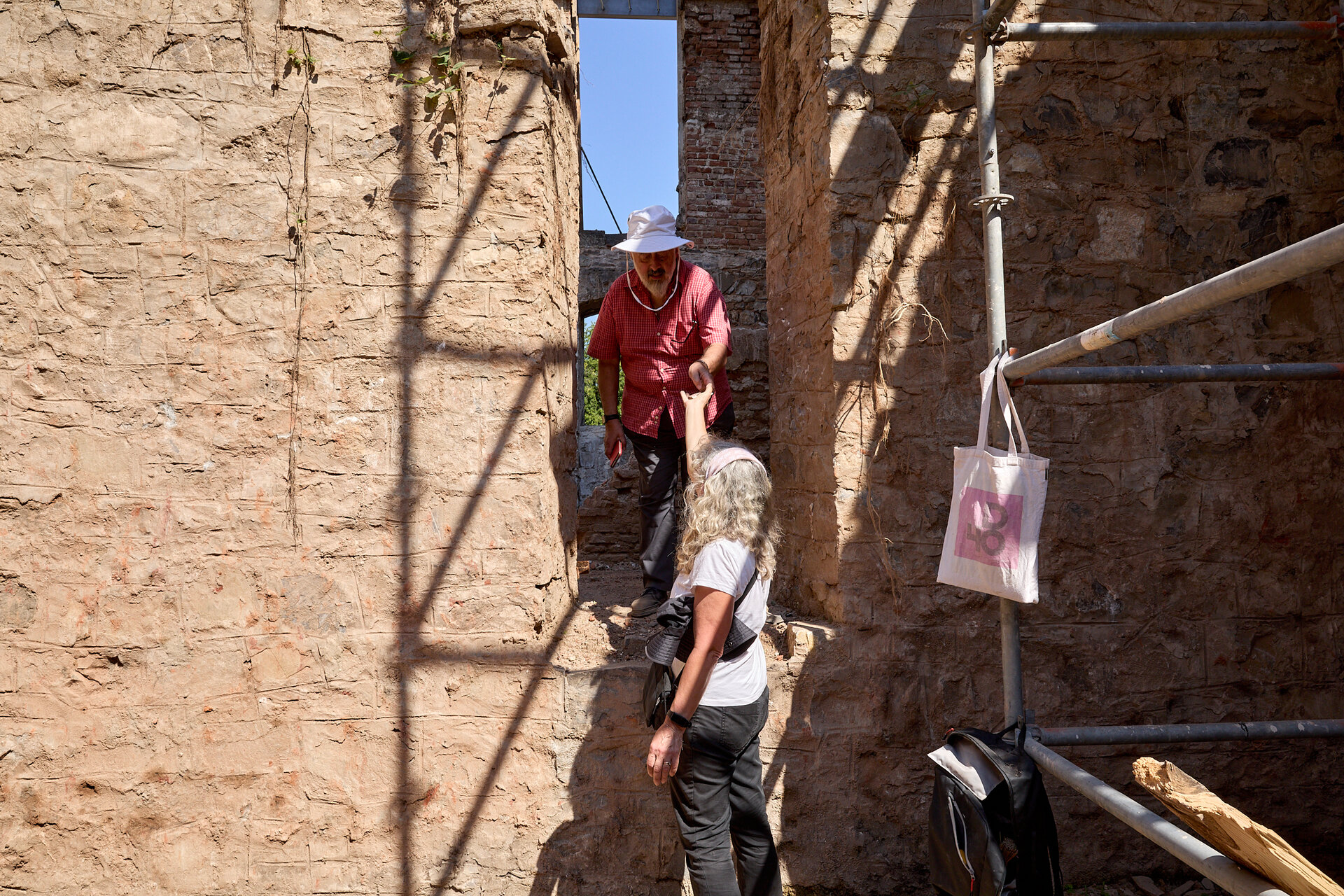
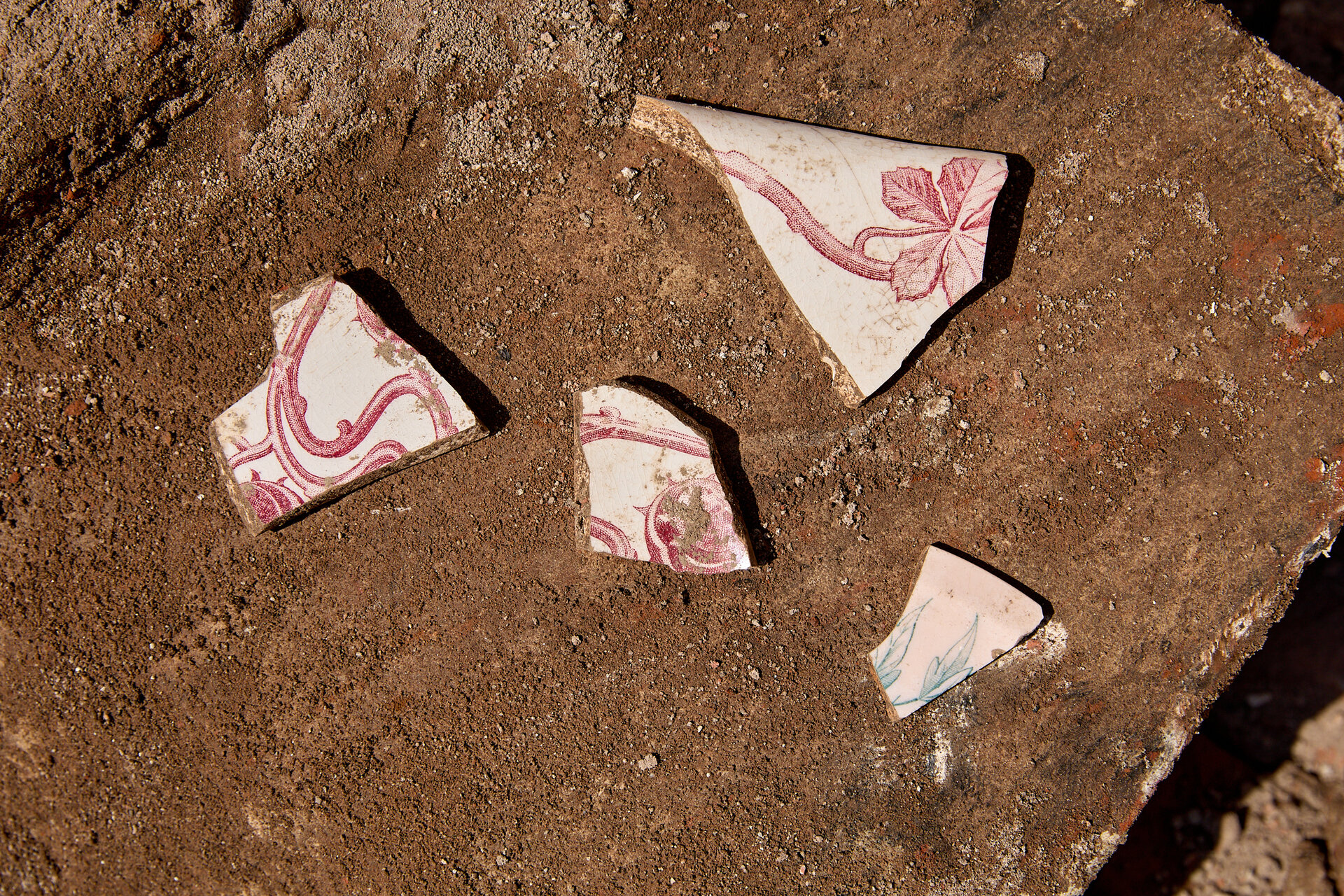
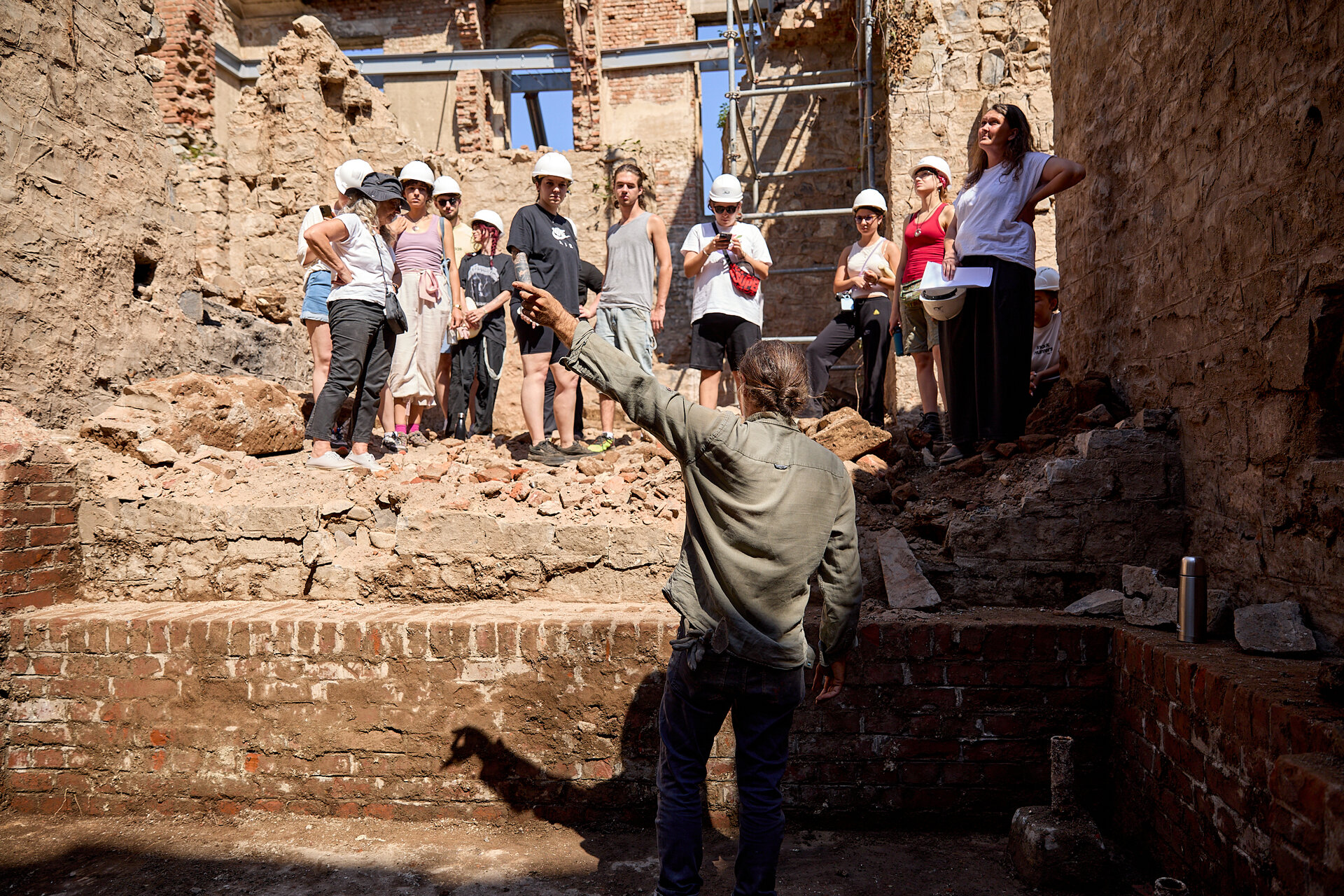
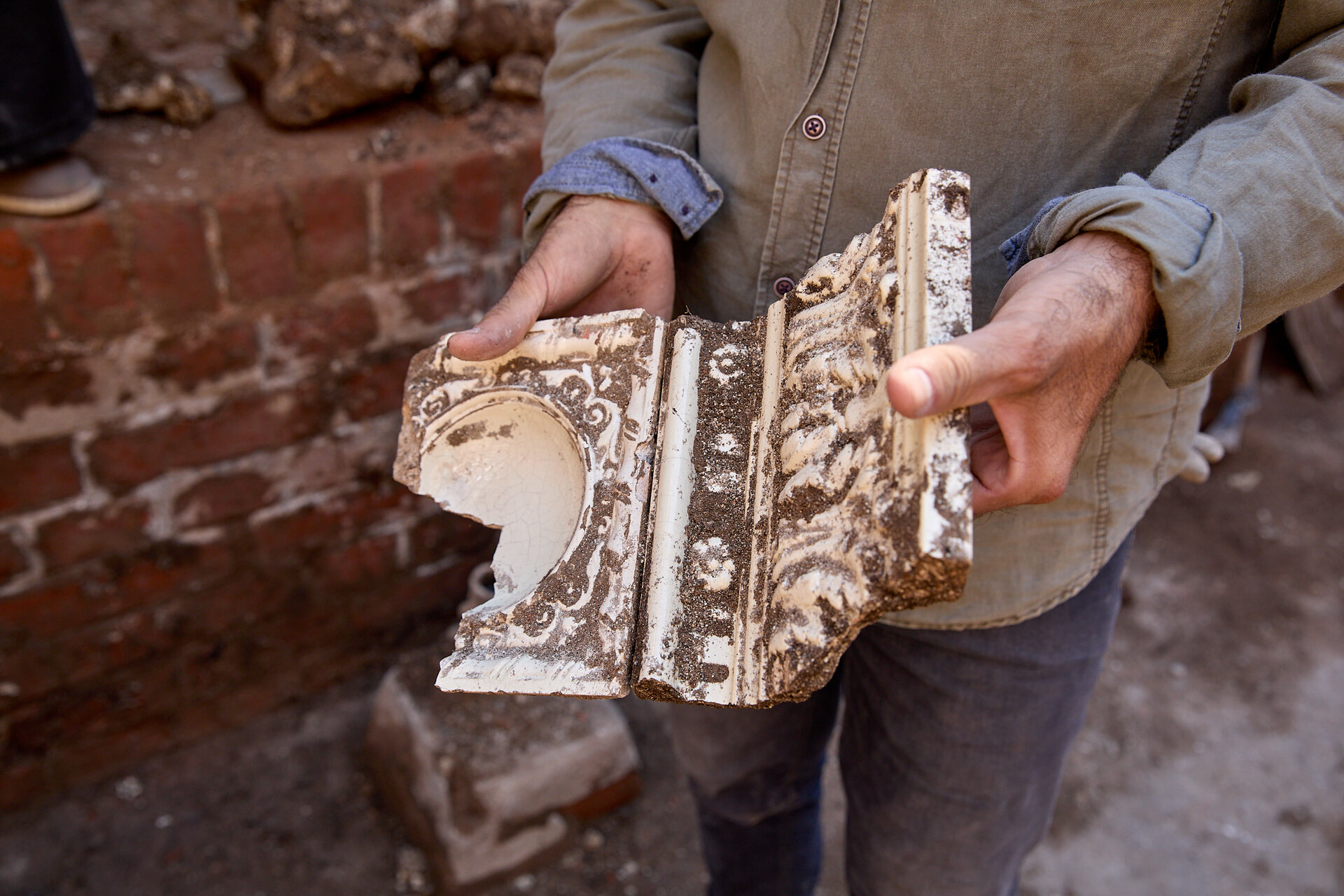
The presence of an active restoration site made it possible to move beyond a purely theoretical exercise. Buildings, materials and forms of deterioration were analysed directly through observation, discussions with specialists and close examination of the successive stages of intervention. Students were able to understand how the reading of a historic building precedes any restoration decision: identifying original materials, recognising later transformations, assessing deterioration, and distinguishing between elements that need to be conserved, repaired or completed. The restoration site thus became a pedagogical tool in which design, research and execution could be examined simultaneously.
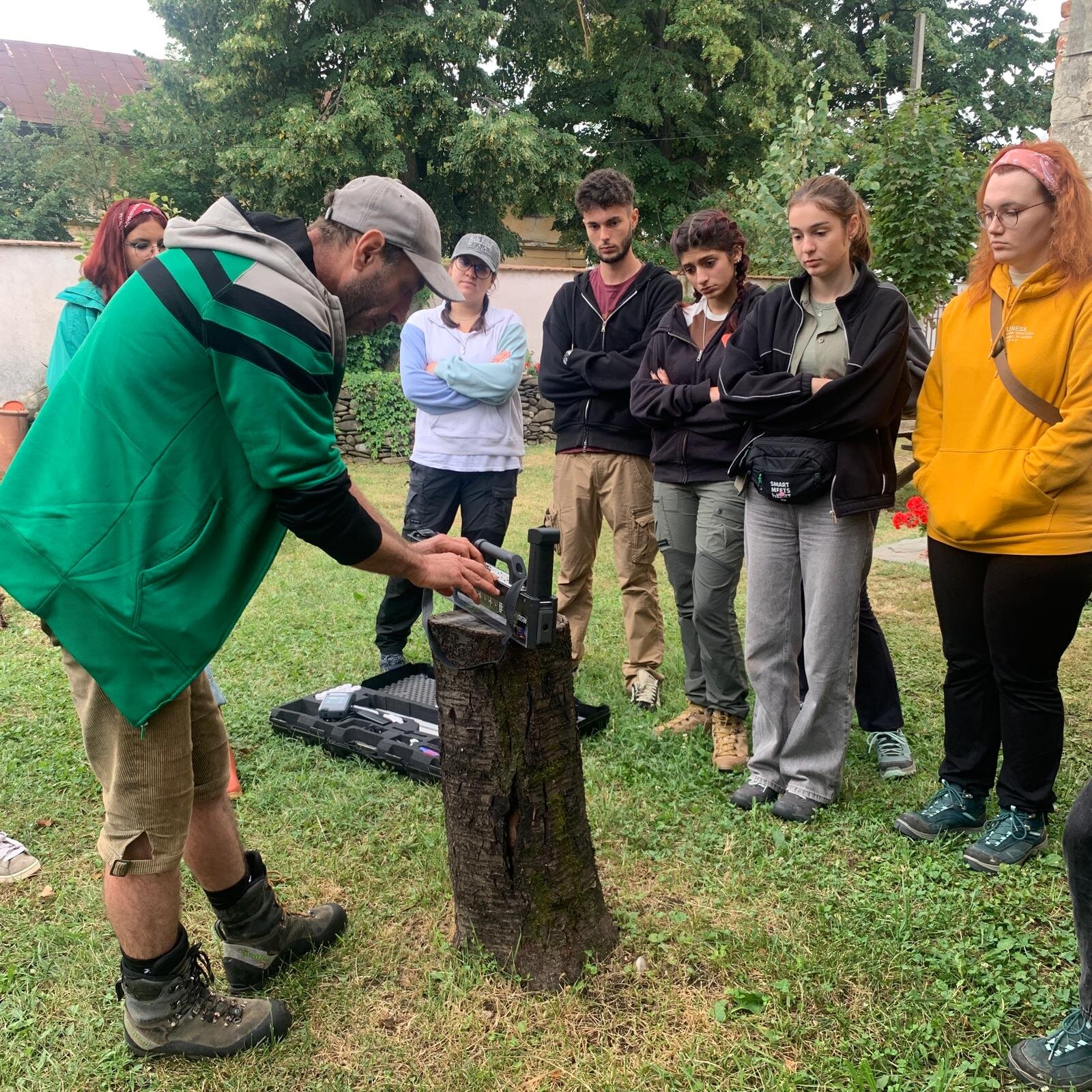
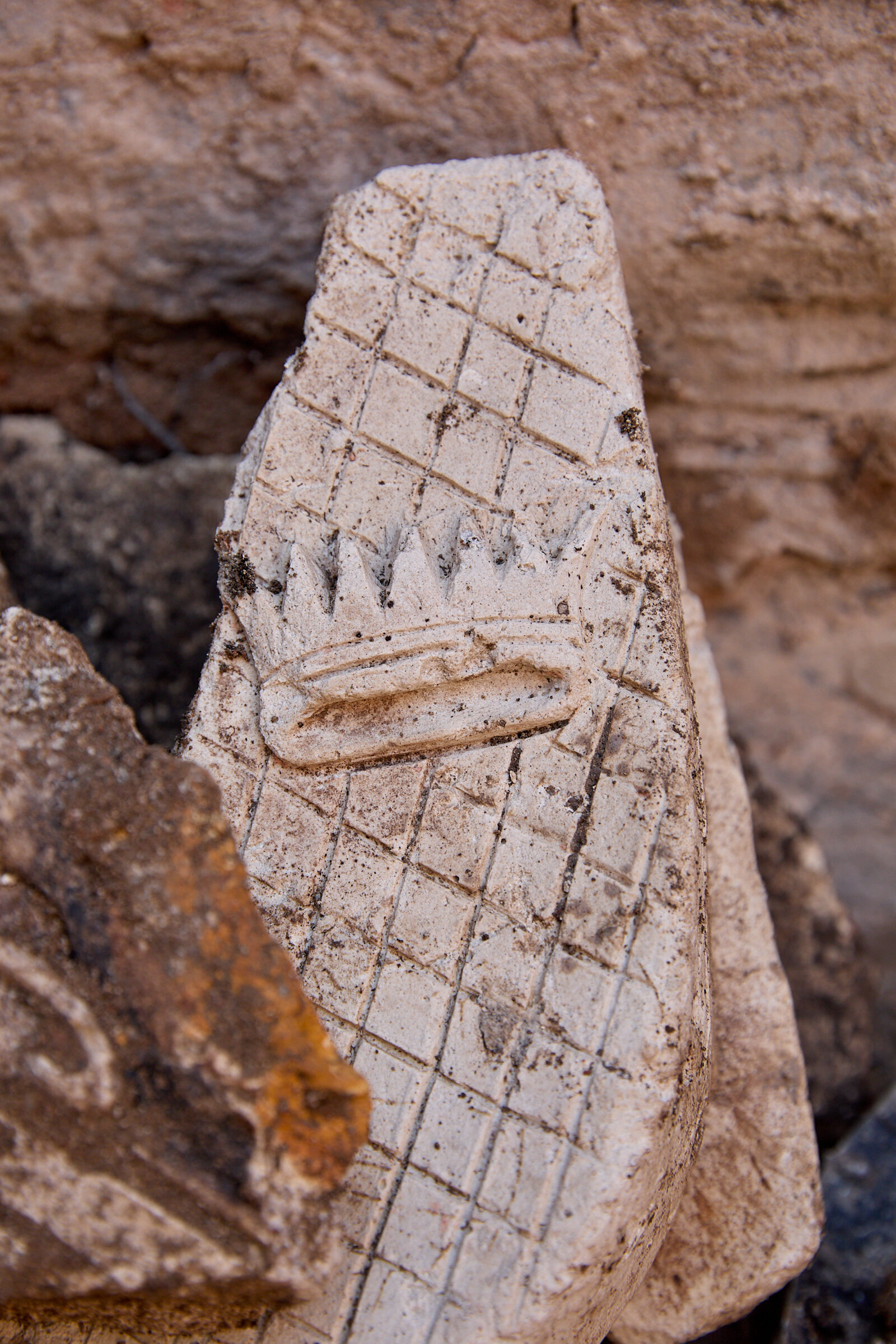
A central place in the programme was occupied by the stone masonry workshop, organised in direct relation to the material character of the ensemble and to the restoration works in progress. Stone was approached not only as a building material, but also as a document of the building: through its texture, traces of workmanship, deterioration and methods of assembly, it preserves information about construction techniques and successive building phases. The workshop introduced participants to the properties of the material, traditional methods of working stone and the principles of interventions compatible with historic fabric.
Direct work with stone and specialist tools made it possible to understand the relationship between craftsmanship and the precision required in restoration. The observation of surfaces, edges, joints and traces of workmanship was complemented by practical exercises in which students experimented with stages of shaping and finishing. Direct contact with the material offered a perspective that cannot be fully acquired through drawings or technical documentation alone: the resistance of stone, the rhythm of the work, the behaviour of the material and the significance of every intervention on a historic surface.
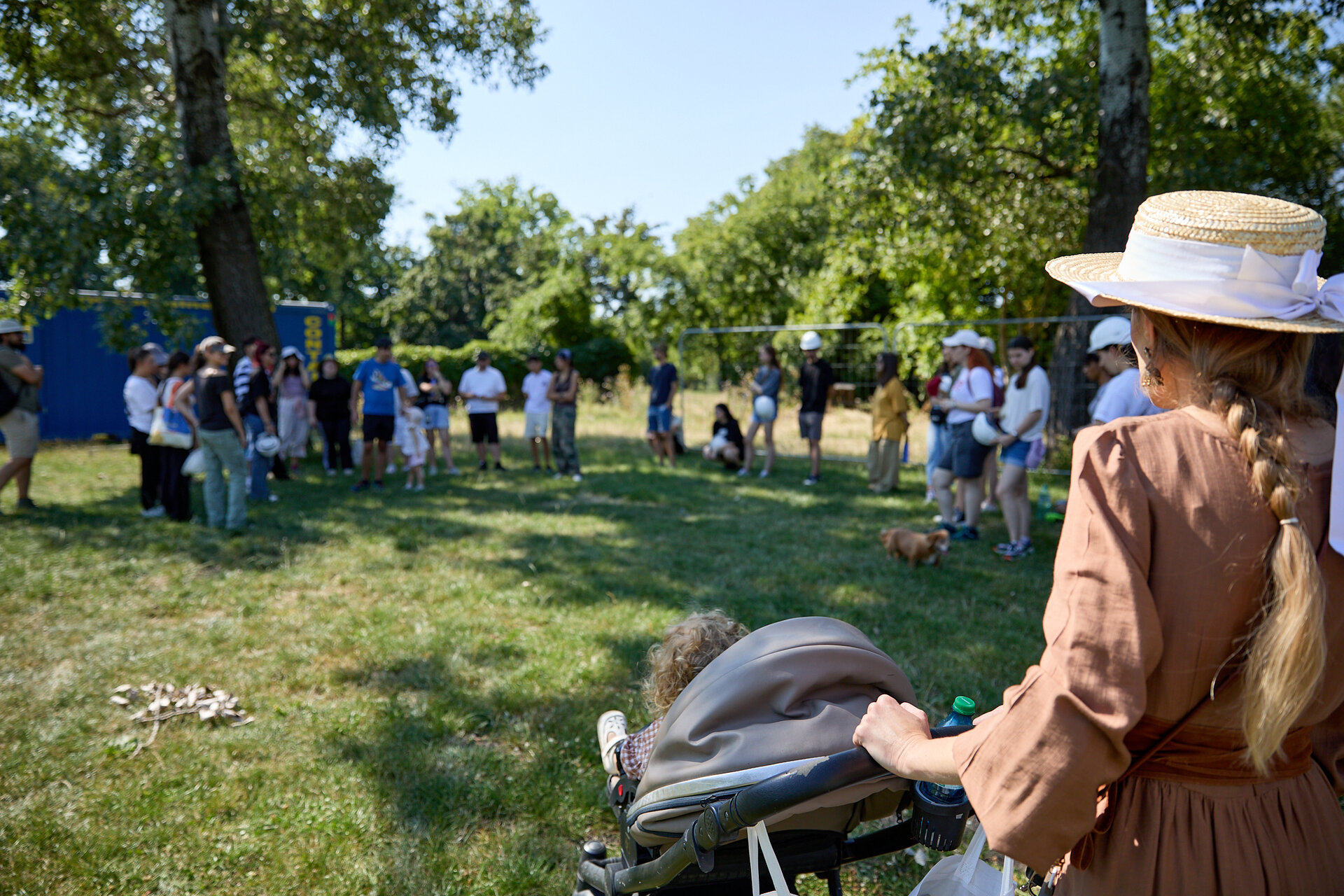
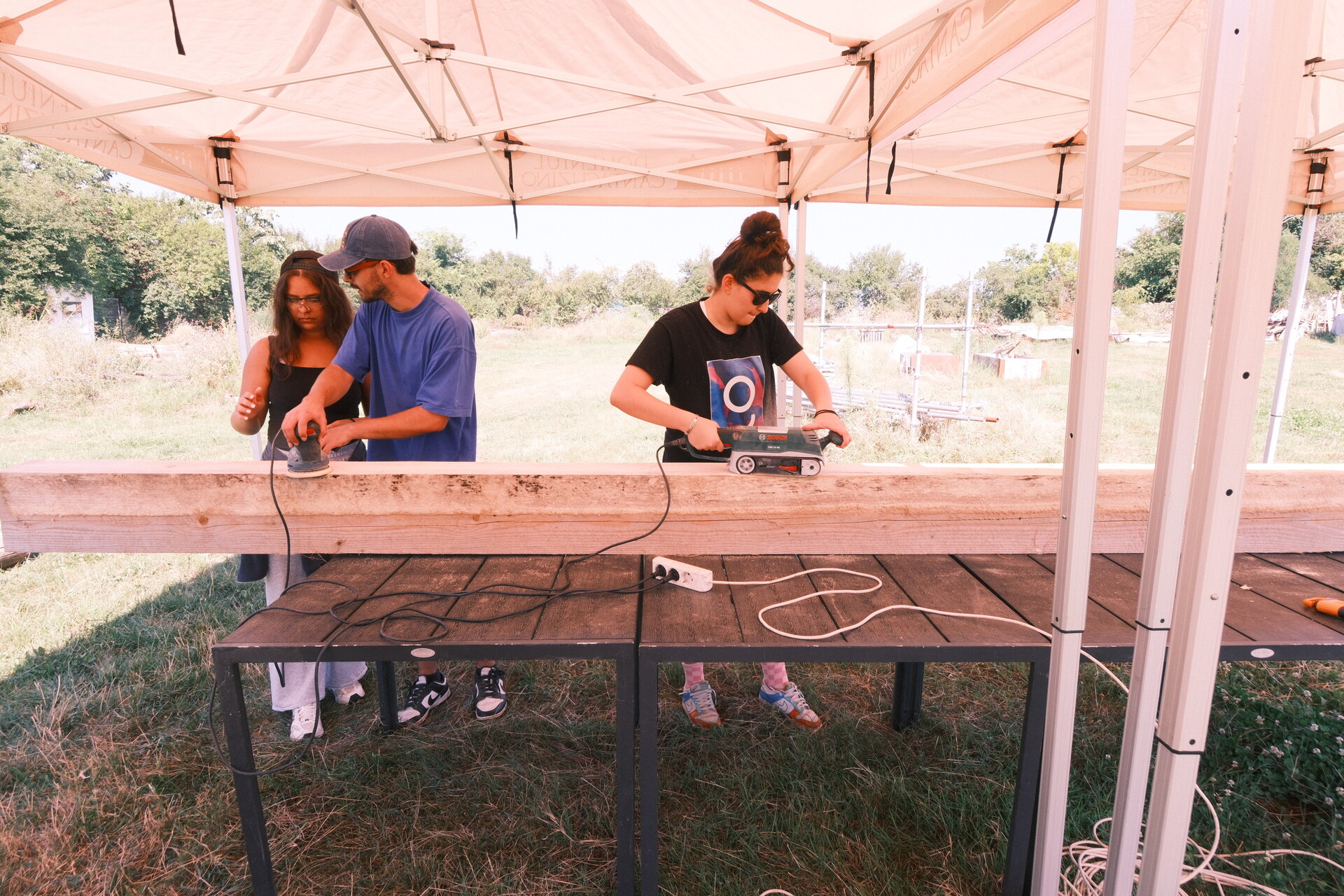
The programme was complemented by activities carried out in the historic park, where landscape research, observations on vegetation and mature trees, the analysis of relationships between buildings and outdoor spaces, and temporary interventions extended the understanding of heritage from the architectural object to the wider cultural ensemble. Experimental projects and pieces of furniture developed within the Summer School explored reversible and non-invasive interventions, adapted both to the historic character of the site and to its contemporary use.
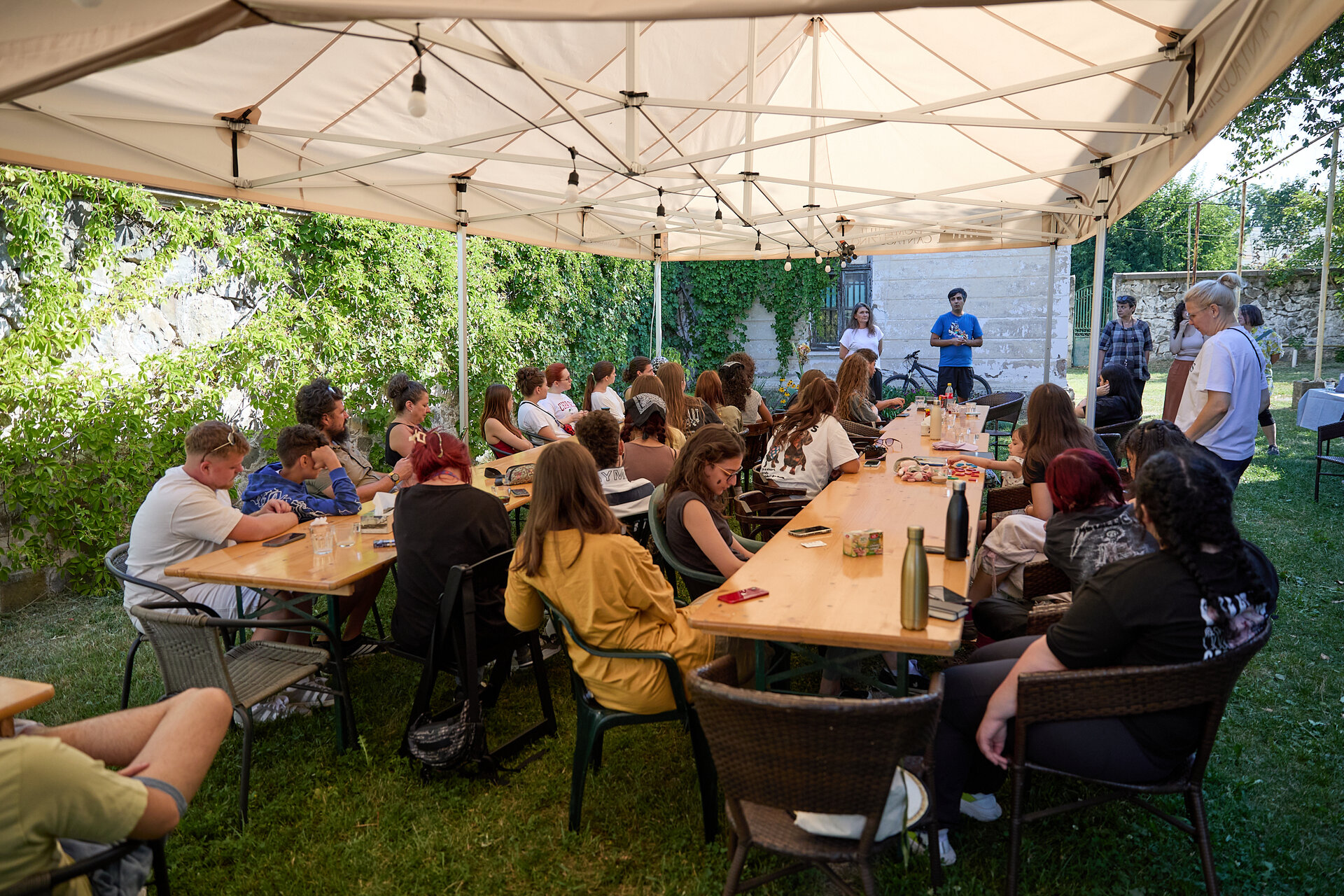
By bringing research, construction-site experience and practical work into close relation, the 2026 edition approached heritage as a process, rather than merely as an object of study. Restoration became visible and intelligible, material became an instrument of knowledge, and direct experience of the restoration site enabled students to understand the responsibility involved in intervening on historic architecture. In this context, the Summer School functions as a space of knowledge transfer between specialist, craftsperson and student, where learning is built through observation, dialogue and direct engagement with material.
Architecture and Experiments
- A Roof for St. Michael / Ein Dach für die Burgkirche
- ARCHY FEST_QUINETWORK 2026
- Civic Bucharest
- (H)ODAIA – A Rural Hub for the Rehabilitation of Cultural Landscapes
- Model 10
- Workshop AI in Architecture
- Video Mapping and Heritage. Empúries, Costa Brava: ancient ruins, media, and artificial intelligence
- GEMA – Geometric Experimentation with Architectural Morphology. A European Experience
- I can’t talk right now. I’m busy
- Disco Blast
- Limanu Summer School 2026 – Multicultural Heritage on the Edge
- Bucium Summer University 2026, 14th Edition. Safeguarding Rural Heritage through Education
- Camping and Research Kit on Șimian Island
- Cantacuzino Estate Summer School 2026, 8th Edition


