Video Mapping and Heritage. Empúries, Costa Brava: ancient ruins, media, and artificial intelligence
Authors’ Comment
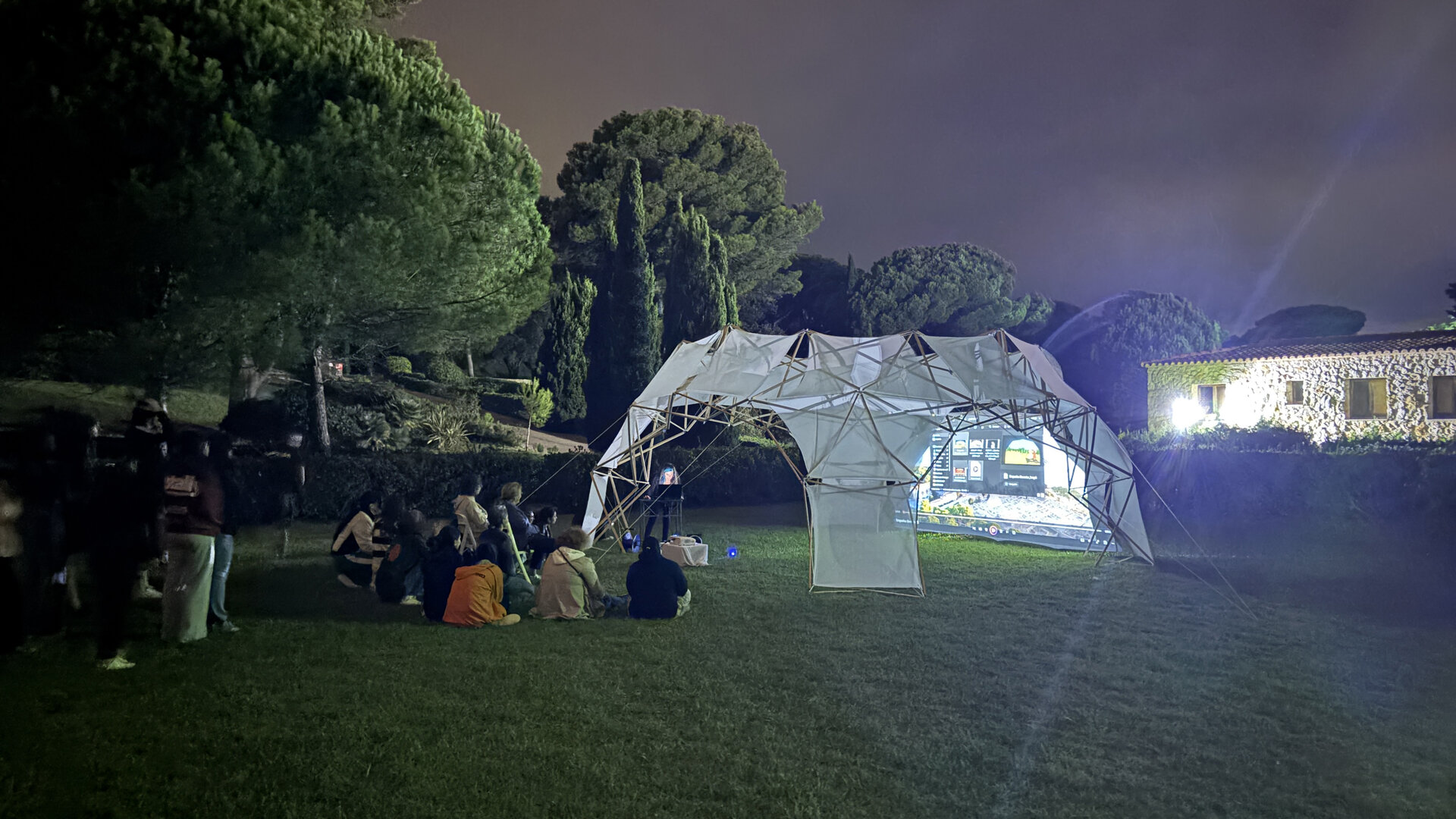
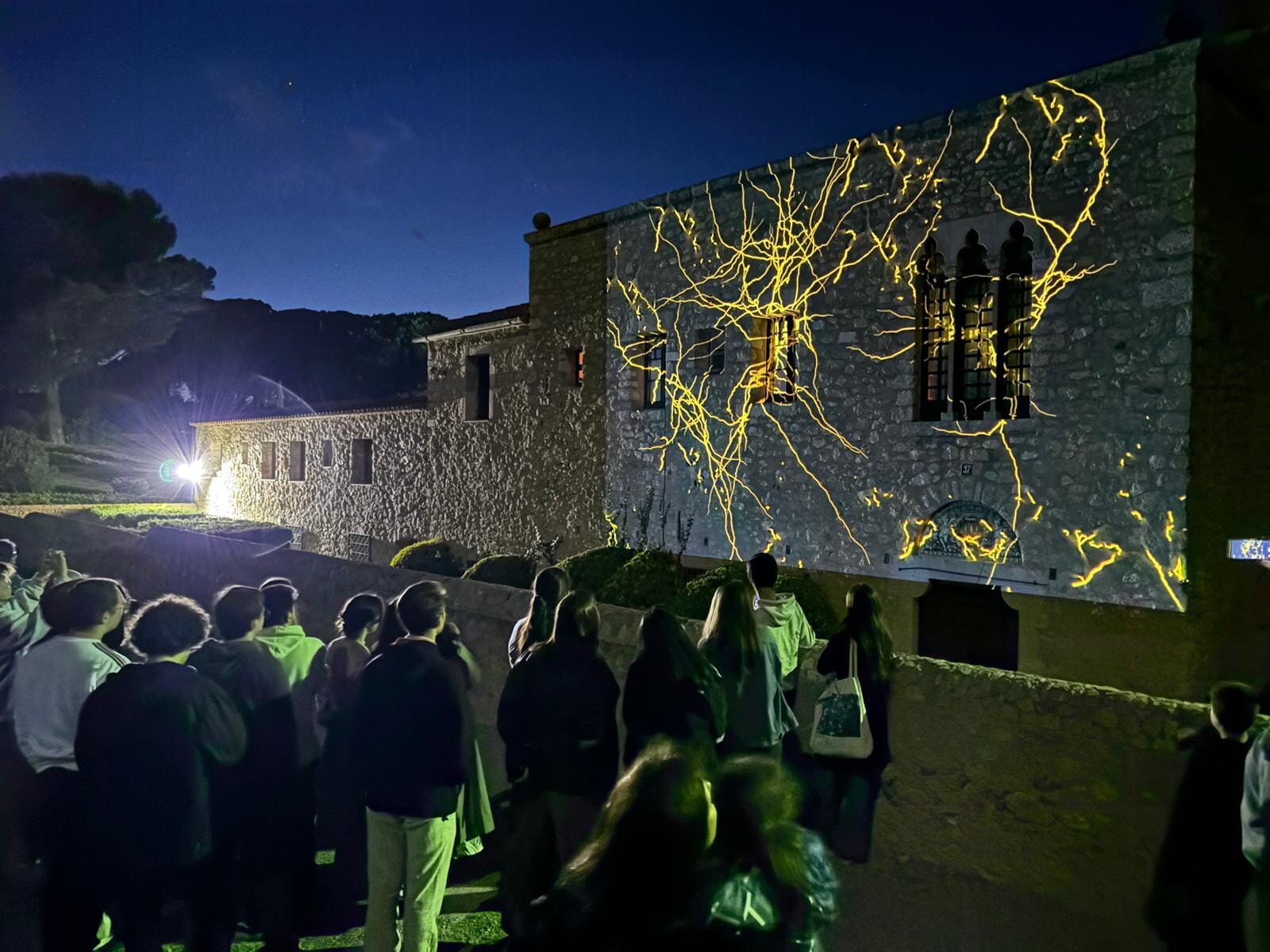
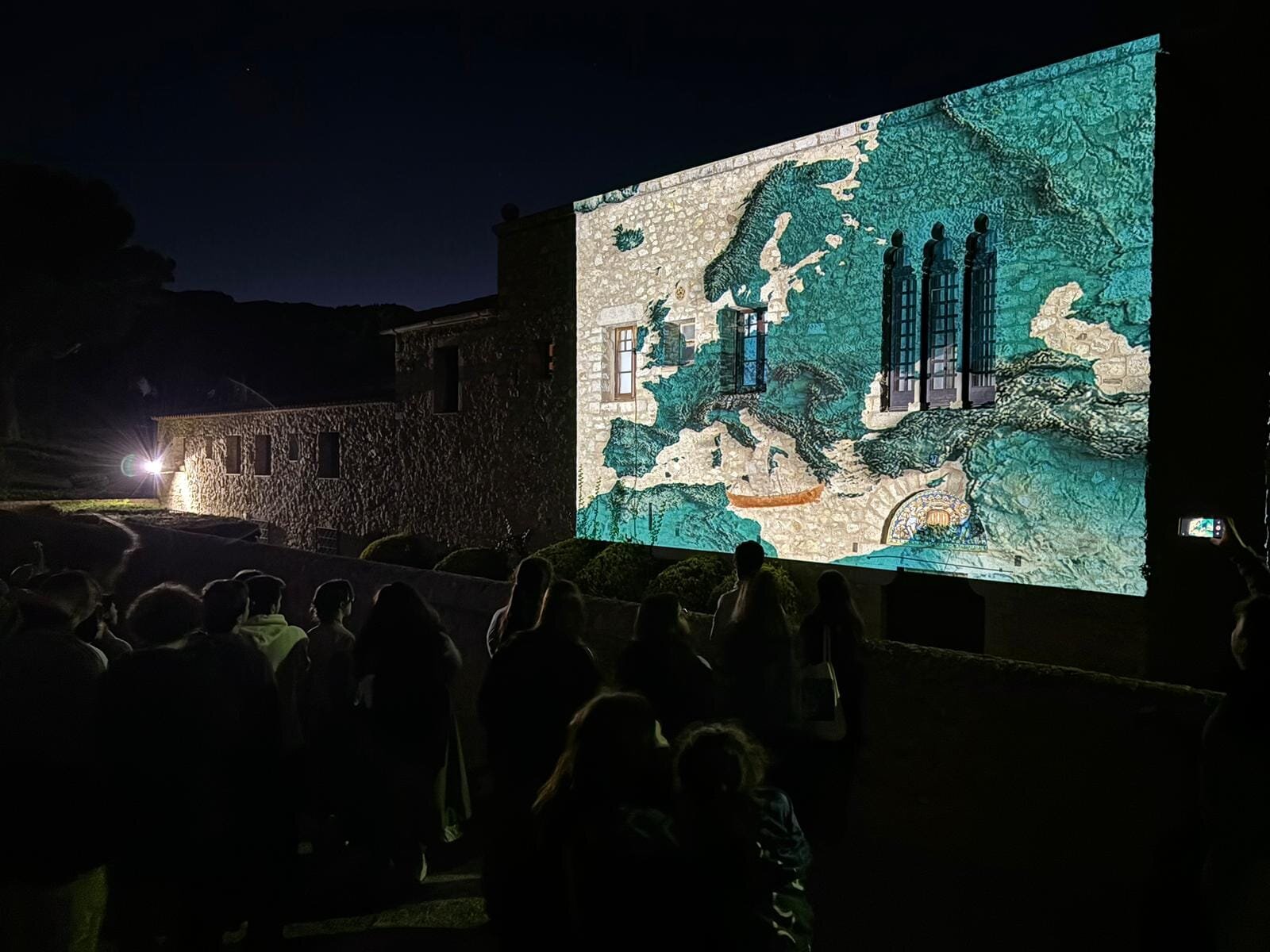
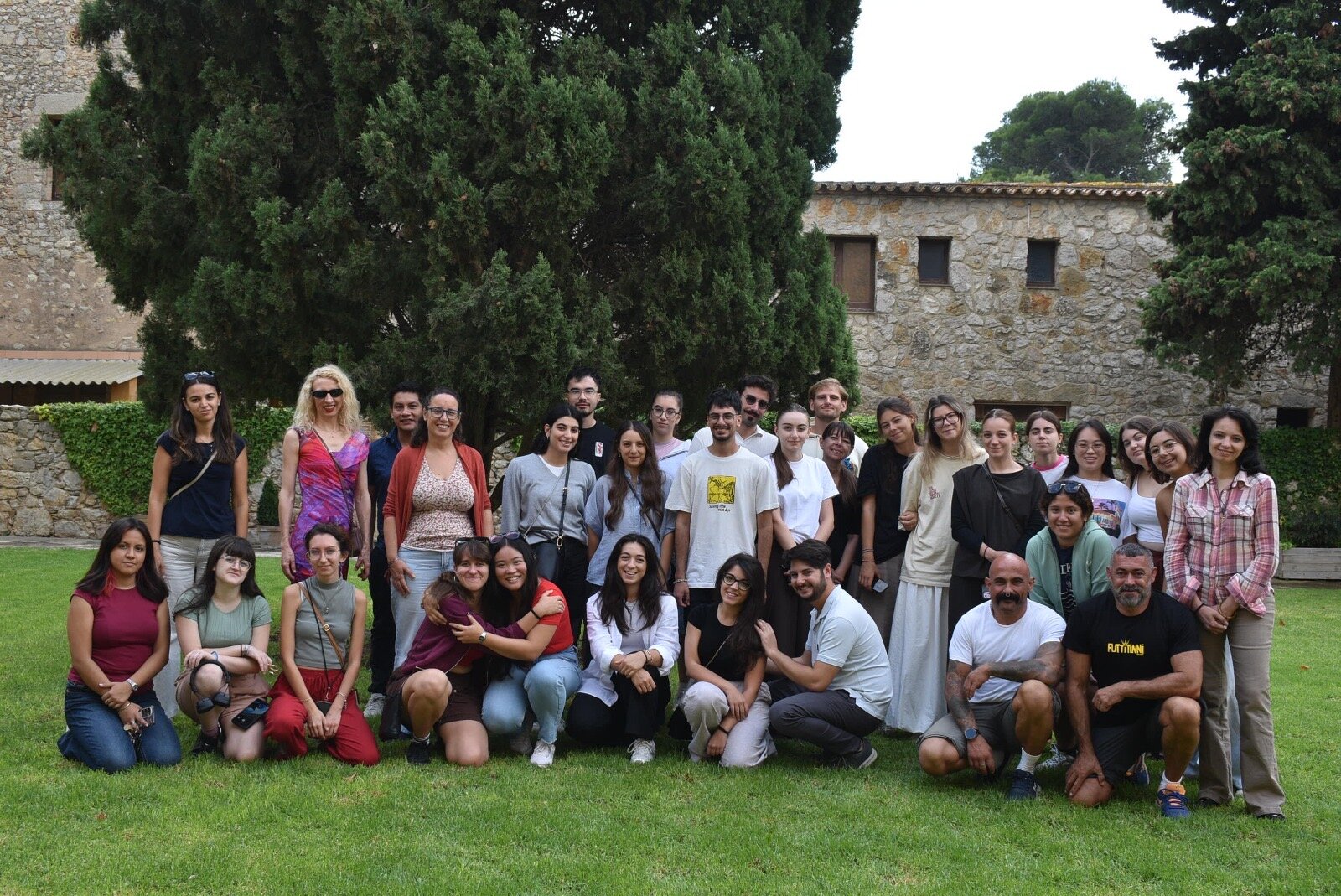
Video mapping is a challenging projection technique that transforms architectural surfaces—whether exterior or interior—into canvases for digital imagery, thereby creating a fascinating media reality that blends the built environment with the ephemeral nature of the projection. Combining this technique with an ancient archaeological setting represents the ultimate challenge, and this is precisely the aim of the workshops organized at the Greco-Roman archaeological site of Empúries (Emporion) on the Costa Brava, along the Mediterranean coast. These activities are organized annually by the Escola Tècnica Superior d’Arquitectura de Barcelona (ETSAB) in partnership with the Archaeological Museum of Catalonia, which manages the site. UAUIM has been a regular partner since 2024, marking its fourth year of participation (April 2024, September 2024, September 2025, and September 2026).
Each workshop featured a distinct theme—ranging from history and architecture to archaeology and mythology—transforming every event into a standalone research project that culminated in a spectacular finale: the projections showcased on the closing night.
The four workshops attended by UAUIM covered the following themes:
The Wine Route to the Costa Brava (8th edition), April 2024 – hosted by the Archaeological Museum of Empúries.
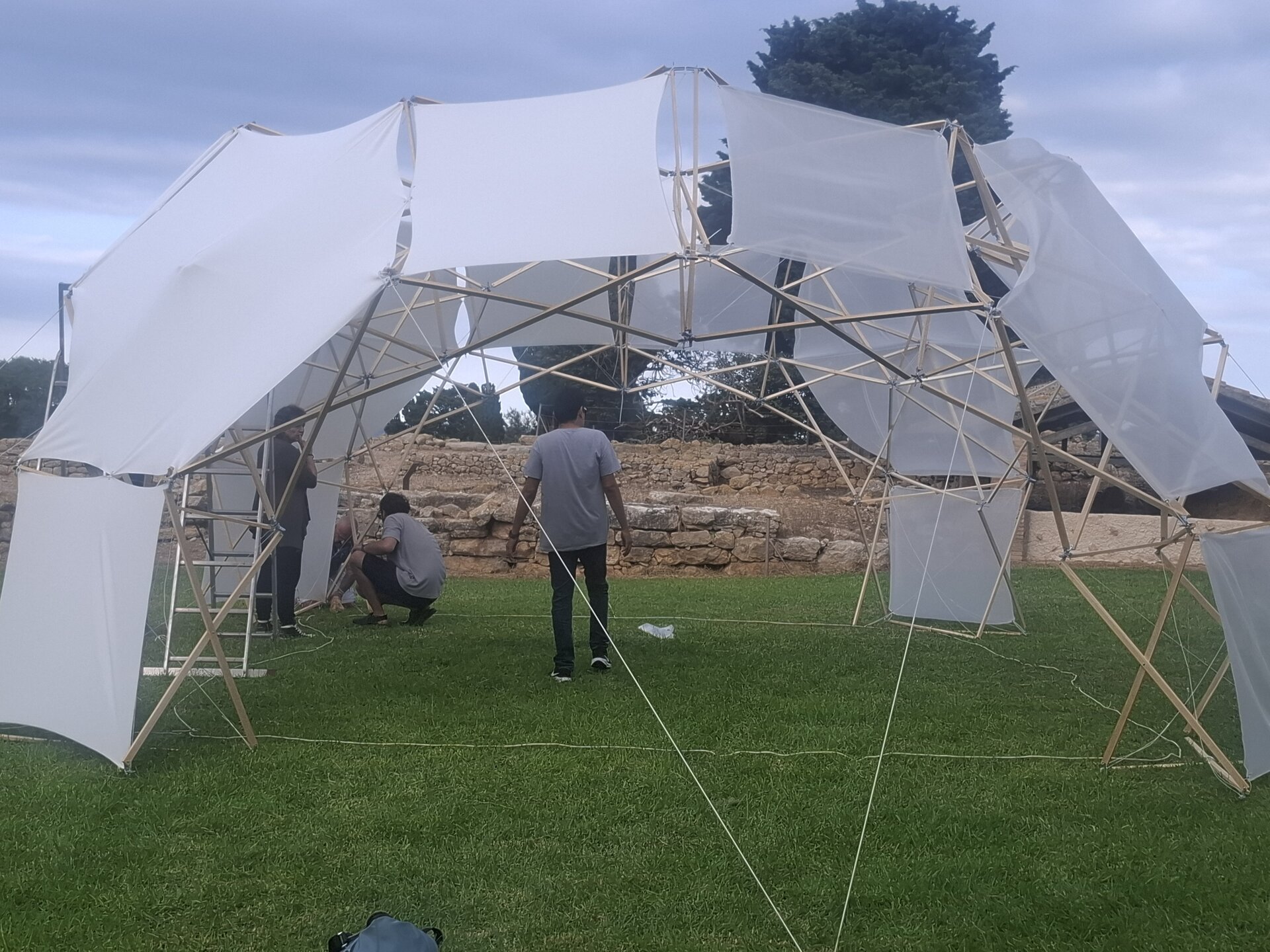
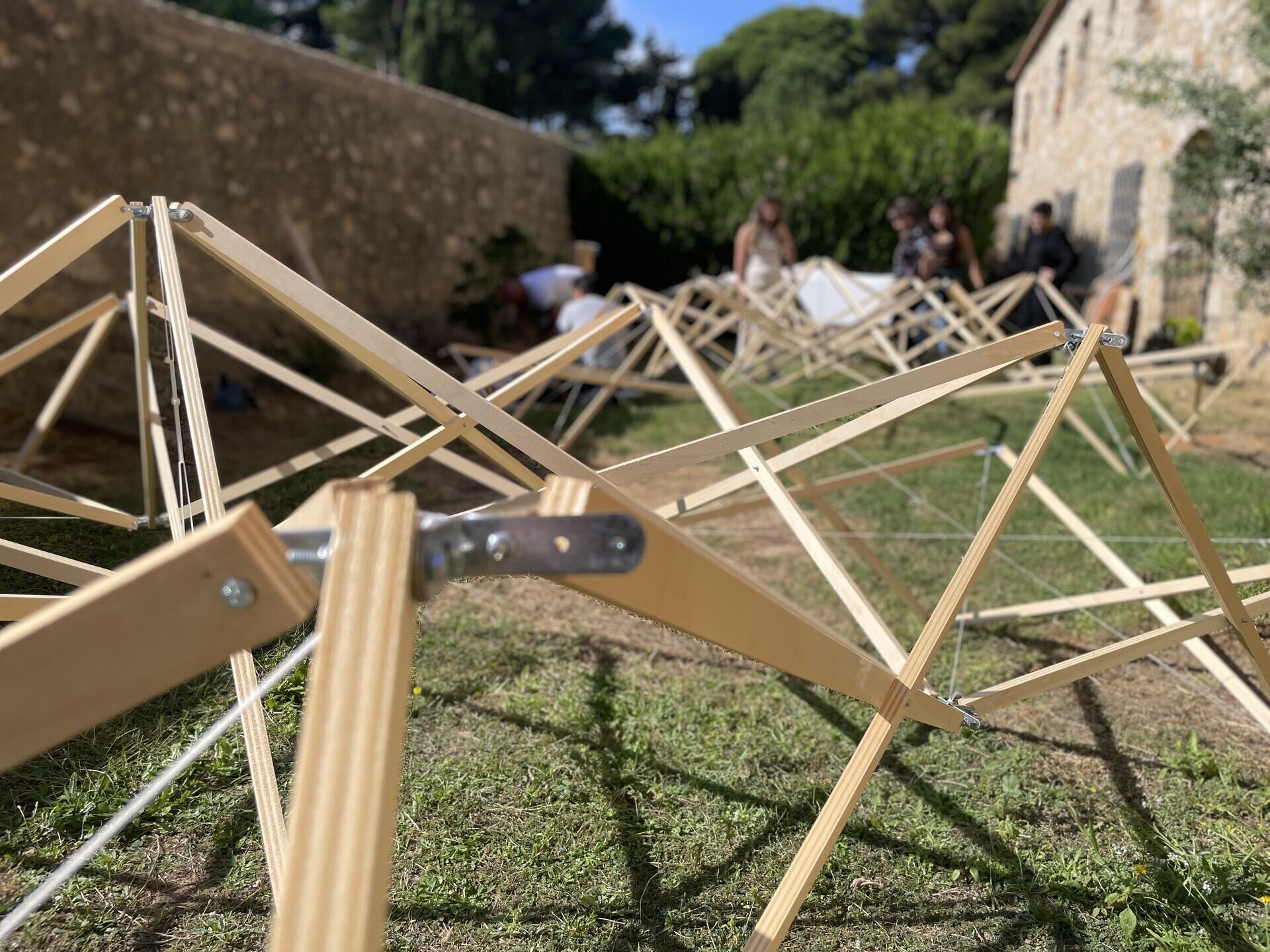
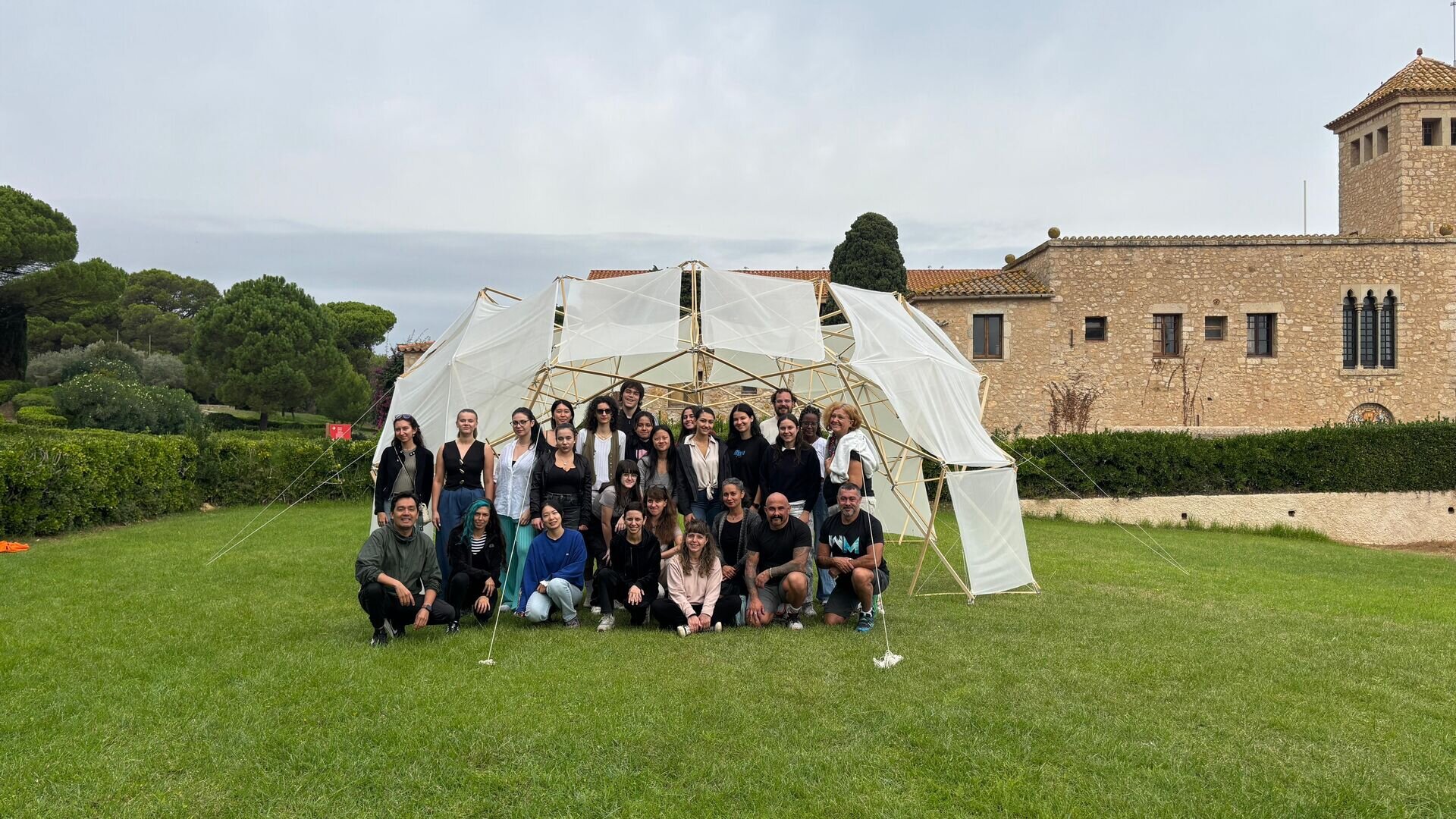
Parametric Design of a Geometric Structure, September 2024 (an additional edition) – aimed at assembling a central geometric structure designed using parametric methods and composed of wood and fabric elements, which served as a support for subsequent editions.
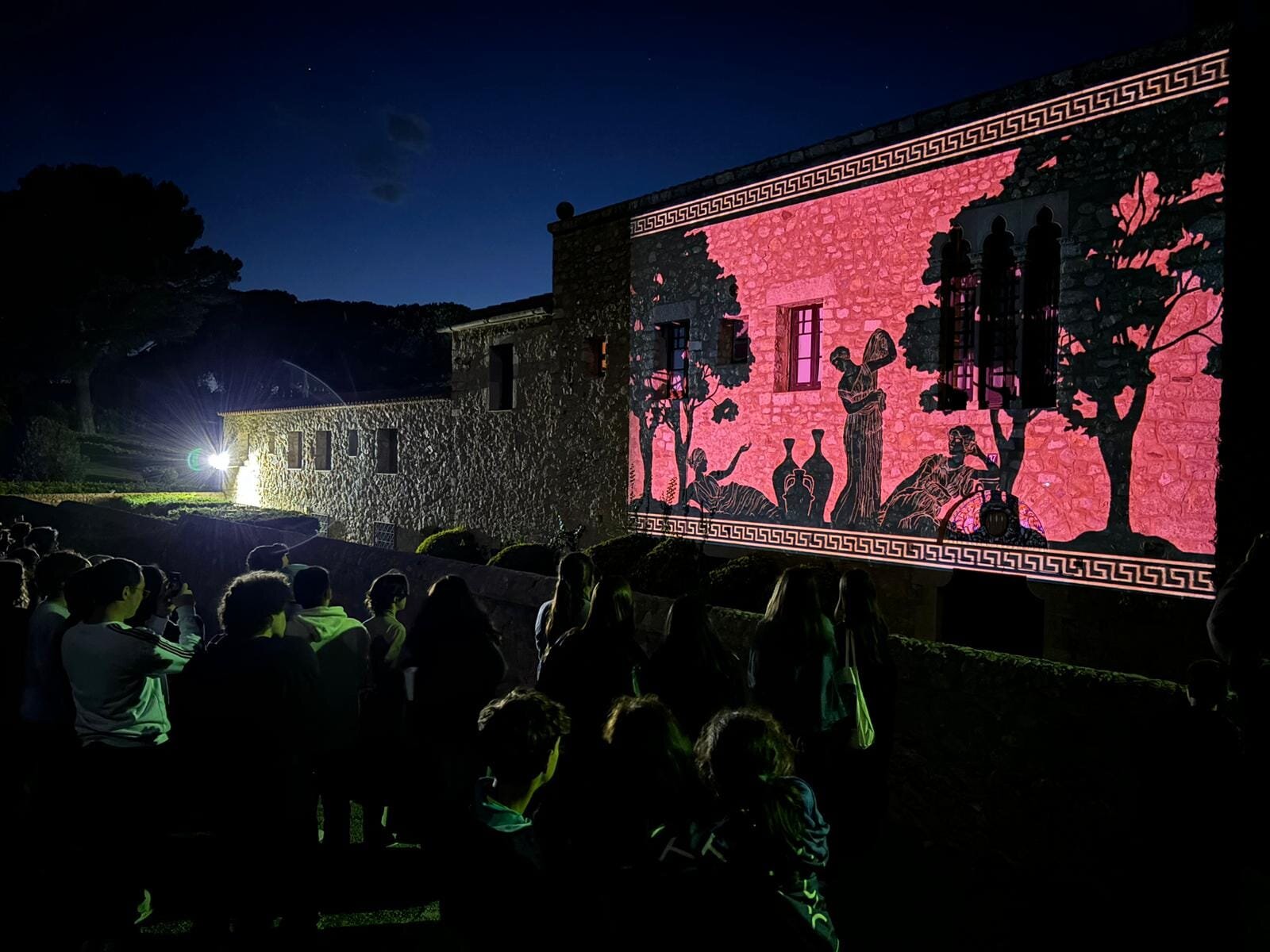
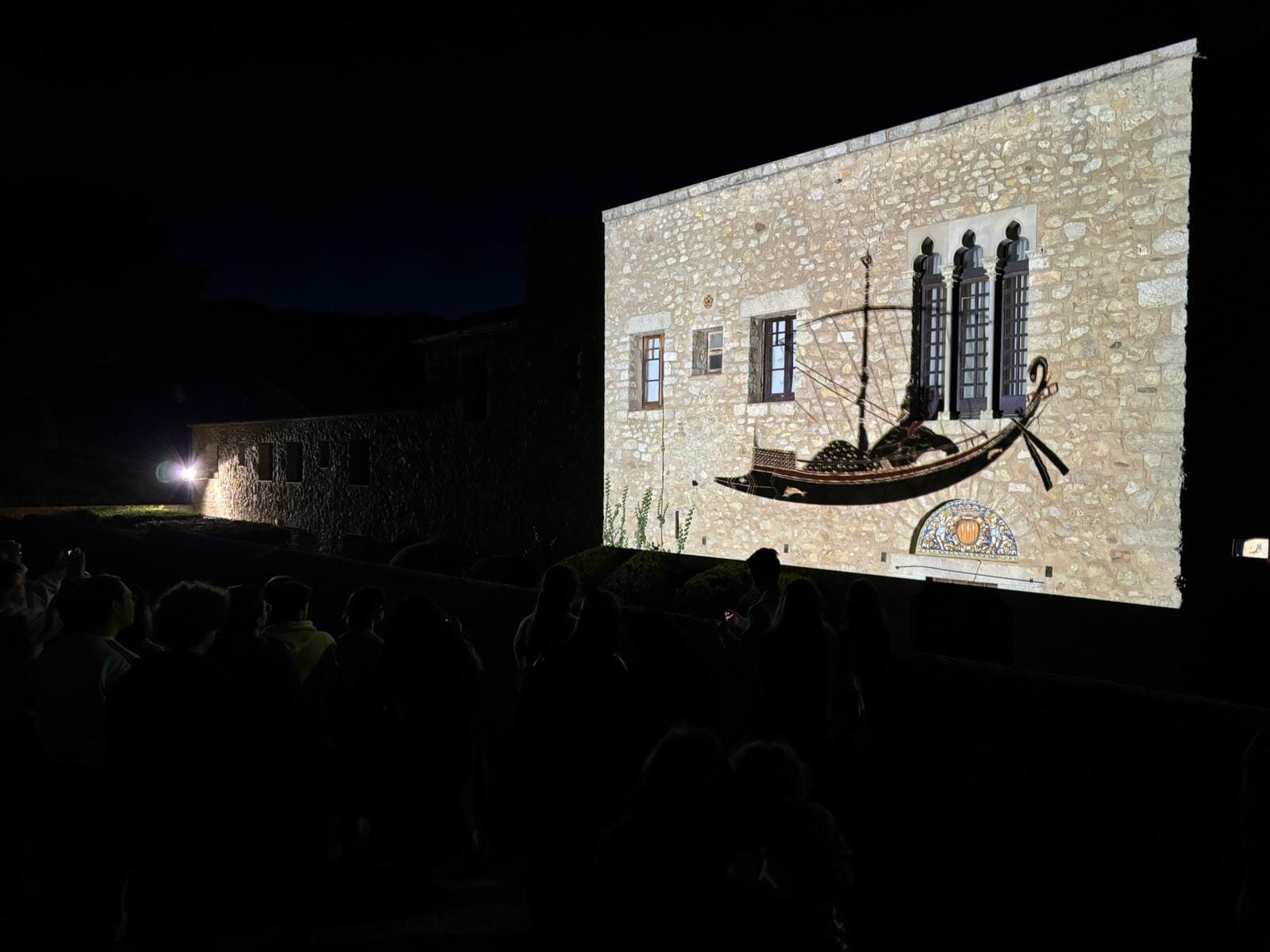
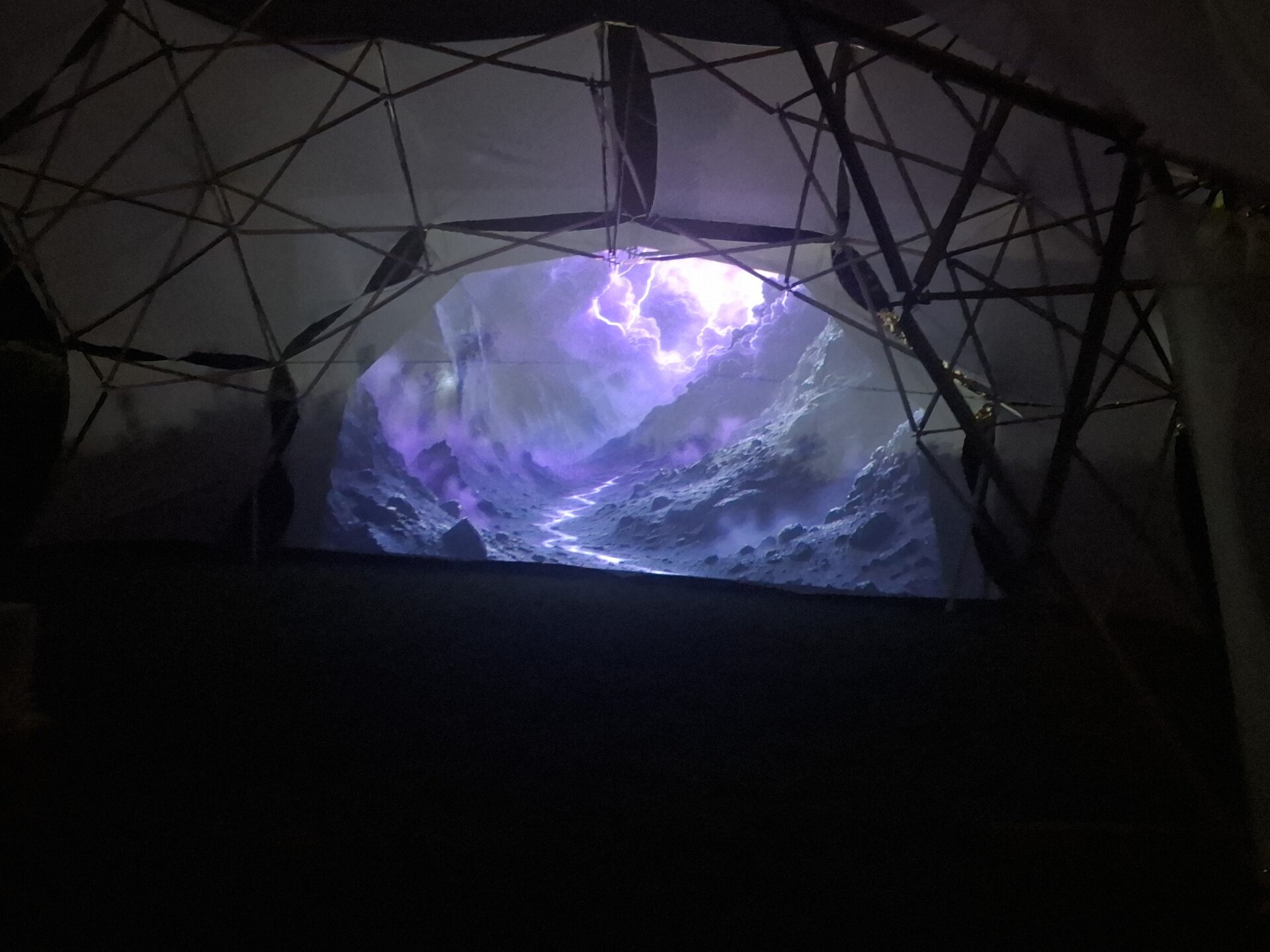
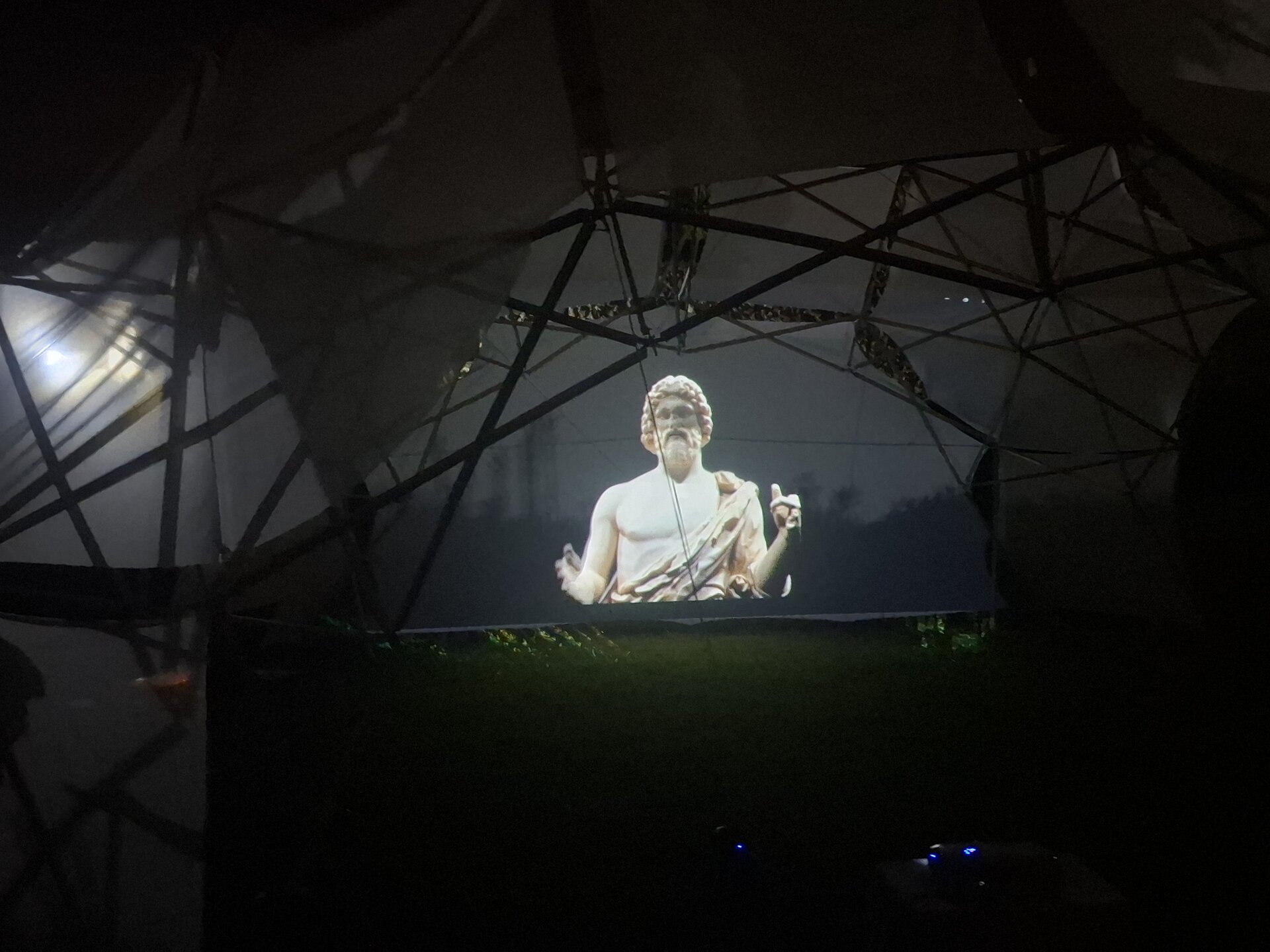
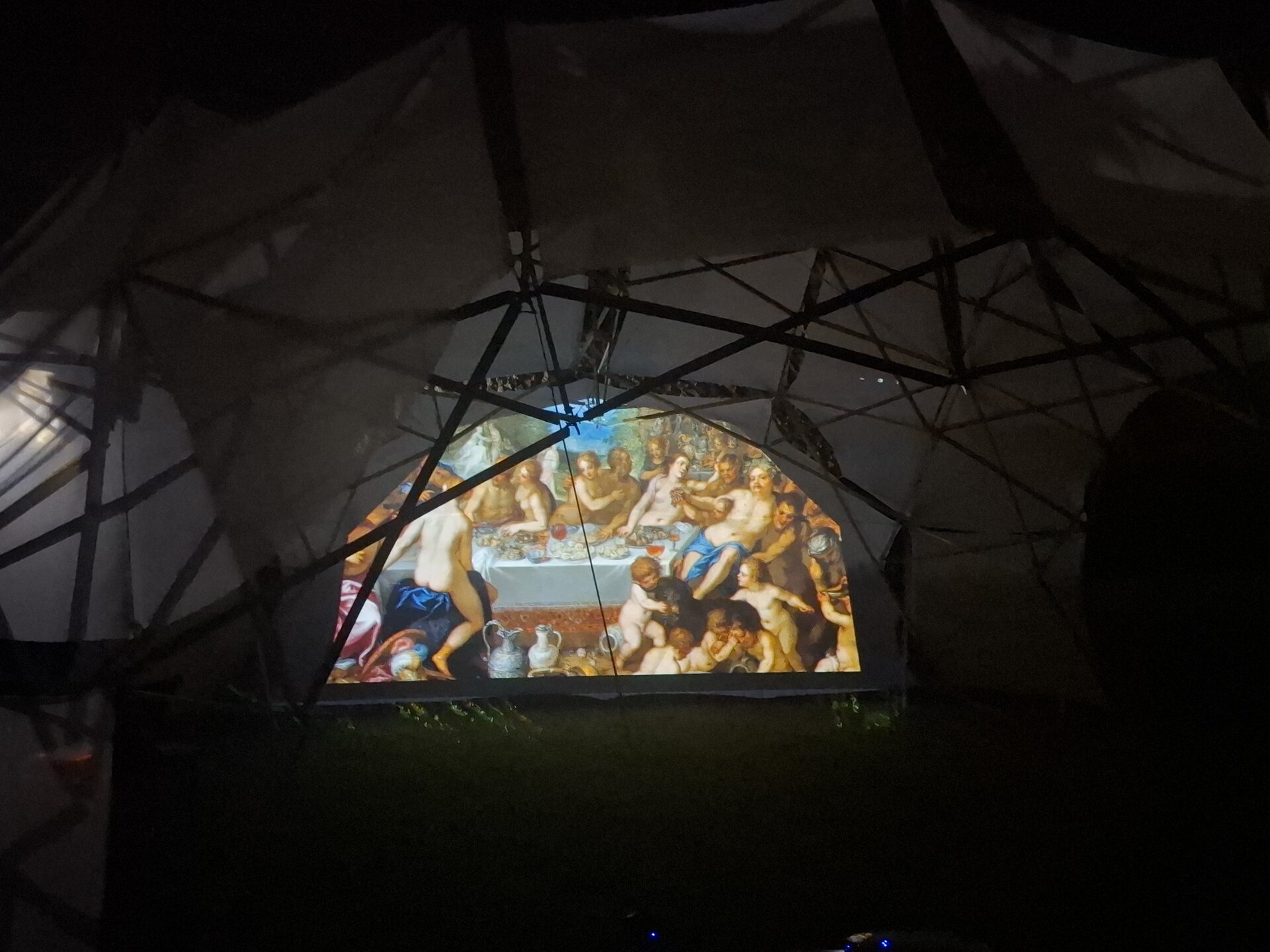
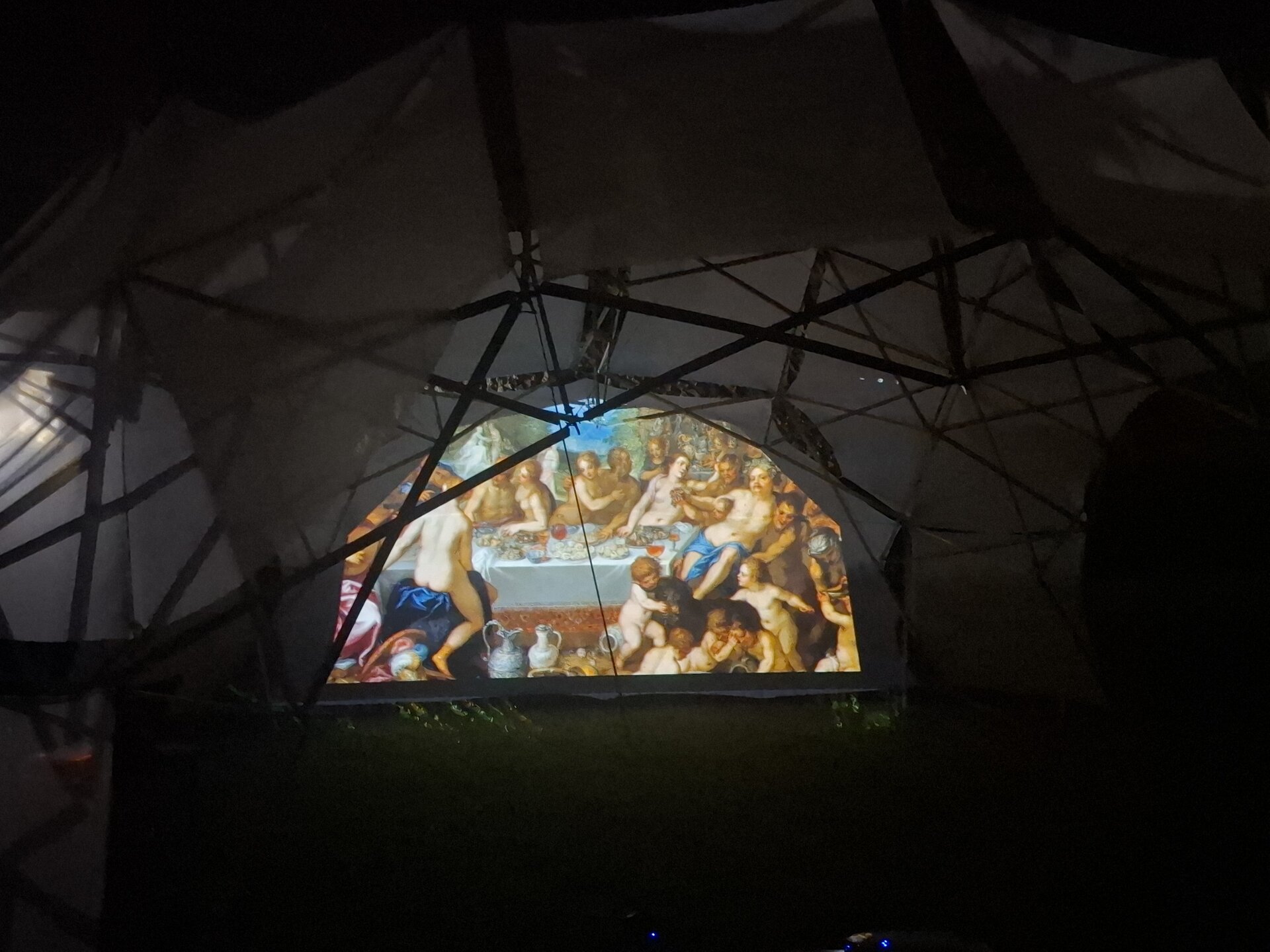
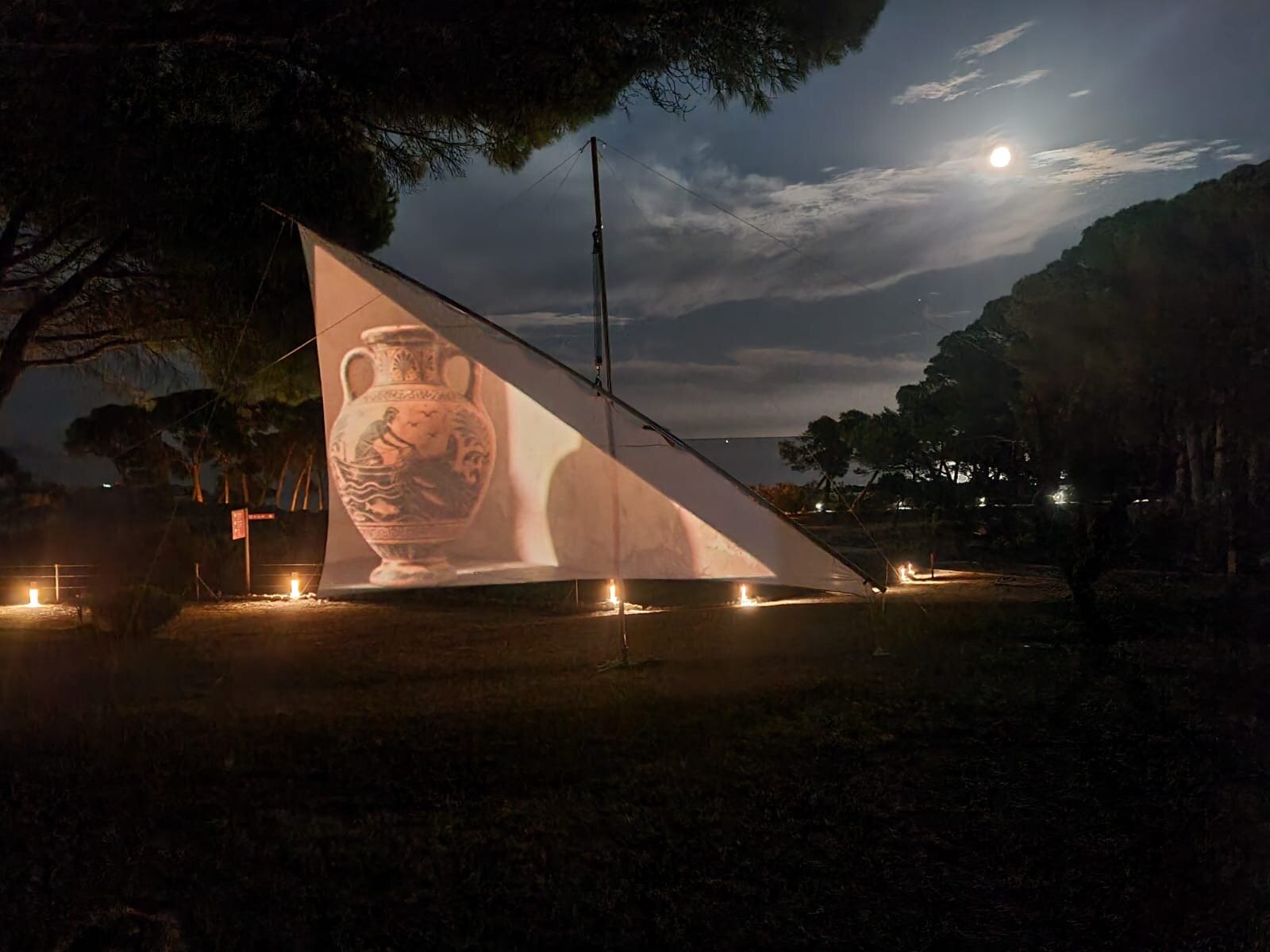
Greco-Roman Mythology (9th edition), September 2025 – combined parametric construction techniques with video mapping, effectively synthesizing the two types of activities previously conducted at the Empúries archaeological site (Costa Brava), a location of exceptional natural and historical significance.
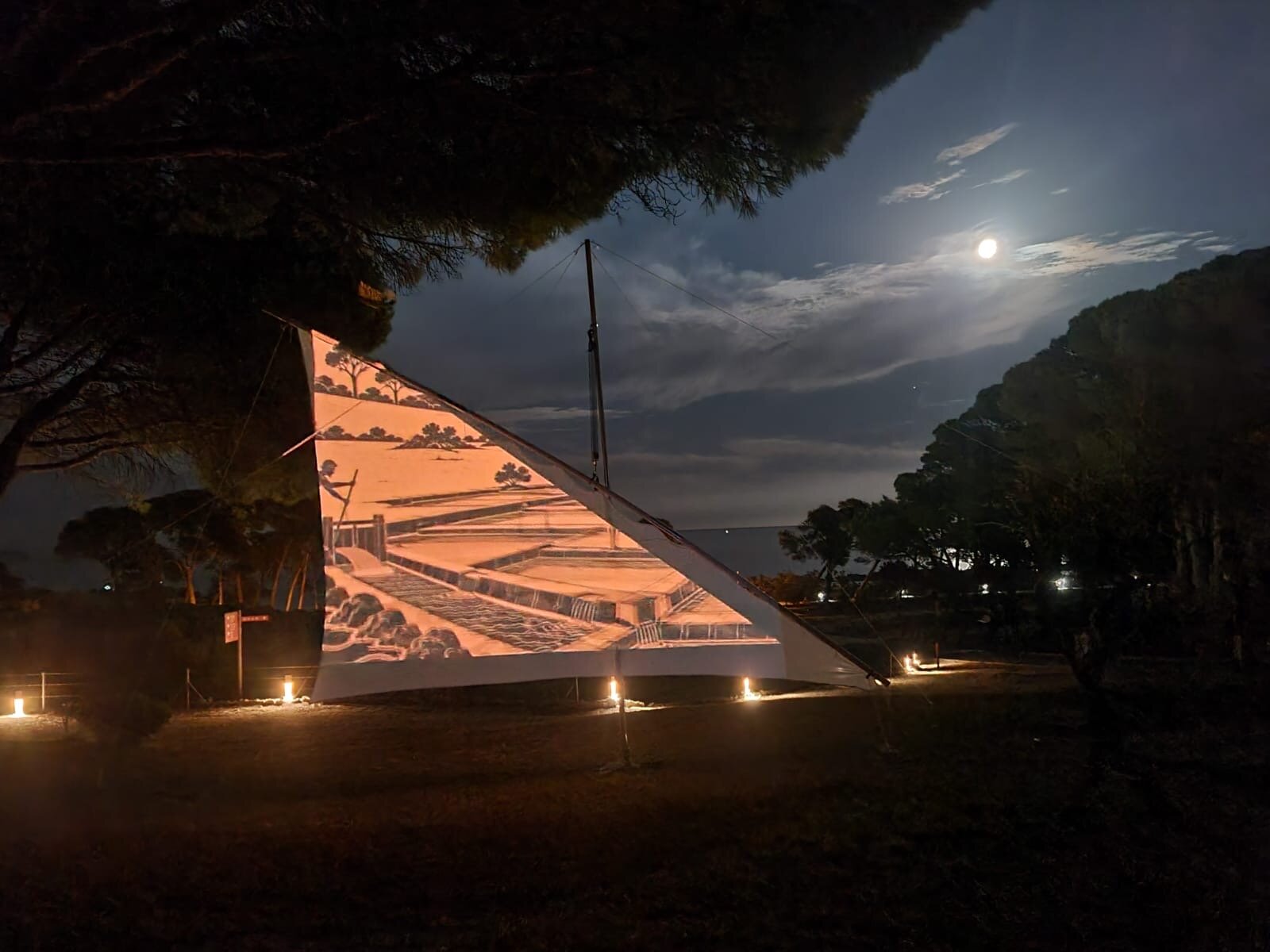
The most recent workshop, Roman Culture and Salt Extraction (10th edition), focused on the Roman-era exploitation of a fundamental commodity—salt—on the Costa Brava, a subject that had been previously researched in several local museums.
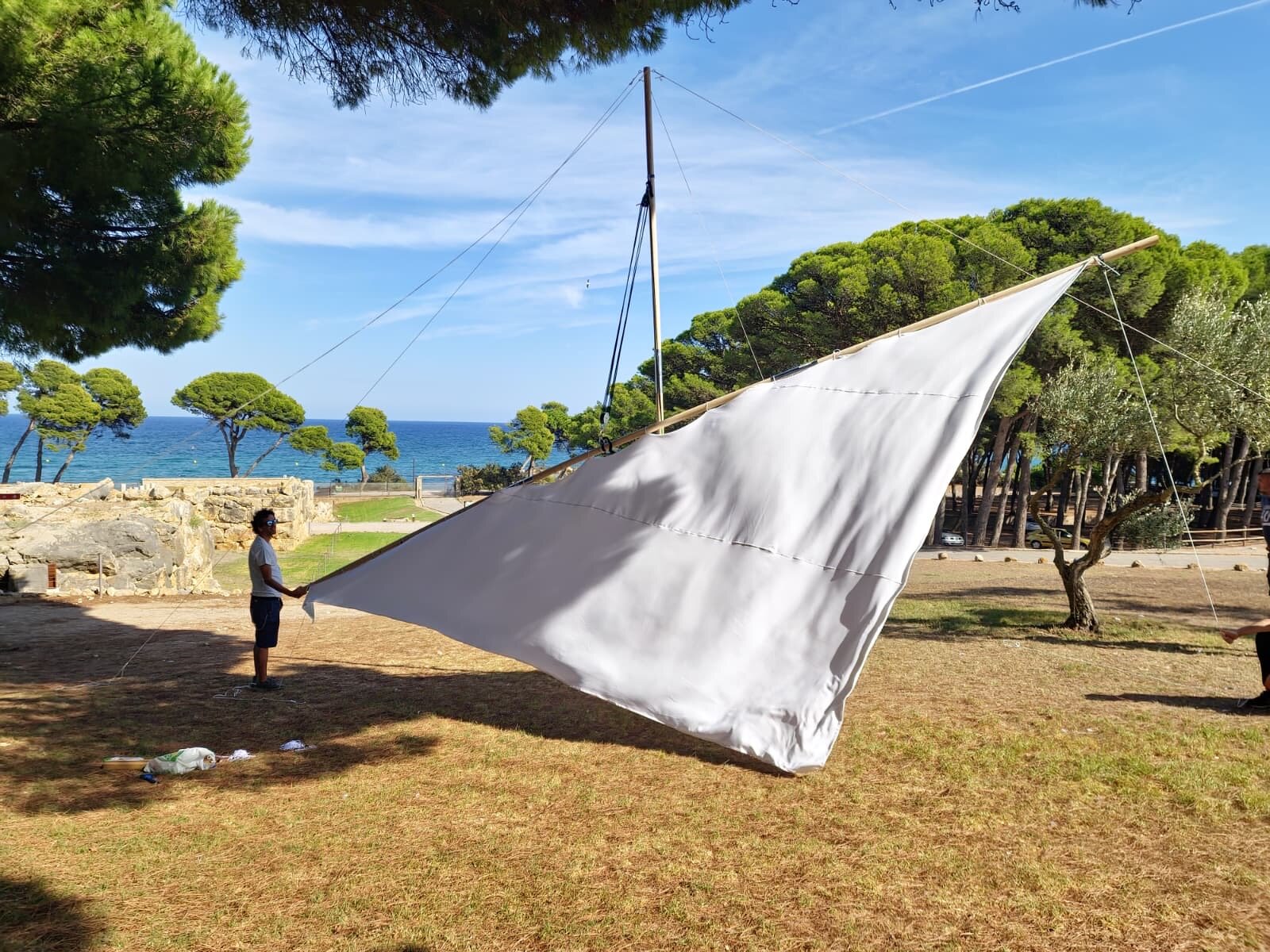
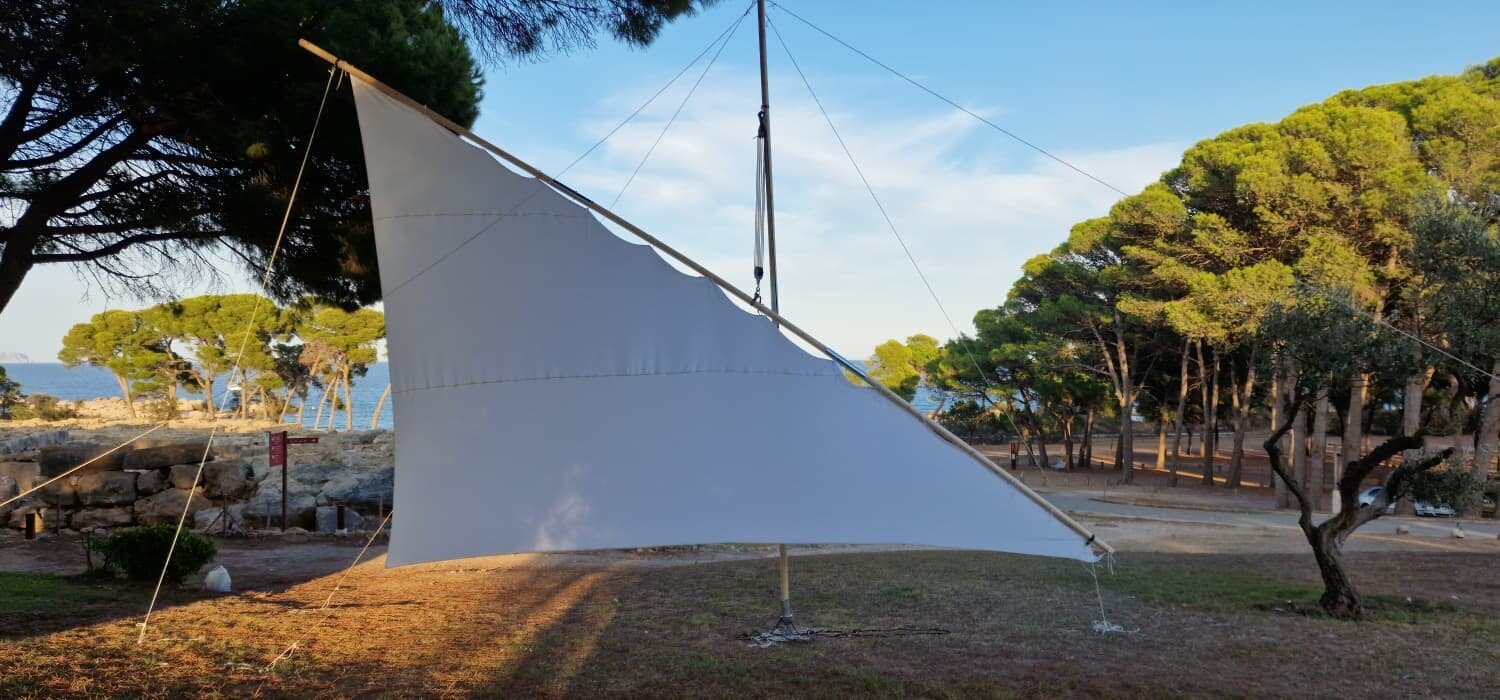
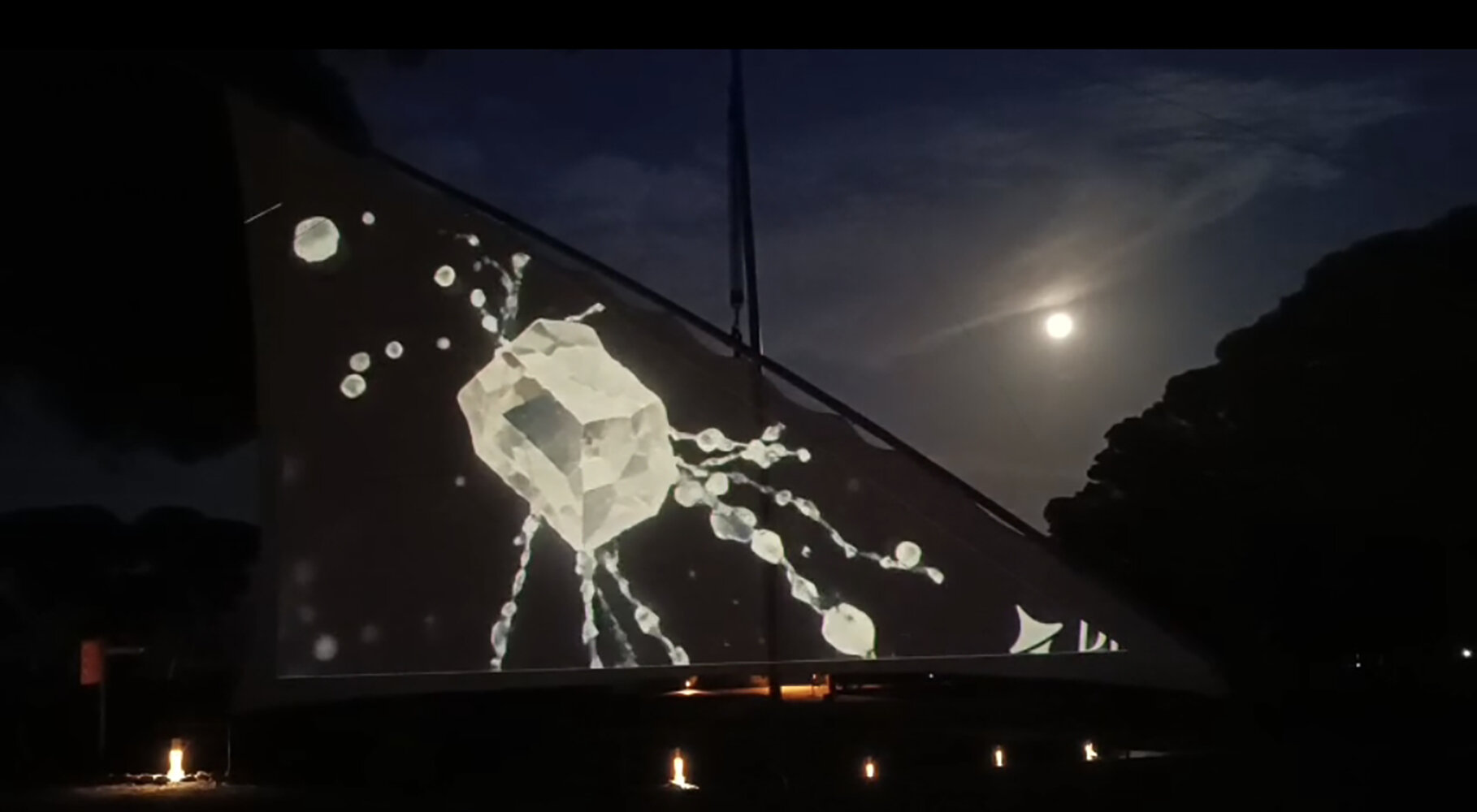
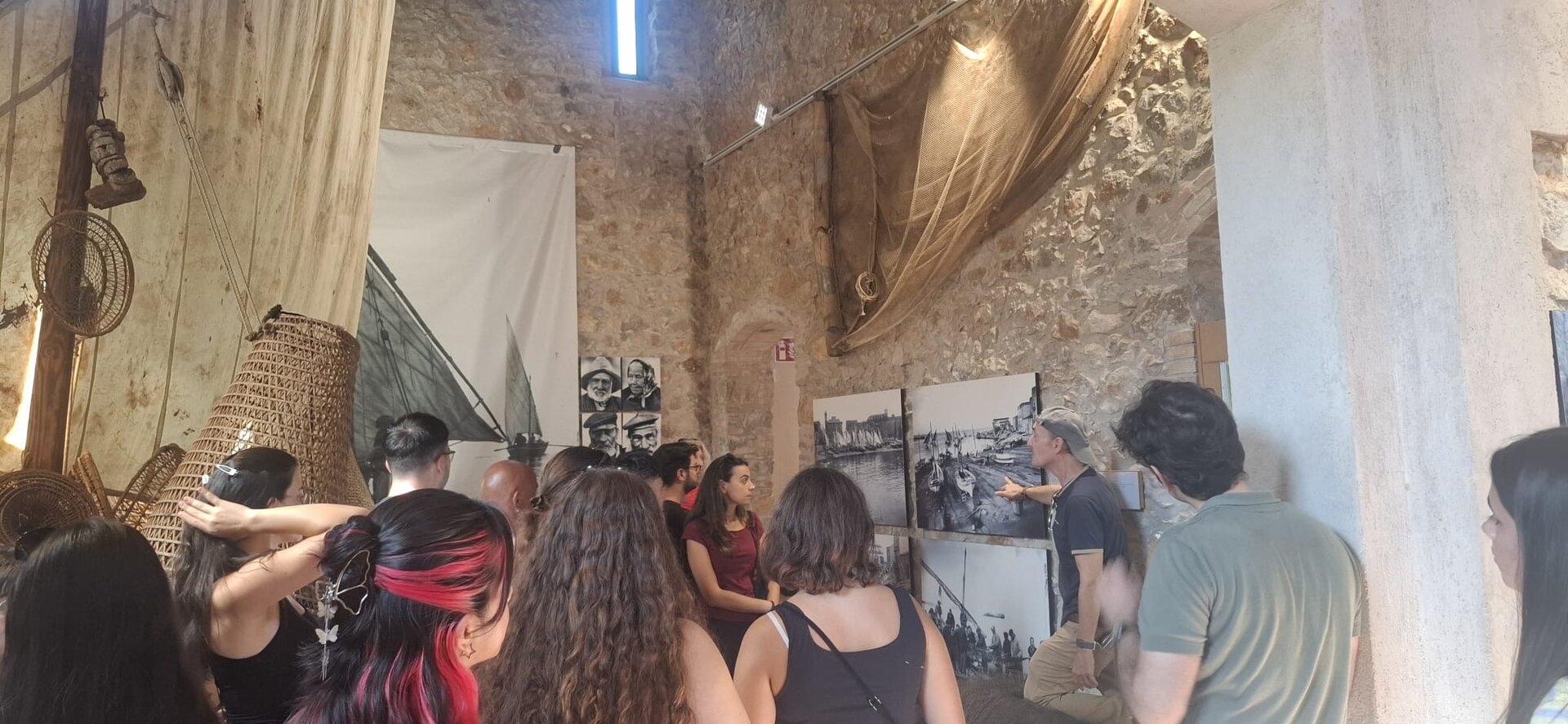
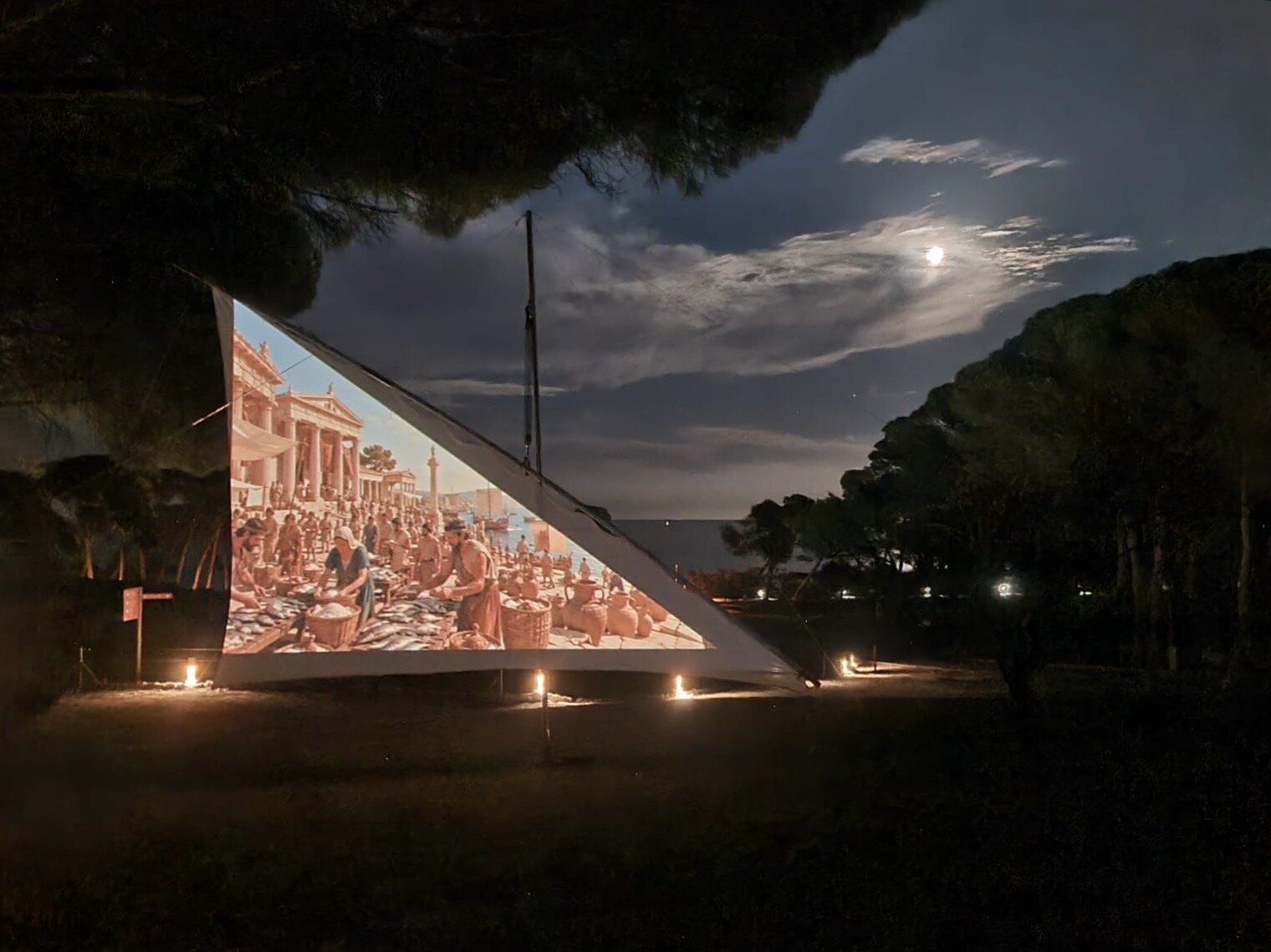
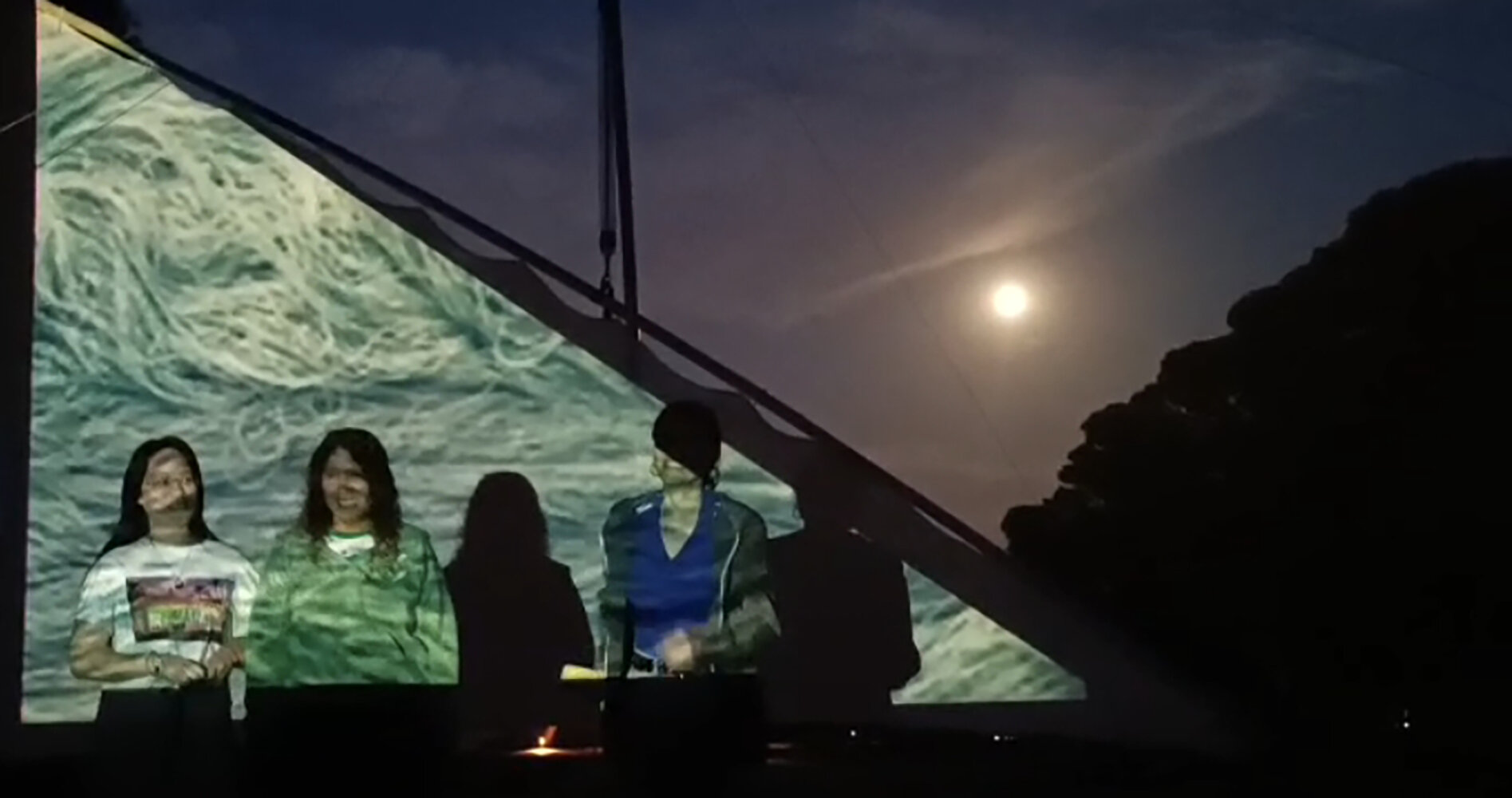
The resulting projects took the form of both animations featuring visual and sound effects—screened during the evening event—and conceptual works expressed through drawing, text, collage, and other media. (explained publicly via team presentations at the end of the workshop). Artificial intelligence proved to be a useful tool in shaping the scenario, albeit a somewhat secondary one in this instance. Beyond the research and creative work inherent to such a workshop—which led to the definition of "stories" told primarily through visuals—a striking effect was created by the projection surfaces, each unique in its own right: the stone façade of the museum building situated in the middle of the archaeological site; the parametric structure made of fabric-covered wooden elements, designed in 2024; or a distinctive textile structure mimicking the shape of a sail, created during the workshop's final edition in 2026.
Architecture and Experiments
- A Roof for St. Michael / Ein Dach für die Burgkirche
- ARCHY FEST_QUINETWORK 2026
- Civic Bucharest
- (H)ODAIA – A Rural Hub for the Rehabilitation of Cultural Landscapes
- Model 10
- Workshop AI in Architecture
- Video Mapping and Heritage. Empúries, Costa Brava: ancient ruins, media, and artificial intelligence
- GEMA – Geometric Experimentation with Architectural Morphology. A European Experience
- I can’t talk right now. I’m busy
- Disco Blast
- Limanu Summer School 2026 – Multicultural Heritage on the Edge
- Bucium Summer University 2026, 14th Edition. Safeguarding Rural Heritage through Education
- Camping and Research Kit on Șimian Island
- Cantacuzino Estate Summer School 2026, 8th Edition


