Limanu Summer School 2026 – Multicultural Heritage on the Edge
Authors’ Comment
The project started from one question: how can architecture make a fragile collective memory legible without turning it into scenery?
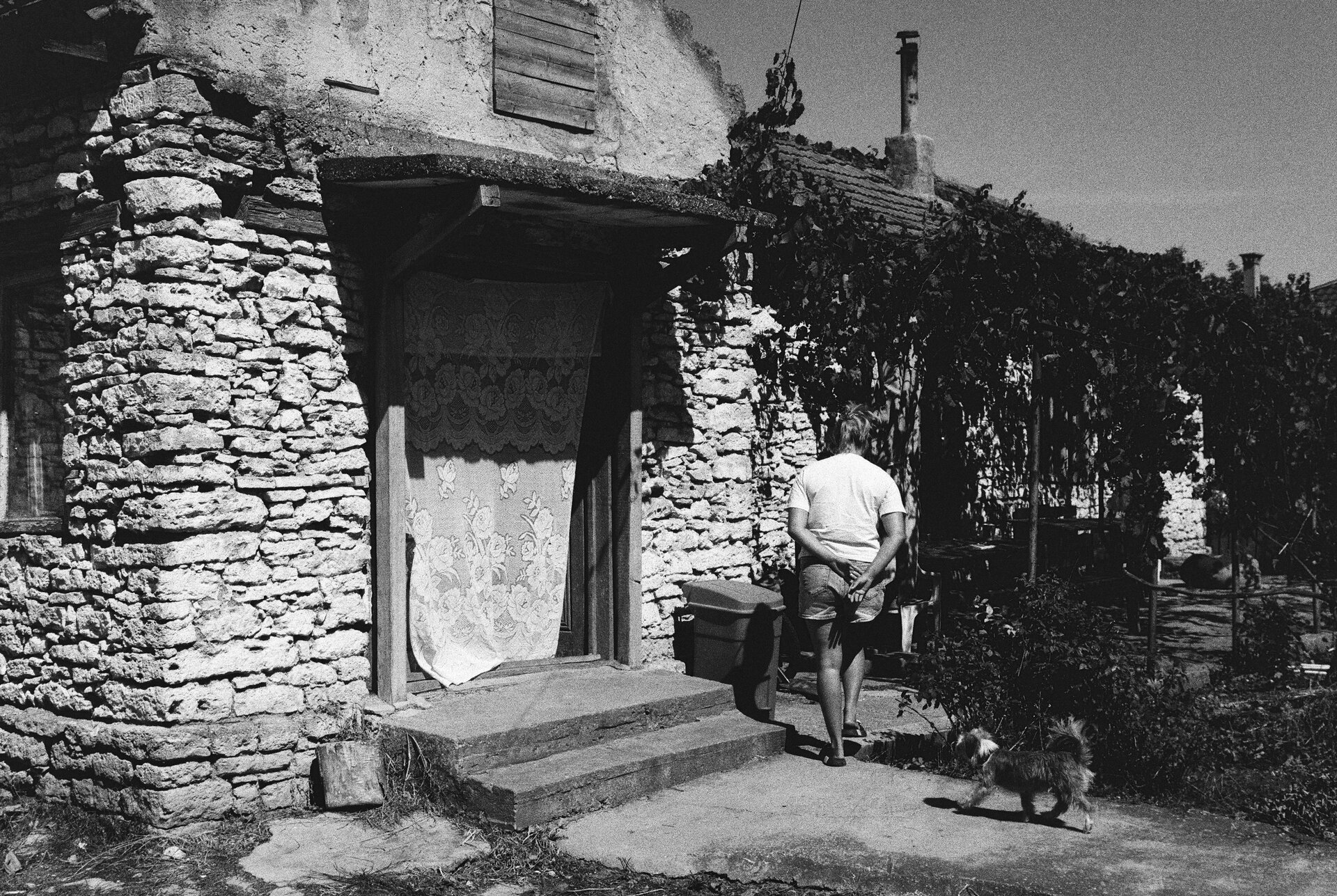
The context is the commune of Limanu in Southern Dobrogea, with the villages of 2 Mai, Limanu, Vama Veche and Hagieni, historically inhabited by Romanians, Tatars, Turks, Lipovans and Bulgarians. After 1990, tourism and real estate pressure brought chaotic development with no strategy. Hagieni, a few kilometres from the sea, is the reverse: a poor village with no school, whose Tatar community is shrinking as people move to the wealthier villages.
The 2024 edition mapped the commune's built and natural heritage. In 2026, the research moved from buildings to community practices, from tangible to intangible heritage. With the support of the local administration, we worked through three research practices on the same ground.
Slow anthropology. The team's anthropologists collected 21 testimonies from all the villages and ran a questionnaire in the community. People set the pace, not the schedule. What surfaced were the Bayrams, the pilgrimages, halva and chebureki, the loss of the language from one generation to the next and the frustration of being mistaken for Turks.
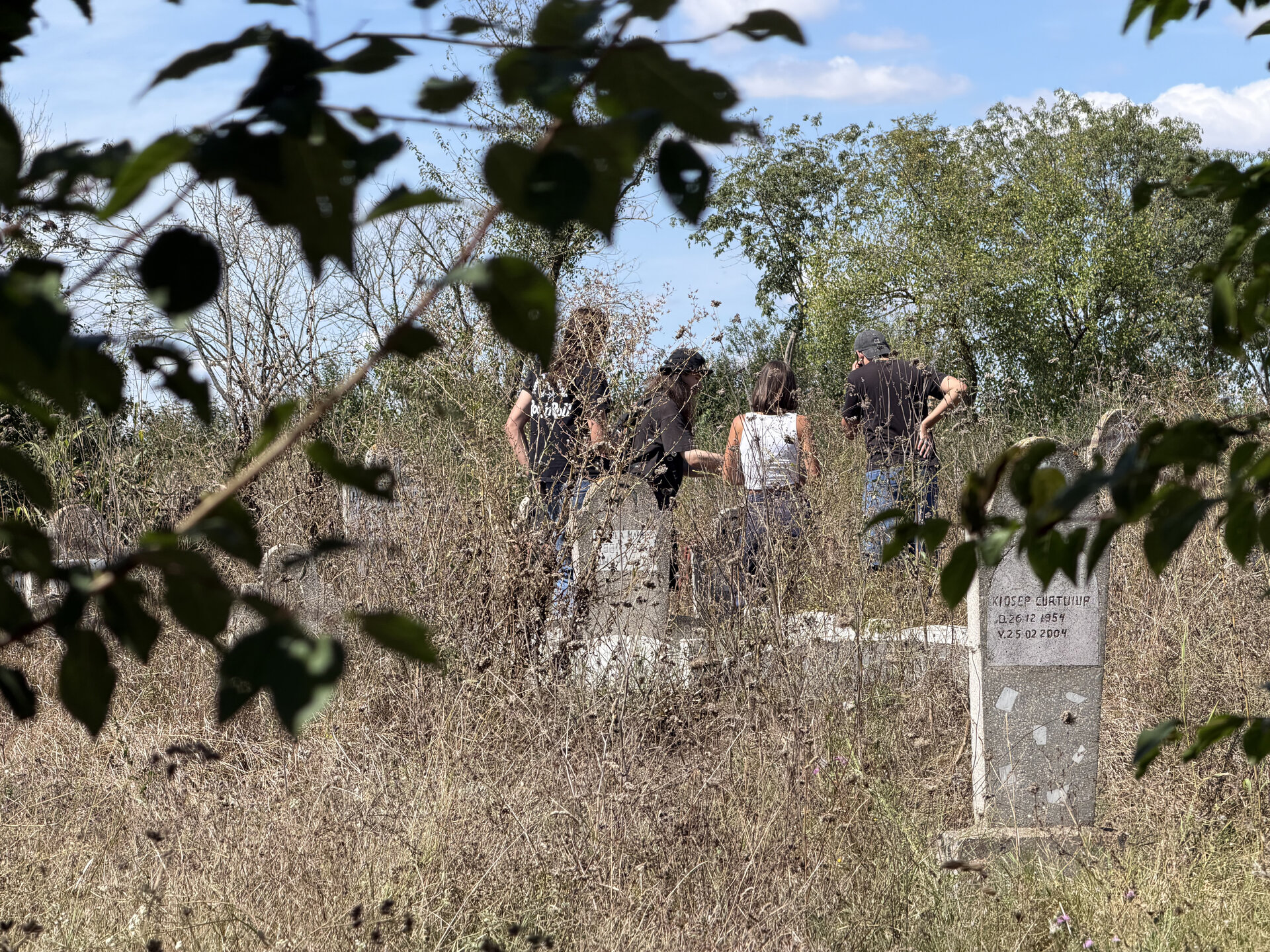
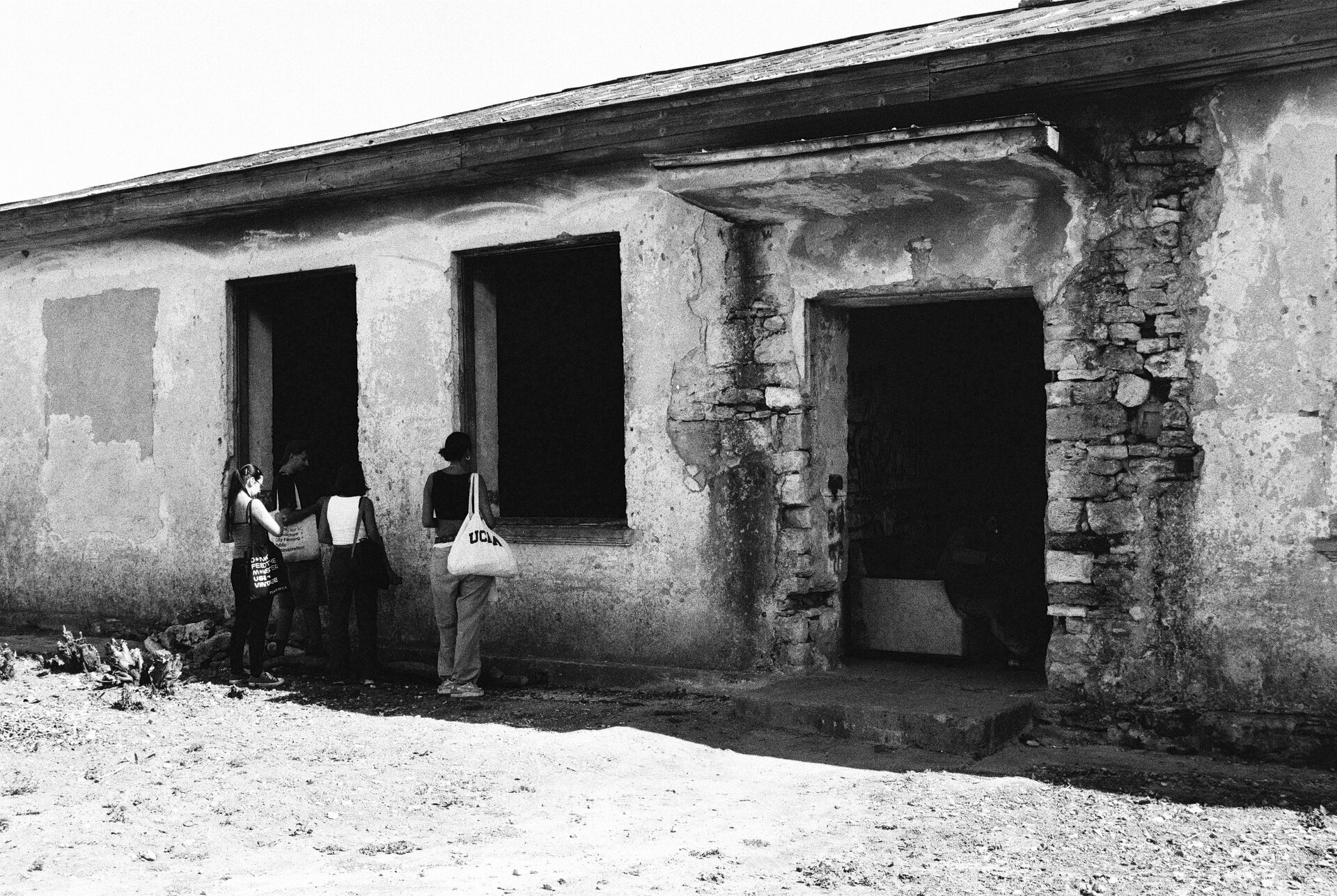
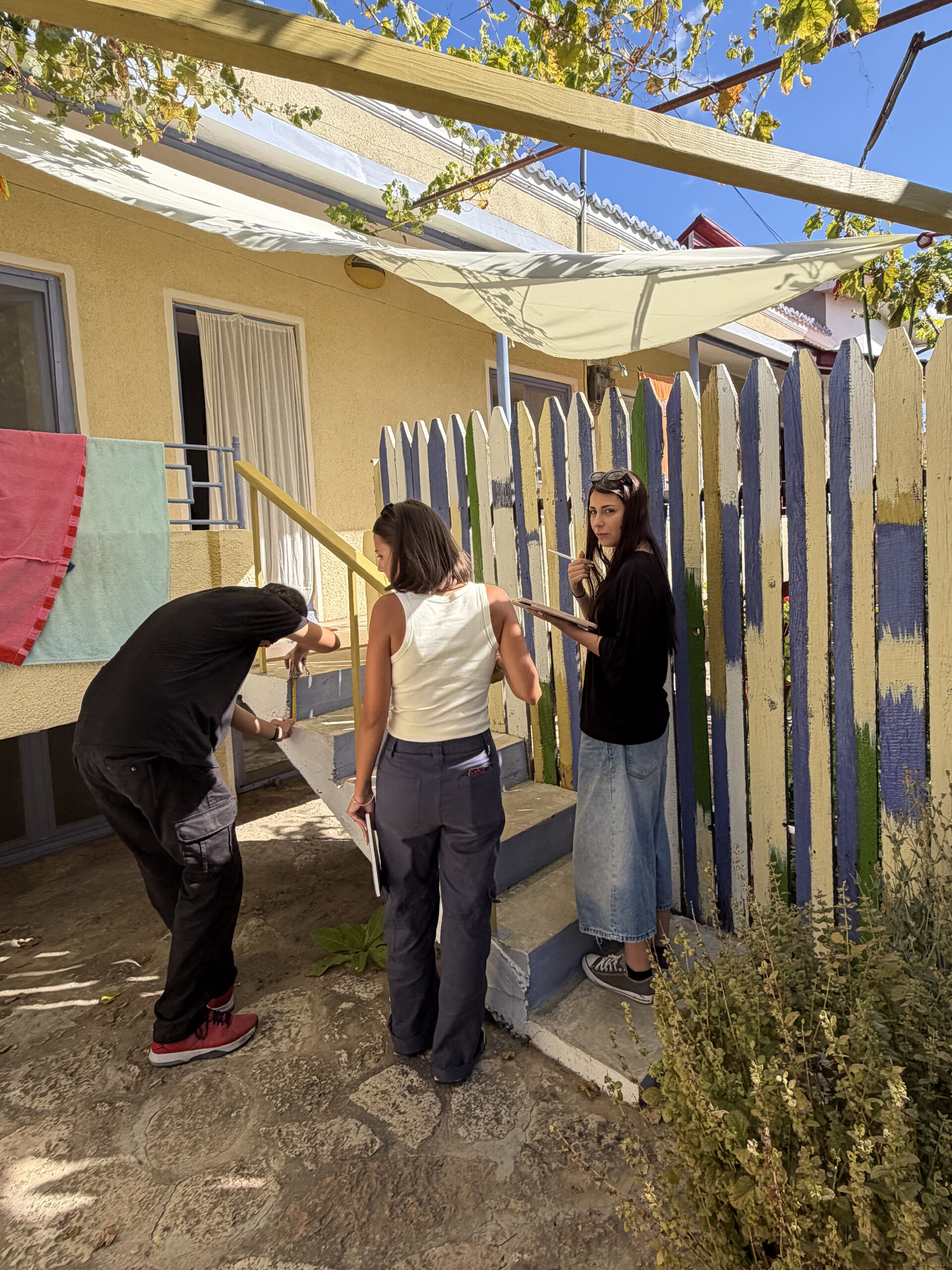
Architectural documentation. The architecture students produced measured surveys, sketches, a mapping of the stone-built heritage and documentation of funerary monuments, linking each site to its story. The aim was to produce knowledge that makes the place legible to the community, visitors and the administration, not to add buildings.
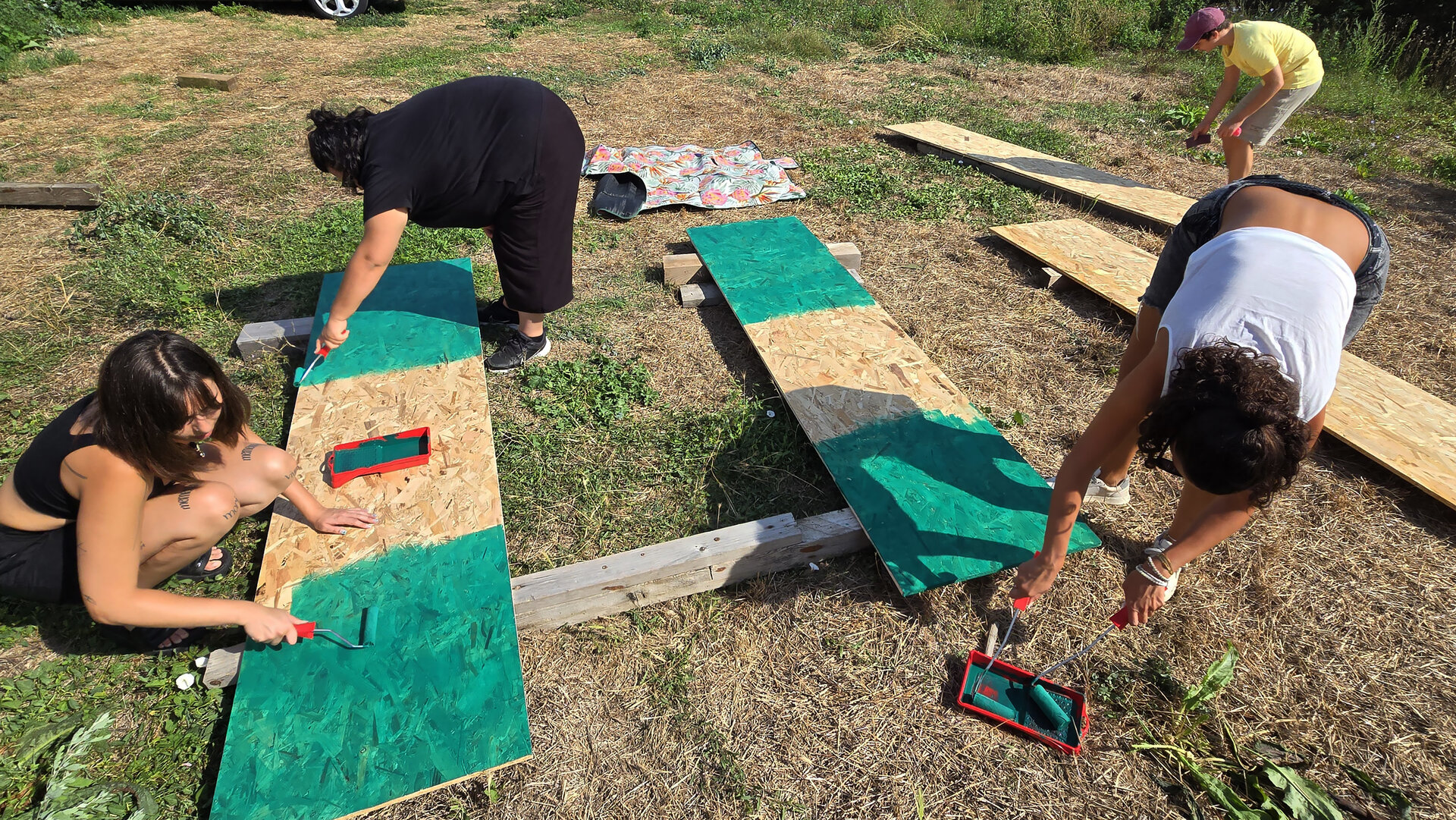
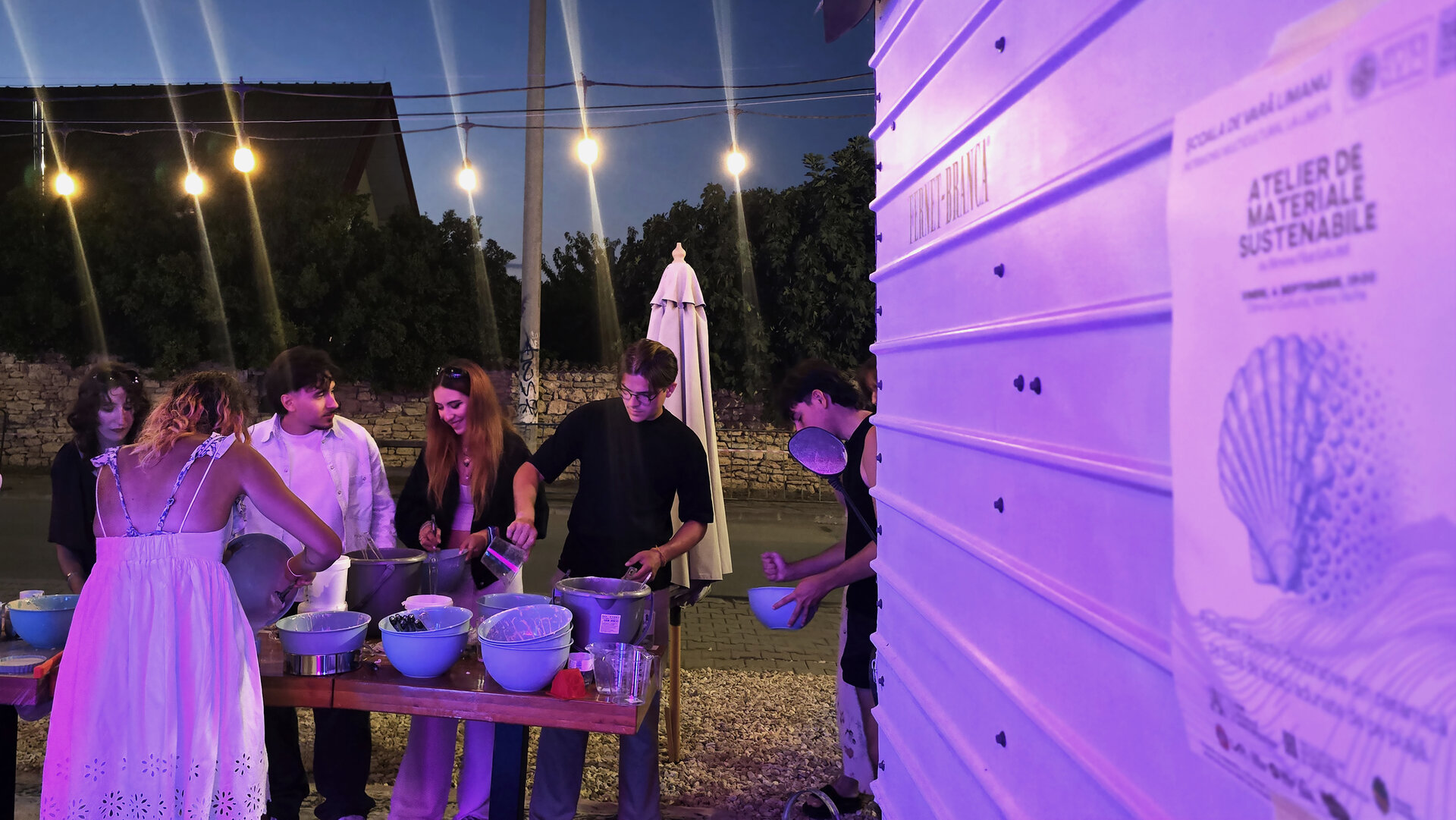
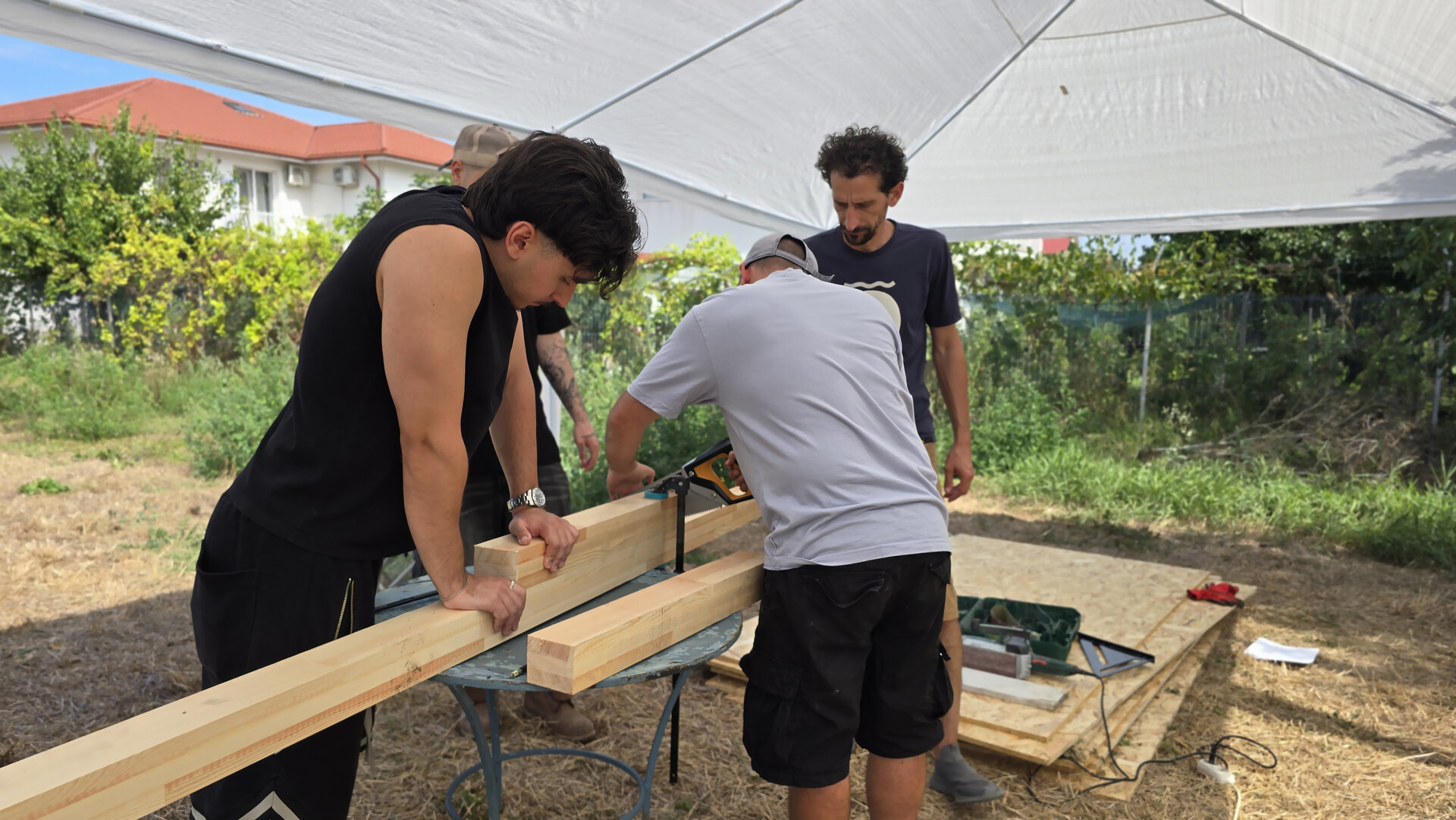
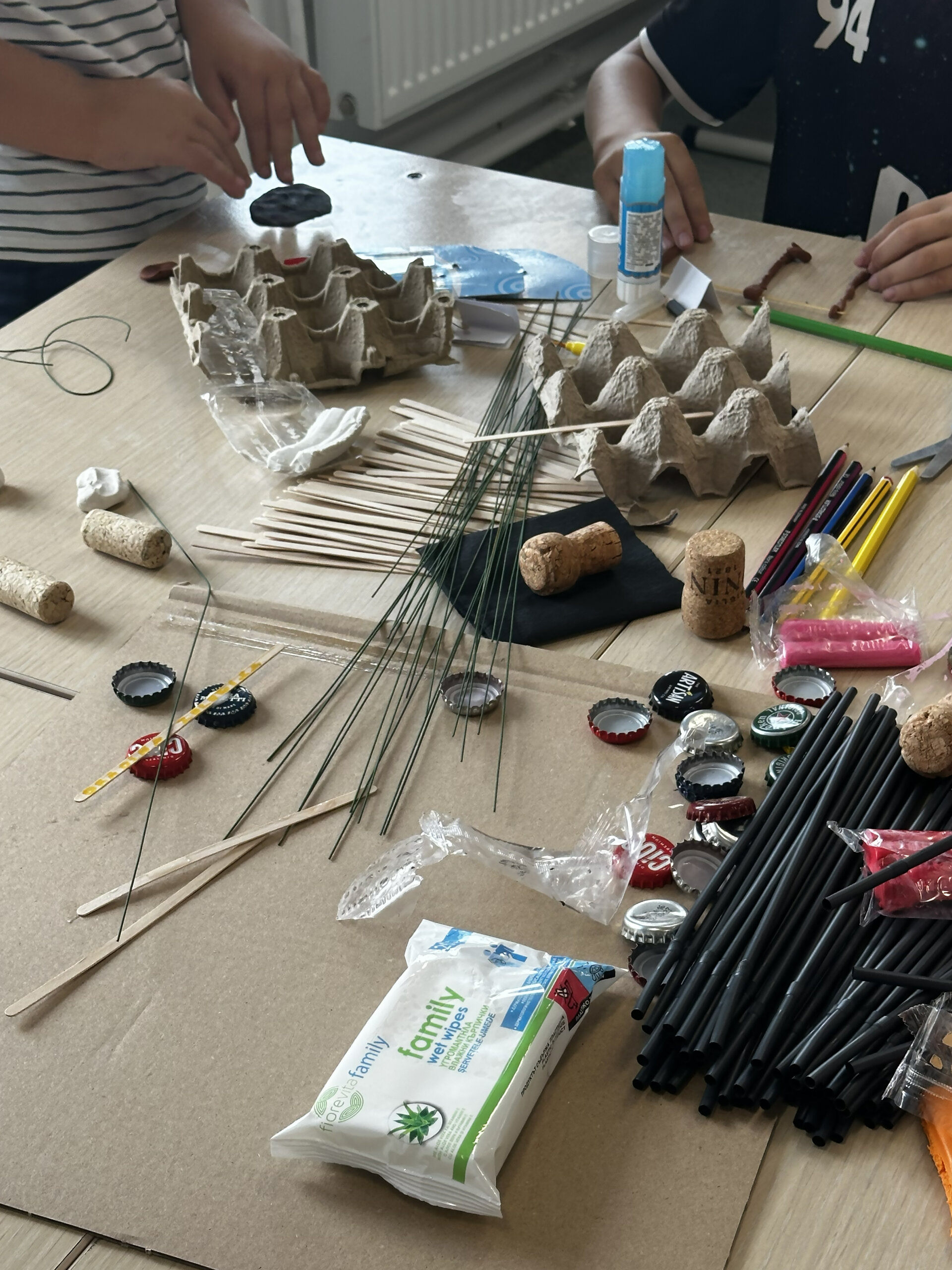
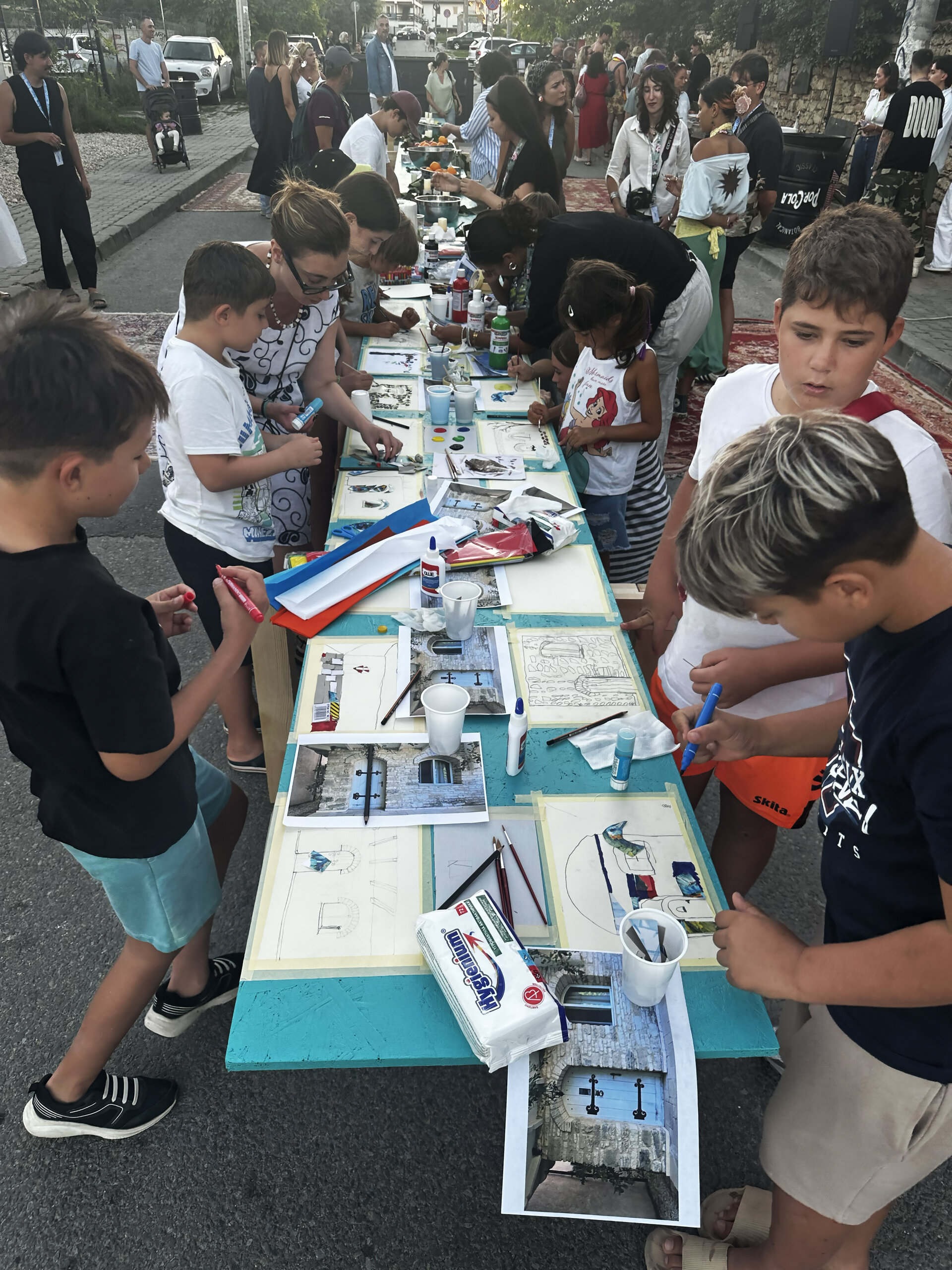
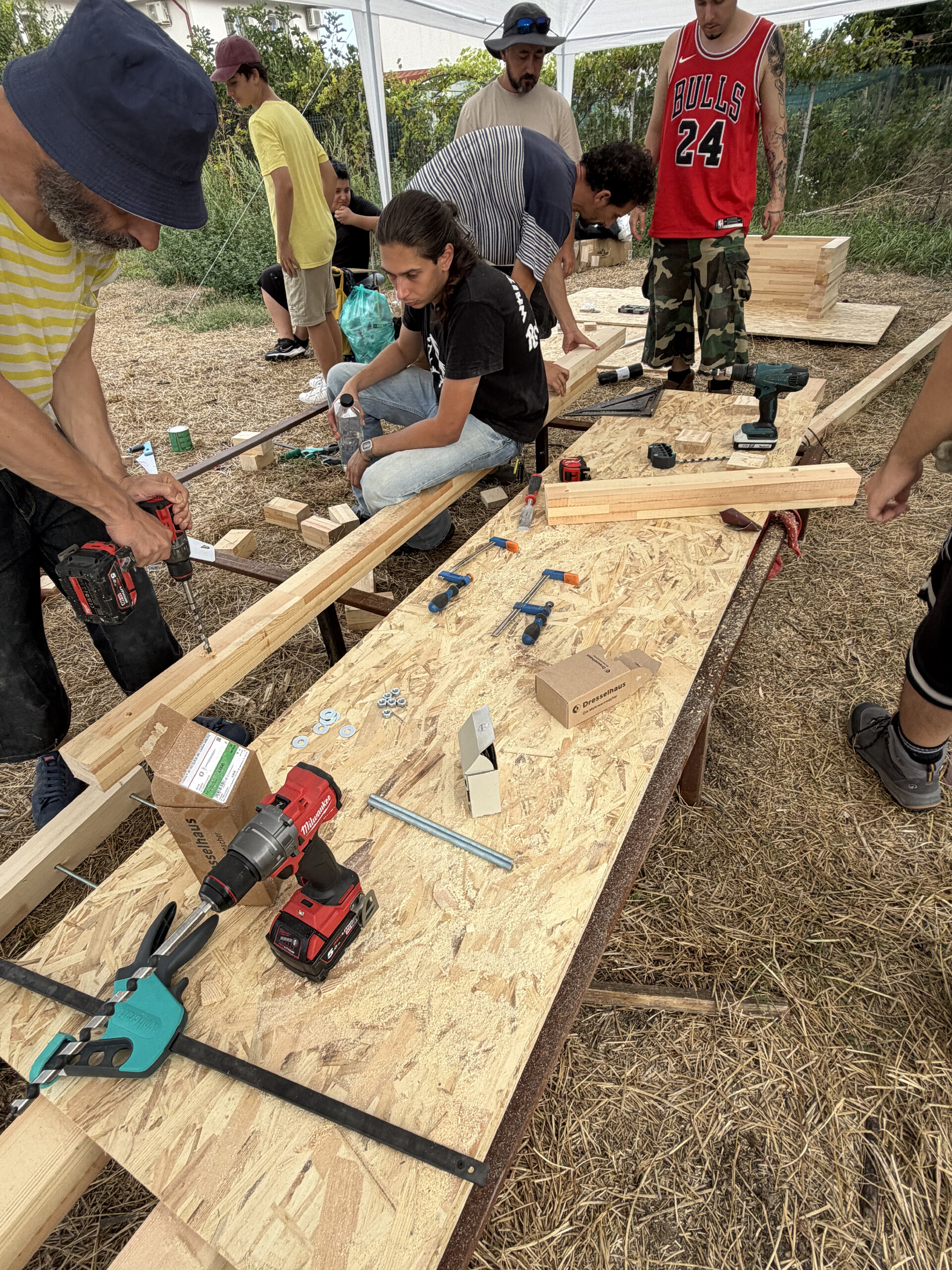
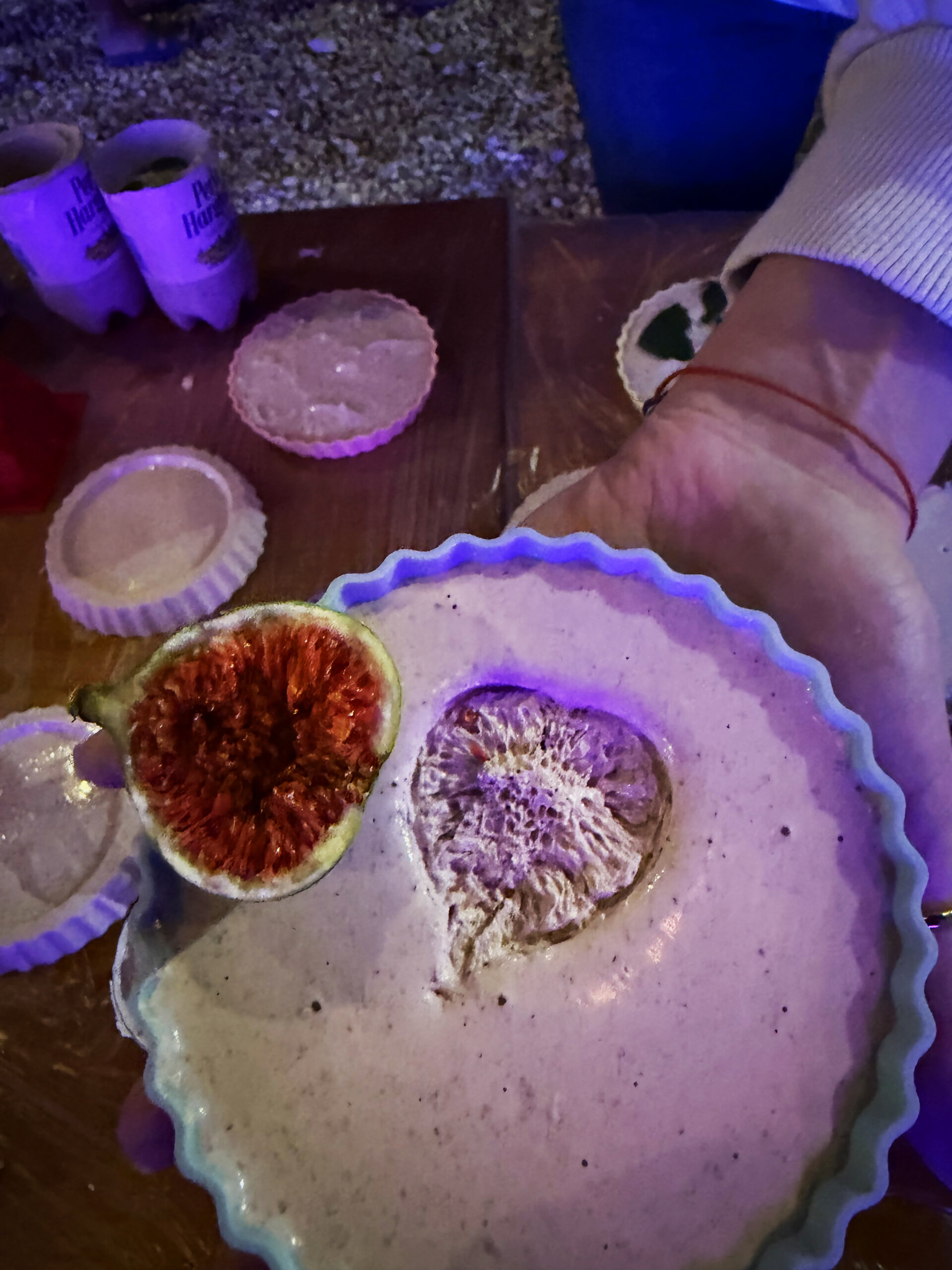
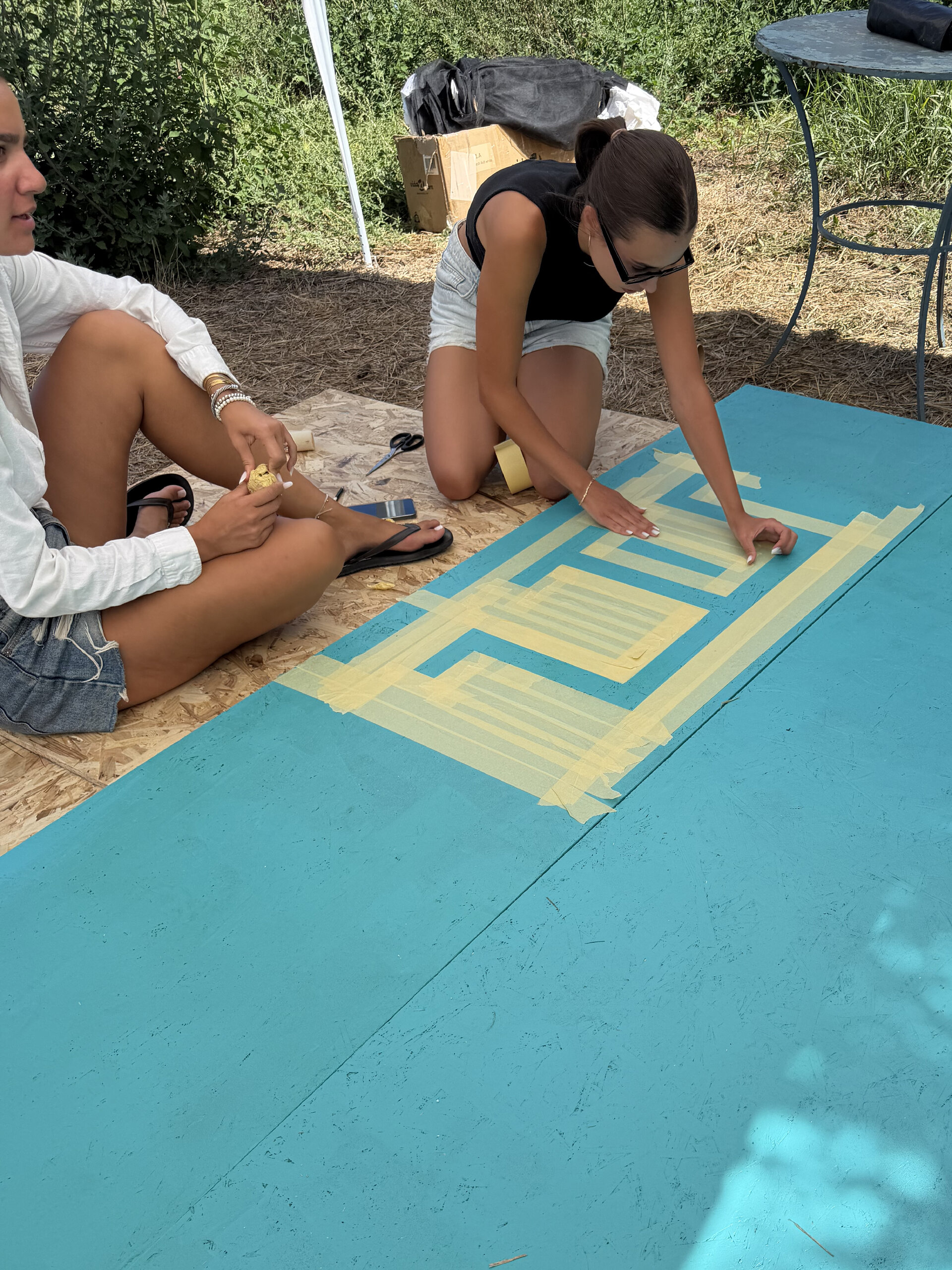
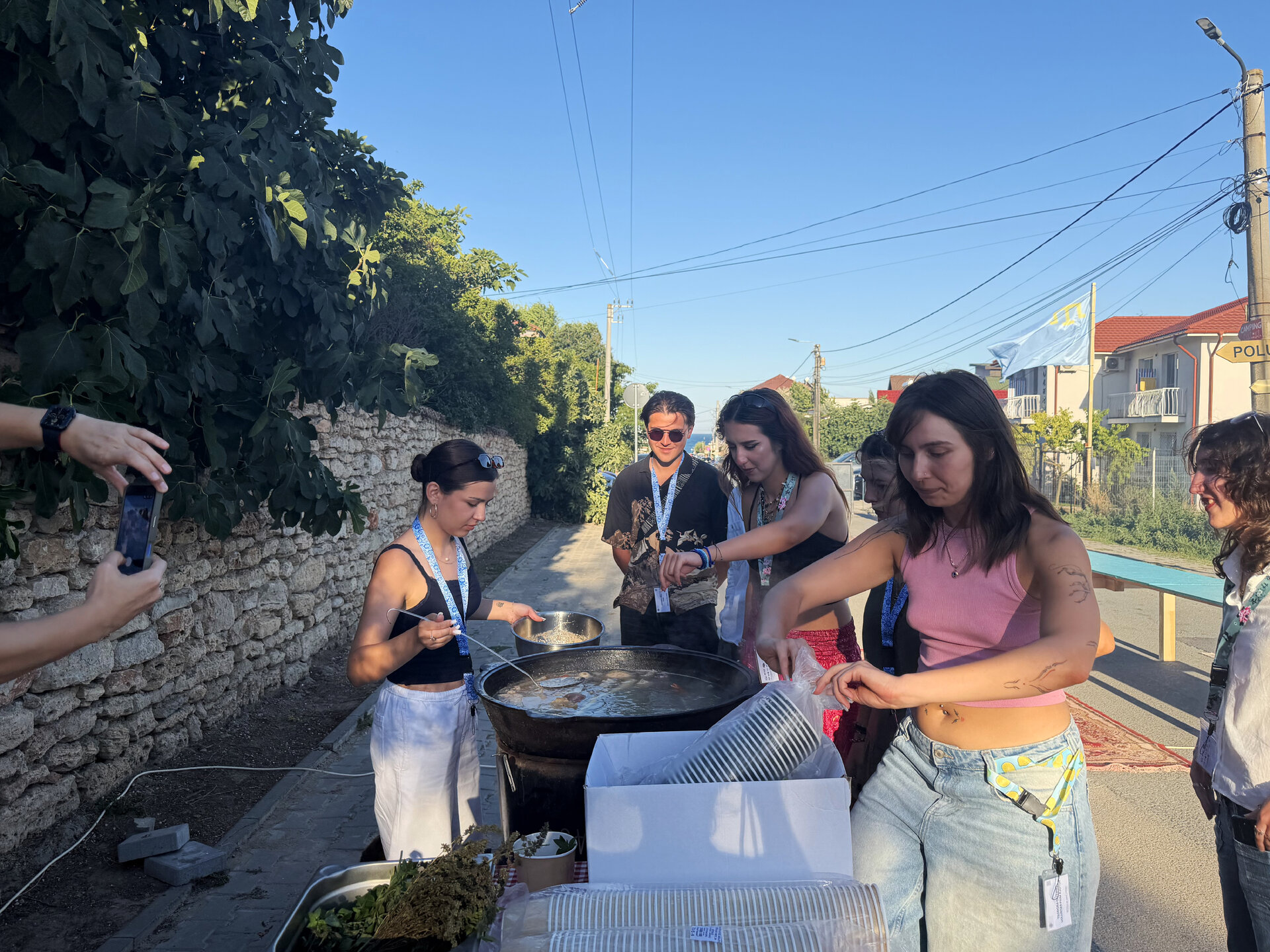
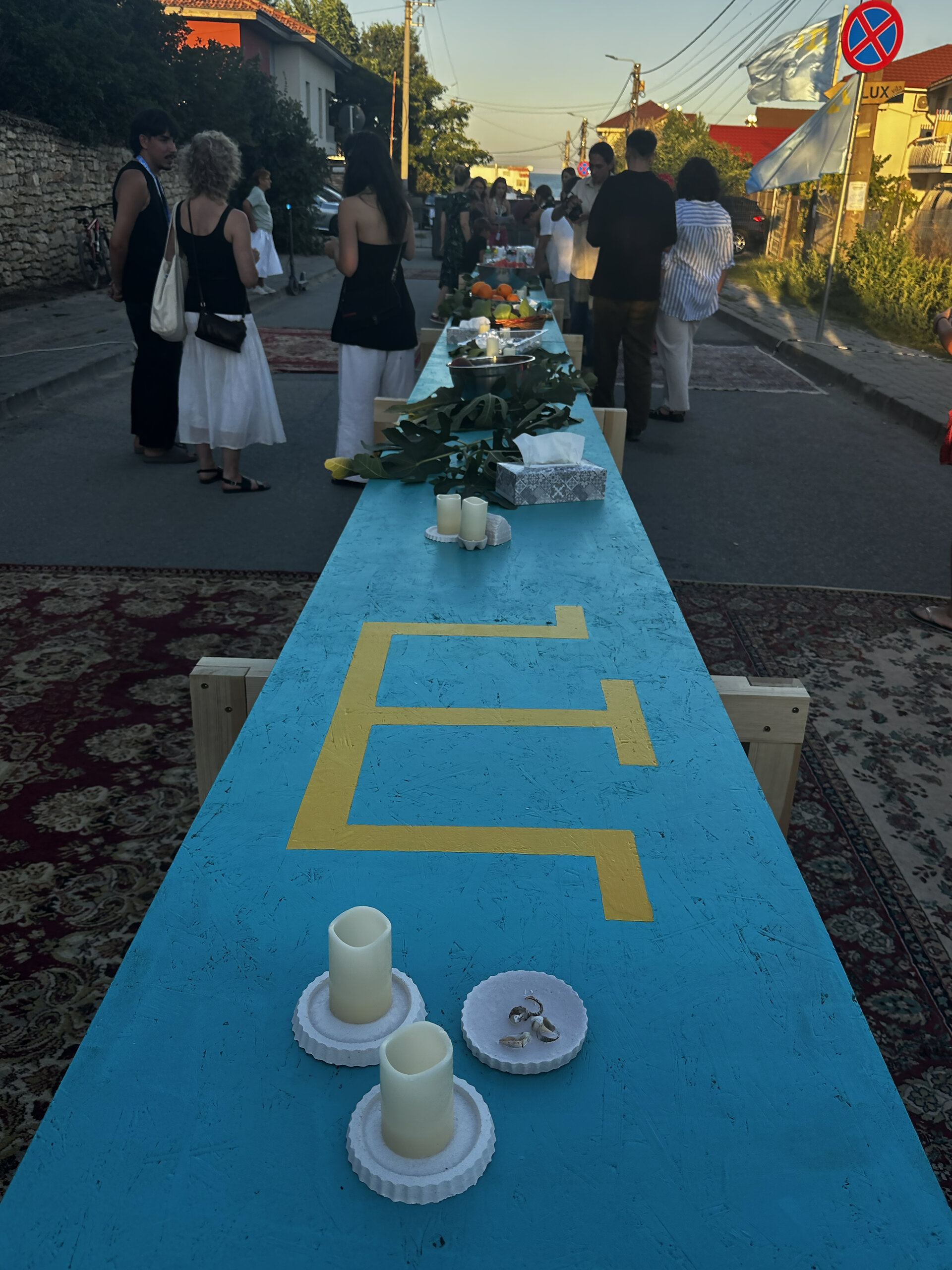
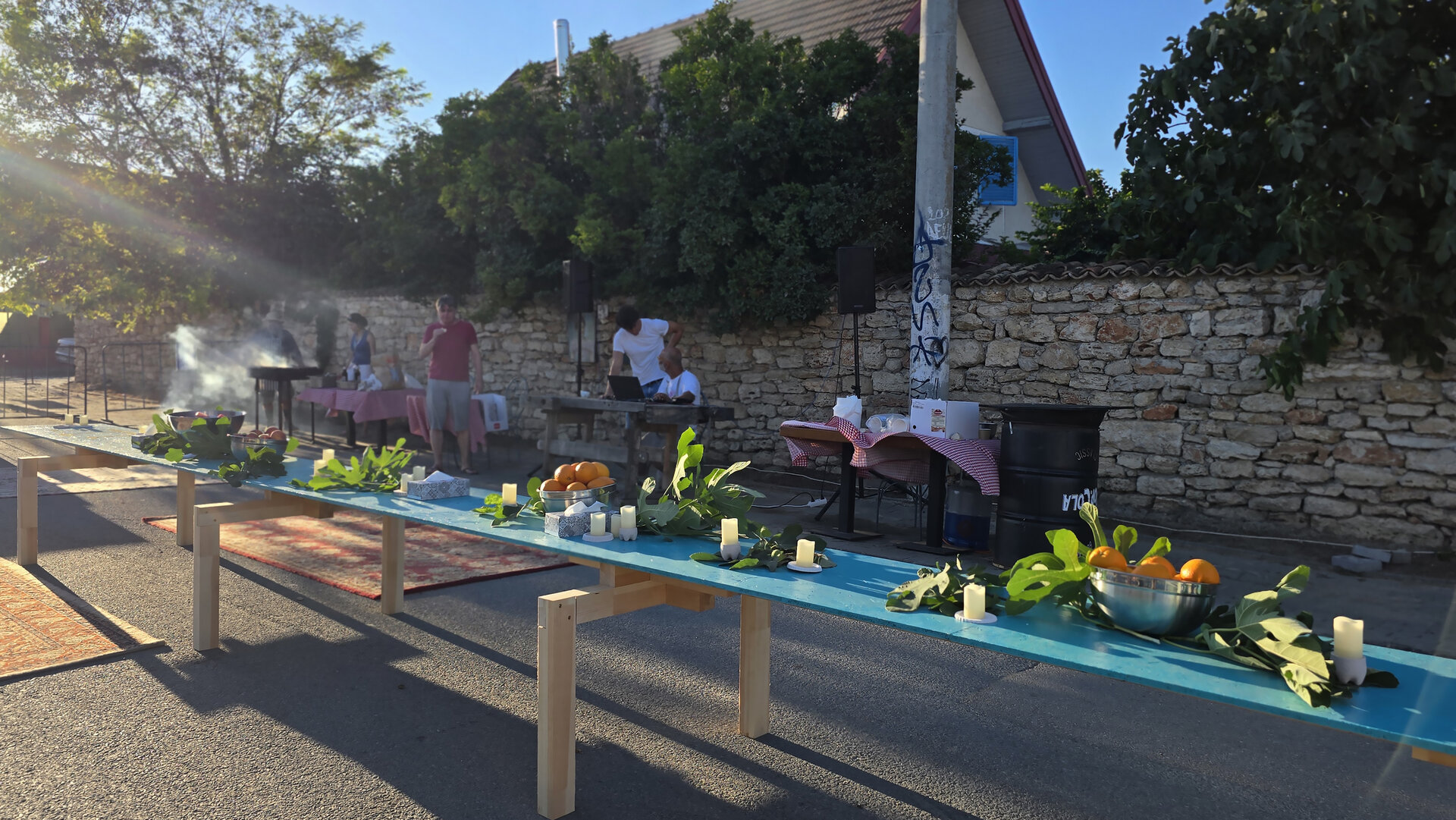
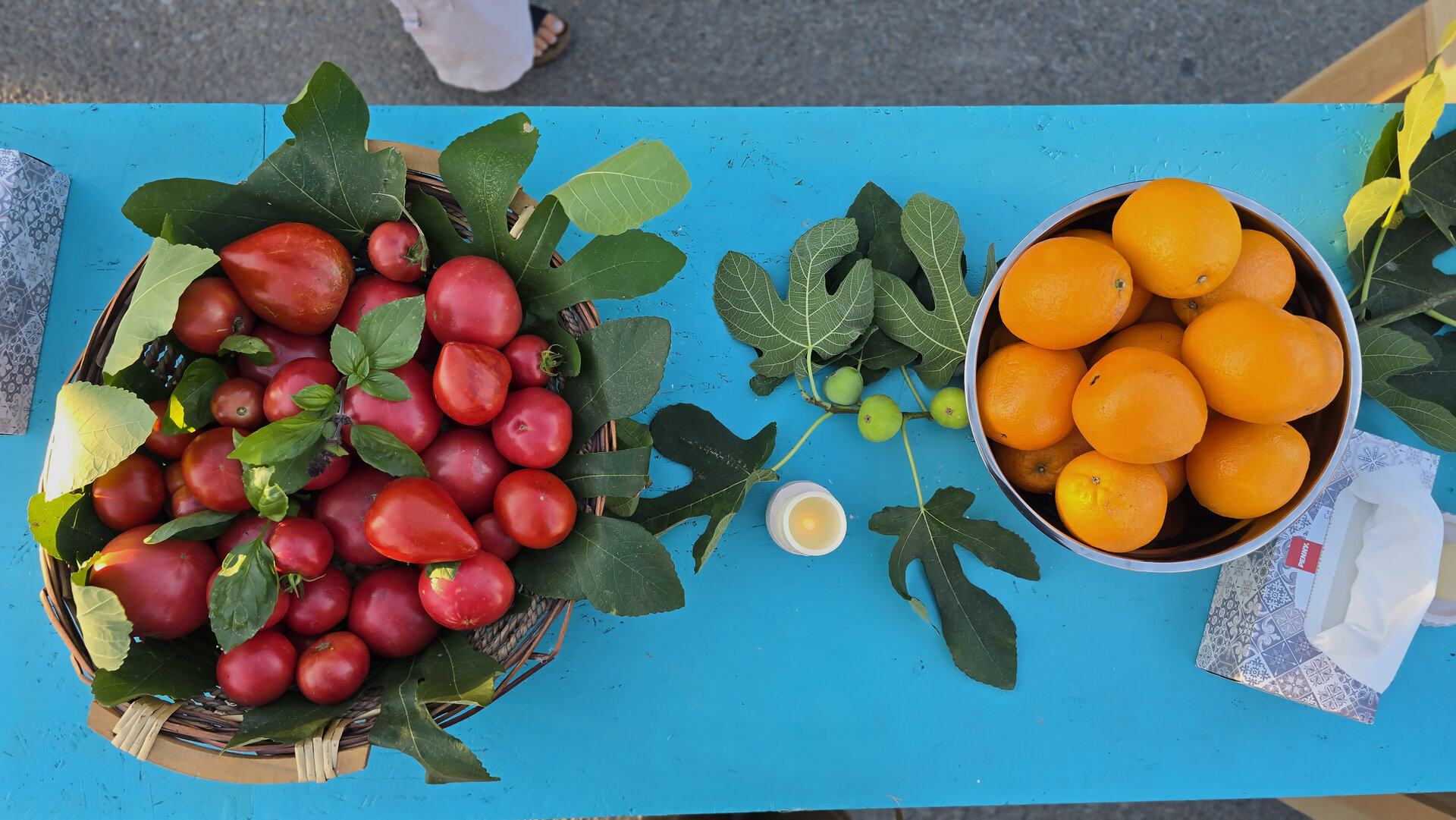
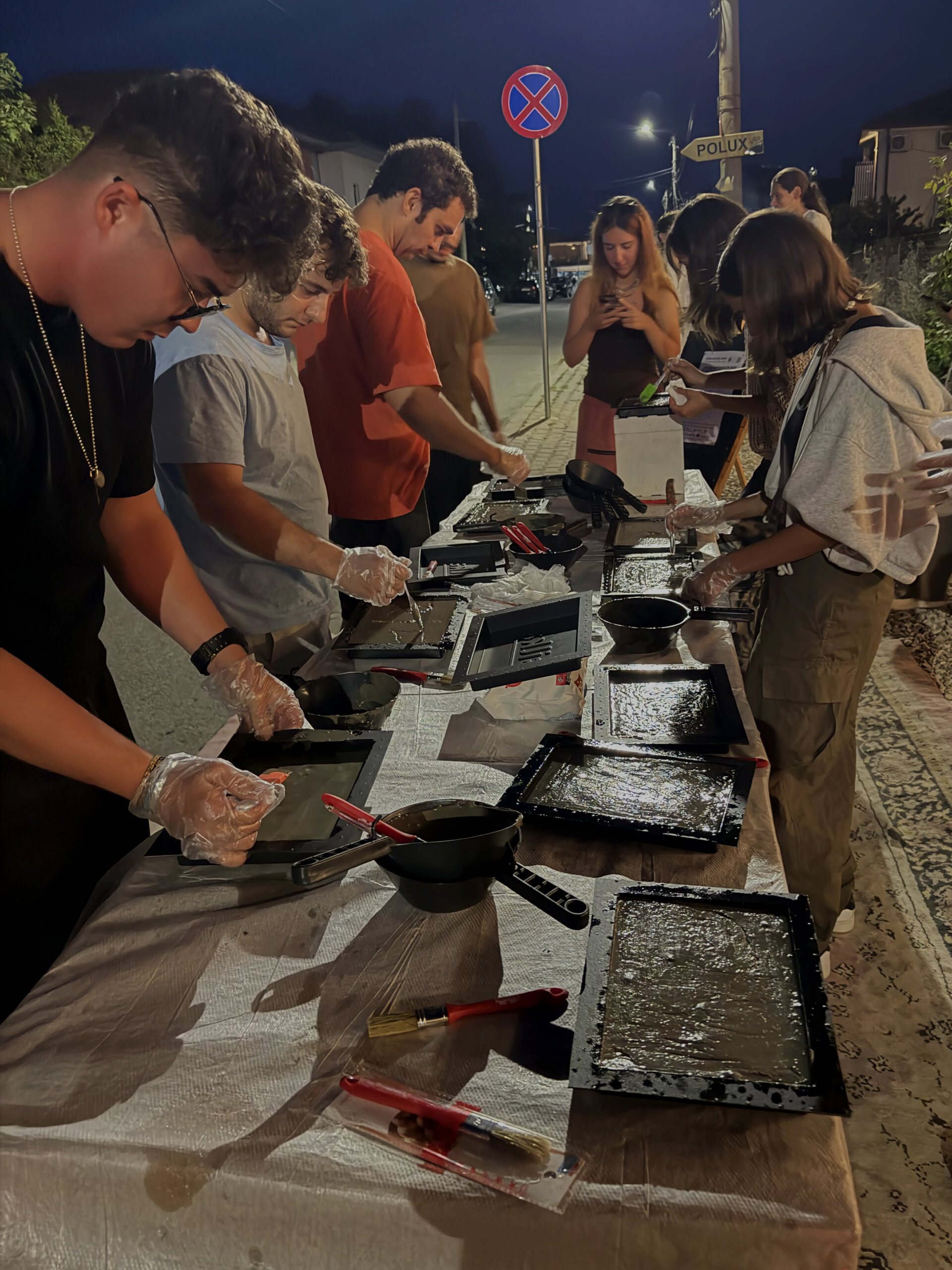
Full-scale intervention. Starting from the sofra, the Tatar table around which the community gathers, students and tutors designed and built on site a 16-metre table of glulam pine beams and painted wooden boards, assembled with threaded rods. The table occupied a street in Vama Veche, closed to traffic from noon until late, the first intervention of its kind in the area. It worked as a research-by-design prototype: it tested whether a temporary object could turn a space of passage and consumption into a public space of encounter. Traditional Tatar food was served on it: students learned from locals how to cook it, and community members brought their own dishes. It was then dismantled into segments and stored for reuse. It was not a folkloric reconstruction but a temporary social infrastructure, an act of urban acupuncture that brought memory into public space without turning it into a spectacle.
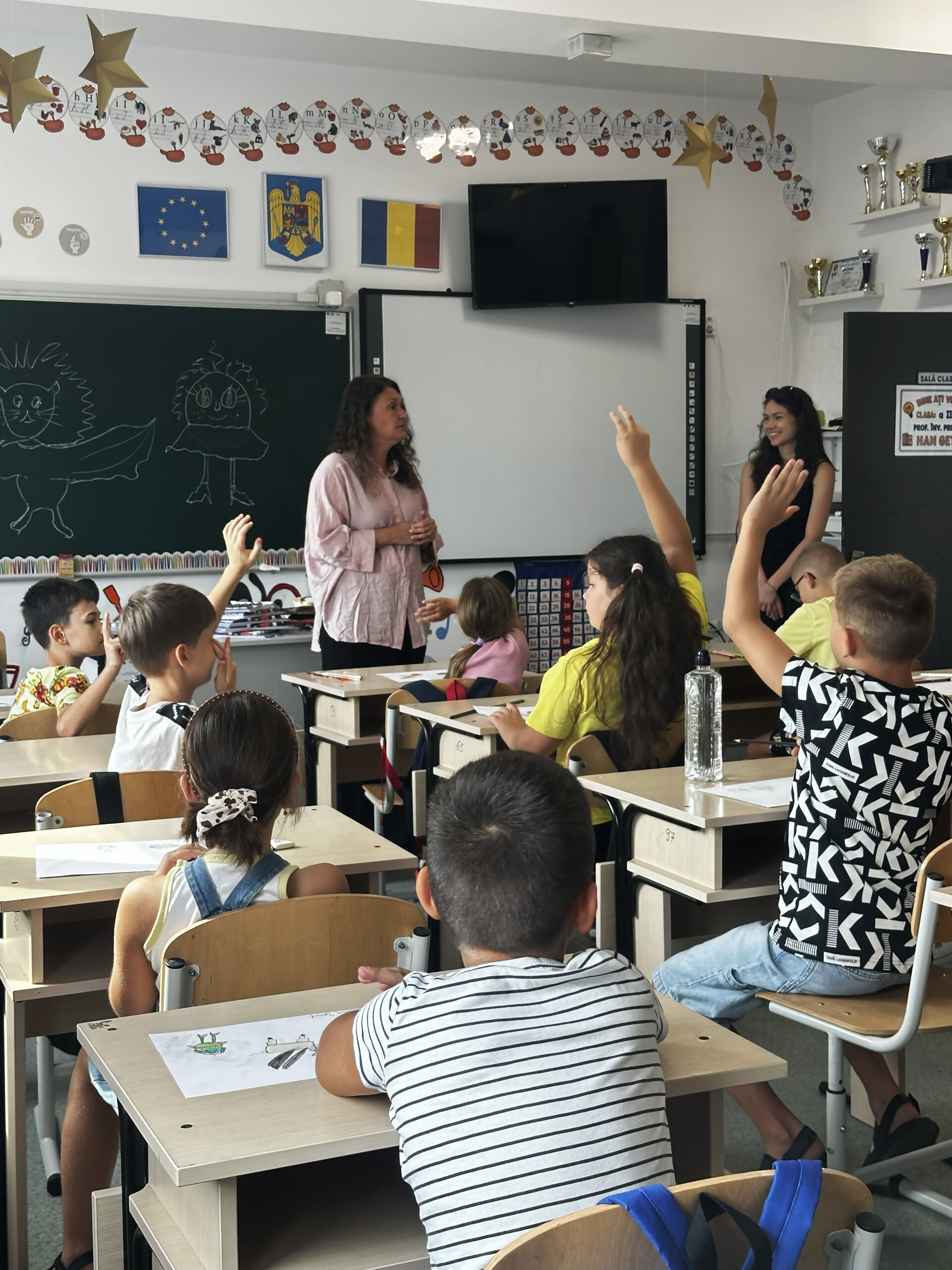
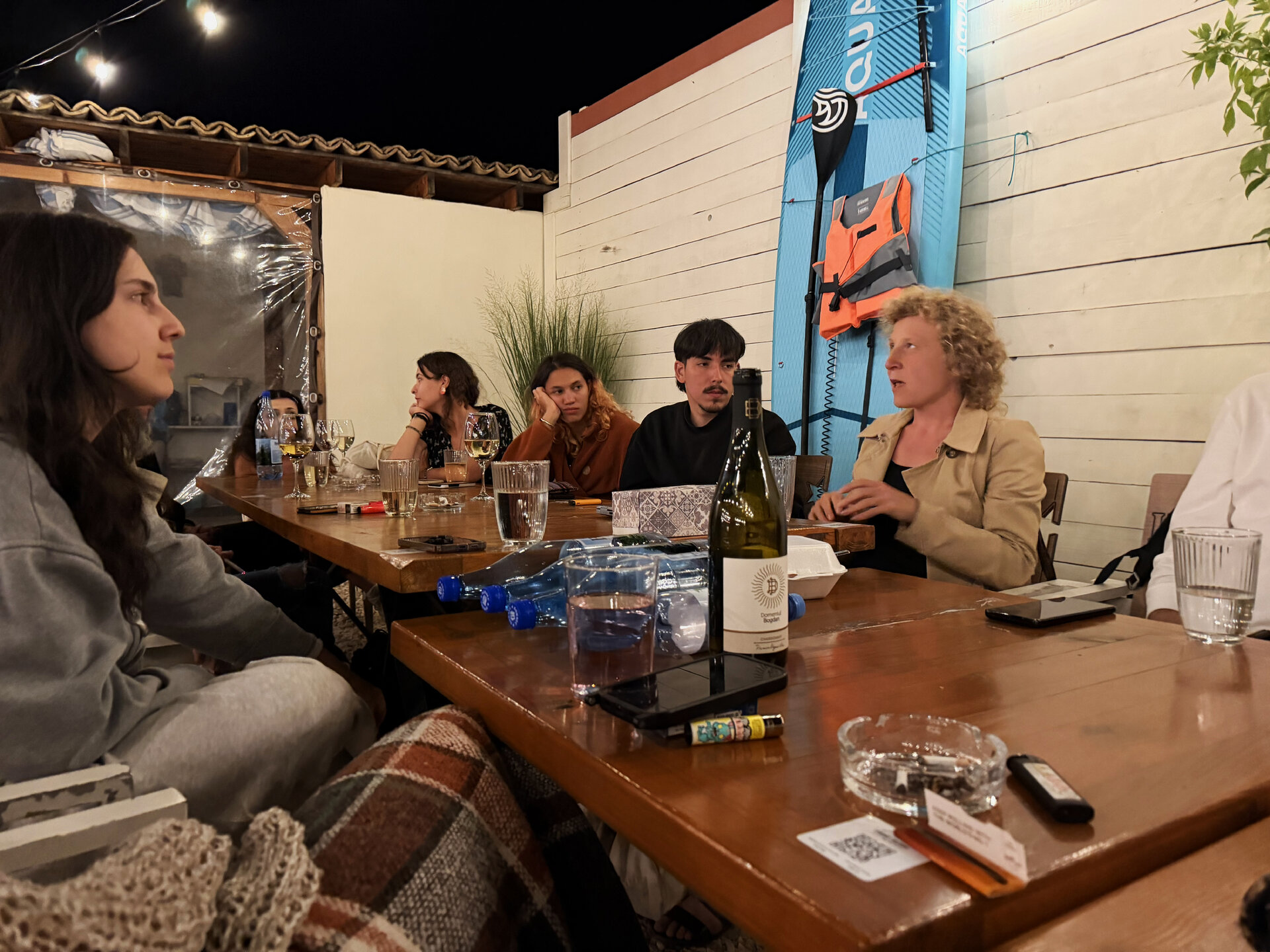
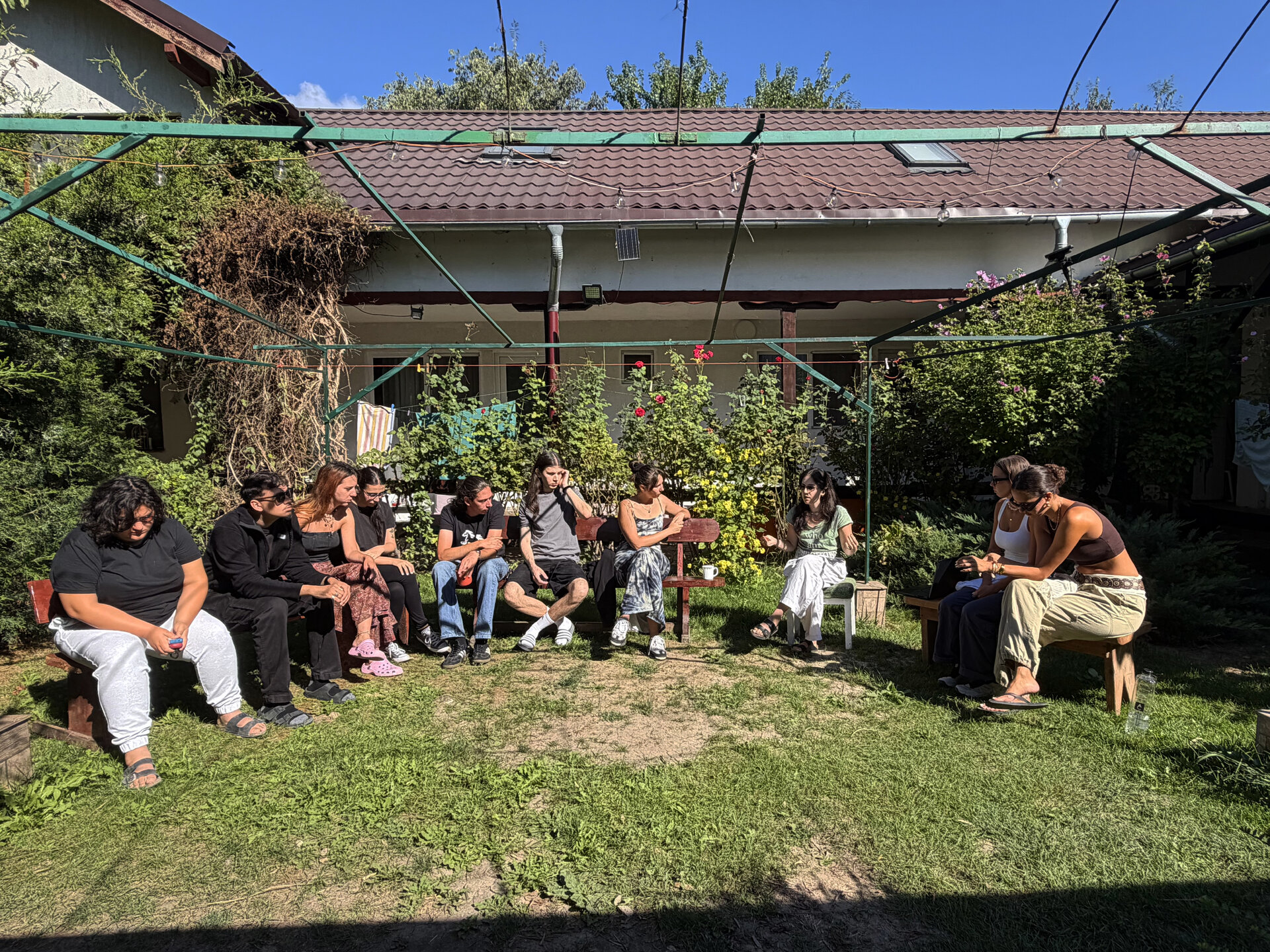
Dialogue. The programme included lectures and workshops. In a discussion with students and anthropologists, architect Elina Alatalo, from Tampere University, Finland, compared the challenges of Finnish architecture with those of the commune. The discussion confirmed the project's premise: the built and the social components of architecture cannot be thought of separately, and the link between them is built through education.
Book. The results were published in "Seaside. Aside", a bilingual book of some 150 pages. The commune of Limanu is its starting point, through texts on mapping, anthropology, funerary monuments and the making of the table. From there, contributions from Romania, Albania, Lebanon, the Netherlands, the United Kingdom and India read the seaside as a common good.
The answer to the question we started from was not an object but a process. Raising awareness of the value of heritage is slow and complex, but with perseverance and by working alongside the community, memory can become legible again.
Architecture and Experiments
- A Roof for St. Michael / Ein Dach für die Burgkirche
- ARCHY FEST_QUINETWORK 2026
- Civic Bucharest
- (H)ODAIA – A Rural Hub for the Rehabilitation of Cultural Landscapes
- Model 10
- Workshop AI in Architecture
- Video Mapping and Heritage. Empúries, Costa Brava: ancient ruins, media, and artificial intelligence
- GEMA – Geometric Experimentation with Architectural Morphology. A European Experience
- I can’t talk right now. I’m busy
- Disco Blast
- Limanu Summer School 2026 – Multicultural Heritage on the Edge
- Bucium Summer University 2026, 14th Edition. Safeguarding Rural Heritage through Education
- Camping and Research Kit on Șimian Island
- Cantacuzino Estate Summer School 2026, 8th Edition


