Bucium Summer University 2026, 14th Edition. Safeguarding Rural Heritage through Education
Authors’ Comment
BUCIUM SUMMER UNIVERSITY
Rural Heritage between Research, Experimentation and Community
RPER – Rencontres du Patrimoine Europe–Roumanie | 14th Edition, 2026
Initiated in 2011 by the RPER – Rencontres du Patrimoine Europe–Roumanie Association, the Bucium Summer University is a research, education and hands-on intervention programme dedicated to the rural heritage of the Apuseni Mountains. Over its fourteen editions, students, architects, historians, conservators and local craftspeople have worked together to document traditional architecture, preserve valuable historic buildings and transmit local building techniques.
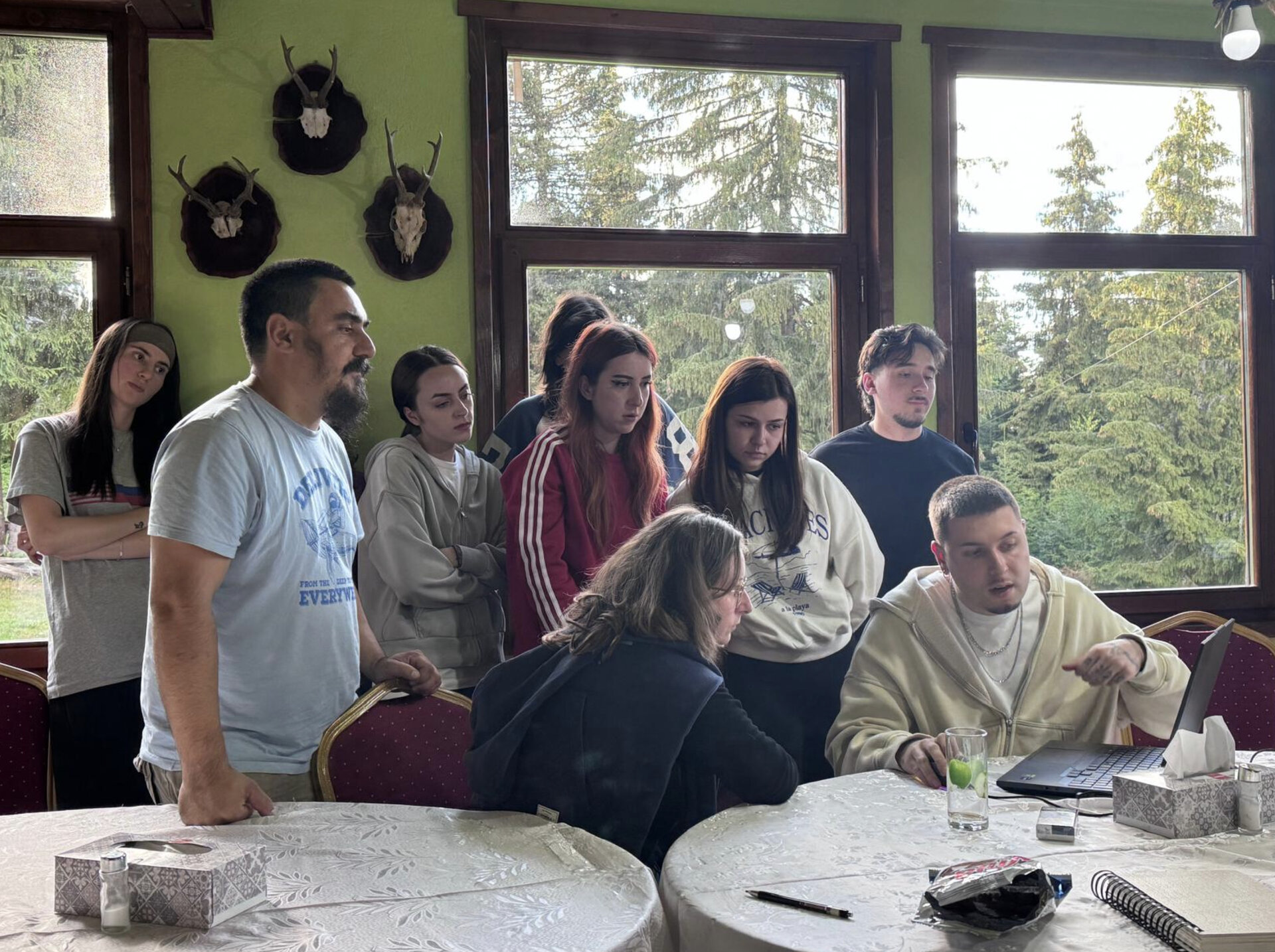
The 2026 edition continued the study of Bucium’s built heritage through architectural surveys, field observations, photographic documentation and practical workshops.
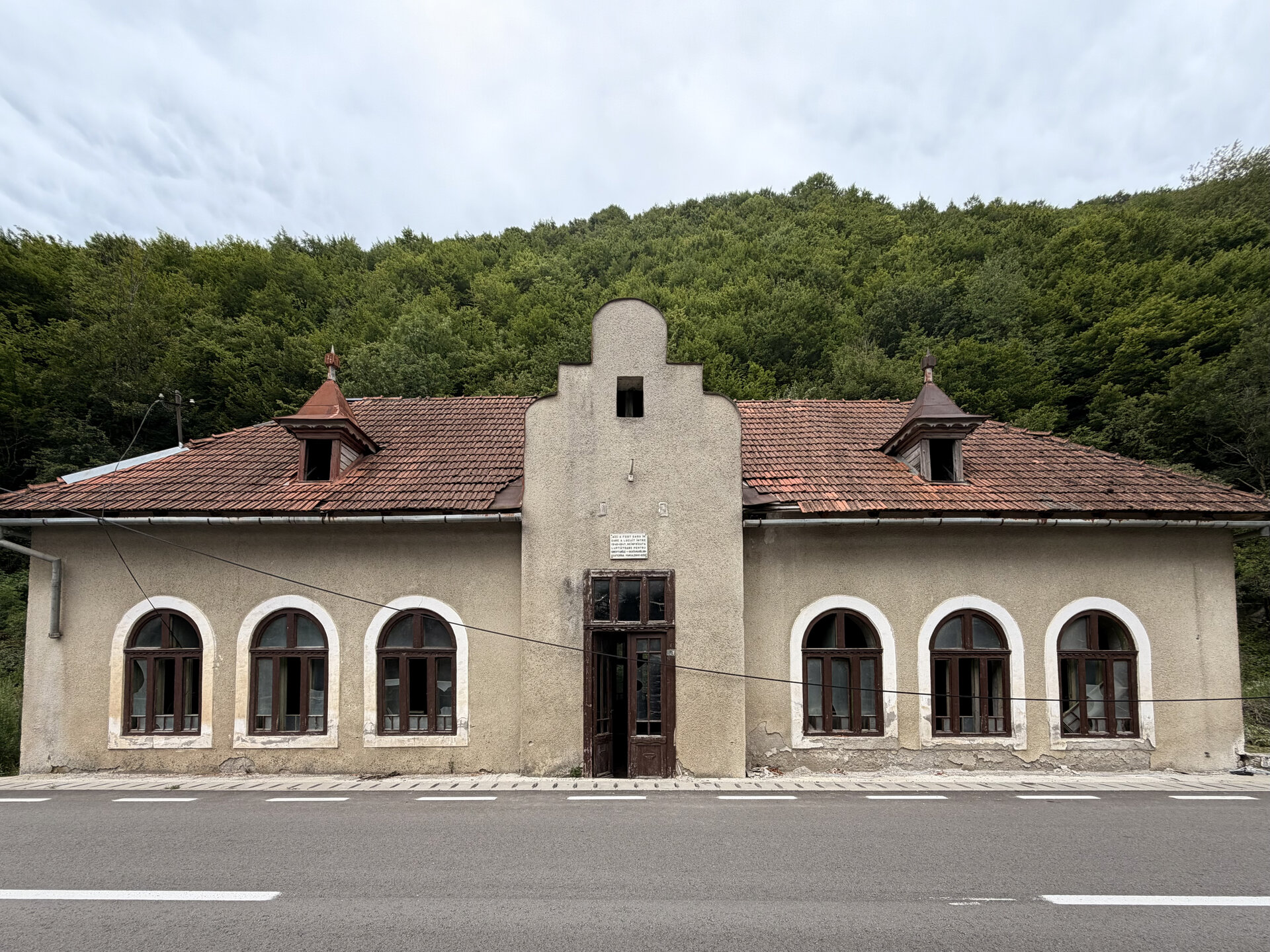
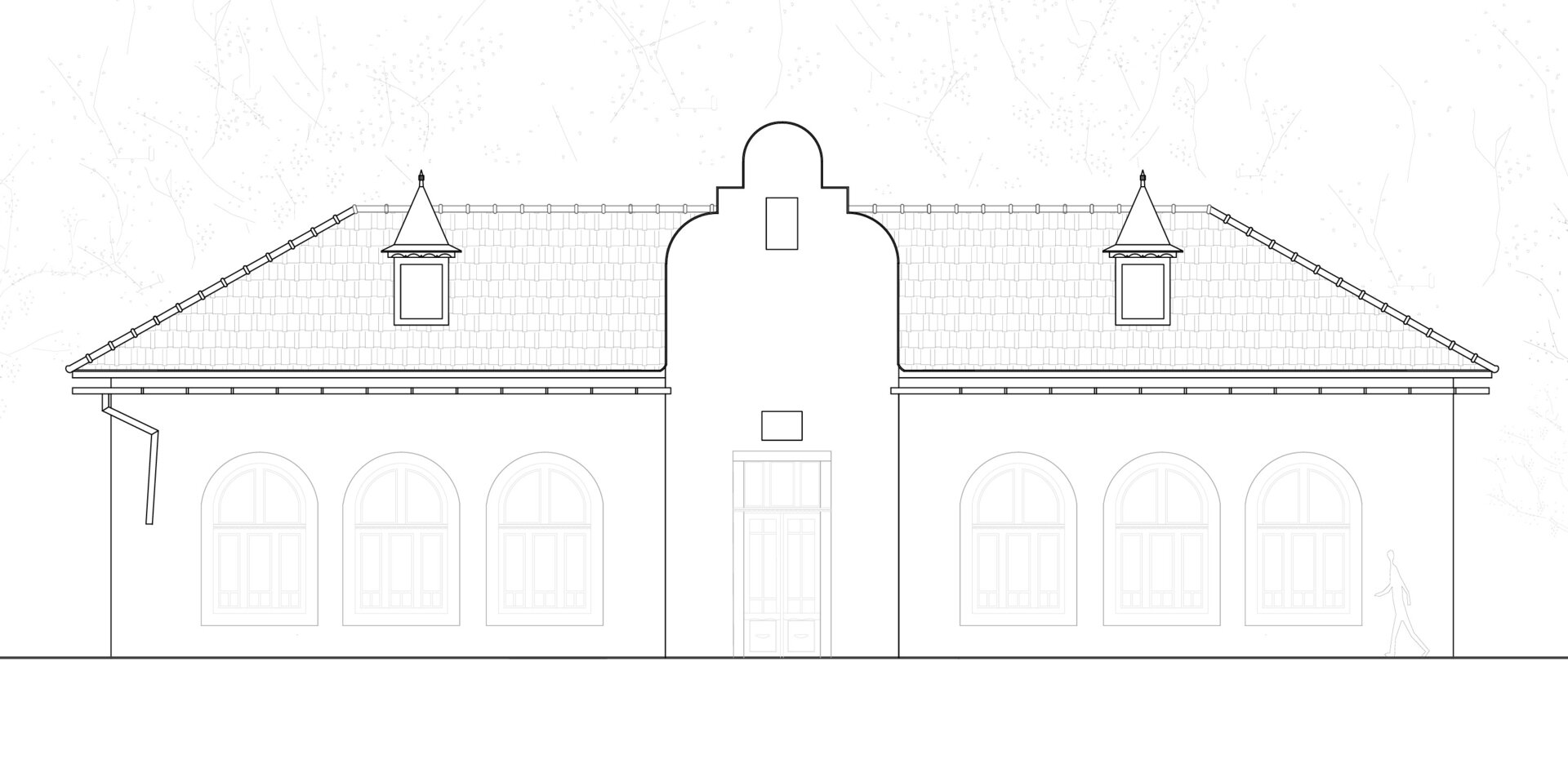
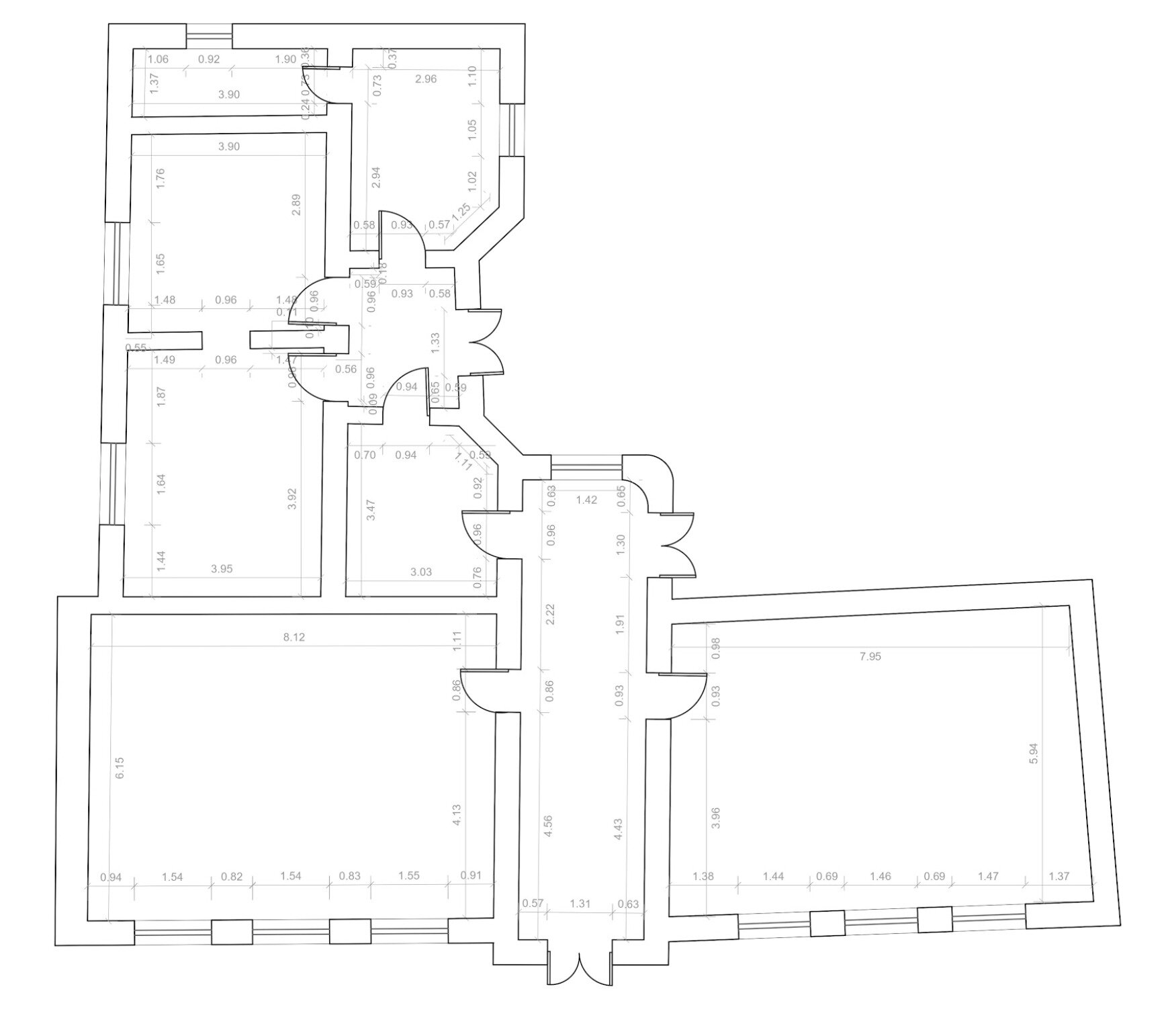
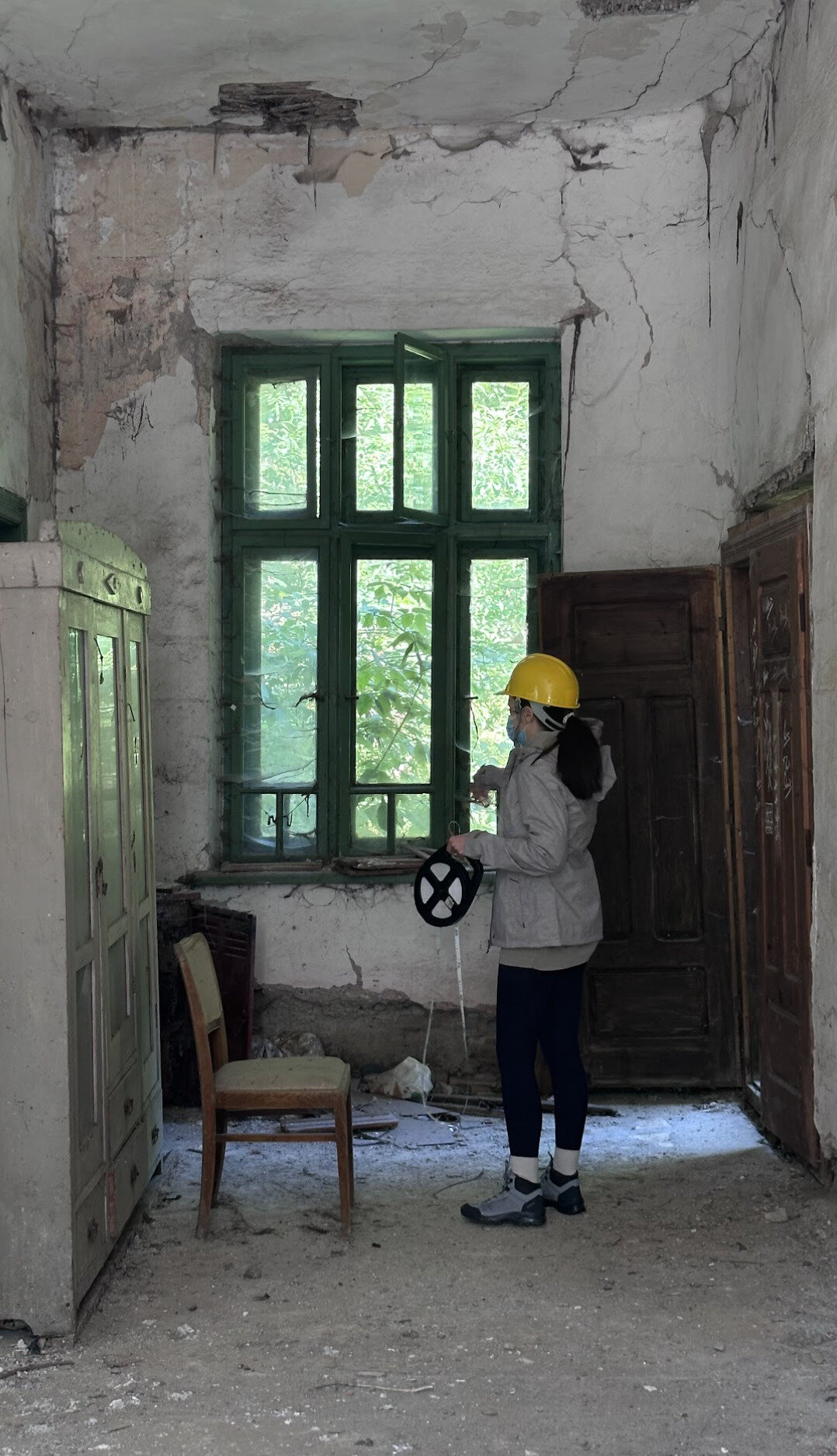
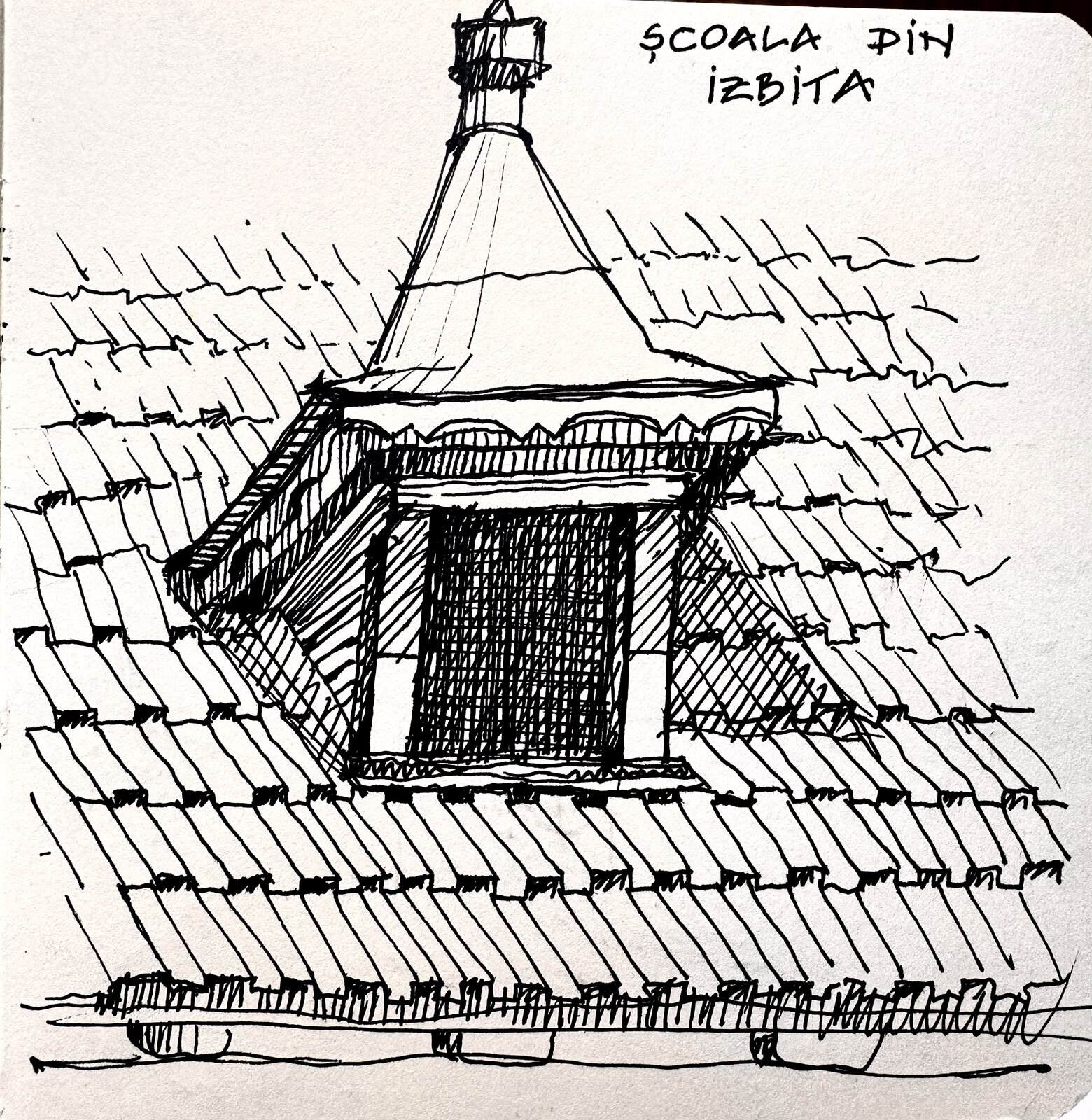
One of the main sites investigated was the former Primary School in Izbita, a building closely connected to the history of the local community and to the memory of Ecaterina Varga. Students carried out a complete architectural survey using direct measurements, sketches and photography. The spatial configuration, construction system, façades, materials and main forms of deterioration were recorded. The resulting documentation provides a basis for assessing the building’s state of conservation and for defining future rehabilitation and adaptive reuse interventions.
Research also focused on the Church of the Holy Archangels Michael and Gabriel in Izbita, a listed historic monument and an important landmark of the village. Measurements, architectural surveys and photographic documentation of both the exterior and interior were undertaken, with particular attention to the structure, materials, timber elements, tower, iconostasis and visible deterioration. The analysis also considered the relationship between the church, the cemetery and the surrounding built landscape.
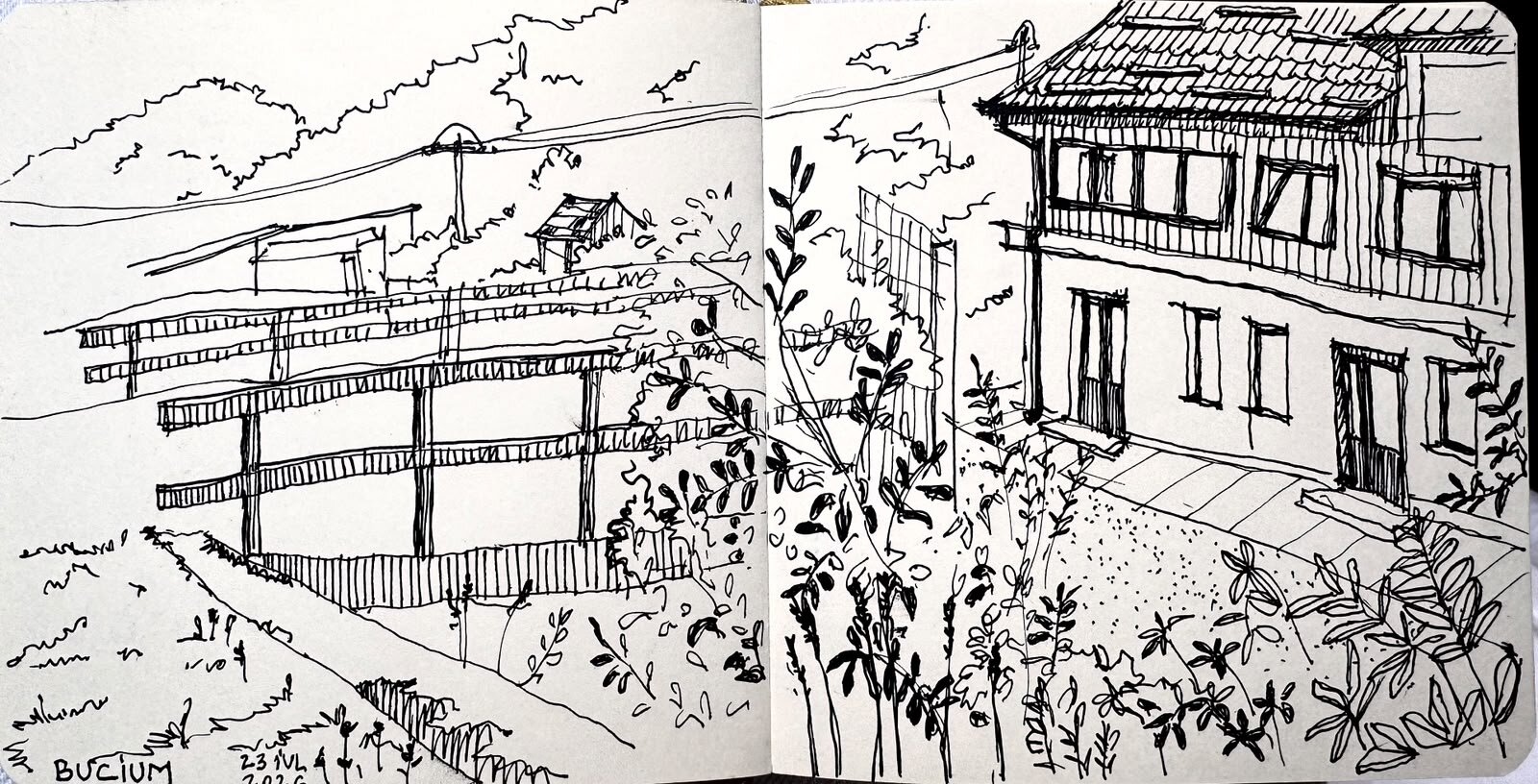
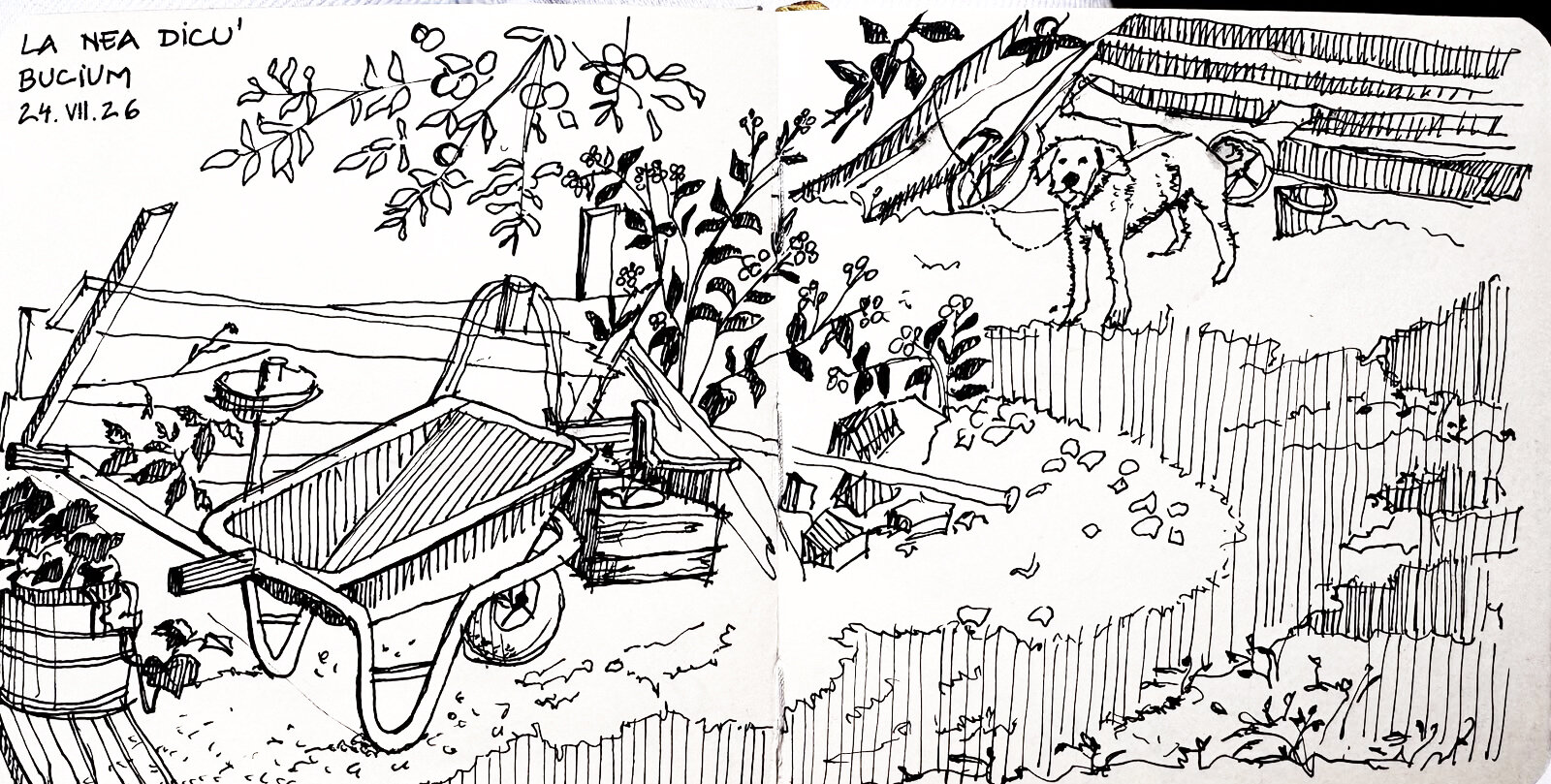
In parallel, students documented traditional households and buildings in Bucium, examining the organisation of the ensembles, the relationship between houses and outbuildings, local materials, construction systems and changes that occurred over time. Architectural surveying was used not only as a method of representation, but also as a tool for understanding vernacular architecture.
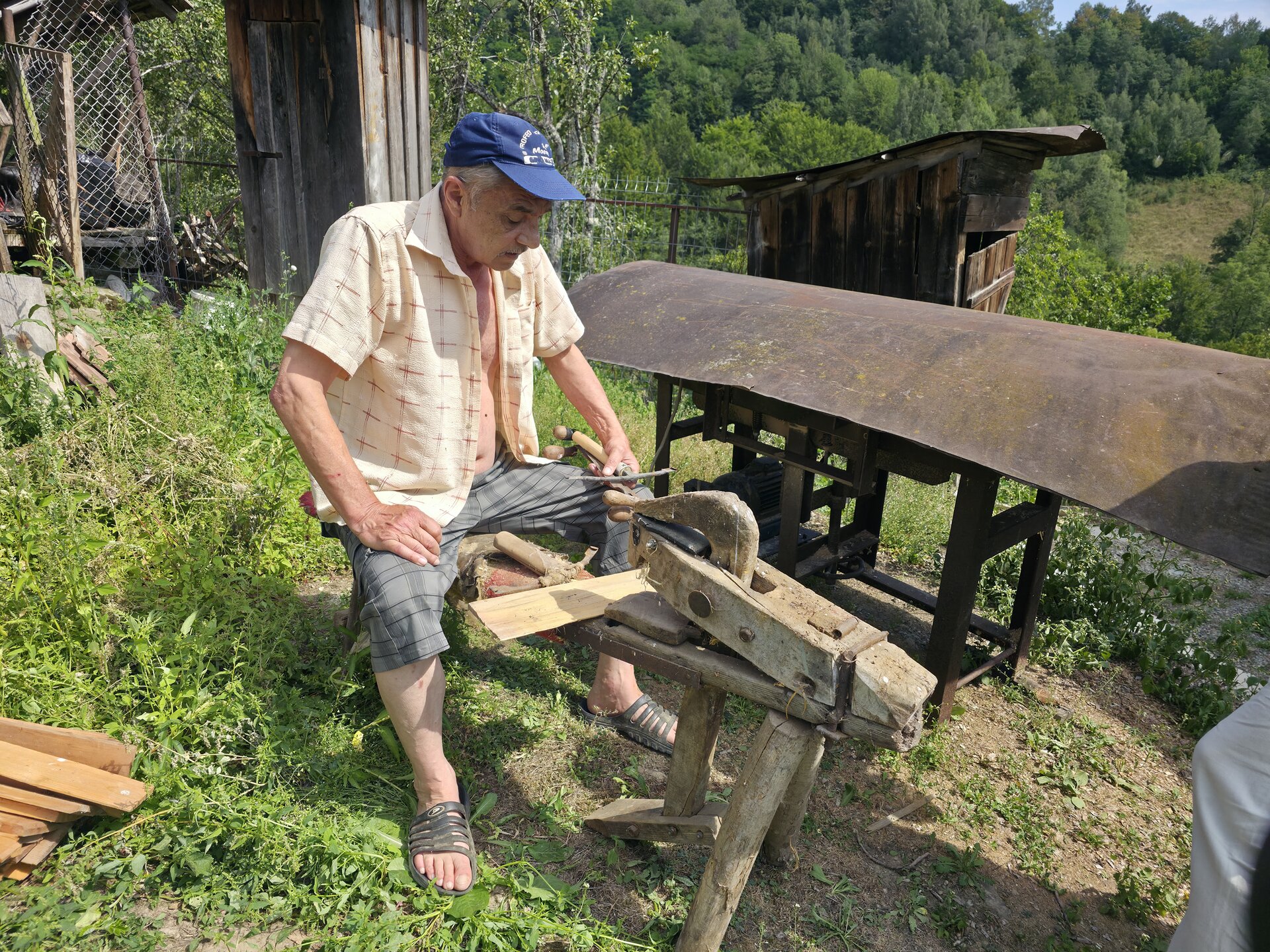
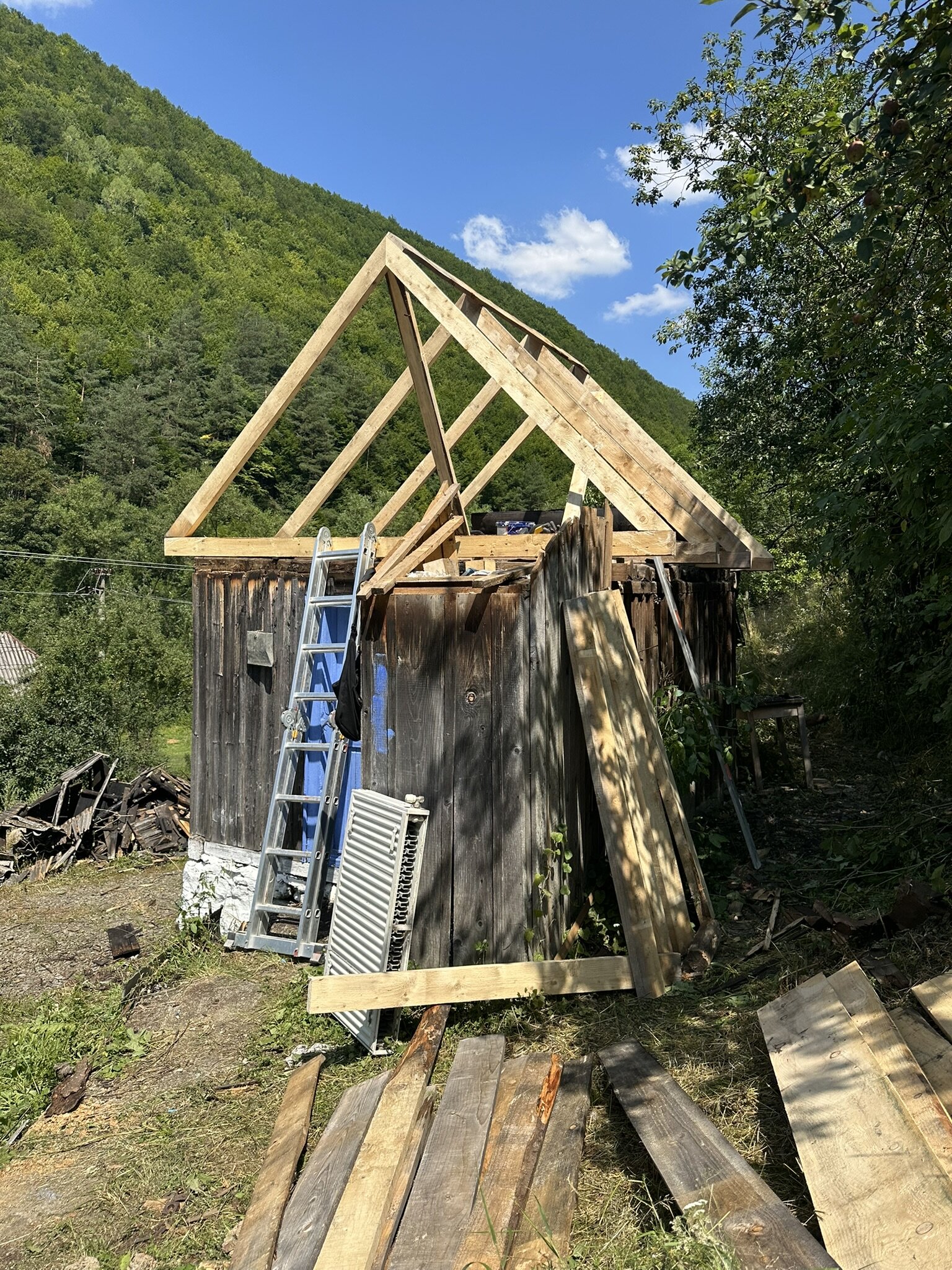
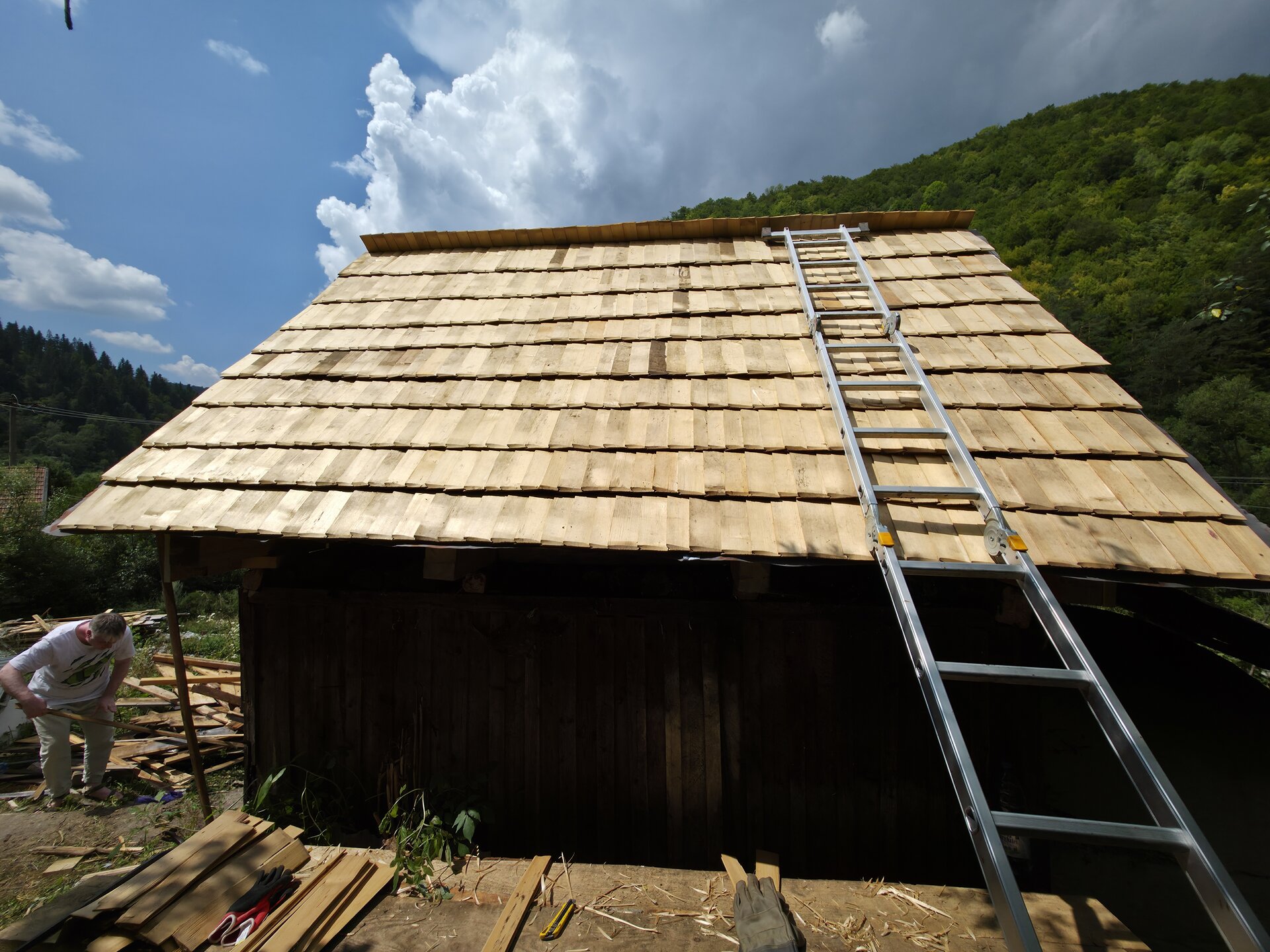
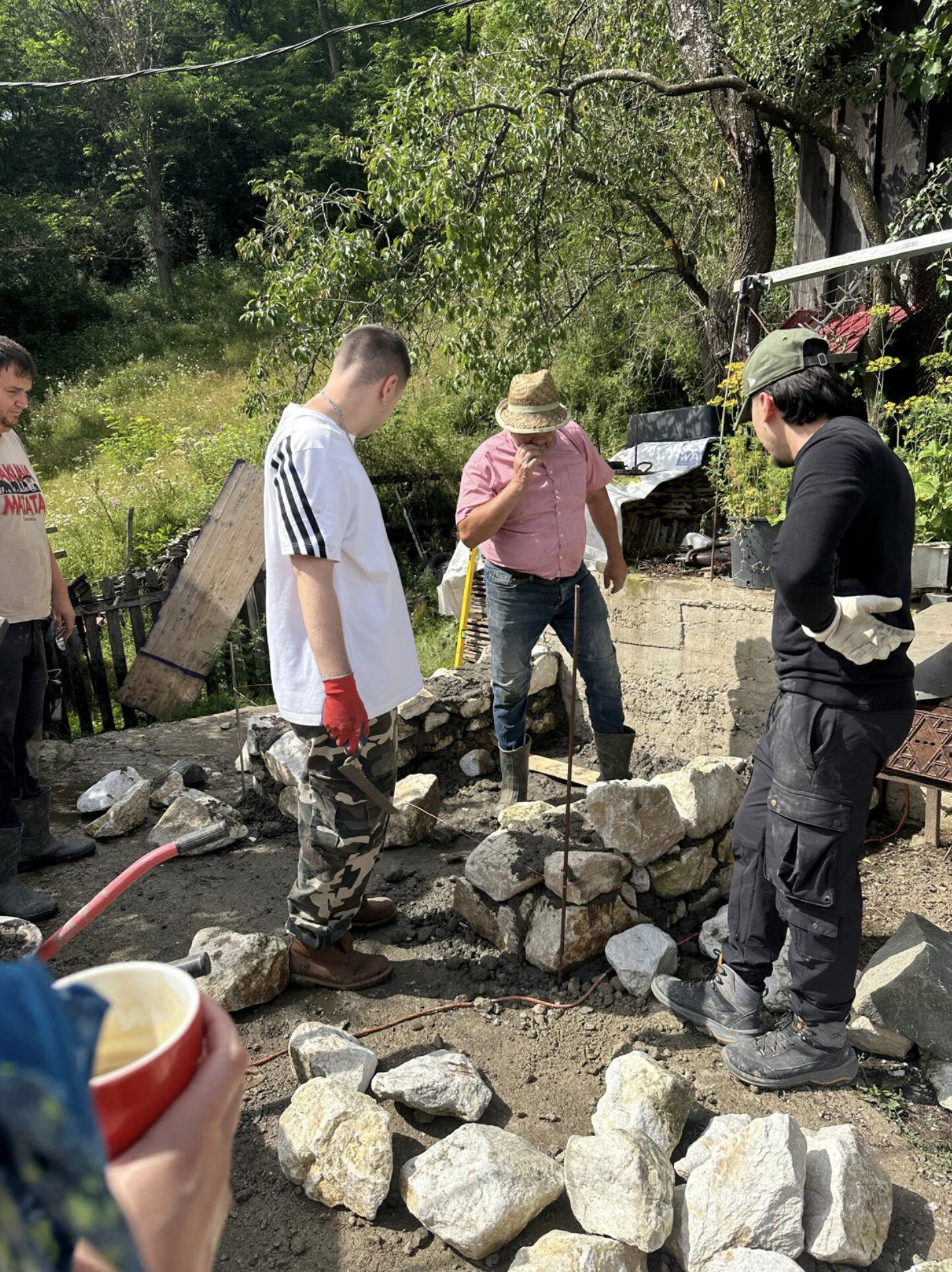
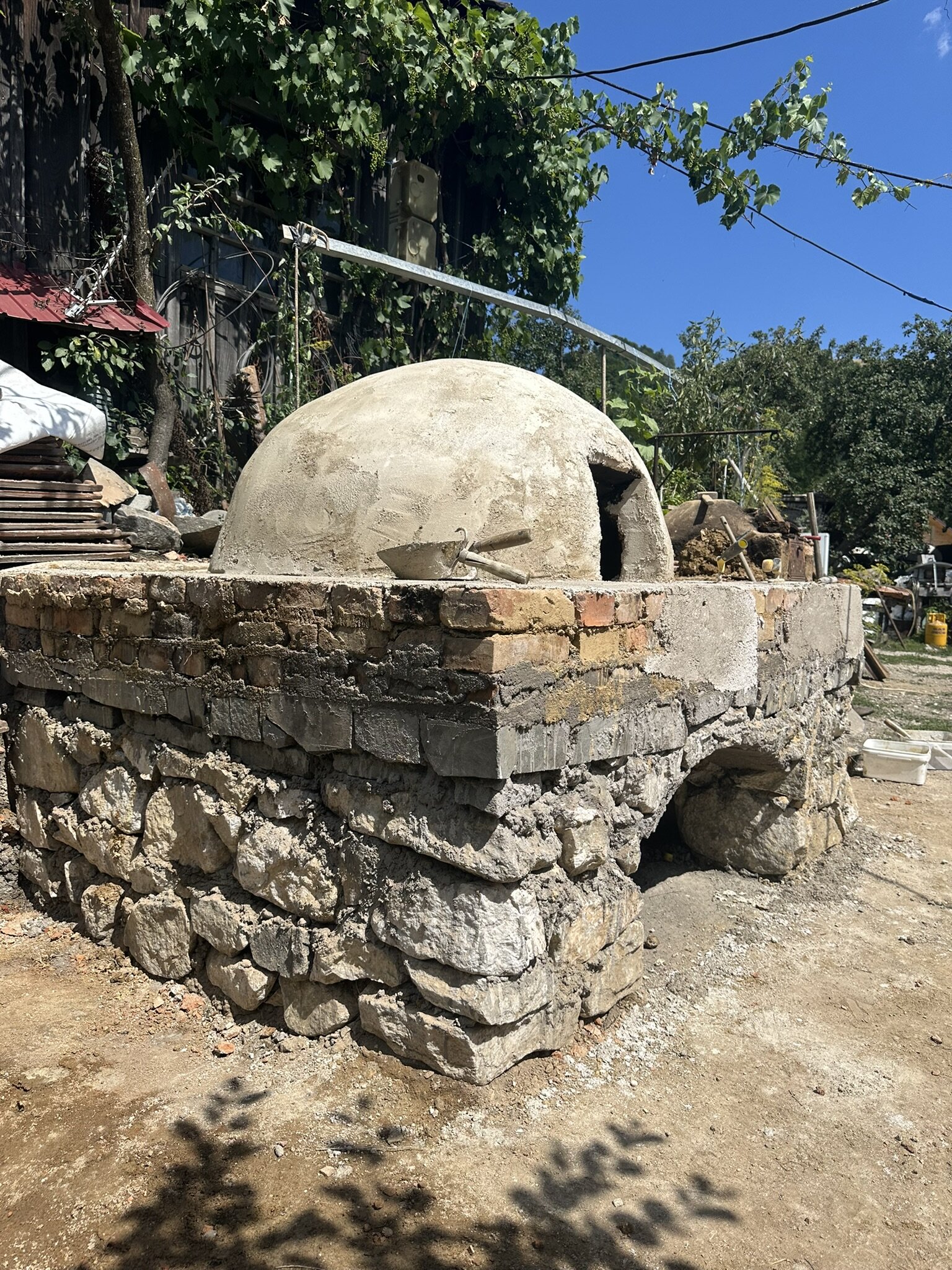
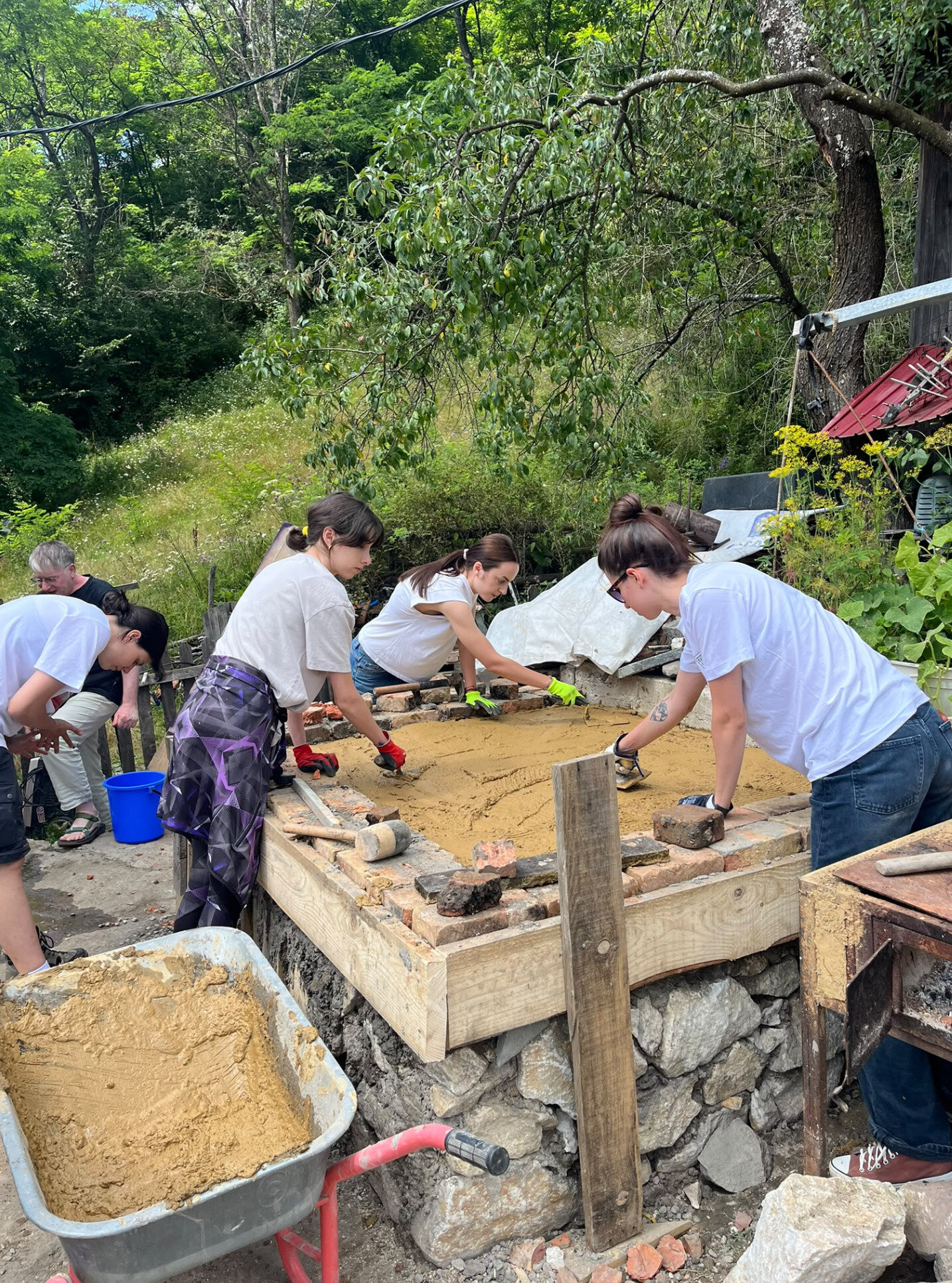
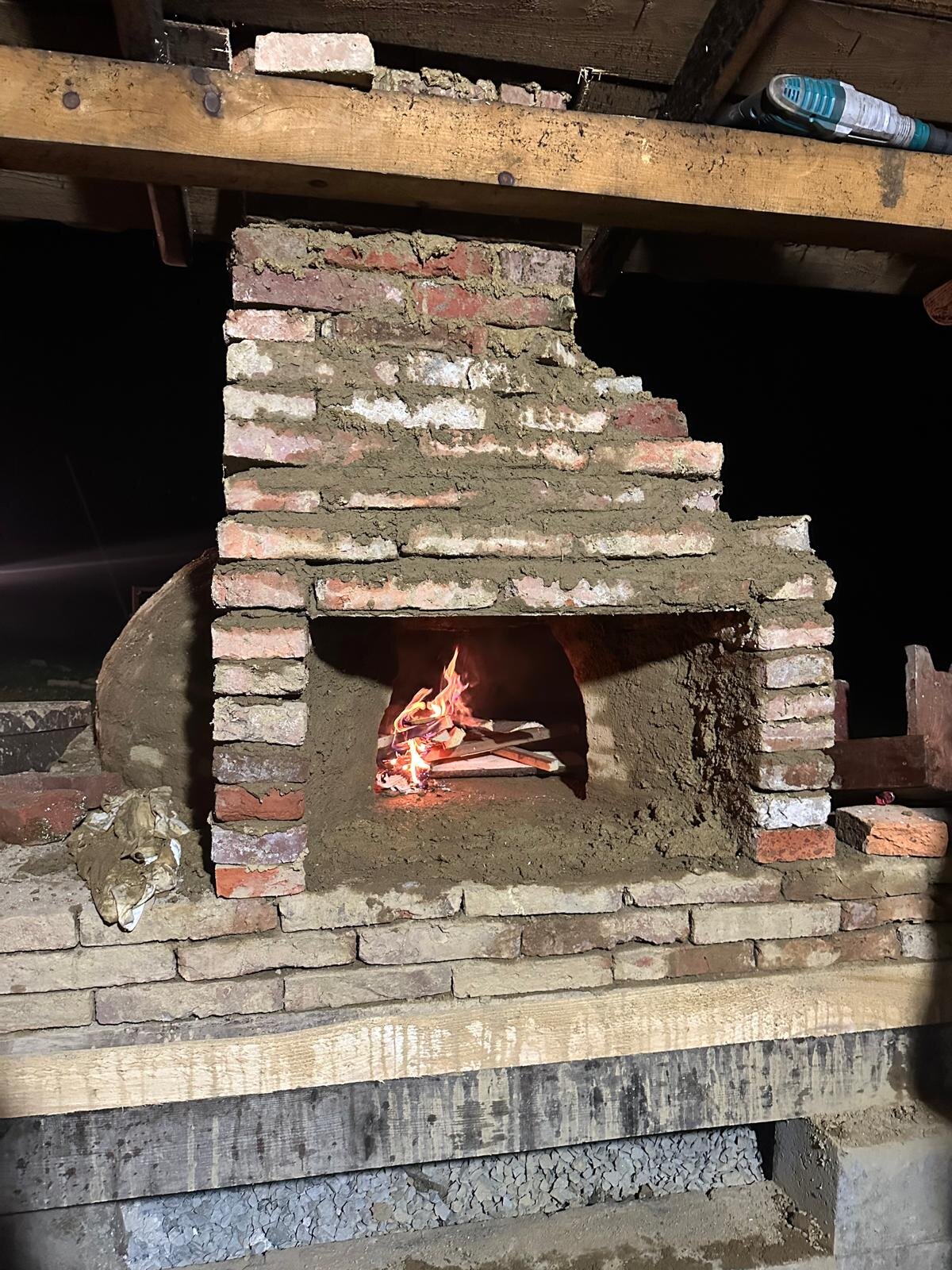
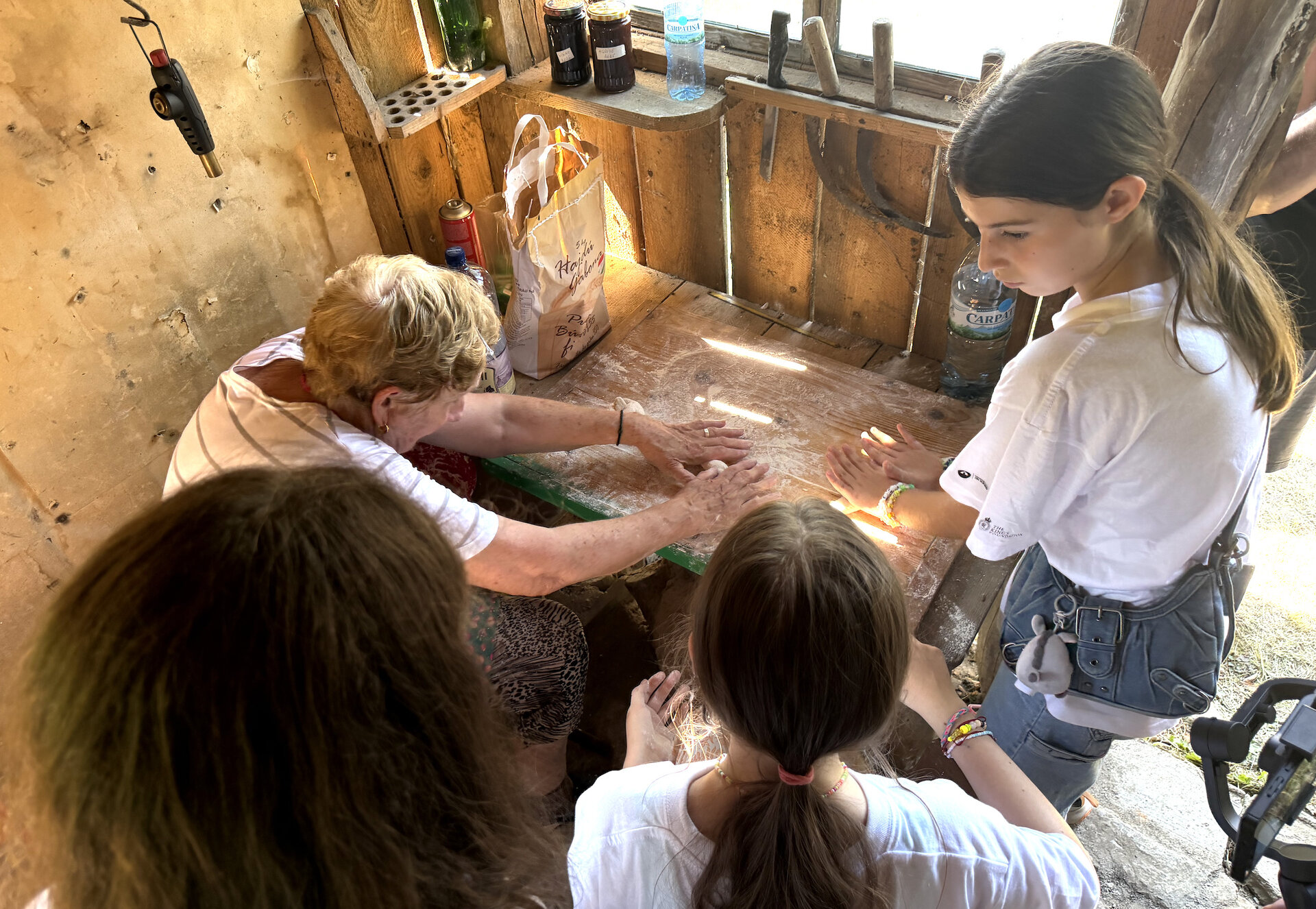
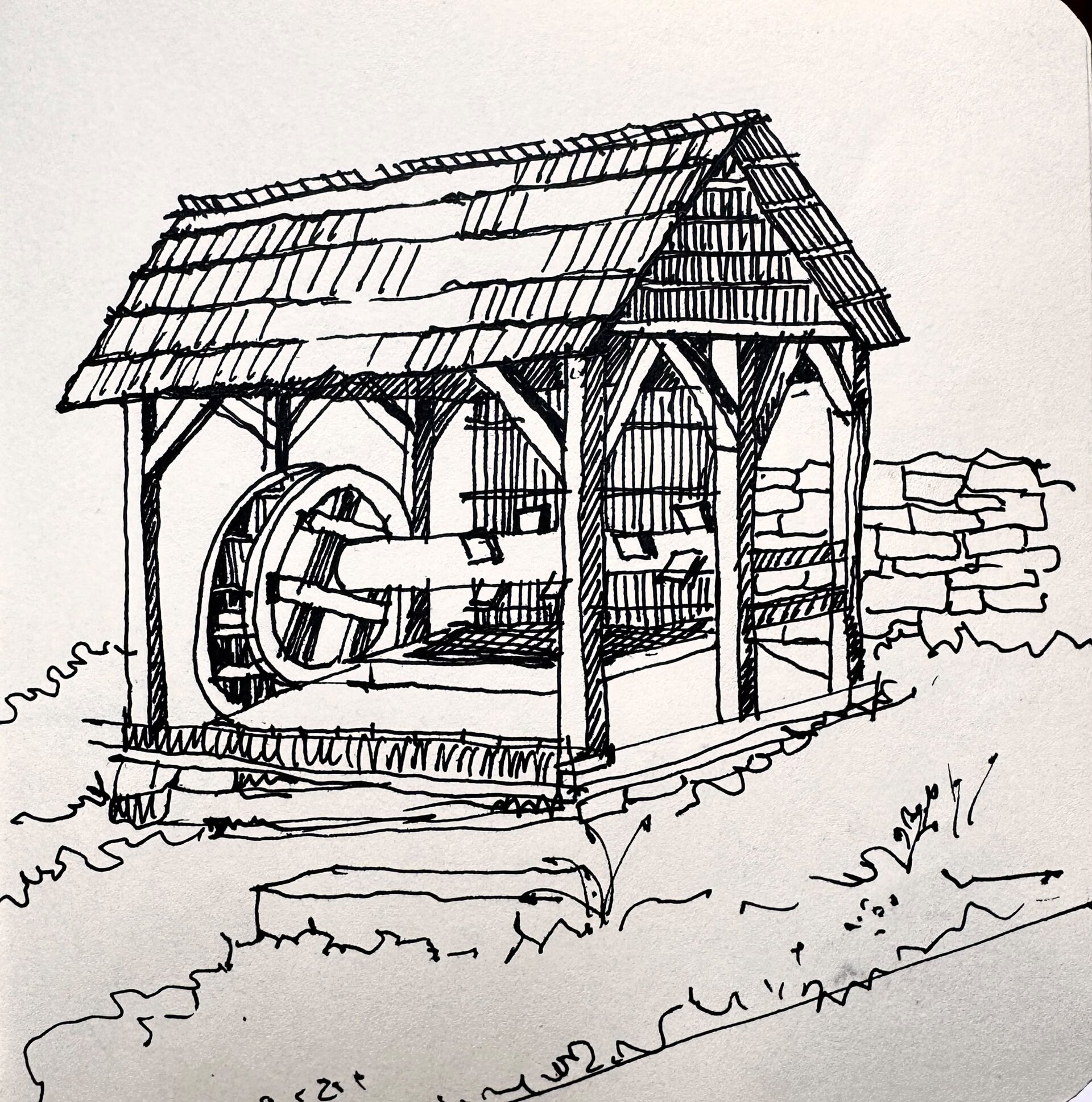
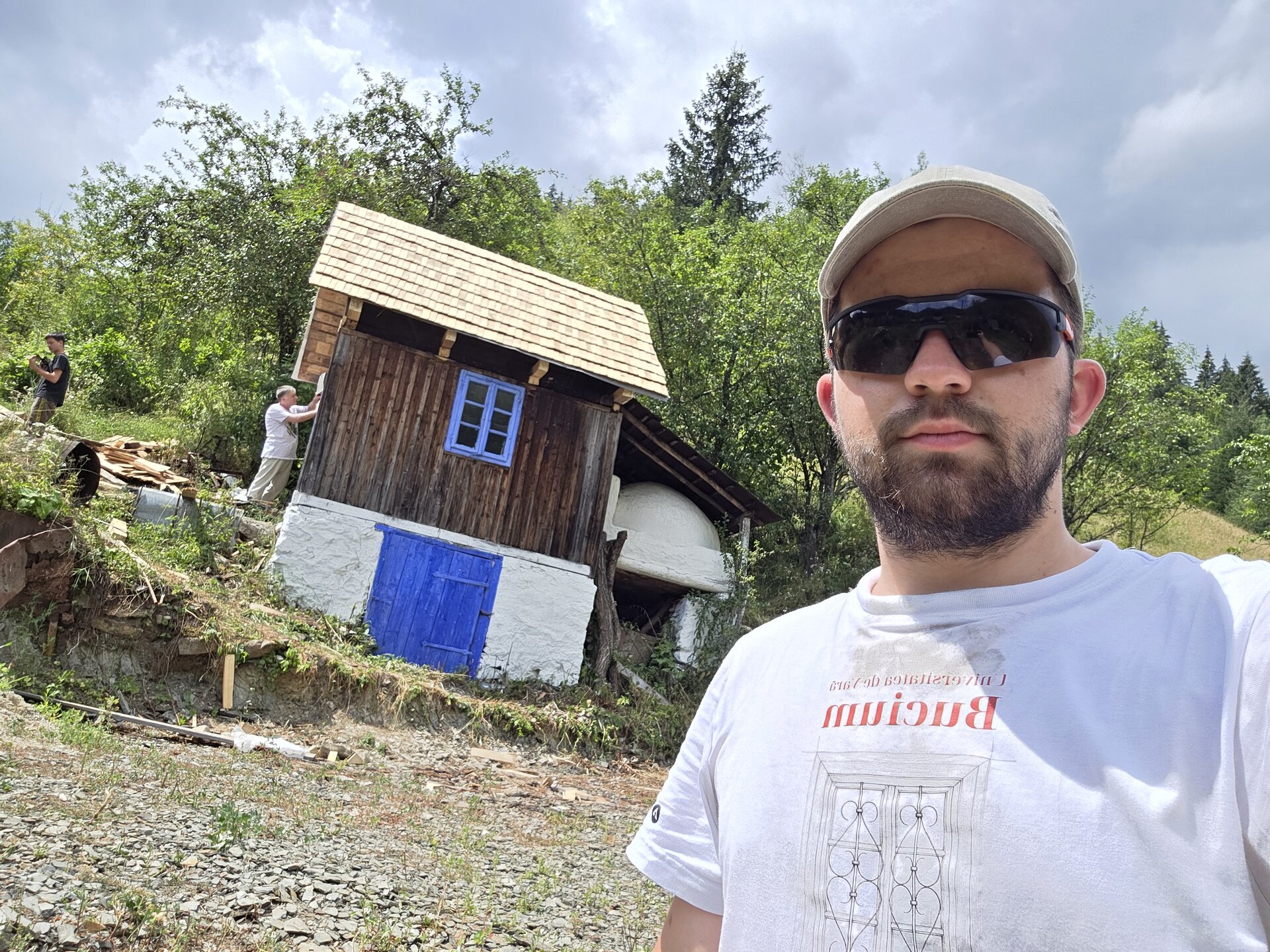
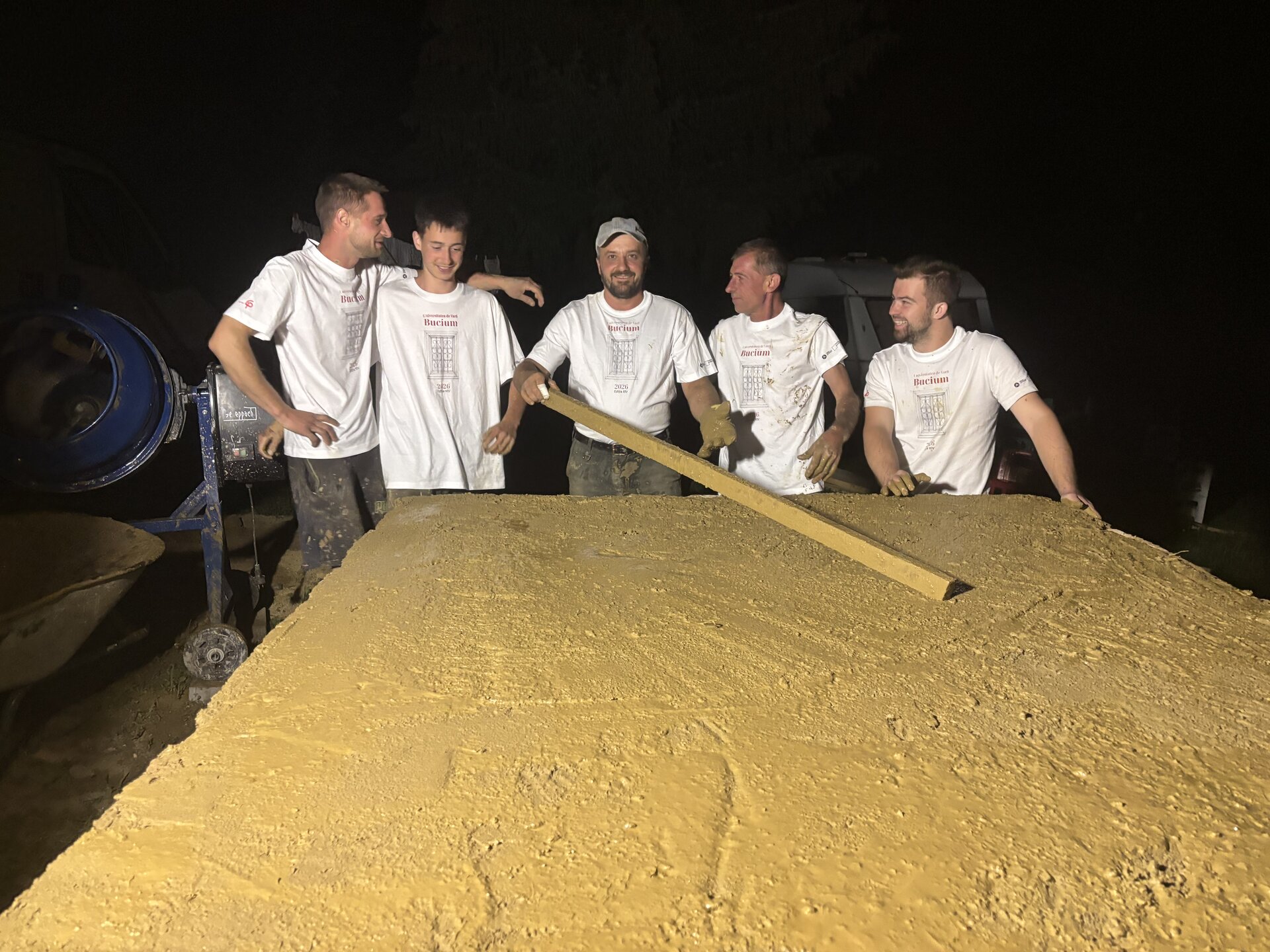
The practical component of the Summer University included wooden-shingle workshops and interventions on traditional bread ovens. During the shingle workshop, participants followed the process from timber selection to splitting and shaping the pieces, using traditional tools and learning the principles of roof installation. Working alongside local craftspeople enabled a direct understanding of a building technique that is transmitted primarily through practice.
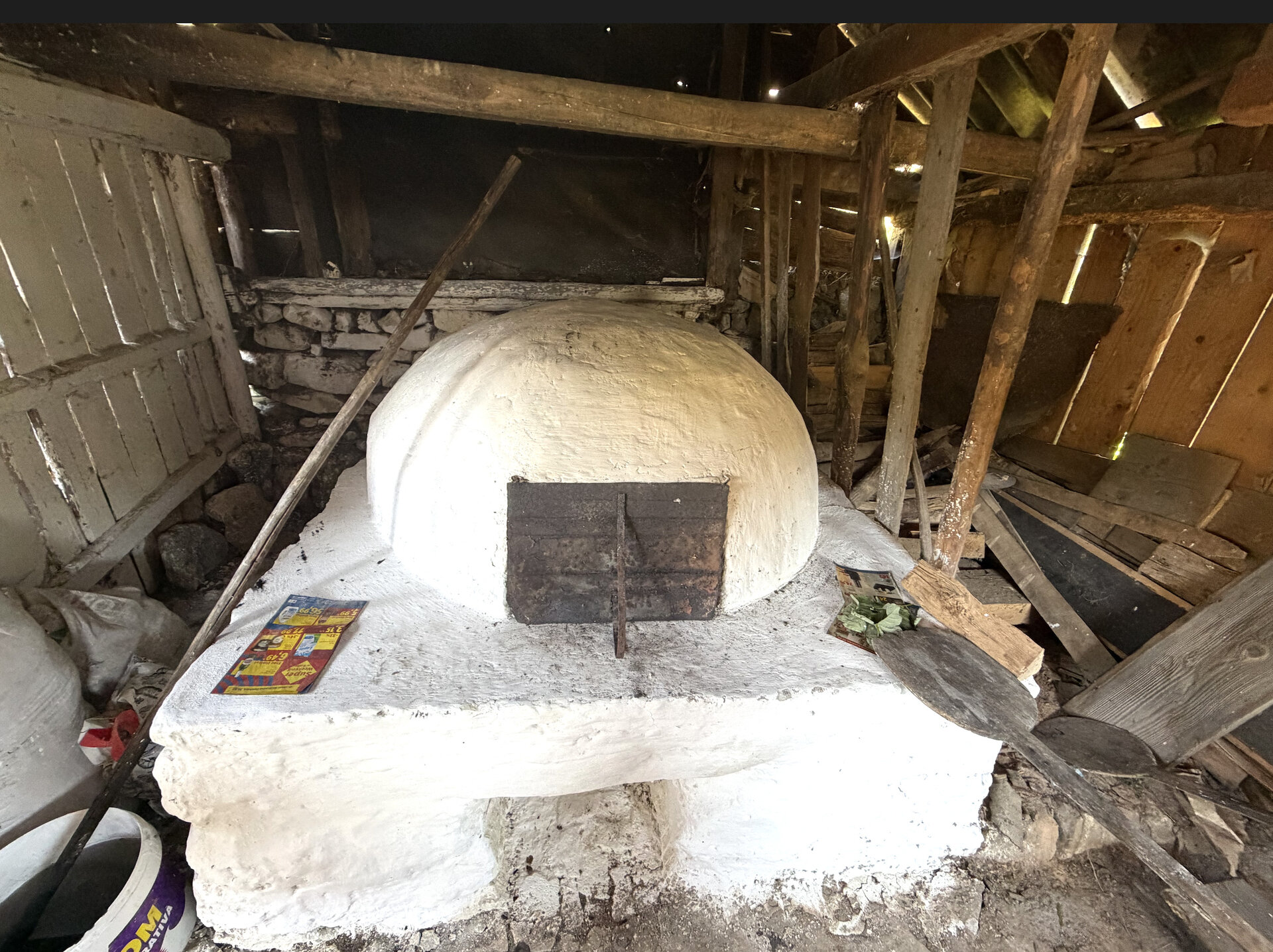
The workshops dedicated to traditional bread ovens focused on their documentation, repair and reactivation. Their form, materials and construction methods were analysed, while the practical work included preparing materials, repairing deteriorated areas and testing their functionality.
Architectural surveying, direct observation and hands-on work bring participants closer to the materials, techniques and people of the place, while heritage is understood as a living resource that can be preserved through knowledge, use and transmission to future generations.
Architecture and Experiments
- A Roof for St. Michael / Ein Dach für die Burgkirche
- ARCHY FEST_QUINETWORK 2026
- Civic Bucharest
- (H)ODAIA – A Rural Hub for the Rehabilitation of Cultural Landscapes
- Model 10
- Workshop AI in Architecture
- Video Mapping and Heritage. Empúries, Costa Brava: ancient ruins, media, and artificial intelligence
- GEMA – Geometric Experimentation with Architectural Morphology. A European Experience
- I can’t talk right now. I’m busy
- Disco Blast
- Limanu Summer School 2026 – Multicultural Heritage on the Edge
- Bucium Summer University 2026, 14th Edition. Safeguarding Rural Heritage through Education
- Camping and Research Kit on Șimian Island
- Cantacuzino Estate Summer School 2026, 8th Edition


