- Nomination for the “Research through Architecture / Architecture and Experiments” section
Civic Bucharest
Authors’ Comment
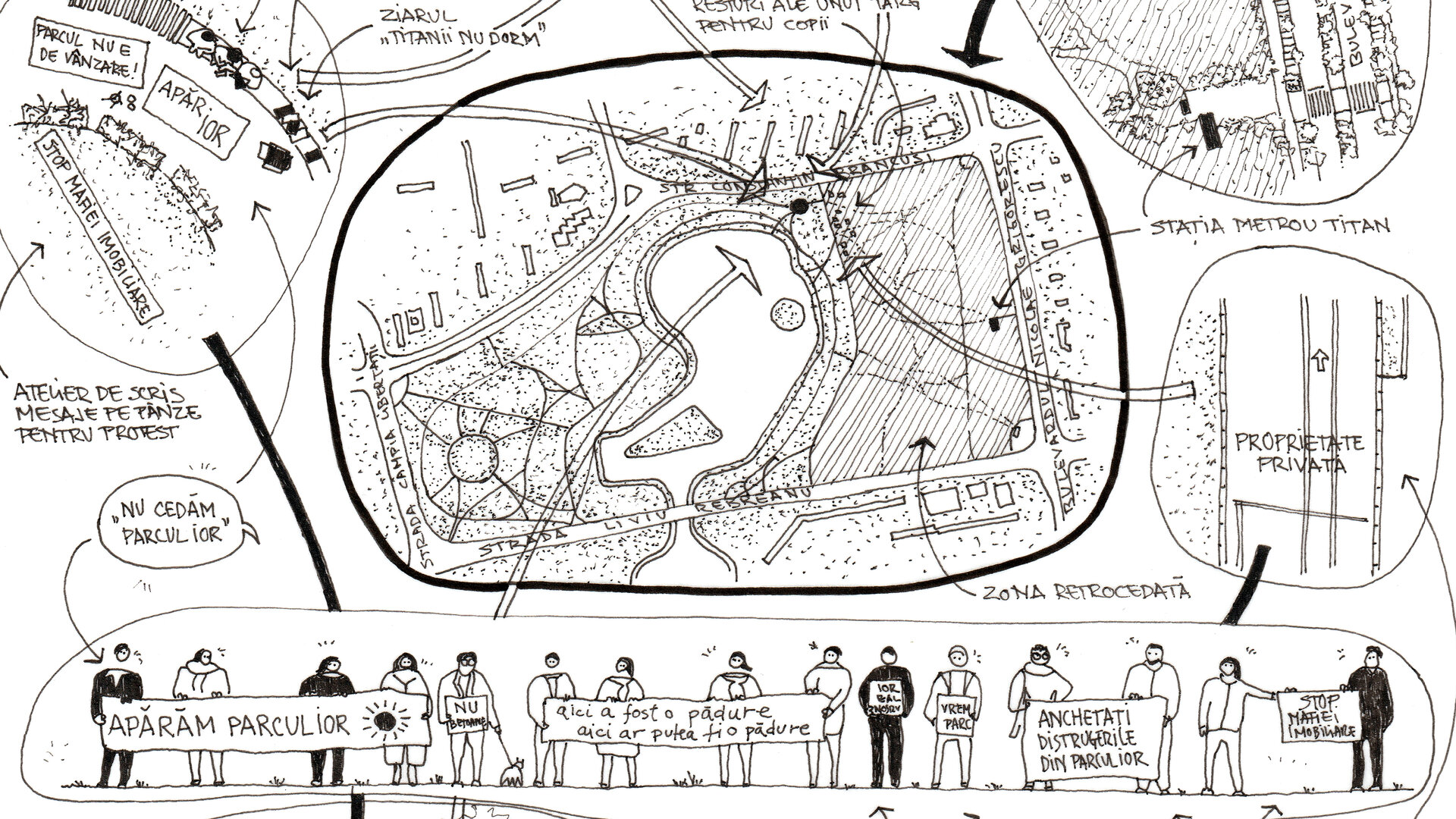
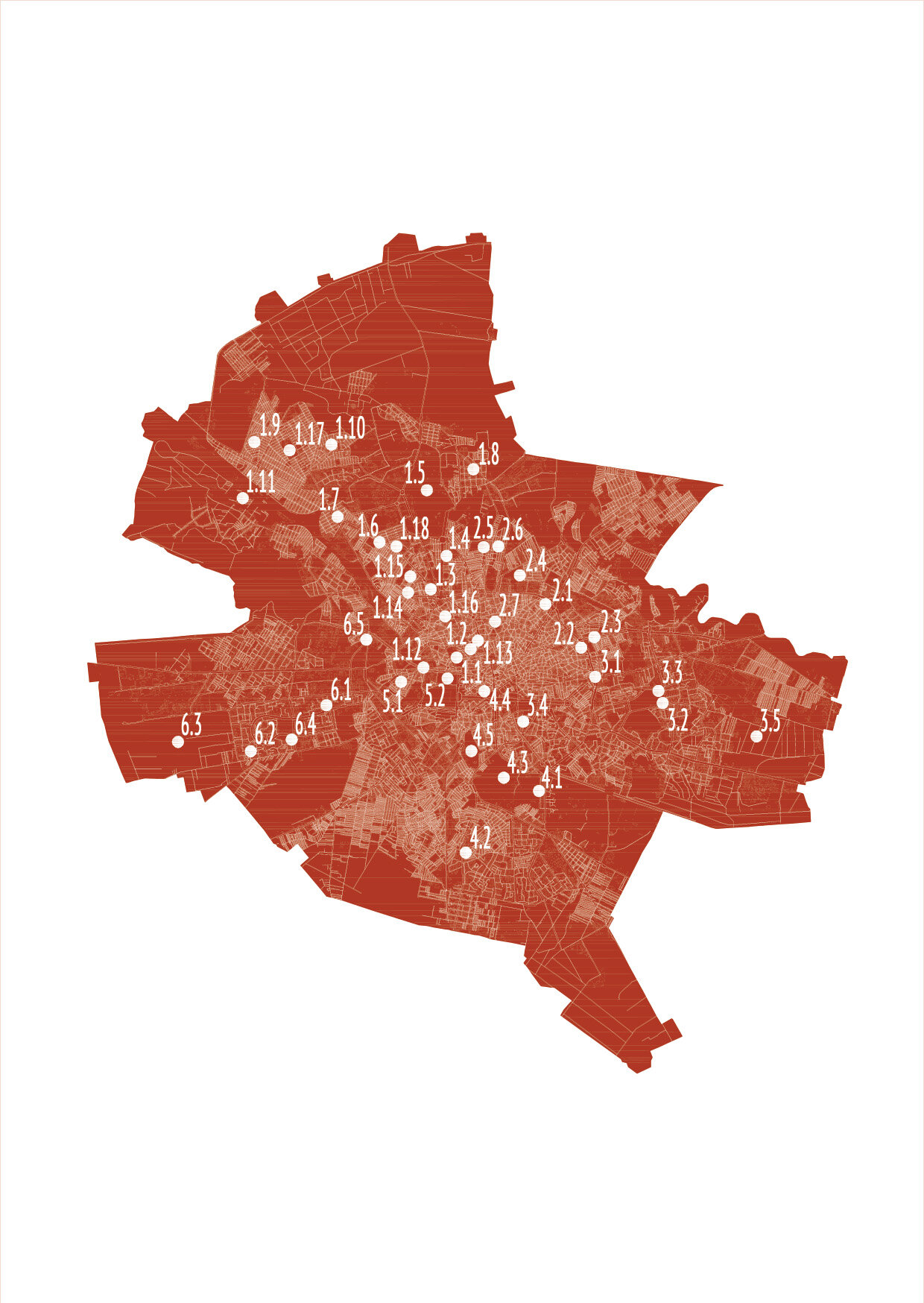
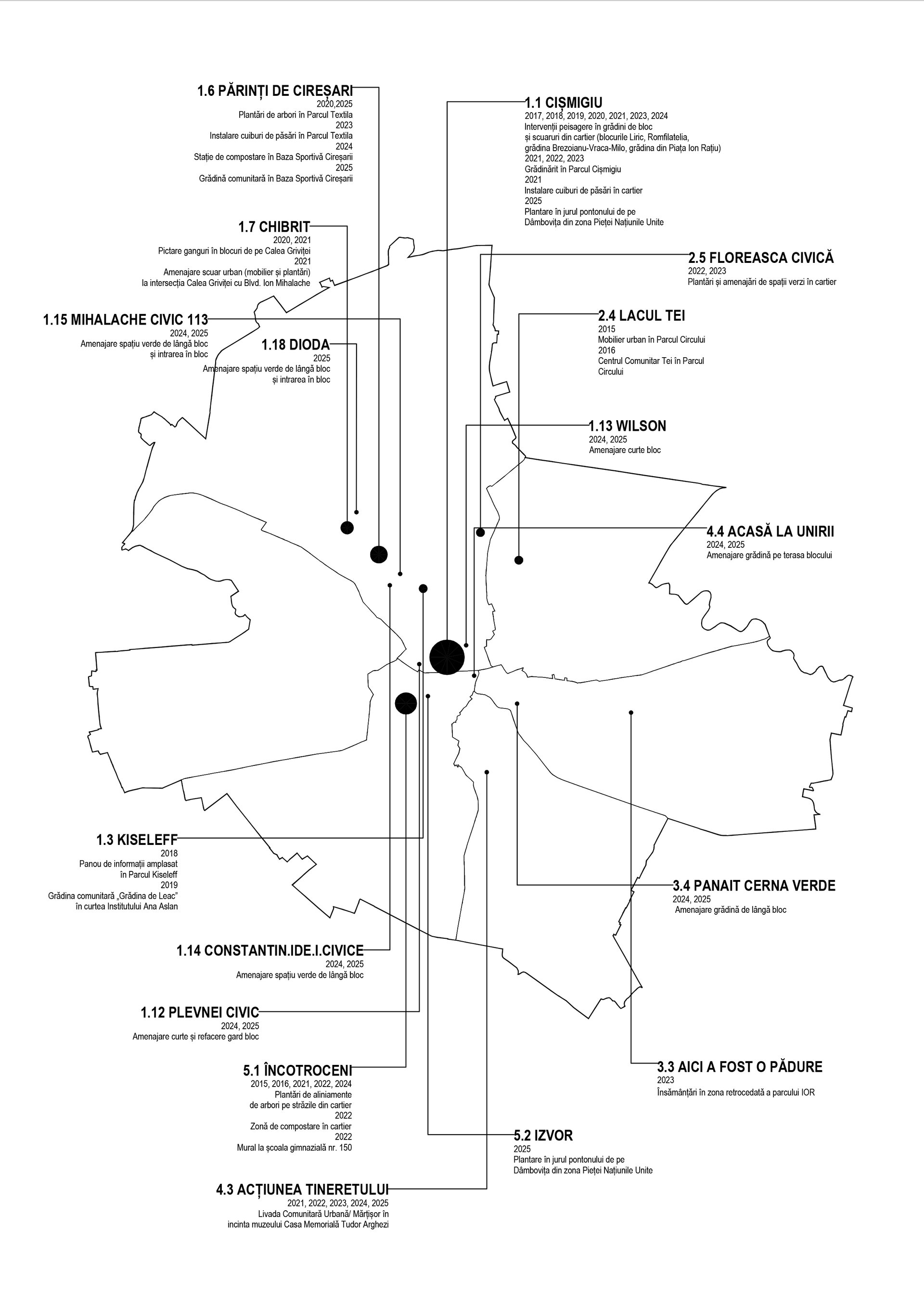
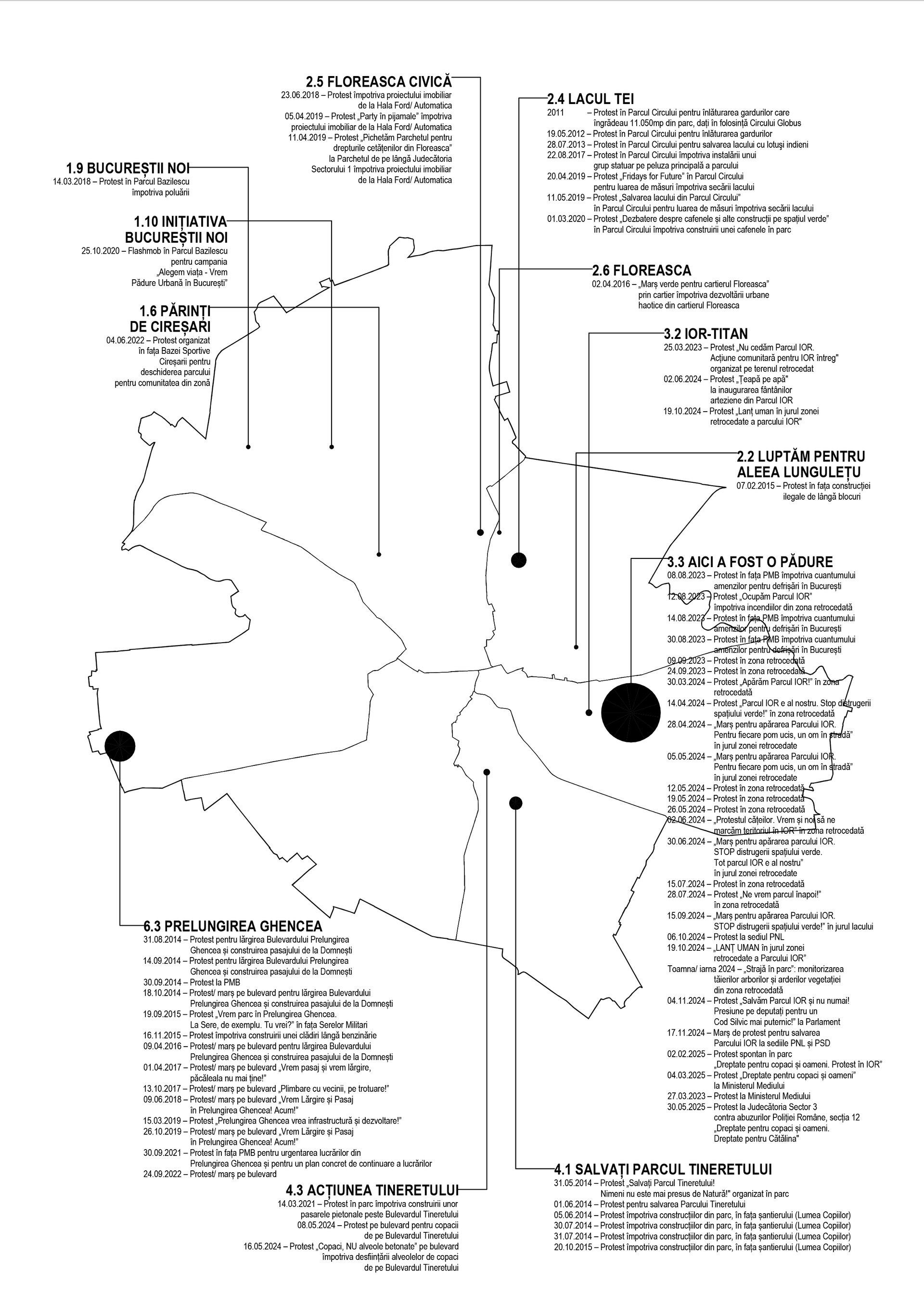
In 2025, Bucharest had 41 civic groups that were either still active or had been until recently. Started from 2009-2010 onward, following the community organizing program developed by CeRe: Resource Center for Public Participation, Bucharest's civic groups are an expression of grassroots civic engagement and local, neighborhood-scale urban activism. Each of these groups has clear objectives aimed at improving quality of life in the neighborhoods where they live and act: protecting green spaces, urban rehabilitation, stopping illegal construction, cleaner air, properly maintained green spaces, stopping city hall projects that ignore citizens' real needs, cleaner playgrounds, and more. For more than 15 years, hundreds of people from different neighbourhoods have joined forces and found that, together, with rigorous documentation, persistence, and resilience, they can change the small, irritating things that cause them stress every day.
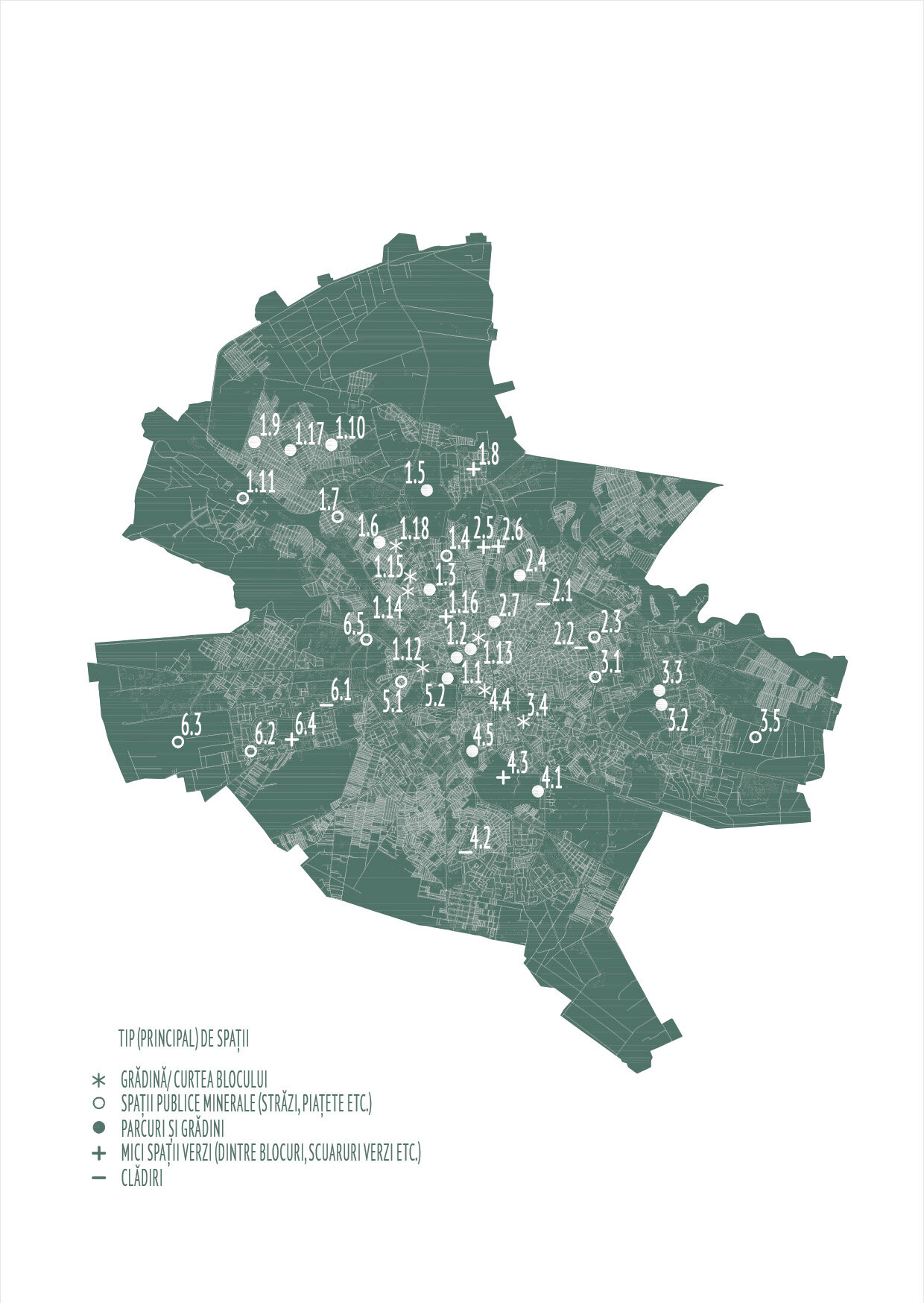
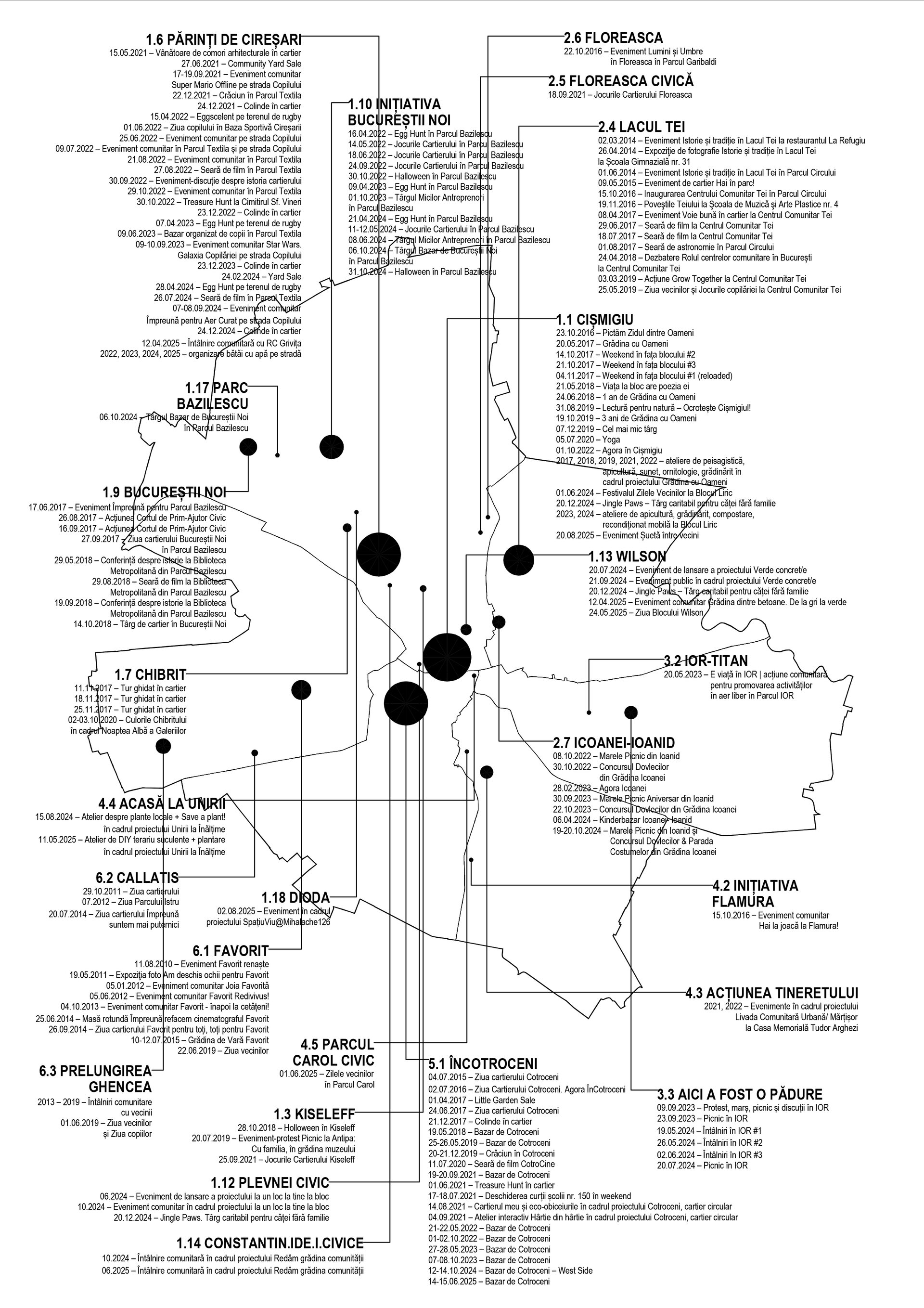
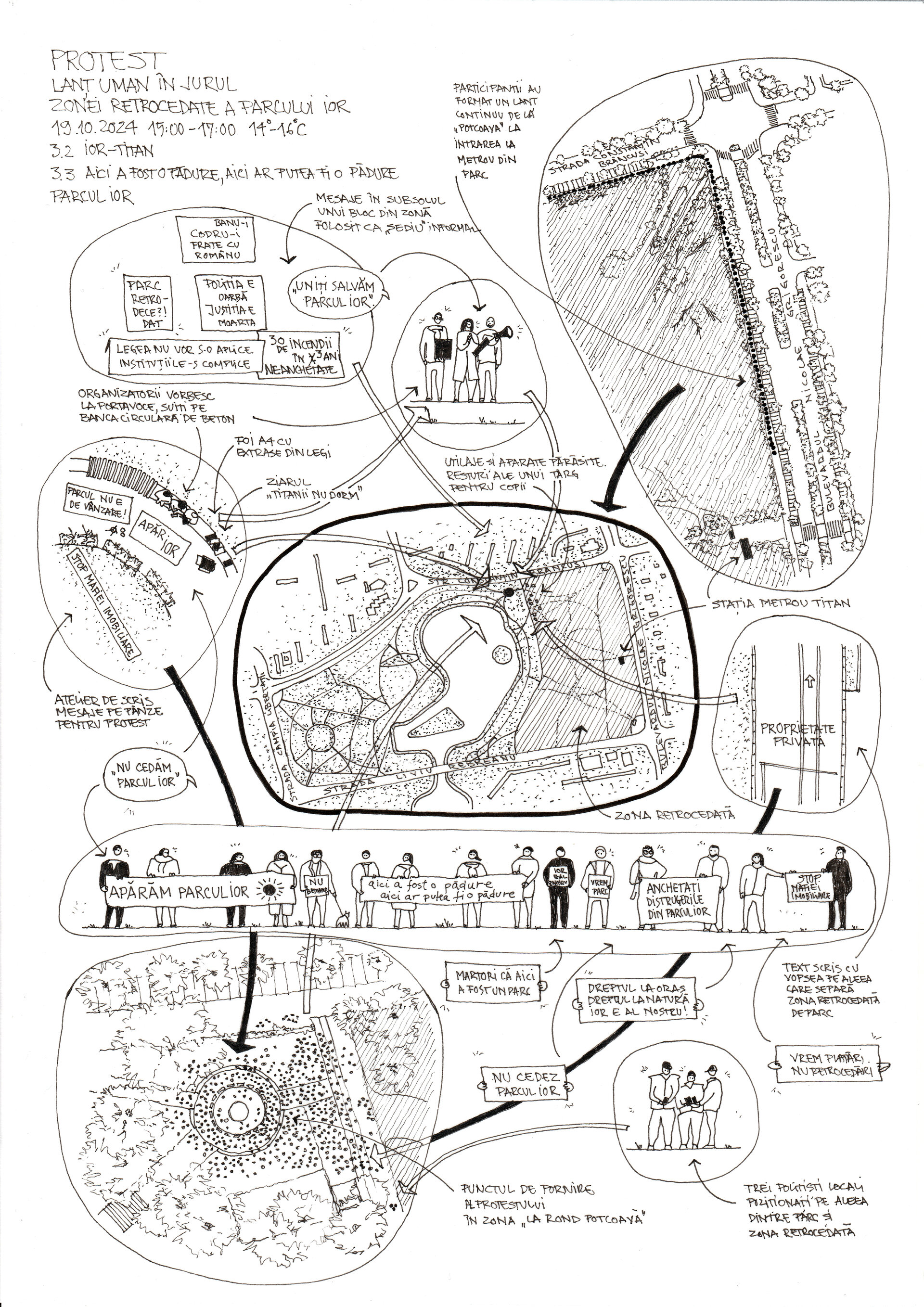
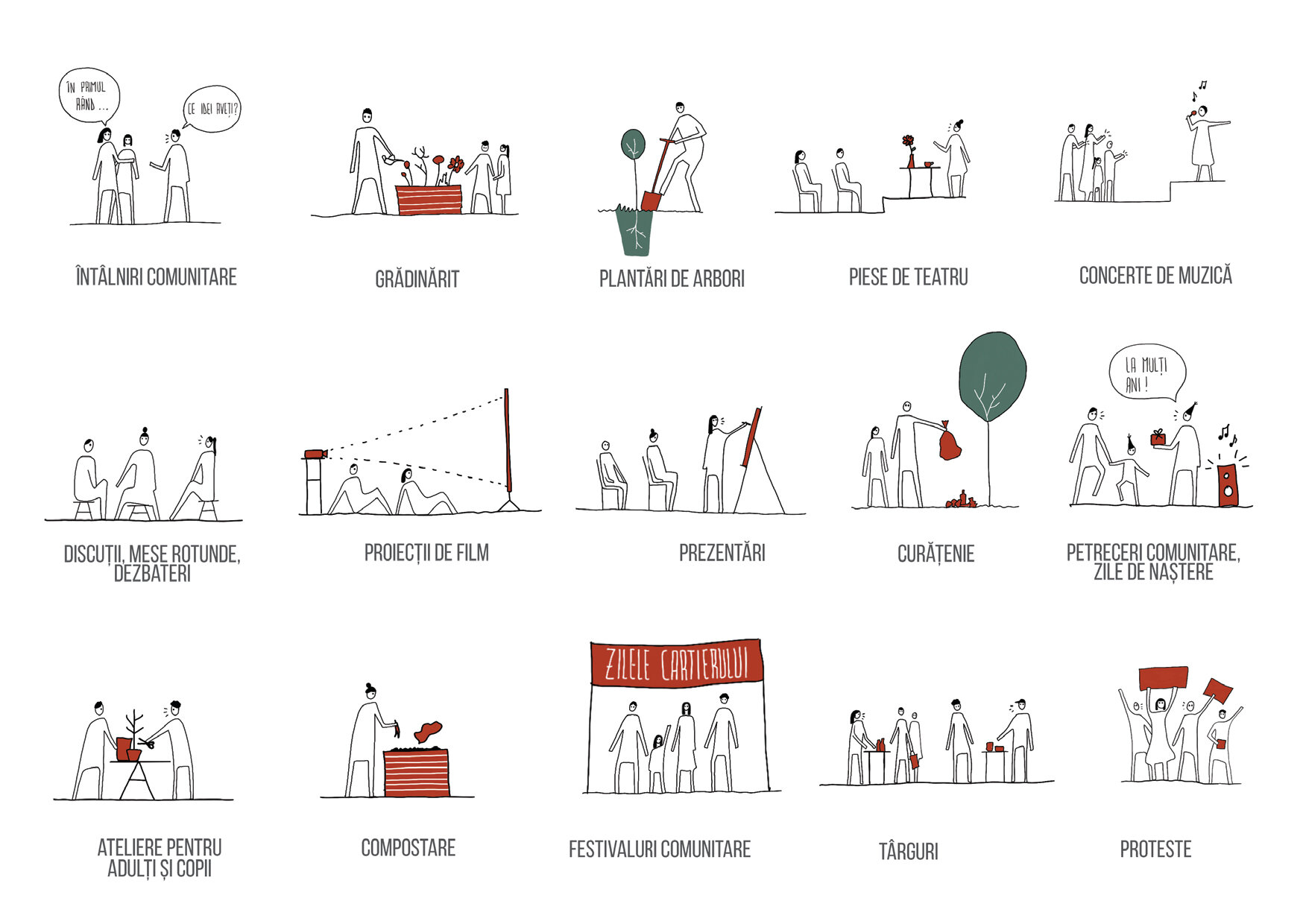
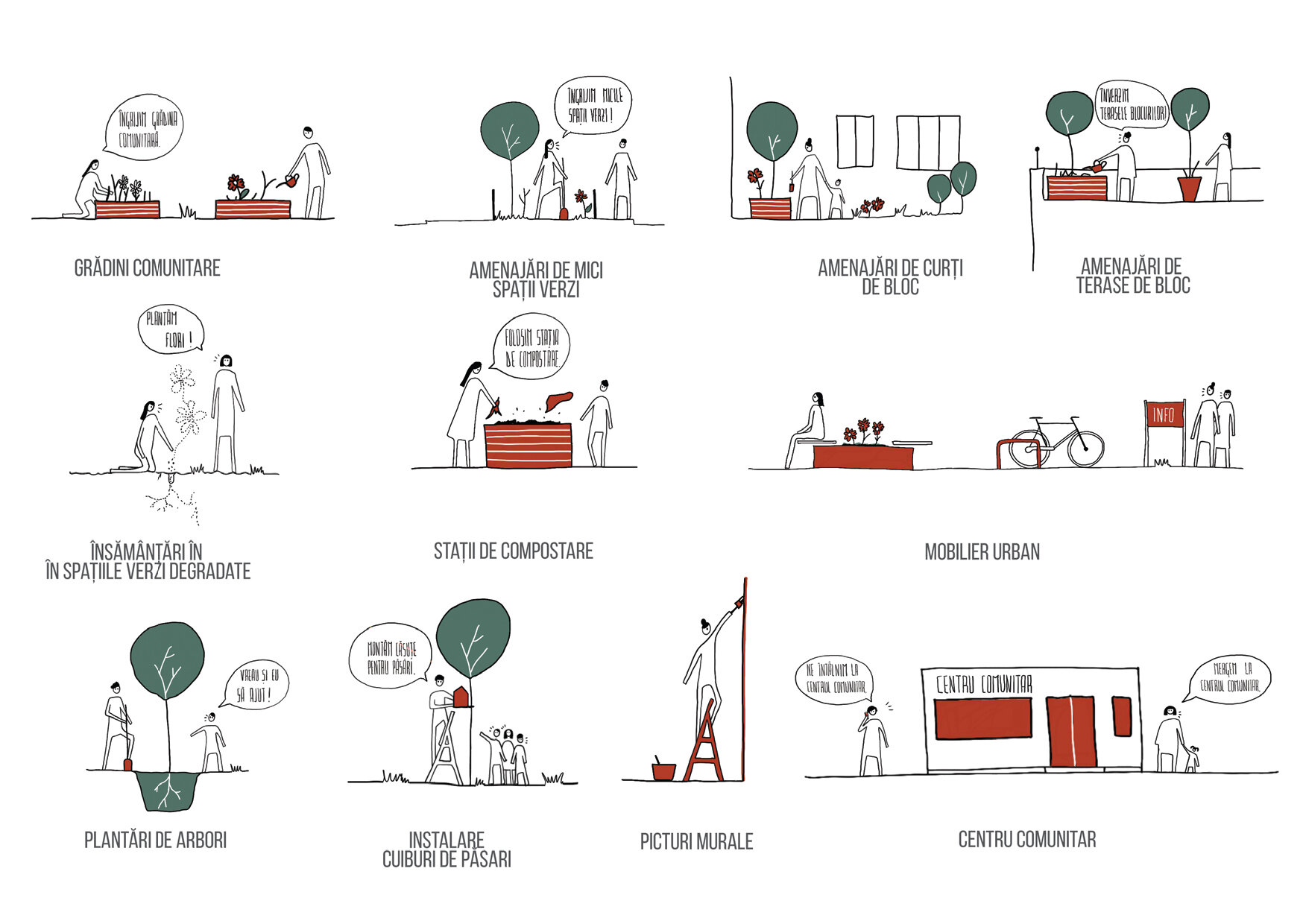
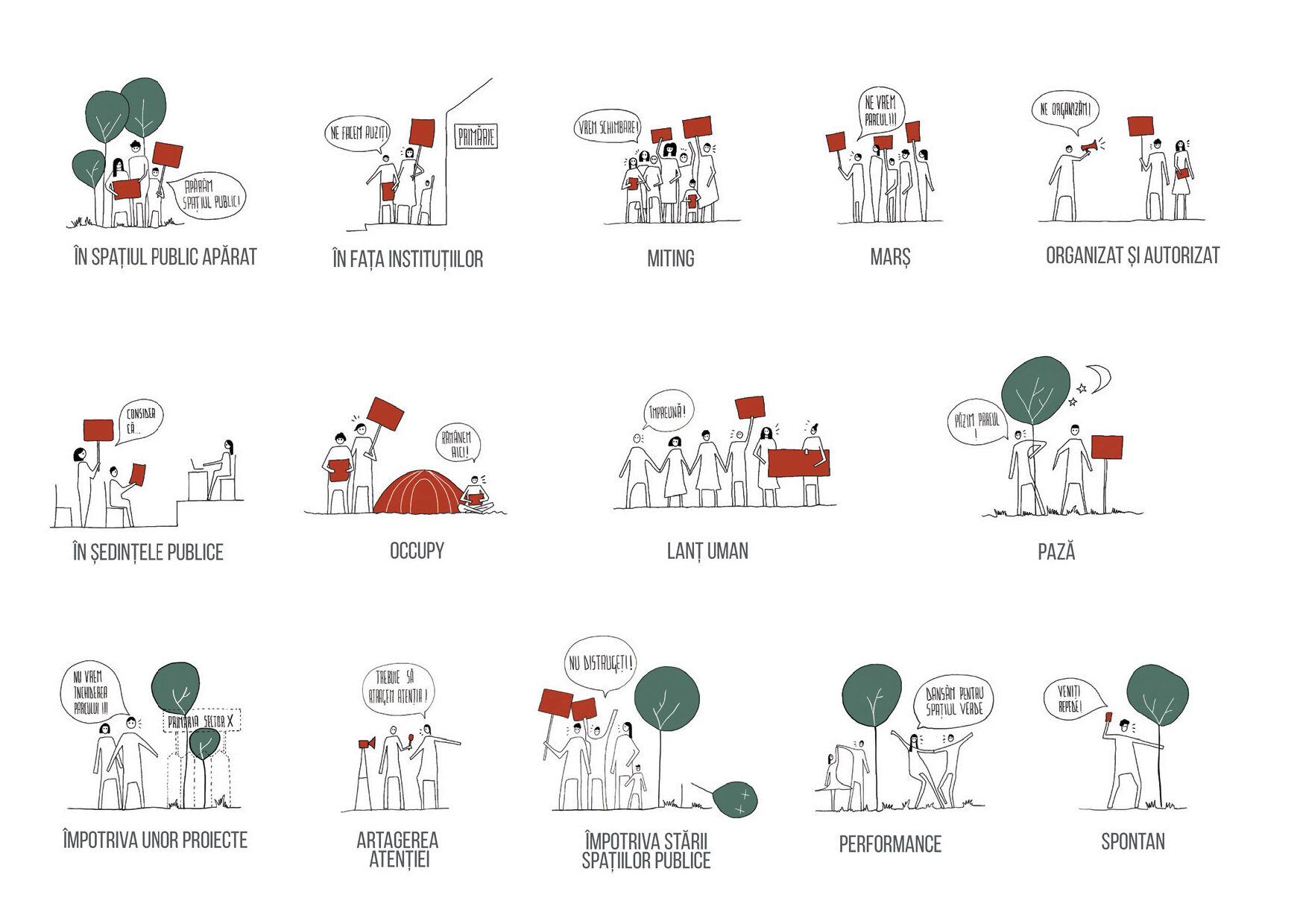
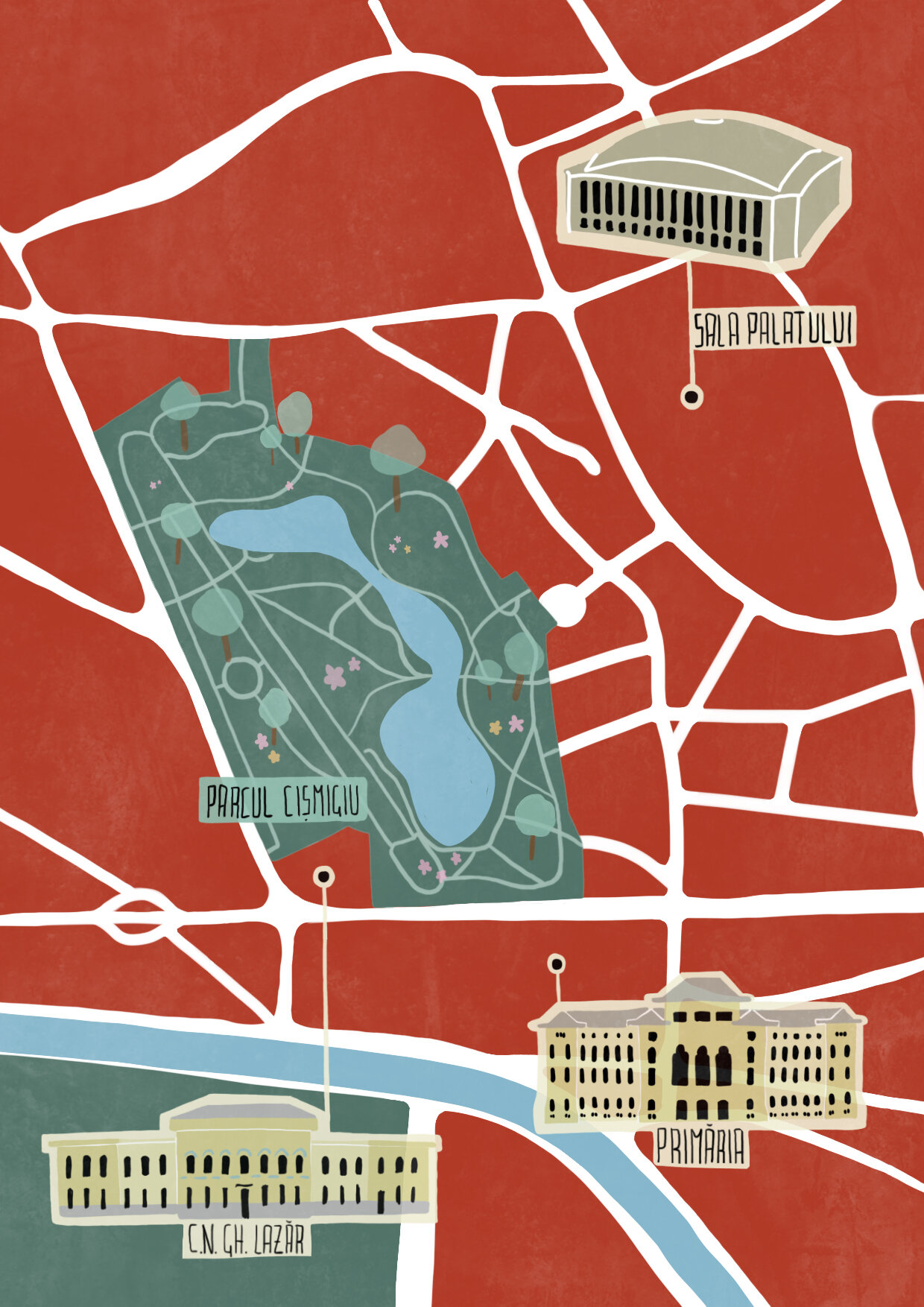
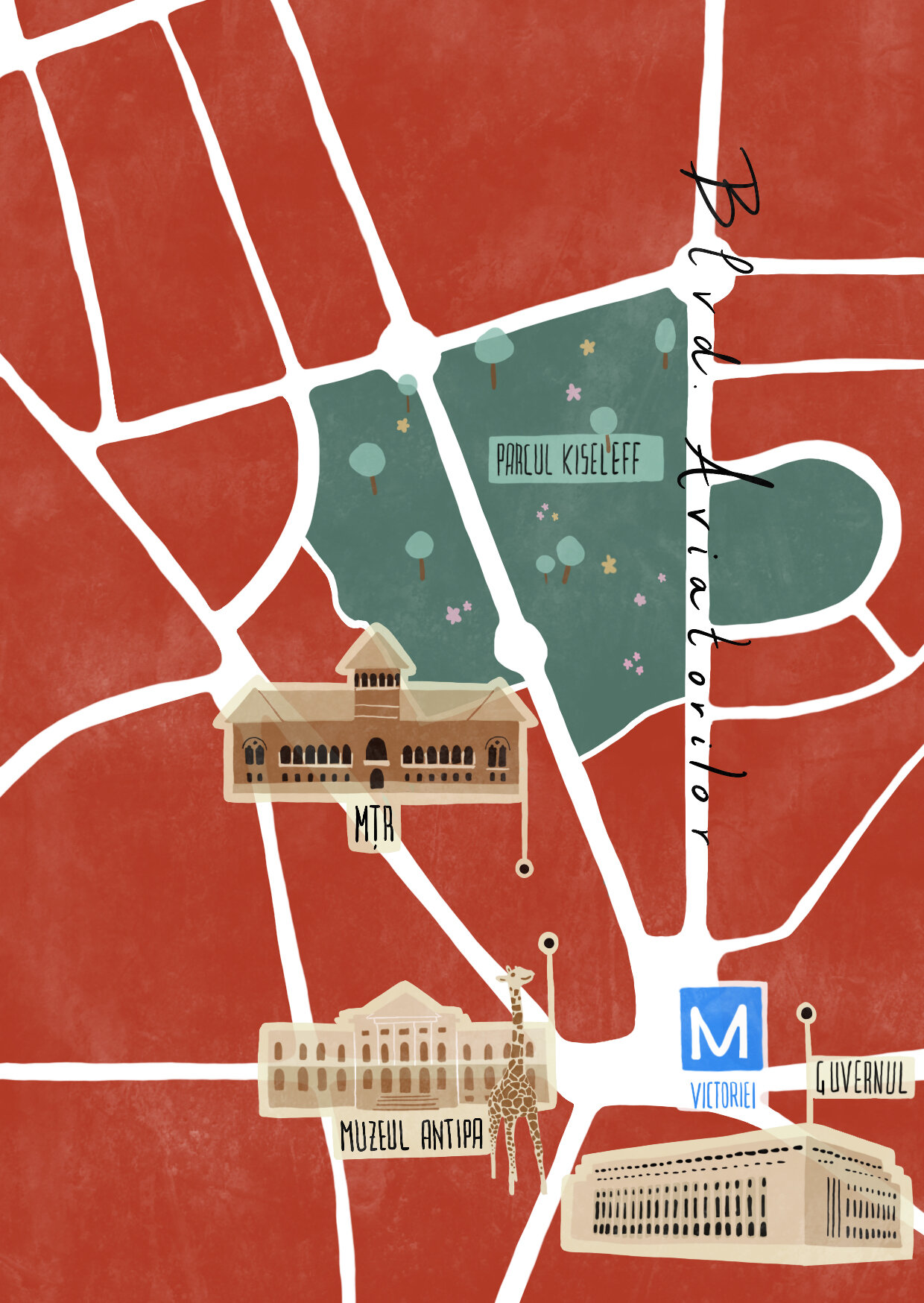
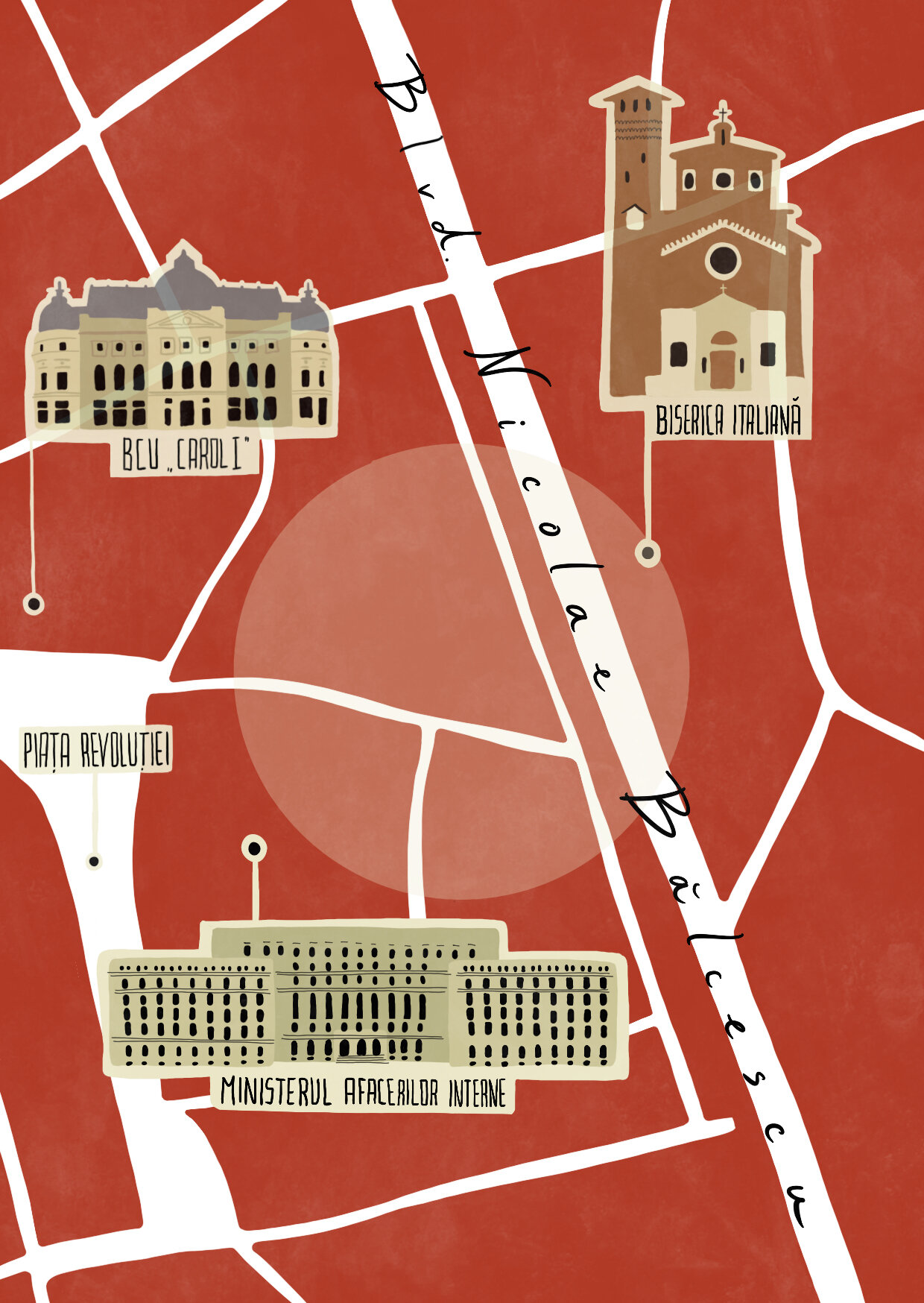
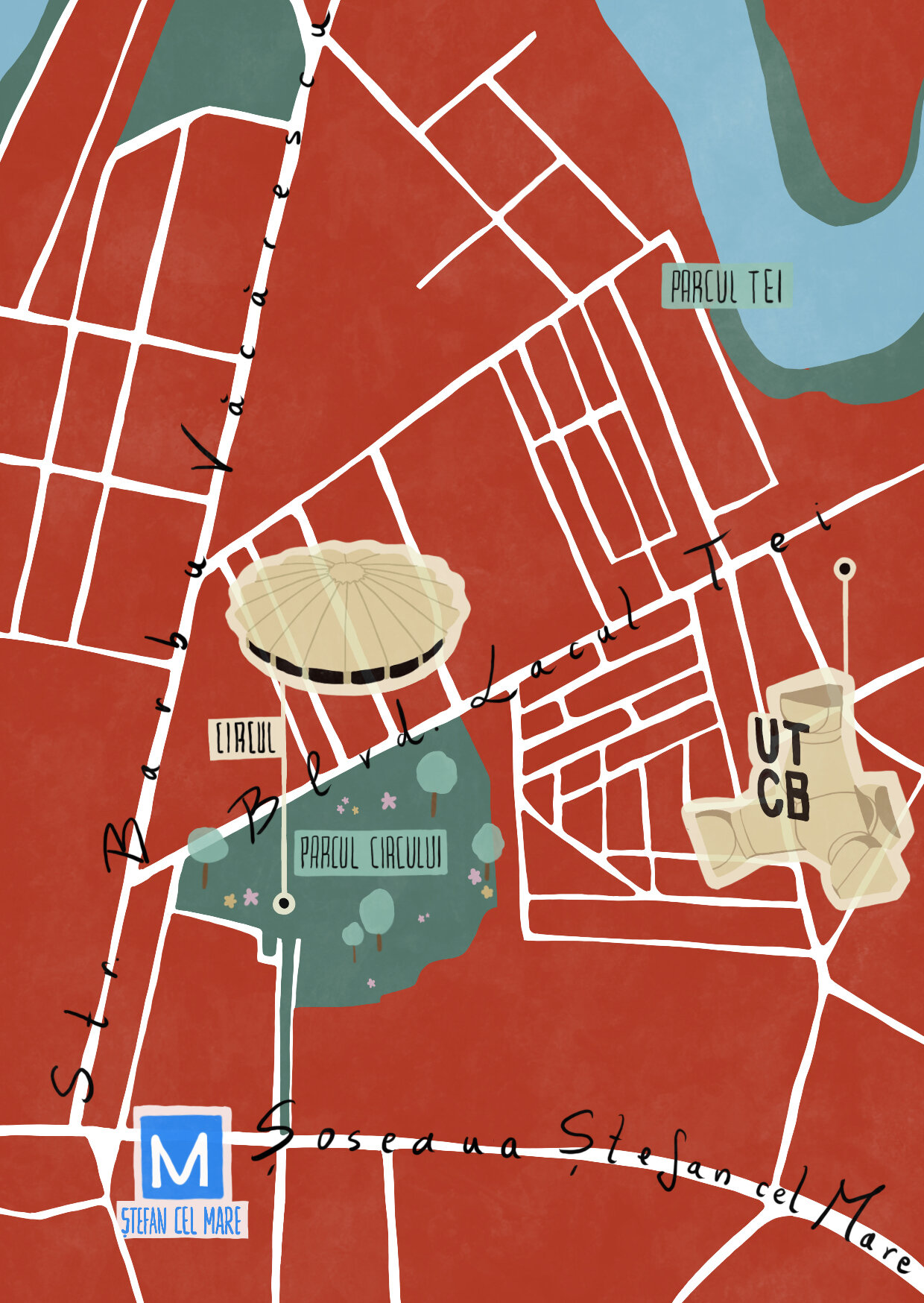
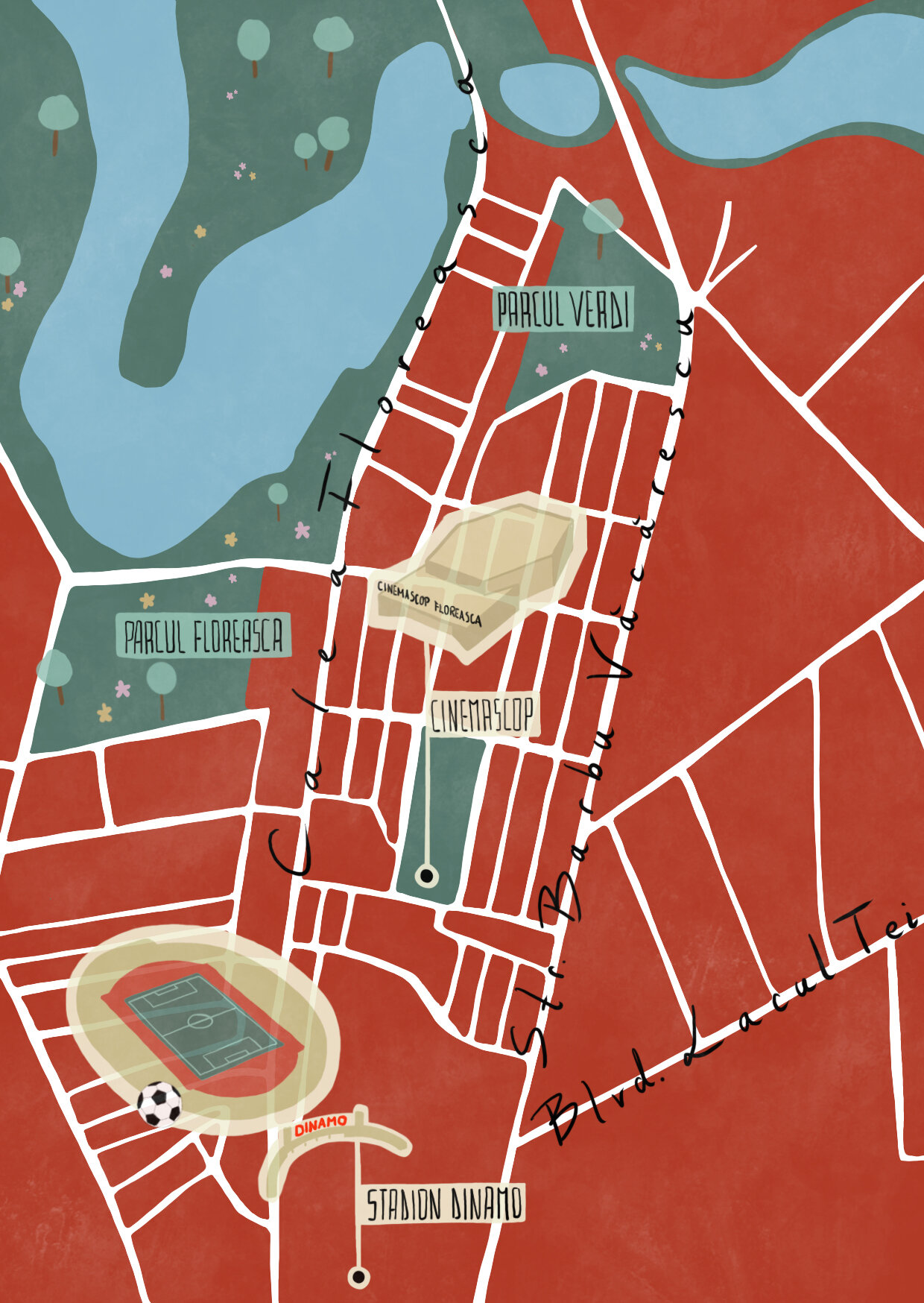
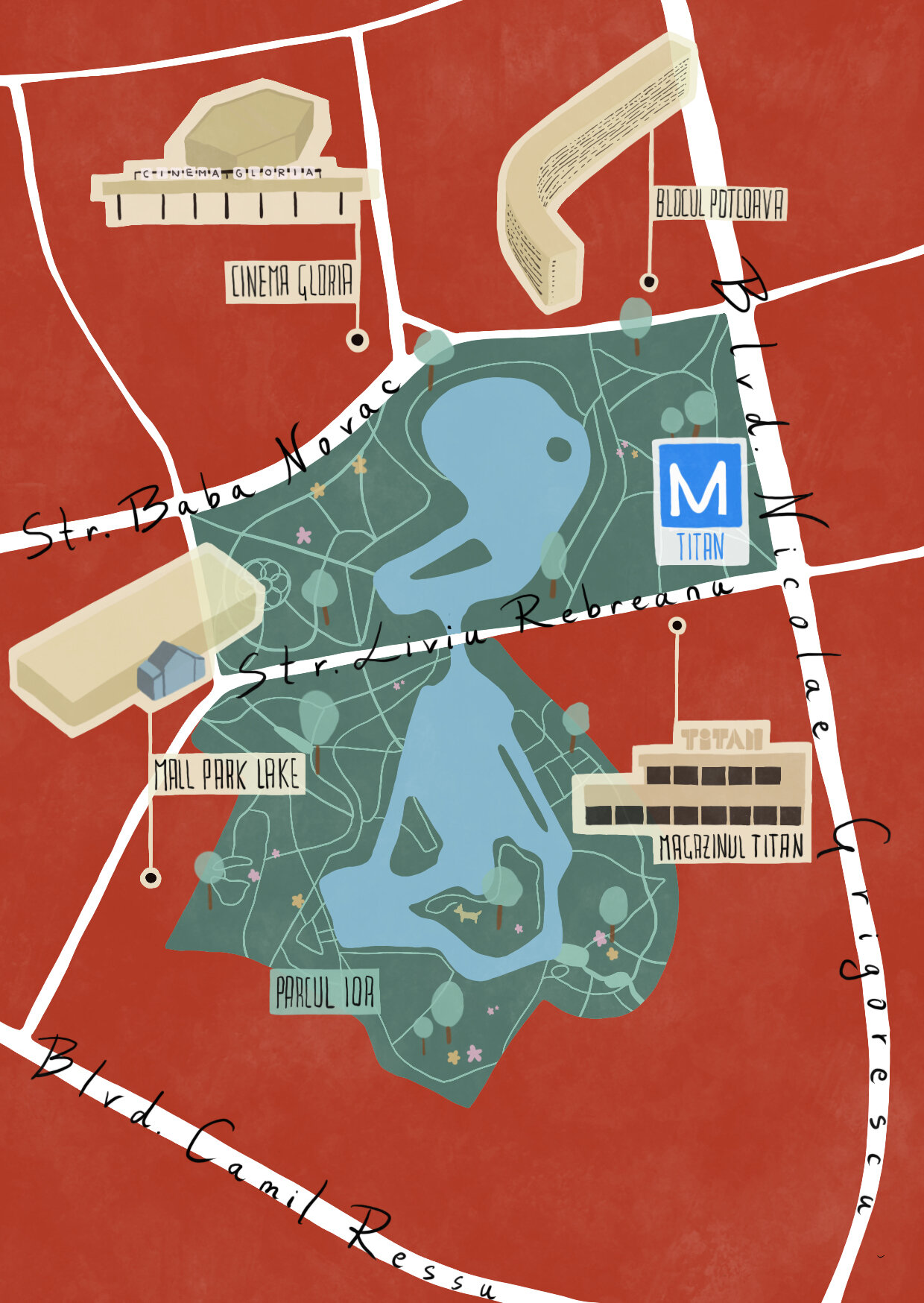
The effort to investigate how citizens claim rights and urban spaces, and how the city's spaces are produced through collaboration between authorities, residents, and professionals, has three complementary components: the Atlas of Urban Activism (a set of printed postcards illustrating the Bucharest geography of civic engagement, the detailed history of urban activism by the initiative groups, and the ways these groups act spatially in the city), the website www.bucuresticivic.ro (a public online archive of the history of grassroots civic activism in Bucharest), and a forthcoming book that gives the phenomenon its theoretical grounding and places it in a broader context.
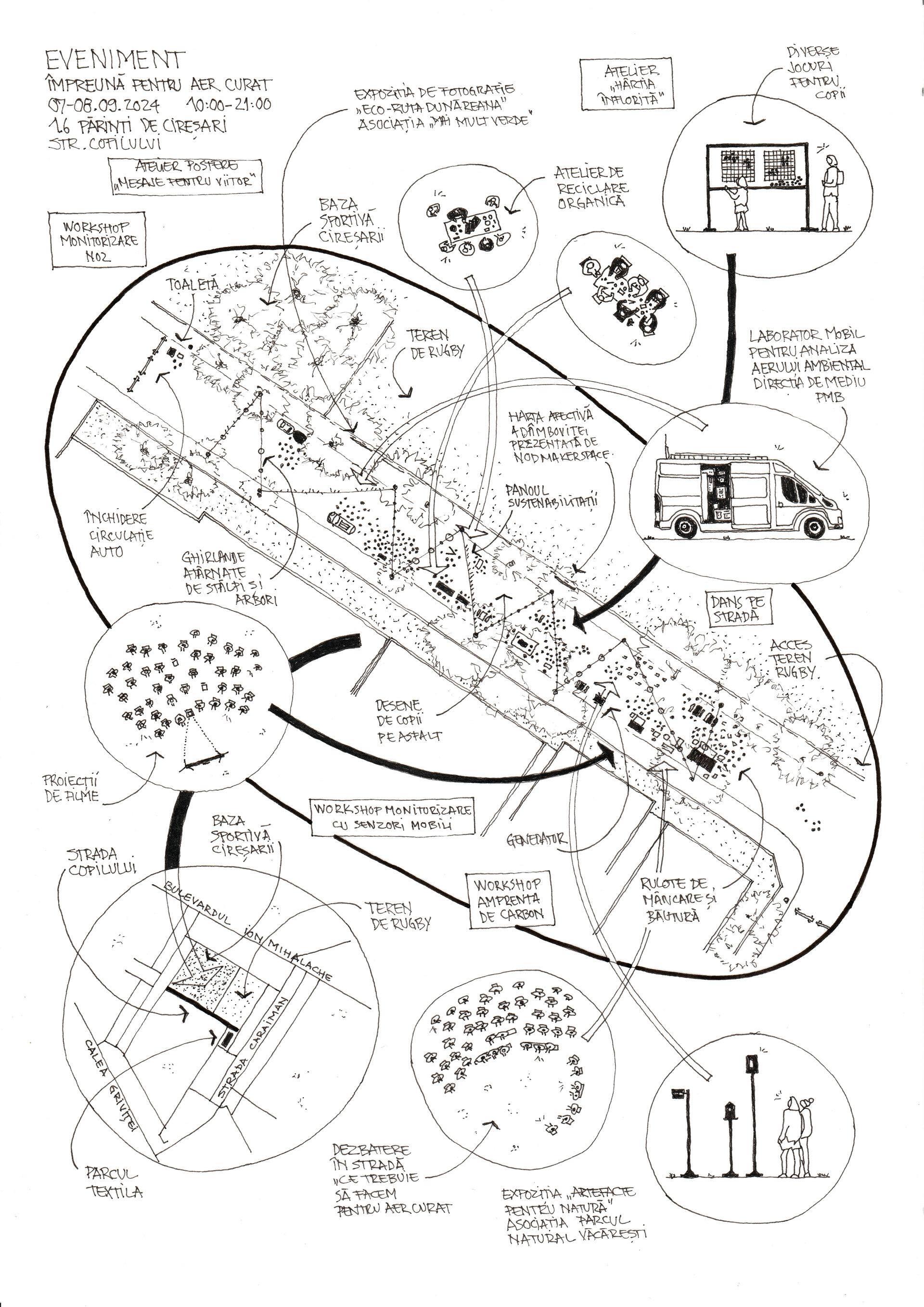
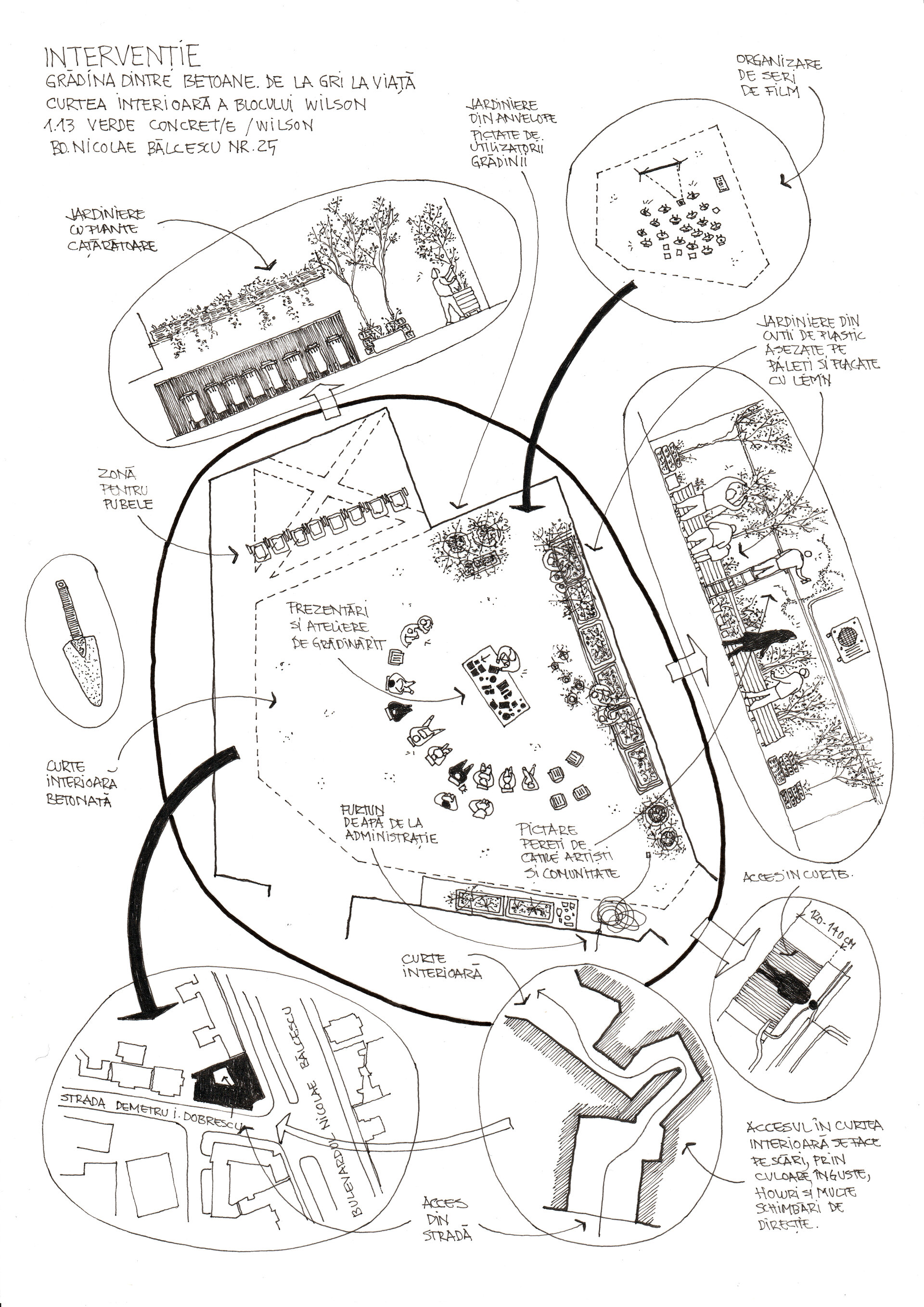
The research methodology combined quantitative and qualitative methods and was markedly interdisciplinary, at the intersection of anthropology, architecture, and urbanism. At the same time, fieldwork made up an important part of the research, with team members taking part and getting directly involved in various actions of the civic groups. Both principal researchers on the project are actively involved in local civic groups, which helped build a deep, insider understanding of the phenomenon. In two separate stages, one in 2021 and the other in 2025, we conducted a series of interviews with people involved in grassroots civic activism in Bucharest. We also sent a questionnaire with open-ended questions to other founders of Bucharest's civic groups. During the two research stages and in the period between them, the project team members took part, actively or only as observers, in dozens of events held by the civic initiative groups. The spatial and social ethnography carried out through observation, informal conversations, and drawings thus helped build a detailed understanding of this urban phenomenon. In parallel, we compiled an exhaustive inventory of all actions, projects, and events carried out by the civic groups and publicly communicated from their founding until 2025, which can be found on the project's website and which shows the scale of this urban movement.
The research on civic initiative groups started from a wish to draw attention to the importance that civic engagement focused on urban spaces has in producing a democratic, accessible, and inclusive city, a city adapted to the real needs of its inhabitants.
Architecture and Experiments
- A Roof for St. Michael / Ein Dach für die Burgkirche
- ARCHY FEST_QUINETWORK 2026
- Civic Bucharest
- (H)ODAIA – A Rural Hub for the Rehabilitation of Cultural Landscapes
- Model 10
- Workshop AI in Architecture
- Video Mapping and Heritage. Empúries, Costa Brava: ancient ruins, media, and artificial intelligence
- GEMA – Geometric Experimentation with Architectural Morphology. A European Experience
- I can’t talk right now. I’m busy
- Disco Blast
- Limanu Summer School 2026 – Multicultural Heritage on the Edge
- Bucium Summer University 2026, 14th Edition. Safeguarding Rural Heritage through Education
- Camping and Research Kit on Șimian Island
- Cantacuzino Estate Summer School 2026, 8th Edition


