House 97
Authors’ Comment
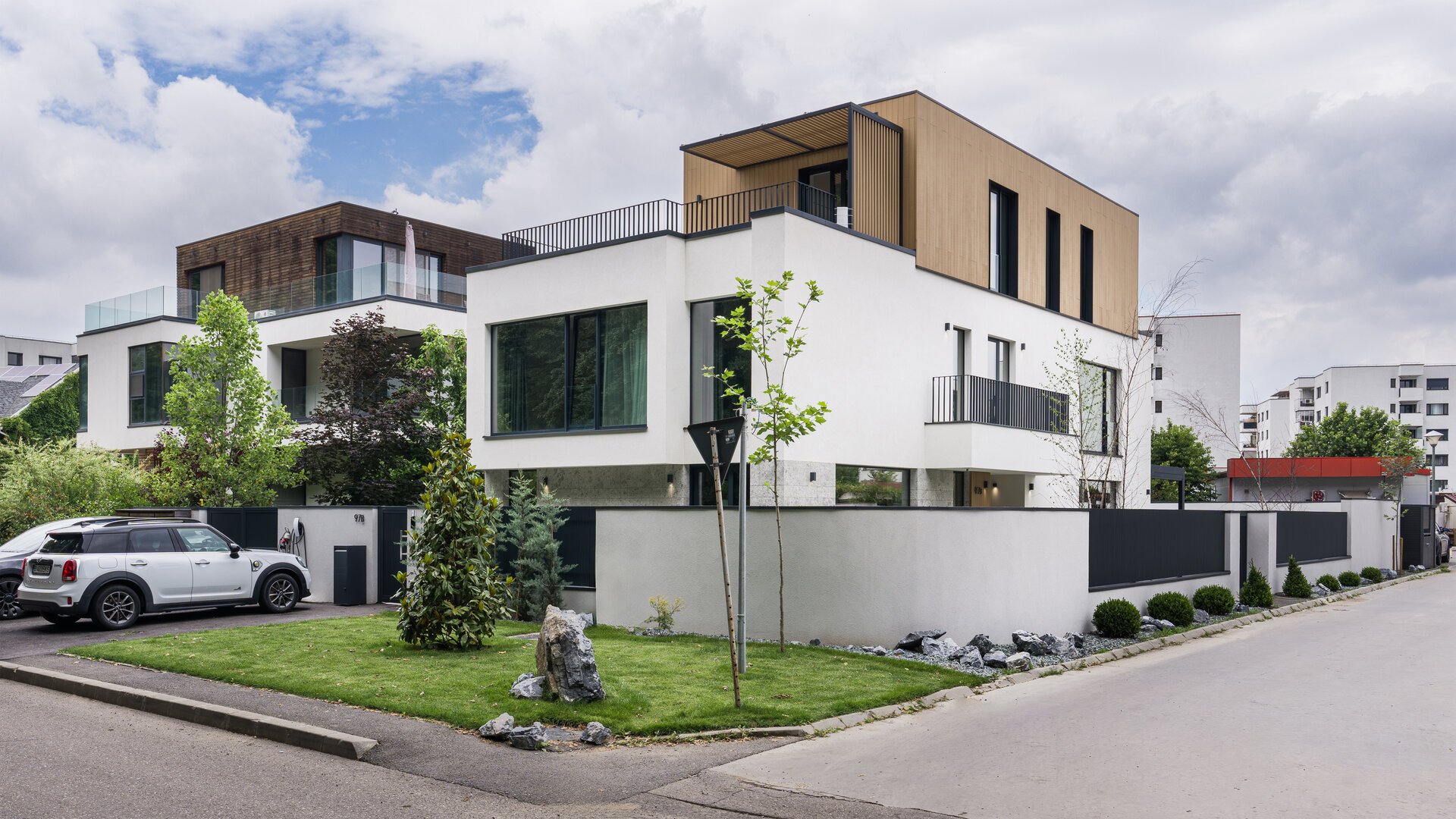
The H97 project represents a complex intervention on an existing structure that was in an early stage of execution, with an architectural and functional program that was not fully defined for the beneficiaries. The main challenge of this project was the reconfiguration and redefinition of the building’s volumetry, taking into account the constraints imposed by the structure already completed up to the ground floor. The ultimate goal was to create an optimal residential space for a family of four.
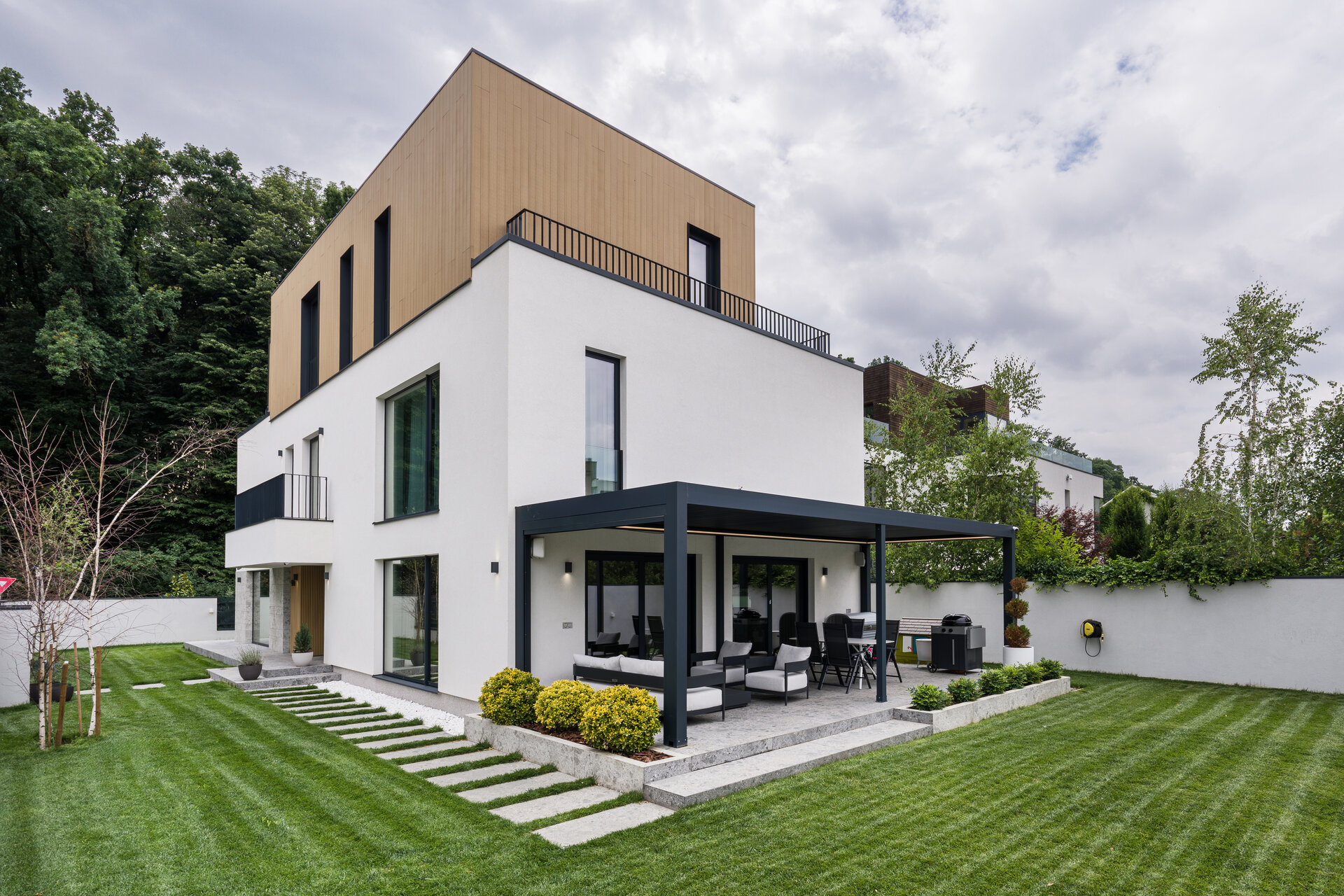
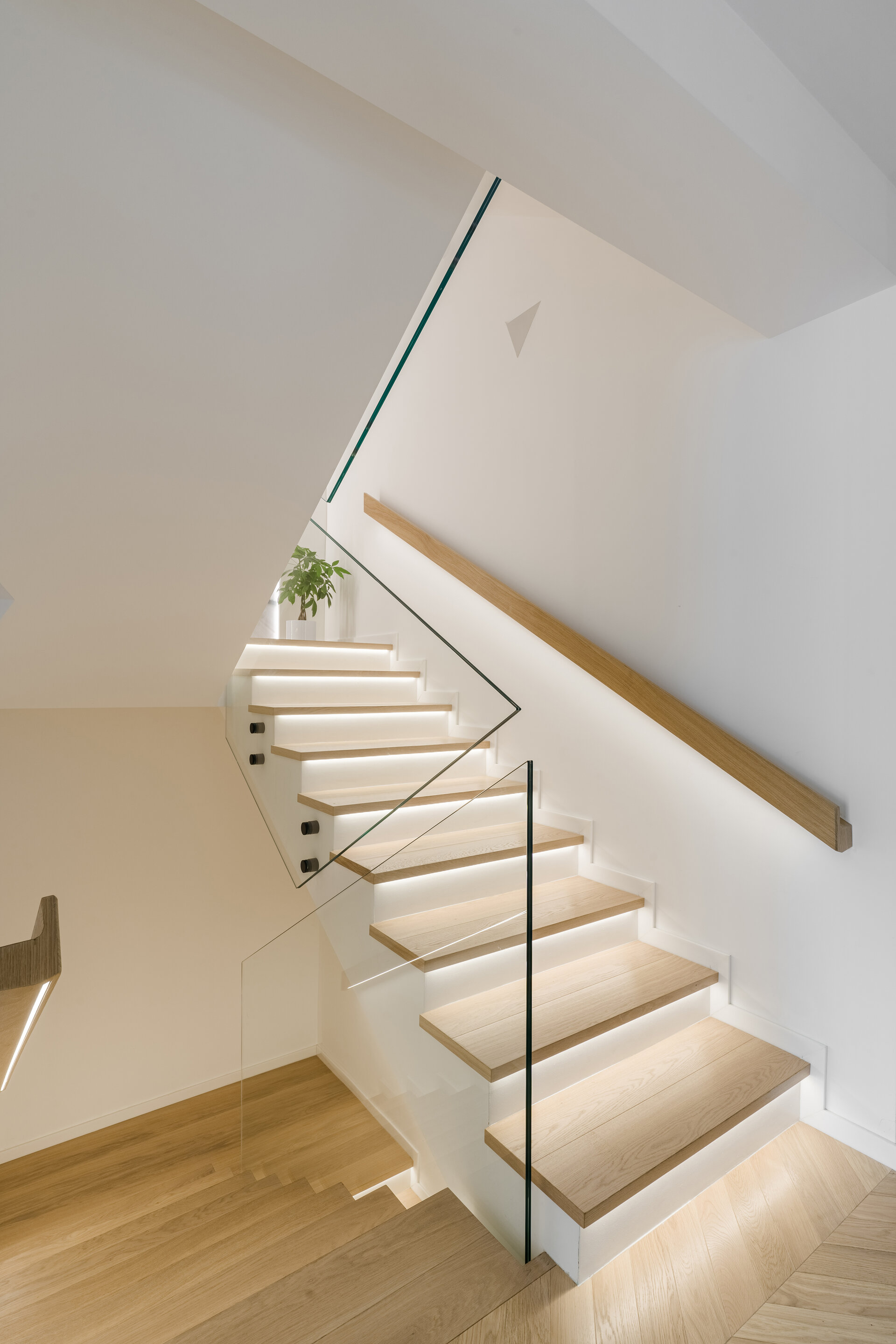
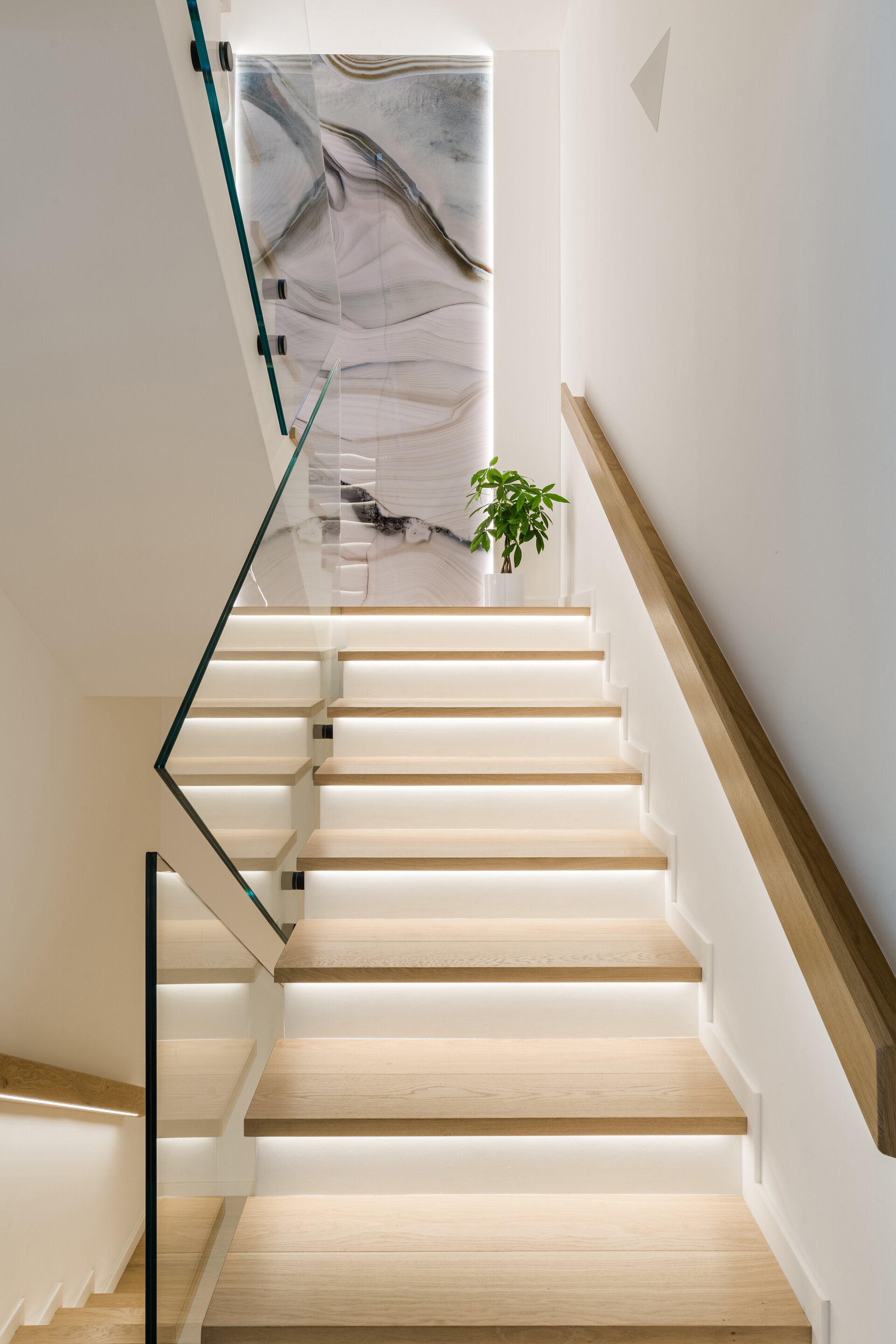
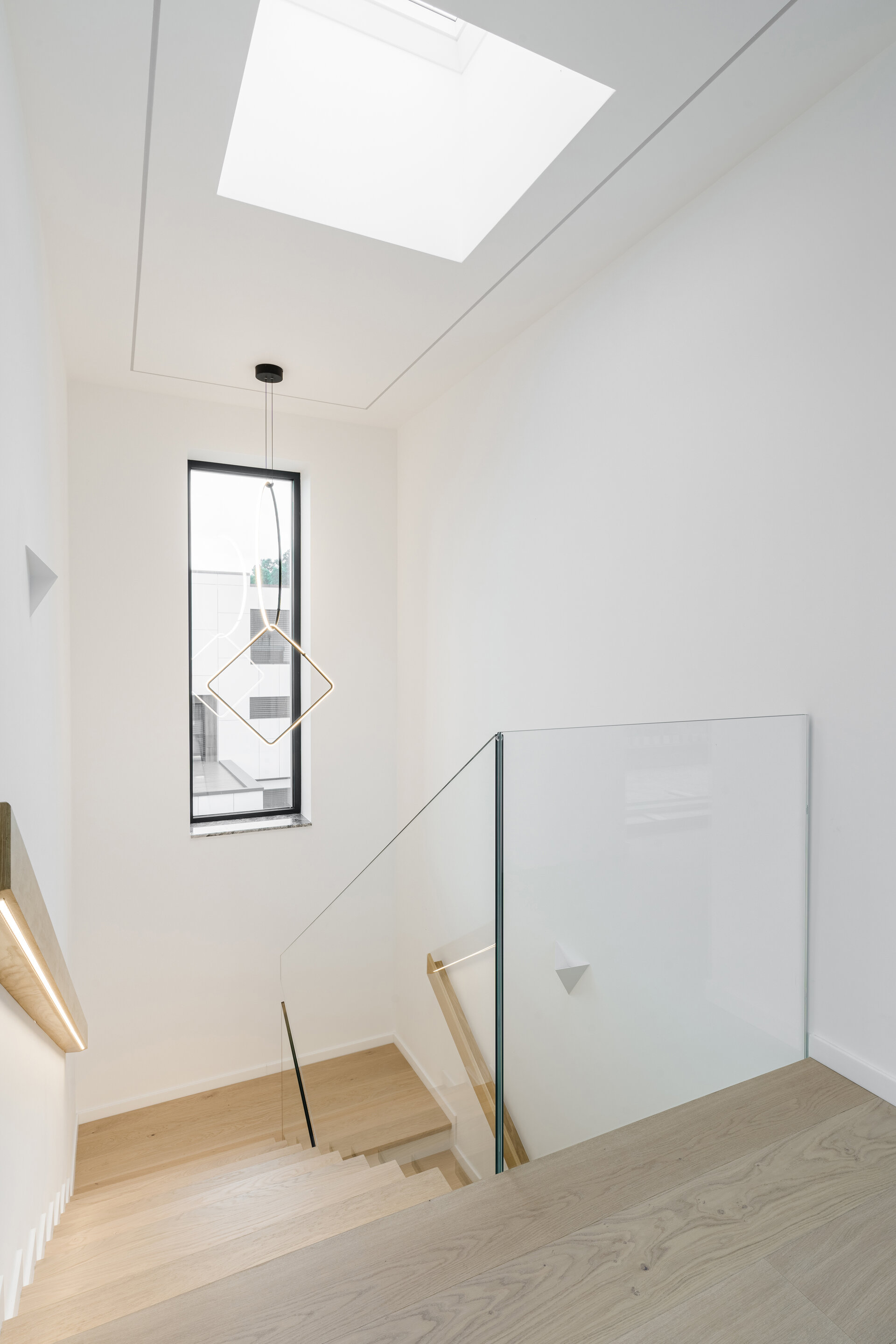
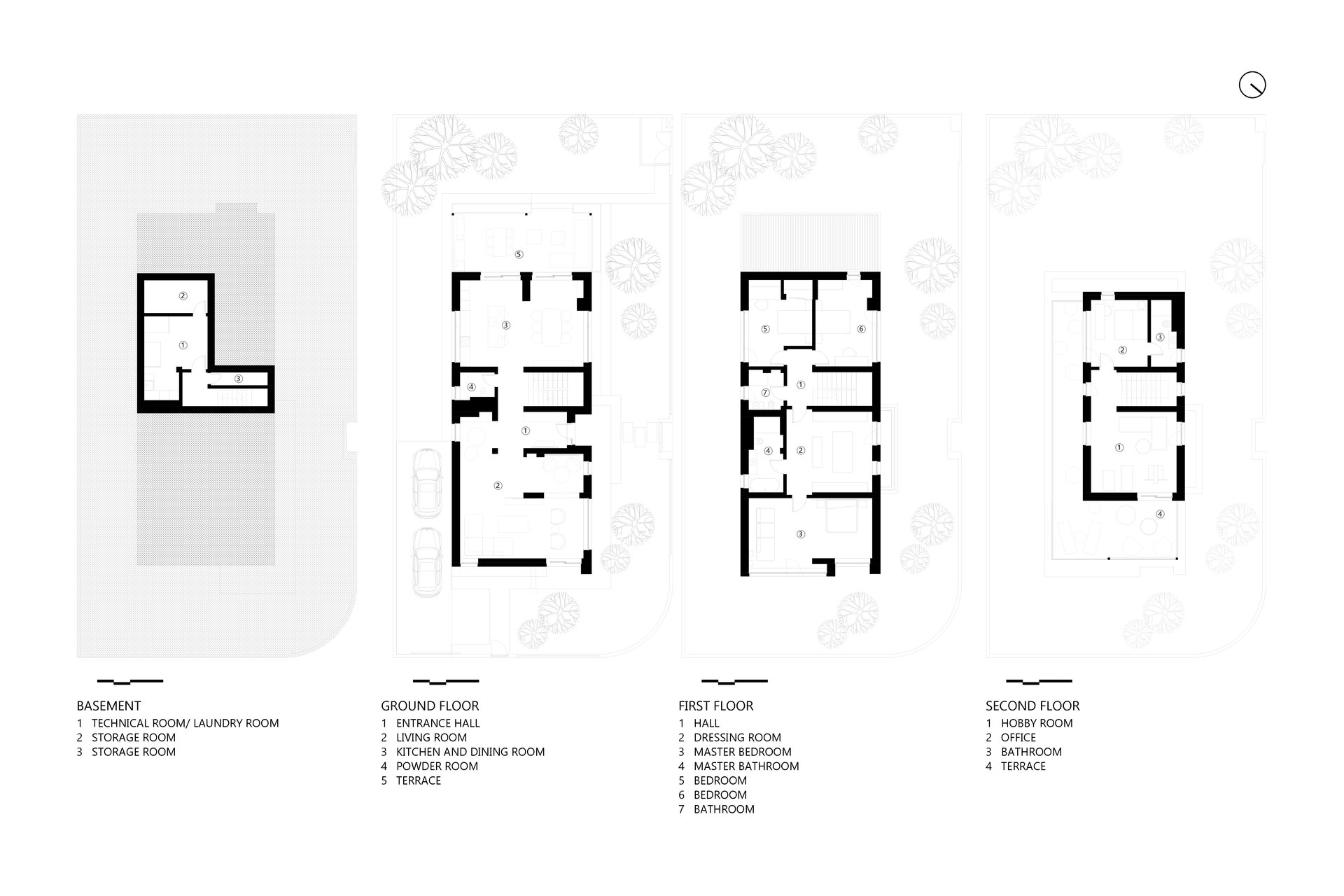
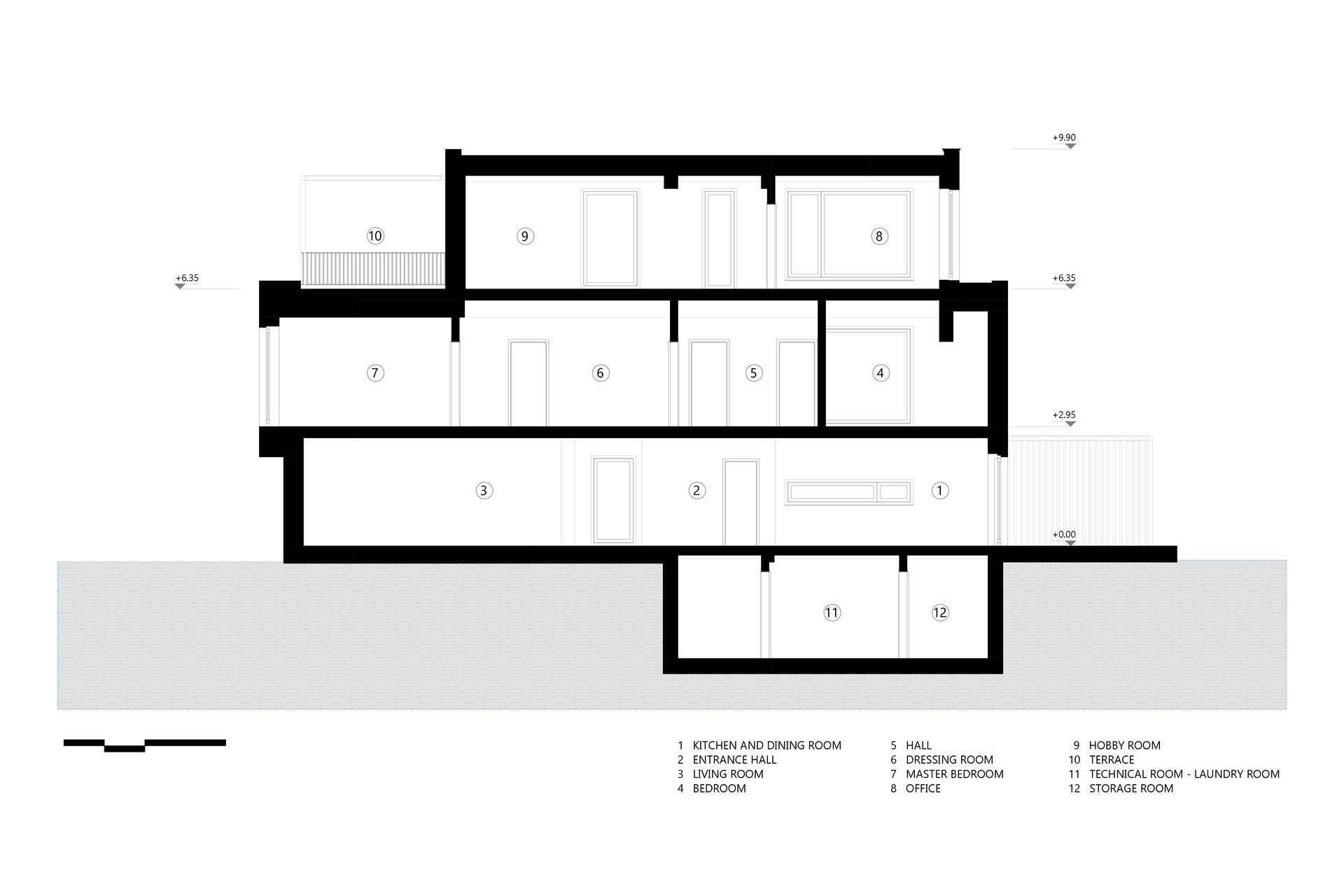
The initial project was developed on three levels (basement, ground floor, and first floor), with an additional recessed floor added to optimize the usable area and better meet the needs of the family. The heights of the levels were adjusted to achieve more balanced proportions and volumes, with the exception of the basement, which remained unchanged both in terms of height and compartmentalization. The basement was strategically used to house the necessary technical equipment, thus freeing the living spaces from these functions.
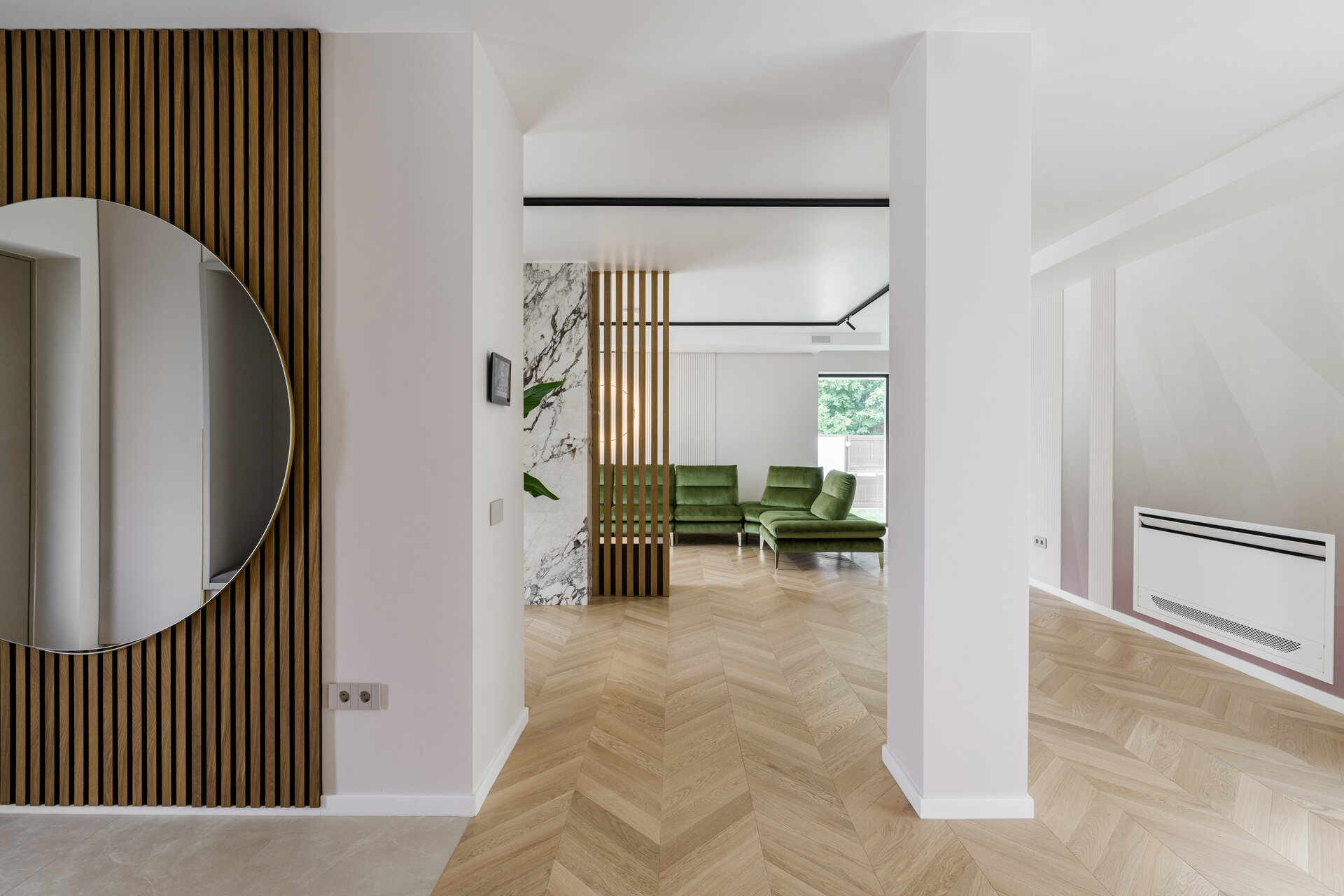
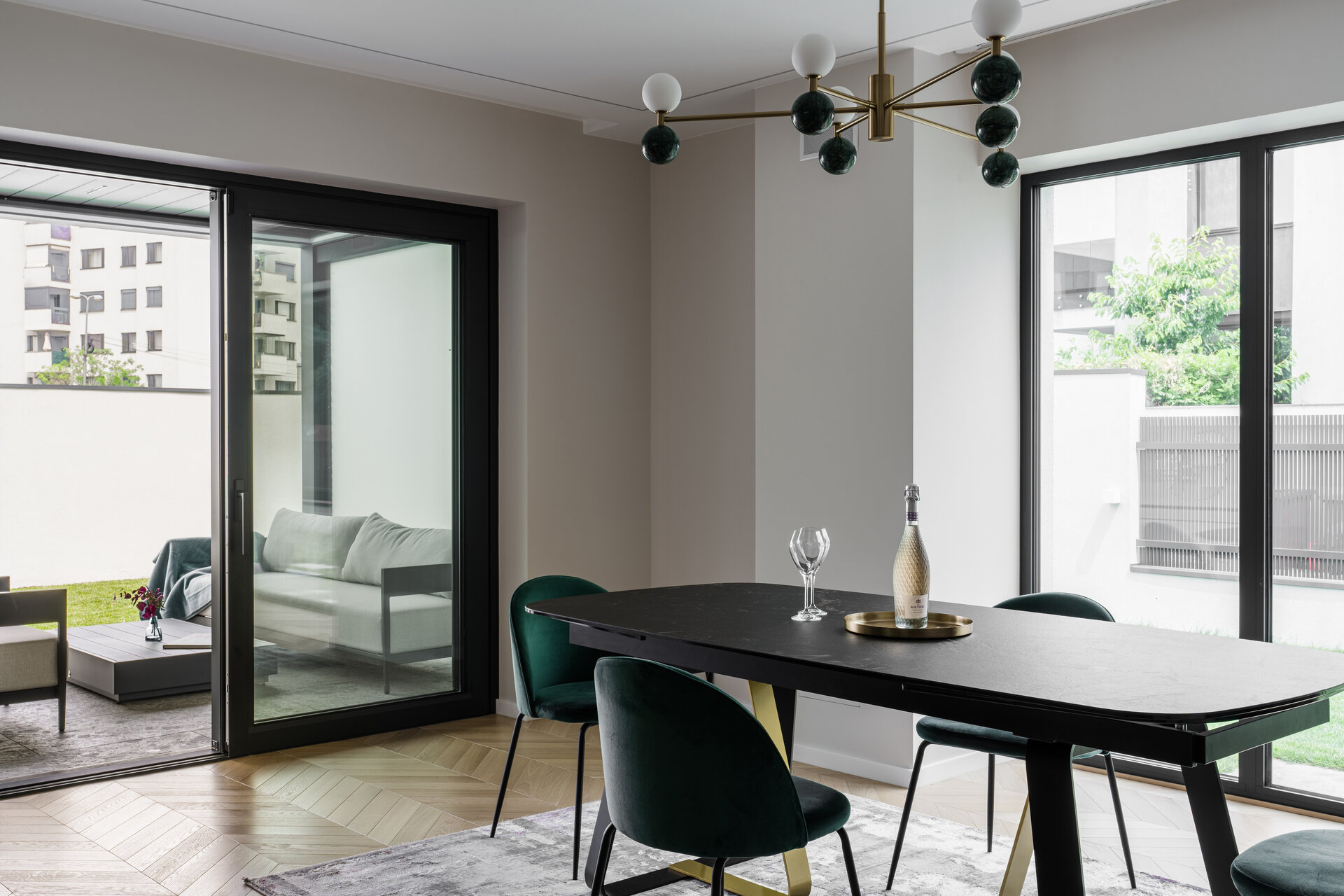
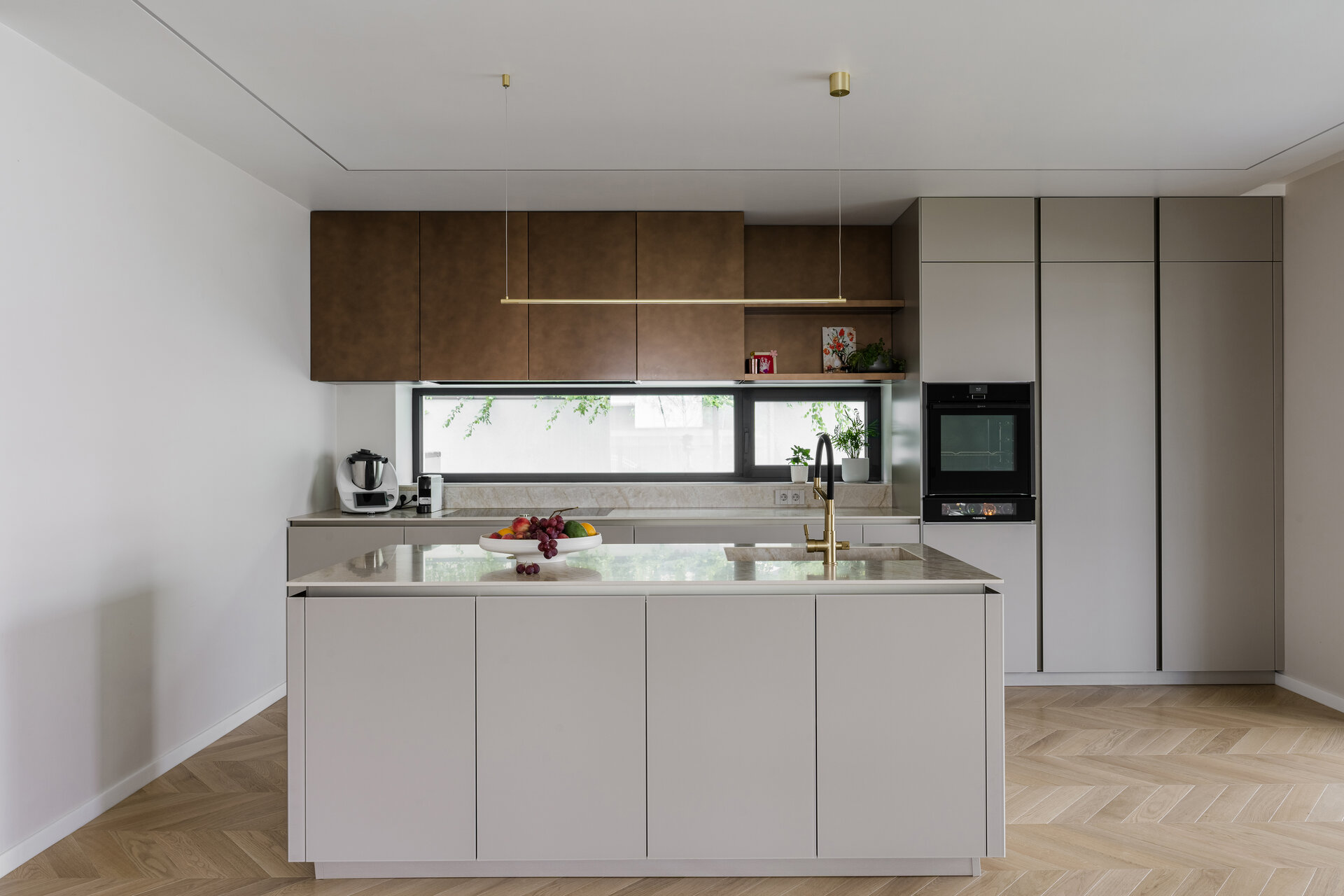
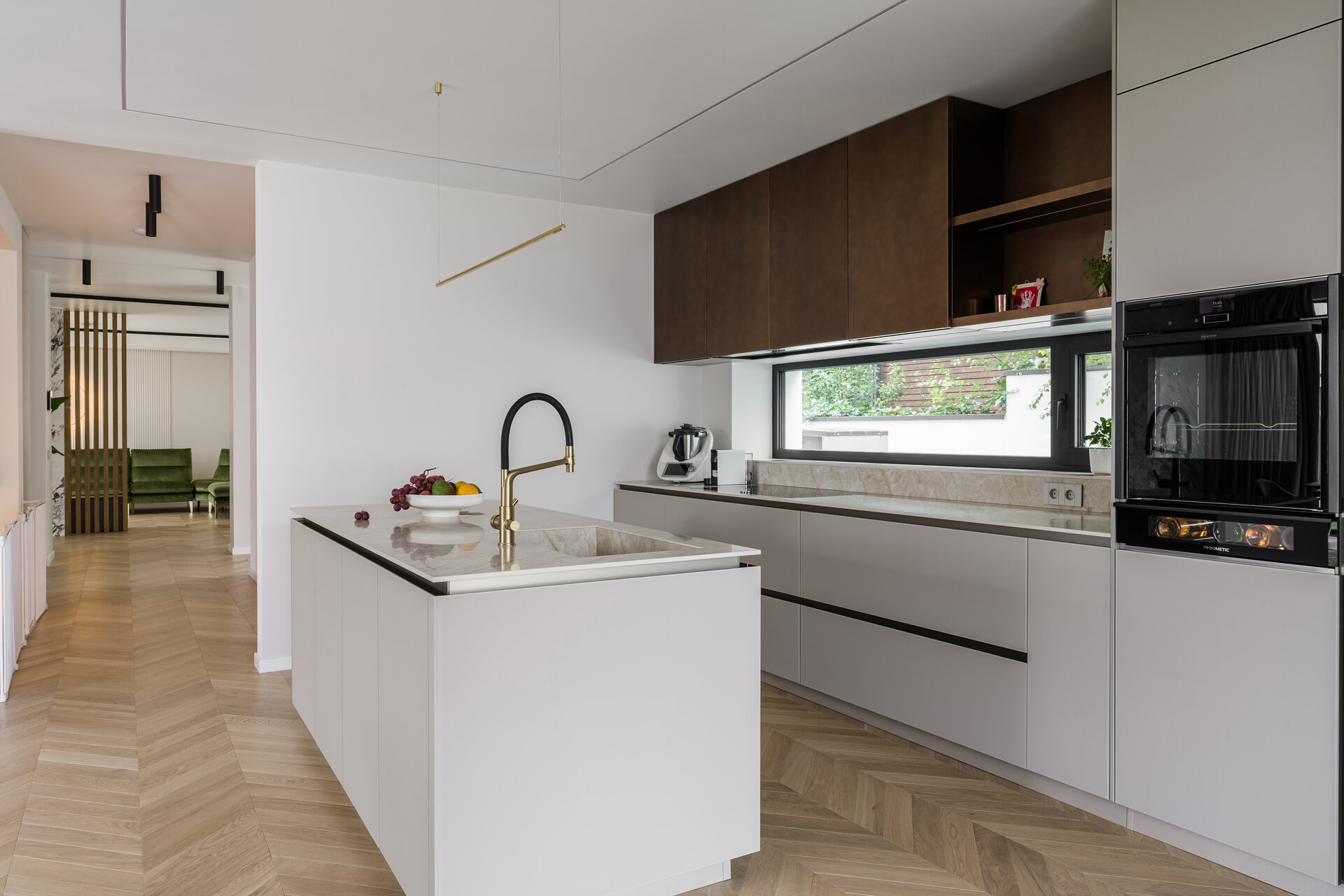
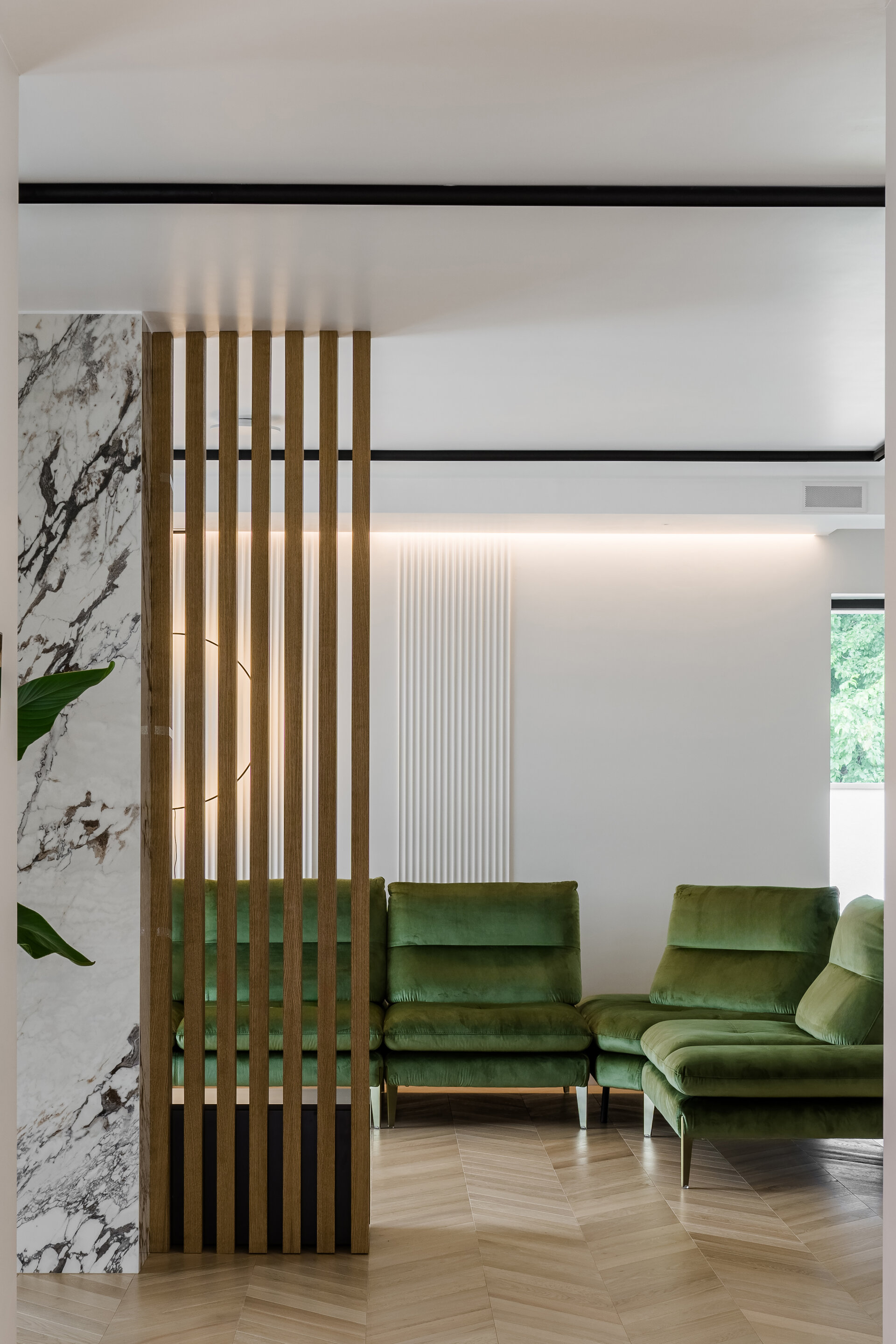
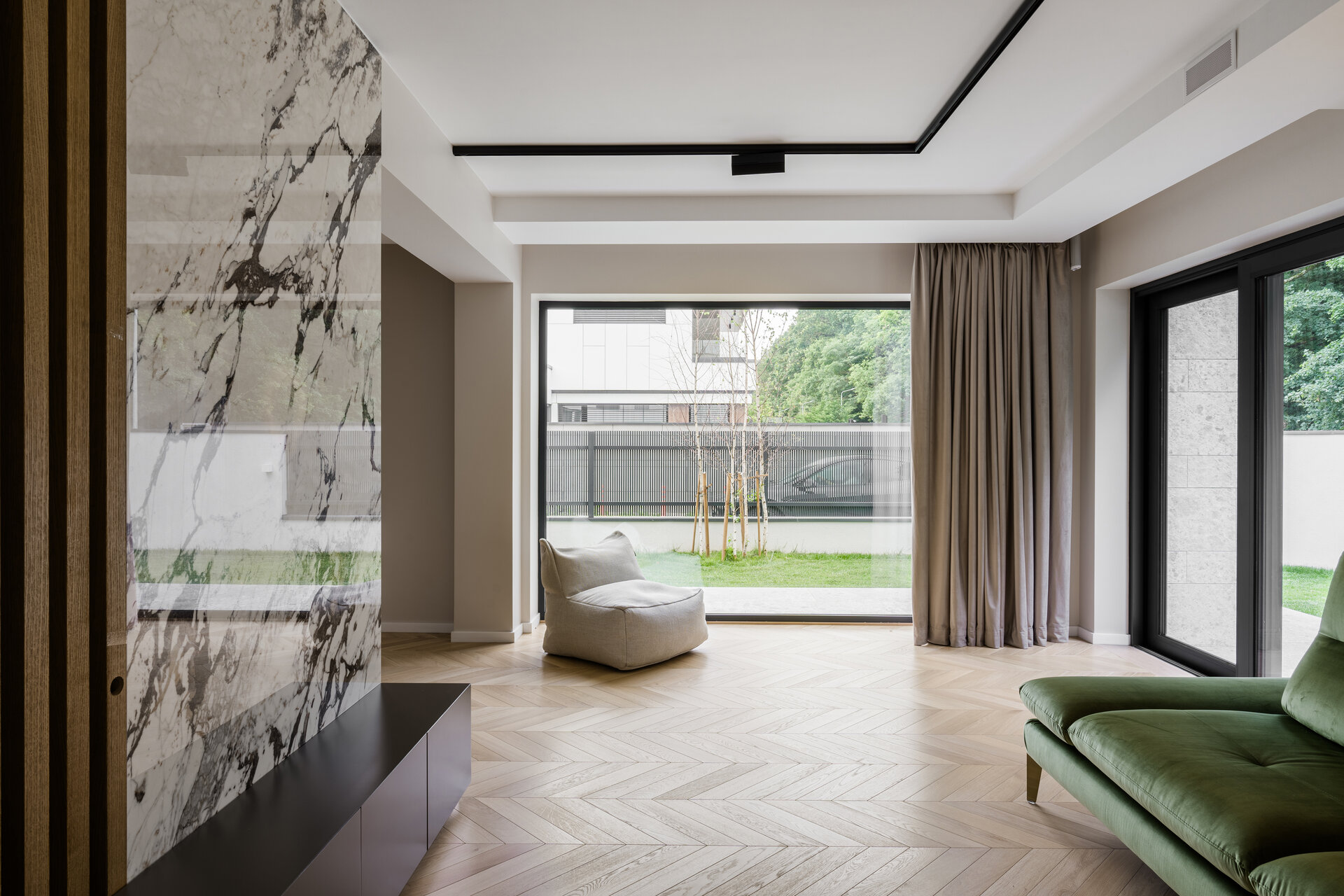
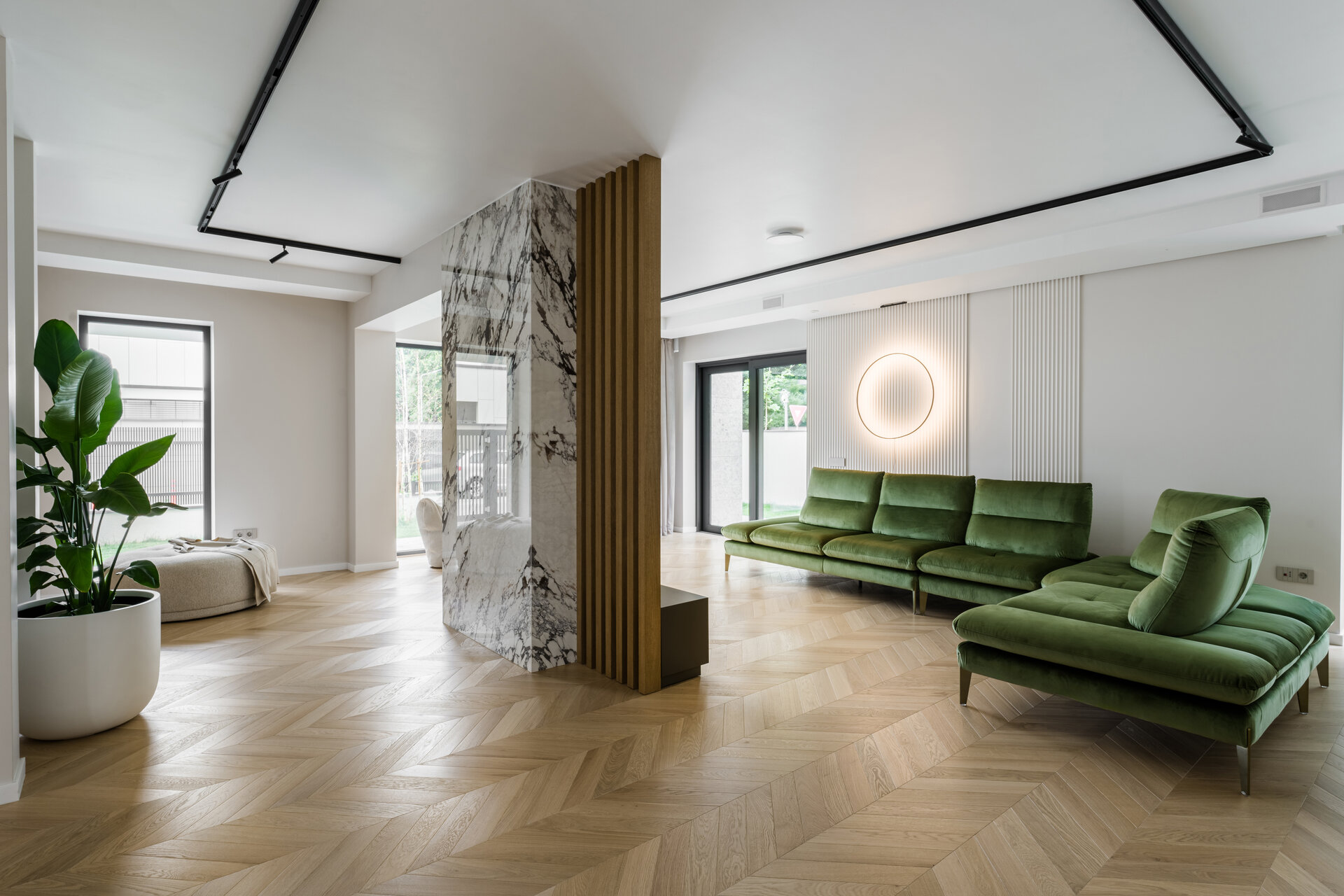
On the ground floor, the reconfiguration aimed to create open, fluid spaces that encourage interaction and visual continuity between the different functional zones, as well as between the interior and exterior, utilizing the existing structural grid. The first floor was redesigned to provide more generous room dimensions, ensuring better functionality. An important decision was the creation of a dressing area, which becomes the functional nucleus of the first floor, being open to all three bedrooms. This solution allowed for more efficient organization of storage spaces, contributing to a coherent and functional design.
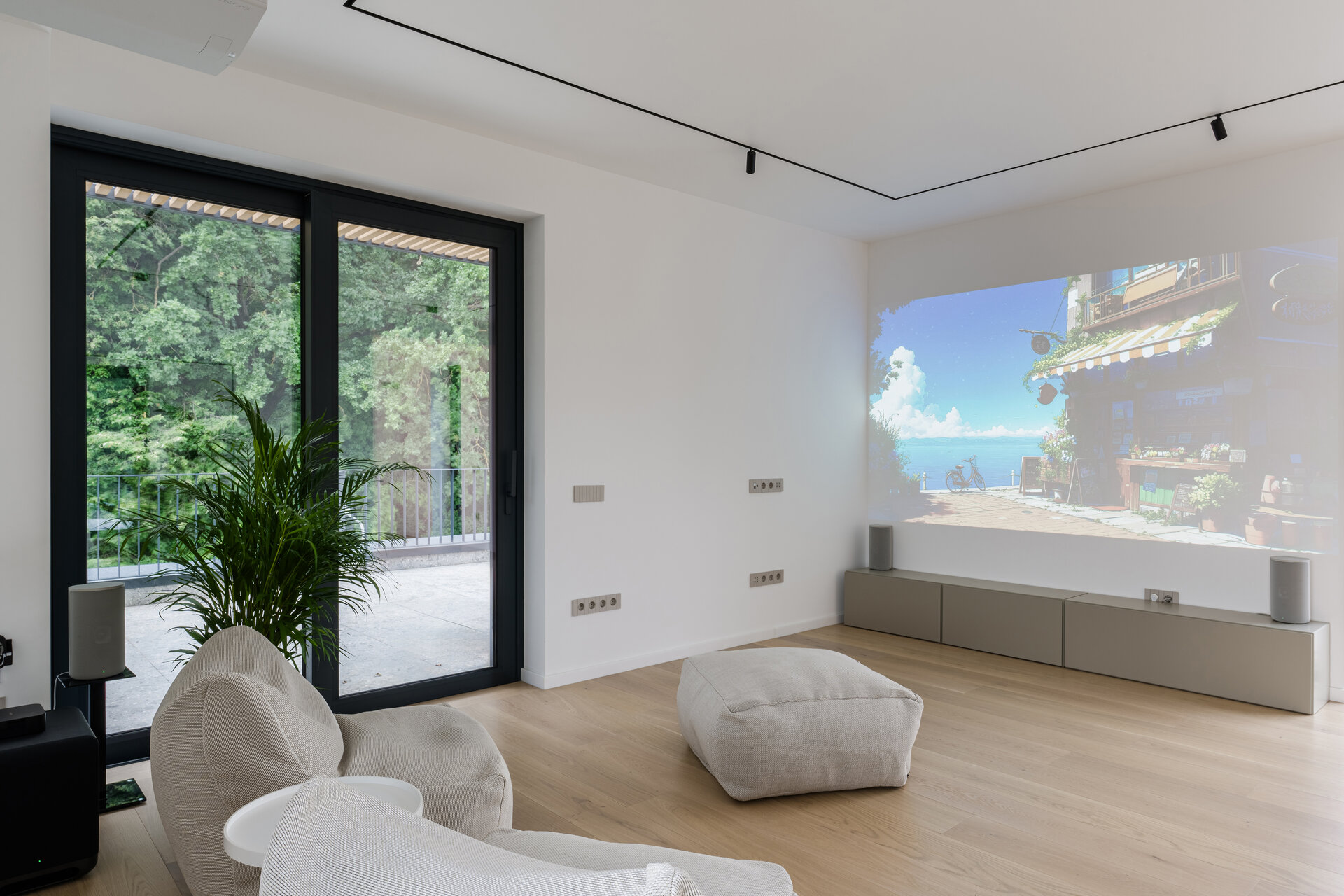
The recessed floor, as a new added volume, was intended for recreational and work activities, being configured with a hobby room and an office, providing a quiet and bright working environment. The sanitary facilities were also repositioned to optimally serve each level, with more spacious bathrooms on the main floor and functional sanitary areas on the ground floor and the top floor.
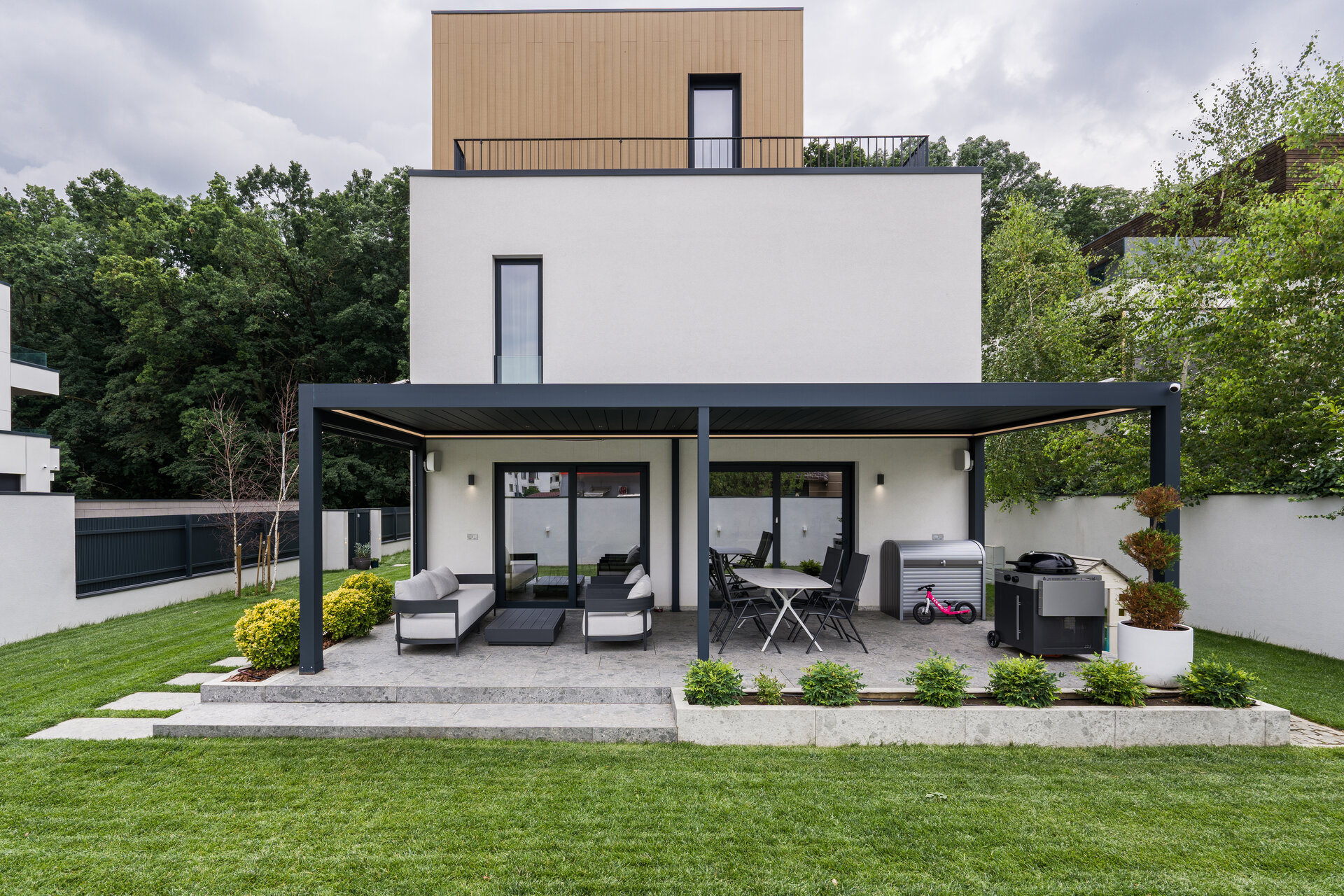
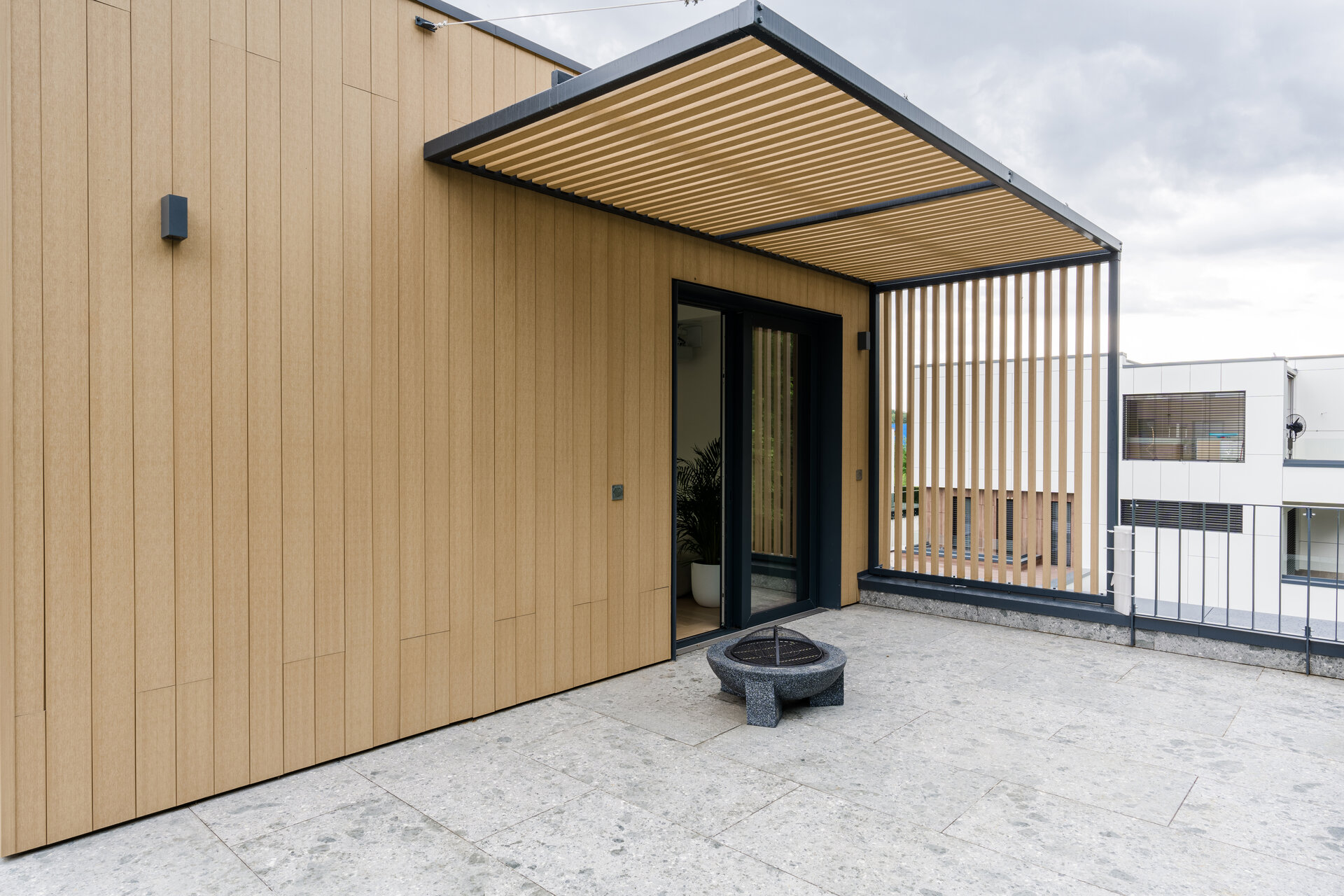
The yard was designed to create continuity between the interior and exterior, with generous terraces conceived as a natural extension of the interior spaces. The ground floor terrace, directly connected to the kitchen and dining area, becomes an essential relaxation space, while the terrace on the top floor offers a private retreat for the family members.
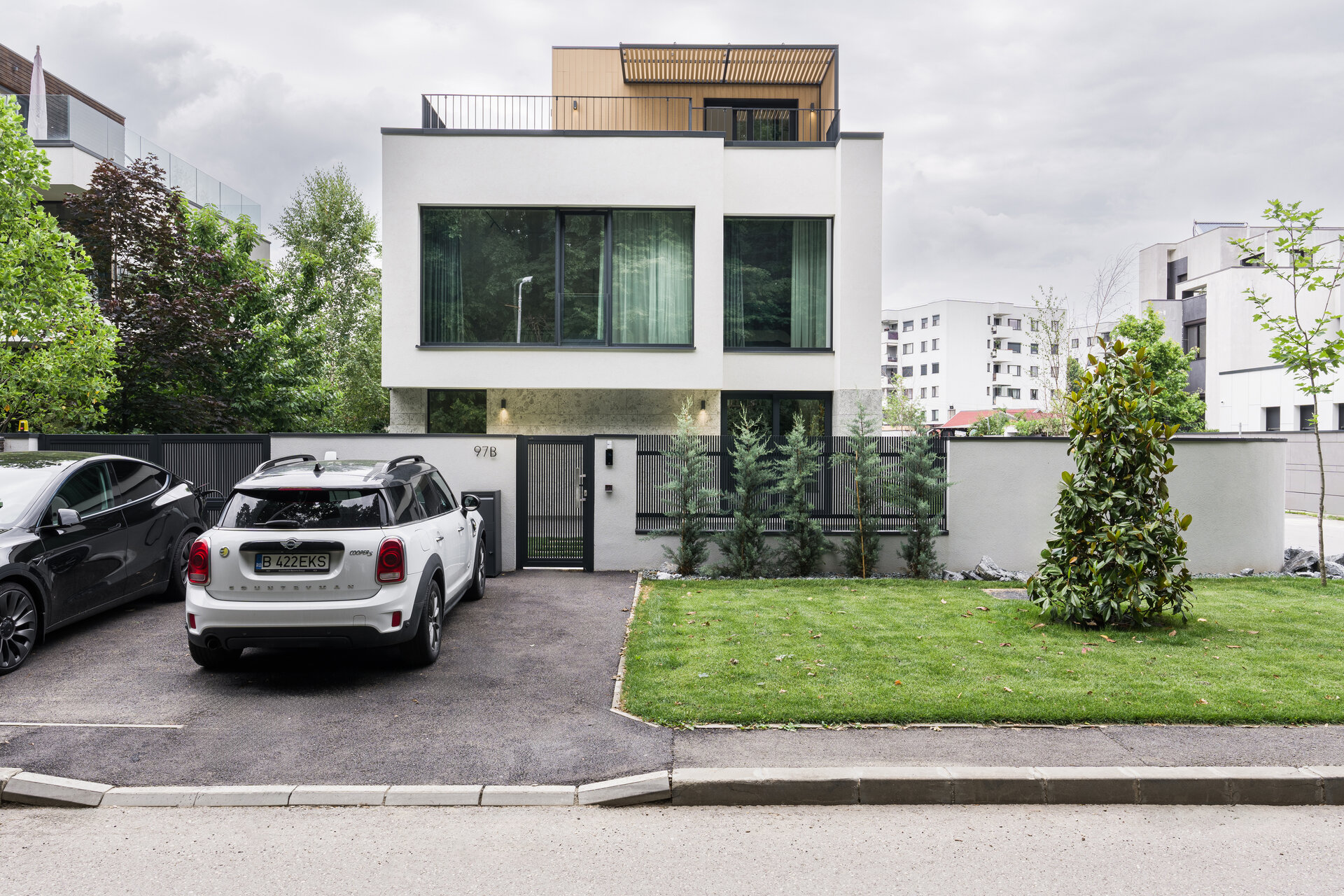
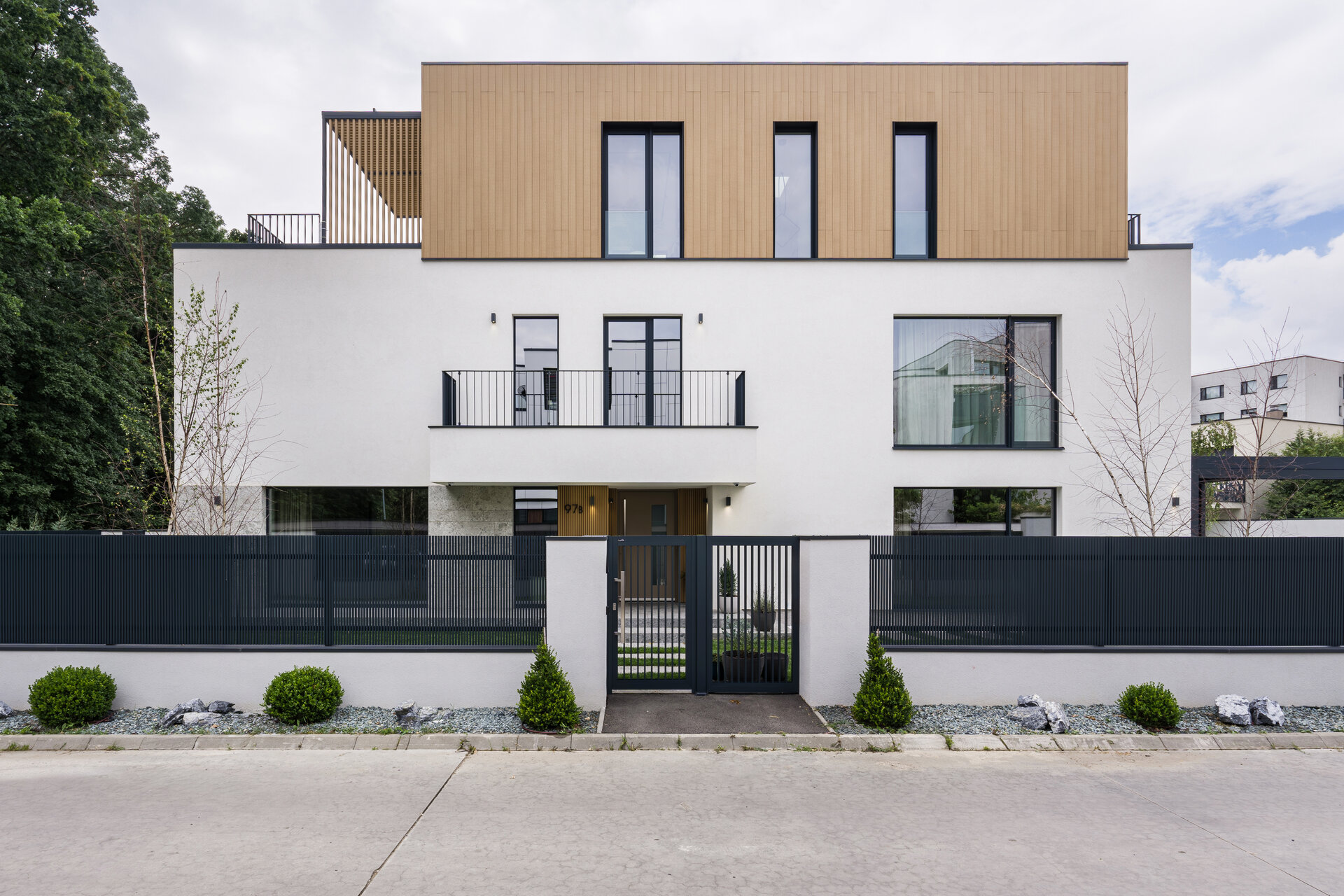
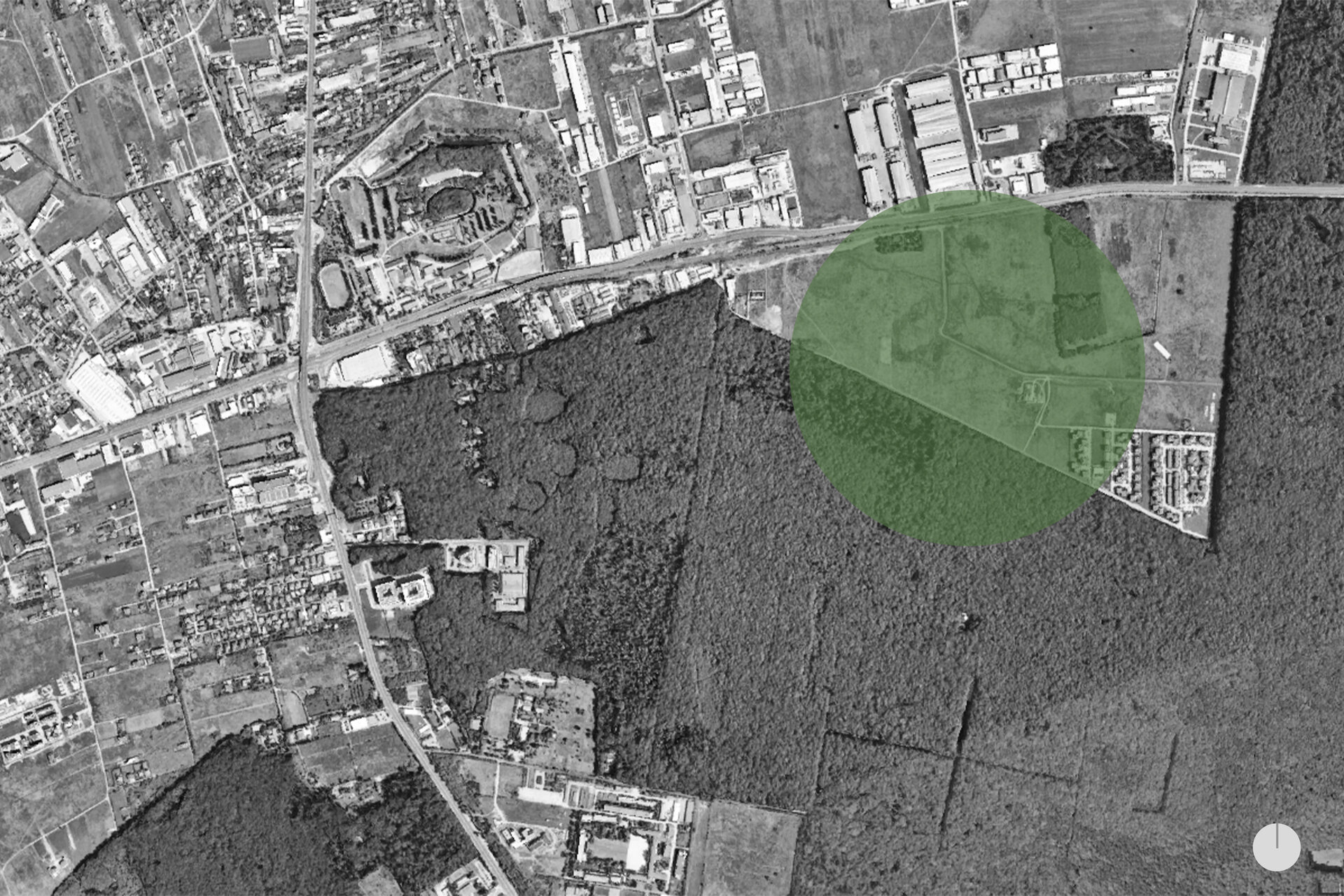
The façade of the house was designed to maximize the influx of natural light into the interior, with large openings on the ground floor towards the yard, while ensuring privacy from the street. On the first floor, ample glazing was used to establish a direct relationship with the neighboring forest, while maintaining a controlled relationship with the surrounding urban environment. The materiality of the recessed floor, defined by wooden slats, contributes to the harmonious integration of the newly added volume, complementing the design with a warm and welcoming character that directly relates to the forest landscape in the vicinity.
Thus, the H97 project illustrates a careful and complex approach in redefining an existing space, where interdisciplinary collaboration and adaptation to structural constraints were essential in achieving a residence that combines modern aesthetics with the functionality required for contemporary living.
Individual House Architecture



